Sustainable Manufacturing: Cost Wins That Scale in 2026




In 2026, sustainable manufacturing is no longer a soft ambition. It is a disciplined operating model for lowering energy spend, reducing process loss, and improving capital efficiency.
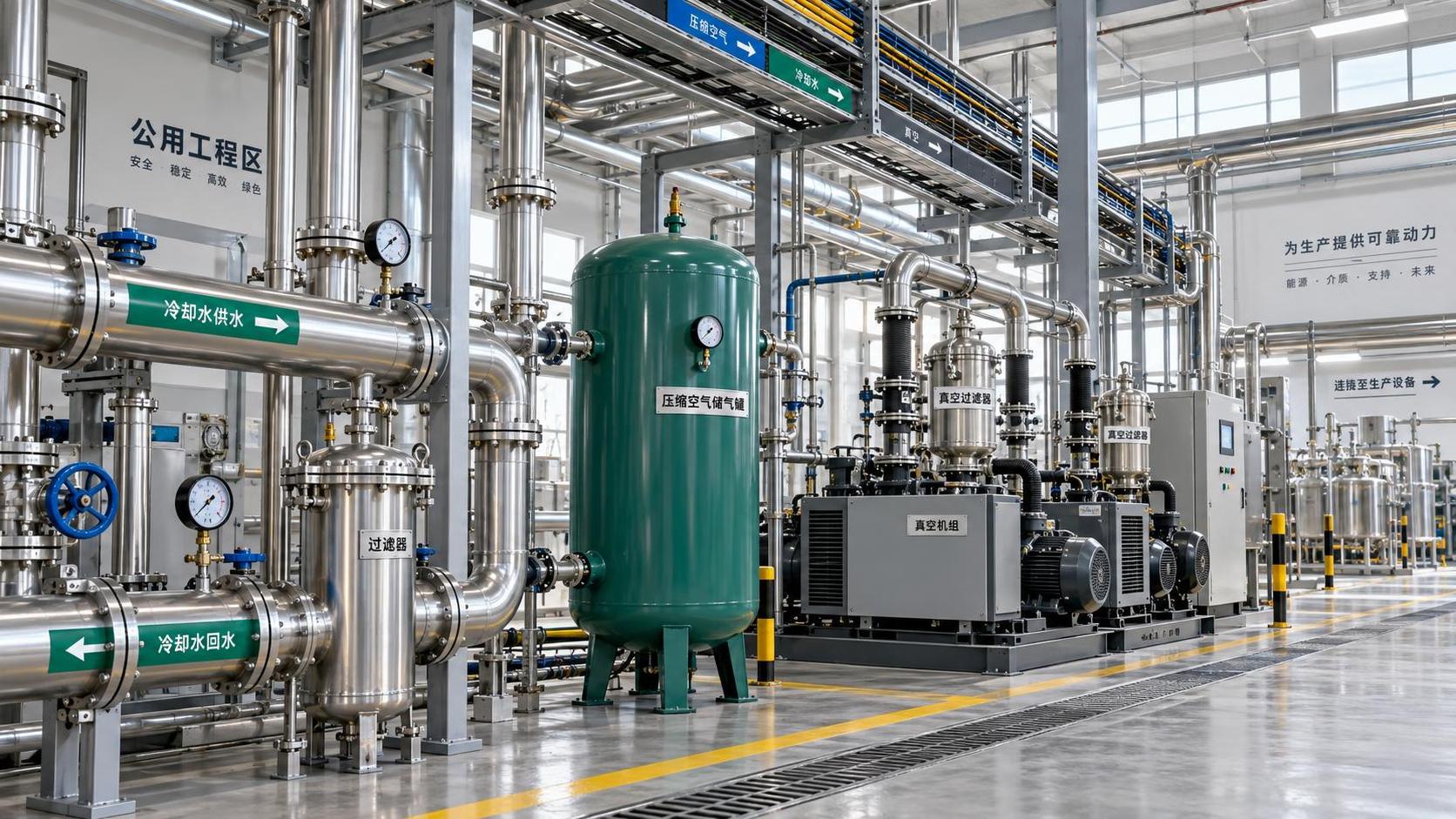
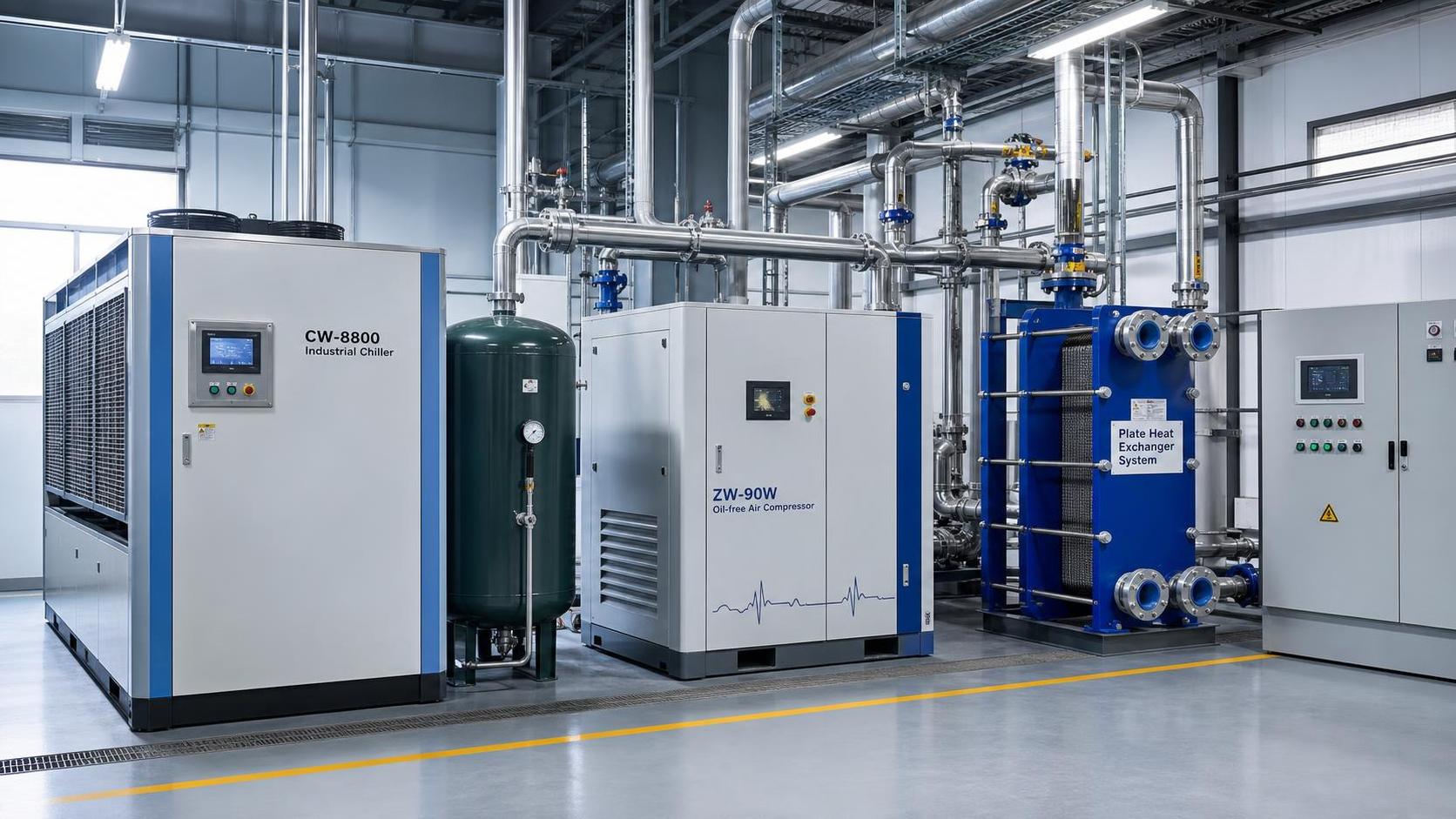
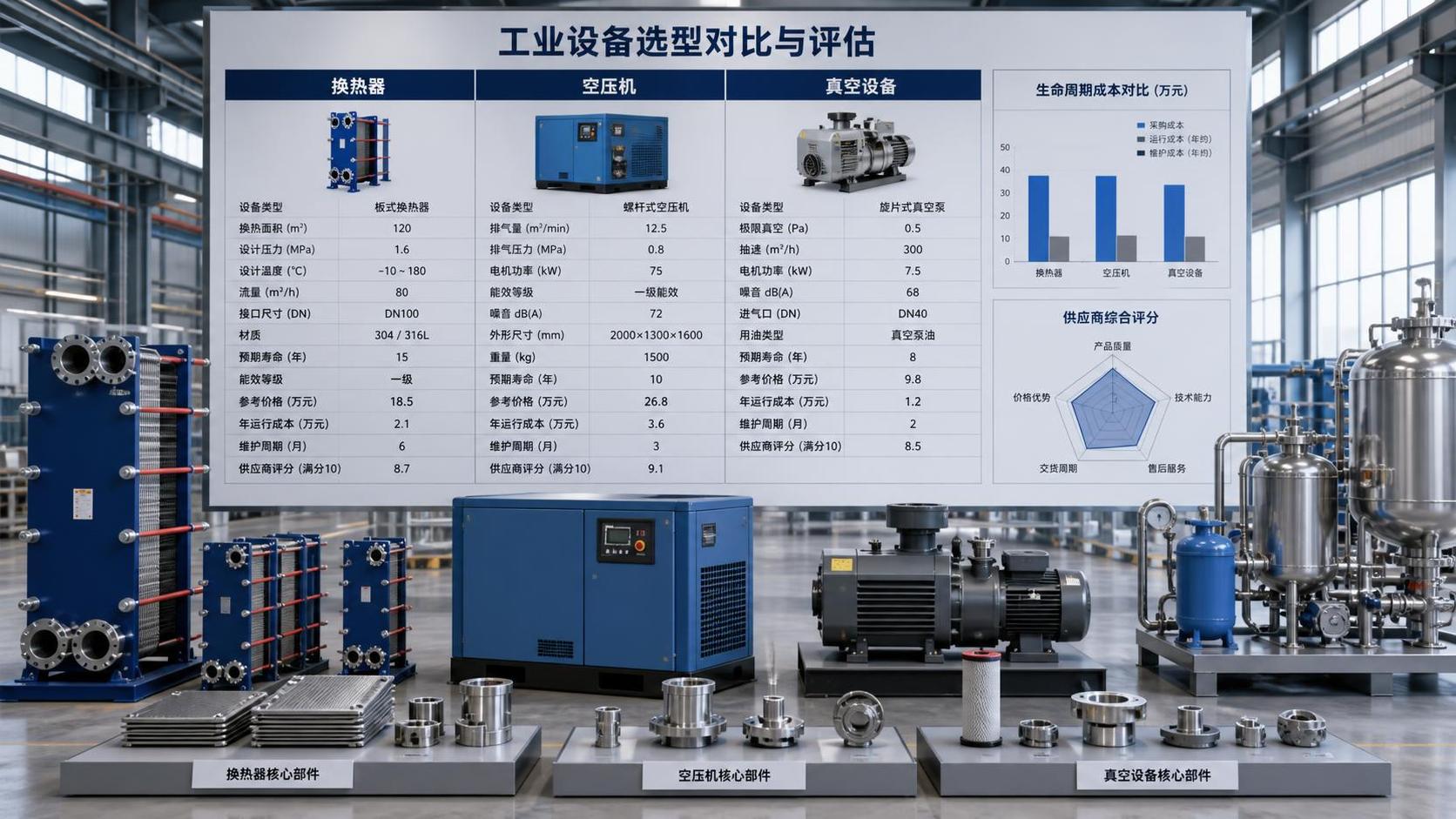
Across general industry, the strongest results come from scalable improvements. Compressed air, cooling, vacuum, and heat exchange systems now offer some of the fastest cost wins.
That matters because these assets sit near the thermal and power core of production. When they run better, plants consume less energy, face fewer disruptions, and support compliance goals with clearer returns.
For platforms like GTC-Matrix, this is where industrial intelligence becomes practical. Better thermodynamic insight helps turn sustainable manufacturing from a reporting exercise into a measurable business strategy.
What Sustainable Manufacturing Means in 2026
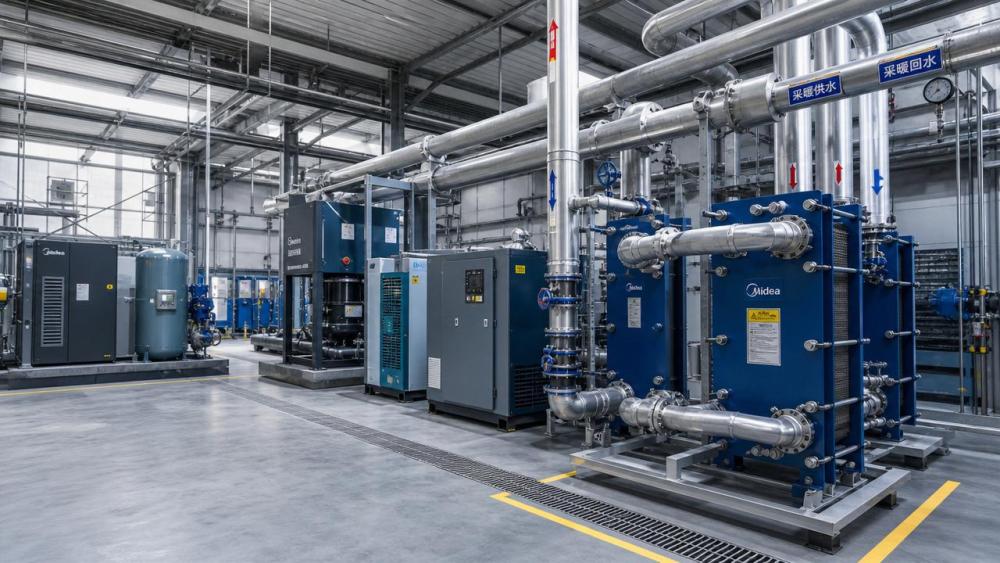
Sustainable manufacturing now means producing more output with less energy, water, material waste, and carbon intensity. The focus has shifted from isolated projects to system-level performance.
In practice, sustainable manufacturing connects efficiency, resilience, and economics. It includes equipment upgrades, operating discipline, digital monitoring, and lifecycle thinking across utilities and production lines.
The most reliable gains usually begin with hidden energy loads. These include air leaks, unstable cooling, poor heat recovery, oversized motors, and uncontrolled thermal losses.
That is why many industrial roadmaps start with baseline measurement. Without knowing where thermodynamic losses occur, sustainability spending can become fragmented and slow to scale.
Core components of a modern approach
- Energy efficiency in compressed air, cooling, vacuum, and heating systems
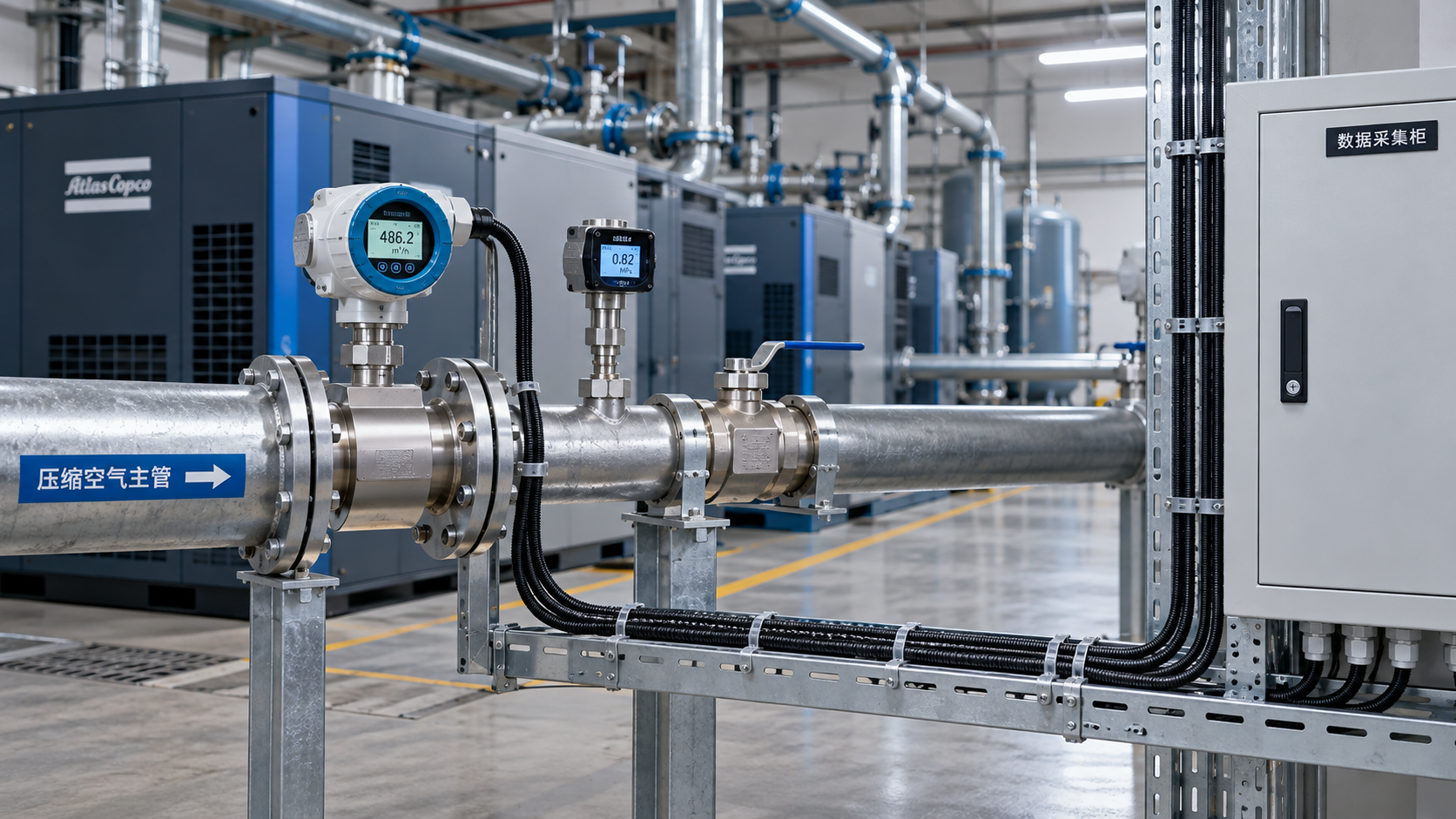
- Operational visibility through metering, controls, and performance analytics
- Resource circularity through heat recovery and reduced waste streams
- Compliance readiness tied to refrigerants, emissions, and reporting requirements
- Capital prioritization based on payback, uptime impact, and scale potential
Industry Signals Driving Sustainable Manufacturing Decisions
Several market signals explain why sustainable manufacturing is accelerating in 2026. Rising electricity volatility remains the biggest trigger, especially in energy-intensive facilities.
At the same time, refrigerant policies, emissions expectations, and water constraints are changing project economics. Assets once treated as utilities are now strategic cost centers.
This is especially visible in sectors requiring stable temperature control and clean process power. Pharmaceuticals, semiconductors, food, and advanced materials continue to raise performance standards.
These signals favor projects with visible savings and repeatable deployment models. Sustainable manufacturing now advances fastest when a pilot can be copied across multiple sites.
Where Cost Wins Scale Best
Not every sustainability project scales equally. The best opportunities are found in systems that run continuously, influence product quality, and affect large utility loads.
1. Compressed air optimization
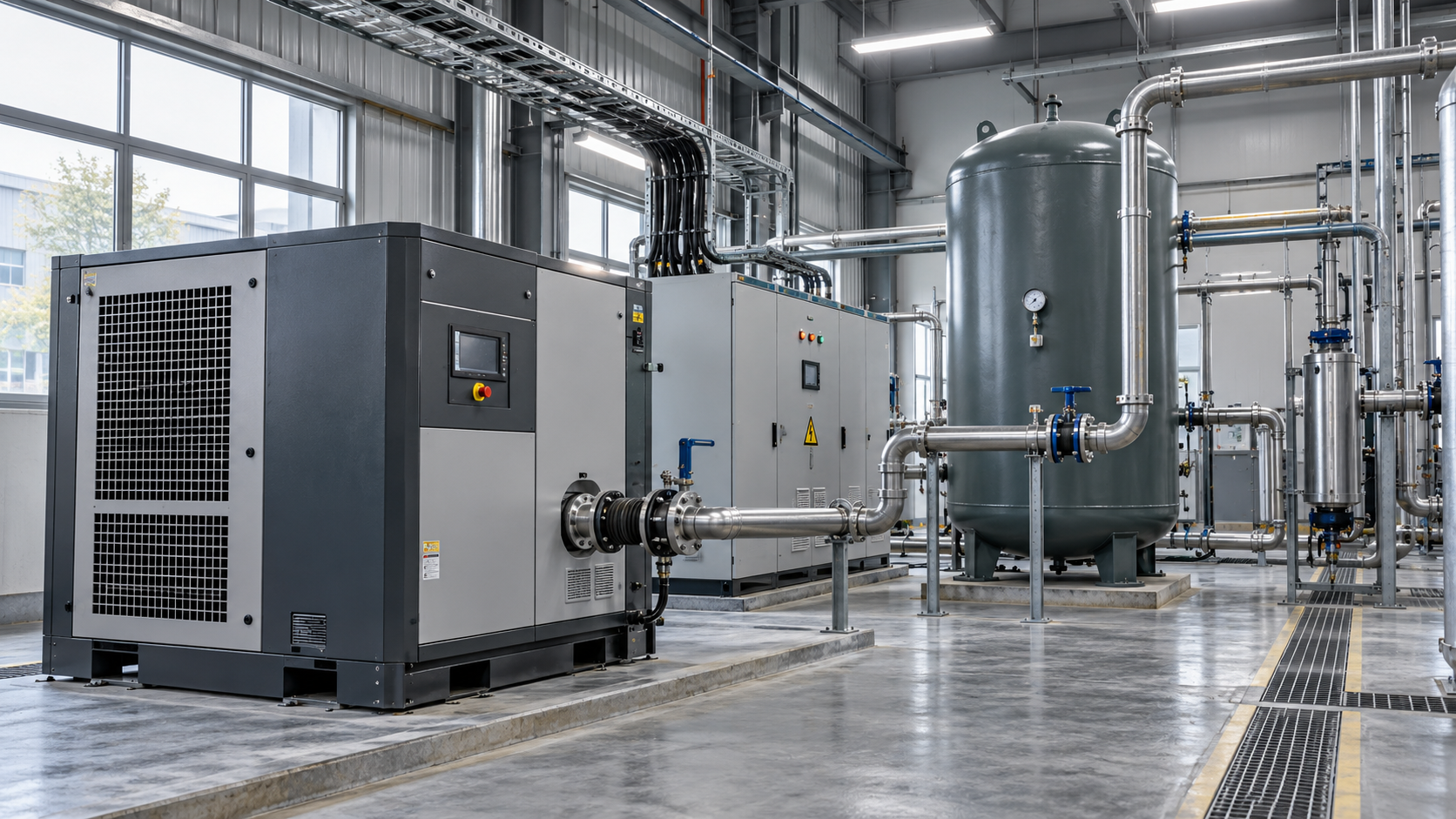
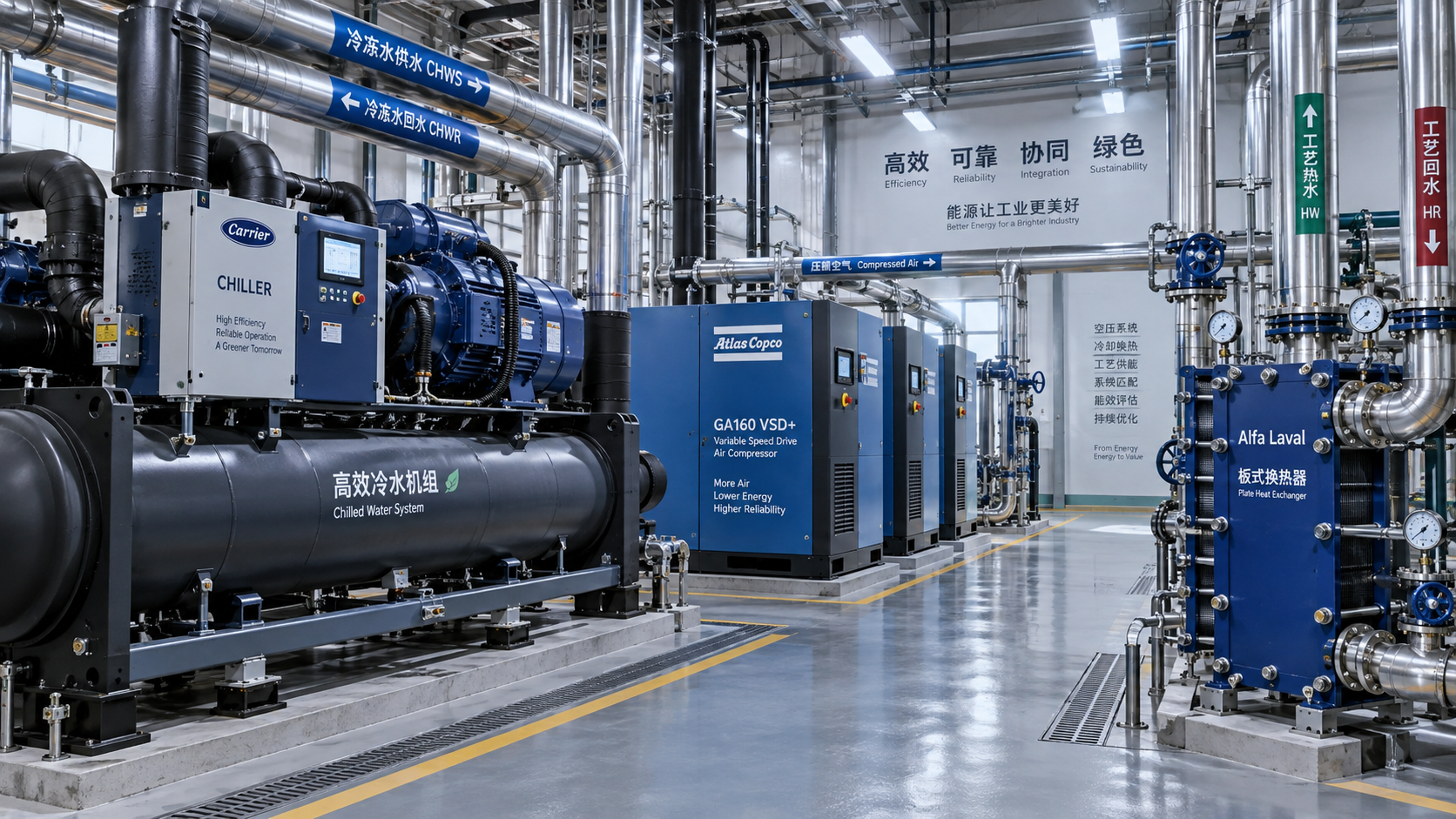
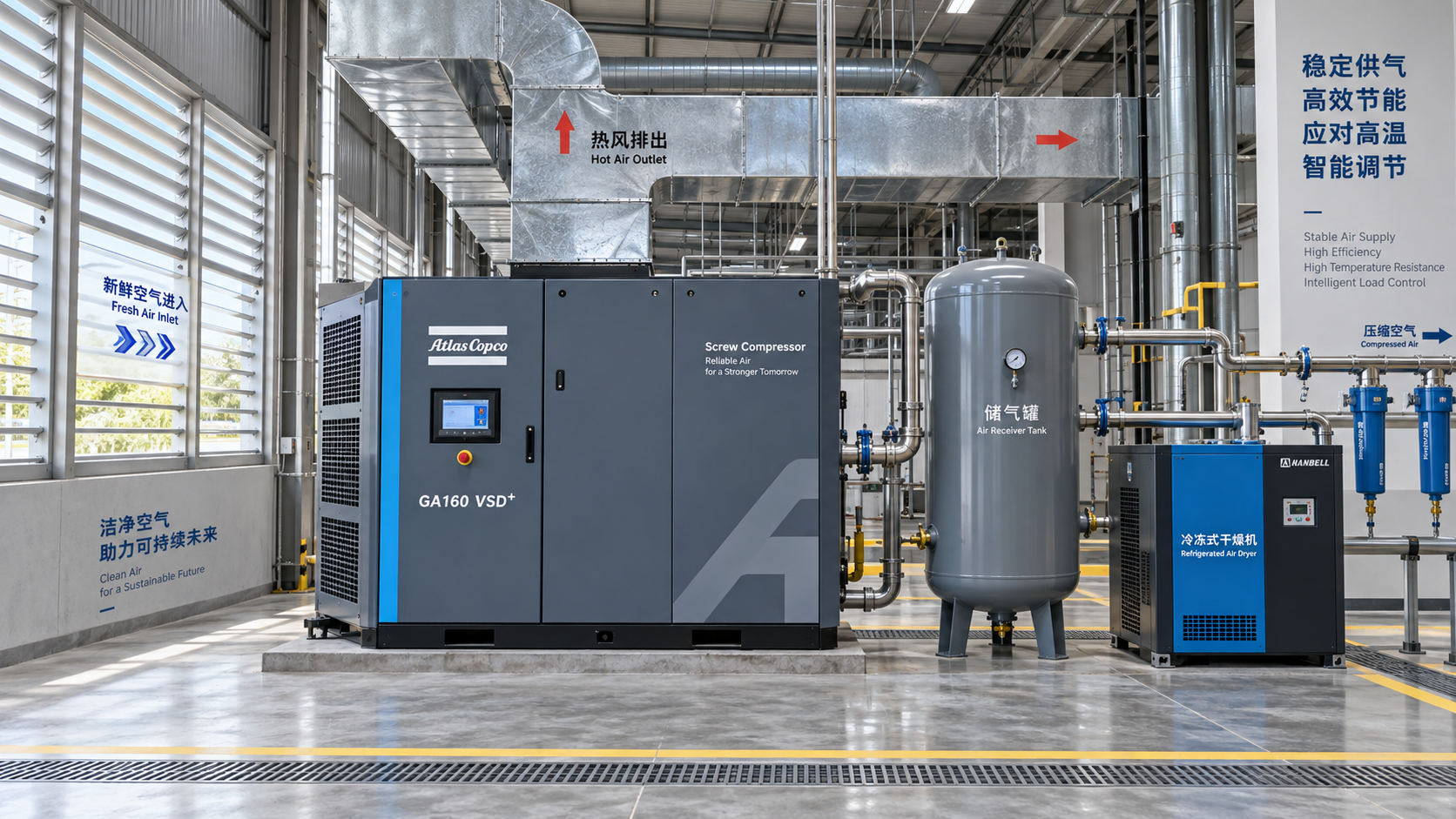
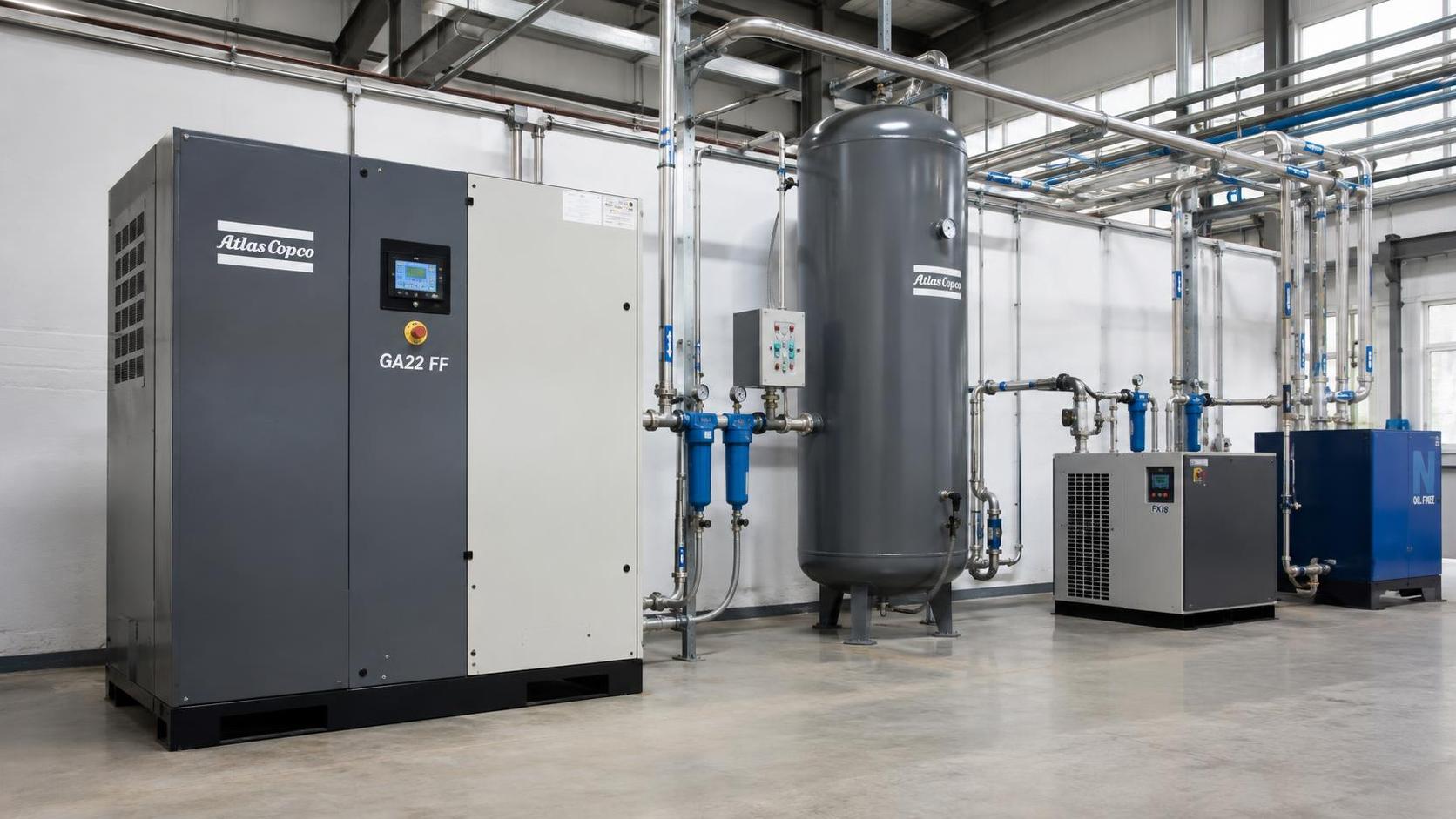
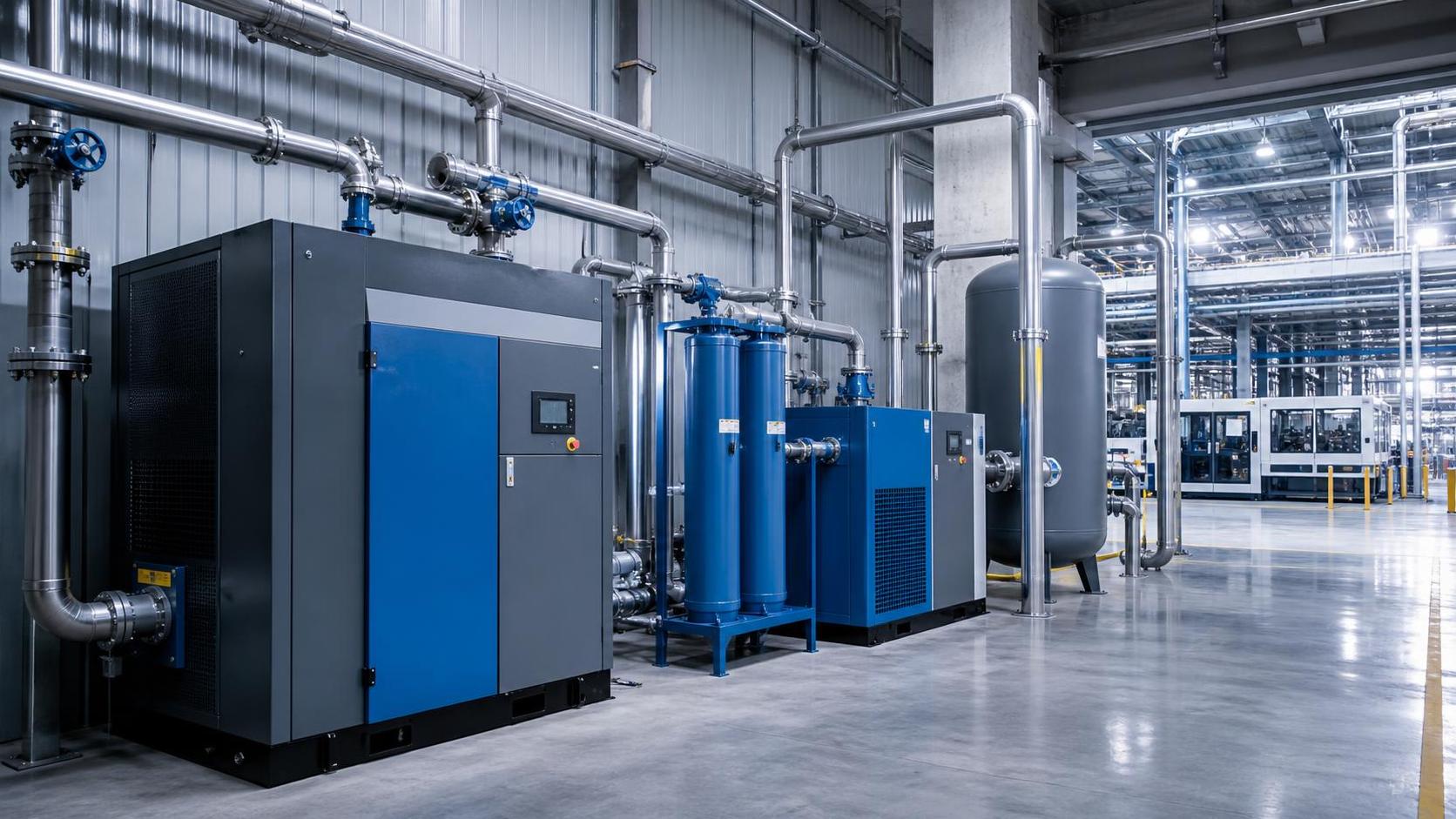
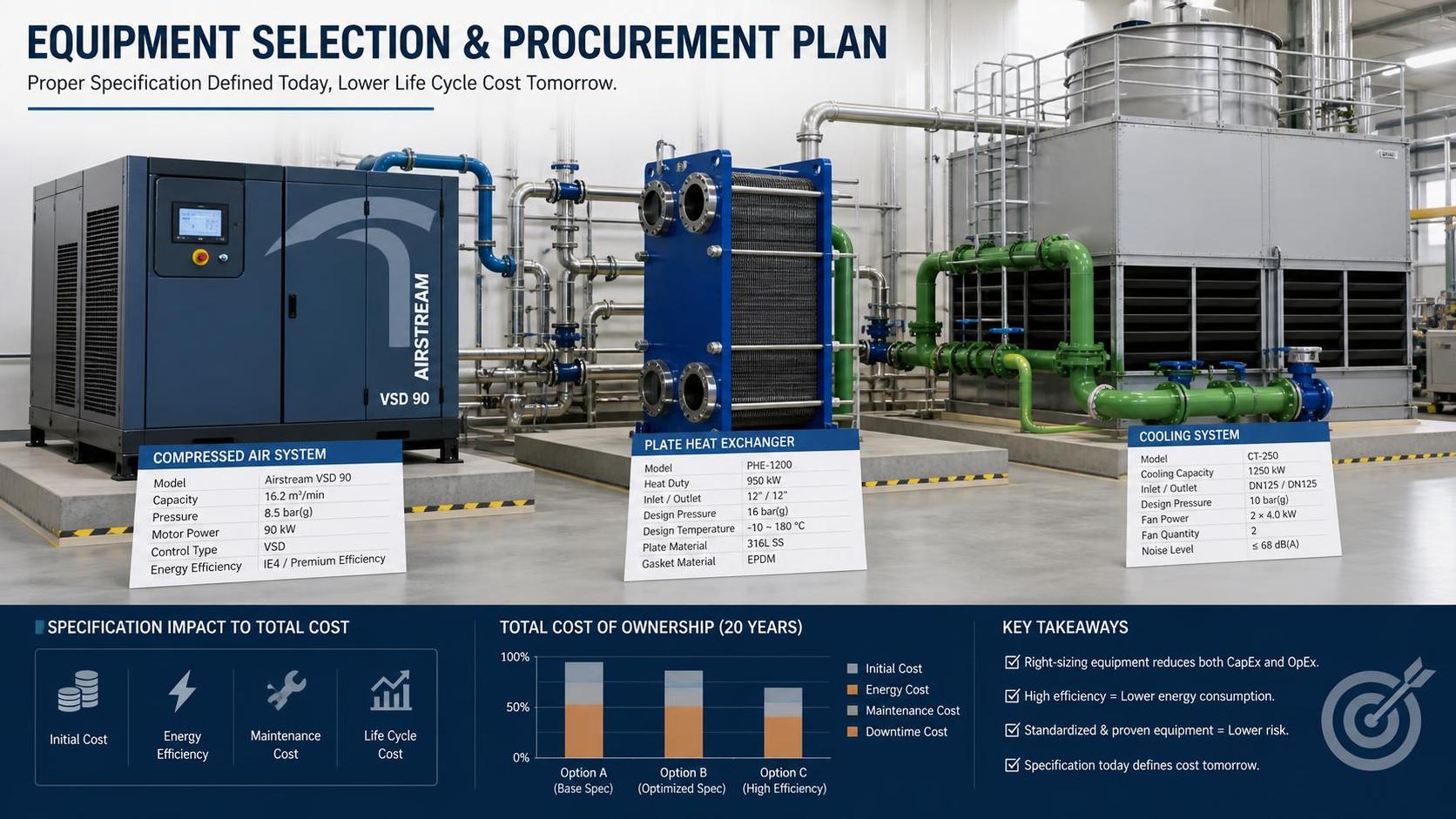
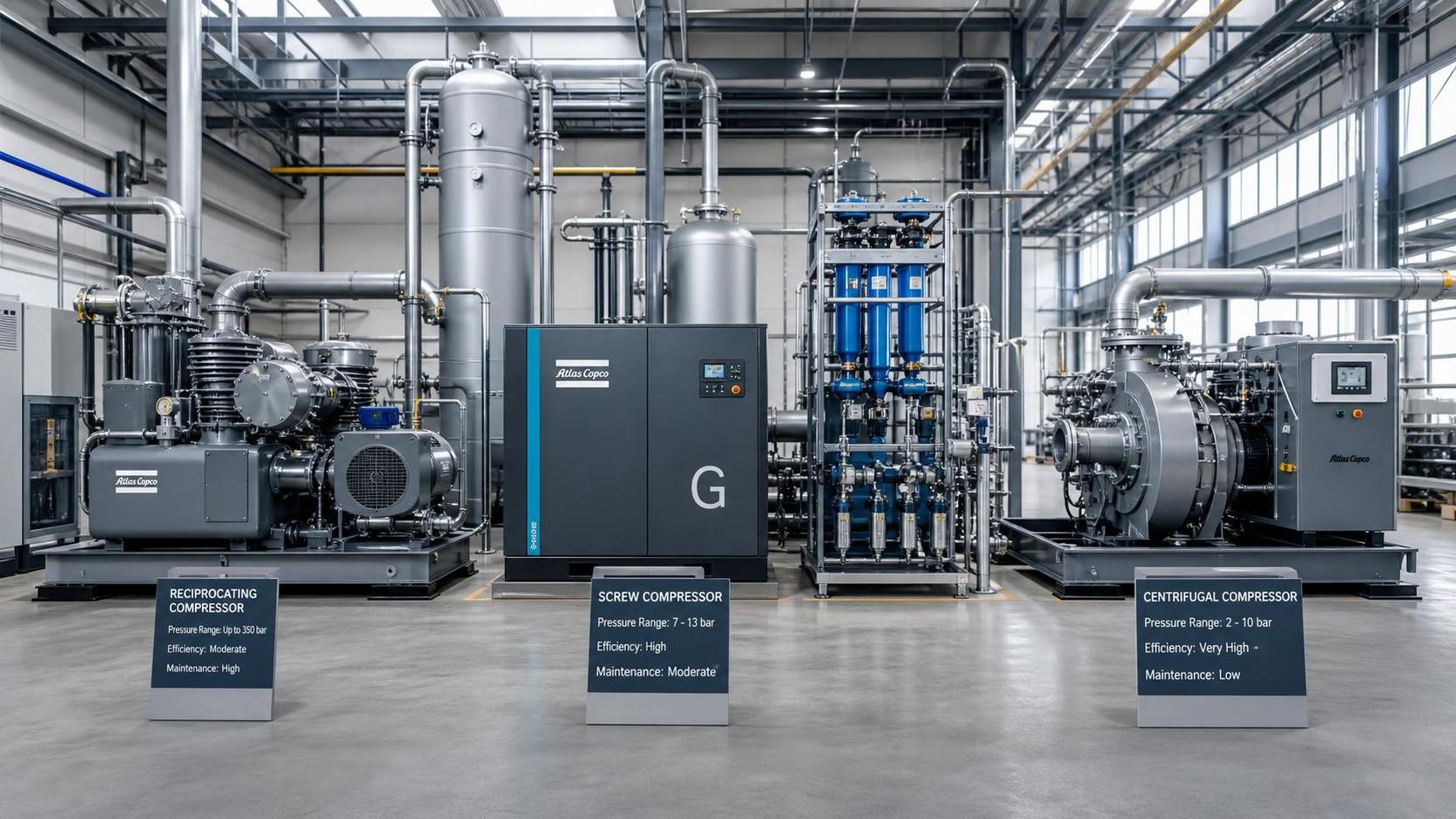
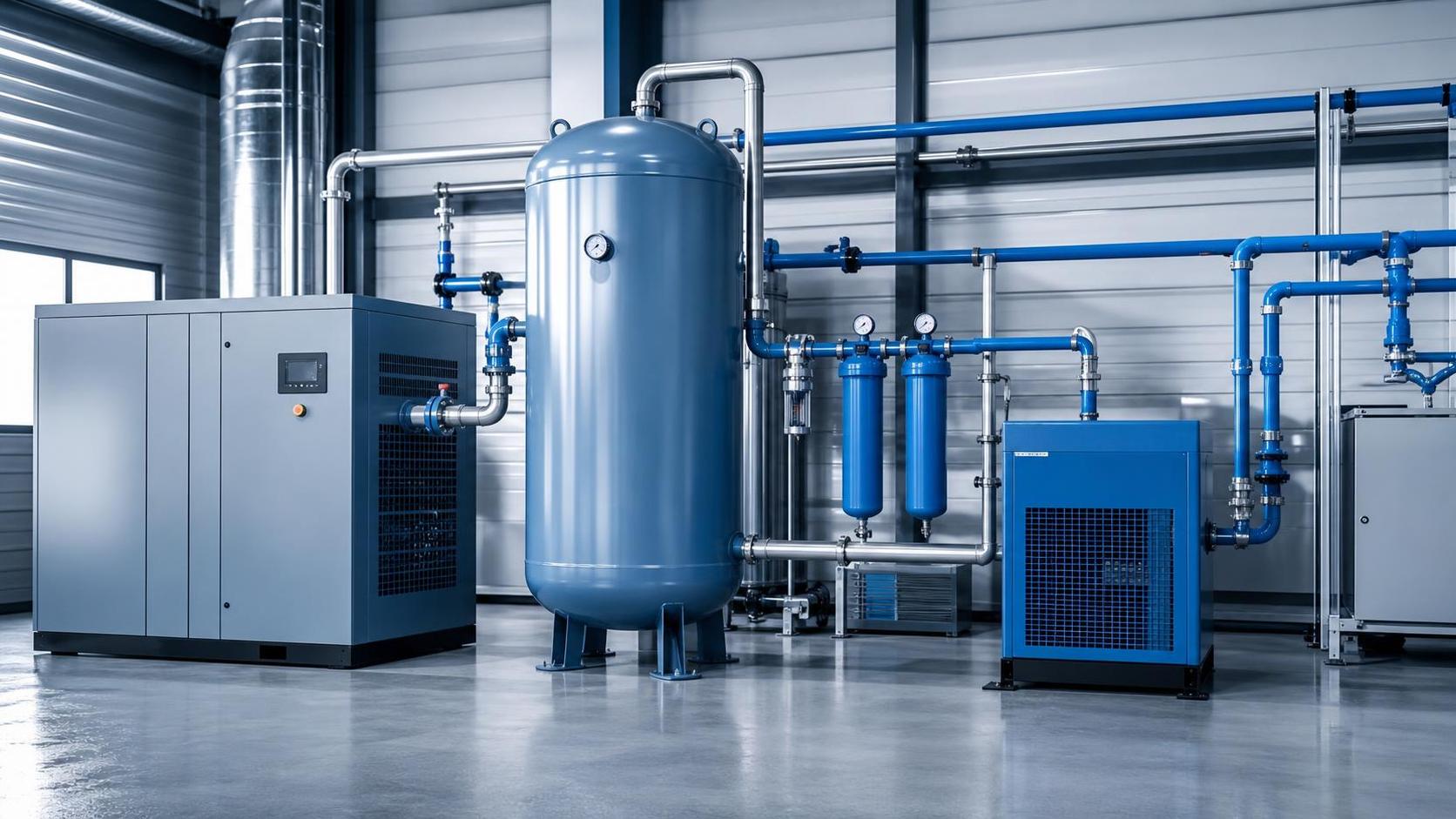
Compressed air remains one of the most expensive utilities in many plants. Leakage, pressure oversupply, poor storage, and off-design operation often create avoidable losses.
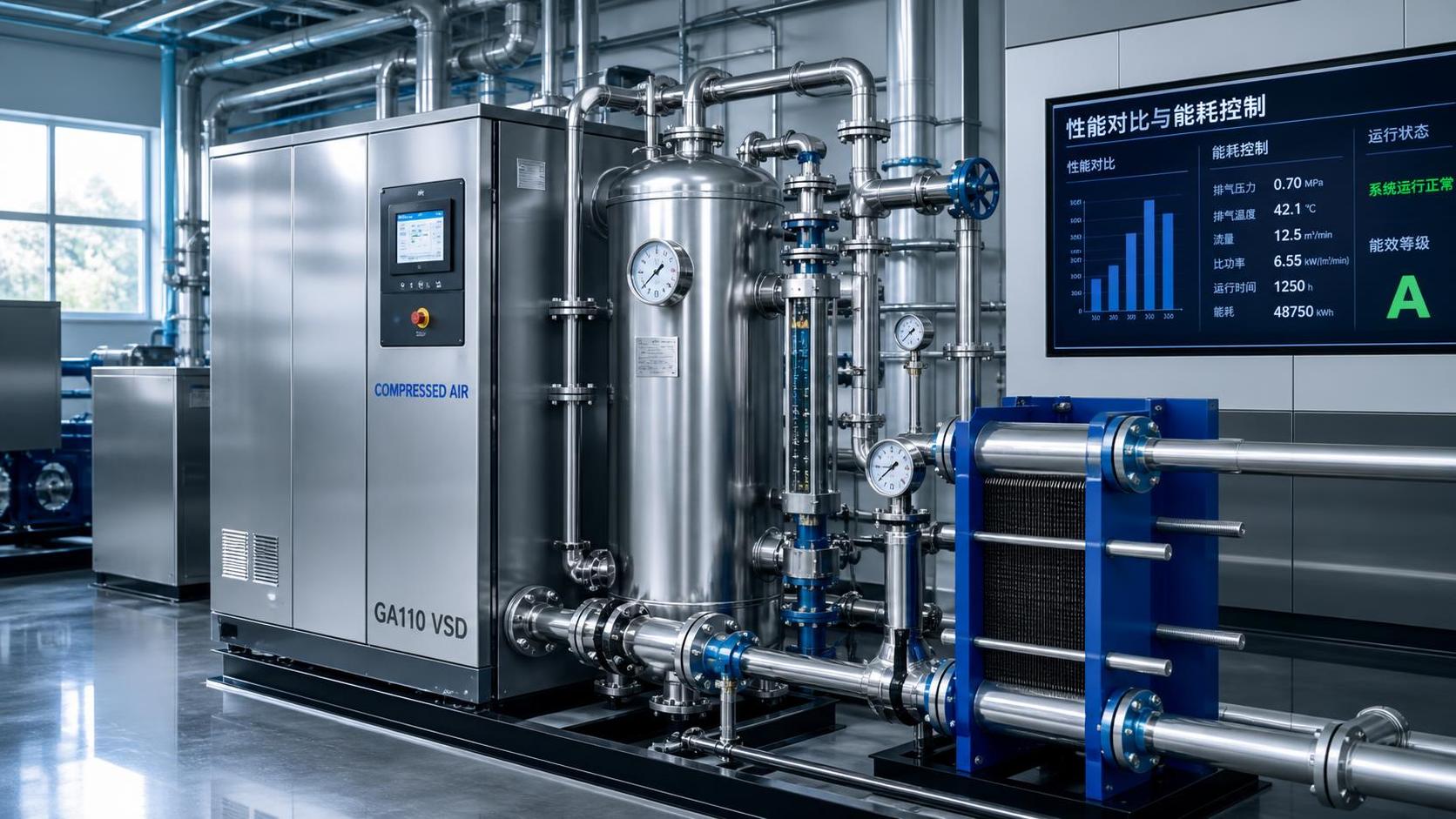
Sustainable manufacturing gains here come from leak surveys, variable speed control, pressure zoning, and oil-free system evaluation where purity is critical.
2. Cooling and chiller performance
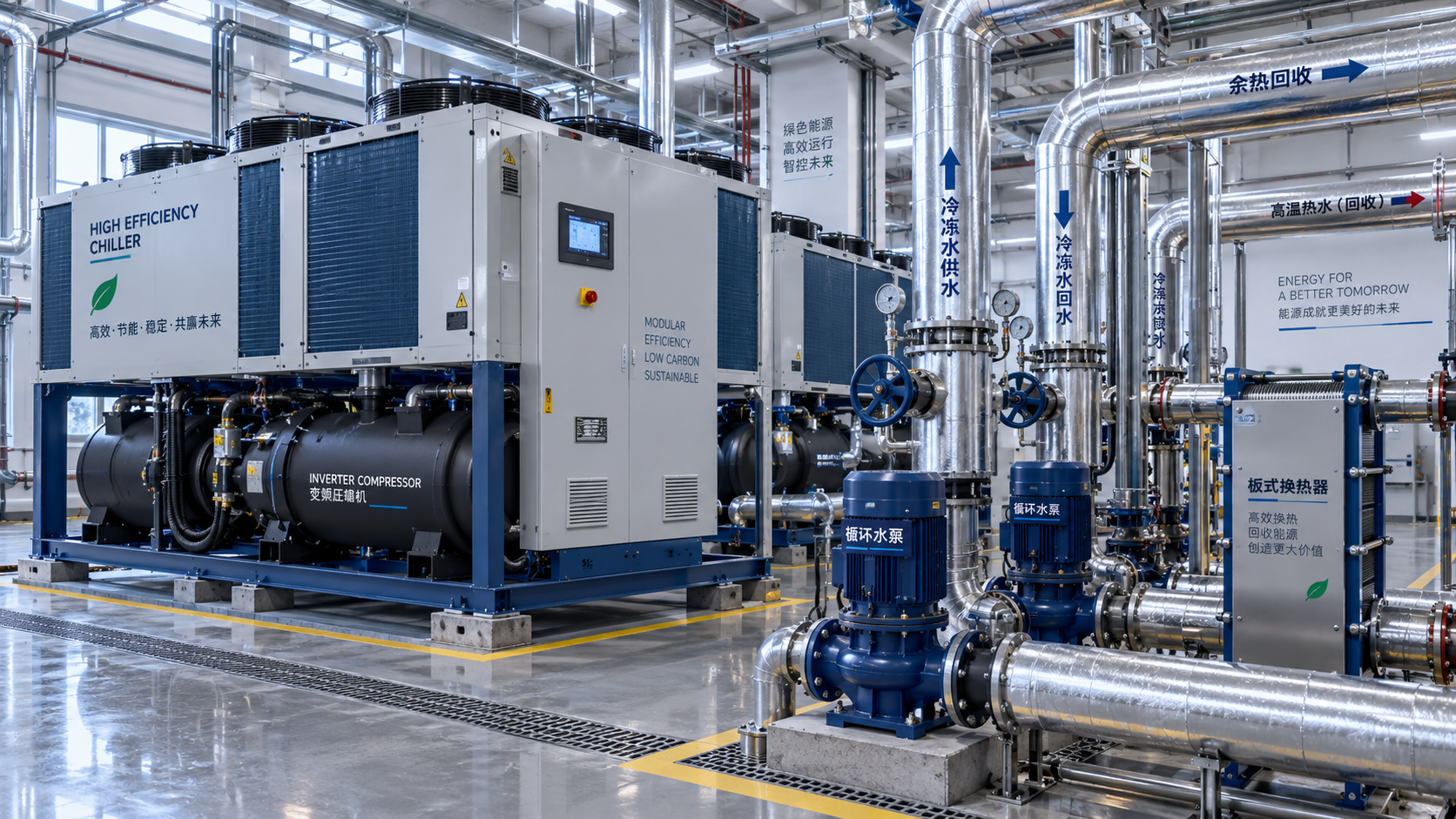
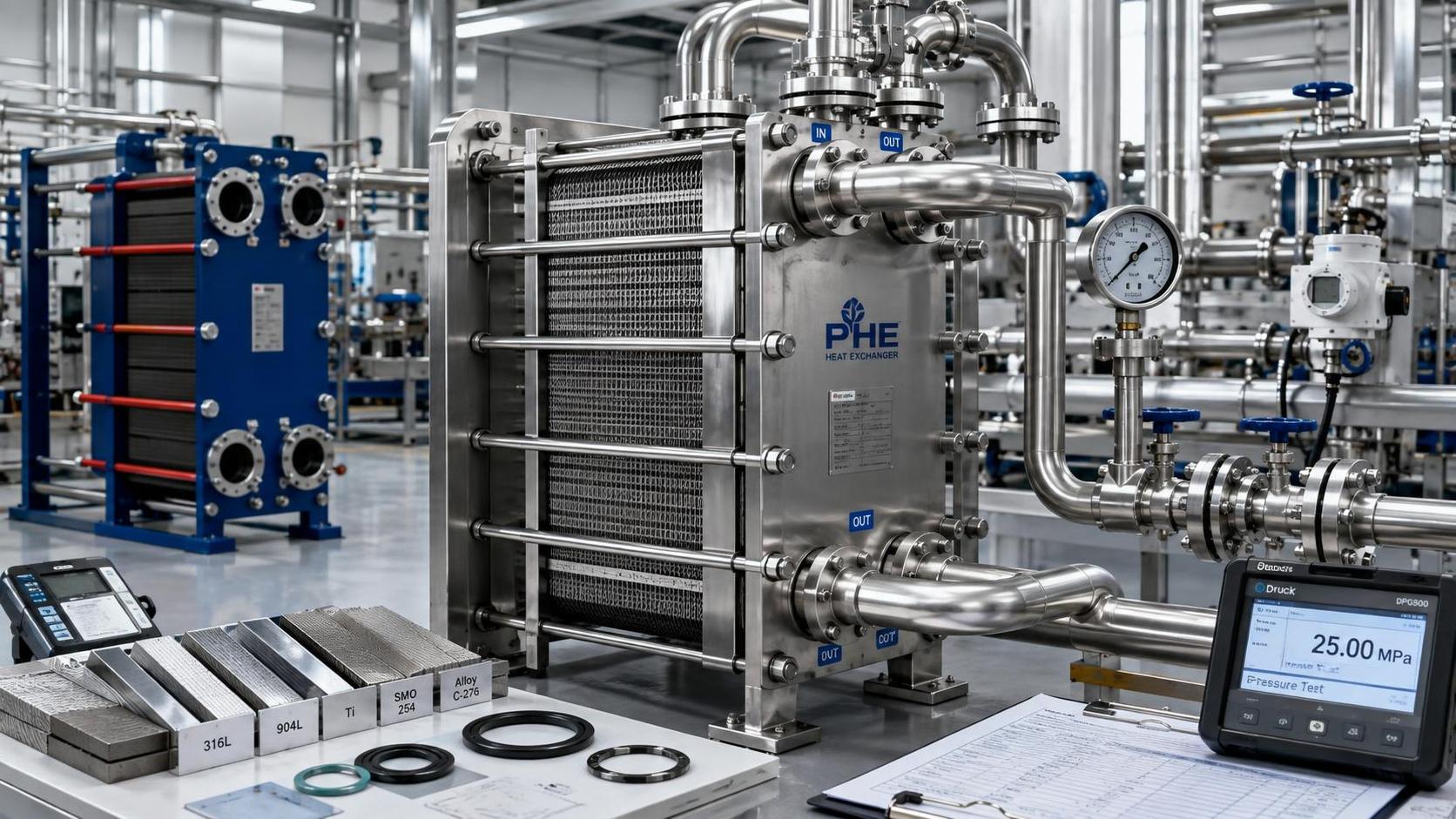
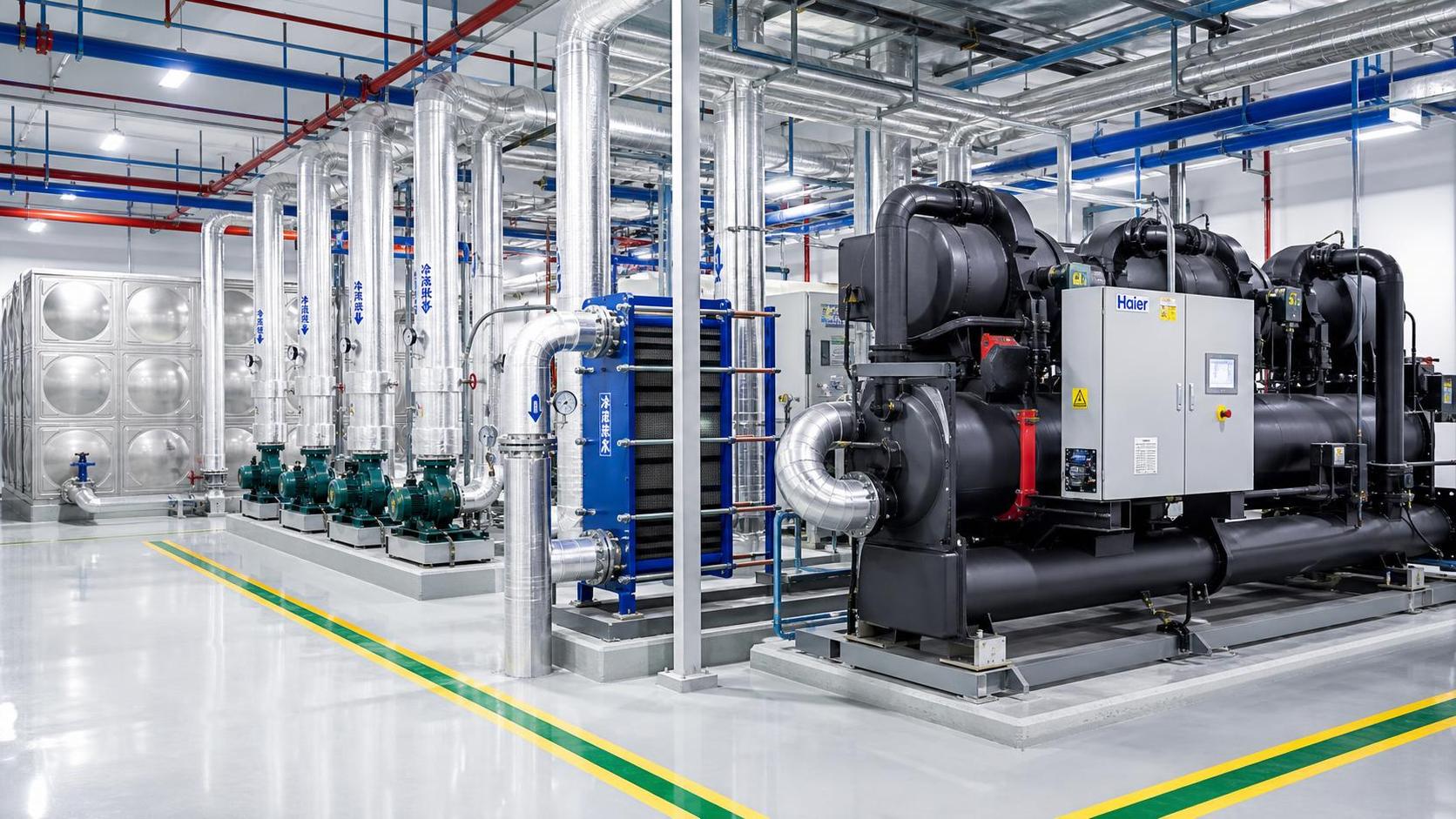
Industrial cooling affects uptime, product consistency, and energy bills. Microchannel heat exchangers, improved controls, and refrigerant strategy can significantly reduce total operating cost.
Plants with unstable thermal loads benefit from dynamic sequencing and closer temperature matching. That reduces overcooling, cycling losses, and maintenance stress.
3. Heat recovery and thermal integration
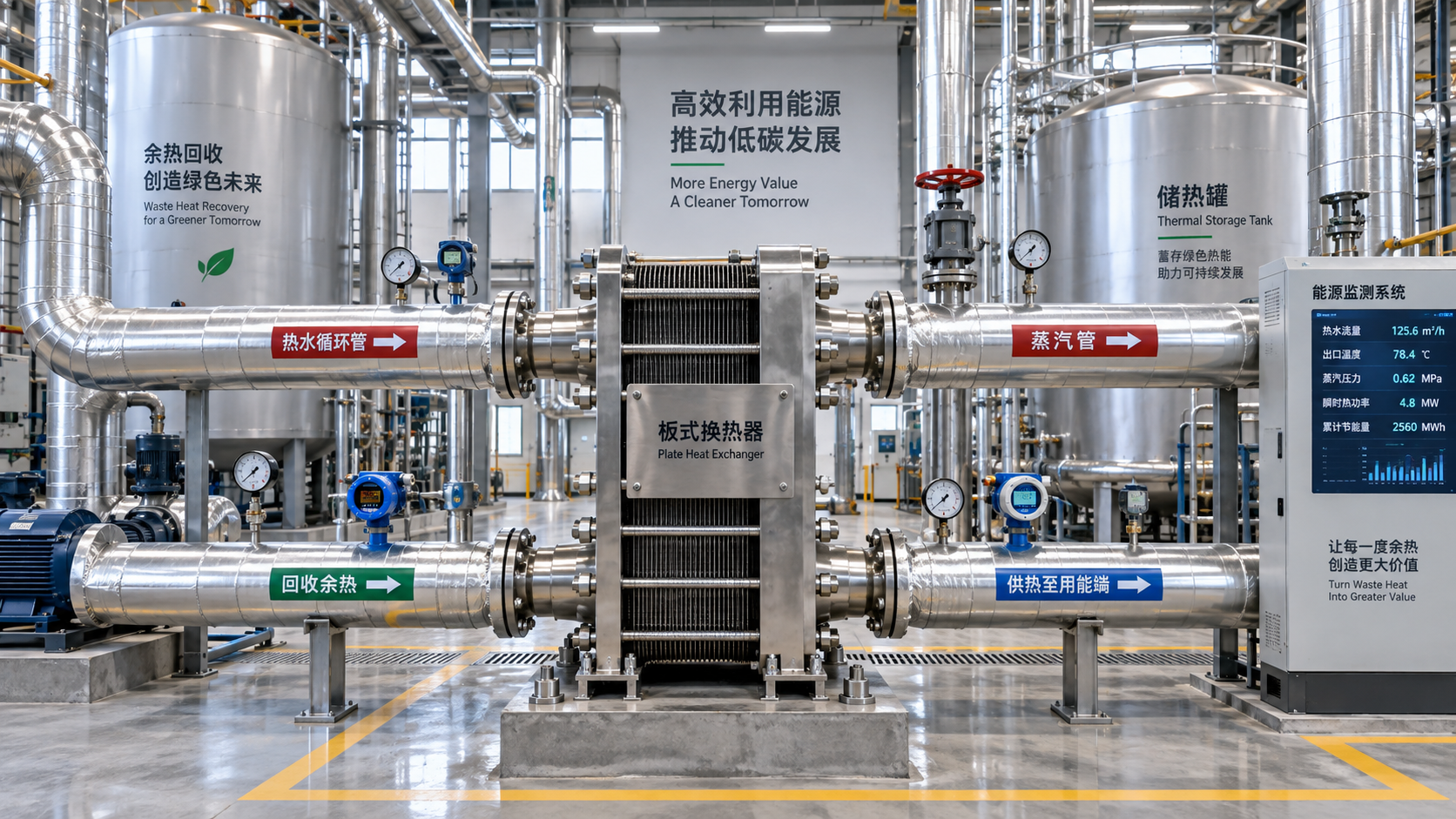
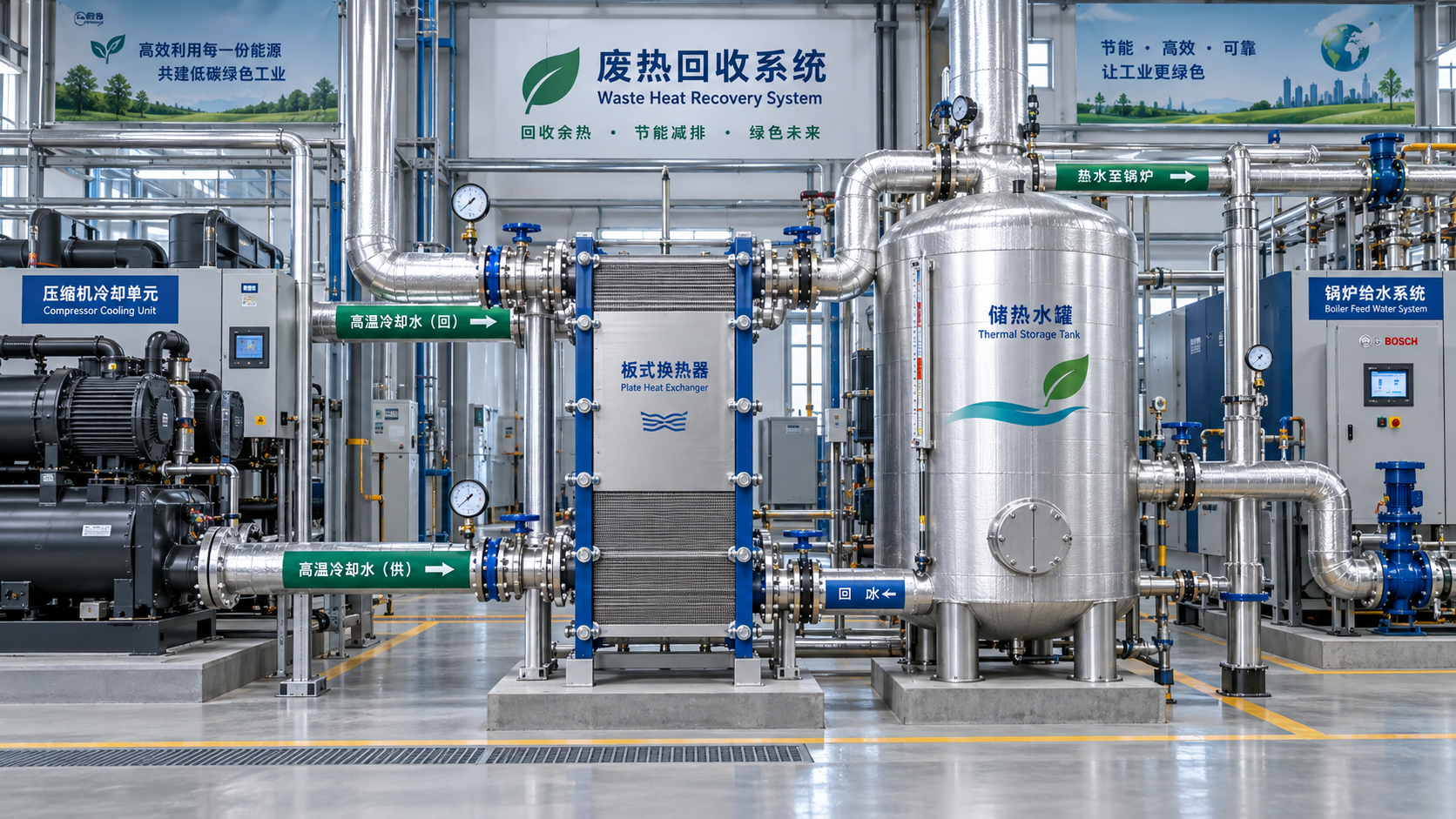
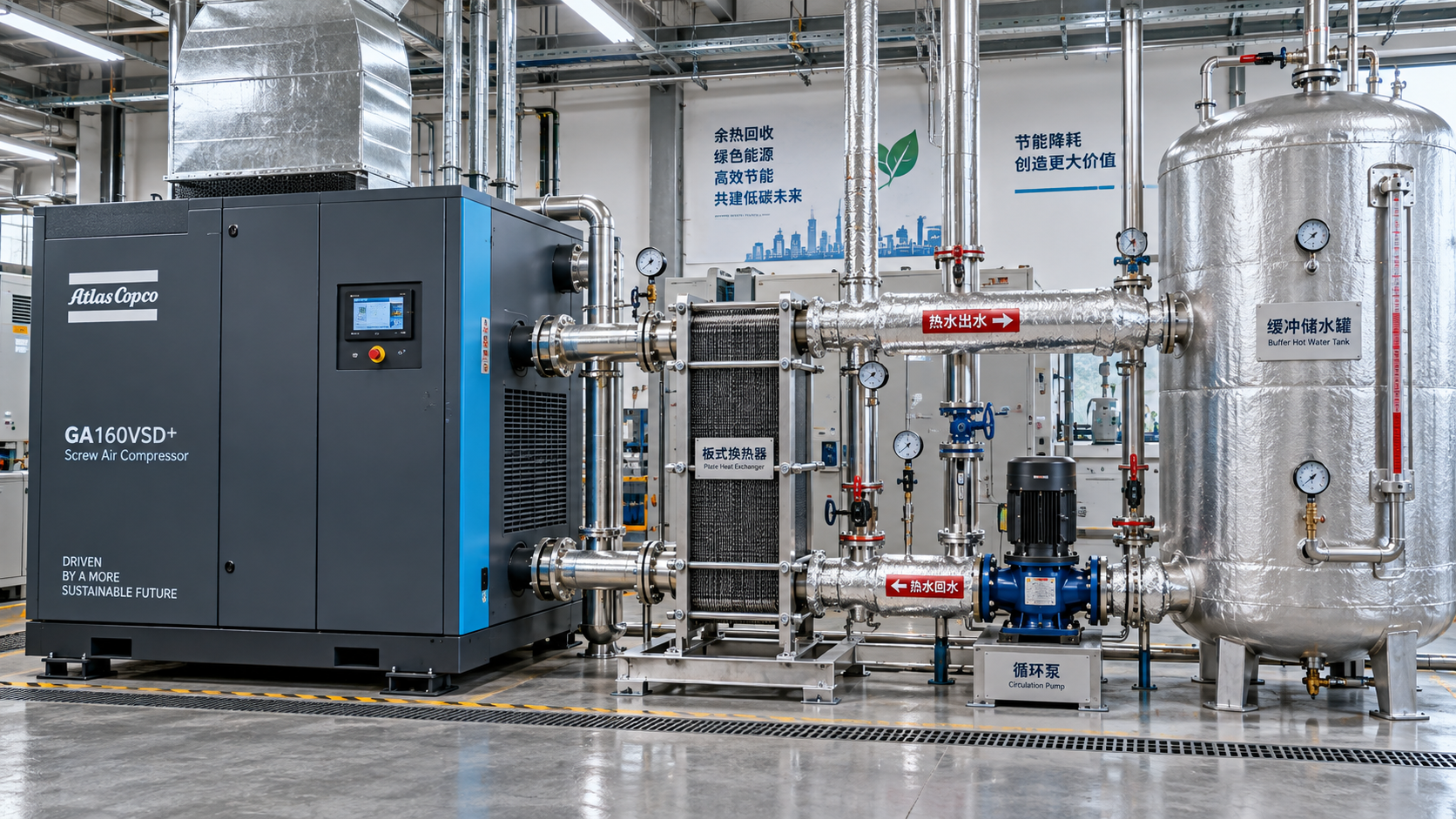
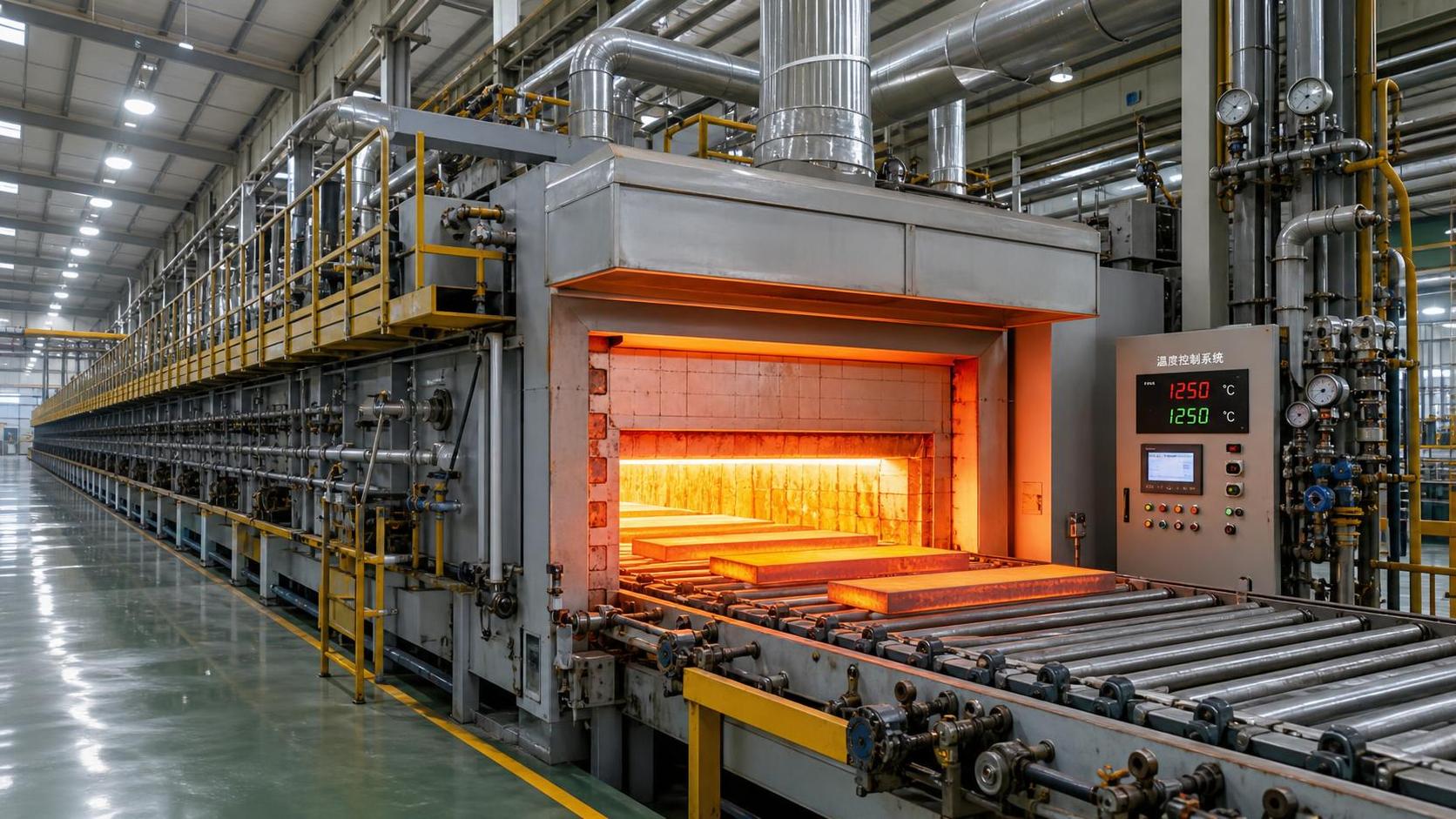
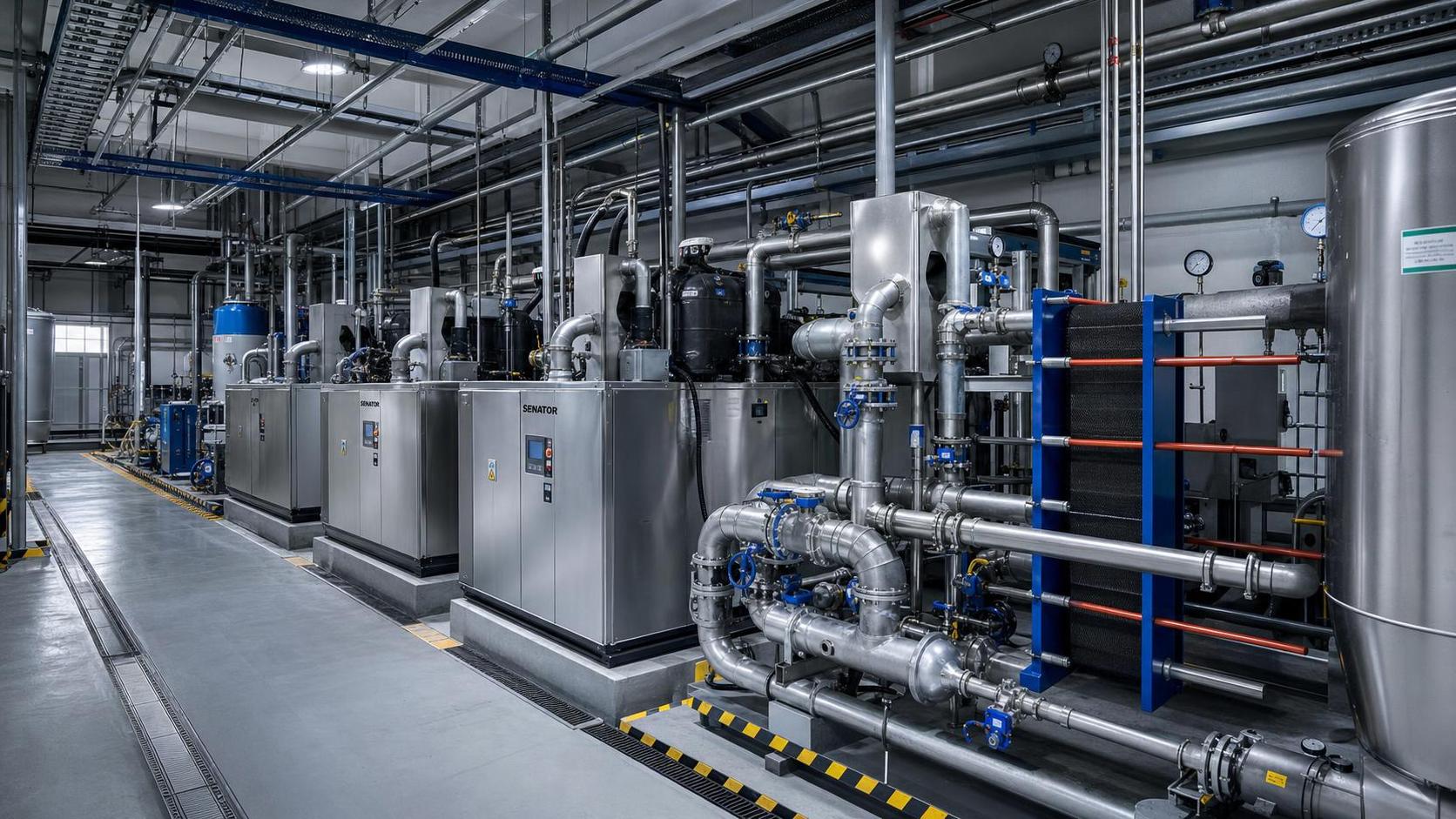
Waste heat is still underused across general industry. Recovering heat from compressors, boilers, dryers, and process loops can offset fuel demand and shorten project payback.
This is one of the clearest examples of sustainable manufacturing creating direct savings. Recovered heat can support water preheating, space conditioning, or adjacent process needs.
4. Vacuum and process stability
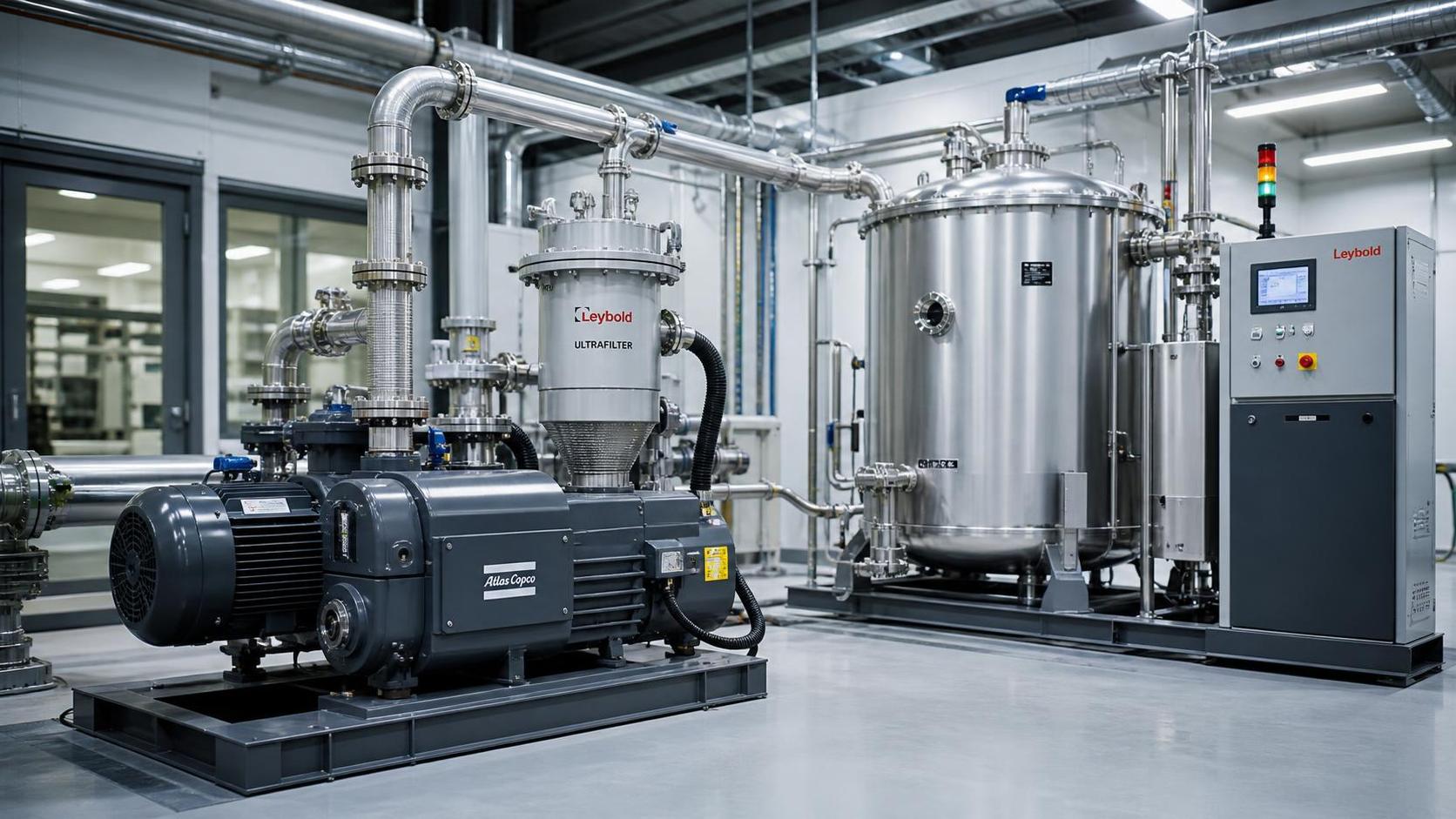
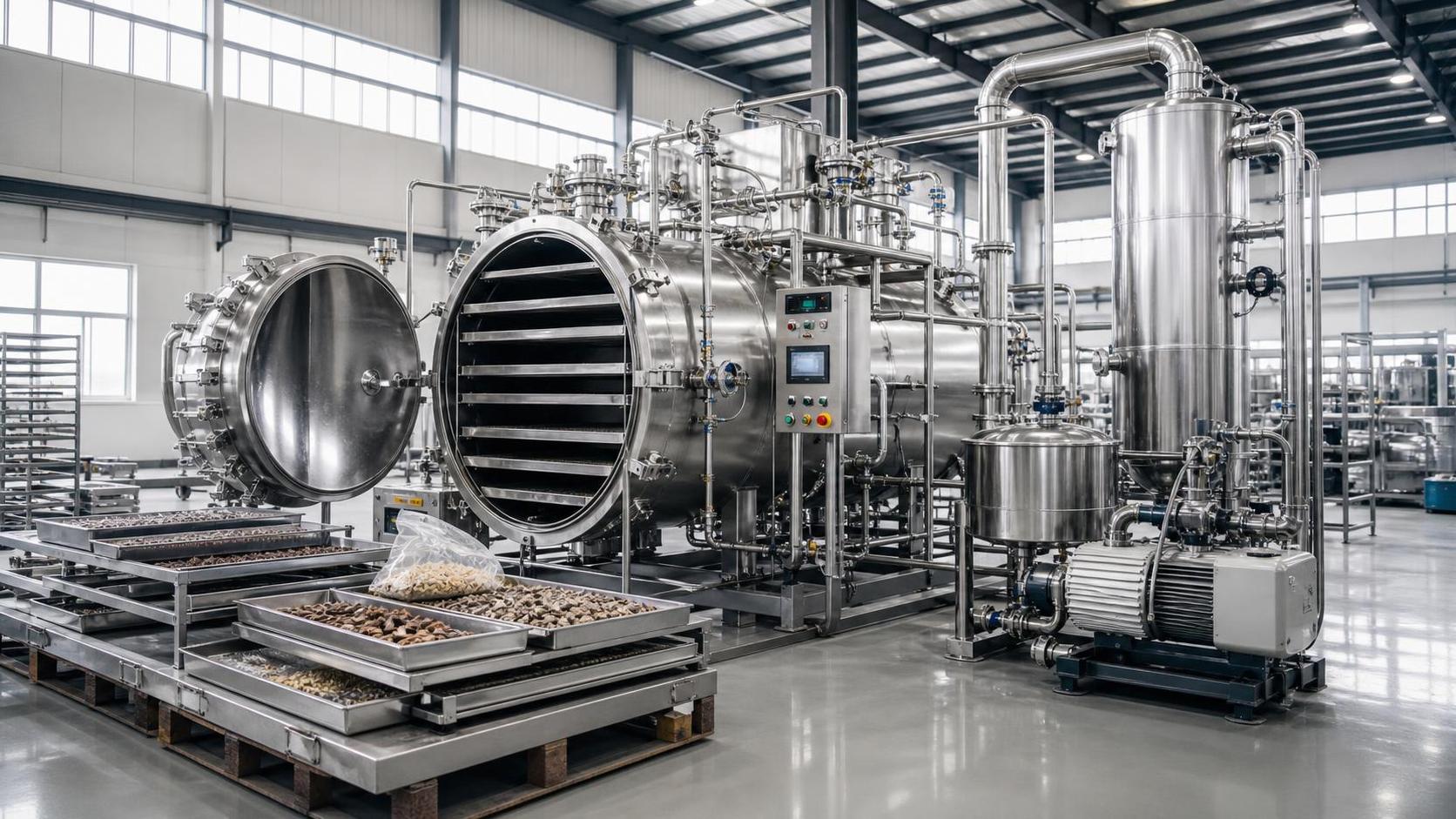
Vacuum systems often run with excess capacity or poor control logic. Right-sizing, demand matching, and preventive maintenance reduce electrical intensity while protecting output quality.
Business Value Beyond Utility Savings
The value of sustainable manufacturing goes beyond lower monthly bills. Well-selected projects improve throughput reliability, reduce unplanned downtime, and support faster operational approvals.
They also improve budgeting discipline. Once plants measure thermal and compressed air performance accurately, investment decisions become easier to defend with quantified return scenarios.
This is where decision intelligence matters. GTC-Matrix highlights how thermodynamics, power systems, and industrial economics intersect, helping convert technical upgrades into strategic business cases.
Common value categories
- Lower energy intensity per unit produced
- Reduced maintenance burden from stable operating ranges
- Better product quality through tighter temperature and pressure control
- Improved compliance readiness for emissions and refrigerant rules
- Stronger justification for capital planning across multiple sites
Typical Scenarios Across General Industry
Sustainable manufacturing does not look identical in every facility. The best approach depends on utility profile, product sensitivity, and process continuity requirements.
Practical Steps for Implementation
A strong sustainable manufacturing plan should begin with measurable baselines. Estimate load profiles, utility intensity, downtime cost, and regulatory exposure before choosing projects.
- Map thermal, air, vacuum, and water systems to identify high-loss zones.
- Rank opportunities by savings size, payback speed, and replication potential.
- Use pilot projects to validate assumptions and document performance changes.
- Standardize controls, metering, and reporting methods across sites.
- Review refrigerant, emissions, and maintenance implications before scaling.
One common mistake is treating sustainability as a separate engineering track. In 2026, sustainable manufacturing performs best when tied directly to production stability and financial planning.
Another mistake is chasing complex projects first. Many facilities still have rapid wins available in sequencing, leakage control, heat exchange tuning, and operating setpoint correction.
A Practical Next Move
The next step is not a broad promise. It is a focused system review of the assets that shape energy conversion efficiency most strongly.
Start with compressed air, industrial cooling, vacuum, and heat exchange performance. These systems often reveal the fastest sustainable manufacturing gains with the clearest economic logic.
Use trusted sector intelligence to compare technology pathways, policy shifts, and lifecycle tradeoffs. GTC-Matrix supports that work by connecting thermodynamic insight with industrial decision relevance.
Sustainable manufacturing in 2026 rewards precision, not slogans. The organizations that scale cost wins will be those that measure carefully, upgrade selectively, and manage thermal and power systems as strategic assets.
Ready when you are. Send us a message to get started.
Related News
- How to select industrial equipment for automation with existing PLCsAuthor :

- How electricity prices shape industrial compressed air price trendsAuthor :

- Choosing air filtration systems for heavy dust in the Middle EastAuthor :

- How much does a fully installed compressed air monitoring system cost?Author :

- What documentation supports CE marking for industrial equipment?Author :

- How local support affects vacuum system costs in Southeast AsiaAuthor :

- How worldwide industry category guides help compare market opportunitiesAuthor :

- What drives sustainable thermal systems cost over their operating life?Author :

- Which industrial solution comparison criteria prevent project delays?Author :

- How Ambient Temperature and Load Profile Affect Industrial Compressor SizingAuthor :

- What to evaluate before choosing a thermal process engineering supplierAuthor :

- How industrial utility systems affect energy costs in process plantsAuthor :

- What Data Is Needed to Assess Heat Recovery Decarbonization?Author :

- Can Waste Heat Recovery Support Carbon Neutrality Targets?Author :

- Is Compressor Heat Recovery Worth the Installation Cost?Author :

- What to verify before choosing a process separation technology supplierAuthor :

- When does process utilities engineering reduce project rework?Author :

- Where thermal efficiency optimization delivers the fastest savings in EuropeAuthor :

- What should you verify before selecting a heat transfer supplier?Author :

- What drives compressed air systems price for industrial projects?Author :

- How an industrial product knowledge comparison guide reduces sourcing riskAuthor :

- When does a procurement specification planning process reduce bid risk?Author :

- When does thermal system optimization for electronics reduce failure risk?Author :

- When high temperature process heating systems justify the higher energy costAuthor :

- How to compare sludge dewatering equipment by cake drynessAuthor :

- What to Check Before Sourcing a Gas Turbine for Distributed Power ProjectsAuthor :

- What drives industrial thermal systems price in large facility projectsAuthor :

- How to build an industrial product comparison chart that speeds up vendor selectionAuthor :

- Vacuum Technology Application Guide for Selecting the Right SystemAuthor :

- What Drives Vacuum Drying Cost in Industrial Procurement?Author :

- What Drives Compressed Air Pricing in Industrial Systems?Author :

- How Procurement Specification Planning Shapes Total Project CostAuthor :

- Compression Technology Guide: How to Compare Efficiency, Pressure Range, and Maintenance NeedsAuthor :

- How to Compare Industrial Separators by Throughput, Purity, and Maintenance LoadAuthor :

- How to Size a Compressed Air Equipment Receiver Tank for Stable PressureAuthor :

- Industrial Equipment Selection Guide: How to Compare Capacity, Duty Cycle, and Operating CostAuthor :