Sustainable Manufacturing Metrics That Actually Improve Plant Performance




Sustainable Manufacturing Metrics That Actually Improve Plant Performance
Sustainable manufacturing is no longer a reporting exercise. It now drives cost, uptime, energy efficiency, and project results across modern plants.
The problem is not a lack of data. Most facilities already collect more numbers than teams can use effectively.
The real issue is metric selection. Many dashboards still track what is easy to report, not what improves operations.
In practical terms, sustainable manufacturing works when metrics connect energy, reliability, quality, and throughput in one decision framework.
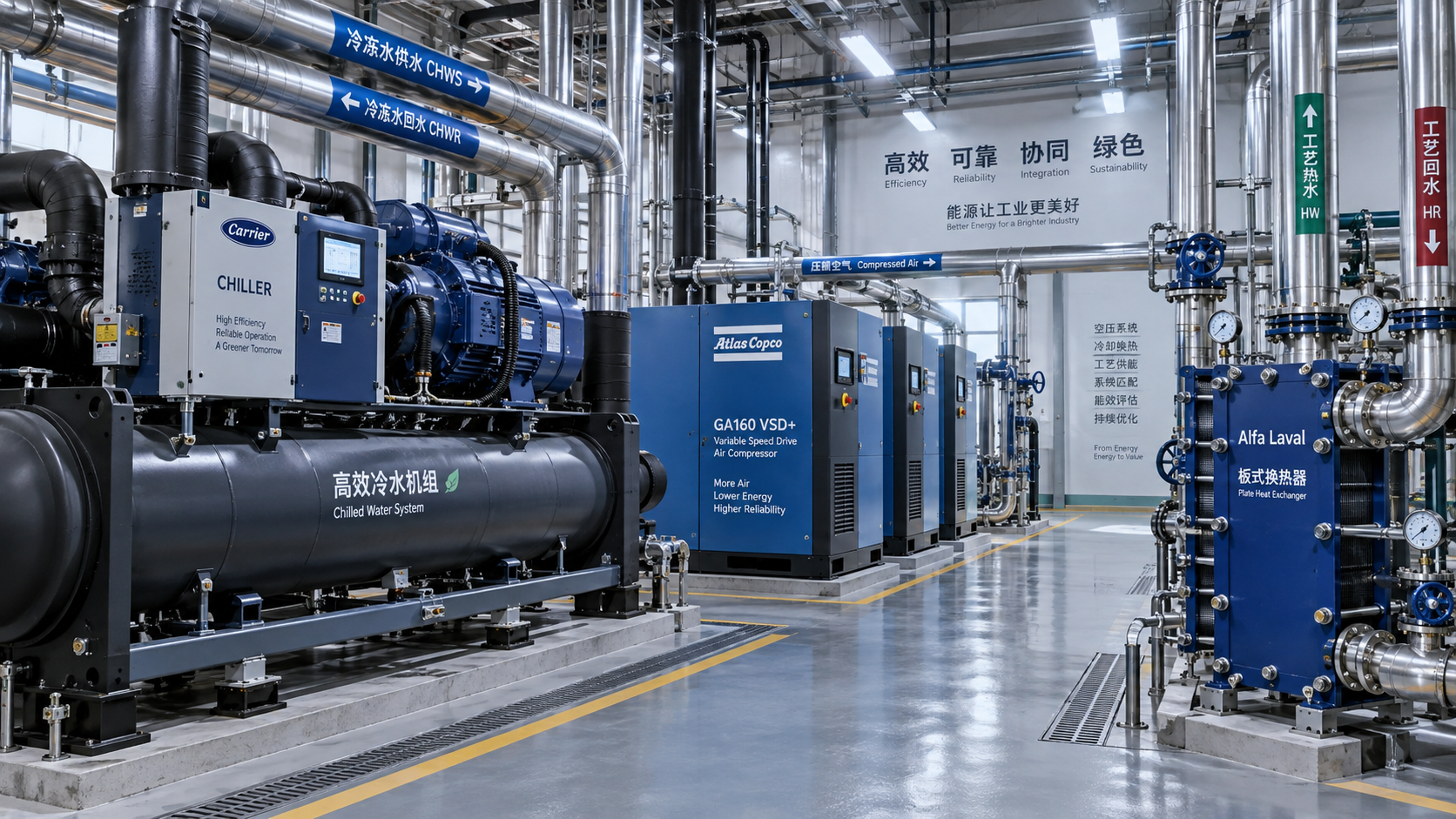
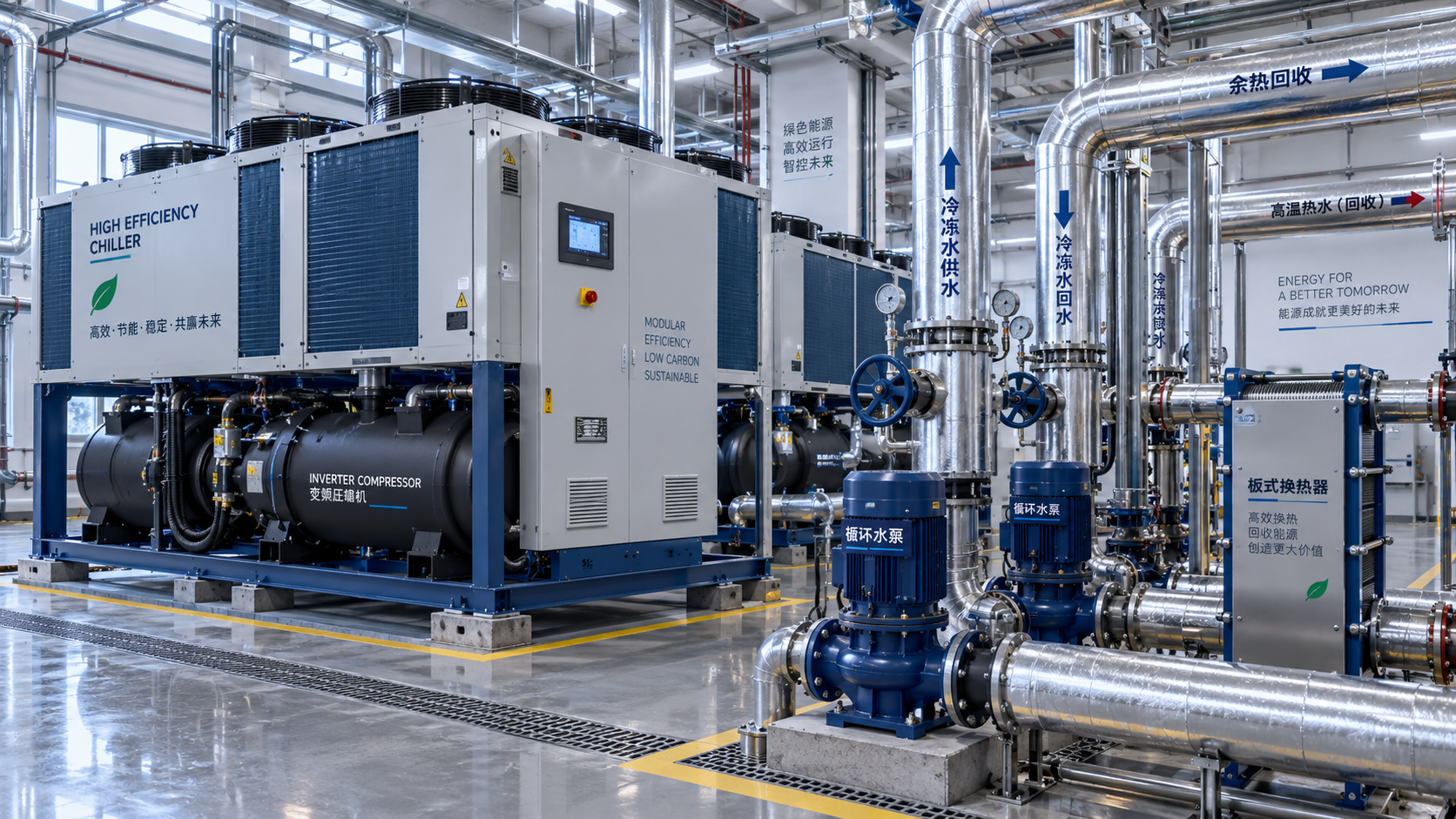
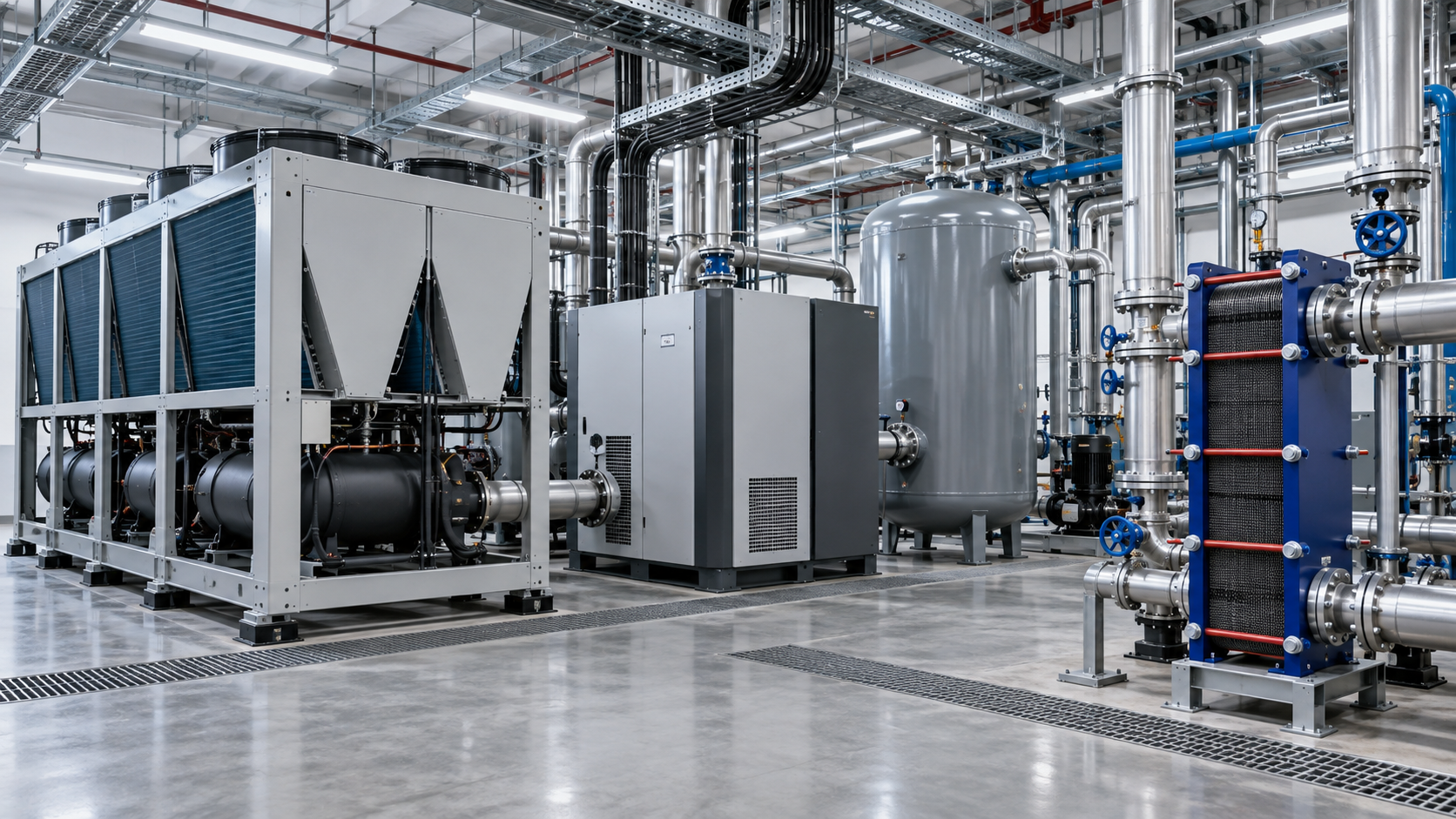
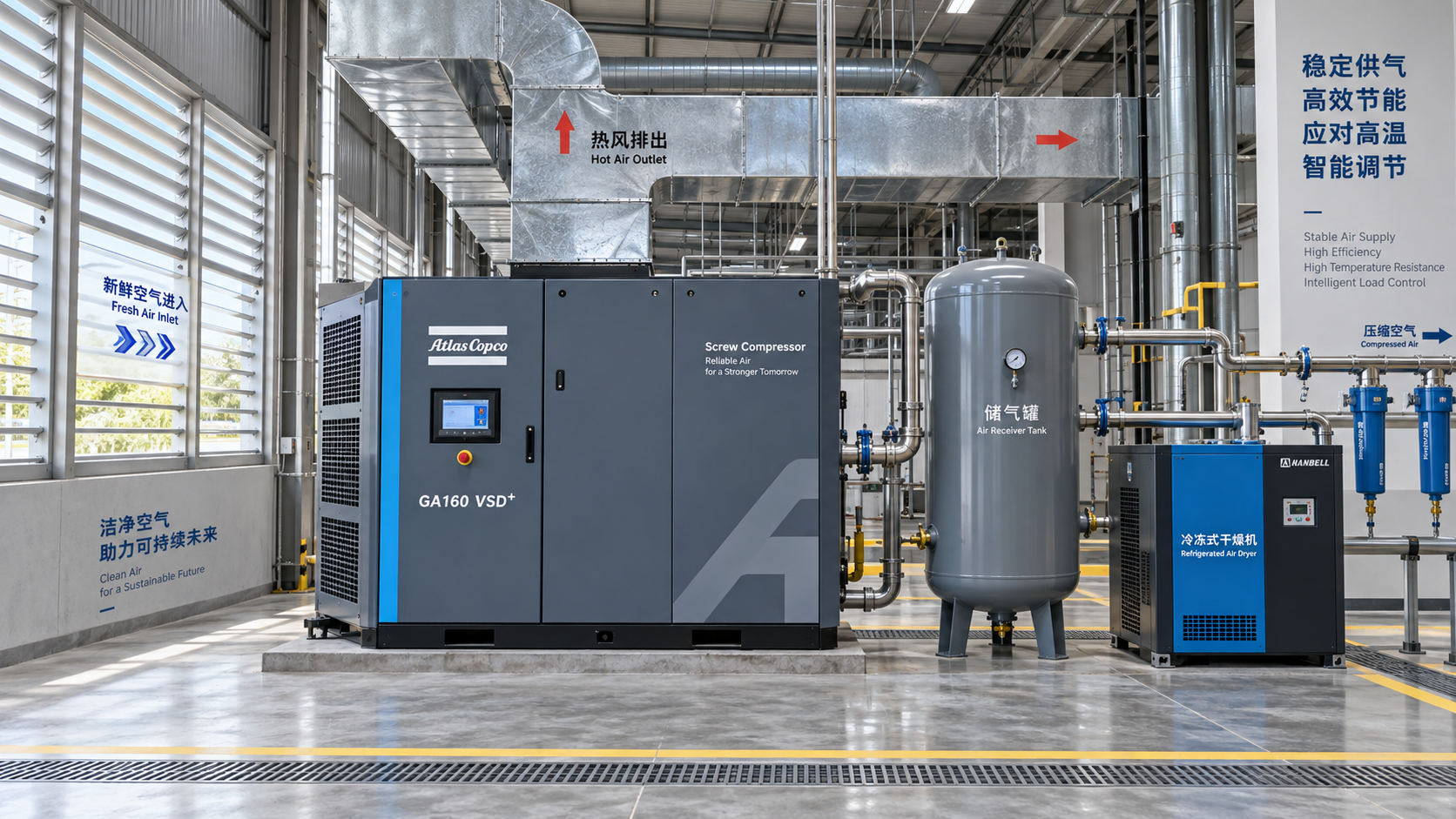
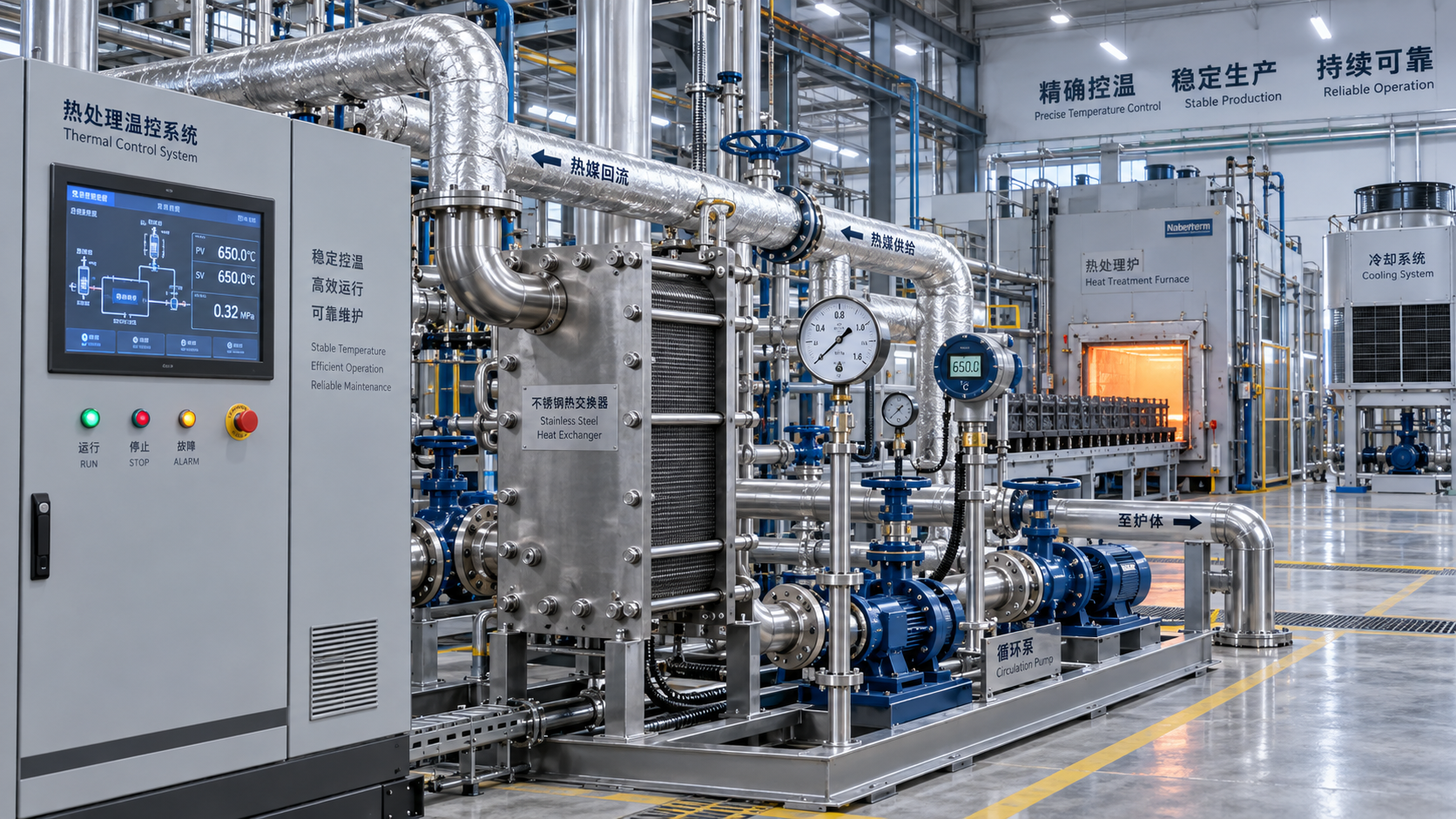
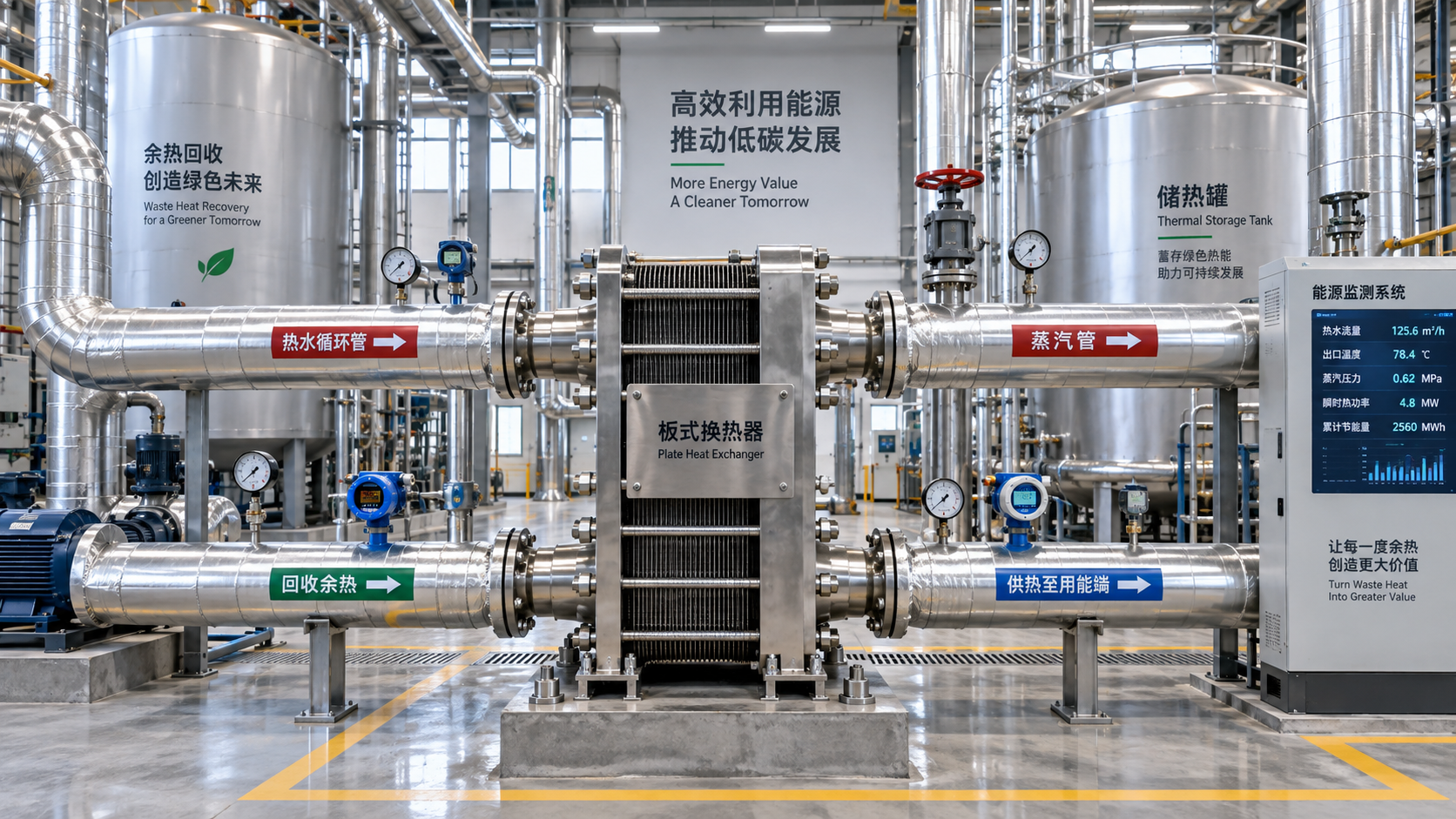
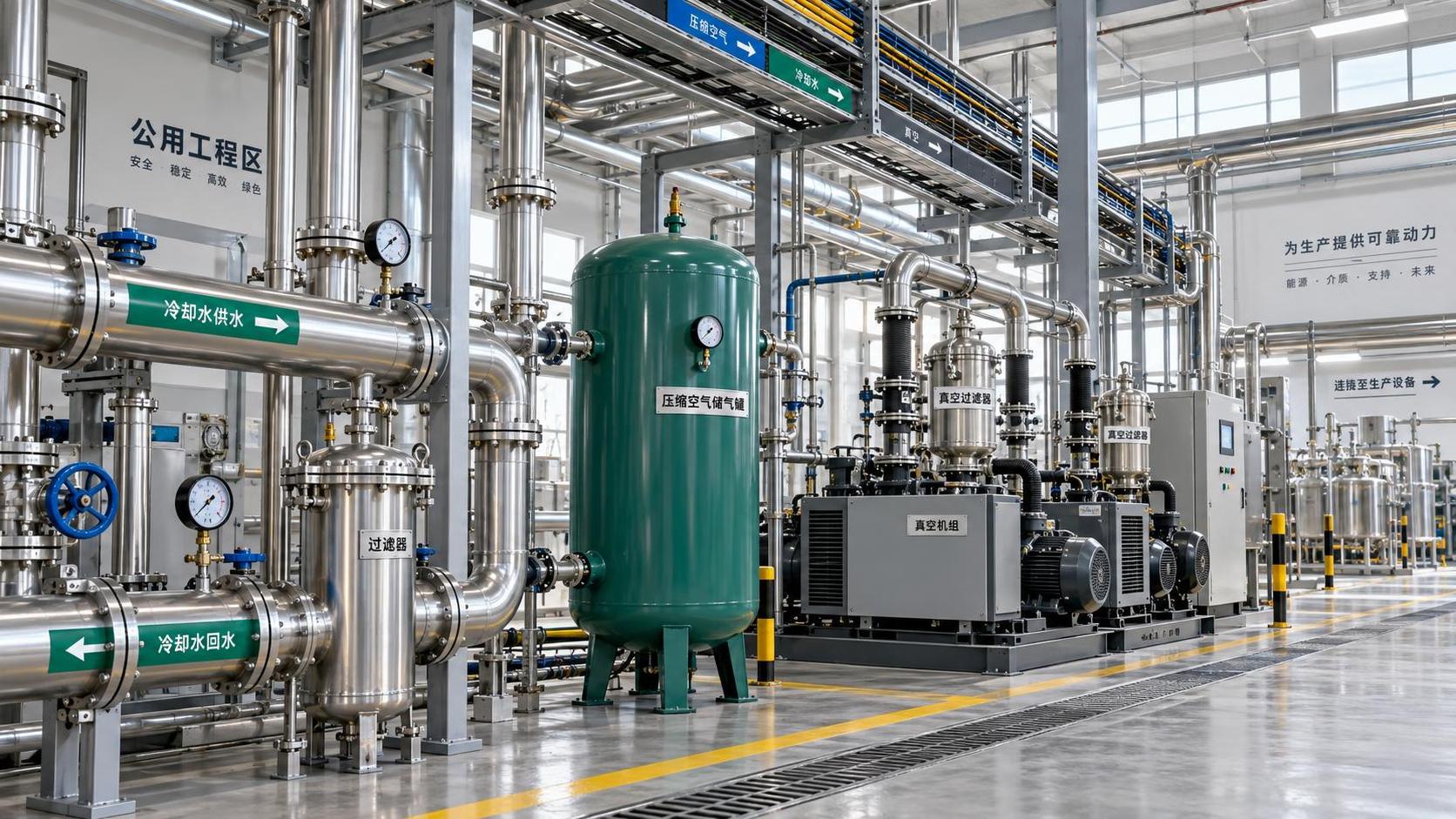
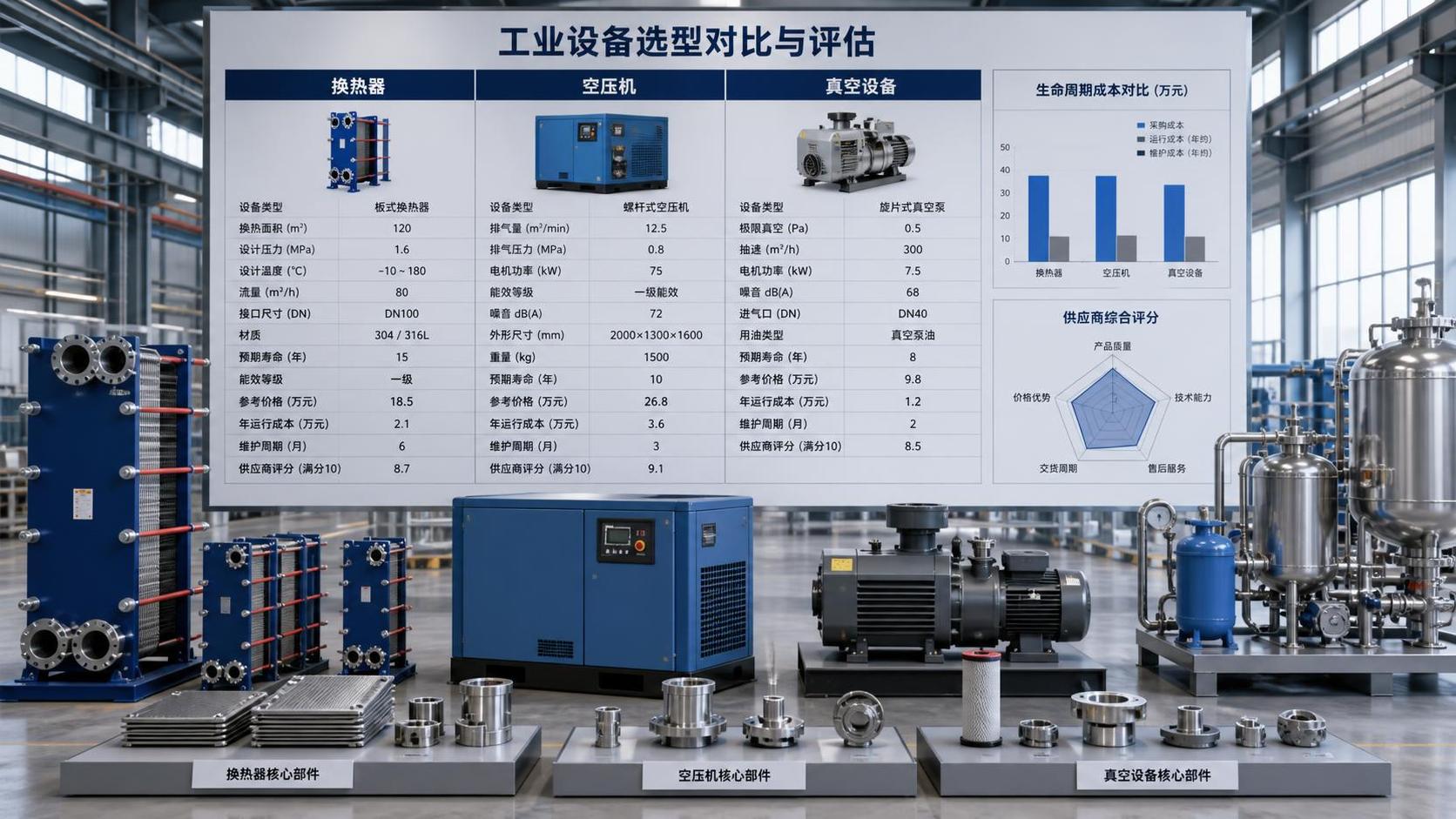
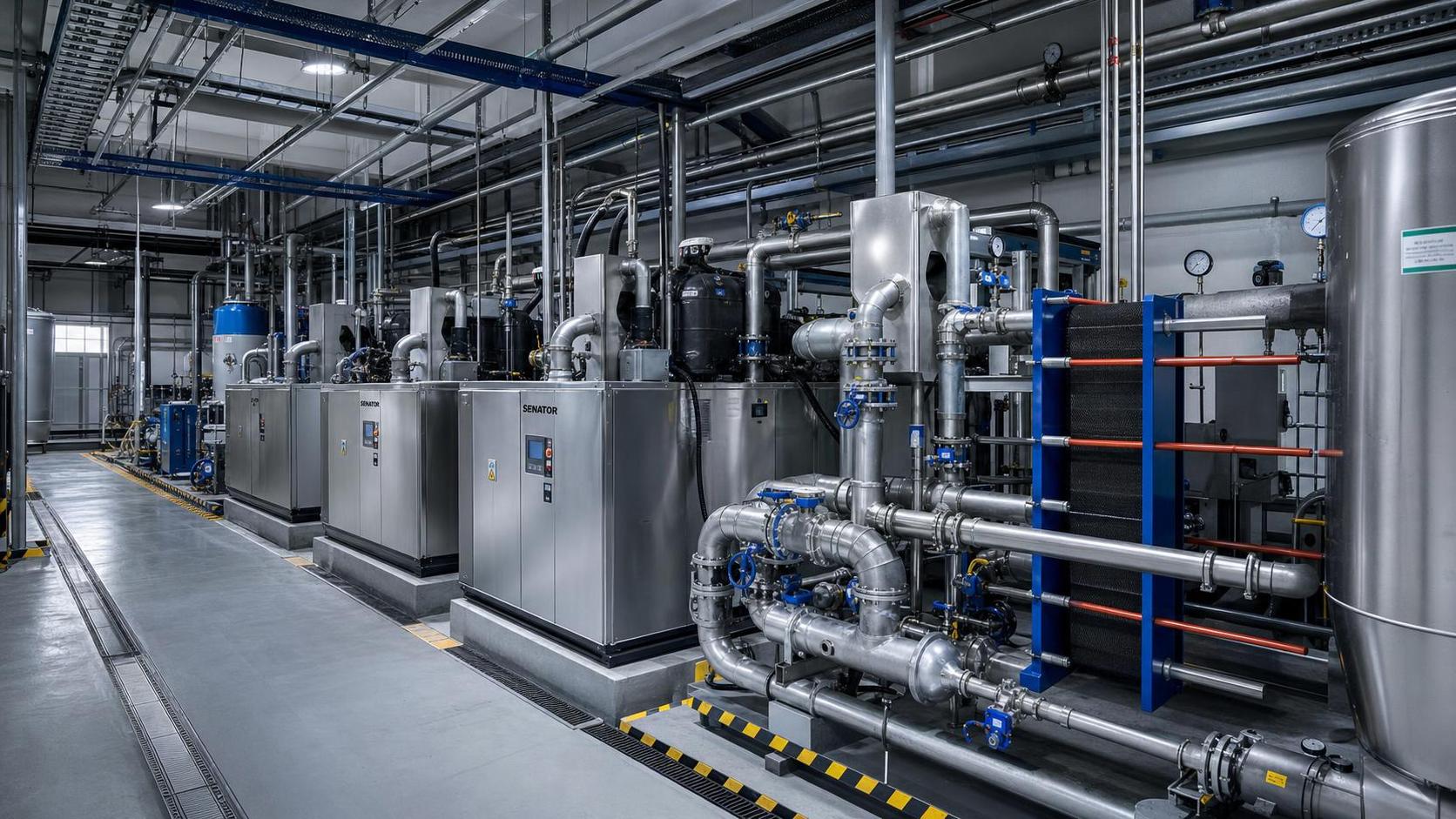
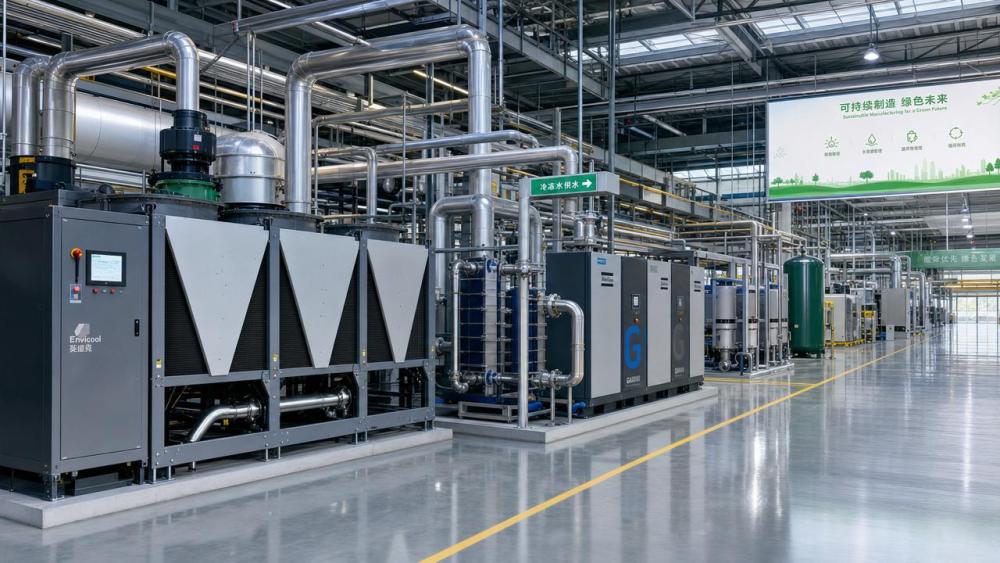
That is especially true in systems built around cooling, compressed air, vacuum, and heat exchange equipment.
These assets sit close to the thermal and power core of industrial performance. Small efficiency gaps here often create outsized losses everywhere else.
A better approach is to use a short list of performance-led indicators. Each one should point to a clear action.
When that happens, sustainable manufacturing becomes easier to manage, easier to justify, and much more valuable to plant performance.
Start With Energy Intensity, Not Total Energy Use
Total energy use matters, but by itself it can be misleading. Production volume, product mix, and operating hours can distort the picture.
Energy intensity gives a cleaner signal. It measures energy consumed per unit of output, batch, or process hour.
This is one of the most useful sustainable manufacturing metrics because it links resource use directly to delivered production value.
For example, a compressed air system may show steady power use while plant output falls. Total consumption looks stable, but energy intensity worsens fast.
That usually points to leakage, poor pressure control, oversized compressors, or unnecessary idle demand.
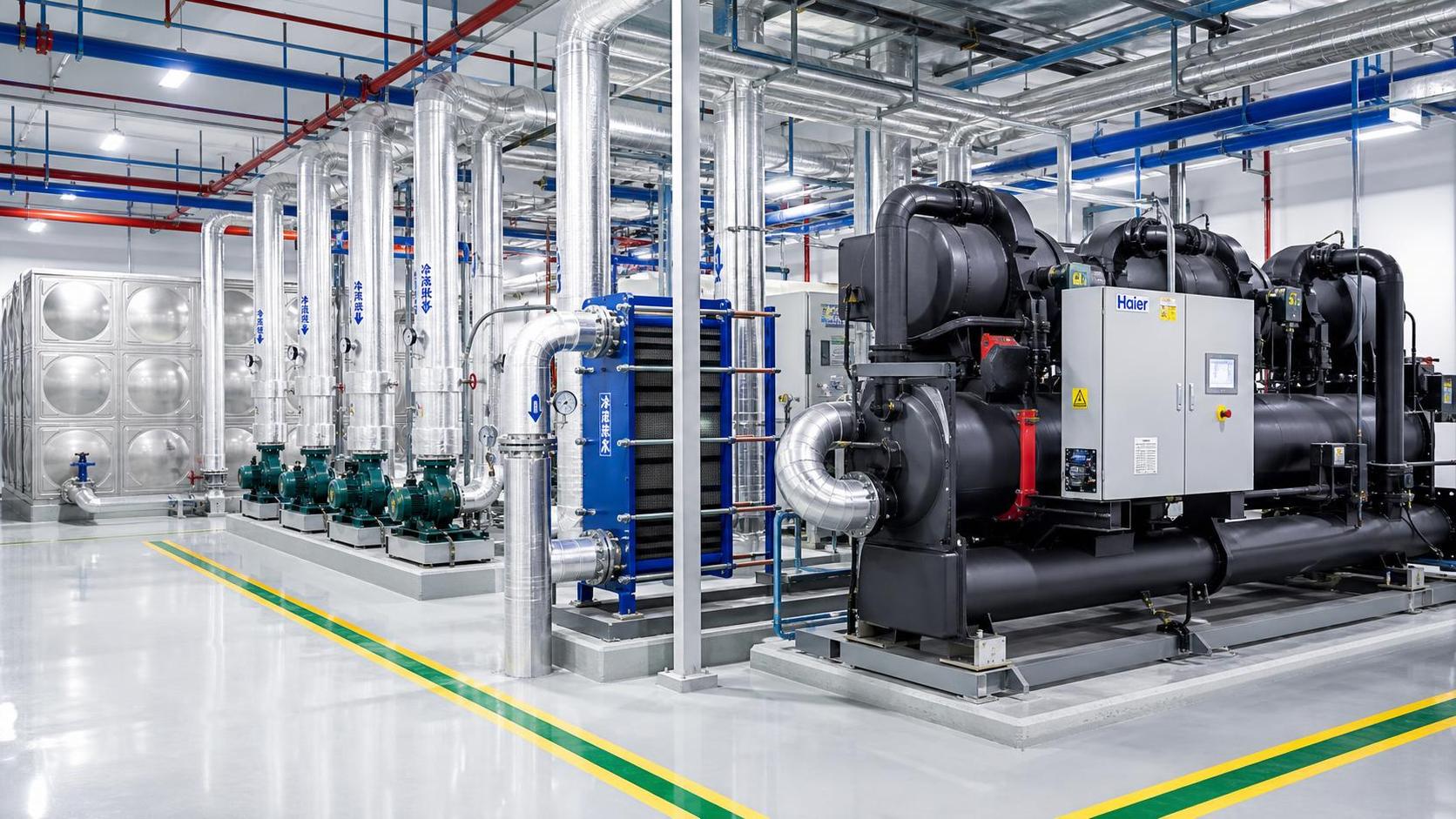
The same logic applies to chillers, cooling towers, pumps, and heat exchangers. A rising energy-per-unit trend often reveals performance drift before breakdowns appear.
In actual operations, this metric works best when broken down by utility system and production line.
- Track kWh per finished unit, batch, or ton processed.
- Separate base load from variable production demand.
- Review trends weekly, not only monthly.
- Flag sudden changes after maintenance or process changes.
This simple shift turns sustainable manufacturing from a utility report into a performance management tool.
Measure Uptime Losses Caused by Thermal and Utility Systems
Many plants track overall downtime but miss the root causes hidden inside support systems.
A line may stop because of unstable chilled water temperature, vacuum fluctuation, low compressed air quality, or poor heat transfer.
If those events are coded as generic downtime, sustainable manufacturing efforts lose precision and capital planning becomes weaker.
A stronger metric is utility-linked uptime loss. It shows how much production time disappears because thermal or compression systems underperform.
This is where technical intelligence matters. GTC-Matrix focuses on the thermodynamic and power systems that often shape reliability more than expected.
By observing cooling, compressed air, vacuum, and heat exchange behavior together, teams can identify the true source of chronic interruptions.
In sustainable manufacturing programs, that insight is valuable because avoided downtime usually creates faster payback than energy savings alone.
A useful review structure includes:
- Downtime hours tied to utilities.
- Lost output value per incident.
- Repeat failure mode by asset type.
- Time to recovery after thermal instability.
Once this metric is visible, sustainable manufacturing decisions become much easier to prioritize.
Track Resource Efficiency Across Water, Air, and Heat
Sustainable manufacturing is often reduced to electricity and carbon. That view is too narrow for real plant improvement.
Water loss, compressed air leakage, and waste heat rejection can quietly erode margins for years.
A better metric set looks at resource efficiency across the utility chain, not in isolated silos.
For cooling systems, that may include cycles of concentration, make-up water per cooling ton, and approach temperature drift.
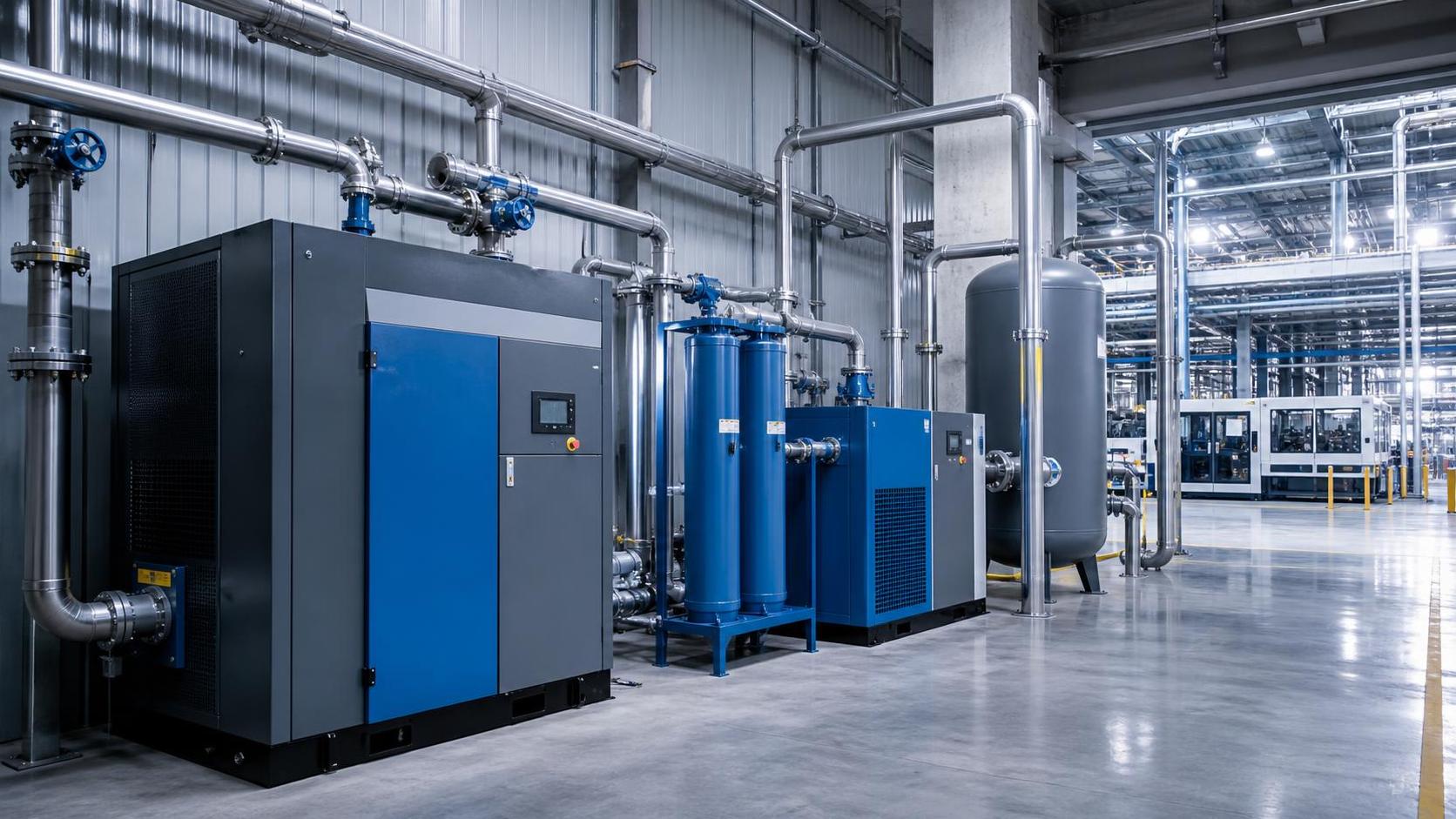
For compressed air, it may include specific power, leakage rate, pressure band stability, and dew point consistency.
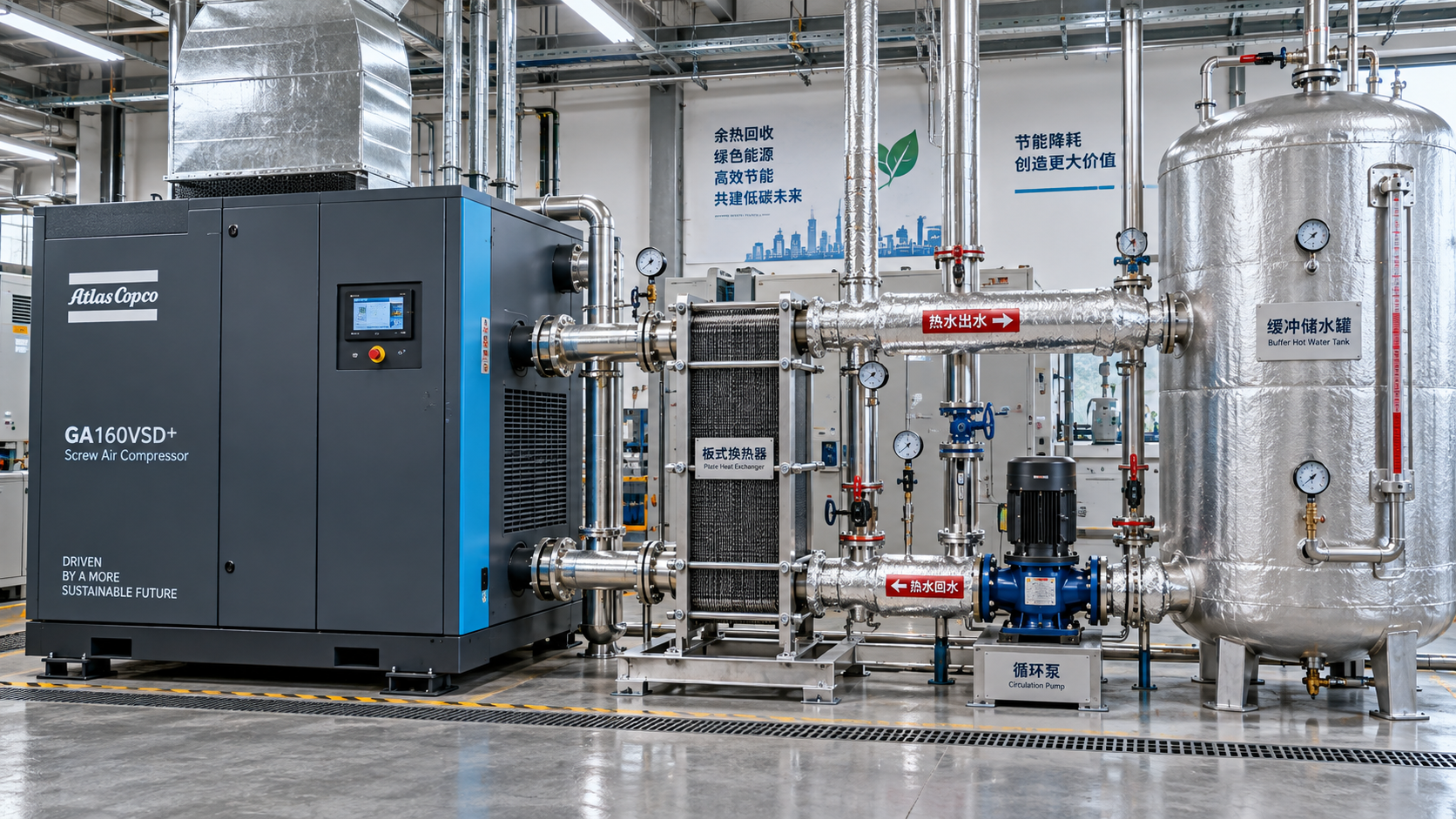
For heat exchange systems, the key signals are fouling rate, heat recovery ratio, and temperature delta performance.
These indicators are powerful because they show where sustainable manufacturing can recover value without waiting for major new equipment budgets.
In many facilities, these metrics uncover faster gains than broader corporate targets.
Connect Quality Loss to Process Stability
One of the clearest signals in sustainable manufacturing is the relationship between utility stability and product quality.
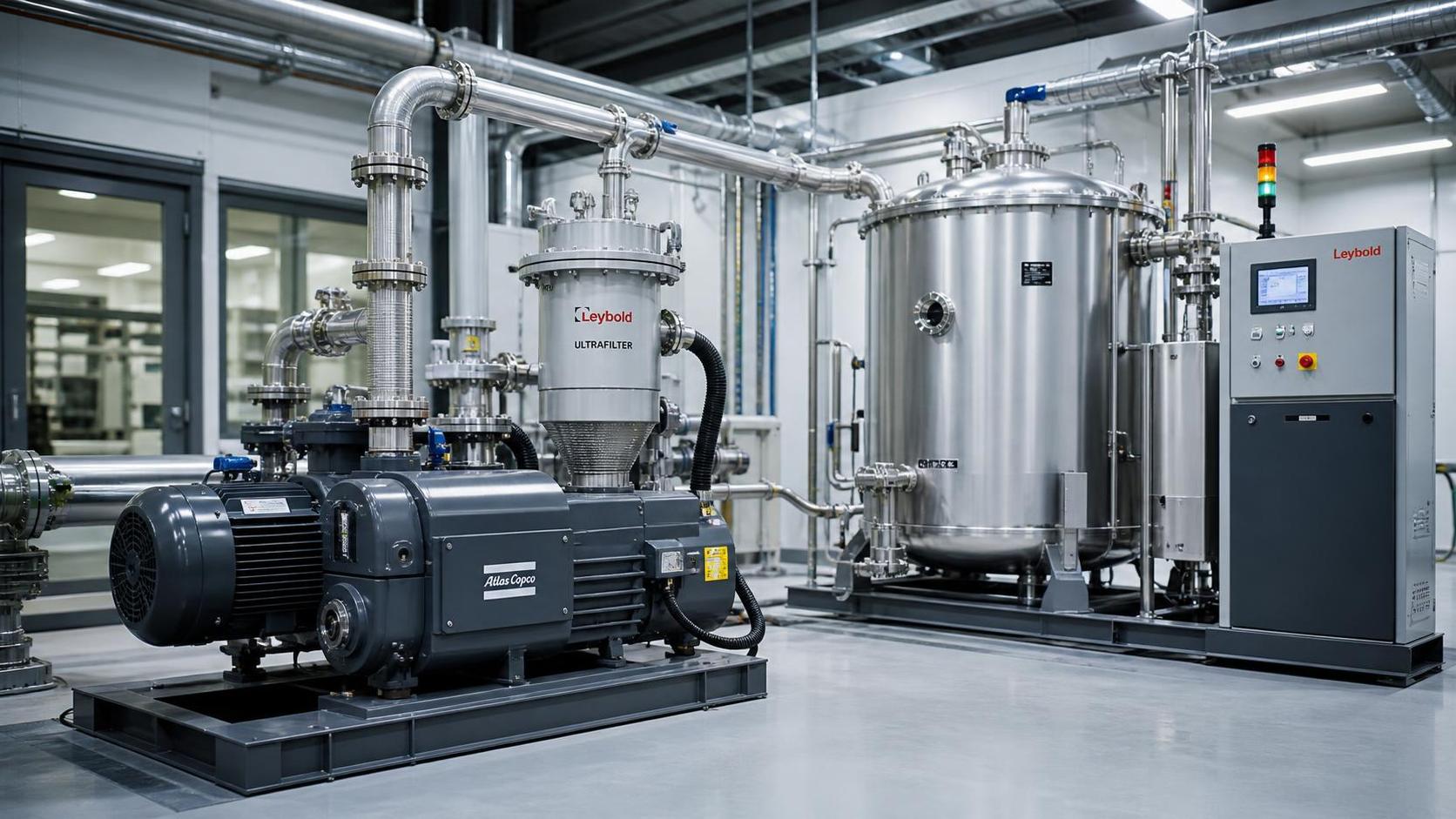
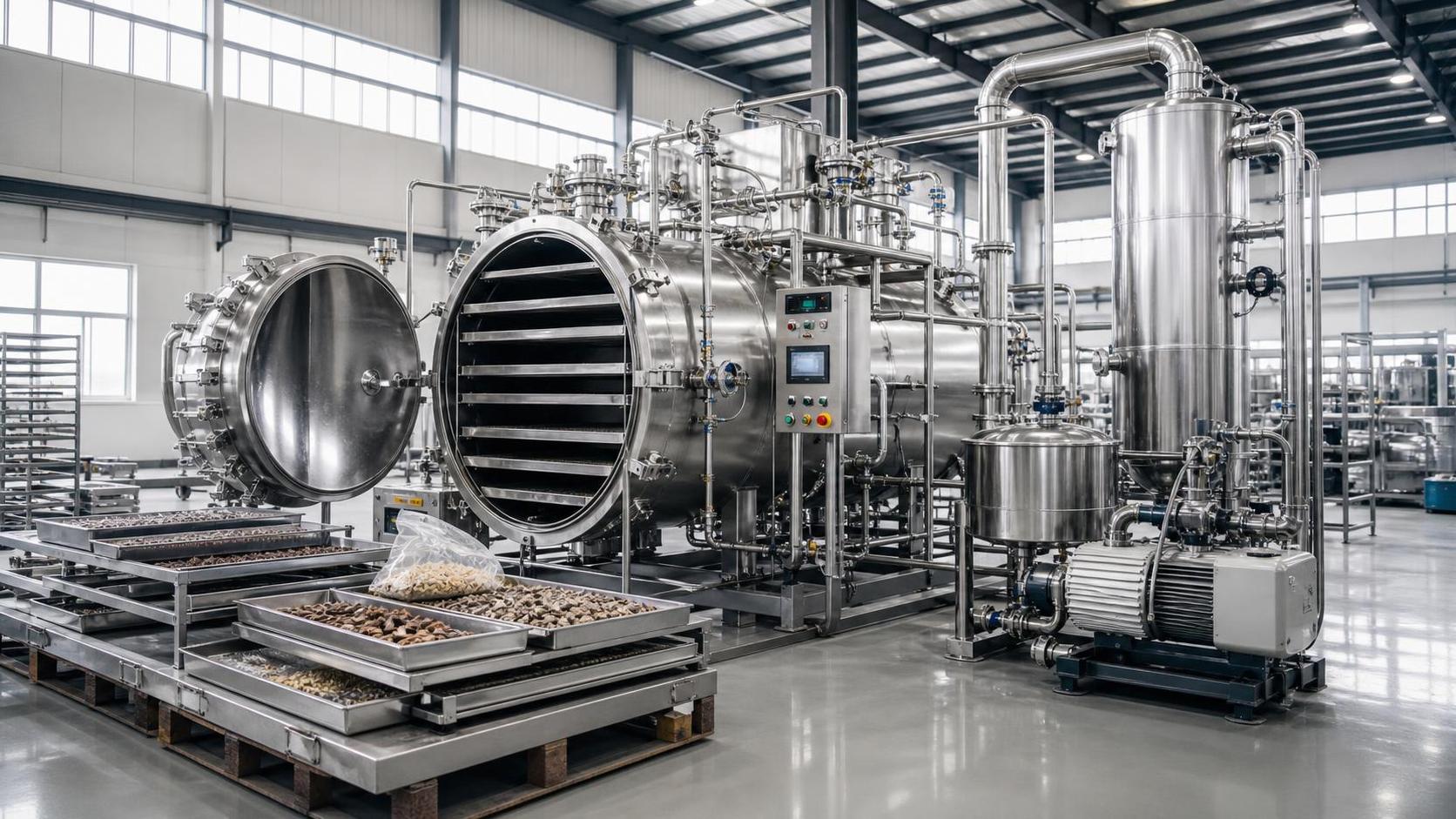
Temperature swings, unstable vacuum, oil carryover, or inconsistent air dryness can all raise scrap and rework rates.
This matters even more in pharmaceuticals, semiconductors, and food processing, where control precision is part of commercial competitiveness.
Instead of treating quality loss and utility performance separately, measure them together.
Useful combinations include scrap rate versus temperature variation, reject rate versus dew point deviation, or batch failure versus vacuum stability.
This is where sustainable manufacturing becomes a plant-wide strategy, not a narrow environmental program.
More importantly, these metrics help justify upgrades that might otherwise look difficult on energy savings alone.
If better control reduces scrap, protects uptime, and lowers energy use, the business case gets much stronger.
Use Carbon Metrics Carefully and Keep Them Operational
Carbon intensity belongs in any sustainable manufacturing framework. But it should not sit alone at the top of the dashboard.
If carbon metrics are too high-level, teams cannot act on them quickly. The number may look important, yet still fail to change plant behavior.
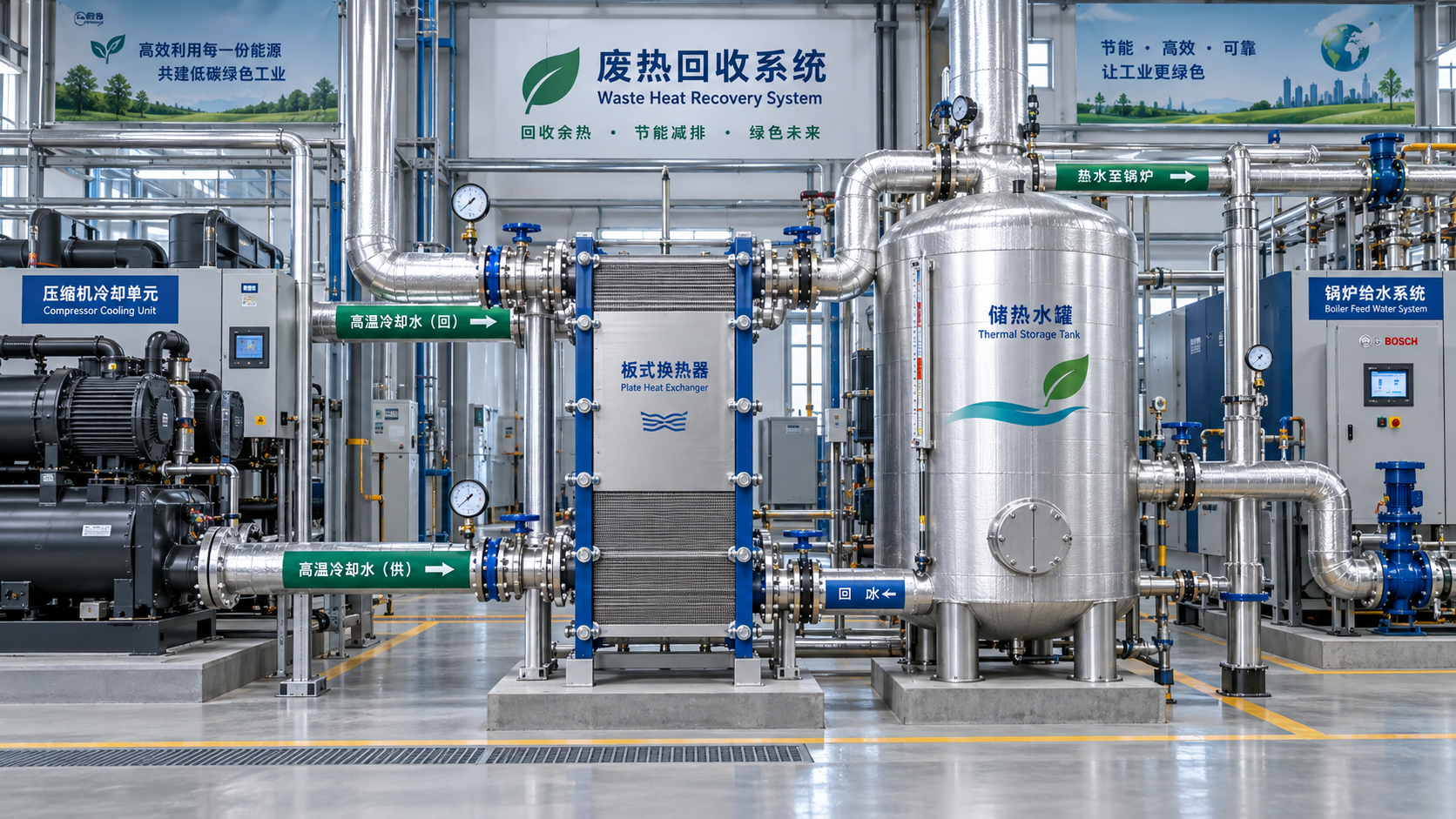
The practical solution is to translate emissions into operating drivers such as compressor loading, refrigerant choice, heat recovery use, and boiler efficiency.
From recent market changes, this is becoming more urgent. Energy price volatility and refrigerant policy shifts are making thermal decisions more strategic.
That also means sustainable manufacturing metrics must reflect both compliance risk and operating opportunity.
A useful rule is simple. Never review carbon without also reviewing output, cost, and reliability beside it.
That keeps the discussion grounded in performance instead of abstract targets.
Build a Metric Stack That Supports Real Decisions
The best sustainable manufacturing dashboards are not large. They are selective, consistent, and tied to action.
A practical metric stack usually has three levels.
Level one tracks business outcomes, such as output, cost per unit, scrap, and uptime.
Level two tracks sustainable manufacturing performance, including energy intensity, water intensity, and carbon intensity.
Level three tracks technical causes, such as leakage, fouling, unstable temperature, poor pressure control, or low heat recovery.
This structure helps teams move from symptom to cause without wasting time in disconnected reviews.
In actual project work, it also improves capital planning. Teams can compare operational fixes, control upgrades, and equipment replacement on the same logic.
- Keep fewer than twelve core metrics.
- Assign one owner to each metric.
- Define trigger thresholds in advance.
- Link every threshold to a response action.
That is how sustainable manufacturing becomes manageable under real operating pressure.
What to Do Next
If plant performance is the goal, start by removing metrics that do not lead to decisions.
Then build a sustainable manufacturing scorecard around intensity, stability, reliability, and resource efficiency.
Focus first on cooling, compressed air, vacuum, and heat exchange systems. They often hold the clearest path to fast improvement.
Use trend data, not snapshots. Compare utility metrics with output, downtime, and quality at the same time.
This is also where platforms such as GTC-Matrix add value. Strong intelligence helps connect thermodynamic behavior, technology evolution, and investment timing.
When those signals are stitched together well, sustainable manufacturing stops being a compliance conversation.
It becomes a practical system for reducing waste, improving uptime, and building stronger industrial performance with every project decision.
Ready when you are. Send us a message to get started.
Related News
- How to select industrial equipment for automation with existing PLCsAuthor :

- How electricity prices shape industrial compressed air price trendsAuthor :

- Choosing air filtration systems for heavy dust in the Middle EastAuthor :

- How much does a fully installed compressed air monitoring system cost?Author :

- What documentation supports CE marking for industrial equipment?Author :

- How local support affects vacuum system costs in Southeast AsiaAuthor :

- How worldwide industry category guides help compare market opportunitiesAuthor :

- What drives sustainable thermal systems cost over their operating life?Author :

- Which industrial solution comparison criteria prevent project delays?Author :

- How Ambient Temperature and Load Profile Affect Industrial Compressor SizingAuthor :

- What to evaluate before choosing a thermal process engineering supplierAuthor :

- How industrial utility systems affect energy costs in process plantsAuthor :

- What Data Is Needed to Assess Heat Recovery Decarbonization?Author :

- Can Waste Heat Recovery Support Carbon Neutrality Targets?Author :

- Is Compressor Heat Recovery Worth the Installation Cost?Author :

- What to verify before choosing a process separation technology supplierAuthor :

- When does process utilities engineering reduce project rework?Author :

- Where thermal efficiency optimization delivers the fastest savings in EuropeAuthor :

- What should you verify before selecting a heat transfer supplier?Author :

- What drives compressed air systems price for industrial projects?Author :

- How an industrial product knowledge comparison guide reduces sourcing riskAuthor :

- When does a procurement specification planning process reduce bid risk?Author :

- When does thermal system optimization for electronics reduce failure risk?Author :

- When high temperature process heating systems justify the higher energy costAuthor :

- How to compare sludge dewatering equipment by cake drynessAuthor :

- What to Check Before Sourcing a Gas Turbine for Distributed Power ProjectsAuthor :

- What drives industrial thermal systems price in large facility projectsAuthor :

- How to build an industrial product comparison chart that speeds up vendor selectionAuthor :

- Vacuum Technology Application Guide for Selecting the Right SystemAuthor :

- What Drives Vacuum Drying Cost in Industrial Procurement?Author :

- What Drives Compressed Air Pricing in Industrial Systems?Author :

- How Procurement Specification Planning Shapes Total Project CostAuthor :

- Compression Technology Guide: How to Compare Efficiency, Pressure Range, and Maintenance NeedsAuthor :

- How to Compare Industrial Separators by Throughput, Purity, and Maintenance LoadAuthor :

- How to Size a Compressed Air Equipment Receiver Tank for Stable PressureAuthor :

- Industrial Equipment Selection Guide: How to Compare Capacity, Duty Cycle, and Operating CostAuthor :