Thermal Efficiency Optimization Software: When the ROI Justifies Deployment




Thermal Efficiency Optimization Software: When the ROI Justifies Deployment
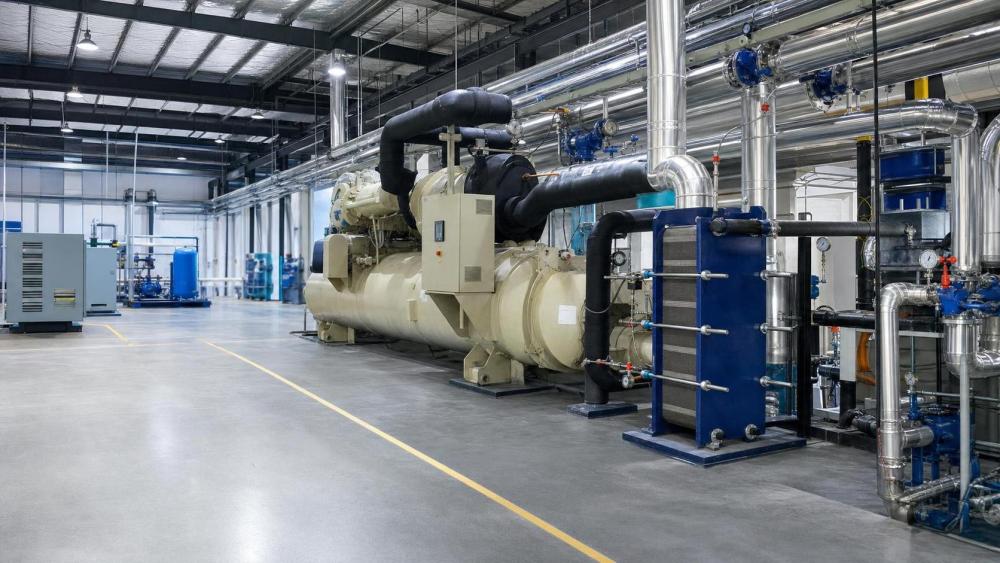
For financial approval, thermal efficiency optimization software must do more than sound innovative. It needs to prove that savings are visible, controllable, and repeatable.
That standard is becoming more relevant across cooling, compressed air, vacuum, and heat exchange operations. Energy prices remain volatile, while asset reliability now affects margins faster than before.
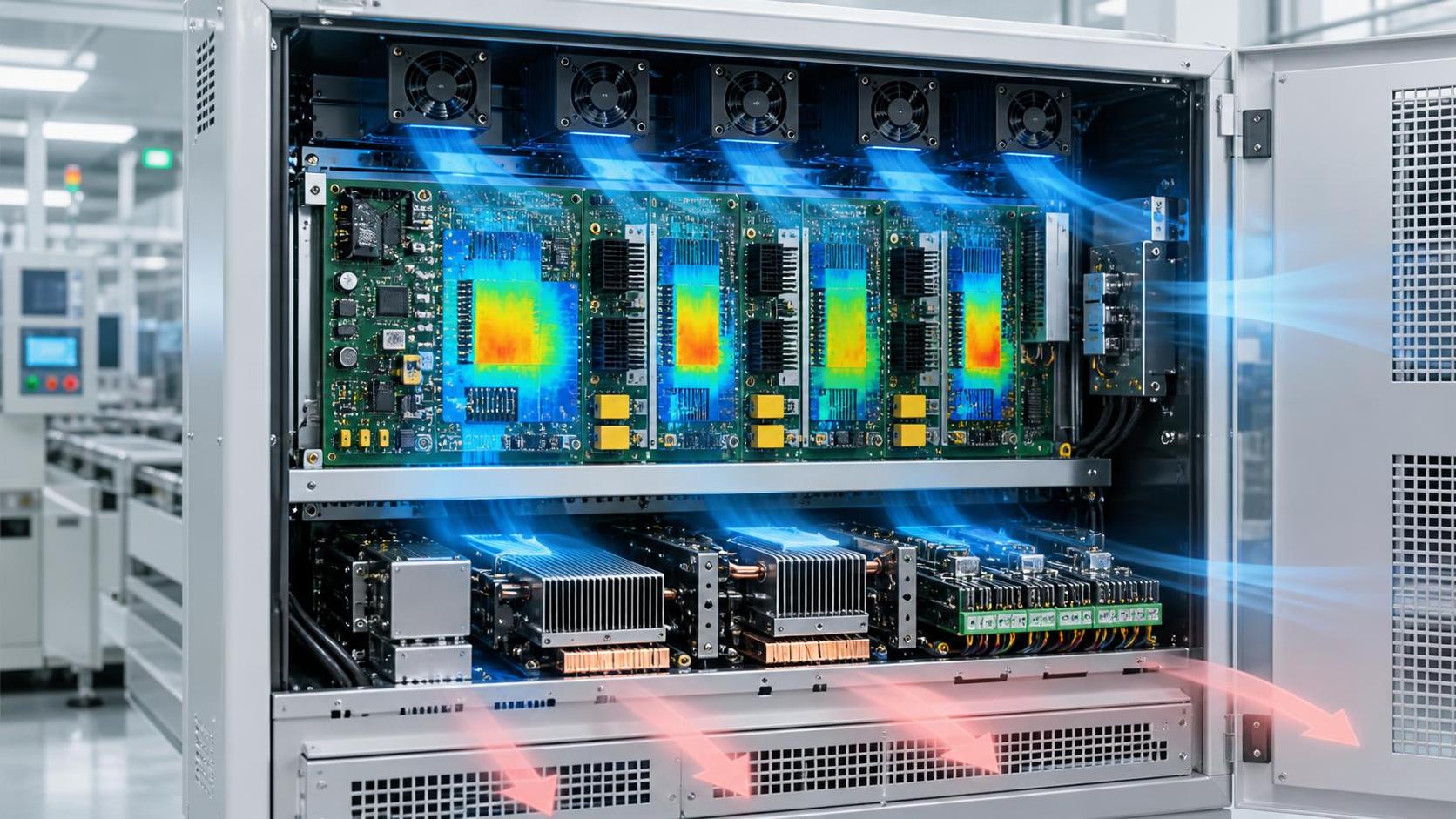
In practical terms, thermal efficiency optimization software helps identify waste that traditional reporting often misses. It connects thermodynamic performance with operating cost, maintenance burden, and capital planning.
That is why interest is rising in sectors where thermal systems quietly shape profitability. Pharmaceuticals, semiconductors, food processing, and general manufacturing all face this pressure.
The core question is simple. When does thermal efficiency optimization software generate enough measurable value to justify deployment, integration effort, and change management?
Why the Business Case Is Stronger Now
A few years ago, many companies treated optimization platforms as engineering upgrades. Today, they look more like financial control tools with operational side effects.
The shift comes from three pressures. Energy cost uncertainty is higher. Compliance expectations are tighter. Asset downtime has become more expensive.
Thermal efficiency optimization software responds to all three. It makes loss patterns visible, helps operators act sooner, and gives finance teams a clearer basis for approval.
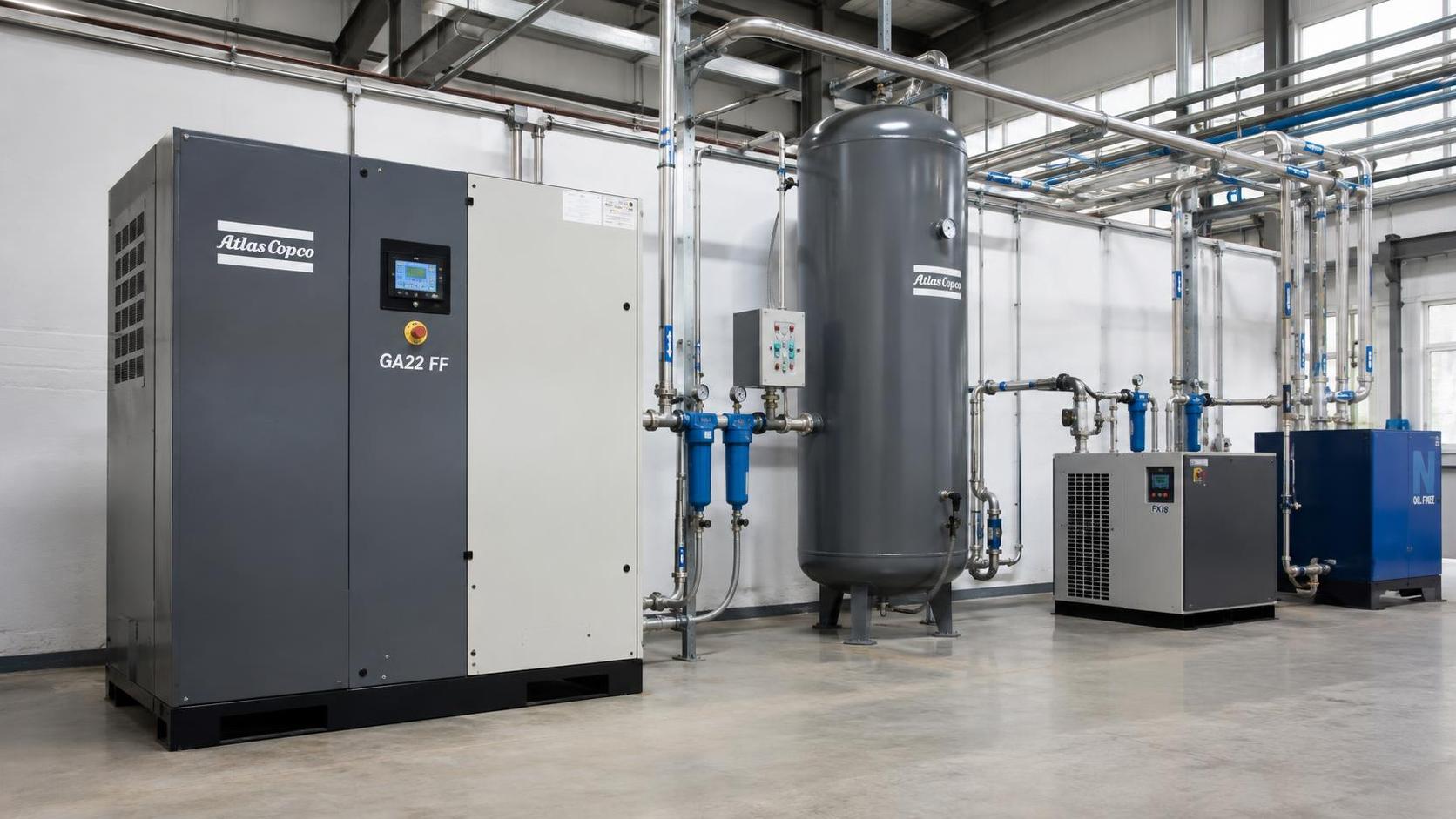
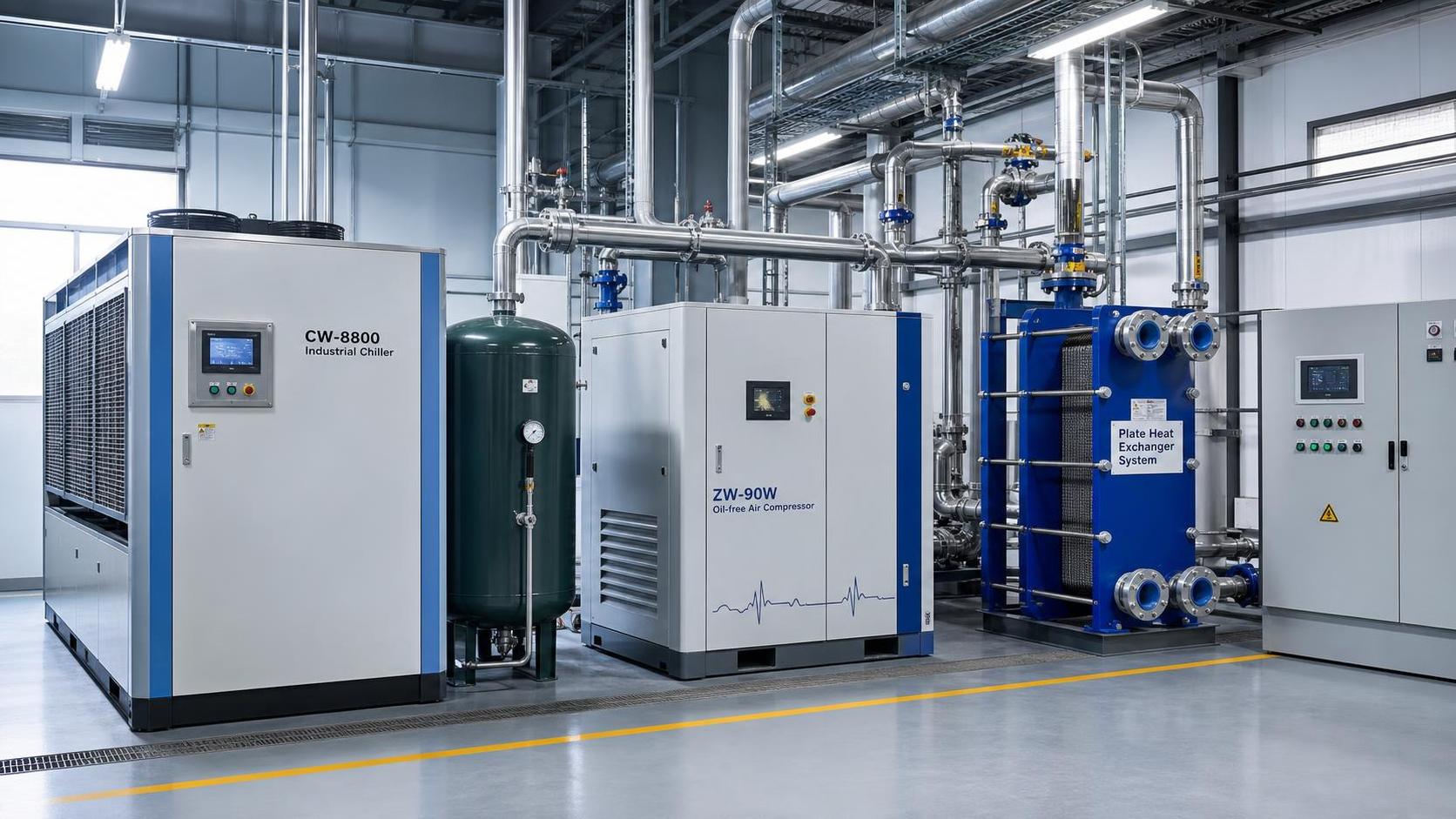
This matters especially in plants where compressors, chillers, heat exchangers, boilers, or vacuum systems run continuously. Small inefficiencies compound into material annual cost leakage.
From a budgeting view, the strongest argument is not digital modernization alone. It is the ability to tie software decisions to avoided cost, preserved throughput, and deferred capital expense.
What Thermal Efficiency Optimization Software Actually Improves
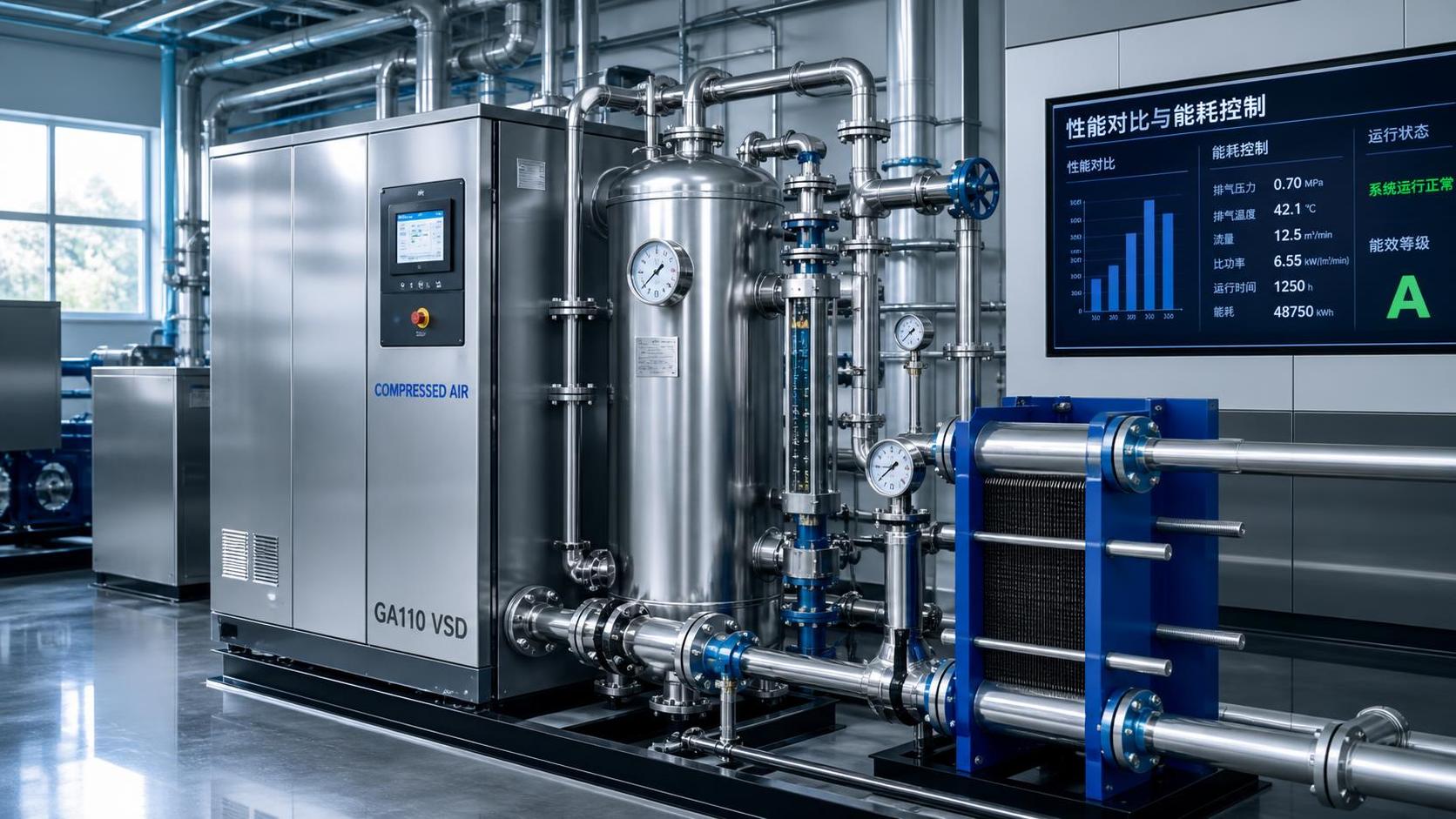
The best thermal efficiency optimization software does not just display dashboards. It turns process data into recommendations that operators and decision-makers can use.
Typical value areas include:
- Reduced energy consumption per unit of output
- Lower load variability across thermal assets
- Earlier detection of fouling, leakage, or drift
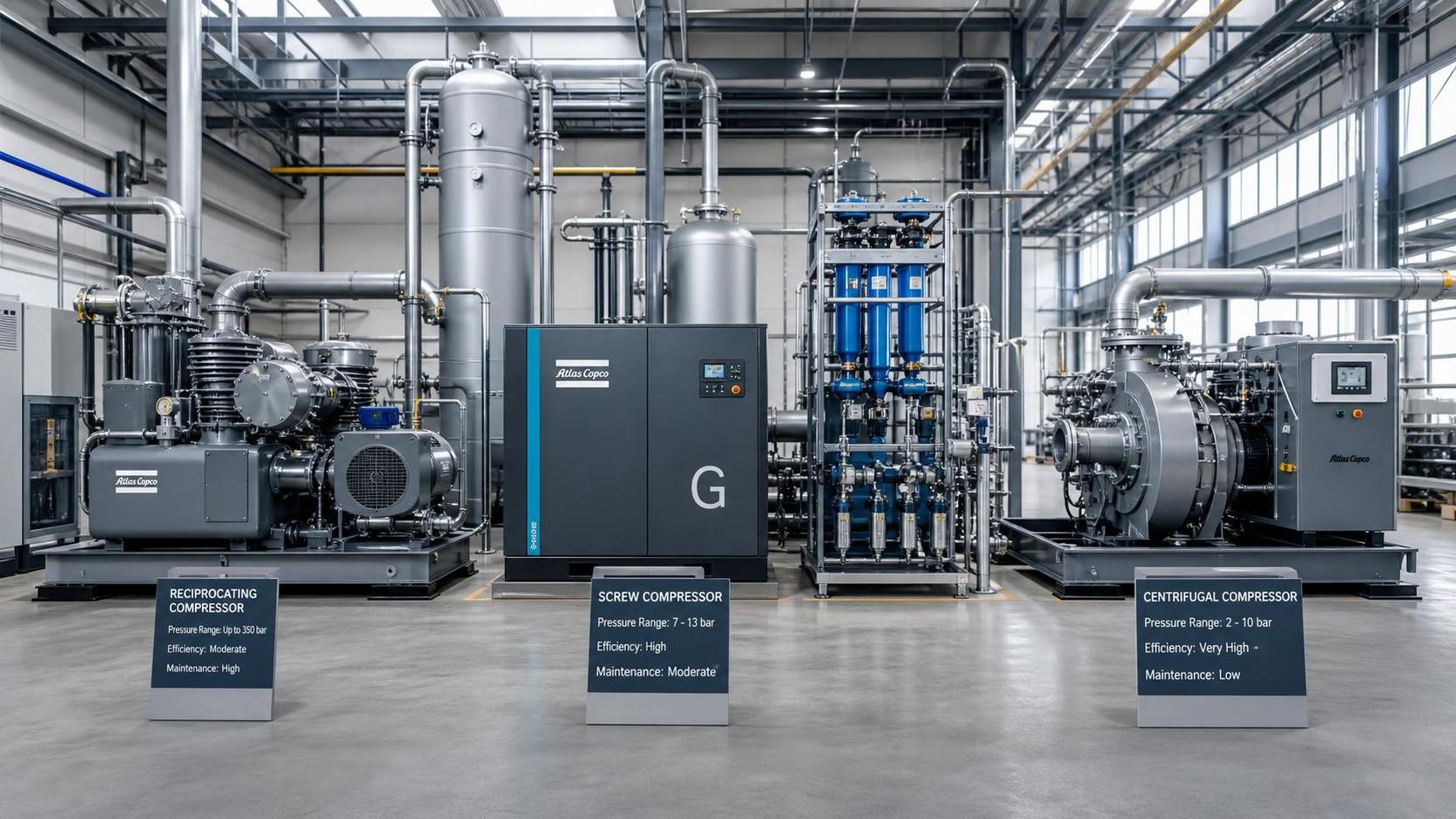
- Better sequencing of compressors, chillers, and pumps
- More accurate maintenance timing
- Stronger documentation for energy and carbon reporting
These improvements matter because they change both operating expense and capital behavior. A more stable system often extends equipment life and delays replacement cycles.
That second-order value is often underestimated. In many reviews, direct energy savings get attention first, while avoided breakdowns and capacity recovery create equal or greater returns.
The ROI Signals That Usually Justify Deployment
Not every facility needs thermal efficiency optimization software immediately. The economics become compelling when several conditions appear together.
1. Energy spend is large enough to move the budget
If thermal and compression systems represent a meaningful share of plant operating cost, even a modest efficiency gain can justify software deployment quickly.
2. Performance drift is hard to see with existing tools
Many plants already collect data, yet still miss gradual losses. Thermal efficiency optimization software becomes valuable when standard SCADA trends do not explain cost increases.
3. Production quality depends on stable thermal control
In temperature-sensitive environments, poor thermal performance can trigger scrap, contamination risk, or throughput reduction. That makes optimization a margin-protection decision.
4. Unplanned downtime is expensive
When a chiller, compressor, or exchanger issue can interrupt production, the software’s predictive value becomes easier to justify in financial terms.
5. Expansion plans depend on asset capacity
Sometimes thermal efficiency optimization software reveals recoverable capacity inside the current system. That can postpone a capital project or reduce its scope.
How to Evaluate ROI Beyond the License Fee
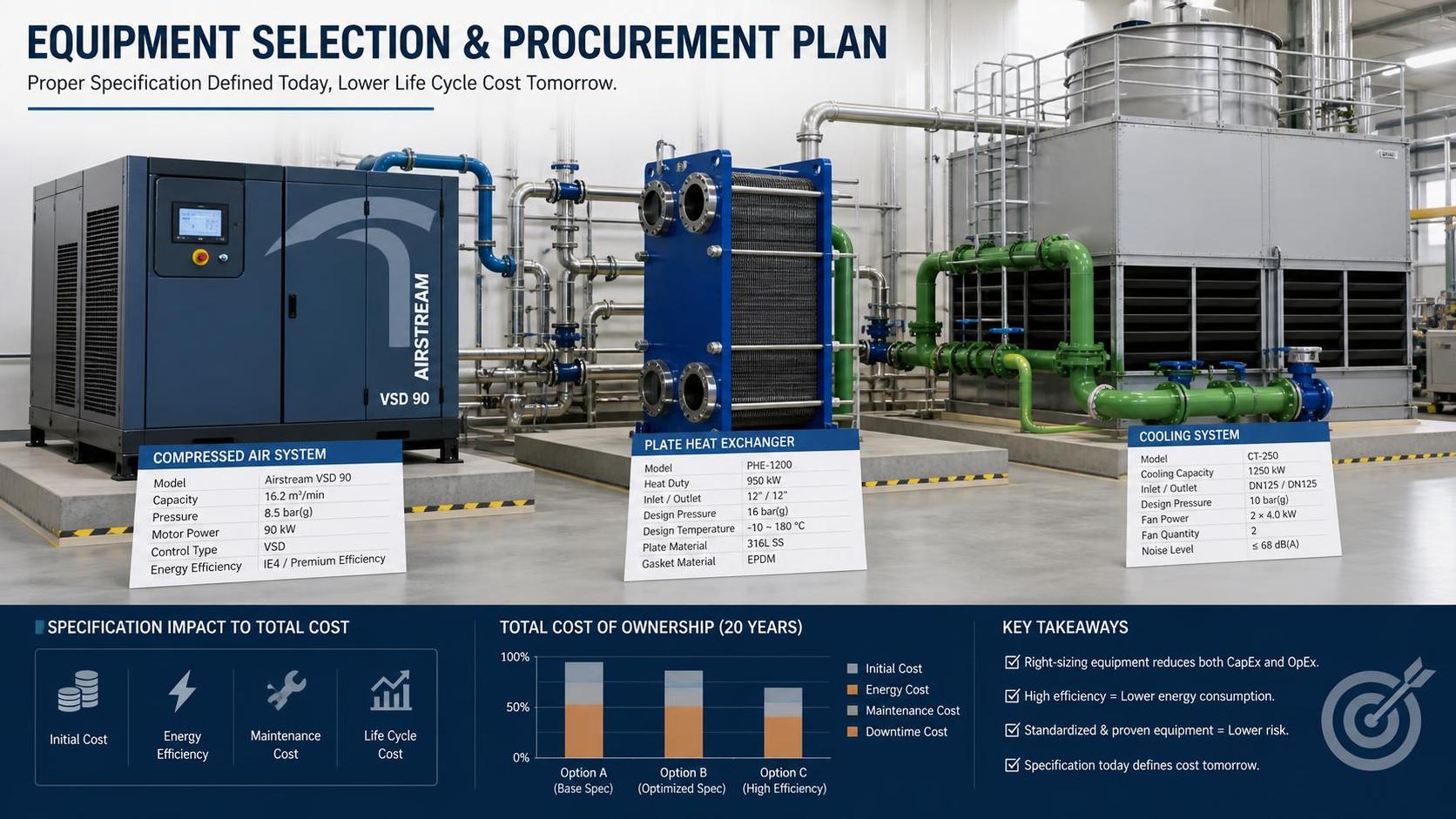
A weak procurement review focuses only on subscription price. A useful review measures the full economics of thermal efficiency optimization software across the asset lifecycle.
Start with direct annual savings. Then expand the model to include reliability, maintenance, compliance, and capacity effects.
A practical payback threshold varies by sector. Still, many organizations look for a 12 to 24 month return window for operational software tied to plant performance.
That said, high-risk facilities may approve thermal efficiency optimization software sooner when downtime exposure is severe or energy volatility is extreme.
Questions That Improve Procurement Decisions
Good software selection depends on asking precise business questions. The goal is to validate whether the proposed platform can produce measurable financial outcomes.
- Which thermal assets create the largest energy or reliability losses today?
- What baseline data exists, and is it trusted enough for savings verification?
- How long will integration, commissioning, and operator adoption realistically take?
- Can the vendor show case evidence from similar load profiles or industries?
- Will the software produce alerts, recommendations, or automated control actions?
- How will savings be attributed when multiple improvement projects run together?
These questions help filter out tools that look impressive but lack operational depth. They also reduce the risk of approving a platform that cannot prove its value later.
Common Risks That Can Weaken ROI
Thermal efficiency optimization software can fail to deliver when deployment discipline is weak. The issue is rarely the concept alone. It is usually execution.
The most common risks include poor sensor quality, weak baseline definitions, low operator engagement, and unclear ownership between engineering, operations, and finance.
Another risk is overbuying. Some facilities pay for broad analytics suites when a narrower thermal efficiency optimization software deployment would solve the main loss points.
There is also a timing issue. If assets are near replacement, software ROI may weaken unless the platform can transfer value across the next equipment phase.
A disciplined pilot can reduce these risks. The key is defining success metrics before rollout, not after the first dashboard appears.
Where the Value Is Often Highest
The strongest use cases usually share one trait. Thermal behavior directly influences production economics, not just utility cost.
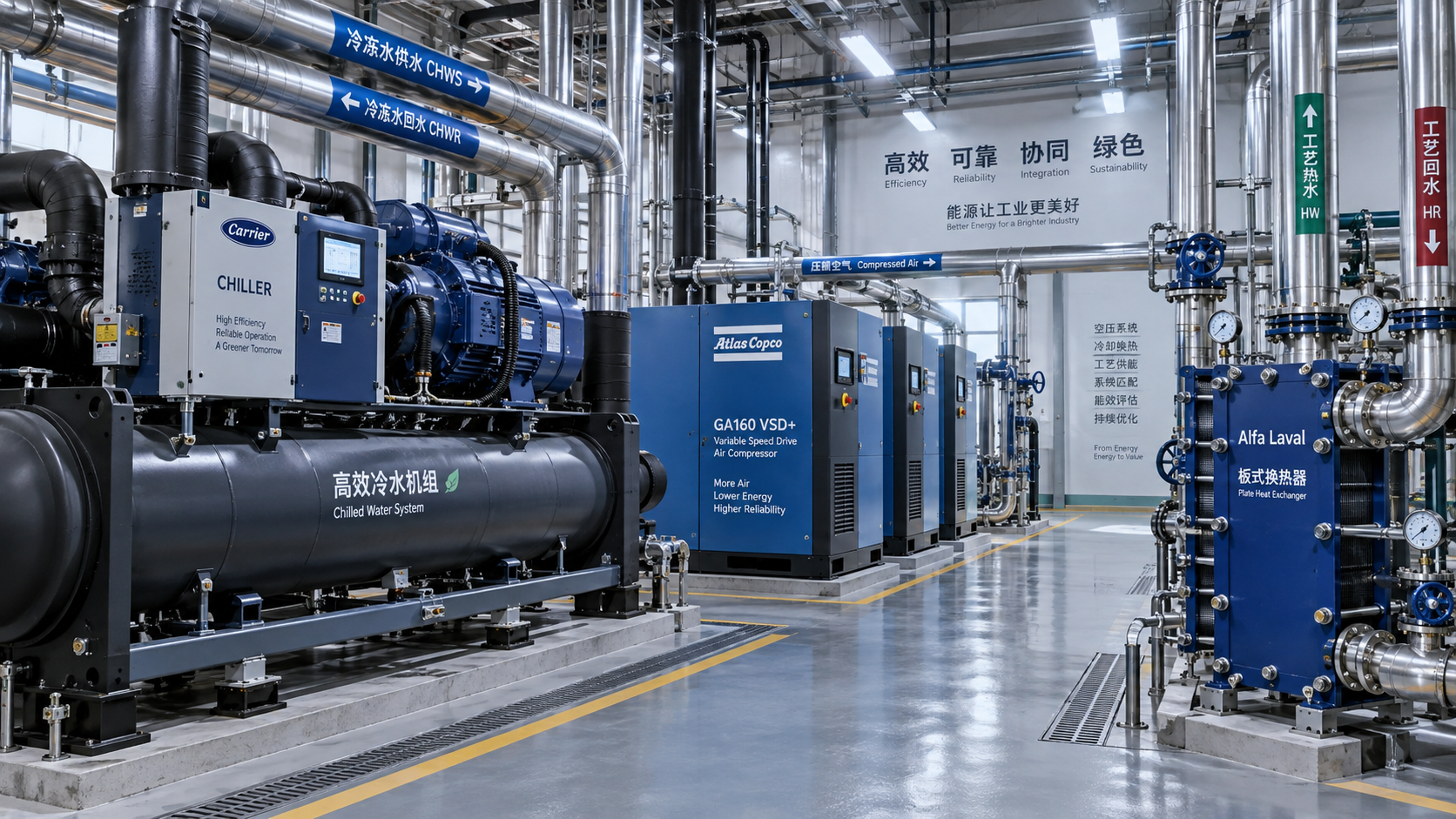
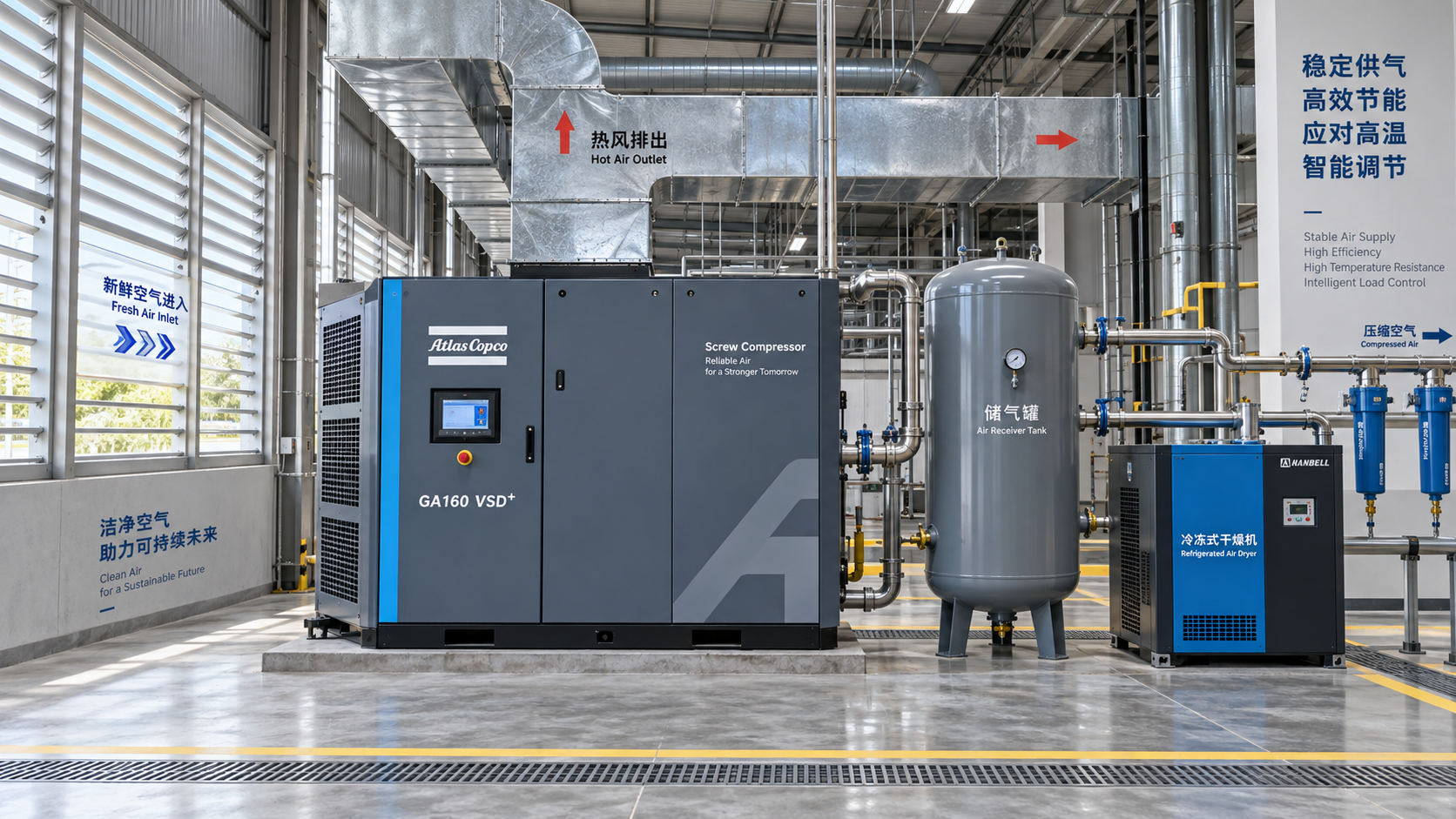
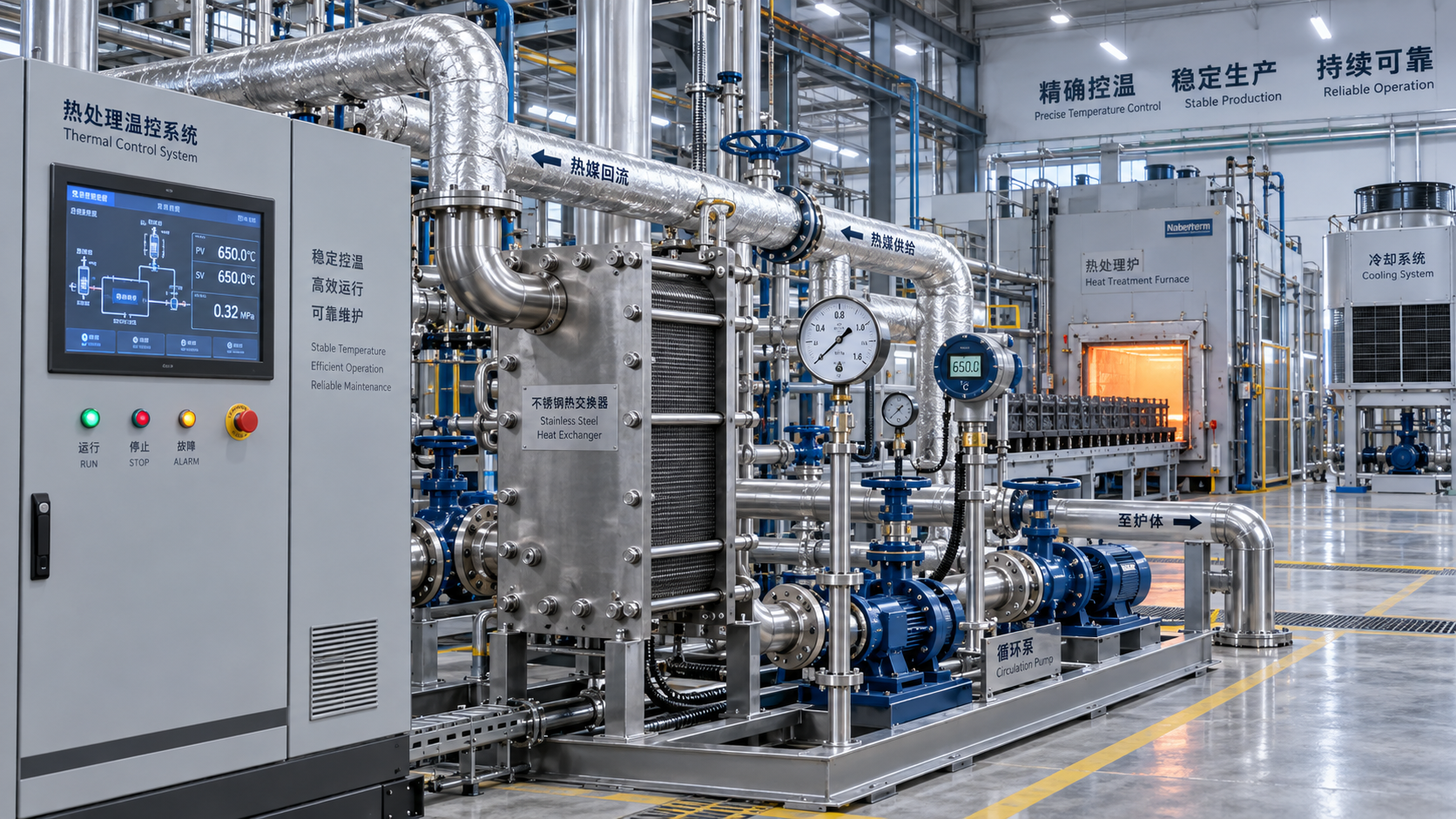
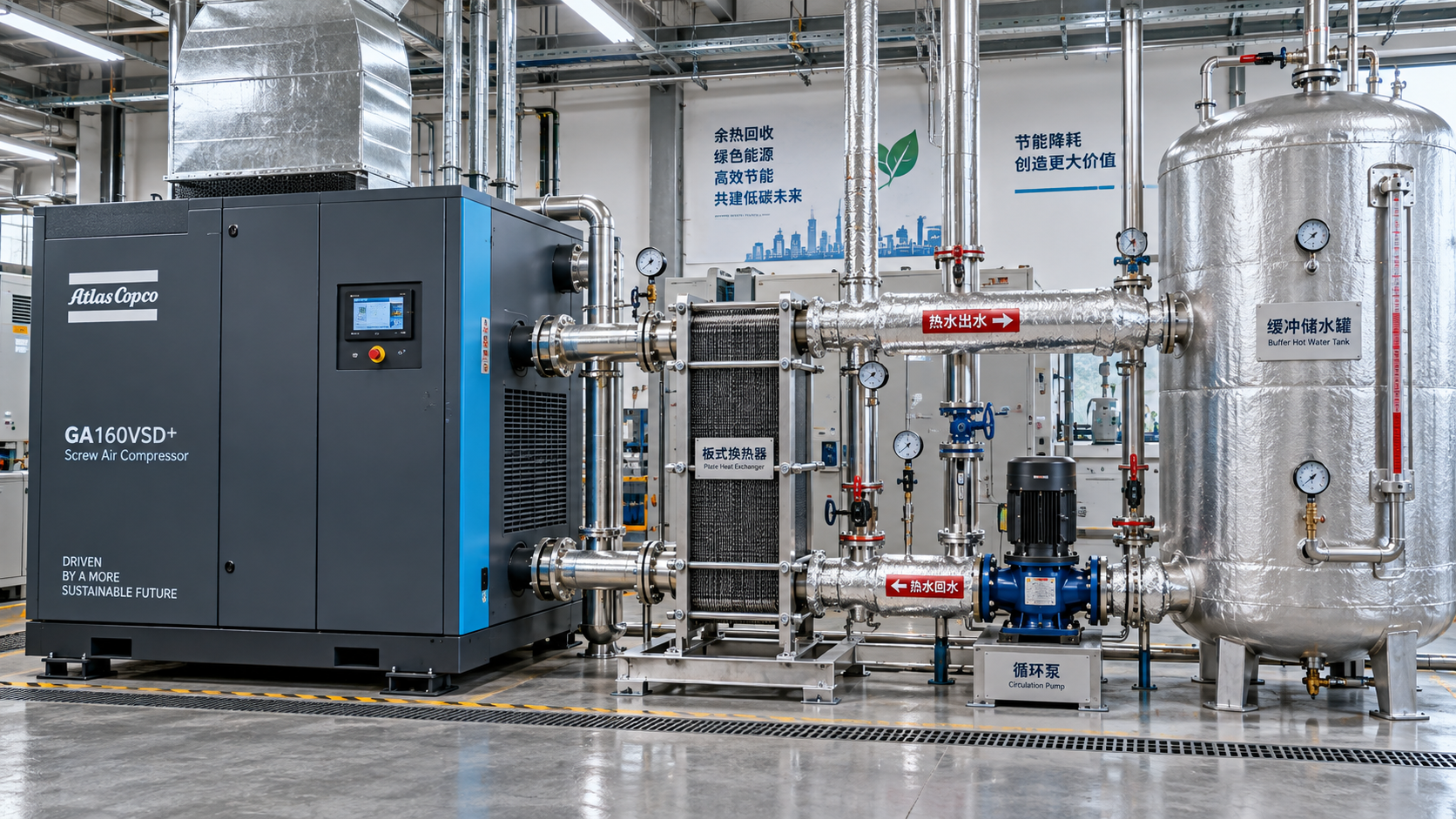
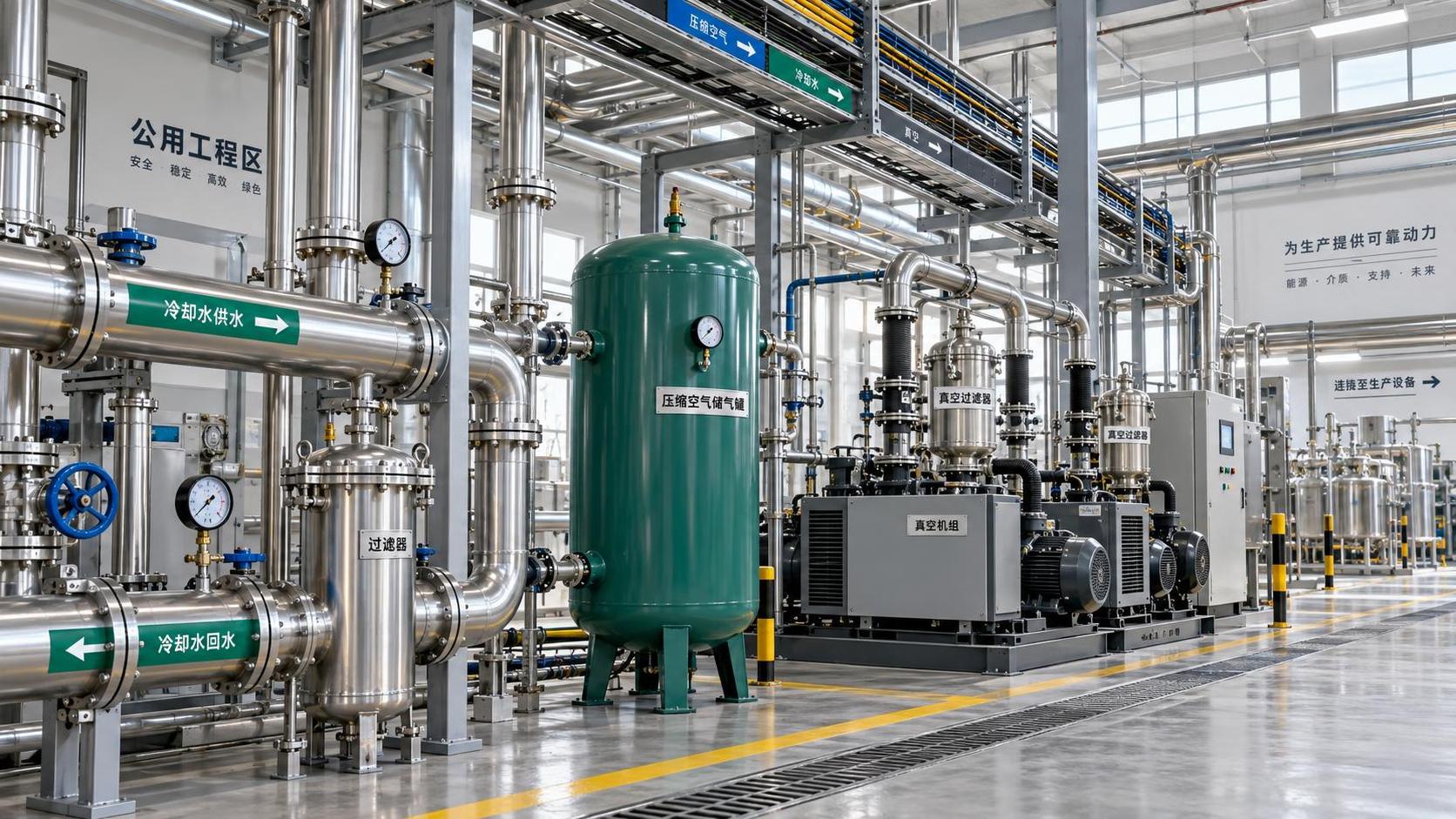
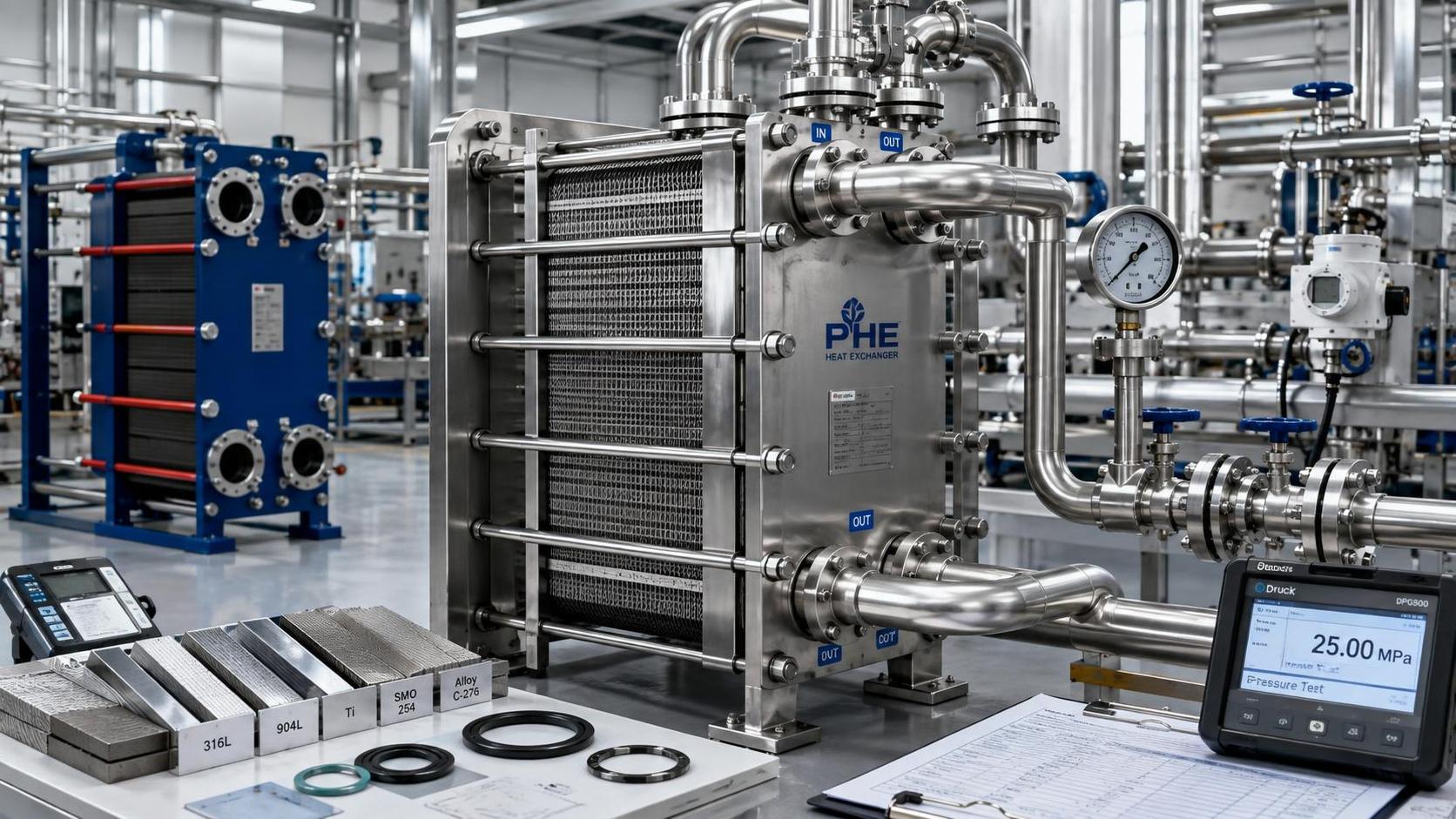
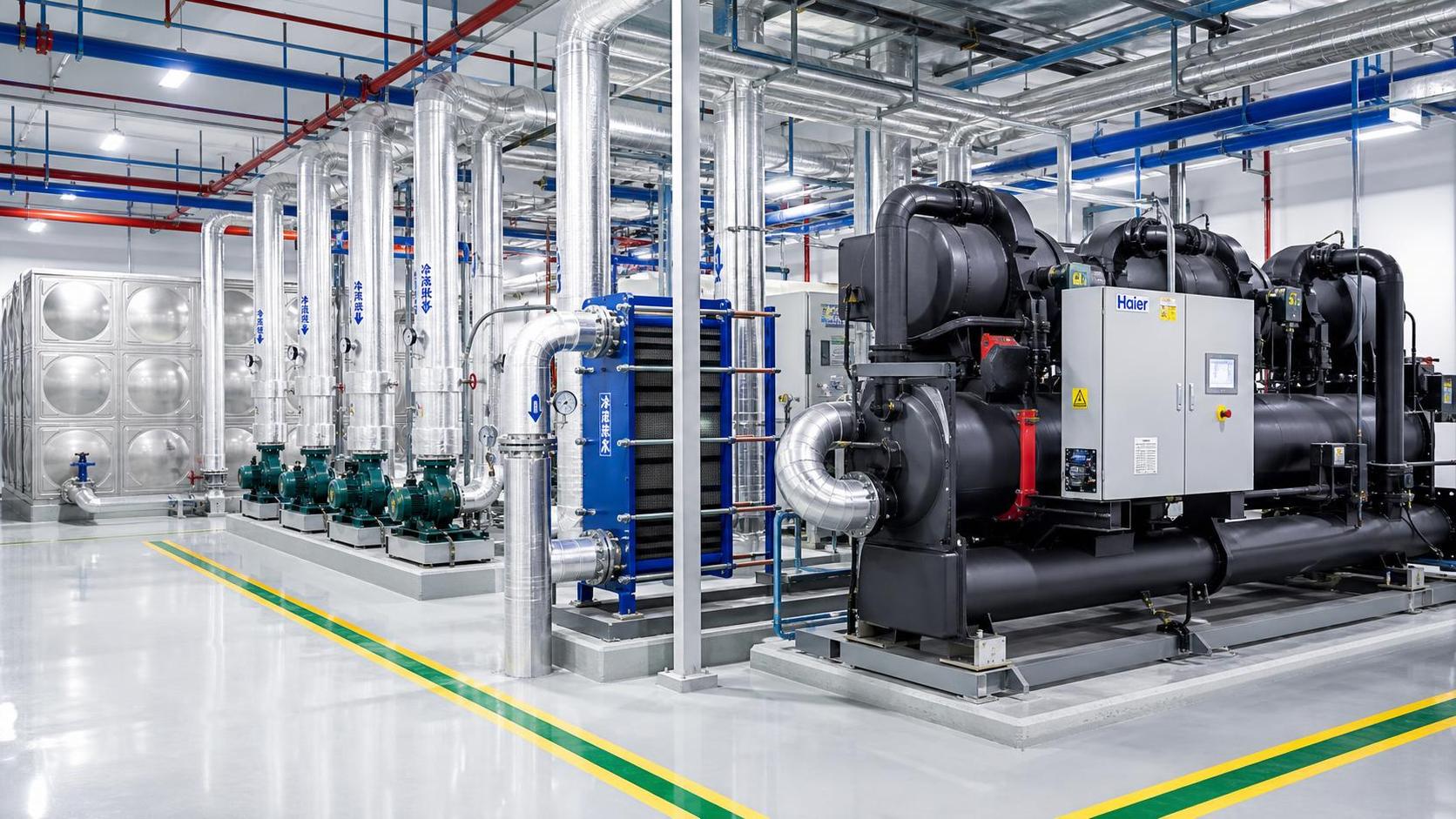
That includes chilled water systems with unstable loads, compressed air networks with sequencing inefficiencies, vacuum processes with hidden leakage, and exchangers with fouling-related heat loss.
In pharmaceutical and semiconductor environments, stable thermal control also protects quality and compliance. In food manufacturing, it can support both efficiency and product consistency.
Across these settings, thermal efficiency optimization software works best when paired with a serious review of process logic, maintenance practices, and load management.
A Practical Approval Framework
A clear approval path keeps the discussion grounded. Instead of debating software features in isolation, evaluate thermal efficiency optimization software through a staged business lens.
- Quantify current thermal losses and their cost impact.
- Identify assets where visibility is poor and downtime risk is meaningful.
- Model savings using conservative assumptions, not vendor best cases.
- Test the platform in one process area with traceable metrics.
- Approve broader deployment only after verified operational results.
This approach aligns technical ambition with financial discipline. It also reflects how industrial intelligence platforms create trust: first through evidence, then through scale.
When thermal efficiency optimization software can show measurable savings, reduced risk, and better asset decisions, deployment stops being a technology expense. It becomes a rational operating investment.
That is the point where approval is justified. Not when the software promises optimization, but when the numbers show it can improve the economics of heat, power, and production together.
Ready when you are. Send us a message to get started.
Related News
- How to select industrial equipment for automation with existing PLCsAuthor :

- How electricity prices shape industrial compressed air price trendsAuthor :

- Choosing air filtration systems for heavy dust in the Middle EastAuthor :

- How much does a fully installed compressed air monitoring system cost?Author :

- What documentation supports CE marking for industrial equipment?Author :

- How local support affects vacuum system costs in Southeast AsiaAuthor :

- How worldwide industry category guides help compare market opportunitiesAuthor :

- What drives sustainable thermal systems cost over their operating life?Author :

- Which industrial solution comparison criteria prevent project delays?Author :

- How Ambient Temperature and Load Profile Affect Industrial Compressor SizingAuthor :

- What to evaluate before choosing a thermal process engineering supplierAuthor :

- How industrial utility systems affect energy costs in process plantsAuthor :

- What Data Is Needed to Assess Heat Recovery Decarbonization?Author :

- Can Waste Heat Recovery Support Carbon Neutrality Targets?Author :

- Is Compressor Heat Recovery Worth the Installation Cost?Author :

- What to verify before choosing a process separation technology supplierAuthor :

- When does process utilities engineering reduce project rework?Author :

- Where thermal efficiency optimization delivers the fastest savings in EuropeAuthor :

- What should you verify before selecting a heat transfer supplier?Author :

- What drives compressed air systems price for industrial projects?Author :

- How an industrial product knowledge comparison guide reduces sourcing riskAuthor :

- When does a procurement specification planning process reduce bid risk?Author :

- When does thermal system optimization for electronics reduce failure risk?Author :

- When high temperature process heating systems justify the higher energy costAuthor :

- How to compare sludge dewatering equipment by cake drynessAuthor :

- What to Check Before Sourcing a Gas Turbine for Distributed Power ProjectsAuthor :

- What drives industrial thermal systems price in large facility projectsAuthor :

- How to build an industrial product comparison chart that speeds up vendor selectionAuthor :

- Vacuum Technology Application Guide for Selecting the Right SystemAuthor :

- What Drives Vacuum Drying Cost in Industrial Procurement?Author :

- What Drives Compressed Air Pricing in Industrial Systems?Author :

- How Procurement Specification Planning Shapes Total Project CostAuthor :

- Compression Technology Guide: How to Compare Efficiency, Pressure Range, and Maintenance NeedsAuthor :

- How to Compare Industrial Separators by Throughput, Purity, and Maintenance LoadAuthor :

- How to Size a Compressed Air Equipment Receiver Tank for Stable PressureAuthor :

- Industrial Equipment Selection Guide: How to Compare Capacity, Duty Cycle, and Operating CostAuthor :