



How Energy Conversion Systems Cut Power Generation Losses




How Energy Conversion Systems Cut Power Generation Losses
Power losses rarely come from one weak component alone.
They usually build up across heat transfer, compression, combustion, mechanical drive, and electrical conversion stages.
That is why energy conversion systems for power generation are now evaluated as integrated performance chains, not isolated machines.
For technical review, the real question is simple.
Where does useful energy disappear, and which design choices recover more of it?
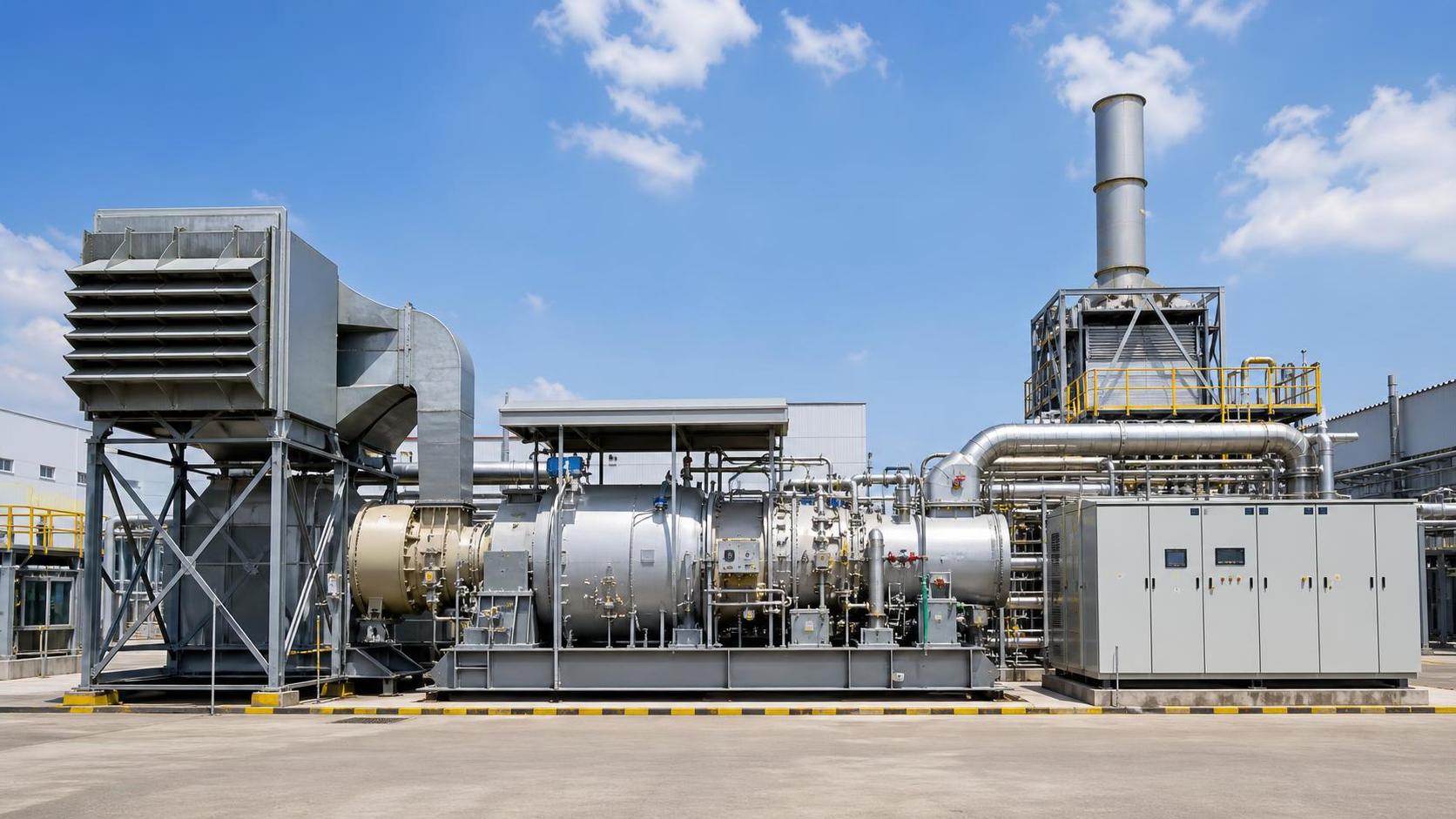
Modern energy conversion systems for power generation reduce losses by improving thermal matching, limiting pressure drops, recovering waste heat, and using smarter controls.
This matters even more as fuel costs stay volatile and carbon targets become harder to ignore.
In practical terms, lower losses mean better output stability, lower operating expense, and stronger compliance with efficiency standards.
That also explains why platforms such as GTC-Matrix focus on the thermal and compression core of industrial energy performance.
Where Power Generation Losses Typically Occur
Any review of energy conversion systems for power generation should start with the loss map.
Most losses fall into four broad categories.
- Thermal losses from exhaust heat, radiation, and incomplete heat recovery.
- Mechanical losses from friction, misalignment, and poor drive efficiency.
- Fluid losses from pressure drop, leakage, and unstable flow conditions.
- Electrical losses from conversion inefficiency, harmonics, and transformer load mismatch.
In thermal plants, exhaust temperature is a major signal.
If valuable heat leaves the system too early, fuel input is not being fully converted into work.
In gas compression and air handling sections, pressure losses often look small on paper.
Yet they can force compressors, pumps, or fans to consume much more power over time.
The more obvious signal is that small inefficiencies compound across the full energy path.
How Thermal Optimization Improves Energy Conversion Systems for Power Generation
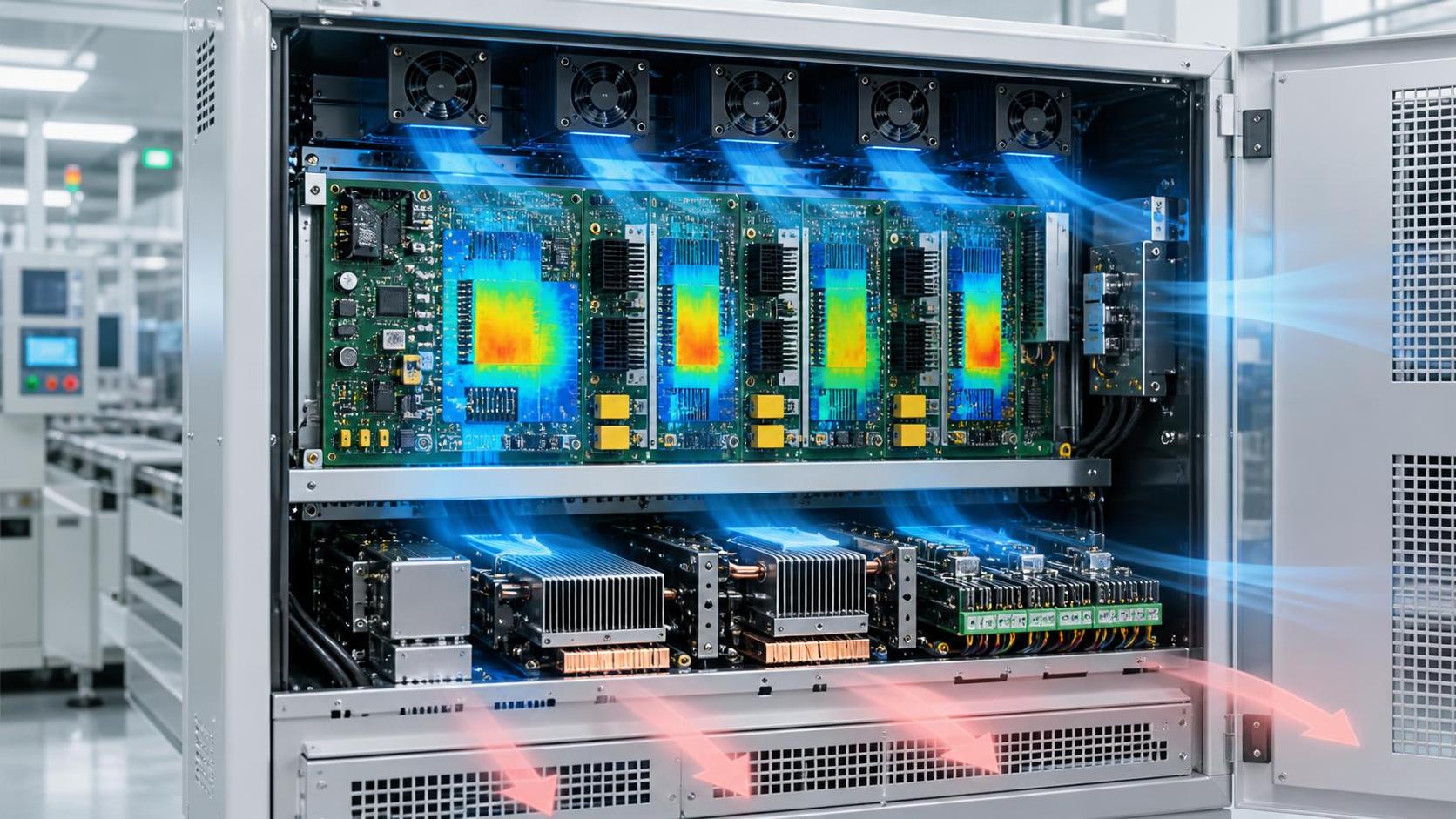
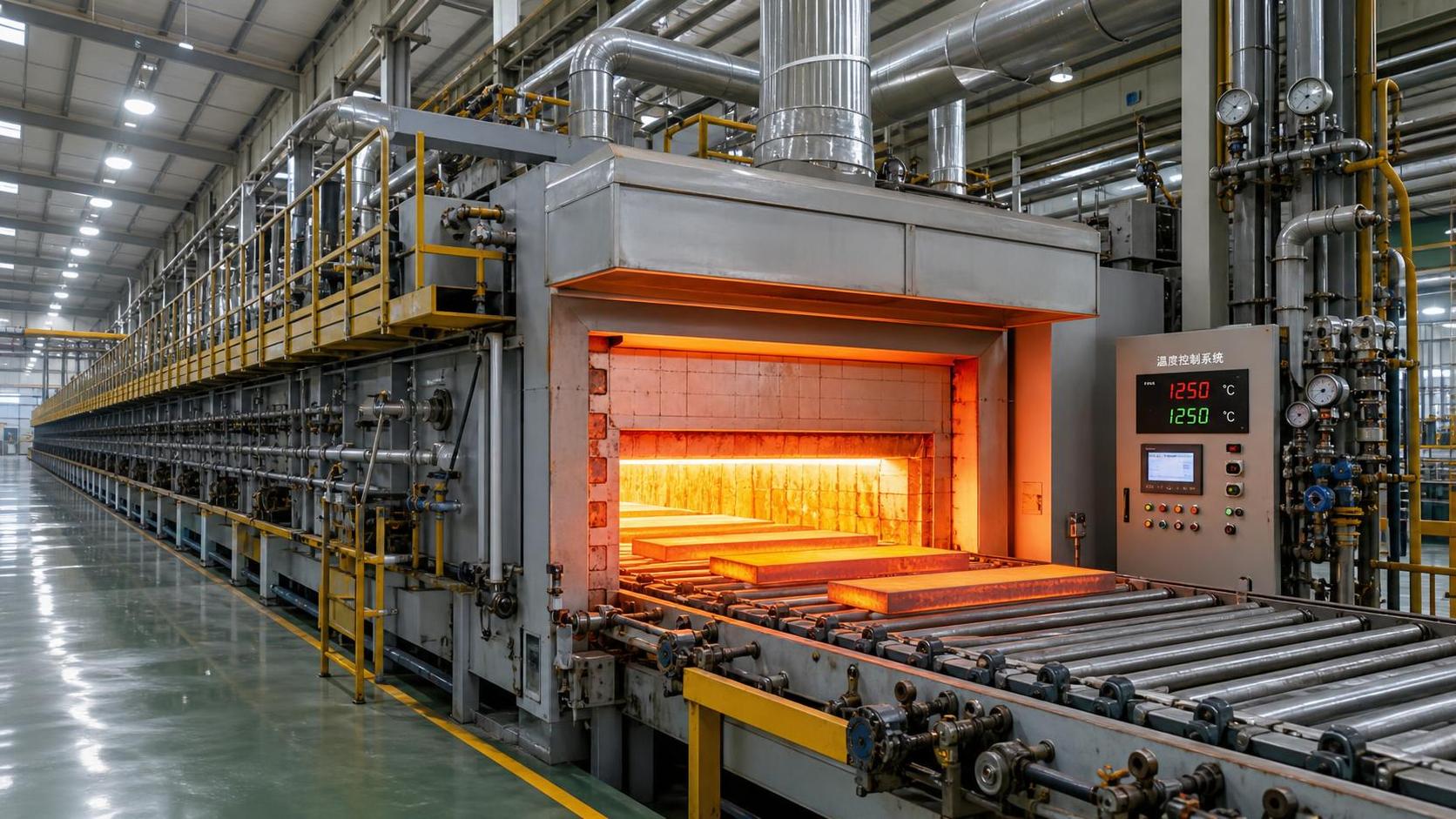
Thermal optimization is often the fastest route to lower loss.
It focuses on extracting more useful work from the same heat input.
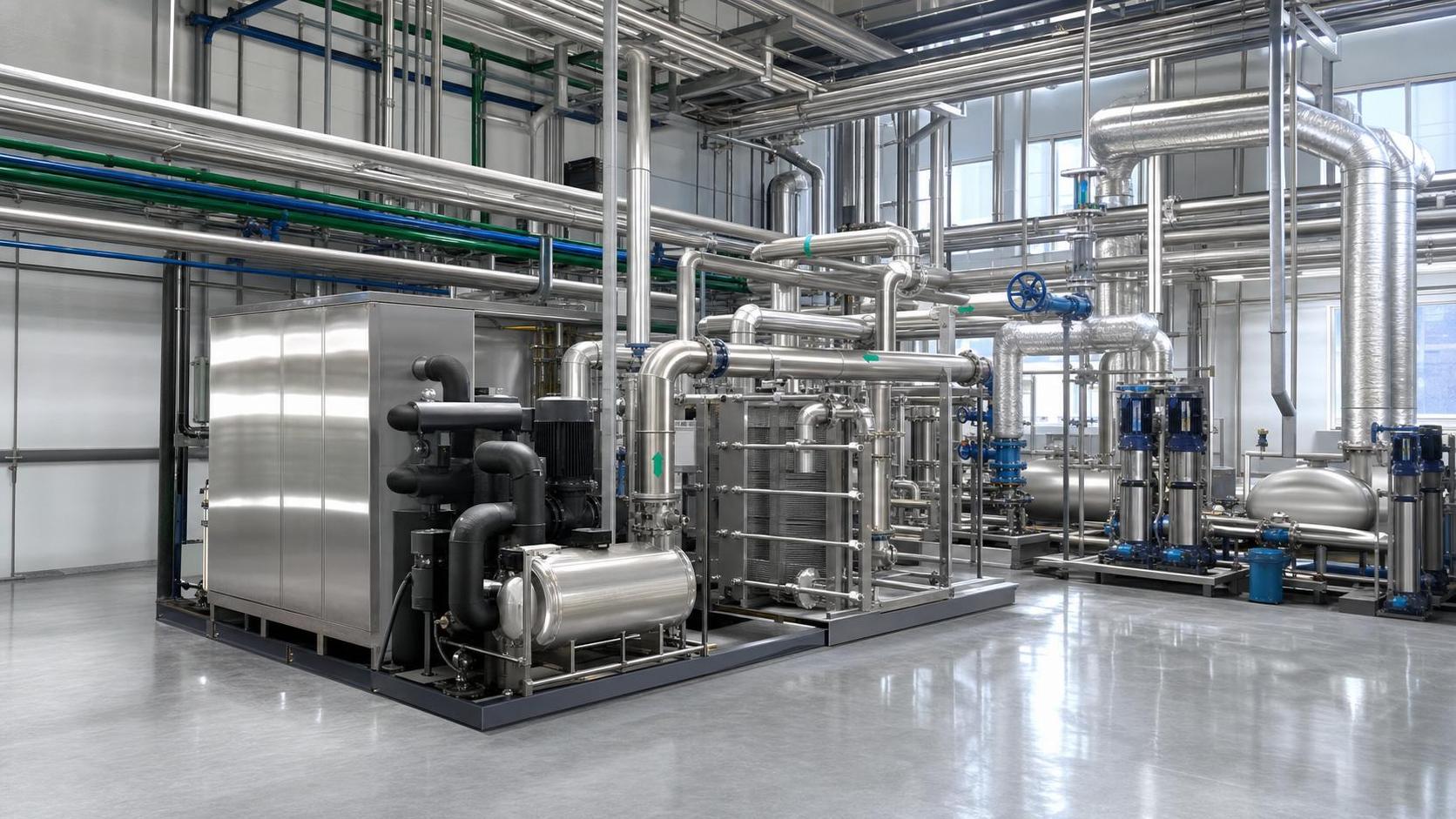
Heat exchanger effectiveness
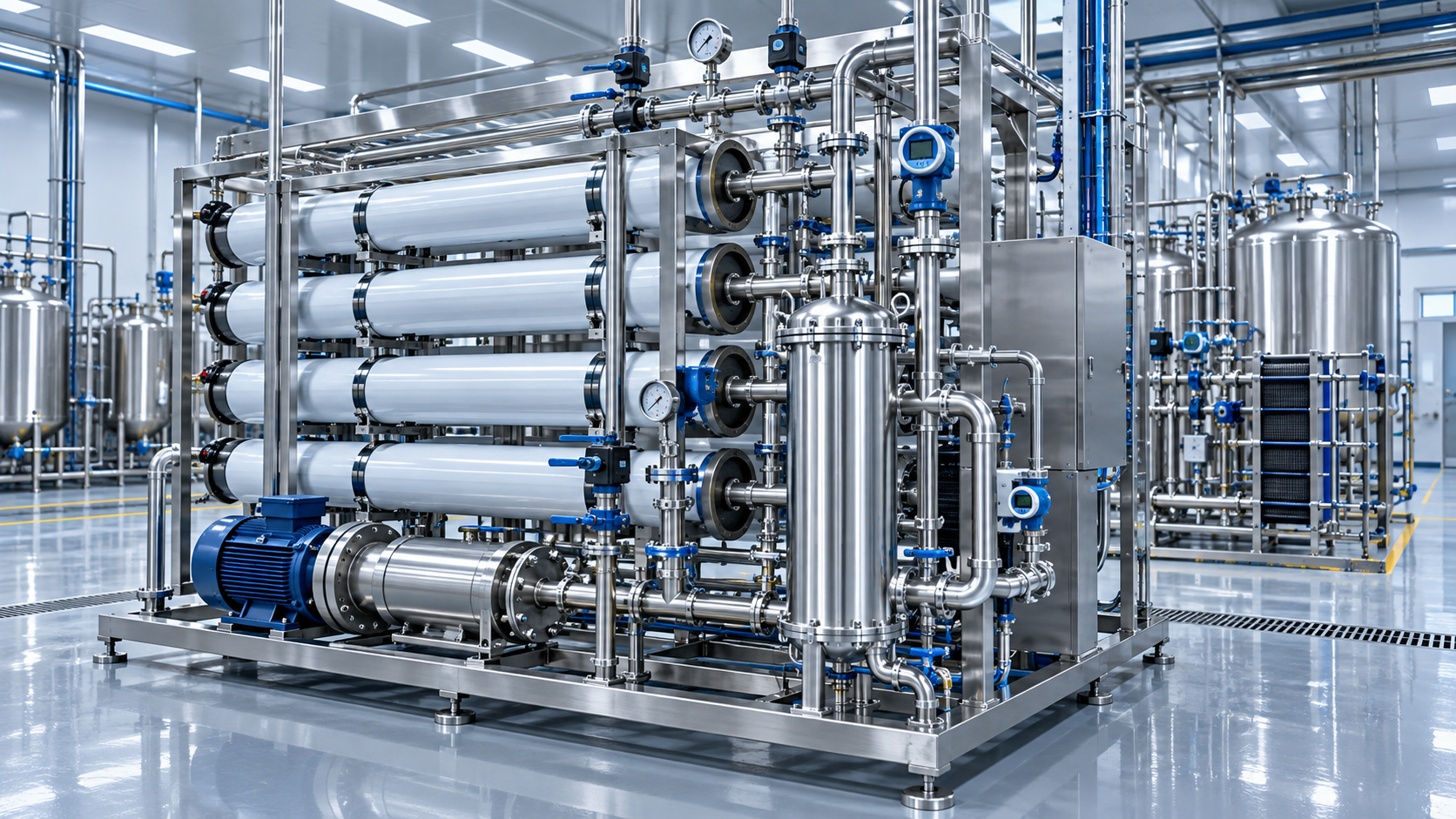
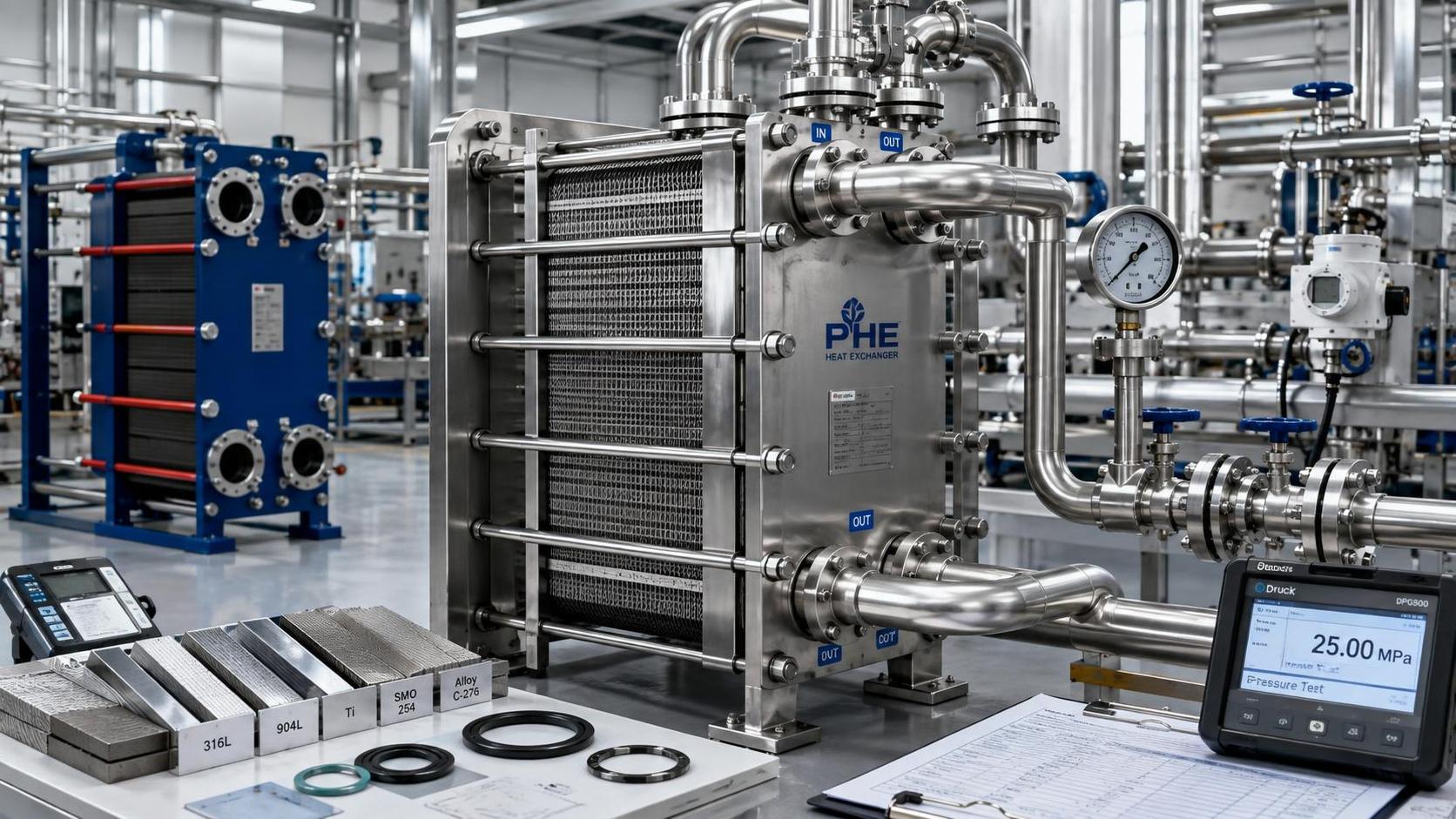
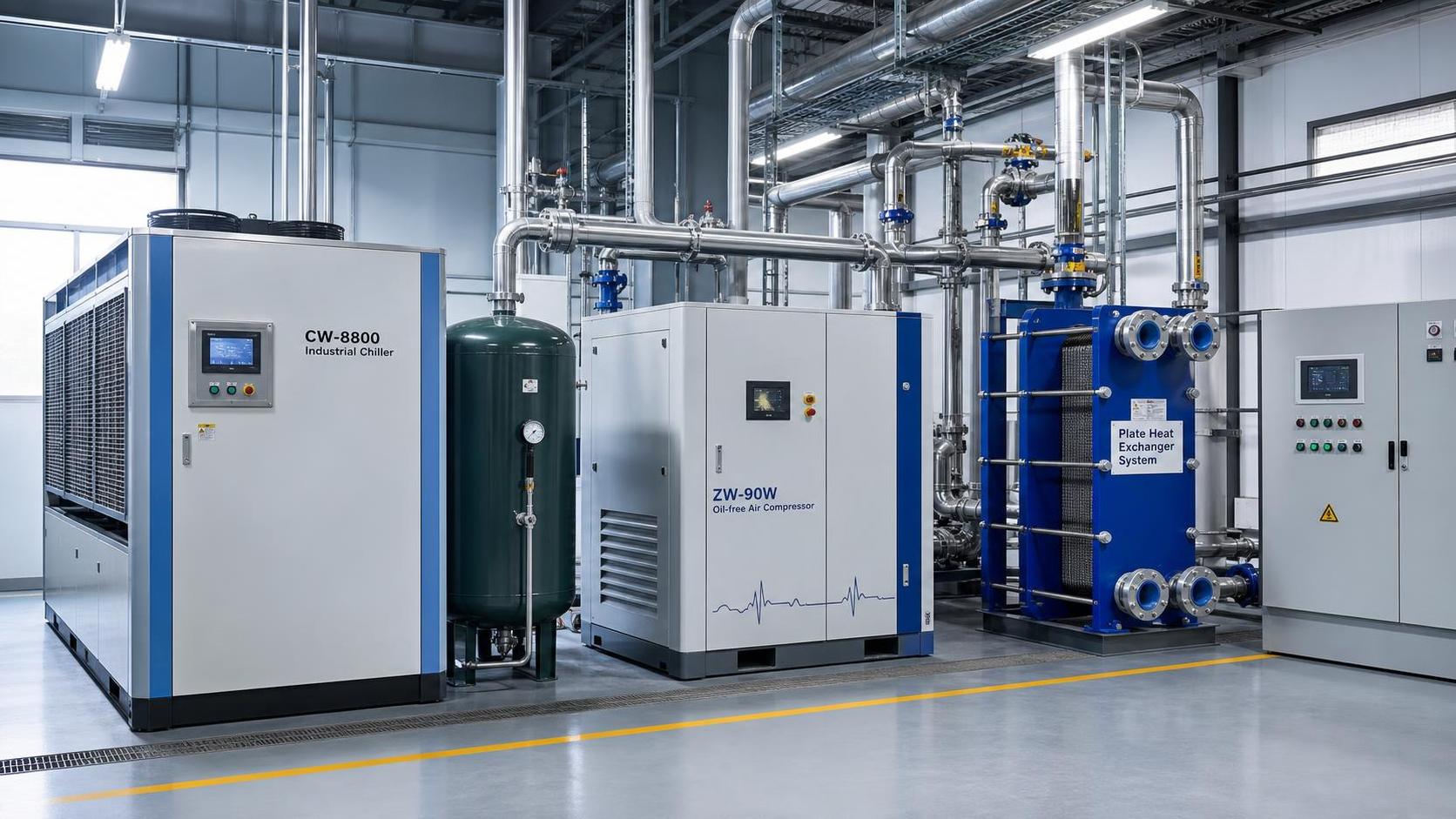
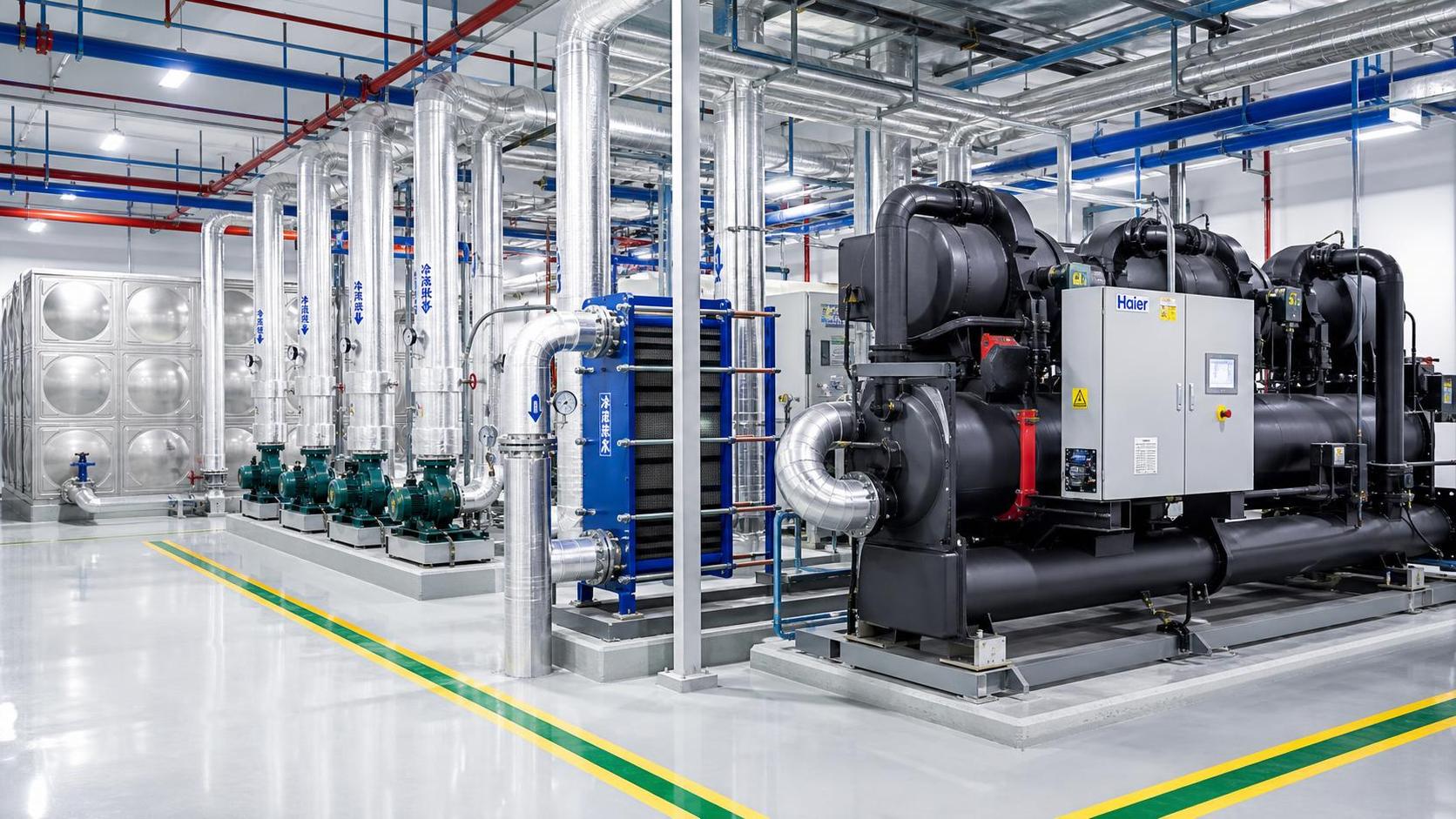
High-performance heat exchangers increase transfer efficiency while reducing temperature approach losses.
Microchannel and compact designs are especially useful where footprint, fouling control, and response speed all matter.
This is one reason GTC-Matrix tracks microchannel heat exchanger evolution so closely.
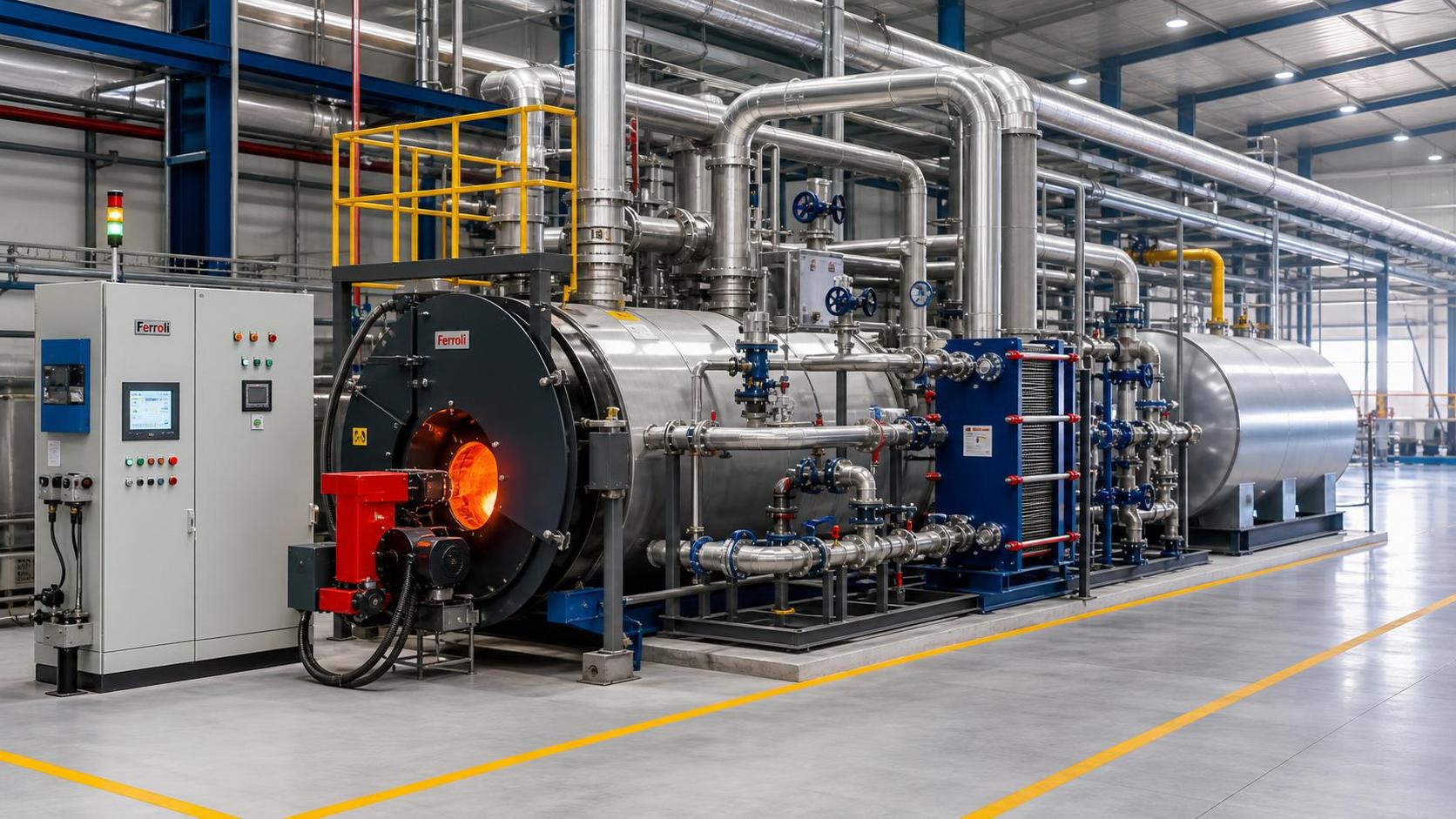
Combustion tuning
Poor combustion wastes fuel and creates unstable thermal output.
Low-NOx boiler optimization, burner staging, and better air-fuel control improve both efficiency and emissions performance.
Temperature matching
One common mistake is using high-grade heat for low-grade demand.
Better cascade design assigns each temperature level to the most suitable duty.
That reduces exergy destruction, which is a more revealing measure than simple energy balance alone.
Why Compression Efficiency Matters More Than It First Appears
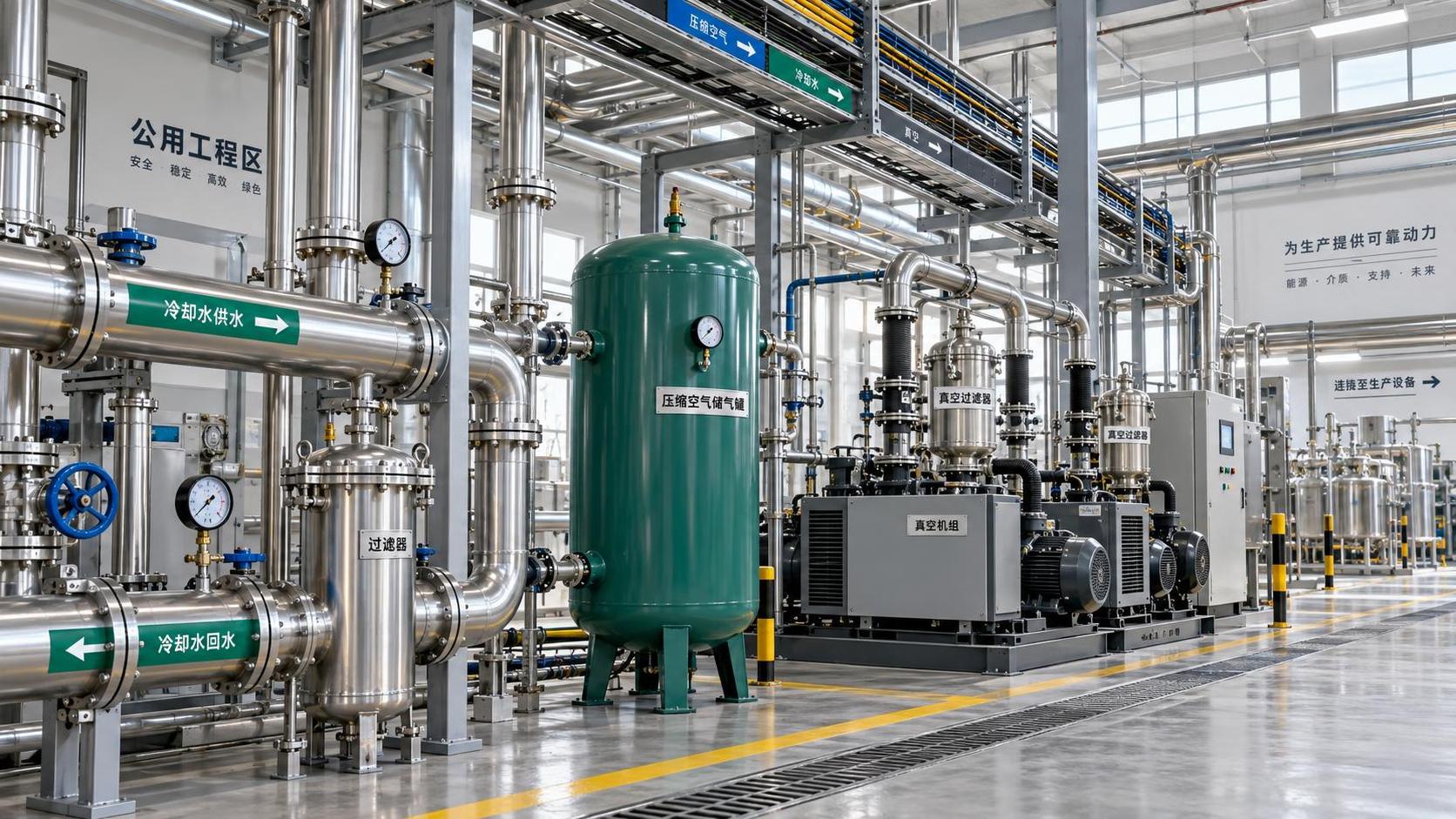
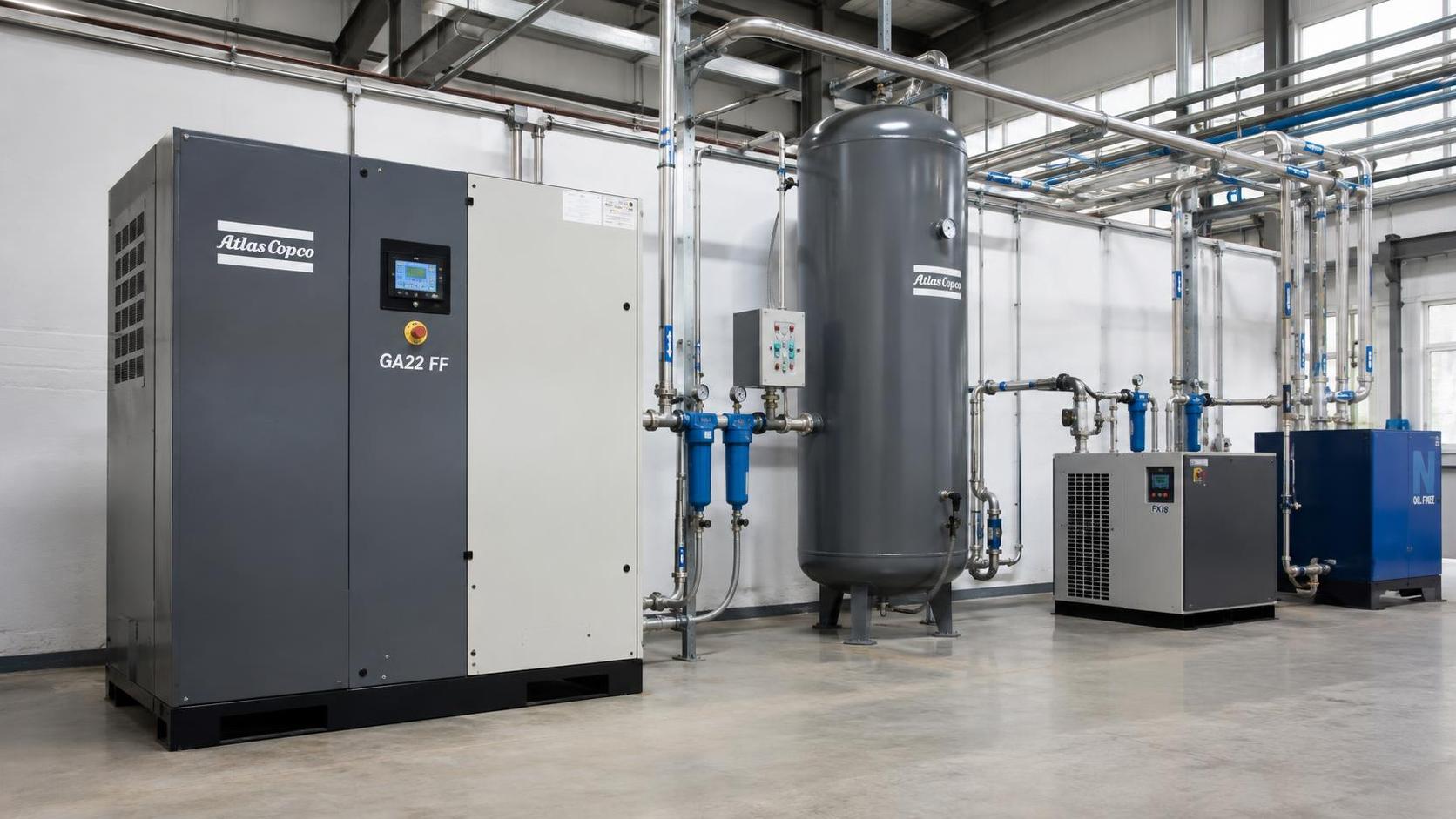
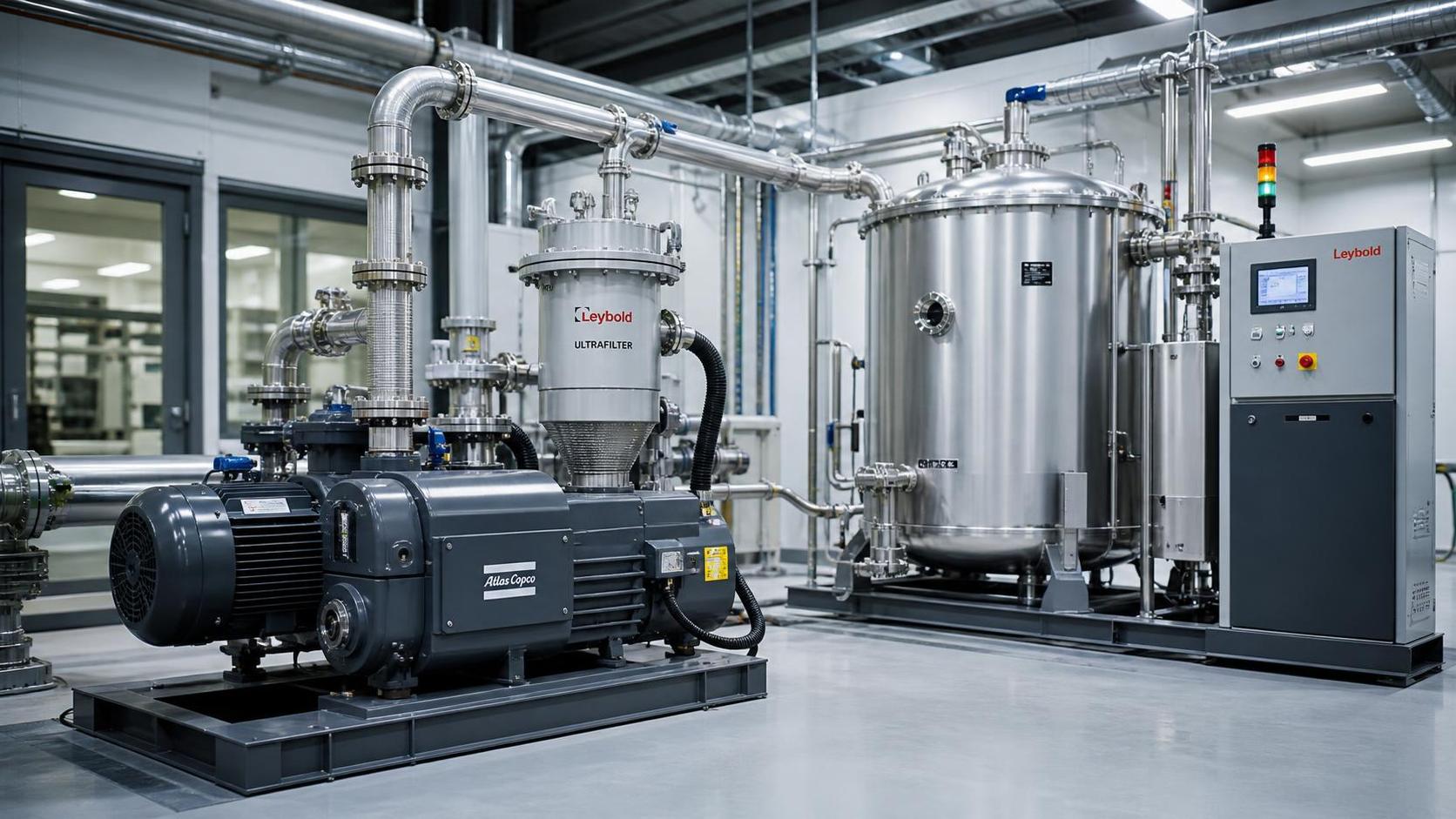
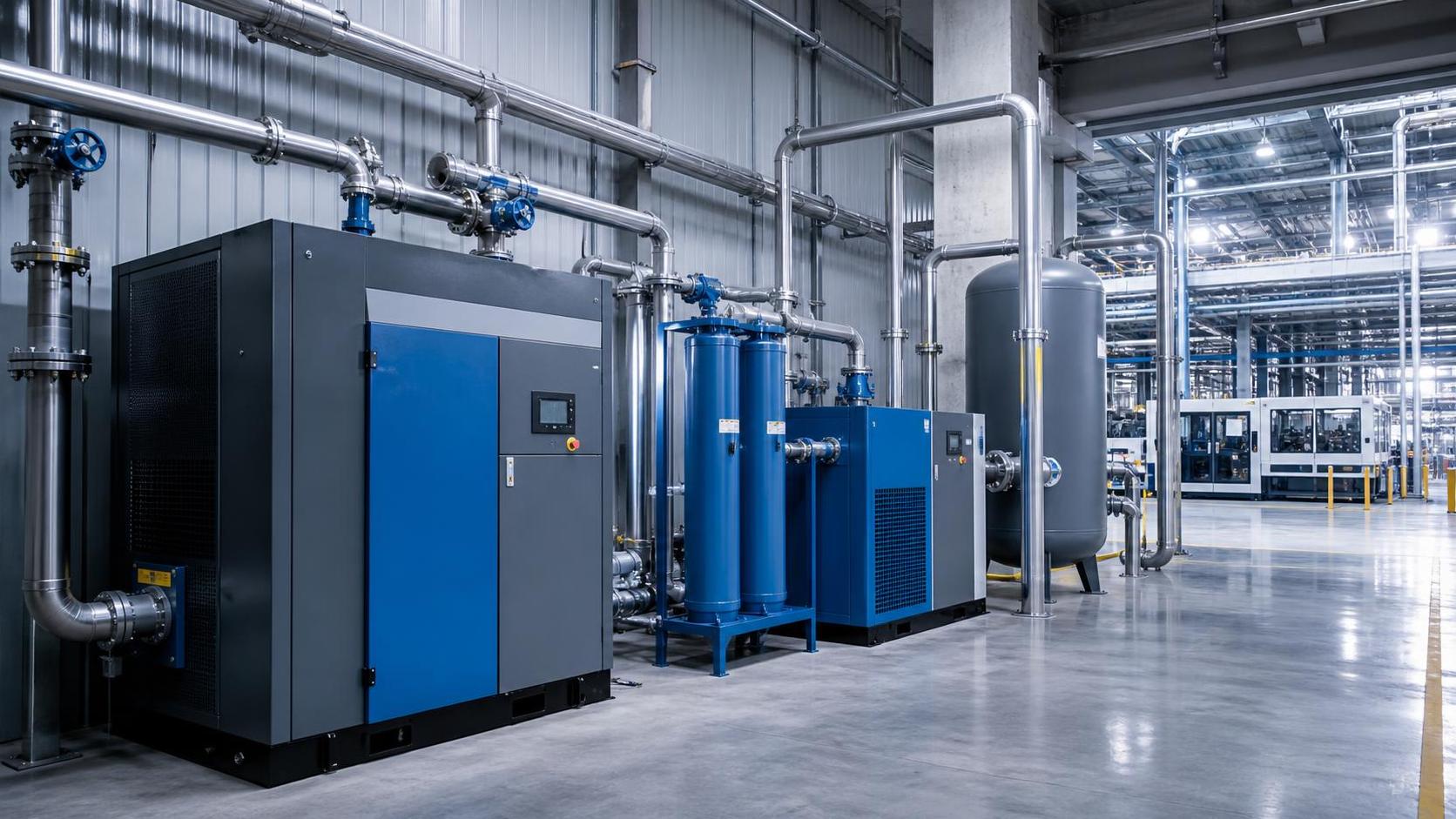
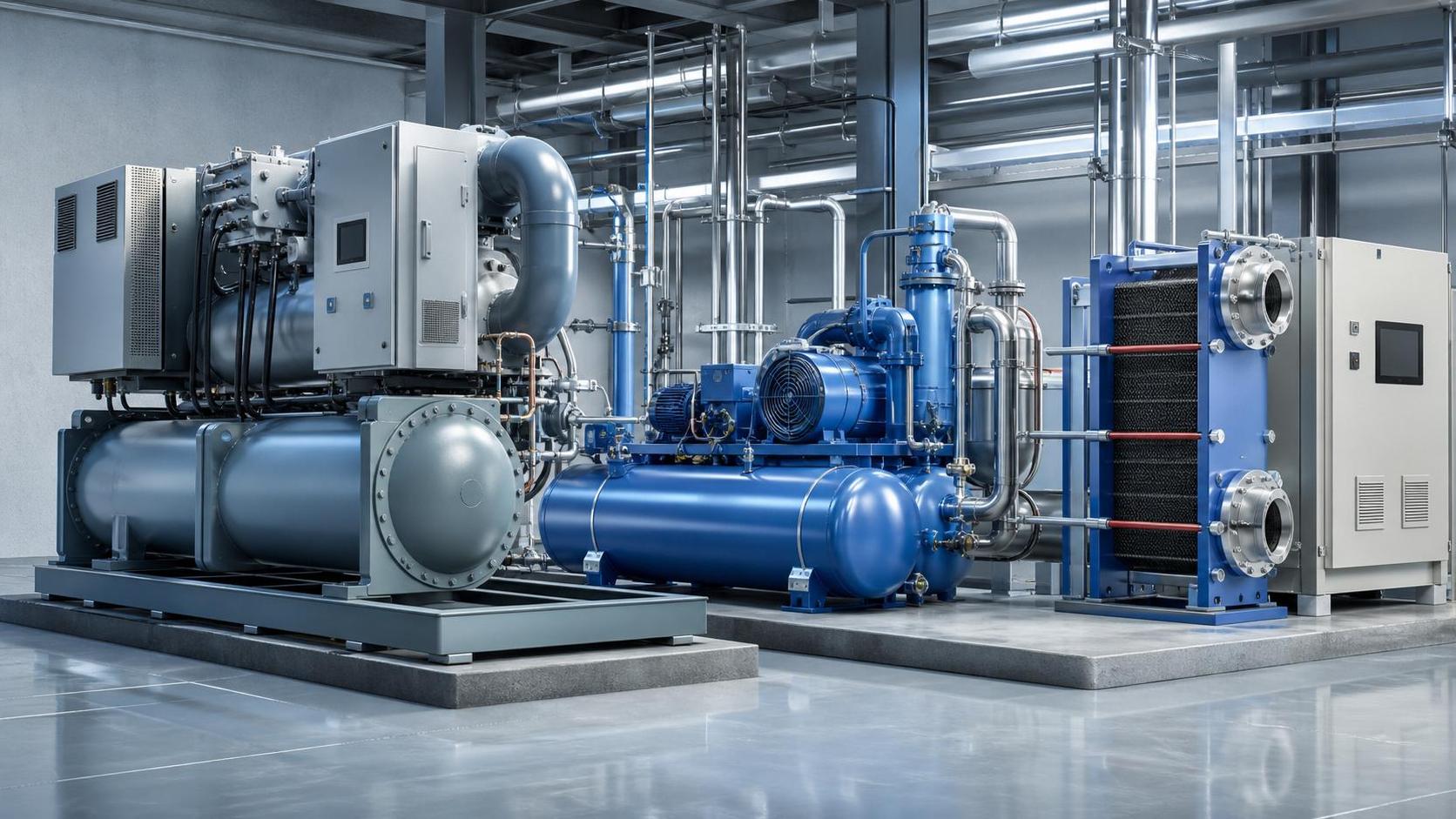
Many energy conversion systems for power generation depend on compressed air, gas boosting, or vacuum support.
When compression is inefficient, system losses rise quickly.
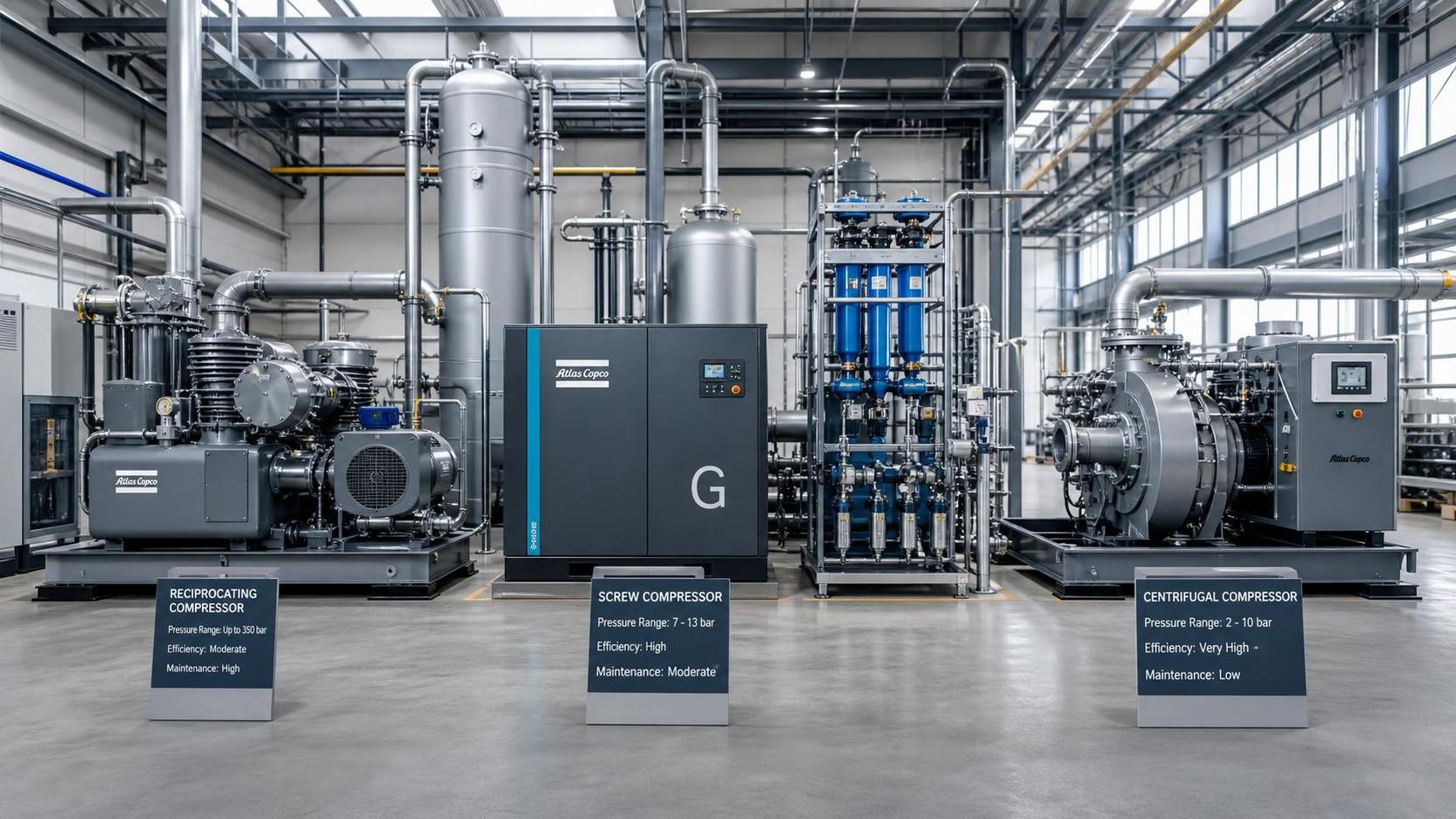
Oil-free compression technology is gaining attention because it improves purity, reduces contamination risk, and can simplify downstream thermal management.
That is particularly relevant in pharmaceutical, semiconductor, and food production environments linked to high-precision utility demand.
From a technical review perspective, key checks include:
- Specific power at defined load points.
- Part-load efficiency stability.
- Intercooler and aftercooler thermal performance.
- Leakage rate across valves, seals, and piping.
- Control response under fluctuating demand.
Recent project data across industrial utilities shows a familiar pattern.
Systems designed for peak output alone often perform poorly in real operating windows.
That means energy conversion systems for power generation should be scored by duty profile, not nameplate claims.
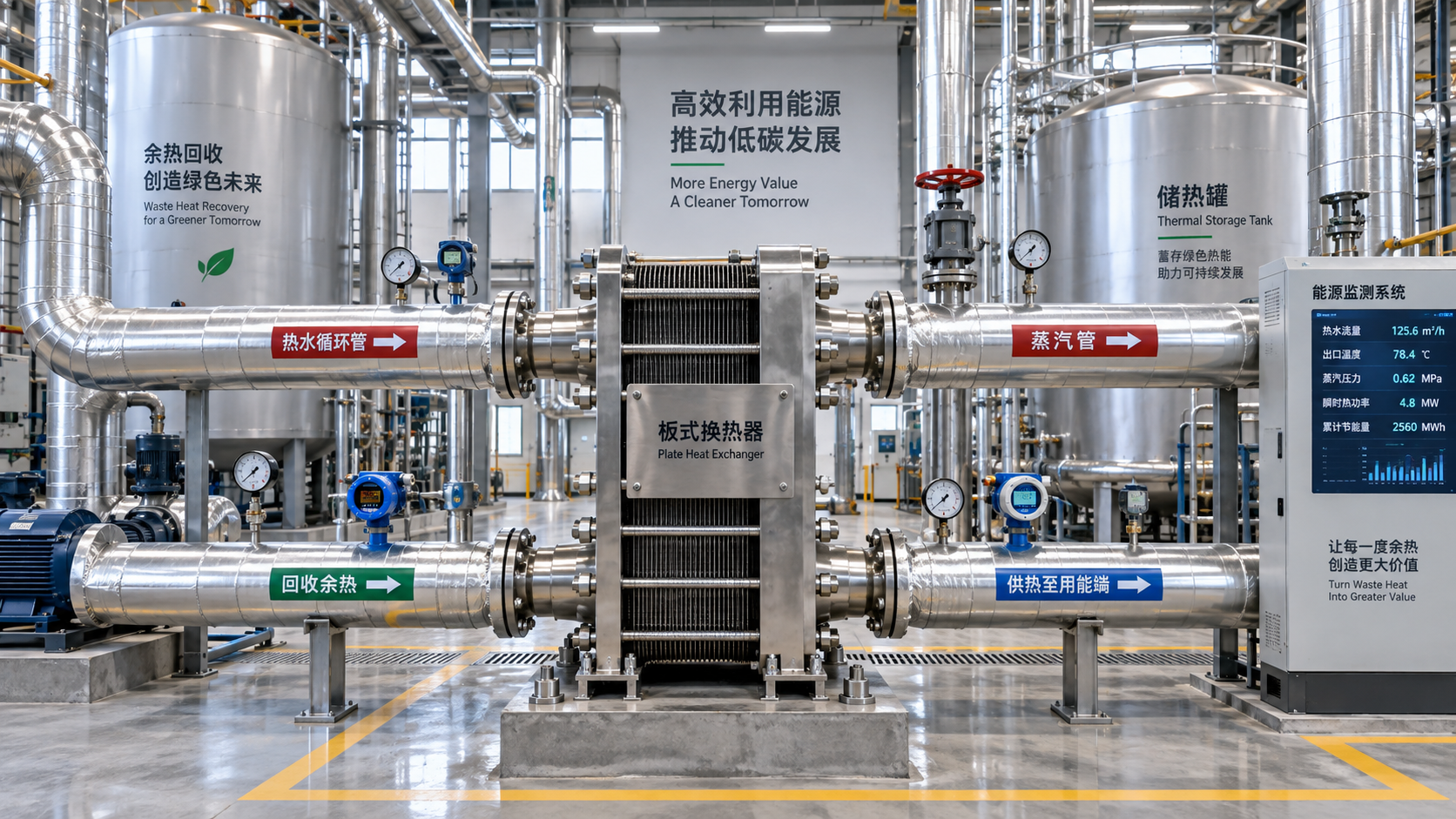
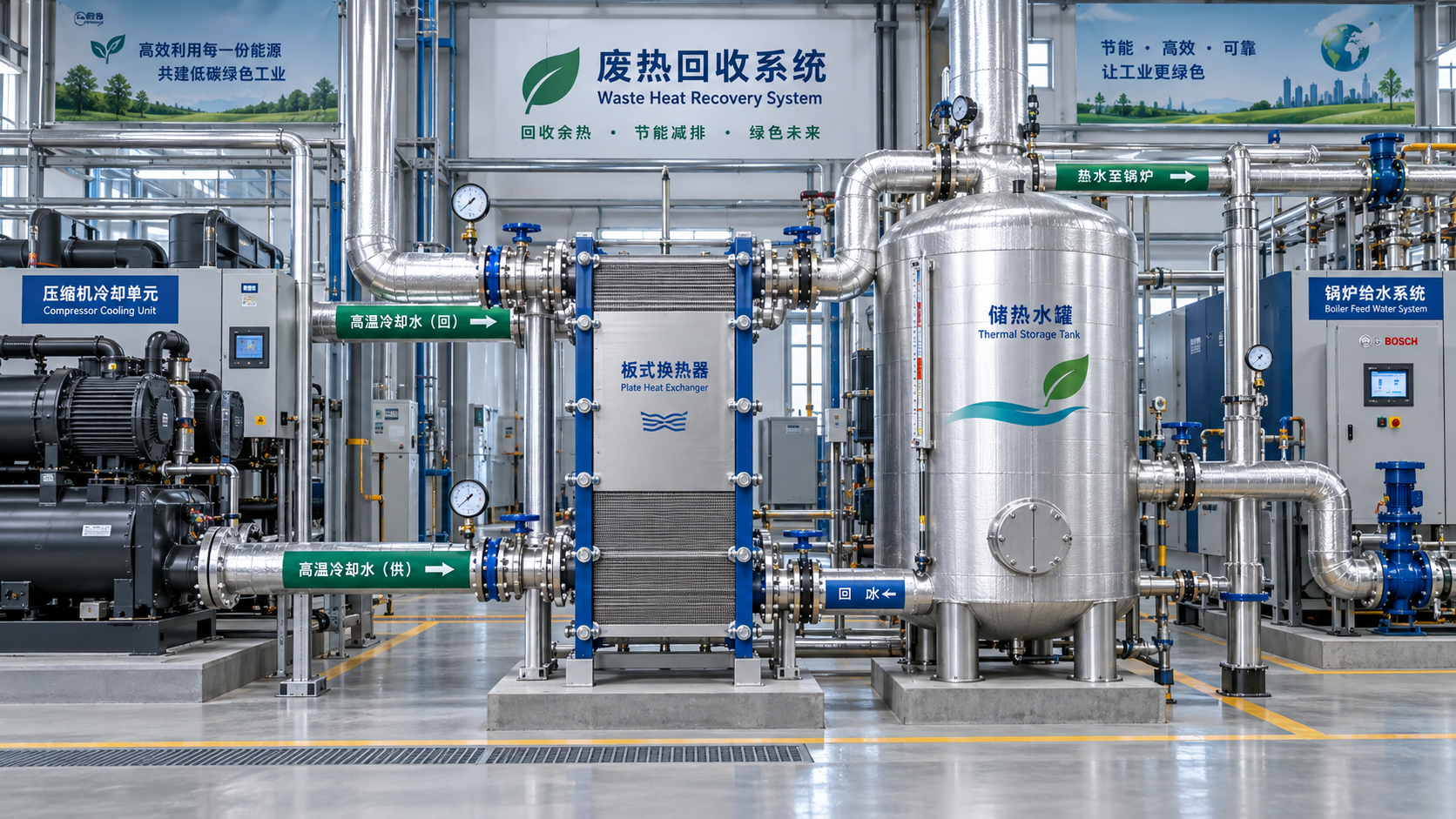
Waste Heat Recovery Turns Loss Into Usable Output
A large share of generation loss leaves the system as heat.
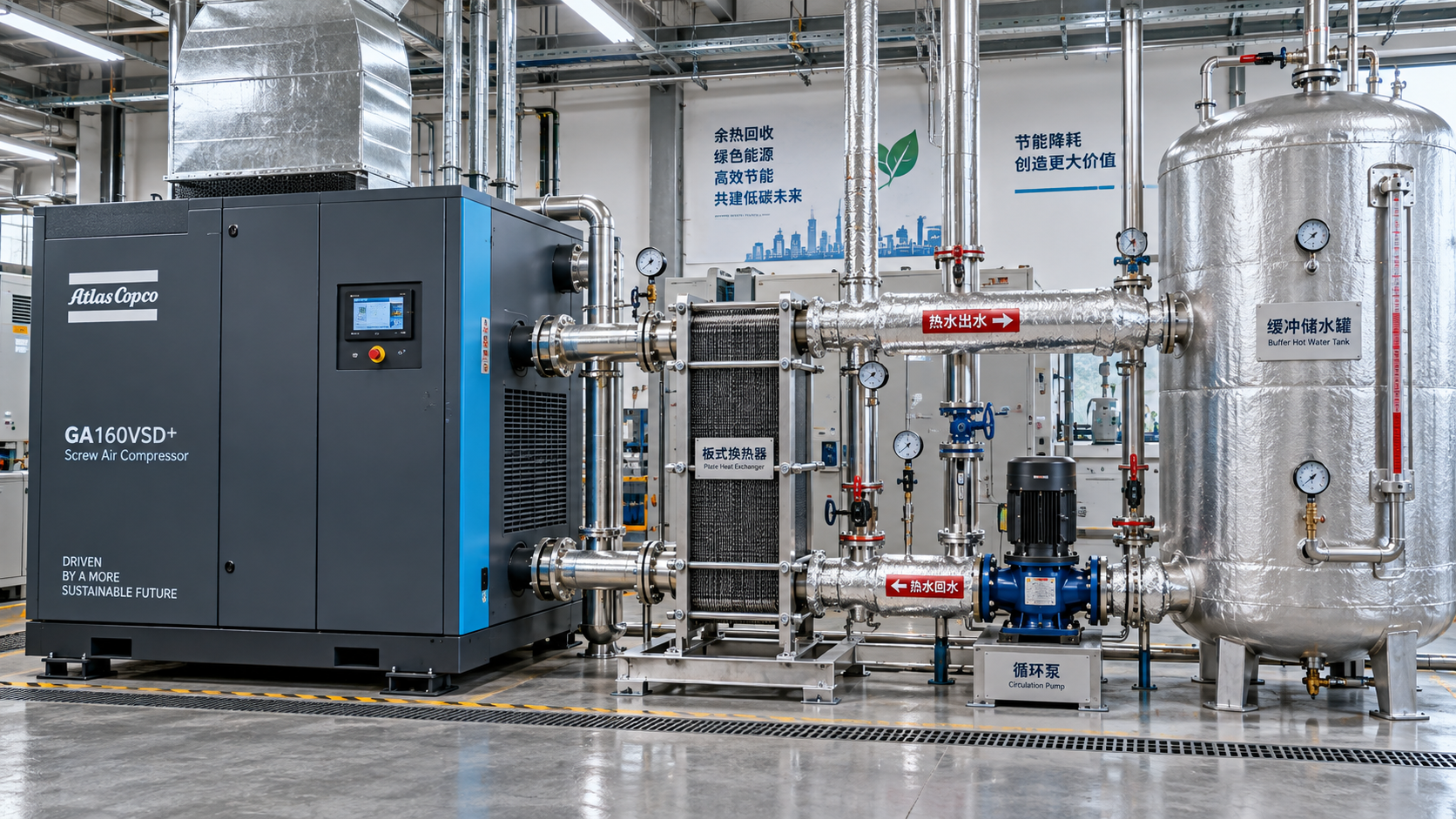
The value of waste heat recovery is that it captures this loss before it escapes completely.
Typical recovery paths
- Economizers that preheat feedwater or combustion air.
- Heat recovery steam generators in combined-cycle arrangements.
- Organic Rankine Cycle units for lower-temperature waste streams.
- Process heat reuse in nearby industrial operations.
The best option depends on temperature level, flow stability, contamination risk, and local demand for recovered heat.
This is where energy conversion systems for power generation need more than hardware selection.
They need system architecture that aligns source quality with destination use.
Otherwise, a recovery module may look efficient but deliver weak economic value in daily operation.
Digital Control and Monitoring Close the Hidden Efficiency Gap
Another clear shift is the move from static design efficiency to operating efficiency.
Even strong hardware underperforms when controls are slow, blind, or poorly integrated.
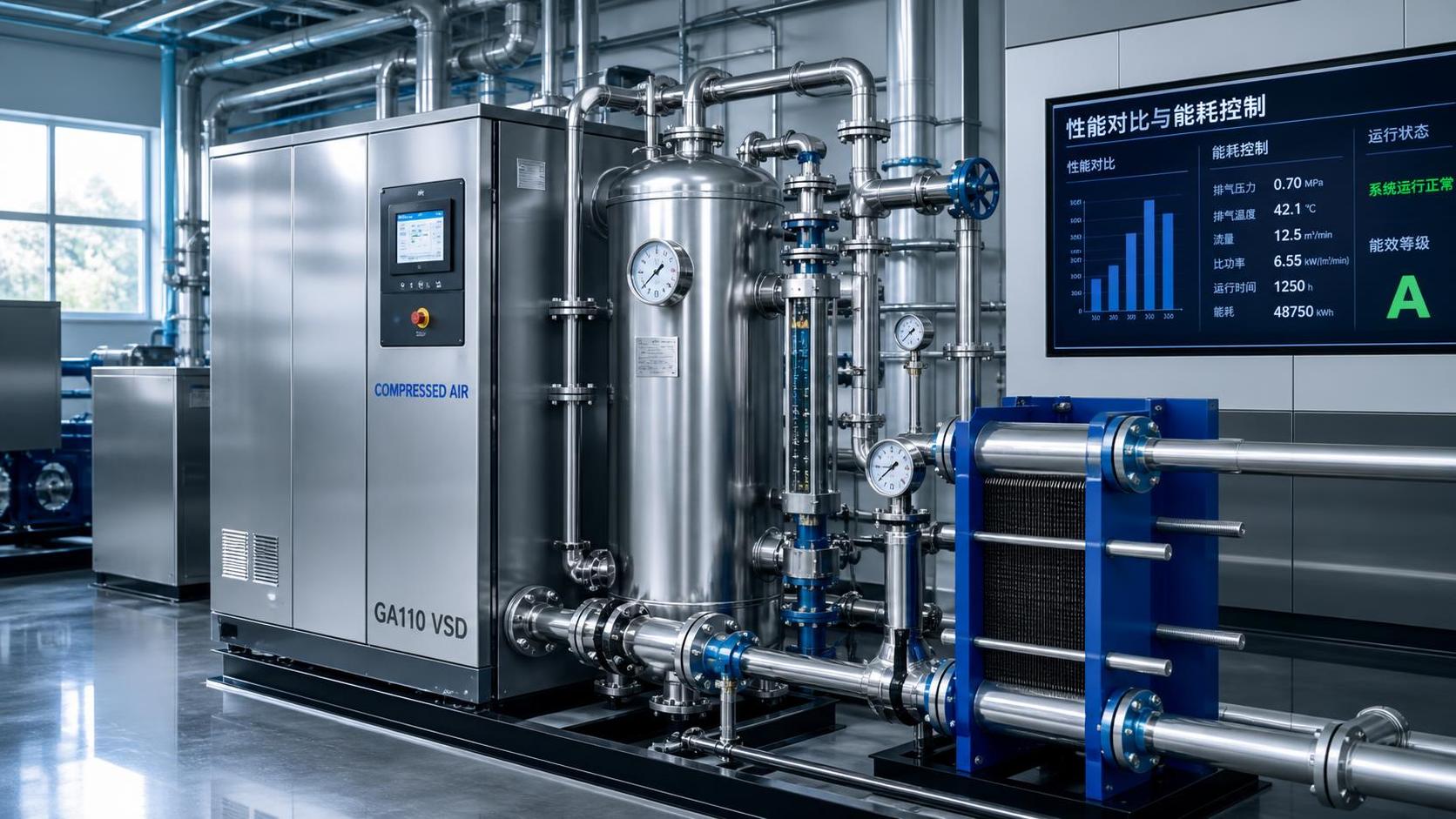
Advanced monitoring in energy conversion systems for power generation helps detect drift before losses become structural.
Useful signals include exhaust temperature spread, compressor power trend, approach temperature change, vibration pattern, and valve position instability.
A practical control layer should support:
- Load-following optimization.
- Predictive maintenance alerts.
- Real-time efficiency benchmarking.
- Automated fault isolation.
- Cross-system thermal and pneumatic coordination.
In actual projects, this often delivers savings that mechanical upgrades alone cannot fully unlock.
What to Check When Comparing System Options
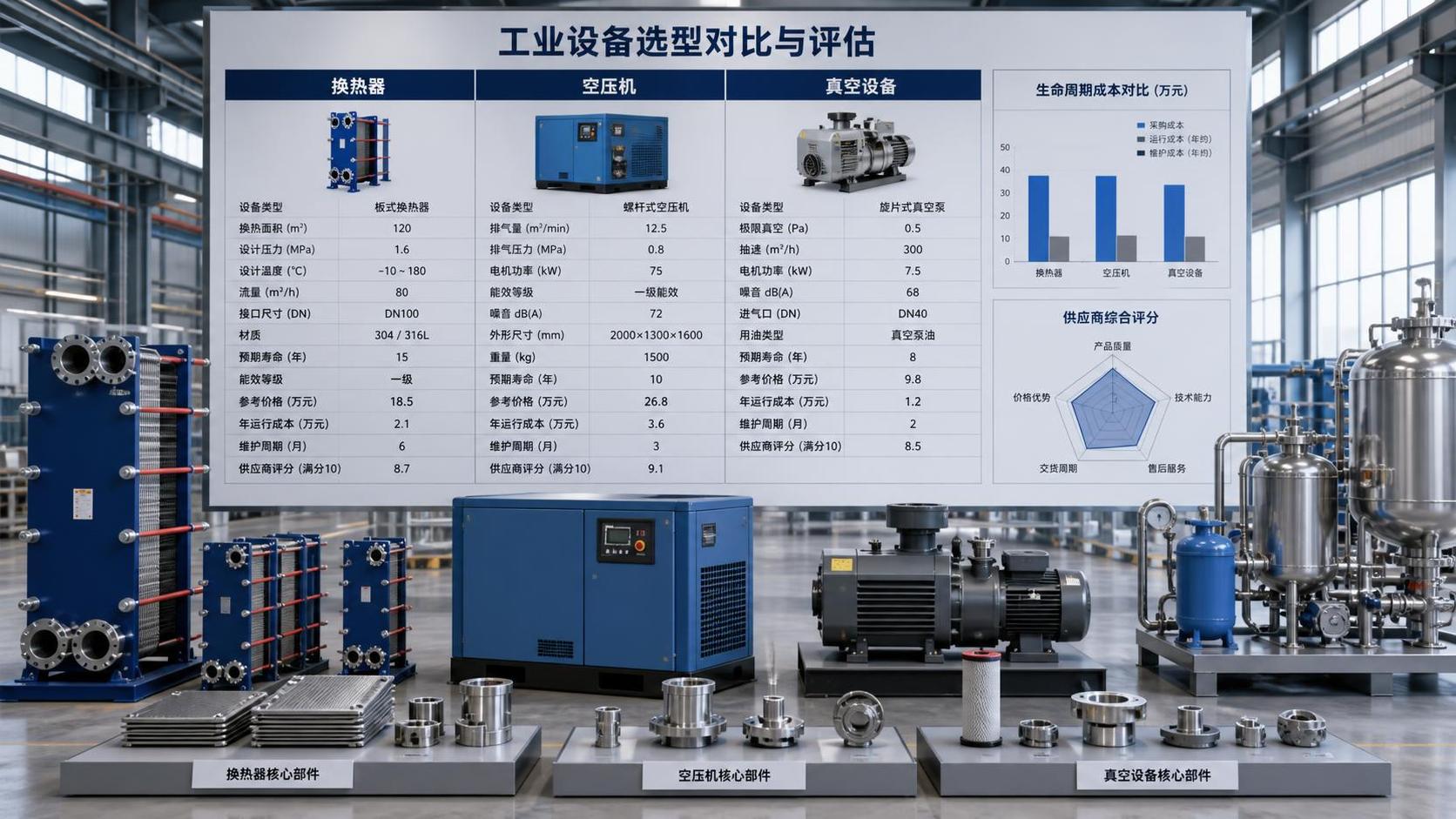
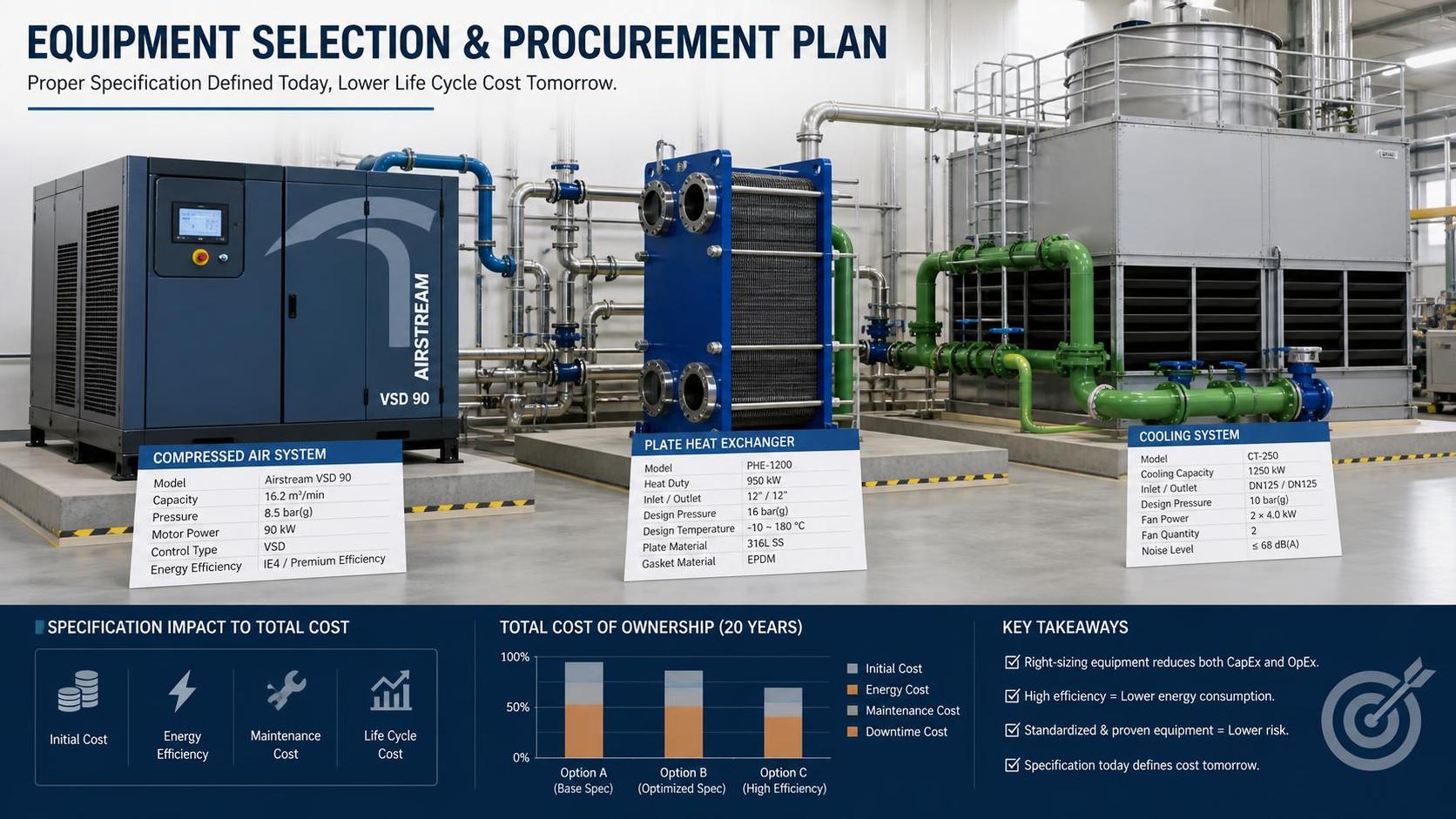
Choosing between energy conversion systems for power generation requires a disciplined review framework.
Efficiency claims should always be tested against boundary conditions.
This is also where standards and reporting discipline matter.
A strong proposal should define testing basis, ambient conditions, fuel assumptions, and degradation allowances clearly.
Without that, comparing energy conversion systems for power generation becomes more marketing than engineering.
A Practical Path to Lower Losses
The strongest energy conversion systems for power generation do not rely on one breakthrough component.
They combine thermal optimization, efficient compression, targeted heat recovery, and intelligent control in one coordinated design.
That is the broader industry direction now.
Higher efficiency is no longer only a cost issue.
It is becoming a reliability, compliance, and investment decision.
For organizations tracking technology shifts through sources such as GTC-Matrix, the advantage lies in connecting thermodynamic logic with real operating evidence.
That makes system evaluation more precise and upgrade planning more defensible.
The practical next step is straightforward.
Review where heat, pressure, and control losses accumulate first.
Then compare recovery potential, part-load behavior, and monitoring depth before selecting the final configuration.
That is how energy conversion systems for power generation move from acceptable efficiency to measurable competitive performance.
Related News
- What to evaluate before choosing a thermal process engineering supplierAuthor :

- How industrial utility systems affect energy costs in process plantsAuthor :

- What Data Is Needed to Assess Heat Recovery Decarbonization?Author :

- Can Waste Heat Recovery Support Carbon Neutrality Targets?Author :

- Is Compressor Heat Recovery Worth the Installation Cost?Author :

- What to verify before choosing a process separation technology supplierAuthor :

- When does process utilities engineering reduce project rework?Author :

- Where thermal efficiency optimization delivers the fastest savings in EuropeAuthor :

- What should you verify before selecting a heat transfer supplier?Author :

- What drives compressed air systems price for industrial projects?Author :

- How an industrial product knowledge comparison guide reduces sourcing riskAuthor :

- When does a procurement specification planning process reduce bid risk?Author :

- When does thermal system optimization for electronics reduce failure risk?Author :

- When high temperature process heating systems justify the higher energy costAuthor :

- How to compare sludge dewatering equipment by cake drynessAuthor :

- What to Check Before Sourcing a Gas Turbine for Distributed Power ProjectsAuthor :

- What drives industrial thermal systems price in large facility projectsAuthor :

- How to build an industrial product comparison chart that speeds up vendor selectionAuthor :

- Vacuum Technology Application Guide for Selecting the Right SystemAuthor :

- What Drives Vacuum Drying Cost in Industrial Procurement?Author :

- What Drives Compressed Air Pricing in Industrial Systems?Author :

- How Procurement Specification Planning Shapes Total Project CostAuthor :

- Compression Technology Guide: How to Compare Efficiency, Pressure Range, and Maintenance NeedsAuthor :

- How to Compare Industrial Separators by Throughput, Purity, and Maintenance LoadAuthor :

- How to Size a Compressed Air Equipment Receiver Tank for Stable PressureAuthor :

- Industrial Equipment Selection Guide: How to Compare Capacity, Duty Cycle, and Operating CostAuthor :

- How to Evaluate an Intellectualization Supplier for Industrial UpgradesAuthor :

- High-Efficiency Manufacturing: Cost Savings vs. Upgrade RiskAuthor :

- Thermal System Optimization Cost: What Drives ROI?Author :

- How to Plan Process Utilities for a Cleanroom Without Costly ReworkAuthor :

- How to Compare Process Heating Suppliers in MexicoAuthor :

- Food Processing Utilities: Common Sizing Mistakes That Raise Energy and Water UseAuthor :

- How to Build Procurement Specification Planning for Industrial EquipmentAuthor :

- OEM Cooperation for Industrial Equipment: Risks, Terms, and Cost PrioritiesAuthor :

- Specification-Oriented Product Resources That Speed Technical ReviewAuthor :

- Industrial Equipment Selection Guide: A Practical Buyer ChecklistAuthor :