Skid Mounted Energy Recovery Systems: When Modular Design Cuts Project Delays




Why Modular Recovery Systems Matter When Schedules Tighten
Industrial energy projects rarely fail on core technology alone. Delays usually come from coordination, site limits, utility tie-ins, and late design changes.
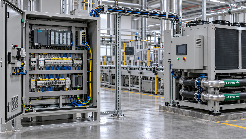
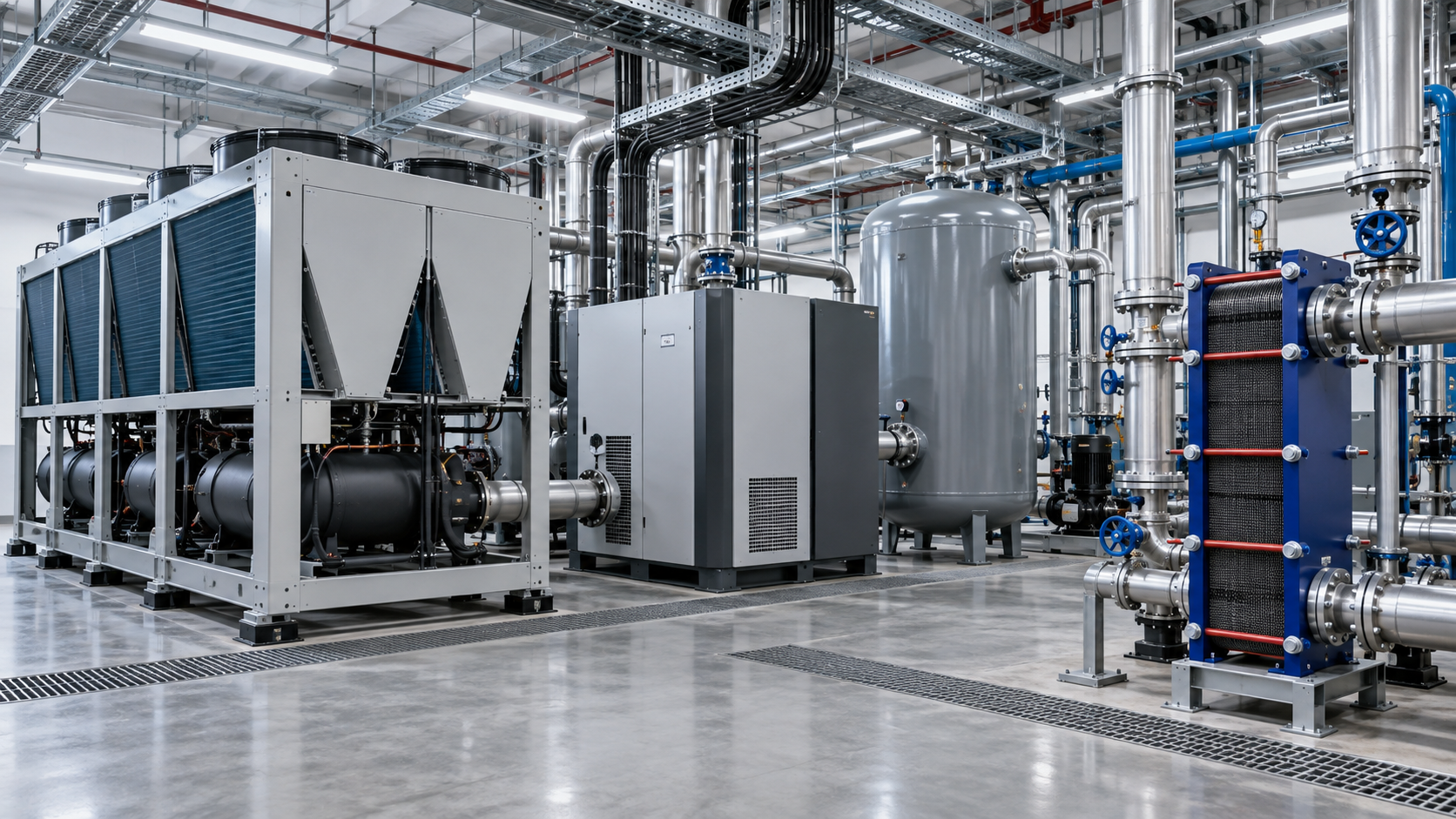
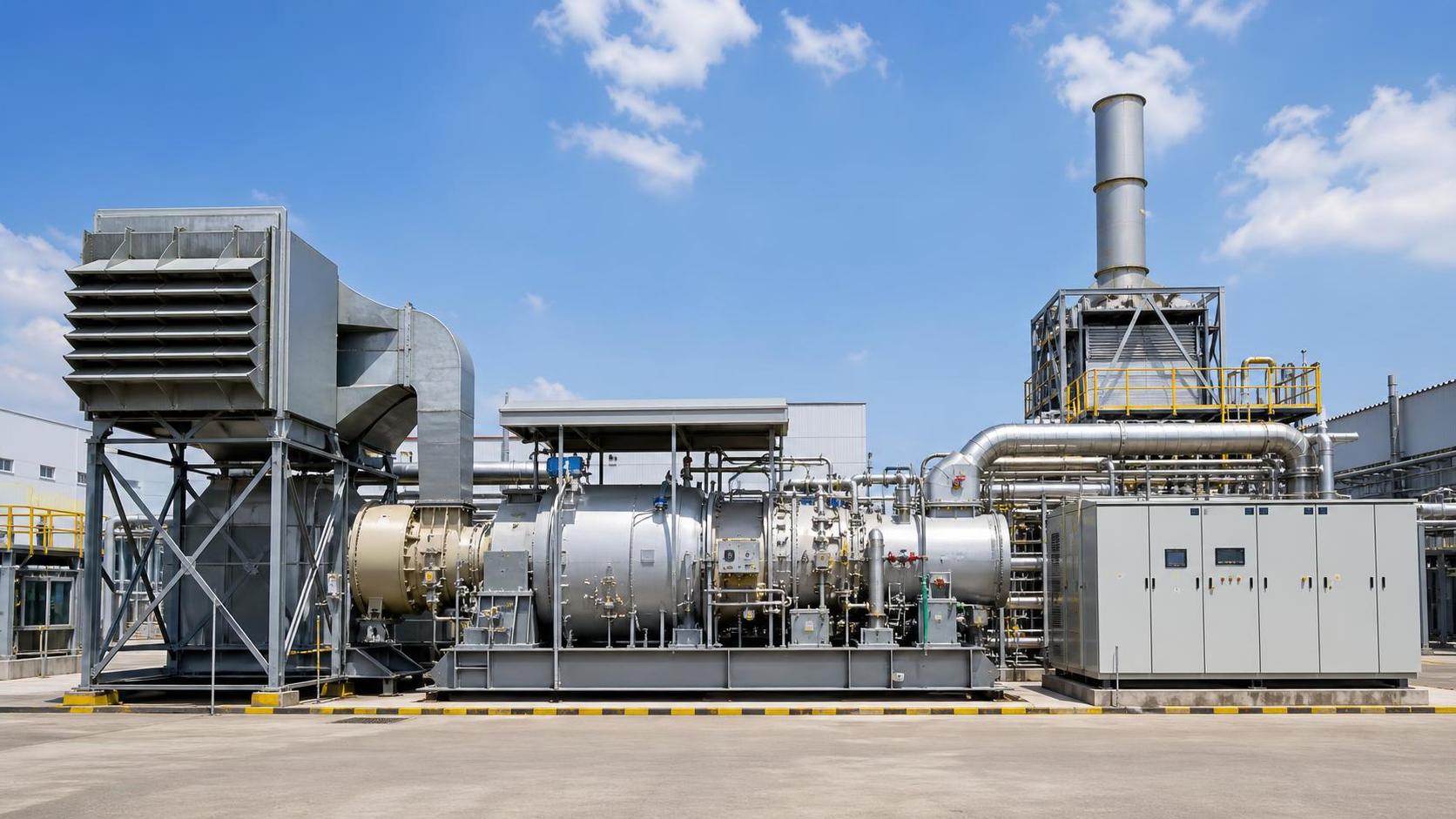
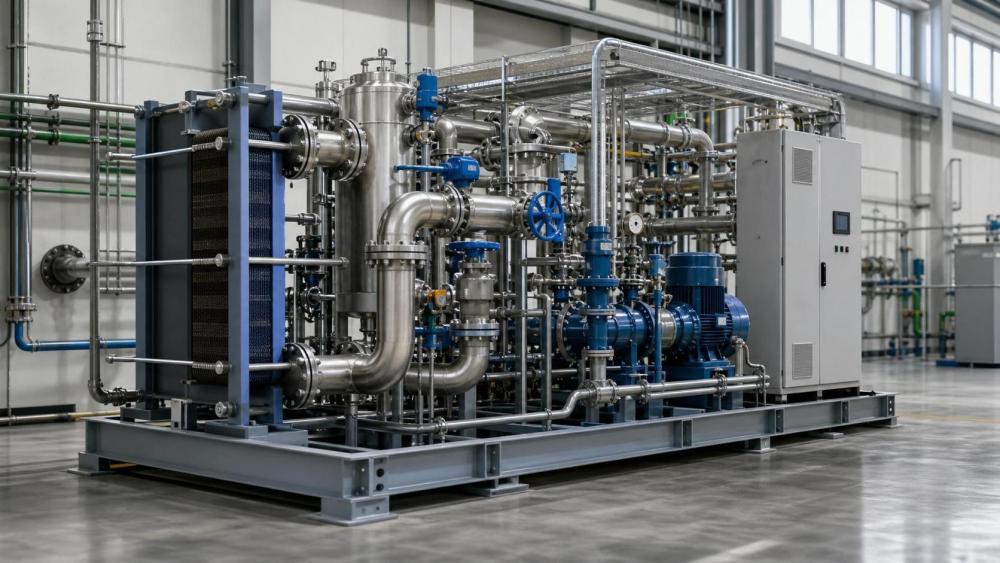
That is where energy recovery systems skid mounted become commercially important. They move fabrication, piping integration, controls testing, and layout validation away from congested project sites.
In practical terms, modularization shortens field work and reduces unpredictable interfaces. It also gives engineering teams a clearer path from approval to commissioning.
For sectors tracked closely by GTC-Matrix, this matters beyond speed. Industrial cooling, compressed air, vacuum processes, and heat exchange projects increasingly operate under energy scrutiny and tighter operational continuity targets.
So the question is not whether skid packaging is useful. The real question is when energy recovery systems skid mounted fit the site, the load profile, and the integration risk better than stick-built installation.
Actual Project Conditions Change the Decision
Different facilities ask different things from the same recovery concept. A pharmaceutical utility room does not evaluate modular equipment the same way as a food plant expansion or a semiconductor support system.
The thermal source may be compressor discharge heat, process exhaust, condenser load, or hot water loops. Each source affects control stability, hygiene requirements, redundancy planning, and maintenance access.
More importantly, project timing changes the logic. Brownfield retrofits often favor energy recovery systems skid mounted because shutdown windows are short and existing services are difficult to interrupt.
New facilities can also benefit, but for a different reason. Off-site assembly helps hold quality while civil, electrical, and mechanical packages progress in parallel.
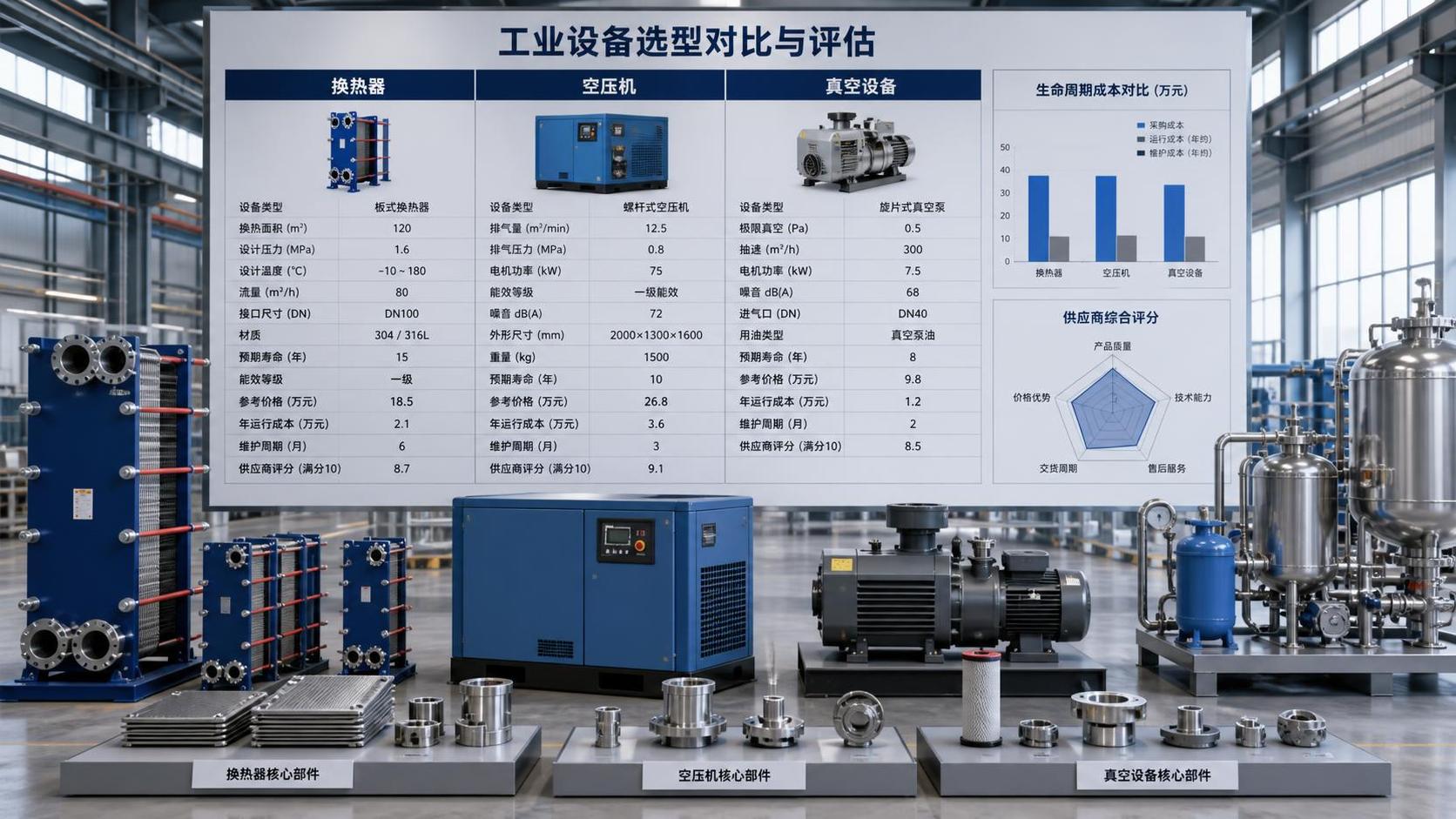
A useful judgment method is to compare three variables together: thermal recovery value, installation complexity, and operational sensitivity after startup.
Where Brownfield Sites Usually Gain the Most
Existing plants often look attractive for heat recovery because waste energy is already available. Yet they are also the hardest environments for conventional field-built systems.
Pipe routing may be congested. Foundations may be limited. Utility maps may be incomplete. Every extra weld or cable pull can collide with production schedules.
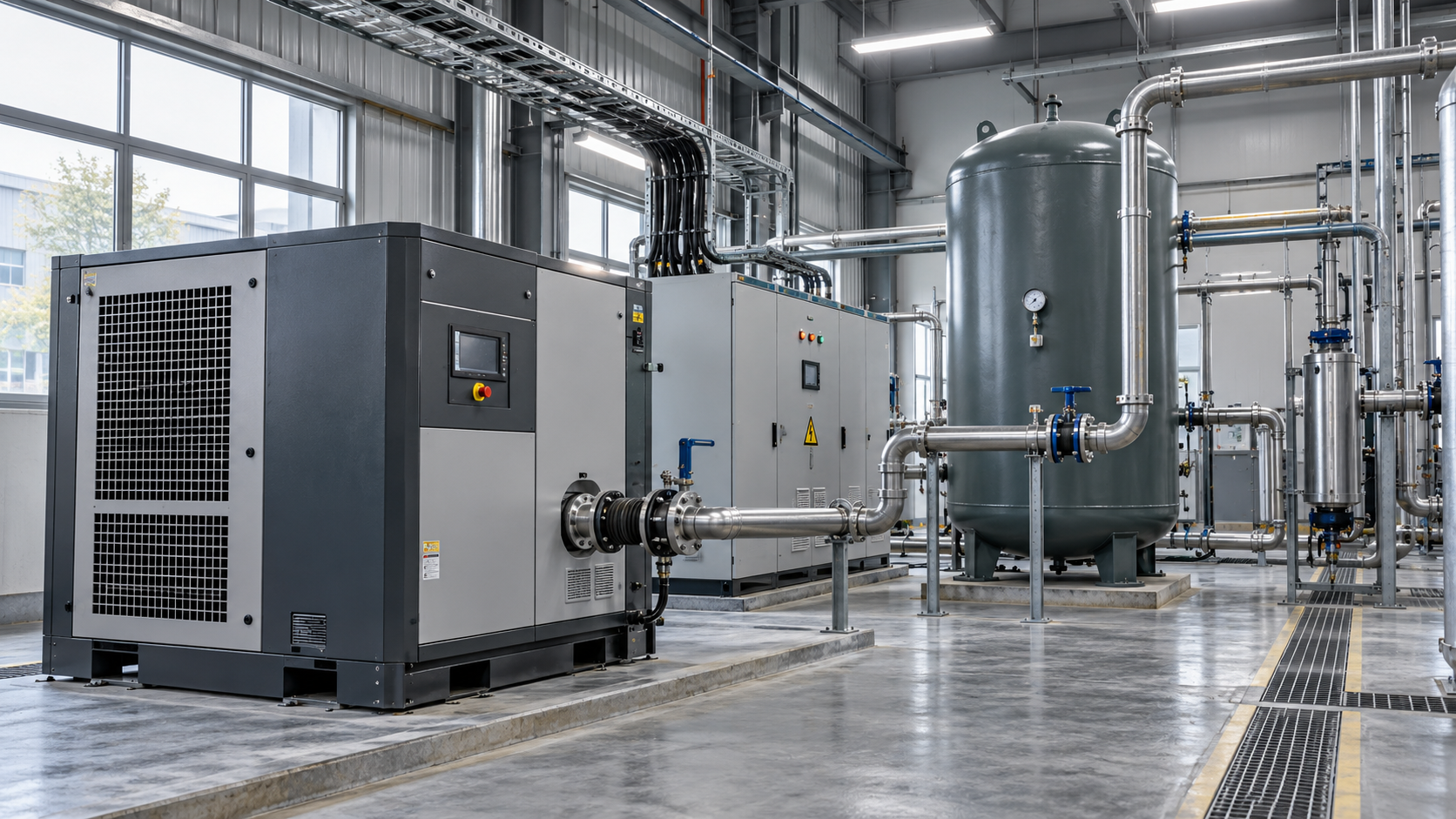
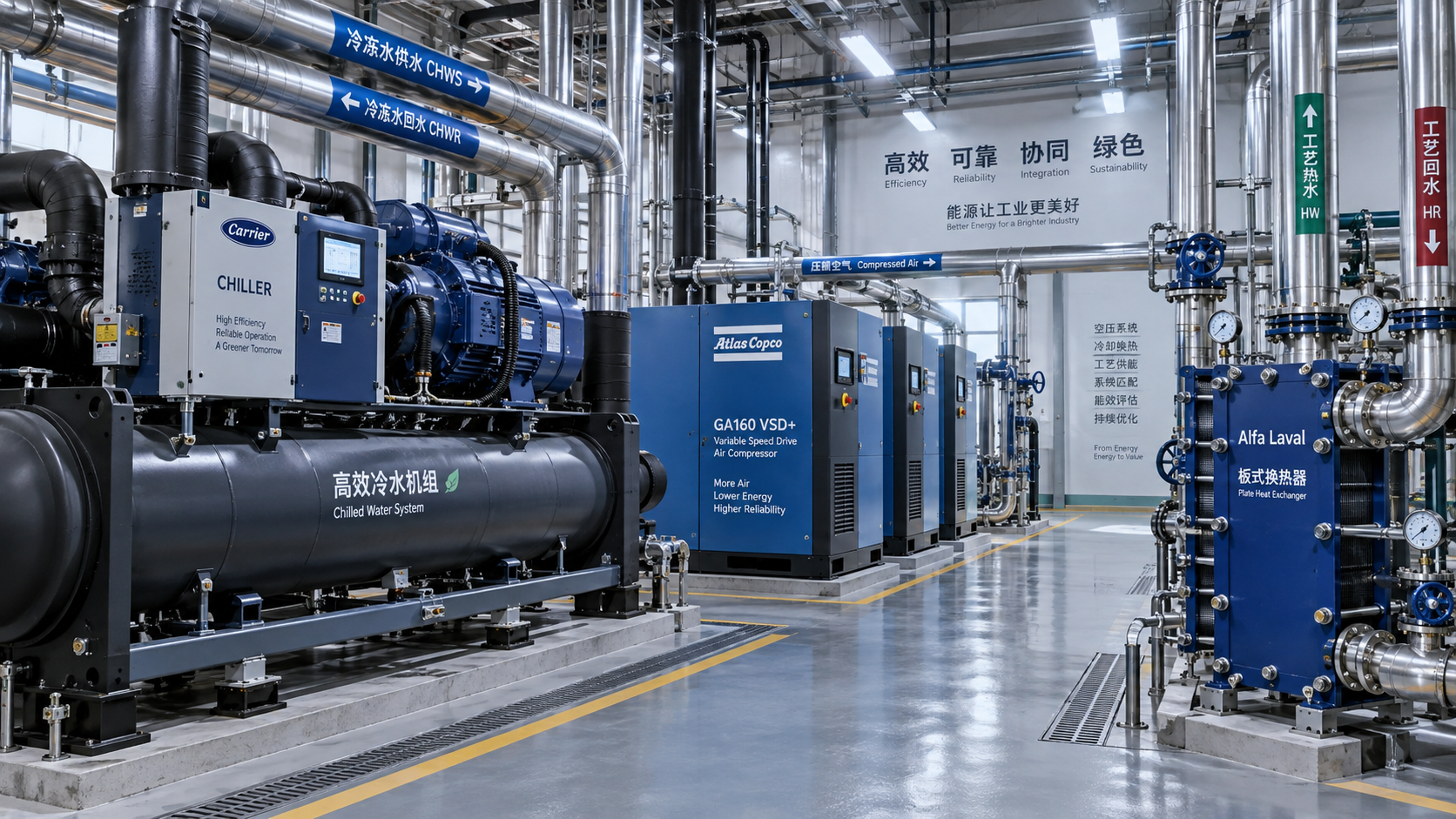
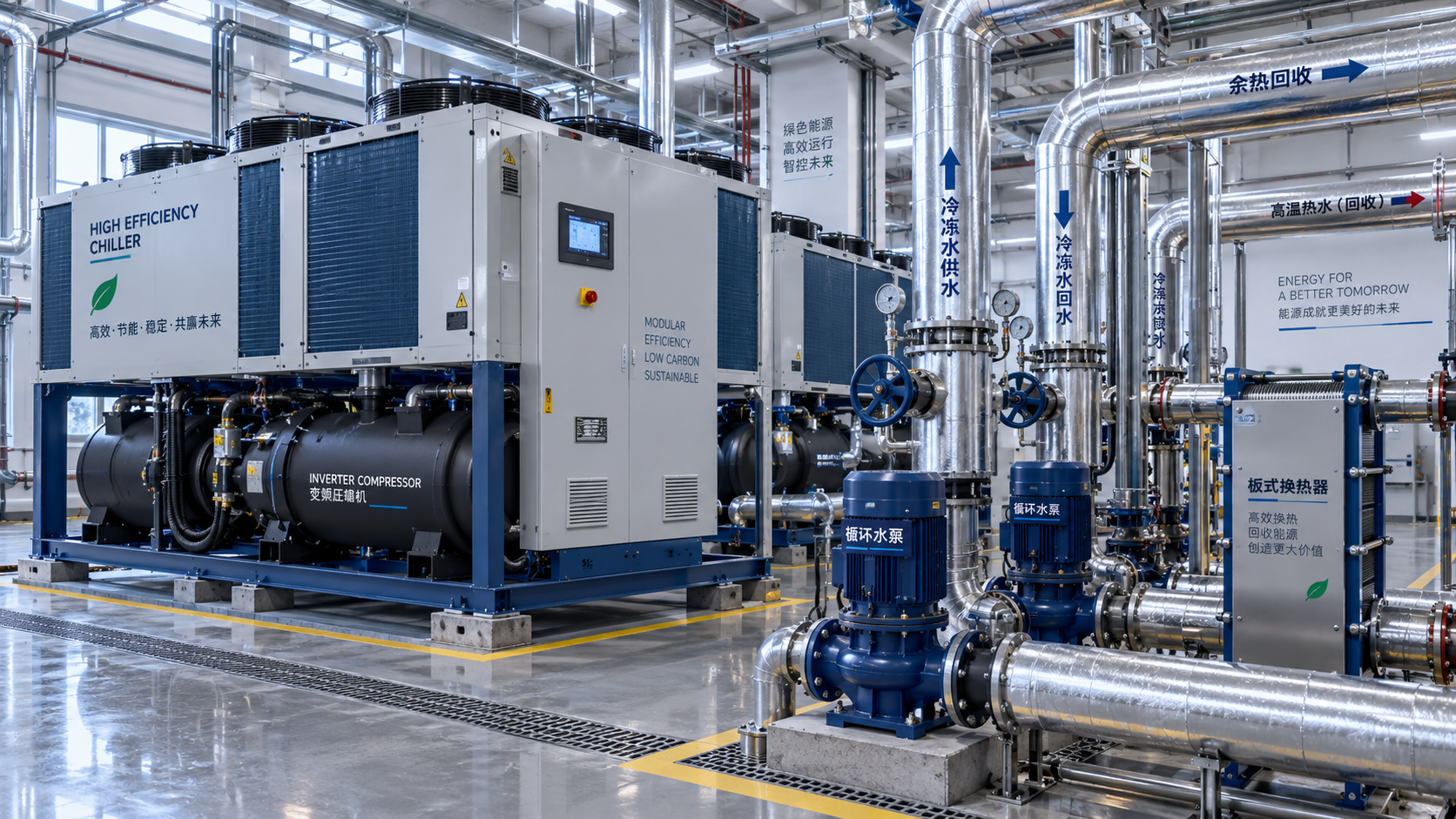
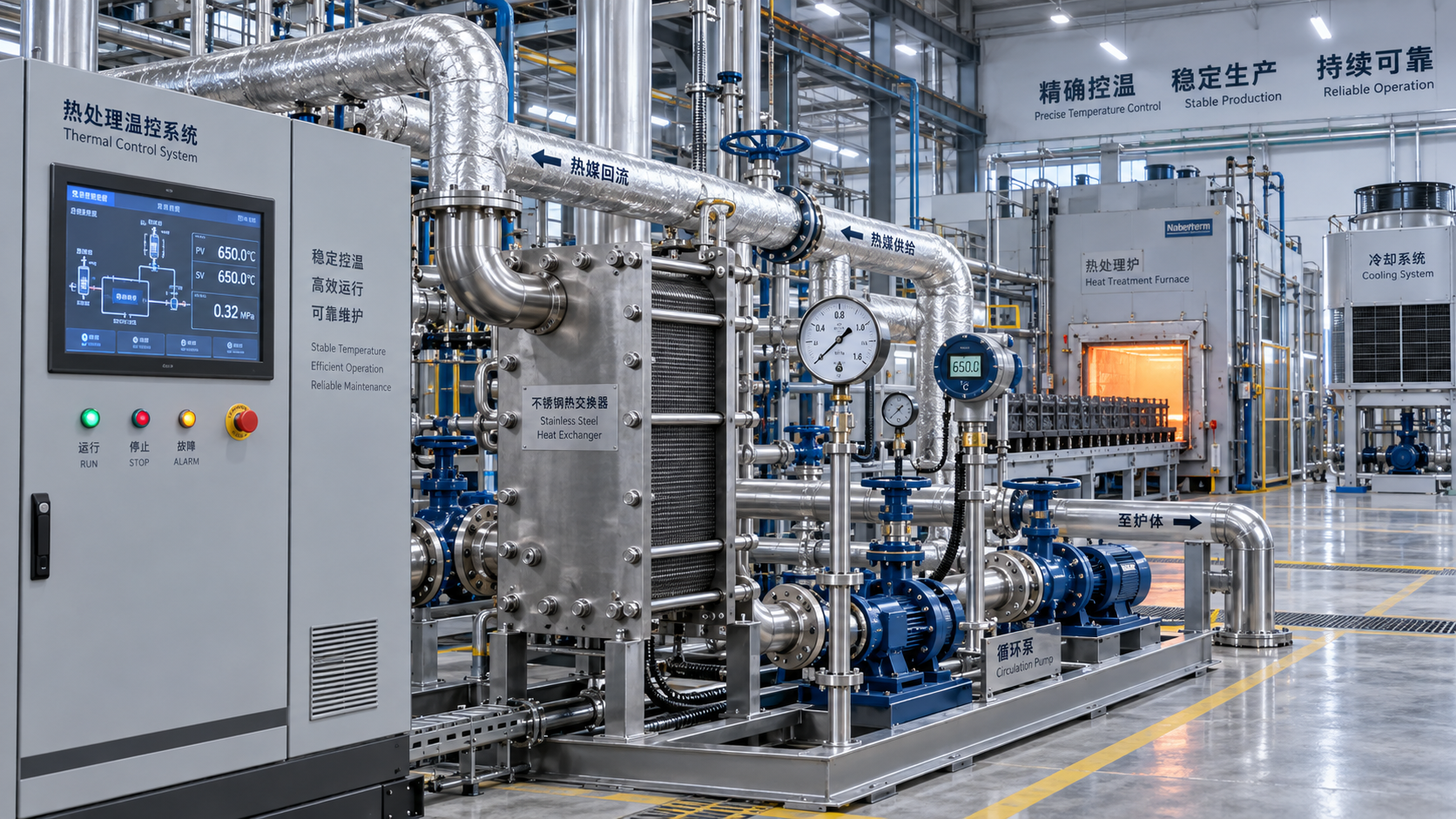
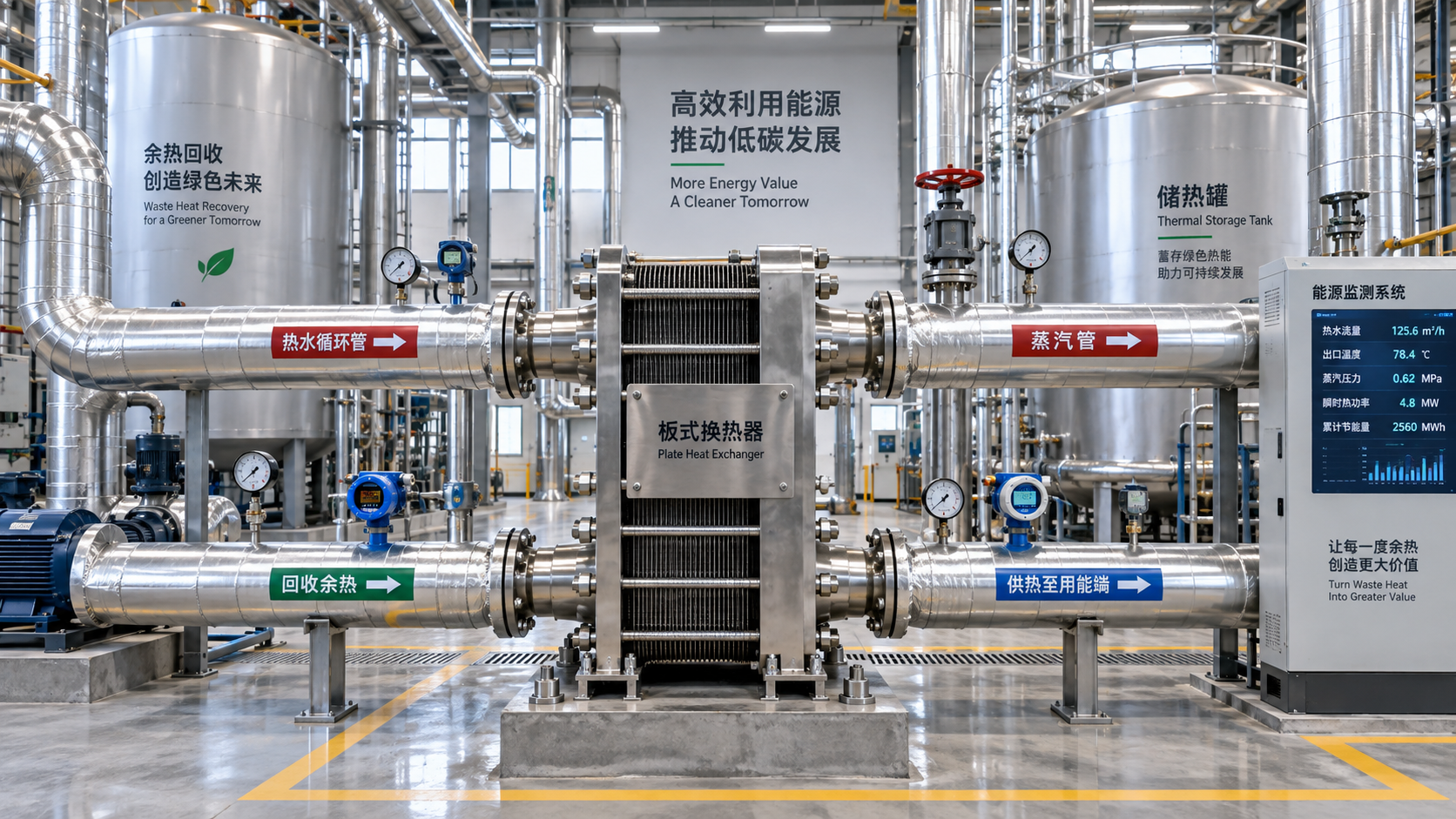
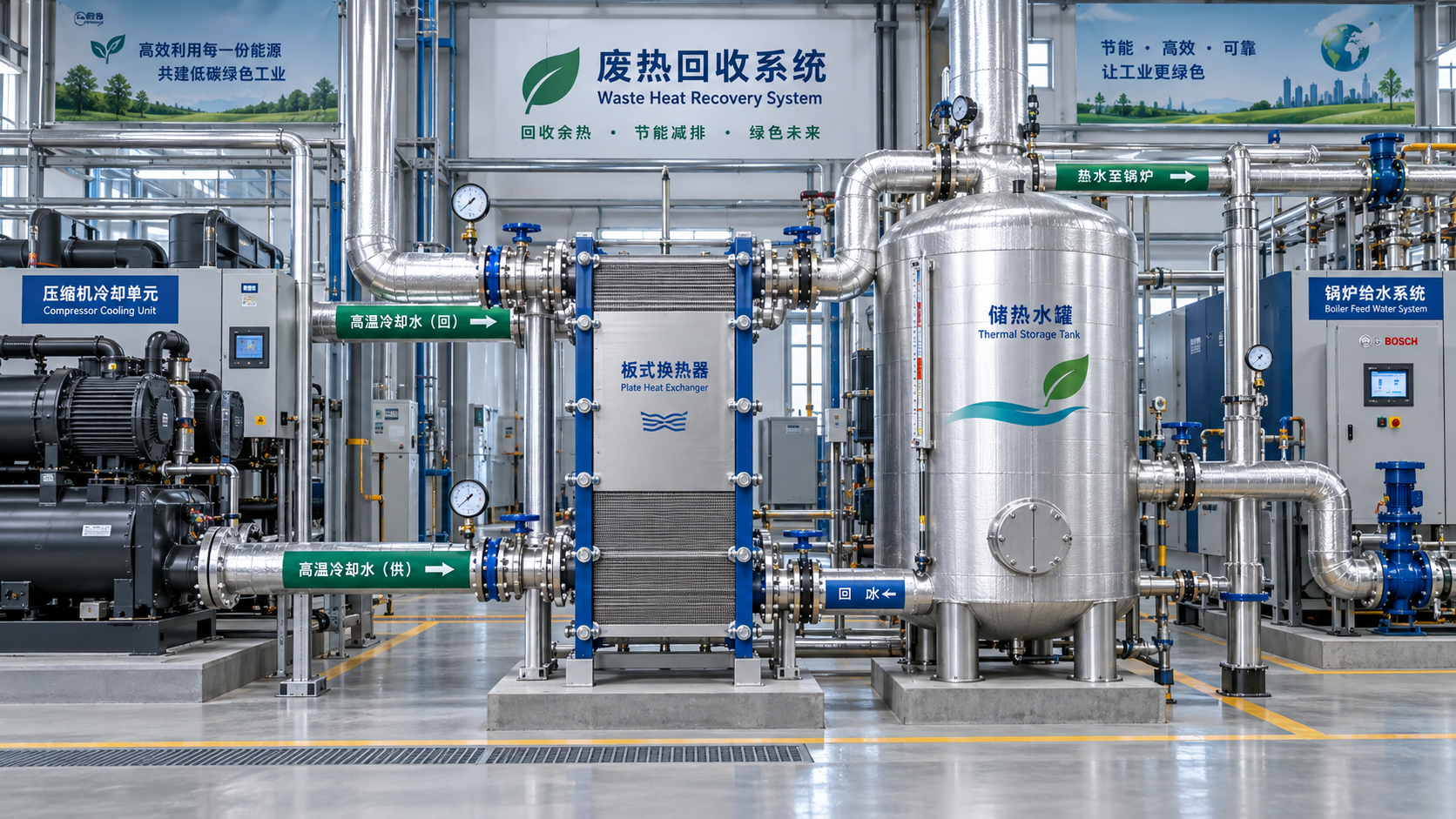
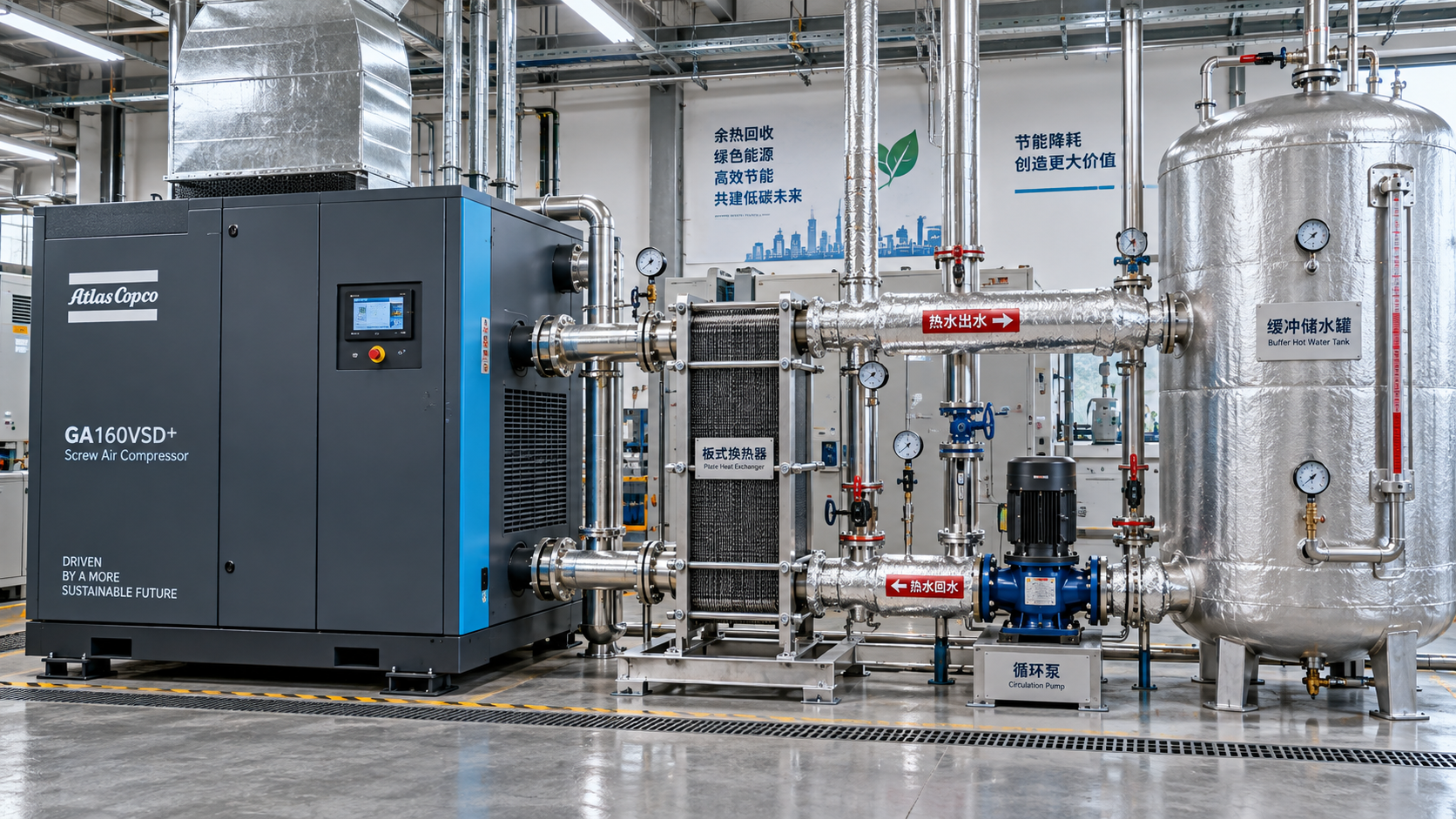
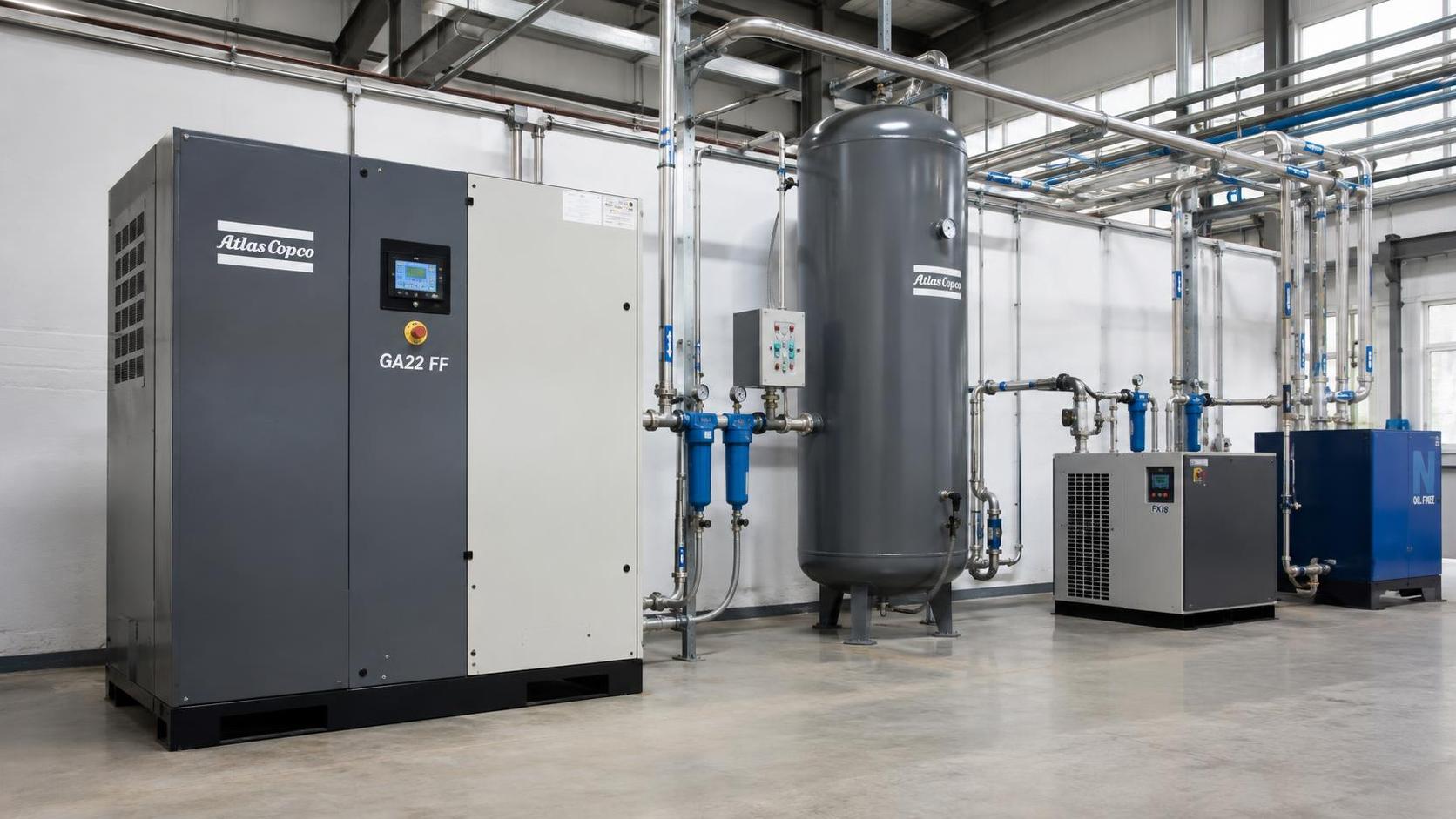
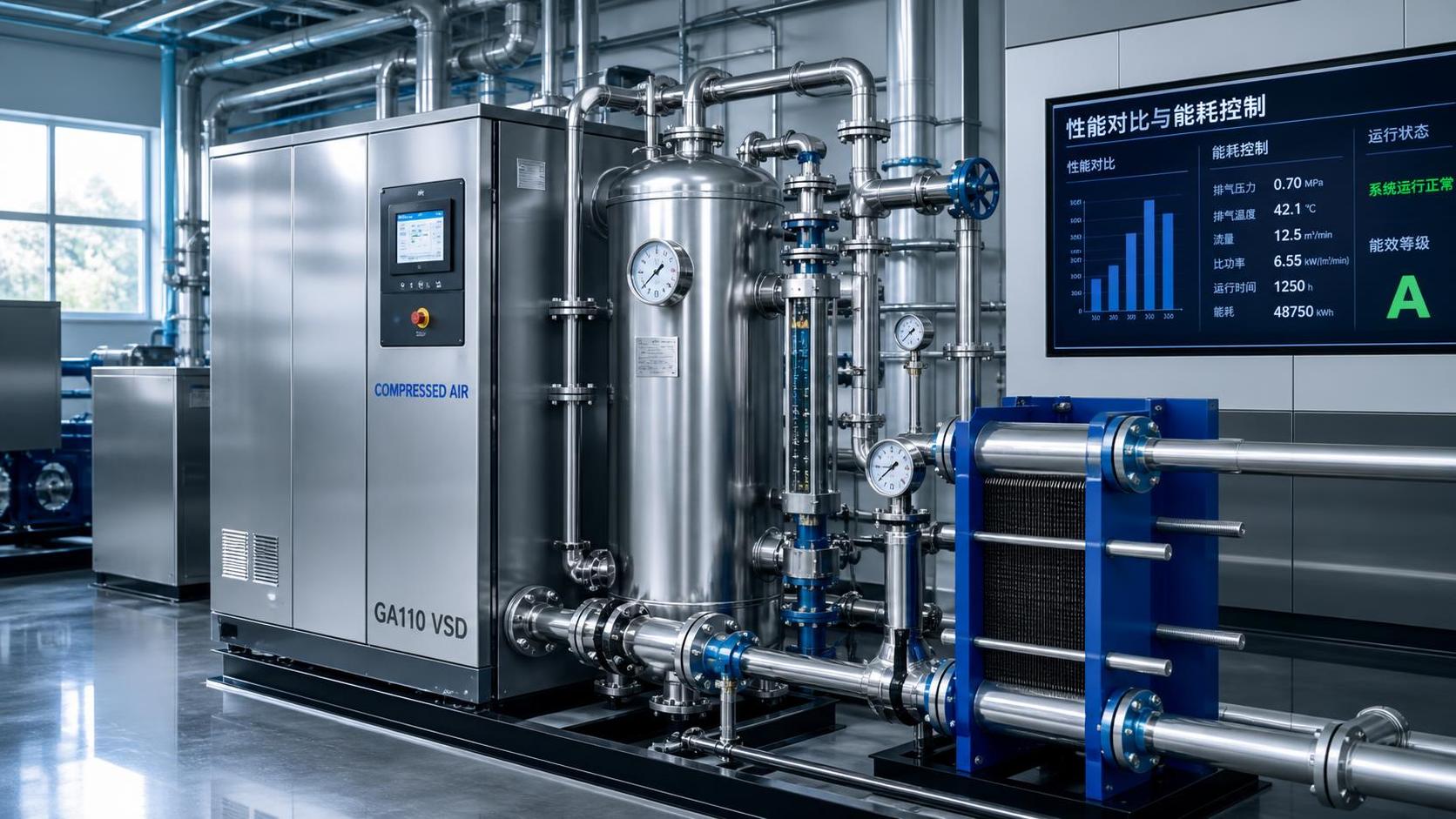
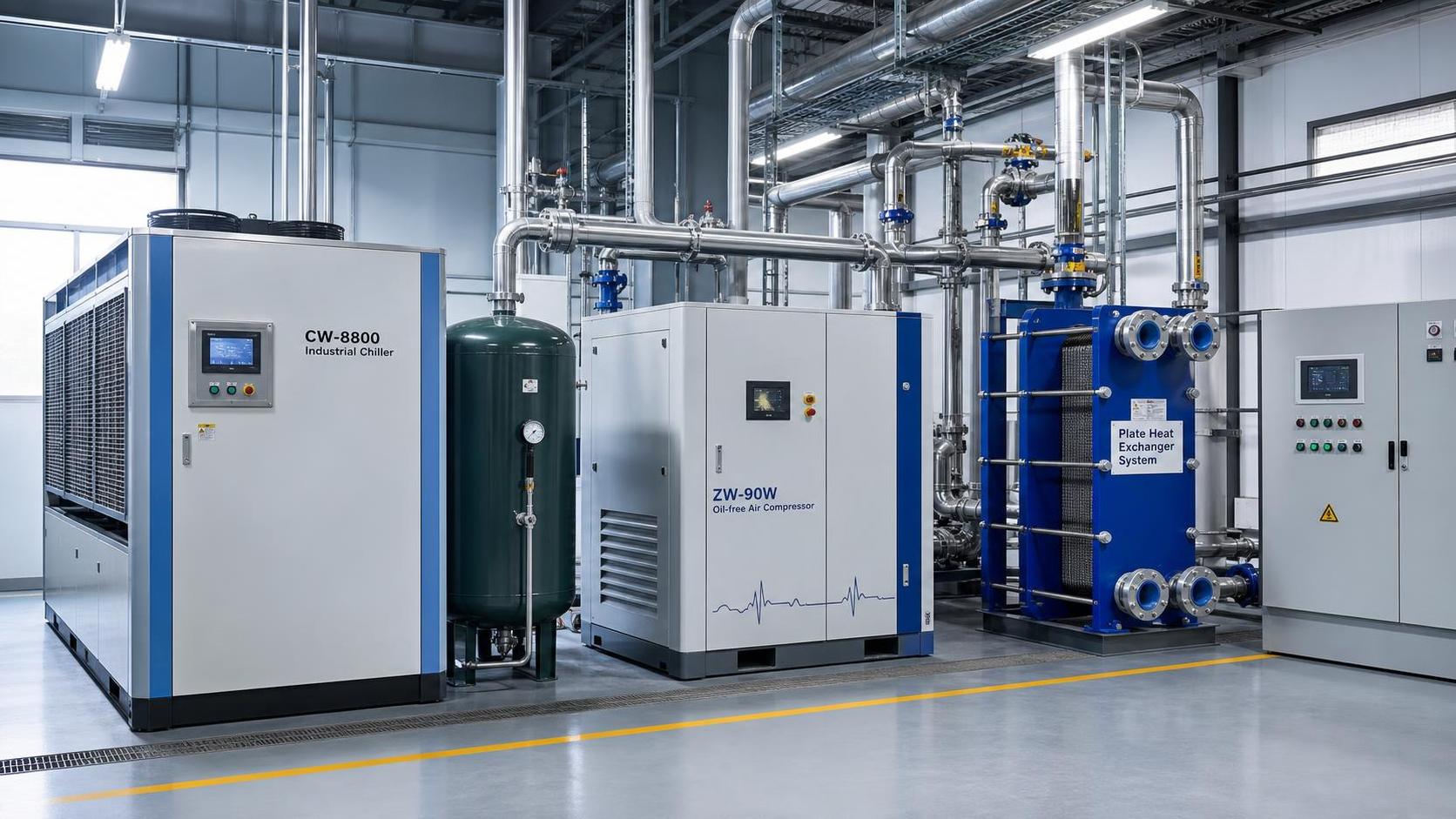
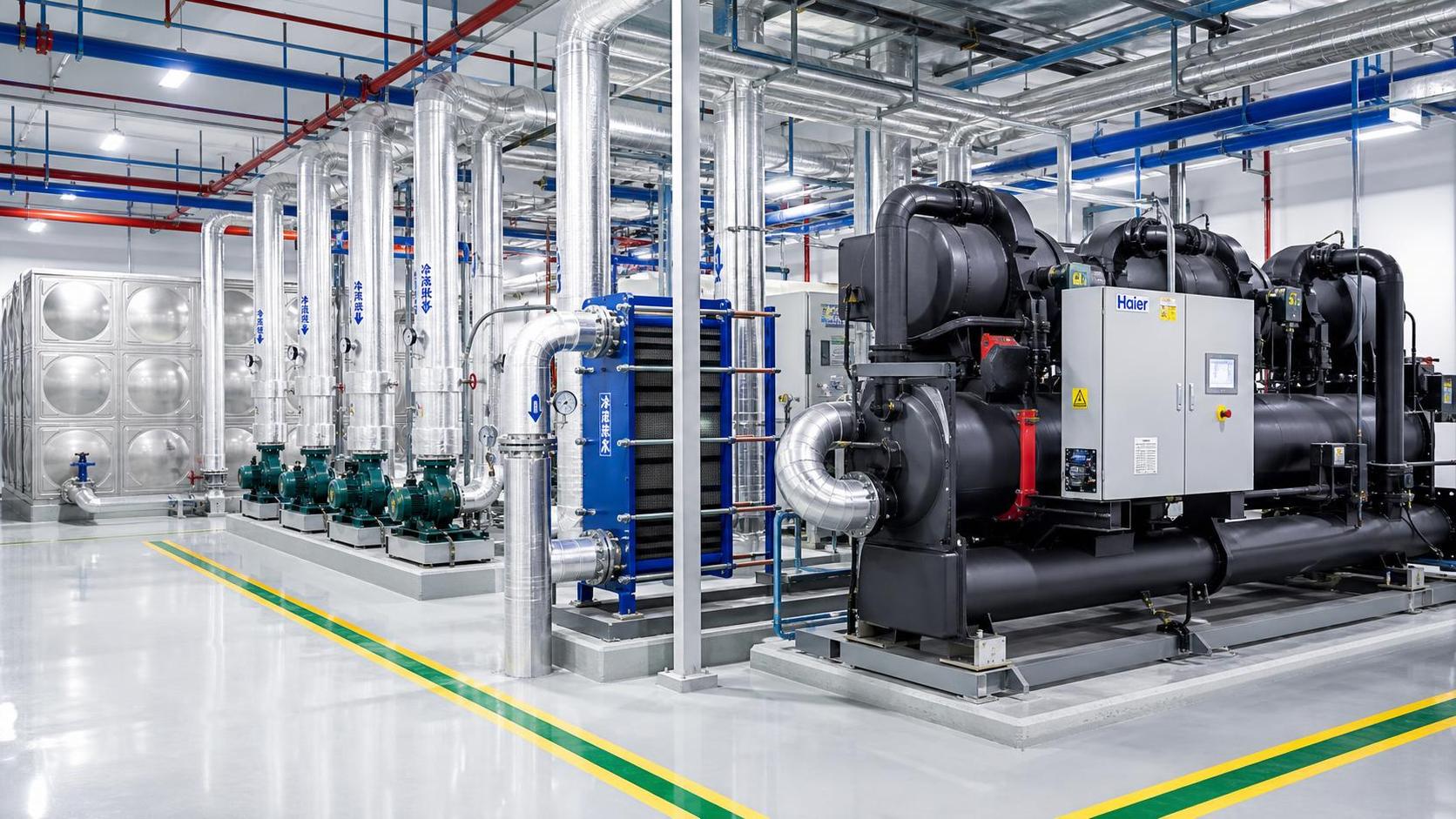
In this setting, energy recovery systems skid mounted reduce uncertainty by concentrating pumps, controls, valves, and heat exchangers into one tested package.
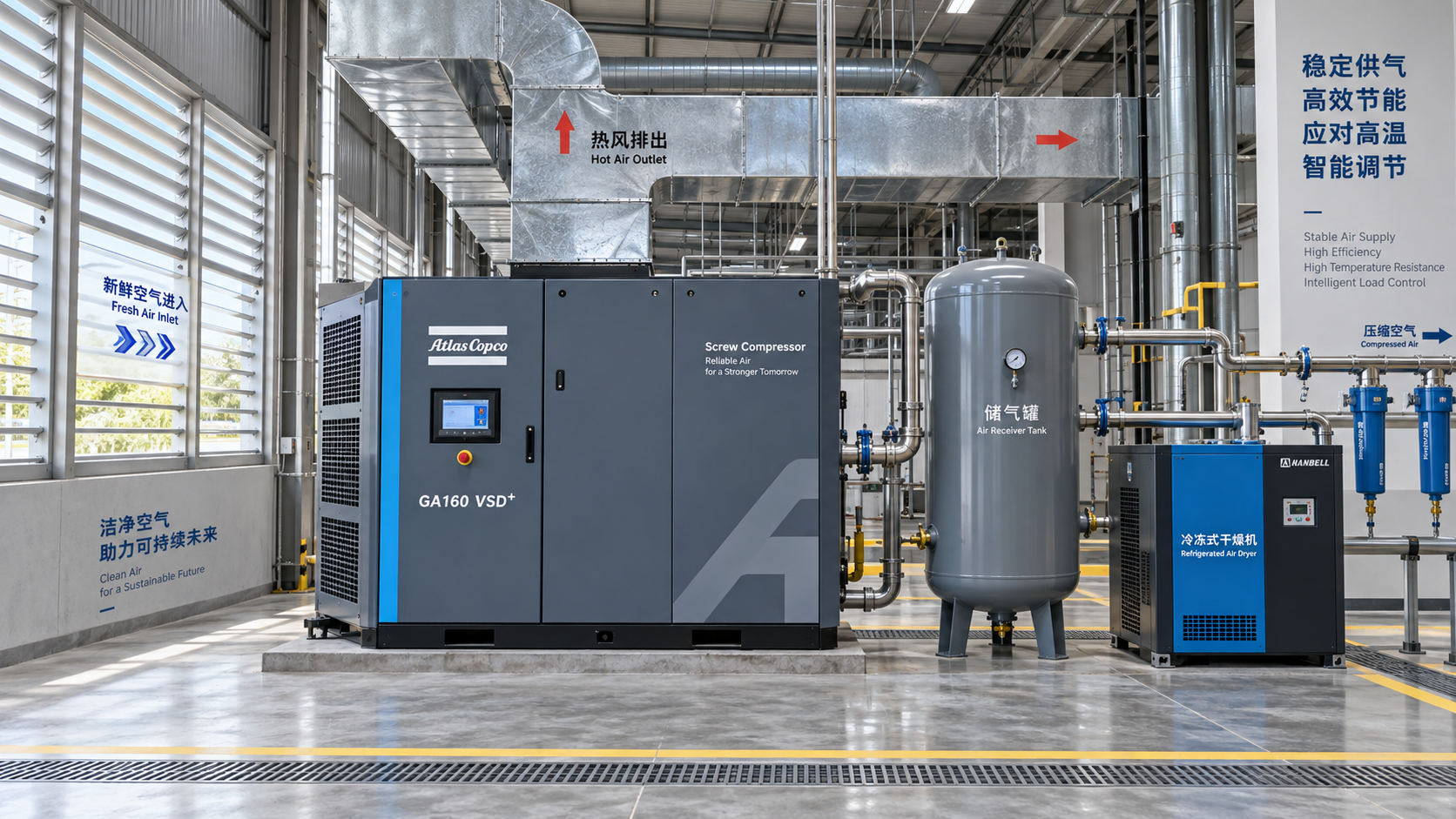
The strongest fit appears when the plant needs rapid tie-in during shutdowns. That is common in compressed air rooms, refrigeration upgrades, and process cooling retrofits.
Still, retrofits are not automatically simple. The skid may fit the floor plan while failing on access routes, lifting points, or door clearances.
A frequent mistake is treating modularization as a logistics shortcut only. In brownfield work, the better question is whether the skid reduces interface risk where the plant is least forgiving.
What usually matters most in retrofit work
- Available path for transport, rigging, and final positioning
- Shutdown duration allowed for utility isolation and reconnection
- Compatibility with existing controls, alarms, and plant communication protocols
- Maintenance clearance once the skid is installed in a crowded room
- Part-load behavior when process demand shifts across seasons or batches
New Facilities Use Modular Design for Different Reasons
Greenfield projects usually have more layout freedom, so the value of energy recovery systems skid mounted is not just space saving. It is coordination discipline.
When process utilities, clean utilities, and building services are all being designed at once, packaged recovery modules reduce late-stage interpretation between multiple contractors.
This is especially relevant in sectors with strict thermal consistency. Semiconductor and pharmaceutical environments often require predictable control logic and cleaner commissioning records.
Food processing projects add another layer. Washdown exposure, material selection, and production hygiene can shift the ideal skid layout significantly.
In these cases, modular recovery does not replace engineering detail. It simply forces decisions earlier, which often improves project certainty.
The Same Skid Logic Does Not Serve Every Load Profile
The most useful comparison is not industry by industry, but load pattern by load pattern. Some sites run stable baseload recovery. Others swing sharply by shift, recipe, or ambient condition.
Energy recovery systems skid mounted work best when the thermal source and the recovery sink can be matched with reasonable consistency.
Where that match is unstable, buffer tanks, bypass logic, or staged exchangers may matter more than the skid itself.
This is where GTC-Matrix intelligence is useful in a broader sense. Market changes in refrigerants, efficient compression, and heat exchange technologies influence which recovery architecture remains viable over time.
Common Misreads Before Choosing Energy Recovery Systems Skid Mounted
One common misread is focusing only on rated recovery capacity. Nameplate performance says little about seasonal demand overlap or control behavior at partial load.
Another is assuming every modular package saves time. If the site requires extensive custom supports, unusual utility conversion, or nonstandard control rewrites, schedule gains can shrink quickly.
There is also a cost blind spot. Energy recovery systems skid mounted often reduce field labor, but transport, craning, and pre-install preparation need to be included in the real comparison.
In heat-sensitive industries, a further oversight is maintainability. A compact skid that is difficult to clean, isolate, or instrument properly may create long-term operational friction.
The better approach is to judge modular design as a delivery strategy linked to process reality, not as a universal equipment preference.
A Practical Way to Check Site Fit Before Committing
Before final selection, it helps to organize the review around a short set of operational questions. That keeps the decision grounded in site conditions rather than brochure logic.
- What waste heat source is available, and how stable is it through the year?
- Where will recovered energy be used, and does that demand align with supply timing?
- How much field work remains after skid delivery?
- Which standards, material requirements, or hygiene rules affect packaging choices?
- How will maintenance be performed without disrupting adjacent systems?
- What happens during abnormal conditions such as low load, bypass, or sensor failure?
If these answers are clear, energy recovery systems skid mounted usually become easier to evaluate against conventional installation methods.
If the answers are vague, the project often needs better thermal mapping and interface definition before any packaging choice is reliable.
What to Do Next When Timelines and Efficiency Both Matter
Energy recovery systems skid mounted are most effective when schedule pressure, integration risk, and recoverable heat value intersect in the same project.
That intersection appears often in retrofit utility rooms, regulated process environments, and multi-contractor new builds where coordination mistakes are expensive.
The next useful step is to map the real operating scenario first. Confirm load shape, tie-in limits, controls compatibility, maintenance access, and delivery constraints.
Then compare modular and field-built options against implementation effort, not just equipment output. That comparison usually reveals whether modular recovery truly cuts delays or simply shifts them.
For industries following the efficiency and decarbonization signals highlighted by GTC-Matrix, that level of scenario-based judgment is where faster deployment and stronger thermal performance begin to align.
Ready when you are. Send us a message to get started.
Related News
- How to select industrial equipment for automation with existing PLCsAuthor :

- How electricity prices shape industrial compressed air price trendsAuthor :

- Choosing air filtration systems for heavy dust in the Middle EastAuthor :

- How much does a fully installed compressed air monitoring system cost?Author :

- What documentation supports CE marking for industrial equipment?Author :

- How local support affects vacuum system costs in Southeast AsiaAuthor :

- How worldwide industry category guides help compare market opportunitiesAuthor :

- What drives sustainable thermal systems cost over their operating life?Author :

- Which industrial solution comparison criteria prevent project delays?Author :

- How Ambient Temperature and Load Profile Affect Industrial Compressor SizingAuthor :

- What to evaluate before choosing a thermal process engineering supplierAuthor :

- How industrial utility systems affect energy costs in process plantsAuthor :

- What Data Is Needed to Assess Heat Recovery Decarbonization?Author :

- Can Waste Heat Recovery Support Carbon Neutrality Targets?Author :

- Is Compressor Heat Recovery Worth the Installation Cost?Author :

- What to verify before choosing a process separation technology supplierAuthor :

- When does process utilities engineering reduce project rework?Author :

- Where thermal efficiency optimization delivers the fastest savings in EuropeAuthor :

- What should you verify before selecting a heat transfer supplier?Author :

- What drives compressed air systems price for industrial projects?Author :

- How an industrial product knowledge comparison guide reduces sourcing riskAuthor :

- When does a procurement specification planning process reduce bid risk?Author :

- When does thermal system optimization for electronics reduce failure risk?Author :

- When high temperature process heating systems justify the higher energy costAuthor :

- How to compare sludge dewatering equipment by cake drynessAuthor :

- What to Check Before Sourcing a Gas Turbine for Distributed Power ProjectsAuthor :

- What drives industrial thermal systems price in large facility projectsAuthor :

- How to build an industrial product comparison chart that speeds up vendor selectionAuthor :

- Vacuum Technology Application Guide for Selecting the Right SystemAuthor :

- What Drives Vacuum Drying Cost in Industrial Procurement?Author :

- What Drives Compressed Air Pricing in Industrial Systems?Author :

- How Procurement Specification Planning Shapes Total Project CostAuthor :

- Compression Technology Guide: How to Compare Efficiency, Pressure Range, and Maintenance NeedsAuthor :

- How to Compare Industrial Separators by Throughput, Purity, and Maintenance LoadAuthor :

- How to Size a Compressed Air Equipment Receiver Tank for Stable PressureAuthor :

- Industrial Equipment Selection Guide: How to Compare Capacity, Duty Cycle, and Operating CostAuthor :