How to Evaluate Application-Specific Compression Solutions by Throughput and Energy Use




How to Evaluate Application-Specific Compression Solutions by Throughput and Energy Use
Choosing among application-specific compression solutions requires more than comparing nameplate ratings.
The useful question is simple.
How much usable output does the system deliver for each unit of energy consumed?
That is where many evaluations become more realistic.
In actual operations, throughput and energy use reveal whether a compression package fits the process or only looks good on paper.
This matters across industrial cooling, compressed air, vacuum, and heat-linked production systems.
At GTC-Matrix, this evaluation logic sits close to broader energy conversion trends.
Global energy costs, refrigerant policy, oil-free technology, and precision process demand all reshape equipment decisions.
So the best evaluation method should be practical, comparable, and grounded in operating conditions.
Start with the real job of the system
Every review of application-specific compression solutions should begin with process duty, not equipment preference.
A compressor serving semiconductor clean air needs a different benchmark than one supporting food packaging vacuum.
The same applies to chilled process loops, medical gases, and high-temperature industrial utilities.
Before comparing models, define the operating envelope in measurable terms.
- Required flow, pressure, or vacuum level
- Product purity, oil tolerance, and moisture limits
- Load profile across shifts, seasons, and product changes
- Ambient temperature, cooling water quality, and altitude
- Allowable downtime and maintenance windows
This step prevents a common mistake.
Many teams compare application-specific compression solutions with inconsistent duty assumptions, then wonder why field results drift.
Once the duty is clear, throughput and energy use become meaningful decision variables.
Measure throughput in usable terms
Throughput sounds simple, but it is often defined too loosely.
For application-specific compression solutions, useful throughput means delivered output at the point where the process needs it.
That may be normalized air volume, refrigeration effect, suction capacity, or stable gas delivery under purity limits.
The important point is consistency.
Use the same basis for all candidates.
In practical selection work, throughput should be checked in at least three operating states.
- Peak demand, when bottlenecks appear fastest
- Normal load, where annual energy cost is set
- Part load, where control strategy often decides efficiency
This is especially useful for variable-speed and multi-stage systems.
A unit that performs well at full load may lose its advantage when production swings frequently.
More clearly than brochures suggest, stable delivered throughput is a process value, not a catalog value.
Evaluate energy use beyond motor power
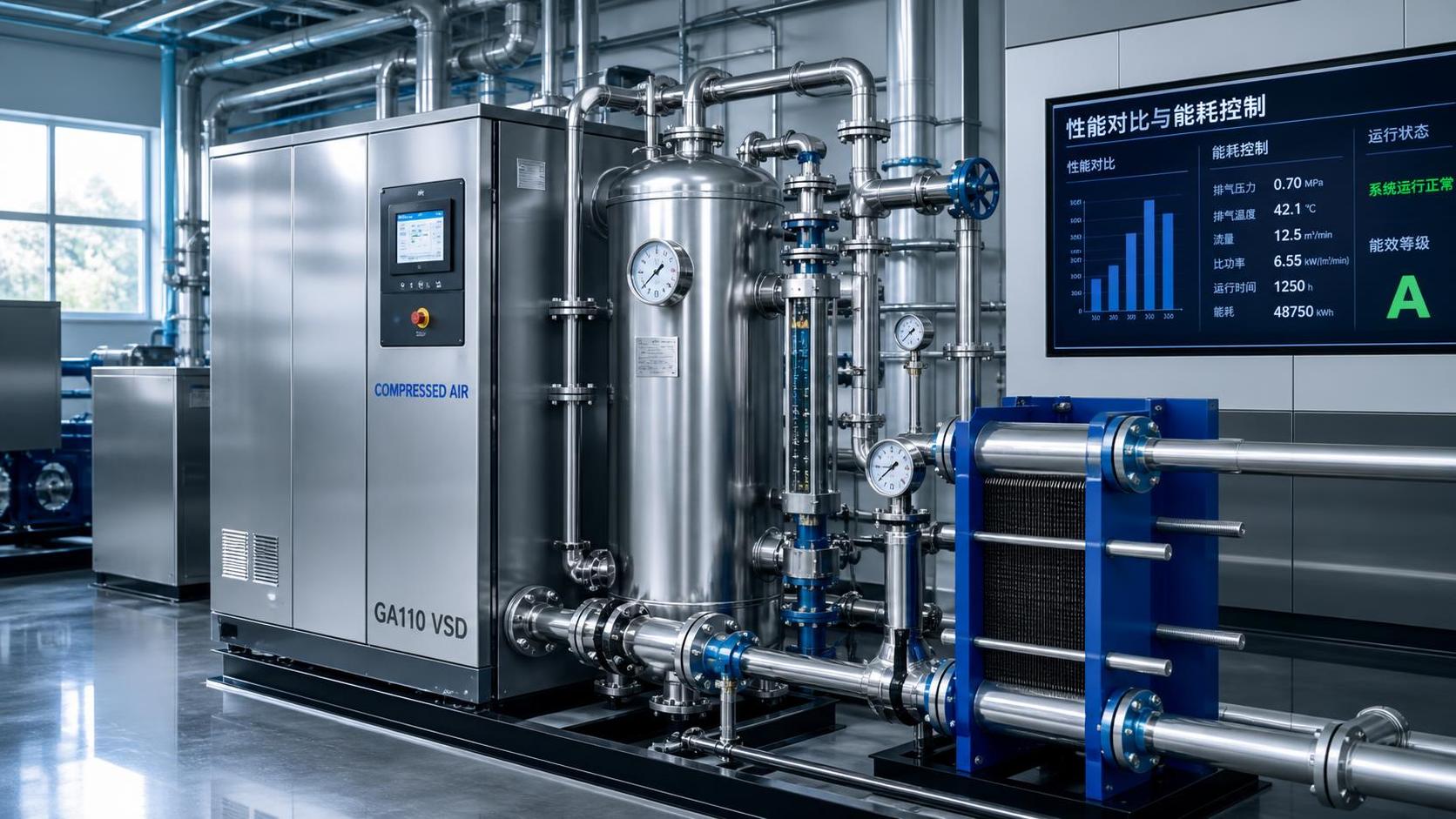
Energy use should be assessed as system energy, not only compressor shaft or motor input.
For many application-specific compression solutions, support loads change the ranking.
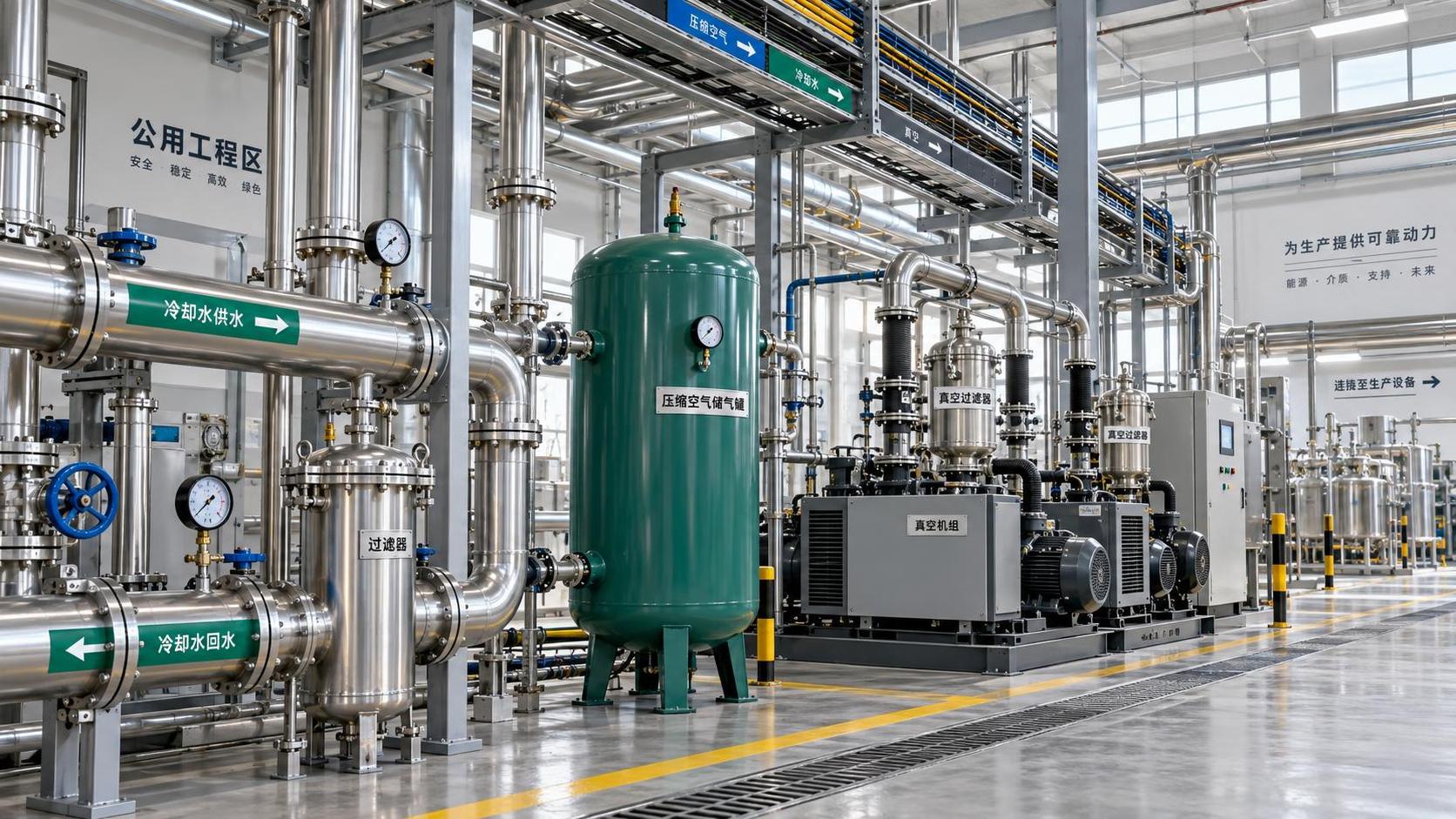
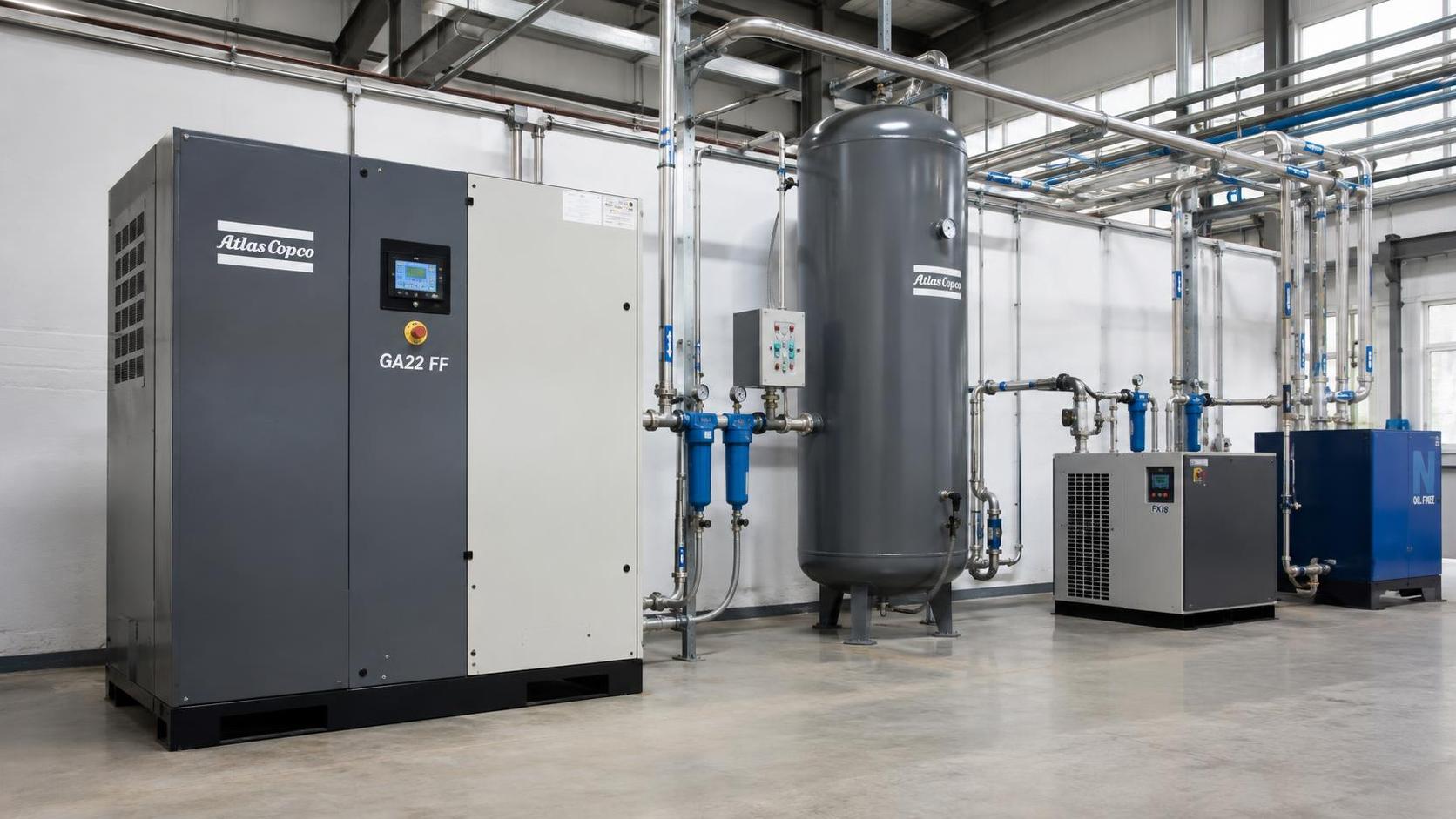
Think about cooling fans, pumps, dryers, filtration, controls, condensate handling, and heat rejection requirements.
A strong evaluation uses specific energy indicators tied to output.
From recent market shifts, this system view matters even more.
Rising electricity prices and carbon reporting make hidden auxiliary loads impossible to ignore.
That also means efficient application-specific compression solutions should be judged on annualized energy behavior.
Compare part-load performance and control logic
In real plants, demand rarely stays flat.
That is why part-load behavior often separates good application-specific compression solutions from expensive compromises.
Unload cycles, blow-off losses, poor sequencing, or unstable suction control can erase an expected efficiency gain.
Ask vendors for performance maps instead of single-point curves.
Then match those maps to your load profile.
Useful questions include the following.
- How does specific energy change at 40%, 60%, and 80% load?
- What control method maintains pressure or vacuum stability?
- How often does the system cycle under low demand?
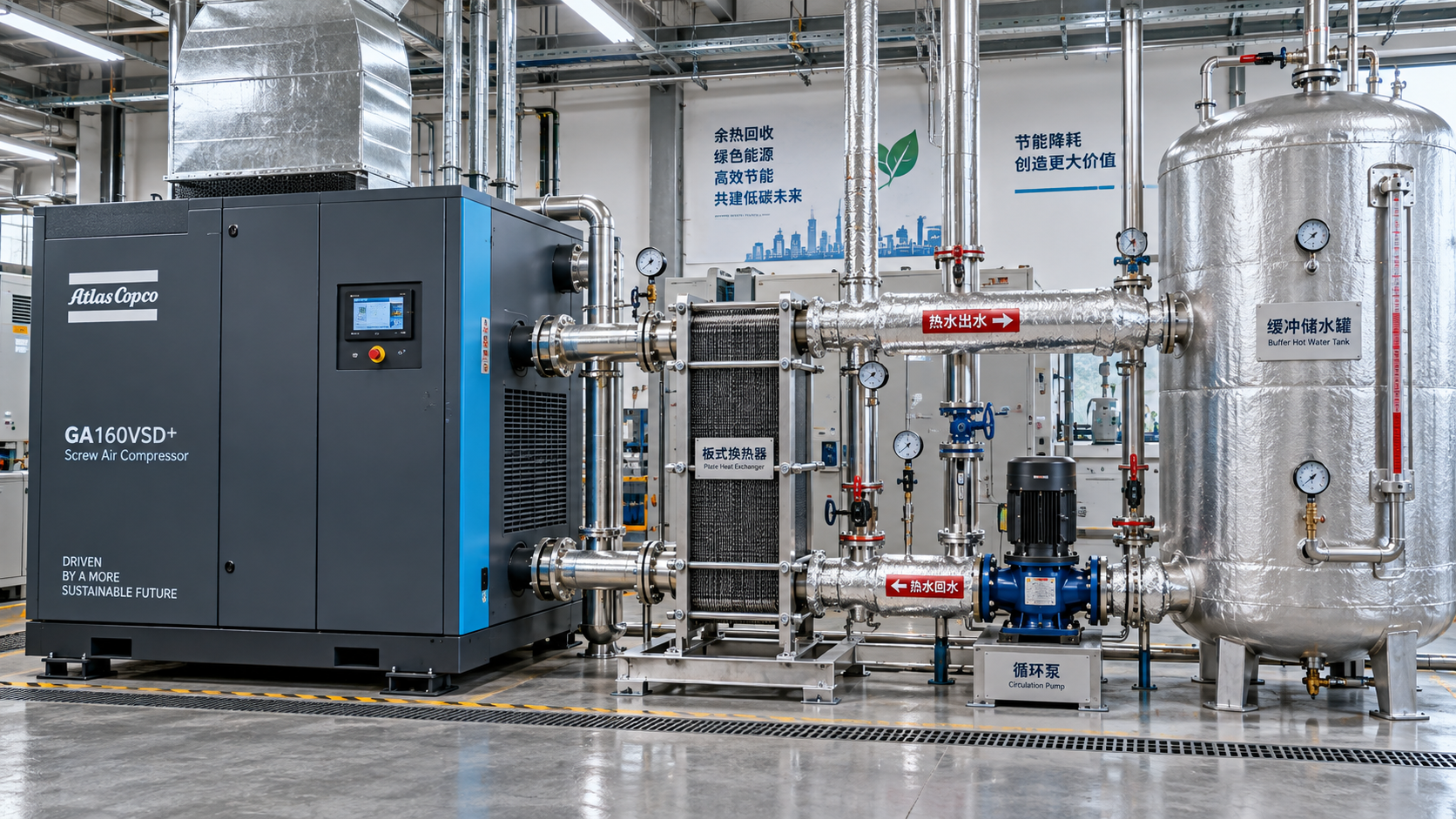
- Can waste heat or unloaded time be reduced through system integration?
For pharmaceutical, semiconductor, and food lines, stable control can be as important as headline efficiency.
Process quality losses usually cost more than energy losses.
Include thermal interaction and site conditions
Compression systems do not operate in isolation.
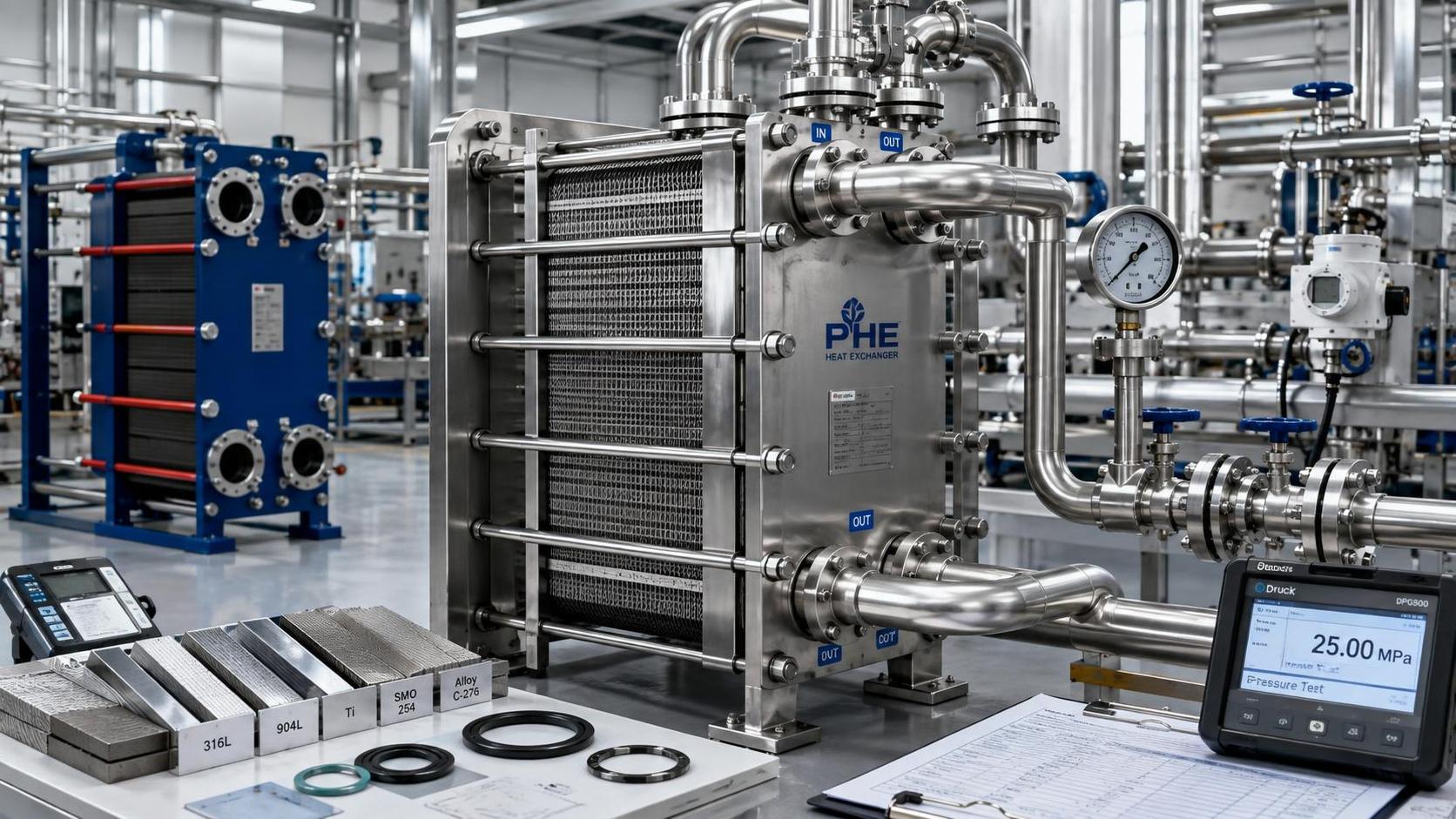
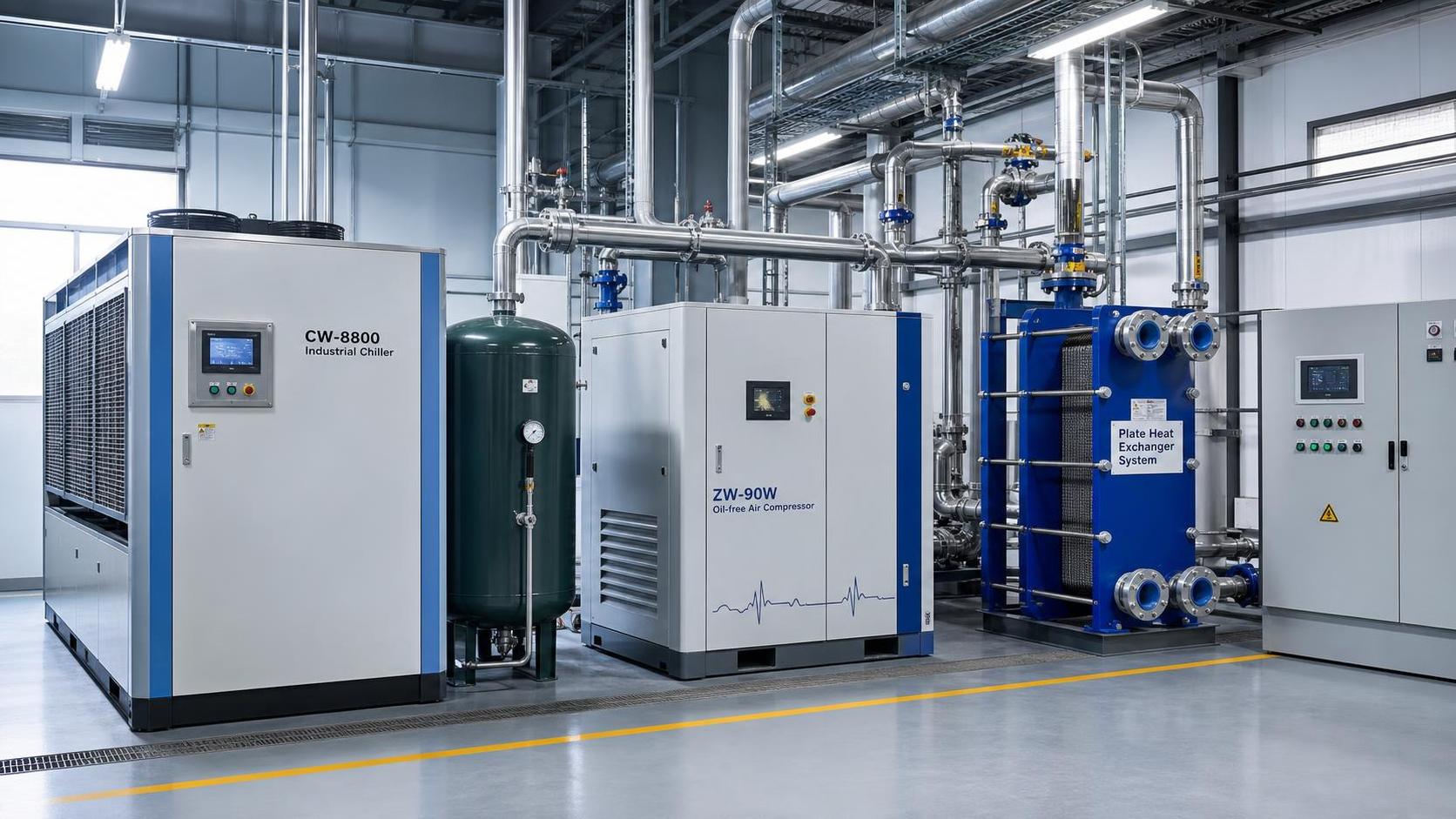
They interact with heat exchangers, cooling circuits, building ventilation, and utility constraints.
This is where many application-specific compression solutions gain or lose practical value.
A design that looks efficient in a lab may struggle with poor cooling water, high ambient temperatures, or fouled heat transfer surfaces.
More noticeable today is the link between compression and total thermal management.
Microchannel heat exchangers, refrigerant transitions, and tighter emissions targets are changing system optimization rules.
A serious evaluation should review:
- Approach temperature and heat rejection margin
- Seasonal performance under local weather patterns
- Space limits, ventilation paths, and noise controls
- Potential for heat recovery or utility integration
This broader view aligns with the decarbonization pressure now shaping industrial capital spending.
Turn data into a selection decision
Once the data is gathered, the next step is not choosing the cheapest machine.
It is ranking application-specific compression solutions against process risk and lifecycle value.
A simple scoring structure keeps decisions consistent.
- Score throughput stability under real duty conditions.
- Score total energy use across annual operating states.
- Score product quality fit, purity, and compliance needs.
- Score maintainability, spare support, and downtime exposure.
- Score thermal integration and future adaptability.
This approach makes tradeoffs visible.
For example, one option may offer lower capital cost but higher annual energy use.
Another may deliver better throughput resilience during hot weather or variable production.
In decision work, those differences matter more than headline efficiency claims.
For teams following GTC-Matrix intelligence, this is also where market insight becomes operational value.
Policy shifts, green manufacturing pressure, and sector-specific purity demand should influence the final choice.
Make the final evaluation practical
The strongest evaluations of application-specific compression solutions stay close to plant reality.
They compare usable throughput, total energy use, part-load behavior, and thermal fit under actual conditions.
They also account for future pressure from energy pricing, emissions rules, and process quality requirements.
In practice, that means asking harder questions before procurement begins.
What output is truly required?
What energy is really consumed?
What happens when the site changes, loads drift, or thermal constraints tighten?
When those answers are clear, application-specific compression solutions become easier to compare and easier to justify.
That is the point where selection turns from equipment shopping into an energy and performance decision.
Use that framework early, and the final choice will usually be more efficient, more resilient, and more aligned with long-term industrial strategy.
Ready when you are. Send us a message to get started.
Related News
- How to select industrial equipment for automation with existing PLCsAuthor :

- How electricity prices shape industrial compressed air price trendsAuthor :

- Choosing air filtration systems for heavy dust in the Middle EastAuthor :

- How much does a fully installed compressed air monitoring system cost?Author :

- What documentation supports CE marking for industrial equipment?Author :

- How local support affects vacuum system costs in Southeast AsiaAuthor :

- How worldwide industry category guides help compare market opportunitiesAuthor :

- What drives sustainable thermal systems cost over their operating life?Author :

- Which industrial solution comparison criteria prevent project delays?Author :

- How Ambient Temperature and Load Profile Affect Industrial Compressor SizingAuthor :

- What to evaluate before choosing a thermal process engineering supplierAuthor :

- How industrial utility systems affect energy costs in process plantsAuthor :

- What Data Is Needed to Assess Heat Recovery Decarbonization?Author :

- Can Waste Heat Recovery Support Carbon Neutrality Targets?Author :

- Is Compressor Heat Recovery Worth the Installation Cost?Author :

- What to verify before choosing a process separation technology supplierAuthor :

- When does process utilities engineering reduce project rework?Author :

- Where thermal efficiency optimization delivers the fastest savings in EuropeAuthor :

- What should you verify before selecting a heat transfer supplier?Author :

- What drives compressed air systems price for industrial projects?Author :

- How an industrial product knowledge comparison guide reduces sourcing riskAuthor :

- When does a procurement specification planning process reduce bid risk?Author :

- When does thermal system optimization for electronics reduce failure risk?Author :

- When high temperature process heating systems justify the higher energy costAuthor :

- How to compare sludge dewatering equipment by cake drynessAuthor :

- What to Check Before Sourcing a Gas Turbine for Distributed Power ProjectsAuthor :

- What drives industrial thermal systems price in large facility projectsAuthor :

- How to build an industrial product comparison chart that speeds up vendor selectionAuthor :

- Vacuum Technology Application Guide for Selecting the Right SystemAuthor :

- What Drives Vacuum Drying Cost in Industrial Procurement?Author :

- What Drives Compressed Air Pricing in Industrial Systems?Author :

- How Procurement Specification Planning Shapes Total Project CostAuthor :

- Compression Technology Guide: How to Compare Efficiency, Pressure Range, and Maintenance NeedsAuthor :

- How to Compare Industrial Separators by Throughput, Purity, and Maintenance LoadAuthor :

- How to Size a Compressed Air Equipment Receiver Tank for Stable PressureAuthor :

- Industrial Equipment Selection Guide: How to Compare Capacity, Duty Cycle, and Operating CostAuthor :