Industrial Energy Efficiency: Where Energy Costs Are Usually Lost First




Industrial energy efficiency: where do losses usually appear first?
Industrial energy efficiency rarely breaks down in one dramatic moment.
More often, cost escapes through daily operating habits, unnoticed pressure drops, weak heat recovery, and systems sized for yesterday’s assumptions.
That matters because early losses are usually the cheapest to fix and the easiest to miss.
In practical terms, the first signs often appear in compressed air, cooling, vacuum stability, and heat exchange performance.
These are the same thermal and power links that GTC-Matrix tracks across global industry.
Its intelligence focus is useful here because energy waste is not only a technical issue.
It is also a capital planning issue, a risk issue, and often a timing issue.
So the real question is not whether energy is being lost.
The better question is where industrial energy efficiency starts slipping first, and how to judge which losses deserve action now.
Is compressed air still the first place to check?
In many facilities, yes.
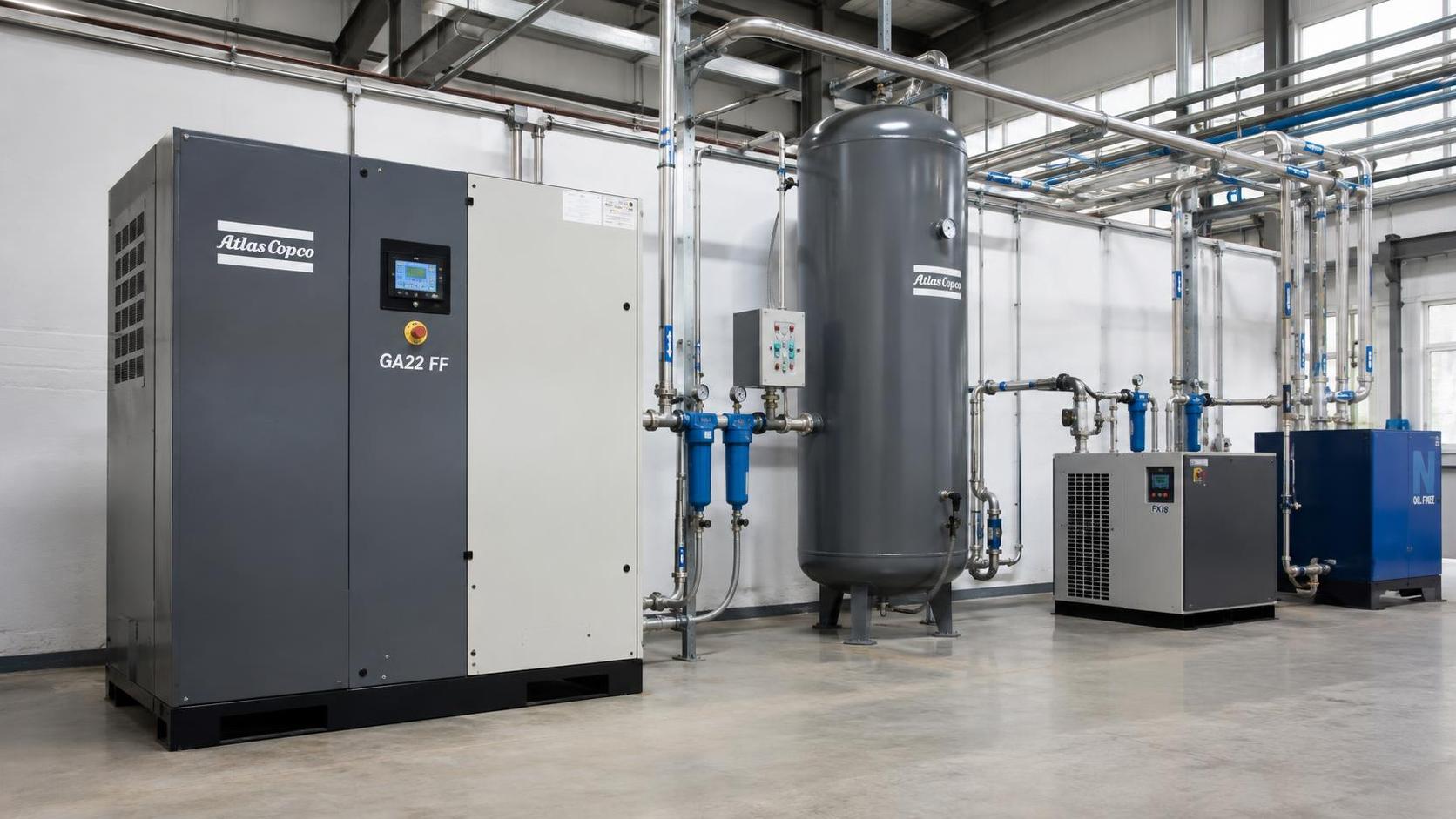
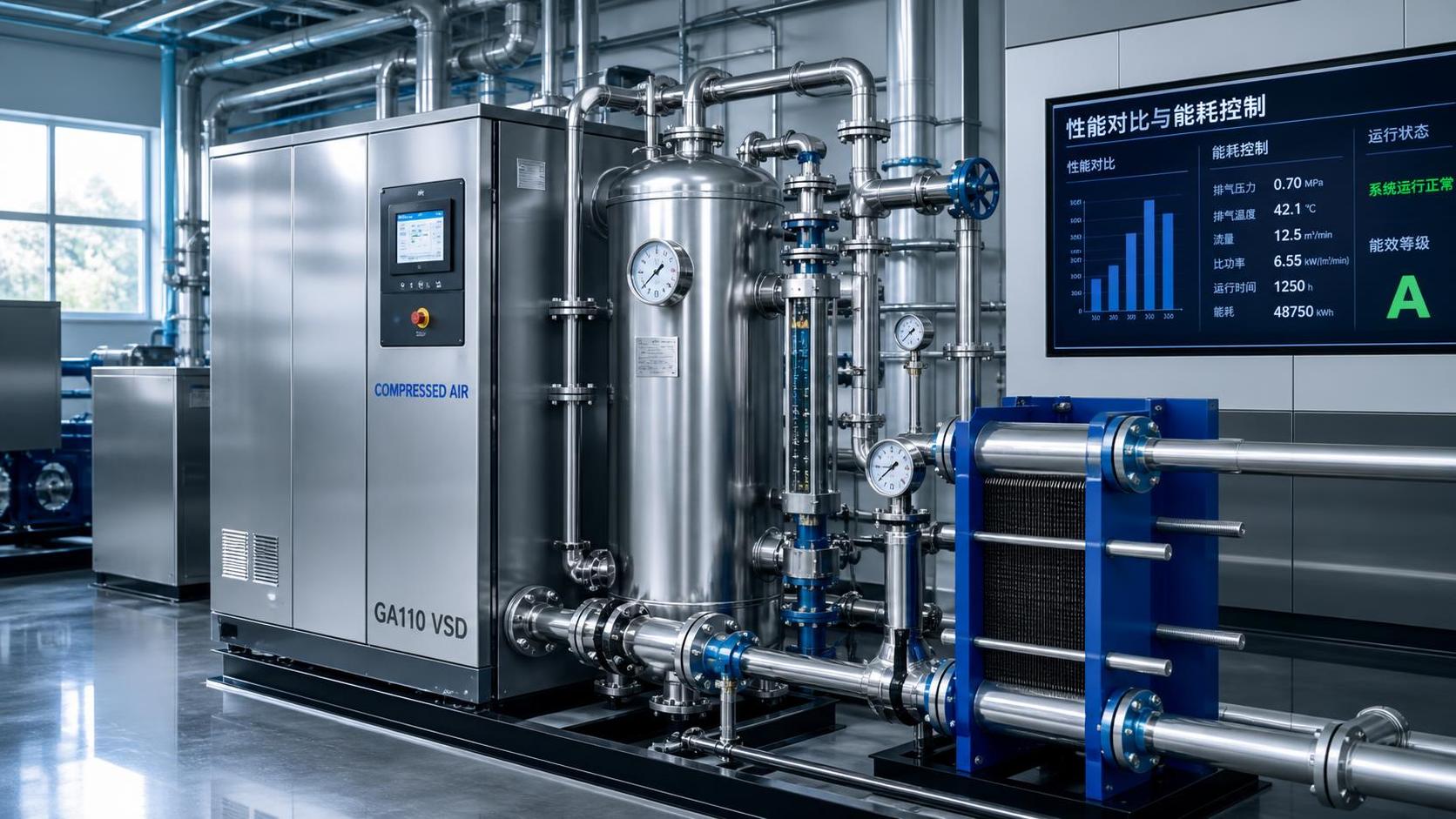
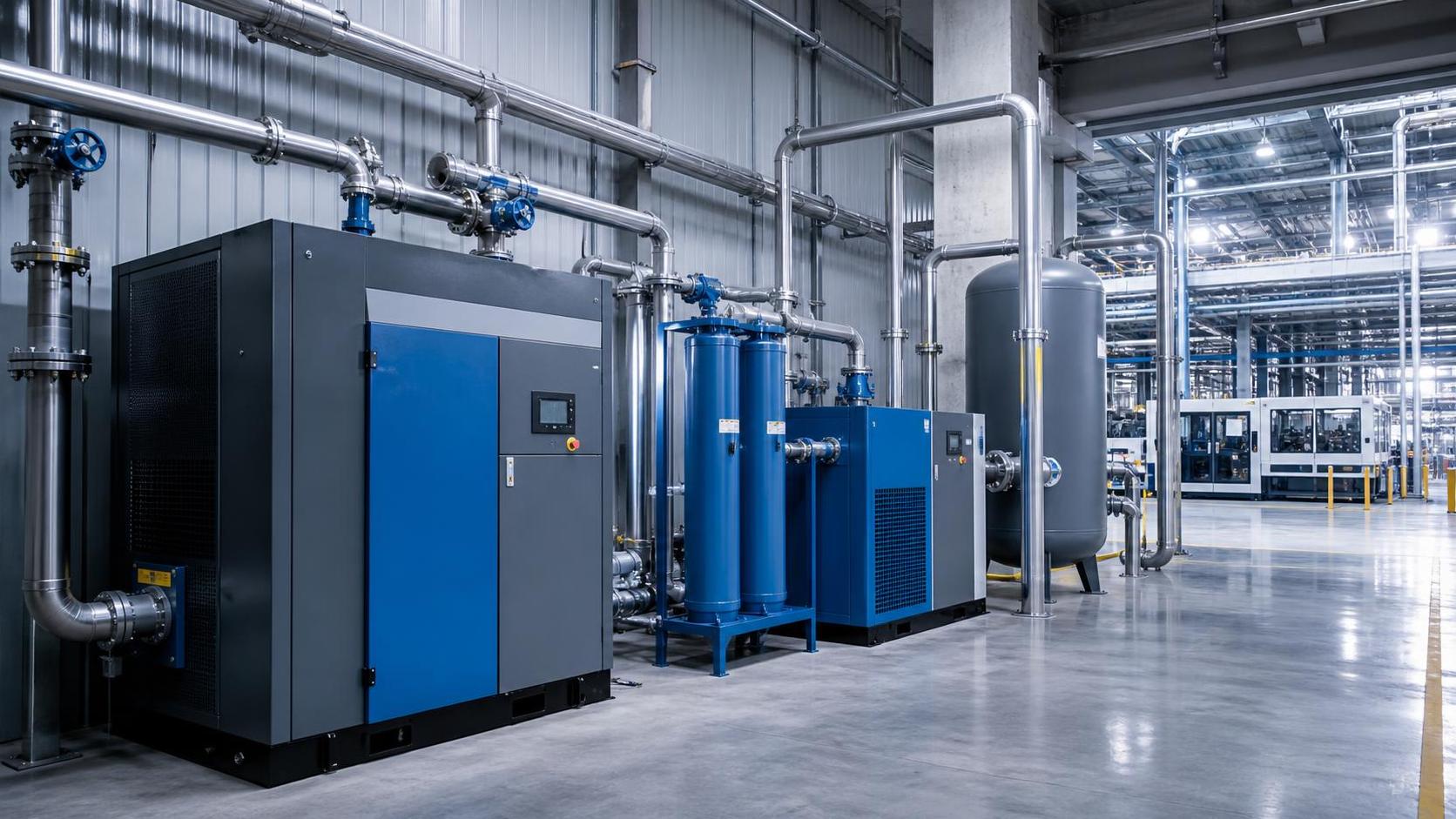
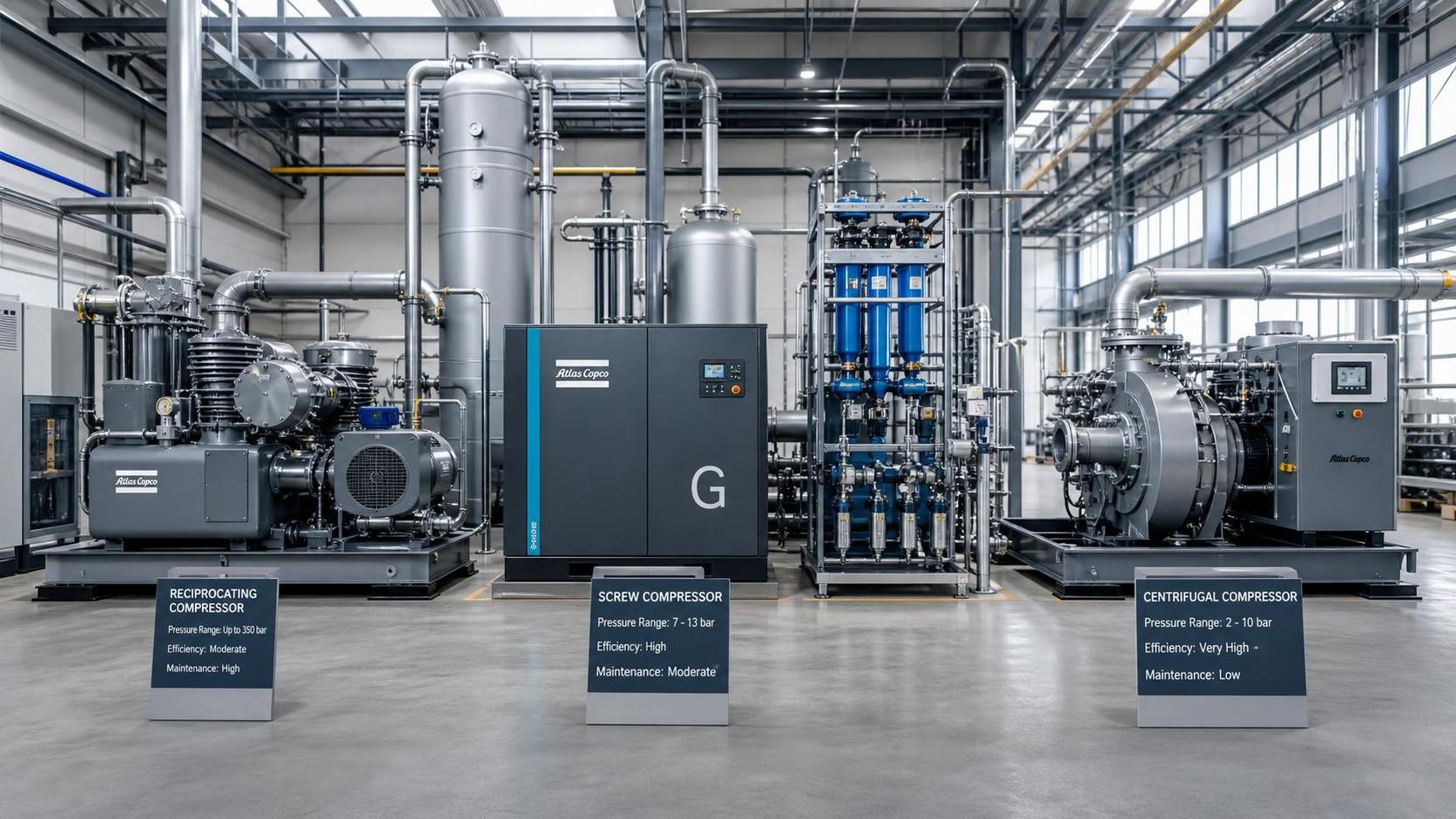
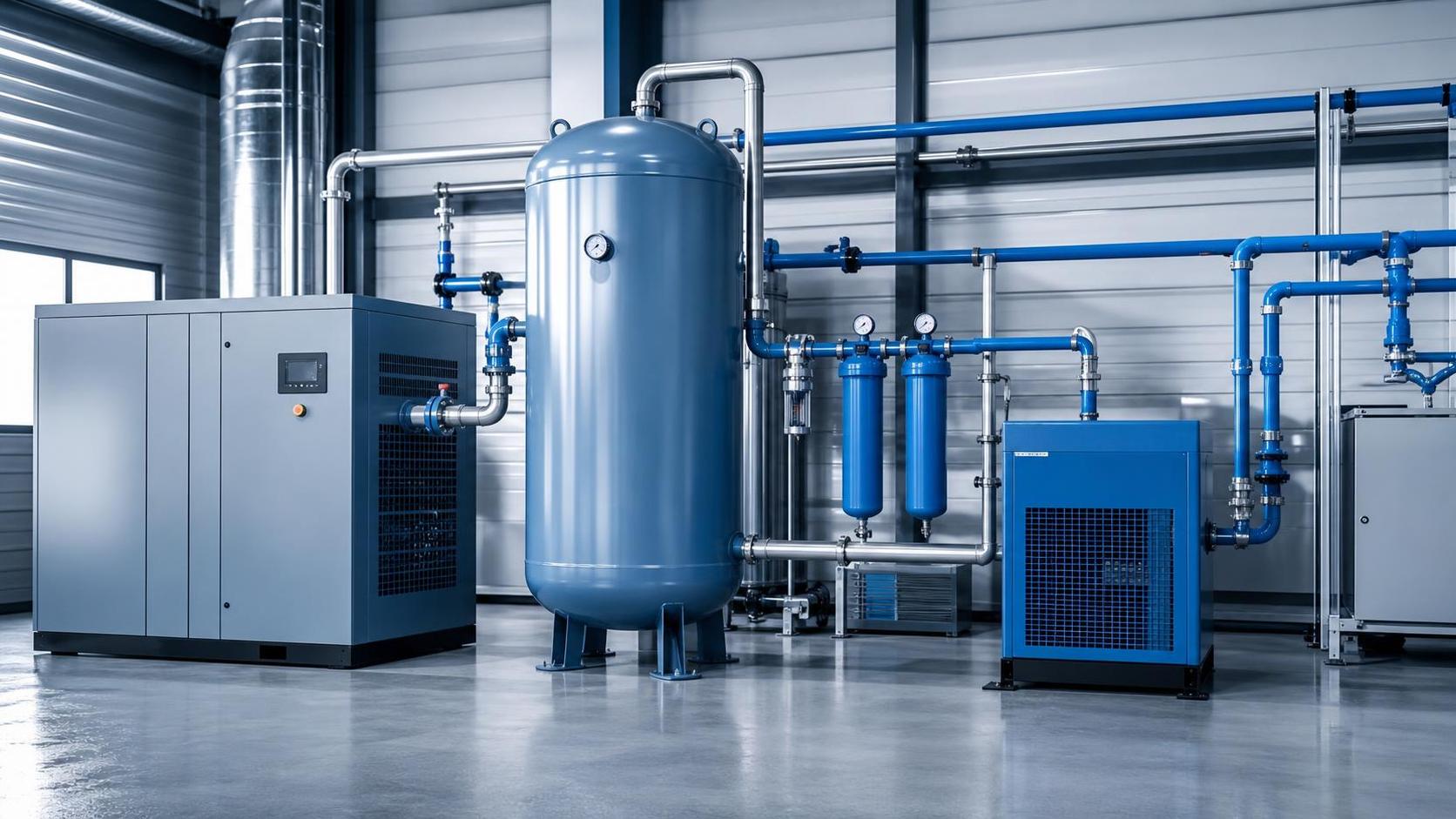
Compressed air is one of the fastest ways to lose industrial energy efficiency because leaks, artificial demand, and poor pressure control stay hidden for long periods.
A small leak does not look serious on paper.
Across shifts, however, multiple leaks can force compressors to run longer, cycle harder, and consume power with no production value attached.
Another common problem is overpressure.
Plants often raise system pressure to solve a local performance issue.
That shortcut increases energy use across the whole network.
In actual operations, the root cause is frequently poor piping layout, clogged filters, or badly matched storage capacity.
This is why industrial energy efficiency should be judged at system level, not machine level alone.
A high-efficiency compressor cannot compensate for a wasteful distribution system.
- Leaks that continue during shutdown hours
- Pressure setpoints higher than process demand
- Unstable loading and unloading cycles
- Dryers and filters creating hidden pressure penalties
When these signals appear together, energy cost is already leaking out before any major equipment alarm appears.
Why do cooling and heat exchange losses stay invisible for so long?
Because thermal losses usually arrive as slow performance drift, not sudden failure.
Heat exchangers foul gradually.
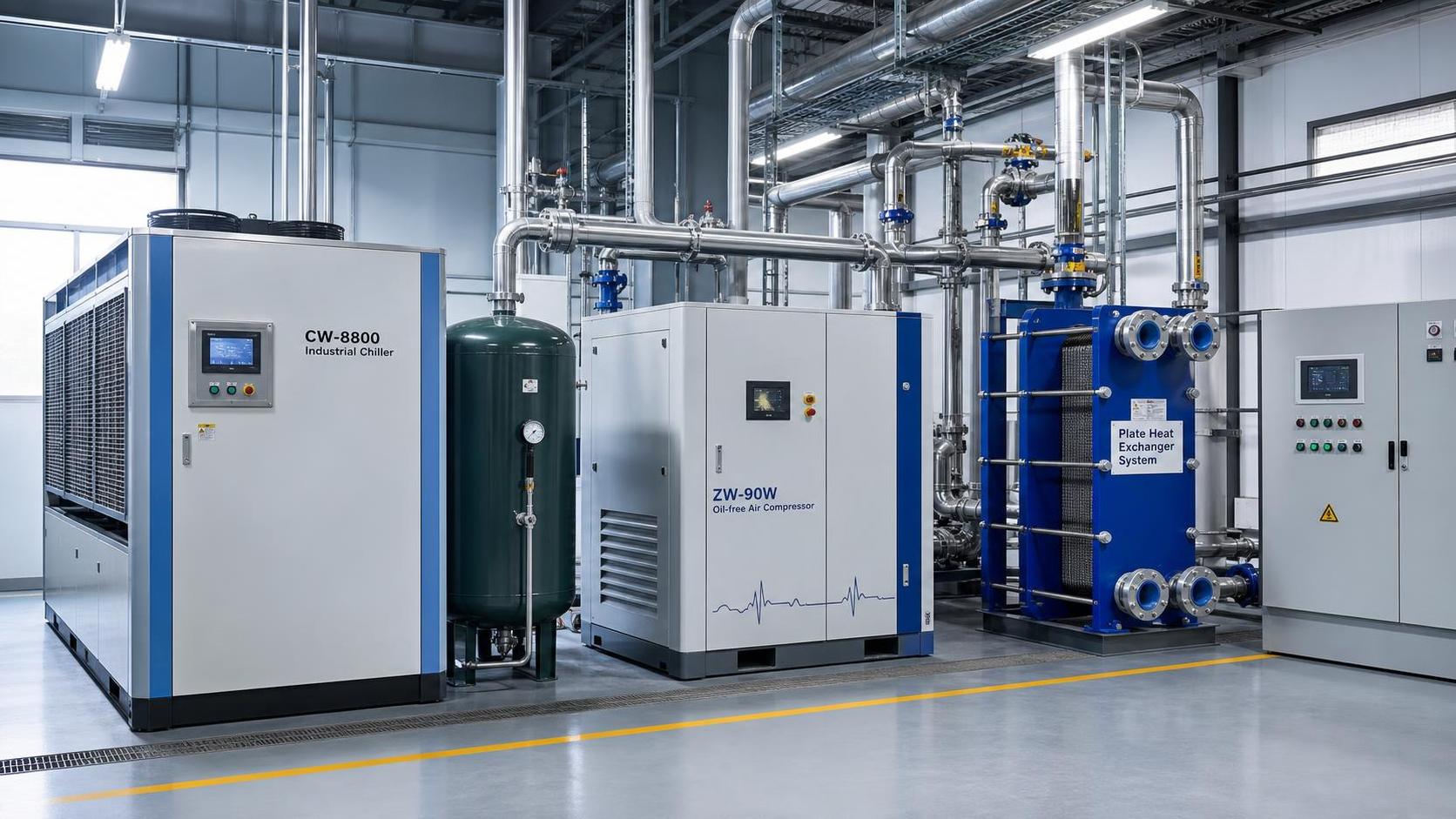
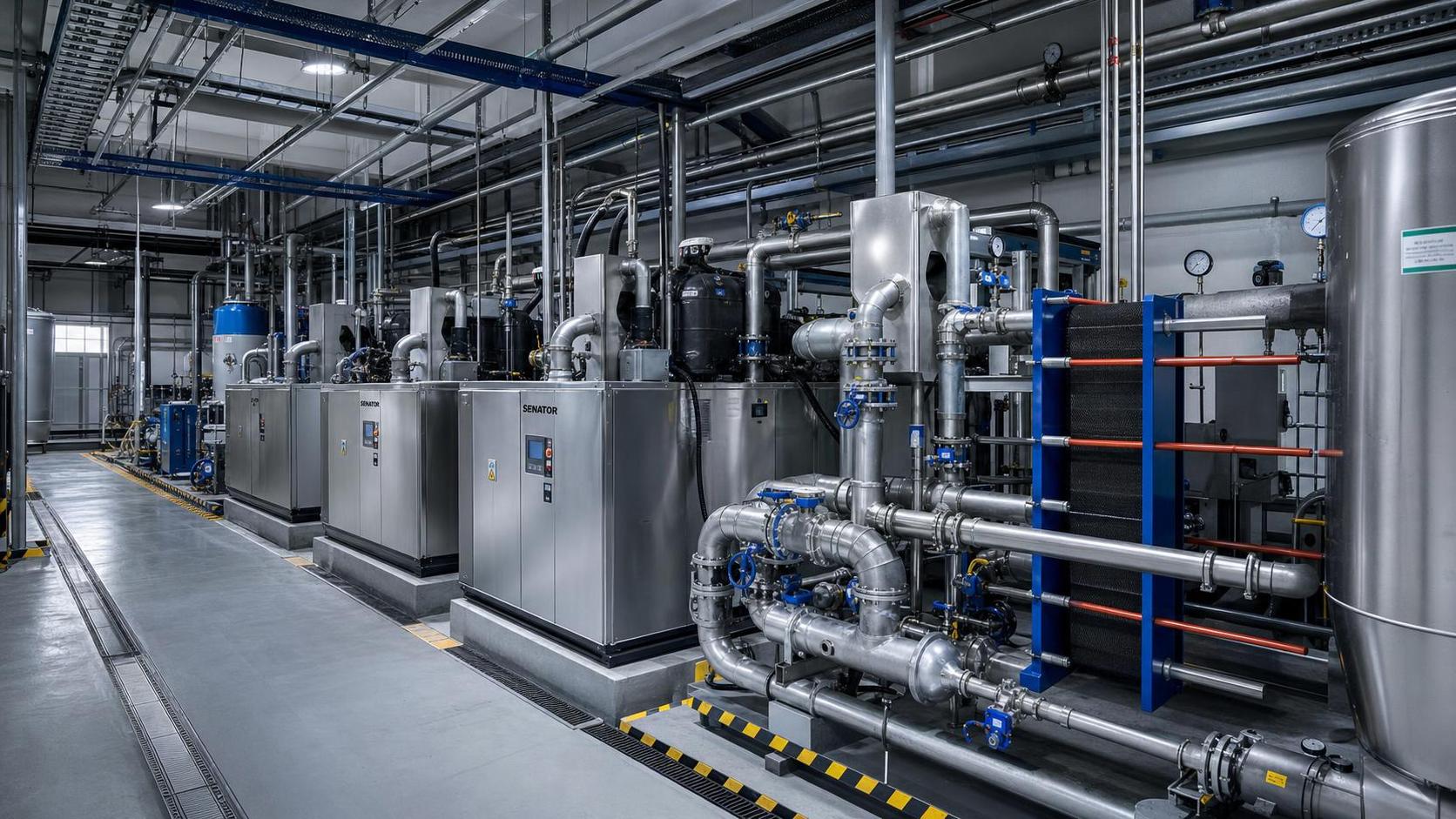
Cooling loops lose efficiency through scaling, unstable flow, poor refrigerant management, and oversized safety margins that were never reviewed again.
The result is simple.
More electricity is used to deliver the same cooling duty, while process stability may still look acceptable.
That makes the waste financially dangerous.
A system can appear operational while quietly eroding margins for months.
GTC-Matrix regularly follows trends in microchannel heat exchangers, refrigerant policy, and thermal system upgrades for this reason.
Technology choices and regulatory shifts often change the economics of efficiency faster than expected.
A useful way to spot early thermal losses is to compare energy input against delivered cooling or recovered heat.
If production stays flat while utility intensity rises, industrial energy efficiency is already slipping.
A quick judgment table for early energy loss
The table below helps separate visible symptoms from likely causes and priority level.
Are oversized systems really that expensive if they still work?
Usually, yes.
Oversizing is one of the most accepted forms of hidden inefficiency.
It feels safe during design, especially when demand forecasts are uncertain.
Later, it becomes expensive because the system spends most of its life at partial load.
That affects industrial energy efficiency in several ways.
Controls become less stable, cycling becomes more frequent, and auxiliary equipment runs when it is not truly needed.
This issue appears in chillers, pumps, fans, air compressors, vacuum units, and boilers.
The cost is not only electrical.
Oversized systems often increase maintenance intervals, spare parts consumption, and control complexity.
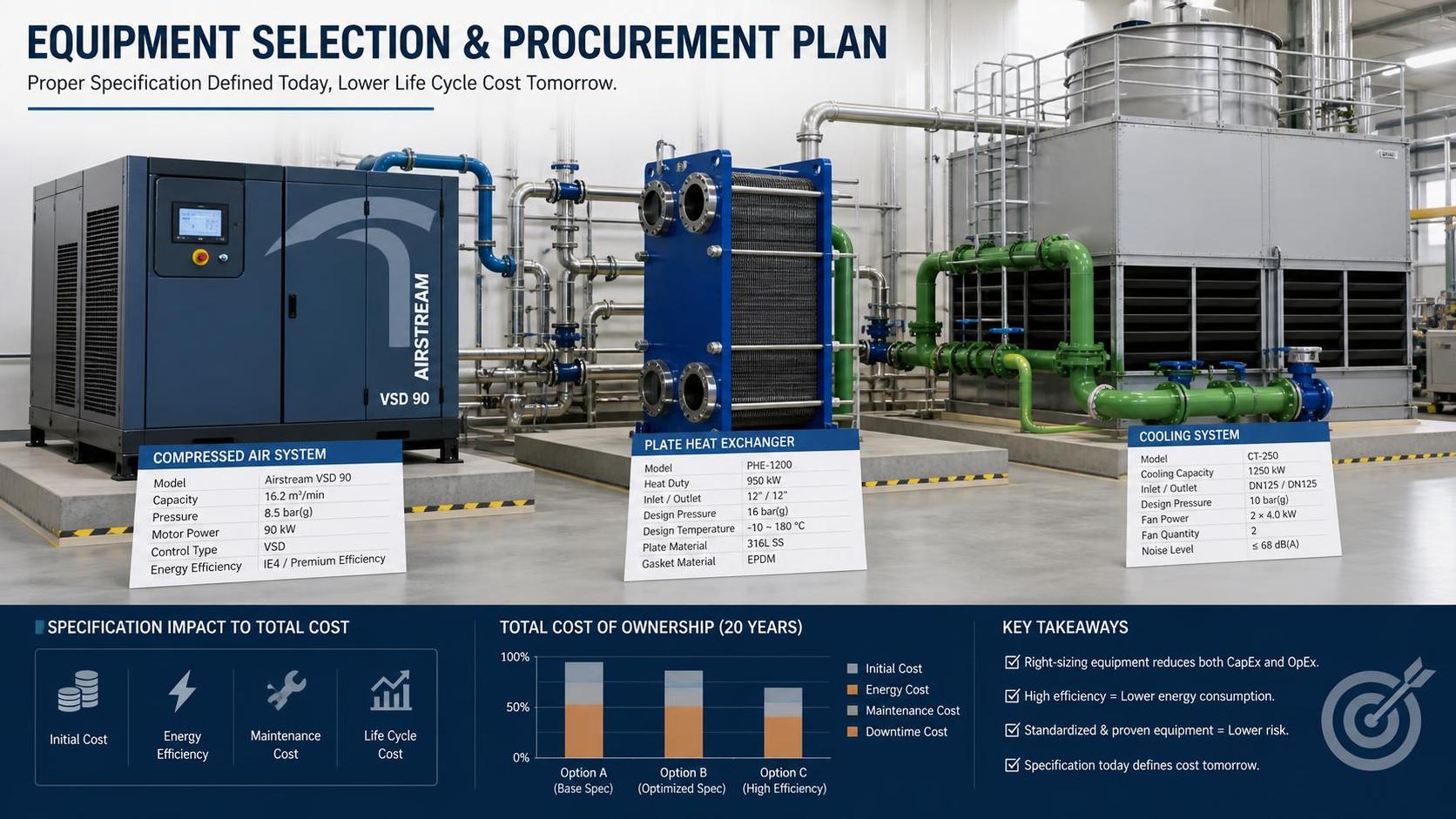
A more common and financially sound approach is flexible sizing.
That may include modular capacity, variable-speed drives, staged operation, and better load data before approval.
When reviewing proposals, it helps to ask one direct question.
What percentage of annual operating hours will occur near the design point?
If the answer is vague, the efficiency case is probably incomplete.
What hidden operating losses are easiest to underestimate?
The most underestimated losses are usually the ones spread across departments.
No single line item looks dramatic, yet the combined penalty is large.
Examples include poor sequencing between machines, unnecessary standby loads, weak insulation, low condensate management quality, and missed heat recovery opportunities.
Vacuum systems also belong in this discussion.
When vacuum levels are tighter than process needs, pumps consume extra energy with no matching process benefit.
In sectors such as pharmaceuticals, semiconductors, and food processing, the demand for precision can justify tight control.
Even then, the control target should be validated rather than assumed permanent.
This is where intelligence matters.
GTC-Matrix connects equipment evolution, policy signals, and commercial demand patterns so efficiency decisions are not made in isolation.
Industrial energy efficiency improves faster when technical data and business context are reviewed together.
- Heat rejected from compressors but not reused
- Cooling setpoints kept lower than process requires
- Vacuum margins added without revalidation
- Night and weekend base loads left untouched
How should energy losses be prioritized when budgets are tight?
The best answer is not to chase the biggest machine first.
It is to chase the fastest verified loss with the clearest operating evidence.
A useful screening method combines four filters.
- Can the loss be measured quickly?
- Does it affect utility cost every day?
- Can it be corrected without major downtime?
- Will the fix support future decarbonization goals?
This approach usually moves leak repair, control optimization, and heat recovery review toward the front of the queue.
Large replacement projects may still be justified, but they should not crowd out lower-cost actions with faster payback.
In other words, industrial energy efficiency should be funded as a sequence, not a single event.
That also reduces approval risk.
When early wins are documented, larger investments become easier to evaluate with confidence.
What makes a proposal easier to approve?
The strongest cases are specific.
They show baseline consumption, expected reduction, implementation limits, and the likely effect on uptime or product quality.
Claims about industrial energy efficiency are far more credible when tied to operating hours, load profile, and utility tariff structure.
What is the smartest next step if losses are suspected but not fully proven?
Start with a focused evidence map rather than a full transformation plan.
That means identifying the systems most likely to lose energy first, then matching each one to a measurable indicator.
For compressed air, look at leak rate, pressure stability, and off-shift consumption.
For cooling, compare power draw with delivered load and seasonal operating drift.
For heat recovery, measure how much usable thermal value is currently exhausted.
For vacuum and specialty thermal systems, verify whether current setpoints still reflect real process need.
This type of structured review aligns well with the GTC-Matrix view of industry.
Energy performance is strongest when thermal logic, compression power, market change, and technology direction are read together.
The broad lesson is straightforward.
Industrial energy efficiency is usually lost first in the unnoticed spaces between equipment capability and actual operating practice.
If the next step is chosen carefully, those same spaces can also deliver the fastest return.
A sensible path is to rank leaks, thermal drift, sizing gaps, and recoverable waste heat, then compare them by payback, execution effort, and operational risk.
That turns industrial energy efficiency from a broad ambition into a practical investment decision.
Related News
- What to verify before choosing a process separation technology supplierAuthor :

- When does process utilities engineering reduce project rework?Author :

- Where thermal efficiency optimization delivers the fastest savings in EuropeAuthor :

- What should you verify before selecting a heat transfer supplier?Author :

- What drives compressed air systems price for industrial projects?Author :

- How an industrial product knowledge comparison guide reduces sourcing riskAuthor :

- When does a procurement specification planning process reduce bid risk?Author :

- When does thermal system optimization for electronics reduce failure risk?Author :

- When high temperature process heating systems justify the higher energy costAuthor :

- How to compare sludge dewatering equipment by cake drynessAuthor :

- What to Check Before Sourcing a Gas Turbine for Distributed Power ProjectsAuthor :

- What drives industrial thermal systems price in large facility projectsAuthor :

- How to build an industrial product comparison chart that speeds up vendor selectionAuthor :

- Vacuum Technology Application Guide for Selecting the Right SystemAuthor :

- What Drives Vacuum Drying Cost in Industrial Procurement?Author :

- What Drives Compressed Air Pricing in Industrial Systems?Author :

- How Procurement Specification Planning Shapes Total Project CostAuthor :

- Compression Technology Guide: How to Compare Efficiency, Pressure Range, and Maintenance NeedsAuthor :

- How to Compare Industrial Separators by Throughput, Purity, and Maintenance LoadAuthor :

- How to Size a Compressed Air Equipment Receiver Tank for Stable PressureAuthor :

- Industrial Equipment Selection Guide: How to Compare Capacity, Duty Cycle, and Operating CostAuthor :

- How to Evaluate an Intellectualization Supplier for Industrial UpgradesAuthor :

- High-Efficiency Manufacturing: Cost Savings vs. Upgrade RiskAuthor :

- Thermal System Optimization Cost: What Drives ROI?Author :

- How to Plan Process Utilities for a Cleanroom Without Costly ReworkAuthor :

- How to Compare Process Heating Suppliers in MexicoAuthor :

- Food Processing Utilities: Common Sizing Mistakes That Raise Energy and Water UseAuthor :

- How to Build Procurement Specification Planning for Industrial EquipmentAuthor :

- OEM Cooperation for Industrial Equipment: Risks, Terms, and Cost PrioritiesAuthor :

- Specification-Oriented Product Resources That Speed Technical ReviewAuthor :

- Industrial Equipment Selection Guide: A Practical Buyer ChecklistAuthor :

- How to Compare Industrial Energy Management Systems by ROIAuthor :

- How to Evaluate a Deaerators Supplier for Long-Term Plant ReliabilityAuthor :
![]()
- How to Evaluate a Vacuum Technology Manufacturer in 2026Author :

- Thermal Efficiency Optimization Software: When the ROI Justifies DeploymentAuthor :

- How to Evaluate Application-Specific Compression Solutions by Throughput and Energy UseAuthor :