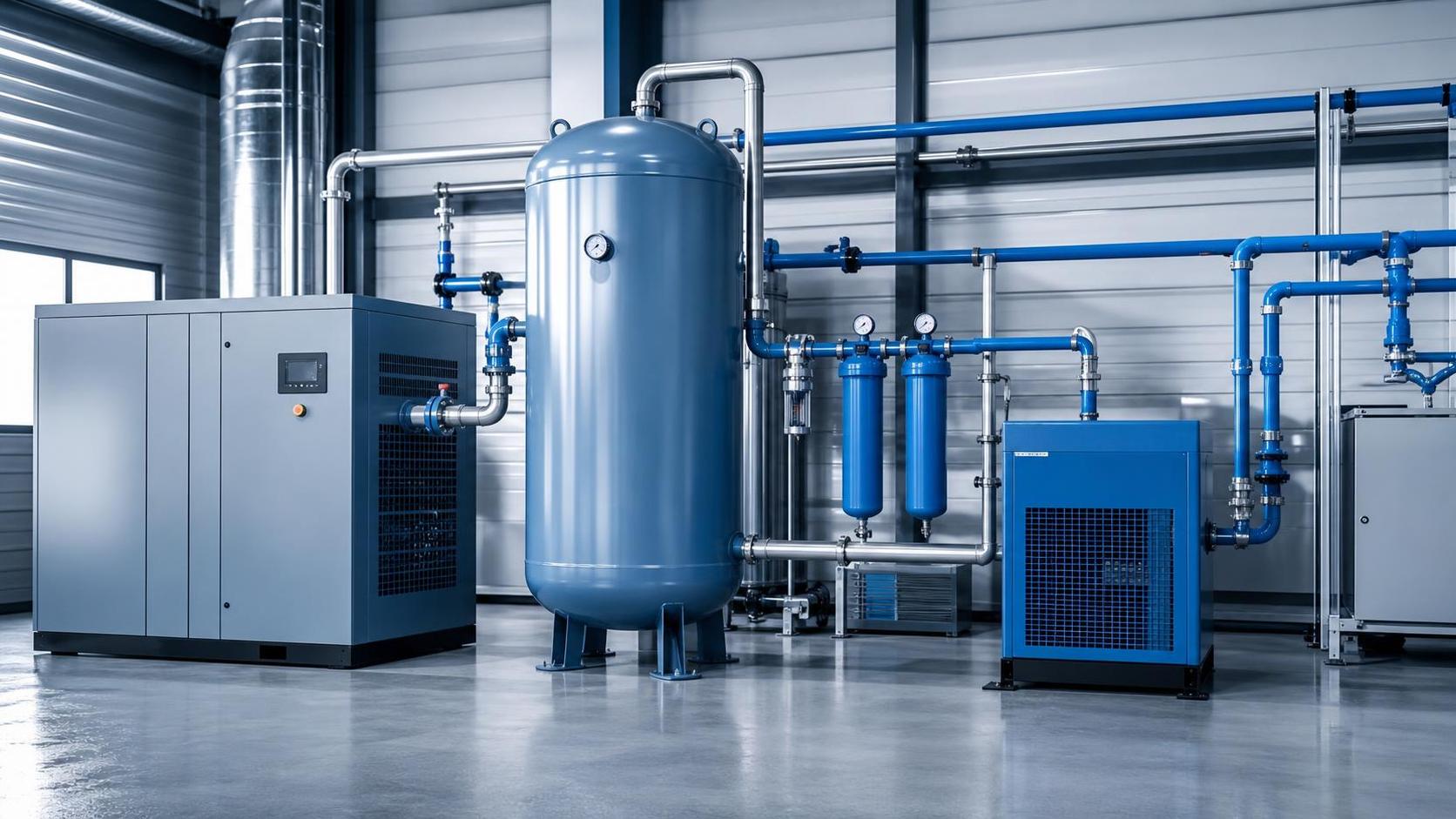
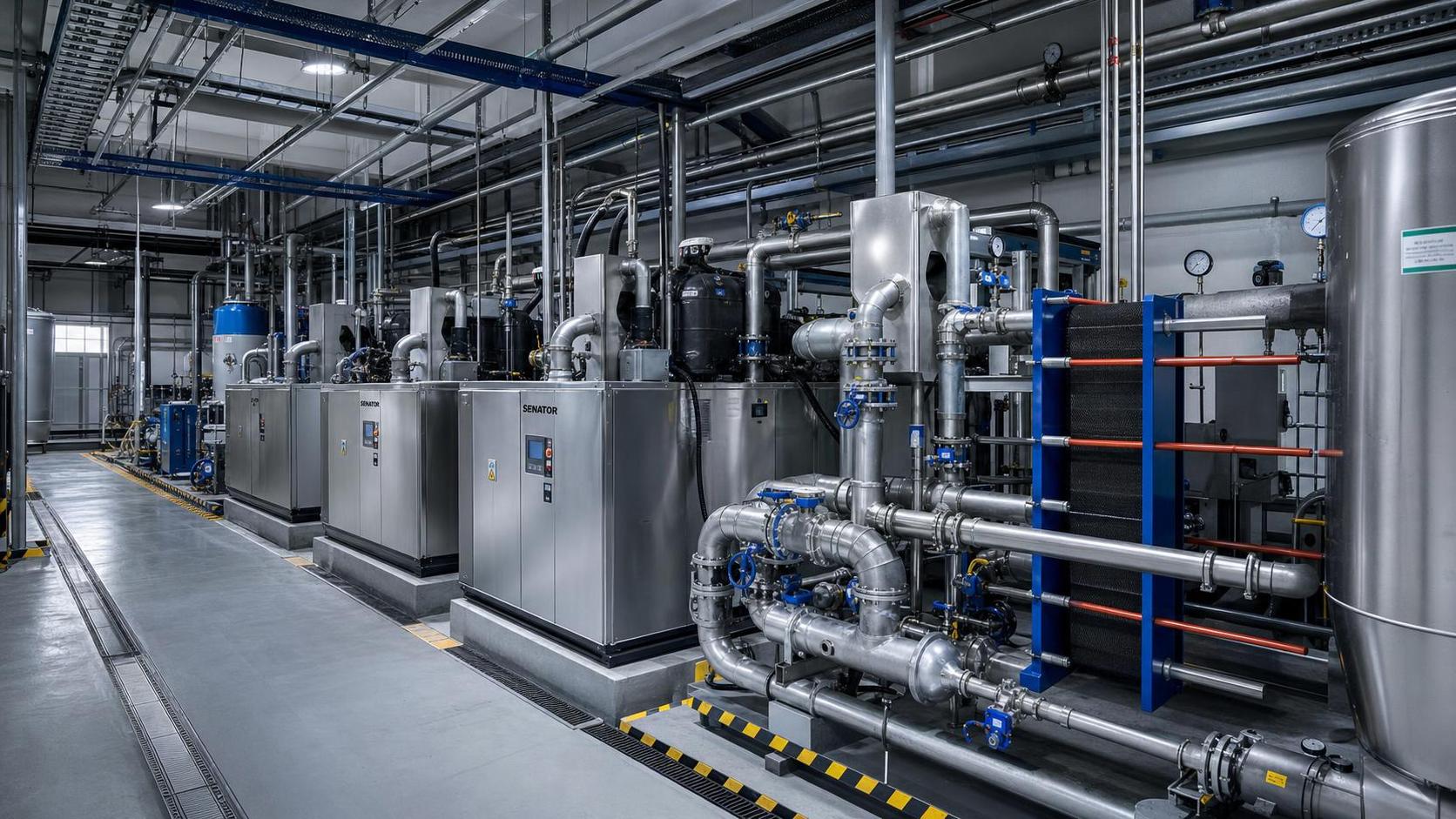
How to Plan Process Utilities for a Cleanroom Without Costly Rework




How to Plan Process Utilities for a Cleanroom Without Costly Rework
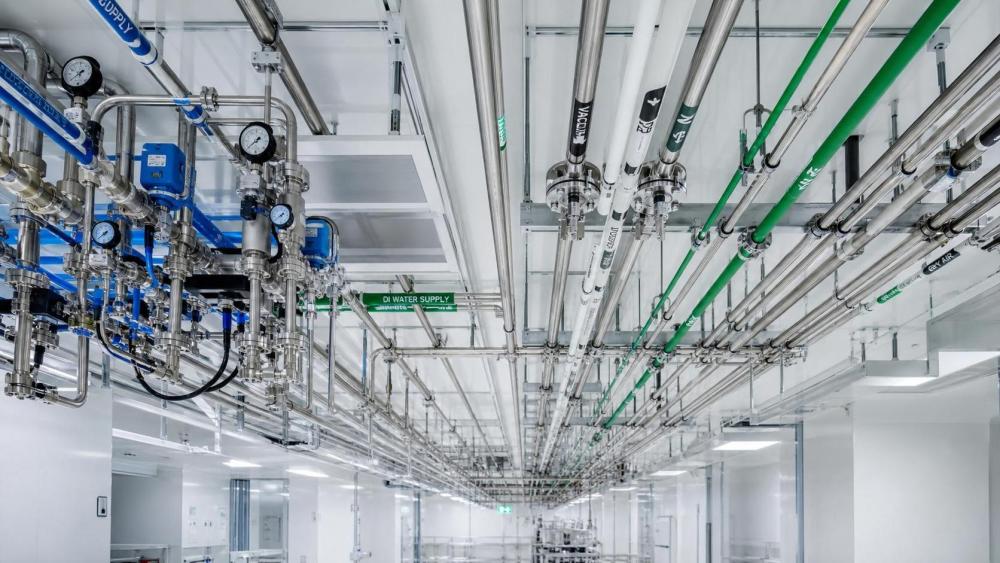
Planning process utilities cleanroom systems early changes the whole project outcome.
It reduces design clashes, protects validation timelines, and keeps budgets from drifting late in construction.
That sounds obvious, but many projects still treat utilities as routing work instead of performance infrastructure.
In a cleanroom, that mindset creates expensive rework.
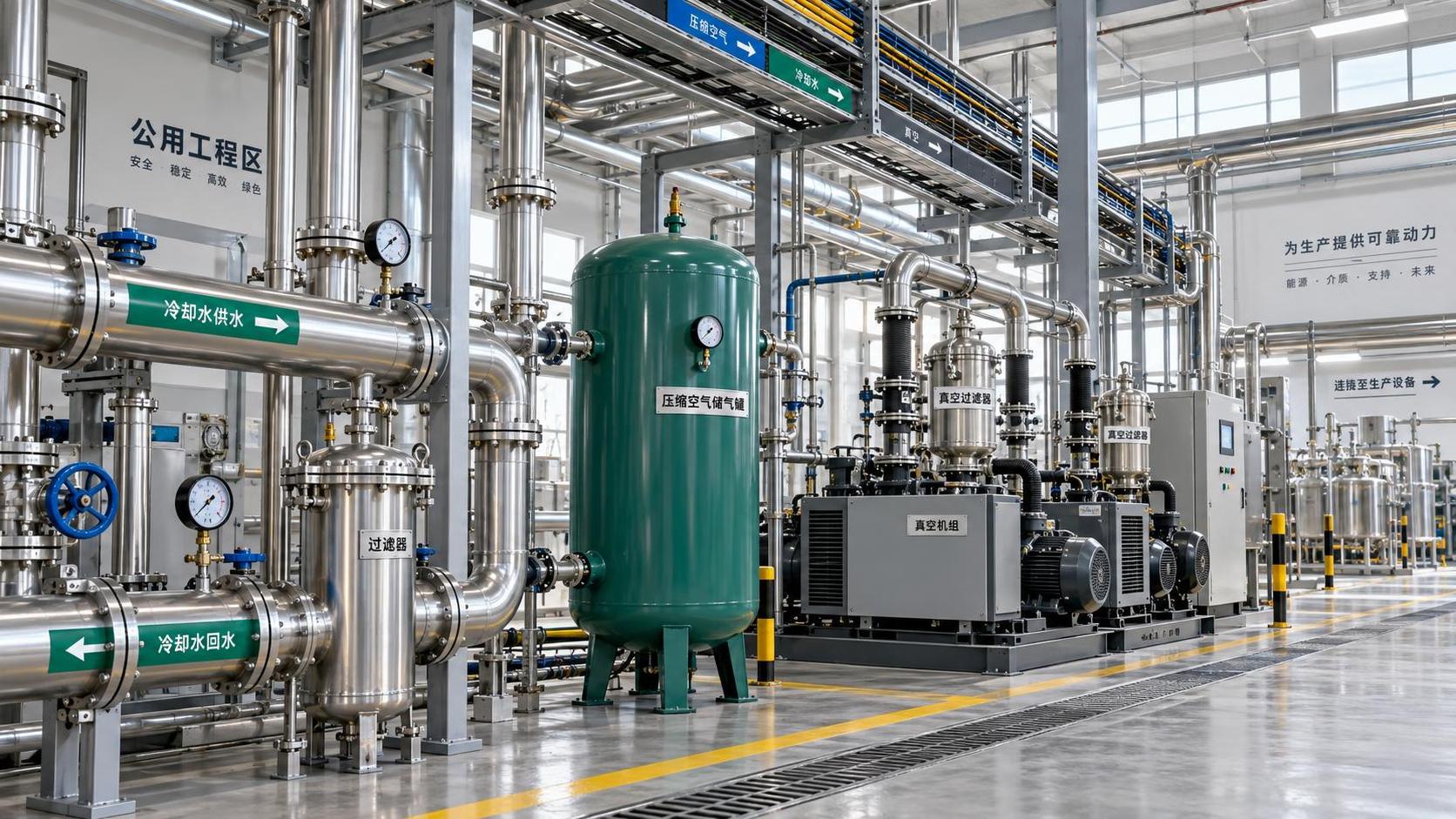
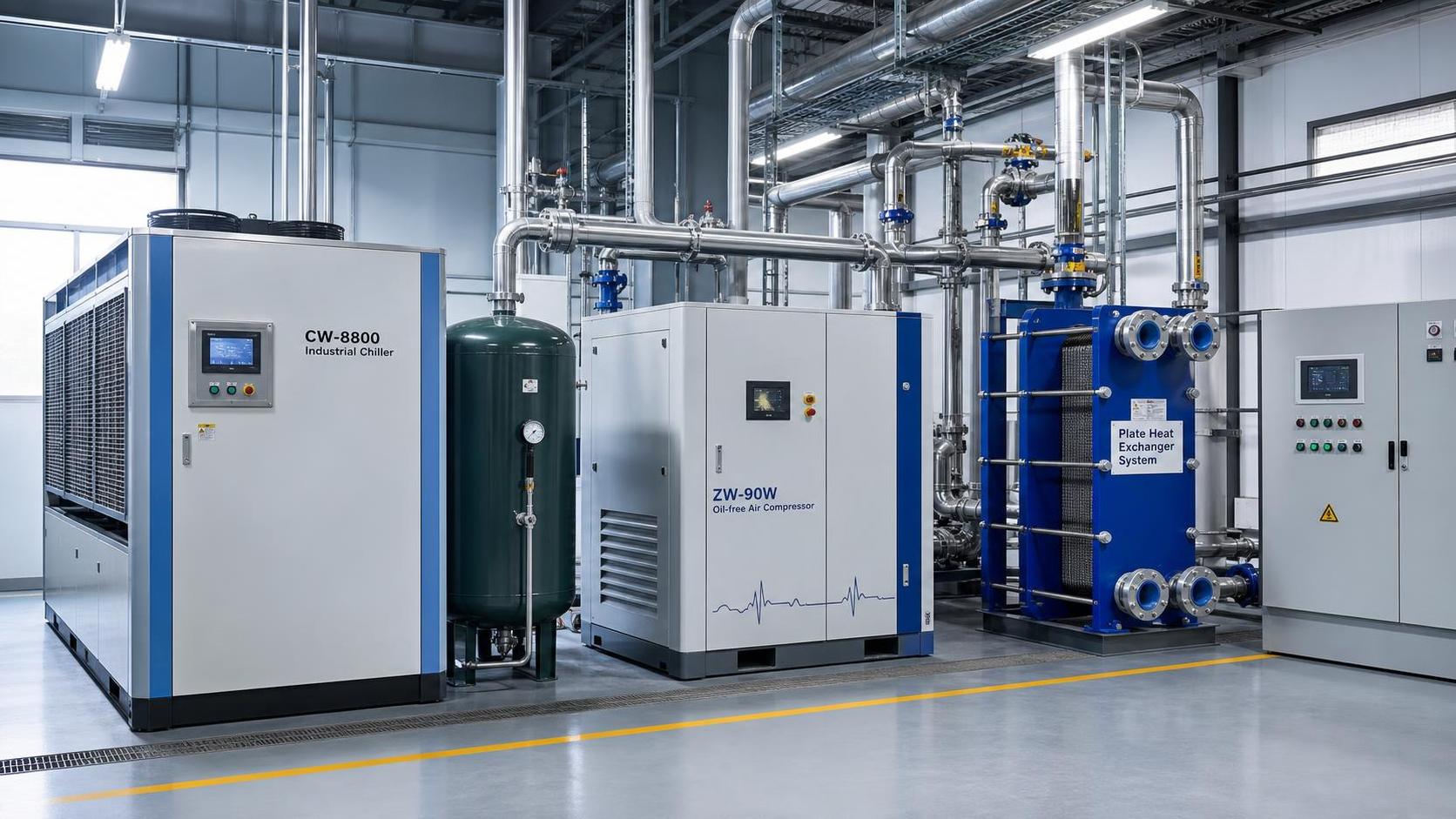
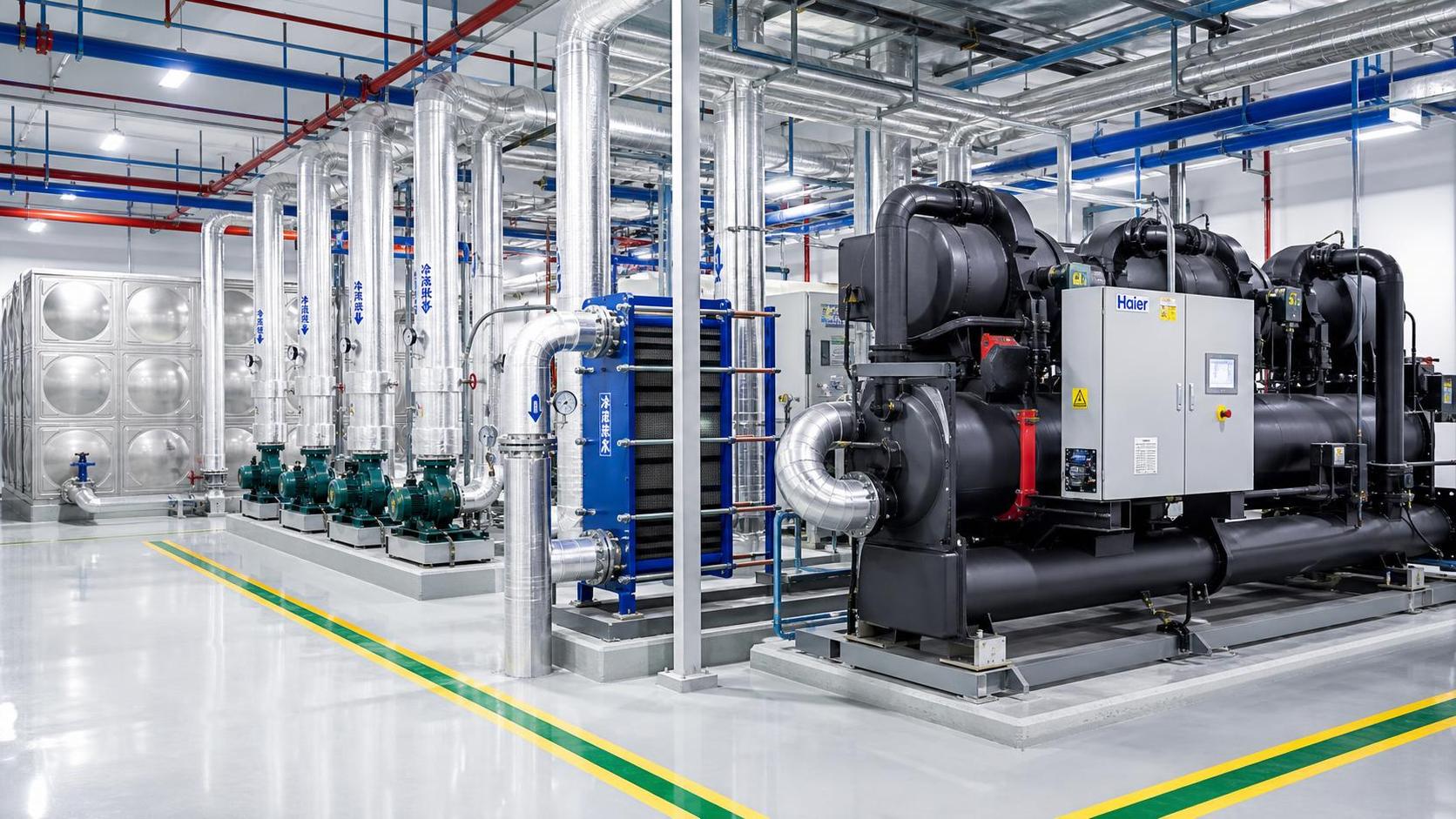
Compressed air, vacuum, chilled water, process cooling, clean steam, gases, drain strategy, and heat rejection all interact.
If one utility moves late, ceiling space, panel locations, controls, and commissioning sequences usually move with it.
This is where process utilities cleanroom planning becomes a project control issue, not just an engineering detail.
The practical goal is simple.
Build a utility plan that supports cleanliness, uptime, change control, and future scale without overbuilding day one capacity.
Start With Process Reality, Not Utility Lists
A strong process utilities cleanroom strategy starts with the production process map.
Begin by identifying each tool, each support skid, and each quality-critical operating condition.
That includes flow, pressure, temperature, dew point, purity class, and redundancy expectations.
Do not stop at equipment schedules.
You also need startup peaks, cleaning cycles, simultaneous demand patterns, and non-routine maintenance states.
In real projects, these hidden conditions drive much of the later rework.
A useful early workshop should answer four questions.
- Which tools are most sensitive to pressure drop or thermal instability?
- Which utility failures stop production immediately?
- Which loads are stable, intermittent, or expandable?
- Which utilities require isolation for validation or phased handover?
This creates a cleaner basis for utility sizing and routing priorities.
It also helps procurement avoid buying capacity that looks safe on paper but performs poorly in operation.
Coordinate Cleanliness, Access, and Utility Routing Early
The next step is spatial coordination.
A process utilities cleanroom layout must support both airflow integrity and maintenance access.
This is often where teams discover that utility design and cleanroom design were never truly aligned.
Overhead congestion is a common warning sign.
Air ducts, cable trays, gas lines, process cooling loops, and drain slopes compete for the same zone.
If routing decisions happen too late, airflow balance and service access both suffer.
A better approach is to divide utilities by contamination risk, maintenance frequency, and space sensitivity.
That usually means separating high-touch maintenance routes from cleanliness-critical zones whenever possible.
Keep these routing principles in view.
- Protect laminar flow paths from oversized overhead utility bundles.
- Allow service clearances at valves, filters, regulators, and sampling points.
- Minimize dead legs in high-purity process utility cleanroom piping networks.
- Plan isolation zones to support partial shutdowns instead of whole-area stoppages.
- Reserve realistic access for testing, balancing, and future tie-ins.
This also improves change control later.
When utilities are zoned clearly, future modifications create fewer compliance and contamination risks.
Forecast Loads With Operational Margins, Not Guesswork
Load forecasting is where many process utilities cleanroom projects quietly go off course.
Some teams simply add a blanket spare factor to every utility.
That feels conservative, but it often produces the wrong system shape.
Compressed air may be oversized while process cooling remains tight during peak tool operation.
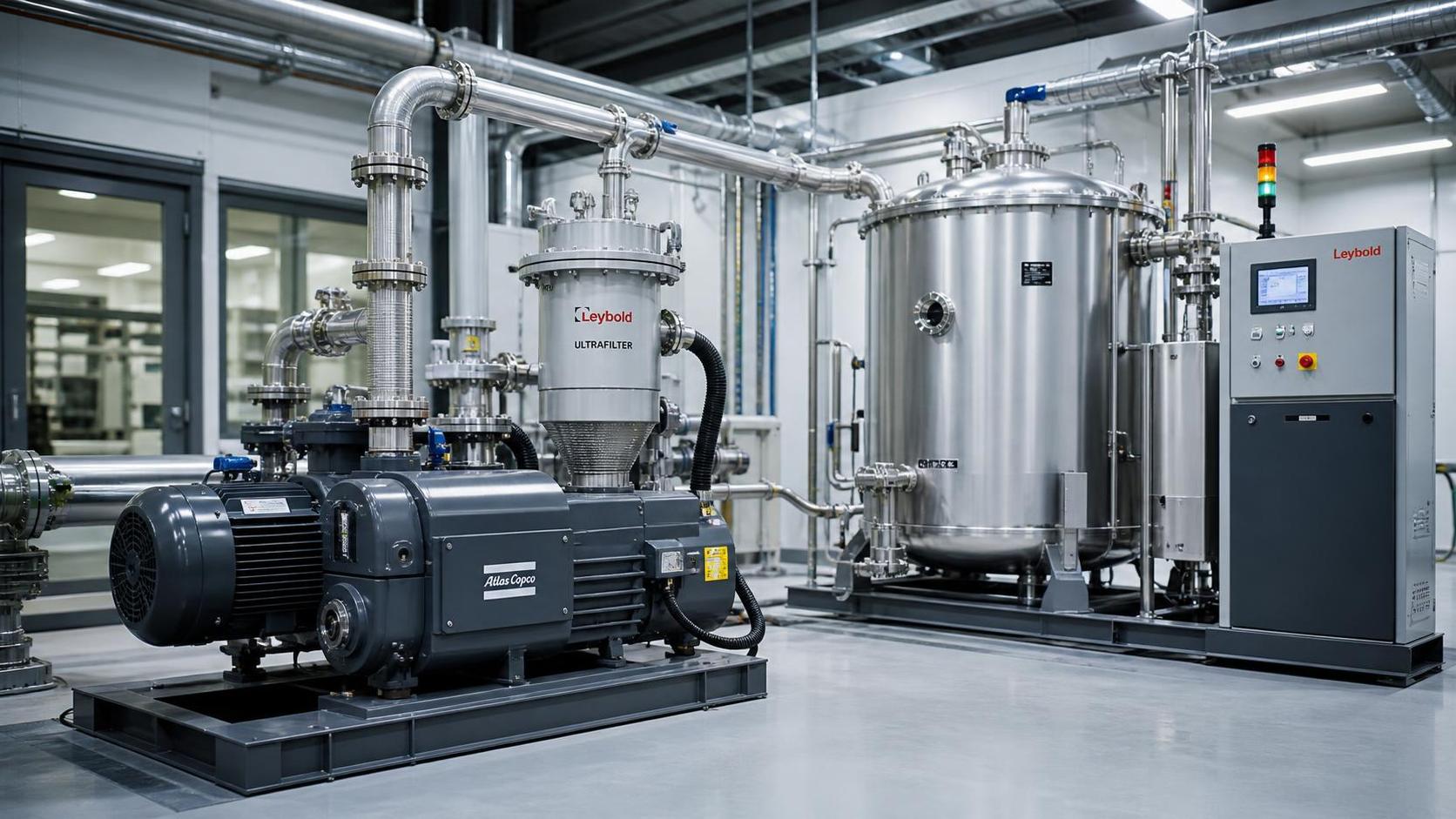
Vacuum pumpdown demand may be underestimated because average load looked acceptable.
More reliable forecasting uses operating scenarios.
Model base production, ramp-up, maintenance recovery, shift overlap, and expansion phases separately.
Then assign each utility a design margin linked to its risk profile.
For example, a process utilities cleanroom network supporting critical yield steps may justify higher redundancy.
A utility serving non-critical washdown points may not.
This is also where thermodynamic efficiency matters.
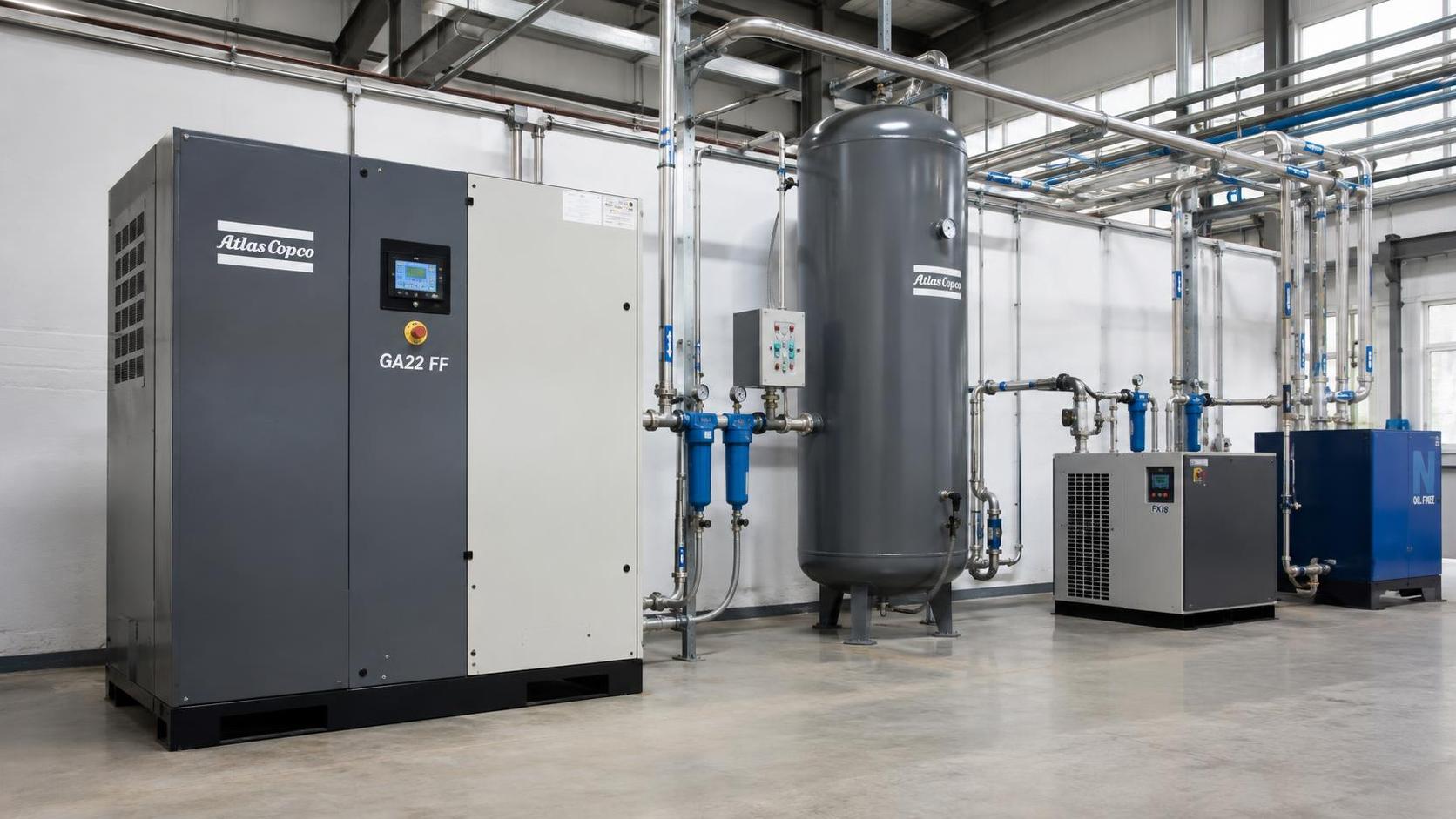
Recent industry shifts show stronger interest in oil-free compression, tighter temperature control, and smarter heat recovery.
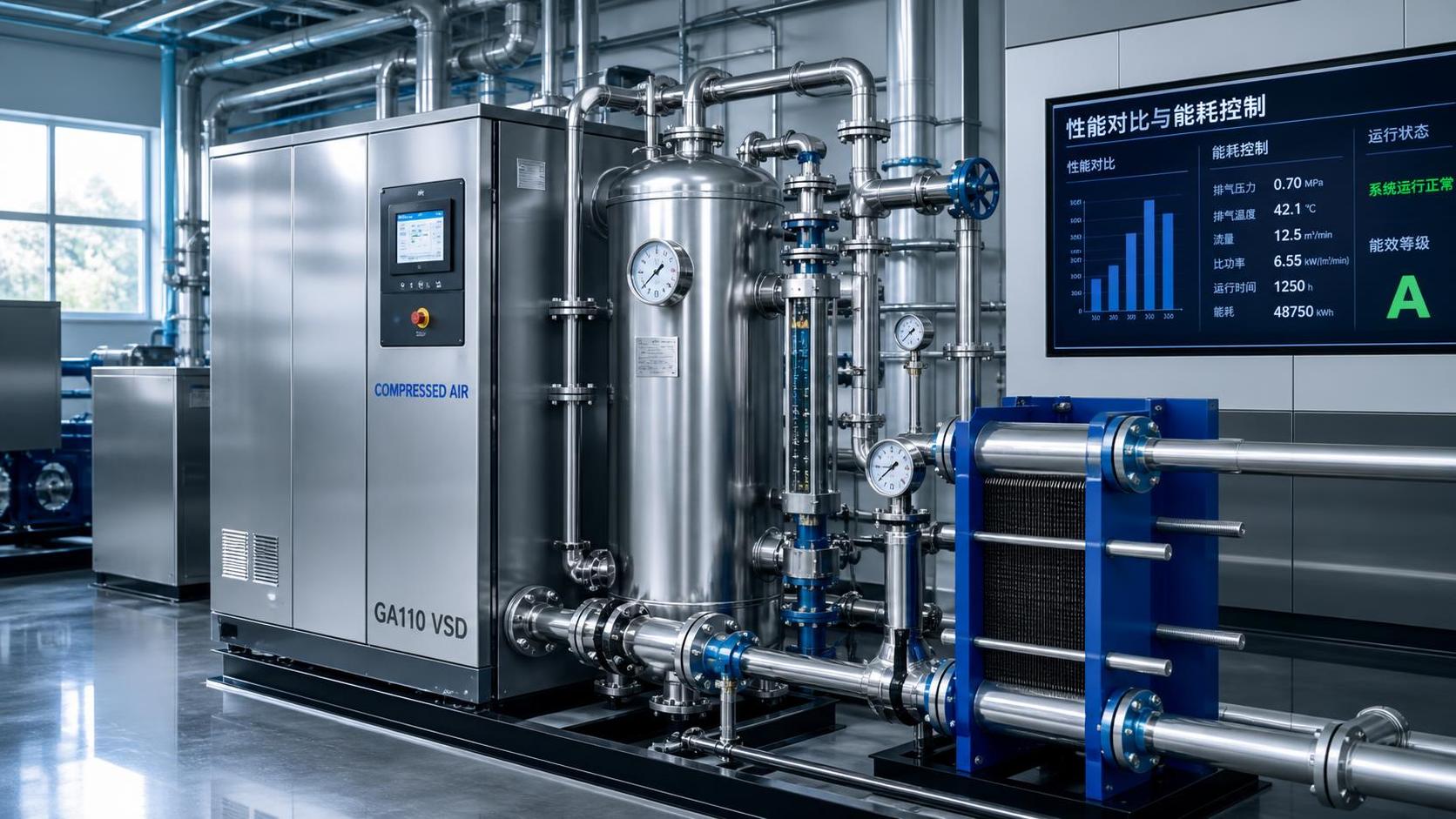
That means utility planning should include lifecycle energy performance, not only installation cost.
Design for Validation, Monitoring, and Change Control
A process utilities cleanroom system is not finished when piping is installed.
It must also be testable, documentable, and stable under controlled operation.
This is why validation thinking should appear during concept design, not after procurement.
Sampling ports, pressure indicators, temperature sensors, dew point monitoring, and alarm logic all need physical space.
Just as important, they need a documented purpose.
Without that, the process utilities cleanroom package becomes harder to qualify and harder to troubleshoot.
A useful rule is to connect every measurement point to a decision.
If a sensor does not support release, alarm response, trending, or maintenance planning, reconsider it.
At the same time, avoid blind spots that delay root-cause analysis.
For regulated or high-yield environments, this balance is critical.
The most practical design review checks are usually these.
- Can each critical utility be isolated without shutting down the full cleanroom?
- Are monitoring points reachable during qualification and routine service?
- Does control logic distinguish between nuisance alarms and real process risk?
- Can future modifications be documented without reopening major validated systems?
These checks reduce late redesign more than many teams expect.
Build Flexibility Without Paying for Unused Complexity
Future expansion matters, but uncontrolled flexibility becomes waste.
The right process utilities cleanroom plan reserves options where change is likely and value is real.
That may mean spare corridor space, capped branch points, panel capacity, or modular skid interfaces.
It does not always mean installing every spare line today.
From a cost-control perspective, staged readiness is often the better answer.
Reserve the connection logic, structural allowance, and control architecture first.
Add physical capacity when production signals justify it.
This approach fits current market pressure for efficient capital use and lower energy intensity.
It also aligns with the broader industrial focus on decarbonization and smarter utility performance.
A practical expansion filter can help.
- Reserve now if retrofit access will be disruptive or validation-heavy.
- Delay now if demand timing is uncertain and installation is easy later.
- Prioritize utilities tied to core yield, uptime, and thermal stability.
- Review energy penalty before oversizing rotating equipment or cooling systems.
This keeps process utilities cleanroom planning both resilient and commercially disciplined.
A Practical Coordination Sequence That Prevents Rework
When teams want fewer surprises, sequence matters.
A workable process utilities cleanroom roadmap usually follows a disciplined order.
- Lock critical process assumptions and utility quality requirements.
- Map load scenarios, redundancy targets, and expansion phases.
- Coordinate routing with cleanroom airflow, access, and structural zones.
- Define validation points, instrumentation, and shutdown boundaries.
- Review lifecycle energy performance before final equipment release.
- Freeze interface documents for vendors, contractors, and commissioning teams.
This sequence works because it links engineering decisions to operating reality.
It also makes cross-functional gaps visible before they become field conflicts.
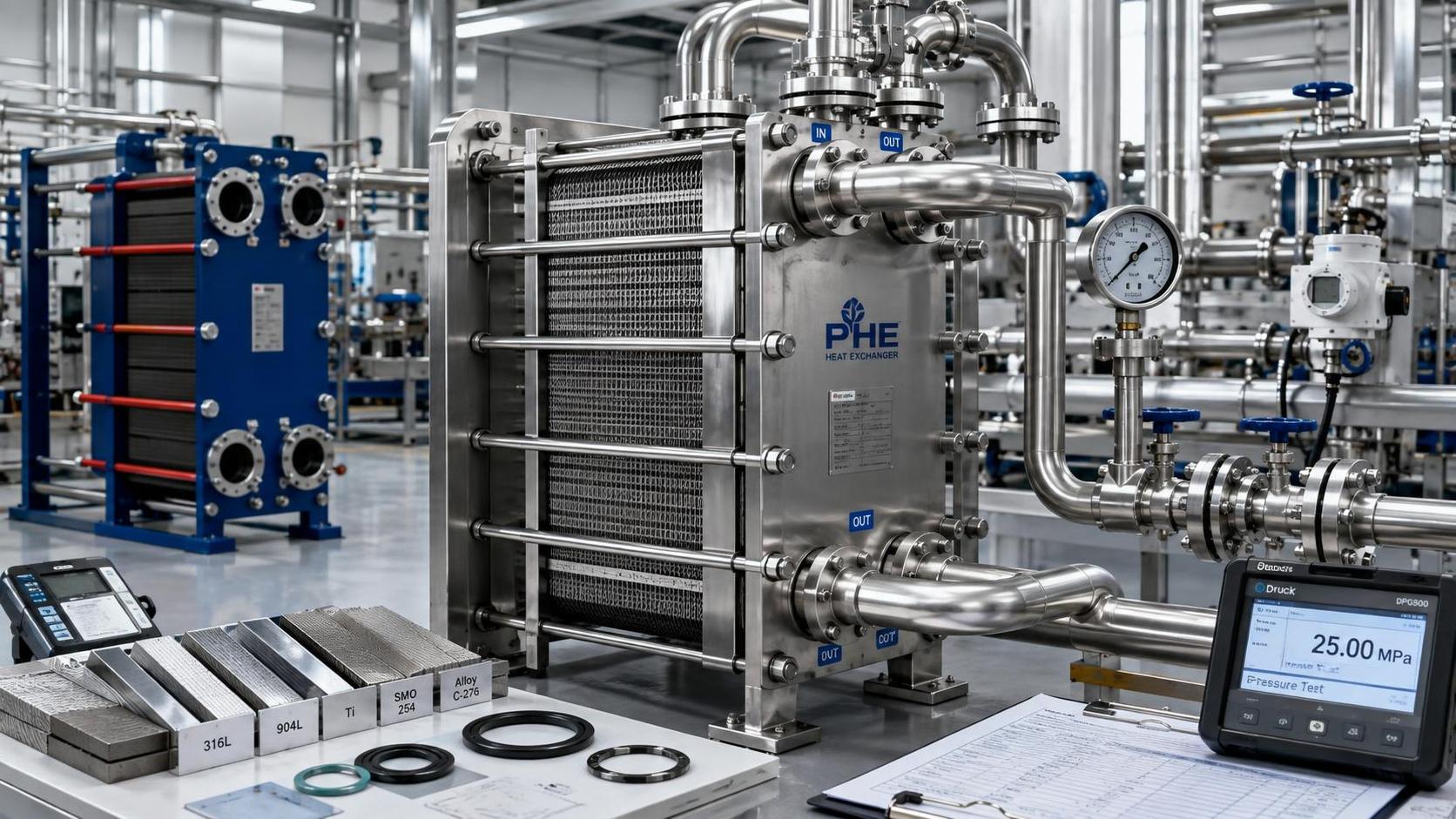
For any project with compressed air, cooling, vacuum, or heat exchange dependencies, early alignment pays back quickly.
The best process utilities cleanroom plans are rarely the most complicated ones.
They are the ones built around clear loads, clean routing logic, practical monitoring, and realistic future growth.
That is how teams avoid costly rework and deliver a cleanroom that performs as designed from day one.
Ready when you are. Send us a message to get started.
Related News
- How to select industrial equipment for automation with existing PLCsAuthor :

- How electricity prices shape industrial compressed air price trendsAuthor :

- Choosing air filtration systems for heavy dust in the Middle EastAuthor :

- How much does a fully installed compressed air monitoring system cost?Author :

- What documentation supports CE marking for industrial equipment?Author :

- How local support affects vacuum system costs in Southeast AsiaAuthor :

- How worldwide industry category guides help compare market opportunitiesAuthor :

- What drives sustainable thermal systems cost over their operating life?Author :

- Which industrial solution comparison criteria prevent project delays?Author :

- How Ambient Temperature and Load Profile Affect Industrial Compressor SizingAuthor :

- What to evaluate before choosing a thermal process engineering supplierAuthor :

- How industrial utility systems affect energy costs in process plantsAuthor :

- What Data Is Needed to Assess Heat Recovery Decarbonization?Author :

- Can Waste Heat Recovery Support Carbon Neutrality Targets?Author :

- Is Compressor Heat Recovery Worth the Installation Cost?Author :

- What to verify before choosing a process separation technology supplierAuthor :

- When does process utilities engineering reduce project rework?Author :

- Where thermal efficiency optimization delivers the fastest savings in EuropeAuthor :

- What should you verify before selecting a heat transfer supplier?Author :

- What drives compressed air systems price for industrial projects?Author :

- How an industrial product knowledge comparison guide reduces sourcing riskAuthor :

- When does a procurement specification planning process reduce bid risk?Author :

- When does thermal system optimization for electronics reduce failure risk?Author :

- When high temperature process heating systems justify the higher energy costAuthor :

- How to compare sludge dewatering equipment by cake drynessAuthor :

- What to Check Before Sourcing a Gas Turbine for Distributed Power ProjectsAuthor :

- What drives industrial thermal systems price in large facility projectsAuthor :

- How to build an industrial product comparison chart that speeds up vendor selectionAuthor :

- Vacuum Technology Application Guide for Selecting the Right SystemAuthor :

- What Drives Vacuum Drying Cost in Industrial Procurement?Author :

- What Drives Compressed Air Pricing in Industrial Systems?Author :

- How Procurement Specification Planning Shapes Total Project CostAuthor :

- Compression Technology Guide: How to Compare Efficiency, Pressure Range, and Maintenance NeedsAuthor :

- How to Compare Industrial Separators by Throughput, Purity, and Maintenance LoadAuthor :

- How to Size a Compressed Air Equipment Receiver Tank for Stable PressureAuthor :

- Industrial Equipment Selection Guide: How to Compare Capacity, Duty Cycle, and Operating CostAuthor :