Application Guidance for Industrial Equipment in Automation: Where Integration Fails First




Application Guidance for Industrial Equipment in Automation: Where Integration Fails First
For after-sales maintenance teams, application guidance for industrial equipment in automation starts where real-world integration begins to break down.
The first problems rarely come from major hardware collapse.
They usually appear at interfaces, control logic, and thermal-load mismatches.
That is why practical application guidance for industrial equipment in automation must focus on early integration stress.
In automated plants, compressors, cooling loops, vacuum units, and heat exchangers are tightly linked.
A small mismatch can spread across the line and turn into downtime, quality loss, or unstable energy use.
From GTC-Matrix market observation, this pattern is becoming more common in high-efficiency manufacturing projects.
Equipment is more connected, but integration margins are getting tighter.
Why Early Integration Failures Matter Most
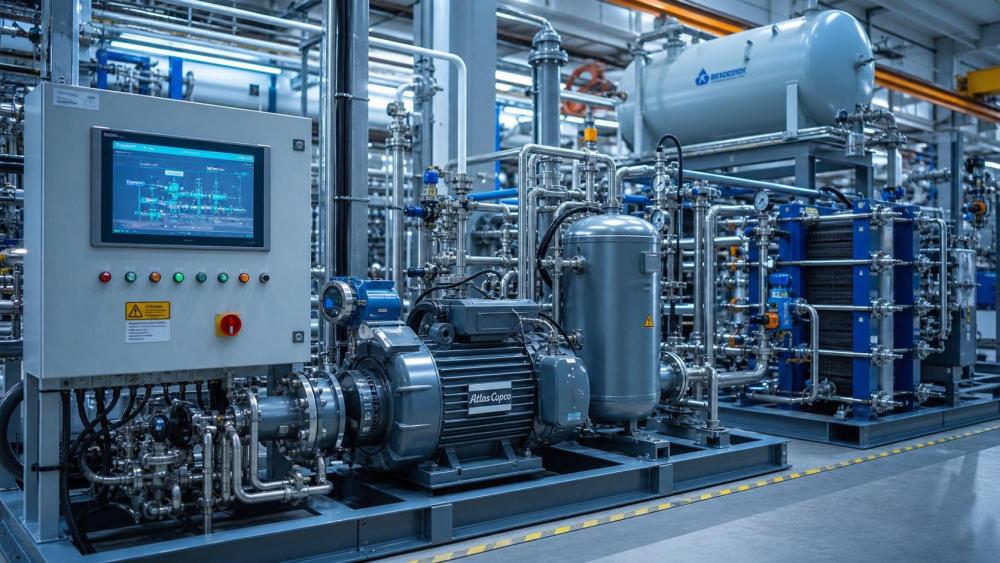
Good application guidance for industrial equipment in automation begins with one fact.
The earliest failure point is often the cheapest to fix, but the hardest to notice.
Once the line is running, operators often adjust around weak integration instead of removing the cause.
This creates hidden instability.
A controller may keep cycling.
A chiller may stay overloaded.
A compressed air header may seem normal while pressure quality keeps drifting.
In actual service work, these are not isolated faults.
They are integration symptoms.
This also means application guidance for industrial equipment in automation should not stop at component replacement.
It has to connect controls, thermal behavior, duty cycle, and process demand.
The First Place Integration Usually Fails
Most automation failures begin at the boundary between two systems.
One side assumes stable input.
The other side delivers variable output.
That gap becomes the real fault zone.
1. Signal and Control Interface Mismatch
A common issue is clean hardware with poor signal interpretation.
Analog scaling, fieldbus mapping, delay settings, and alarm priorities are frequent trouble spots.
When application guidance for industrial equipment in automation is weak here, false troubleshooting follows.
Technicians replace healthy devices because the PLC logic reads them incorrectly.
- Temperature transmitters show drift because scaling ranges do not match design conditions.
- Pressure switches chatter because debounce timing is too short.
- Compressor staging fails because remote demand signals update too slowly.
2. Thermal-Load Mismatch
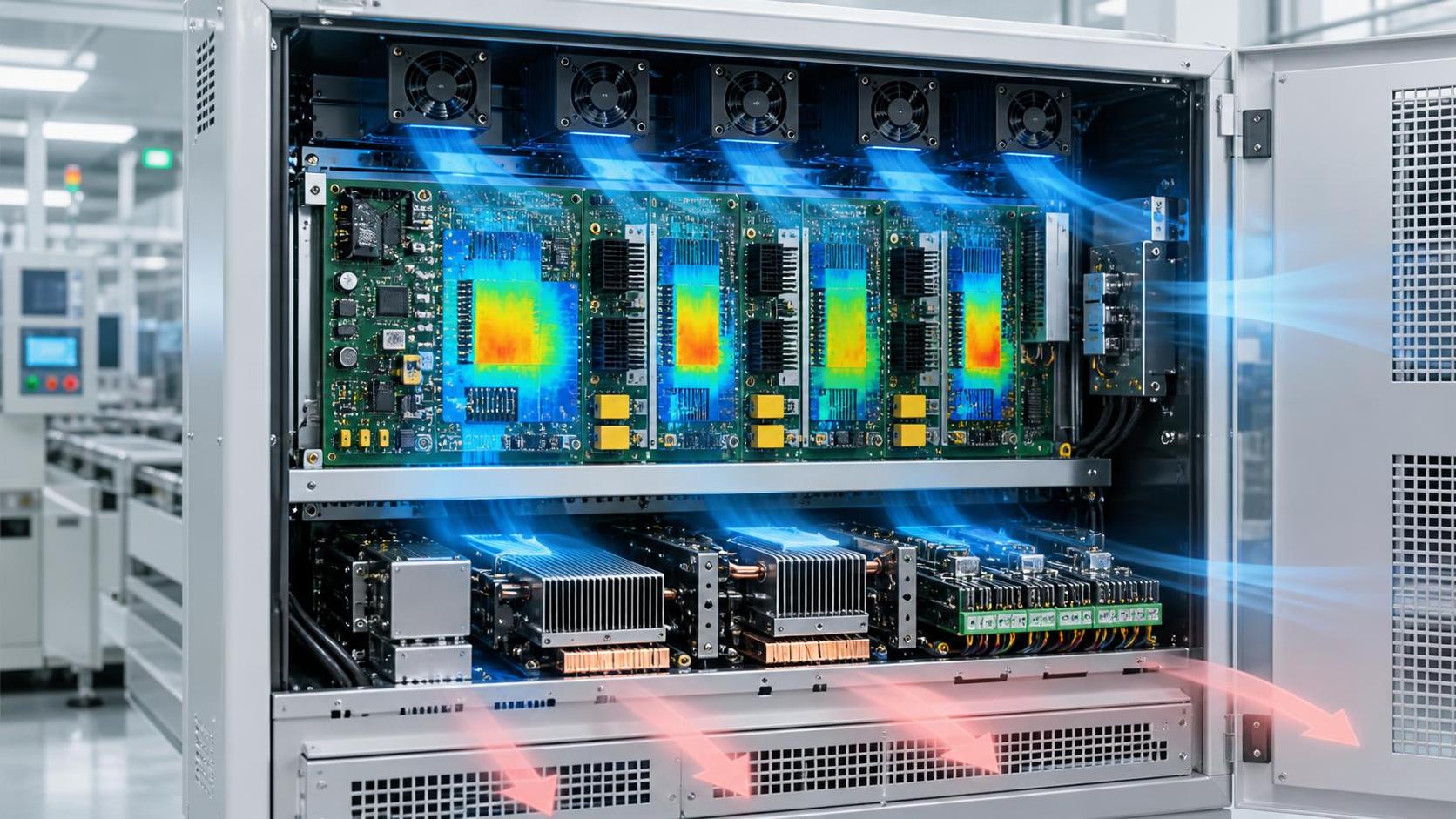
Thermal mismatch is another early failure point, especially in dense automation cells.
Equipment may be correctly sized on paper, but wrong in live duty conditions.
Short cycling, unstable outlet temperature, and repeated protective shutdowns usually follow.
This is where application guidance for industrial equipment in automation must include heat balance, not just nameplate capacity.
3. Utility Quality Instability
Compressed air, cooling water, and vacuum quality are often assumed to be stable.
In reality, flow, dew point, pressure ripple, and contamination vary throughout the day.
Once variation crosses the machine tolerance, automation faults multiply.
Typical Warning Signs Before a Major Fault
A useful application guidance for industrial equipment in automation framework depends on early signs.
The line usually gives warnings long before a shutdown becomes unavoidable.
- Repeated alarm resets without a confirmed root cause.
- Rising energy use with stable production volume.
- More frequent valve, sensor, or relay replacements in one subsystem.
- Temperature or pressure trends that stay inside limits but lose stability.
- Operator workarounds that bypass automatic logic.
Each sign points to a system-level issue, not just a local component problem.
From a service perspective, this is where faster diagnosis starts paying off.
A Practical Diagnostic Path for Field Service
In real maintenance work, speed matters, but sequence matters more.
Strong application guidance for industrial equipment in automation uses a layered check path.
Start with the Interface
Confirm signal type, scaling, update frequency, and fail-safe logic.
Check whether the machine controller and plant controller define status in the same way.
A simple naming mismatch can create hours of unnecessary troubleshooting.
Then Verify Process Load
Measure real thermal load, compressed air demand, or vacuum draw under peak and partial conditions.
Do not rely only on commissioning records.
Production changes often shift the load profile after handover.
Check Utility Quality Next
Look at pressure stability, fluid cleanliness, approach temperature, and moisture control.
These values often explain recurring automation instability better than fault codes do.
Finish with Trend Comparison
Compare current behavior with baseline performance from stable periods.
This step separates sudden failure from slow integration drift.
Where Thermal and Compression Systems Need Closer Attention
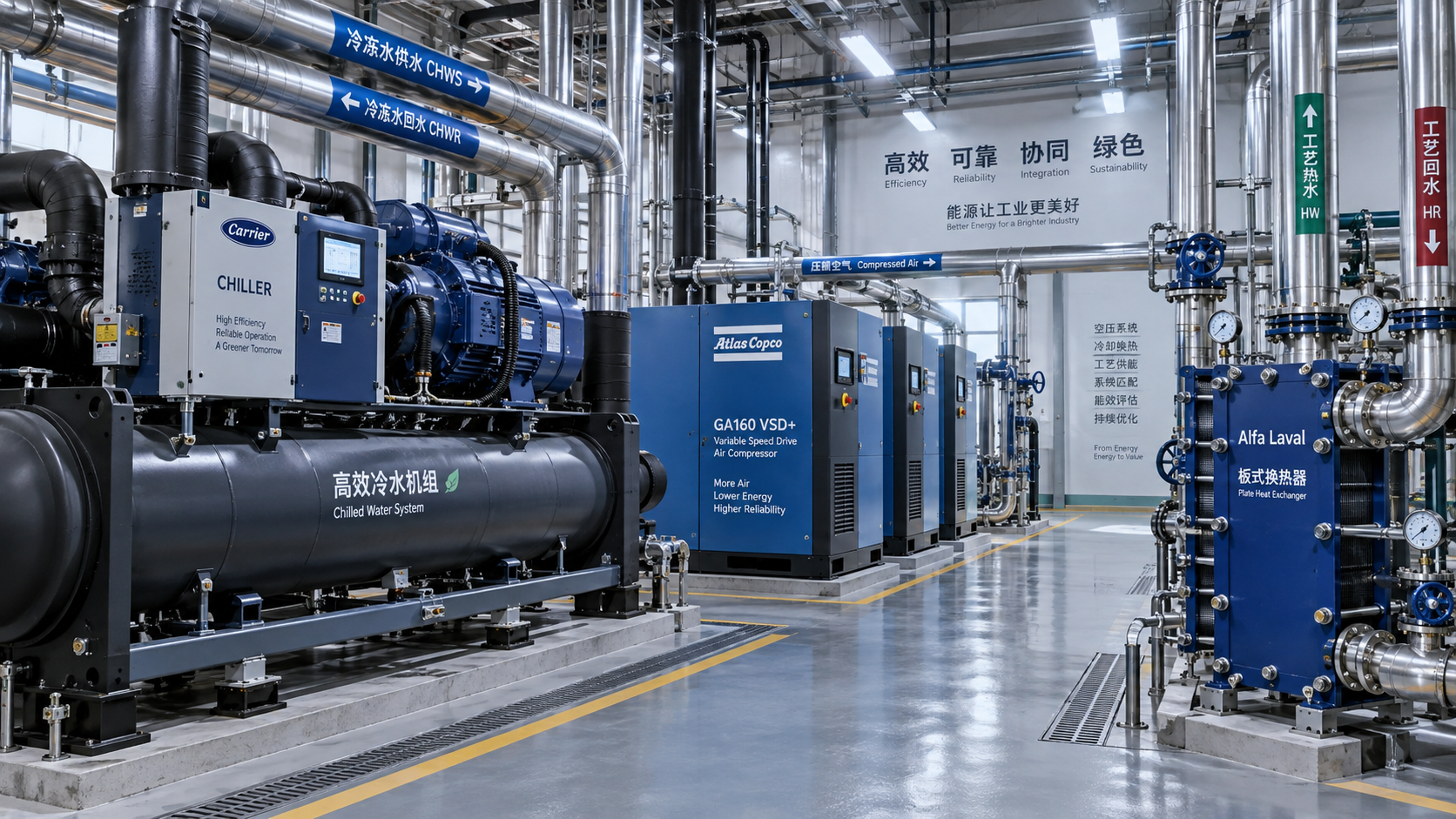
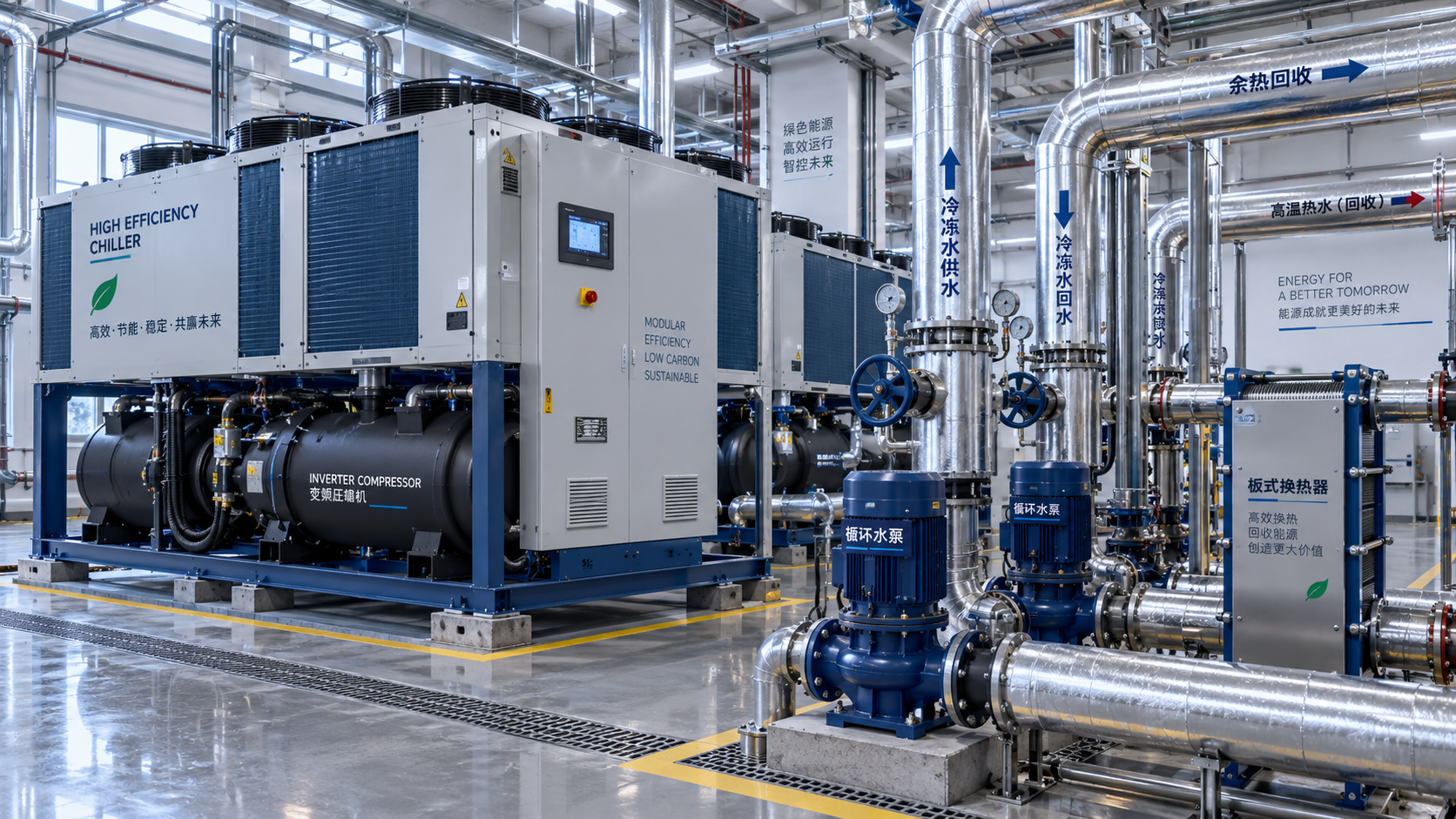
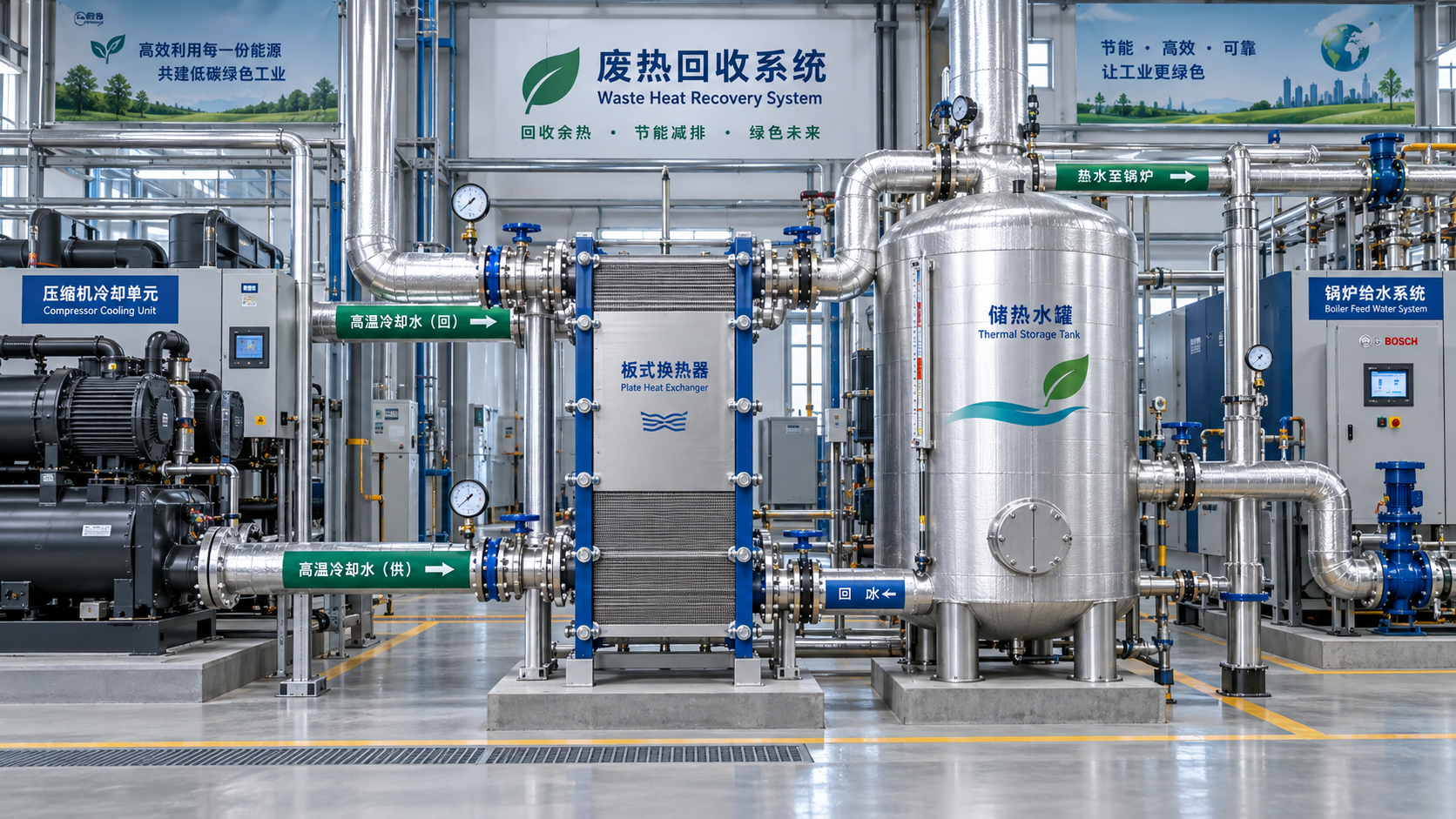
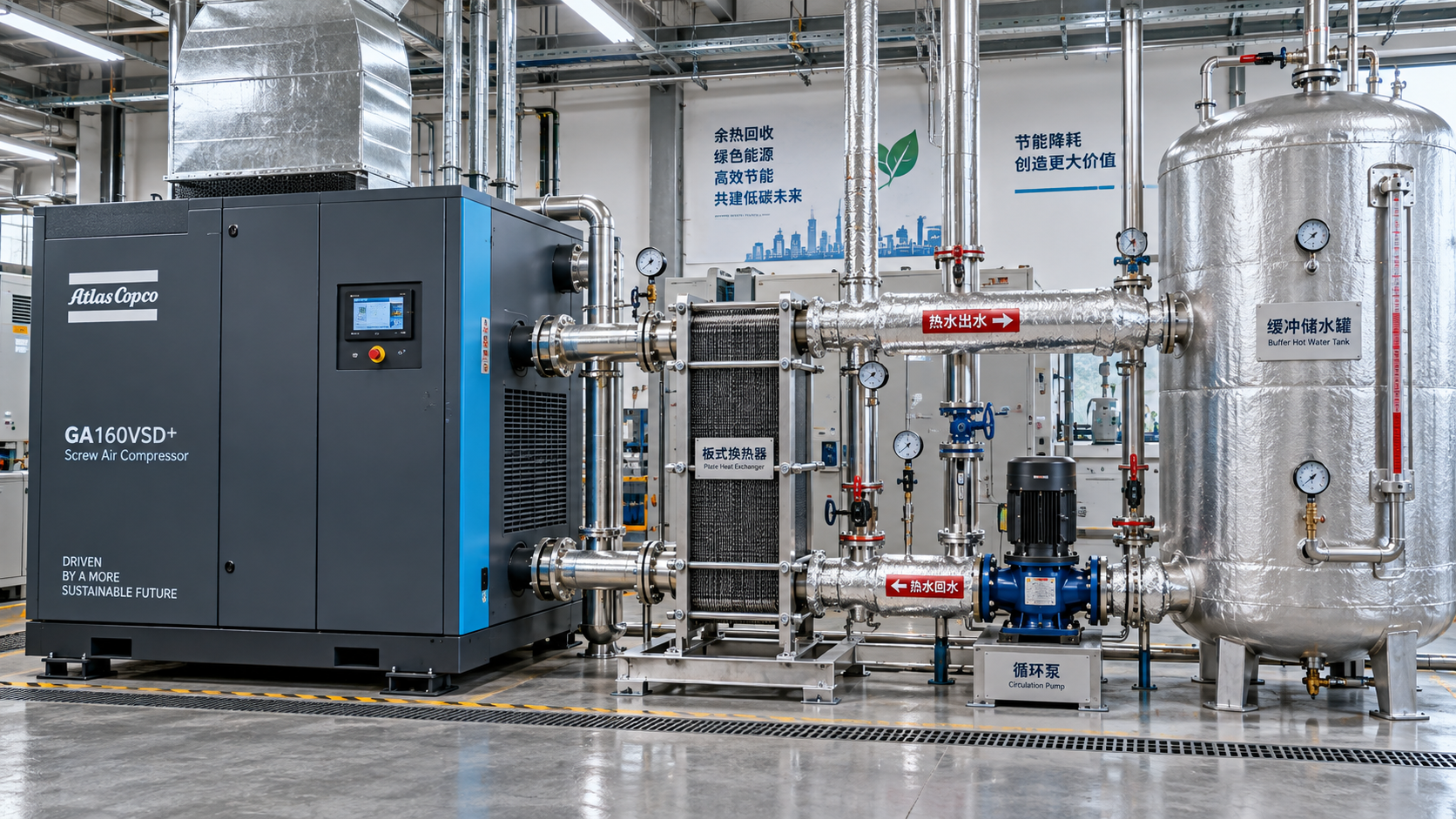
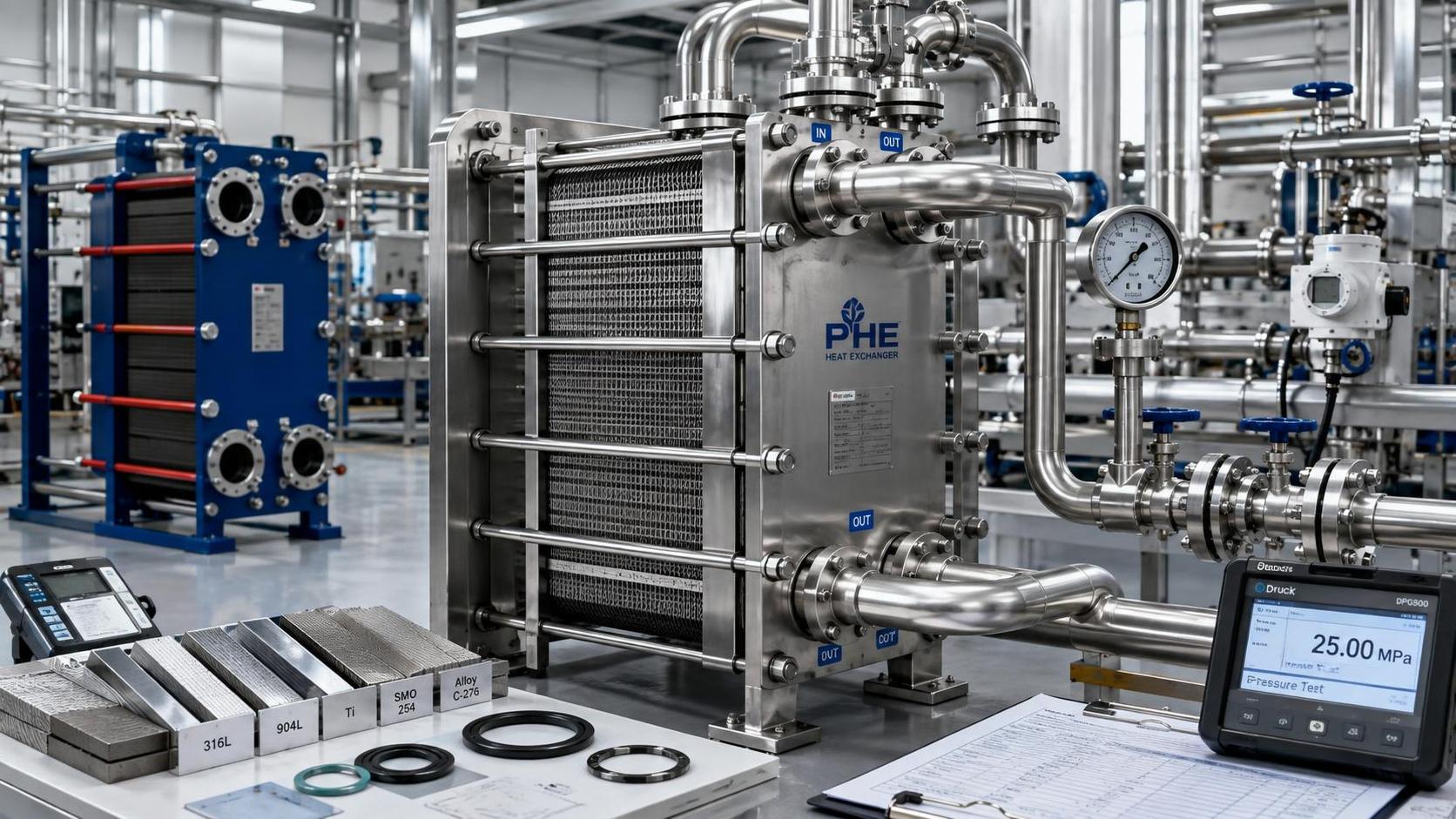
GTC-Matrix tracks recurring risk across cooling, compressed air, vacuum, and heat exchange applications.
Several patterns stand out in automated production environments.
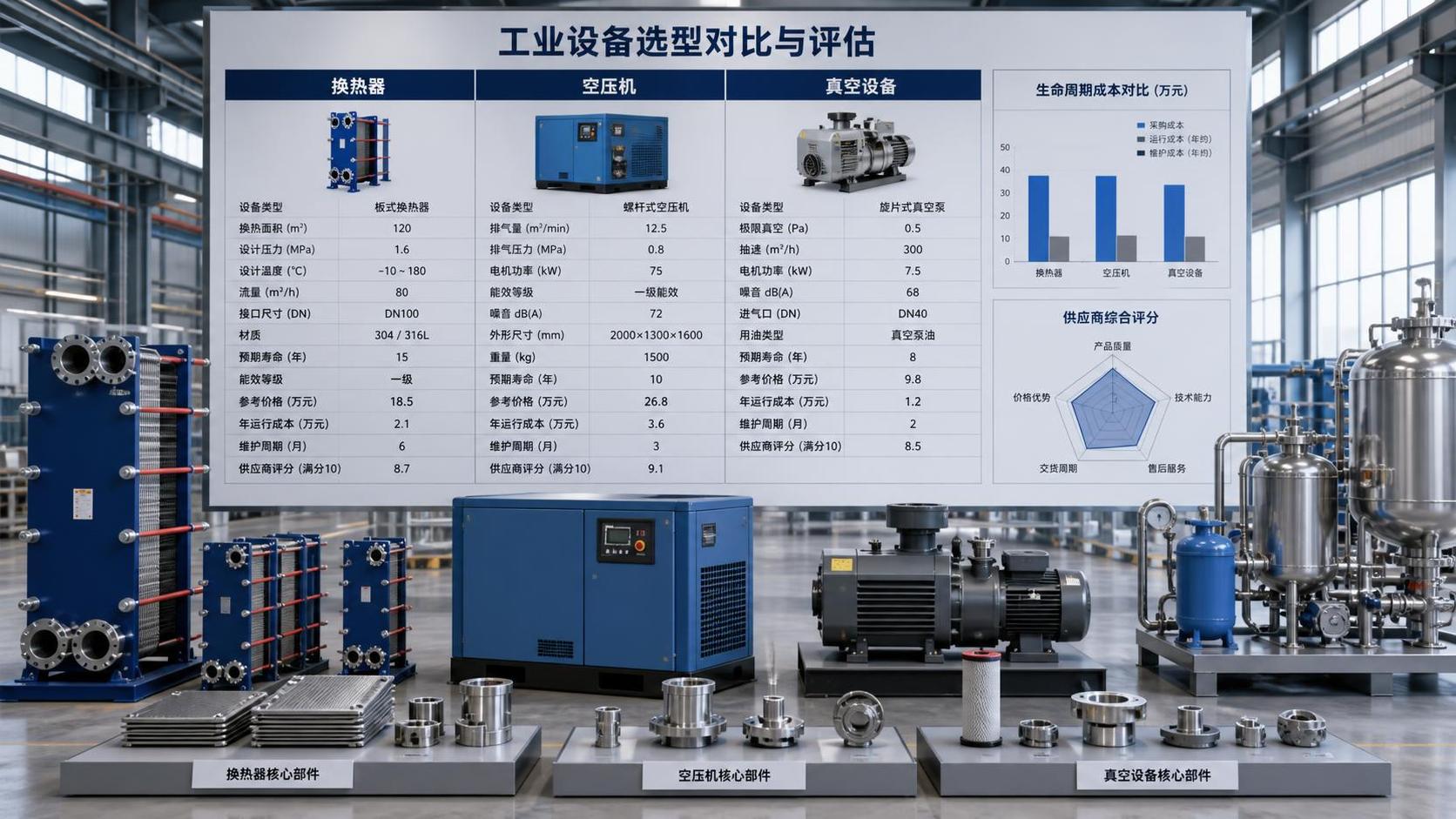
This table supports application guidance for industrial equipment in automation with clear starting points.
It also shows why system knowledge matters as much as mechanical skill.
How to Reduce Repeat Service Events
The best application guidance for industrial equipment in automation reduces repeat visits, not just immediate alarms.
That requires tighter documentation and better cross-system visibility.
- Record actual operating loads during stable and unstable periods.
- Keep a clear interface list for every signal exchanged between systems.
- Track alarm timing against utility conditions, not only machine status.
- Review control changes after production expansion or process redesign.
- Use trend data to justify corrective action before parts fail.
More importantly, service notes should describe interaction effects.
A repaired valve matters less than the reason it kept hunting.
A More Reliable Way to Apply Automation Equipment
Application guidance for industrial equipment in automation is most valuable when it stays close to field reality.
The earliest failures are usually quiet.
They show up as unstable control, load mismatch, or utility inconsistency before hardware breaks.
That is the point where better diagnosis creates the biggest return.
For industrial cooling, compressed air, vacuum processes, and heat exchange technologies, the direction is clear.
Service quality improves when integration is treated as a living operating condition, not a finished installation task.
Use this application guidance for industrial equipment in automation to inspect interfaces first, validate loads second, and stabilize utilities third.
That sequence will catch more real causes, reduce repeat faults, and support stronger automation performance over time.
Ready when you are. Send us a message to get started.
Related News
- How to select industrial equipment for automation with existing PLCsAuthor :

- How electricity prices shape industrial compressed air price trendsAuthor :

- Choosing air filtration systems for heavy dust in the Middle EastAuthor :

- How much does a fully installed compressed air monitoring system cost?Author :

- What documentation supports CE marking for industrial equipment?Author :

- How local support affects vacuum system costs in Southeast AsiaAuthor :

- How worldwide industry category guides help compare market opportunitiesAuthor :

- What drives sustainable thermal systems cost over their operating life?Author :

- Which industrial solution comparison criteria prevent project delays?Author :

- How Ambient Temperature and Load Profile Affect Industrial Compressor SizingAuthor :

- What to evaluate before choosing a thermal process engineering supplierAuthor :

- How industrial utility systems affect energy costs in process plantsAuthor :

- What Data Is Needed to Assess Heat Recovery Decarbonization?Author :

- Can Waste Heat Recovery Support Carbon Neutrality Targets?Author :

- Is Compressor Heat Recovery Worth the Installation Cost?Author :

- What to verify before choosing a process separation technology supplierAuthor :

- When does process utilities engineering reduce project rework?Author :

- Where thermal efficiency optimization delivers the fastest savings in EuropeAuthor :

- What should you verify before selecting a heat transfer supplier?Author :

- What drives compressed air systems price for industrial projects?Author :

- How an industrial product knowledge comparison guide reduces sourcing riskAuthor :

- When does a procurement specification planning process reduce bid risk?Author :

- When does thermal system optimization for electronics reduce failure risk?Author :

- When high temperature process heating systems justify the higher energy costAuthor :

- How to compare sludge dewatering equipment by cake drynessAuthor :

- What to Check Before Sourcing a Gas Turbine for Distributed Power ProjectsAuthor :

- What drives industrial thermal systems price in large facility projectsAuthor :

- How to build an industrial product comparison chart that speeds up vendor selectionAuthor :

- Vacuum Technology Application Guide for Selecting the Right SystemAuthor :

- What Drives Vacuum Drying Cost in Industrial Procurement?Author :

- What Drives Compressed Air Pricing in Industrial Systems?Author :

- How Procurement Specification Planning Shapes Total Project CostAuthor :

- Compression Technology Guide: How to Compare Efficiency, Pressure Range, and Maintenance NeedsAuthor :

- How to Compare Industrial Separators by Throughput, Purity, and Maintenance LoadAuthor :

- How to Size a Compressed Air Equipment Receiver Tank for Stable PressureAuthor :

- Industrial Equipment Selection Guide: How to Compare Capacity, Duty Cycle, and Operating CostAuthor :