Carbon Neutrality vs Cost Control: What to Prioritize First




Carbon Neutrality vs Cost Control: What to Prioritize First
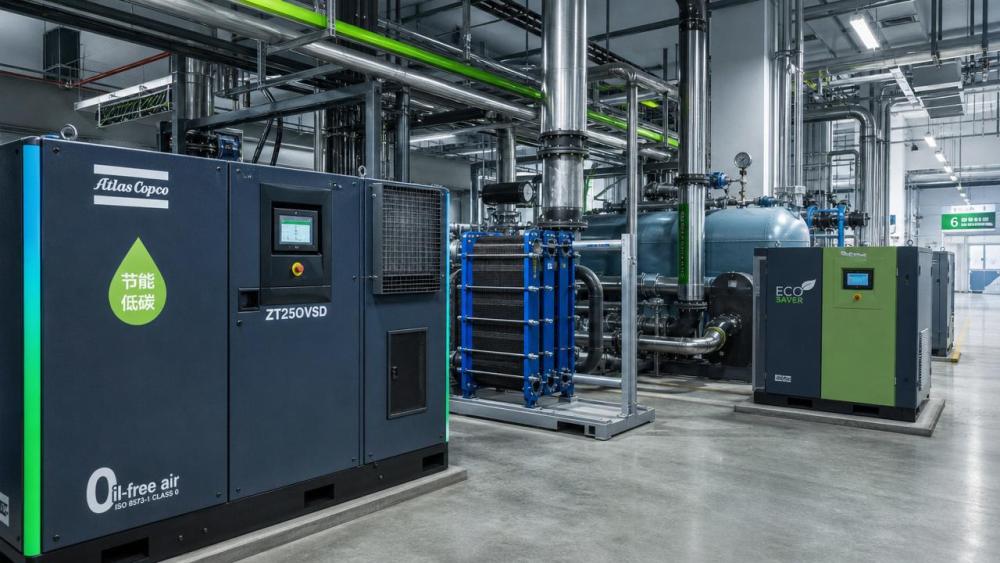
For many industrial businesses, the debate sounds simple at first.
Should capital go to carbon neutrality, or should cost control come first?
In practice, that is the wrong starting point.
The better question is this: which investments cut emissions and protect margin at the same time?
That shift matters because energy, maintenance, financing, and compliance costs are now tightly connected.
A low-price purchase can become expensive if it locks in poor efficiency for ten years.
At the same time, a carbon neutrality project can disappoint if savings assumptions are vague.
From a financial view, the answer is rarely choosing one side completely.
It is sequencing actions so cost control creates room for faster carbon neutrality progress.
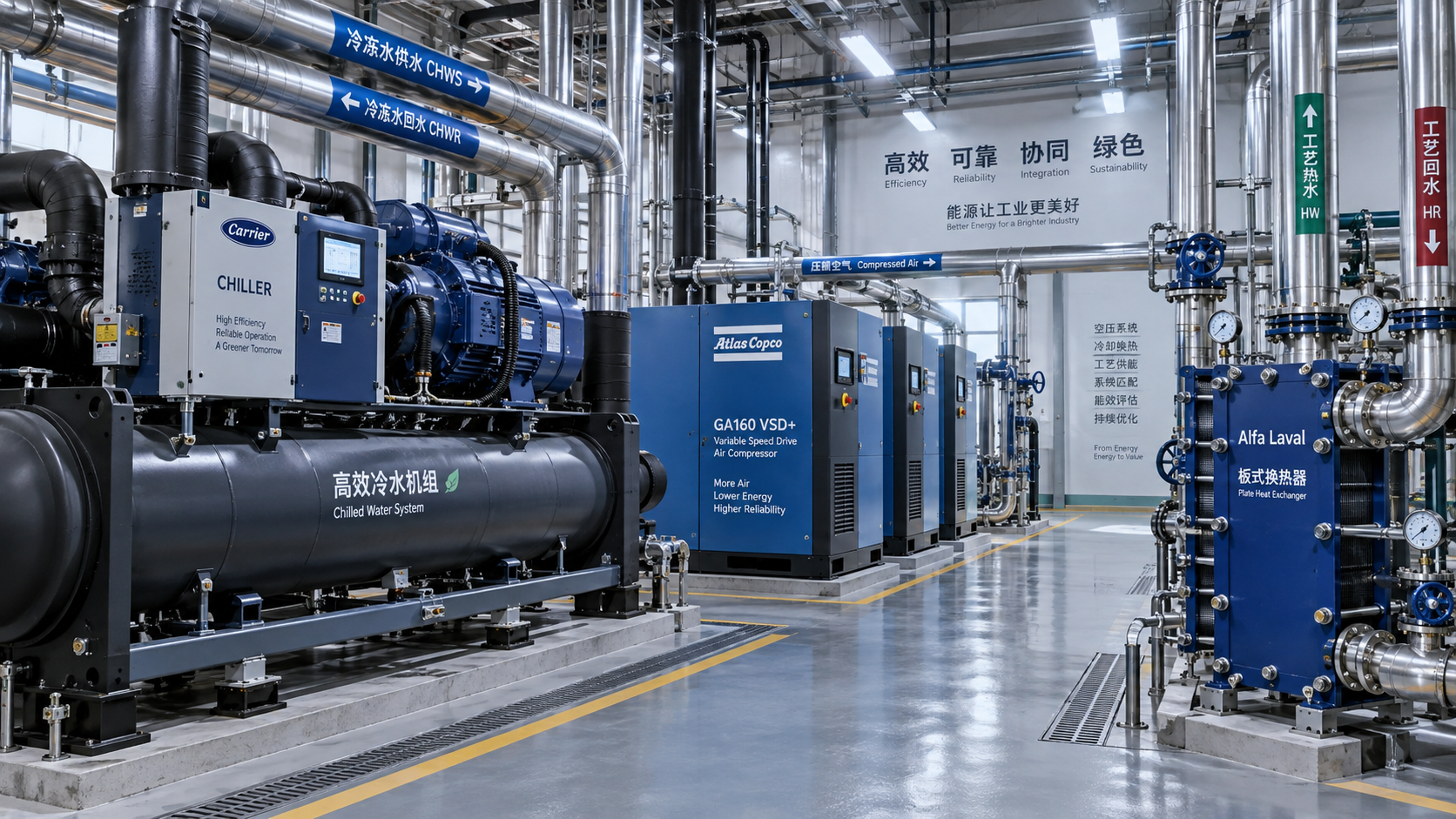
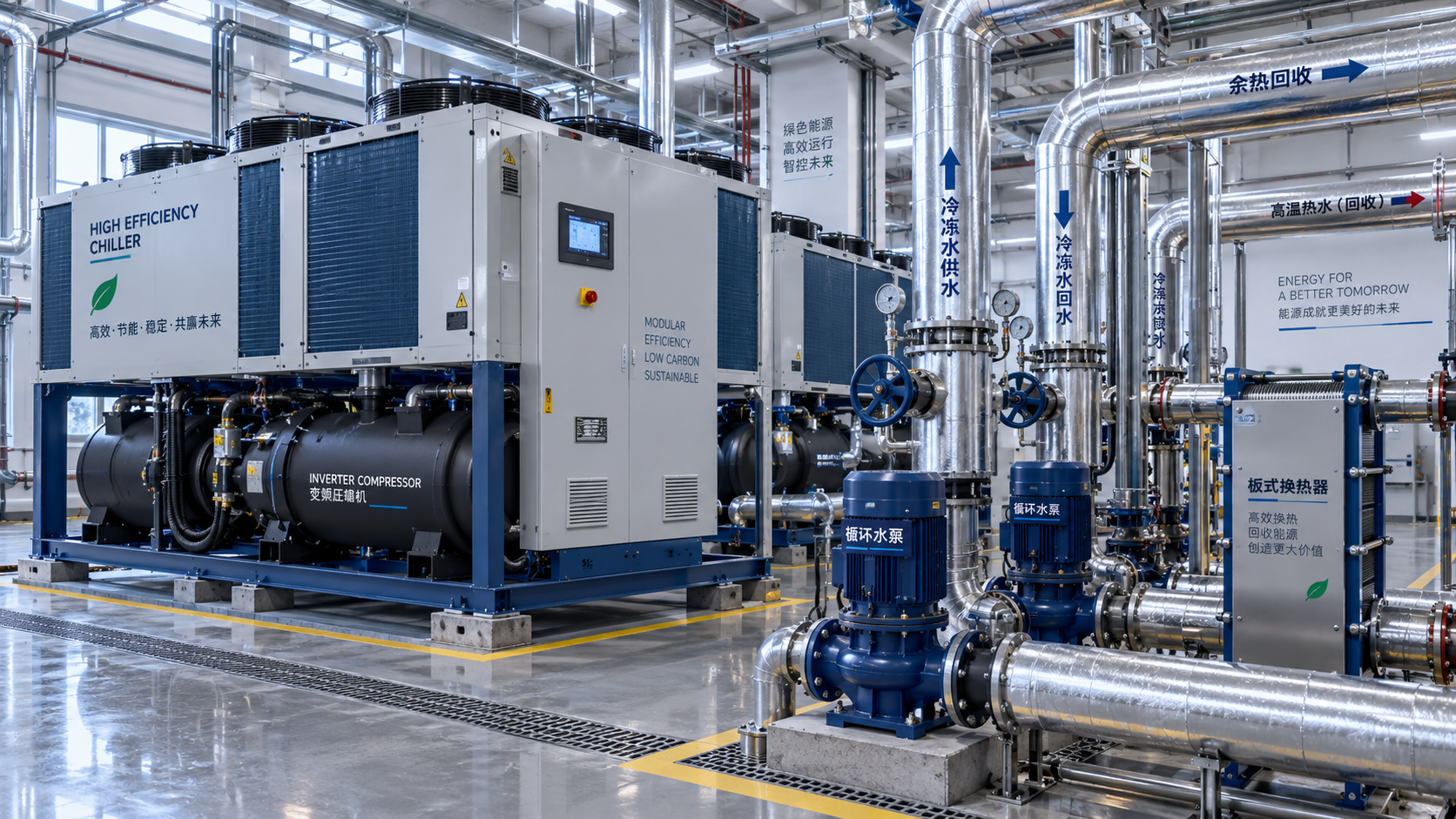
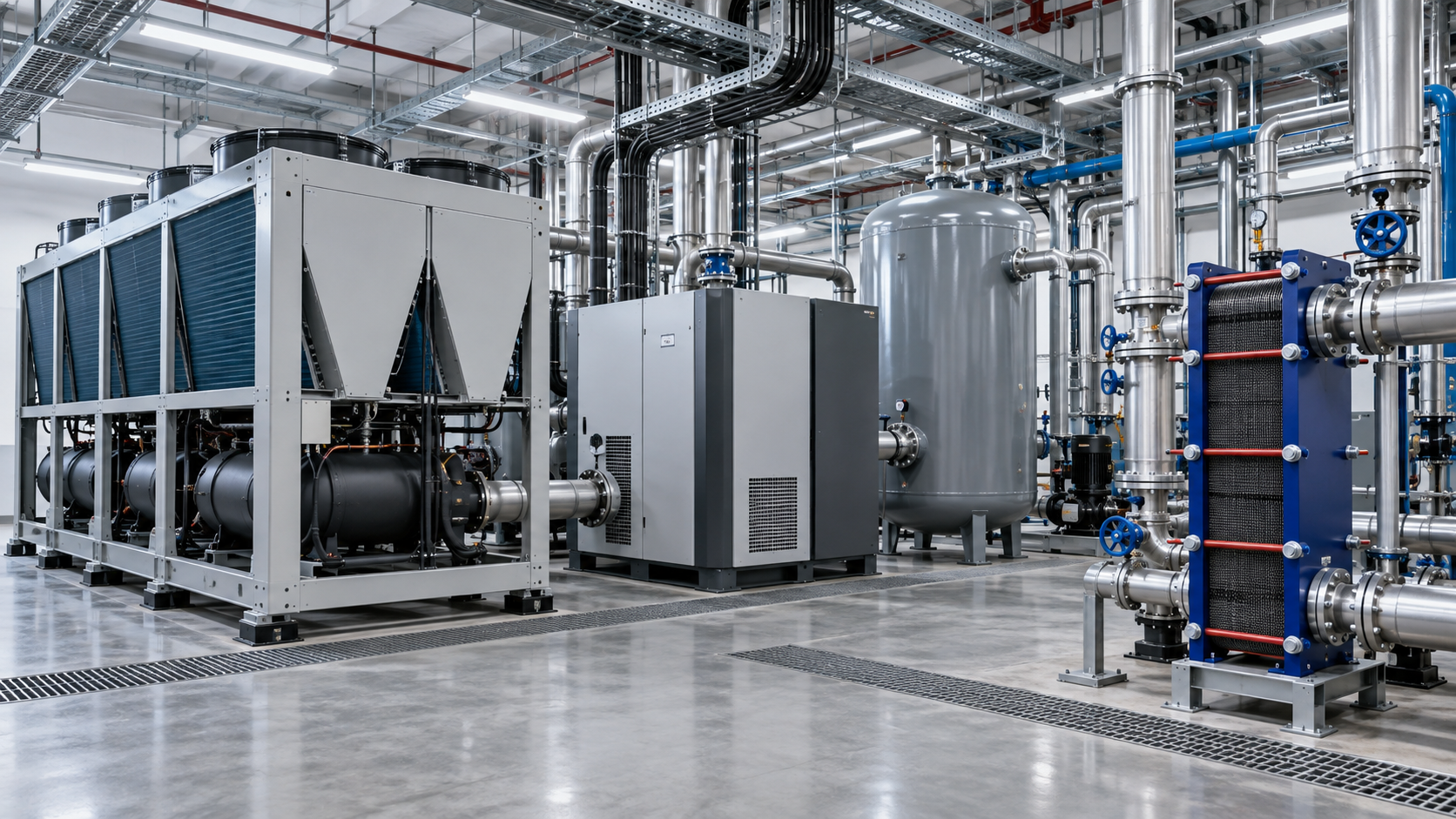
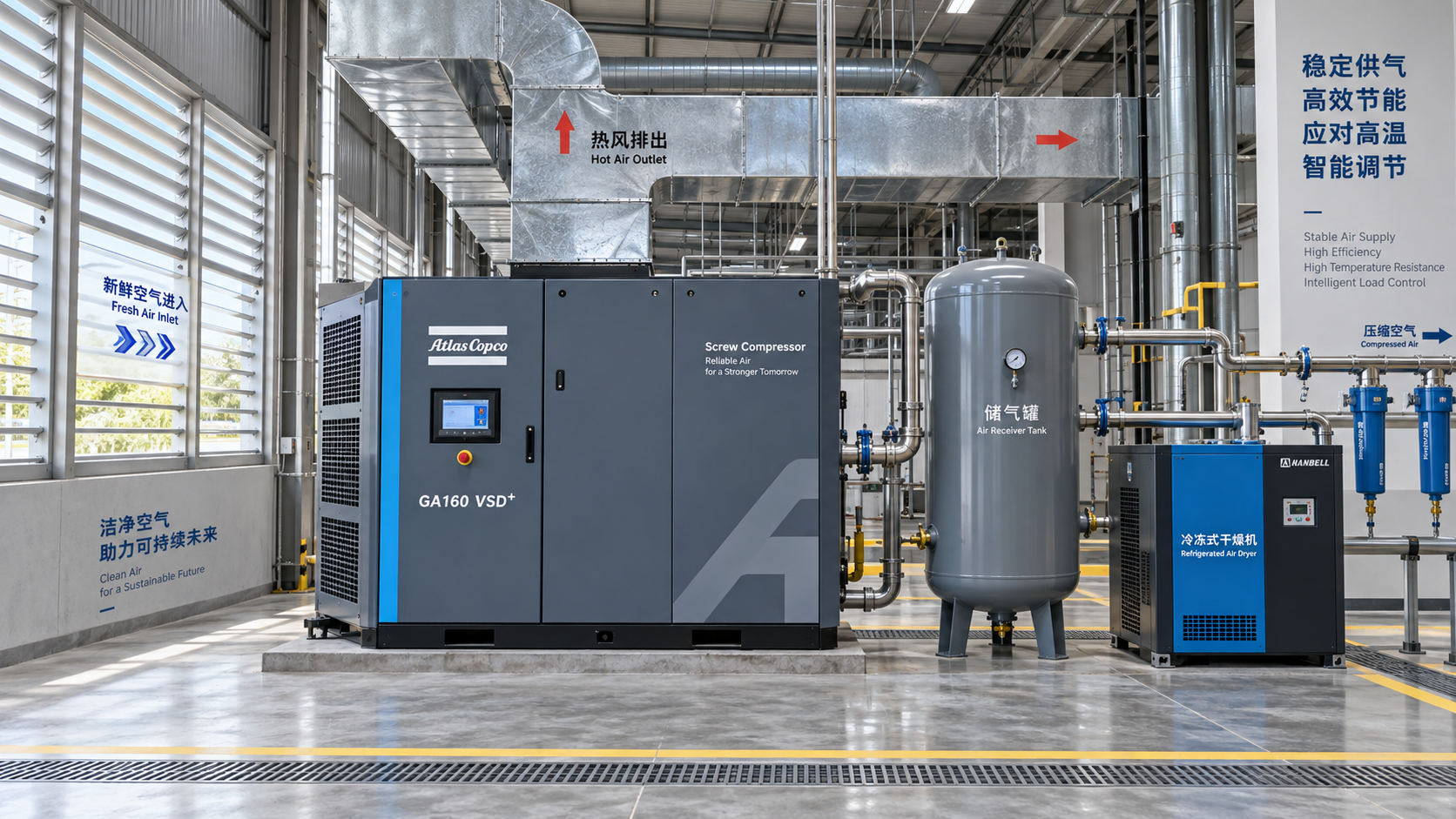
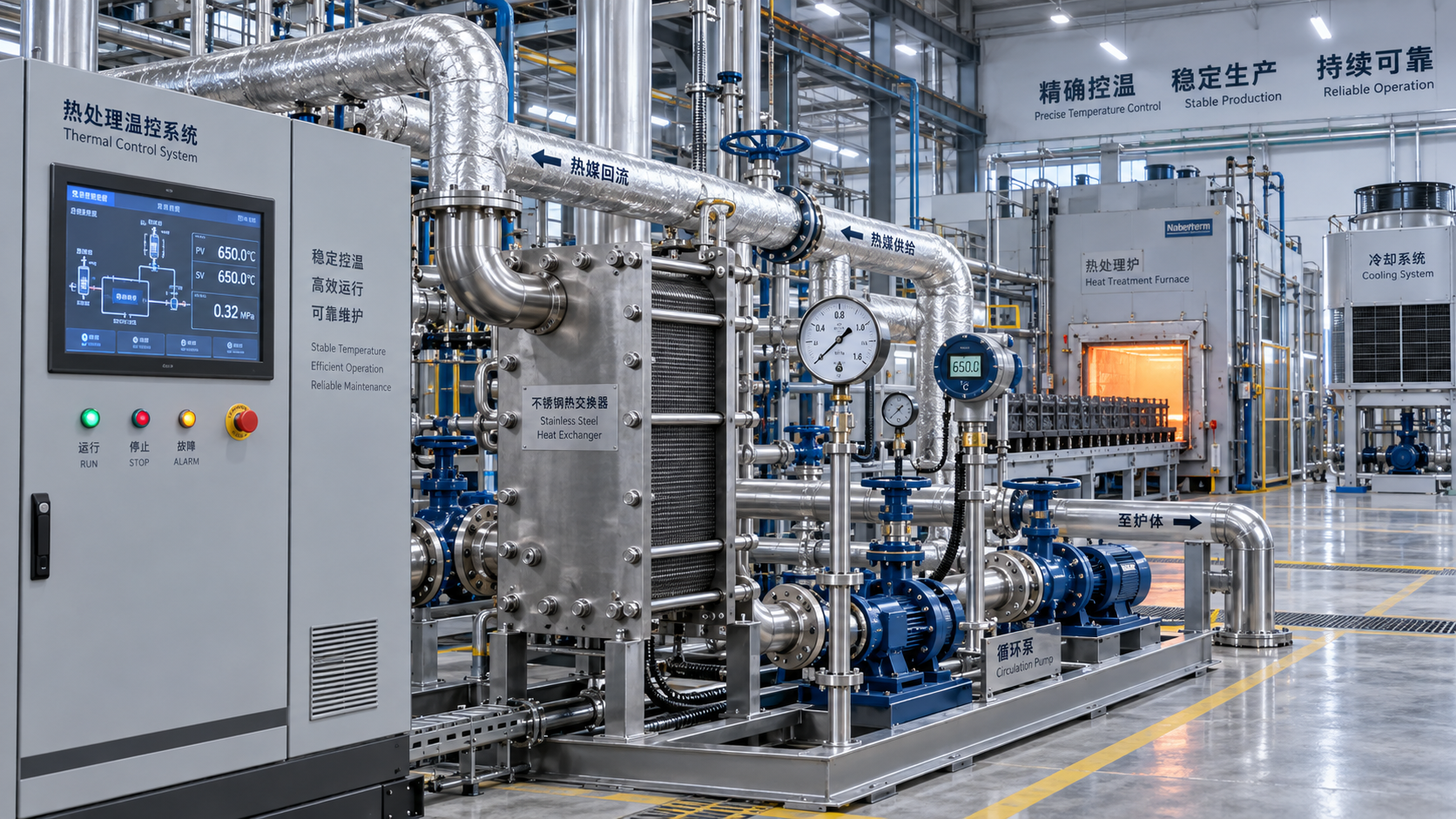
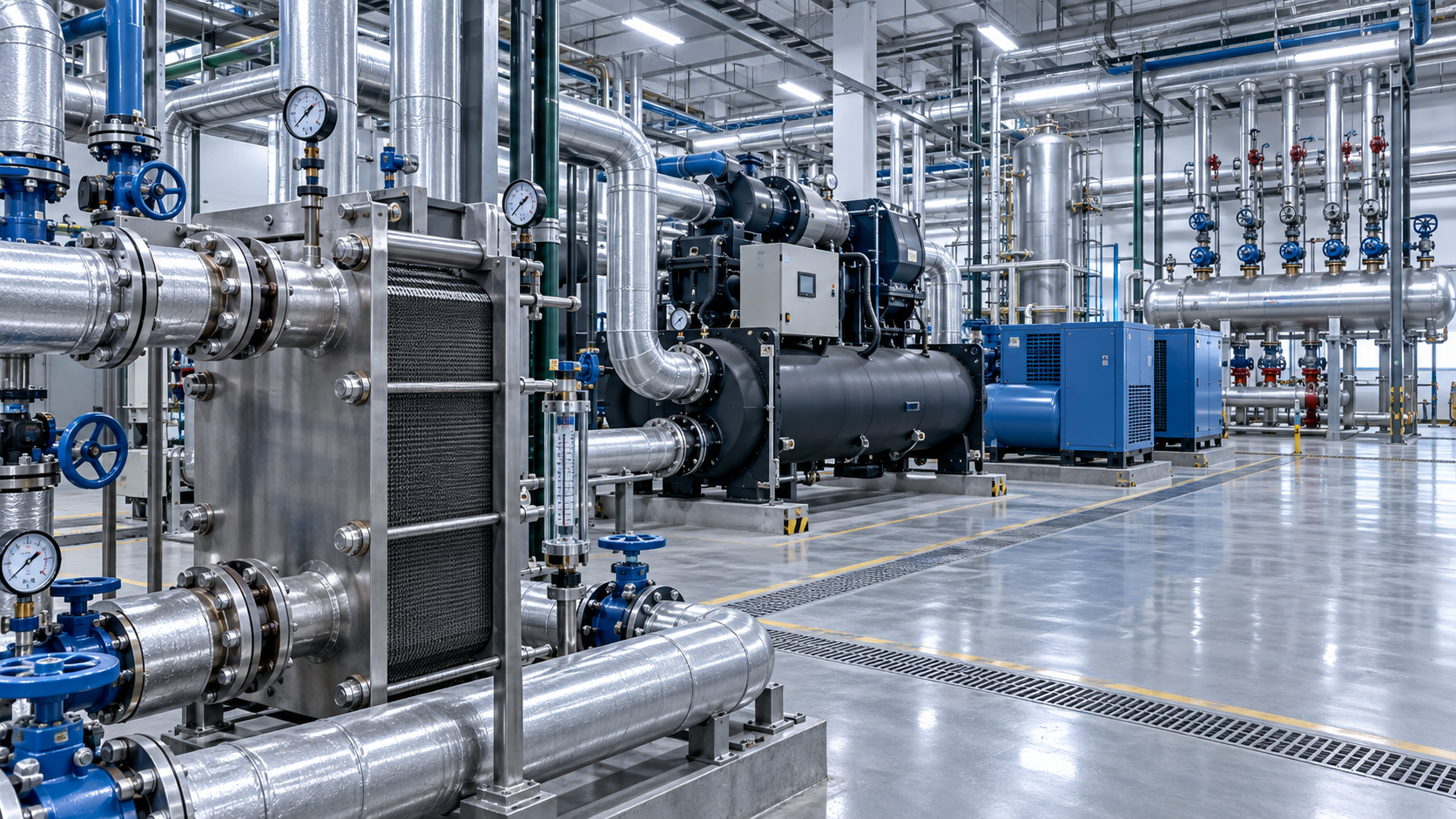
That is especially true in cooling, compressed air, heat exchange, and vacuum-intensive operations.
Why this choice is becoming harder
Recent market signals have made carbon neutrality more urgent and cost control more difficult.
Power prices remain volatile across many regions.
Environmentally friendly refrigerant policies are changing equipment economics.
Customers also expect cleaner supply chains, even when they still push hard on price.
That means procurement decisions now carry strategic weight.
Buyers are no longer evaluating equipment by purchase price alone.
They are judging lifecycle cost, energy intensity, resilience, and decarbonization value together.
This is where carbon neutrality stops being a branding topic.
It becomes a capital allocation issue with direct implications for EBITDA and risk exposure.
What usually goes wrong
One common mistake is treating carbon neutrality as a separate budget bucket.
Another is forcing cost control programs to focus only on immediate price reductions.
Both approaches can destroy value.
- Cheap equipment may increase electricity use, downtime, and service cost.
- Carbon projects with weak baselines may overstate emission and savings benefits.
- Delayed upgrades can trigger later compliance costs and emergency replacements.
- Narrow sourcing decisions may overlook efficiency technologies with strong payback.
What should be prioritized first
If the goal is disciplined procurement, cost control should lead the sequence, not dominate it.
That may sound conservative, but the logic is practical.
Early wins in energy efficiency usually fund broader carbon neutrality goals.
In real operations, the fastest returns often come from waste reduction, not offsets or headline pledges.
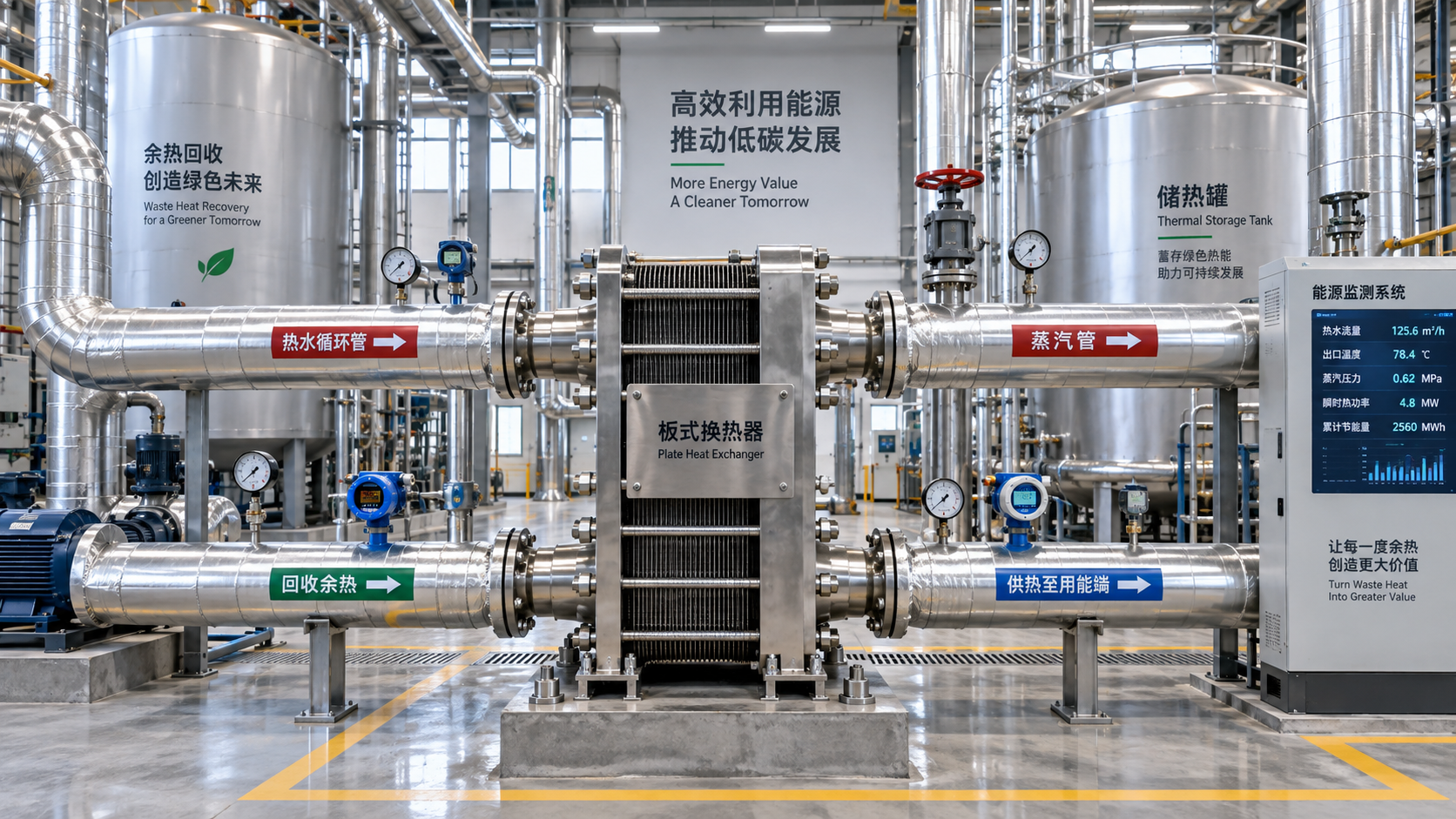
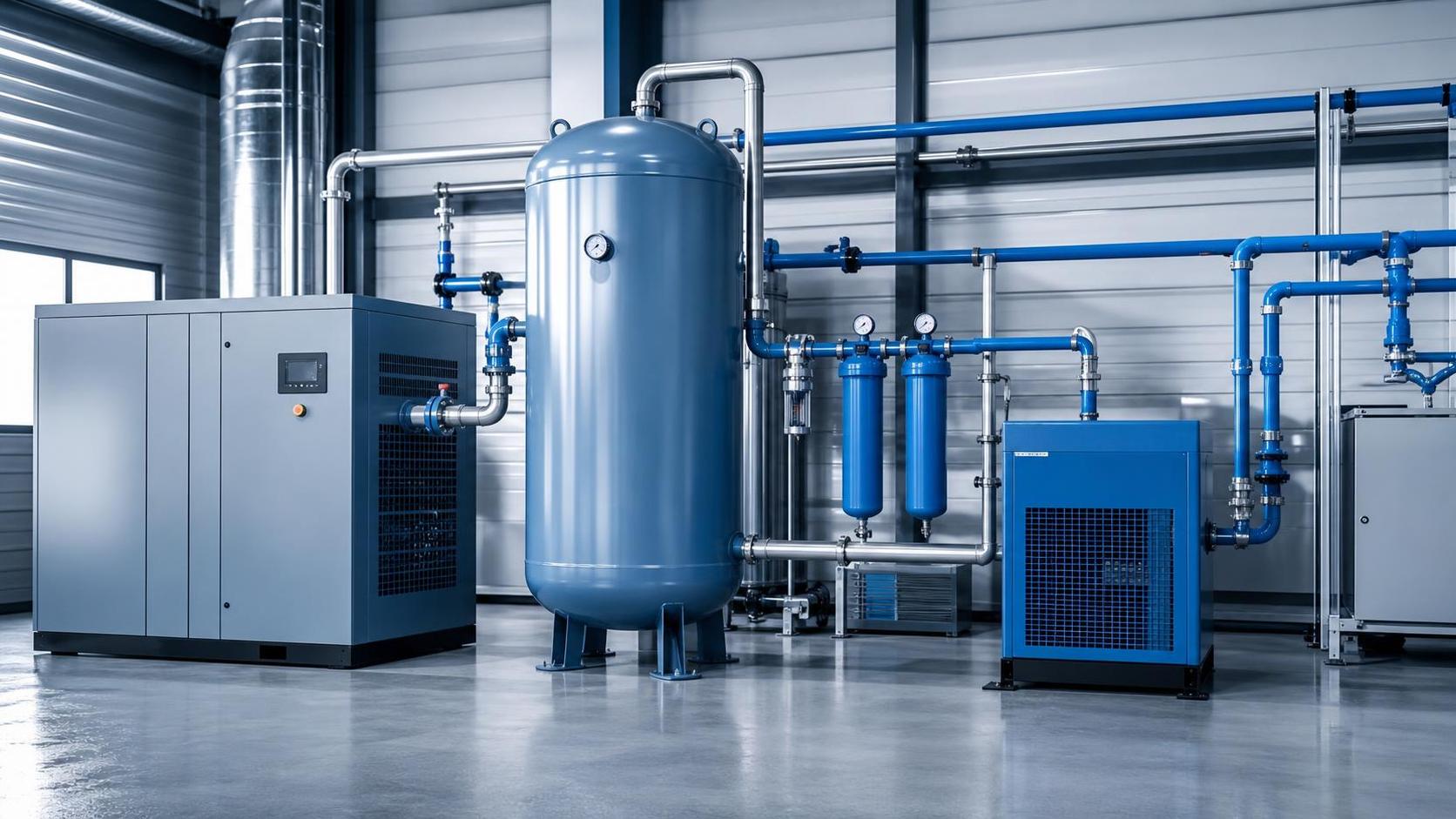
For example, compressed air leaks, overspecified cooling loads, and poor heat recovery are common margin drains.
Fixing those issues improves cost control immediately while moving carbon neutrality forward in measurable steps.
The best first-move categories
- Upgrade high-runtime equipment with poor efficiency profiles.
- Reduce avoidable energy waste through controls, leak detection, and load matching.
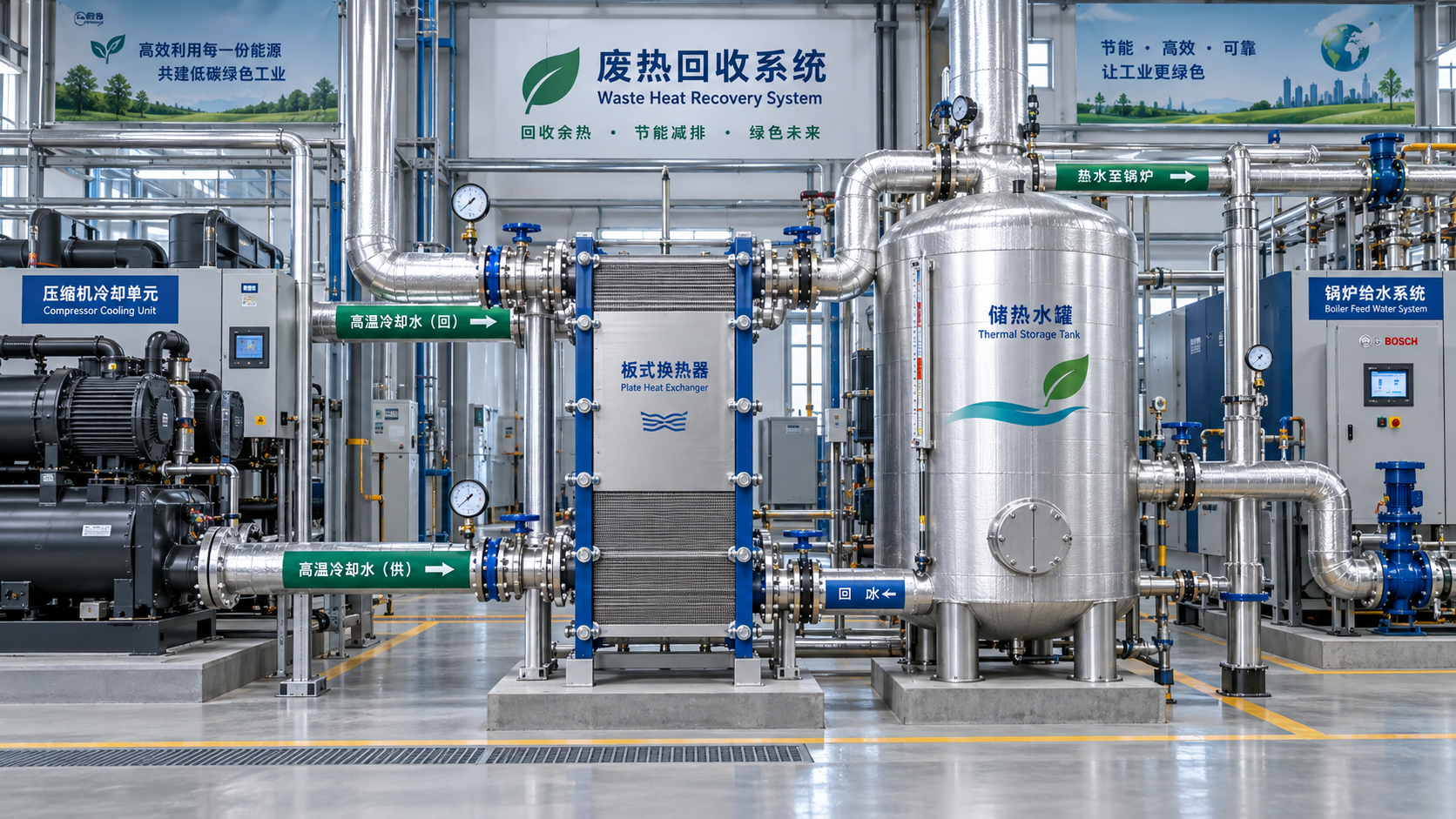
- Capture process heat where operating hours justify recovery systems.
- Standardize performance monitoring before larger decarbonization commitments.
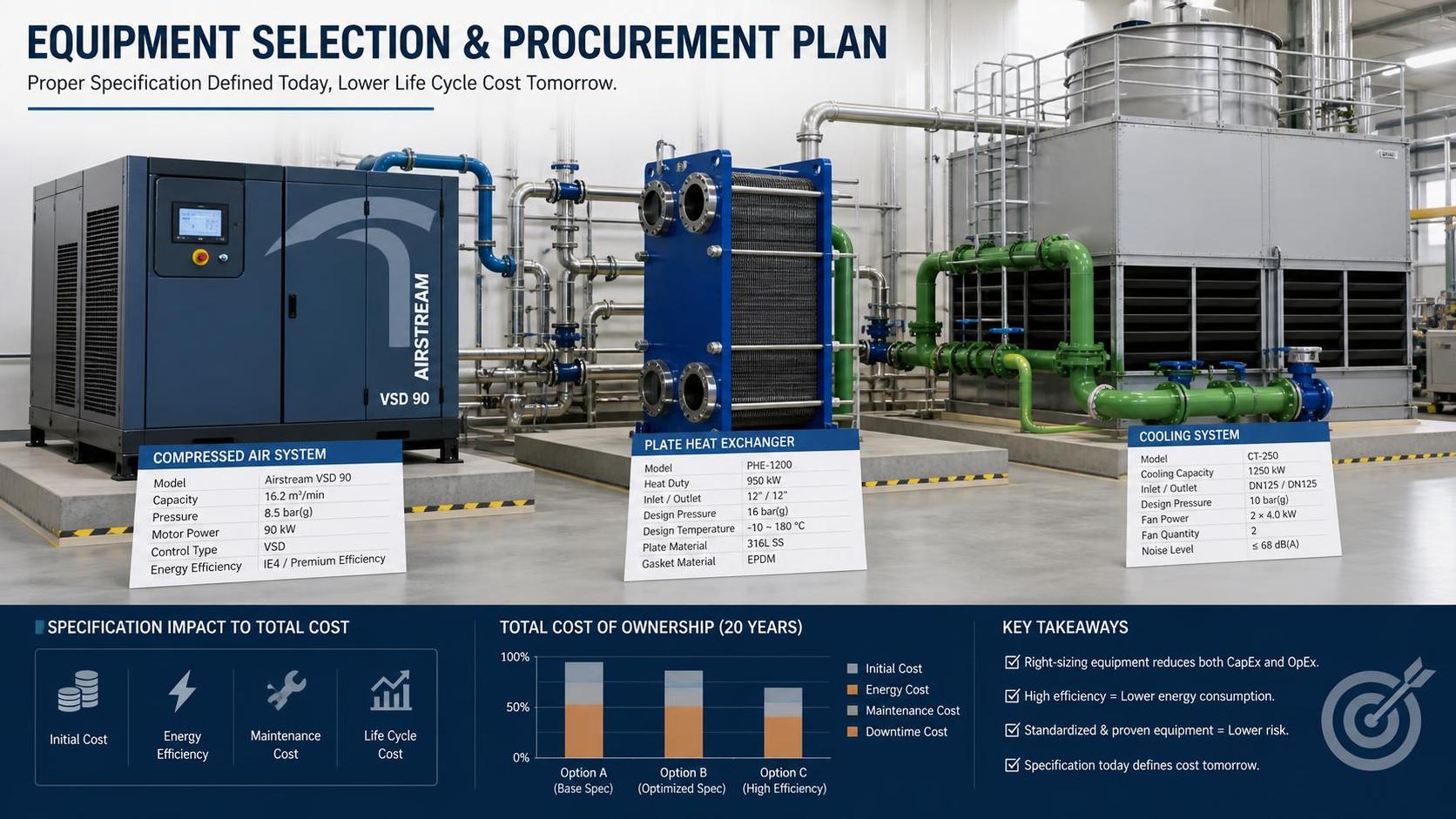
- Use total cost of ownership instead of purchase price in approvals.
This sequence keeps carbon neutrality tied to cash logic instead of turning it into a separate promise.
A simple decision framework for procurement
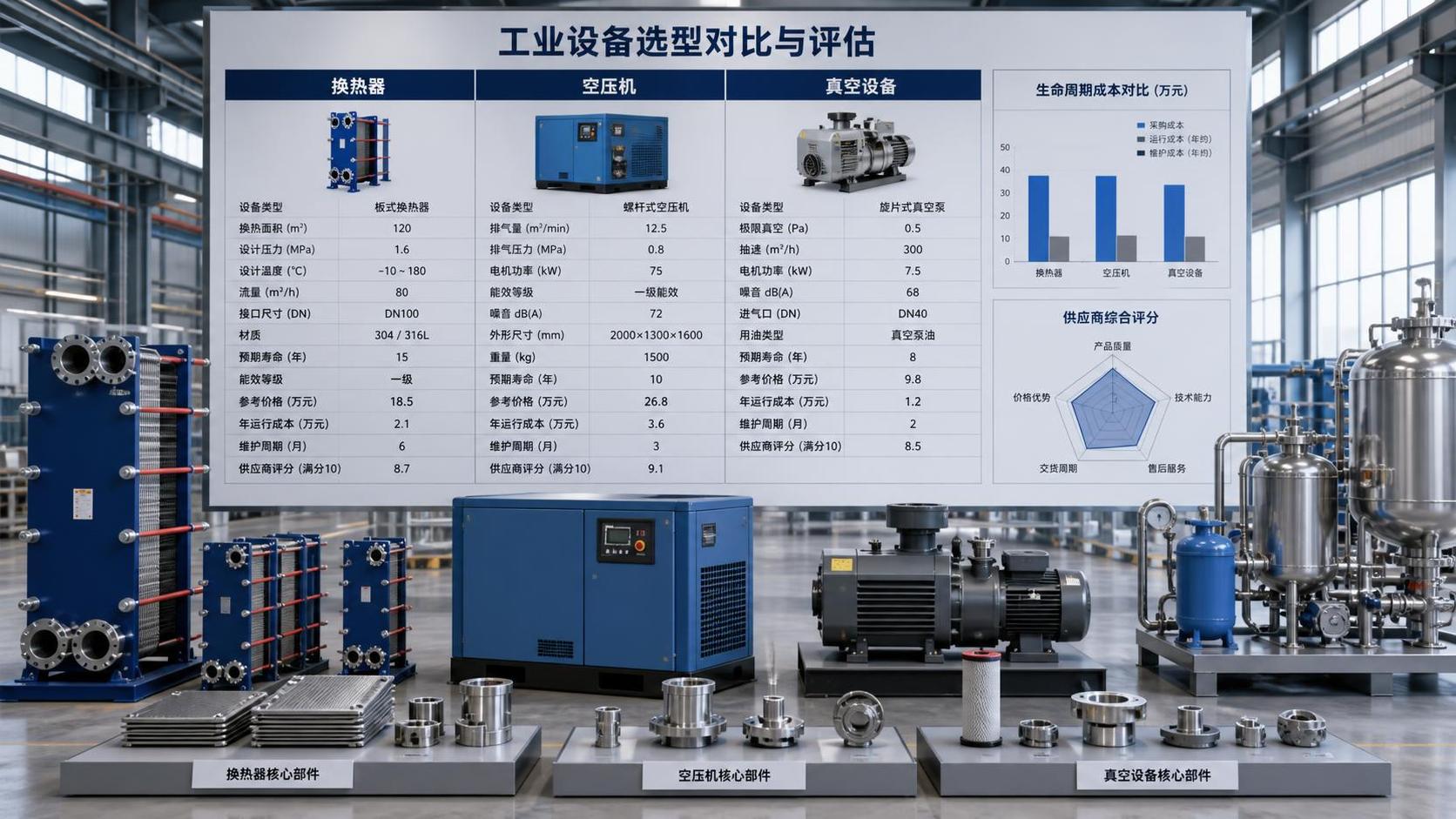
A practical procurement framework should compare every option across four dimensions.
This kind of scorecard creates a better approval conversation.
It moves the discussion away from opinion and toward verifiable trade-offs.
That is critical when carbon neutrality projects compete with other capital needs.
Metrics worth requiring before approval
- Payback period under realistic load conditions.
- Internal rate of return based on actual utility prices.
- Energy saved per unit of production.
- Annual emissions reduction tied to measured baselines.
- Maintenance and downtime impact over the asset life.
- Sensitivity analysis for energy price swings.
Without these metrics, carbon neutrality claims can look attractive but stay financially weak.
Where carbon neutrality creates the strongest financial case
Not every decarbonization investment delivers equal value.
The strongest cases usually appear in assets with long operating hours and clear efficiency gaps.
That is why thermal and compression systems deserve close attention.
In many plants, these systems quietly account for a major share of electricity demand.
More importantly, their waste patterns are often measurable and fixable.
That makes carbon neutrality easier to defend with hard numbers.
High-potential investment areas
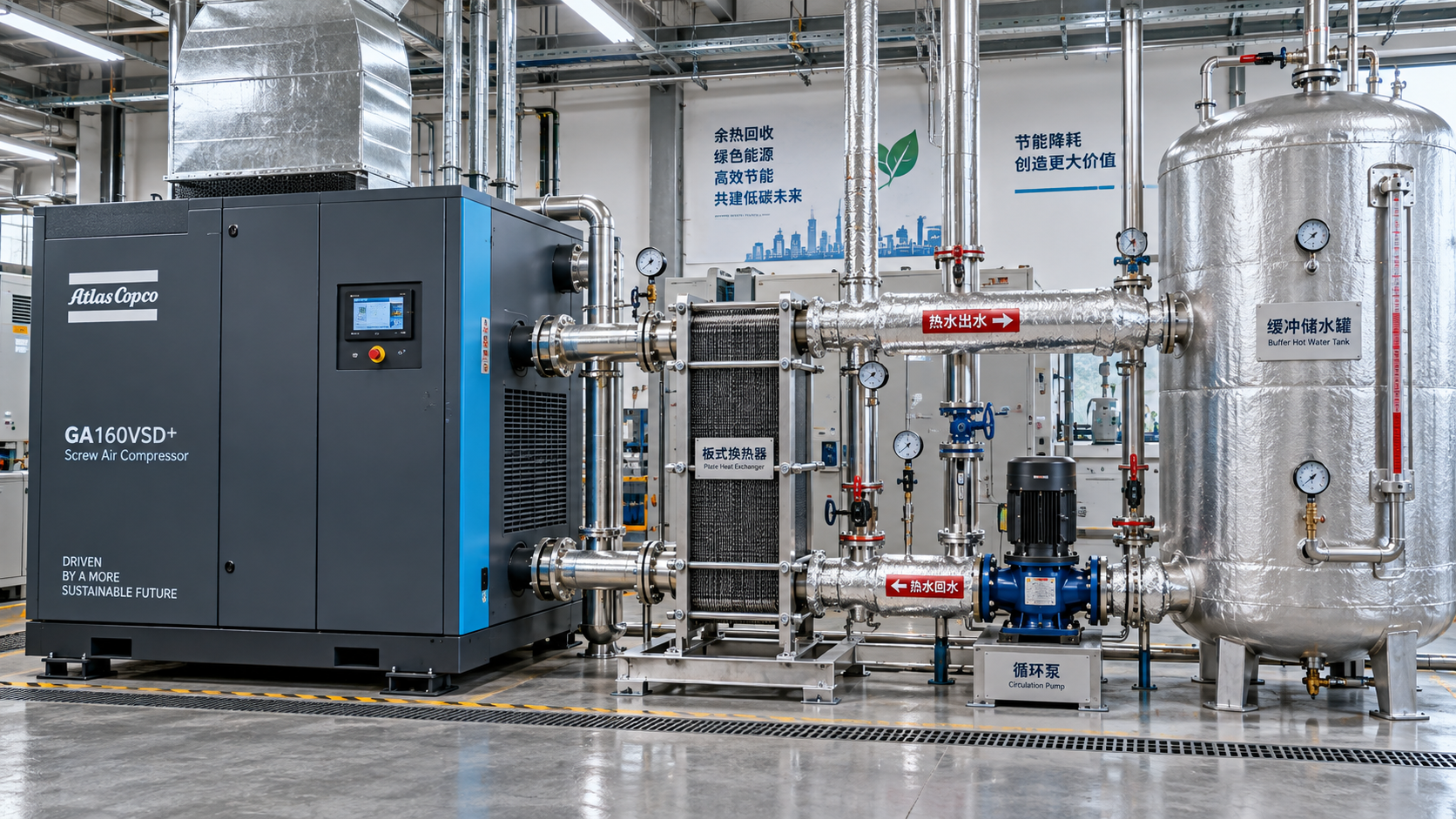
- Oil-free compression where purity, reliability, and energy efficiency matter together.
- Advanced heat exchangers that reduce thermal losses and improve transfer efficiency.
- Variable-speed systems that match output to real demand.
- Low-NOx or higher-efficiency boiler upgrades where combustion remains essential.
- Smarter controls that optimize sequencing across multiple machines.
These investments do more than support carbon neutrality.
They often improve product consistency, reduce scrap, and lower maintenance stress.
That broader impact is exactly what makes approval easier.
How to avoid false savings
The biggest risk in cost control is accepting savings that only look good on paper.
The biggest risk in carbon neutrality is approving reductions that cannot be sustained operationally.
Both problems usually come from poor baselining.
If the starting point is unclear, the business case will remain fragile.
Questions that sharpen the decision
- Is current energy consumption measured by system, shift, and production level?
- Are maintenance costs and unplanned stoppages included in the business case?
- Does the proposal reflect future refrigerant, emissions, or reporting rules?
- Are savings dependent on operator behavior that may drift over time?
- Is there a clear owner for post-installation verification?
In actual business settings, these questions often separate real value from optimistic assumptions.
The smart answer: prioritize both, but not equally at first
So, what should come first?
Start with cost control actions that directly accelerate carbon neutrality.
That is the most financially defensible order.
It protects cash, improves efficiency, and creates proof before scaling broader decarbonization programs.
In other words, do not frame carbon neutrality and cost control as rivals.
Use cost control as the entry point and carbon neutrality as the long-term direction.
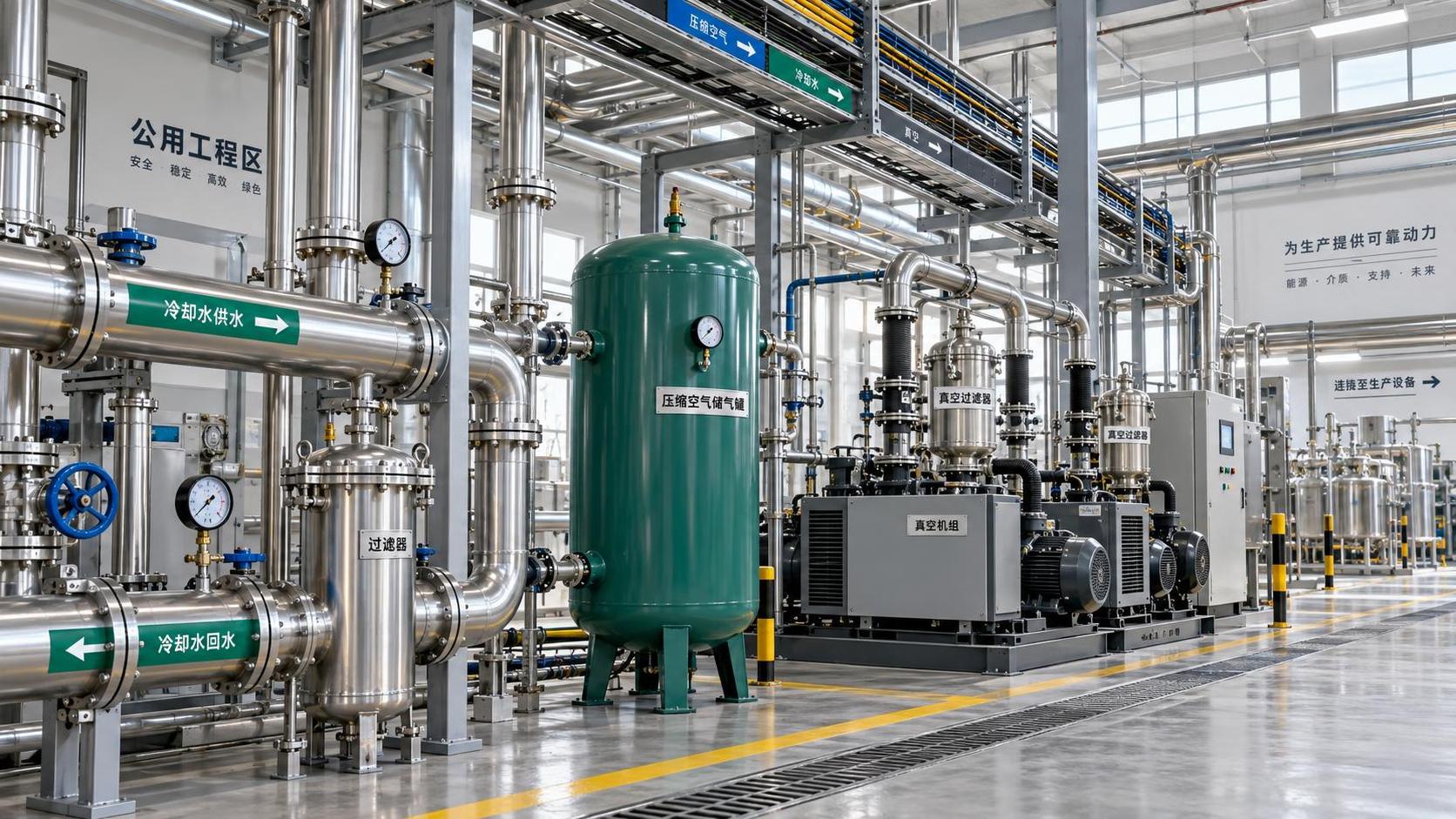
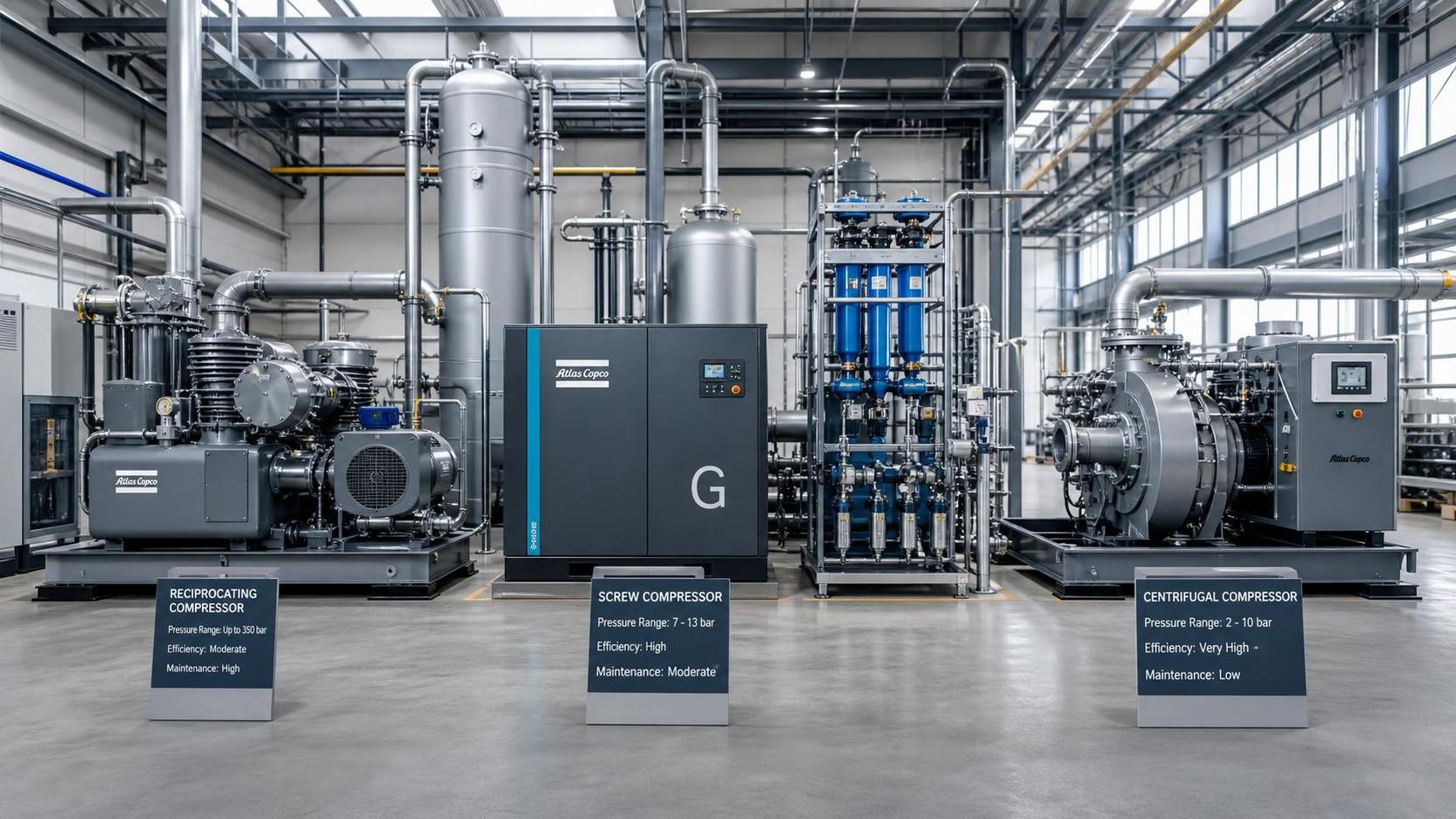
That approach is especially useful when reviewing compressors, cooling systems, boilers, vacuum units, and heat exchangers.
These assets sit at the center of industrial energy conversion efficiency.
When evaluated with better intelligence, they can deliver savings, resilience, and carbon neutrality progress together.
A practical next step
Review the top five energy-consuming systems in the portfolio.
Rank them by lifecycle cost, emissions intensity, and operational criticality.
Then approve the projects that improve all three fastest.
That is how carbon neutrality becomes a business asset rather than a budget burden.
And that is how cost control becomes smarter, not just tighter.
Ready when you are. Send us a message to get started.
Related News
- How to select industrial equipment for automation with existing PLCsAuthor :

- How electricity prices shape industrial compressed air price trendsAuthor :

- Choosing air filtration systems for heavy dust in the Middle EastAuthor :

- How much does a fully installed compressed air monitoring system cost?Author :

- What documentation supports CE marking for industrial equipment?Author :

- How local support affects vacuum system costs in Southeast AsiaAuthor :

- How worldwide industry category guides help compare market opportunitiesAuthor :

- What drives sustainable thermal systems cost over their operating life?Author :

- Which industrial solution comparison criteria prevent project delays?Author :

- How Ambient Temperature and Load Profile Affect Industrial Compressor SizingAuthor :

- What to evaluate before choosing a thermal process engineering supplierAuthor :

- How industrial utility systems affect energy costs in process plantsAuthor :

- What Data Is Needed to Assess Heat Recovery Decarbonization?Author :

- Can Waste Heat Recovery Support Carbon Neutrality Targets?Author :

- Is Compressor Heat Recovery Worth the Installation Cost?Author :

- What to verify before choosing a process separation technology supplierAuthor :

- When does process utilities engineering reduce project rework?Author :

- Where thermal efficiency optimization delivers the fastest savings in EuropeAuthor :

- What should you verify before selecting a heat transfer supplier?Author :

- What drives compressed air systems price for industrial projects?Author :

- How an industrial product knowledge comparison guide reduces sourcing riskAuthor :

- When does a procurement specification planning process reduce bid risk?Author :

- When does thermal system optimization for electronics reduce failure risk?Author :

- When high temperature process heating systems justify the higher energy costAuthor :

- How to compare sludge dewatering equipment by cake drynessAuthor :

- What to Check Before Sourcing a Gas Turbine for Distributed Power ProjectsAuthor :

- What drives industrial thermal systems price in large facility projectsAuthor :

- How to build an industrial product comparison chart that speeds up vendor selectionAuthor :

- Vacuum Technology Application Guide for Selecting the Right SystemAuthor :

- What Drives Vacuum Drying Cost in Industrial Procurement?Author :

- What Drives Compressed Air Pricing in Industrial Systems?Author :

- How Procurement Specification Planning Shapes Total Project CostAuthor :

- Compression Technology Guide: How to Compare Efficiency, Pressure Range, and Maintenance NeedsAuthor :

- How to Compare Industrial Separators by Throughput, Purity, and Maintenance LoadAuthor :

- How to Size a Compressed Air Equipment Receiver Tank for Stable PressureAuthor :

- Industrial Equipment Selection Guide: How to Compare Capacity, Duty Cycle, and Operating CostAuthor :