How to Compare Industrial Heat Recovery System Manufacturers




Why does the manufacturer matter so much in heat recovery projects?
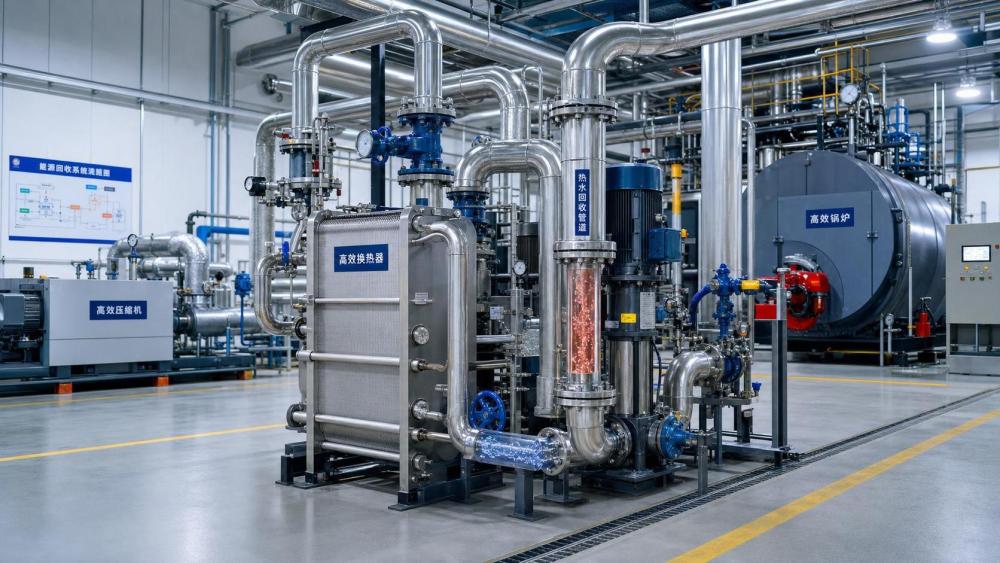
Choosing an industrial heat recovery systems manufacturer shapes far more than the equipment list.
It influences energy performance, installation risk, compliance exposure, and the real payback period after commissioning.
In practice, two systems with similar rated capacity can deliver very different results once process conditions fluctuate.
That is why price alone rarely tells the full story.
A capable industrial heat recovery systems manufacturer should understand thermodynamics, fouling behavior, control logic, and plant integration.
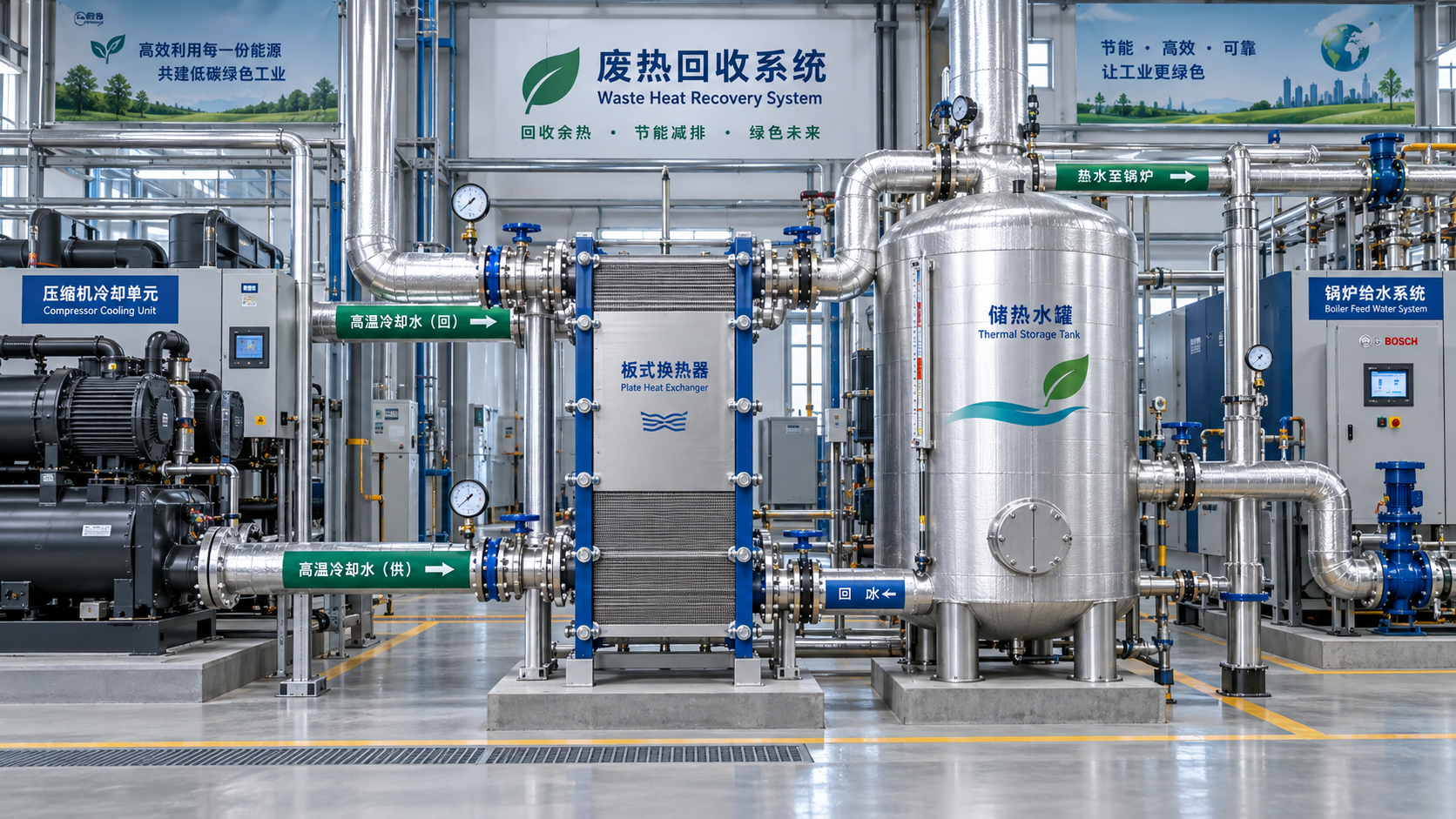
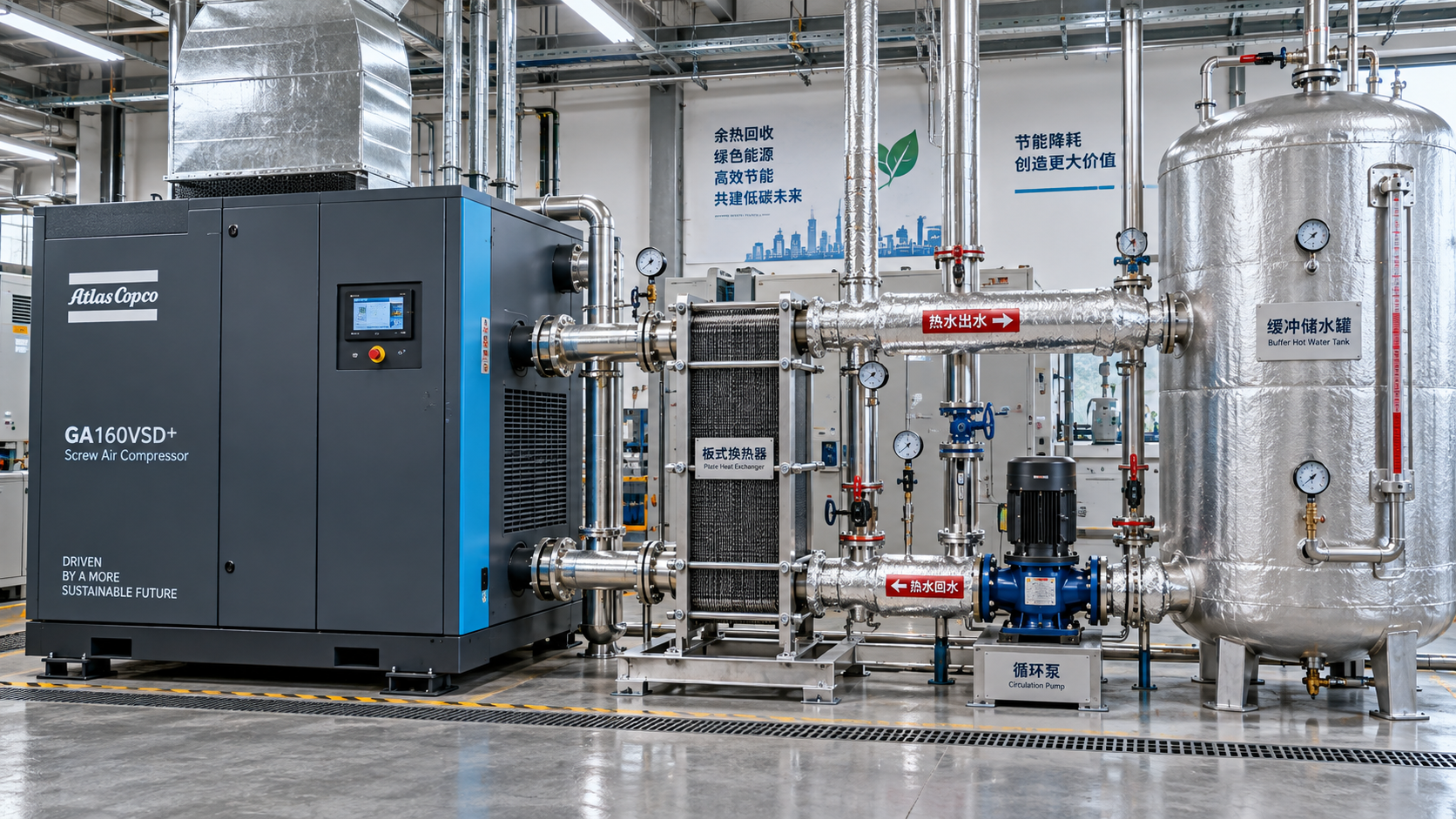
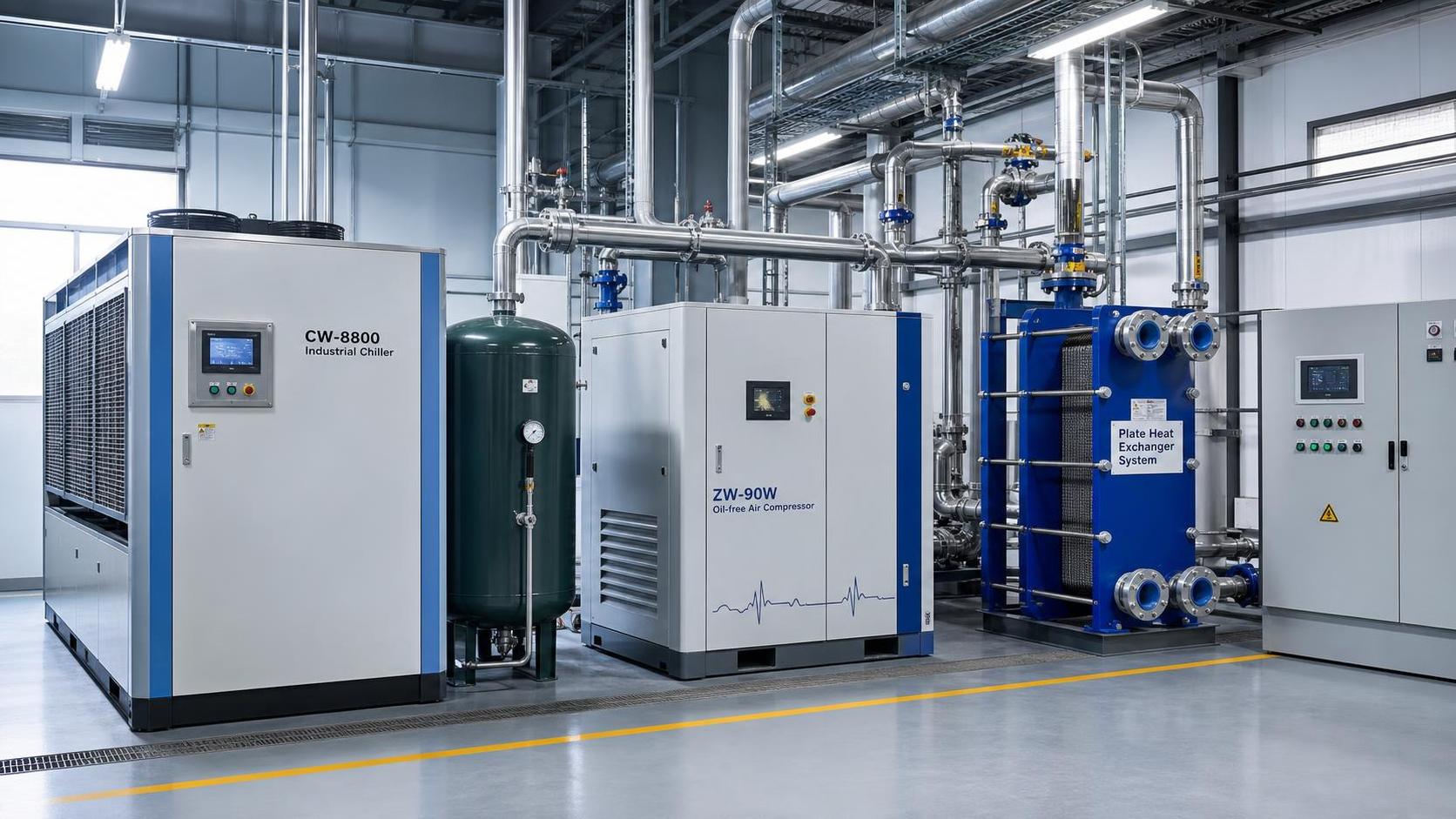
It should also show how recovered heat connects with boilers, compressors, chillers, dryers, ovens, or process water loops.
This is where industry intelligence becomes useful.
Platforms such as GTC-Matrix track heat exchange, compressed air, and industrial thermal trends across multiple sectors.
That wider view helps buyers compare manufacturers against actual market direction, not just brochure claims.
A reliable comparison should therefore ask one basic question:
Can this supplier convert waste heat into stable operational value under real plant conditions?
What should you compare before asking for final pricing?
The best time to compare an industrial heat recovery systems manufacturer is before commercial negotiations become narrow.
At that stage, it is easier to remove weak options.
A useful first-screen comparison usually includes the following points:
- Recovered heat source: exhaust gas, compressor discharge, condensate, hot water, or process vapor.
- Temperature band: low-grade, medium-grade, or high-grade recoverable energy.
- System efficiency under partial load, not only at design point.
- Material selection for corrosion, scaling, and cleaning cycles.
- Controls and automation compatibility with existing plant systems.
- Local service reach, spare parts lead time, and commissioning depth.
More often, weak suppliers look strong only because their quotations stay general.
They may avoid clear assumptions about inlet temperatures, pressure drops, or seasonal operating patterns.
A stronger industrial heat recovery systems manufacturer will document those assumptions early.
That transparency reduces disputes later.
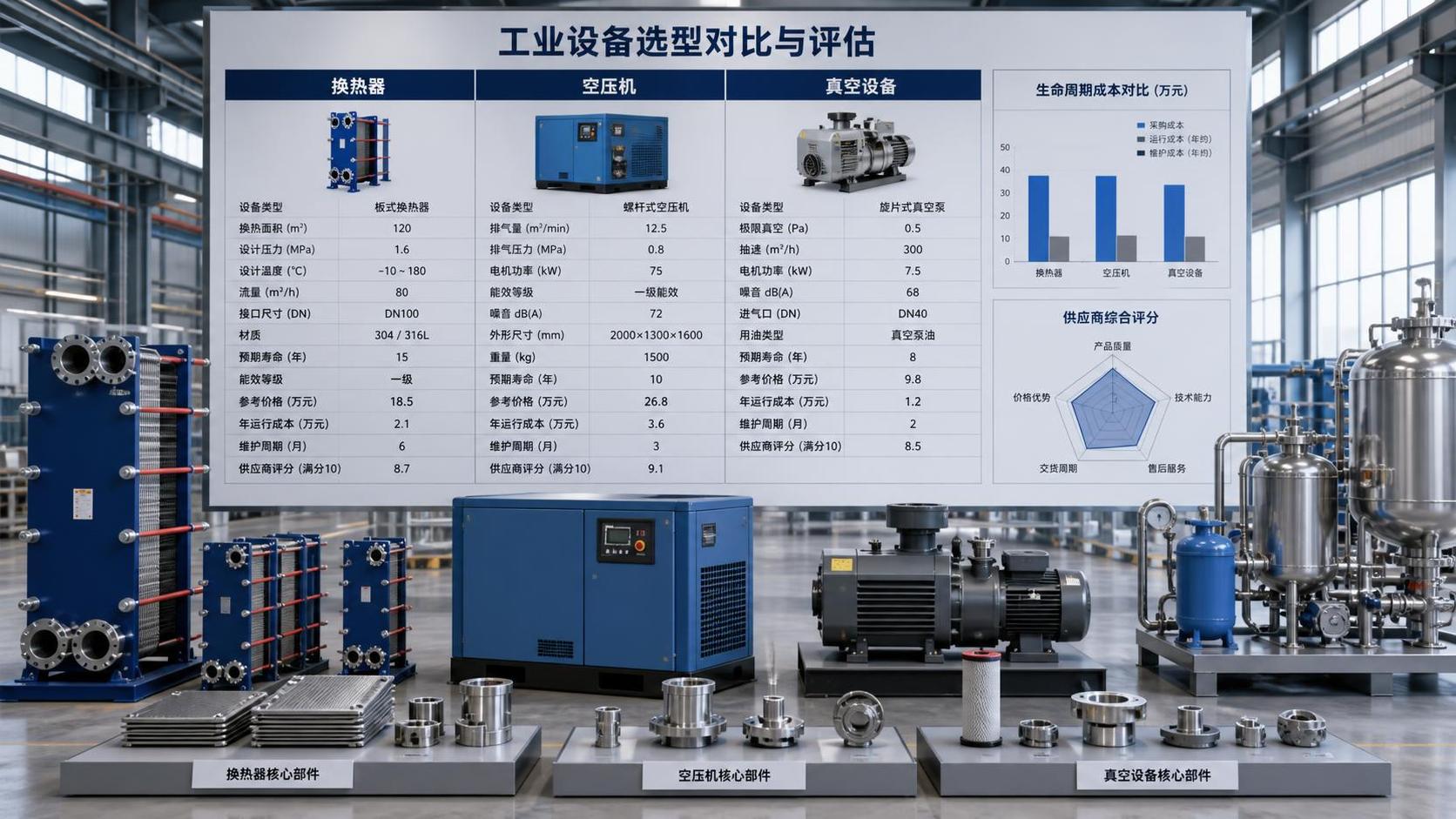
A quick comparison table helps narrow the field
Before moving into site visits or detailed engineering, this checklist can expose material differences between suppliers.
How do you judge technical depth instead of polished marketing?
This is often the hardest part.
Many suppliers can describe energy recovery in broad terms.
Fewer can explain why one exchanger type, control strategy, or compression interface fits your site better than another.
A technically credible industrial heat recovery systems manufacturer usually answers detailed questions without drifting into vague language.
For example, ask how performance changes when process temperatures swing, or when upstream compressors cycle frequently.
Ask what happens if scaling reduces heat transfer over time.
Ask how the system protects downstream production when recovered heat is temporarily unavailable.
The quality of those answers reveals engineering maturity.
It also helps to compare the supplier’s knowledge against broader industry signals.
GTC-Matrix regularly tracks developments in oil-free compression, microchannel heat exchangers, low-NOx boilers, and efficient thermal loops.
That matters because modern heat recovery is rarely isolated equipment.
It increasingly sits inside a connected utility ecosystem.
A manufacturer that understands these adjacent systems is usually easier to work with during design review.
Questions that expose real engineering capability
- What operating data do you need before confirming recovery potential?
- Which failure modes are most common in similar installations?
- How do you validate performance after startup?
- Which components have the longest replacement lead time?
- How is heat recovery prioritized when process demand changes suddenly?
When do customization and application experience become decisive?
Not every project needs deep customization.
Yet many industrial environments do.
Food processing, semiconductors, pharmaceuticals, chemicals, and general manufacturing all treat heat differently.
The same is true for cleanliness requirements, utility reliability, and temperature control precision.
A generic package may still work, but only if the process profile is simple and stable.
In more complex facilities, application experience becomes a deciding factor.
An industrial heat recovery systems manufacturer with relevant case history can usually anticipate hidden constraints earlier.
That may include contamination risk, tight utility space, condensate handling, or interaction with existing compressed air systems.
This is another area where market intelligence helps.
GTC-Matrix follows structural demand in sectors that depend on precise thermal control and pure power sources.
Those insights can help validate whether a supplier’s sector references truly match your operating environment.
A useful rule is simple:
If the supplier must learn your process from scratch during bidding, project risk is already rising.
What mistakes lead to expensive supplier choices later?
Most costly mistakes happen before the purchase order.
One common error is comparing quotations with different thermal assumptions.
Another is accepting projected savings without asking how they were modeled.
Some buyers also underestimate installation disruption.
Heat recovery projects can affect shutdown planning, pipe routing, controls integration, and operator training.
A low initial quote may hide those downstream costs.
There is also a compliance dimension.
Refrigerant policy changes, energy reporting requirements, and emissions targets increasingly shape system design choices.
A forward-looking industrial heat recovery systems manufacturer should be able to discuss these pressures realistically.
That matters more now because decarbonization targets are reshaping investment logic across industry.
The cheapest system may become the most expensive if it cannot adapt.
Practical red flags to watch for
- No clear baseline data request before offering guaranteed savings.
- Performance claims without verification method.
- Weak explanation of controls, bypass logic, or redundancy.
- References from unrelated applications only.
- Maintenance scope left to site teams without documentation.
How should you make the final decision between similar manufacturers?
When two or three suppliers seem close, a weighted decision model works better than informal preference.
The final choice should combine technical fit, lifecycle cost, delivery confidence, and support readiness.
That means looking beyond simple capital expenditure.
A stronger industrial heat recovery systems manufacturer may carry a higher bid price, yet lower the total cost through better uptime and easier maintenance.
In actual sourcing work, the most defensible decision usually comes from a short, disciplined sequence.
- Define the heat source, demand profile, operating window, and plant constraints.
- Standardize bid assumptions so suppliers respond to the same technical basis.
- Score each industrial heat recovery systems manufacturer on engineering detail, not presentation style.
- Check references that match your process temperatures and maintenance reality.
- Review post-installation support, spares strategy, and measurement of delivered savings.
The market is becoming more complex, not less.
Energy cost volatility, cleaner thermal technologies, and tighter environmental rules all affect supplier quality.
That is why combining supplier proposals with independent industry tracking from sources such as GTC-Matrix is useful.
It gives needed context when technical promises look similar on paper.
A sound decision starts with the right questions, then moves through evidence, operating fit, and long-term practicality.
Before selecting any industrial heat recovery systems manufacturer, align internal requirements, verify assumptions, and compare lifecycle performance with discipline.
That approach usually delivers better energy recovery, fewer surprises, and a more durable investment outcome.
Related News
- What to evaluate before choosing a thermal process engineering supplierAuthor :

- How industrial utility systems affect energy costs in process plantsAuthor :

- What Data Is Needed to Assess Heat Recovery Decarbonization?Author :

- Can Waste Heat Recovery Support Carbon Neutrality Targets?Author :

- Is Compressor Heat Recovery Worth the Installation Cost?Author :

- What to verify before choosing a process separation technology supplierAuthor :

- When does process utilities engineering reduce project rework?Author :

- Where thermal efficiency optimization delivers the fastest savings in EuropeAuthor :

- What should you verify before selecting a heat transfer supplier?Author :

- What drives compressed air systems price for industrial projects?Author :

- How an industrial product knowledge comparison guide reduces sourcing riskAuthor :

- When does a procurement specification planning process reduce bid risk?Author :

- When does thermal system optimization for electronics reduce failure risk?Author :

- When high temperature process heating systems justify the higher energy costAuthor :

- How to compare sludge dewatering equipment by cake drynessAuthor :

- What to Check Before Sourcing a Gas Turbine for Distributed Power ProjectsAuthor :

- What drives industrial thermal systems price in large facility projectsAuthor :

- How to build an industrial product comparison chart that speeds up vendor selectionAuthor :

- Vacuum Technology Application Guide for Selecting the Right SystemAuthor :

- What Drives Vacuum Drying Cost in Industrial Procurement?Author :

- What Drives Compressed Air Pricing in Industrial Systems?Author :

- How Procurement Specification Planning Shapes Total Project CostAuthor :

- Compression Technology Guide: How to Compare Efficiency, Pressure Range, and Maintenance NeedsAuthor :

- How to Compare Industrial Separators by Throughput, Purity, and Maintenance LoadAuthor :

- How to Size a Compressed Air Equipment Receiver Tank for Stable PressureAuthor :

- Industrial Equipment Selection Guide: How to Compare Capacity, Duty Cycle, and Operating CostAuthor :

- How to Evaluate an Intellectualization Supplier for Industrial UpgradesAuthor :

- High-Efficiency Manufacturing: Cost Savings vs. Upgrade RiskAuthor :

- Thermal System Optimization Cost: What Drives ROI?Author :

- How to Plan Process Utilities for a Cleanroom Without Costly ReworkAuthor :

- How to Compare Process Heating Suppliers in MexicoAuthor :

- Food Processing Utilities: Common Sizing Mistakes That Raise Energy and Water UseAuthor :

- How to Build Procurement Specification Planning for Industrial EquipmentAuthor :

- OEM Cooperation for Industrial Equipment: Risks, Terms, and Cost PrioritiesAuthor :

- Specification-Oriented Product Resources That Speed Technical ReviewAuthor :

- Industrial Equipment Selection Guide: A Practical Buyer ChecklistAuthor :