Industrial Decarbonization Options Compared: Cost, Risk, and Payback




Industrial decarbonization has moved from policy language into capital allocation. The real question is no longer whether to cut emissions, but which measures deliver workable returns under energy price volatility, production constraints, and technology risk.
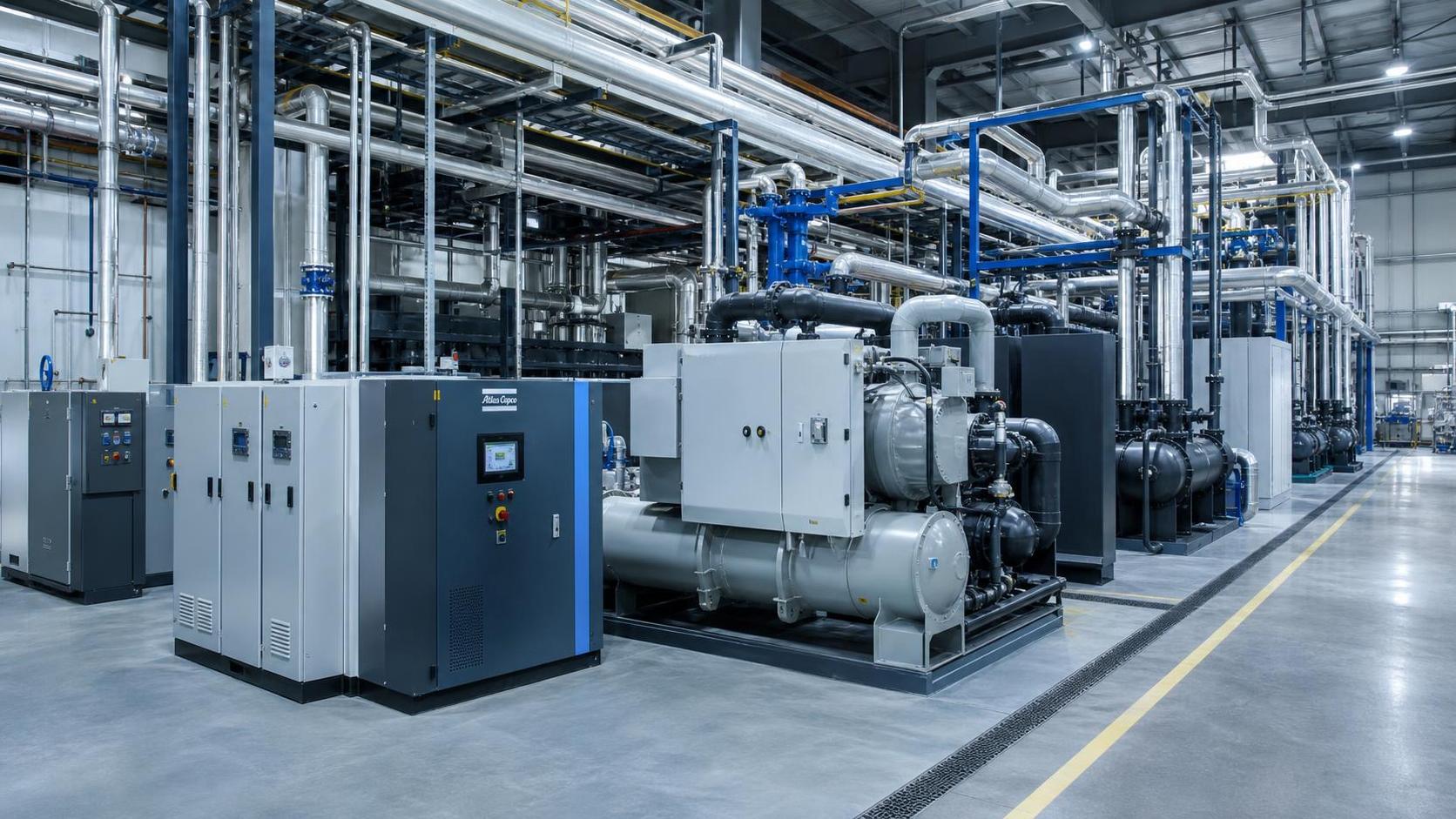
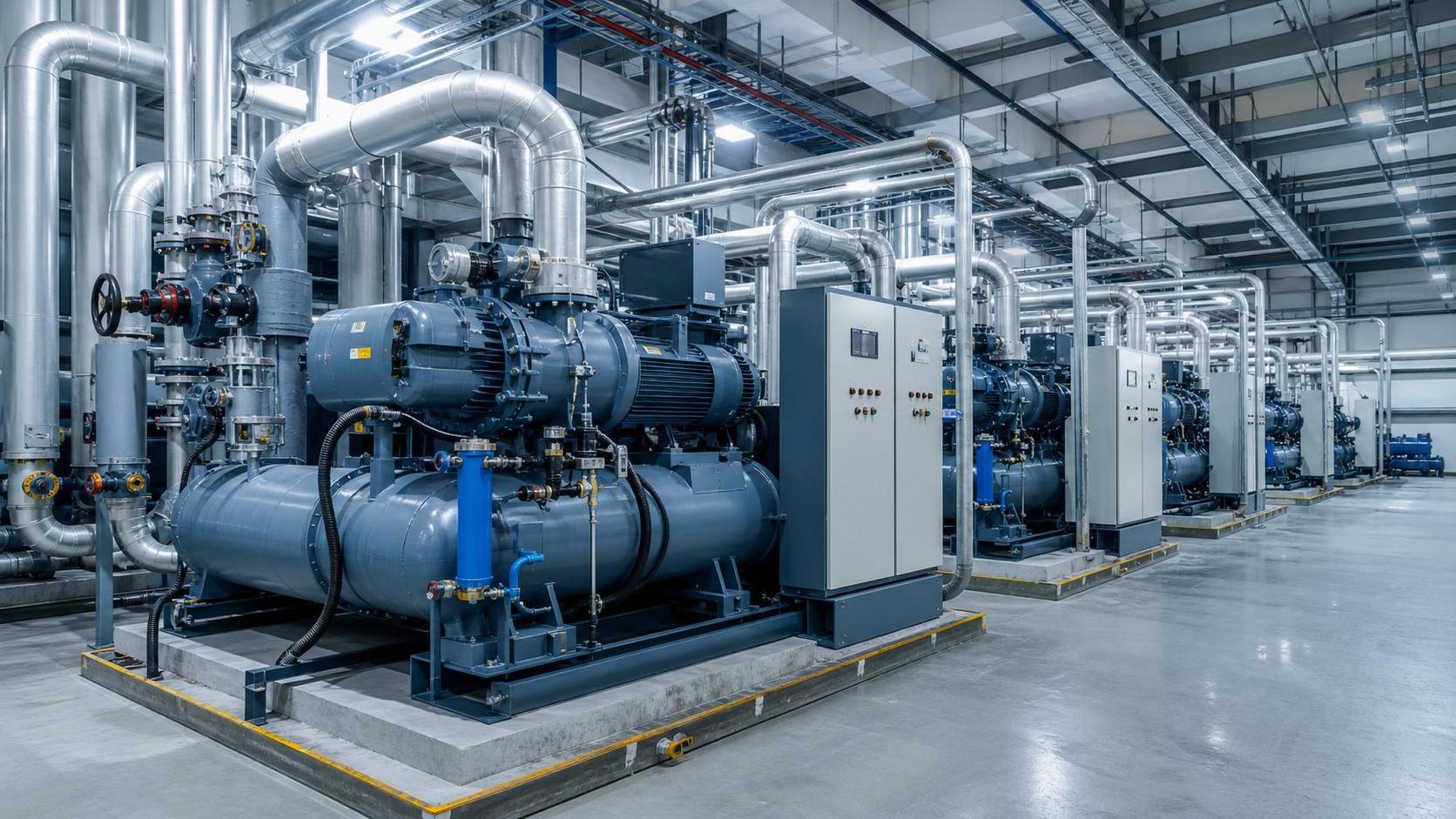
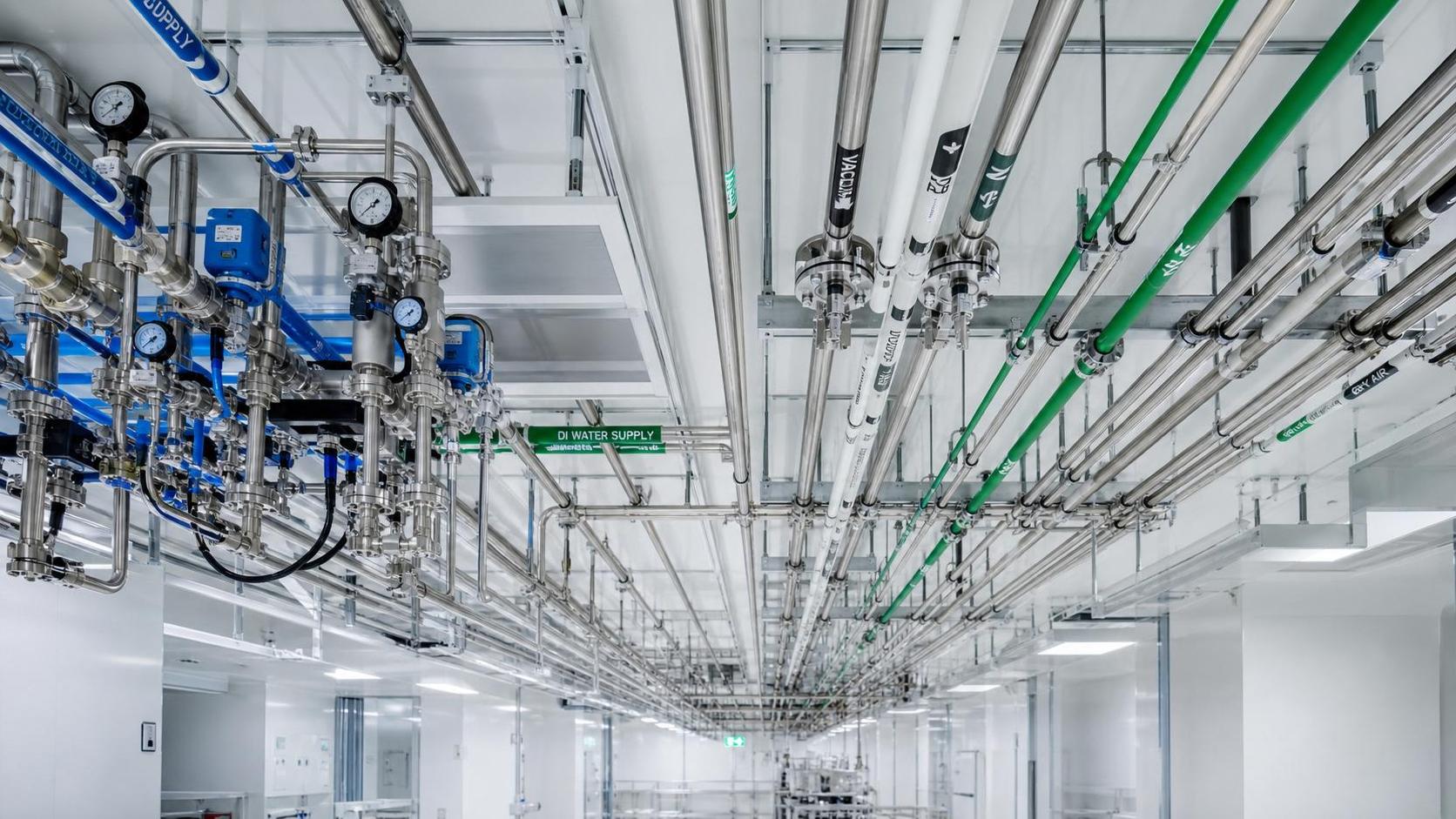
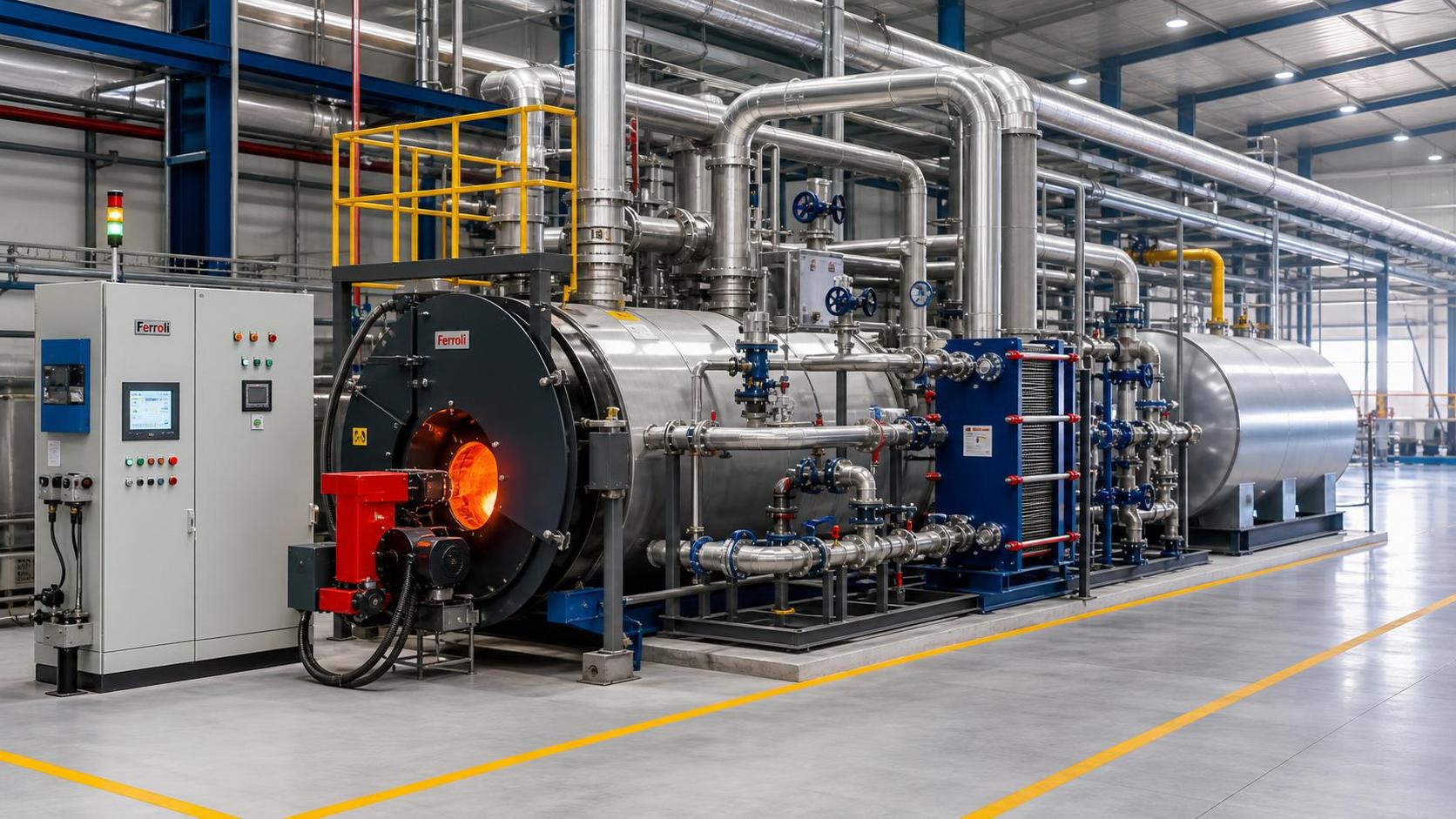
For many industrial sites, the biggest opportunities sit inside thermal systems, compressed air networks, cooling loops, vacuum processes, and heat exchange equipment. These systems shape both carbon intensity and operating cost, which makes comparison more useful than ambition alone.
That is why industrial decarbonization is increasingly assessed like a portfolio decision. Cost, risk, payback, downtime exposure, and future energy flexibility all matter at the same time.
Why comparison matters more than slogans
Most facilities do not decarbonize through one large project. They reduce emissions through a sequence of equipment upgrades, control changes, process redesign, and selective fuel shifts.
The challenge is that two options with similar carbon benefits can produce very different financial outcomes. One may offer fast savings with limited disruption, while another depends on uncertain electricity pricing or a major retrofit window.
In sectors with tight quality requirements, such as pharmaceuticals, semiconductors, and food processing, risk tolerance is often lower than headline carbon targets suggest. Stable temperature control, reliable clean utilities, and production continuity remain non-negotiable.
Seen from this angle, industrial decarbonization is closely tied to thermodynamic efficiency. The best projects often reduce waste energy first, then replace remaining fossil demand with cleaner power sources.
The main industrial decarbonization pathways
The current option set is broad, but most decisions fall into four practical pathways. Each one affects cost structure, engineering complexity, and payback differently.
Electrification
Electrification replaces combustion-based heating or mechanical systems with electric alternatives. Common examples include heat pumps, electric boilers, and variable-speed motor upgrades for compressors, fans, and pumps.
Its strength is long-term alignment with lower-carbon grids. Its weakness is that grid emissions, connection capacity, and power tariffs can sharply change project economics.
Heat recovery and heat integration
This pathway captures waste heat from compressors, chillers, furnaces, condensers, or exhaust streams and reuses it elsewhere. In many plants, this is the most underused industrial decarbonization lever.
Because it works with energy already being purchased, it often produces attractive payback and relatively low operational risk. The real constraint is whether heat source and heat demand match in temperature, timing, and location.
Fuel switching
Fuel switching includes moving from coal or oil to natural gas, biogas, biomass, or hydrogen blends. It may reduce emissions quickly where process heat still requires combustion.
However, commercial risk can be high. Future fuel availability, storage needs, burner compatibility, and emissions compliance all influence the total investment case.
Process optimization
Process optimization targets waste before adding new hardware. It includes compressed air leak reduction, pressure optimization, advanced controls, sequencing, insulation upgrades, low-NOx combustion tuning, and better heat exchanger performance.
These projects rarely look dramatic, yet they frequently form the best first step. Lower demand makes later electrification or fuel switching cheaper and less risky.
Cost, risk, and payback in one view
A simple comparison framework helps separate technical promise from business value. Typical patterns appear across industries, even though exact numbers differ by site.
This view explains why many industrial decarbonization roadmaps begin with optimization and heat recovery. They often improve cash flow while creating operational data for larger transitions.
Electrification becomes more compelling after thermal demand is reduced. Fuel switching tends to make sense where high-temperature loads remain difficult to electrify in the near term.
Where value is won or lost on the plant floor
The economics of industrial decarbonization are rarely decided by equipment labels alone. They are usually determined by system interaction.
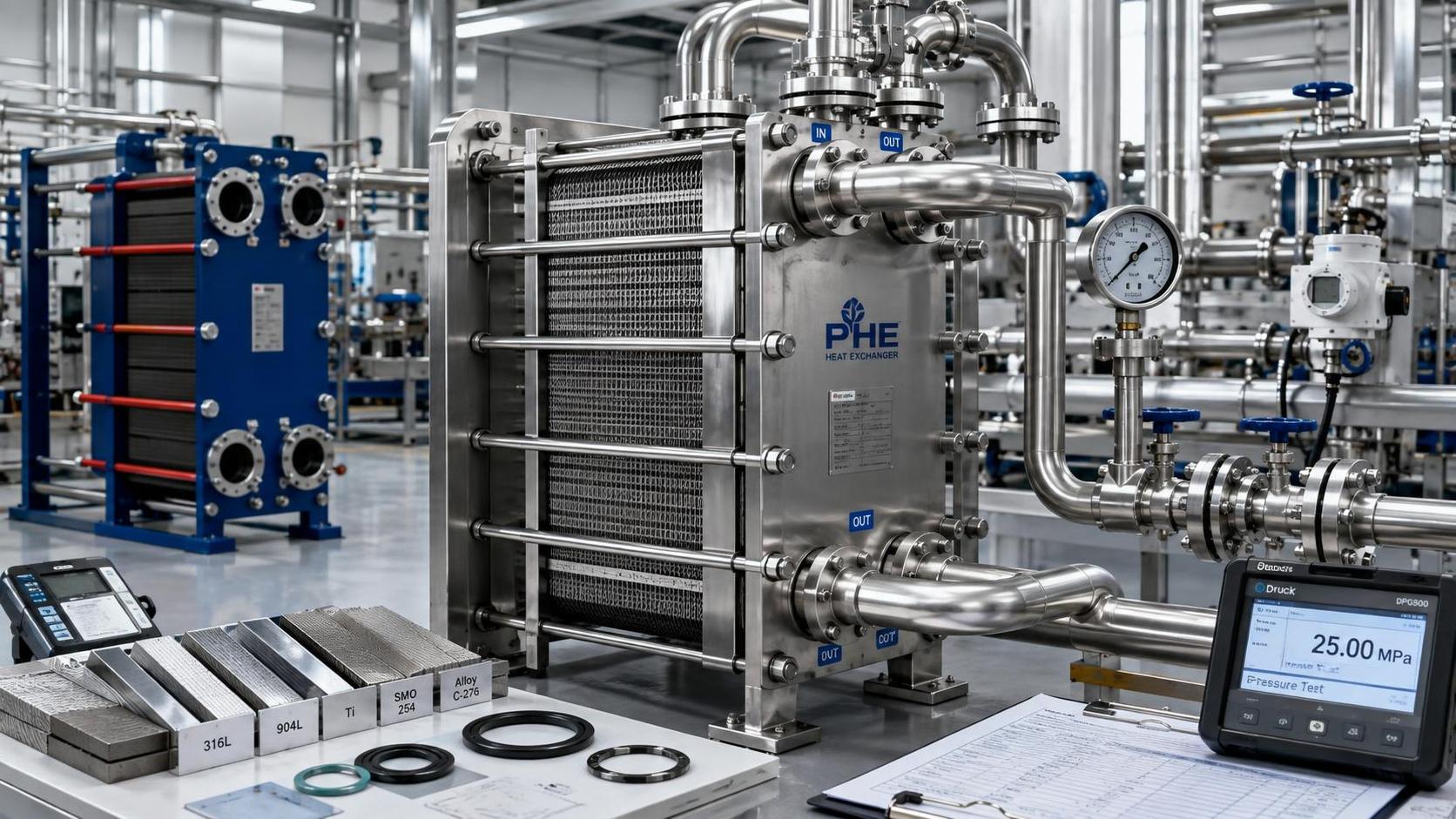
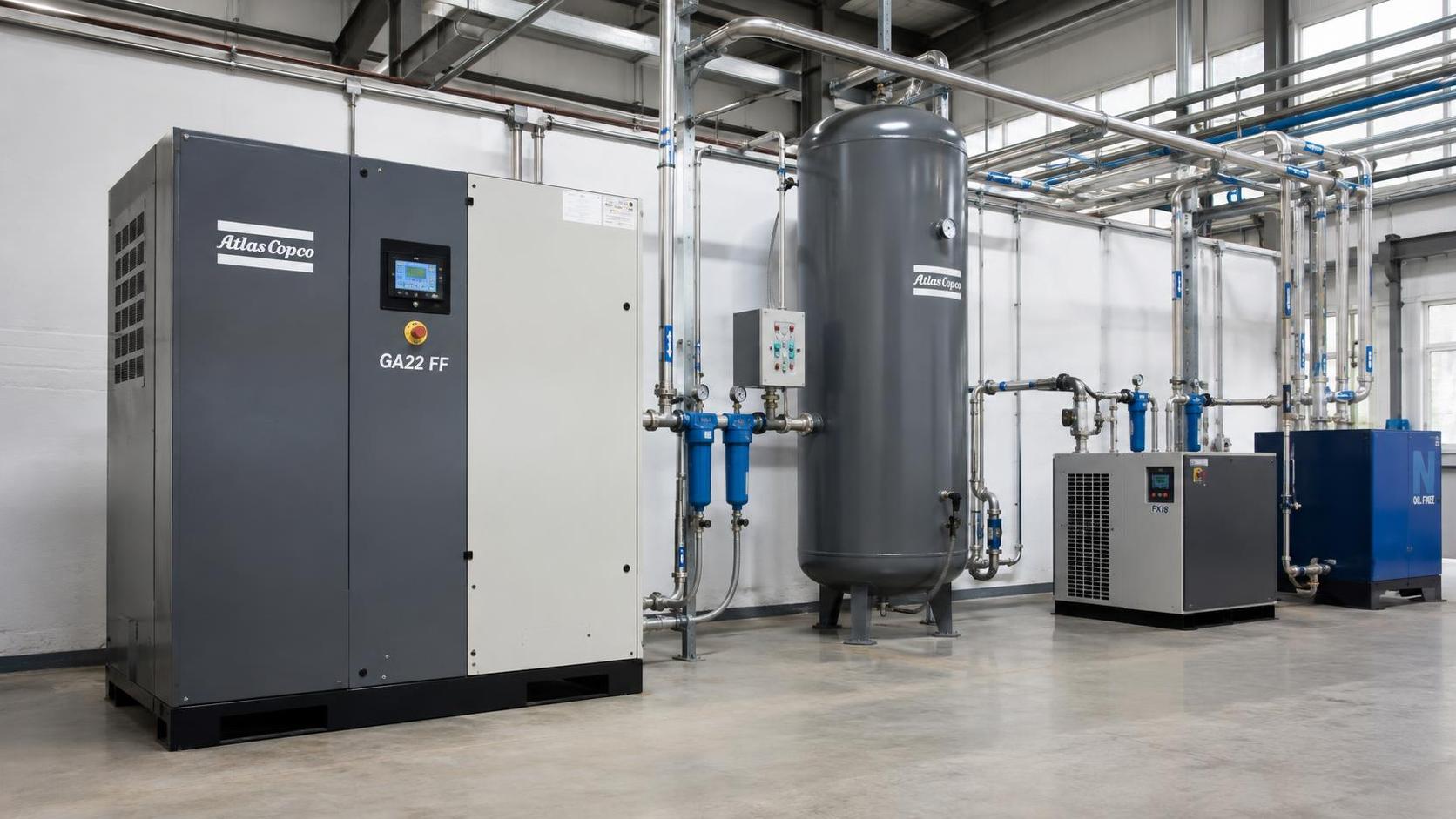
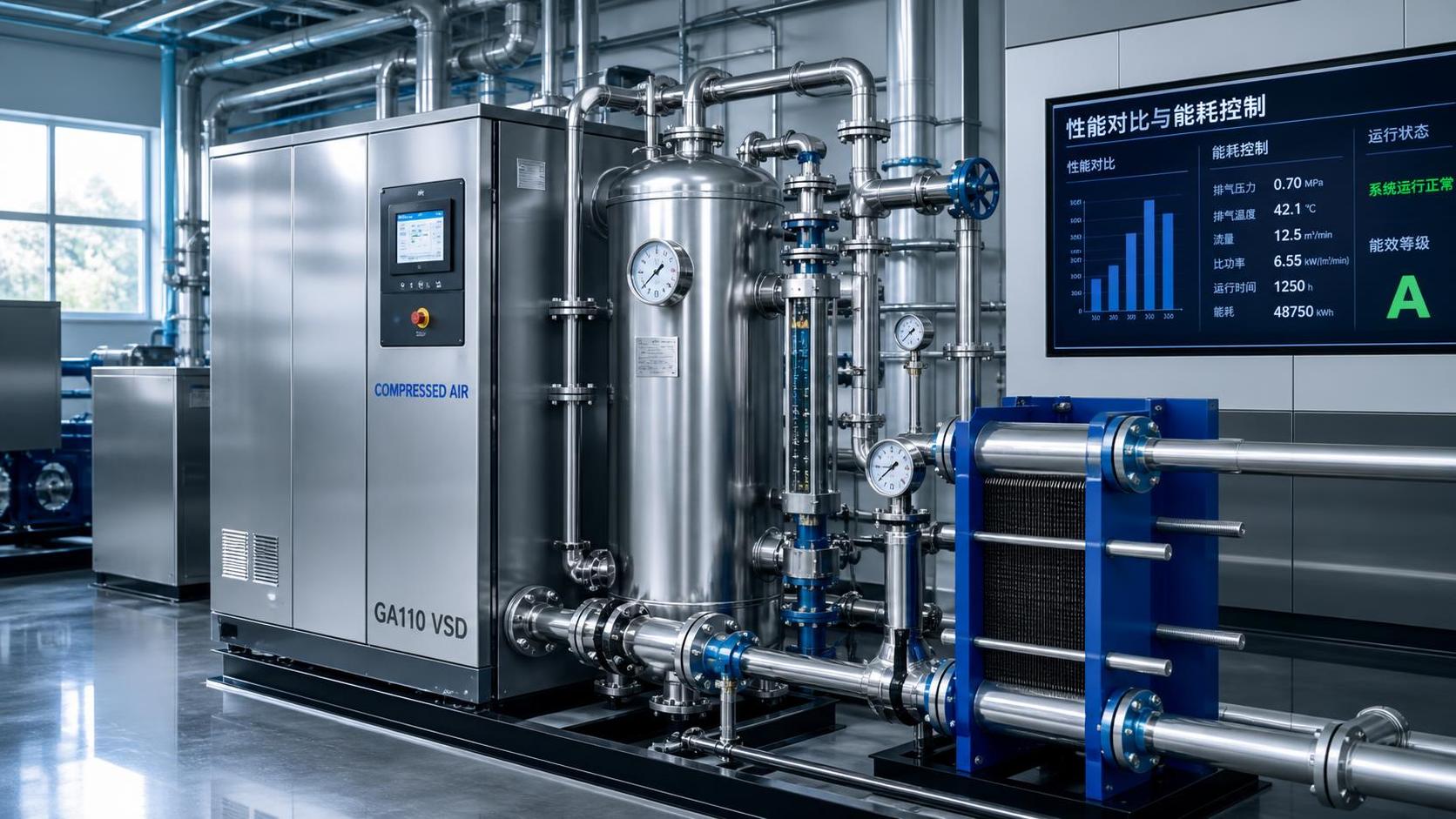
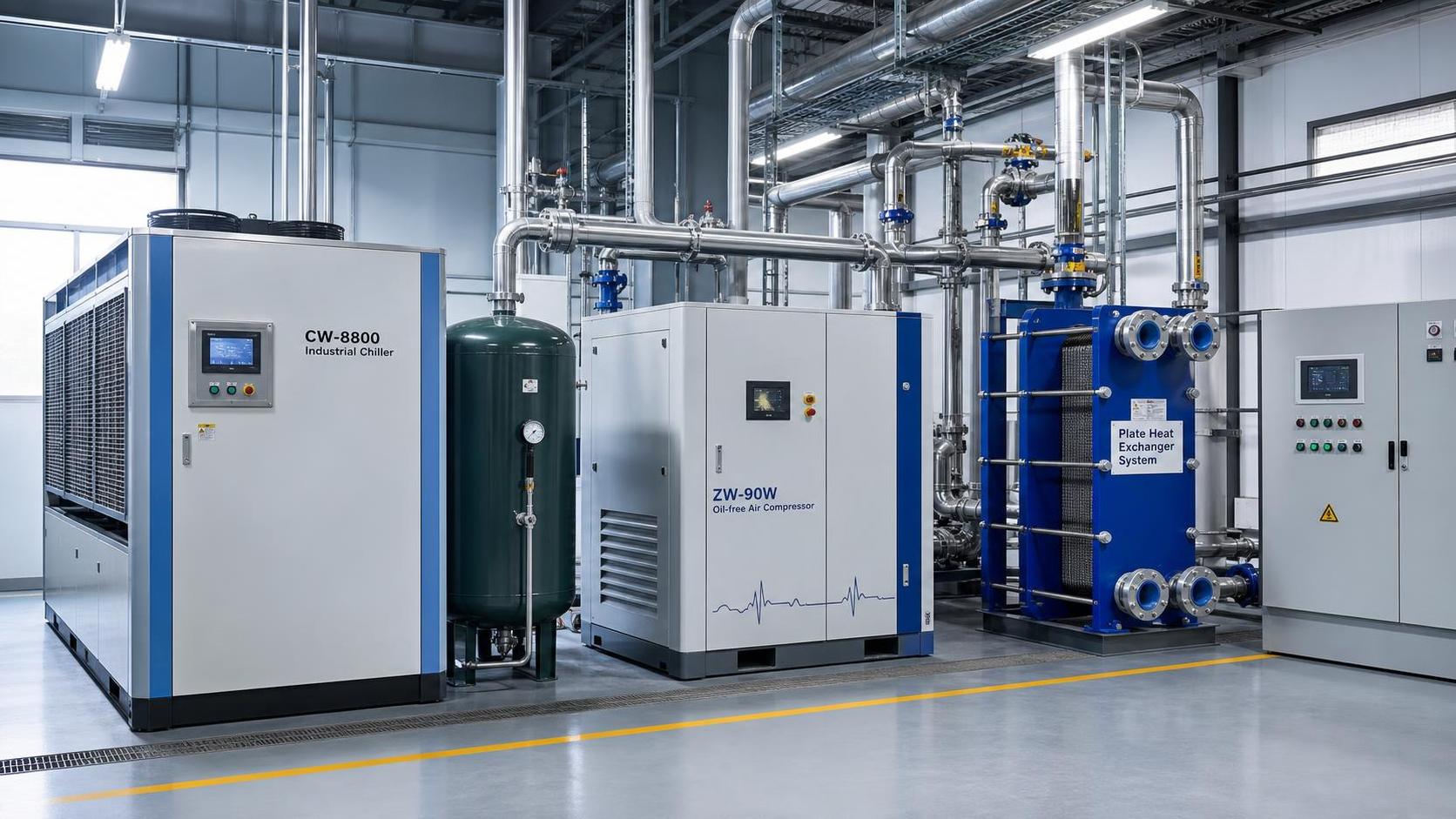
A high-efficiency compressor, for example, may unlock more value when paired with heat recovery and smarter sequencing. A microchannel heat exchanger may improve both thermal transfer and refrigerant-side efficiency. Oil-free compression may support product purity while lowering downstream treatment burdens.
This is where a platform like GTC-Matrix becomes relevant without being a direct sales layer. Its focus on cooling, compressed air, vacuum processes, and heat exchange reflects where hidden energy losses often sit.
By tracking technology evolution, refrigerant policy shifts, and sector demand patterns, intelligence can improve project timing. That matters because the right option at the wrong tariff, quota, or retrofit cycle may still fail financially.
Common value traps
- Sizing new equipment before reducing avoidable load.
- Using annual energy savings without testing seasonal operating patterns.
- Ignoring downtime cost during installation windows.
- Treating carbon reduction and reliability as separate decisions.
- Underestimating utility price exposure over the asset life.
How to read the options by industrial scenario
Different production environments favor different routes. The right industrial decarbonization strategy depends on thermal profile, process sensitivity, and the shape of existing assets.
Continuous process operations
Facilities with stable, round-the-clock loads often gain most from heat recovery, advanced controls, and integrated utility optimization. Consistent load improves utilization, which strengthens payback.
High-purity or temperature-sensitive production
These sites usually prioritize reliability and environmental control. Decarbonization projects succeed when they improve stability, not only emissions. Cooling precision, clean compressed air, and vacuum quality remain central.
Batch manufacturing with uneven demand
Flexible control logic and modular upgrades often outperform large single bets. Variable-speed drives, pressure reset, storage optimization, and staged electrification can reduce both capital risk and operational disruption.
A practical decision framework
Useful comparison starts with questions that connect carbon outcomes to business reality. The goal is not a perfect forecast, but a defensible basis for sequencing investments.
- What share of emissions comes from heat, motors, cooling, and compressed air?
- Which loads are technically avoidable before replacement spending begins?
- How sensitive is project value to electricity and fuel price changes?
- What retrofit can be completed within normal shutdown schedules?
- Which options preserve flexibility if policy or energy sourcing changes?
When these questions are answered with site data, industrial decarbonization becomes easier to phase. The first step is often not the most visible technology, but the one that creates the clearest next decision.
What to do next
A strong roadmap usually begins with system mapping rather than equipment shopping. Identify where heat is rejected, where pressure is wasted, where controls are outdated, and where thermal exchange is underperforming.
From there, compare projects in layers: quick efficiency wins, recoverable heat, selective electrification, and harder fuel choices. That sequence often protects capital while improving emissions performance.
Industrial decarbonization works best when technical intelligence and commercial judgment move together. Tracking shifts in compression, cooling, heat exchange, and combustion technology can sharpen that judgment before major capital is committed.
The next useful step is simple: build a comparison table from actual site loads, tariff exposure, retrofit timing, and carbon targets. Once those variables are visible, the most practical pathway usually becomes clear.
Related News
- What to verify before choosing a process separation technology supplierAuthor :

- When does process utilities engineering reduce project rework?Author :

- Where thermal efficiency optimization delivers the fastest savings in EuropeAuthor :

- What should you verify before selecting a heat transfer supplier?Author :

- What drives compressed air systems price for industrial projects?Author :

- How an industrial product knowledge comparison guide reduces sourcing riskAuthor :

- When does a procurement specification planning process reduce bid risk?Author :

- When does thermal system optimization for electronics reduce failure risk?Author :

- When high temperature process heating systems justify the higher energy costAuthor :

- How to compare sludge dewatering equipment by cake drynessAuthor :

- What to Check Before Sourcing a Gas Turbine for Distributed Power ProjectsAuthor :

- What drives industrial thermal systems price in large facility projectsAuthor :

- How to build an industrial product comparison chart that speeds up vendor selectionAuthor :

- Vacuum Technology Application Guide for Selecting the Right SystemAuthor :

- What Drives Vacuum Drying Cost in Industrial Procurement?Author :

- What Drives Compressed Air Pricing in Industrial Systems?Author :

- How Procurement Specification Planning Shapes Total Project CostAuthor :

- Compression Technology Guide: How to Compare Efficiency, Pressure Range, and Maintenance NeedsAuthor :

- How to Compare Industrial Separators by Throughput, Purity, and Maintenance LoadAuthor :

- How to Size a Compressed Air Equipment Receiver Tank for Stable PressureAuthor :

- Industrial Equipment Selection Guide: How to Compare Capacity, Duty Cycle, and Operating CostAuthor :

- How to Evaluate an Intellectualization Supplier for Industrial UpgradesAuthor :

- High-Efficiency Manufacturing: Cost Savings vs. Upgrade RiskAuthor :

- Thermal System Optimization Cost: What Drives ROI?Author :

- How to Plan Process Utilities for a Cleanroom Without Costly ReworkAuthor :

- How to Compare Process Heating Suppliers in MexicoAuthor :

- Food Processing Utilities: Common Sizing Mistakes That Raise Energy and Water UseAuthor :

- How to Build Procurement Specification Planning for Industrial EquipmentAuthor :

- OEM Cooperation for Industrial Equipment: Risks, Terms, and Cost PrioritiesAuthor :

- Specification-Oriented Product Resources That Speed Technical ReviewAuthor :

- Industrial Equipment Selection Guide: A Practical Buyer ChecklistAuthor :

- How to Compare Industrial Energy Management Systems by ROIAuthor :

- How to Evaluate a Deaerators Supplier for Long-Term Plant ReliabilityAuthor :
![]()
- How to Evaluate a Vacuum Technology Manufacturer in 2026Author :

- Thermal Efficiency Optimization Software: When the ROI Justifies DeploymentAuthor :

- How to Evaluate Application-Specific Compression Solutions by Throughput and Energy UseAuthor :