Smart Device Thermal Management Supplier Europe: What Matters Beyond Price




Smart Device Thermal Management Supplier Europe: What Matters Beyond Price
Choosing a smart device thermal management supplier Europe buyers can trust involves far more than comparing unit costs.
For business evaluation teams, long-term value depends on performance stability, compliance readiness, engineering support, and supply continuity.
That is especially true as smart devices become smaller, denser, and more sensitive to thermal variation.
A weak thermal partner can quietly increase failure rates, delay launches, and damage customer confidence.
A capable supplier, by contrast, helps protect reliability, compliance, and product competitiveness across the full lifecycle.
Why Price Alone Distorts Supplier Selection
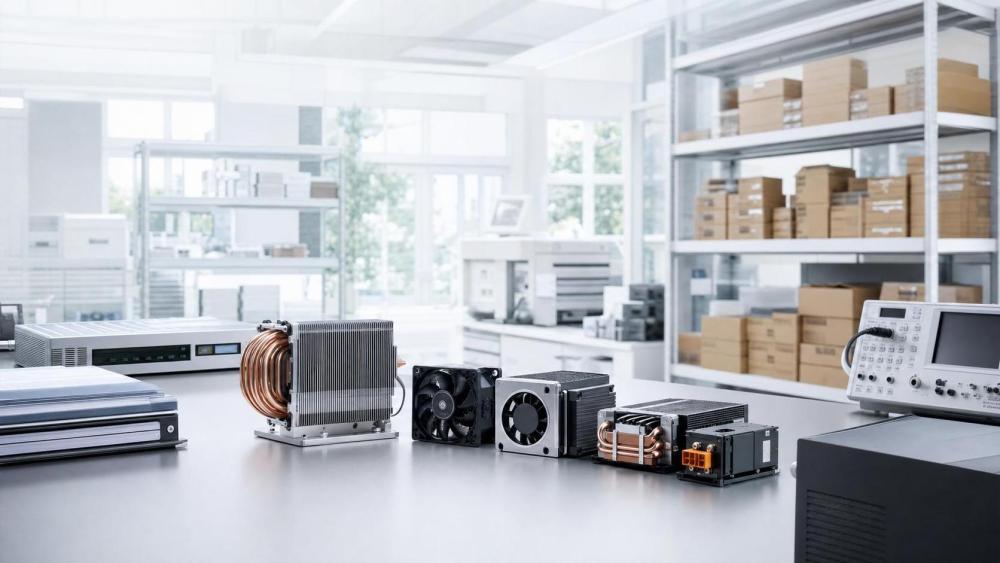
At first glance, a lower quote from a smart device thermal management supplier Europe source may look attractive.
In practice, thermal systems affect performance, safety, enclosure design, battery life, and product durability.
That means the cheapest offer can become the most expensive decision after testing, field returns, and redesign work.
From recent market shifts, the clearer signal is that procurement teams now weigh total operating impact more carefully.
European buyers increasingly look at energy efficiency, traceability, documentation quality, and design collaboration.
This also reflects a broader industrial trend tracked by GTC-Matrix.
As thermal density rises, thermal management moves from a component issue to a strategic product issue.
Start With Thermal Performance, Not Catalog Claims
The first question is simple: can the supplier maintain stable thermal control under real operating conditions?
Catalog numbers often describe ideal settings, not field conditions with dust, vibration, uneven loads, or tight enclosures.
A strong smart device thermal management supplier Europe team should explain testing methods clearly and without ambiguity.
Ask for validated data on temperature uniformity, hotspot control, response speed, airflow behavior, and long-cycle stability.
If liquid cooling or phase-change solutions are involved, check leak prevention, serviceability, and system aging behavior.
For compact electronics, even small thermal deviations can affect sensor accuracy, processing performance, or battery lifespan.
A reliable supplier should also support simulation-to-prototype correlation, not just send a standard product sheet.
What to verify during technical review
- Operating temperature range under peak and partial loads.
- Consistency across batches, not only sample-level performance.
- Degradation trends after cycling, humidity exposure, and shock testing.
- Compatibility with processors, batteries, displays, and sealed housings.
- Thermal interface materials and replacement intervals, when relevant.
Compliance Readiness Can Save Months
For many device programs, regulatory readiness matters almost as much as thermal performance.
A smart device thermal management supplier Europe manufacturers rely on should understand local and cross-border requirements.
Depending on the application, that may include CE expectations, RoHS, REACH, EMC-related design implications, and environmental documentation.
In medical, industrial, telecom, or mobility devices, documentation gaps can slow certification and launch timing.
This is where supplier maturity becomes visible.
A mature supplier does not wait for last-minute requests before preparing declarations, test files, and material trace records.
They usually maintain a documentation workflow that aligns with product updates and engineering changes.
That reduces the risk of hidden noncompliance appearing during audits or customer reviews.
Useful compliance questions
- How often are declarations and material records updated?
- Can the supplier support audits from major OEM customers?
- Are change notifications formalized and time-bound?
- Which tests were done internally, and which were third-party verified?
Engineering Support Often Determines Real Project Speed
In actual procurement work, evaluation does not stop at the component level.
The supplier’s engineering response can directly affect prototype timing, validation quality, and final product integration.
A smart device thermal management supplier Europe teams shortlist should offer more than generic application advice.
Look for practical support in CFD analysis, thermal path optimization, enclosure adjustments, and material selection.
Fast replies matter, but useful replies matter more.
Some suppliers answer quickly yet provide shallow recommendations that force the internal team to redo the work.
Others may take slightly longer but deliver better root-cause analysis and cleaner design corrections.
For growing device brands, that difference can shorten development cycles and reduce repeated prototype expense.
Signs of strong engineering partnership
- Clear design review process before tooling or pilot build.
- Ability to explain trade-offs between cost, noise, size, and heat dissipation.
- Documented root-cause analysis when failures appear.
- Support during NPI, validation, and field feedback loops.
Supply Chain Strength Is Now a Core Selection Factor
Recent disruptions changed how buyers assess supplier risk.
Today, a smart device thermal management supplier Europe sourcing teams approve must show resilient planning, not just low pricing.
That includes raw material visibility, multi-site manufacturing options, logistics flexibility, and realistic lead-time communication.
This also means checking whether critical subcomponents depend on a single country or a single upstream vendor.
A small bottleneck in fans, pumps, heat pipes, or specialty alloys can disrupt the entire device program.
Reliable suppliers usually discuss these risks openly and propose mitigation paths early.
That may include safety stock planning, approved second-source parts, or regional buffering strategies.
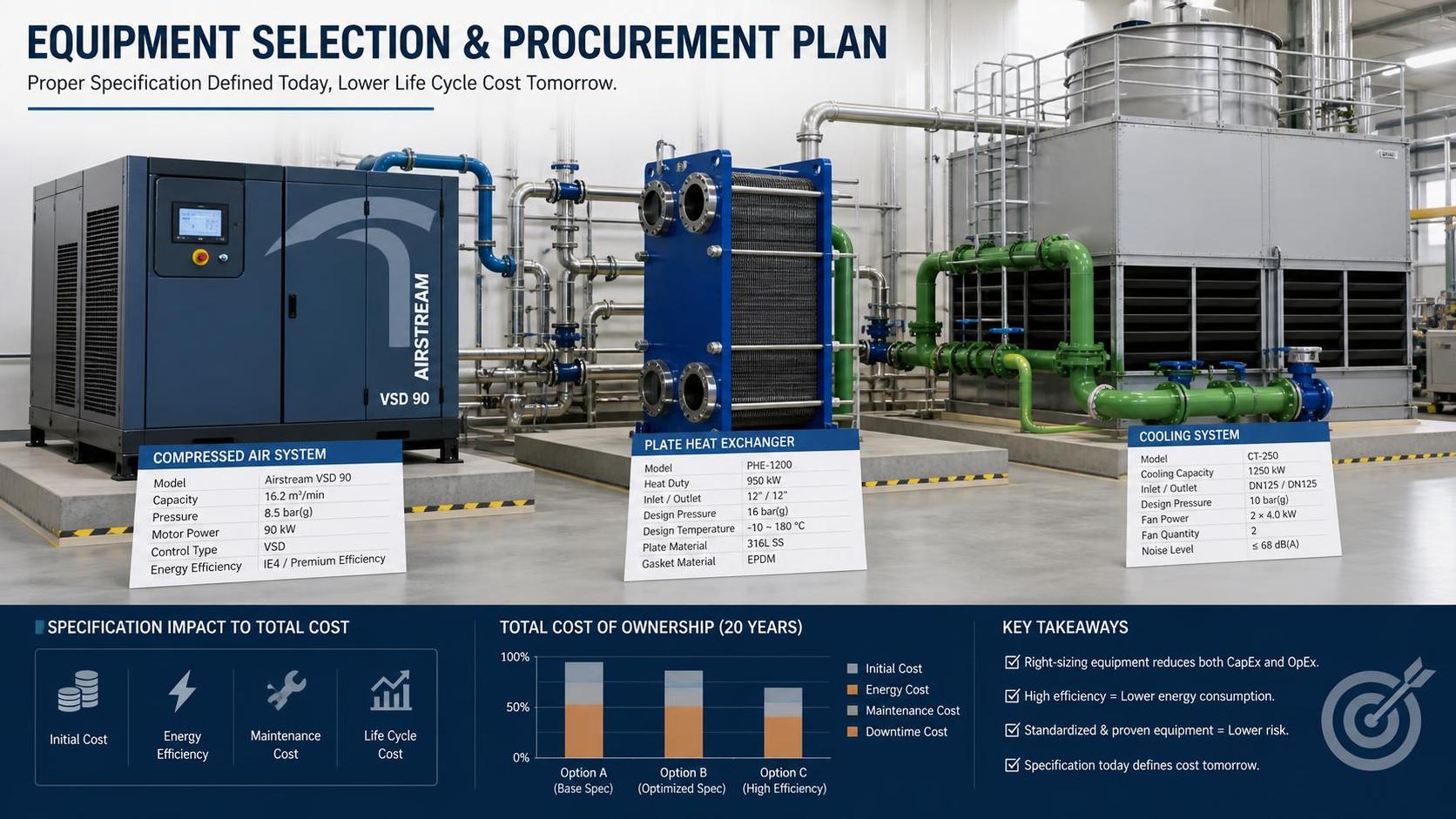
Total Cost of Ownership Gives a Better Decision Framework
Unit price still matters, but it should sit inside a wider cost model.
When comparing a smart device thermal management supplier Europe market options, total cost of ownership gives better clarity.
That model should include qualification effort, tooling changes, failure risk, maintenance exposure, service life, and customer return costs.
For high-volume smart devices, a tiny thermal improvement can create meaningful savings over time.
Lower power draw, fewer overheating incidents, and longer component life often justify a higher initial quote.
More importantly, this approach makes evaluation discussions less emotional and more evidence-based.
It aligns sourcing, engineering, quality, and commercial teams around the same decision logic.
How to Shortlist the Right Supplier
A practical shortlist process keeps decisions focused and defensible.
Start with application fit, then test delivery capability, then compare commercial terms.
This order matters because a low-cost supplier with weak thermal fit is not a real option.
- Define operating conditions, enclosure constraints, and reliability targets.
- Request test evidence tailored to your device environment.
- Review compliance files and engineering change procedures.
- Assess communication quality during technical discussions.
- Map supply chain exposure for key materials and assemblies.
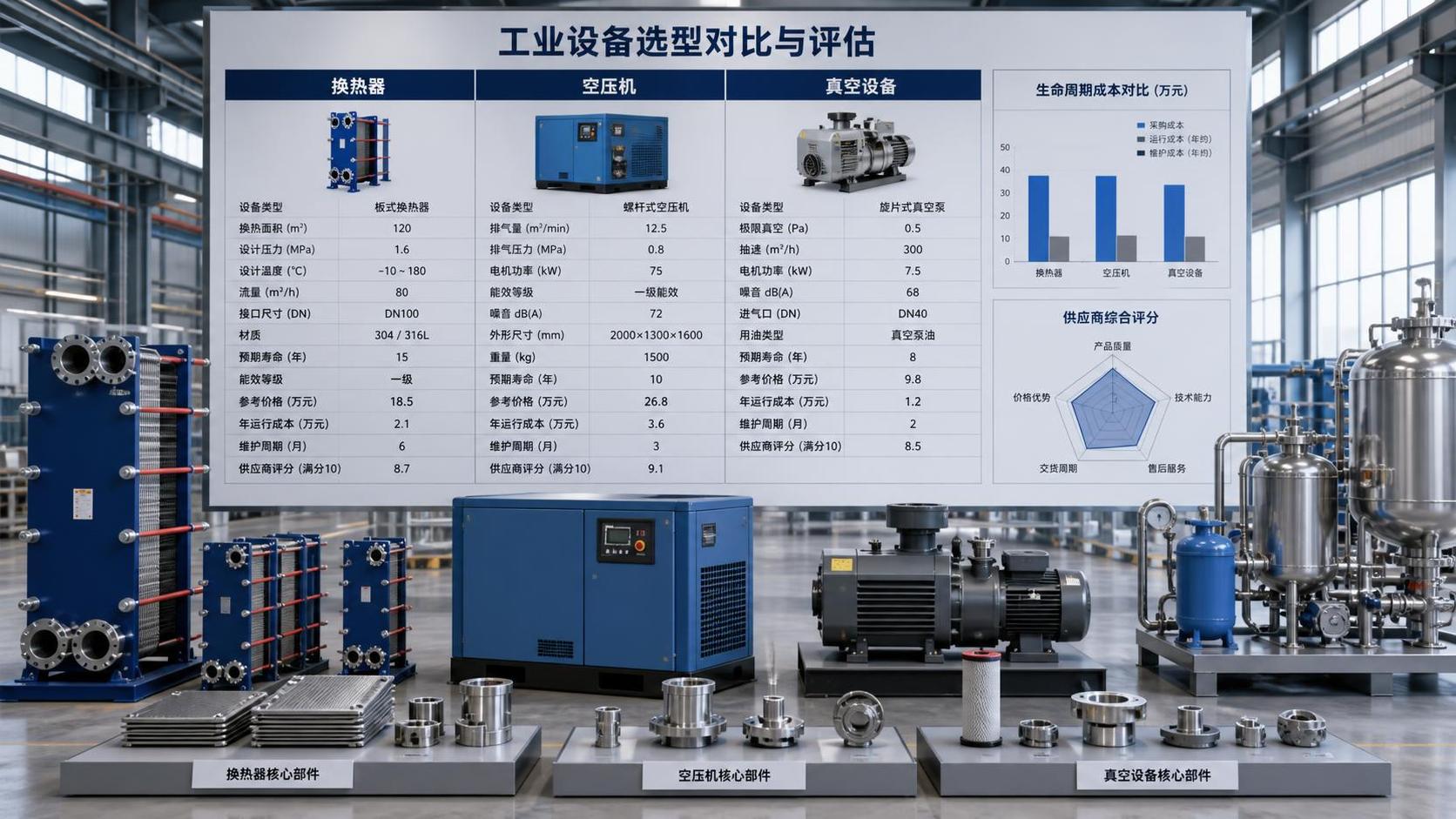
- Compare total ownership cost, not quote price alone.
That process creates a more stable basis for selecting a smart device thermal management supplier Europe businesses can scale with.
Final Takeaway
Selecting a smart device thermal management supplier Europe companies can rely on is a strategic decision, not a line-item exercise.
Thermal stability, regulatory readiness, engineering depth, and supply resilience usually matter more than the lowest visible price.
In a market shaped by tighter devices and higher reliability demands, better supplier choices reduce risk before problems surface.
The strongest decisions come from comparing evidence, asking harder questions, and treating thermal management as a business-critical capability.
For teams building a shortlist, the next useful step is a structured review matrix that ranks suppliers across performance, compliance, support, and continuity.
Ready when you are. Send us a message to get started.
Related News
- How to select industrial equipment for automation with existing PLCsAuthor :

- How electricity prices shape industrial compressed air price trendsAuthor :

- Choosing air filtration systems for heavy dust in the Middle EastAuthor :

- How much does a fully installed compressed air monitoring system cost?Author :

- What documentation supports CE marking for industrial equipment?Author :

- How local support affects vacuum system costs in Southeast AsiaAuthor :

- How worldwide industry category guides help compare market opportunitiesAuthor :

- What drives sustainable thermal systems cost over their operating life?Author :

- Which industrial solution comparison criteria prevent project delays?Author :

- How Ambient Temperature and Load Profile Affect Industrial Compressor SizingAuthor :

- What to evaluate before choosing a thermal process engineering supplierAuthor :

- How industrial utility systems affect energy costs in process plantsAuthor :

- What Data Is Needed to Assess Heat Recovery Decarbonization?Author :

- Can Waste Heat Recovery Support Carbon Neutrality Targets?Author :

- Is Compressor Heat Recovery Worth the Installation Cost?Author :

- What to verify before choosing a process separation technology supplierAuthor :

- When does process utilities engineering reduce project rework?Author :

- Where thermal efficiency optimization delivers the fastest savings in EuropeAuthor :

- What should you verify before selecting a heat transfer supplier?Author :

- What drives compressed air systems price for industrial projects?Author :

- How an industrial product knowledge comparison guide reduces sourcing riskAuthor :

- When does a procurement specification planning process reduce bid risk?Author :

- When does thermal system optimization for electronics reduce failure risk?Author :

- When high temperature process heating systems justify the higher energy costAuthor :

- How to compare sludge dewatering equipment by cake drynessAuthor :

- What to Check Before Sourcing a Gas Turbine for Distributed Power ProjectsAuthor :

- What drives industrial thermal systems price in large facility projectsAuthor :

- How to build an industrial product comparison chart that speeds up vendor selectionAuthor :

- Vacuum Technology Application Guide for Selecting the Right SystemAuthor :

- What Drives Vacuum Drying Cost in Industrial Procurement?Author :

- What Drives Compressed Air Pricing in Industrial Systems?Author :

- How Procurement Specification Planning Shapes Total Project CostAuthor :

- Compression Technology Guide: How to Compare Efficiency, Pressure Range, and Maintenance NeedsAuthor :

- How to Compare Industrial Separators by Throughput, Purity, and Maintenance LoadAuthor :

- How to Size a Compressed Air Equipment Receiver Tank for Stable PressureAuthor :

- Industrial Equipment Selection Guide: How to Compare Capacity, Duty Cycle, and Operating CostAuthor :