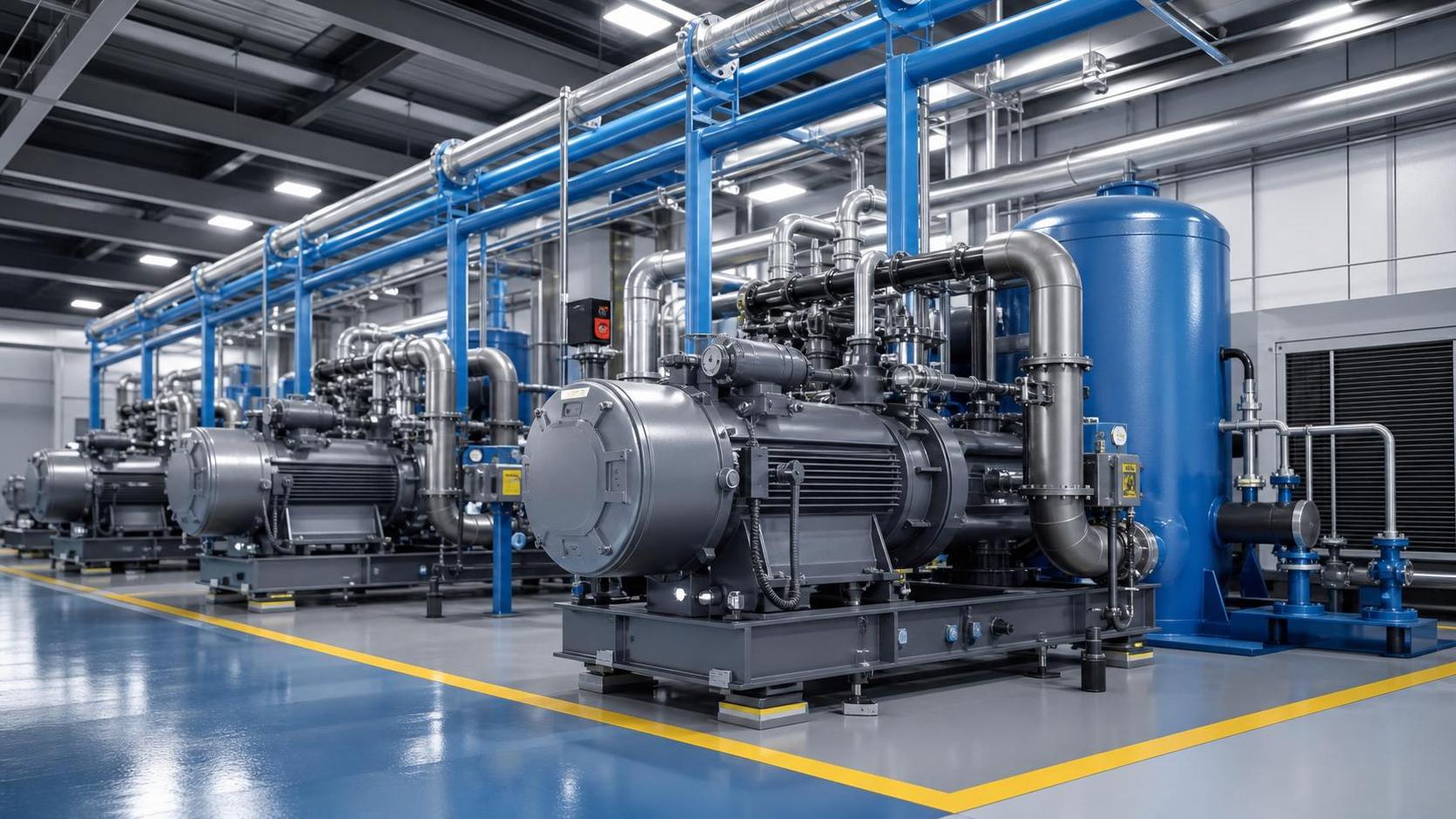
Energy-Saving Technologies That Deliver Faster Payback in Industry




Energy-Saving Technologies That Deliver Faster Payback in Industry
For many industrial businesses, energy cost is no longer a background expense.
It now shapes margins, pricing flexibility, and capital planning.
That is why energy-saving technologies attract closer attention during equipment procurement.
The real question is not whether efficiency matters.
The question is which upgrades return cash fast enough to justify action now.
In practice, the best energy-saving technologies combine measurable savings, predictable maintenance, and low disruption during installation.
They also fit existing production assets instead of forcing a full redesign.
From compressed air to thermal recovery, faster payback usually comes from systems with constant runtime.
The more hours a system runs, the faster waste becomes expensive.
This also means well-targeted efficiency investments can outperform broader, slower capital programs.
Why Fast Payback Matters More Than Peak Efficiency
A highly efficient system is not always the best purchase.
If the upfront cost is too high, the investment may lose priority against other projects.
Stronger decisions focus on payback speed, cash preservation, and operating risk.
That is especially true in sectors exposed to volatile power prices.
The most attractive energy-saving technologies often share four traits:
- They cut a large and visible utility expense.
- They improve performance without reducing throughput.
- They require modest downtime to install.
- They produce savings that can be verified quickly.
This is where industrial intelligence platforms like GTC-Matrix add value.
They help compare technology evolution, energy economics, and application fit before money is committed.
Compressed Air Upgrades Often Deliver the Quickest Wins
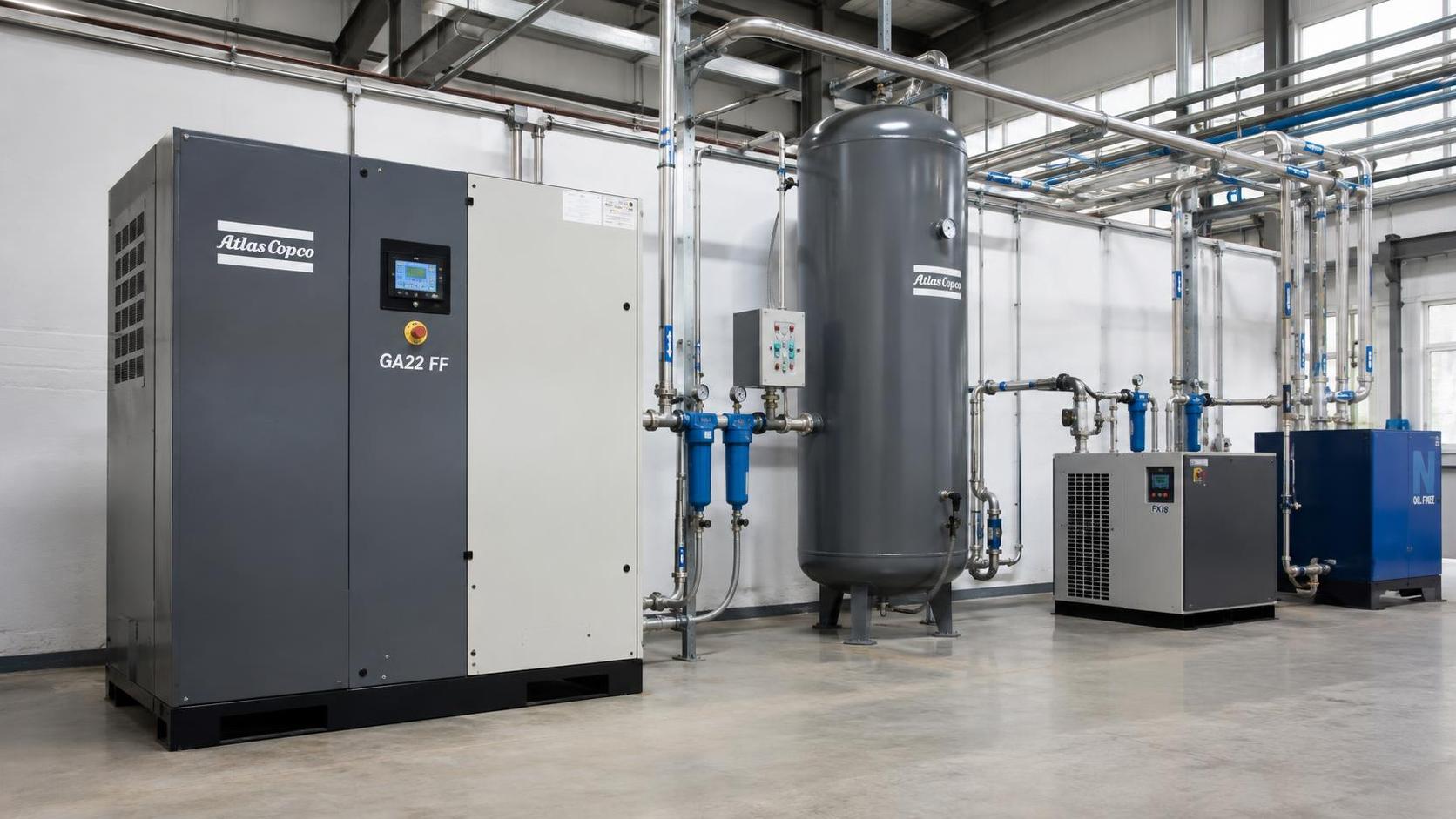
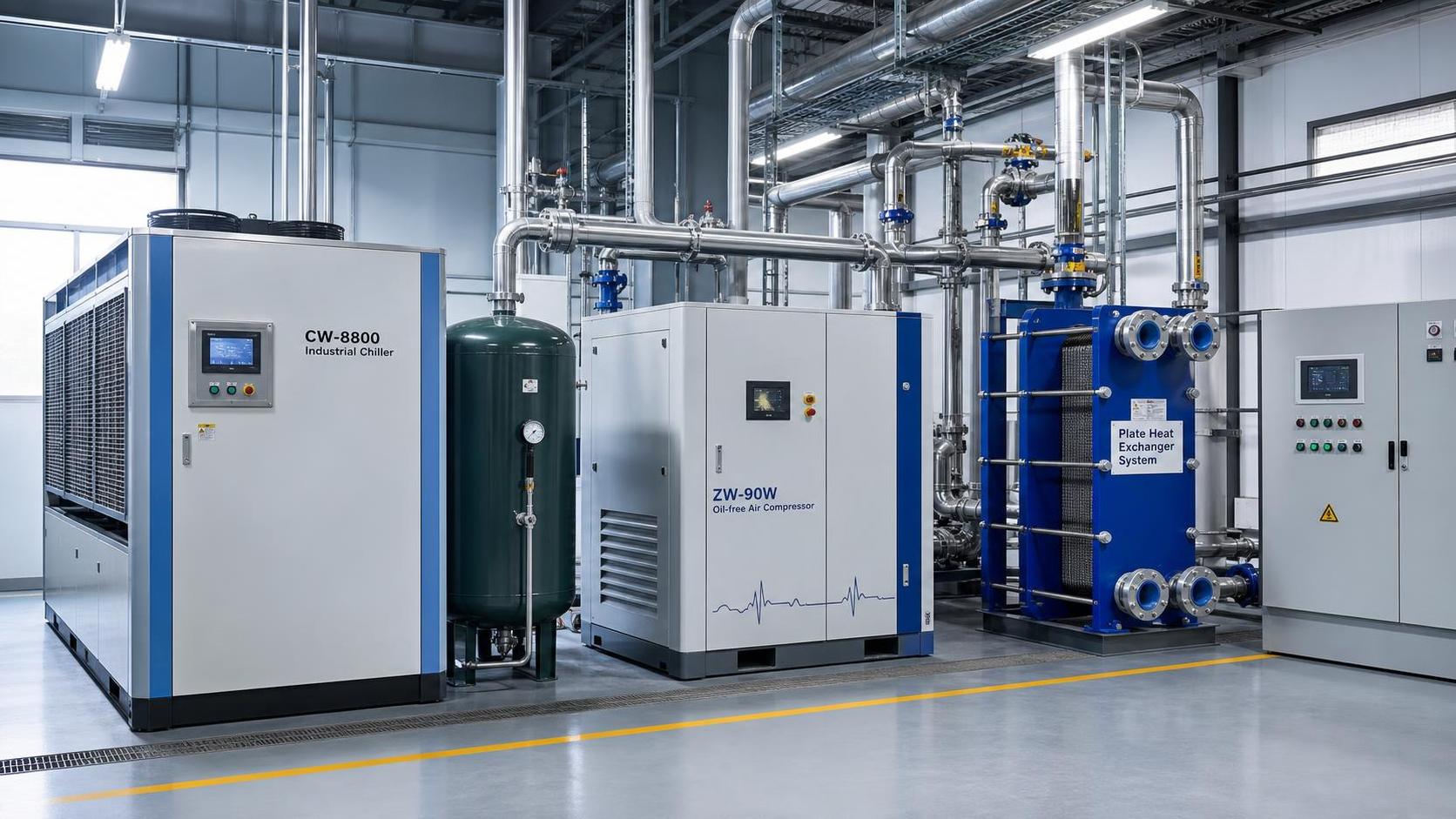
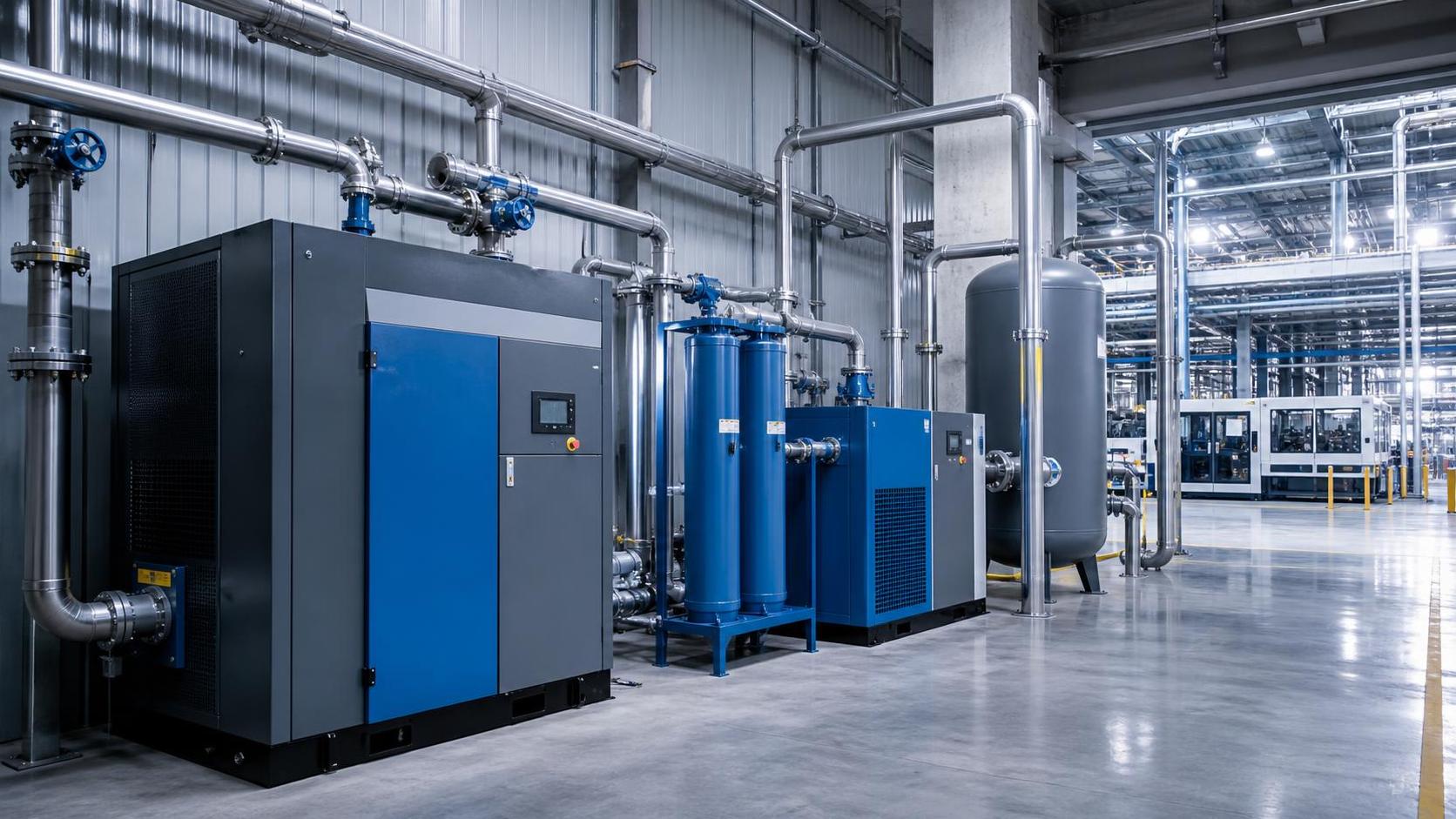
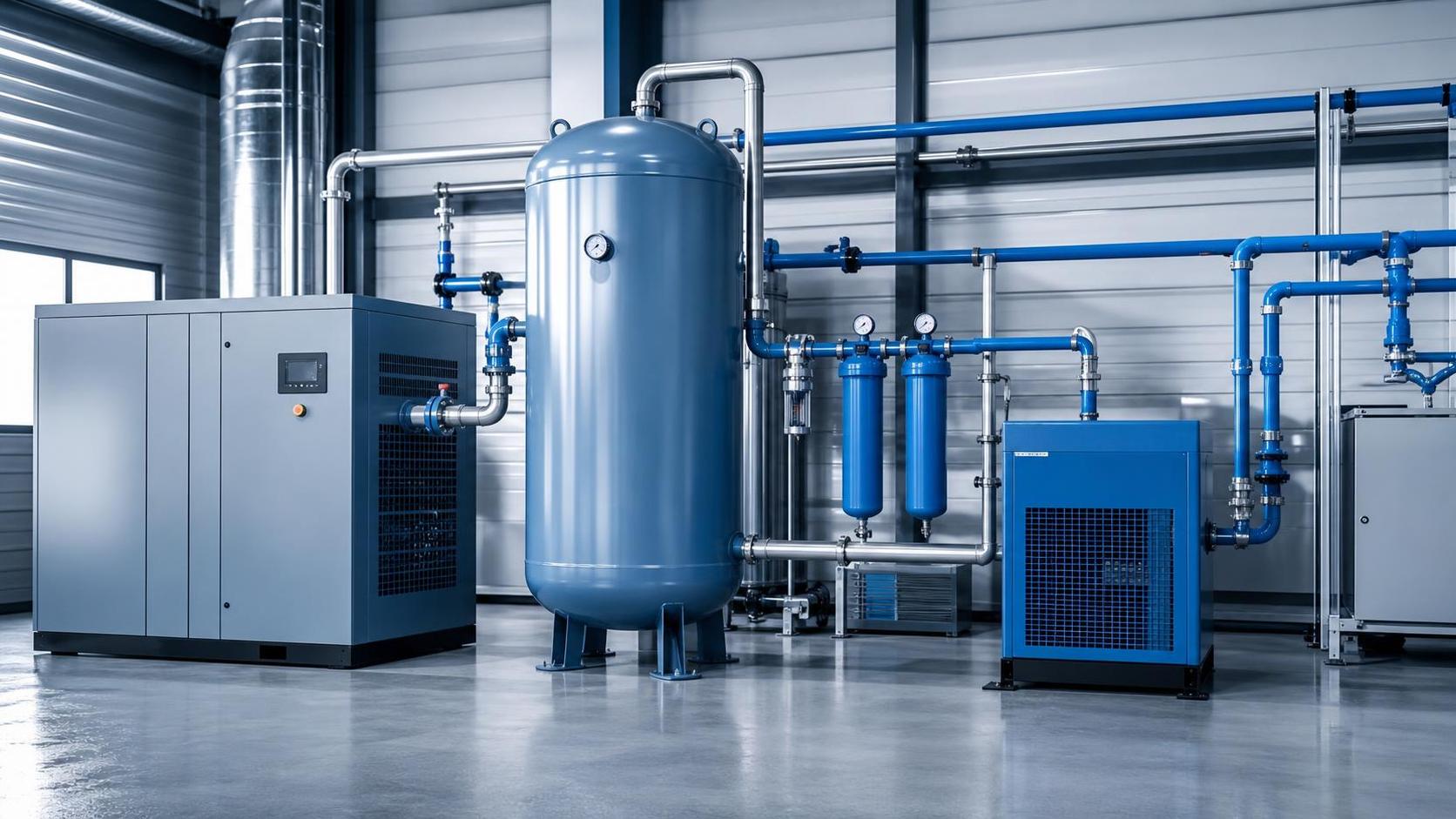
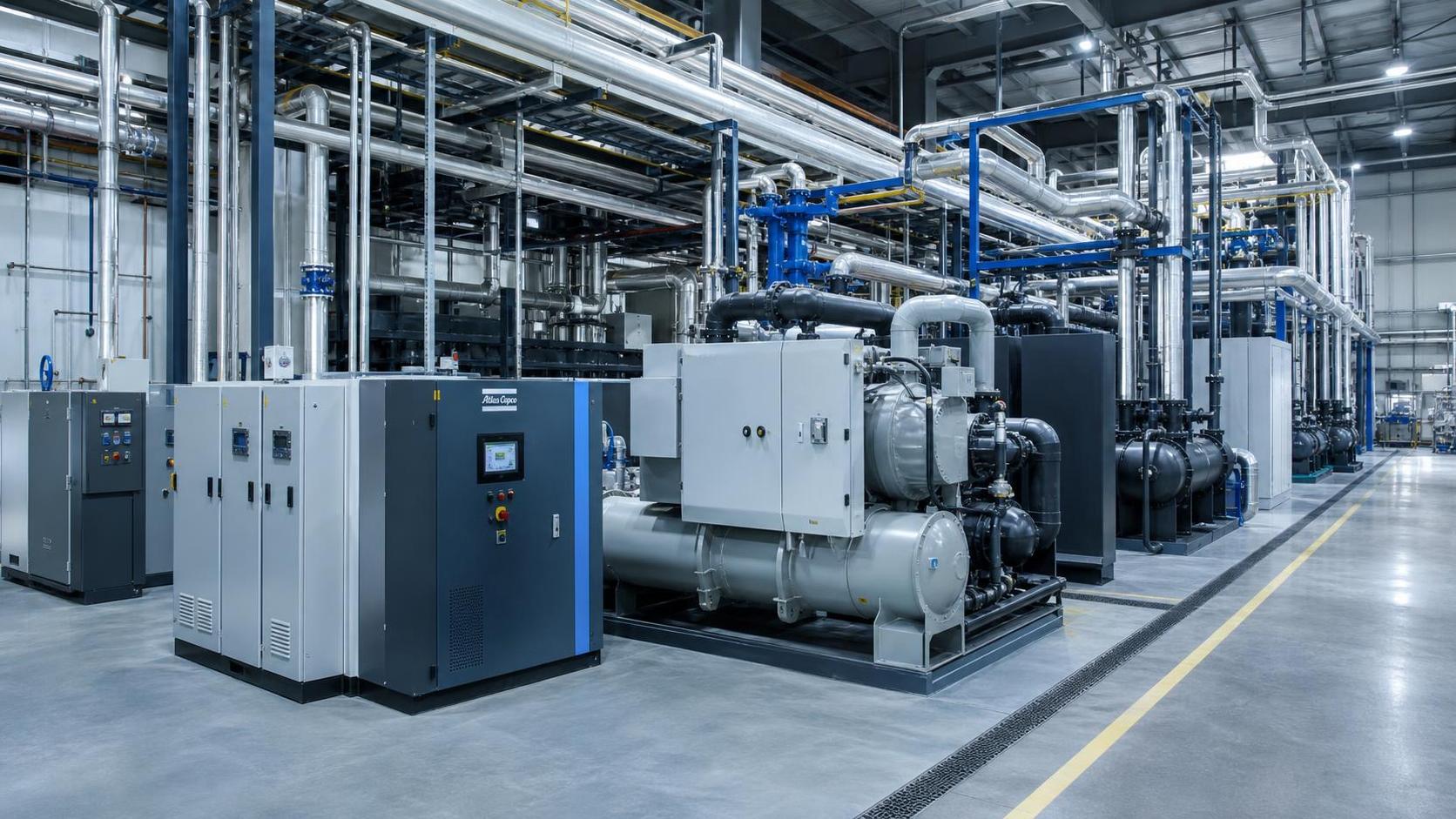
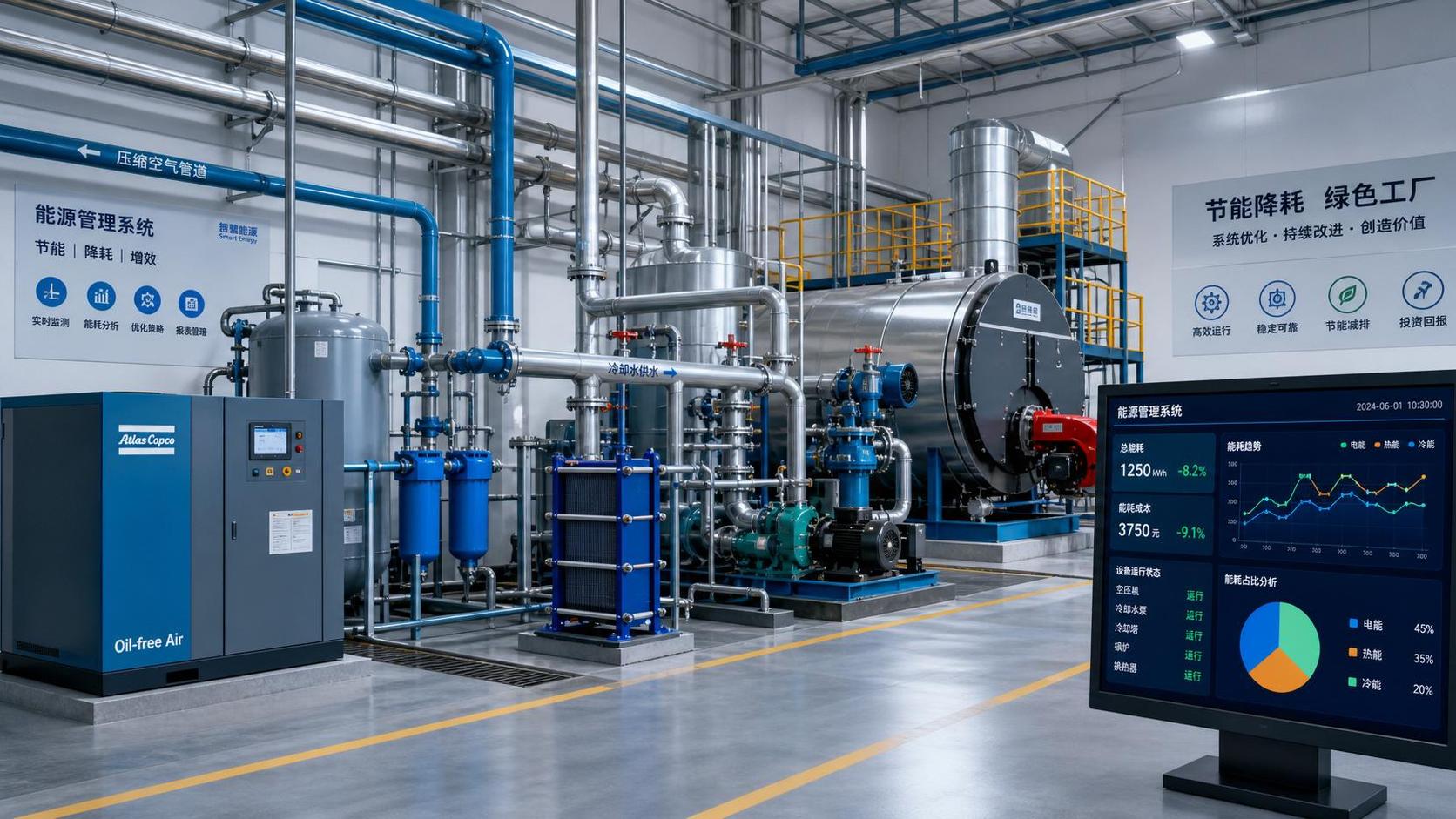
Compressed air is one of the most common and costly utilities in industry.
It is also one of the easiest places to lose money quietly.
Leaks, poor controls, oversized compressors, and pressure mismatch create waste every hour.
Because of that, compressed air energy-saving technologies often show fast financial returns.
High-value upgrades to evaluate
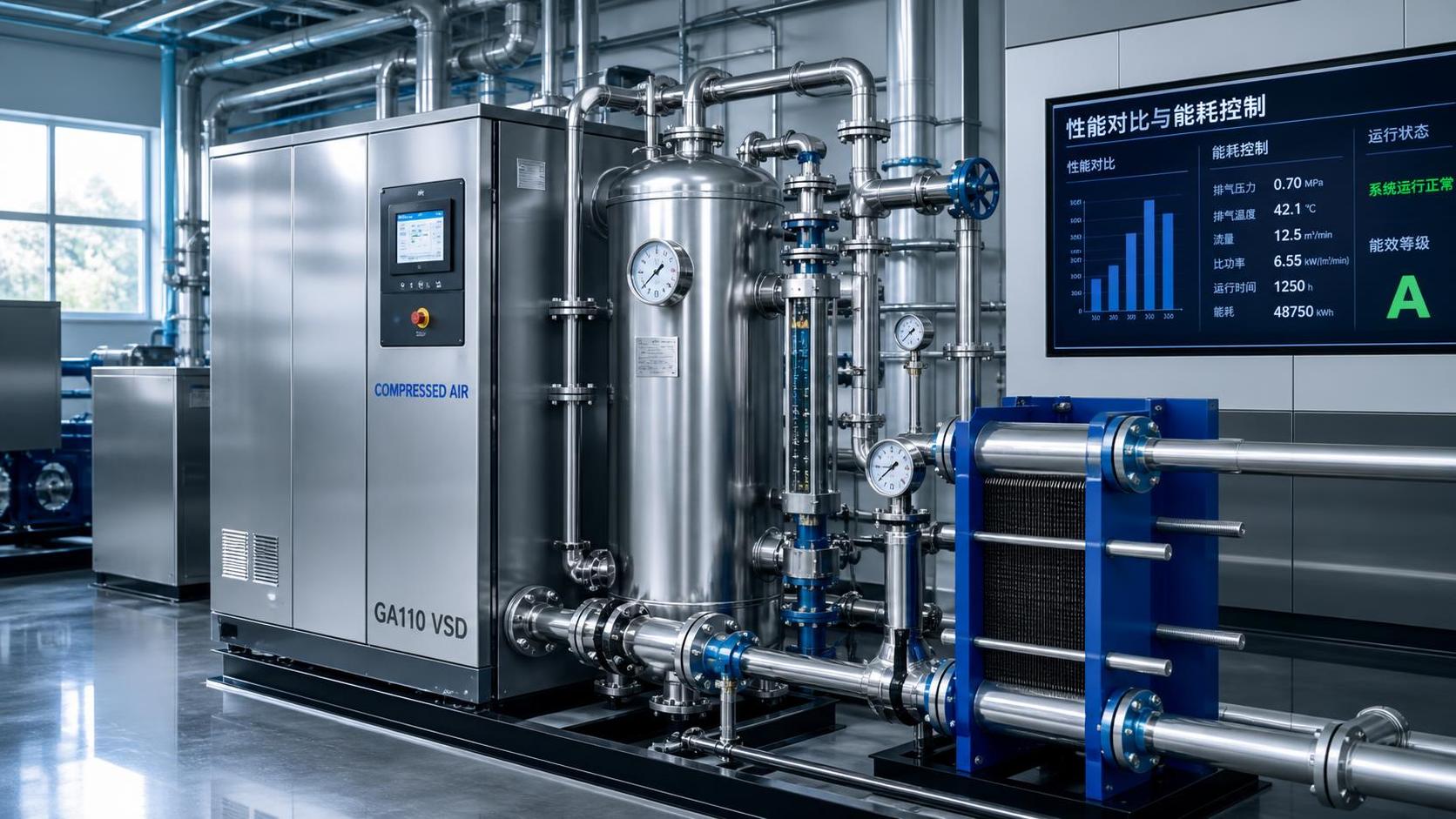
- Variable speed drive compressors for fluctuating demand profiles.
- Master control systems that sequence multiple compressors efficiently.
- Leak detection and repair programs supported by flow monitoring.
- Oil-free systems where product purity reduces contamination risk.
- Heat recovery packages that capture compressor waste heat.
Among all energy-saving technologies, these tend to stand out because compressed air runs across many lines and shifts.
Even a small efficiency gain can scale into meaningful annual savings.
More importantly, savings are easier to track through electricity use, pressure stability, and maintenance events.
Heat Exchanger Improvements Reduce Waste Across Thermal Systems
Thermal inefficiency is rarely isolated to one asset.
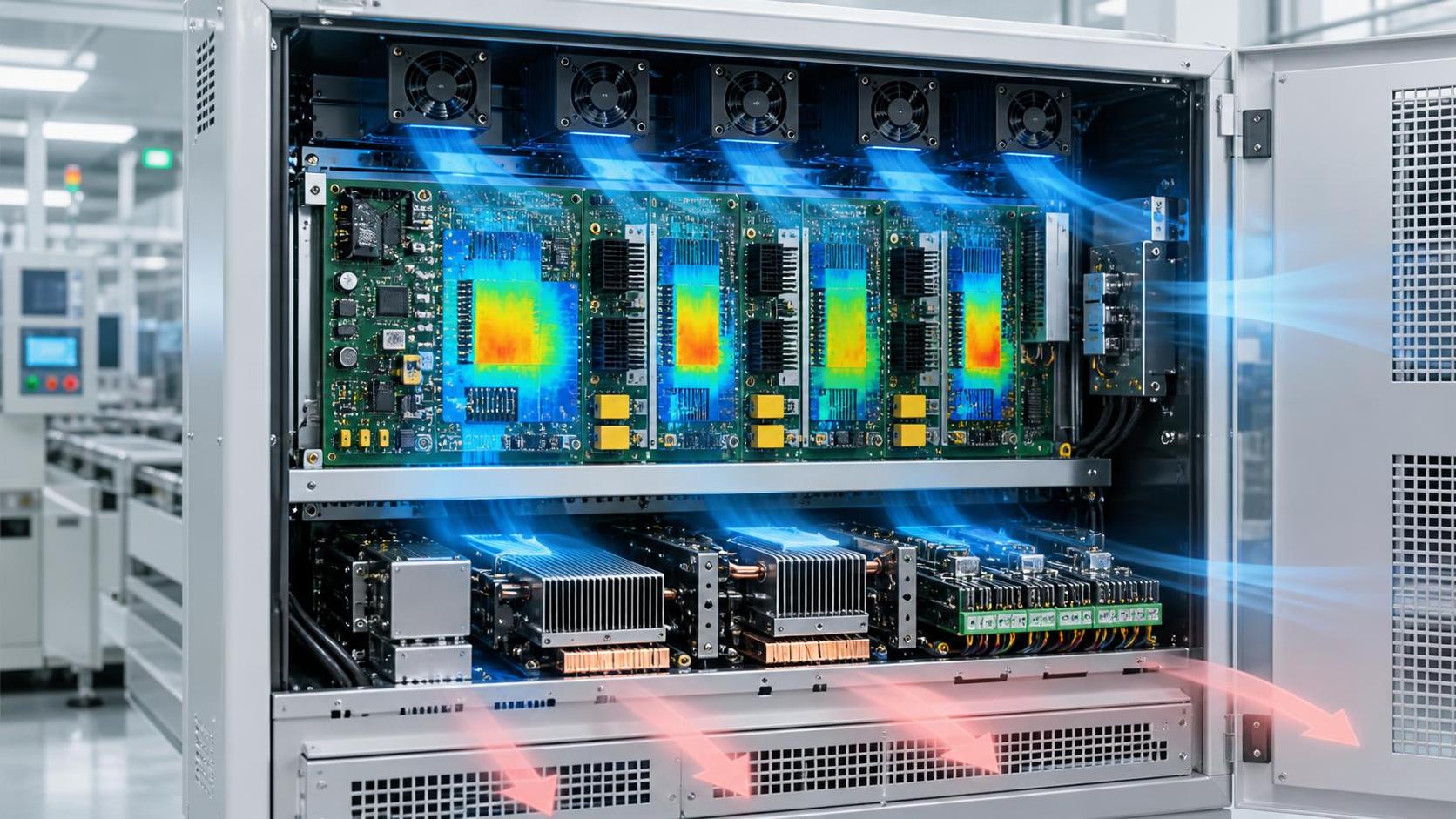
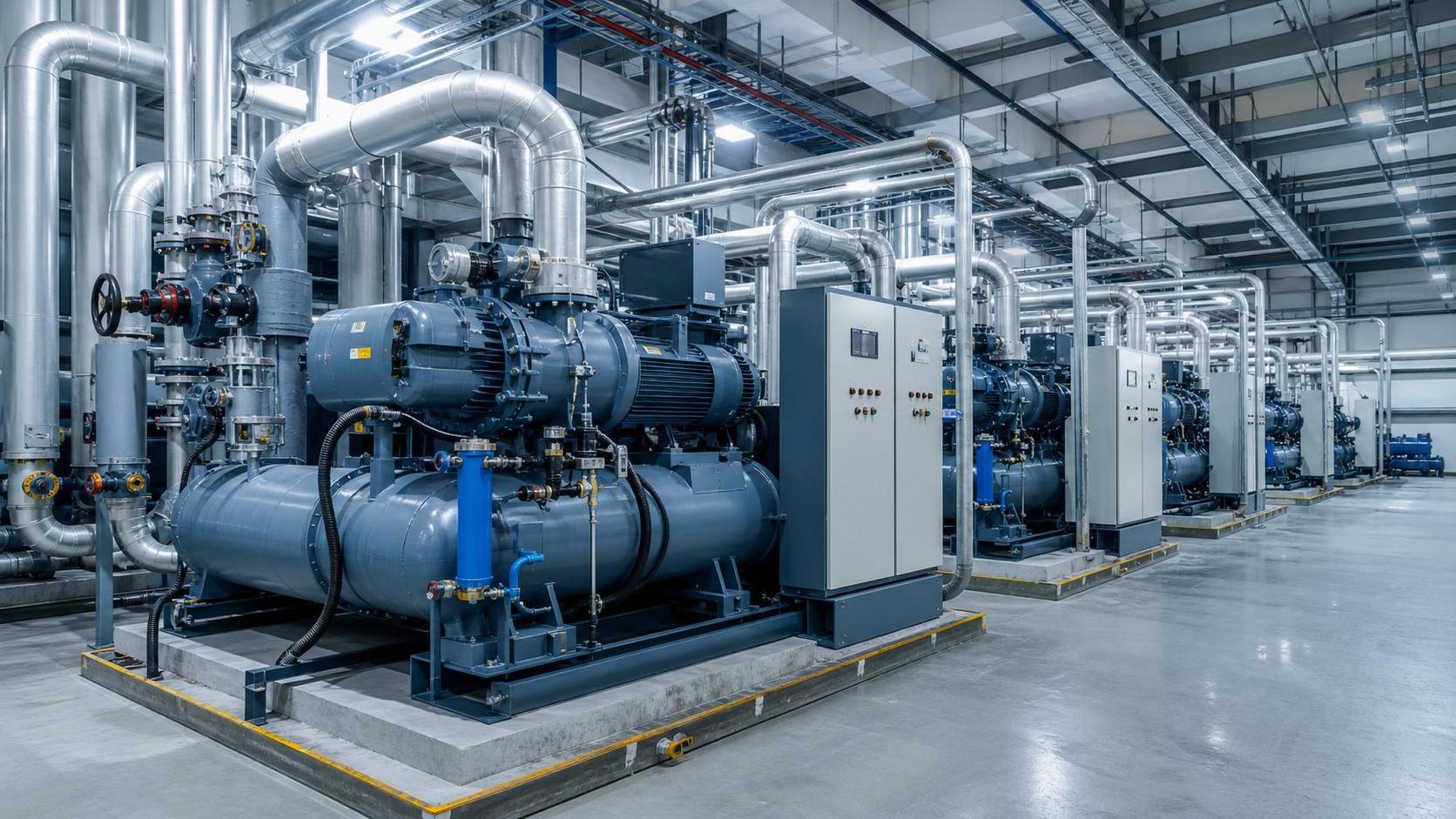
It usually spreads through boilers, chillers, process cooling loops, and heat recovery circuits.
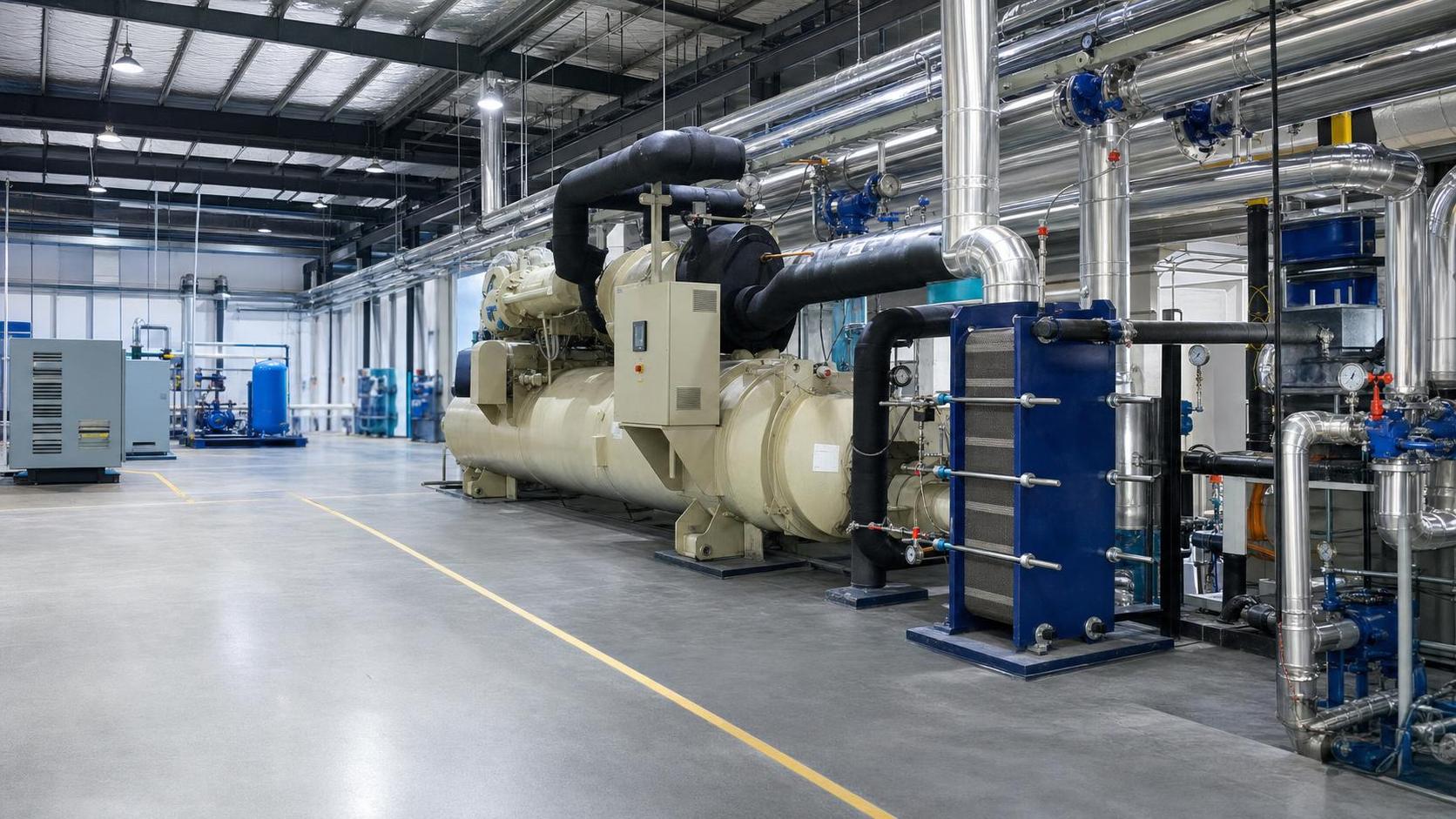
That is why upgraded heat exchange equipment remains one of the most practical energy-saving technologies.
Where payback appears faster
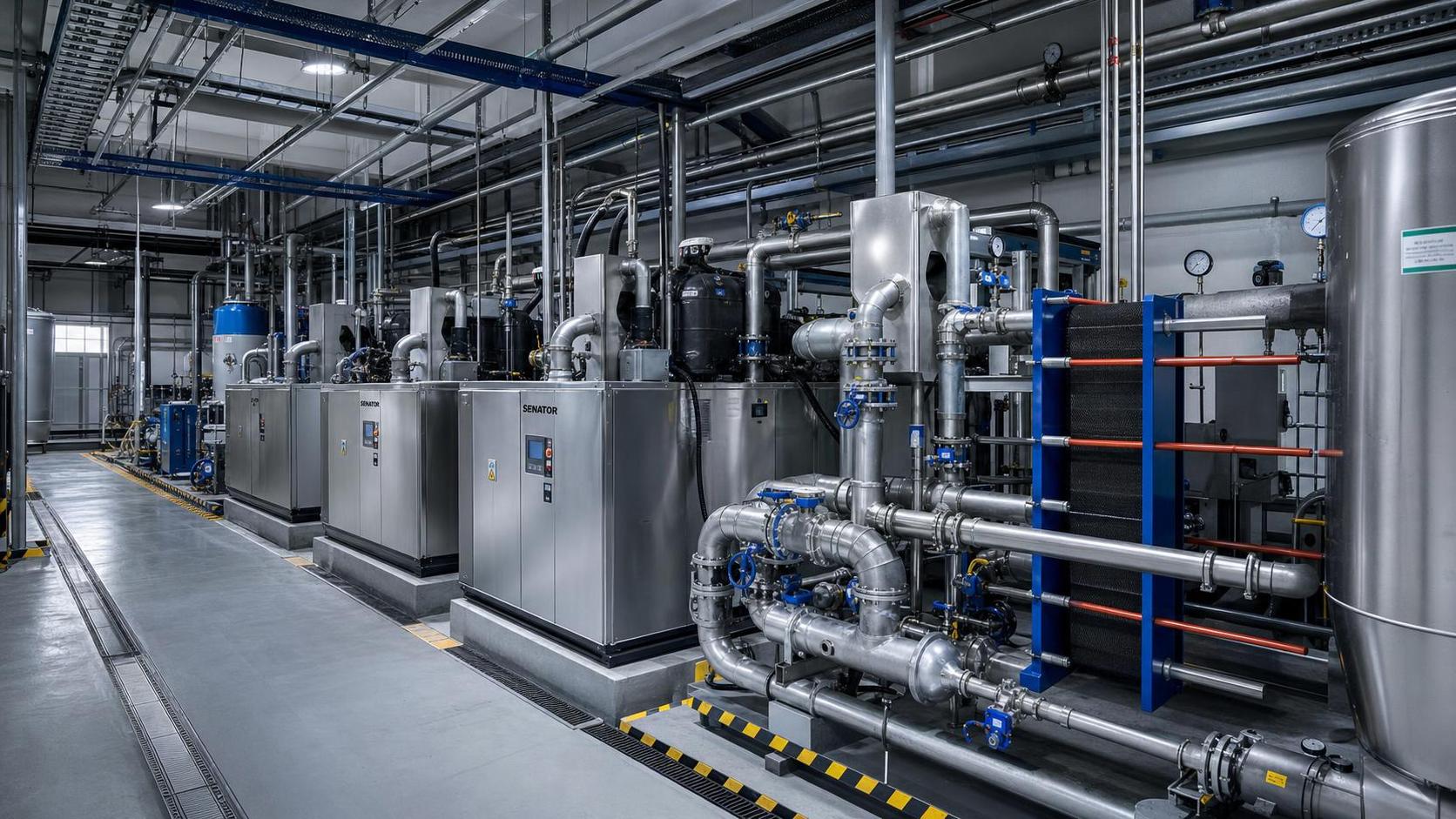
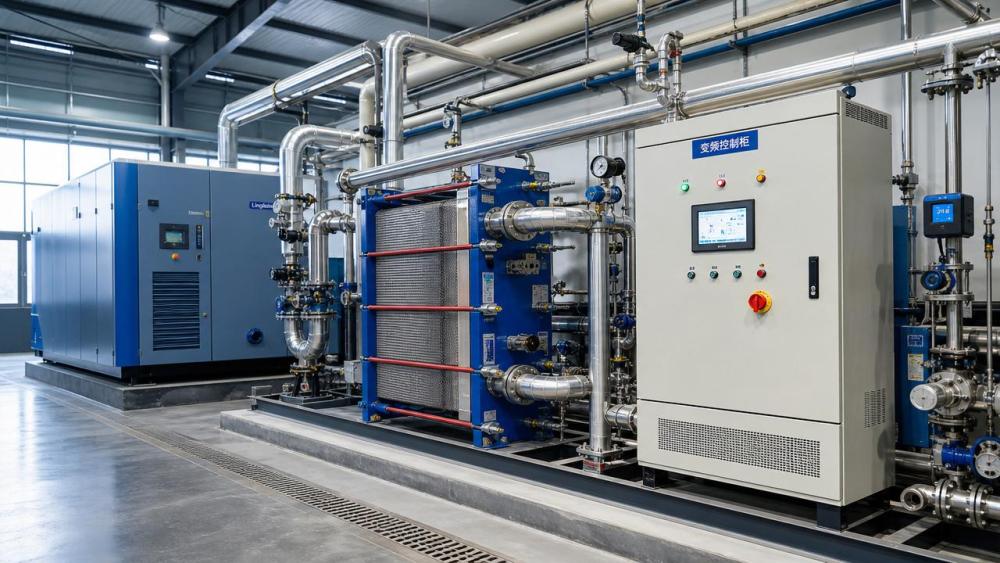
Microchannel heat exchangers can improve transfer efficiency while reducing refrigerant charge.
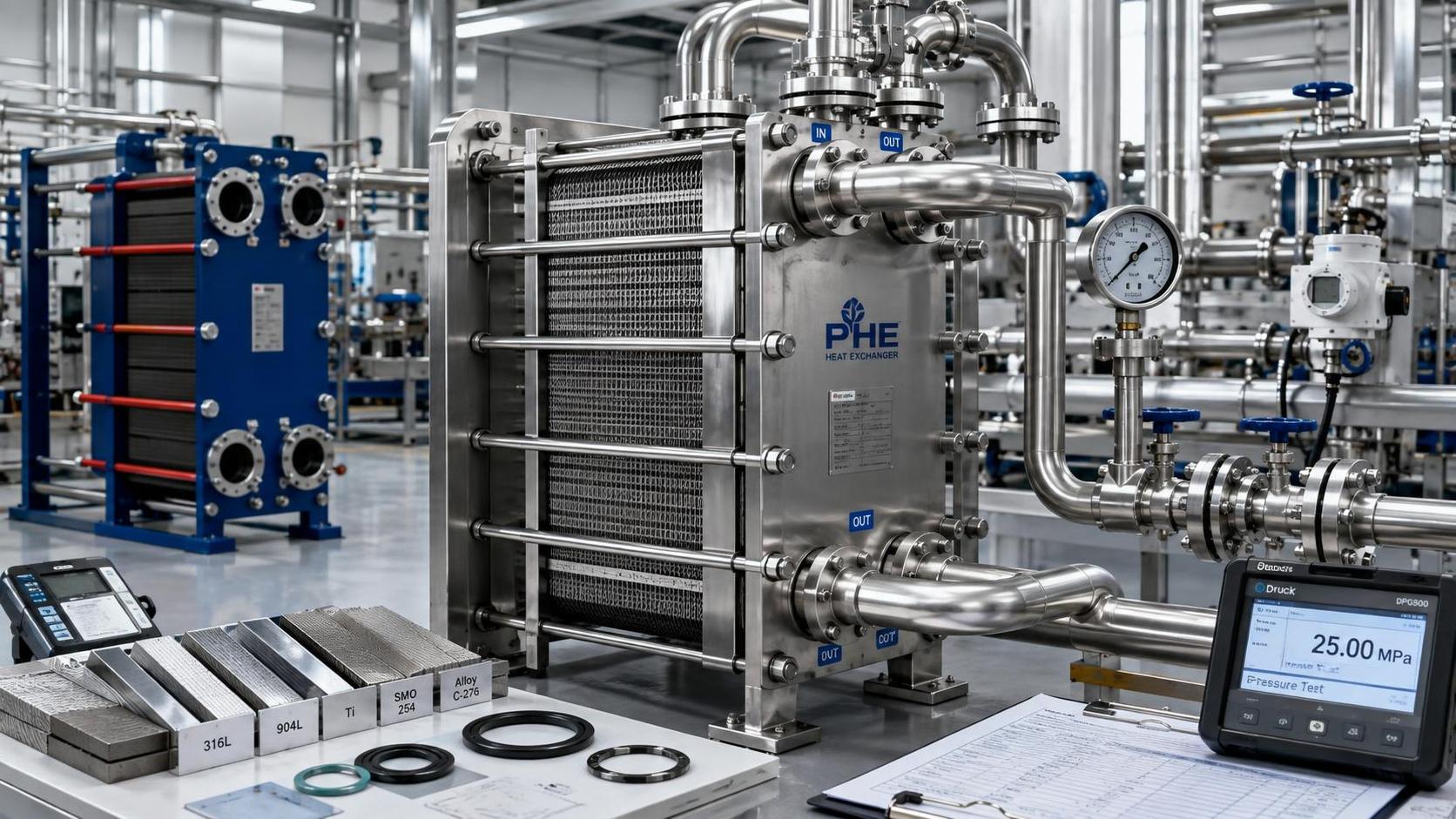
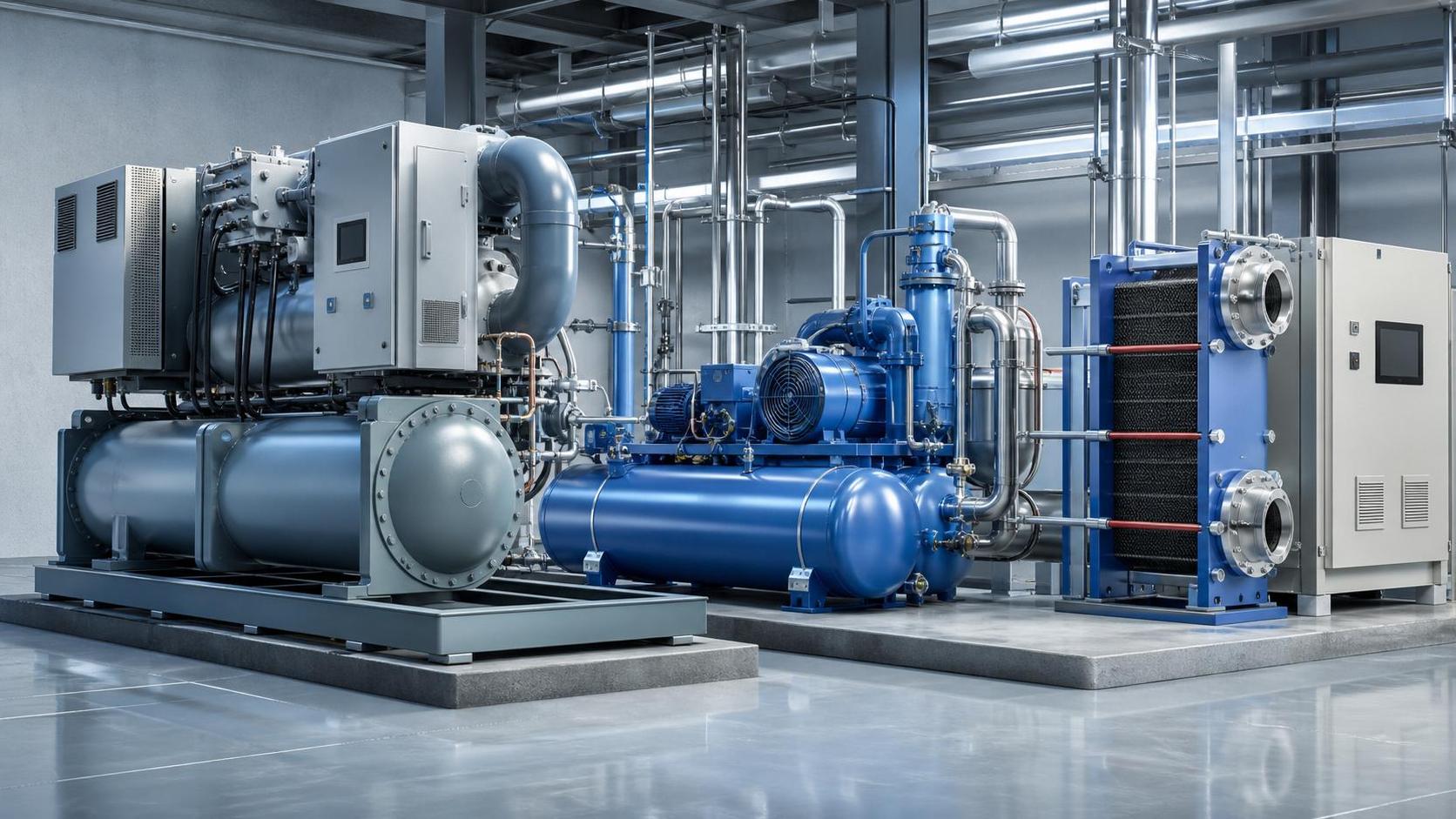
Plate heat exchangers can recover usable heat from wastewater, exhaust streams, or cooling processes.
Fouling-resistant designs lower cleaning frequency and protect long-term performance.
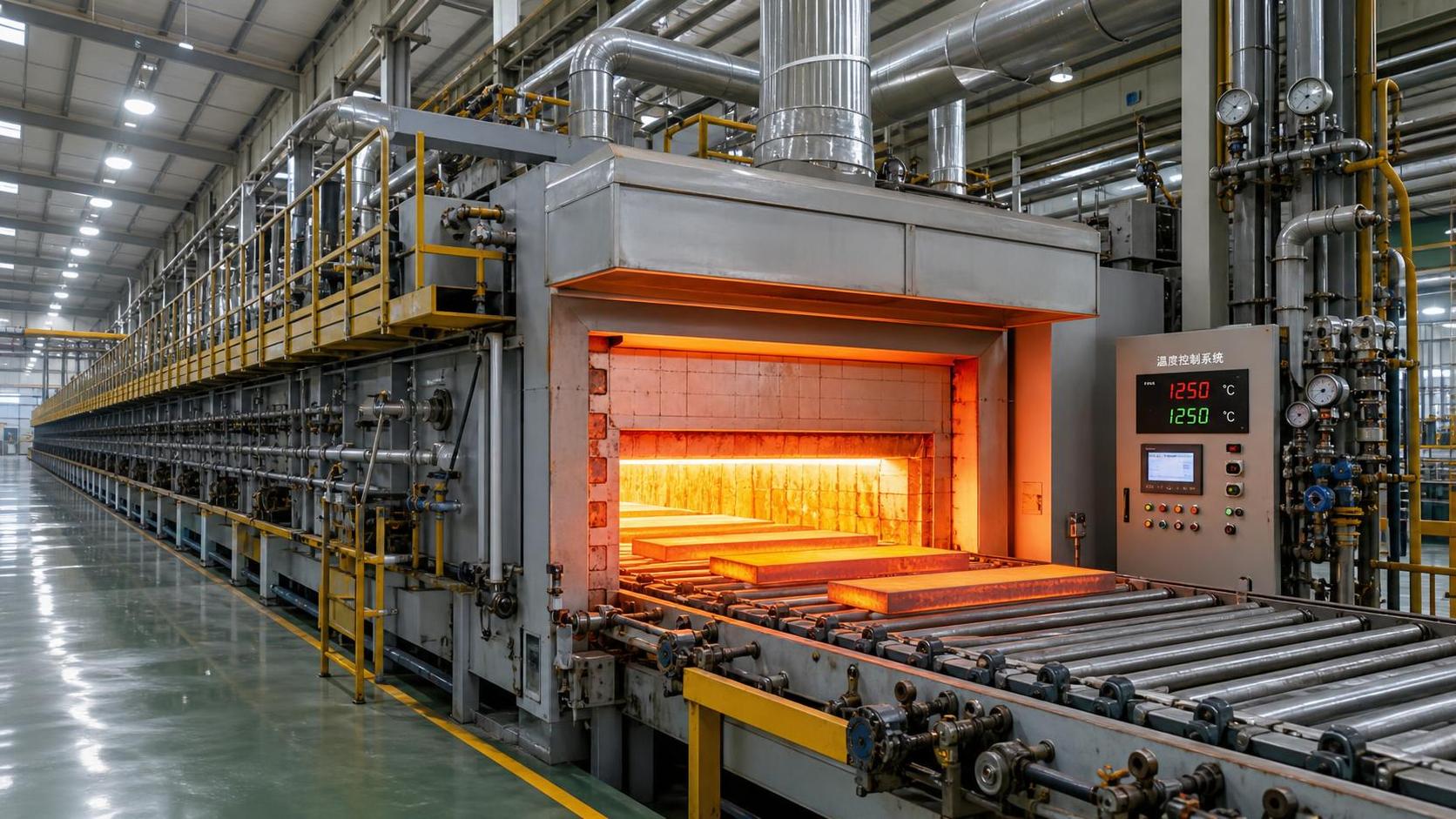
These upgrades matter most where processes run at stable temperatures for long periods.
Food, pharmaceutical, semiconductor, and chemical operations often fit this profile.
In those environments, thermal losses accumulate daily, not occasionally.
That makes payback less dependent on assumptions and more dependent on operating hours.
Intelligent Controls Turn Existing Assets Into Better Performers
Not every savings project requires major hardware replacement.
In many plants, control logic is the missing layer.
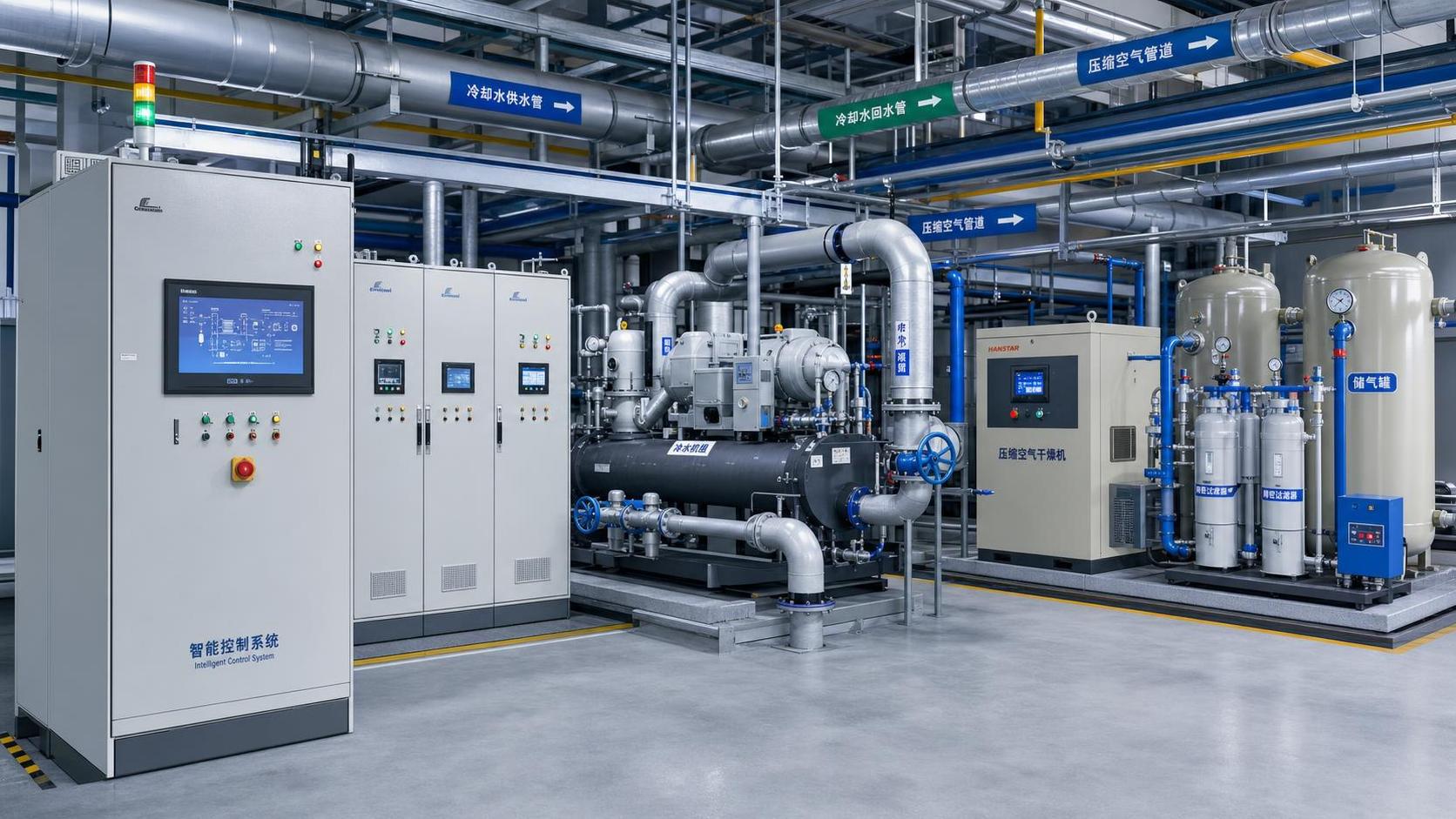
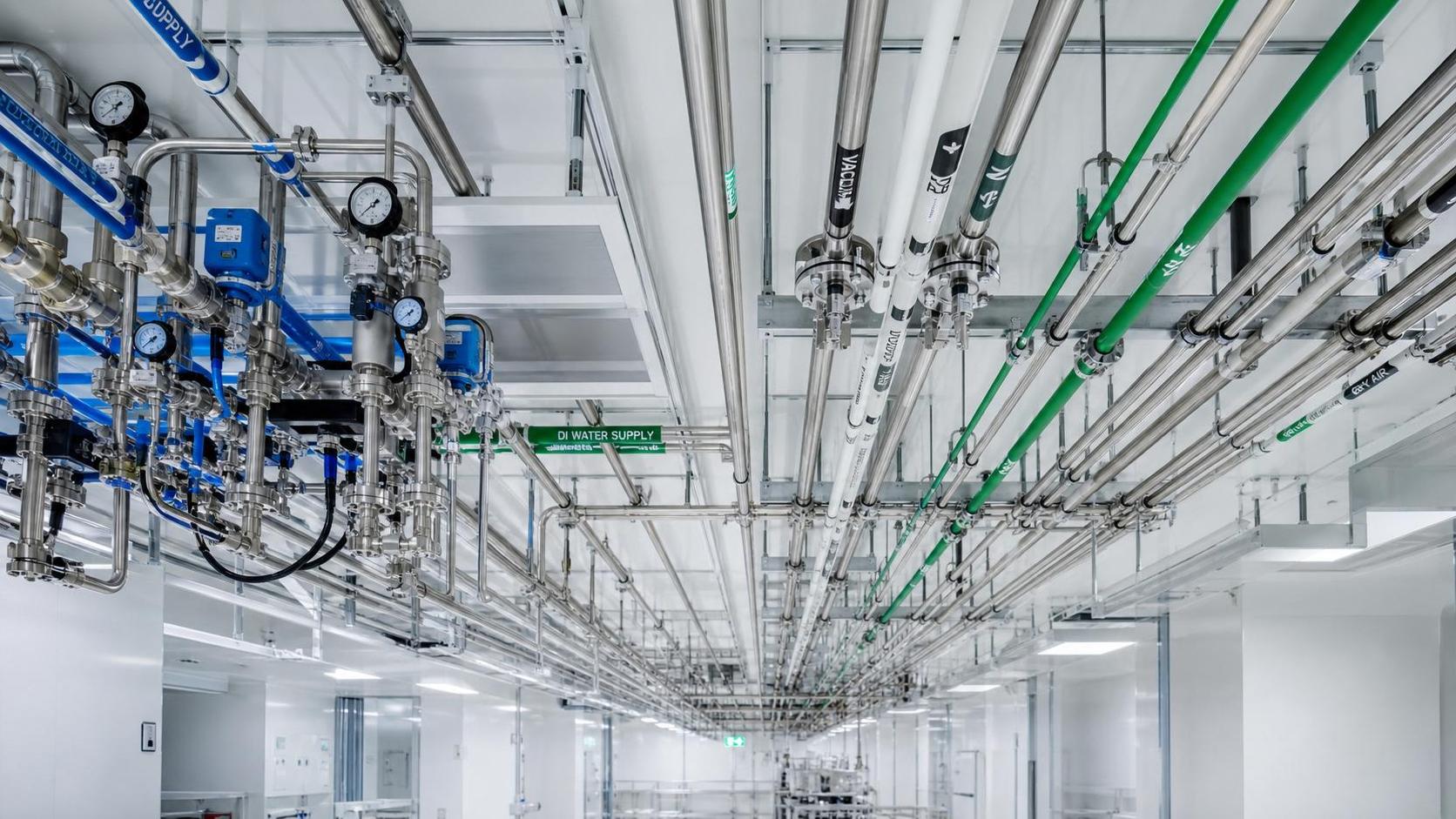
Smart sensors, automation upgrades, and analytics software are now essential energy-saving technologies.
Why controls can pay back quickly
- They correct load mismatch in real time.
- They prevent simultaneous heating and cooling.
- They expose hidden idle consumption.
- They support maintenance before efficiency drops sharply.
From recent market shifts, this is one of the clearest signals.
Industrial buyers increasingly prefer systems that include visibility, not just equipment efficiency.
That preference is rational.
When savings can be measured continuously, procurement risk becomes easier to defend internally.
Waste Heat Recovery Can Transform a Cost Center
Many facilities still release valuable heat into the atmosphere or cooling water.
That is a missed financial opportunity.
Well-designed recovery systems are among the most strategic energy-saving technologies available today.
Common industrial use cases
- Using compressor waste heat for space heating or hot water.
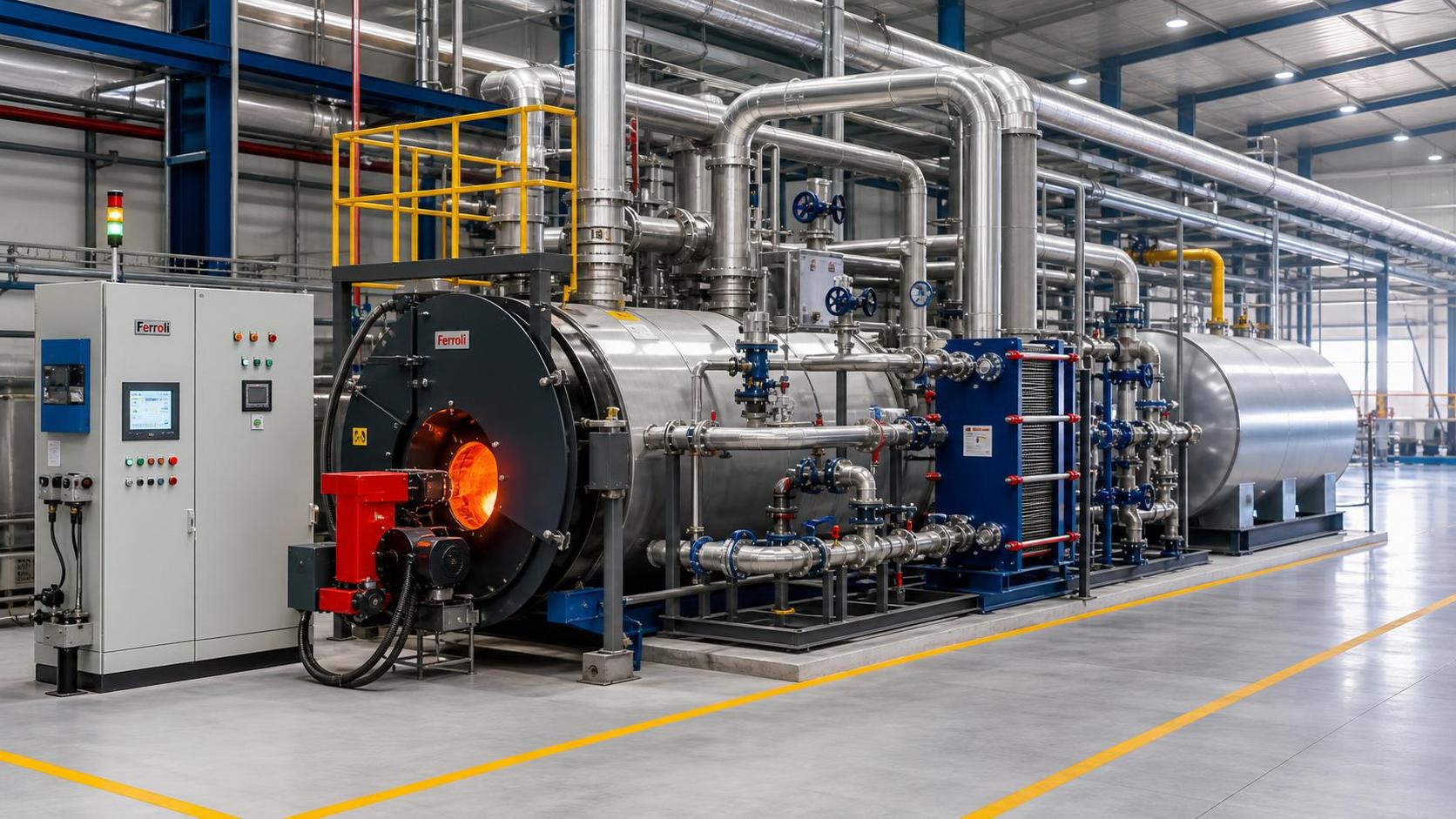
- Capturing boiler exhaust heat to preheat feedwater.
- Reusing process heat in washing, drying, or sanitation loops.
- Recovering chiller condenser heat for adjacent thermal demand.
These projects often require more site analysis than simple equipment swaps.
Still, where demand and waste streams align, returns can be compelling.
This is especially true when fuel prices remain elevated or decarbonization targets influence capital priorities.
How to Compare Energy-Saving Technologies Before Approval
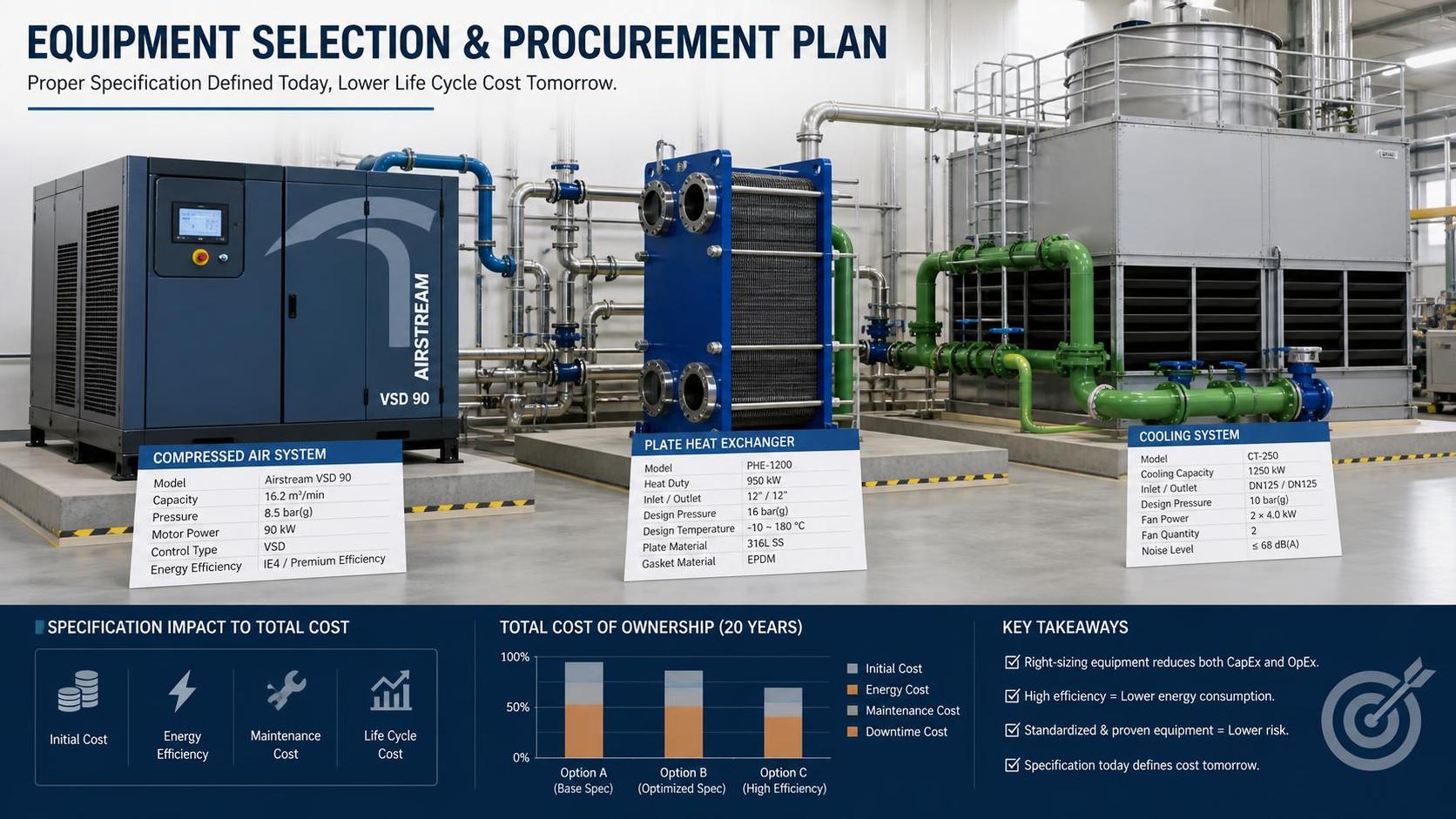
Good procurement decisions start with comparable numbers.
Without a common evaluation frame, vendors can make very different options look equally attractive.
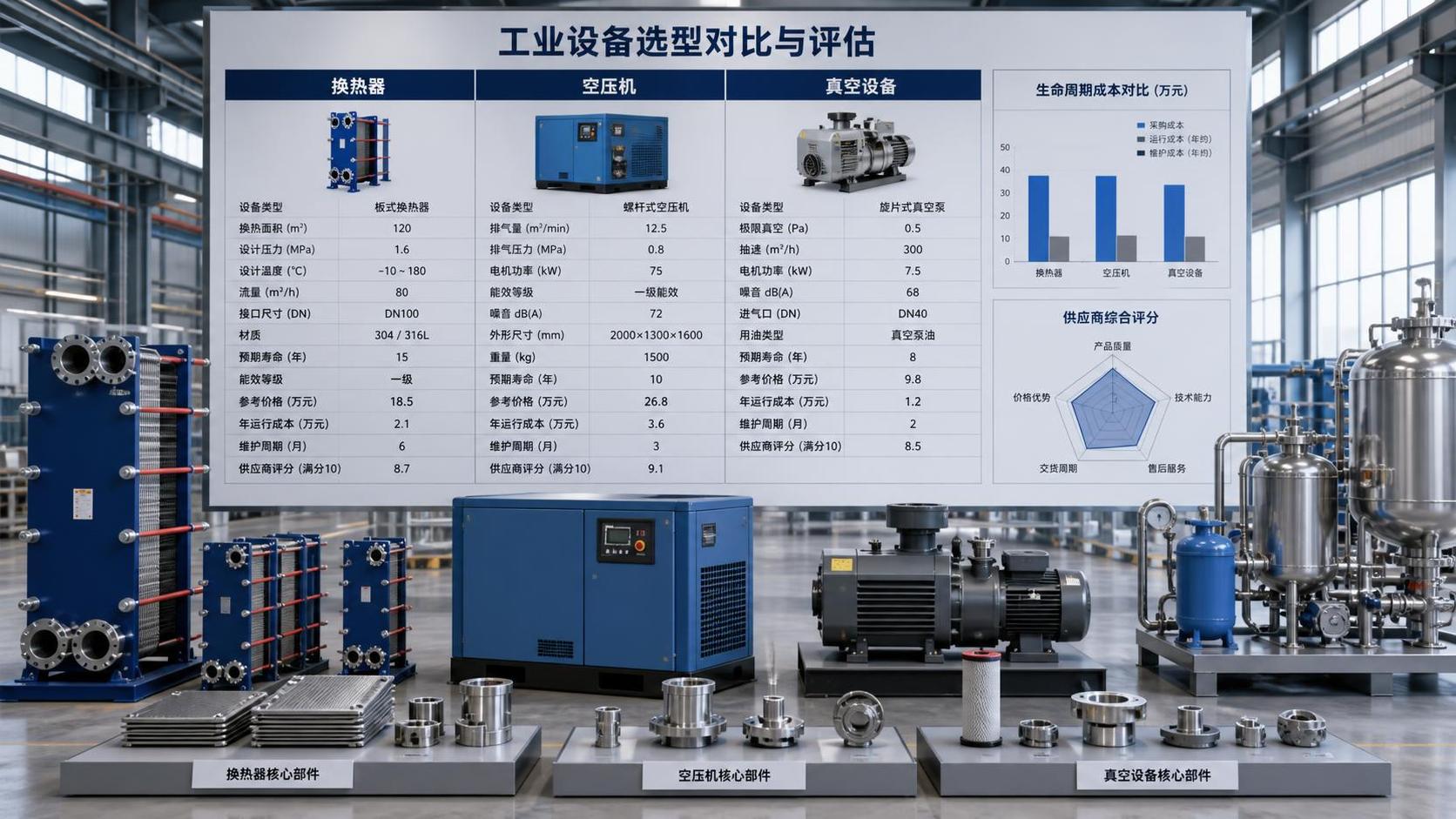
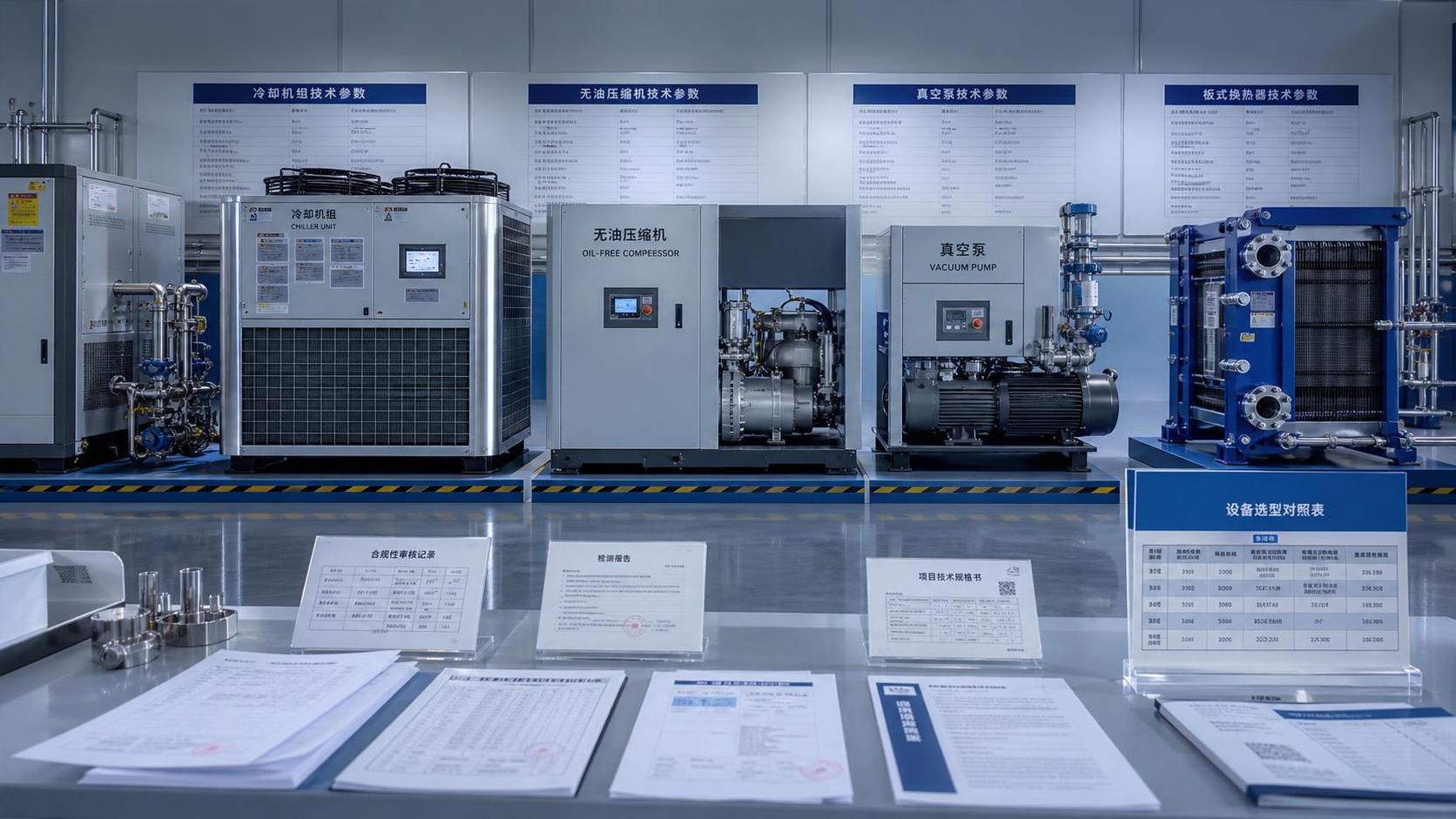
A practical review model should include the factors below.
This framework keeps attention on total financial value, not headline efficiency alone.
It also helps separate truly bankable energy-saving technologies from optimistic sales claims.
Common Risks That Slow Payback
Even strong efficiency projects can underperform if early assumptions are weak.
Several issues appear repeatedly in industrial buying decisions.
- Baseline energy data is incomplete or outdated.
- The system is oversized for actual operating load.
- Savings depend on behavior changes that never happen.
- Utility incentives are counted before qualification is confirmed.
- Maintenance teams are not involved early enough.
The clearer signal here is simple.
Faster payback depends as much on project discipline as on technology choice.
In real operations, execution quality often decides whether a twelve-month return becomes eighteen months.
A Practical Shortlist for Near-Term Investment
If the goal is faster results, start with systems that are energy intensive, easy to measure, and active for long hours.
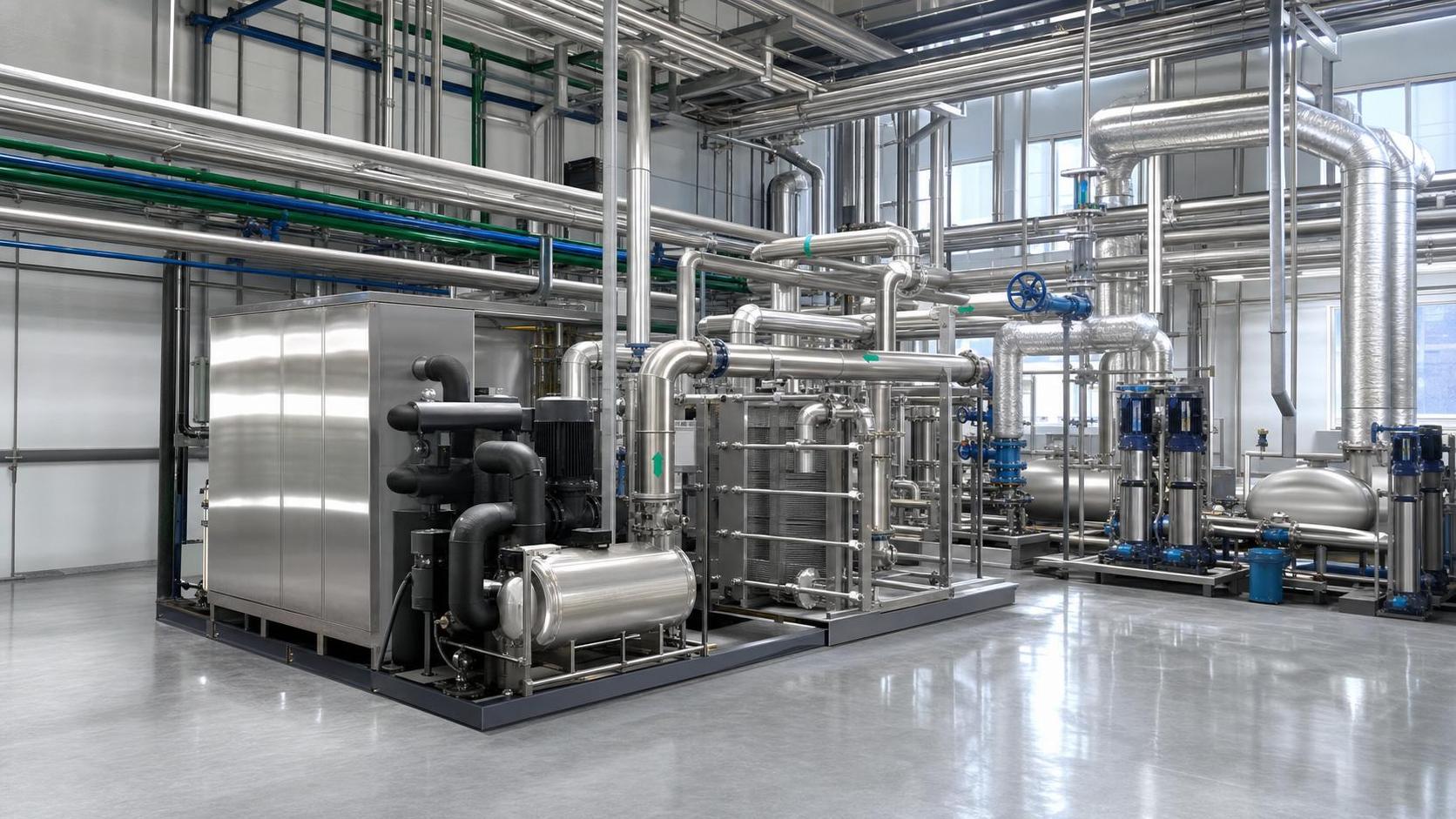
For many facilities, the most reliable shortlist includes compressed air optimization, heat exchanger upgrades, intelligent controls, and waste heat recovery.
These energy-saving technologies usually combine technical maturity with clear economic logic.
They are also well suited to a staged procurement strategy.
Start with the most measurable opportunity.
Validate savings quickly.
Then expand investment where operational evidence is already strong.
That approach reduces approval friction and improves confidence in future projects.
In a market shaped by energy volatility and decarbonization pressure, the smartest energy-saving technologies are the ones that save cash early, scale well, and keep industry moving efficiently.
Related News
- When does process utilities engineering reduce project rework?Author :

- Where thermal efficiency optimization delivers the fastest savings in EuropeAuthor :

- What should you verify before selecting a heat transfer supplier?Author :

- What drives compressed air systems price for industrial projects?Author :

- How an industrial product knowledge comparison guide reduces sourcing riskAuthor :

- When does a procurement specification planning process reduce bid risk?Author :

- When does thermal system optimization for electronics reduce failure risk?Author :

- When high temperature process heating systems justify the higher energy costAuthor :

- How to compare sludge dewatering equipment by cake drynessAuthor :

- What to Check Before Sourcing a Gas Turbine for Distributed Power ProjectsAuthor :

- What drives industrial thermal systems price in large facility projectsAuthor :

- How to build an industrial product comparison chart that speeds up vendor selectionAuthor :

- Vacuum Technology Application Guide for Selecting the Right SystemAuthor :

- What Drives Vacuum Drying Cost in Industrial Procurement?Author :

- What Drives Compressed Air Pricing in Industrial Systems?Author :

- How Procurement Specification Planning Shapes Total Project CostAuthor :

- Compression Technology Guide: How to Compare Efficiency, Pressure Range, and Maintenance NeedsAuthor :

- How to Compare Industrial Separators by Throughput, Purity, and Maintenance LoadAuthor :

- How to Size a Compressed Air Equipment Receiver Tank for Stable PressureAuthor :

- Industrial Equipment Selection Guide: How to Compare Capacity, Duty Cycle, and Operating CostAuthor :

- How to Evaluate an Intellectualization Supplier for Industrial UpgradesAuthor :

- High-Efficiency Manufacturing: Cost Savings vs. Upgrade RiskAuthor :

- Thermal System Optimization Cost: What Drives ROI?Author :

- How to Plan Process Utilities for a Cleanroom Without Costly ReworkAuthor :

- How to Compare Process Heating Suppliers in MexicoAuthor :

- Food Processing Utilities: Common Sizing Mistakes That Raise Energy and Water UseAuthor :

- How to Build Procurement Specification Planning for Industrial EquipmentAuthor :

- OEM Cooperation for Industrial Equipment: Risks, Terms, and Cost PrioritiesAuthor :

- Specification-Oriented Product Resources That Speed Technical ReviewAuthor :

- Industrial Equipment Selection Guide: A Practical Buyer ChecklistAuthor :

- How to Compare Industrial Energy Management Systems by ROIAuthor :

- How to Evaluate a Deaerators Supplier for Long-Term Plant ReliabilityAuthor :
![]()
- How to Evaluate a Vacuum Technology Manufacturer in 2026Author :

- Thermal Efficiency Optimization Software: When the ROI Justifies DeploymentAuthor :

- How to Evaluate Application-Specific Compression Solutions by Throughput and Energy UseAuthor :

- Smart Device Thermal Management Supplier Europe: What Matters Beyond PriceAuthor :