Resource Circularity in Manufacturing: Practical Steps That Pay Off




Why resource circularity now belongs in operating decisions
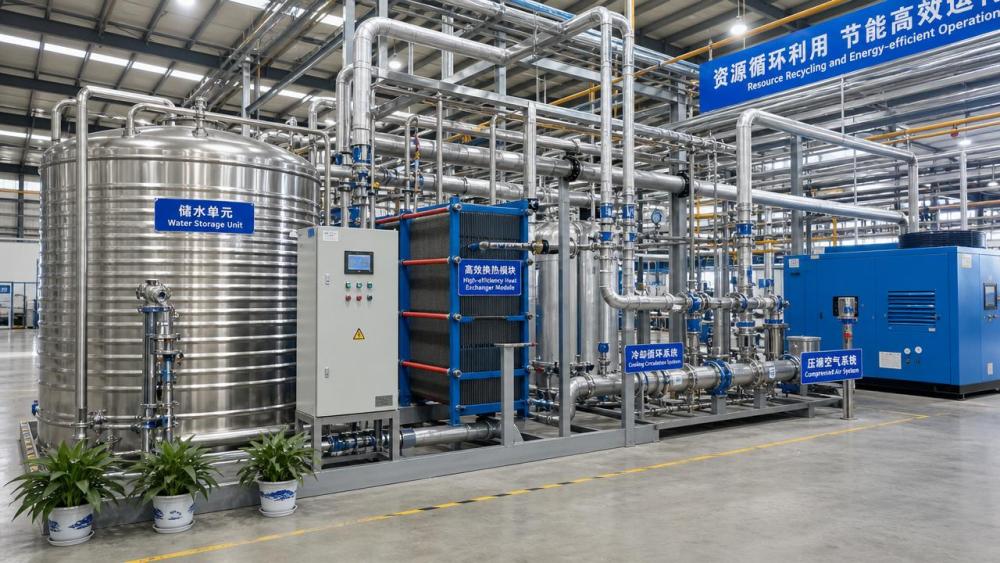
Resource circularity has moved from corporate messaging into plant-level economics. It now shapes disposal cost, utility exposure, spare-part risk, and production continuity across many manufacturing environments.
That shift matters because not every factory loses value in the same way. One site bleeds money through heat rejection. Another through compressed air leaks, solvent loss, packaging scrap, or water-intensive cleaning.
In practical terms, resource circularity means keeping materials, energy, water, and serviceable components in use longer, with less downgrade and less interruption.
The strongest cases are rarely the most visible ones. They often sit inside cooling loops, heat exchange networks, vacuum systems, and utility infrastructure that support the main process.
This is where intelligence platforms such as GTC-Matrix become relevant. They connect thermodynamic behavior, equipment trends, and operating economics, helping resource circularity decisions stay grounded in real process conditions.
The goal is not to chase a perfect closed loop everywhere. The goal is to identify which loops can be tightened first, and which actions pay back without destabilizing throughput.
Actual priorities change with process conditions
Different manufacturing settings create different resource circularity opportunities because the limiting factor is not always waste volume. Sometimes it is contamination risk. Sometimes it is energy intensity. Sometimes it is maintenance complexity.
A food line may value clean water reuse only if hygiene control remains stable. A semiconductor environment may accept higher capital cost for ultra-pure reuse loops. A metalworking plant may prioritize lubricant recovery and cooling efficiency first.
More often, the better judgment starts with three questions: where value leaves the process, what quality must be preserved, and how much operational variation the site can tolerate.
That approach avoids a common mistake. Similar plants may appear to share the same resource circularity profile, while their shift patterns, utility tariffs, product mix, and thermal loads make the right actions very different.
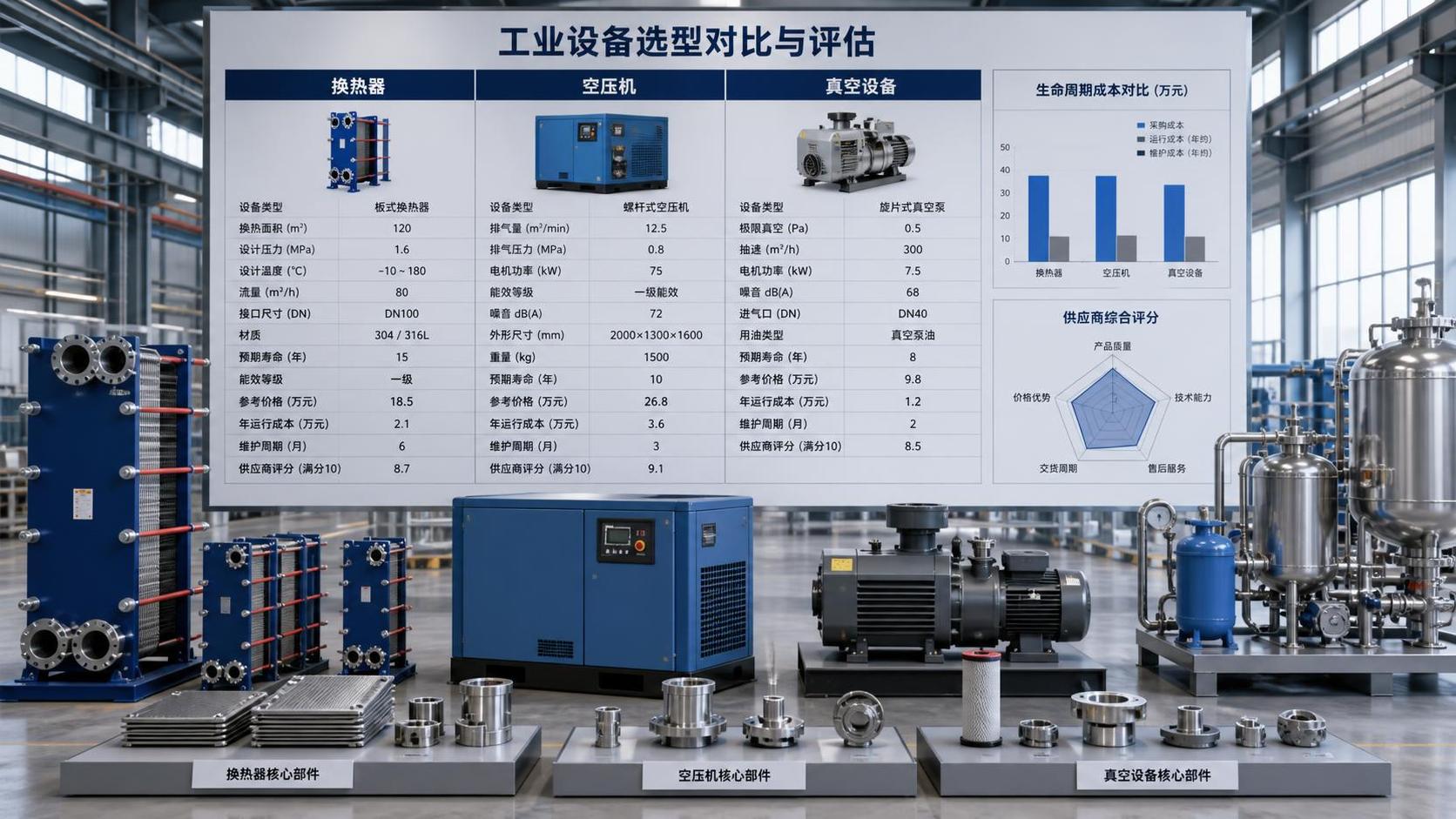
A quick comparison helps narrow the first move
The table is useful because resource circularity succeeds faster when the loss mechanism is visible and measurable. It fails when improvement work begins with slogans rather than process boundaries.
Where thermal systems create hidden circularity gains
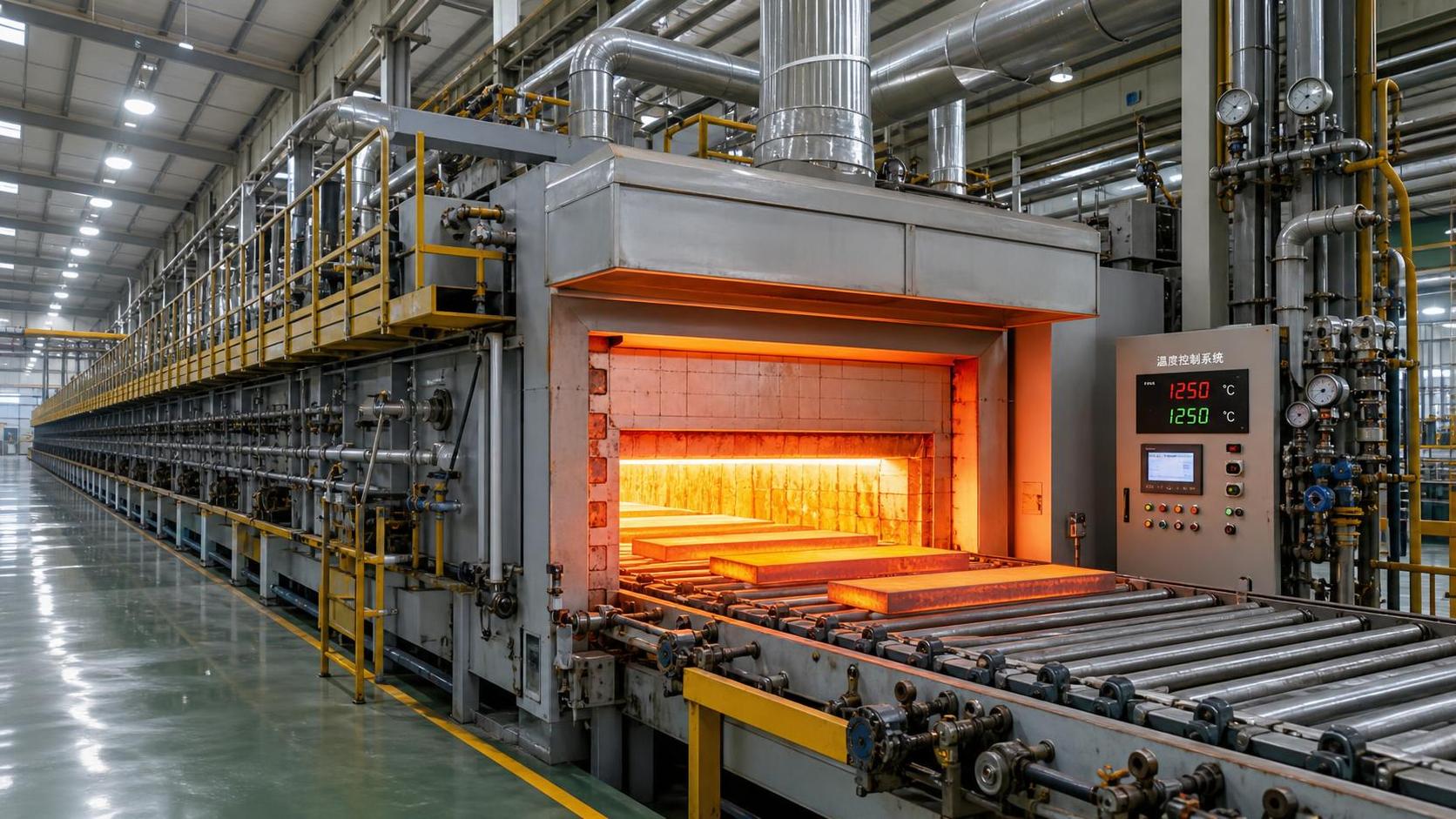
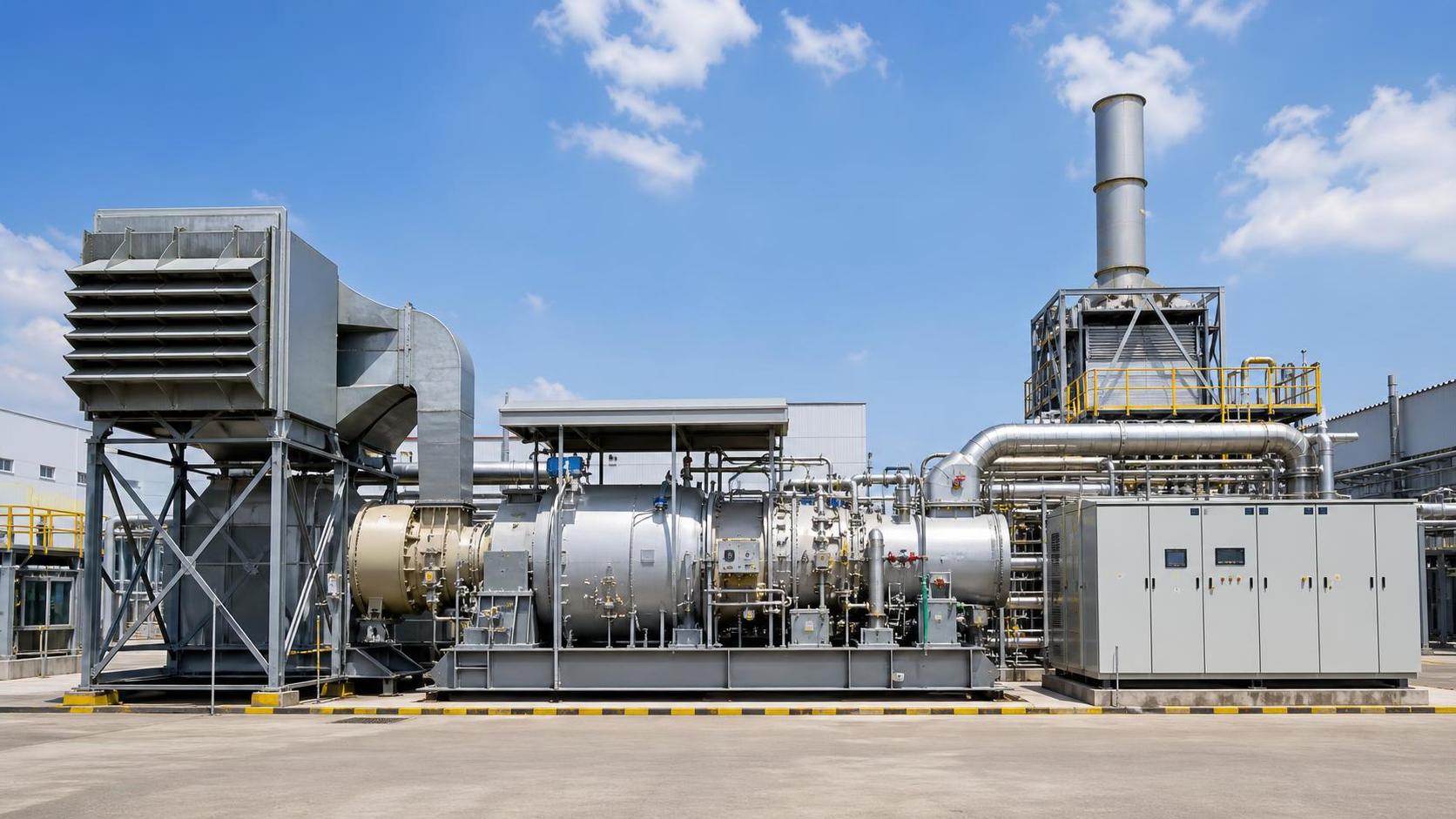
In many facilities, the largest untapped resource circularity gain sits in thermal imbalance. Excess heat is expelled while another area still burns fuel or draws electric load for heating.
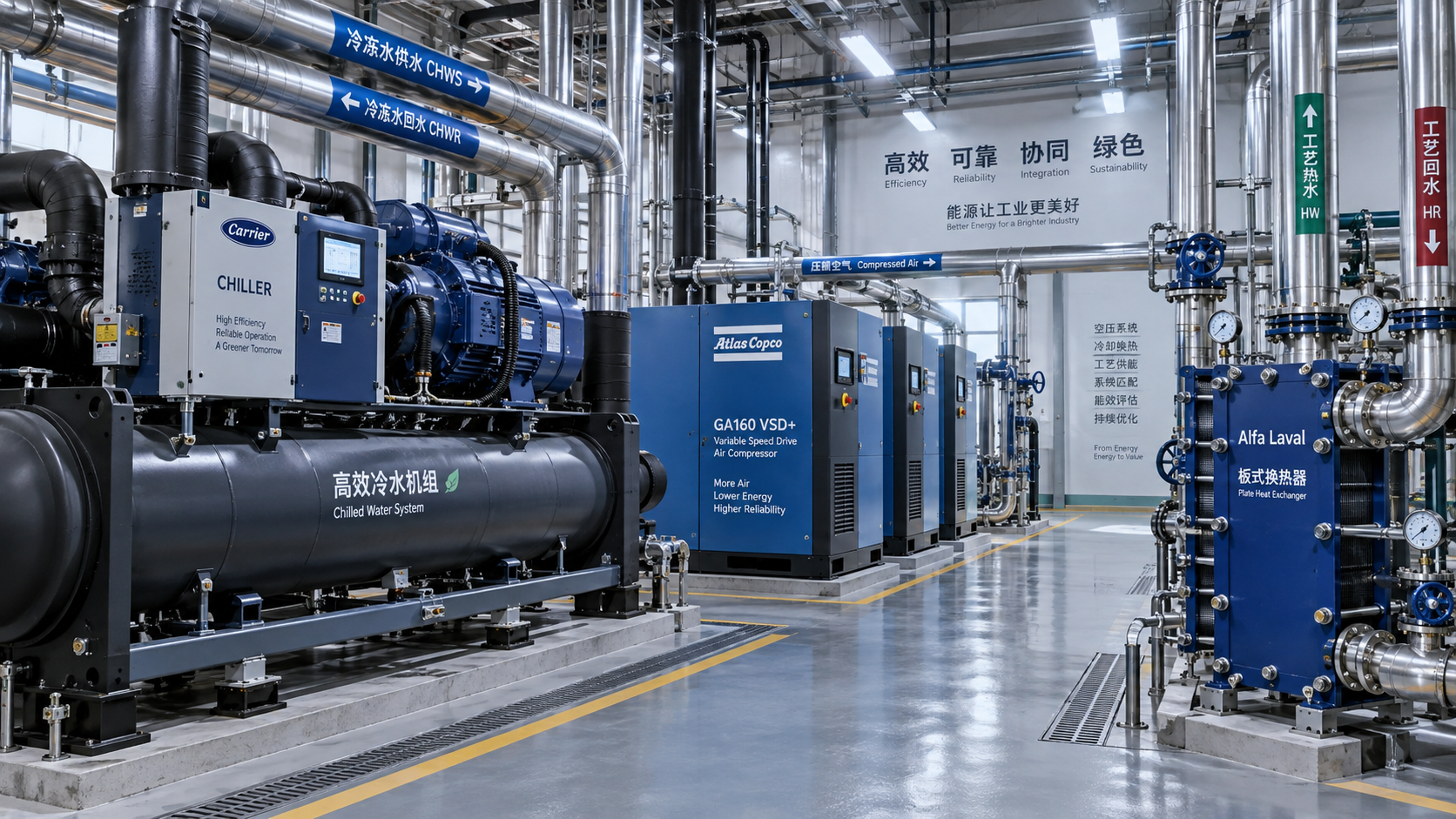
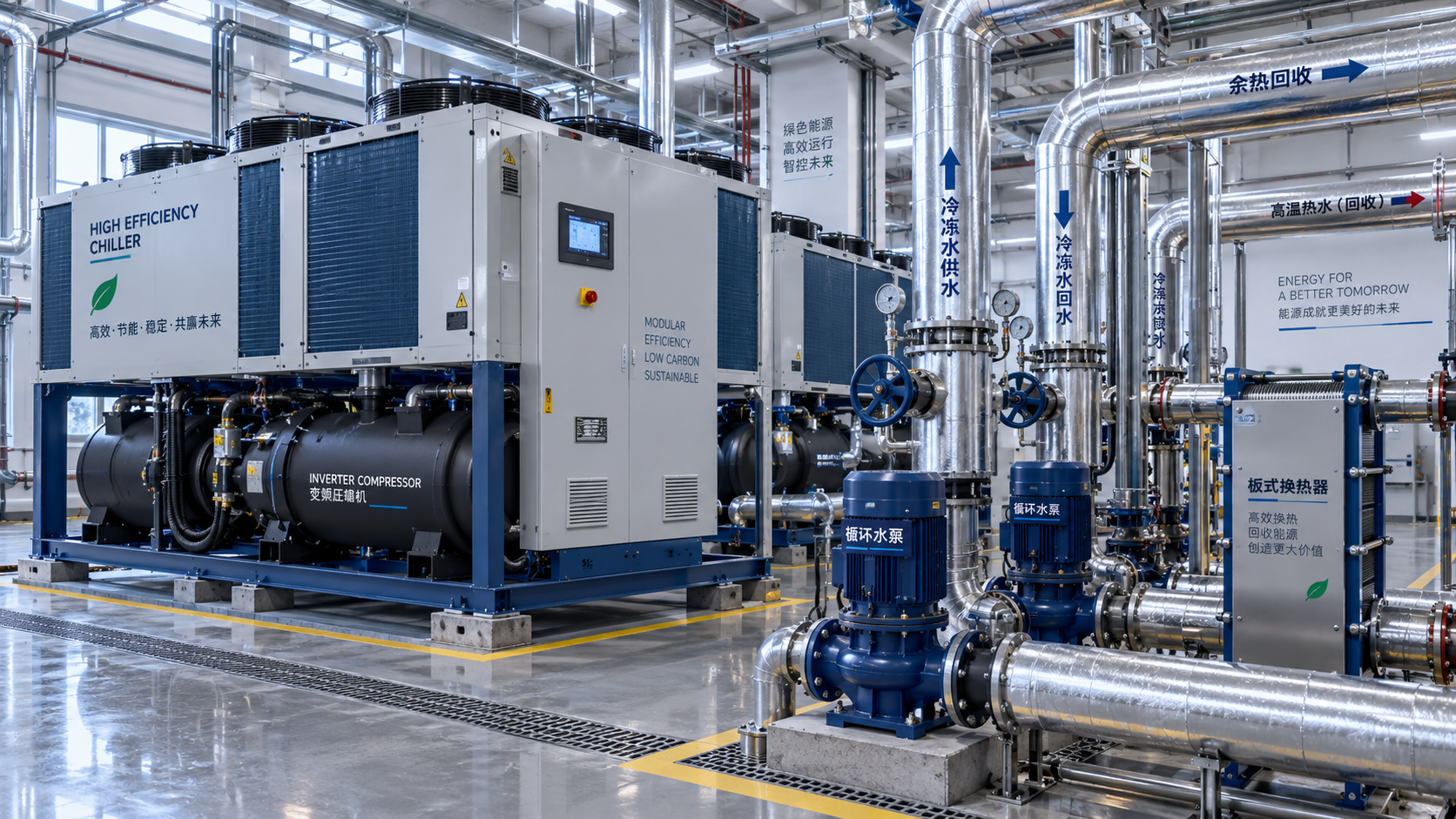
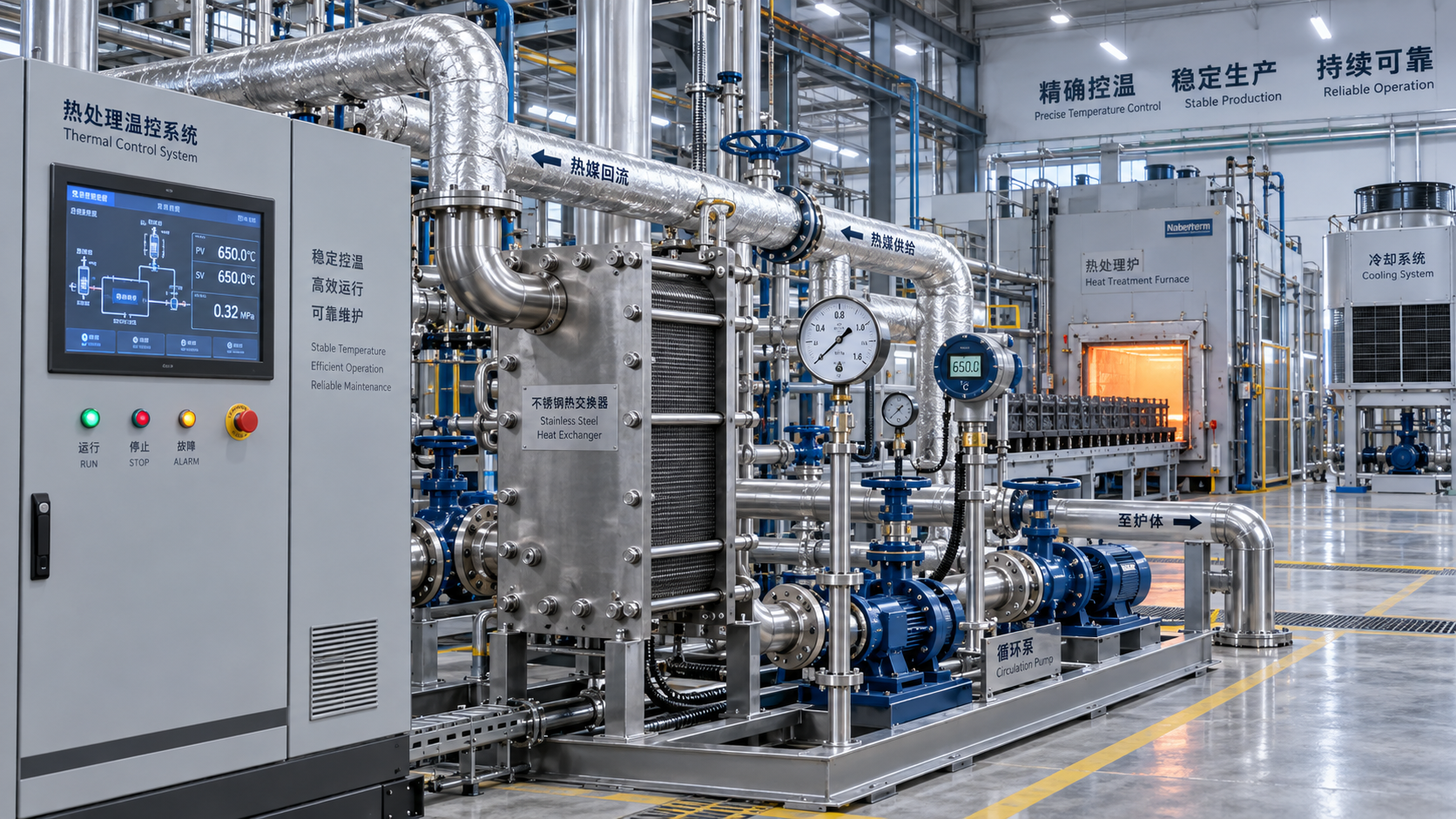
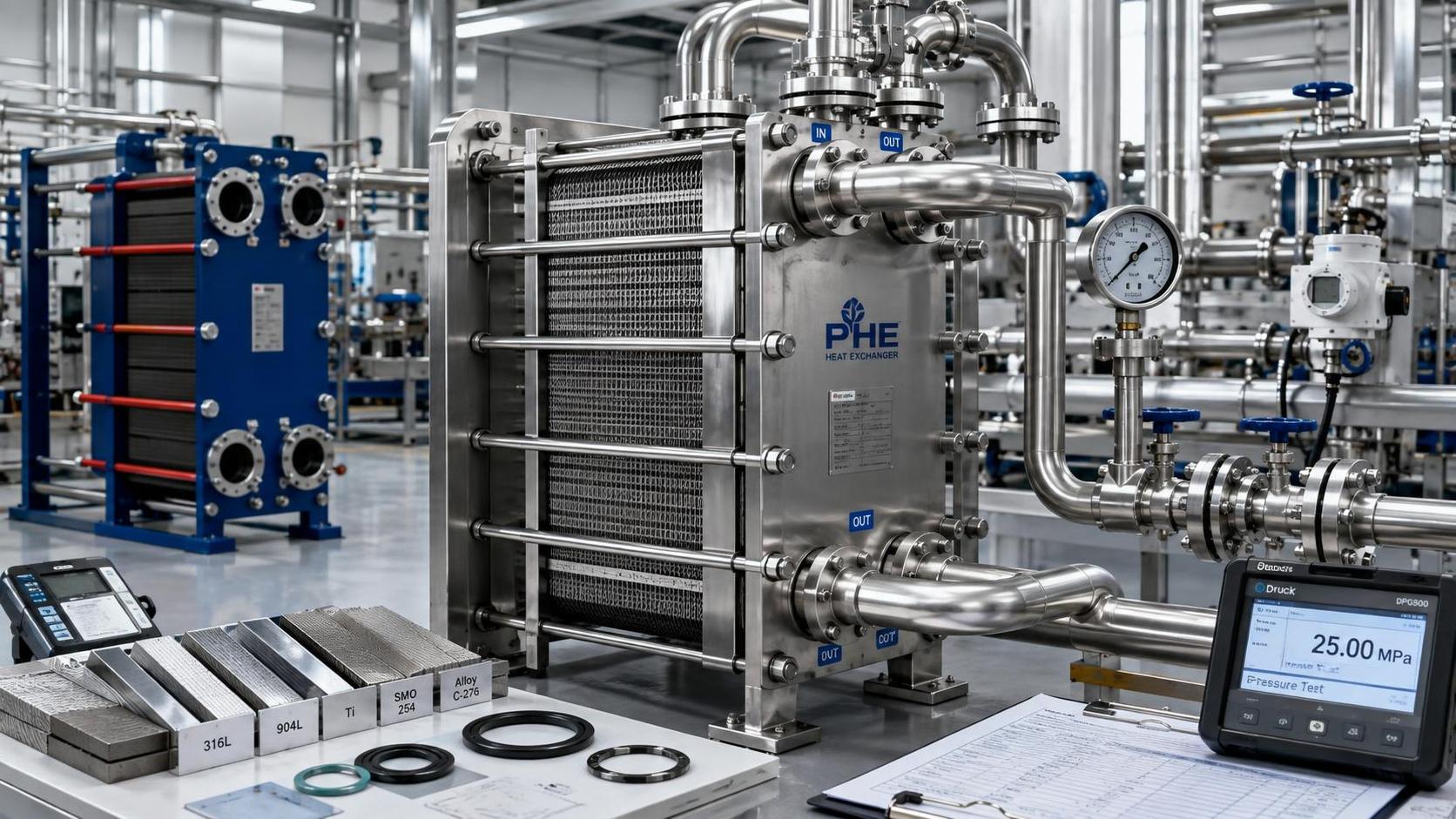
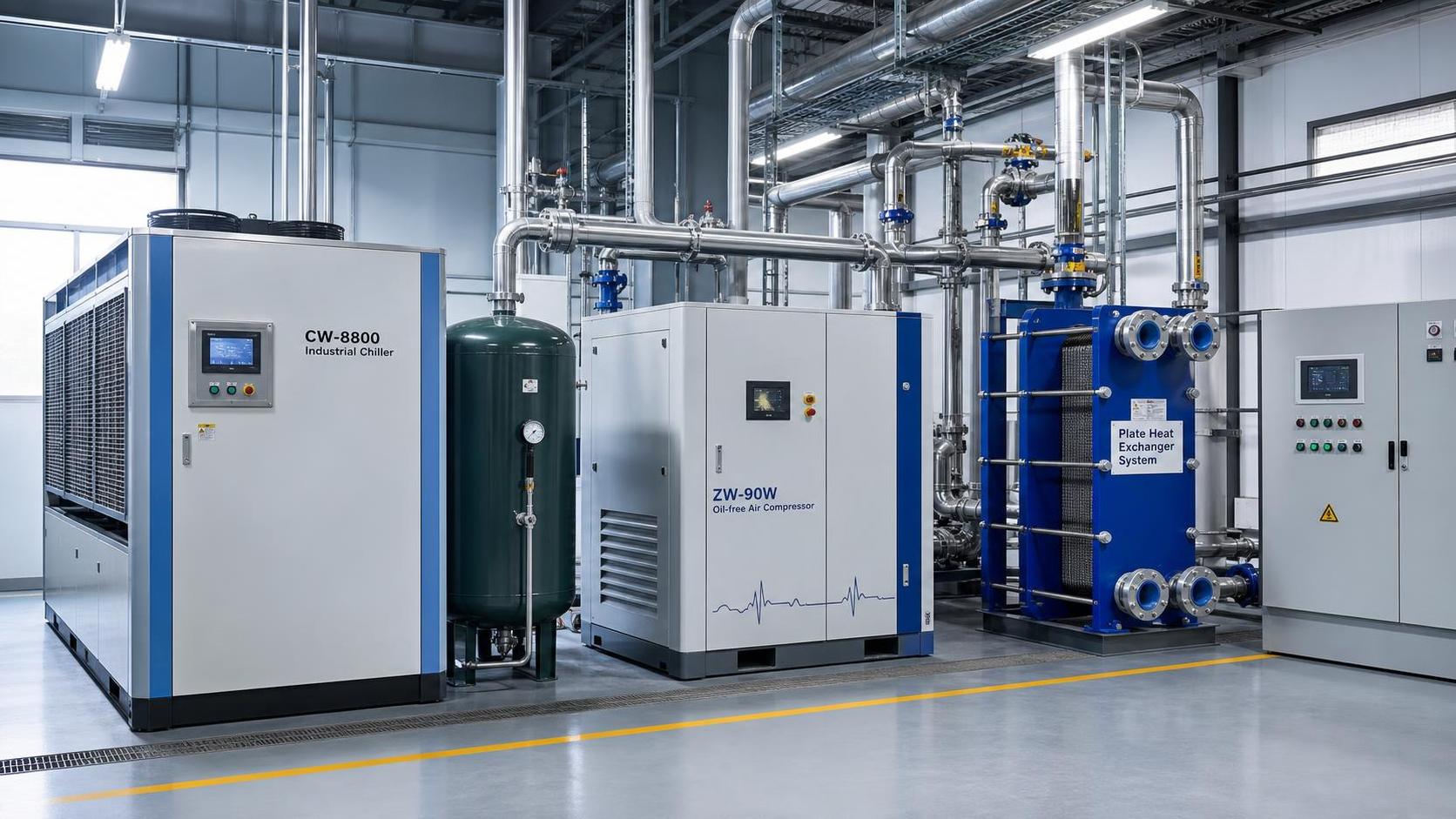
This is especially common in cooling-heavy operations. Chillers, condensers, heat exchangers, and boiler-adjacent systems often evolve separately, leaving reusable energy stranded between departments.
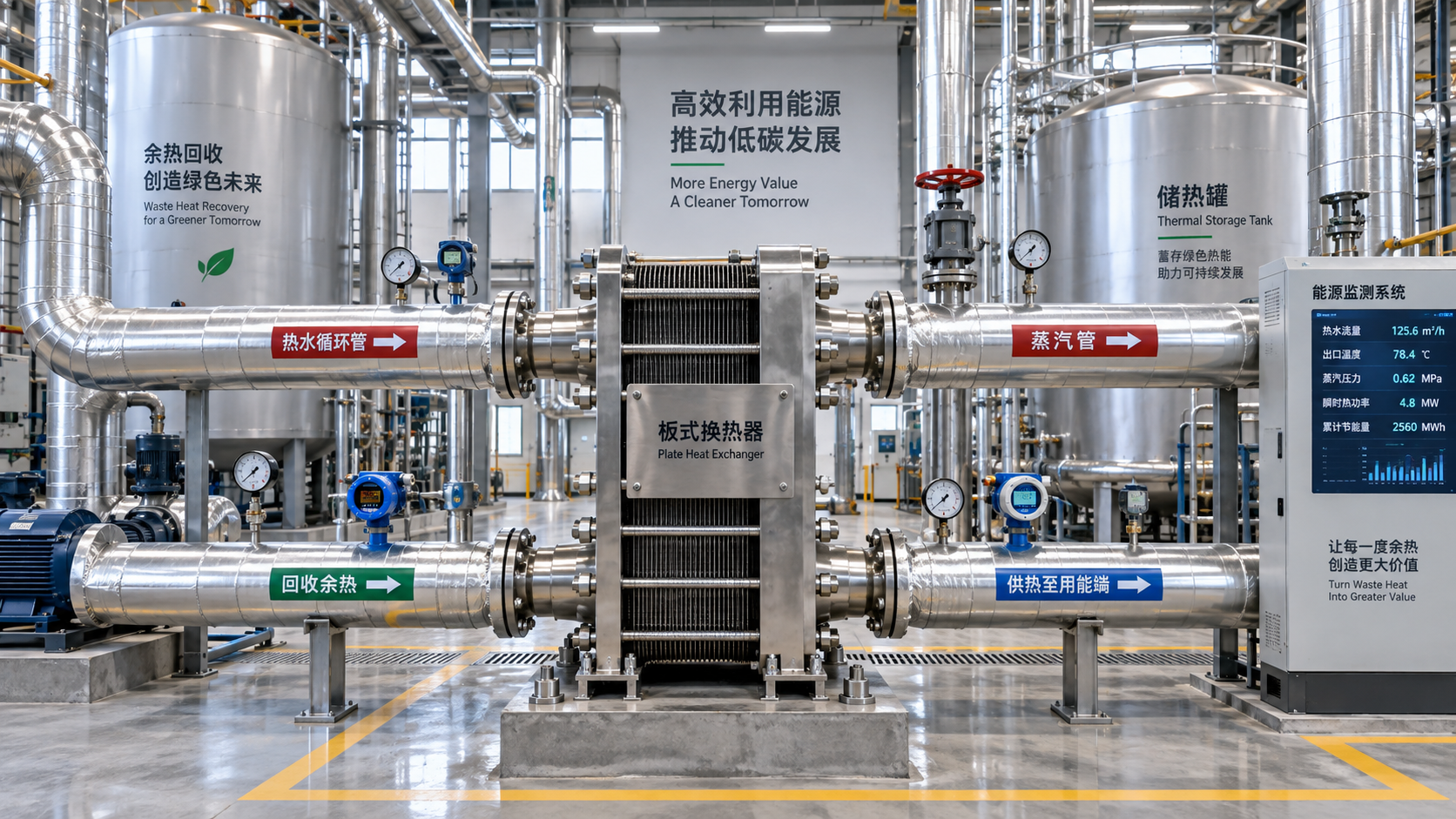
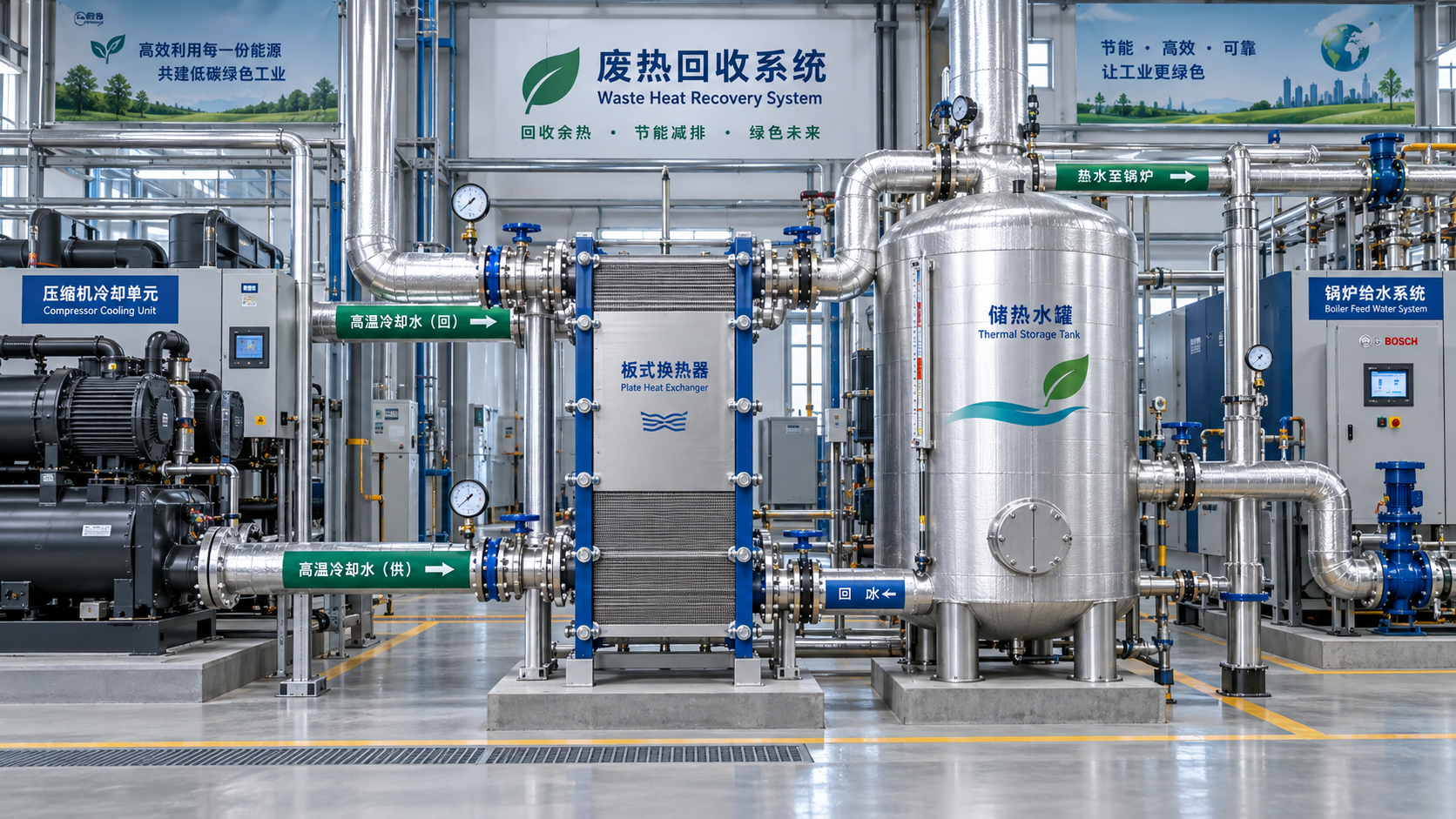
A practical step is to classify heat by usable temperature, not just by total quantity. Low-grade heat may support wash water preheating, space conditioning, or feedwater warming even when it cannot return to the core process.
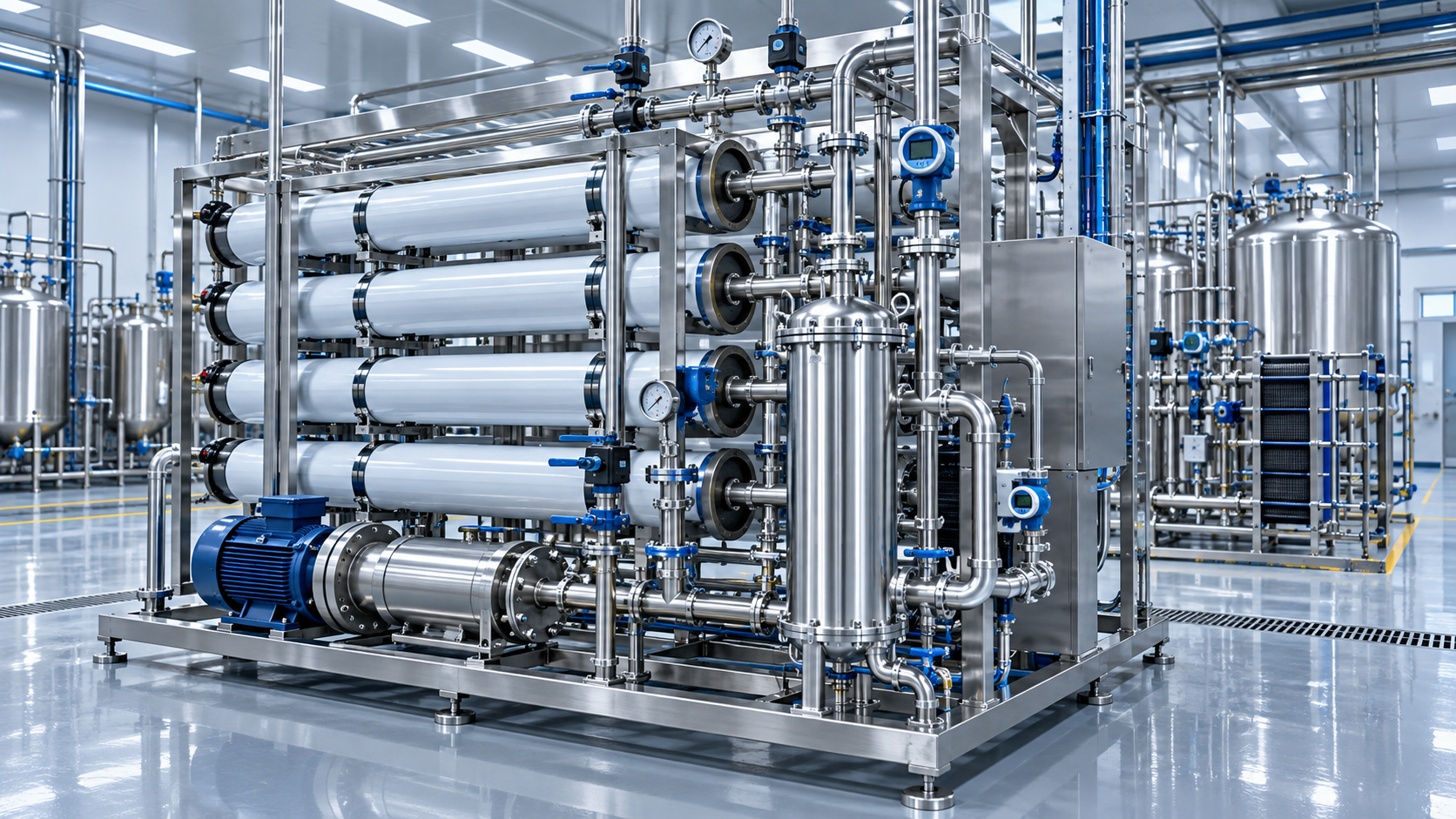
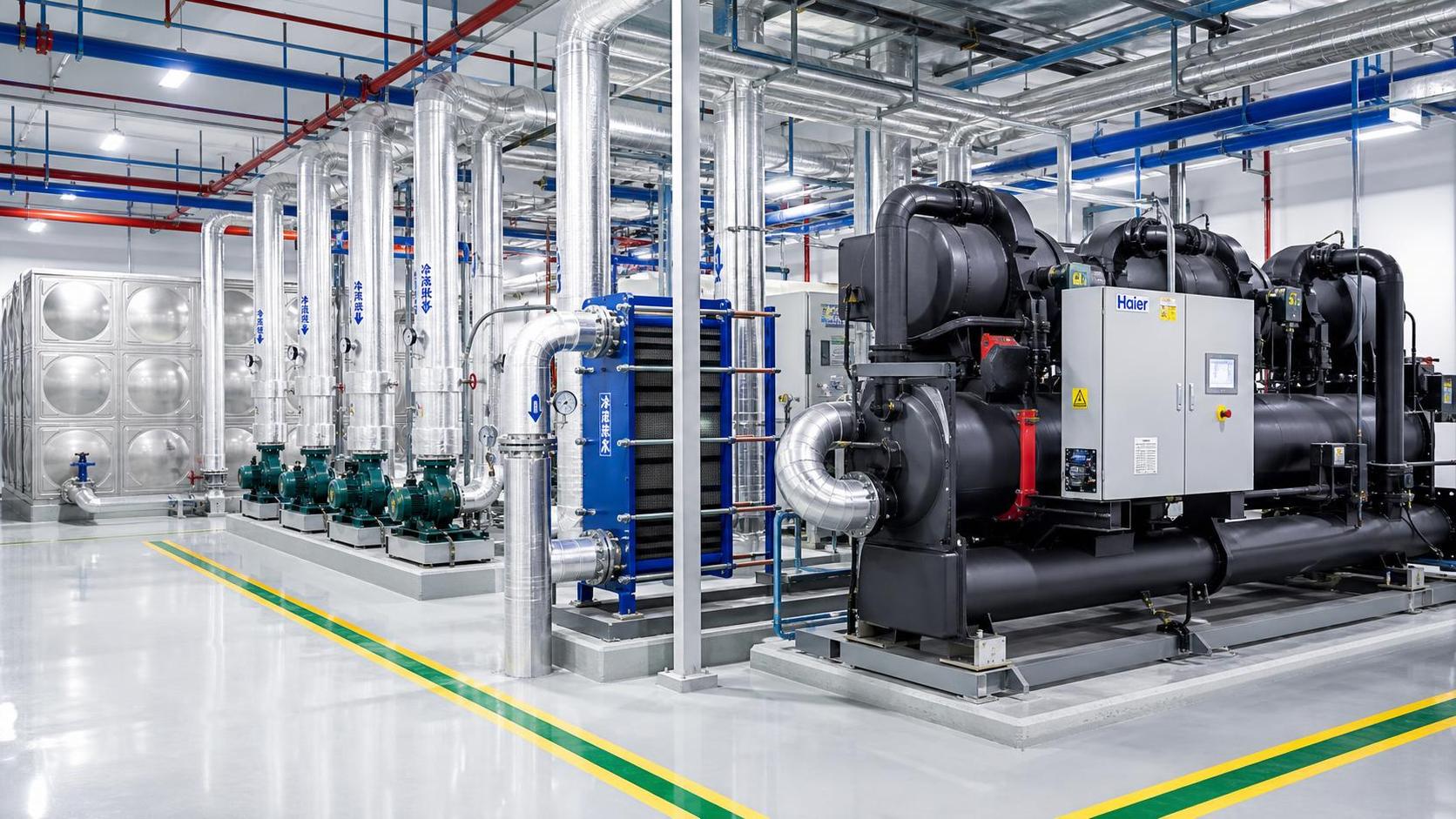
The same logic applies to cooling loops. Resource circularity improves when water treatment, heat rejection, and exchanger fouling are reviewed together instead of as separate maintenance issues.
GTC-Matrix tracks technologies such as microchannel heat exchangers and low-NOx thermal systems for this reason. The business value is not novelty alone. It is better matching between heat transfer performance, energy recovery, and compliance pressure.
One frequent misread is assuming every heat recovery project is attractive. If demand timing does not match heat availability, the circularity gain may look strong on paper but weak in daily operation.
Compressed air and vacuum systems often decide the easy wins
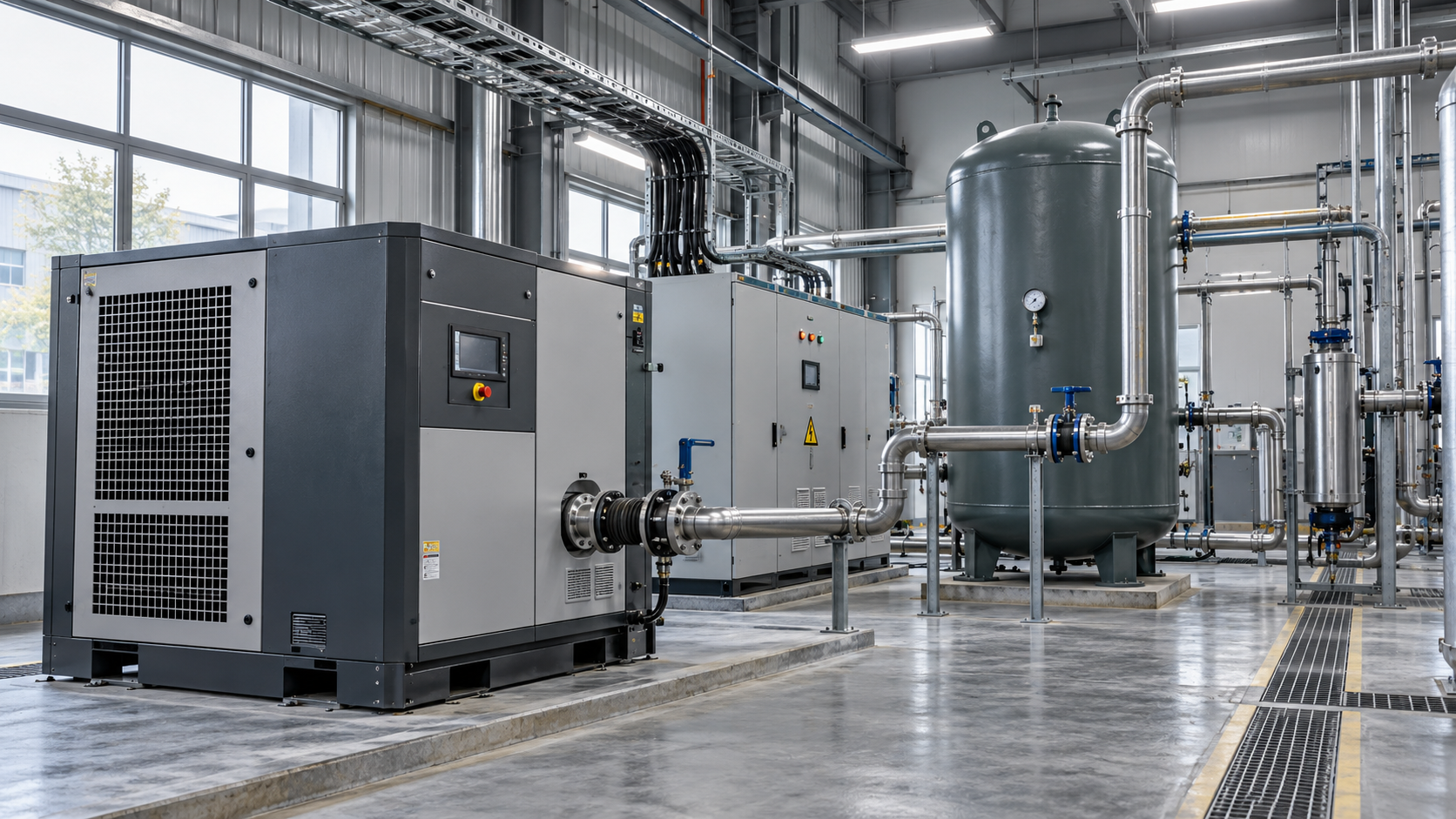
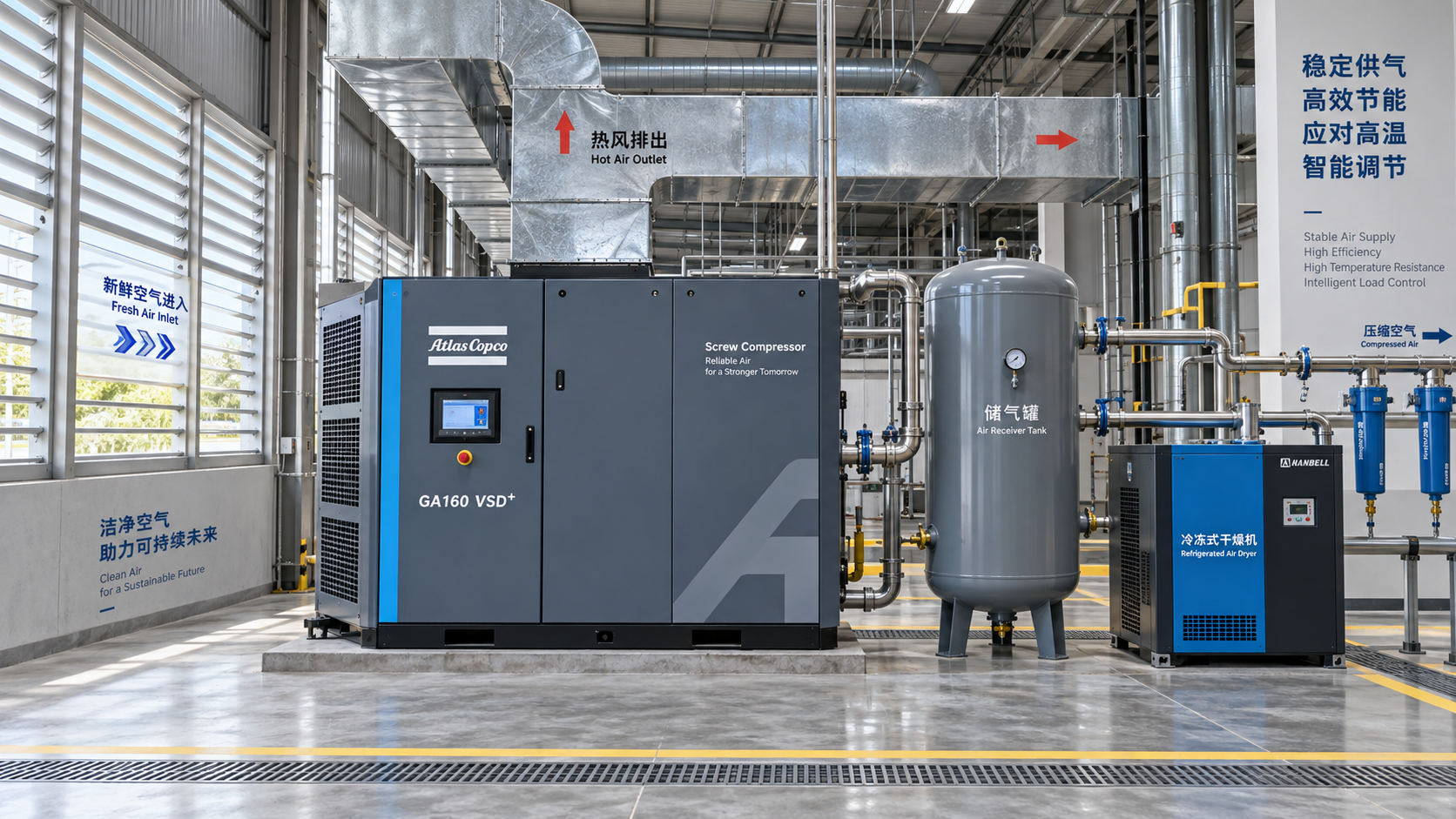
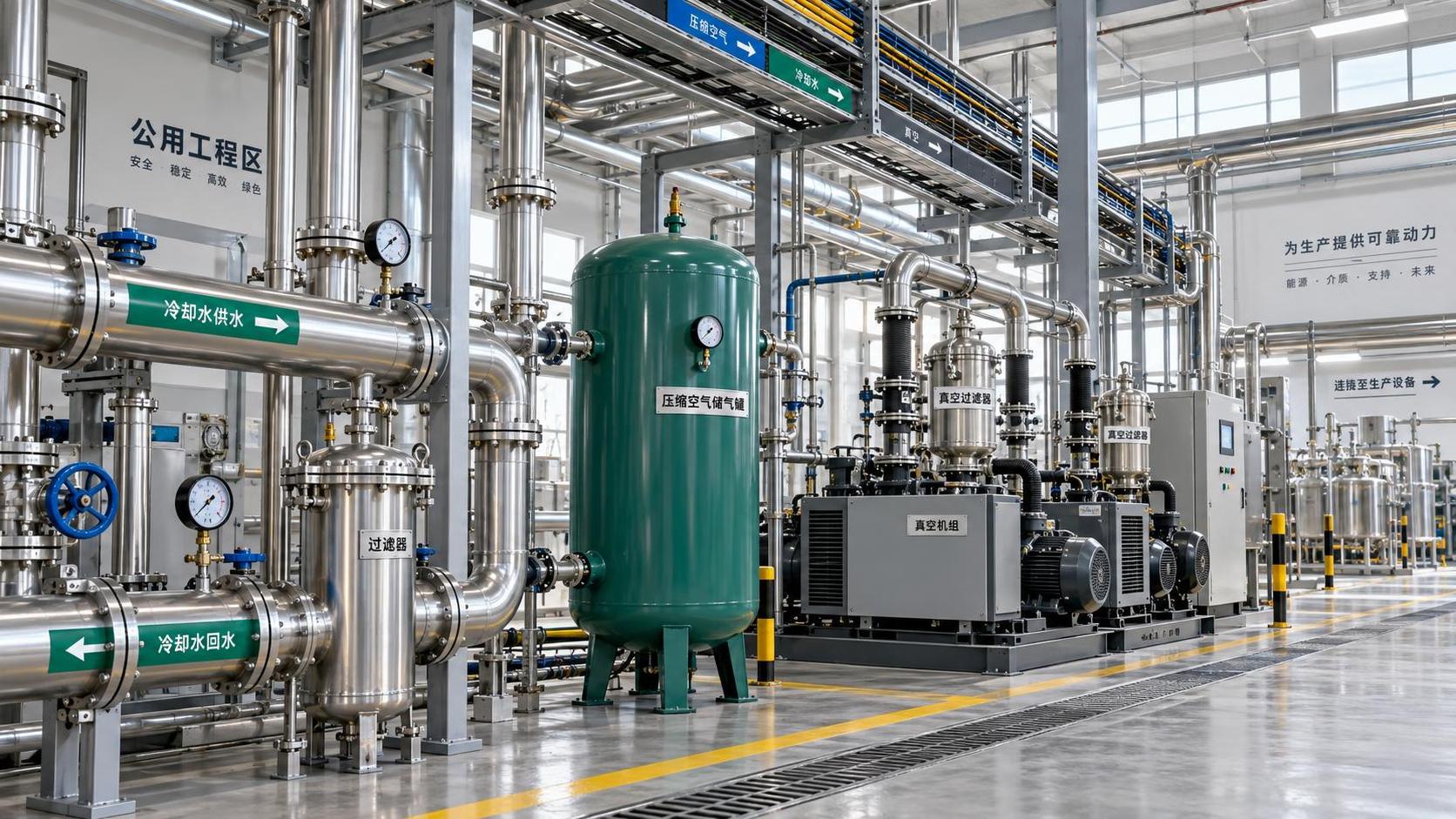
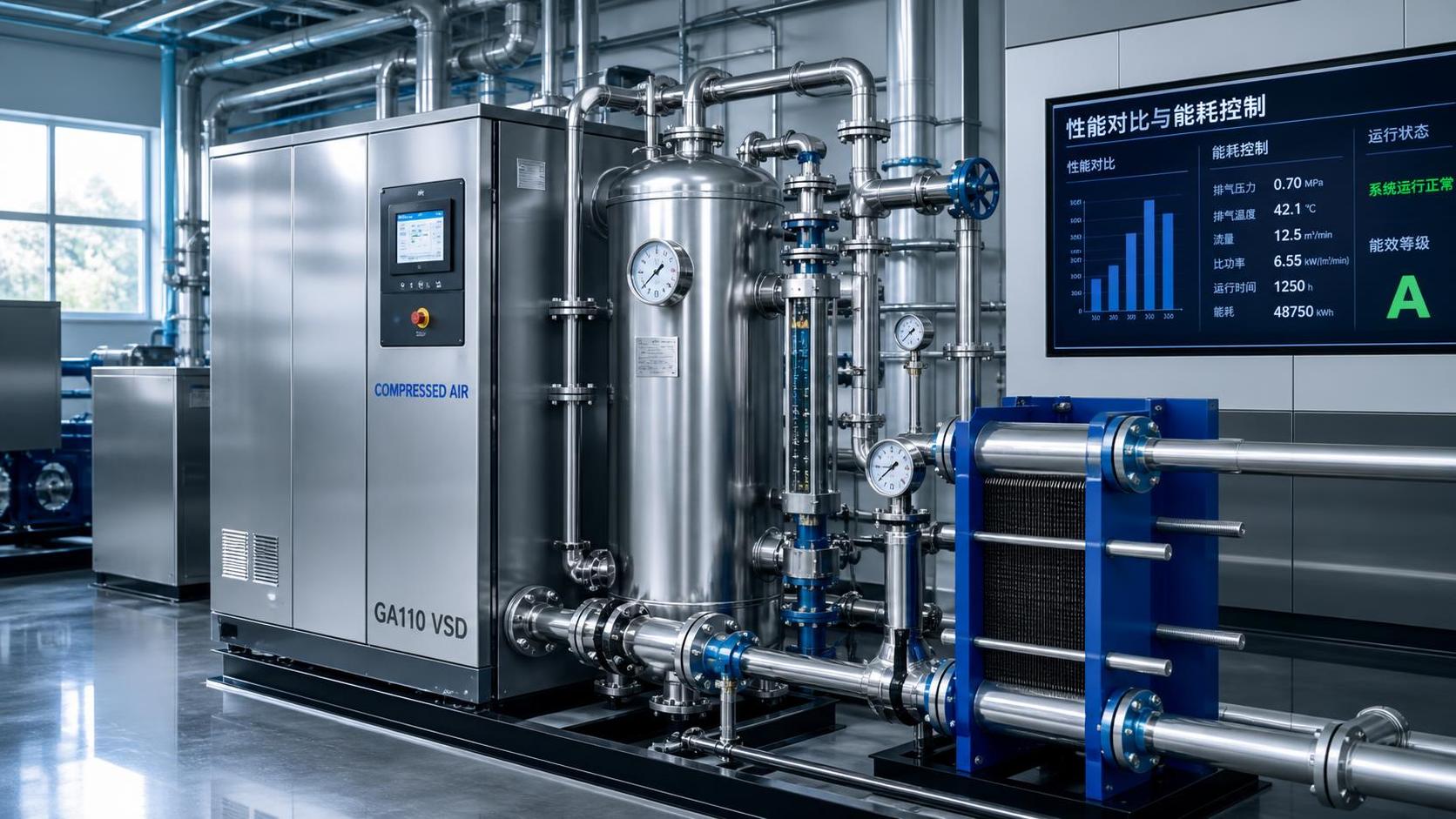
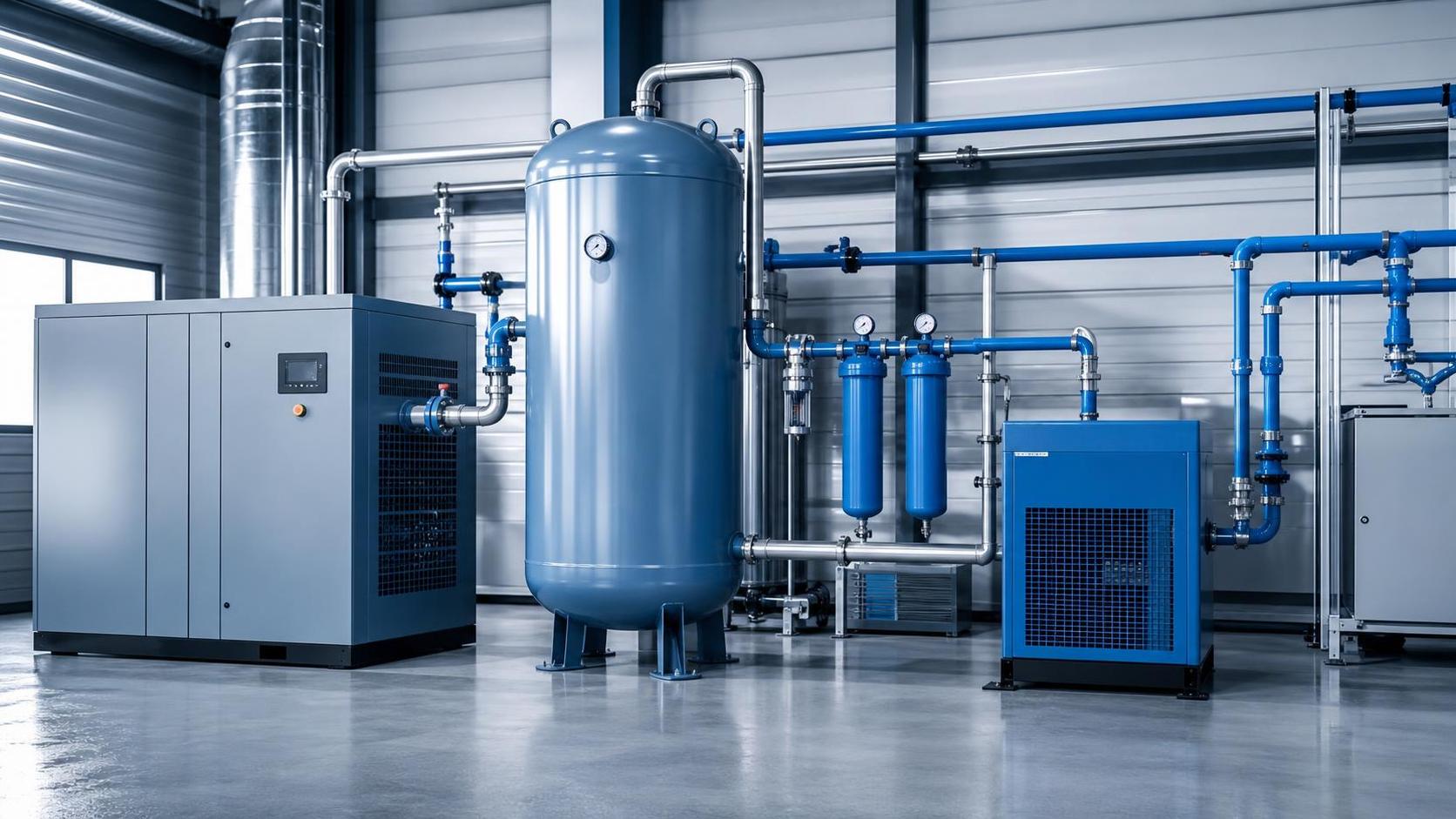
Compressed air is a classic resource circularity issue because losses accumulate quietly. Leakage, inappropriate pressure settings, poor condensate handling, and oversized equipment all convert electricity into unrecovered cost.
In actual use, the better question is not whether the system is efficient in theory. It is whether each use point really needs the air quality and pressure being supplied.
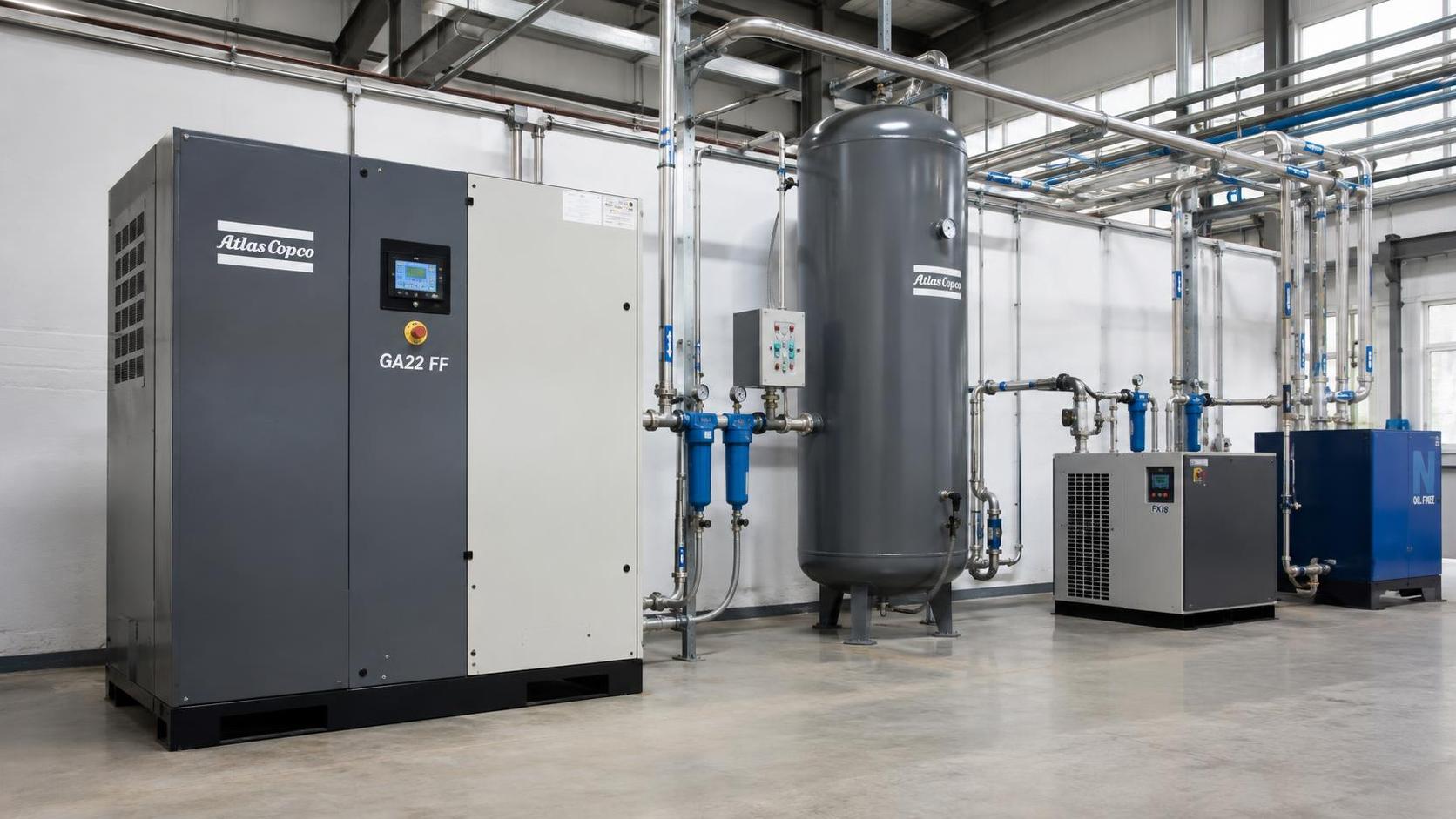
Oil-free compression may be essential in some lines, but unnecessary in others. A single standard applied everywhere can raise lifecycle cost without improving resource circularity where contamination risk is low.
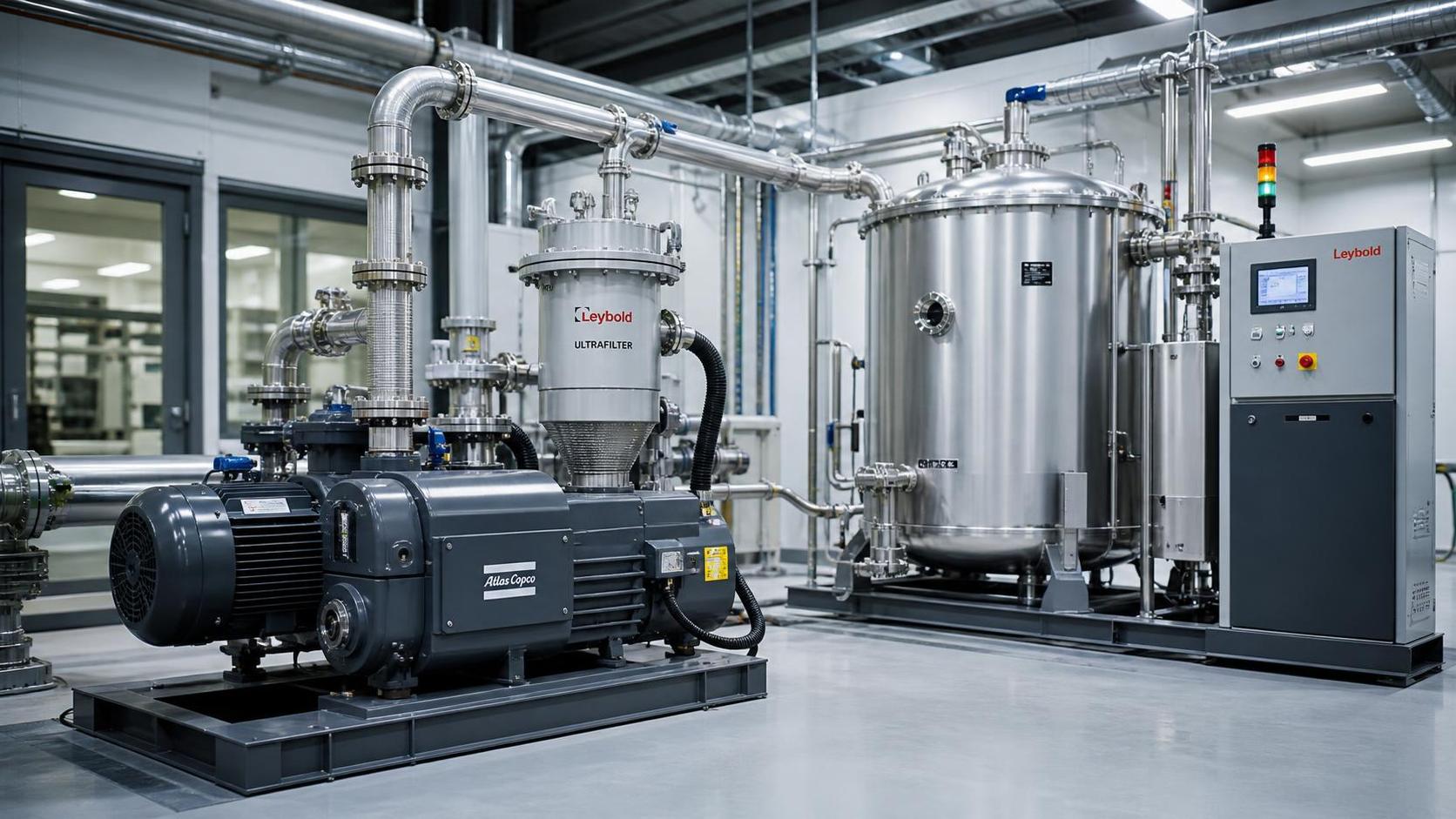
Vacuum systems follow a similar pattern. Centralized systems can improve utilization and maintenance consistency, yet distributed units may still fit lines with uneven load profiles or strict uptime isolation needs.
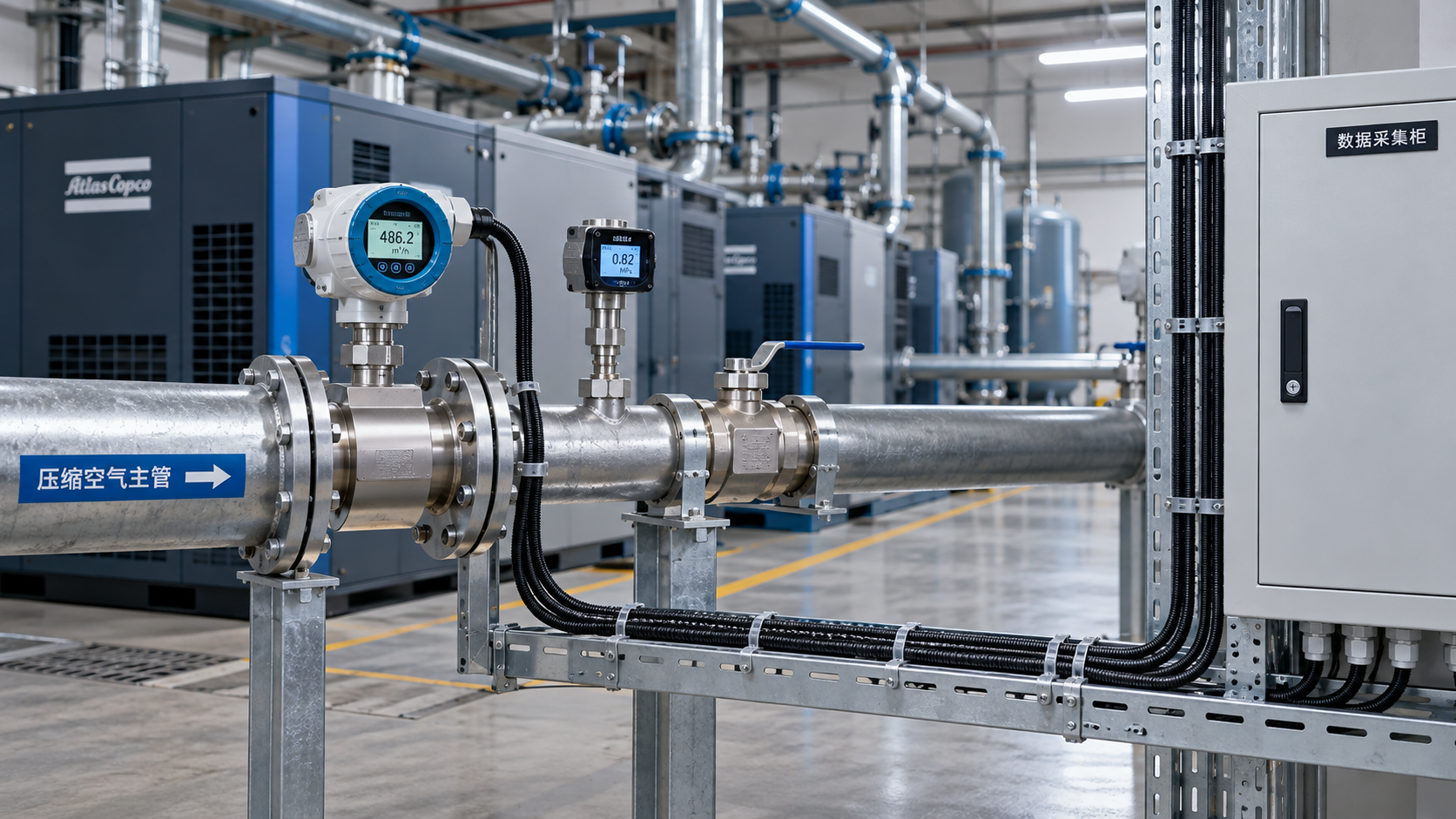
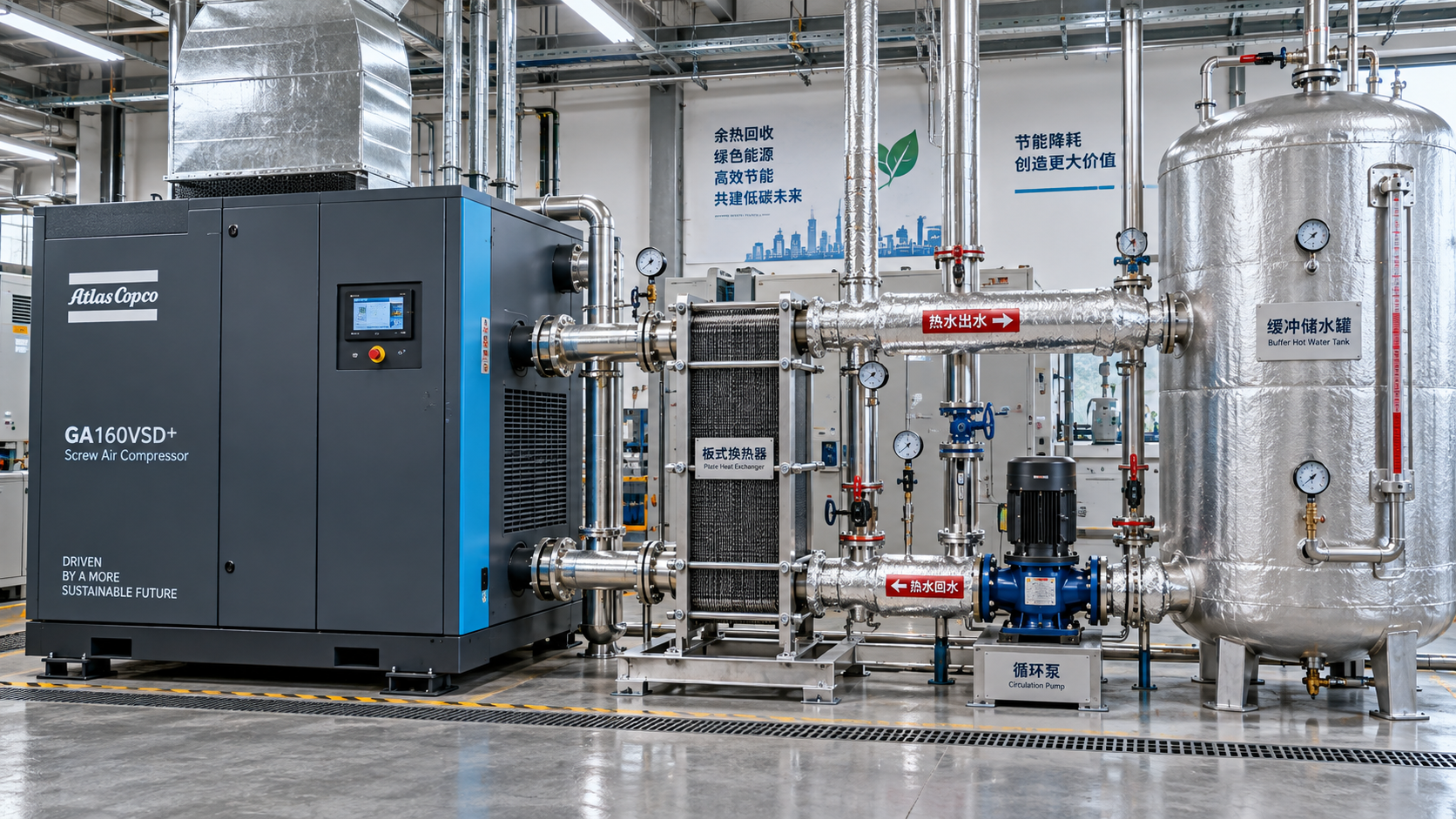
Useful actions usually include leak mapping, pressure band review, heat recovery from compressors, condensate separation checks, and a comparison between demand variability and control strategy.
- Measure night and idle-load behavior before approving new equipment.
- Separate quality-critical air demand from general utility demand.
- Review whether recovered compressor heat can offset low-temperature heating.
- Treat condensate management as a resource and compliance issue together.
Material reuse works differently in high-purity and mixed-waste settings
Resource circularity in materials becomes more complex when quality loss directly affects yield. High-purity sectors need tighter separation, stronger traceability, and stricter contamination control than mixed industrial production.
That does not mean circularity is harder everywhere. It means reuse loops must be designed around actual quality thresholds, not around a generic recycling target.
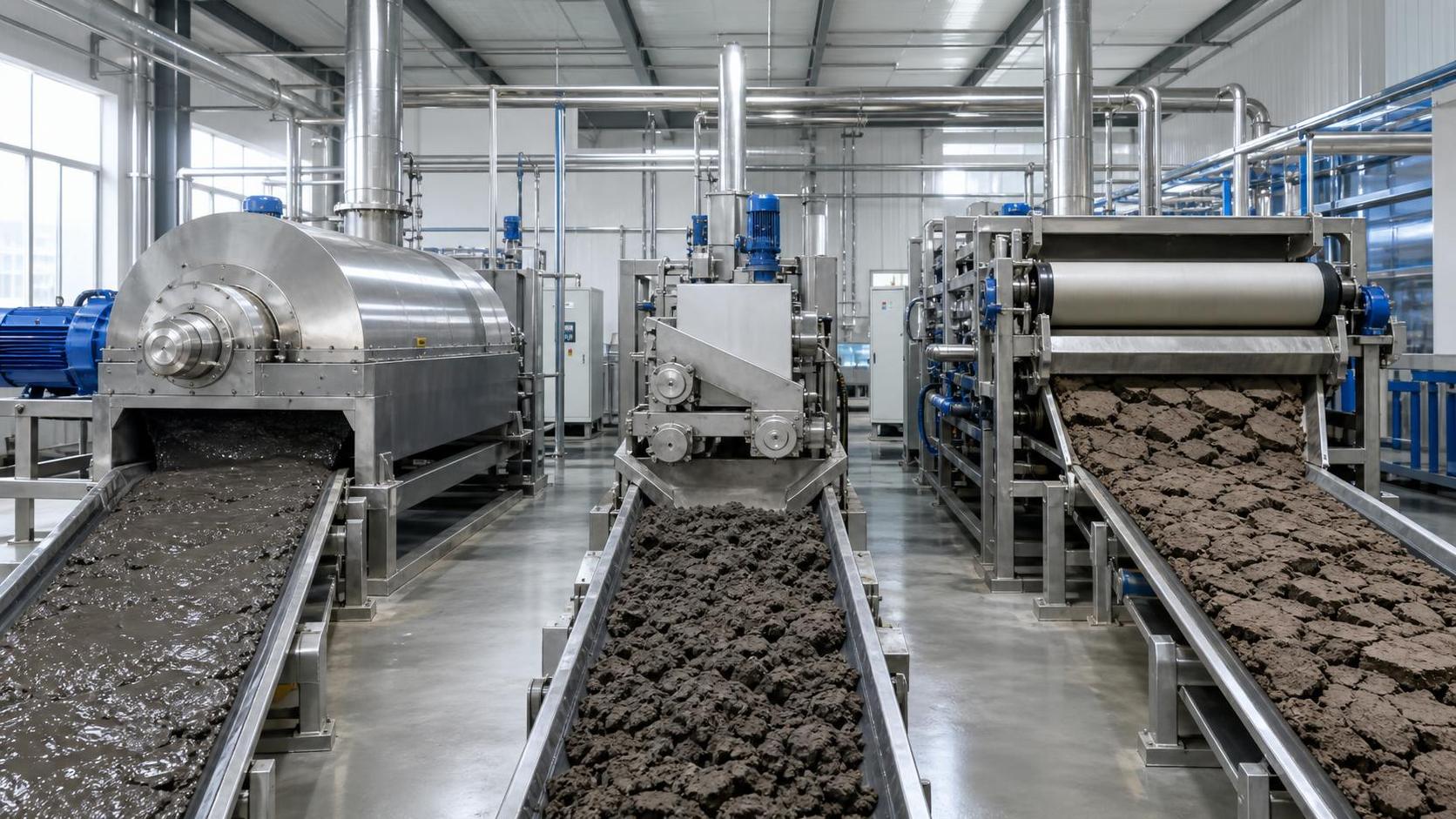
In packaging, assembly, and general fabrication, better segregation at the point of generation often delivers more value than investing immediately in complex downstream recovery.
In pharmaceutical or electronics-related conditions, a smaller but cleaner internal loop may outperform a broader loop that adds validation burden and operational uncertainty.
The same distinction appears in water systems. Reusing rinse water sounds attractive, yet resource circularity only improves when cross-contamination, treatment chemistry, and final quality risk remain controlled.
What tends to matter most by scenario
- High-purity production: focus on contamination pathways, validation effort, and stream separation.
- Batch processing: focus on cleaning cycles, changeover loss, and reusable intermediate utilities.
- Continuous processing: focus on stable recovery loads and integration with thermal controls.
- Assembly operations: focus on packaging return loops, scrap sorting, and component remanufacture potential.
The most common misjudgments before implementation
Many resource circularity projects stall because the evaluation frame is too narrow. The first error is looking only at purchase cost while ignoring downtime exposure, cleaning burden, and utility interaction.
Another frequent issue is copying a solution from a similar site without checking local load shape. The same equipment can perform very differently under seasonal cooling demand or volatile production schedules.
There is also a tendency to treat waste streams as isolated problems. In reality, material loss, water reuse, and thermal efficiency often affect one another through shared process constraints.
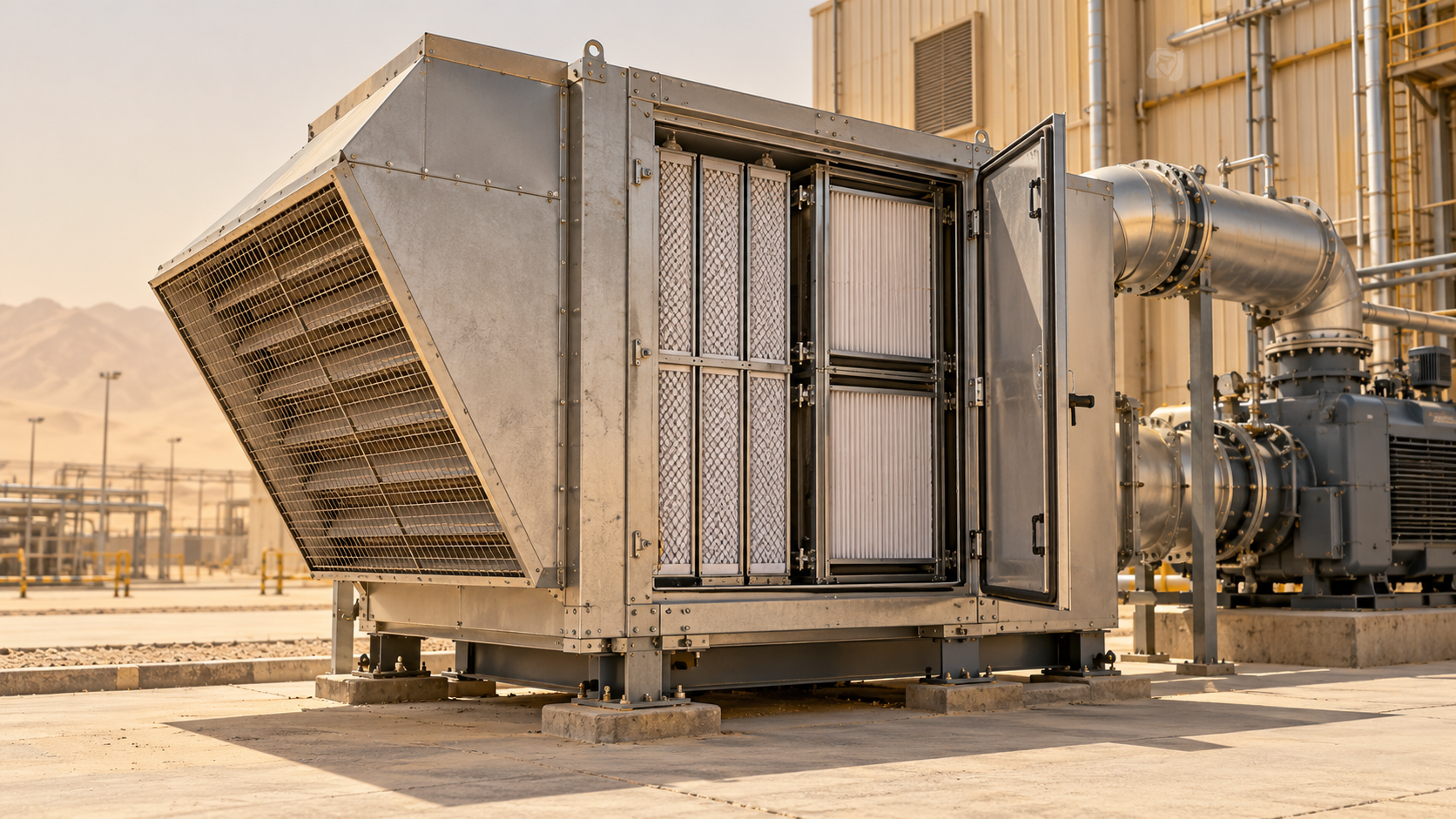
A further blind spot appears in maintenance planning. Resource circularity gains fade quickly when filter life, exchanger fouling, seal reliability, or control calibration are not included in the operating model.
This is why market intelligence matters. Tracking energy prices, refrigerant policy, oil-free compression trends, and sector-specific utility demand helps prevent short-term fixes that become long-term liabilities.
A practical path to stronger resource circularity
A workable resource circularity plan usually begins with mapping losses by value, not by volume alone. Small losses in high-cost utilities can outrank large losses in low-value scrap.
Next, define reuse conditions clearly. Temperature window, purity level, pressure need, contamination tolerance, and maintenance cycle should all be explicit before any retrofit decision.
Then compare options by implementation friction. Some changes need only controls tuning or segregation discipline. Others require piping changes, exchanger redesign, water treatment upgrades, or new monitoring points.
A sensible sequence often looks like this:
- Quantify thermal, air, water, and material losses by source.
- Rank opportunities by payback, disruption risk, and quality impact.
- Pilot the easiest closed-loop or recovery action first.
- Track performance with operating data, not only design assumptions.
- Expand standards once site-specific limits are understood.
The strongest next step is usually a cross-check between process data and technology intelligence. That makes resource circularity a disciplined operating choice rather than a broad sustainability promise.
Where thermal systems, compressed air, vacuum, and heat exchange drive cost, the right decision framework is the one that links circularity potential with actual plant constraints. That is where durable returns tend to appear.
Ready when you are. Send us a message to get started.
Related News
- How to select industrial equipment for automation with existing PLCsAuthor :

- How electricity prices shape industrial compressed air price trendsAuthor :

- Choosing air filtration systems for heavy dust in the Middle EastAuthor :

- How much does a fully installed compressed air monitoring system cost?Author :

- What documentation supports CE marking for industrial equipment?Author :

- How local support affects vacuum system costs in Southeast AsiaAuthor :

- How worldwide industry category guides help compare market opportunitiesAuthor :

- What drives sustainable thermal systems cost over their operating life?Author :

- Which industrial solution comparison criteria prevent project delays?Author :

- How Ambient Temperature and Load Profile Affect Industrial Compressor SizingAuthor :

- What to evaluate before choosing a thermal process engineering supplierAuthor :

- How industrial utility systems affect energy costs in process plantsAuthor :

- What Data Is Needed to Assess Heat Recovery Decarbonization?Author :

- Can Waste Heat Recovery Support Carbon Neutrality Targets?Author :

- Is Compressor Heat Recovery Worth the Installation Cost?Author :

- What to verify before choosing a process separation technology supplierAuthor :

- When does process utilities engineering reduce project rework?Author :

- Where thermal efficiency optimization delivers the fastest savings in EuropeAuthor :

- What should you verify before selecting a heat transfer supplier?Author :

- What drives compressed air systems price for industrial projects?Author :

- How an industrial product knowledge comparison guide reduces sourcing riskAuthor :

- When does a procurement specification planning process reduce bid risk?Author :

- When does thermal system optimization for electronics reduce failure risk?Author :

- When high temperature process heating systems justify the higher energy costAuthor :

- How to compare sludge dewatering equipment by cake drynessAuthor :

- What to Check Before Sourcing a Gas Turbine for Distributed Power ProjectsAuthor :

- What drives industrial thermal systems price in large facility projectsAuthor :

- How to build an industrial product comparison chart that speeds up vendor selectionAuthor :

- Vacuum Technology Application Guide for Selecting the Right SystemAuthor :

- What Drives Vacuum Drying Cost in Industrial Procurement?Author :

- What Drives Compressed Air Pricing in Industrial Systems?Author :

- How Procurement Specification Planning Shapes Total Project CostAuthor :

- Compression Technology Guide: How to Compare Efficiency, Pressure Range, and Maintenance NeedsAuthor :

- How to Compare Industrial Separators by Throughput, Purity, and Maintenance LoadAuthor :

- How to Size a Compressed Air Equipment Receiver Tank for Stable PressureAuthor :

- Industrial Equipment Selection Guide: How to Compare Capacity, Duty Cycle, and Operating CostAuthor :