How to Compare Process Heating Suppliers in Mexico




How to Compare Process Heating Suppliers in Mexico
Choosing the right industrial process heating supplier Mexico can directly affect energy efficiency, operating costs, and production reliability.
For sourcing teams, comparison goes far beyond quoted price.
A capable supplier helps stabilize thermal performance, reduce shutdown risk, and support future expansion.
That matters even more in Mexico, where manufacturing growth is raising demand for dependable industrial heating systems.
This guide explains how to compare process heating suppliers in Mexico with a practical, lower-risk framework.
Start with process fit, not vendor reputation
The first question is simple: can the supplier match the heating process to the real operating load?
Many buyers start with brand familiarity.
In practice, process fit usually matters more than logo strength.
A strong industrial process heating supplier Mexico should first ask about temperature range, fuel source, product sensitivity, duty cycle, and site utilities.
That early conversation reveals whether the supplier understands application risk.
Key application questions to test
- What process temperature must be held, and how tight is the tolerance?
- Is the heating load steady, seasonal, or highly variable?
- Which energy source is available: gas, electricity, steam, thermal oil, or hybrid?
- Are there product quality constraints, sanitation rules, or contamination limits?
- Will the system need future modular expansion?
If a supplier jumps straight to a standard unit, comparison should become stricter.
That often signals weaker engineering support.
Compare technical capability in detail
Technical capability is where real supplier differences show up.
A qualified industrial process heating supplier Mexico should explain not just equipment size, but system logic.
That includes controls, heat transfer method, efficiency assumptions, safety layers, and maintenance access.
What to request from each supplier
- Process datasheet with design inputs and assumptions.
- Thermal duty calculation and sizing basis.
- Efficiency estimate at full and partial load.
- P&ID or system flow diagram.
- Control philosophy for startup, shutdown, alarms, and load changes.
- Recommended spare parts and service intervals.
From recent market shifts, partial-load performance deserves extra attention.
Plants rarely run at one stable condition all year.
A supplier that only highlights peak efficiency may be masking everyday energy waste.
Look beyond the main heater
The heating package should be reviewed as a full system.
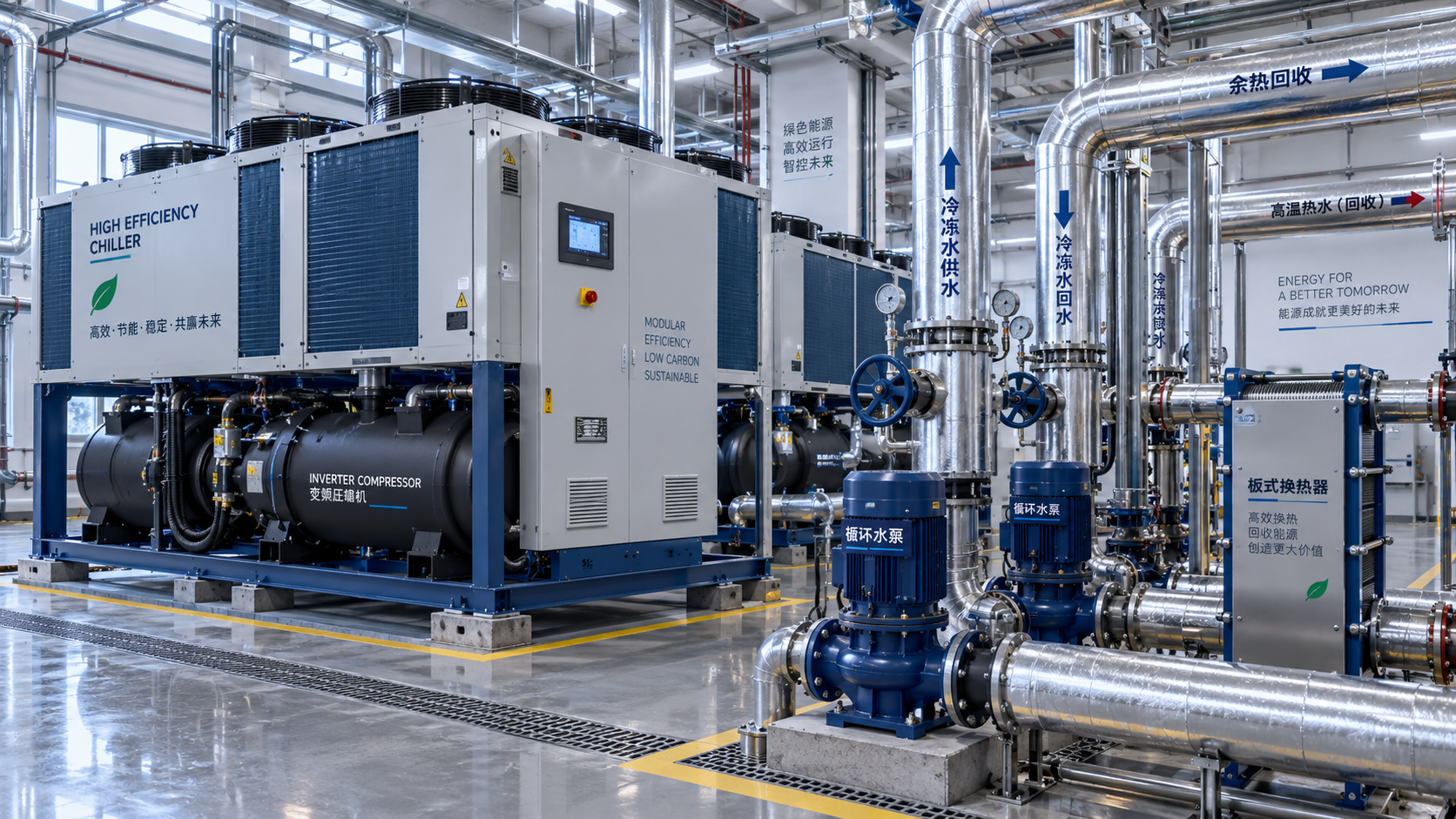
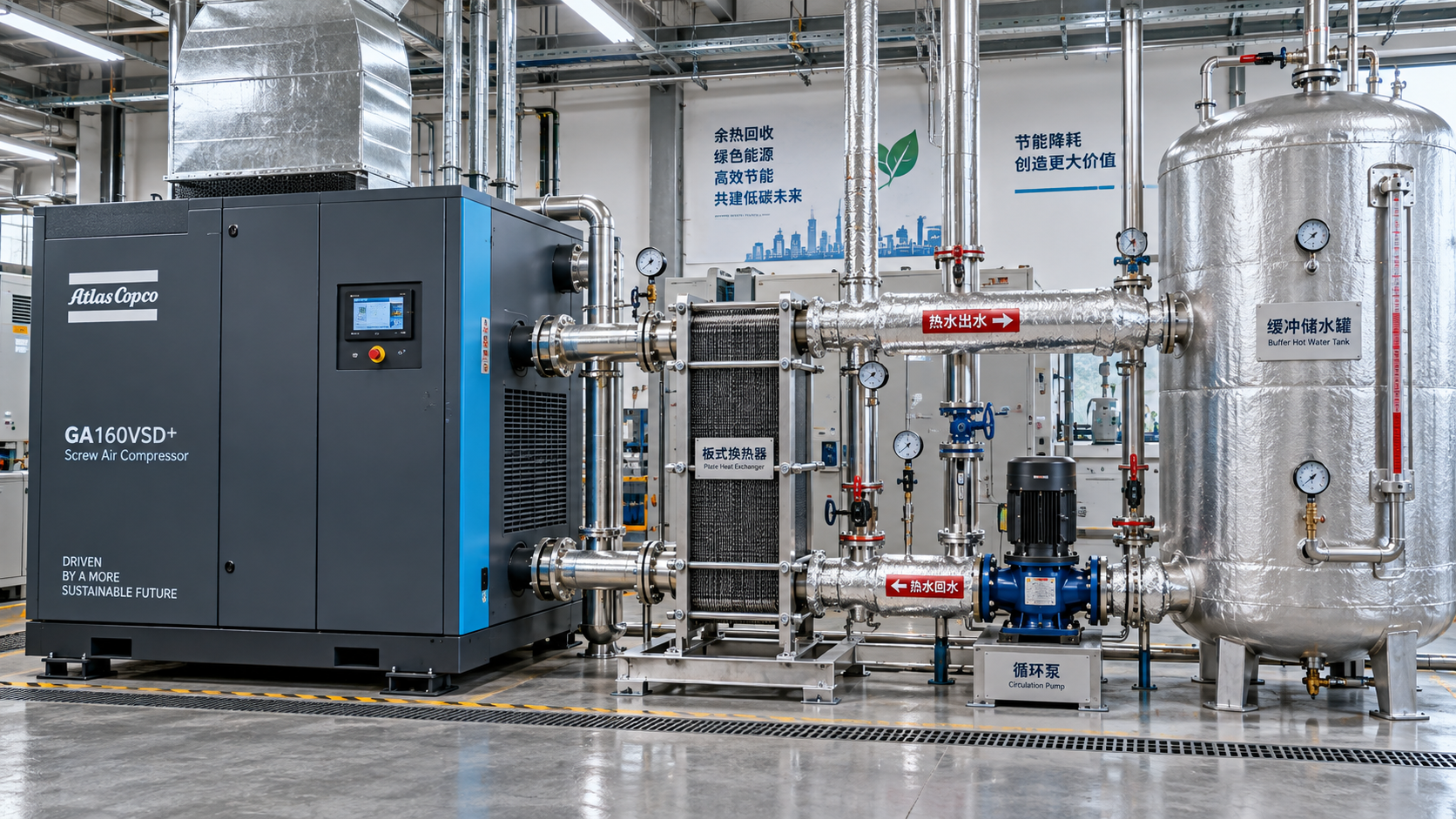
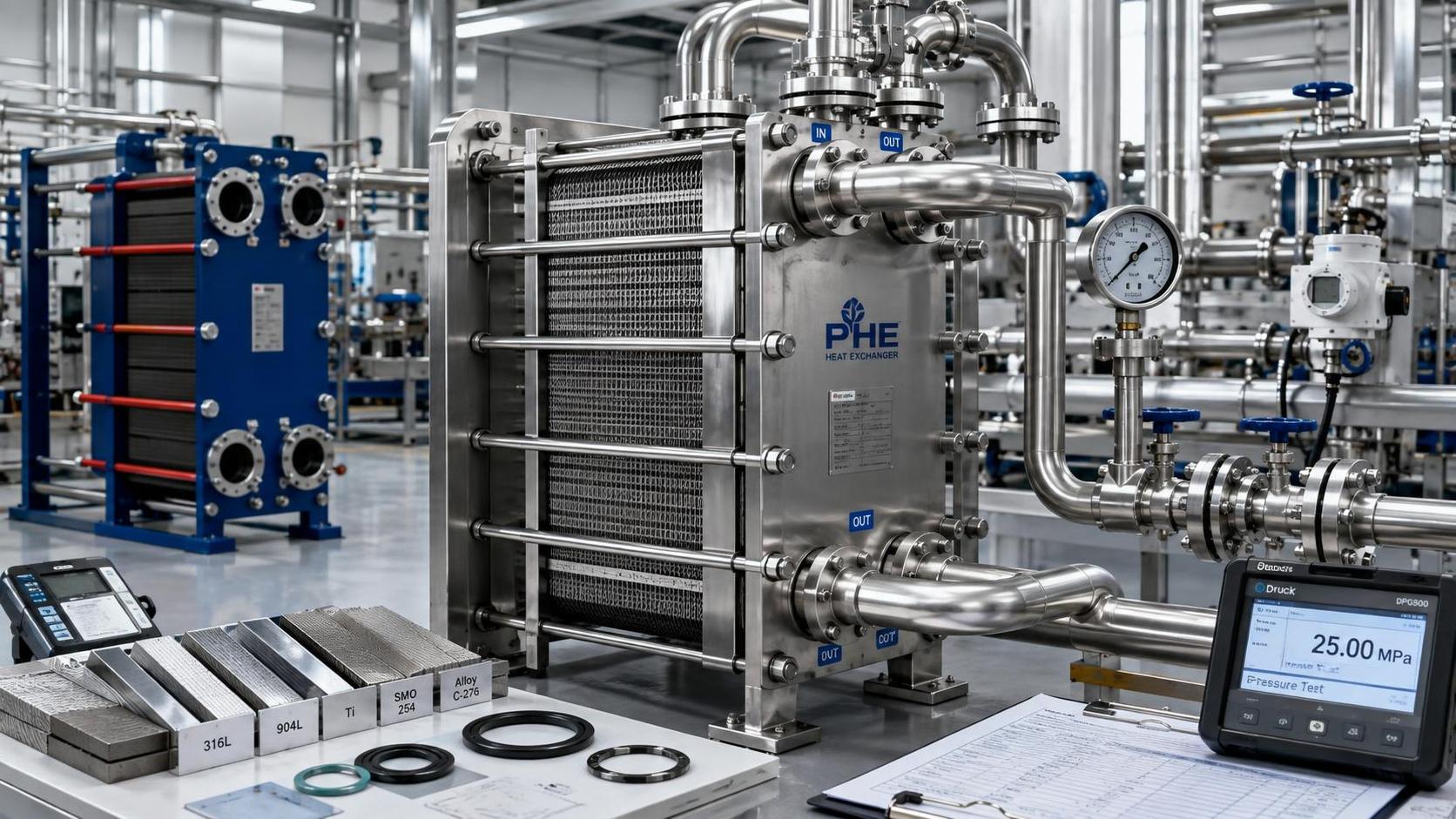
Burners, controls, pumps, valves, insulation, heat exchangers, and monitoring all influence real performance.
This is also where GTC-Matrix tracking adds value.
Broader thermodynamic insight helps separate a complete solution from a basic equipment offer.
Check compliance, safety, and local execution strength
In Mexico, supplier comparison should include compliance readiness from the beginning.
A cheaper proposal can become expensive when permits, inspections, or site acceptance are delayed.
A dependable industrial process heating supplier Mexico should clearly address applicable standards, emissions, operator safety, and installation requirements.
Areas to verify early
- Compliance with local electrical and combustion requirements.
- Safety interlocks, pressure protection, and emergency shutdown design.
- Documentation in usable English or Spanish for operations teams.
- Commissioning support, training scope, and site acceptance procedures.
- Experience with similar plants in food, pharma, chemicals, automotive, or general manufacturing.
Local execution matters more than many buyers expect.
If service technicians, spare parts, or startup engineers are not available in Mexico, downtime risk increases fast.
This also affects total project cost, especially when travel and customs delays enter the picture.
Evaluate lifecycle cost, not quoted price alone
Price is visible. Lifecycle cost is where the sourcing decision is won or lost.
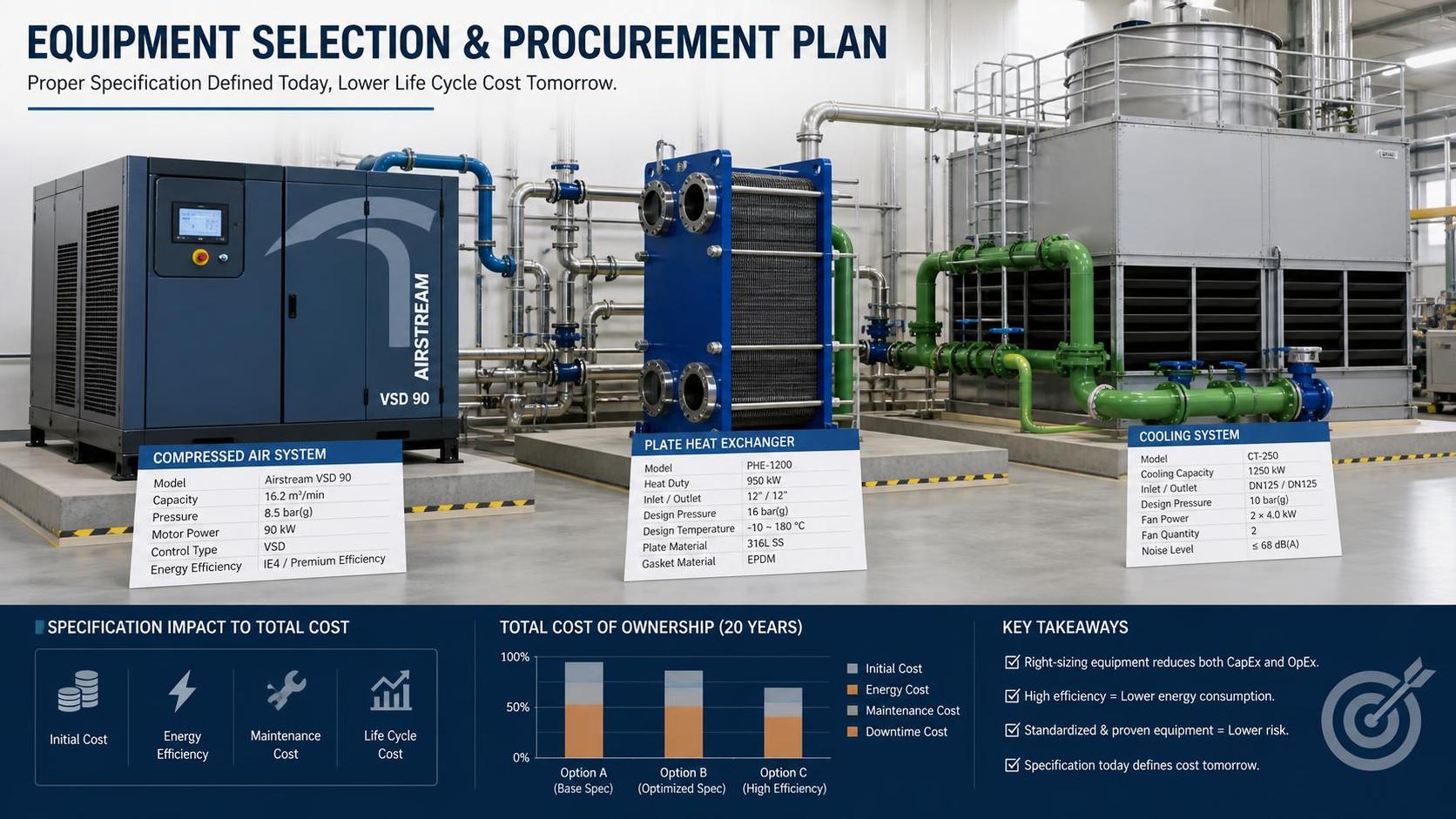
When comparing an industrial process heating supplier Mexico, build a side-by-side cost model for three to five years.
That model should include more than equipment purchase.
Typical cost elements
A lower upfront quote can still be the more expensive option.
That is common when energy prices fluctuate or maintenance support is weak.
More noticeably, suppliers with stronger controls and thermal optimization often recover the price gap quickly.
Measure supplier responsiveness and after-sales support
Procurement decisions often focus on pre-sale polish.
The better signal is what happens after commissioning.
An industrial process heating supplier Mexico should offer a clear support structure, not vague service promises.
Questions that expose service quality
- What is the guaranteed response time for urgent failures?
- Which spare parts are stocked locally in Mexico?
- Can diagnostics be done remotely?
- Who owns startup tuning and performance verification?
- How are warranty claims handled in practice?
Ask for customer references with similar thermal loads and operating conditions.
Then ask those users about downtime, spare parts lead time, and whether promised savings were actually achieved.
Reference calls often reveal more than technical brochures.
Use a practical scoring model before final selection
A structured scorecard keeps supplier comparison objective.
It also helps align engineering, operations, finance, and procurement around the same decision logic.
Suggested scoring criteria
- Process fit and technical accuracy.
- Energy efficiency under real operating conditions.
- Compliance and safety readiness.
- Local support in Mexico.
- Project lead time and commissioning capability.
- Lifecycle cost and commercial terms.
- Reference quality and market reputation.
Weight the categories according to plant priorities.
For example, continuous processing sites may rank uptime above capital cost.
Batch operations may focus more on flexibility and changeover control.
This method makes it easier to defend the final choice internally.
Final takeaway for supplier comparison in Mexico
The best industrial process heating supplier Mexico is rarely the one with the lowest initial quote.
The stronger choice usually combines application knowledge, compliance readiness, local support, and measurable operating value.
In real sourcing work, disciplined comparison reduces both technical and commercial risk.
Build the decision around process fit, lifecycle cost, and service execution.
That approach leads to a heating system that performs reliably long after purchase approval.
For teams tracking industrial heating trends, efficiency shifts, and supplier capability signals, a data-led view creates a stronger negotiating position in Mexico’s evolving market.
Ready when you are. Send us a message to get started.
Related News
- How to select industrial equipment for automation with existing PLCsAuthor :

- How electricity prices shape industrial compressed air price trendsAuthor :

- Choosing air filtration systems for heavy dust in the Middle EastAuthor :

- How much does a fully installed compressed air monitoring system cost?Author :

- What documentation supports CE marking for industrial equipment?Author :

- How local support affects vacuum system costs in Southeast AsiaAuthor :

- How worldwide industry category guides help compare market opportunitiesAuthor :

- What drives sustainable thermal systems cost over their operating life?Author :

- Which industrial solution comparison criteria prevent project delays?Author :

- How Ambient Temperature and Load Profile Affect Industrial Compressor SizingAuthor :

- What to evaluate before choosing a thermal process engineering supplierAuthor :

- How industrial utility systems affect energy costs in process plantsAuthor :

- What Data Is Needed to Assess Heat Recovery Decarbonization?Author :

- Can Waste Heat Recovery Support Carbon Neutrality Targets?Author :

- Is Compressor Heat Recovery Worth the Installation Cost?Author :

- What to verify before choosing a process separation technology supplierAuthor :

- When does process utilities engineering reduce project rework?Author :

- Where thermal efficiency optimization delivers the fastest savings in EuropeAuthor :

- What should you verify before selecting a heat transfer supplier?Author :

- What drives compressed air systems price for industrial projects?Author :

- How an industrial product knowledge comparison guide reduces sourcing riskAuthor :

- When does a procurement specification planning process reduce bid risk?Author :

- When does thermal system optimization for electronics reduce failure risk?Author :

- When high temperature process heating systems justify the higher energy costAuthor :

- How to compare sludge dewatering equipment by cake drynessAuthor :

- What to Check Before Sourcing a Gas Turbine for Distributed Power ProjectsAuthor :

- What drives industrial thermal systems price in large facility projectsAuthor :

- How to build an industrial product comparison chart that speeds up vendor selectionAuthor :

- Vacuum Technology Application Guide for Selecting the Right SystemAuthor :

- What Drives Vacuum Drying Cost in Industrial Procurement?Author :

- What Drives Compressed Air Pricing in Industrial Systems?Author :

- How Procurement Specification Planning Shapes Total Project CostAuthor :

- Compression Technology Guide: How to Compare Efficiency, Pressure Range, and Maintenance NeedsAuthor :

- How to Compare Industrial Separators by Throughput, Purity, and Maintenance LoadAuthor :

- How to Size a Compressed Air Equipment Receiver Tank for Stable PressureAuthor :

- Industrial Equipment Selection Guide: How to Compare Capacity, Duty Cycle, and Operating CostAuthor :