What to Check on an Industrial Product Information Platform Before Sourcing




Sourcing decisions rarely fail because a brochure looked incomplete. They fail when important signals were missing before comparison began. A strong industrial product information platform helps test supplier claims against technical reality, market context, and operating risk.
That matters even more in sectors shaped by energy volatility, compliance pressure, and fast equipment upgrades. In cooling, compressed air, vacuum, and heat exchange systems, the right platform turns scattered data into a workable sourcing view.
Why platform quality matters before supplier contact
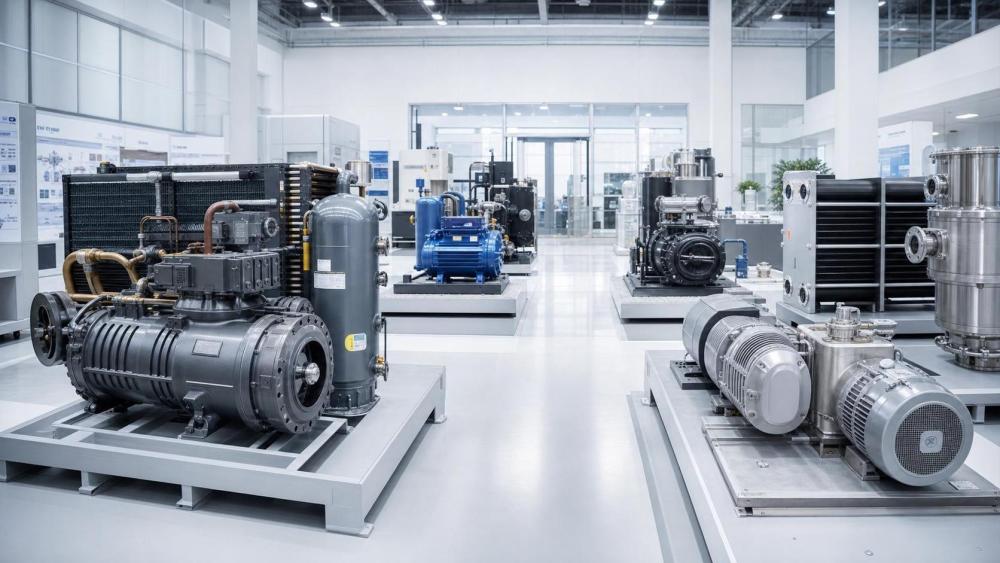
An industrial product information platform should do more than list products. It should clarify whether a supplier can support uptime, efficiency, compliance, and long-term cost control across real operating conditions.
This is especially relevant in cross-border sourcing. Product pages may look similar, yet service depth, technical maturity, and regulatory readiness often differ sharply once details are checked.
For industrial thermal and power systems, hidden differences can affect plant continuity. A weak refrigerant strategy, unstable vacuum performance, or overstated compressor efficiency can change the business case completely.
Start with the platform’s evidence structure
The first test is not the supplier. It is the information architecture. A reliable industrial product information platform presents data in a way that supports verification, not just browsing.
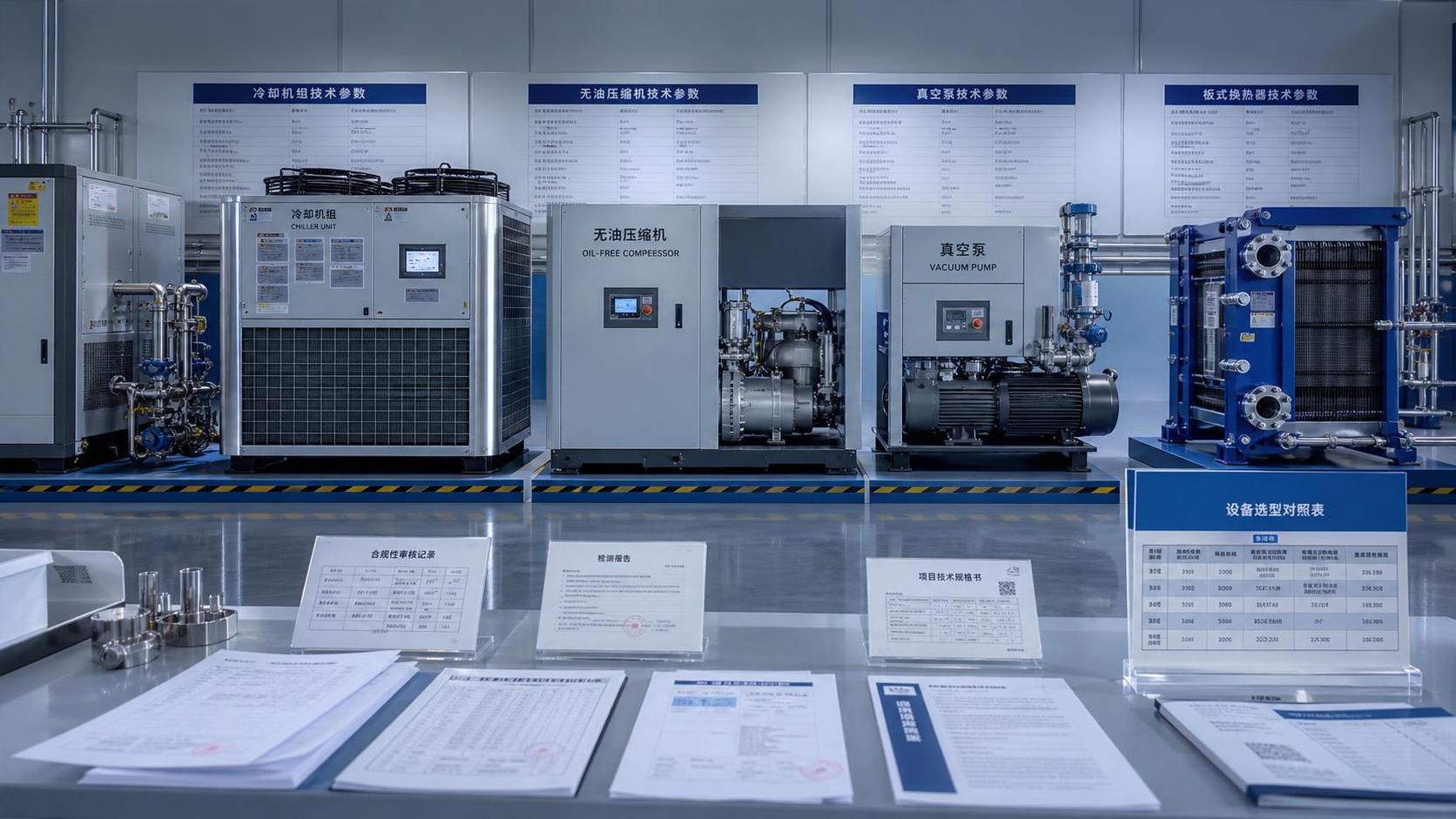
Look for traceable specifications, update dates, certification references, application notes, and comparison logic. If performance claims appear without conditions, the platform is giving marketing language, not sourcing intelligence.
Good platforms also separate nominal values from operating values. Rated capacity means little without ambient temperature, duty cycle, pressure range, medium purity, or load profile.
Useful signals of trustworthy data
- Specifications linked to standards, test methods, or certification bodies.
- Clear distinction between product families and actual configured models.
- Revision history for technical documents and compliance updates.
- Application guidance by industry, not only generic feature lists.
- Independent market or policy context supporting technical claims.
Check whether technical claims match operating reality
The most practical use of an industrial product information platform is to compare claims with operating scenarios. This is where many early-stage sourcing decisions become more disciplined.
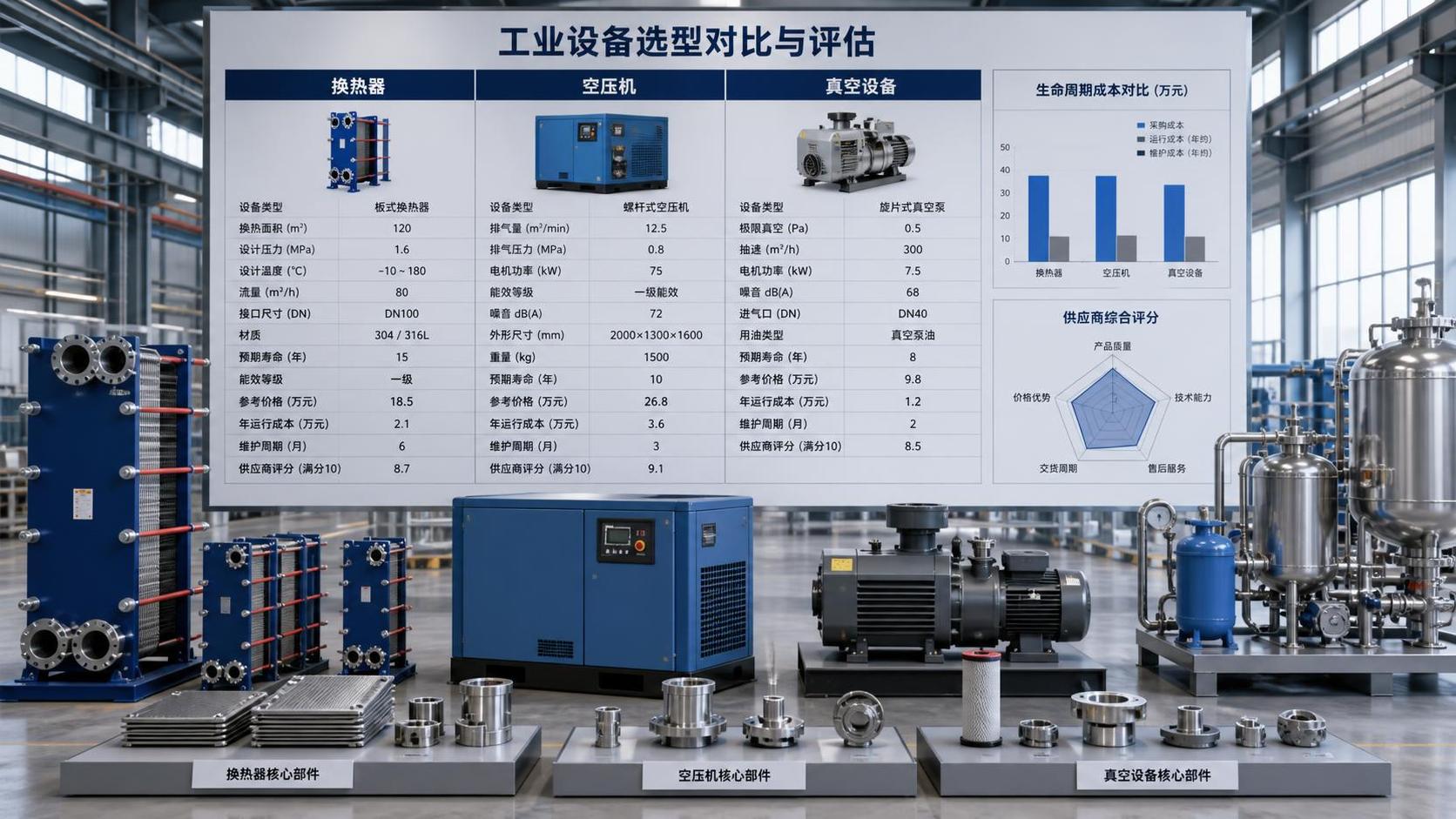
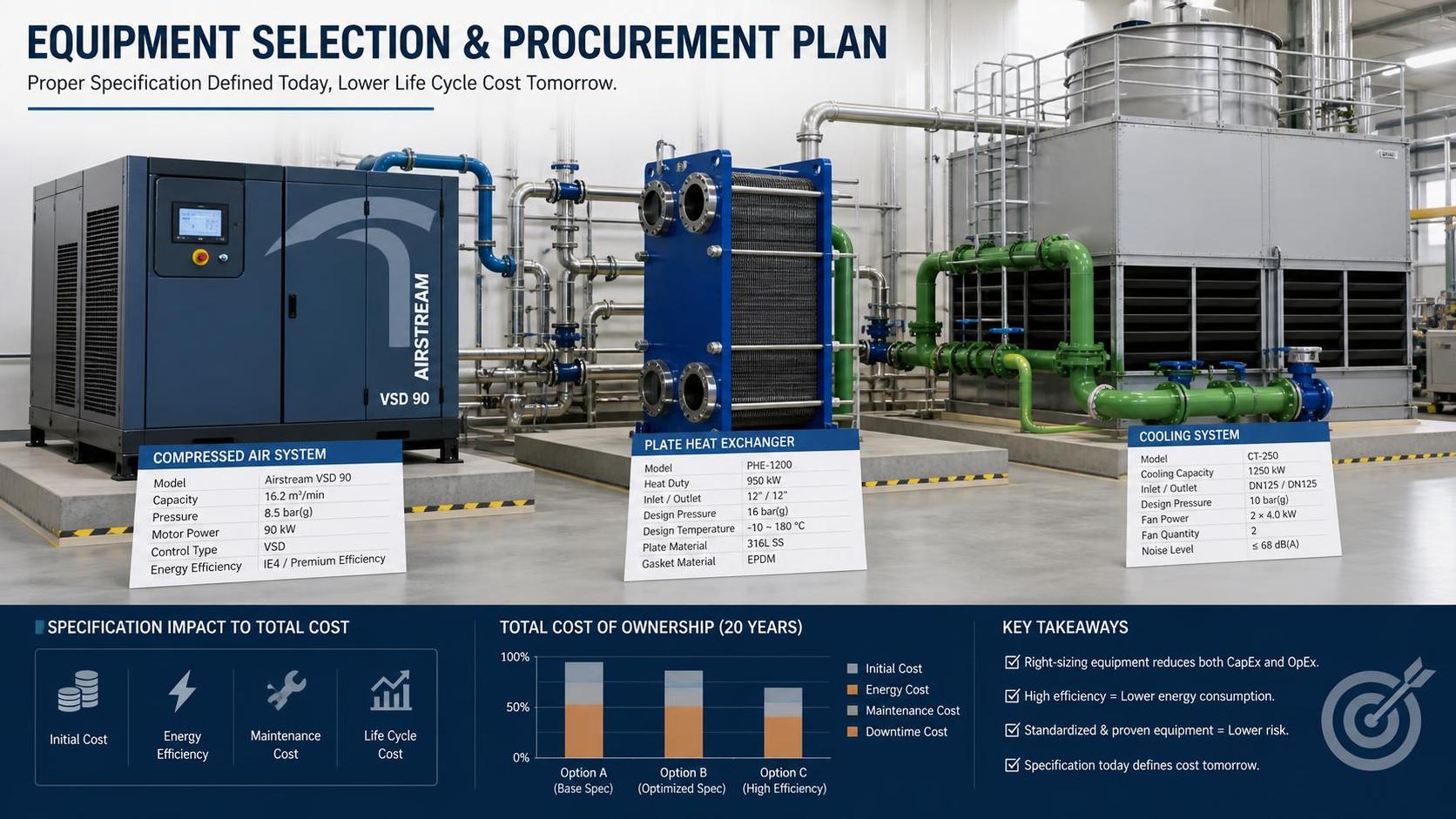
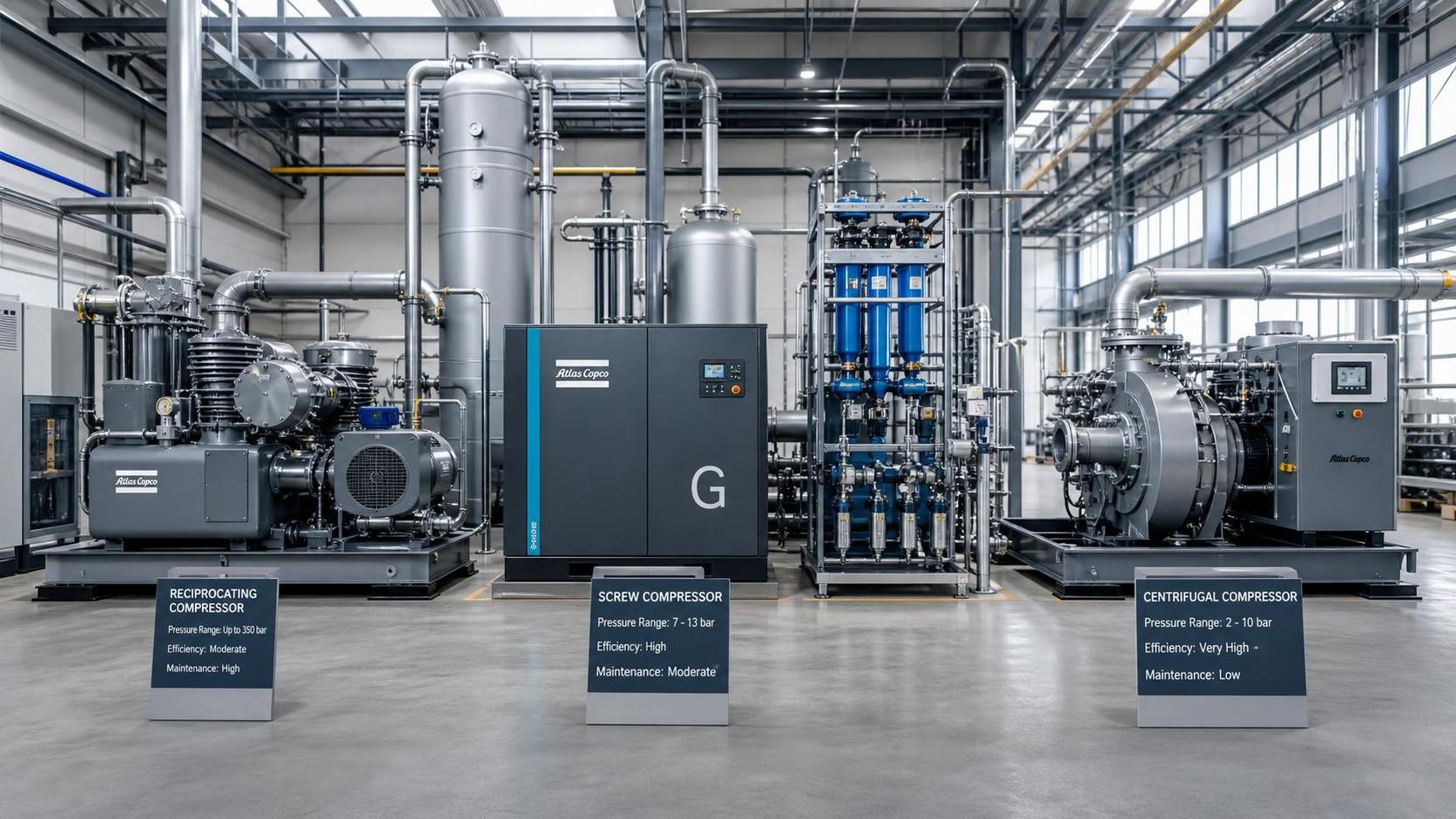
For compressors, review part-load efficiency, oil-free performance stability, noise, maintenance intervals, and air quality assumptions. For heat exchangers, focus on fouling tolerance, pressure drop, material compatibility, and thermal performance over time.
For cooling systems, study refrigerant pathway, climate suitability, controls logic, and energy response during peak demand. For vacuum equipment, check ultimate pressure, pumping speed curves, contamination sensitivity, and service requirements.
A platform with serious industrial value explains where a product performs well and where it does not. That kind of boundary definition is more useful than broad performance promises.
Questions worth asking while comparing listings
Compliance, policy, and regional fit need equal attention
Many sourcing problems appear after selection, not before it. That usually happens when a platform shows equipment capability but ignores regional regulations, refrigerant rules, emissions limits, or documentation requirements.
A dependable industrial product information platform should connect product data with policy movement. This is particularly important where refrigerant quotas, carbon reporting, energy labeling, and safety codes are changing quickly.
In this area, intelligence-led platforms such as GTC-Matrix become useful because they place equipment information beside sector news, technology evolution, and commercial signals. That broader view helps separate temporary market noise from structural change.
If a supplier’s offering depends on a refrigerant under pressure, or on a design with weak decarbonization prospects, the risk should be visible before negotiation starts.
Use industry context to judge supplier positioning
Not every sourcing decision is about buying the most advanced machine. Often the better question is whether the supplier fits the demand pattern of the target industry.
Pharmaceutical sites may prioritize clean compressed air, precise temperature control, and validation support. Semiconductor production may emphasize purity, thermal stability, and uninterrupted vacuum performance. Food processing may care more about hygiene, efficiency, and washdown resilience.
A capable industrial product information platform should show these differences clearly. It should help identify whether a supplier has true application depth or only broad catalog coverage.
This is where commercial insight matters. Demand modeling, installation trends, and technology adoption patterns can reveal whether a product line is gaining relevance or merely staying visible.
What strong market positioning usually looks like
- Consistent presence in industries with demanding operating standards.
- Technical content aligned with evolving process requirements.
- Evidence of response to low-carbon or high-efficiency trends.
- Product development visible across more than one market cycle.
Look beyond product pages to service and continuity
Before sourcing, an industrial product information platform should also help evaluate continuity risk. Equipment value depends on spare parts, commissioning support, training quality, and regional service response.
This is easy to underestimate when comparing similar price points. Yet downtime costs often exceed the initial savings from a lower quote.
Review whether the platform shows service networks, local partners, warranty structure, retrofit options, and documentation availability. If lifecycle support is vague, the sourcing picture remains incomplete.
The same applies to digital readiness. Modern thermal and compression systems increasingly rely on controls, monitoring, and performance analytics. A platform should indicate whether the supplier supports integration, diagnostics, and data visibility.
Build a practical review framework before shortlisting
The most useful industrial product information platform is the one that helps create a repeatable review method. That keeps evaluation grounded when multiple suppliers appear technically comparable.
A practical framework can combine five filters: technical fit, energy logic, compliance readiness, application proof, and service continuity. Those filters work across many industrial categories, not only thermal equipment.
It also helps to separate critical requirements from preference items. Mandatory compliance, process stability, and operating cost should usually outrank cosmetic feature differences.
Where the sourcing scope includes cooling, compressed air, vacuum, or heat exchange technologies, intelligence platforms with strategic analysis can add another layer. They show how energy cost movement, policy shifts, and technology transitions may affect the shortlist later.
A concise review sequence
- Define operating conditions and non-negotiable standards first.
- Use the industrial product information platform to verify claims line by line.
- Compare lifecycle implications, not just quoted output or price.
- Check policy exposure, refrigerant path, and efficiency direction.
- Shortlist only suppliers with visible application and service depth.
Turning information into a stronger sourcing decision
A sourcing platform earns its value when it reduces uncertainty before formal engagement. The goal is not to collect more documents. The goal is to identify which suppliers deserve deeper technical and commercial discussion.
When reviewing any industrial product information platform, focus on evidence quality, operating relevance, compliance visibility, market context, and continuity support. Those checkpoints usually reveal more than polished catalog language.
The next useful step is simple: map the real operating scenario, list the highest-risk assumptions, and test each one against platform data. That creates a better shortlist and a more disciplined sourcing conversation.
Related News
- How industrial utility systems affect energy costs in process plantsAuthor :

- What to verify before choosing a process separation technology supplierAuthor :

- When does process utilities engineering reduce project rework?Author :

- Where thermal efficiency optimization delivers the fastest savings in EuropeAuthor :

- What should you verify before selecting a heat transfer supplier?Author :

- What drives compressed air systems price for industrial projects?Author :

- How an industrial product knowledge comparison guide reduces sourcing riskAuthor :

- When does a procurement specification planning process reduce bid risk?Author :

- When does thermal system optimization for electronics reduce failure risk?Author :

- When high temperature process heating systems justify the higher energy costAuthor :

- How to compare sludge dewatering equipment by cake drynessAuthor :

- What to Check Before Sourcing a Gas Turbine for Distributed Power ProjectsAuthor :

- What drives industrial thermal systems price in large facility projectsAuthor :

- How to build an industrial product comparison chart that speeds up vendor selectionAuthor :

- Vacuum Technology Application Guide for Selecting the Right SystemAuthor :

- What Drives Vacuum Drying Cost in Industrial Procurement?Author :

- What Drives Compressed Air Pricing in Industrial Systems?Author :

- How Procurement Specification Planning Shapes Total Project CostAuthor :

- Compression Technology Guide: How to Compare Efficiency, Pressure Range, and Maintenance NeedsAuthor :

- How to Compare Industrial Separators by Throughput, Purity, and Maintenance LoadAuthor :

- How to Size a Compressed Air Equipment Receiver Tank for Stable PressureAuthor :

- Industrial Equipment Selection Guide: How to Compare Capacity, Duty Cycle, and Operating CostAuthor :

- How to Evaluate an Intellectualization Supplier for Industrial UpgradesAuthor :

- High-Efficiency Manufacturing: Cost Savings vs. Upgrade RiskAuthor :

- Thermal System Optimization Cost: What Drives ROI?Author :

- How to Plan Process Utilities for a Cleanroom Without Costly ReworkAuthor :

- How to Compare Process Heating Suppliers in MexicoAuthor :

- Food Processing Utilities: Common Sizing Mistakes That Raise Energy and Water UseAuthor :

- How to Build Procurement Specification Planning for Industrial EquipmentAuthor :

- OEM Cooperation for Industrial Equipment: Risks, Terms, and Cost PrioritiesAuthor :

- Specification-Oriented Product Resources That Speed Technical ReviewAuthor :

- Industrial Equipment Selection Guide: A Practical Buyer ChecklistAuthor :

- How to Compare Industrial Energy Management Systems by ROIAuthor :

- How to Evaluate a Deaerators Supplier for Long-Term Plant ReliabilityAuthor :
![]()
- How to Evaluate a Vacuum Technology Manufacturer in 2026Author :

- Thermal Efficiency Optimization Software: When the ROI Justifies DeploymentAuthor :