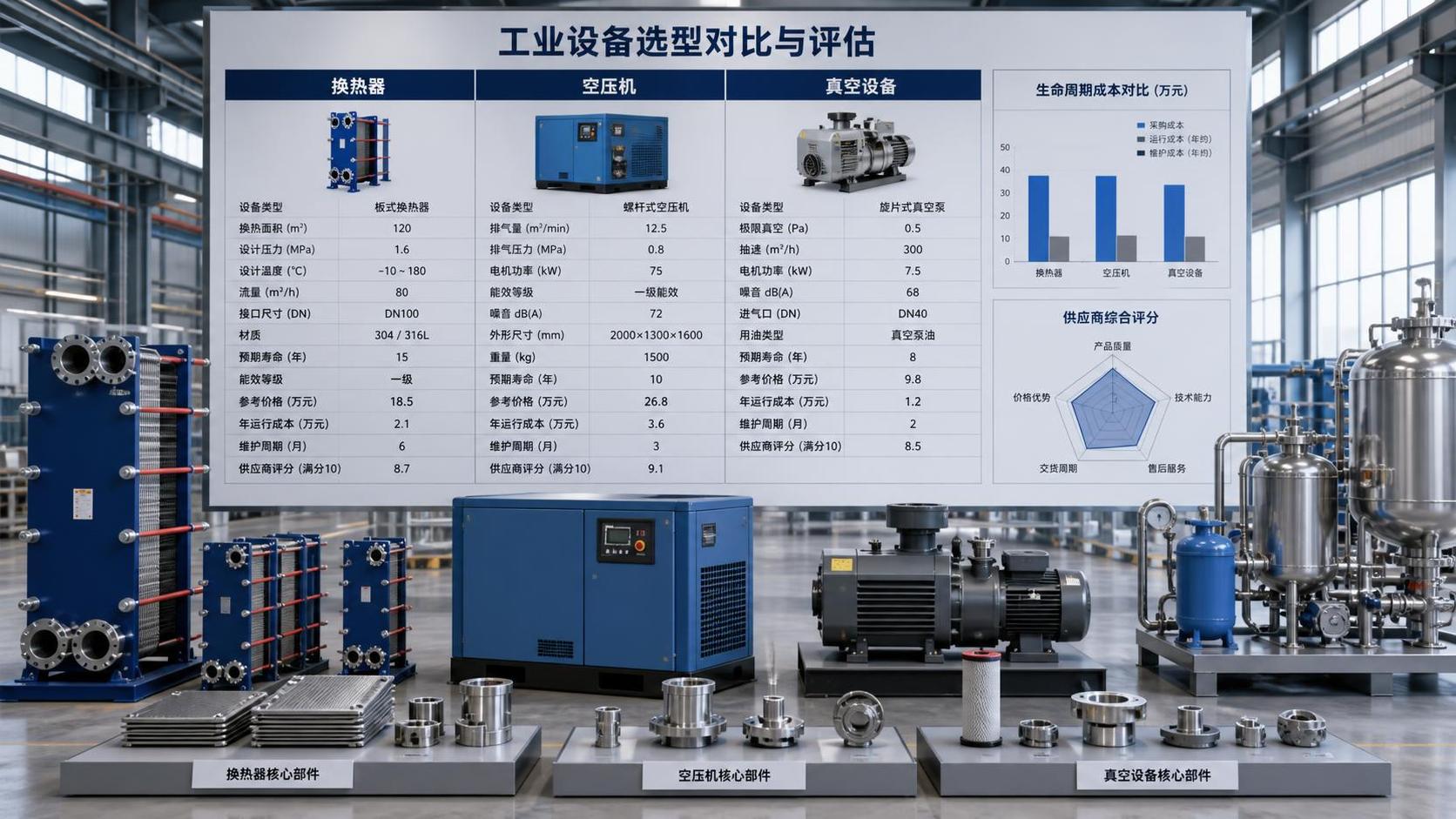
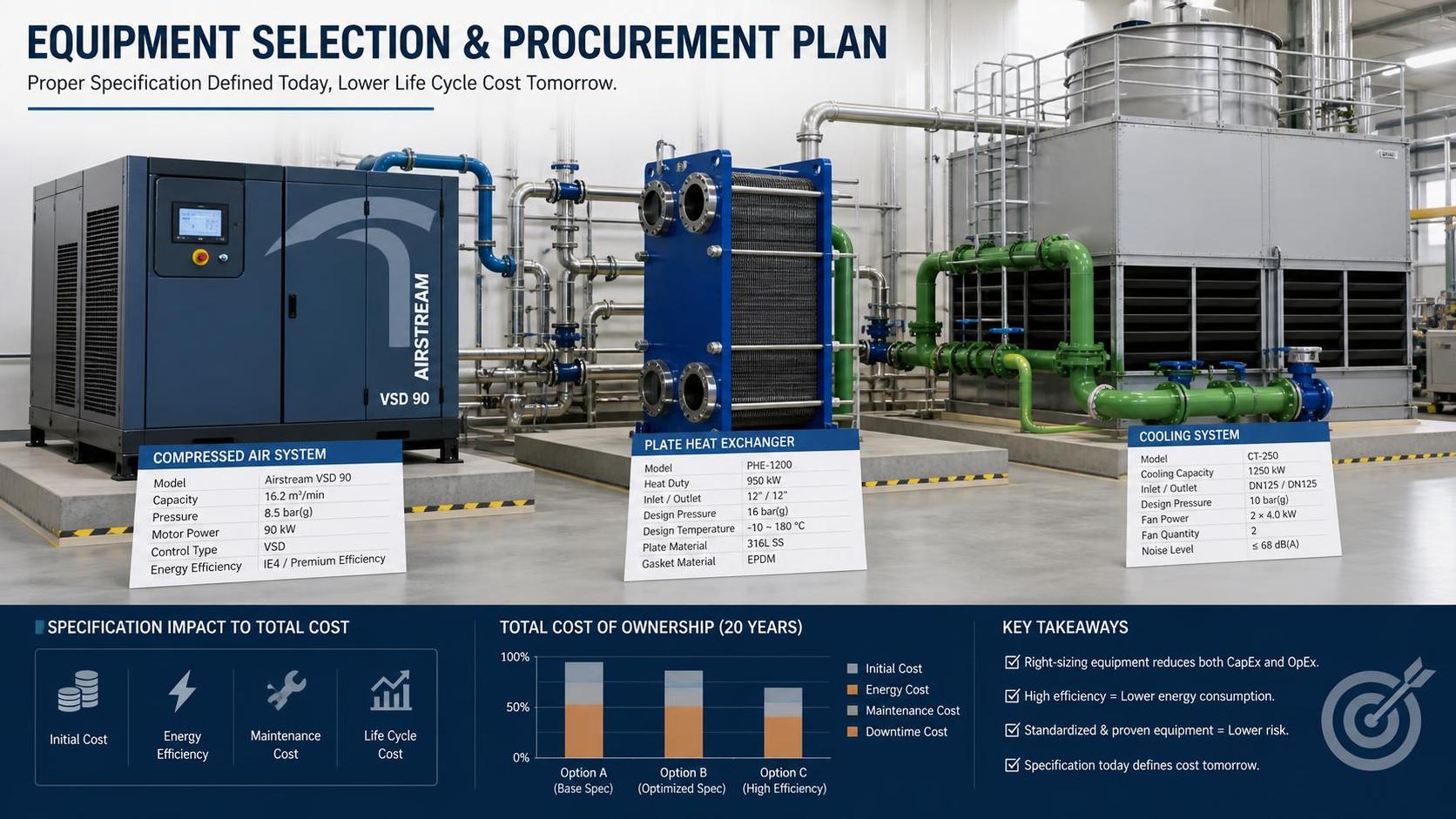
Specification-Oriented Product Resources That Speed Technical Review




Specification-Oriented Product Resources: Why are they getting so much attention?
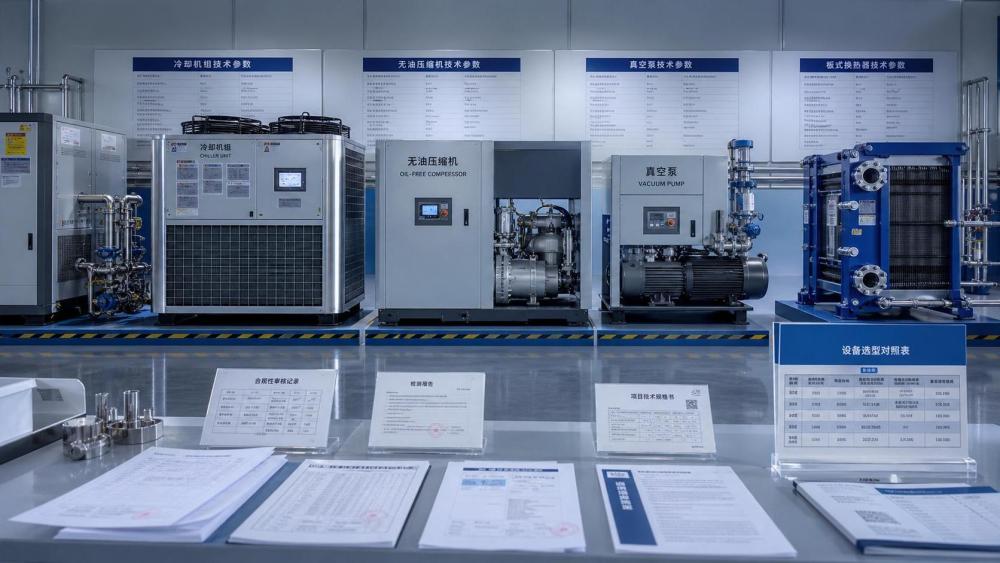
Technical review often slows down when product data sits in scattered brochures, mixed-format datasheets, and partial compliance files.
That is why specification-oriented product resources matter. They turn fragmented information into structured decision material that can actually be compared.
In practical terms, they help clarify capacity, pressure, temperature range, energy use, control logic, materials, safety limits, and certification status.
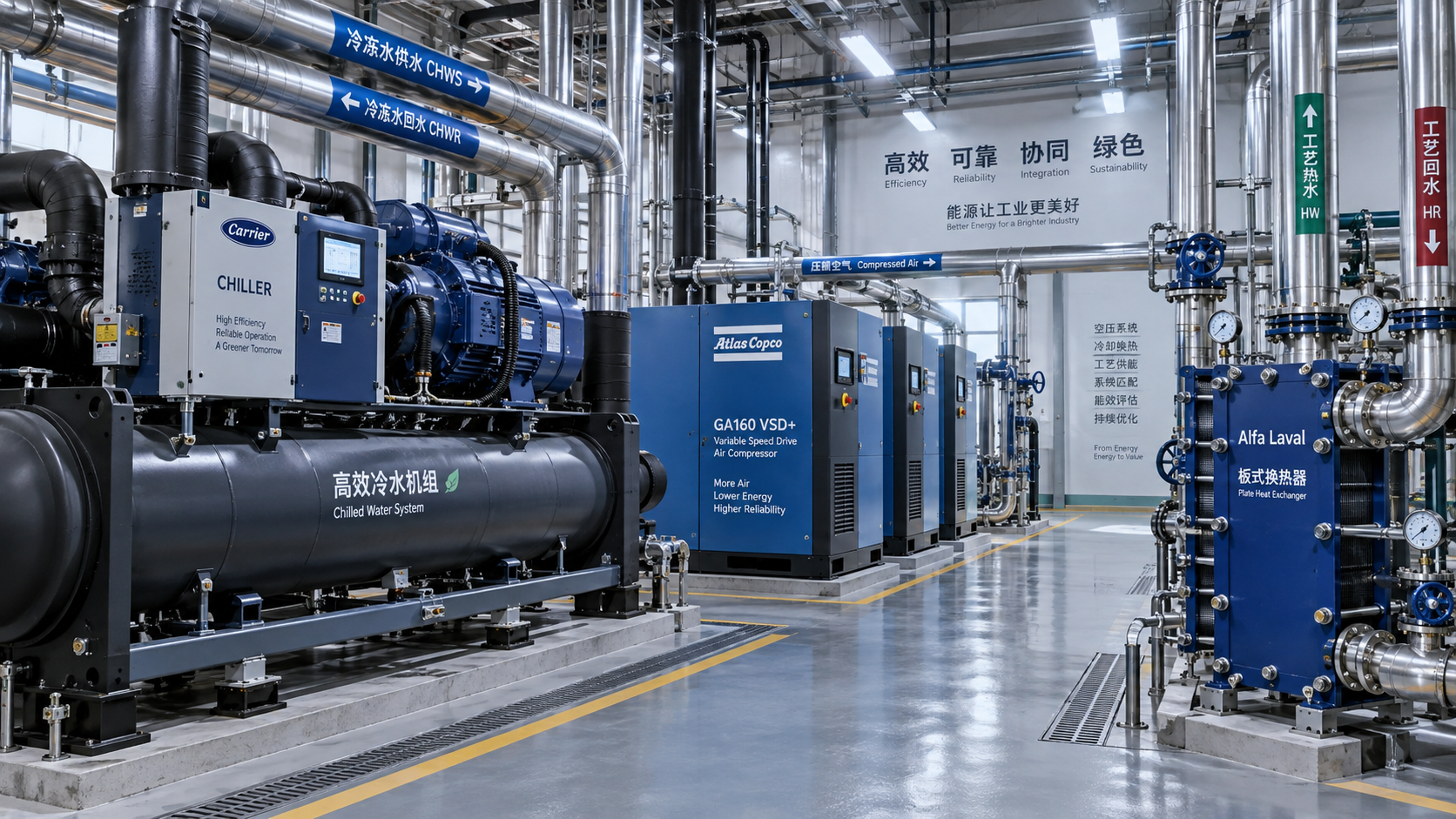
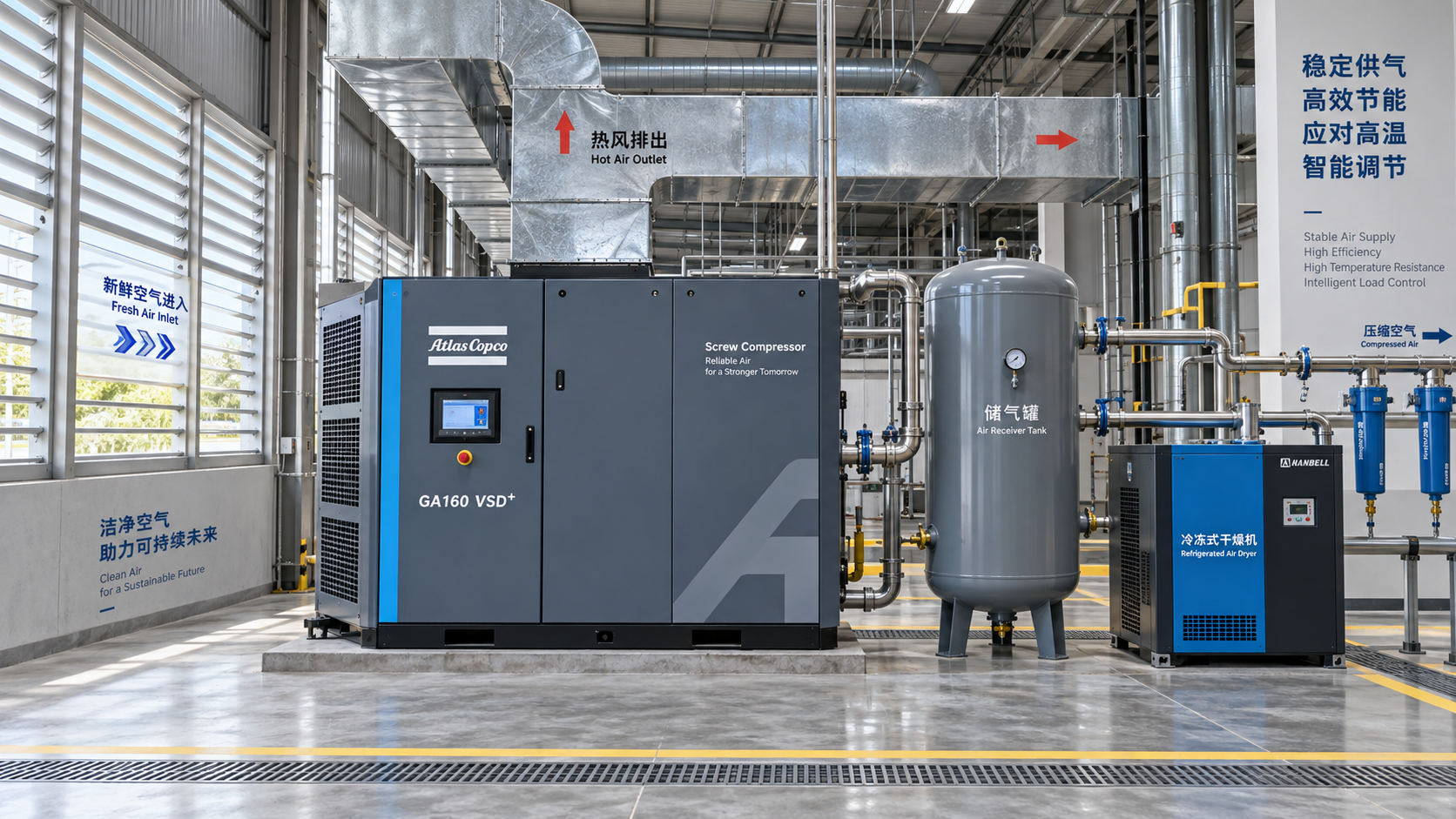
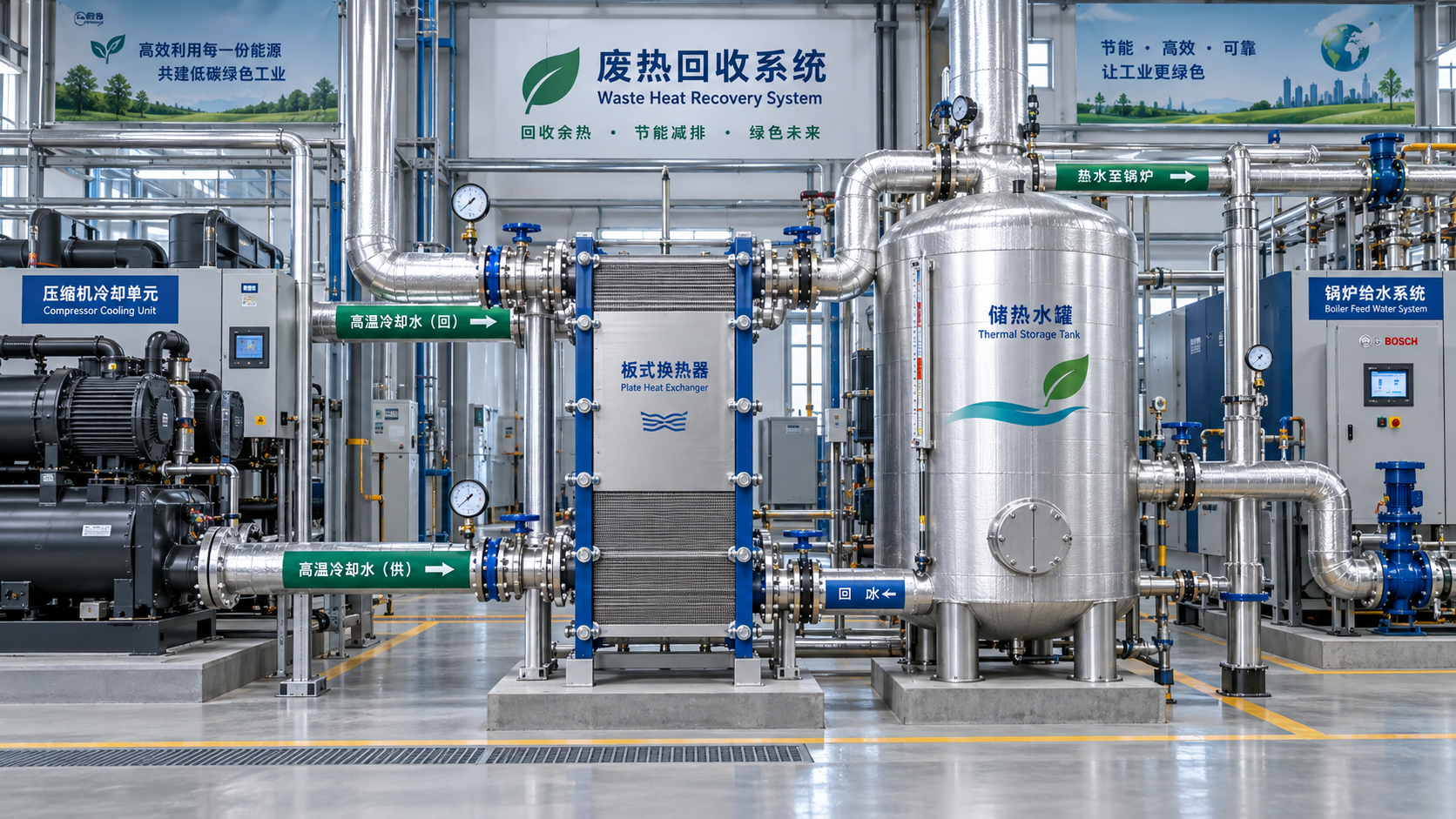
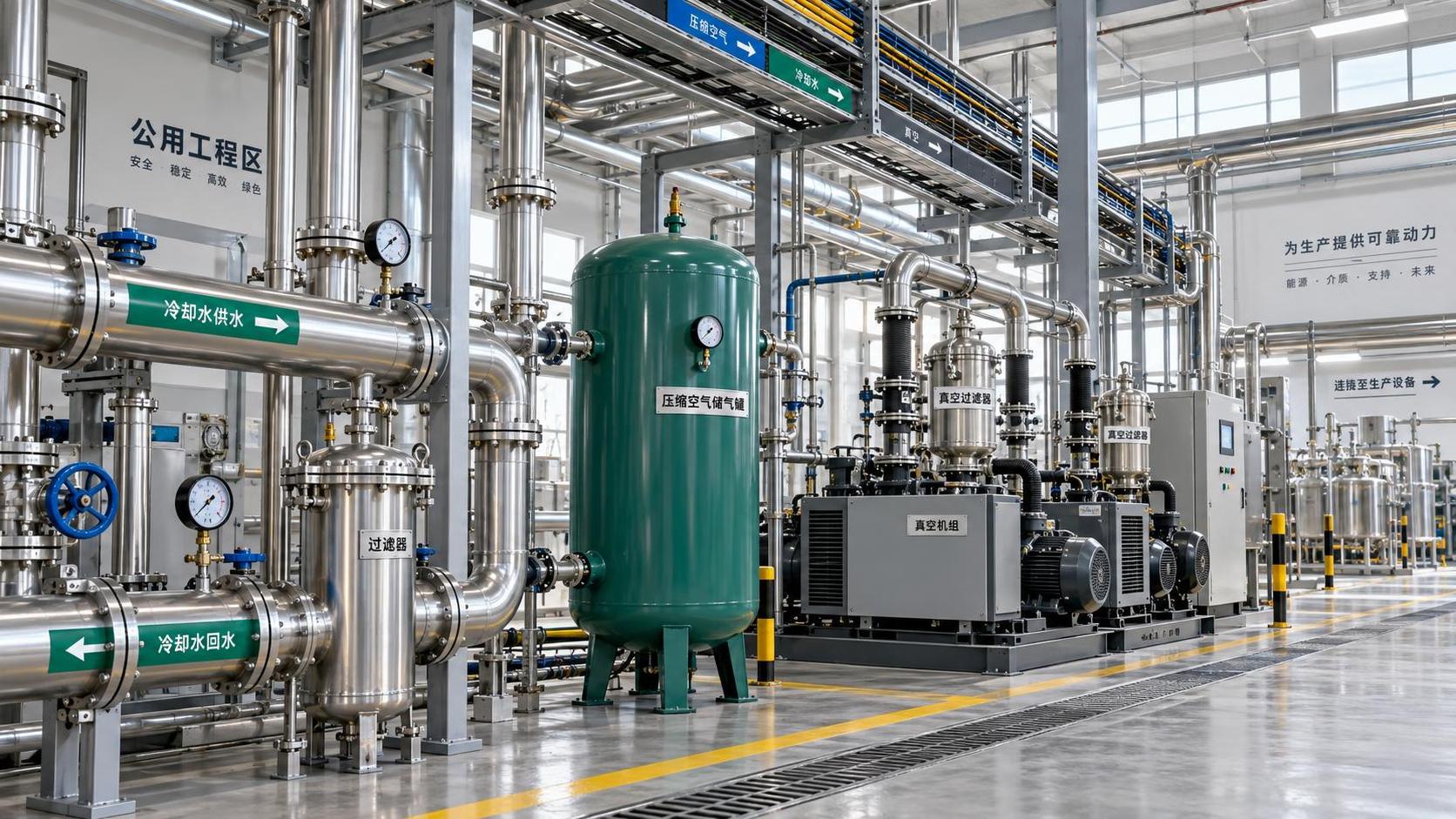
For industrial cooling, compressed air, vacuum, and heat exchange systems, this structure becomes even more valuable.
These categories involve tight performance tolerances, operating risks, and rising pressure to meet efficiency and environmental targets.
GTC-Matrix follows this space closely through its intelligence focus on thermodynamic systems and compression power technologies.
Its broader value is not just news collection. It connects technical specifications with market shifts, policy signals, and operational relevance.
That makes specification-oriented product resources useful not only for understanding products, but for judging fit, timing, and review risk.
What makes a product resource truly specification-oriented?
A specification-oriented resource is built around verifiable parameters, not marketing language.
It answers the questions that usually appear during screening, technical comparison, and internal approval.
A generic brochure may say a heat exchanger is compact and efficient. A specification-oriented resource shows approach temperature, pressure drop, materials, fouling assumptions, and testing basis.
The same applies to oil-free compressors, vacuum pumps, chillers, and thermal recovery units.
A useful structure usually includes:
- core operating specifications with units and test conditions
- performance curves or load ranges, not a single headline figure
- energy, refrigerant, or media-related data tied to compliance reality
- installation constraints, maintenance intervals, and control interface details
- documented standards, certifications, and exclusions
The difference sounds simple, but it changes review quality.
When specification-oriented product resources are complete, teams spend less time chasing missing context and more time testing actual suitability.
Where do these resources help most in real technical review?
They are most useful where multiple disciplines must align before a decision can move forward.
Industrial thermal systems rarely involve a single variable. Cooling load affects compressor sizing. Air purity affects downstream processes. Heat recovery influences operating cost.
In those cases, specification-oriented product resources reduce interpretation gaps between engineering, operations, compliance, and commercial review.
This is especially relevant in sectors with strict process stability, such as pharmaceuticals, semiconductors, and food processing.
GTC-Matrix often frames these systems within bigger industry signals, including refrigerant policy change, low-NOx heating trends, and demand for cleaner compressed media.
That context matters because technical review is rarely only technical. It is also about future exposure.
A compressor may meet today’s needs but create issues later if its energy profile, service model, or environmental pathway looks weak.
A specification-oriented resource makes those tradeoffs easier to see early.
A quick judgment table can save hours
When comparing documents, the fastest check is whether they support a real decision or only a first impression.
How do you compare specification-oriented product resources without getting lost in data?
More data does not always mean better review.
The more reliable approach is to compare resources against a short set of decision-critical variables.
For thermal and compression systems, those variables usually fall into four groups.
- Performance fit: duty range, pressure, temperature, purity, response stability
- Operational impact: energy profile, noise, maintenance, controls, redundancy
- Compliance exposure: refrigerant pathway, emissions, safety classification, traceability
- Commercial timing: lead time, service coverage, upgrade path, lifecycle assumptions
This is where specification-oriented product resources outperform unstructured product content.
They allow direct comparison on equal terms.
In actual review work, a document that is slightly less detailed but consistently structured is often more useful than a large file set with no hierarchy.
GTC-Matrix adds value here by linking specification reading to wider evolutionary trends.
For example, oil-free compression and microchannel heat exchanger adoption are not just design shifts. They also affect long-term comparison logic.
That wider lens helps prevent narrow decisions based only on nameplate numbers.
What are the common mistakes when using specification-oriented product resources?
The biggest mistake is treating all specifications as equally meaningful.
Some values are measured under ideal conditions that do not reflect real operation.
Another common issue is missing the connection between technical data and policy direction.
A cooling system may look efficient today, yet face future pressure if refrigerant quotas tighten or regional compliance rules change.
There is also a practical reading error: assuming that absence of detail means low relevance.
In reality, missing detail often signals unresolved engineering, limited validation, or weak documentation control.
Three checks help reduce these risks:
- Confirm test conditions behind every headline performance claim
- Check whether compliance and energy data align with target market requirements
- Flag any specification gap that blocks installation, service, or long-term operation
Specification-oriented product resources are powerful, but only when they are read with context, not as isolated numbers.
How can review teams use them to shorten cycle time without lowering standards?
The useful move is to set a review sequence before comparing suppliers or technologies.
Start with exclusion criteria. That means defining unacceptable limits for media compatibility, efficiency threshold, footprint, emissions, or control requirements.
Then use specification-oriented product resources to sort options into three groups: immediately suitable, potentially suitable with clarification, and unsuitable.
This method keeps review speed high because not every option deserves the same level of effort.
In sectors where uptime and temperature precision are critical, this staged review is especially effective.
It also fits the GTC-Matrix approach of combining technical structure with strategic intelligence.
When market insight, energy cost movement, and technology evolution are visible alongside specifications, decisions become faster and less reactive.
The result is not just a shorter review cycle. It is a cleaner path to a defensible decision.
A practical next-step checklist
- List the five to seven specifications that will decide technical fit
- Require identical reporting units and operating conditions across compared options
- Separate mandatory compliance points from desirable performance extras
- Review energy and maintenance assumptions over the expected operating profile
- Use market intelligence to test whether today’s fit still looks sound in two to five years
Specification-oriented product resources are most useful when they support this kind of disciplined comparison.
If the next review cycle feels slow or uncertain, the first fix is rarely more paperwork.
It is usually better structure, clearer parameters, and stronger linkage between technical facts and industrial context.
That is the real advantage of specification-oriented product resources, especially in complex thermal and compression decisions.
Ready when you are. Send us a message to get started.
Related News
- How to select industrial equipment for automation with existing PLCsAuthor :

- How electricity prices shape industrial compressed air price trendsAuthor :

- Choosing air filtration systems for heavy dust in the Middle EastAuthor :

- How much does a fully installed compressed air monitoring system cost?Author :

- What documentation supports CE marking for industrial equipment?Author :

- How local support affects vacuum system costs in Southeast AsiaAuthor :

- How worldwide industry category guides help compare market opportunitiesAuthor :

- What drives sustainable thermal systems cost over their operating life?Author :

- Which industrial solution comparison criteria prevent project delays?Author :

- How Ambient Temperature and Load Profile Affect Industrial Compressor SizingAuthor :

- What to evaluate before choosing a thermal process engineering supplierAuthor :

- How industrial utility systems affect energy costs in process plantsAuthor :

- What Data Is Needed to Assess Heat Recovery Decarbonization?Author :

- Can Waste Heat Recovery Support Carbon Neutrality Targets?Author :

- Is Compressor Heat Recovery Worth the Installation Cost?Author :

- What to verify before choosing a process separation technology supplierAuthor :

- When does process utilities engineering reduce project rework?Author :

- Where thermal efficiency optimization delivers the fastest savings in EuropeAuthor :

- What should you verify before selecting a heat transfer supplier?Author :

- What drives compressed air systems price for industrial projects?Author :

- How an industrial product knowledge comparison guide reduces sourcing riskAuthor :

- When does a procurement specification planning process reduce bid risk?Author :

- When does thermal system optimization for electronics reduce failure risk?Author :

- When high temperature process heating systems justify the higher energy costAuthor :

- How to compare sludge dewatering equipment by cake drynessAuthor :

- What to Check Before Sourcing a Gas Turbine for Distributed Power ProjectsAuthor :

- What drives industrial thermal systems price in large facility projectsAuthor :

- How to build an industrial product comparison chart that speeds up vendor selectionAuthor :

- Vacuum Technology Application Guide for Selecting the Right SystemAuthor :

- What Drives Vacuum Drying Cost in Industrial Procurement?Author :

- What Drives Compressed Air Pricing in Industrial Systems?Author :

- How Procurement Specification Planning Shapes Total Project CostAuthor :

- Compression Technology Guide: How to Compare Efficiency, Pressure Range, and Maintenance NeedsAuthor :

- How to Compare Industrial Separators by Throughput, Purity, and Maintenance LoadAuthor :

- How to Size a Compressed Air Equipment Receiver Tank for Stable PressureAuthor :

- Industrial Equipment Selection Guide: How to Compare Capacity, Duty Cycle, and Operating CostAuthor :