How to Evaluate a Vacuum Technology Manufacturer in 2026




What really matters when reviewing a vacuum technology manufacturer in 2026?
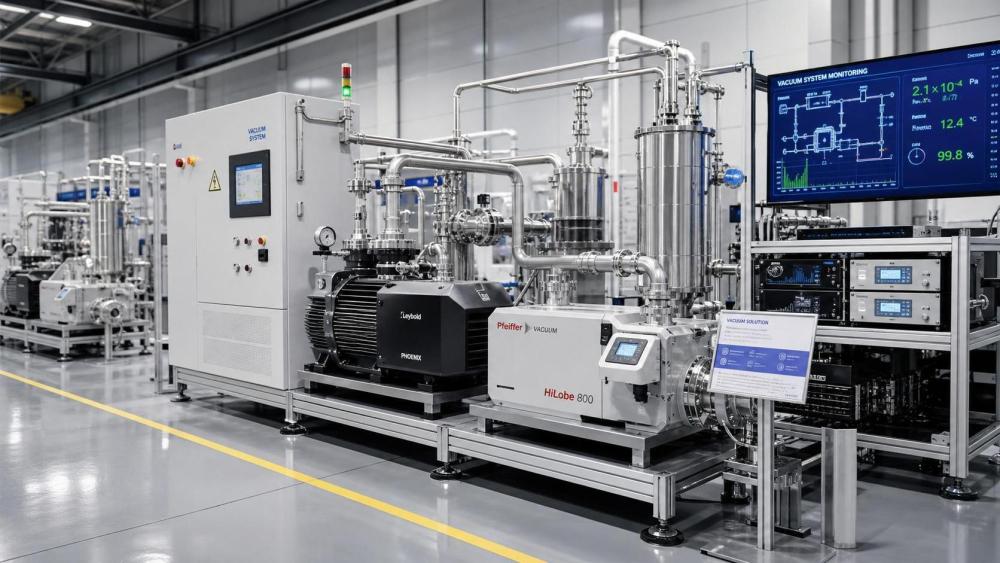
Choosing a vacuum technology manufacturer now involves more than a product sheet and a quoted lead time.
The stronger decision usually comes from testing whether technical depth, lifecycle cost, and compliance discipline hold up together.
That matters because vacuum systems now sit inside stricter energy, cleanliness, and uptime expectations across food, semiconductor, packaging, healthcare, and process industries.
In practice, a capable vacuum technology manufacturer should show how its systems perform under real load, not only under ideal laboratory conditions.
It should also explain service coverage, spare parts planning, digital monitoring, and future retrofit options with the same clarity as pump performance.
This is where broader industrial intelligence becomes useful.
Platforms such as GTC-Matrix track thermodynamic trends, compressed air economics, vacuum process shifts, and energy policy signals that shape supplier quality over time.
That perspective helps separate a low initial quote from a genuinely reliable vacuum technology manufacturer with long-term operating value.
How can you tell whether a supplier is technically credible, not just commercially polished?
A polished presentation is easy to produce. Technical credibility is harder to fake.
Start by asking for application-specific evidence.
For example, a vacuum technology manufacturer serving electronics should discuss contamination control, vapor handling, and pressure stability in detail.
For food or medical processing, the conversation should move toward hygiene, cleanability, validation records, and material compatibility.
A strong supplier usually provides several forms of proof:
- Performance curves tied to operating ranges, not headline maximum values.
- Reference cases with similar gases, duty cycles, and ambient conditions.
- Clear limits for temperature, particulate exposure, condensate, and corrosive media.
- Failure history, maintenance intervals, and root-cause response methods.
Another useful test is whether engineering staff can answer tradeoff questions without drifting into generic claims.
Ask what happens when the process load fluctuates, when inlet contamination rises, or when site utilities become unstable.
A dependable vacuum technology manufacturer will usually define operating boundaries, not promise universal suitability.
Is purchase price still the main benchmark, or has total cost become the better filter?
Purchase price still matters, but it rarely tells the full story for vacuum equipment.
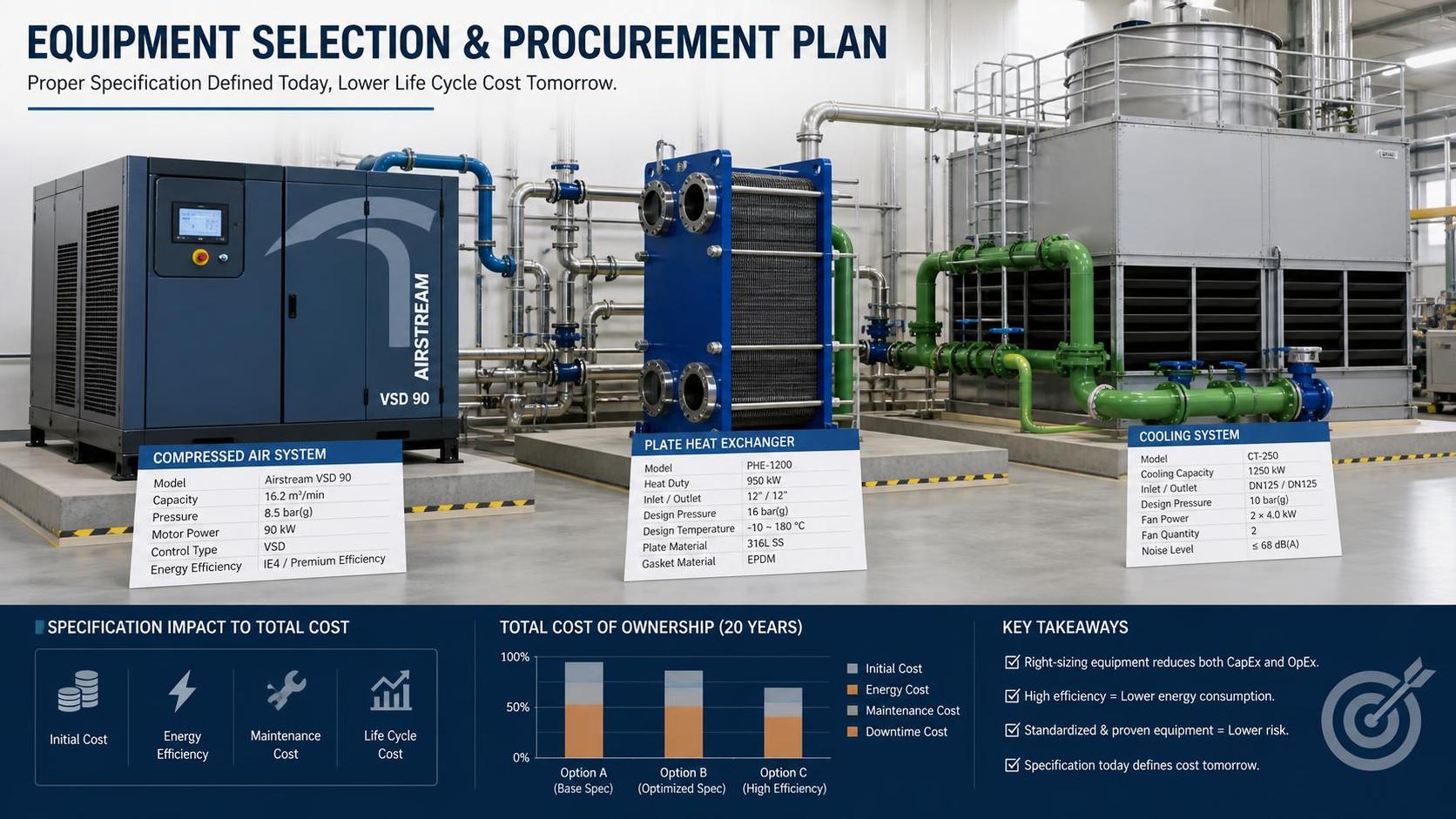
Energy use, seal replacements, oil management, downtime risk, and technician access often outweigh the opening quote within two or three years.
This is especially true where vacuum systems run continuously or support critical process stability.
A lower-cost unit can become expensive if it runs off its efficiency point for most of the year.
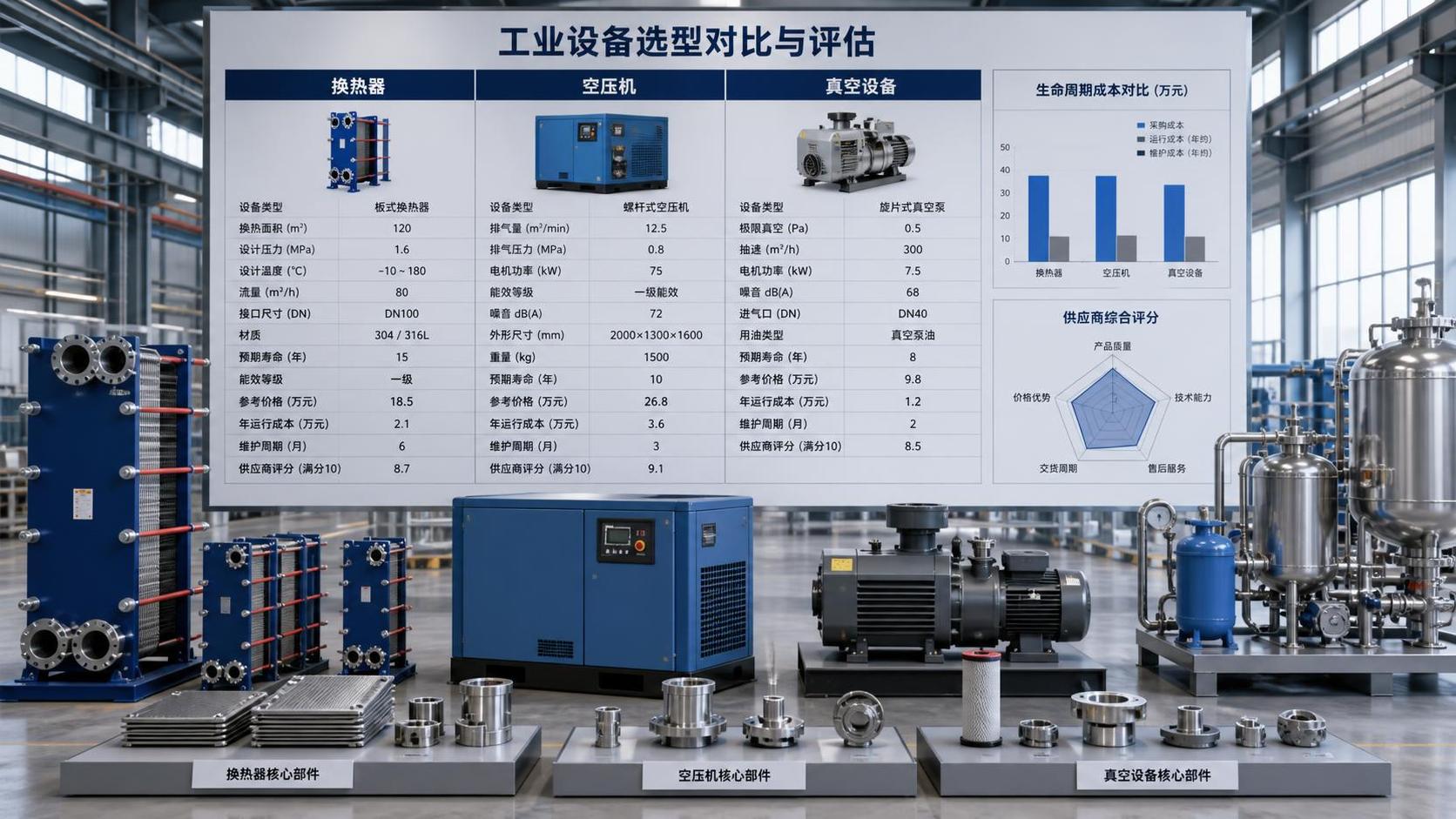
The more practical approach is to compare total ownership using a simple decision table.
When comparing one vacuum technology manufacturer against another, ask for annualized operating assumptions in writing.
That alone often reveals whether the cost model is realistic or sales-led.
Which market signals in 2026 make one vacuum technology manufacturer safer than another?
Supplier quality is now shaped by external signals as much as by internal engineering.
Energy volatility remains important, because inefficient vacuum systems become harder to justify when power costs move sharply.
Environmental and workplace compliance also matter more than before.
Oil-free performance, emissions handling, noise control, and digital traceability are increasingly part of supplier evaluation.
This is why industry watchers follow broader thermal and compression trends, not only vacuum pump launches.
GTC-Matrix is useful here because it connects vacuum decisions with cooling loads, compressed air efficiency, refrigerant policy, and heat recovery logic.
That wider view helps identify whether a vacuum technology manufacturer is aligned with decarbonization and system-level efficiency, or only selling a stand-alone machine.
A safer supplier in 2026 often shows three traits.
- Its roadmap reflects efficiency upgrades and smarter controls.
- Its compliance documents are current across export and application regions.
- Its service model can support longer equipment life, not just first delivery.
What are the most common mistakes when shortlisting a vacuum technology manufacturer?
The first mistake is treating all vacuum processes as interchangeable.
A system suited to dry packaging can fail badly in solvent-rich, dusty, or moisture-heavy conditions.
The second mistake is comparing only nominal pumping speed.
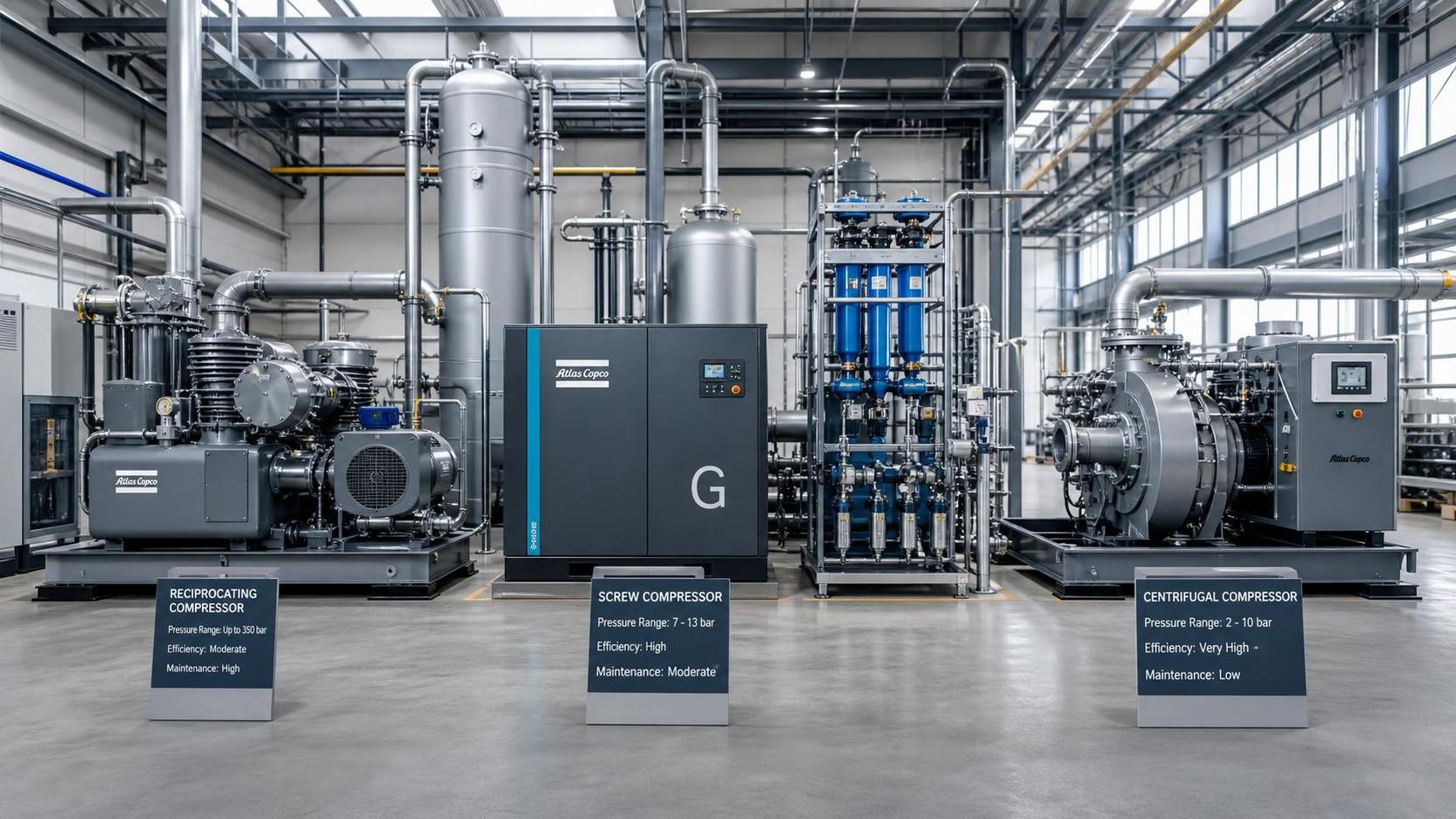
Useful evaluation should include ultimate pressure stability, recovery time, gas composition tolerance, and efficiency under partial load.
Another common issue is overlooking after-sales execution.
A technically advanced unit may still be a weak choice if commissioning support is thin or regional parts support is uncertain.
It also helps to avoid vague promises around digital monitoring.
Ask whether alarms, trend logging, predictive maintenance, and data export are standard, optional, or still under development.
One more point deserves attention.
Do not assume a global brand automatically means a better local outcome.
Sometimes a more focused vacuum technology manufacturer offers faster adaptation, stronger process engineering, and better field response in a specific region.
How should the final decision be structured before moving forward?
A sound final review usually works best when commercial, technical, and operational checks are scored together.
That avoids the usual imbalance where a low quote hides future operating penalties.
A practical closing checklist should include the following questions.
- Has the vacuum technology manufacturer matched the exact gas, temperature, and contamination profile?
- Are projected energy figures based on site duty cycle rather than brochure assumptions?
- Can compliance records support target industries and export destinations?
- Is the maintenance plan realistic for staffing, shutdown windows, and spare inventory?
- Does the supplier offer a clear upgrade path for controls, recovery, or efficiency improvements?
If two suppliers remain close, ask for a case-based review using one defined operating scenario.
That comparison often exposes hidden assumptions around load profile, service response, or contamination resistance.
The best decision in 2026 is rarely the cheapest or the most familiar name.
It is the vacuum technology manufacturer that can prove fit, document risk, and support efficiency over the equipment lifecycle.
Before closing the shortlist, map operating requirements, compare lifecycle assumptions, and review external market signals through sources such as GTC-Matrix.
That sequence usually leads to a more defensible selection and fewer surprises after installation.
Ready when you are. Send us a message to get started.
Related News
- How to select industrial equipment for automation with existing PLCsAuthor :

- How electricity prices shape industrial compressed air price trendsAuthor :

- Choosing air filtration systems for heavy dust in the Middle EastAuthor :

- How much does a fully installed compressed air monitoring system cost?Author :

- What documentation supports CE marking for industrial equipment?Author :

- How local support affects vacuum system costs in Southeast AsiaAuthor :

- How worldwide industry category guides help compare market opportunitiesAuthor :

- What drives sustainable thermal systems cost over their operating life?Author :

- Which industrial solution comparison criteria prevent project delays?Author :

- How Ambient Temperature and Load Profile Affect Industrial Compressor SizingAuthor :

- What to evaluate before choosing a thermal process engineering supplierAuthor :

- How industrial utility systems affect energy costs in process plantsAuthor :

- What Data Is Needed to Assess Heat Recovery Decarbonization?Author :

- Can Waste Heat Recovery Support Carbon Neutrality Targets?Author :

- Is Compressor Heat Recovery Worth the Installation Cost?Author :

- What to verify before choosing a process separation technology supplierAuthor :

- When does process utilities engineering reduce project rework?Author :

- Where thermal efficiency optimization delivers the fastest savings in EuropeAuthor :

- What should you verify before selecting a heat transfer supplier?Author :

- What drives compressed air systems price for industrial projects?Author :

- How an industrial product knowledge comparison guide reduces sourcing riskAuthor :

- When does a procurement specification planning process reduce bid risk?Author :

- When does thermal system optimization for electronics reduce failure risk?Author :

- When high temperature process heating systems justify the higher energy costAuthor :

- How to compare sludge dewatering equipment by cake drynessAuthor :

- What to Check Before Sourcing a Gas Turbine for Distributed Power ProjectsAuthor :

- What drives industrial thermal systems price in large facility projectsAuthor :

- How to build an industrial product comparison chart that speeds up vendor selectionAuthor :

- Vacuum Technology Application Guide for Selecting the Right SystemAuthor :

- What Drives Vacuum Drying Cost in Industrial Procurement?Author :

- What Drives Compressed Air Pricing in Industrial Systems?Author :

- How Procurement Specification Planning Shapes Total Project CostAuthor :

- Compression Technology Guide: How to Compare Efficiency, Pressure Range, and Maintenance NeedsAuthor :

- How to Compare Industrial Separators by Throughput, Purity, and Maintenance LoadAuthor :

- How to Size a Compressed Air Equipment Receiver Tank for Stable PressureAuthor :

- Industrial Equipment Selection Guide: How to Compare Capacity, Duty Cycle, and Operating CostAuthor :