How to Evaluate Thermal Efficiency Before Equipment Investment




Why does thermal efficiency deserve attention before any equipment purchase?
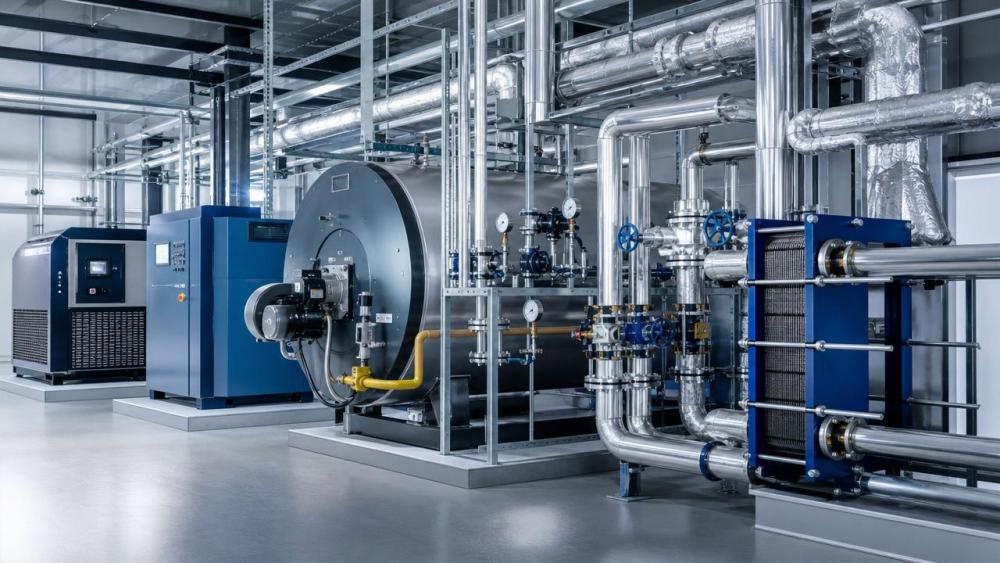
Thermal efficiency is not just a technical metric. It is a financial signal that affects energy cost, uptime, emissions exposure, and long-term asset value.
Before approving a new compressor, chiller, boiler, dryer, or heat exchanger, the key question is simple: how much useful output is created from every unit of energy consumed?
That answer rarely comes from a nameplate alone. In real operations, load variation, ambient conditions, maintenance quality, and control logic often shape thermal efficiency more than brochure claims.
This is why industrial buyers increasingly look beyond rated capacity. They want a clearer view of lifecycle cost, decarbonization pressure, and performance resilience under changing production schedules.
In practice, thermal efficiency matters across many sectors. Food processing, pharmaceuticals, electronics, logistics, chemicals, and general manufacturing all depend on stable cooling, compression, or heat transfer.
GTC-Matrix has highlighted this shift through its coverage of energy pricing, refrigerant policy, oil-free compression, and advanced heat exchange technologies. The broader lesson is clear: better thermal judgment supports better capital decisions.
What should be measured instead of trusting rated efficiency alone?
A common mistake is comparing only one headline number. Rated efficiency is useful, but it does not reveal how equipment behaves during partial load, hot weather, dirty filters, or process instability.
A stronger evaluation starts with a few operating questions. What is the actual load profile? How often does demand swing? Will the system run continuously, seasonally, or in batches?
For cooling systems, part-load efficiency may be more valuable than peak performance. For compressed air, specific power at different demand points often tells a more useful story than nominal capacity.
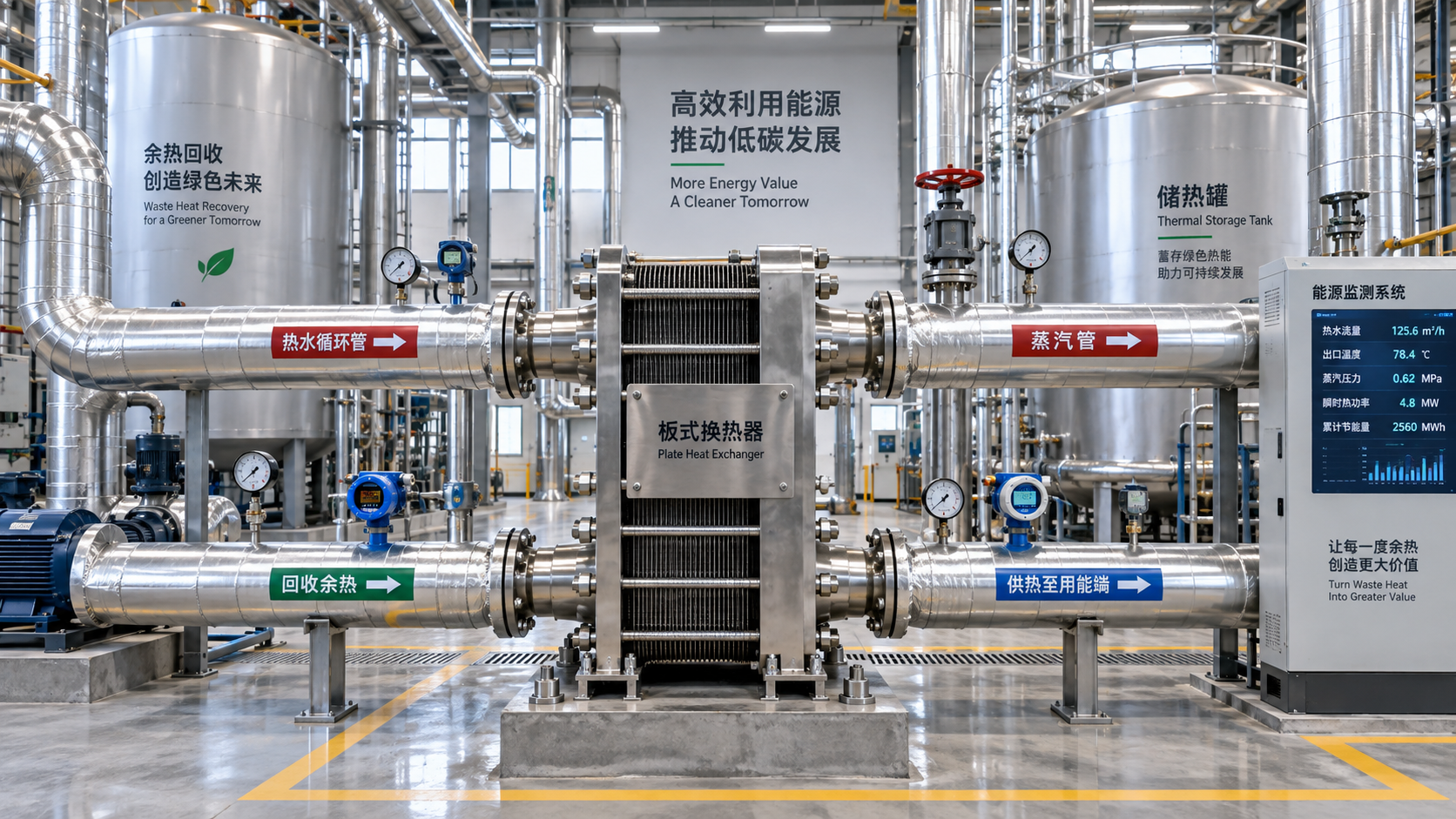
Heat exchangers should be reviewed for approach temperature, pressure drop, fouling tendency, and cleaning frequency. Boilers and thermal units should be assessed for combustion efficiency across realistic firing ranges.
It also helps to separate direct energy use from hidden system penalties. A very efficient unit may still raise total cost if it causes higher auxiliary power, more downtime, or expensive water treatment.
The most reliable comparisons usually combine technical and commercial data. That includes hourly energy use, maintenance intervals, spare part availability, and projected efficiency decline over time.
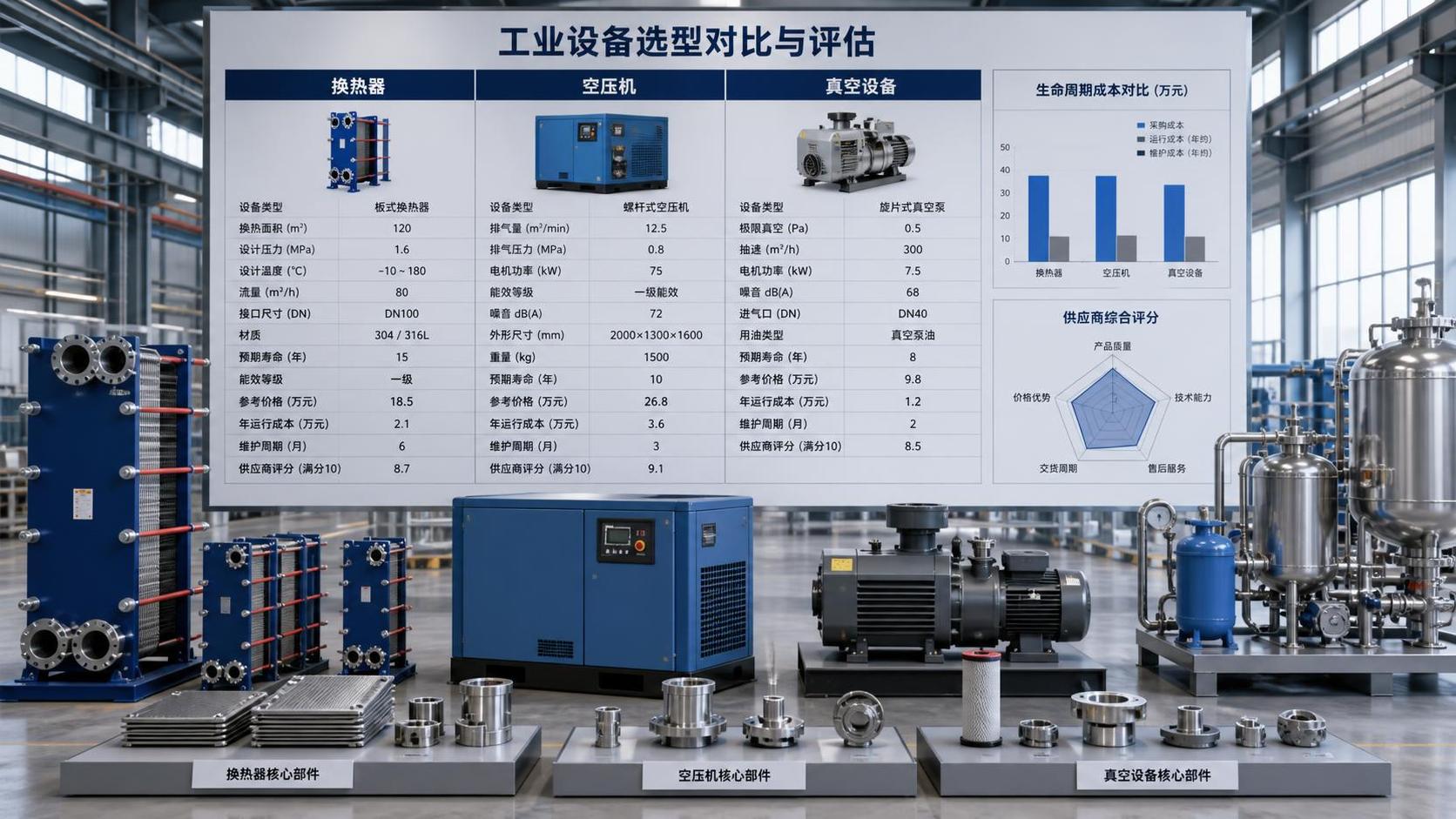
A quick decision table for thermal efficiency review
The table below helps structure a practical comparison before shortlisting equipment.
When does higher thermal efficiency actually change total cost of ownership?
The answer depends on runtime and energy intensity. If equipment runs intermittently, the savings from higher thermal efficiency may be modest. If it runs daily, the impact becomes substantial.
In many industrial settings, energy is the largest cost over the asset life. Purchase price may look important at signing, but operating cost often dominates by year three or year five.
This is especially true for chillers, air compressors, process cooling loops, vacuum systems, and heat recovery units. Small efficiency gaps can compound into major annual cost differences.
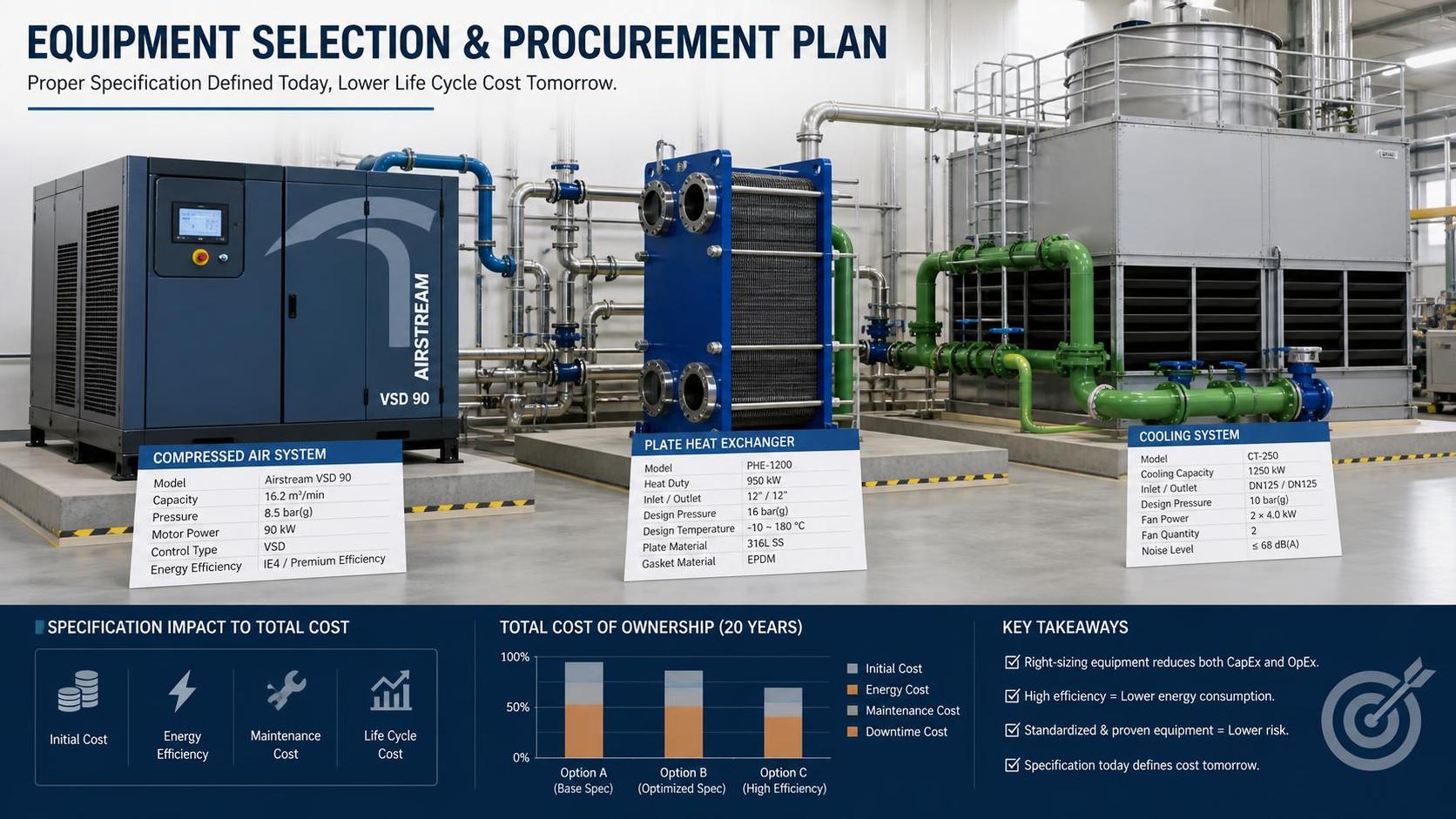
A useful approach is to model three scenarios: expected load, low load, and high load. Then estimate annual energy spend, maintenance hours, carbon-related costs, and likely performance drift.
More careful buyers also test payback against uncertainty. What happens if electricity prices rise by 15 percent? What if a refrigerant rule changes service cost? What if demand shifts toward tighter temperature control?
This broader view explains why platforms such as GTC-Matrix track both technical trends and policy signals. Thermal efficiency should be evaluated inside a moving business environment, not in isolation.
Cost signals worth checking early
- Annual operating hours and load stability.
- Energy tariff structure, including peak demand charges.
- Expected maintenance frequency and shutdown cost.
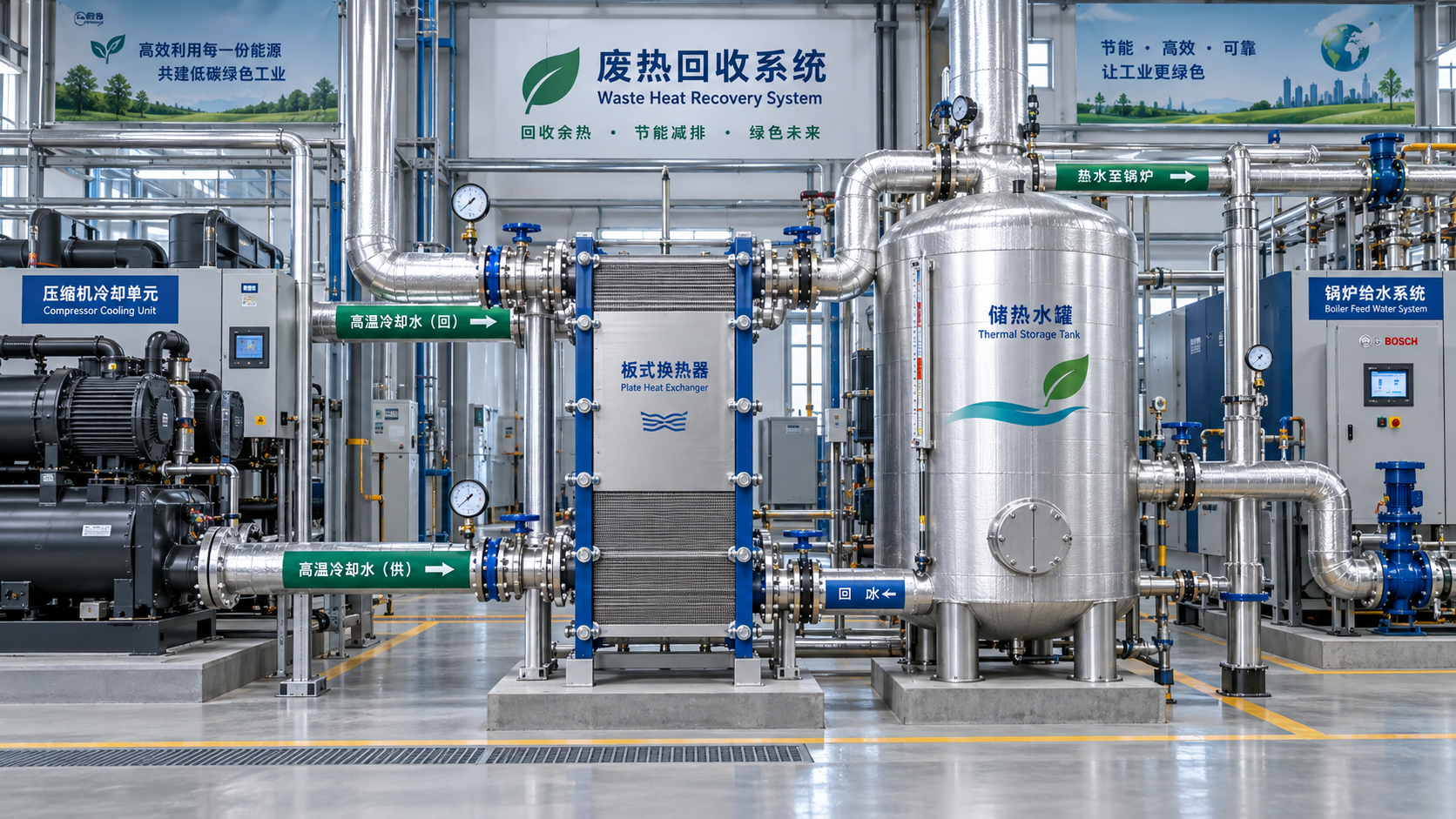
- Potential heat recovery value within the facility.
- Compliance exposure tied to emissions or refrigerants.
How can two efficient machines produce very different real-world results?
This is one of the most searched questions for a reason. Two systems can carry similar efficiency labels, yet deliver very different outcomes once installed.
The first reason is system fit. Equipment selected for a steady process may perform poorly in a variable-duty plant. Oversizing is especially damaging because it reduces effective thermal efficiency during normal operation.
The second reason is control quality. Variable speed drives, staging logic, sensor placement, and digital monitoring often decide whether theoretical efficiency becomes measurable savings.
The third reason is heat transfer reality. Microchannel heat exchangers, oil-free compression systems, and low-NOx thermal technologies may each offer advantages, but only under the right operating conditions.
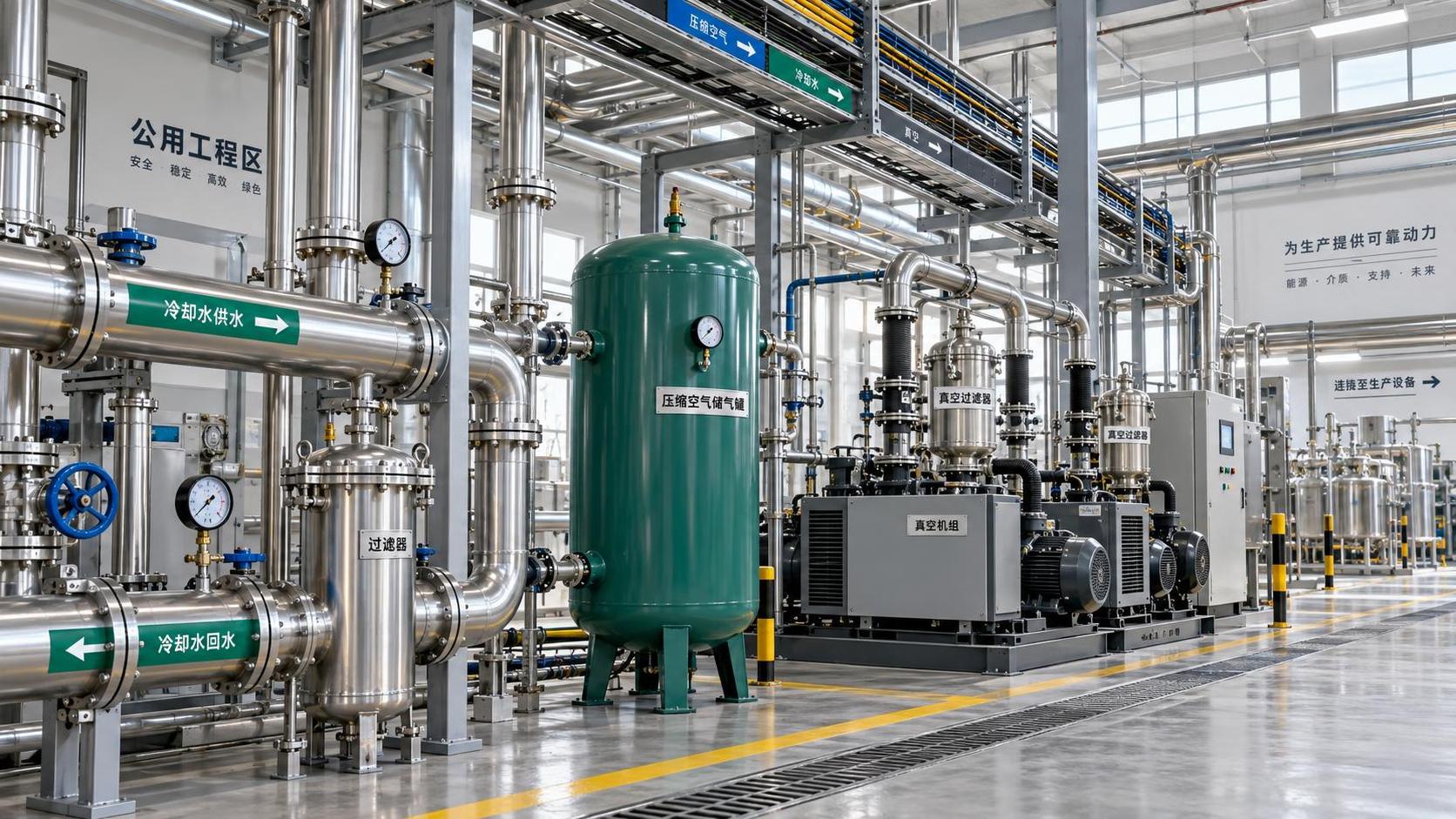
In actual projects, support infrastructure matters as much as the core asset. Pipe layout, insulation, condensate management, ventilation, and water quality all influence thermal efficiency after commissioning.
A better comparison asks not only which unit is more efficient, but which unit keeps efficiency under the site’s real constraints.
What mistakes usually distort thermal efficiency evaluation?
The most common mistake is treating supplier data as a complete decision basis. Performance sheets are necessary, but they rarely represent dirt load, seasonal shifts, cycling losses, or aging effects.
Another issue is ignoring boundary conditions. Thermal efficiency comparisons are only fair when inlet temperature, outlet demand, pressure, altitude, and utility quality are aligned.
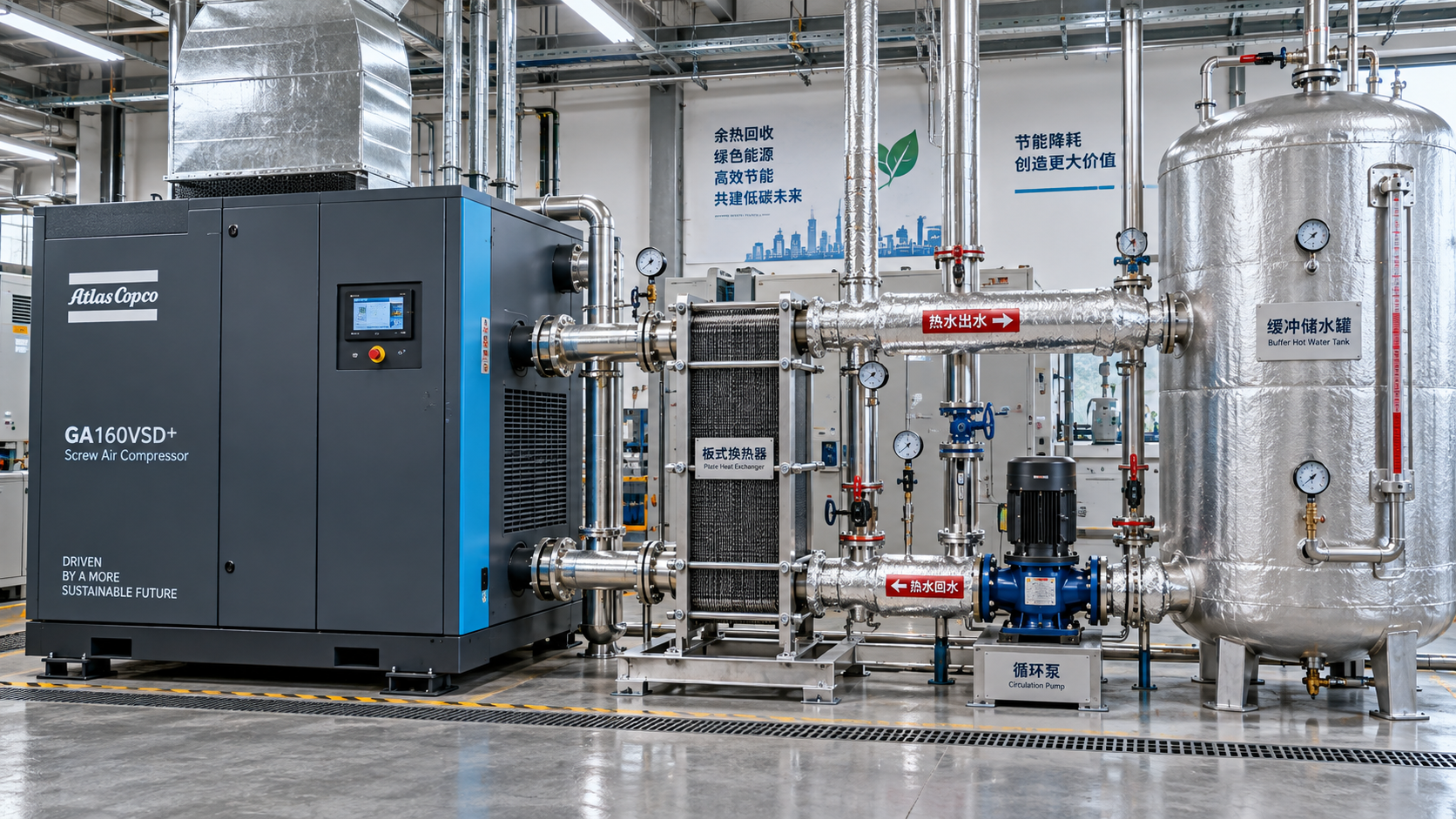
Some evaluations also overlook interaction between systems. A new air compressor can change cooling demand. A heat recovery loop can alter boiler duty. One efficiency gain may create another system bottleneck.
There is also a timing mistake. Teams often review cost too late, after a preferred technology is already chosen. At that point, thermal efficiency becomes a justification exercise instead of a selection tool.
Where possible, compare measured field data, not just catalog data. Independent operating benchmarks, trend reports, and sector intelligence can reveal whether a technology advantage is durable or temporary.
A practical checklist before final approval
- Confirm the expected duty cycle over a full year.
- Request performance data at partial and extreme conditions.
- Quantify heat loss, pressure drop, and standby consumption.
- Review maintenance sensitivity and local service capability.
- Check if future policy changes could affect operating economics.
So what is a smart next step before committing capital?
Start by defining the process outcome, not the preferred machine. Thermal efficiency becomes easier to judge when the required temperature stability, pressure quality, uptime target, and annual load are clear.
Then build a short comparison based on operating scenarios. Include expected energy use, system losses, maintenance burden, upgrade flexibility, and compliance exposure.
If the application is energy intensive, ask for modeled lifecycle performance rather than simple rated output. That usually leads to better decisions than focusing on purchase cost alone.
It is also worth following sector intelligence. GTC-Matrix is useful here because thermal decisions are shaped by technology evolution, energy price movement, and policy direction at the same time.
In the end, thermal efficiency should answer a business question: will this equipment keep delivering useful energy performance under real operating pressure, not only under test conditions?
A disciplined review now can reduce lifetime cost, improve reliability, and support decarbonization targets. The most practical move is to gather site data, compare realistic operating cases, and set a clear efficiency threshold before the final investment decision.
Ready when you are. Send us a message to get started.
Related News
- How to select industrial equipment for automation with existing PLCsAuthor :

- How electricity prices shape industrial compressed air price trendsAuthor :

- Choosing air filtration systems for heavy dust in the Middle EastAuthor :

- How much does a fully installed compressed air monitoring system cost?Author :

- What documentation supports CE marking for industrial equipment?Author :

- How local support affects vacuum system costs in Southeast AsiaAuthor :

- How worldwide industry category guides help compare market opportunitiesAuthor :

- What drives sustainable thermal systems cost over their operating life?Author :

- Which industrial solution comparison criteria prevent project delays?Author :

- How Ambient Temperature and Load Profile Affect Industrial Compressor SizingAuthor :

- What to evaluate before choosing a thermal process engineering supplierAuthor :

- How industrial utility systems affect energy costs in process plantsAuthor :

- What Data Is Needed to Assess Heat Recovery Decarbonization?Author :

- Can Waste Heat Recovery Support Carbon Neutrality Targets?Author :

- Is Compressor Heat Recovery Worth the Installation Cost?Author :

- What to verify before choosing a process separation technology supplierAuthor :

- When does process utilities engineering reduce project rework?Author :

- Where thermal efficiency optimization delivers the fastest savings in EuropeAuthor :

- What should you verify before selecting a heat transfer supplier?Author :

- What drives compressed air systems price for industrial projects?Author :

- How an industrial product knowledge comparison guide reduces sourcing riskAuthor :

- When does a procurement specification planning process reduce bid risk?Author :

- When does thermal system optimization for electronics reduce failure risk?Author :

- When high temperature process heating systems justify the higher energy costAuthor :

- How to compare sludge dewatering equipment by cake drynessAuthor :

- What to Check Before Sourcing a Gas Turbine for Distributed Power ProjectsAuthor :

- What drives industrial thermal systems price in large facility projectsAuthor :

- How to build an industrial product comparison chart that speeds up vendor selectionAuthor :

- Vacuum Technology Application Guide for Selecting the Right SystemAuthor :

- What Drives Vacuum Drying Cost in Industrial Procurement?Author :

- What Drives Compressed Air Pricing in Industrial Systems?Author :

- How Procurement Specification Planning Shapes Total Project CostAuthor :

- Compression Technology Guide: How to Compare Efficiency, Pressure Range, and Maintenance NeedsAuthor :

- How to Compare Industrial Separators by Throughput, Purity, and Maintenance LoadAuthor :

- How to Size a Compressed Air Equipment Receiver Tank for Stable PressureAuthor :

- Industrial Equipment Selection Guide: How to Compare Capacity, Duty Cycle, and Operating CostAuthor :