



Industrial Energy Efficiency Upgrades With the Fastest Payback




Industrial Energy Efficiency Upgrades With the Fastest Payback
For many industrial operators, industrial energy efficiency is now a purchasing priority, not a side project.
Energy prices remain volatile. Carbon rules are tightening. Production teams also expect more uptime from the same asset base.
That changes how upgrade decisions are made.
The best projects are no longer the biggest projects. They are the ones that remove waste fast, protect output, and show a clear return.
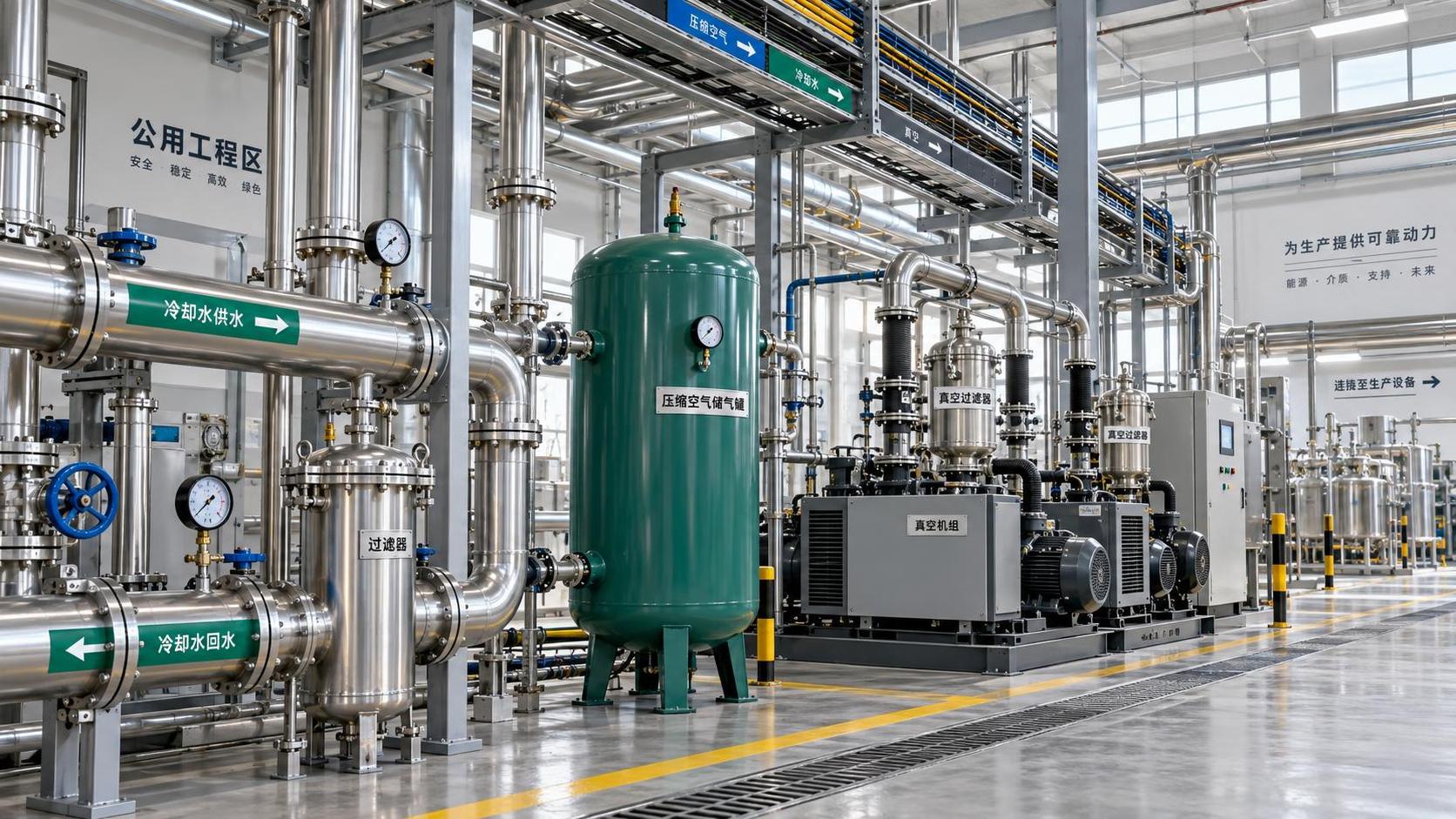
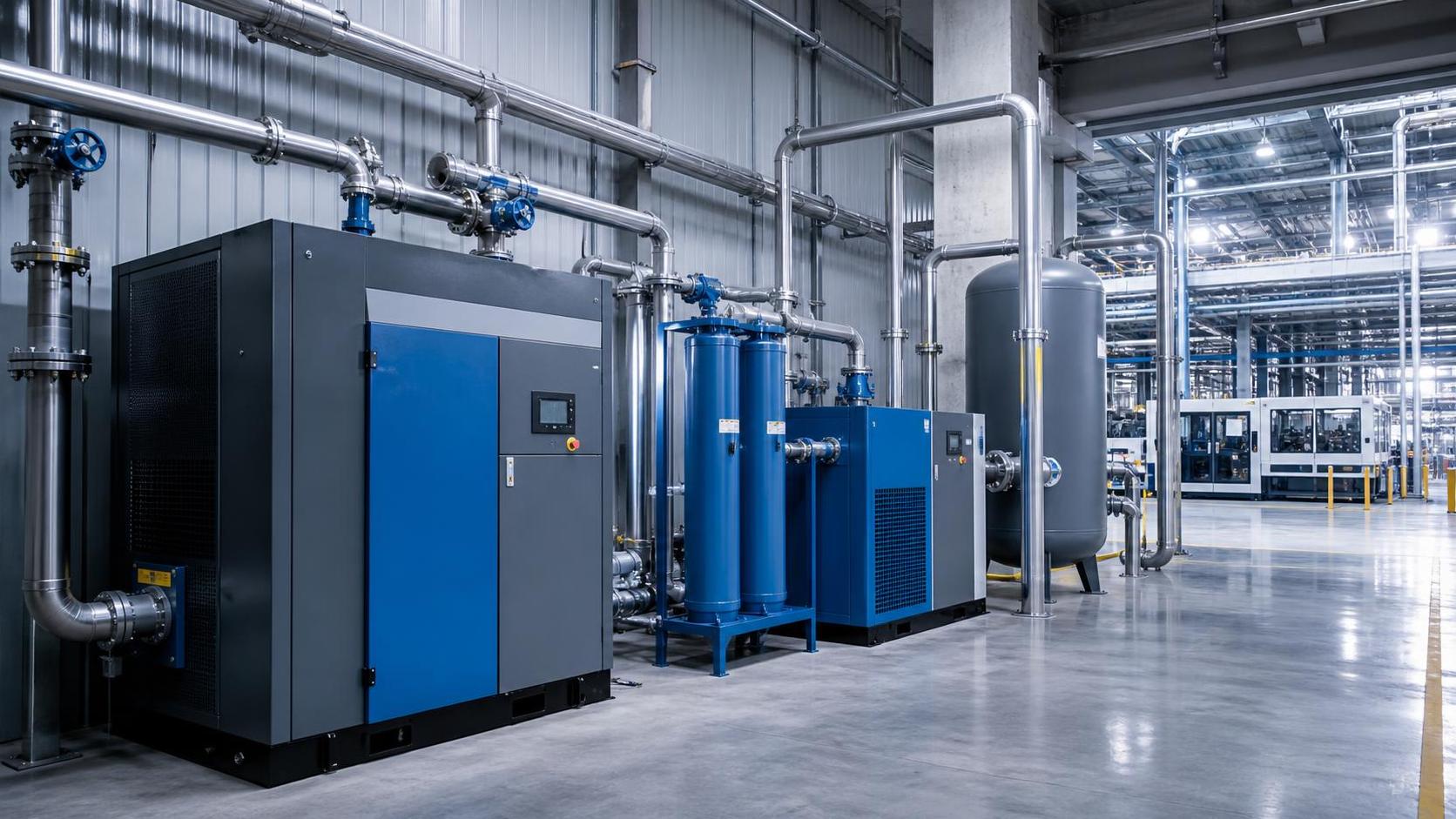
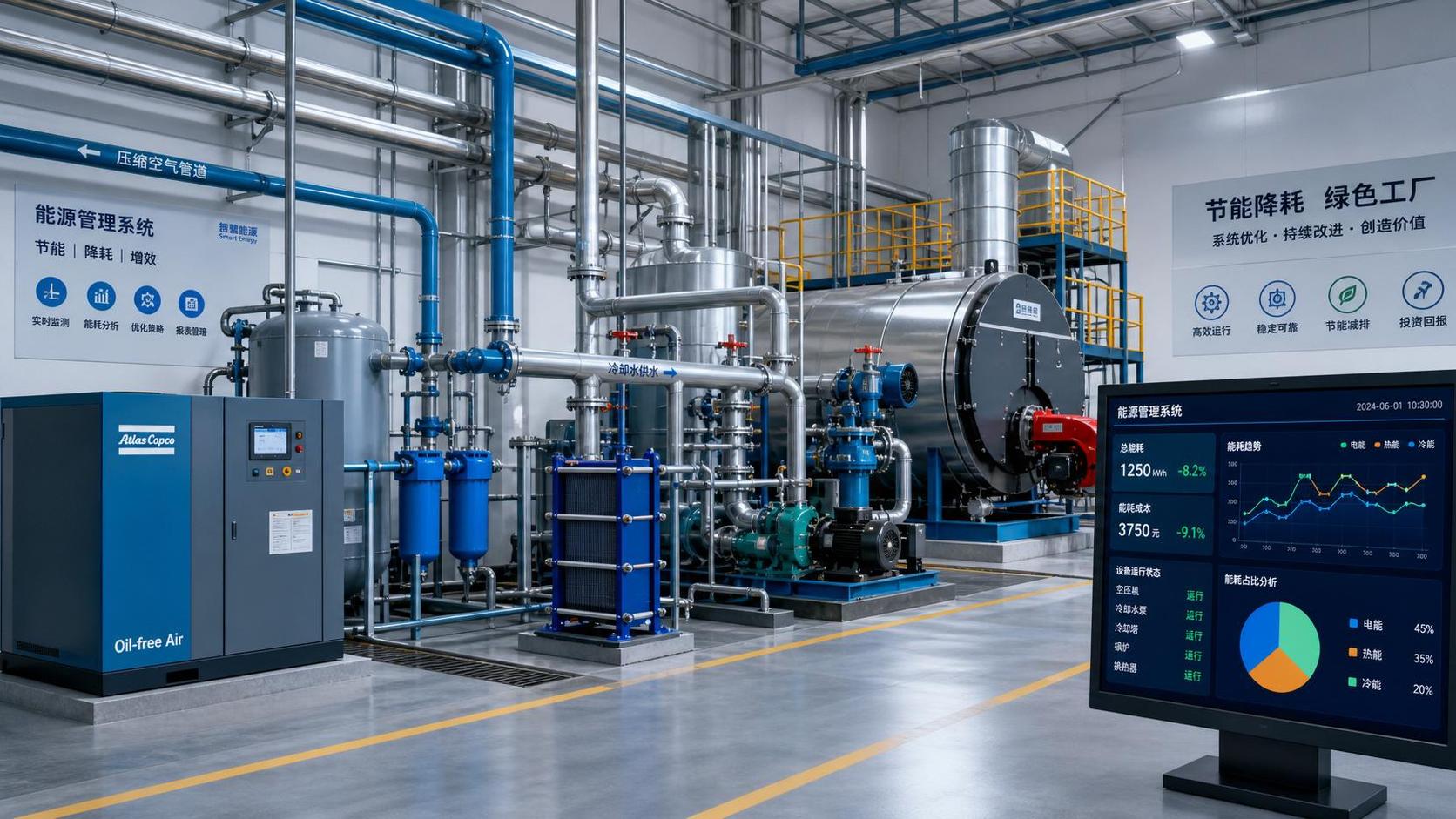
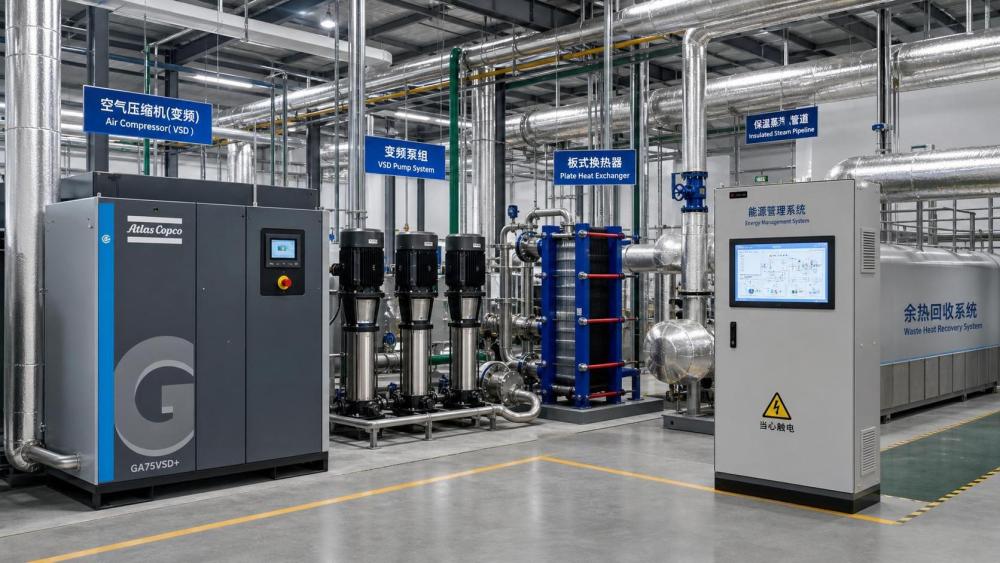
In practice, the fastest-payback opportunities usually sit in compressed air, cooling, heat recovery, controls, and steam or hot-water distribution.
These systems often run continuously. Small efficiency gains therefore scale into meaningful savings.
From the market view tracked by GTC-Matrix, one signal is clear.
Buyers are favoring industrial energy efficiency upgrades that combine measurable cost reduction with low disruption and strong technical fit.
Why Fast Payback Matters More Than Ever
A quick payback does more than reduce utility bills.
It lowers capital risk, improves budget approval odds, and creates internal confidence for later modernization phases.
This is especially relevant in sectors facing margin pressure, shifting order volumes, or strict product quality requirements.
Industrial energy efficiency is also becoming a resilience issue.
When a plant reduces wasted power, it becomes less exposed to tariff spikes, supply instability, and future compliance costs.
That means the payback conversation should include both direct savings and avoided future expense.
Top Industrial Energy Efficiency Upgrades With Fast Returns
Not every facility will rank projects the same way.
Still, several upgrades consistently deliver strong industrial energy efficiency gains with relatively short return periods.
1. Compressed Air Leak Detection and Pressure Optimization
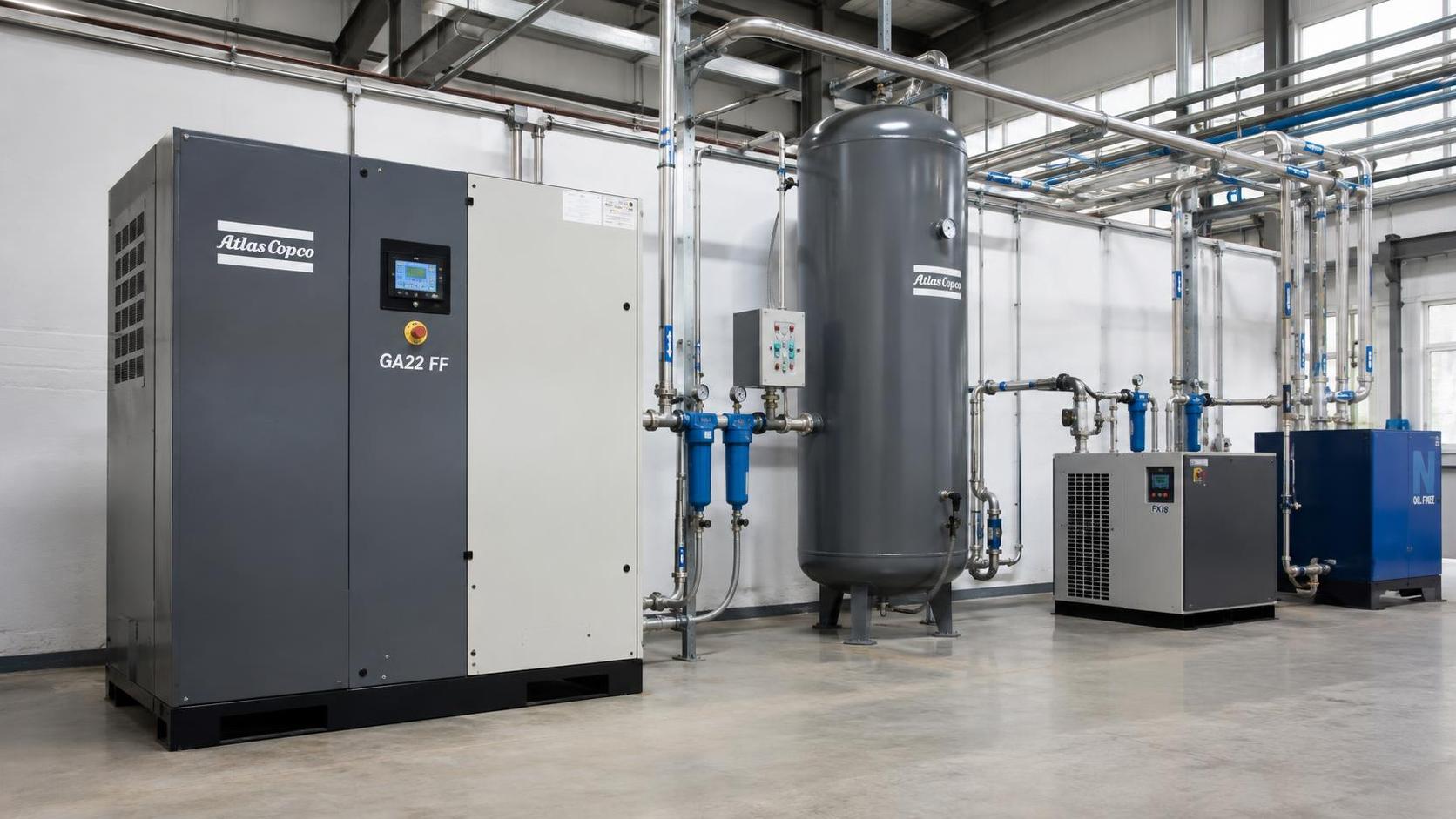
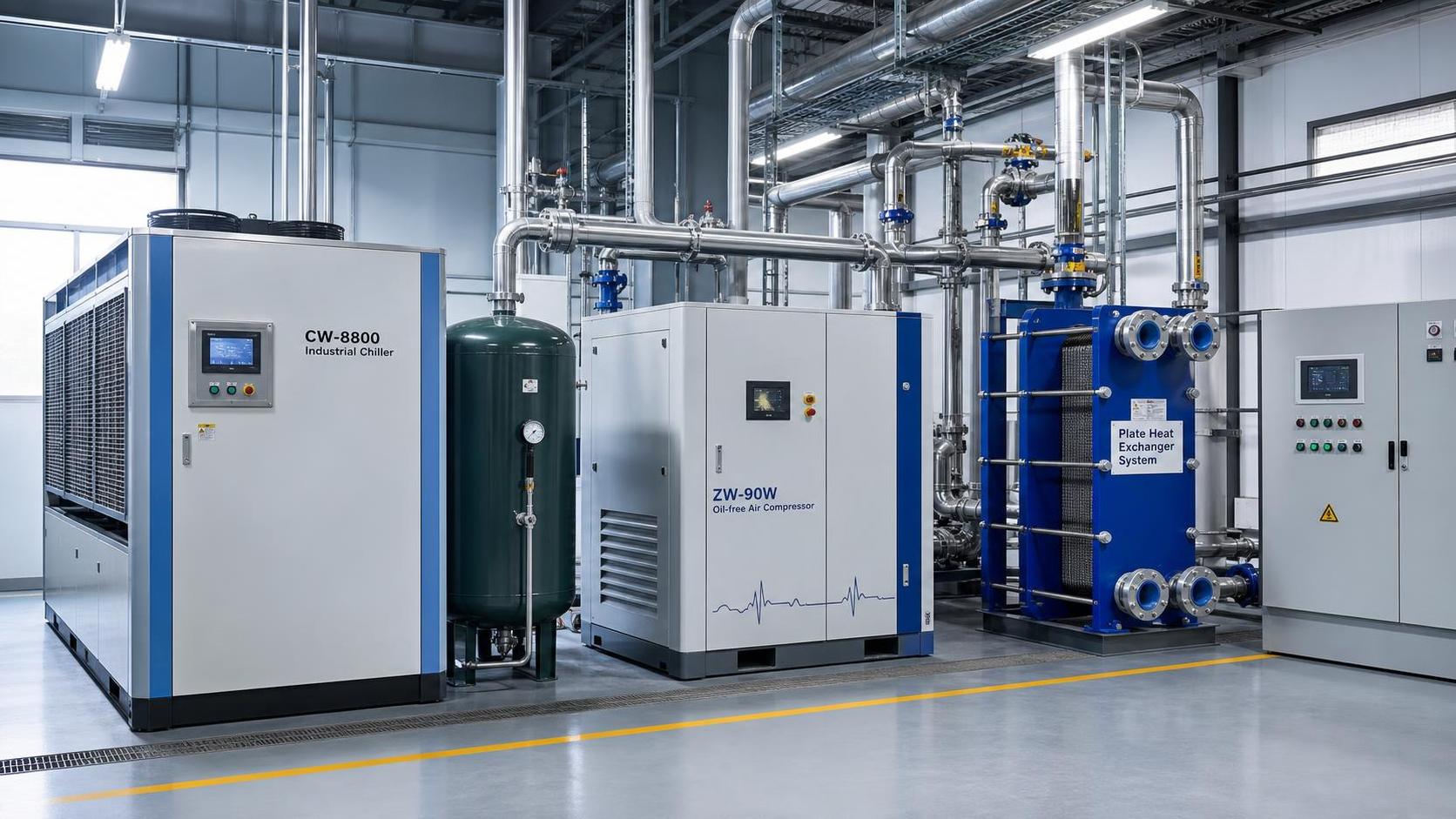
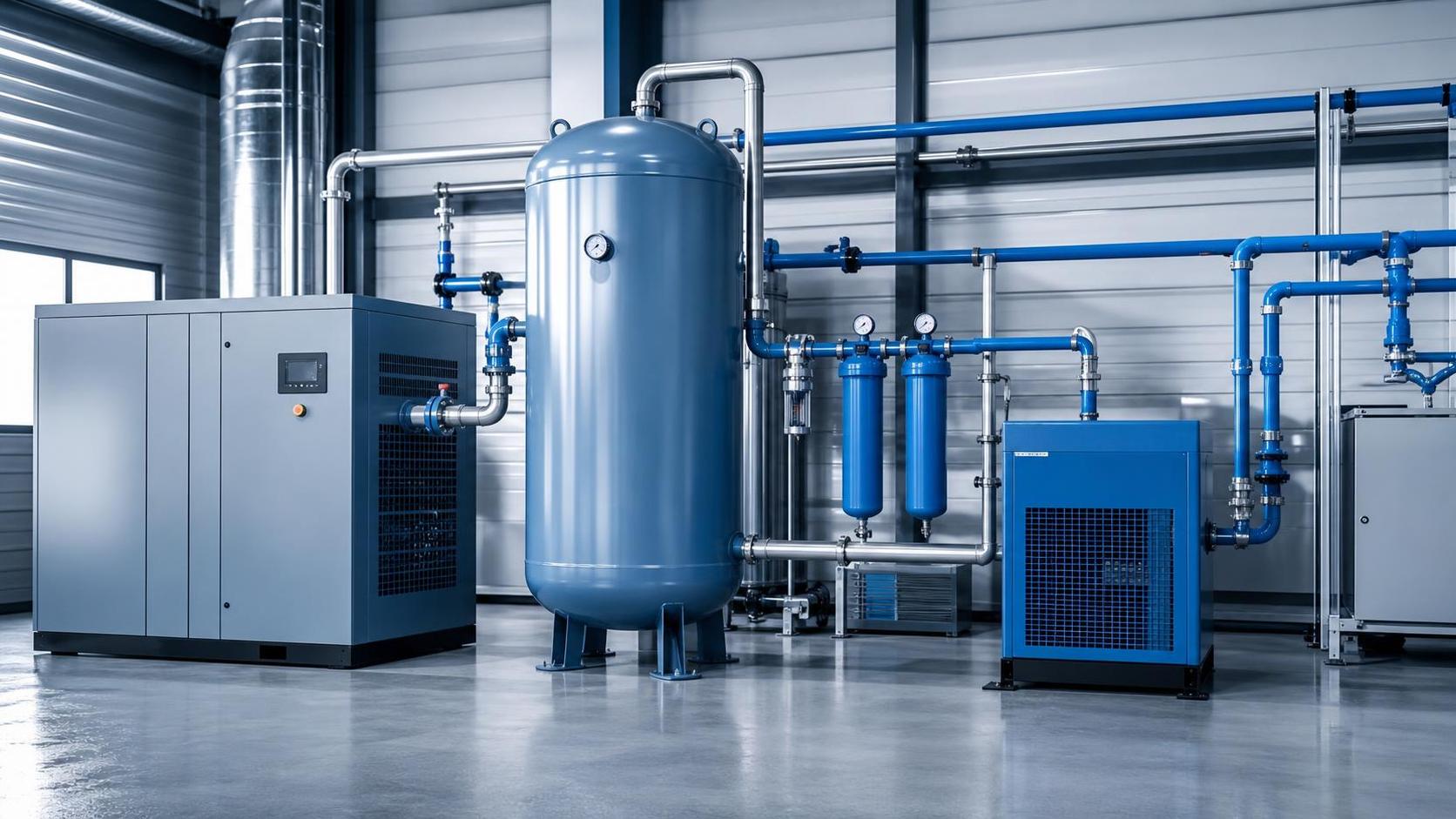
Compressed air is one of the most expensive utilities in industry.
Leaks, artificial demand, and excessive pressure settings can quietly destroy system efficiency.
A focused audit often uncovers savings without major equipment replacement.
- Repair high-loss leaks in headers, couplings, and drop lines.
- Reduce system pressure where process tolerance allows.
- Eliminate inappropriate uses of compressed air for cooling or cleaning.
- Improve controls on multiple-compressor installations.
For many sites, this is the fastest industrial energy efficiency project available.
2. Variable Speed Drives on Fans, Pumps, and Compressors
Fixed-speed motors often run harder than the process actually needs.
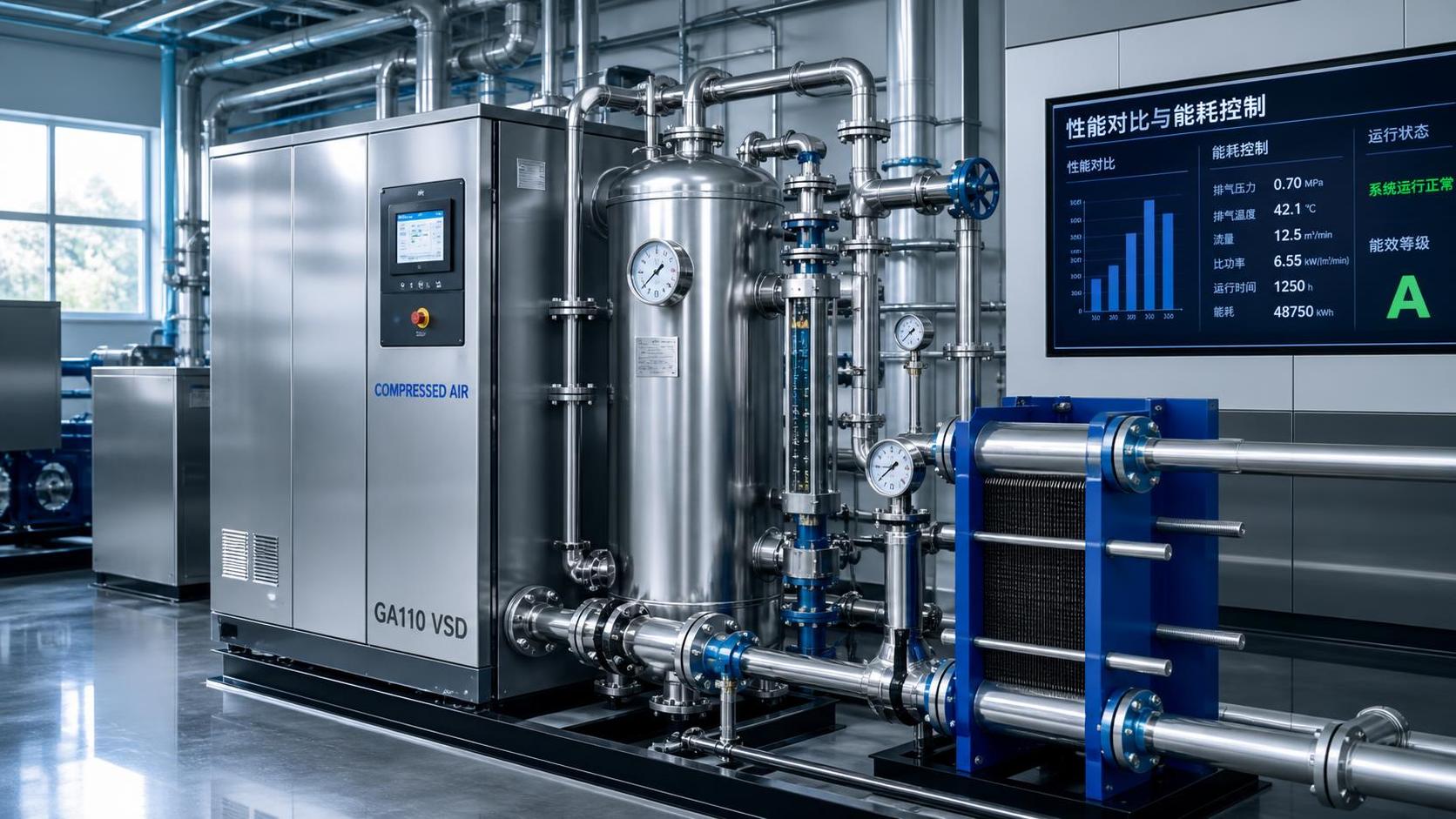
Variable speed drives align power use with real demand.
The result is lower electricity use, smoother control, and less mechanical stress.
This works particularly well in cooling circuits, air handling systems, and fluctuating process loads.
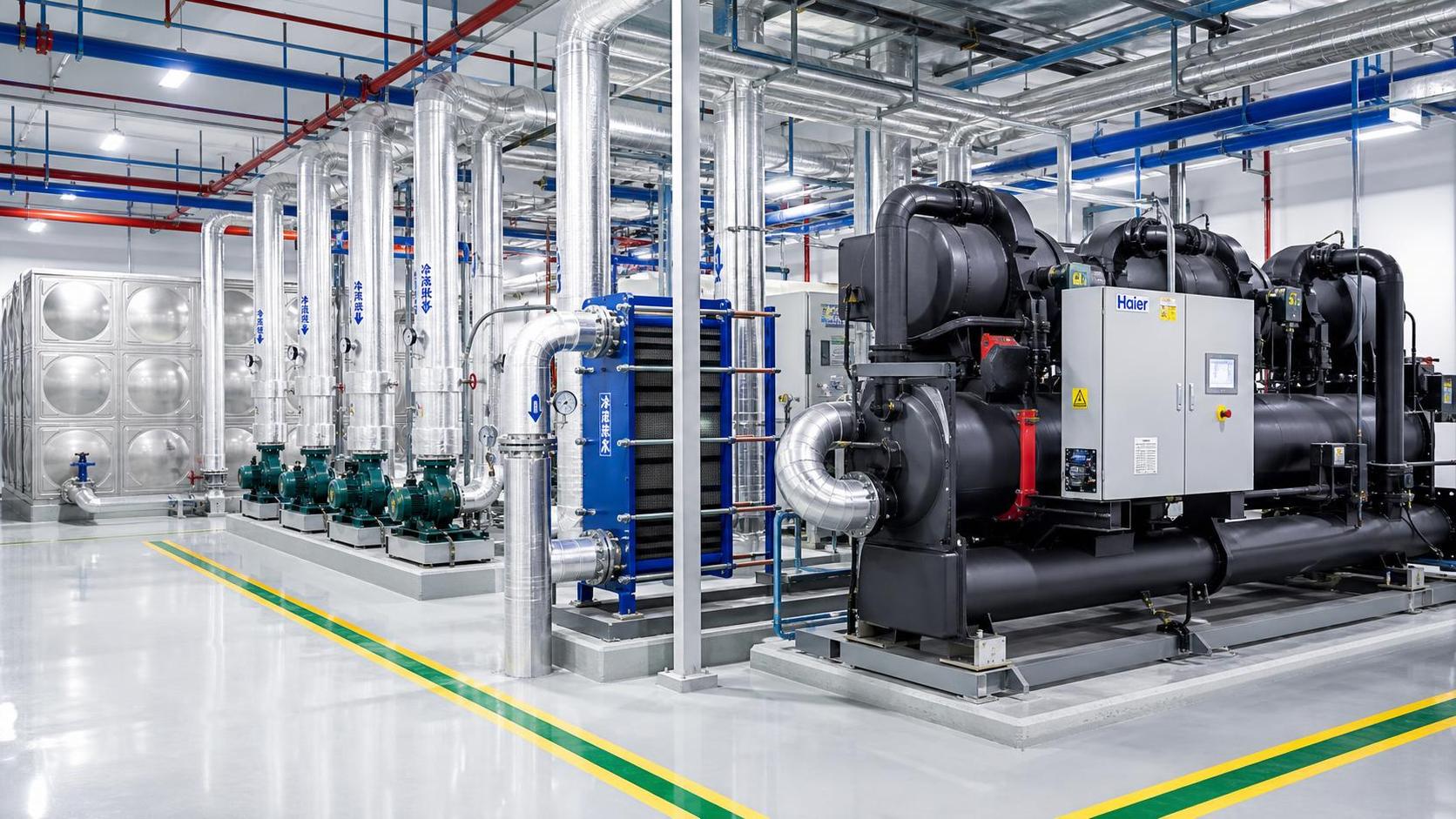
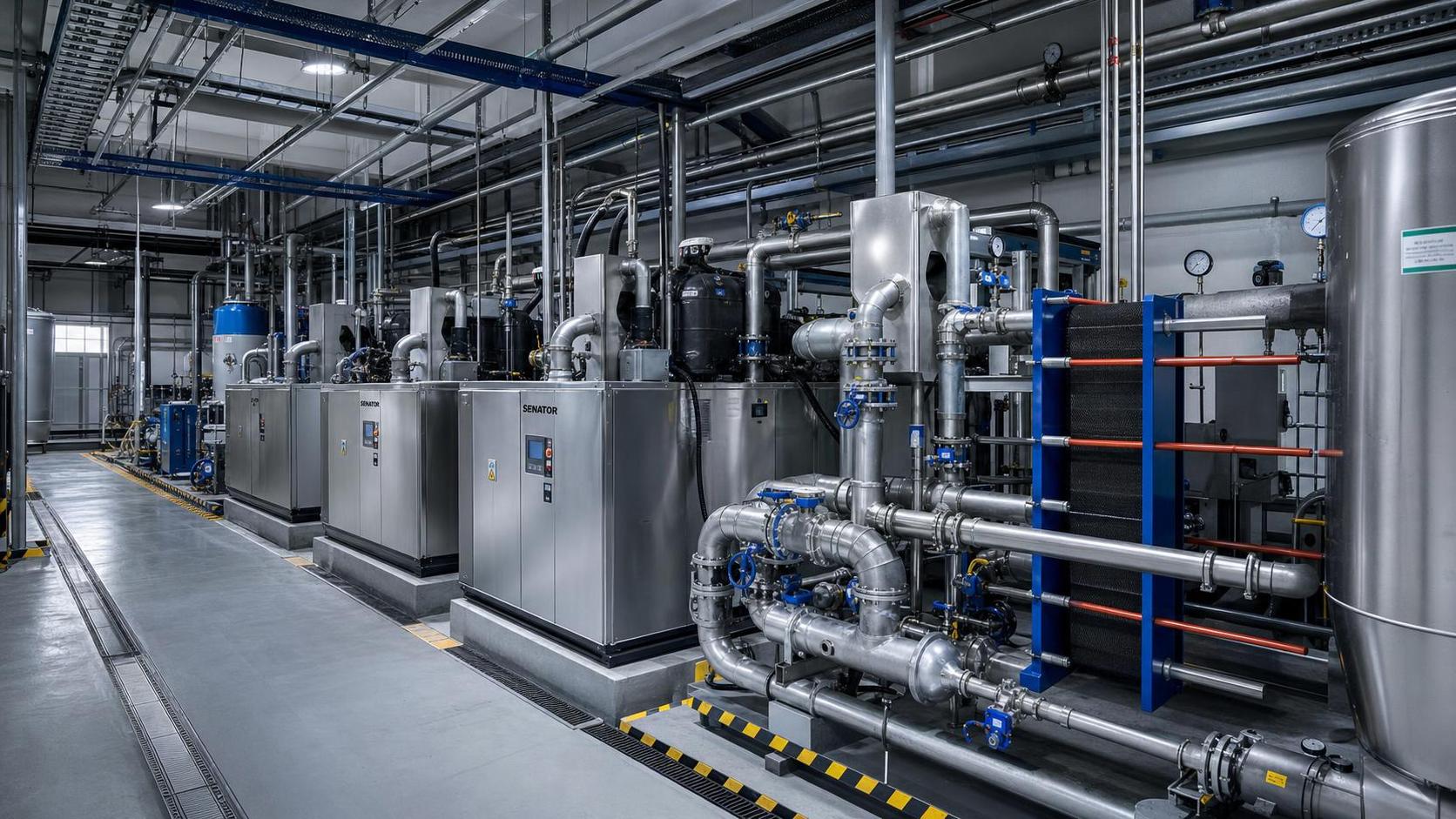
3. Heat Exchanger Upgrades and Fouling Control
Heat transfer losses are often underestimated during procurement decisions.
An aging or fouled exchanger forces chillers, boilers, and pumps to consume more energy.
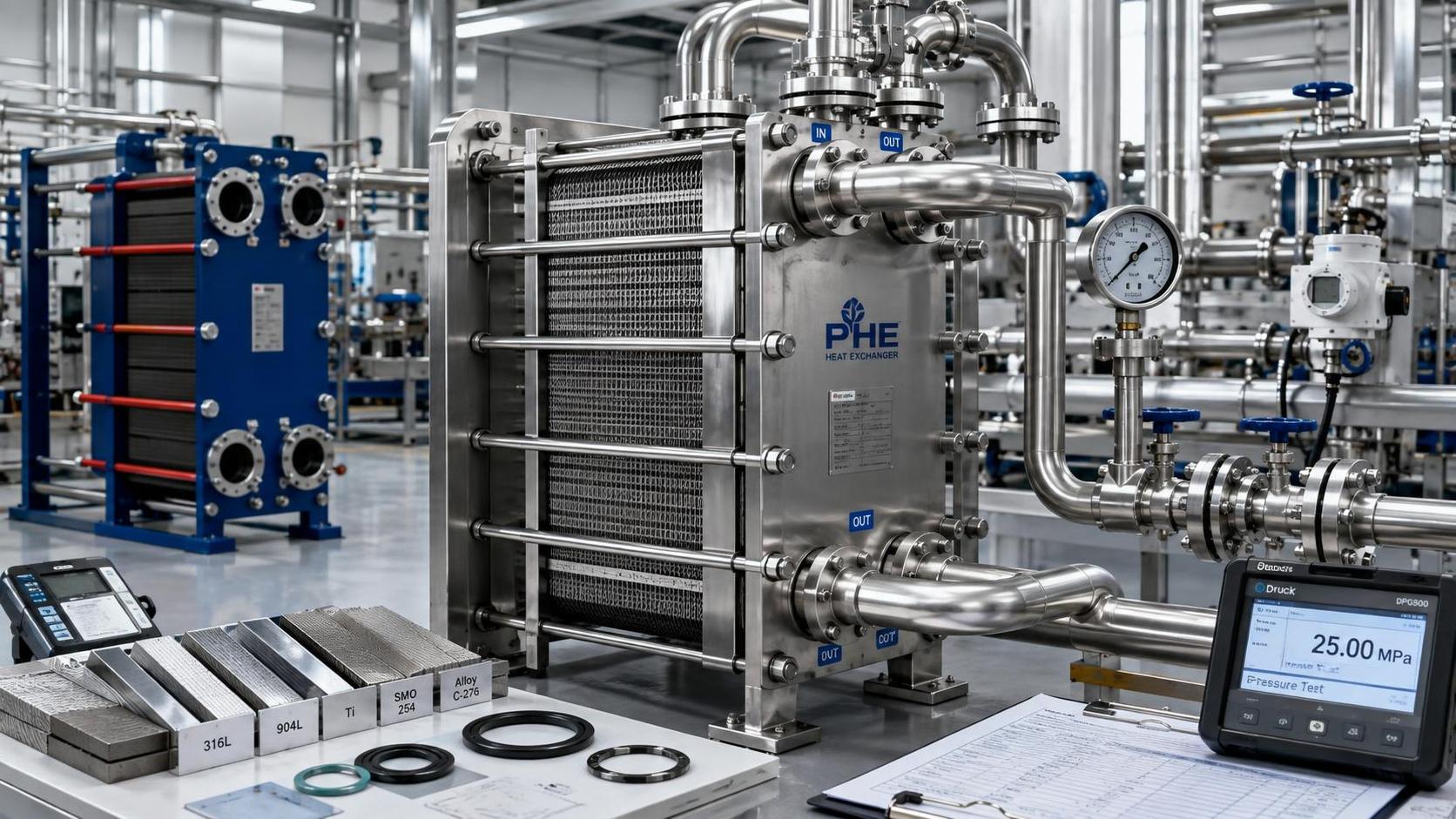
Modern plate designs, microchannel solutions, and better monitoring can restore thermal performance quickly.
In process cooling and heat recovery applications, this is a high-impact industrial energy efficiency move.
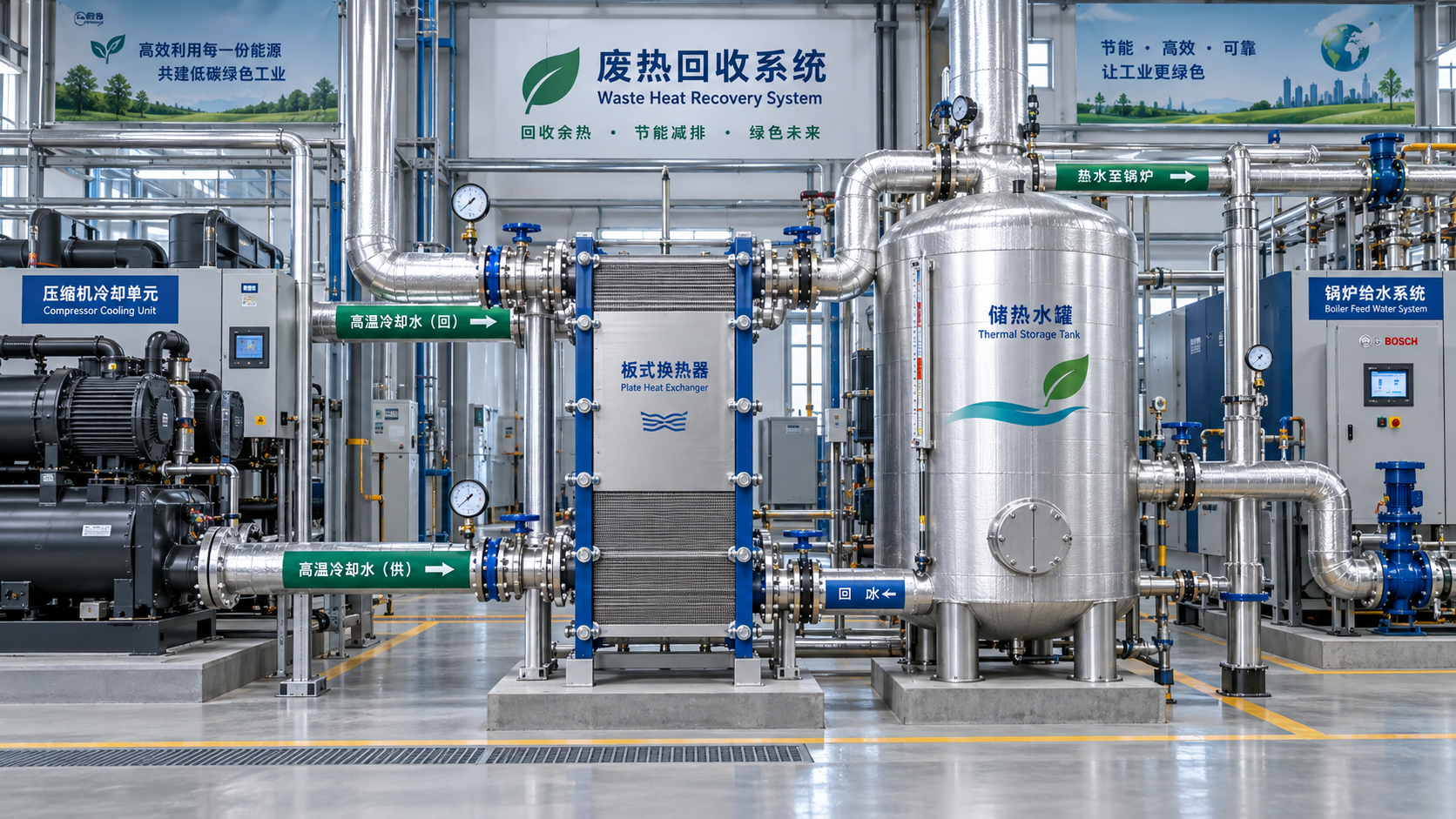
4. Waste Heat Recovery
Many facilities pay twice for heat.
First to generate it, then to remove it.
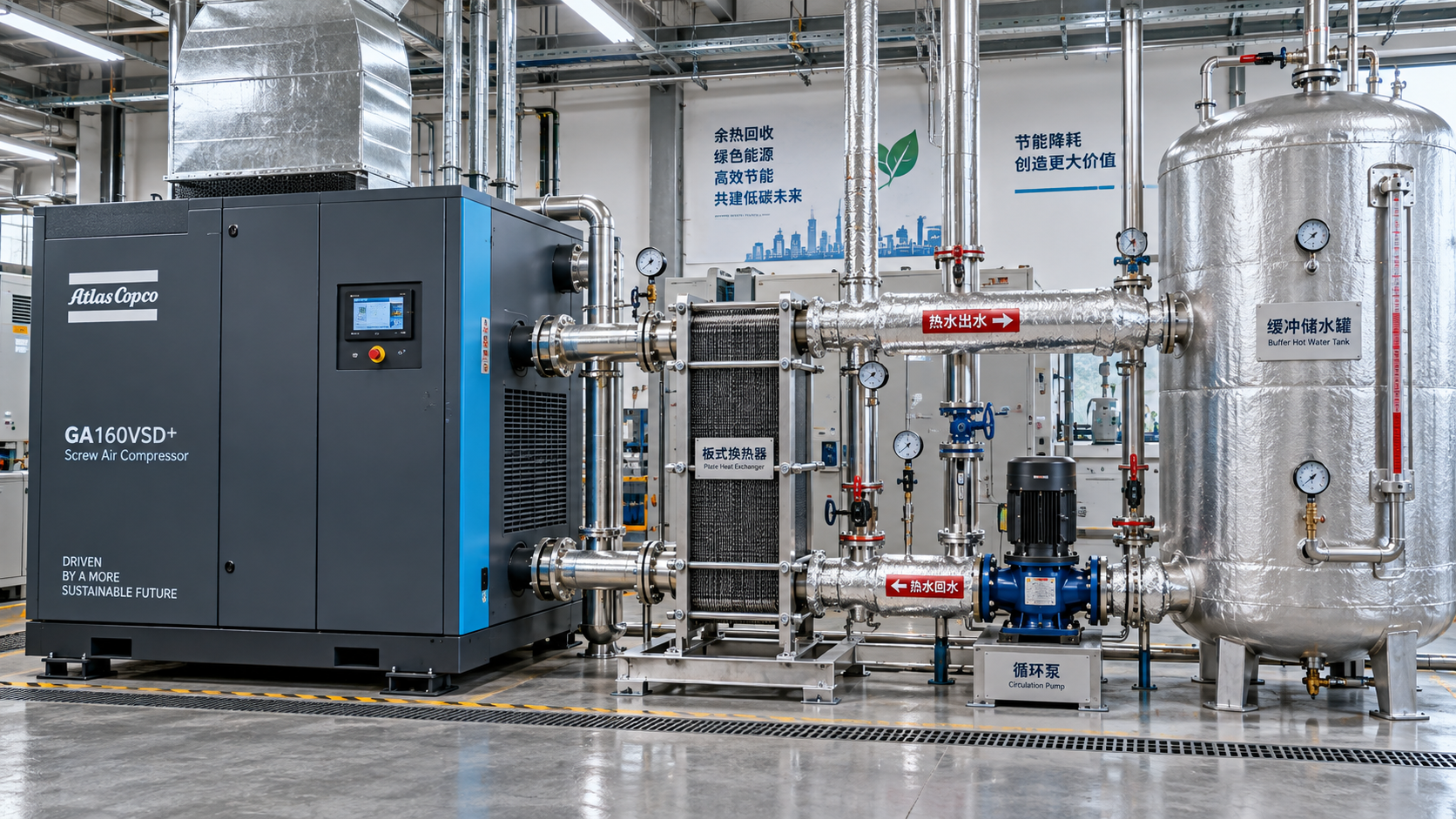
Recovering heat from compressors, condensers, exhaust streams, or process water can offset fuel or hot-water demand.
Where thermal loads are stable, payback can be highly attractive.
5. Smart Controls and System Visibility
Some sites already own efficient equipment but operate it inefficiently.
Submetering, demand-based sequencing, and alarm logic often unlock hidden value.
This type of industrial energy efficiency investment supports both savings and better maintenance planning.
How to Evaluate Payback Before You Buy
Fast payback claims need discipline.
A low purchase price alone does not guarantee strong industrial energy efficiency results.
A better approach is to compare projects using the same decision lens.
- Measure baseline consumption with reliable operating data.
- Model savings under real production conditions, not ideal lab assumptions.
- Include installation downtime, maintenance effects, and utility tariff structure.
- Check whether the upgrade improves output stability or product quality.
- Ask suppliers for verification methods, not only projected percentages.
This is where many decisions become clearer.
A project with a slightly longer payback may still be superior if it reduces downtime risk or extends asset life.
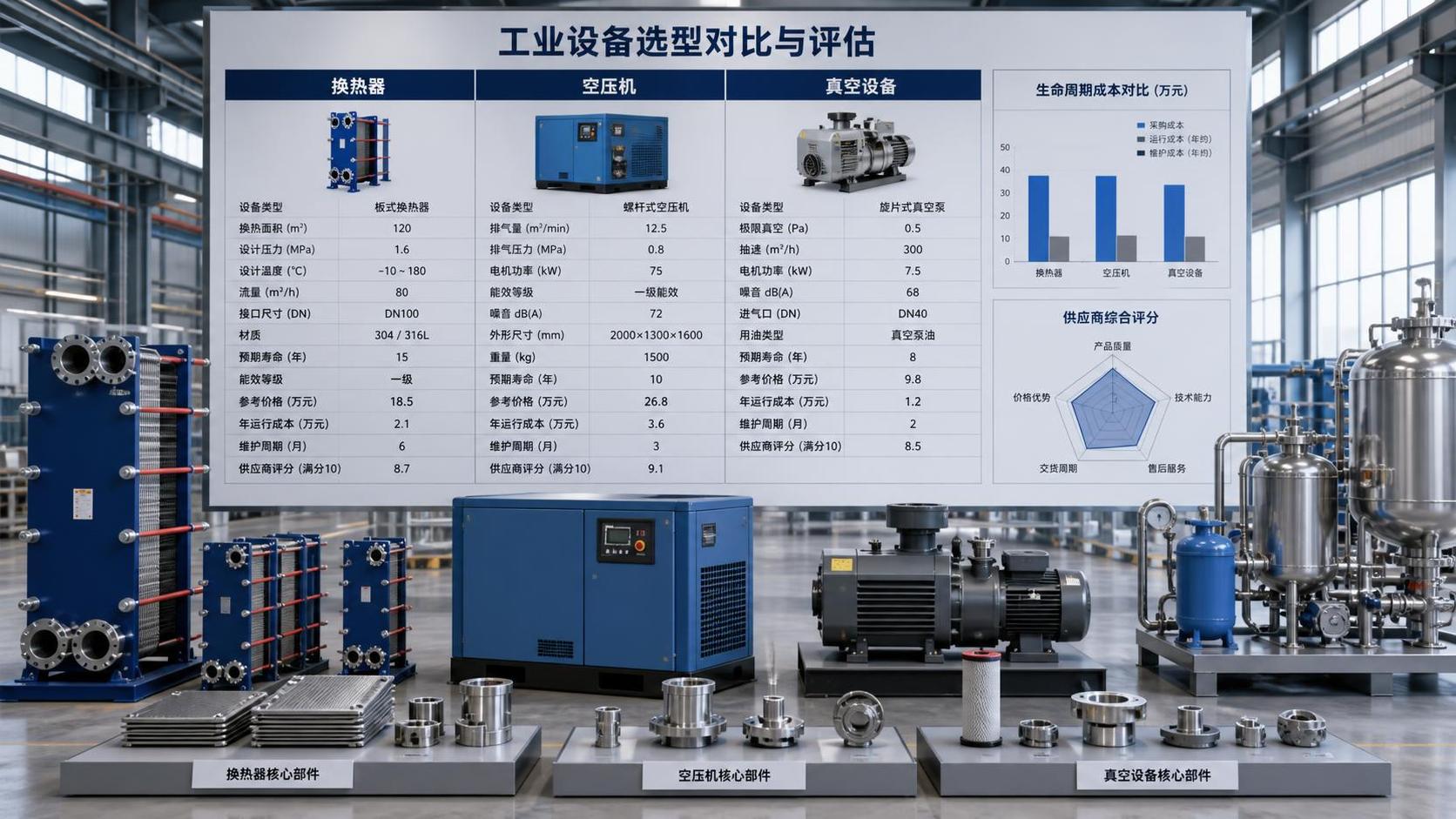
A Practical Comparison for Procurement Teams
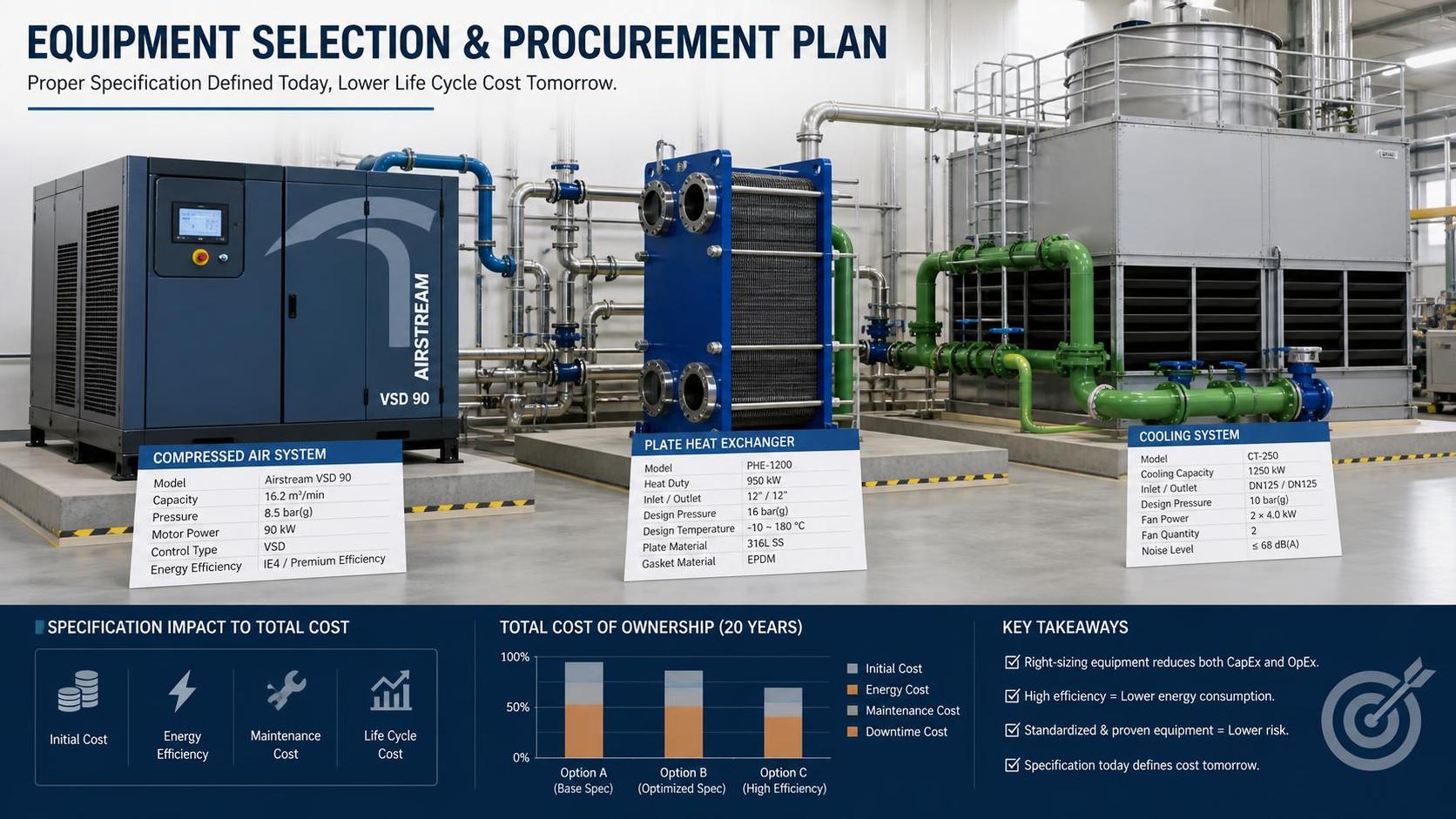
The table below helps frame industrial energy efficiency choices in a procurement setting.
This kind of comparison keeps the conversation tied to business value, not only equipment features.
Common Buying Mistakes That Slow ROI
Several mistakes repeatedly weaken industrial energy efficiency outcomes.
- Buying oversized equipment for occasional peak conditions.
- Ignoring system interaction between compressors, cooling loops, and heat exchangers.
- Using generic savings assumptions without local operating data.
- Focusing on equipment price while overlooking installation and lifecycle cost.
- Skipping post-install verification.
The more connected the utility system, the more important integrated evaluation becomes.
That is why market intelligence matters.
Through analysis of cooling, compressed air, vacuum, and heat exchange technologies, GTC-Matrix helps clarify which upgrades are structurally valuable and which are only attractive on paper.
Where to Start for the Fastest Results
A sensible industrial energy efficiency roadmap usually starts with systems that are always on, easy to measure, and known for waste.
For most facilities, that means compressed air first, then motors and drives, then thermal optimization.
After that, move toward heat recovery and control-layer improvements.
This sequence balances speed, capital discipline, and operational practicality.
The strongest decisions are grounded in measured load profiles, real maintenance history, and supplier transparency.
Industrial energy efficiency works best when procurement, engineering, and operations evaluate upgrades as one system, not separate purchases.
In a tighter cost environment, that mindset is often the difference between a quick saving and a lasting advantage.
Start with the waste that can be verified quickly, rank projects by payback and process impact, and use industrial energy efficiency as a disciplined route to lower cost and stronger plant performance.
Related News
- How industrial utility systems affect energy costs in process plantsAuthor :

- Can Waste Heat Recovery Support Carbon Neutrality Targets?Author :

- Is Compressor Heat Recovery Worth the Installation Cost?Author :

- What to verify before choosing a process separation technology supplierAuthor :

- When does process utilities engineering reduce project rework?Author :

- Where thermal efficiency optimization delivers the fastest savings in EuropeAuthor :

- What should you verify before selecting a heat transfer supplier?Author :

- What drives compressed air systems price for industrial projects?Author :

- How an industrial product knowledge comparison guide reduces sourcing riskAuthor :

- When does a procurement specification planning process reduce bid risk?Author :

- When does thermal system optimization for electronics reduce failure risk?Author :

- When high temperature process heating systems justify the higher energy costAuthor :

- How to compare sludge dewatering equipment by cake drynessAuthor :

- What to Check Before Sourcing a Gas Turbine for Distributed Power ProjectsAuthor :

- What drives industrial thermal systems price in large facility projectsAuthor :

- How to build an industrial product comparison chart that speeds up vendor selectionAuthor :

- Vacuum Technology Application Guide for Selecting the Right SystemAuthor :

- What Drives Vacuum Drying Cost in Industrial Procurement?Author :

- What Drives Compressed Air Pricing in Industrial Systems?Author :

- How Procurement Specification Planning Shapes Total Project CostAuthor :

- Compression Technology Guide: How to Compare Efficiency, Pressure Range, and Maintenance NeedsAuthor :

- How to Compare Industrial Separators by Throughput, Purity, and Maintenance LoadAuthor :

- How to Size a Compressed Air Equipment Receiver Tank for Stable PressureAuthor :

- Industrial Equipment Selection Guide: How to Compare Capacity, Duty Cycle, and Operating CostAuthor :

- How to Evaluate an Intellectualization Supplier for Industrial UpgradesAuthor :

- High-Efficiency Manufacturing: Cost Savings vs. Upgrade RiskAuthor :

- Thermal System Optimization Cost: What Drives ROI?Author :

- How to Plan Process Utilities for a Cleanroom Without Costly ReworkAuthor :

- How to Compare Process Heating Suppliers in MexicoAuthor :

- Food Processing Utilities: Common Sizing Mistakes That Raise Energy and Water UseAuthor :

- How to Build Procurement Specification Planning for Industrial EquipmentAuthor :

- OEM Cooperation for Industrial Equipment: Risks, Terms, and Cost PrioritiesAuthor :

- Specification-Oriented Product Resources That Speed Technical ReviewAuthor :

- Industrial Equipment Selection Guide: A Practical Buyer ChecklistAuthor :

- How to Compare Industrial Energy Management Systems by ROIAuthor :

- How to Evaluate a Deaerators Supplier for Long-Term Plant ReliabilityAuthor :
![]()