Industrial Thermal Systems: How to Cut Heat Loss Without Major Retrofits




Industrial Thermal Systems: How to Cut Heat Loss Without Major Retrofits
In industrial thermal systems, heat loss often hides in plain sight.
It quietly raises fuel use, weakens temperature control, and eats into operating margins.
The challenge is familiar across process plants, utilities, food lines, and clean manufacturing sites.
Yet many industrial thermal systems can improve fast without shutdown-heavy capital projects.
Targeted actions often deliver better thermal efficiency, steadier output, and lower emissions with modest disruption.
That matters even more as energy costs stay volatile and decarbonization targets keep tightening.
Where Industrial Thermal Systems Usually Lose Heat
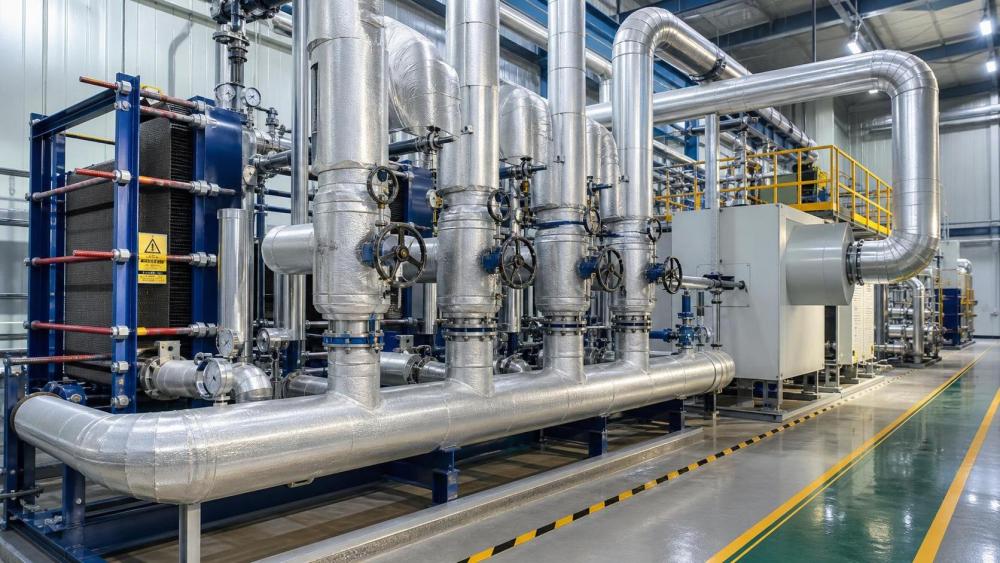
Heat loss in industrial thermal systems rarely comes from one dramatic failure.
More often, it comes from many small gaps that operators stop noticing over time.
Common sources include damaged insulation, bare valves, unsealed access points, leaking steam traps, and oversupplied process temperatures.
Air infiltration also matters.
A hot process area can lose a surprising amount of energy through doors, ducts, and maintenance openings.
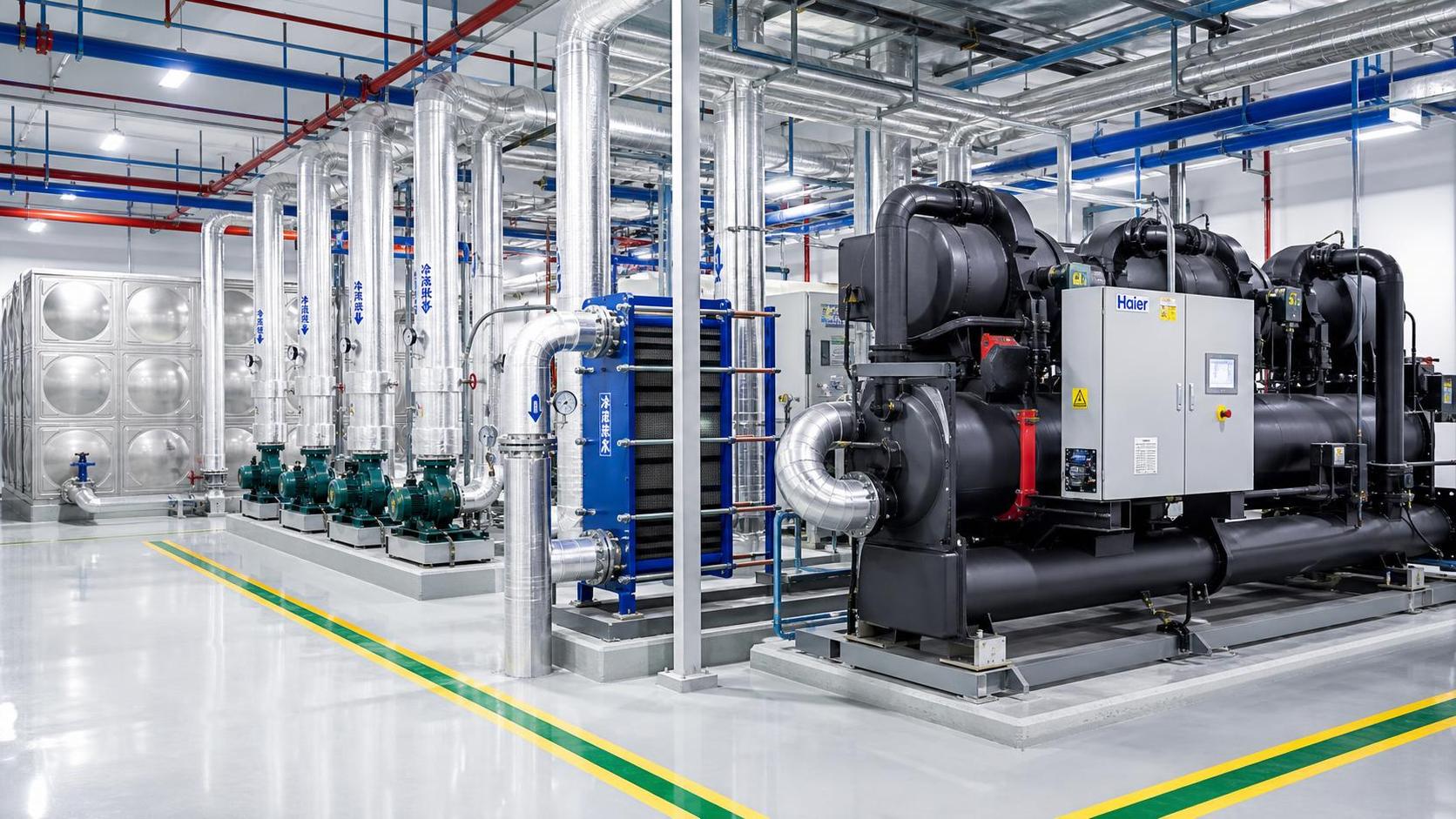
In heat exchanger networks, fouling becomes another silent penalty.
When surfaces foul, industrial thermal systems need more input energy to hit the same duty.
The first practical step is not buying new equipment.
It is building a loss map.
- List heated assets by temperature, operating hours, and product criticality.
- Mark insulation condition, visible leaks, condensate issues, and unstable control loops.
- Compare design temperatures with actual process demand.
- Prioritize losses by annual energy cost, safety impact, and ease of correction.
This simple approach turns thermal waste into an actionable project pipeline.
Start With Fast, Low-Disruption Fixes
Some of the best gains in industrial thermal systems come from basic housekeeping.
These measures are not glamorous, but they usually pay back quickly.
Repair and upgrade insulation
Insulation failures are among the easiest heat loss problems to see and fix.
Focus on elbows, flanges, valve bodies, removable covers, and short pipe runs.
These areas are often left exposed because maintenance access seems more convenient.
In reality, reusable insulation jackets can reduce losses without slowing service work.
Fix steam and condensate problems
In steam-based industrial thermal systems, failed traps create direct energy waste.
A trap stuck open wastes steam.
A trap stuck closed causes waterlogging, unstable heating, and equipment stress.
Routine surveys with ultrasonic tools or temperature checks can uncover issues fast.
Seal avoidable air leakage
Open penetrations, cracked seals, and poorly balanced airflow can increase thermal load.
This is especially costly in ovens, drying lines, and temperature-controlled rooms.
Small sealing upgrades often outperform larger equipment changes on a cost basis.
Tune Process Conditions Before Adding New Hardware
Many industrial thermal systems operate above the temperature actually needed for product quality.
That operating habit creates a cushion for operators, but it also locks in waste.
A better approach is controlled optimization.
Review setpoints, control deadbands, batch times, and warm-up practices.
In many plants, setpoints were established years ago for different products or older materials.
Today, the process may no longer need that margin.
- Reduce excessive supply temperatures in stages.
- Shorten idle heating periods before shift start.
- Reset heating duty based on ambient or seasonal conditions.
- Coordinate production scheduling to avoid repeated thermal cycling.
These changes usually require disciplined trials, not major capex.
They also improve process stability because the system stops fighting unnecessary extremes.
Improve Heat Recovery in Existing Industrial Thermal Systems
Heat recovery sounds capital intensive, but not every upgrade is a full redesign.
In many industrial thermal systems, recoverable heat already sits close to a useful load.
The main task is matching source quality to process need.
Look for practical recovery matches
- Use exhaust heat to preheat make-up air.
- Recover hot condensate for boiler feedwater support.
- Preheat wash water with low-grade waste heat.
- Capture compressor afterheat for nearby process or space heating.
This is where cross-functional review helps.
Thermal losses in one area may solve energy demand in another.
That broader system view is often missing in day-to-day operations.
Clean heat transfer surfaces
Fouled exchangers increase approach temperatures and force higher energy input.
Cleaning schedules should reflect actual thermal performance, not only calendar intervals.
When industrial thermal systems recover heat poorly, fouling is often a core reason.
Use Better Data to Find Hidden Losses
If losses are invisible, they are hard to prioritize.
That is why better monitoring matters in industrial thermal systems.
The goal is not a huge digital overhaul.
It is getting just enough reliable data to expose waste patterns.
Thermal imaging is especially useful for fast screening.
It helps teams spot insulation damage, refractory wear, and unexpected hot surfaces in a single walkthrough.
Prioritize Projects by Payback and Operational Risk
Not every opportunity in industrial thermal systems deserves immediate action.
The strongest projects combine measurable savings with low execution risk.
A simple ranking model helps avoid delays and internal debate.
- Estimate annual heat loss cost for each issue.
- Score installation complexity and required downtime.
- Check product quality, safety, and compliance implications.
- Bundle small fixes into one outage window.
- Track verified savings after implementation.
This method keeps industrial thermal systems improvement practical and defensible.
It also helps secure support for larger future upgrades when the data proves early wins.
A Smarter Path to Lower Heat Loss
Cutting heat loss in industrial thermal systems does not have to start with a major retrofit.
In many facilities, the biggest gains come from better visibility, tighter maintenance, smarter setpoints, and targeted recovery.
The practical sequence is clear.
Find the losses, fix the simple issues, optimize operating conditions, then invest where data supports it.
For teams managing energy, uptime, and decarbonization at once, that approach is often the fastest route to results.
A focused review of industrial thermal systems this quarter can uncover savings that have been sitting in plain sight for years.
Related News
- When does process utilities engineering reduce project rework?Author :

- Where thermal efficiency optimization delivers the fastest savings in EuropeAuthor :

- What should you verify before selecting a heat transfer supplier?Author :

- What drives compressed air systems price for industrial projects?Author :

- How an industrial product knowledge comparison guide reduces sourcing riskAuthor :

- When does a procurement specification planning process reduce bid risk?Author :

- When does thermal system optimization for electronics reduce failure risk?Author :

- When high temperature process heating systems justify the higher energy costAuthor :

- How to compare sludge dewatering equipment by cake drynessAuthor :

- What to Check Before Sourcing a Gas Turbine for Distributed Power ProjectsAuthor :

- What drives industrial thermal systems price in large facility projectsAuthor :

- How to build an industrial product comparison chart that speeds up vendor selectionAuthor :

- Vacuum Technology Application Guide for Selecting the Right SystemAuthor :

- What Drives Vacuum Drying Cost in Industrial Procurement?Author :

- What Drives Compressed Air Pricing in Industrial Systems?Author :

- How Procurement Specification Planning Shapes Total Project CostAuthor :

- Compression Technology Guide: How to Compare Efficiency, Pressure Range, and Maintenance NeedsAuthor :

- How to Compare Industrial Separators by Throughput, Purity, and Maintenance LoadAuthor :

- How to Size a Compressed Air Equipment Receiver Tank for Stable PressureAuthor :

- Industrial Equipment Selection Guide: How to Compare Capacity, Duty Cycle, and Operating CostAuthor :

- How to Evaluate an Intellectualization Supplier for Industrial UpgradesAuthor :

- High-Efficiency Manufacturing: Cost Savings vs. Upgrade RiskAuthor :

- Thermal System Optimization Cost: What Drives ROI?Author :

- How to Plan Process Utilities for a Cleanroom Without Costly ReworkAuthor :

- How to Compare Process Heating Suppliers in MexicoAuthor :

- Food Processing Utilities: Common Sizing Mistakes That Raise Energy and Water UseAuthor :

- How to Build Procurement Specification Planning for Industrial EquipmentAuthor :

- OEM Cooperation for Industrial Equipment: Risks, Terms, and Cost PrioritiesAuthor :

- Specification-Oriented Product Resources That Speed Technical ReviewAuthor :

- Industrial Equipment Selection Guide: A Practical Buyer ChecklistAuthor :

- How to Compare Industrial Energy Management Systems by ROIAuthor :

- How to Evaluate a Deaerators Supplier for Long-Term Plant ReliabilityAuthor :
![]()
- How to Evaluate a Vacuum Technology Manufacturer in 2026Author :

- Thermal Efficiency Optimization Software: When the ROI Justifies DeploymentAuthor :

- How to Evaluate Application-Specific Compression Solutions by Throughput and Energy UseAuthor :

- Smart Device Thermal Management Supplier Europe: What Matters Beyond PriceAuthor :