Energy-Saving Technologies With the Fastest Industrial ROI in 2026




In 2026, energy-saving technologies are being judged by speed of return, not by ambition alone. Industrial sites now favor upgrades that cut waste fast, protect uptime, and improve capital efficiency.
The strongest ROI often appears in compressed air, thermal recovery, smart controls, and high-efficiency heat exchange. These systems reduce hidden losses while fitting existing operations with limited disruption.
For GTC-Matrix, this shift confirms a wider industrial pattern. Better thermodynamic decisions create stronger margins, lower emissions intensity, and more resilient energy performance across diverse facilities.
Where energy-saving technologies deliver the fastest ROI first
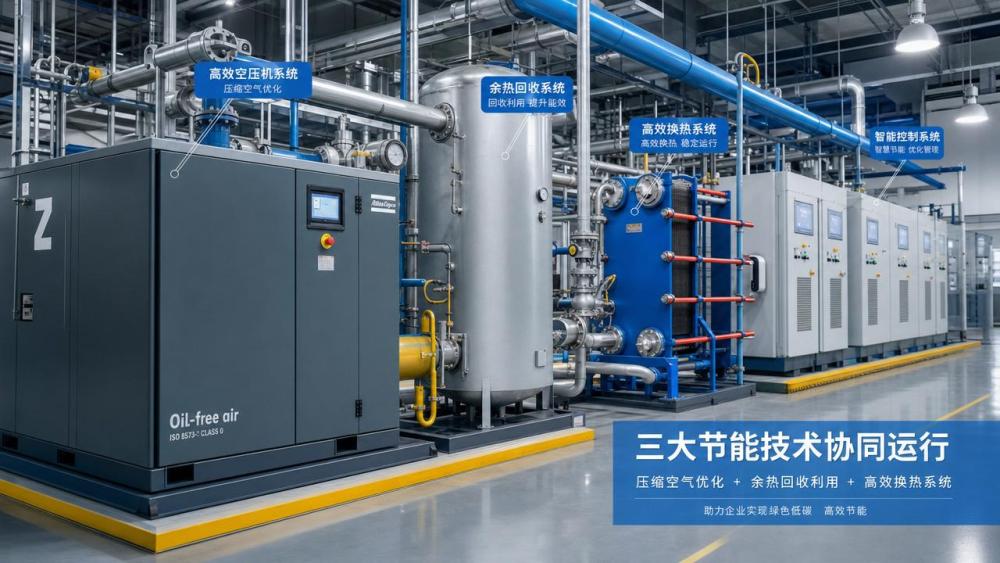
Not every plant loses energy in the same way. Fast ROI depends on where waste is concentrated, how long assets run, and whether efficiency gains can be captured immediately.
Three conditions usually signal strong investment potential. First, energy is converted inefficiently. Second, utilities run continuously. Third, losses remain invisible in daily operating routines.
In 2026, the most attractive energy-saving technologies are those linked to measurable baselines. Metered savings, lower maintenance, and stable output make approval easier and payback clearer.
- Compressed air systems with leakage, pressure mismatch, or idle running
- Thermal processes rejecting usable heat to ambient or cooling loops
- Facilities using oversized pumps, fans, or fixed-speed motors
- Multi-utility sites lacking intelligent control and load coordination
Scenario 1: Compressed air optimization wins when invisible losses dominate
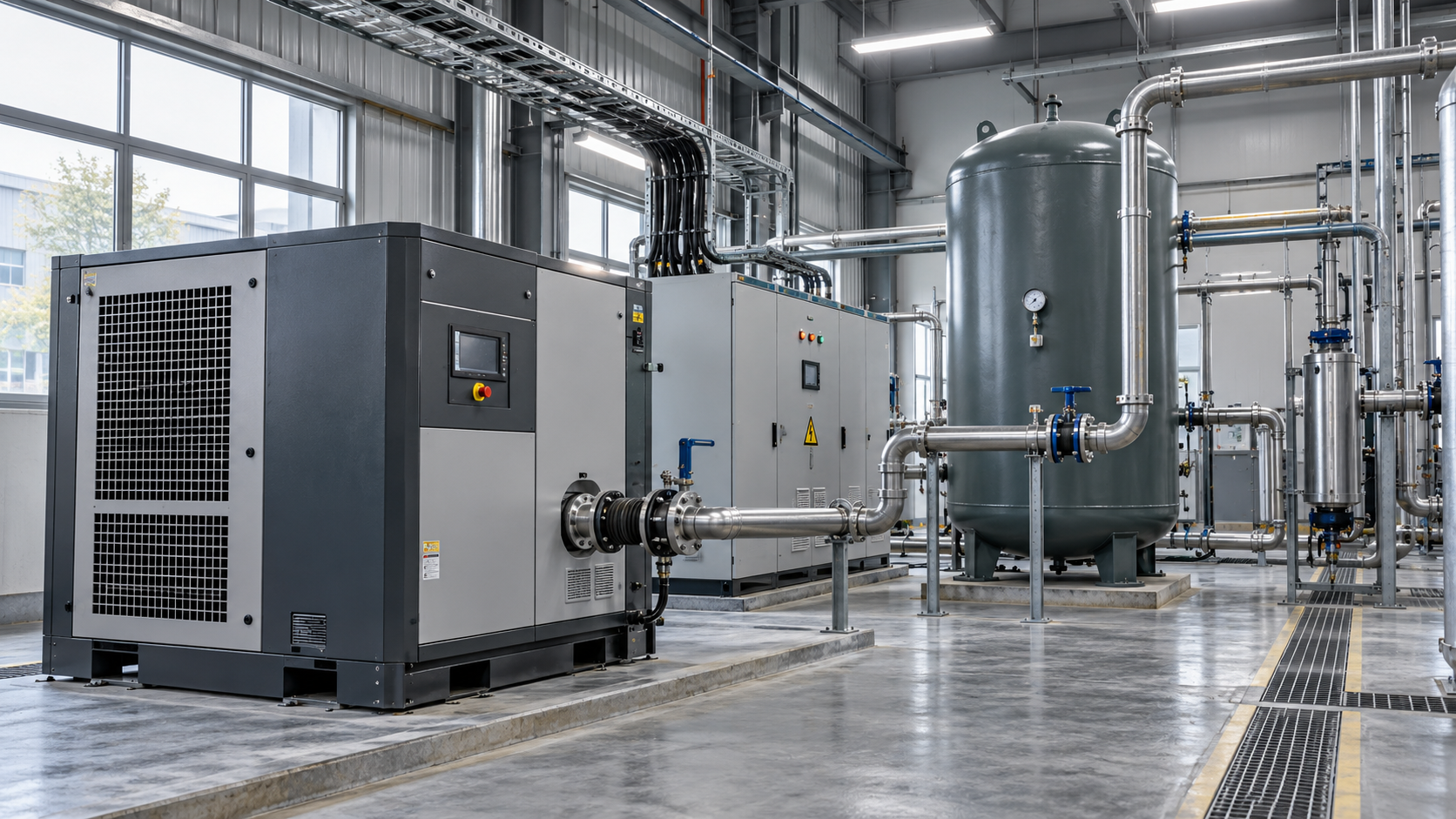
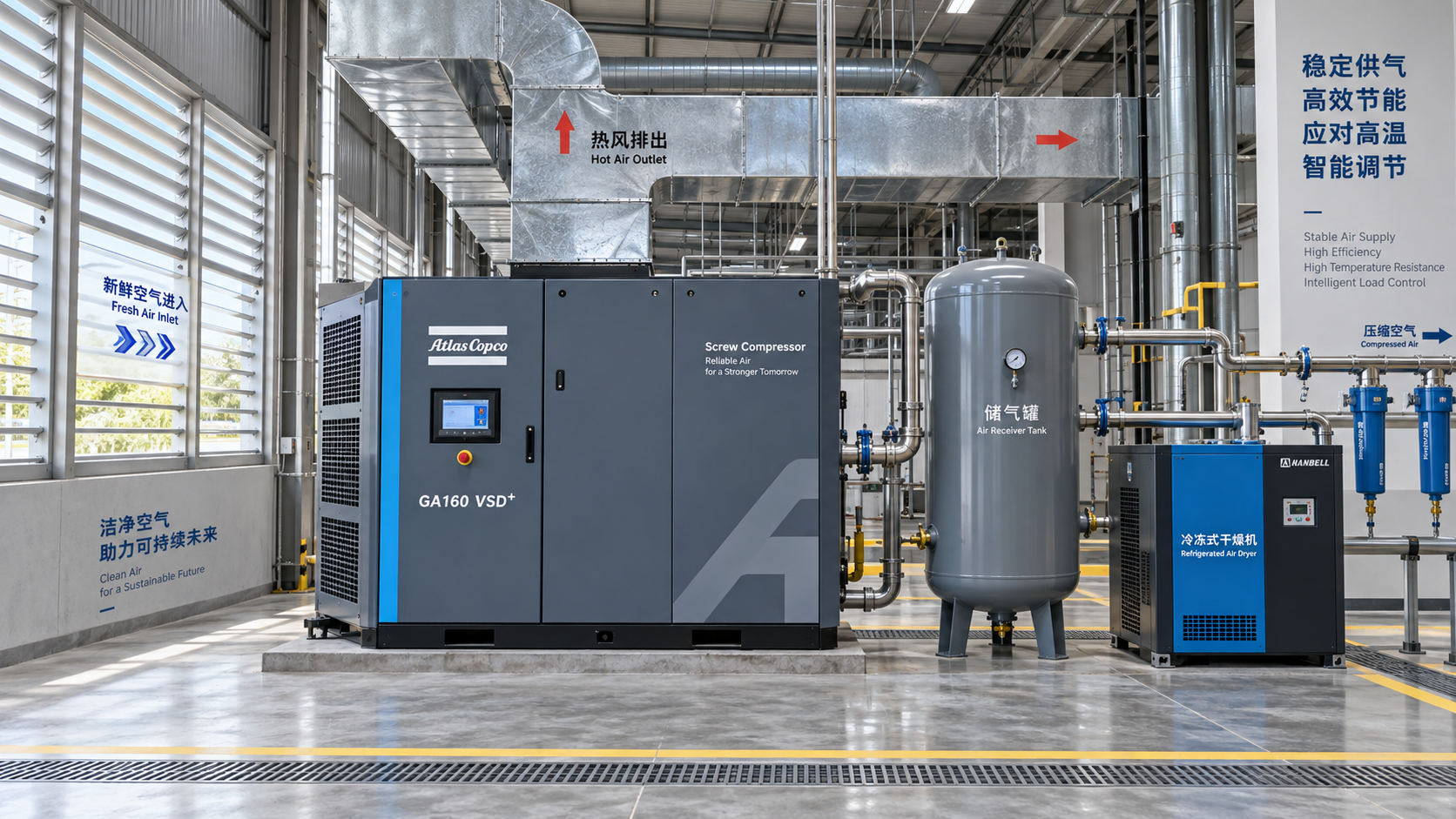
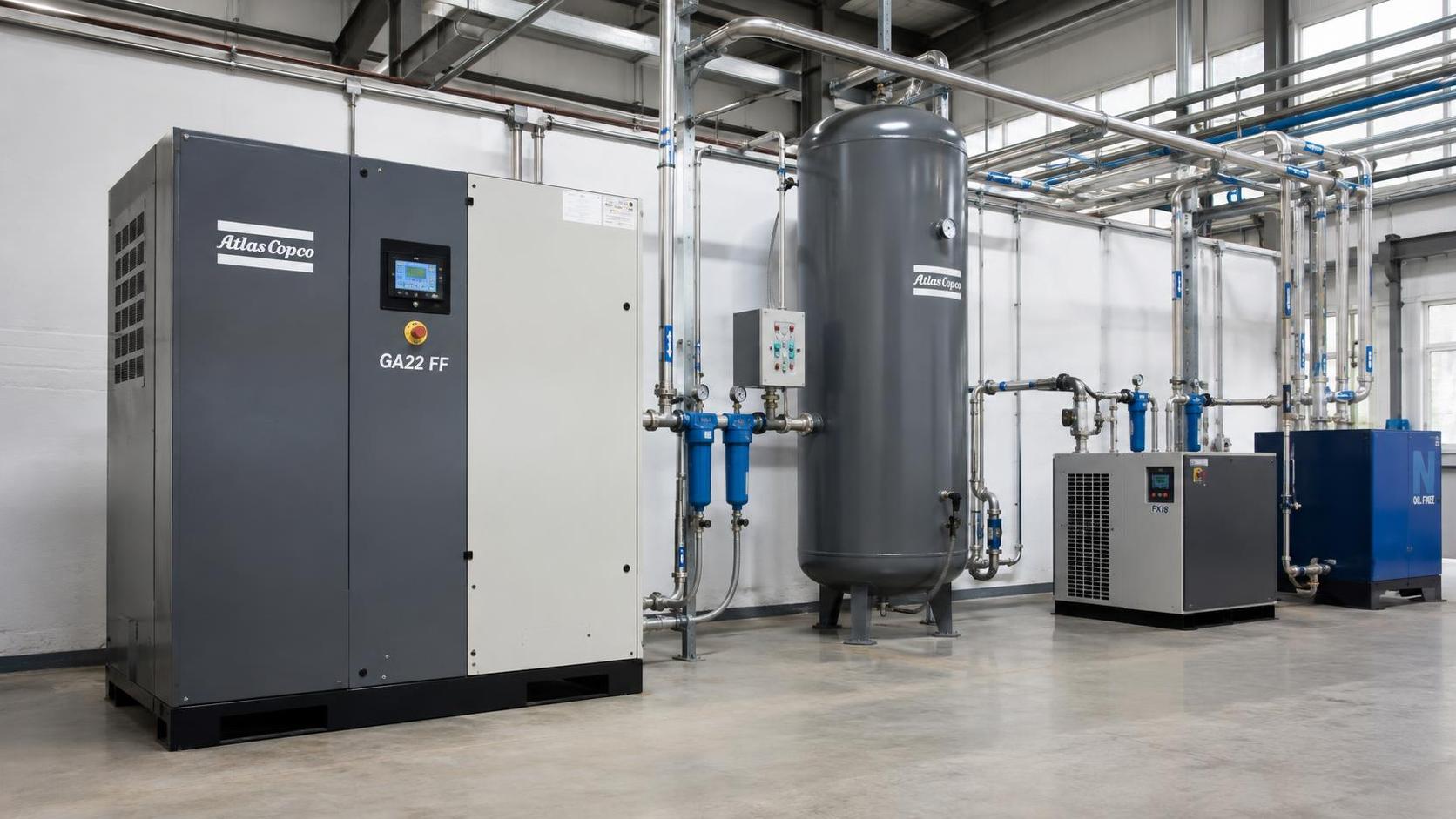
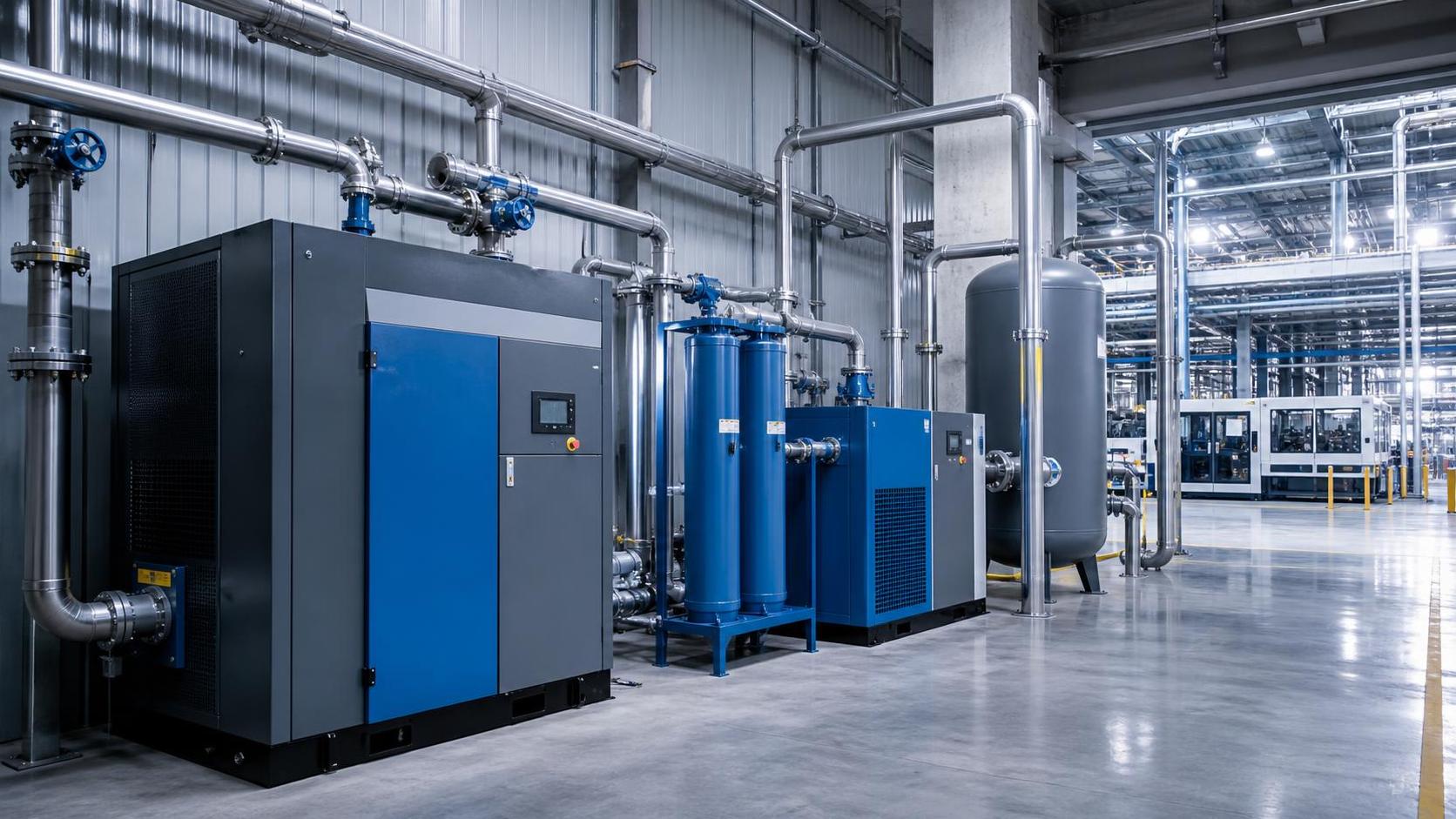
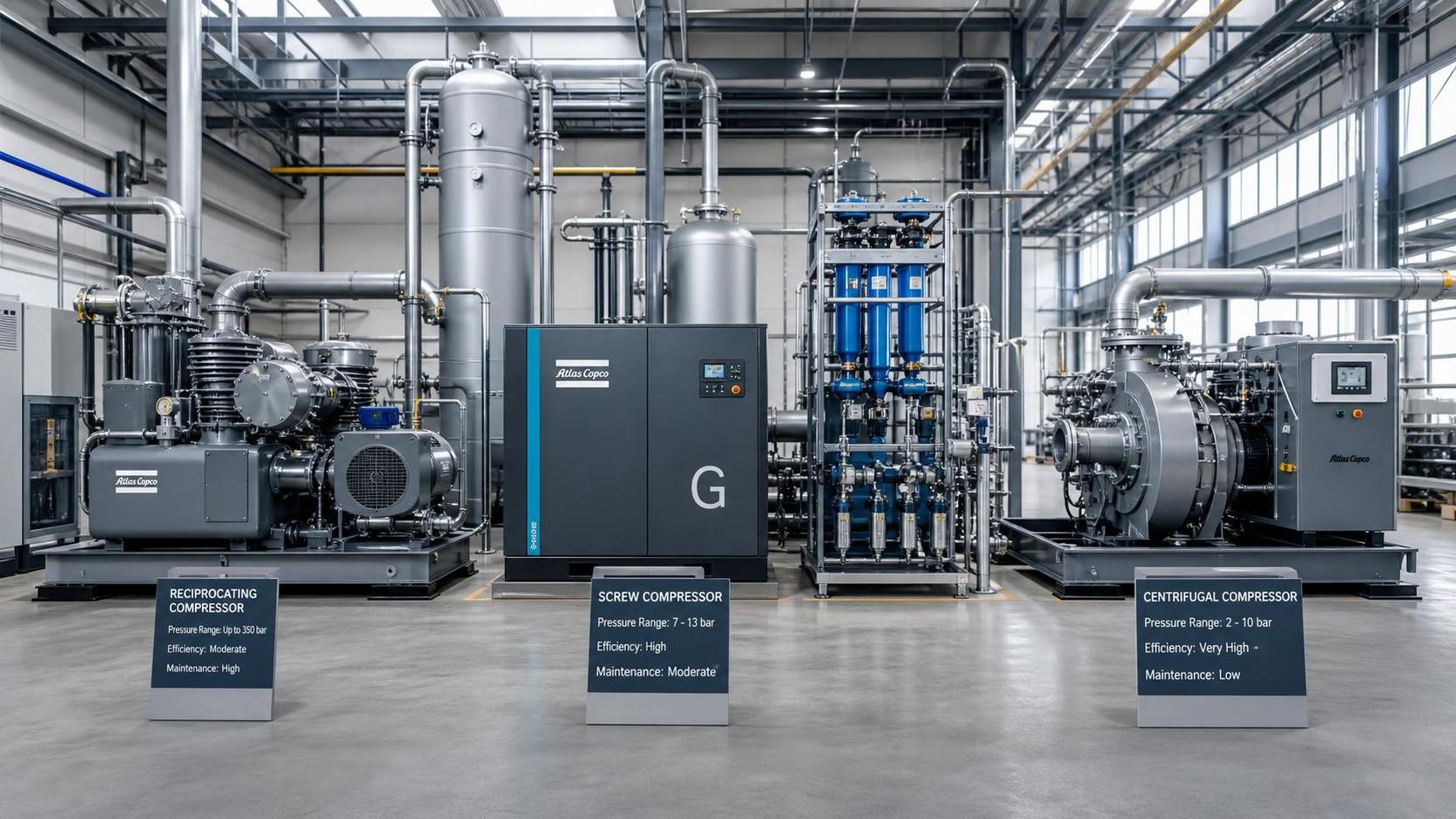
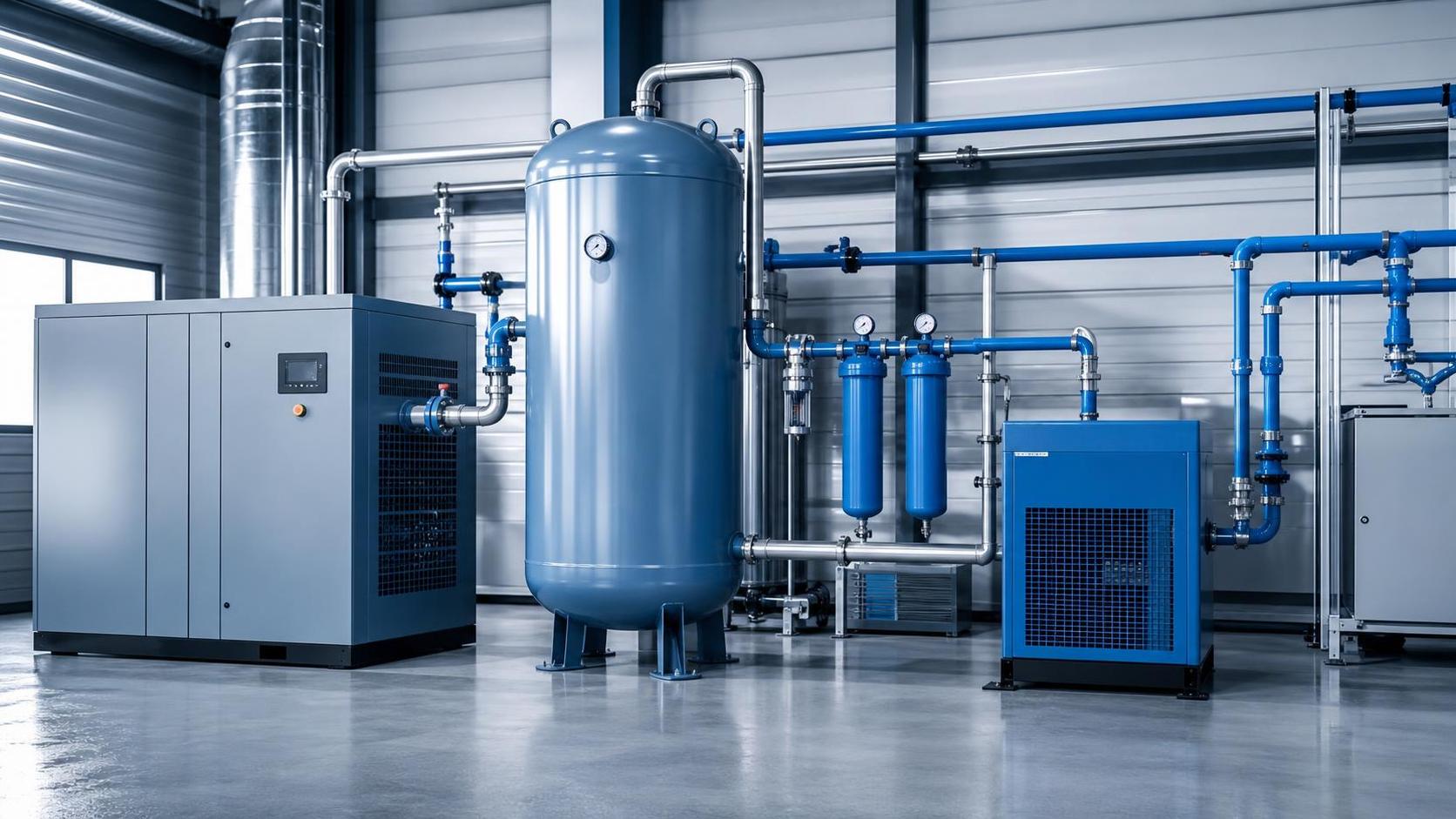
Compressed air remains one of the fastest paths for energy-saving technologies with rapid industrial ROI. It is expensive, often oversized, and frequently burdened by leaks and unstable pressure bands.
The key judgment point is system behavior, not compressor nameplate alone. High unloaded hours, pressure drops, artificial demand, and poor sequencing usually signal quick savings potential.
Best-fit conditions
- Plants operating several compressors across shifting demand profiles
- Facilities with frequent low-pressure complaints from end users
- Sites where leaks exceed acceptable thresholds after hours
- Processes requiring dry, stable, oil-free, or precisely controlled air
High-ROI actions
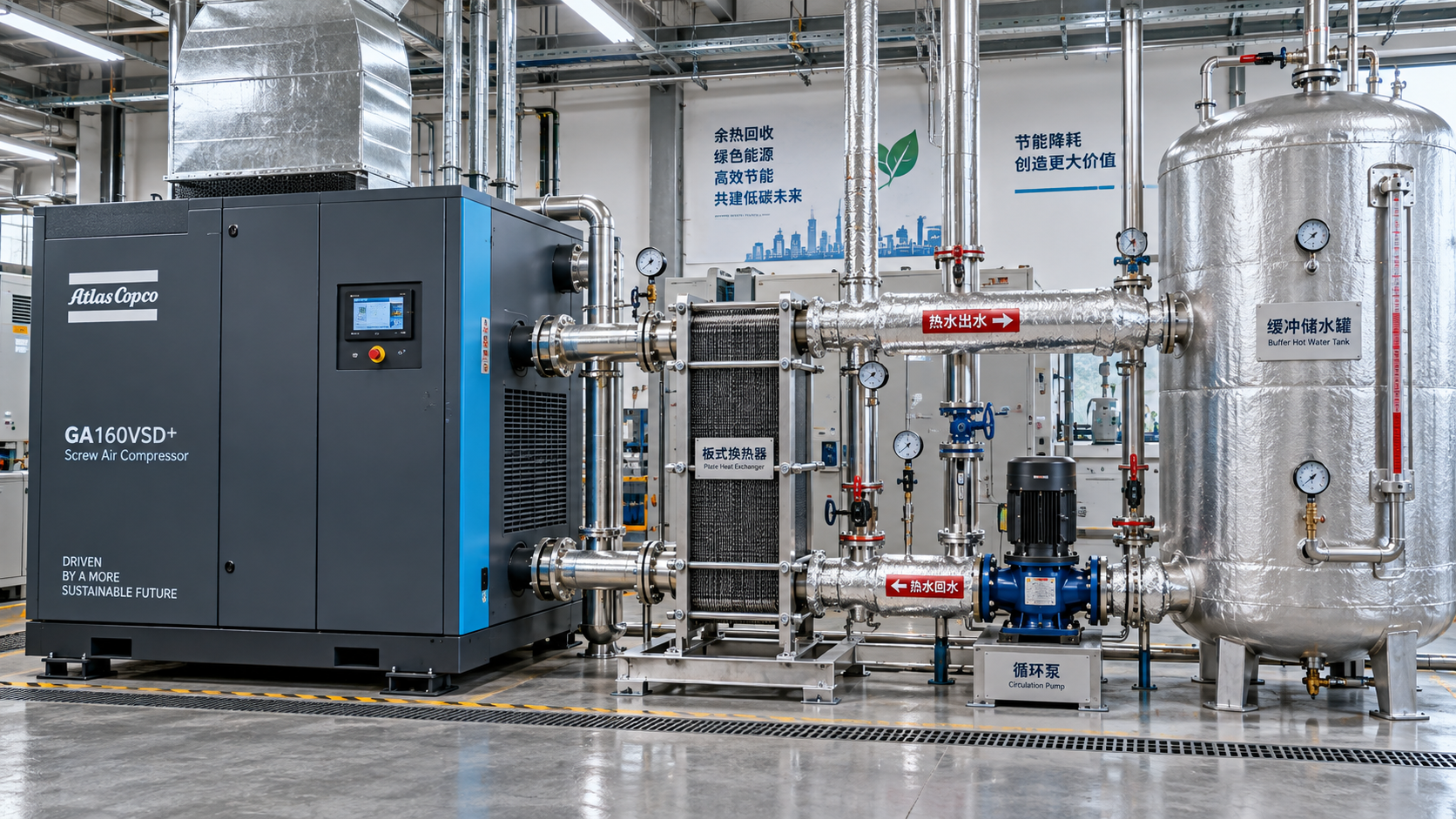
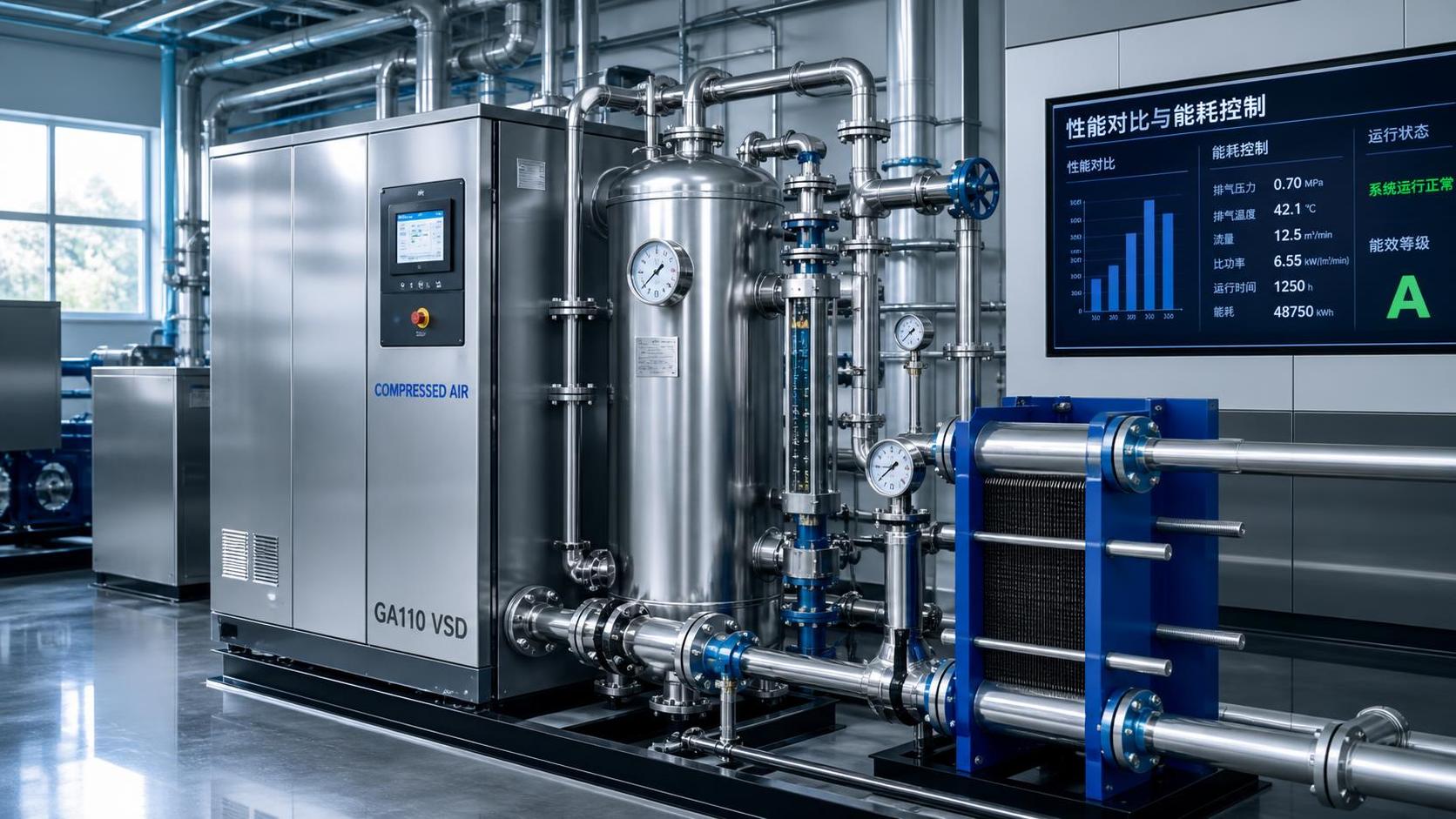
Common actions include leak audits, VSD retrofits, pressure reset, smarter compressor sequencing, heat recovery from compression, and better storage placement near dynamic loads.
These energy-saving technologies often produce payback within short planning cycles. They also improve reliability by reducing stress on dryers, filters, valves, and downstream pneumatic equipment.
Scenario 2: Heat recovery pays back fast in thermal-intensive operations
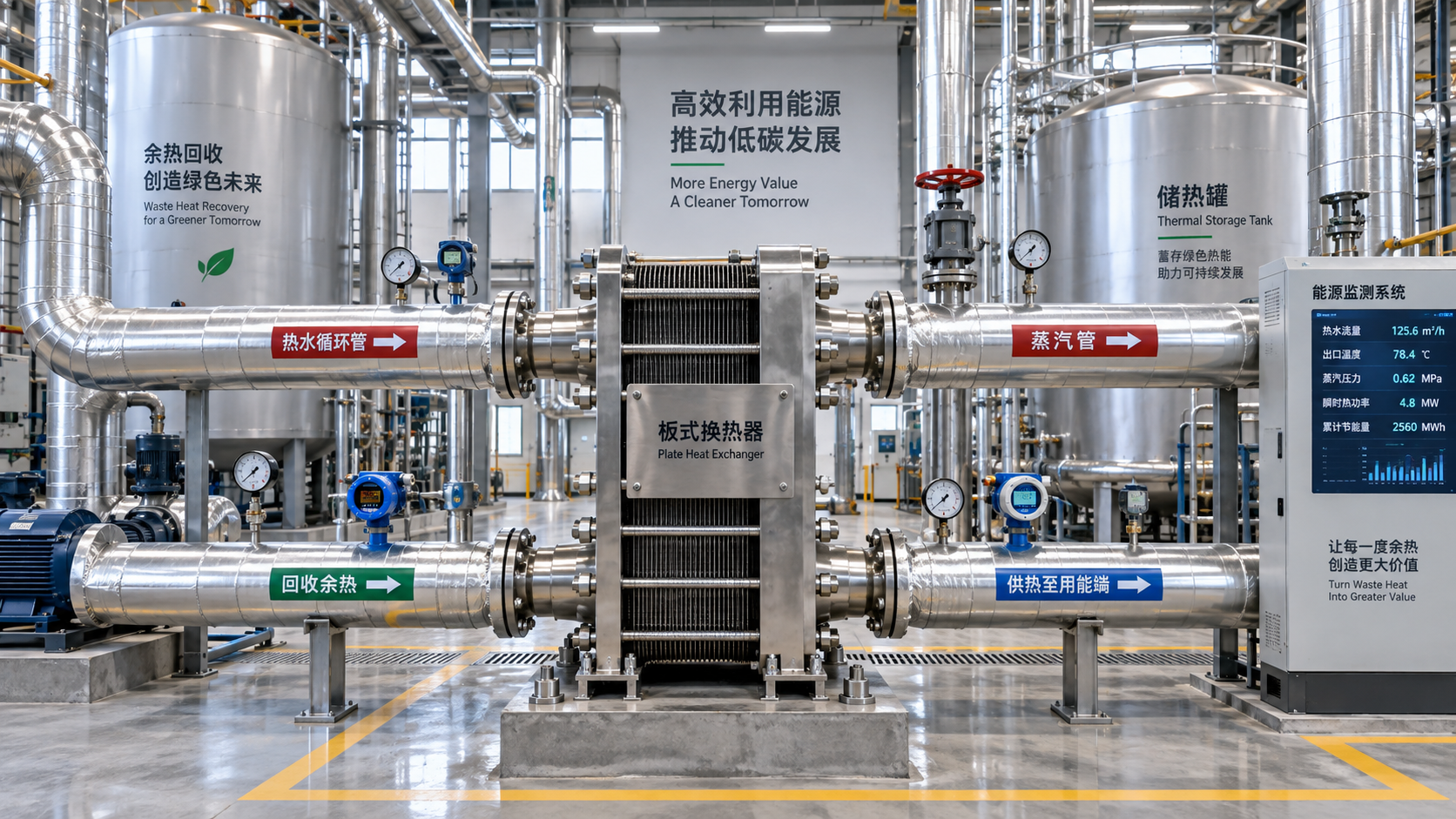
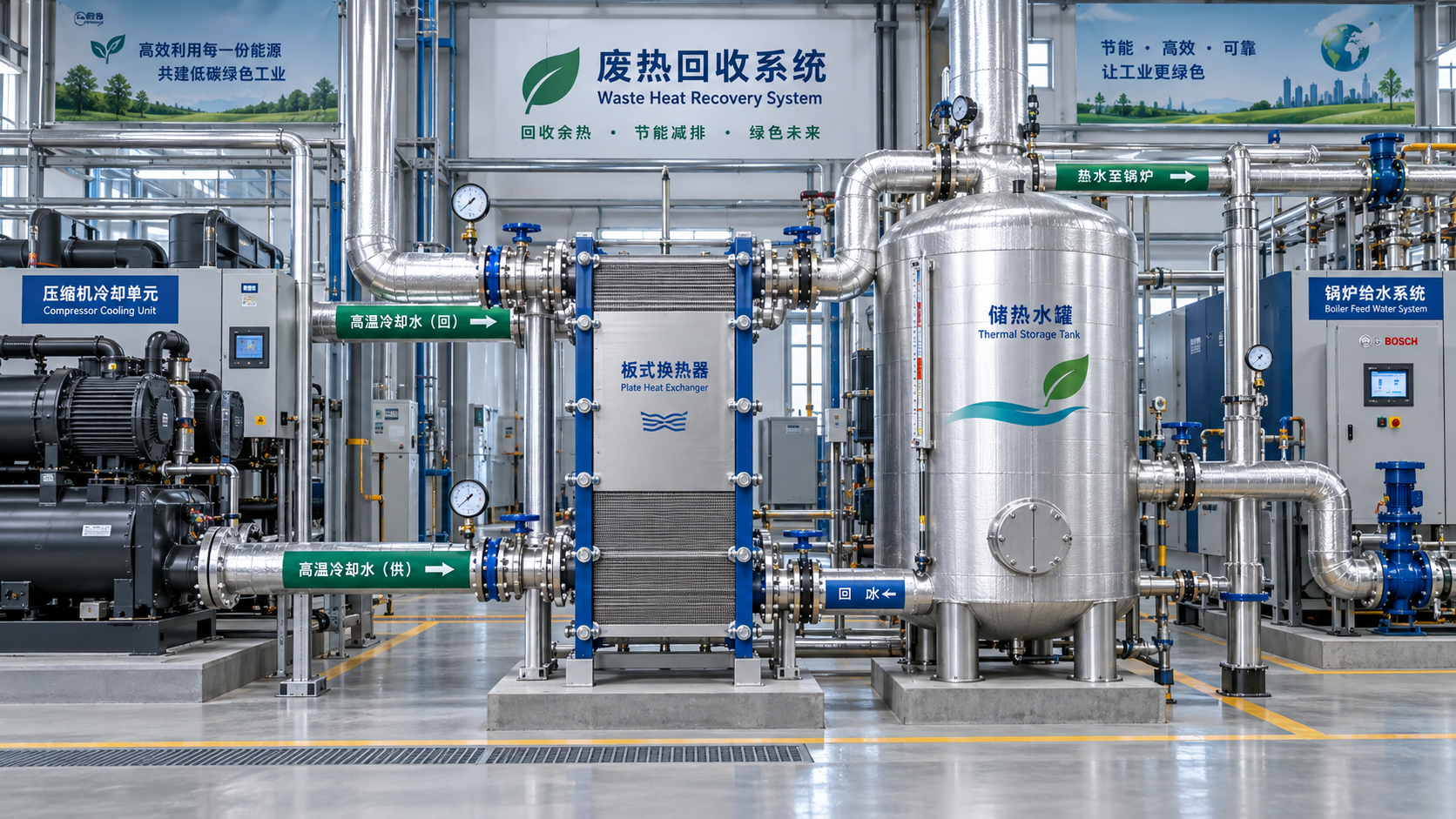
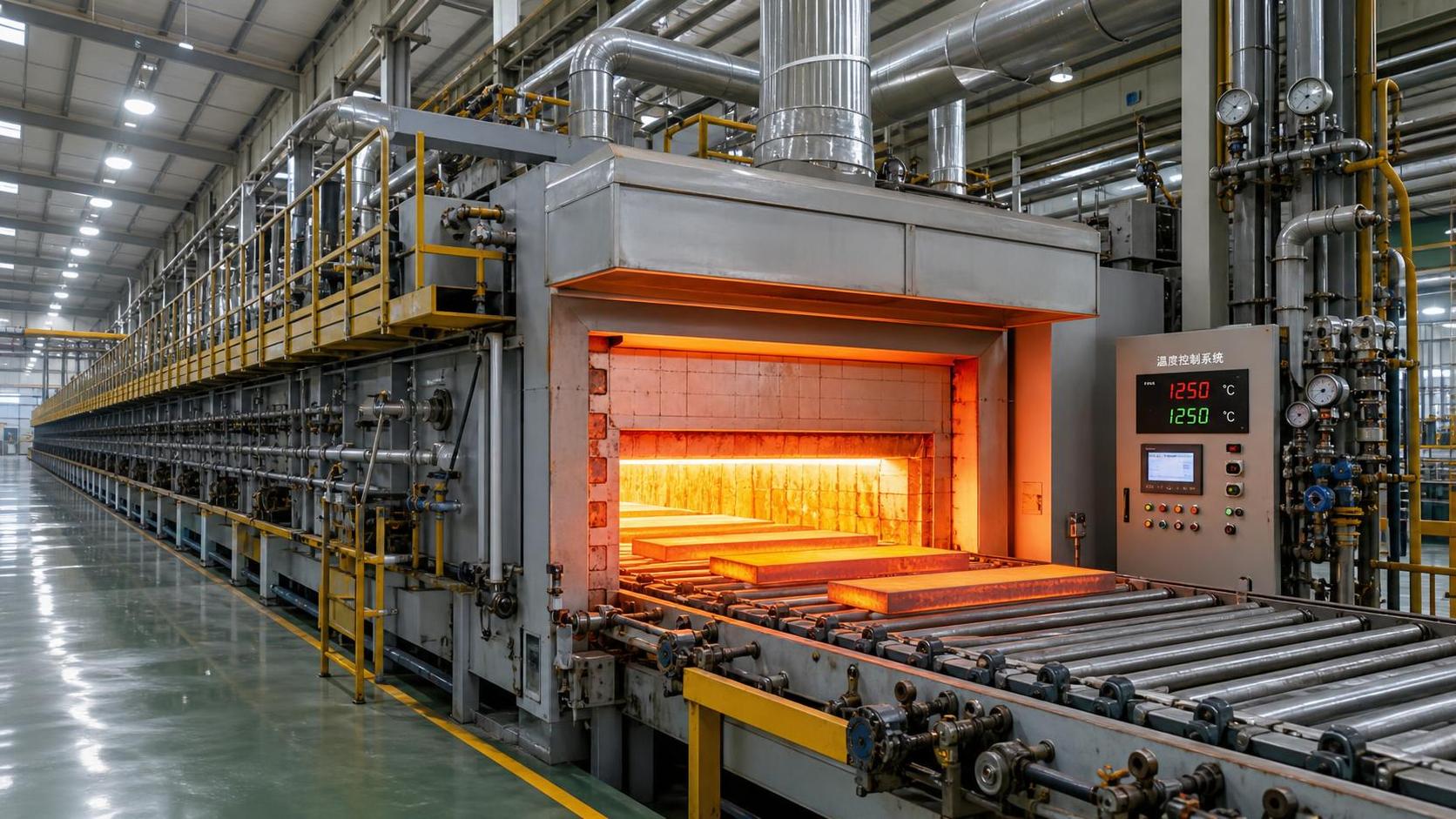
Facilities using ovens, boilers, chillers, compressors, or hot process loops often reject valuable energy. Recovering that heat can create one of the fastest industrial ROI cases in 2026.
The decision hinges on temperature level, distance between source and sink, and annual operating hours. Waste heat only becomes value when it matches a stable thermal demand.
Best-fit conditions
- Continuous production needing hot water, preheating, or low-grade heat
- Sites with simultaneous cooling demand and heating demand
- Plants venting warm exhaust from drying or combustion processes
- Utilities with unstable fuel costs or decarbonization pressure
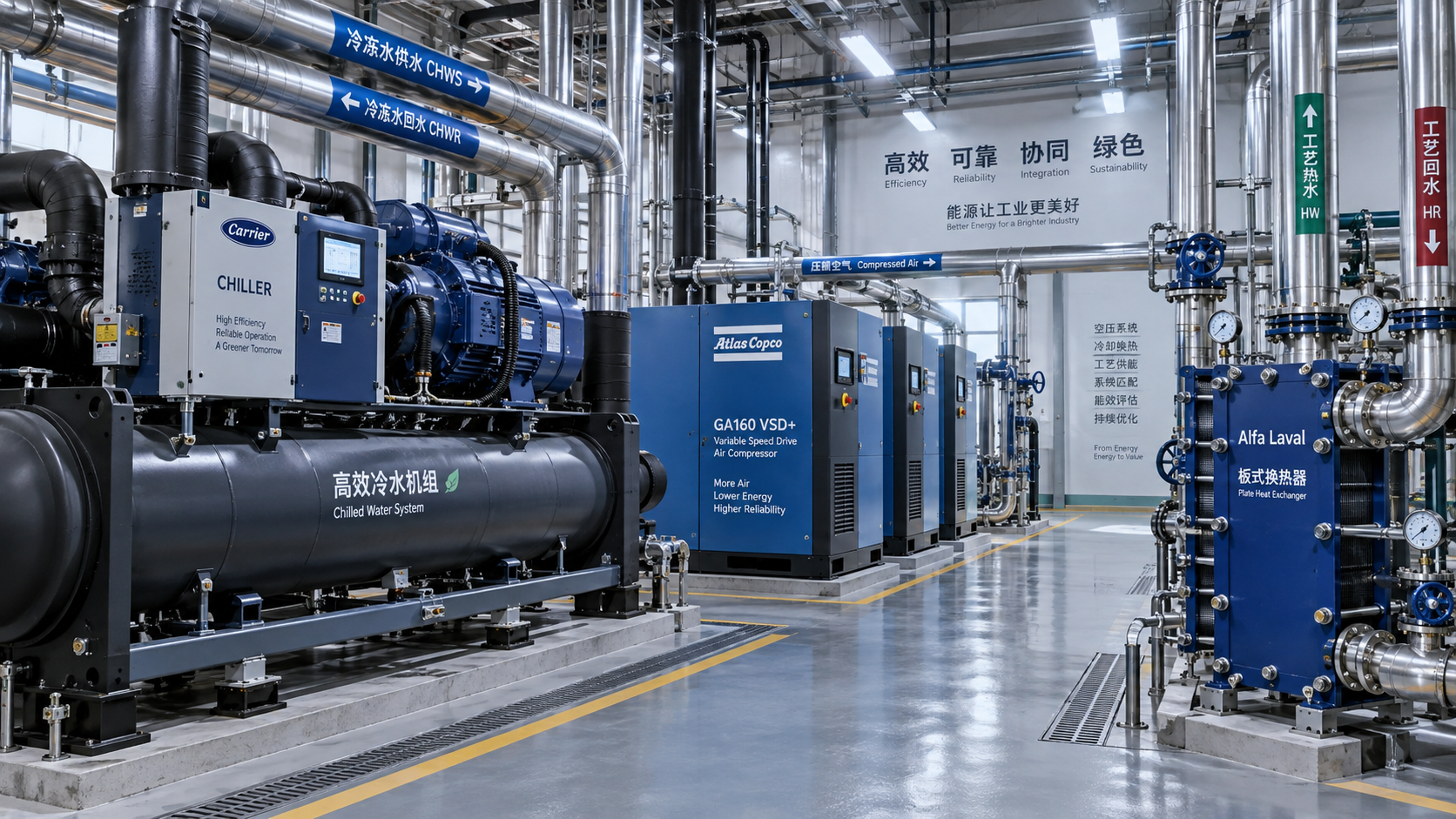
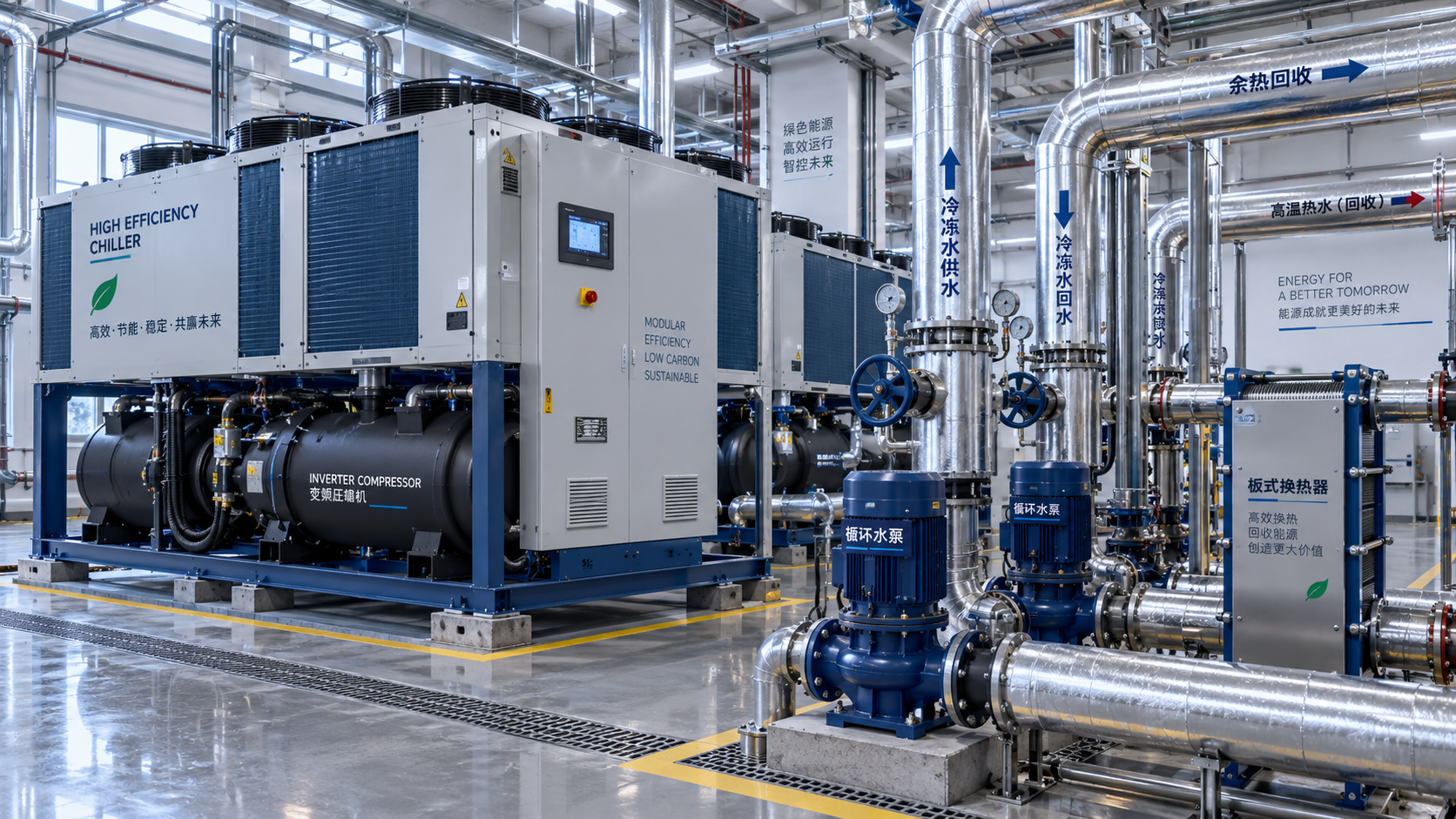
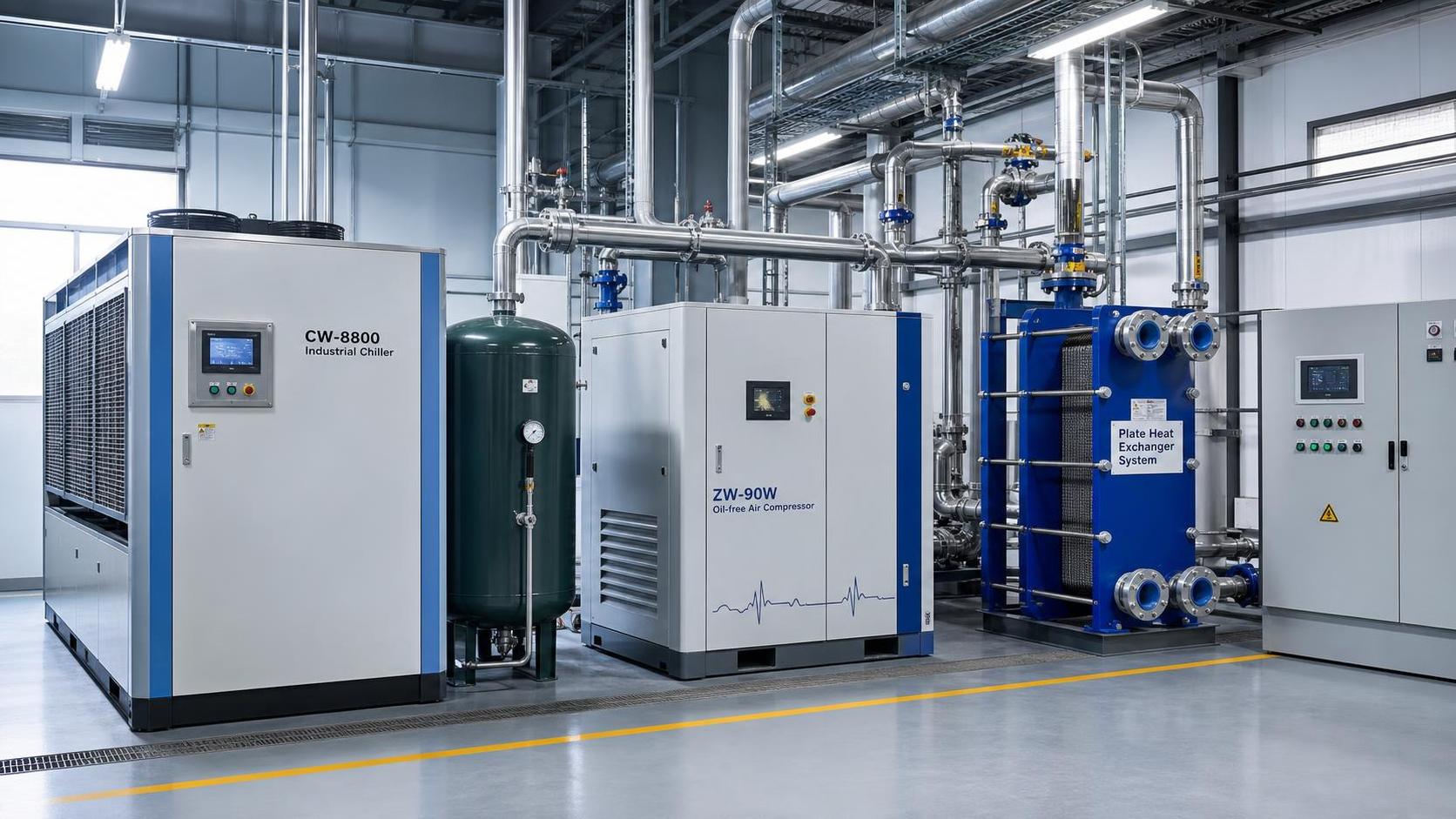
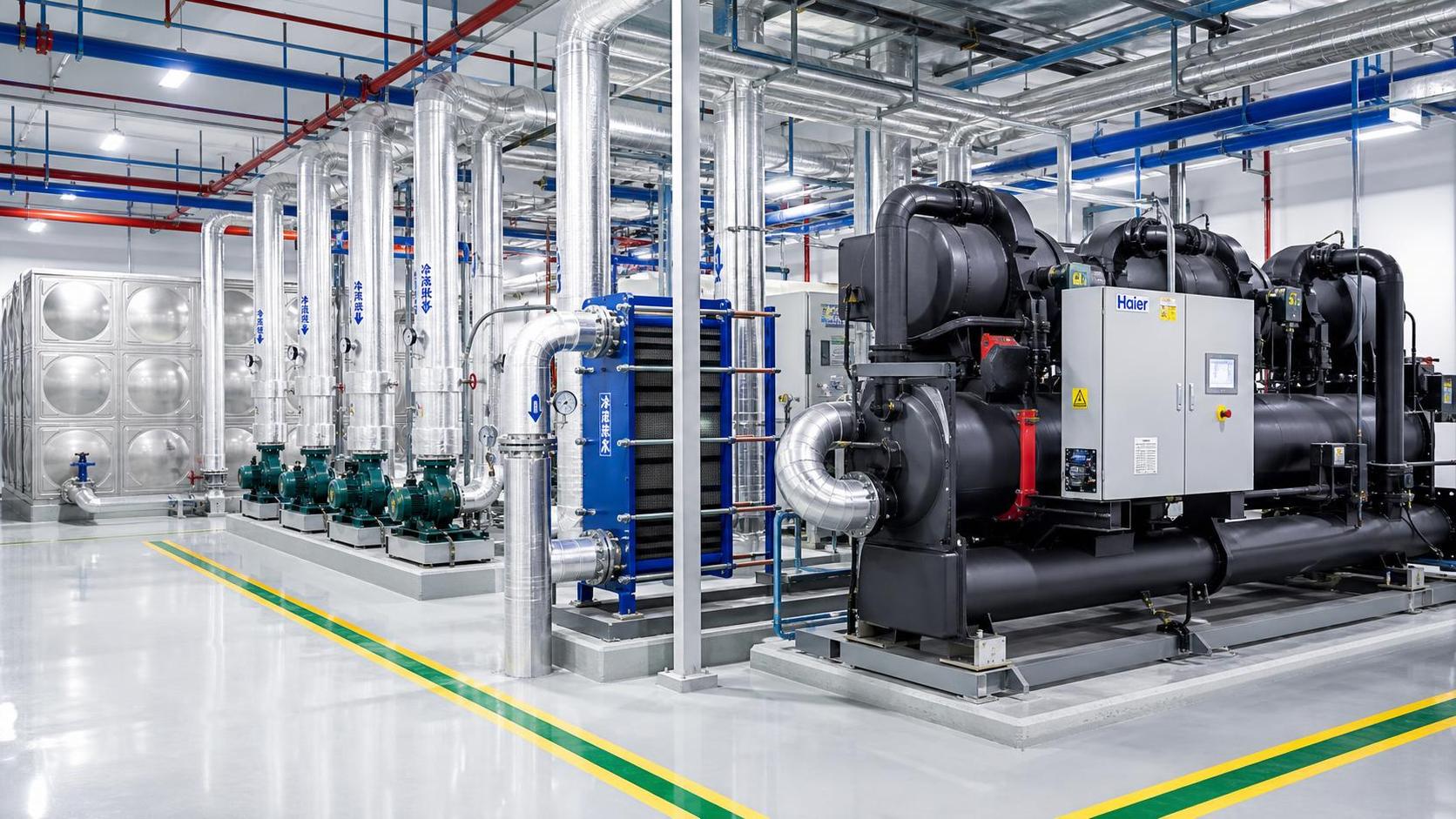
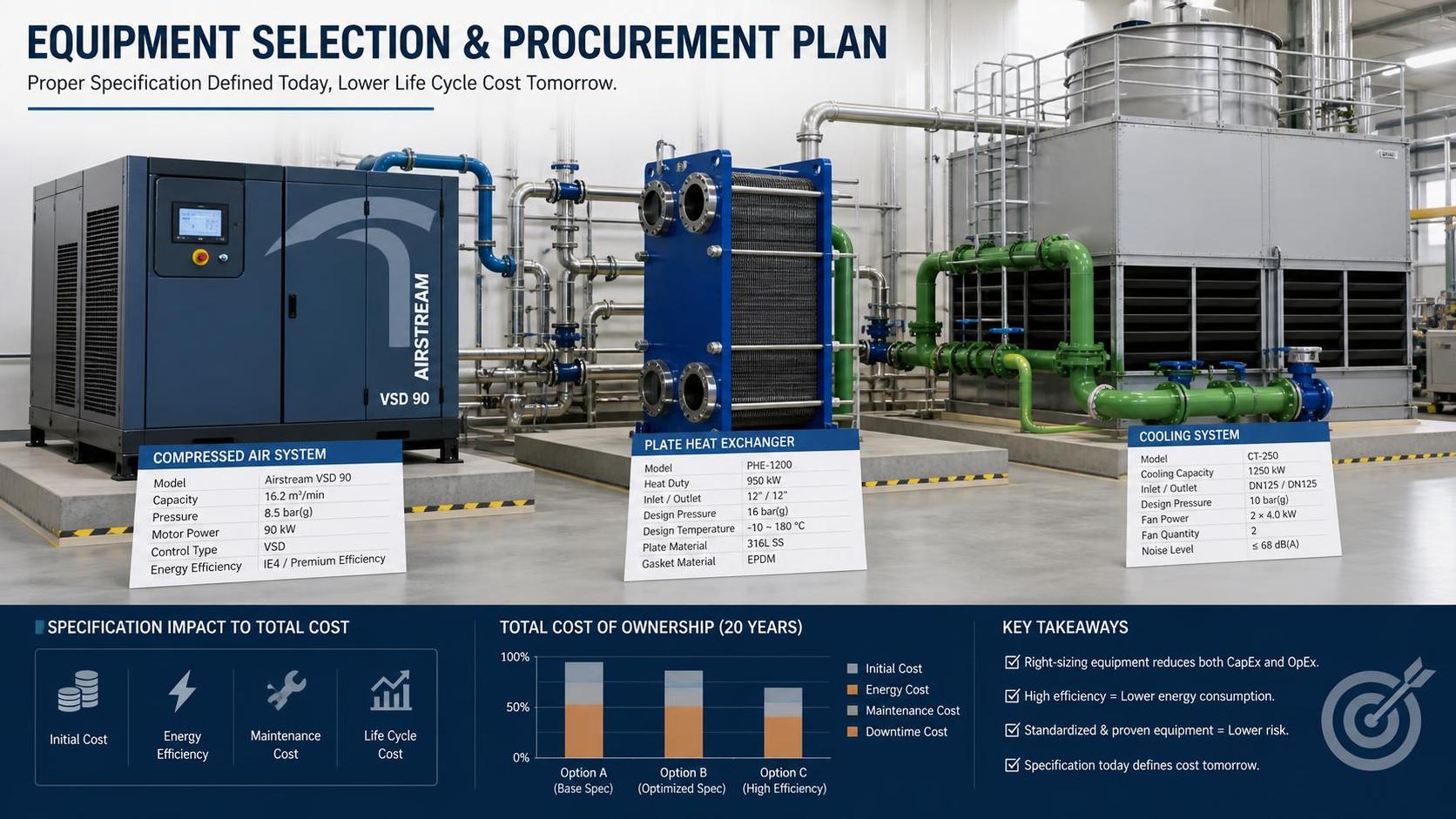
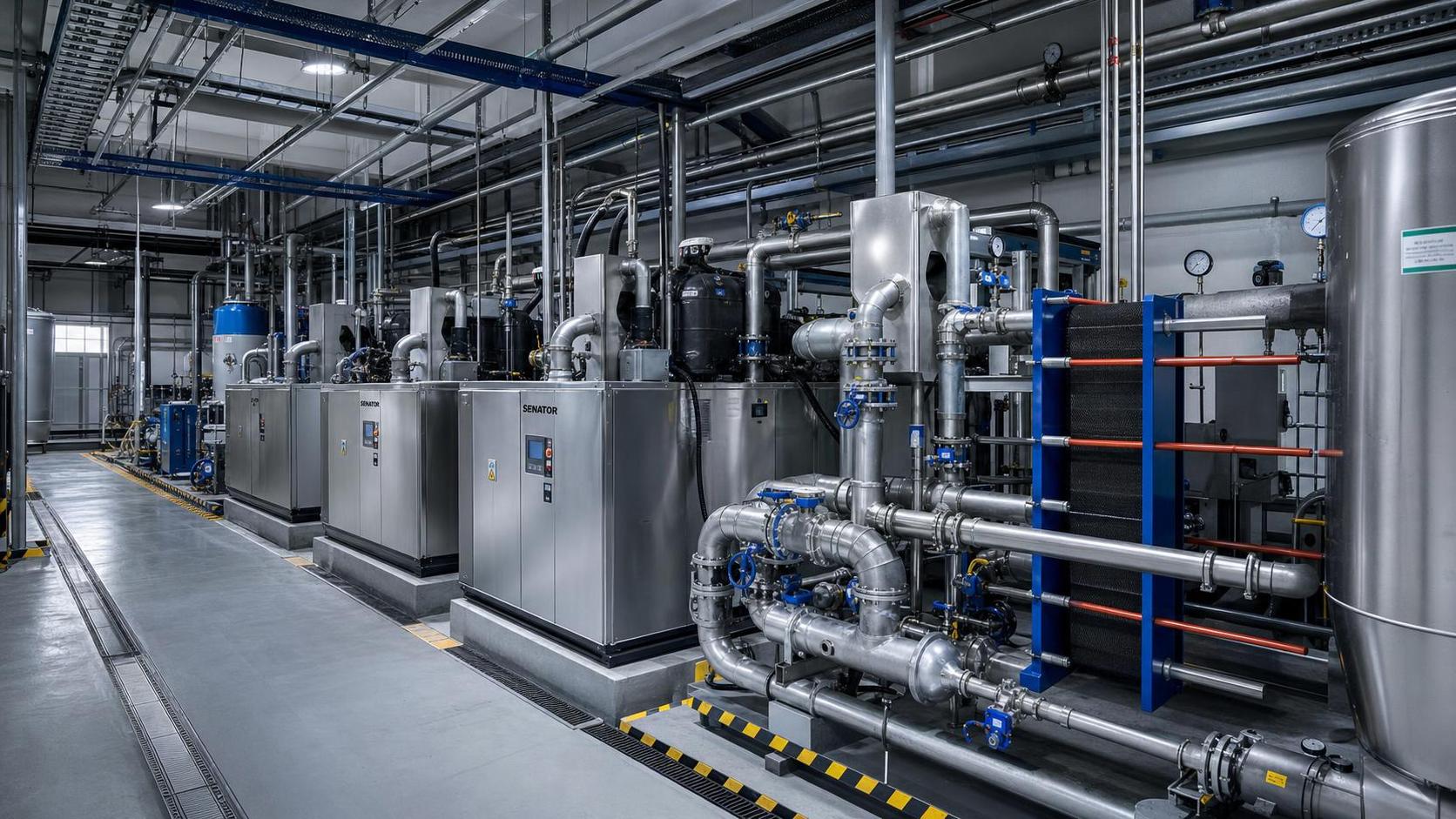
Effective energy-saving technologies here include economizers, plate and microchannel heat exchangers, compressor heat recovery modules, heat pumps, and condensate energy reuse.
When designed well, thermal recovery lowers purchased fuel, shrinks boiler loading, and stabilizes process temperatures. The financial gain grows further when carbon costs or reporting pressure increases.
Scenario 3: Intelligent controls excel in variable-load facilities
Many industrial systems waste energy because they run at fixed settings despite changing loads. In such environments, control-layer energy-saving technologies can outperform larger hardware retrofits.
This is especially true when utilities interact. Chillers, pumps, fans, compressors, and heat exchangers often create unnecessary consumption when managed as isolated assets.
Best-fit conditions
- Batch production with fluctuating utility demand
- Sites with multiple chillers, boilers, or compressor rooms
- Operations lacking submetering or live performance dashboards
- Facilities facing peak demand penalties from utilities
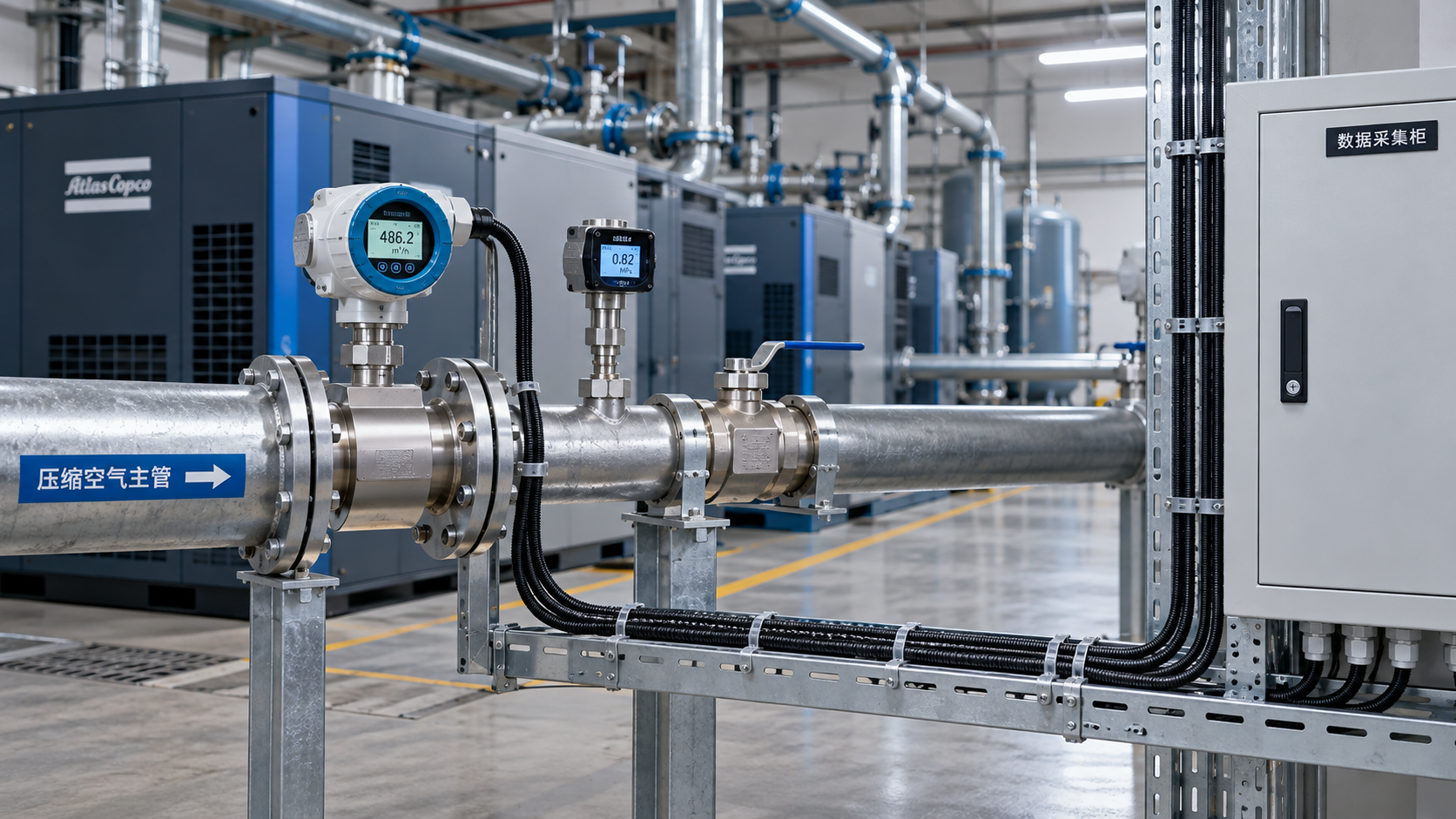
Fast-return measures include variable-speed drives, supervisory controls, digital twins for utility balancing, adaptive setpoint optimization, and real-time fault detection analytics.
These energy-saving technologies work best when paired with accurate sensors and disciplined commissioning. Small control errors can erase projected gains if operating logic is not continuously validated.
Scenario 4: Heat exchange upgrades matter when process stability affects profit
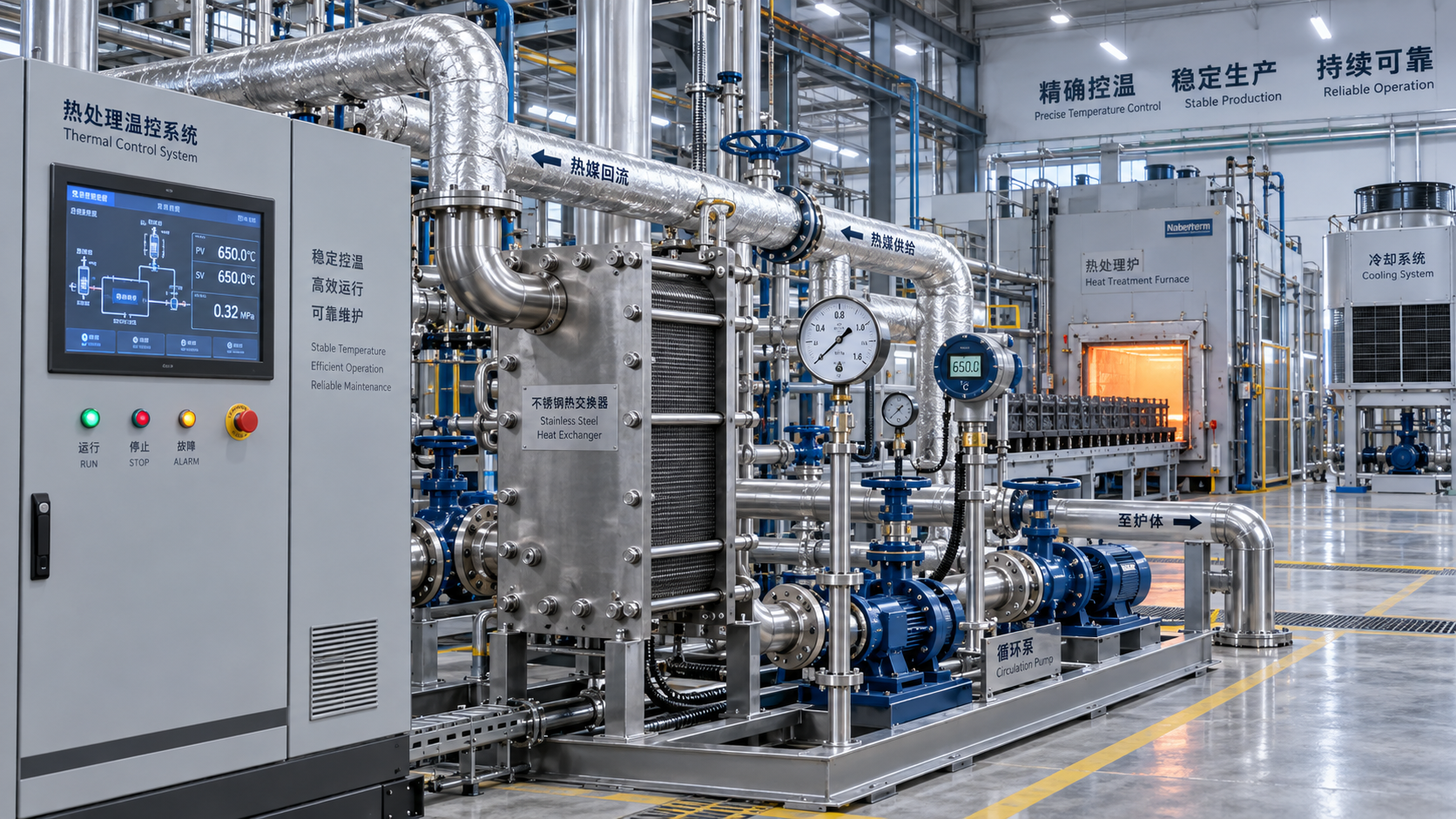
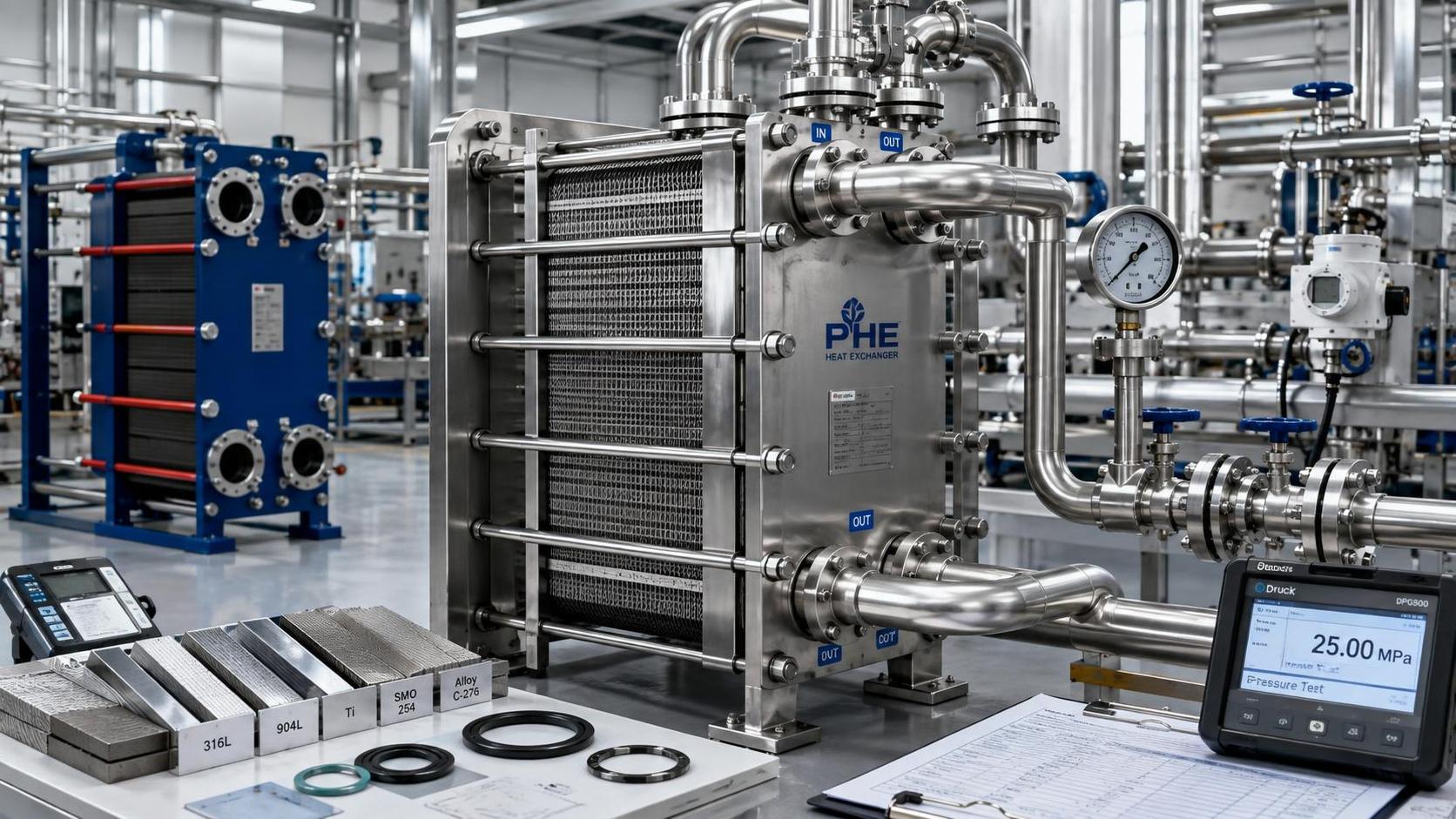
Some facilities value thermal precision as much as direct energy reduction. In those cases, advanced heat exchange upgrades produce ROI through yield protection, throughput stability, and lower utility intensity.
The judgment point is not simply exchanger efficiency. It is whether fouling, poor approach temperatures, or slow response time currently limits quality or process speed.
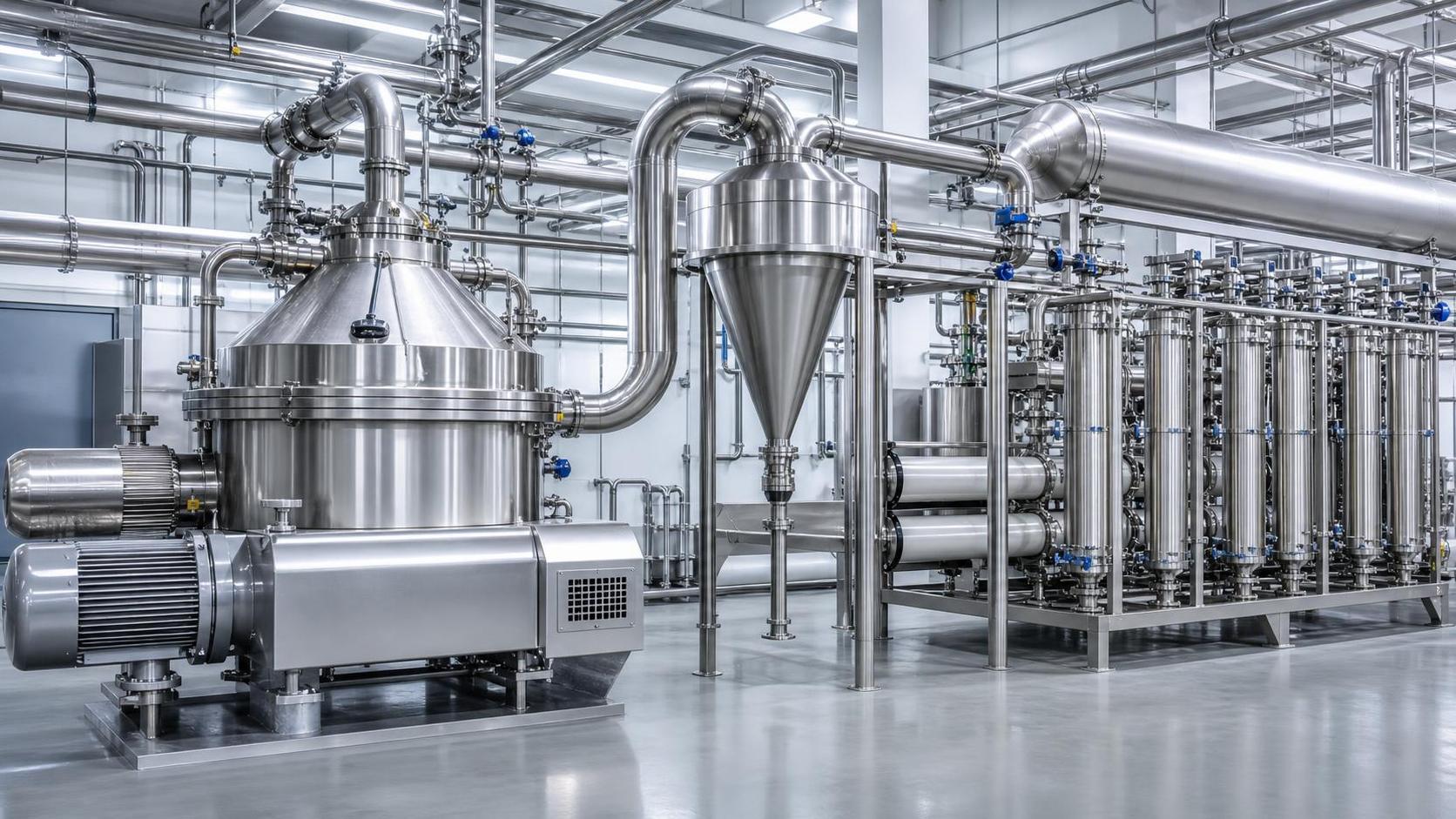
Compact exchangers, enhanced surfaces, microchannel designs, and cleaner flow paths can reduce pumping demand while improving heat transfer. That combination often strengthens both energy and production economics.
How scenario differences change the best energy-saving technologies
The same technology can produce very different returns across sites. Matching solution type to operating profile is the most reliable way to accelerate ROI and avoid underperforming investments.
Practical fit-checks before selecting energy-saving technologies
Before approval, compare opportunities using a short operational screen. Fast ROI usually comes from projects with measurable waste, limited downtime needs, and strong interaction with existing loads.
- Map the largest energy users by runtime, not only by installed power.
- Verify whether losses are constant, seasonal, or tied to shift changes.
- Check if a recovered energy stream has a stable internal demand.
- Estimate savings with measured data, not generic vendor assumptions.
- Include maintenance, reliability, and quality effects in the business case.
Common misjudgments that slow industrial ROI
A frequent mistake is choosing energy-saving technologies by headline efficiency alone. A high-efficiency component may disappoint if controls, load profile, or thermal matching remain unresolved.
Another error is ignoring system interactions. Lower compressor pressure may help power use, yet hurt production if point-of-use issues and storage capacity are not addressed together.
Some projects also fail because metering starts too late. Without baseline data, savings become disputed, and future energy-saving technologies lose internal momentum for approval.
The next move: turn fast-payback opportunities into a durable efficiency roadmap
The fastest industrial ROI in 2026 comes from focused decisions, not broad promises. Energy-saving technologies work best when matched to specific loss patterns and operational constraints.
Start with compressed air waste, recoverable heat, variable-load utilities, and thermal bottlenecks. These areas often reveal the quickest returns and the strongest proof for wider decarbonization upgrades.
GTC-Matrix supports this approach through intelligence on compression power, thermal systems, and efficiency evolution. Better scenario judgment creates better investment timing, stronger savings credibility, and lasting performance gains.
Ready when you are. Send us a message to get started.
Related News
- How to select industrial equipment for automation with existing PLCsAuthor :

- How electricity prices shape industrial compressed air price trendsAuthor :

- Choosing air filtration systems for heavy dust in the Middle EastAuthor :

- How much does a fully installed compressed air monitoring system cost?Author :

- What documentation supports CE marking for industrial equipment?Author :

- How local support affects vacuum system costs in Southeast AsiaAuthor :

- How worldwide industry category guides help compare market opportunitiesAuthor :

- What drives sustainable thermal systems cost over their operating life?Author :

- Which industrial solution comparison criteria prevent project delays?Author :

- How Ambient Temperature and Load Profile Affect Industrial Compressor SizingAuthor :

- What to evaluate before choosing a thermal process engineering supplierAuthor :

- How industrial utility systems affect energy costs in process plantsAuthor :

- What Data Is Needed to Assess Heat Recovery Decarbonization?Author :

- Can Waste Heat Recovery Support Carbon Neutrality Targets?Author :

- Is Compressor Heat Recovery Worth the Installation Cost?Author :

- What to verify before choosing a process separation technology supplierAuthor :

- When does process utilities engineering reduce project rework?Author :

- Where thermal efficiency optimization delivers the fastest savings in EuropeAuthor :

- What should you verify before selecting a heat transfer supplier?Author :

- What drives compressed air systems price for industrial projects?Author :

- How an industrial product knowledge comparison guide reduces sourcing riskAuthor :

- When does a procurement specification planning process reduce bid risk?Author :

- When does thermal system optimization for electronics reduce failure risk?Author :

- When high temperature process heating systems justify the higher energy costAuthor :

- How to compare sludge dewatering equipment by cake drynessAuthor :

- What to Check Before Sourcing a Gas Turbine for Distributed Power ProjectsAuthor :

- What drives industrial thermal systems price in large facility projectsAuthor :

- How to build an industrial product comparison chart that speeds up vendor selectionAuthor :

- Vacuum Technology Application Guide for Selecting the Right SystemAuthor :

- What Drives Vacuum Drying Cost in Industrial Procurement?Author :

- What Drives Compressed Air Pricing in Industrial Systems?Author :

- How Procurement Specification Planning Shapes Total Project CostAuthor :

- Compression Technology Guide: How to Compare Efficiency, Pressure Range, and Maintenance NeedsAuthor :

- How to Compare Industrial Separators by Throughput, Purity, and Maintenance LoadAuthor :

- How to Size a Compressed Air Equipment Receiver Tank for Stable PressureAuthor :

- Industrial Equipment Selection Guide: How to Compare Capacity, Duty Cycle, and Operating CostAuthor :