Pneumatic Power Systems Cost Breakdown: Air Loss, Maintenance, and ROI




Why does the cost of pneumatic power systems rarely match the purchase quote?
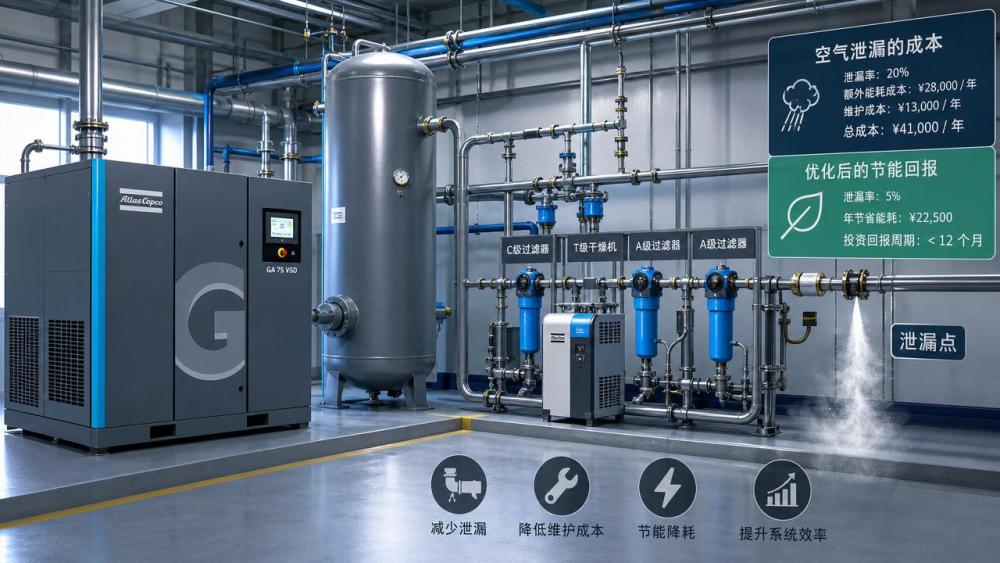
The headline price is only the visible part of pneumatic power systems. The larger expense often sits in electricity, leakage, service disruption, and pressure instability.
In practical terms, a low-cost compressor package can become a high-cost asset if the network wastes compressed air every hour.
That is why lifecycle costing matters more than invoice comparison. The real question is not only what the system costs to buy.
The better question is how much the pneumatic power systems will consume, lose, and interrupt over five to ten years.
Across food processing, electronics, packaging, chemicals, and general manufacturing, this pattern repeats. Equipment budgets look controlled, while operating budgets quietly expand.
GTC-Matrix follows this issue closely because compressed air sits at the intersection of thermodynamics, production reliability, and energy economics.
Its intelligence work around cooling, vacuum, and compression trends shows a consistent lesson. Small efficiency losses in air systems scale into large financial penalties.
Where do pneumatic power systems usually lose money first?
Most losses begin long before a major breakdown. They start with leakage, poor pressure control, oversized equipment, and avoidable idling.
Air leaks are especially expensive because compressed air is one of the costliest utilities in a plant. Lost air still consumes power.
Pressure drop is the next silent cost. When filters, dryers, piping, or separators create resistance, operators often raise discharge pressure to compensate.
That reaction seems simple, but it increases energy use and mechanical stress. Over time, it also shortens component life.
Another common issue is mismatch between demand profile and machine configuration. Many pneumatic power systems are sized for peak demand that appears only briefly.
When that happens, the system spends most of its time running inefficiently at part load. The result is poor specific power and weak ROI.
Maintenance practices also shape cost earlier than many expect. Delayed filter replacement, neglected drains, and poor condensate handling can cause both waste and contamination.
- Leaks raise energy cost without improving output.
- Pressure drop drives operators to over-compress.
- Oversizing weakens part-load efficiency.
- Reactive maintenance increases downtime risk.
- Poor air treatment can damage downstream tools and valves.
Simple cost reviews often miss these points because they focus on equipment alone. A stronger review follows the flow of air from generation to end use.
How should air loss and maintenance be translated into financial terms?
This is where many approvals become difficult. Technical teams may describe leaks in cubic feet per minute, while finance needs cash impact.
The bridge is to convert every recurring performance issue into annual cost. Once that is done, the business case becomes much clearer.
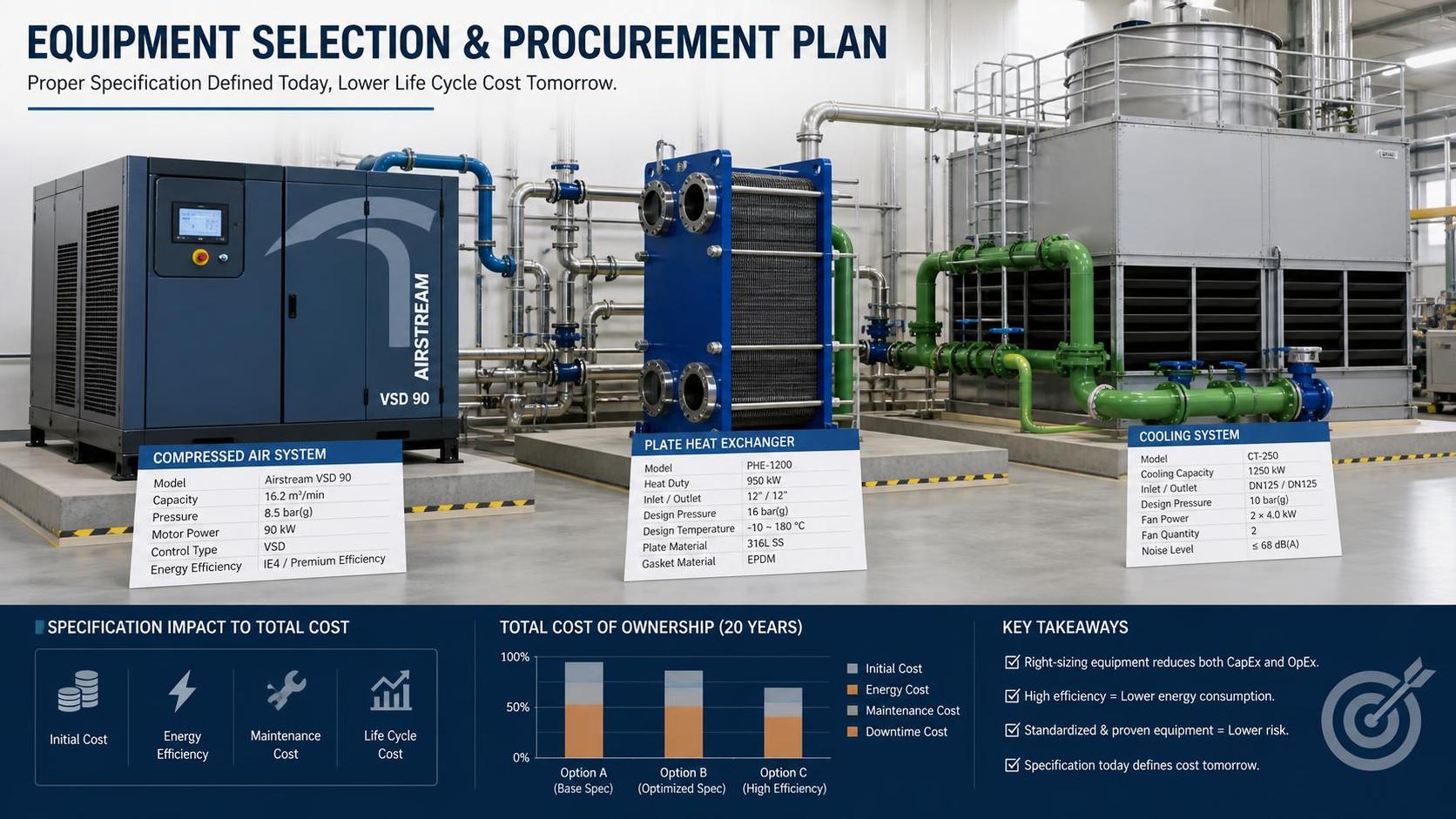
A practical cost model for pneumatic power systems usually includes four layers: energy, maintenance labor, spare parts, and production risk.
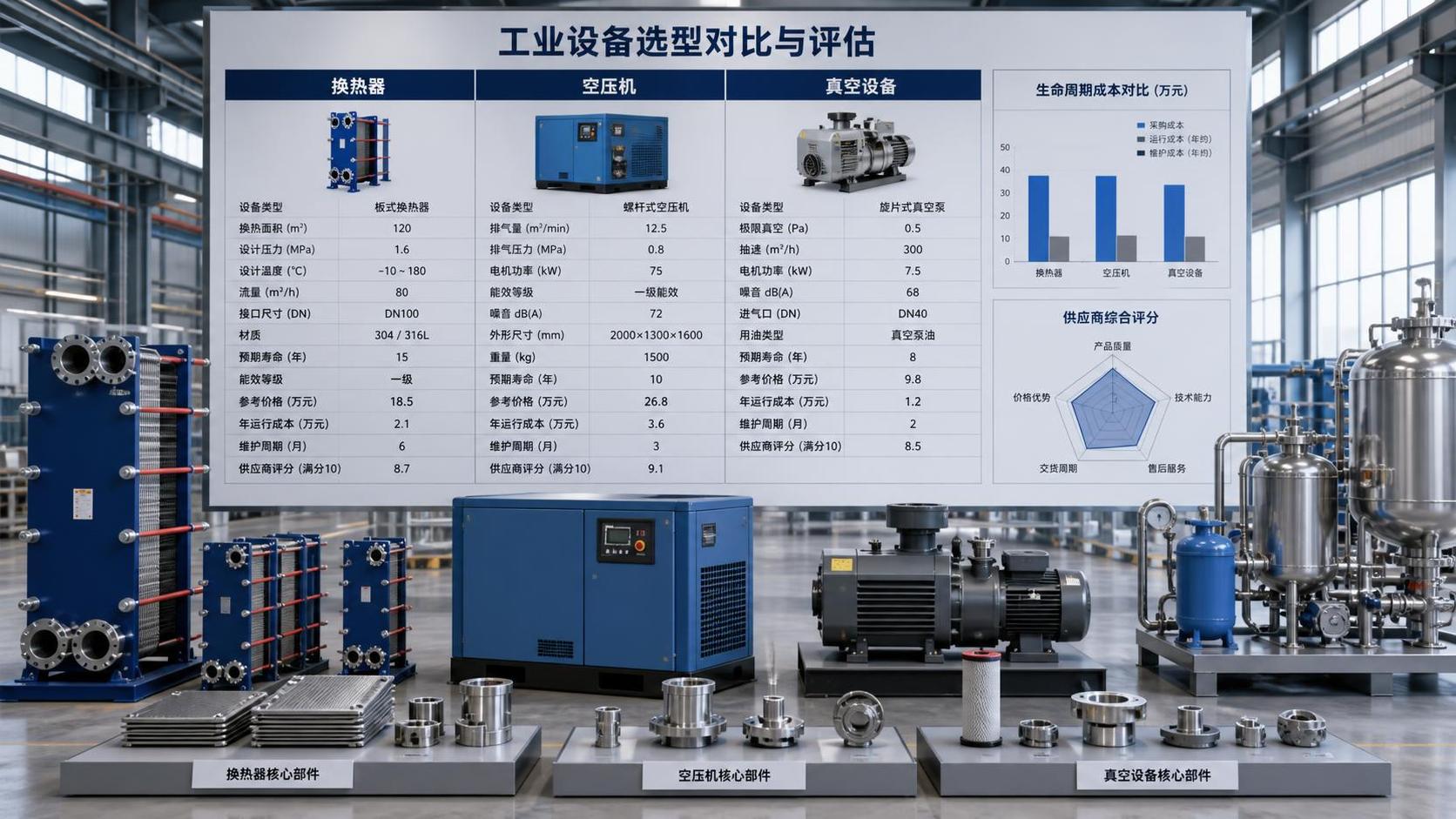
This kind of table helps compare options beyond unit price. It also makes different pneumatic power systems easier to rank on business value.
In real facilities, maintenance cost is not only the technician visit. It includes planning time, lost shifts, contractor premiums, and inventory tied up in emergency parts.
GTC-Matrix frequently highlights this broader accounting view in its industrial intelligence coverage. Energy conversion efficiency is rarely a single-machine issue.
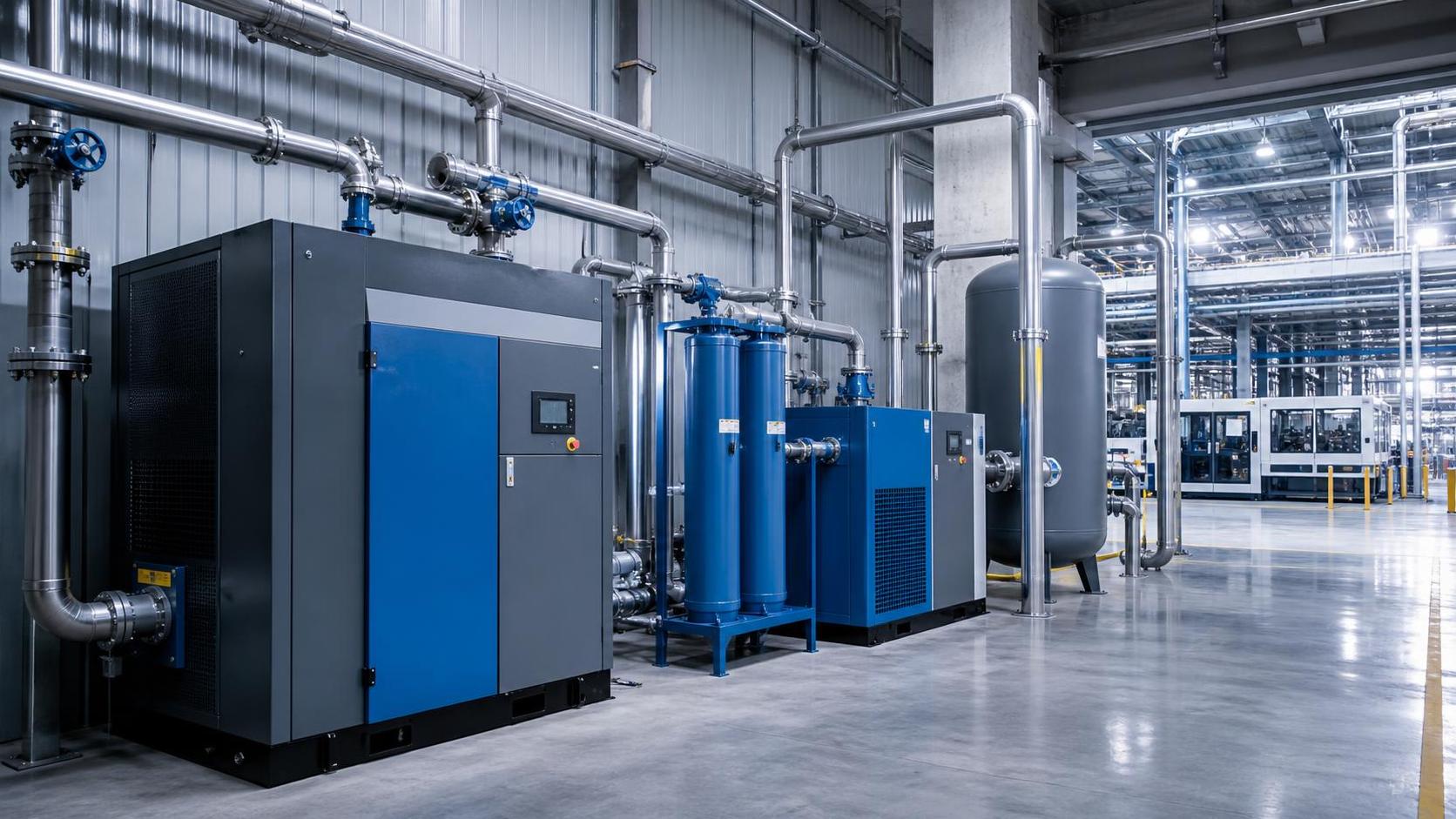
It is usually a system issue, involving compressors, dryers, controls, heat loads, piping, and end-use discipline.
When does an efficiency upgrade in pneumatic power systems actually pay back?
Not every upgrade deserves approval. Payback depends on operating hours, energy tariffs, existing leakage, and how critical compressed air is to output quality.
The most attractive cases usually share one feature. The current system is wasting energy every day, not only during rare events.
Variable speed drives, leak detection programs, heat recovery, better sequencing controls, and lower-loss air treatment often generate faster returns than full replacement.
That said, full replacement becomes sensible when the installed base is obsolete, maintenance-heavy, or poorly matched to demand.
A useful ROI review should test both direct and indirect gains. Direct gains include kilowatt-hour savings and lower service costs.
Indirect gains may be even more valuable. These include fewer pressure-related defects, lower contamination risk, and better uptime in sensitive processes.
Industries such as pharmaceuticals, semiconductors, and food processing often place a premium on stable, clean air. In those settings, efficiency and process integrity are linked.
That is why oil-free compression, advanced controls, and better heat exchange design keep appearing in long-term investment reviews.
- Fast payback is more likely with high annual run hours.
- Leak-heavy systems offer immediate savings opportunities.
- Sites with volatile energy prices benefit from efficiency upgrades sooner.
- Critical production lines justify stronger redundancy and controls.
What mistakes make ROI calculations for pneumatic power systems unreliable?
The biggest mistake is using nameplate assumptions instead of measured system behavior. Installed horsepower does not reveal actual energy performance.
Another weak practice is counting energy savings while ignoring maintenance deferral, shutdown cost, and air quality risk.
Some analyses also assume constant demand. In reality, pneumatic power systems often serve multiple shifts, changing products, or seasonal load variations.
There is also a timing issue. A cheaper option may look attractive in year one, then become expensive after repeated service events.
More reliable ROI reviews usually check these questions before a decision is made.
- Was air demand measured across normal and peak conditions?
- Was leakage quantified during non-production hours?
- Were pressure drops mapped across treatment and distribution?
- Were service records reviewed for failure patterns?
- Was downtime value estimated using actual throughput data?
In many cases, the strongest upgrade case comes from combining measured data with market intelligence. That includes energy price outlook, refrigerant policy shifts, and technology maturity.
This broader perspective is where platforms like GTC-Matrix add value. They connect equipment choices with global cost signals and evolving efficiency standards.
How can a decision be structured before approving new pneumatic power systems?
A disciplined decision starts with baseline data, not vendor claims alone. Measure demand, leakage, pressure stability, maintenance history, and electricity use.
Then separate needs into three categories: must-fix losses, reliability risks, and strategic upgrades. This avoids paying for features that do not solve real problems.
For example, if the main issue is leakage and poor controls, replacing the entire plant may be unnecessary. If contamination and uptime are both critical, a deeper redesign may be justified.
A balanced review of pneumatic power systems usually includes the following checkpoints.
Once these basics are clear, payback analysis becomes more credible. It also becomes easier to compare repair, retrofit, and replacement on equal terms.
The most useful next step is usually a short audit plan. Confirm losses, assign annual cost, test upgrade scenarios, and rank them by risk-adjusted return.
For pneumatic power systems, better approvals come from measured evidence and system thinking. That approach protects cash flow, strengthens uptime, and prevents hidden operating cost from shaping the budget later.
If the decision still looks close, compare one more factor. Ask which option improves energy efficiency, resilience, and future compliance at the same time.
That final check often reveals the better long-term choice more clearly than purchase price alone.
Related News
- When does process utilities engineering reduce project rework?Author :

- Where thermal efficiency optimization delivers the fastest savings in EuropeAuthor :

- What should you verify before selecting a heat transfer supplier?Author :

- What drives compressed air systems price for industrial projects?Author :

- How an industrial product knowledge comparison guide reduces sourcing riskAuthor :

- When does a procurement specification planning process reduce bid risk?Author :

- When does thermal system optimization for electronics reduce failure risk?Author :

- When high temperature process heating systems justify the higher energy costAuthor :

- How to compare sludge dewatering equipment by cake drynessAuthor :

- What to Check Before Sourcing a Gas Turbine for Distributed Power ProjectsAuthor :

- What drives industrial thermal systems price in large facility projectsAuthor :

- How to build an industrial product comparison chart that speeds up vendor selectionAuthor :

- Vacuum Technology Application Guide for Selecting the Right SystemAuthor :

- What Drives Vacuum Drying Cost in Industrial Procurement?Author :

- What Drives Compressed Air Pricing in Industrial Systems?Author :

- How Procurement Specification Planning Shapes Total Project CostAuthor :

- Compression Technology Guide: How to Compare Efficiency, Pressure Range, and Maintenance NeedsAuthor :

- How to Compare Industrial Separators by Throughput, Purity, and Maintenance LoadAuthor :

- How to Size a Compressed Air Equipment Receiver Tank for Stable PressureAuthor :

- Industrial Equipment Selection Guide: How to Compare Capacity, Duty Cycle, and Operating CostAuthor :

- How to Evaluate an Intellectualization Supplier for Industrial UpgradesAuthor :

- High-Efficiency Manufacturing: Cost Savings vs. Upgrade RiskAuthor :

- Thermal System Optimization Cost: What Drives ROI?Author :

- How to Plan Process Utilities for a Cleanroom Without Costly ReworkAuthor :

- How to Compare Process Heating Suppliers in MexicoAuthor :

- Food Processing Utilities: Common Sizing Mistakes That Raise Energy and Water UseAuthor :

- How to Build Procurement Specification Planning for Industrial EquipmentAuthor :

- OEM Cooperation for Industrial Equipment: Risks, Terms, and Cost PrioritiesAuthor :

- Specification-Oriented Product Resources That Speed Technical ReviewAuthor :

- Industrial Equipment Selection Guide: A Practical Buyer ChecklistAuthor :

- How to Compare Industrial Energy Management Systems by ROIAuthor :

- How to Evaluate a Deaerators Supplier for Long-Term Plant ReliabilityAuthor :
![]()
- How to Evaluate a Vacuum Technology Manufacturer in 2026Author :

- Thermal Efficiency Optimization Software: When the ROI Justifies DeploymentAuthor :

- How to Evaluate Application-Specific Compression Solutions by Throughput and Energy UseAuthor :

- Smart Device Thermal Management Supplier Europe: What Matters Beyond PriceAuthor :