How to Evaluate a Heat Exchange Systems Supplier in 2026




Why does choosing a heat exchange systems supplier feel more complex in 2026?
A short answer is that price alone no longer predicts project value.
Energy costs remain volatile, refrigerant rules keep shifting, and uptime expectations are tighter across industrial operations.
That changes how a heat exchange systems supplier should be evaluated.
In practical terms, the right partner must support efficiency, compliance, service continuity, and future process changes.
A weak supplier may still offer an attractive quotation.
The problem appears later, through oversizing, unstable thermal performance, delayed documentation, or poor support during commissioning.
This is why many buyers now move beyond unit cost and compare total operational impact.
Industry platforms such as GTC-Matrix have made this easier by connecting market intelligence with technical selection logic.
That matters because supplier selection now sits between engineering, compliance, carbon strategy, and sourcing resilience.
What should a heat exchange systems supplier be able to prove before any shortlist?
The first screen is not brand visibility. It is evidence.
A credible heat exchange systems supplier should show performance data tied to real duty conditions, not only catalog ratings.
That includes inlet temperatures, fouling assumptions, pressure drop, materials, and expected seasonal operating range.
Ask whether the supplier designs around your thermal load profile or simply recommends a standard frame.
There is a major difference.
One builds a system around process reality. The other sells available inventory.
Documentation depth is another fast signal.
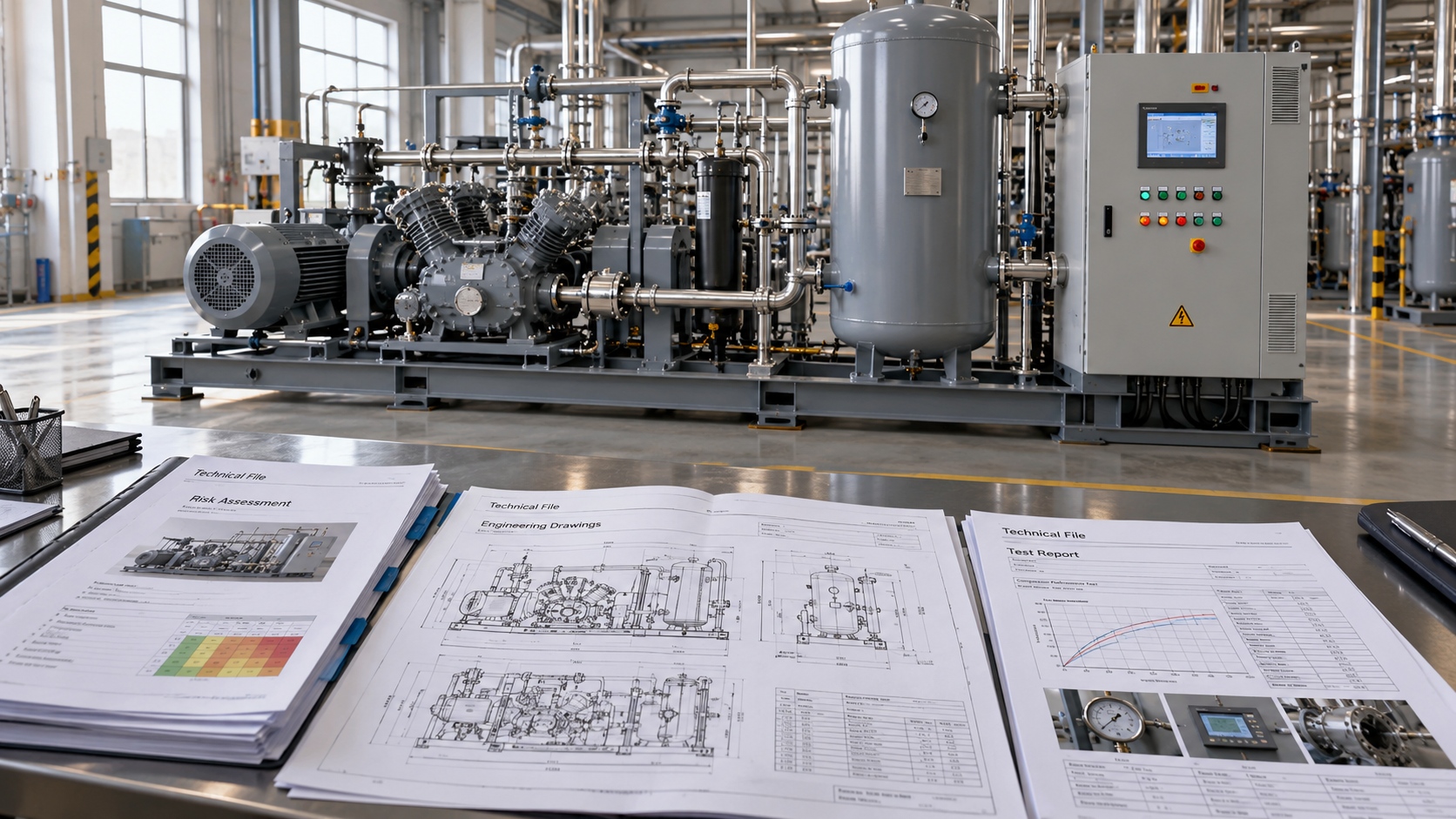
- Thermal calculations with design margins clearly stated
- Material traceability and corrosion suitability
- Applicable standards, certifications, and testing scope
- Installation, cleaning, and maintenance instructions
- Spare parts structure and service response commitments
If those items are vague during bidding, they rarely become clearer after the order.
It is also worth checking sector familiarity.
A supplier serving pharmaceuticals, semiconductors, food processing, or high-purity cooling usually understands tighter thermal stability expectations.
How do you compare suppliers when every proposal claims high efficiency?
This is where many evaluations lose discipline.
Efficiency claims should be translated into comparable operating conditions and lifecycle consequences.
A lower approach temperature may look impressive, but it can increase pressure drop and pumping cost.
A compact exchanger may save footprint, yet demand stricter water quality and more frequent cleaning.
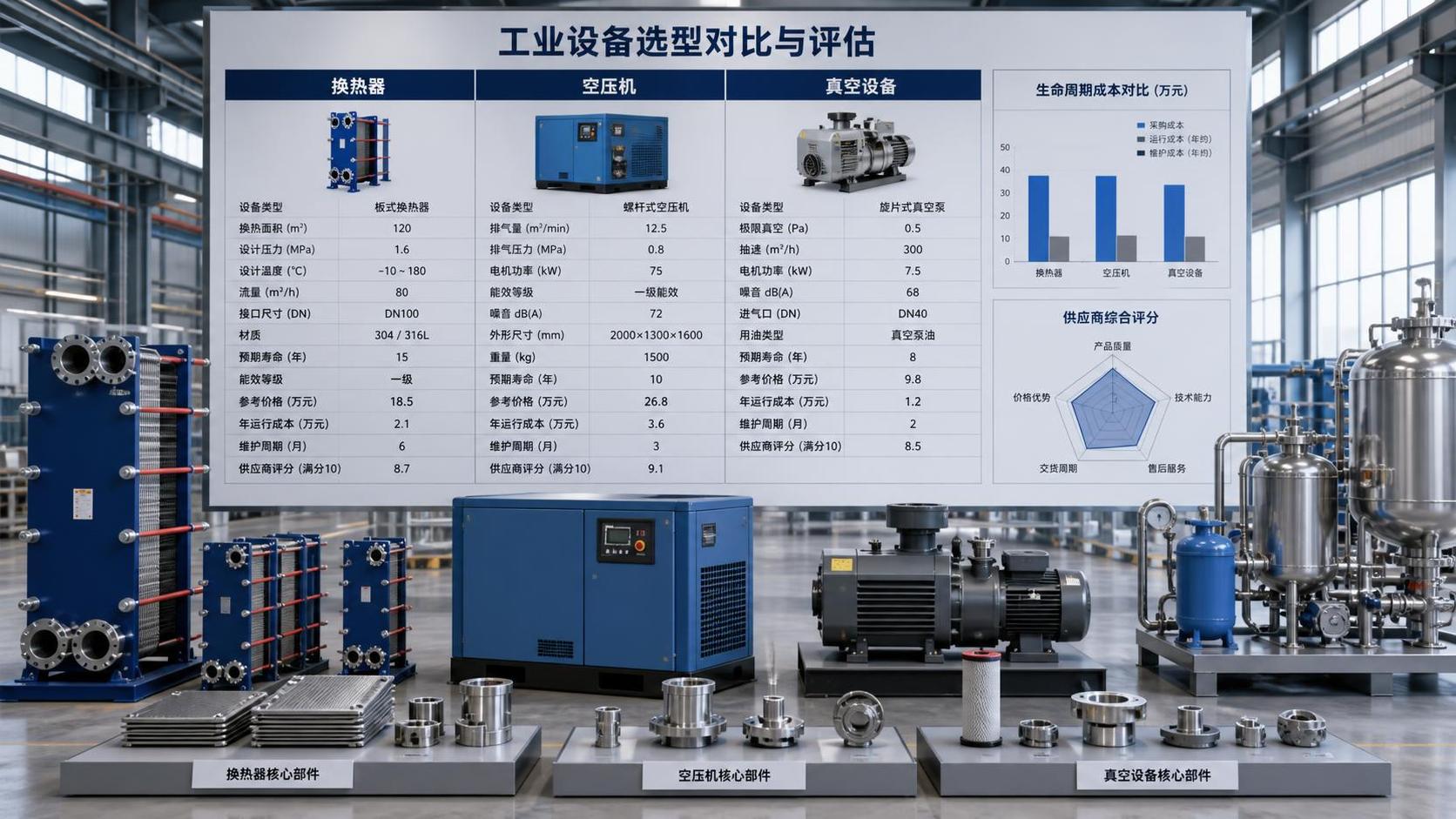
The better comparison method is to score each heat exchange systems supplier across a common decision matrix.
This table works best when combined with weighted scoring.
For example, a continuous process line may rank service response above compact design.
A greenfield project may place higher weight on compliance documentation and integration support.
Which warning signs usually indicate the wrong heat exchange systems supplier?
Some red flags are obvious, but the more costly ones are subtle.
One common issue is quoting based on incomplete process data without highlighting the missing assumptions.
That often leads to change orders later.
Another warning sign is overpromising universal suitability.
A heat exchange systems supplier should explain where its design performs well and where it may not.
Silence on limitations is rarely a strength.
Watch for these patterns during technical review:
- No clear explanation of cleaning intervals or fouling sensitivity
- Generic material recommendations across very different fluids
- Unclear ownership of controls, sensors, or skid integration
- Lead times that depend heavily on unnamed third parties
- Warranty terms that exclude normal operating variations
In actual projects, the wrong supplier is not always the cheapest.
It is often the one with the thinnest technical transparency.
That is why intelligence-led screening matters.
GTC-Matrix reflects this broader approach by tracking policy shifts, energy pricing, and equipment evolution together.
That context helps separate temporary marketing claims from durable capability.
Is lifecycle cost more important than purchase price now?
In many applications, yes.
Purchase price still matters, but it is only one part of the cost structure.
A better heat exchange systems supplier should help quantify energy use, maintenance labor, cleaning downtime, spare parts exposure, and replacement intervals.
This becomes more important where process continuity is expensive to interrupt.
In semiconductor cooling or pharmaceutical temperature control, a short failure can create disproportionate losses.
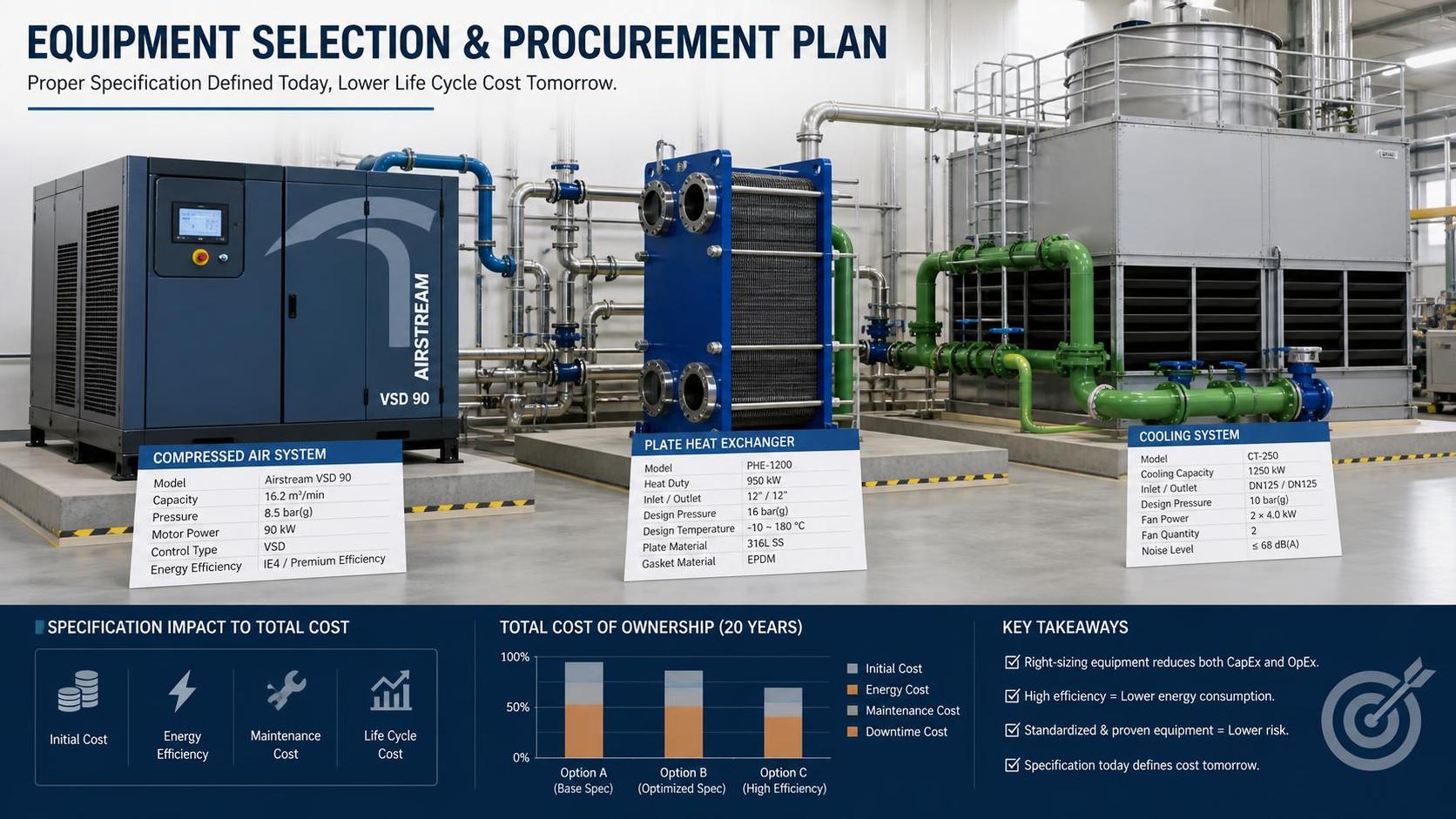
More buyers now ask for a three-part cost view:
- Initial cost, including equipment, installation, and commissioning.
- Operating cost, including pumping energy, thermal efficiency drift, and cleaning frequency.
- Risk cost, including downtime, compliance gaps, and spare parts delays.
When suppliers resist this conversation, that is useful information by itself.
A serious partner usually welcomes total cost discussion because it shows where engineering discipline creates measurable value.
What is the smartest way to finalize a supplier decision without slowing the project?
The goal is not endless comparison. It is structured confirmation.
By the final stage, the strongest heat exchange systems supplier should be easy to recognize.
Its proposal will be technically specific, commercially stable, and realistic about performance boundaries.
A practical close-out checklist helps keep the decision moving:
- Confirm final process data and design assumptions in writing
- Align on inspection, testing, and acceptance criteria
- Review spare parts coverage for the first operating period
- Clarify support during startup and performance verification
- Check escalation paths for technical and logistical issues
It also helps to compare external signals.
Supplier fit should make sense against broader sector movement, including refrigerant policy, efficiency trends, and demand in precision industries.
That is where market intelligence becomes practical, not theoretical.
A platform like GTC-Matrix is useful because it links engineering developments with commercial realities across cooling, compression, vacuum, and heat transfer systems.
That perspective can sharpen internal supplier evaluation standards.
So, how should the final decision be framed?
The best heat exchange systems supplier in 2026 is rarely the one with the lowest visible cost.
It is the one that can defend thermal performance, support compliance, reduce lifecycle risk, and remain reliable after installation.
A strong decision usually starts with cleaner requirements.
Then it moves through comparable technical review, risk screening, and a realistic total cost model.
Before closing a purchase, review actual operating conditions, shortlist only evidence-based proposals, and test every claim against serviceability and long-term value.
That approach takes more discipline up front, but it usually prevents far more expensive corrections later.
Ready when you are. Send us a message to get started.
Related News
- How to select industrial equipment for automation with existing PLCsAuthor :

- How electricity prices shape industrial compressed air price trendsAuthor :

- Choosing air filtration systems for heavy dust in the Middle EastAuthor :

- How much does a fully installed compressed air monitoring system cost?Author :

- What documentation supports CE marking for industrial equipment?Author :

- How local support affects vacuum system costs in Southeast AsiaAuthor :

- How worldwide industry category guides help compare market opportunitiesAuthor :

- What drives sustainable thermal systems cost over their operating life?Author :

- Which industrial solution comparison criteria prevent project delays?Author :

- How Ambient Temperature and Load Profile Affect Industrial Compressor SizingAuthor :

- What to evaluate before choosing a thermal process engineering supplierAuthor :

- How industrial utility systems affect energy costs in process plantsAuthor :

- What Data Is Needed to Assess Heat Recovery Decarbonization?Author :

- Can Waste Heat Recovery Support Carbon Neutrality Targets?Author :

- Is Compressor Heat Recovery Worth the Installation Cost?Author :

- What to verify before choosing a process separation technology supplierAuthor :

- When does process utilities engineering reduce project rework?Author :

- Where thermal efficiency optimization delivers the fastest savings in EuropeAuthor :

- What should you verify before selecting a heat transfer supplier?Author :

- What drives compressed air systems price for industrial projects?Author :

- How an industrial product knowledge comparison guide reduces sourcing riskAuthor :

- When does a procurement specification planning process reduce bid risk?Author :

- When does thermal system optimization for electronics reduce failure risk?Author :

- When high temperature process heating systems justify the higher energy costAuthor :

- How to compare sludge dewatering equipment by cake drynessAuthor :

- What to Check Before Sourcing a Gas Turbine for Distributed Power ProjectsAuthor :

- What drives industrial thermal systems price in large facility projectsAuthor :

- How to build an industrial product comparison chart that speeds up vendor selectionAuthor :

- Vacuum Technology Application Guide for Selecting the Right SystemAuthor :

- What Drives Vacuum Drying Cost in Industrial Procurement?Author :

- What Drives Compressed Air Pricing in Industrial Systems?Author :

- How Procurement Specification Planning Shapes Total Project CostAuthor :

- Compression Technology Guide: How to Compare Efficiency, Pressure Range, and Maintenance NeedsAuthor :

- How to Compare Industrial Separators by Throughput, Purity, and Maintenance LoadAuthor :

- How to Size a Compressed Air Equipment Receiver Tank for Stable PressureAuthor :

- Industrial Equipment Selection Guide: How to Compare Capacity, Duty Cycle, and Operating CostAuthor :