Thermal System Optimization Cost: What Drives ROI?




Thermal System Optimization Cost: Why the Number Alone Tells You Very Little
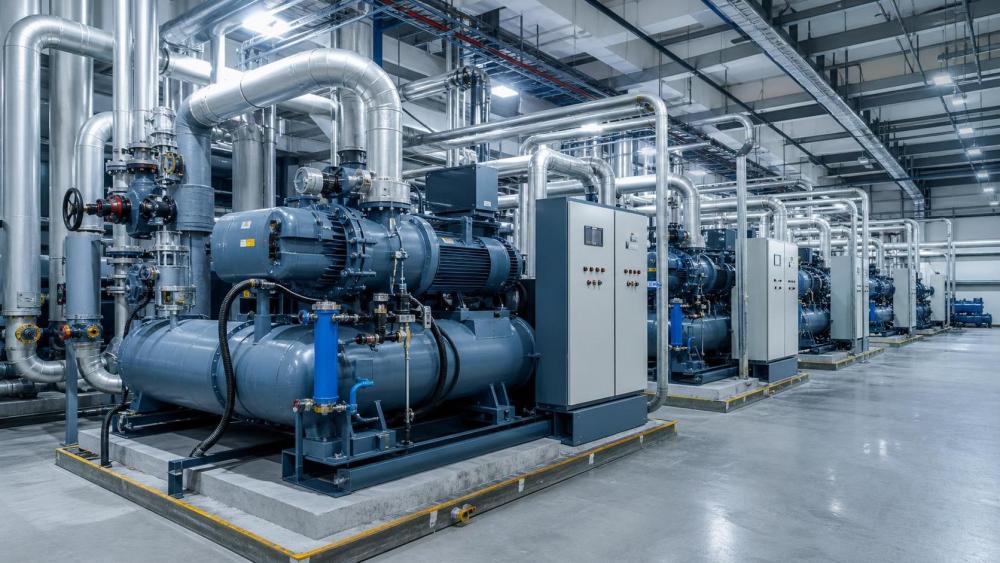
Thermal system optimization cost rarely starts with equipment price alone. In most industrial settings, the bigger question is how quickly the investment improves energy use, uptime, compliance, and output consistency.
That is why ROI discussions often shift from capital expense to operating reality. A low quote can become expensive if it causes unstable temperatures, compressed air waste, or maintenance interruptions.
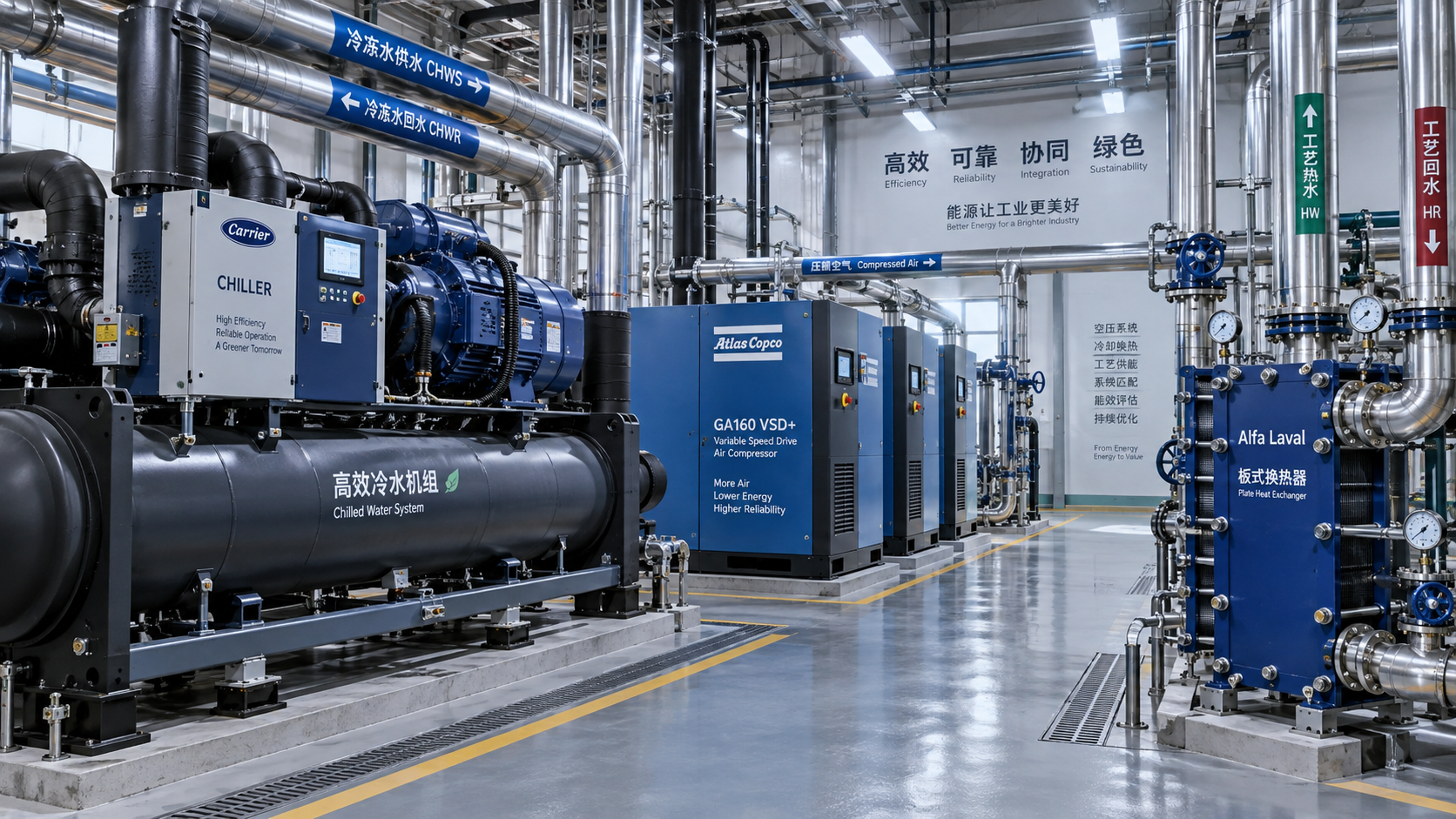
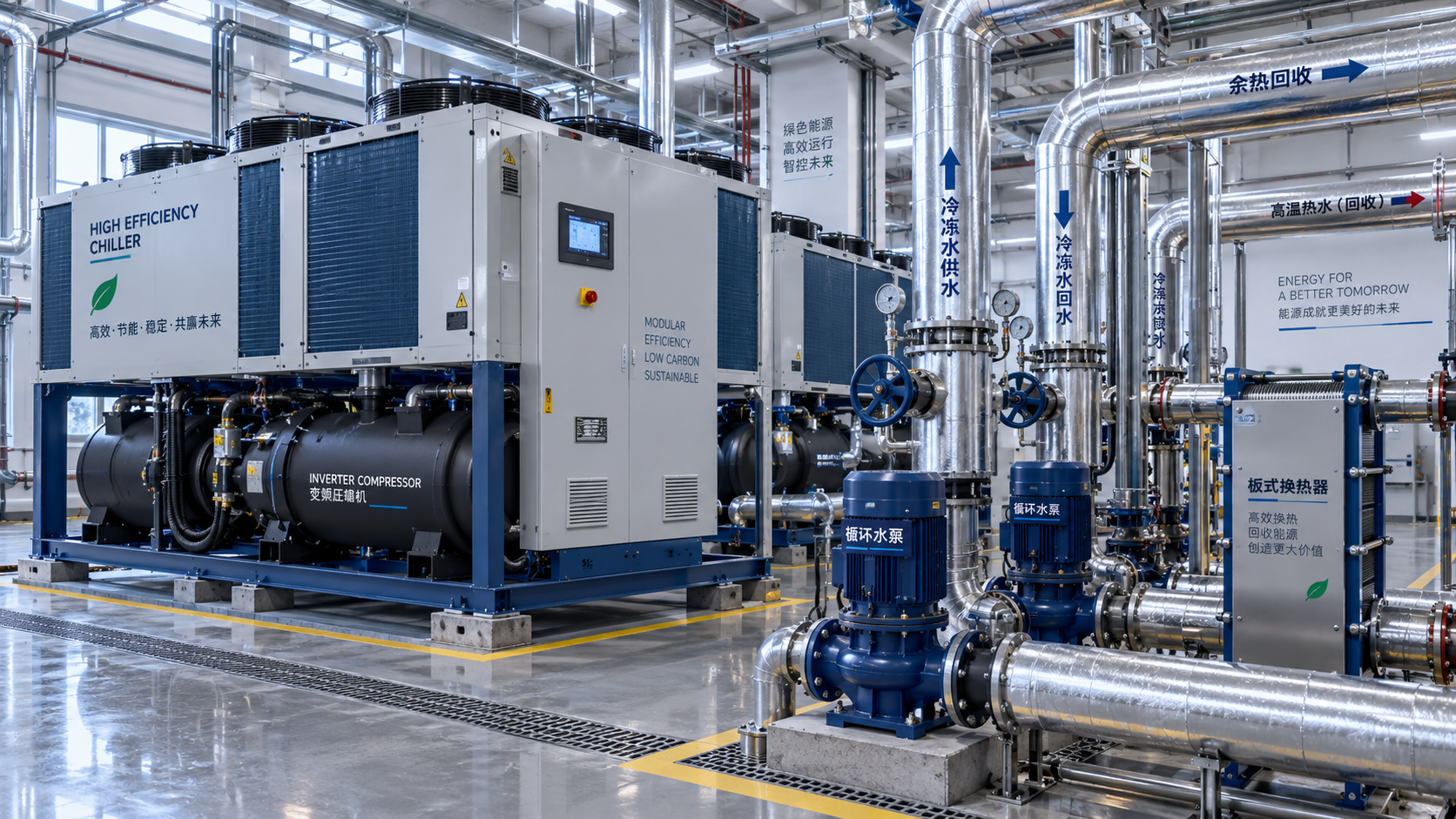
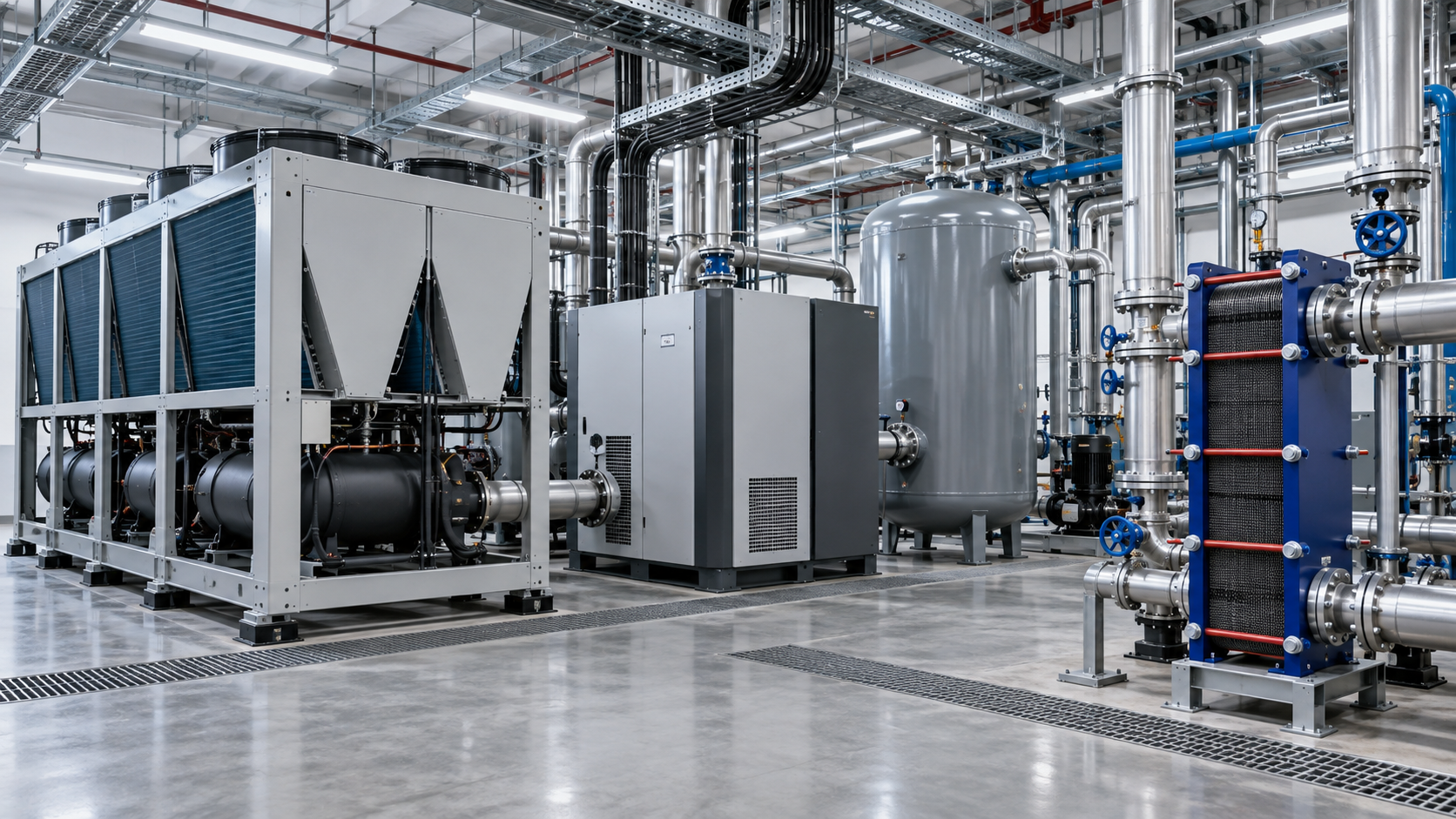
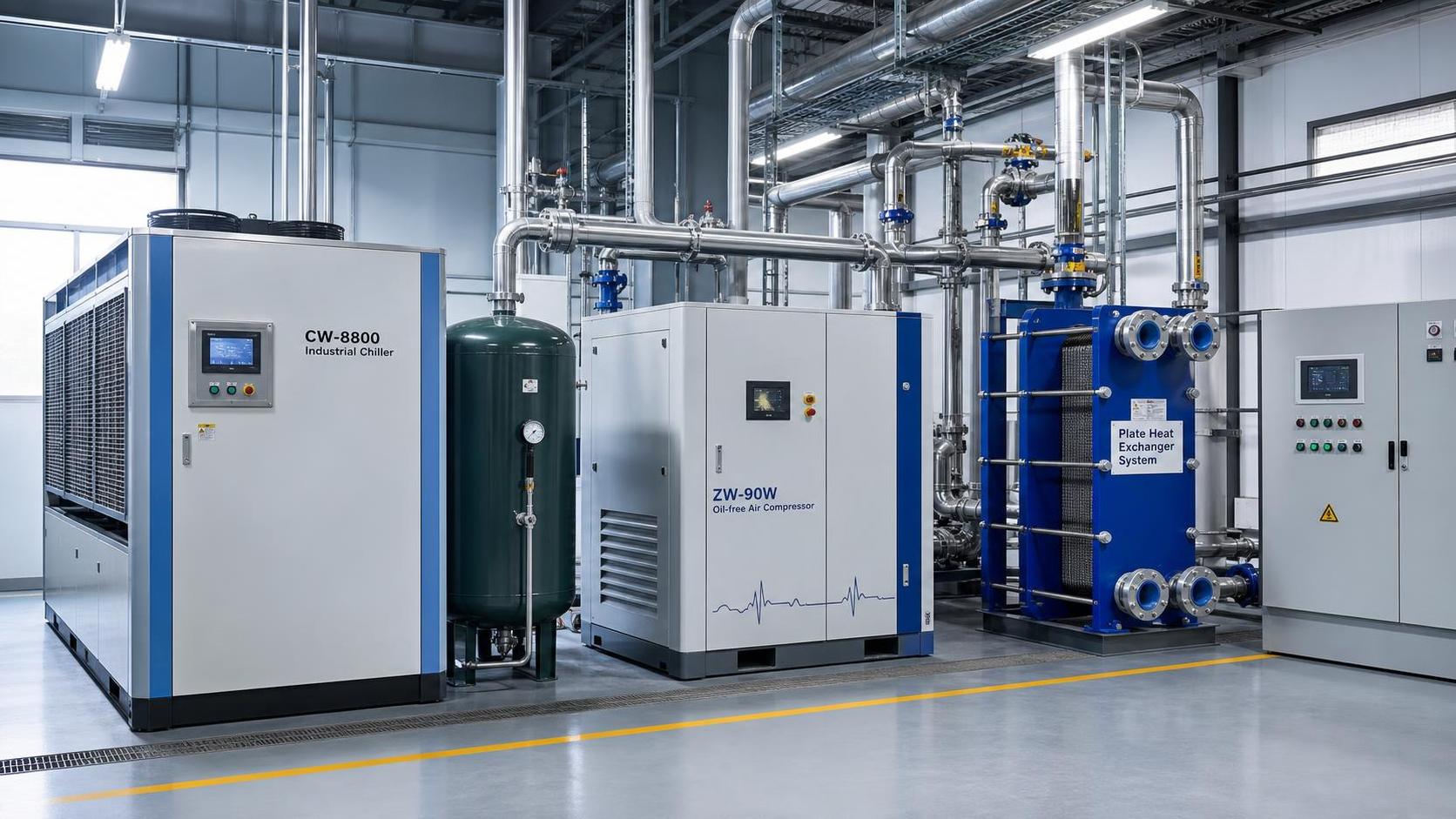
In practice, thermal system optimization cost covers a connected set of decisions. Cooling, heat exchange, vacuum stability, and compression efficiency often influence each other more than early project budgets suggest.
This is also where market intelligence matters. Platforms such as GTC-Matrix track energy price swings, refrigerant policy shifts, and technology changes that can alter payback expectations before a project is approved.
So the useful question is not simply, “What does optimization cost?” A better question is, “Which cost drivers create the fastest and most durable return?”
What is usually included in thermal system optimization cost?
Most projects include five cost layers, and missing one of them can distort ROI. The first is assessment: audits, data logging, load mapping, and controls review.
The second layer is equipment change. That may involve compressors, heat exchangers, chillers, drives, valves, insulation, piping, or low-NOx boiler upgrades.
Third comes integration. Controls tuning, sensors, BMS or PLC coordination, and sequencing logic often decide whether promised savings actually appear.
The fourth layer is implementation impact. Shutdown windows, commissioning labor, temporary production loss, and operator training are frequently underestimated.
The fifth is lifecycle support. Filter changes, refrigerant management, water treatment, leak detection, and performance verification all influence total thermal system optimization cost.
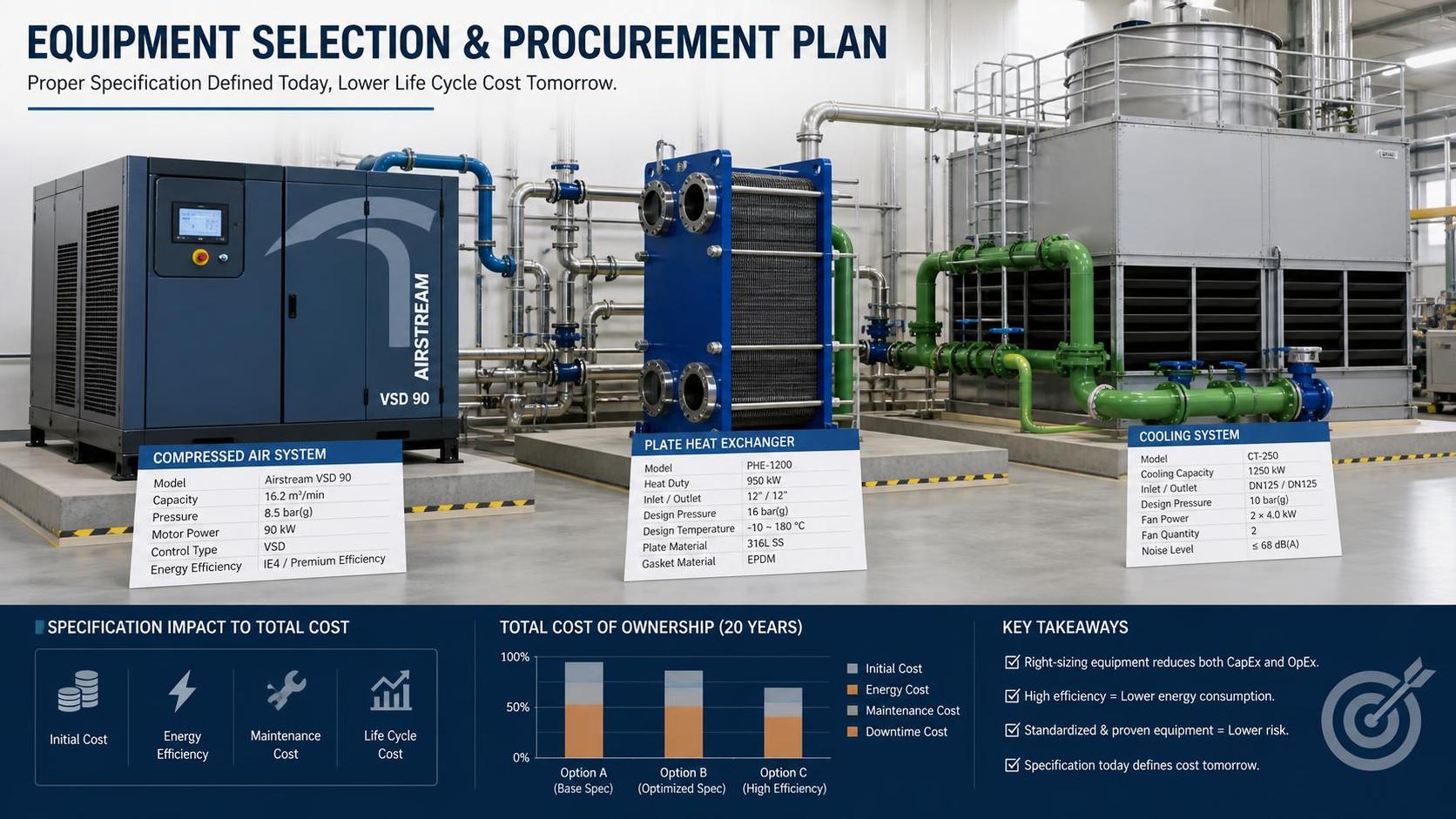
A common mistake is to compare only hardware bids. More reliable comparisons look at installed cost, annual energy reduction, maintenance profile, and process risk over several years.
Which factors usually drive ROI fastest?
Energy intensity is usually the first driver. Facilities with high cooling loads, compressed air losses, or unstable heat recovery loops tend to see faster payback.
Load profile is just as important. A plant running near full load for long hours gains more from optimization than a site with short, irregular operating cycles.
Control quality can create surprisingly large returns. Better sequencing, variable speed control, and tighter temperature bands often deliver savings without major footprint changes.
Then there is process sensitivity. Semiconductor, pharmaceutical, and food operations may justify higher thermal system optimization cost because downtime or drift carries a far larger financial penalty.
Energy price exposure also matters. In regions facing volatile electricity or fuel prices, efficiency gains become more valuable, and the payback window can shrink quickly.
More advanced buyers also track compliance pressure. Refrigerant rules, emissions limits, and carbon reporting can turn a delayed upgrade into a more expensive future obligation.
A quick way to judge likely payback
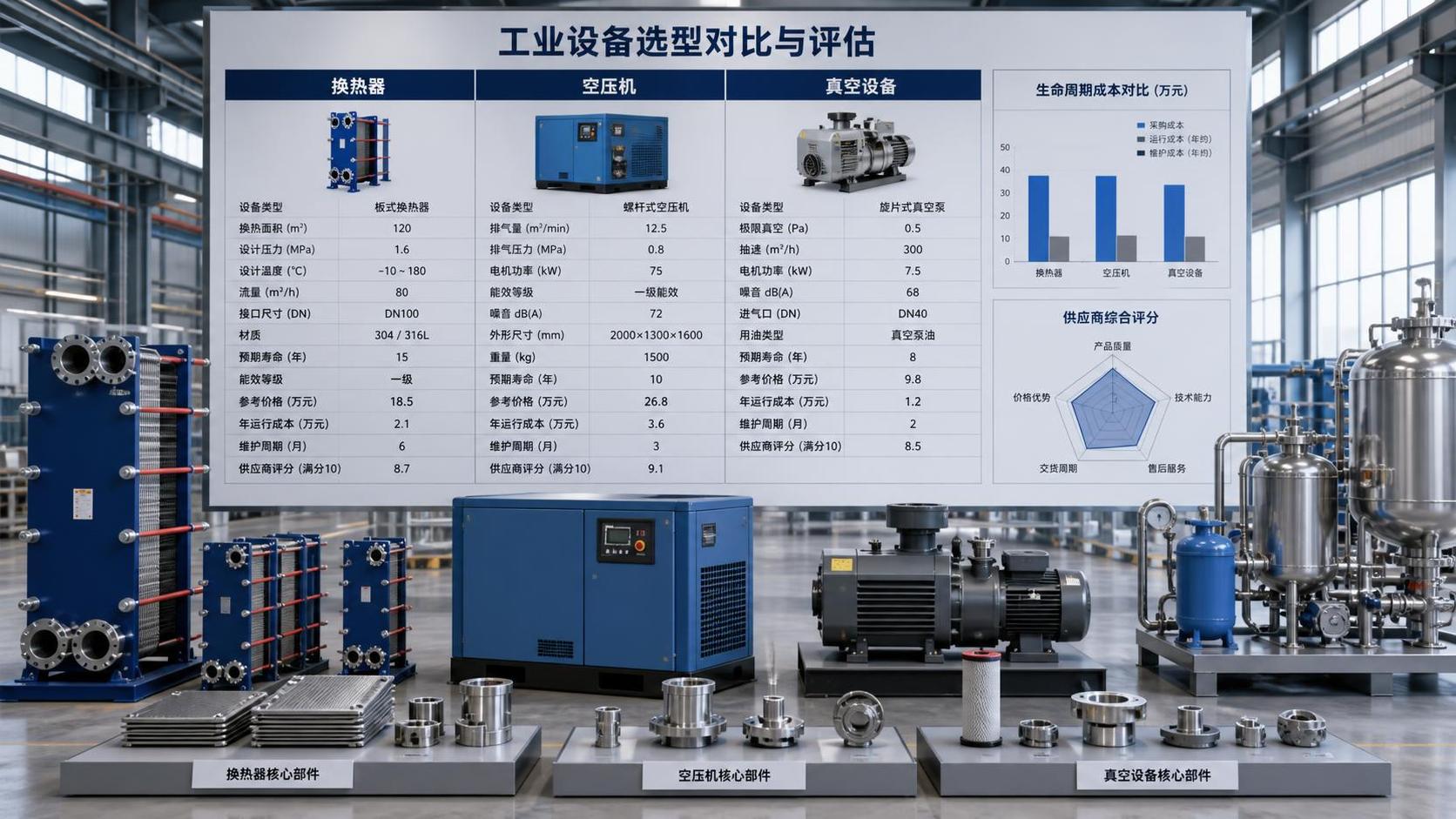
Before detailed engineering begins, this comparison helps frame whether thermal system optimization cost is likely to produce a short, medium, or long return cycle.
Does the cheapest proposal usually win on total value?
Usually not. Lower thermal system optimization cost at purchase can hide weaker control logic, lower-efficiency components, or poor serviceability.
One proposal may include robust measurement points and performance verification. Another may omit them, which makes future troubleshooting slower and savings harder to prove.
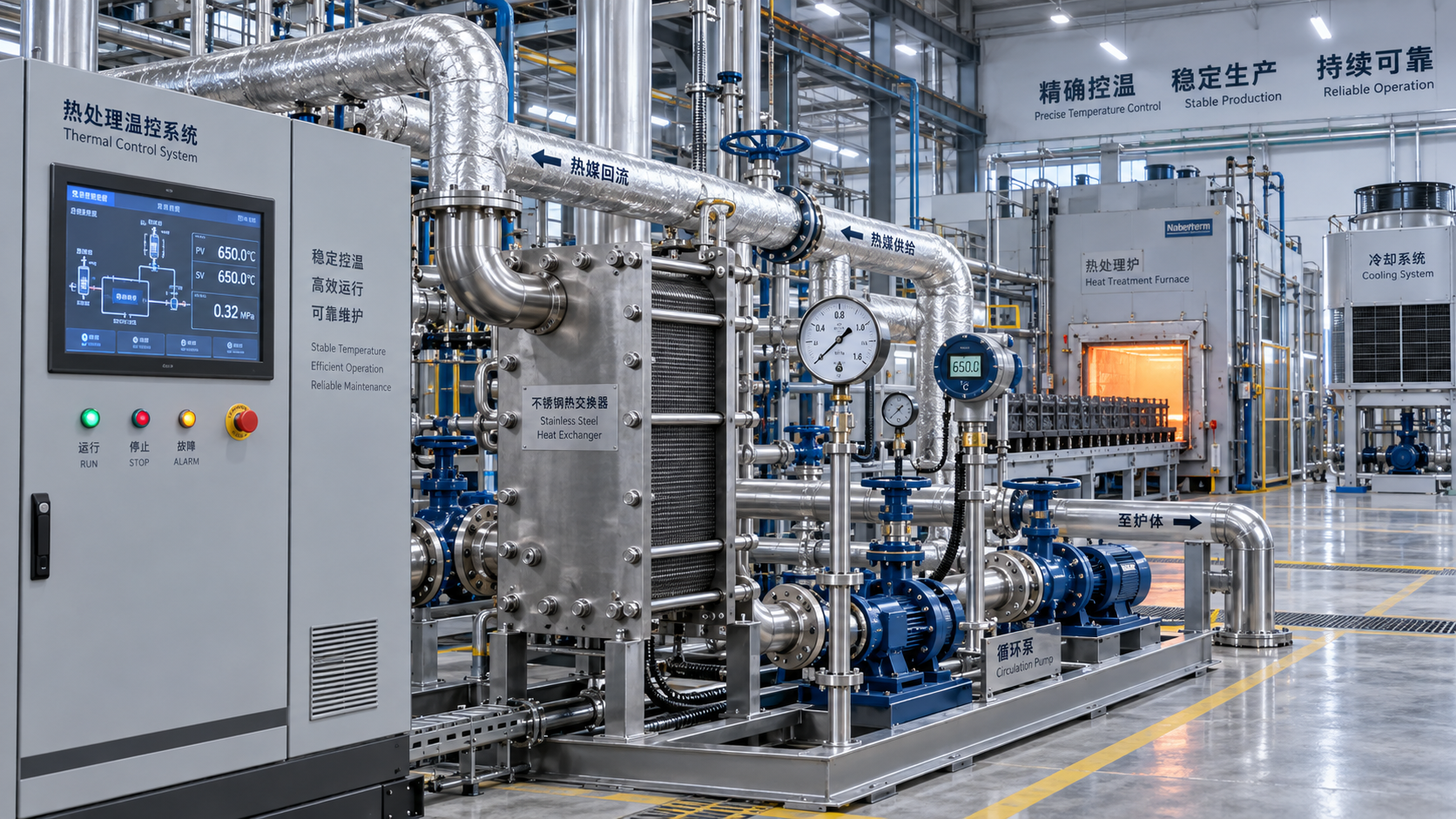
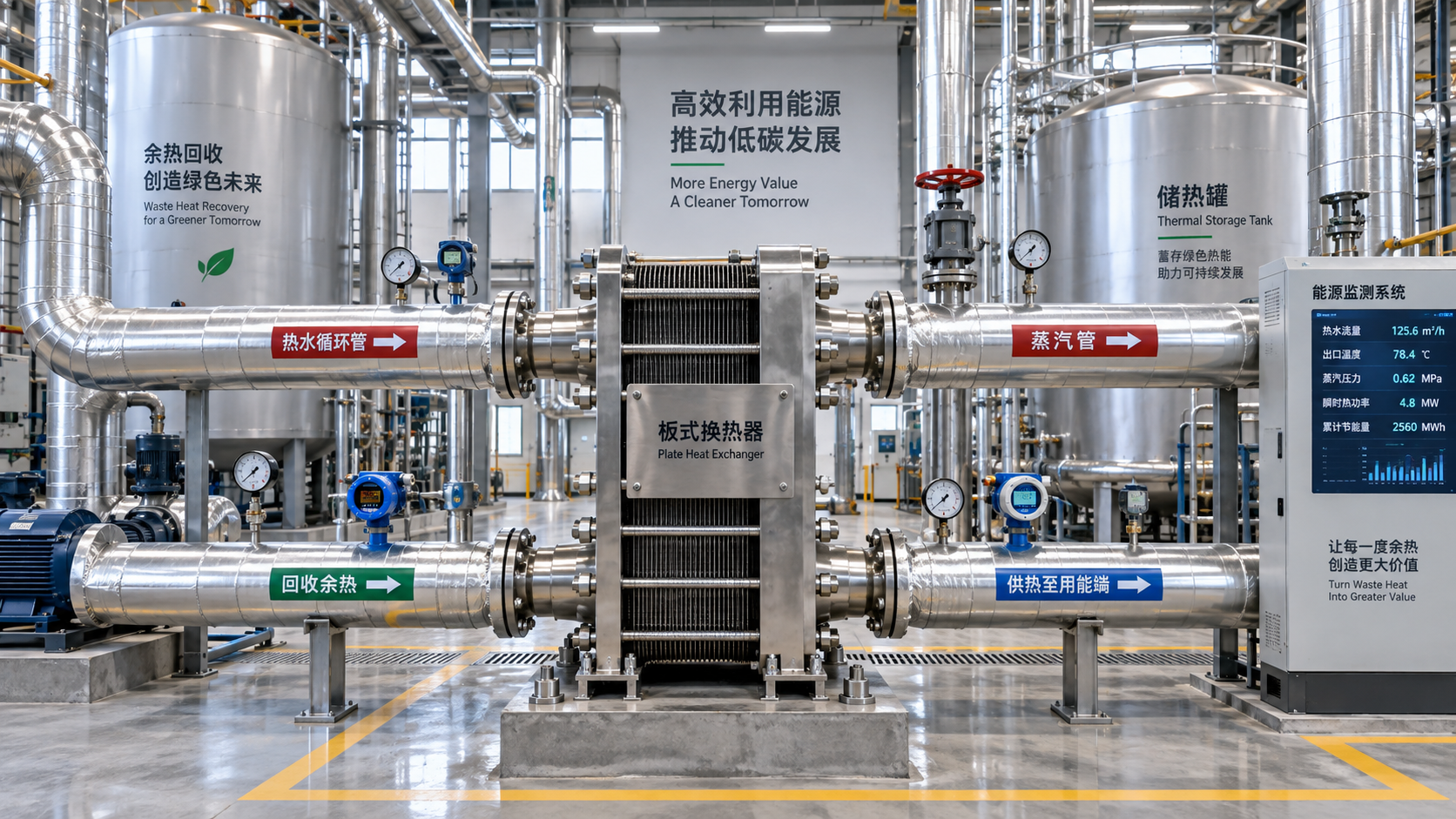
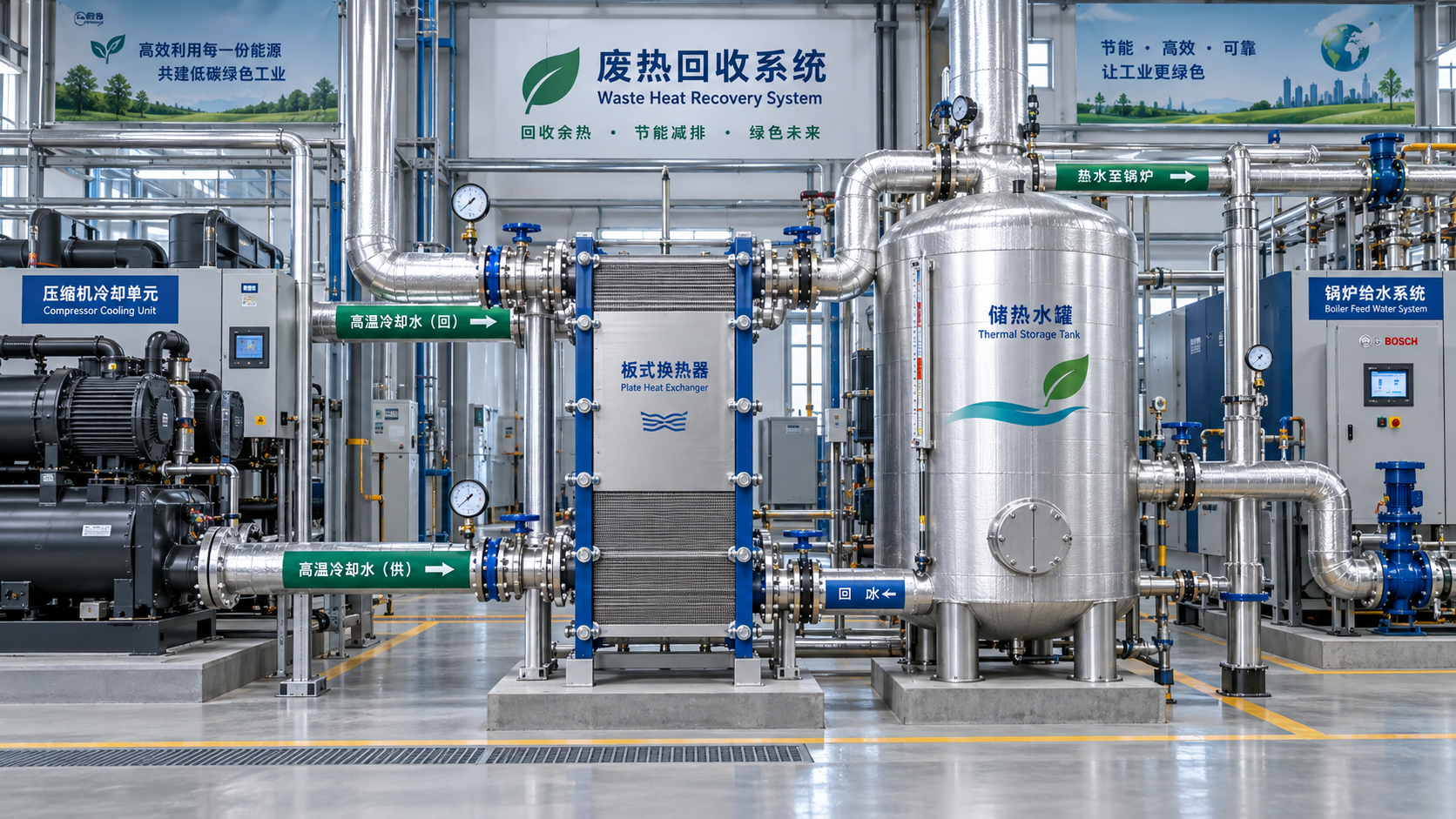
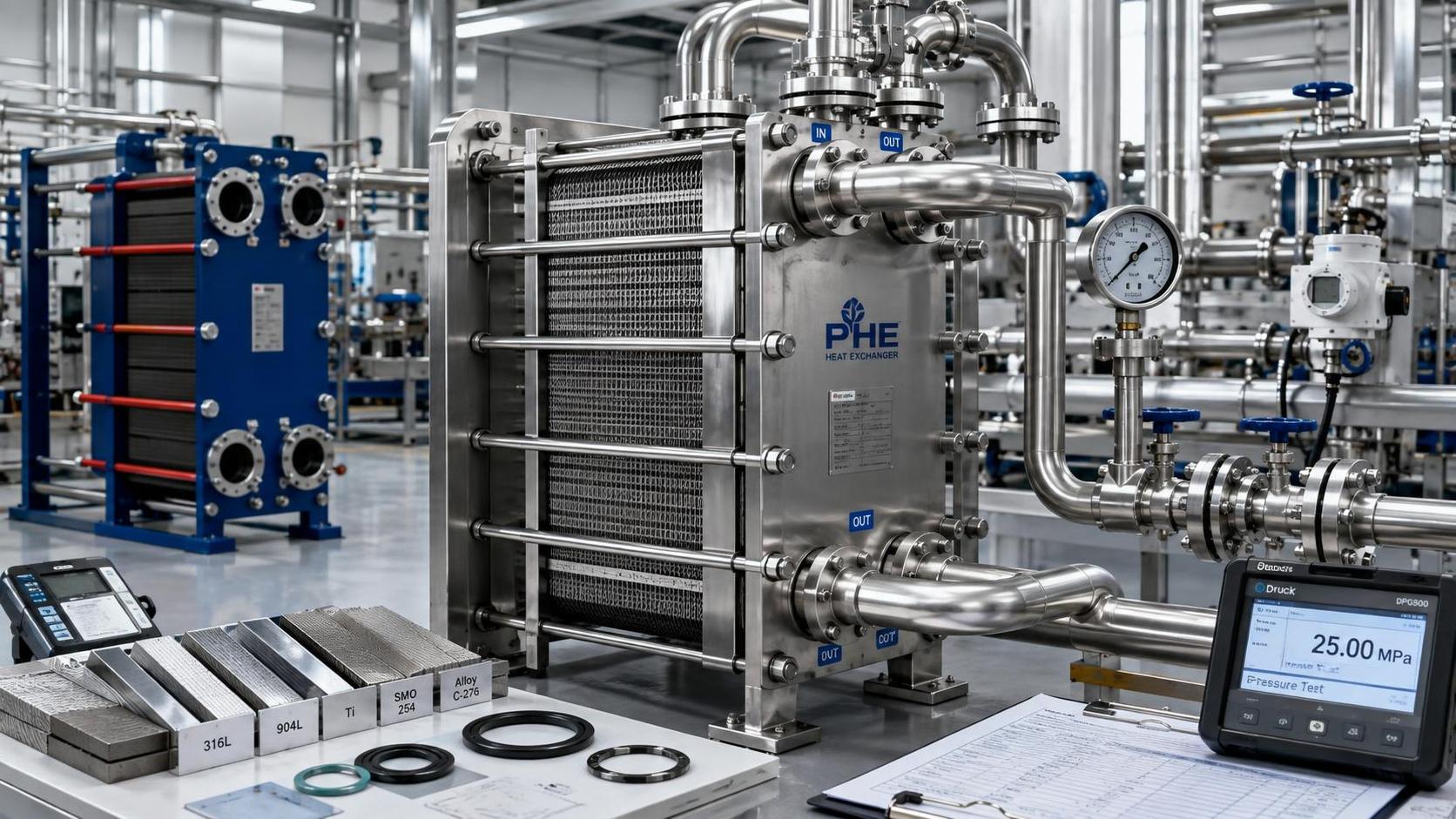
Heat exchanger design is a good example. A cheaper unit may meet nominal capacity, yet foul faster, lose transfer efficiency, and increase pumping or fan energy over time.
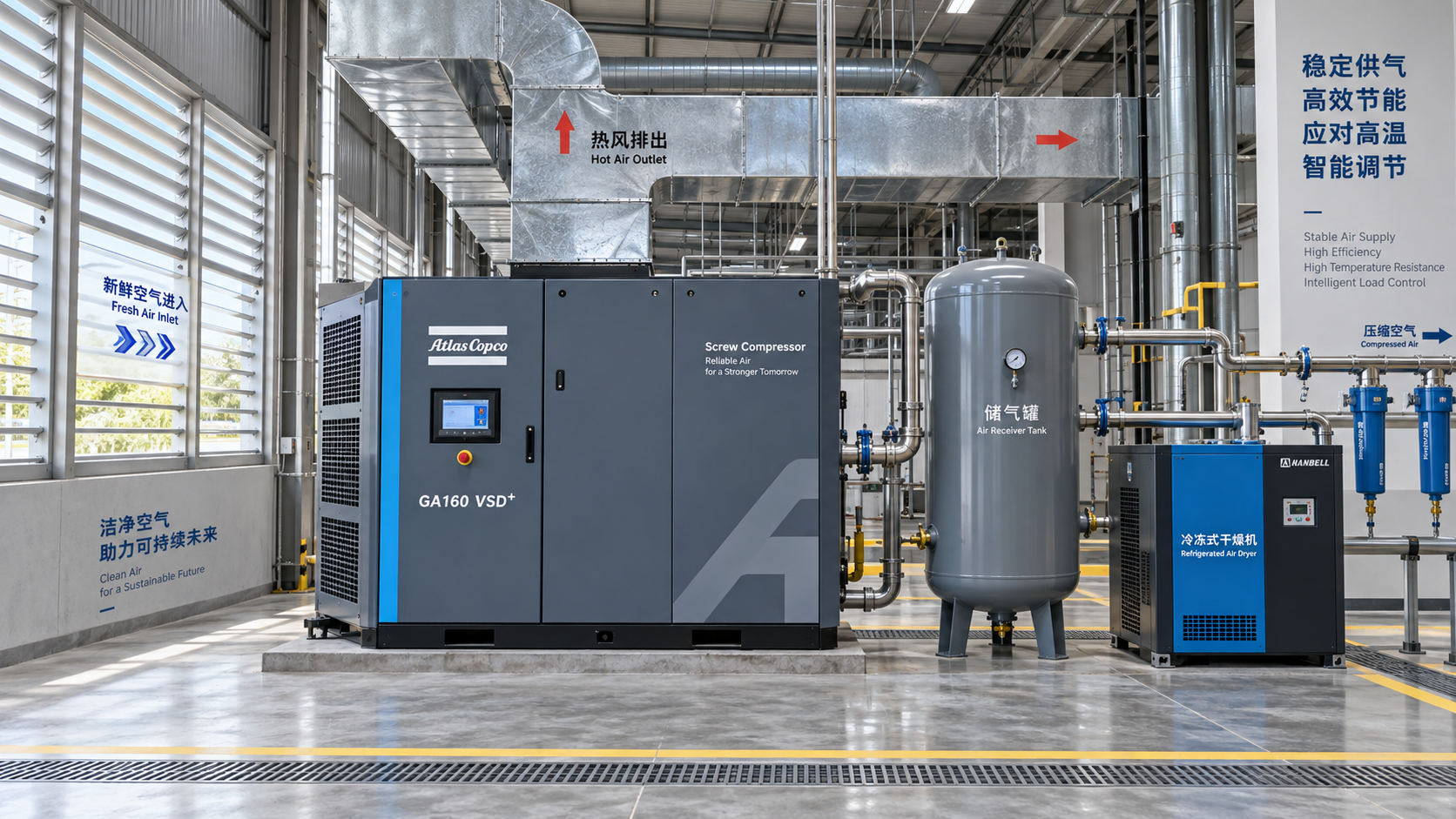
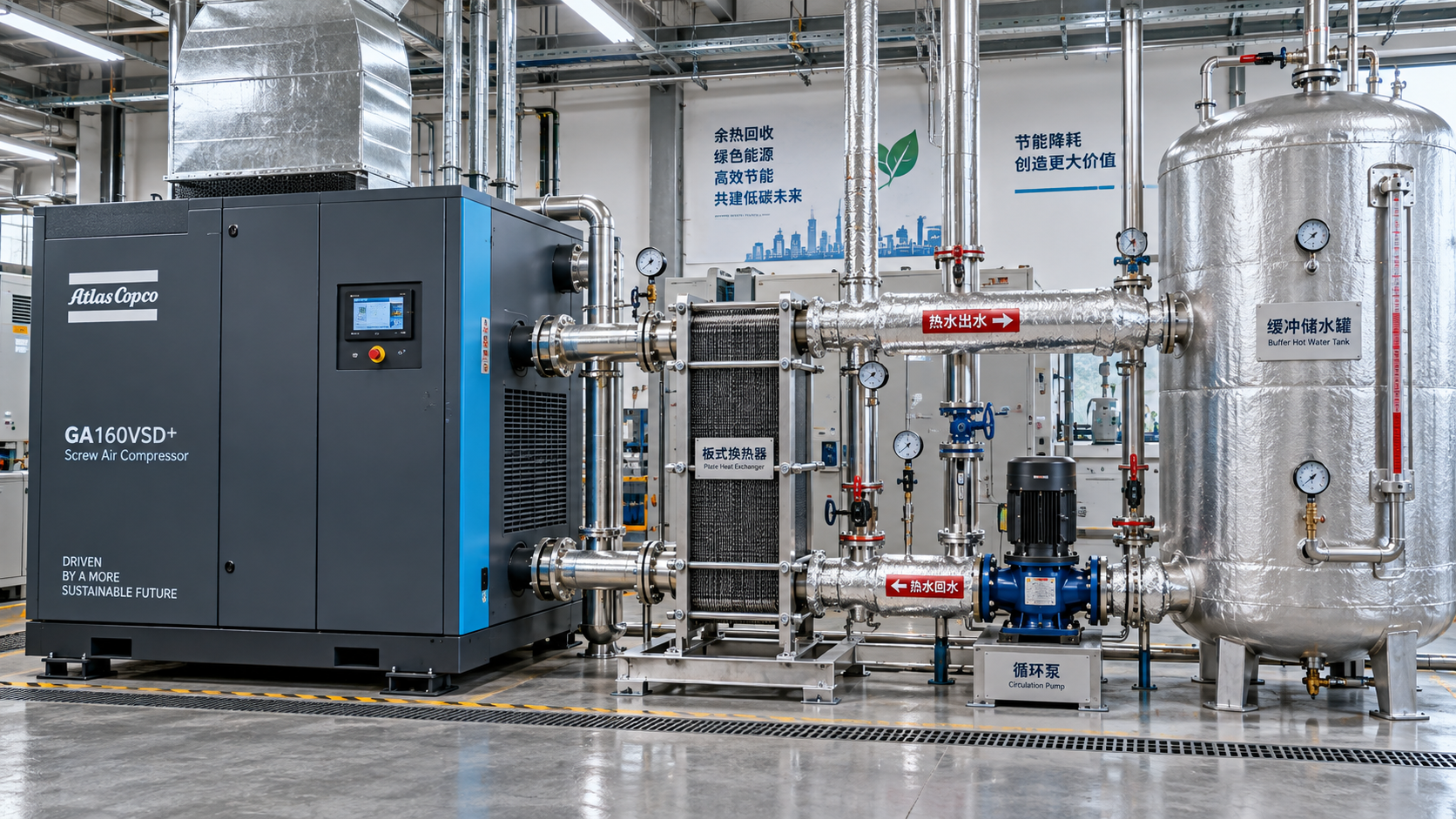
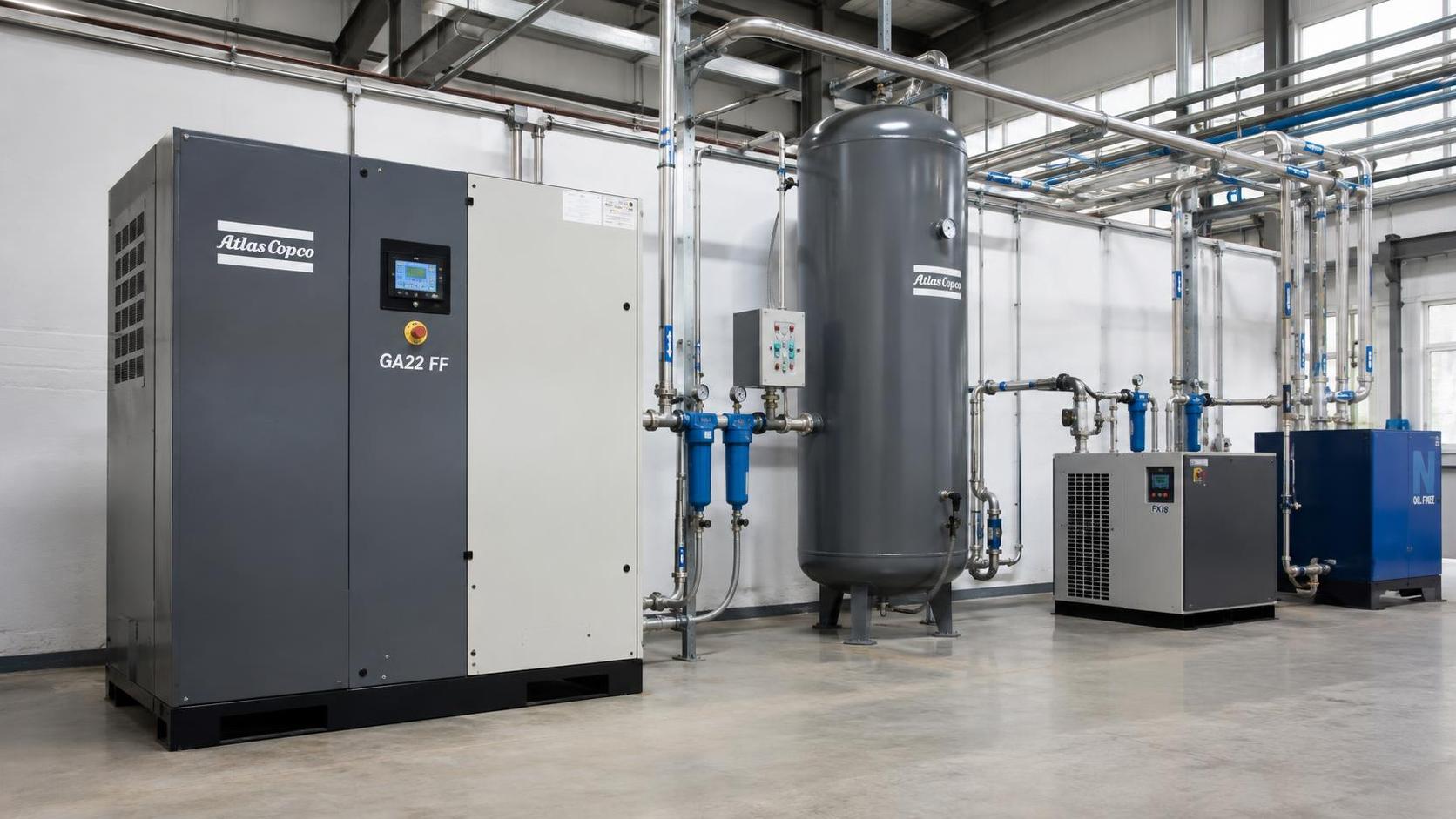
Compressed air projects show the same pattern. Leak reduction, storage sizing, and sequencing often matter more than adding one efficient machine in isolation.
In actual evaluations, better comparisons focus on cost per saved kilowatt-hour, cost per avoided downtime hour, and expected performance under real seasonal conditions.
This is where independent intelligence is useful. GTC-Matrix follows technology evolution in oil-free compression, microchannel heat exchangers, and related systems, giving decision teams a wider benchmark than vendor claims alone.
What hidden costs are often missed early?
The biggest hidden cost is poor baseline data. If current load, pressure, or thermal drift is not measured well, projected savings can look precise while resting on weak assumptions.
Another missed item is utility interaction. An optimized chiller loop may change pump behavior. Heat recovery may affect boiler duty. Compressor adjustments may alter dryer performance.
There is also the cost of operational disruption. Even a technically sound project can lose credibility if commissioning collides with peak production periods.
Maintenance capability should be checked early. Advanced controls and specialty components can improve ROI, but only if local teams or service partners can support them reliably.
Some projects also ignore future policy exposure. Refrigerant quota pressure, carbon accounting, or emissions tightening can quickly reshape thermal system optimization cost after installation.
A practical review list helps avoid those oversights:
- Check whether baseline measurements cover seasonal and peak-load conditions.
- Confirm how the upgrade changes utilities beyond the target equipment.
- Price in commissioning time, training, and production scheduling constraints.
- Review spare parts, service access, and local technical support.
- Map regulatory or energy-market changes that could alter future economics.
How should thermal system optimization cost be evaluated before approval?
A useful review combines financial, technical, and operational filters. Looking at only simple payback can reject projects that protect output quality or compliance exposure.
Start with a baseline that includes energy consumption, downtime incidents, product losses, maintenance hours, and thermal stability limits. That creates a more honest ROI model.
Then test the proposal against realistic scenarios. What happens during summer peaks, raw material variation, or partial-load operation? This is where many savings models become too optimistic.
It also helps to separate guaranteed savings from conditional savings. If gains depend on operator discipline or production profile changes, that dependency should be visible in the business case.
Because thermal system optimization cost is shaped by market timing, external intelligence should not be treated as optional. Fuel trends, refrigerant regulation, and technology maturity can change procurement logic materially.
That is one reason industry observers use platforms like GTC-Matrix. Cross-sector reporting helps compare thermal projects against wider shifts in cooling, compressed air, vacuum, and heat exchange economics.
Questions worth answering before moving forward
- Which part of the current system wastes the most energy or causes the most instability?
- How much of the thermal system optimization cost is tied to integration rather than equipment?
- What savings are measurable within twelve months, and what benefits appear later?
- Which assumptions depend on weather, utilization, or maintenance quality?
- Could delayed action raise future retrofit, compliance, or energy expense?
So what is the smartest next step?
The best next step is usually not a broad replacement decision. It is a tighter diagnosis of where thermal system optimization cost will produce measurable return first.
That means documenting load behavior, identifying unstable process points, and comparing options on lifecycle economics rather than installed price alone.
Where decisions involve cooling, compression, vacuum, and heat exchange together, the strongest projects are built on joined technical and market intelligence. That reduces blind spots and improves timing.
A disciplined review should end with three outputs: a verified baseline, a scenario-tested ROI model, and a shortlist of risks that could change total value after commissioning.
Once those pieces are in place, thermal system optimization cost becomes easier to judge for what it really is: not a standalone expense, but a lever for energy efficiency, resilience, and competitive operating performance.
Ready when you are. Send us a message to get started.
Related News
- How to select industrial equipment for automation with existing PLCsAuthor :

- How electricity prices shape industrial compressed air price trendsAuthor :

- Choosing air filtration systems for heavy dust in the Middle EastAuthor :

- How much does a fully installed compressed air monitoring system cost?Author :

- What documentation supports CE marking for industrial equipment?Author :

- How local support affects vacuum system costs in Southeast AsiaAuthor :

- How worldwide industry category guides help compare market opportunitiesAuthor :

- What drives sustainable thermal systems cost over their operating life?Author :

- Which industrial solution comparison criteria prevent project delays?Author :

- How Ambient Temperature and Load Profile Affect Industrial Compressor SizingAuthor :

- What to evaluate before choosing a thermal process engineering supplierAuthor :

- How industrial utility systems affect energy costs in process plantsAuthor :

- What Data Is Needed to Assess Heat Recovery Decarbonization?Author :

- Can Waste Heat Recovery Support Carbon Neutrality Targets?Author :

- Is Compressor Heat Recovery Worth the Installation Cost?Author :

- What to verify before choosing a process separation technology supplierAuthor :

- When does process utilities engineering reduce project rework?Author :

- Where thermal efficiency optimization delivers the fastest savings in EuropeAuthor :

- What should you verify before selecting a heat transfer supplier?Author :

- What drives compressed air systems price for industrial projects?Author :

- How an industrial product knowledge comparison guide reduces sourcing riskAuthor :

- When does a procurement specification planning process reduce bid risk?Author :

- When does thermal system optimization for electronics reduce failure risk?Author :

- When high temperature process heating systems justify the higher energy costAuthor :

- How to compare sludge dewatering equipment by cake drynessAuthor :

- What to Check Before Sourcing a Gas Turbine for Distributed Power ProjectsAuthor :

- What drives industrial thermal systems price in large facility projectsAuthor :

- How to build an industrial product comparison chart that speeds up vendor selectionAuthor :

- Vacuum Technology Application Guide for Selecting the Right SystemAuthor :

- What Drives Vacuum Drying Cost in Industrial Procurement?Author :

- What Drives Compressed Air Pricing in Industrial Systems?Author :

- How Procurement Specification Planning Shapes Total Project CostAuthor :

- Compression Technology Guide: How to Compare Efficiency, Pressure Range, and Maintenance NeedsAuthor :

- How to Compare Industrial Separators by Throughput, Purity, and Maintenance LoadAuthor :

- How to Size a Compressed Air Equipment Receiver Tank for Stable PressureAuthor :

- Industrial Equipment Selection Guide: How to Compare Capacity, Duty Cycle, and Operating CostAuthor :