Industrial Energy Efficiency: Where Plants Lose Money First




Where does industrial energy efficiency usually break down first?
Industrial energy efficiency rarely fails in one dramatic moment.
More often, money leaks out through ordinary systems that still appear to be running normally.
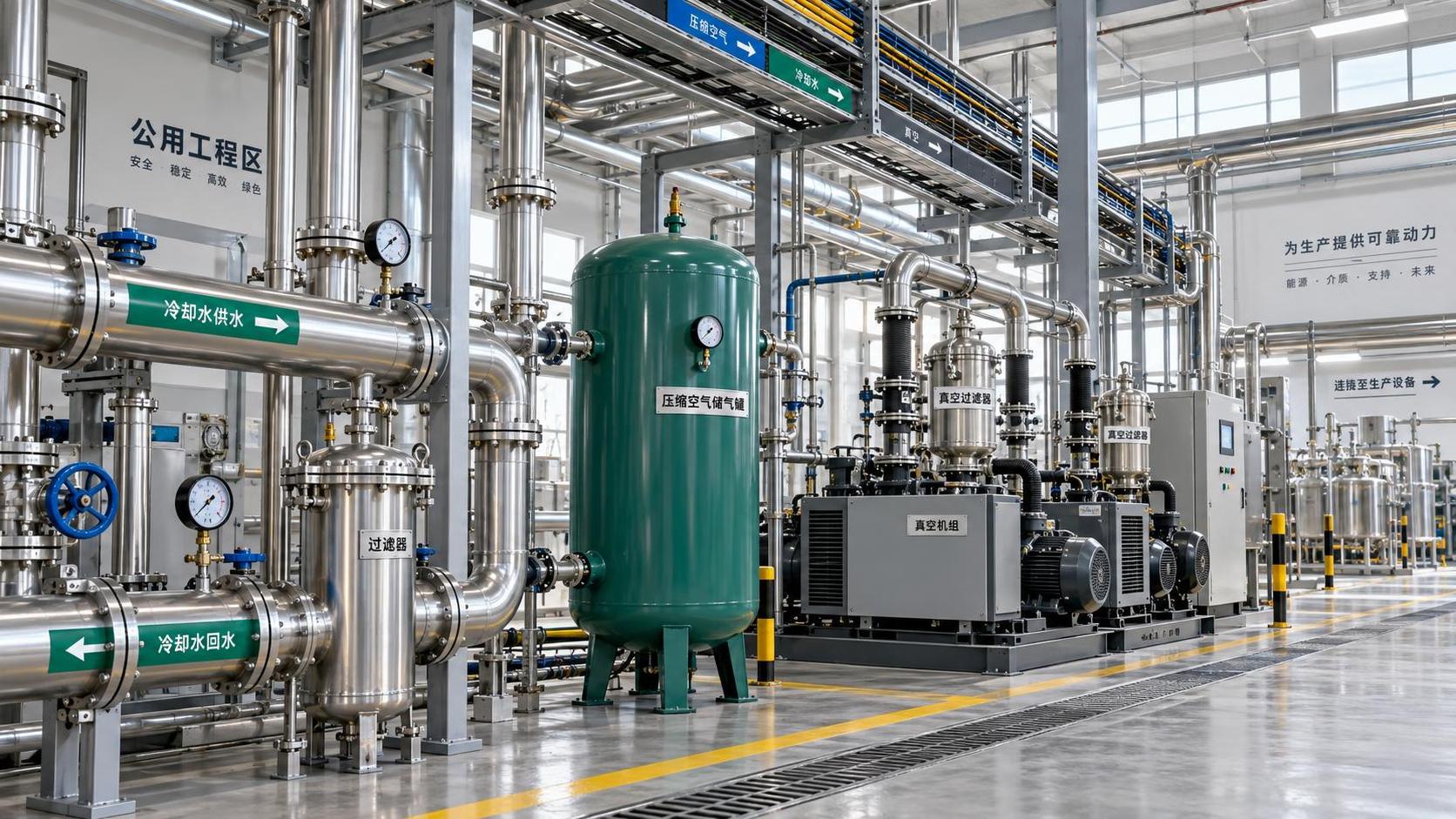
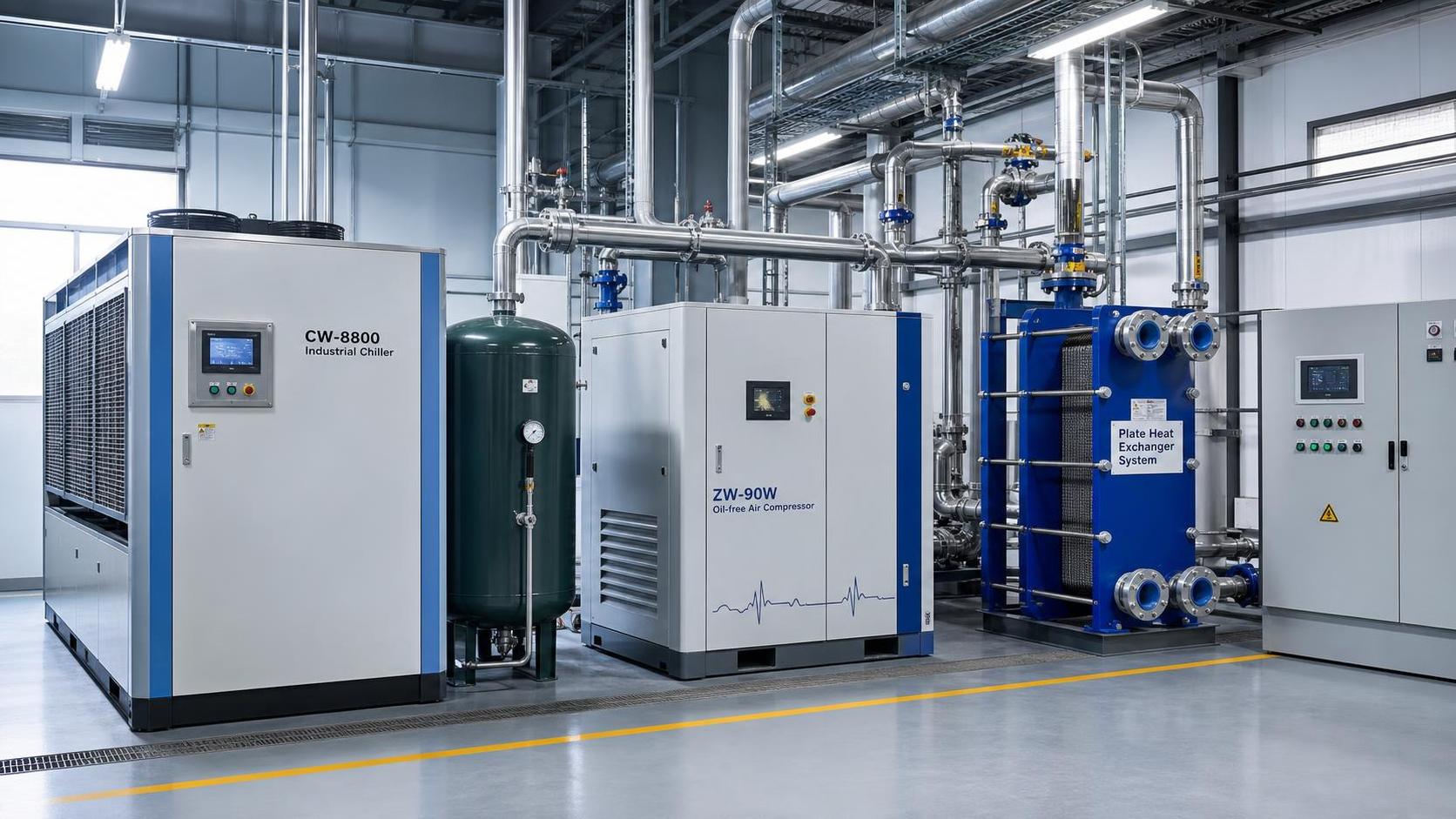
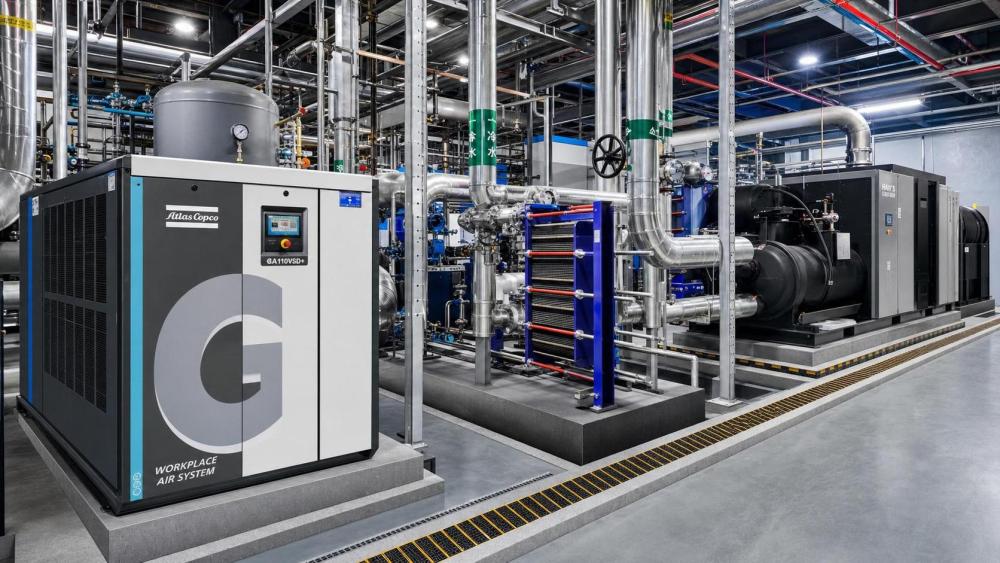
Compressed air, process cooling, vacuum performance, and heat exchange losses usually create the earliest cost drift.
These systems sit behind production quality, uptime, and utility spending.
That is why industrial energy efficiency is not only an engineering topic.
It is a cost-control issue that affects margin long before a major asset replacement appears in budget planning.
In practical terms, the first losses often come from stable-looking equipment operating outside its best load point.
A compressor cycling too often, a chiller handling variable demand poorly, or a fouled heat exchanger can each raise energy cost quietly.
The challenge is that utility bills hide these losses inside total consumption.
That makes industrial energy efficiency harder to judge from headline spending alone.
This is also where intelligence platforms such as GTC-Matrix become useful.
By tracking cooling, compression, vacuum, and thermal technology shifts, they help connect technical inefficiency with financial impact.
Why do compressed air and cooling systems waste money before anyone notices?
Because they are utility systems, not always production bottlenecks.
When output remains acceptable, hidden losses can continue for months.
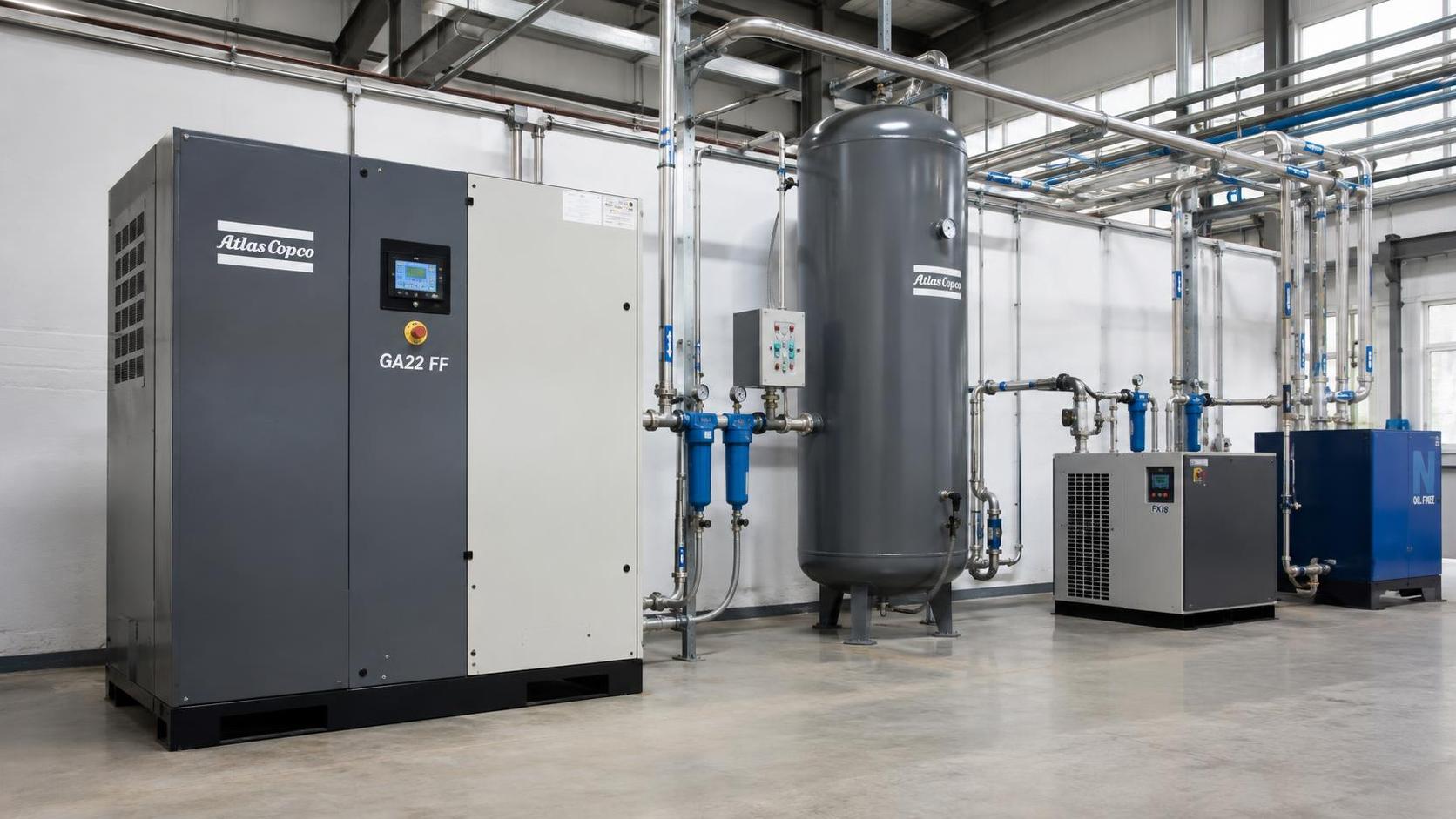
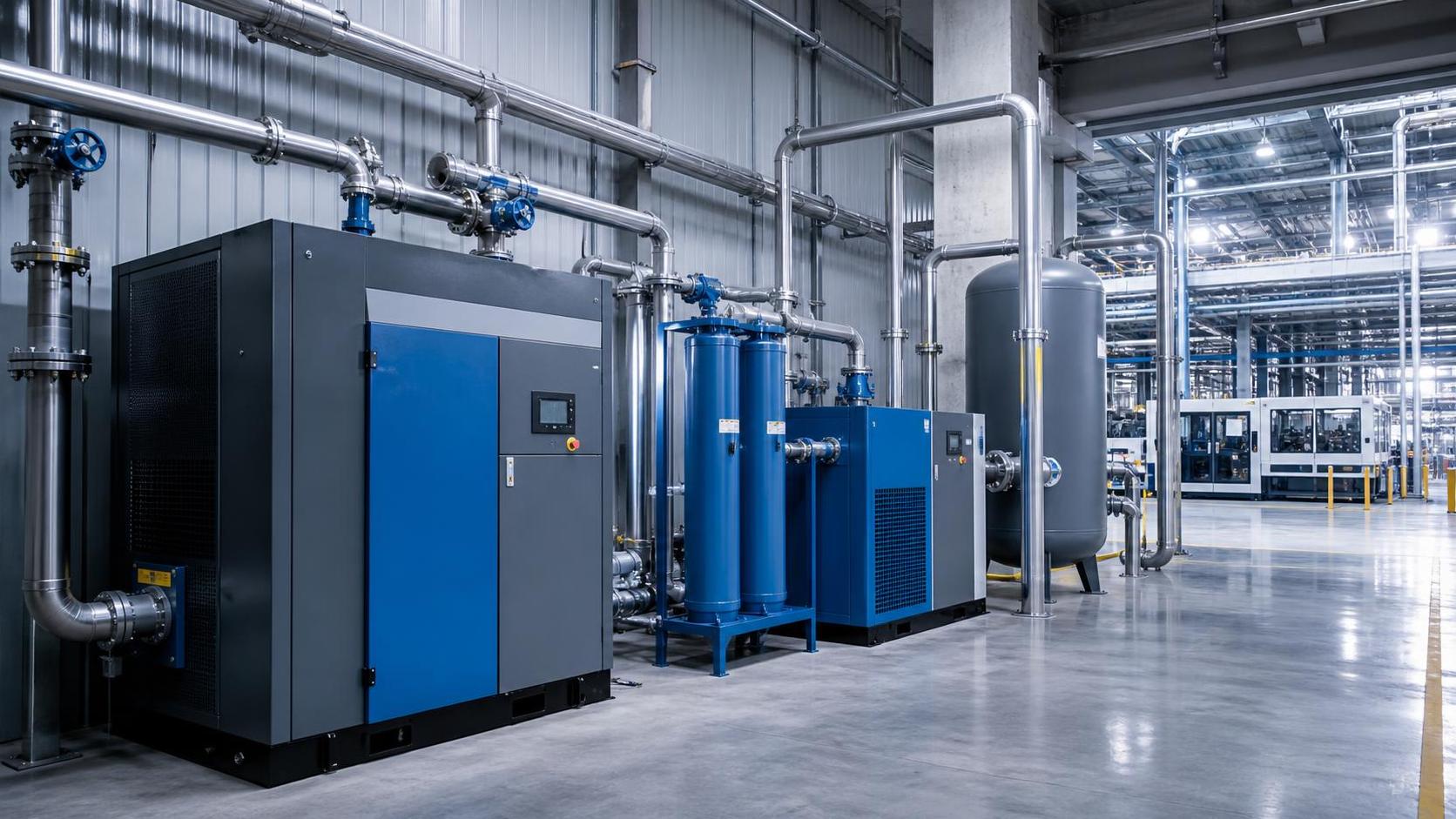
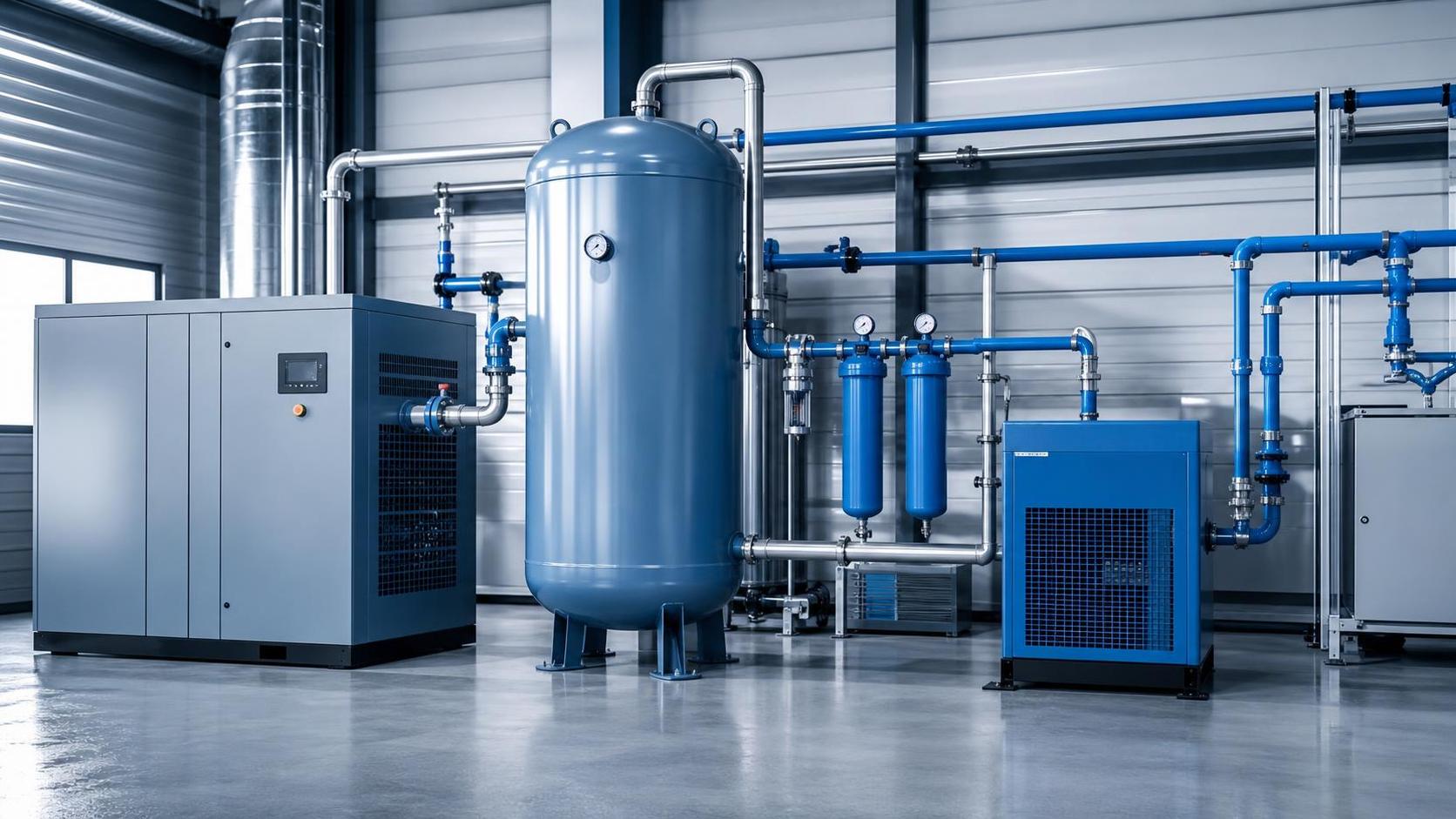
Compressed air is a classic example.
Leaks, artificial demand, poor pressure settings, and oversizing all damage industrial energy efficiency.
A small pressure increase can trigger disproportionate power use across the whole system.
The plant still gets air, but at a much higher operating cost.
Cooling systems behave similarly.
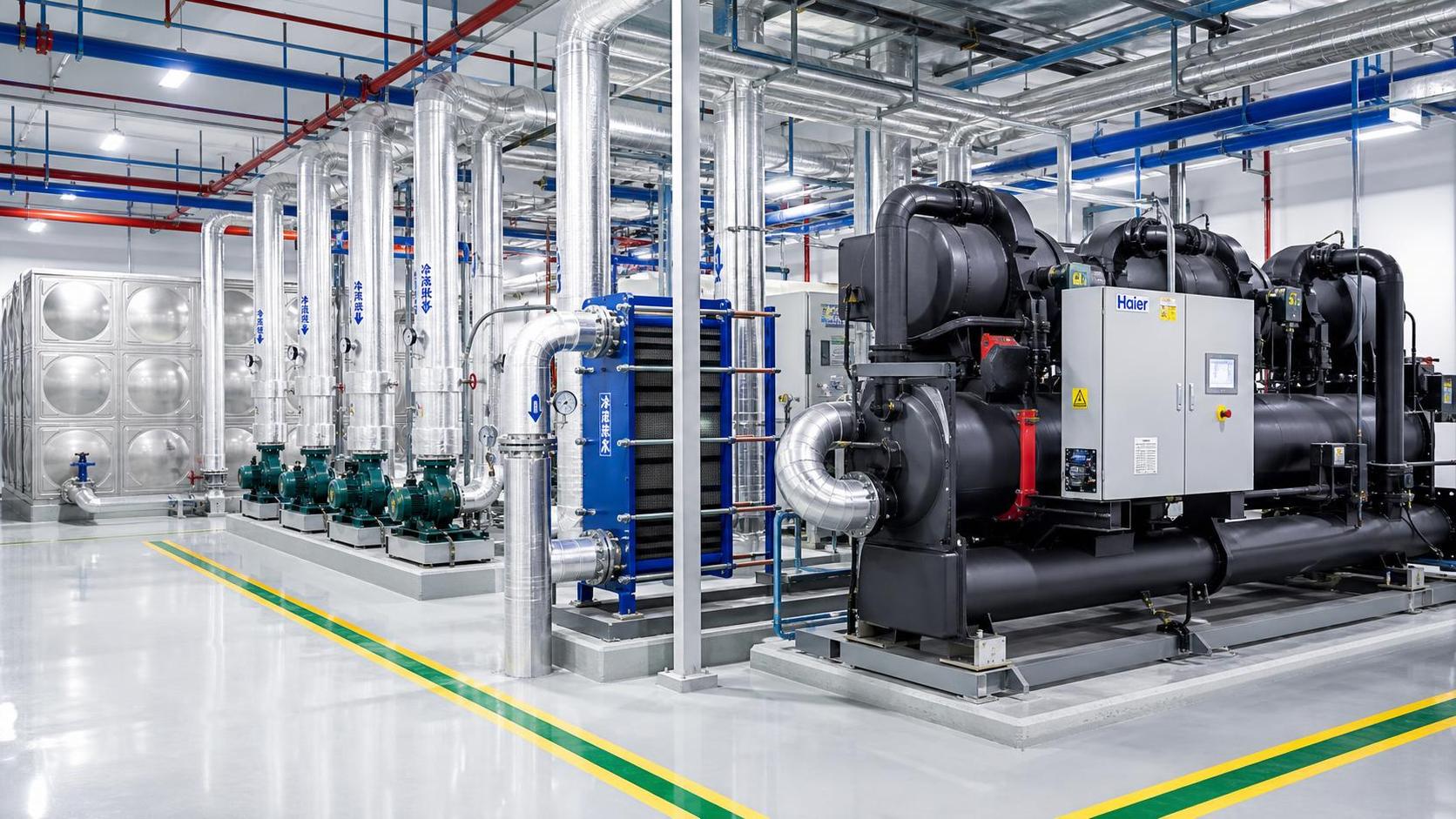
Unstable process loads, poor controls, refrigerant issues, and weak heat rejection can force chillers to work harder than necessary.
In sectors requiring precise temperature control, the waste becomes even more expensive.
Food, semiconductor, pharmaceutical, and mixed-process factories often feel this first through utility inflation and quality variation.
A useful way to frame the issue is simple: if the system is essential, continuous, and poorly visible, it deserves priority review.
- Air leaks convert paid electricity into no productive work.
- Cooling instability raises both energy use and process risk.
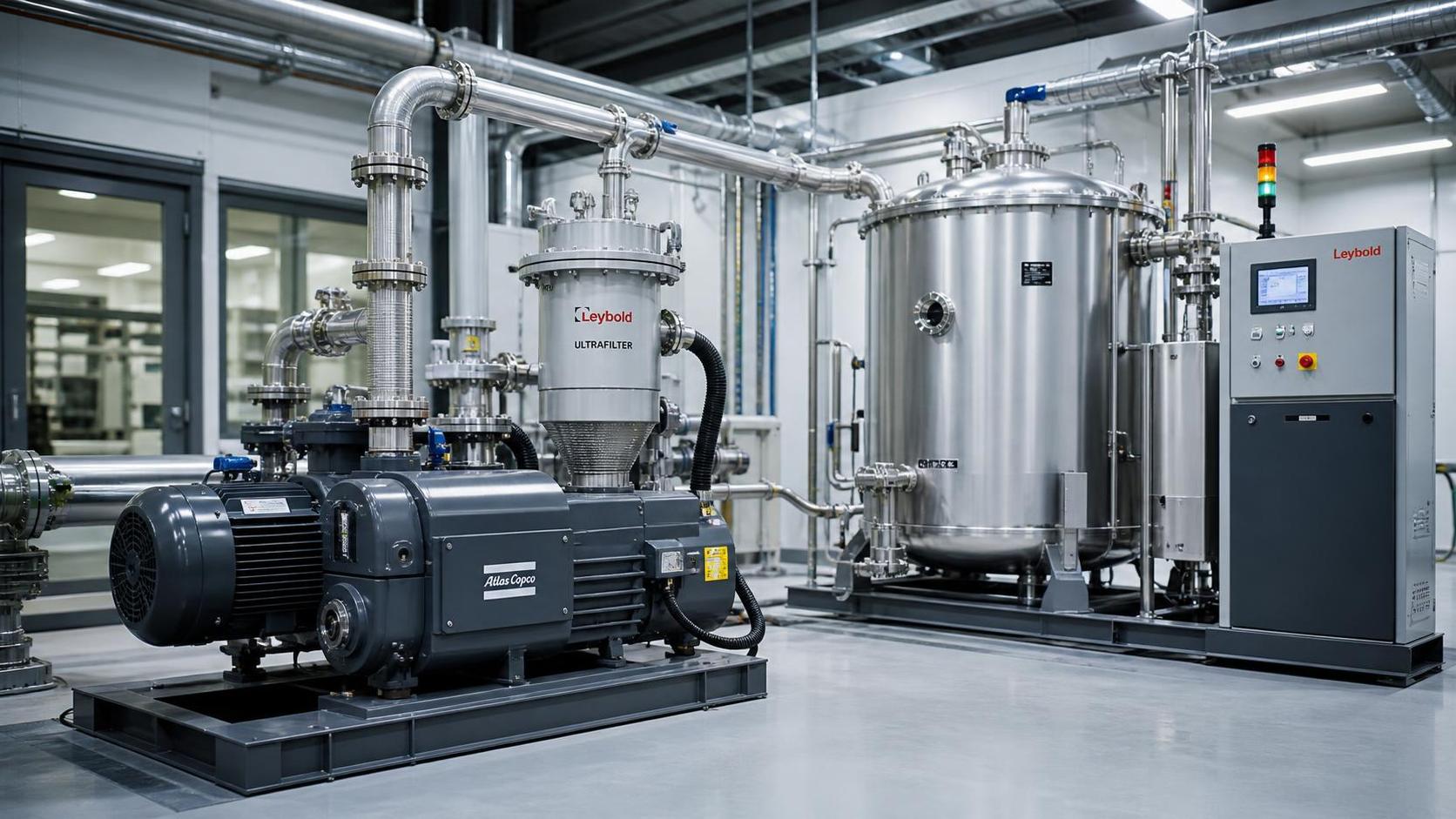
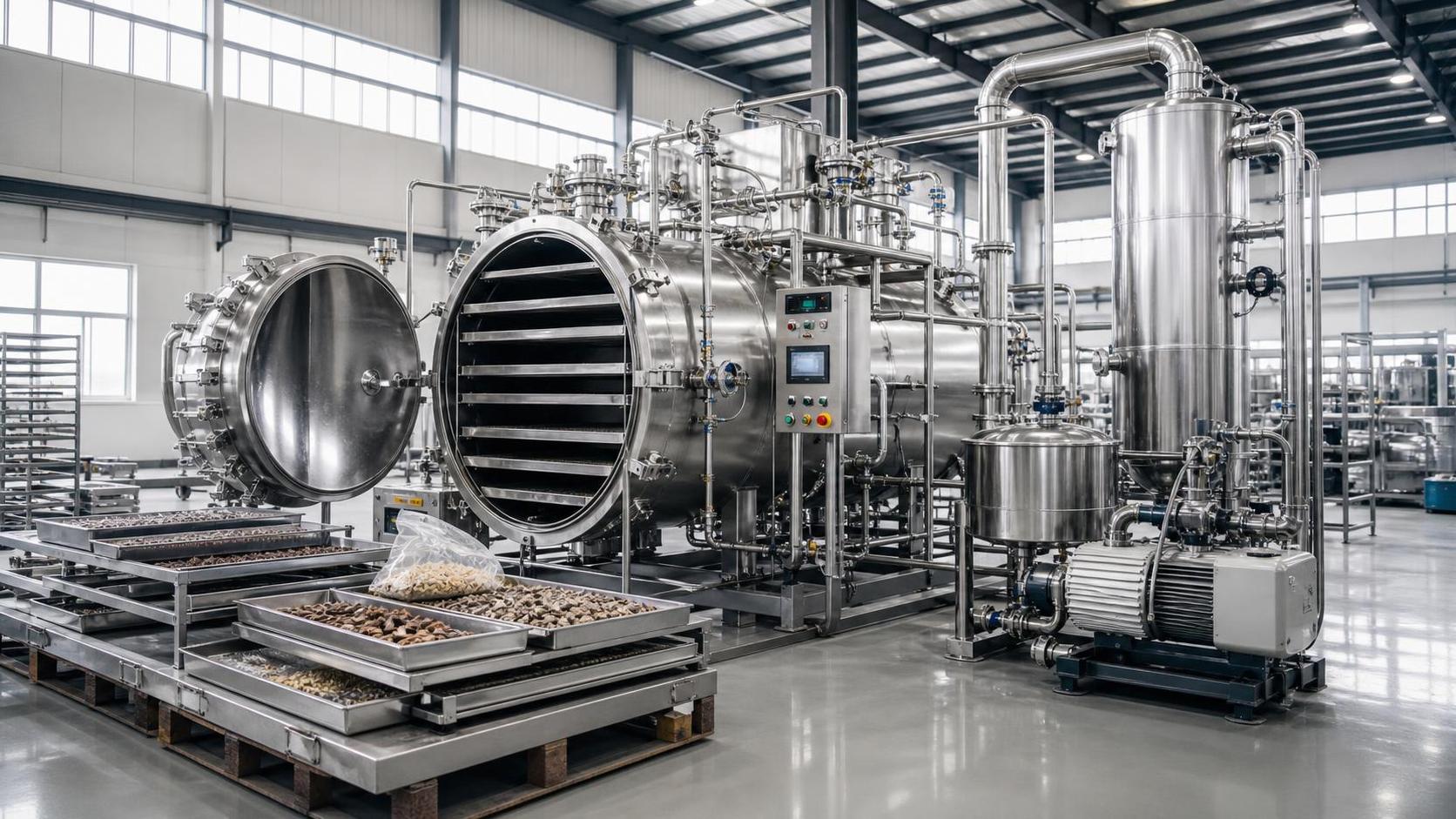
- Vacuum loss increases cycle time and reduces consistency.
- Heat transfer decline pushes boilers, compressors, and pumps harder.
What are the early warning signs that industrial energy efficiency is slipping?
The first warning sign is usually not a breakdown.
It is a gap between expected and actual operating cost.
That gap shows up in several ways, and most are measurable.
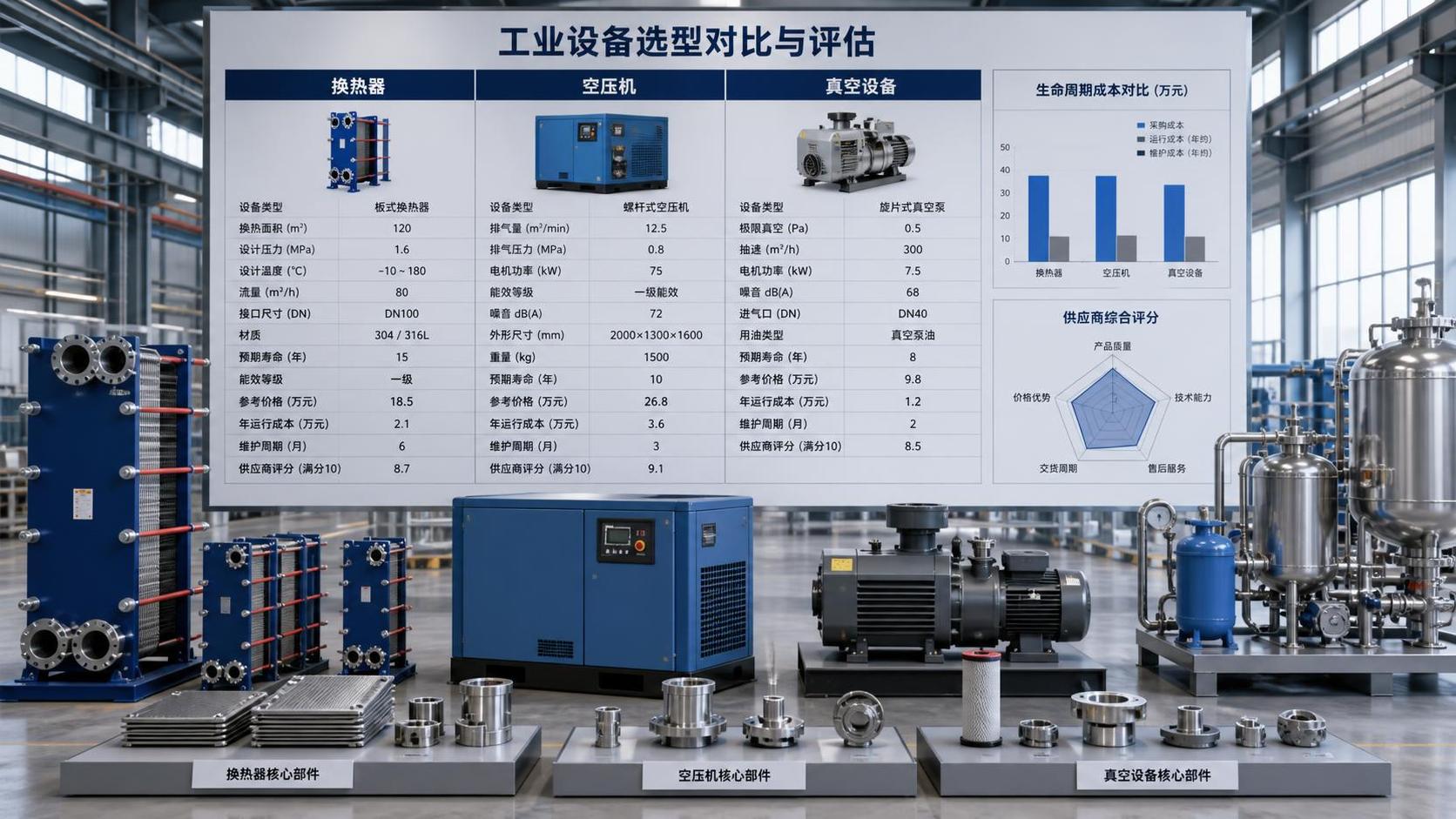
The table below helps separate normal variation from signals that deserve attention.
A common mistake is treating each signal as a maintenance issue only.
In reality, repeated performance drift usually points to a broader industrial energy efficiency problem.
The better approach is to review load profile, control logic, utility trend, and thermal bottlenecks together.
That joined-up view is especially important when energy prices and refrigerant rules are changing.
GTC-Matrix follows these shifts closely, which helps organizations benchmark decisions against wider market movement.
How should cost-conscious decisions compare repair, retrofit, and replacement?
This is where many energy projects stall.
A low repair cost can look attractive, yet still preserve structural inefficiency.
On the other hand, full replacement is not always justified.
The practical question is not only, “What costs less today?”
It is, “Which option improves industrial energy efficiency enough to change total operating cost?”
A sound comparison usually includes five checkpoints.
- Current energy intensity per unit of production.
- Expected savings under real load, not nameplate conditions.
- Maintenance frequency and spare-part exposure.
- Downtime risk during peak production periods.
- Regulatory or refrigerant-related future constraints.
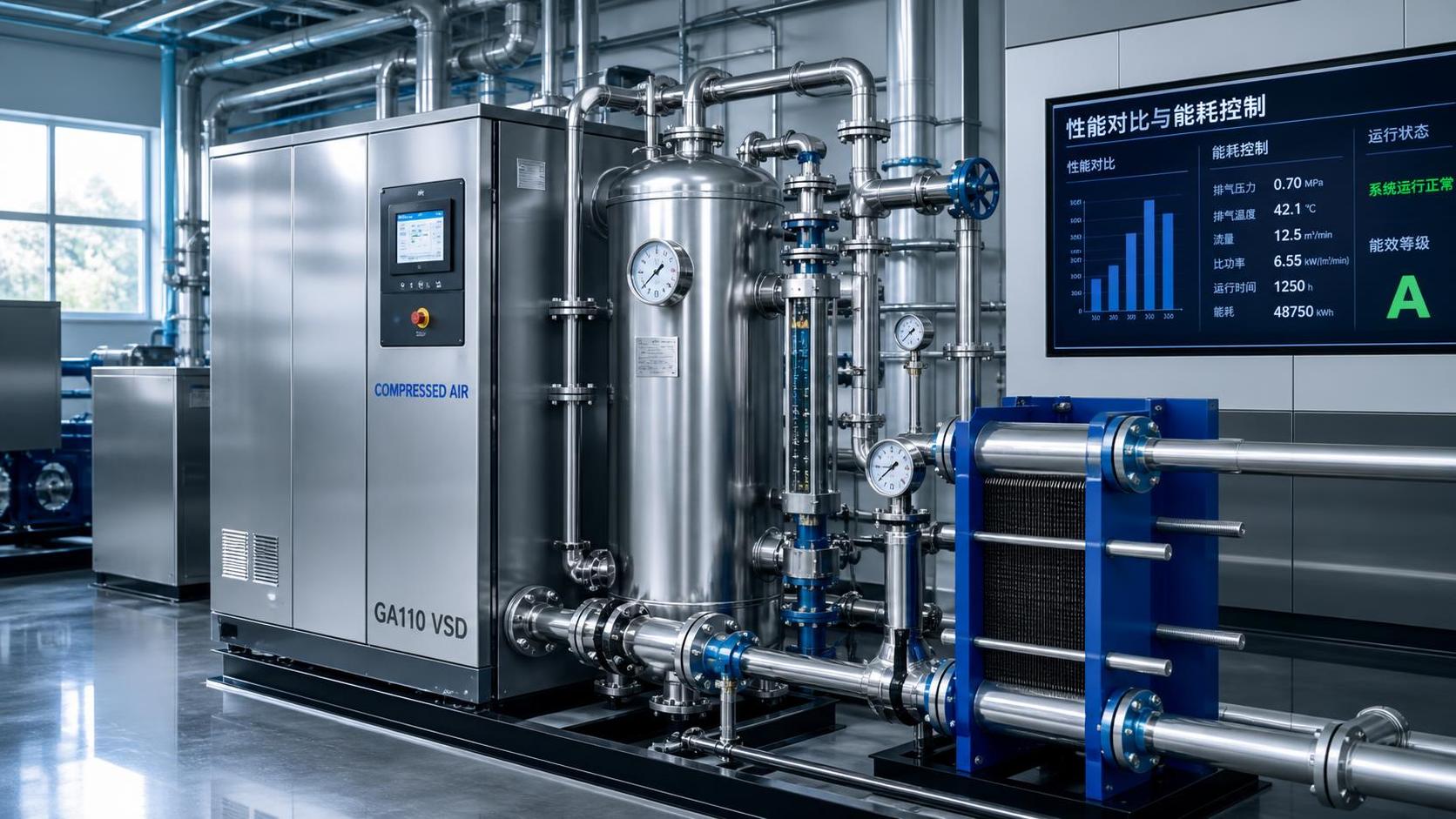
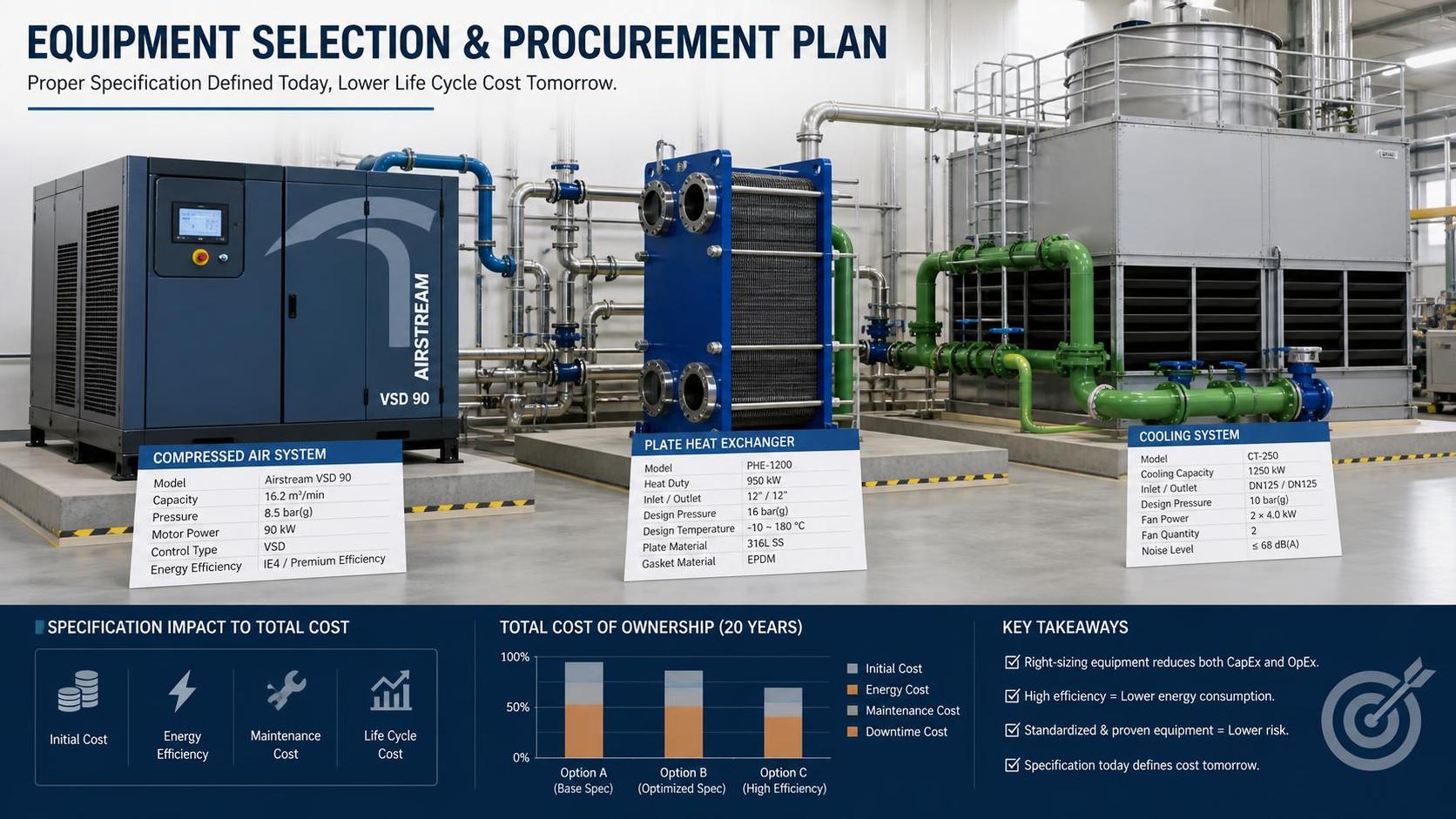
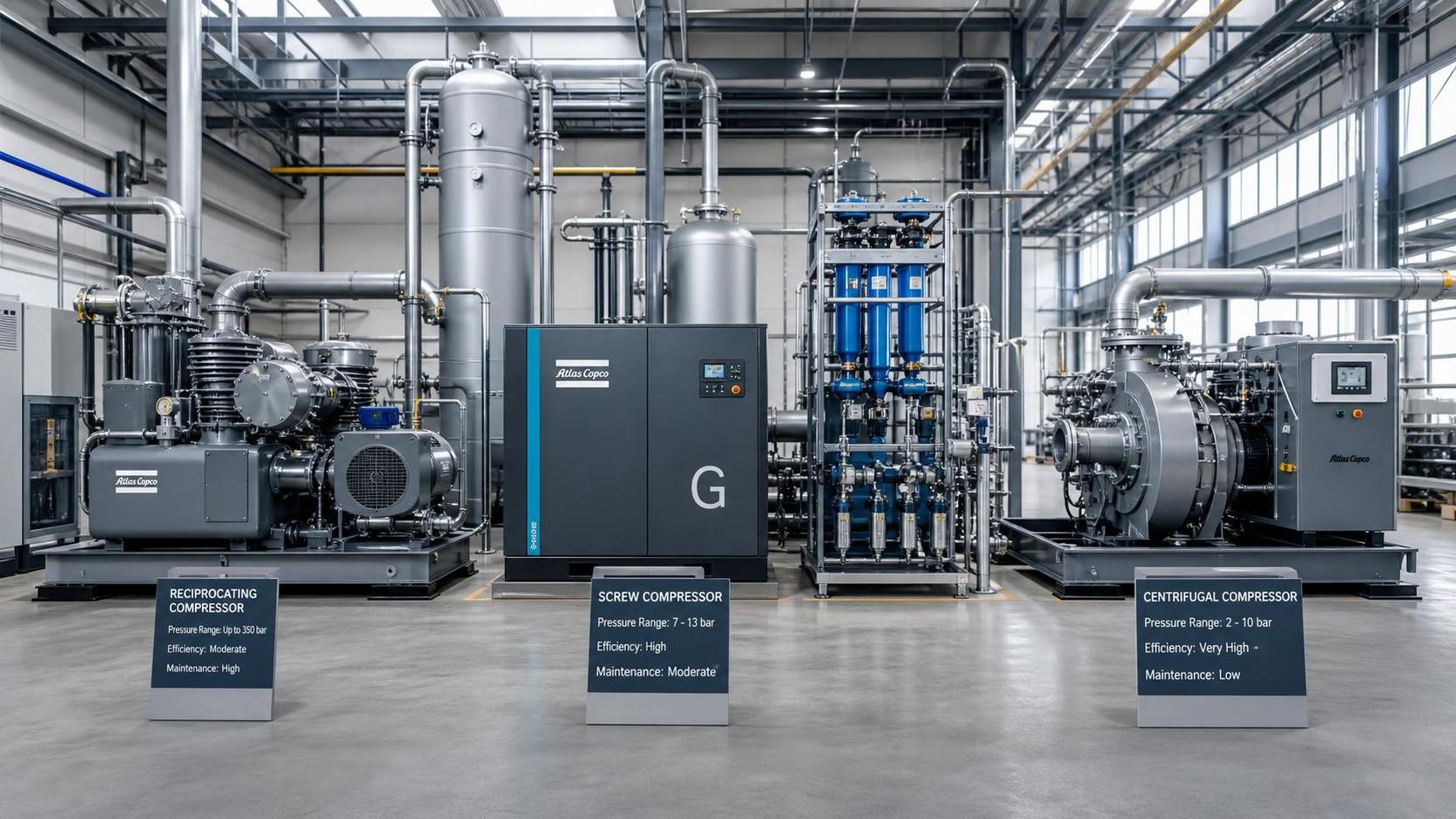
For example, an older compressed air package may still run, but inefficient controls can erase any savings from avoiding replacement.
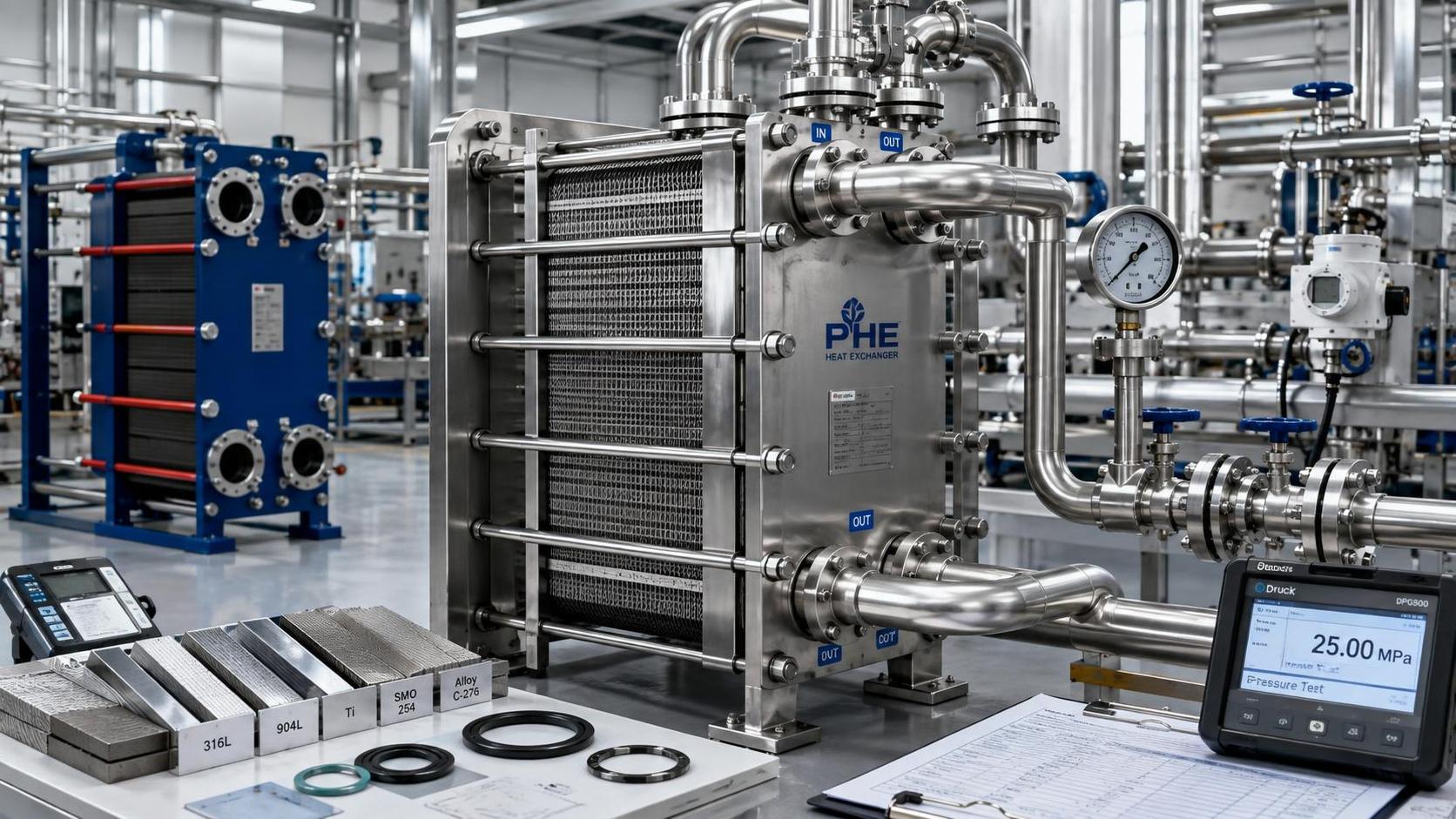
Likewise, a heat exchanger cleaning program may deliver strong returns if fouling is the real issue.
The point is to buy performance improvement, not just equipment continuity.
In actual evaluations, decision quality improves when technical data is translated into business language.
That means cost per operating hour, expected payback range, avoided downtime, and sensitivity to utility price changes.
What mistakes make industrial energy efficiency projects look weaker than they are?
The biggest mistake is using average plant energy cost as the only decision metric.
That hides the systems where losses are concentrated.
Another common error is relying on supplier performance claims without checking site conditions.
Industrial energy efficiency depends heavily on load variation, control strategy, ambient conditions, and process criticality.
There is also a timing mistake.
Many reviews happen only after a reliability event.
By then, the plant has already paid months or years of hidden waste.
A more useful checklist looks like this:
- Do not evaluate compressors, cooling, and heat exchange in isolation.
- Do not assume stable production means efficient utility performance.
- Do not compare capital cost without lifecycle energy cost.
- Do not ignore technology trend signals affecting future compliance.
This is why market intelligence matters alongside engineering review.
When low-NOx boilers, oil-free compression, or microchannel heat exchangers change quickly, delayed decisions can become more expensive decisions.
What is a practical next step if the goal is measurable savings, not another audit report?
Start with the systems that convert the most power into invisible support functions.
That usually means compressed air, chilled water, vacuum, and heat recovery.
Then build a short review around three questions.
Where is consumption rising, where is control unstable, and where is thermal performance drifting?
If the answers are unclear, the first need is visibility.
If the answers are already visible, the next need is prioritization.
A practical path often includes:
- Map the top utility-consuming thermal and power assets.
- Compare actual load behavior with design assumptions.
- Rank actions by savings potential and implementation risk.
- Track external signals on energy price, refrigerants, and technology evolution.
That last point is often underestimated.
Industrial energy efficiency improves faster when internal data is combined with external sector intelligence.
GTC-Matrix is built around that connection.
Its Strategic Intelligence Center tracks the technologies and market changes shaping cooling, compression, vacuum, and heat exchange economics.
That makes it easier to judge whether a site issue is local, structural, or part of a wider industry shift.
In the end, industrial energy efficiency is rarely improved by one purchase alone.
It improves when hidden losses are identified early, compared properly, and tied to decisions that reduce total cost over time.
The most useful next move is to review the first-loss systems now, before they become the next large capital problem.
Related News
- When does process utilities engineering reduce project rework?Author :

- Where thermal efficiency optimization delivers the fastest savings in EuropeAuthor :

- What should you verify before selecting a heat transfer supplier?Author :

- What drives compressed air systems price for industrial projects?Author :

- How an industrial product knowledge comparison guide reduces sourcing riskAuthor :

- When does a procurement specification planning process reduce bid risk?Author :

- When does thermal system optimization for electronics reduce failure risk?Author :

- When high temperature process heating systems justify the higher energy costAuthor :

- How to compare sludge dewatering equipment by cake drynessAuthor :

- What to Check Before Sourcing a Gas Turbine for Distributed Power ProjectsAuthor :

- What drives industrial thermal systems price in large facility projectsAuthor :

- How to build an industrial product comparison chart that speeds up vendor selectionAuthor :

- Vacuum Technology Application Guide for Selecting the Right SystemAuthor :

- What Drives Vacuum Drying Cost in Industrial Procurement?Author :

- What Drives Compressed Air Pricing in Industrial Systems?Author :

- How Procurement Specification Planning Shapes Total Project CostAuthor :

- Compression Technology Guide: How to Compare Efficiency, Pressure Range, and Maintenance NeedsAuthor :

- How to Compare Industrial Separators by Throughput, Purity, and Maintenance LoadAuthor :

- How to Size a Compressed Air Equipment Receiver Tank for Stable PressureAuthor :

- Industrial Equipment Selection Guide: How to Compare Capacity, Duty Cycle, and Operating CostAuthor :

- How to Evaluate an Intellectualization Supplier for Industrial UpgradesAuthor :

- High-Efficiency Manufacturing: Cost Savings vs. Upgrade RiskAuthor :

- Thermal System Optimization Cost: What Drives ROI?Author :

- How to Plan Process Utilities for a Cleanroom Without Costly ReworkAuthor :

- How to Compare Process Heating Suppliers in MexicoAuthor :

- Food Processing Utilities: Common Sizing Mistakes That Raise Energy and Water UseAuthor :

- How to Build Procurement Specification Planning for Industrial EquipmentAuthor :

- OEM Cooperation for Industrial Equipment: Risks, Terms, and Cost PrioritiesAuthor :

- Specification-Oriented Product Resources That Speed Technical ReviewAuthor :

- Industrial Equipment Selection Guide: A Practical Buyer ChecklistAuthor :

- How to Compare Industrial Energy Management Systems by ROIAuthor :

- How to Evaluate a Deaerators Supplier for Long-Term Plant ReliabilityAuthor :
![]()
- How to Evaluate a Vacuum Technology Manufacturer in 2026Author :

- Thermal Efficiency Optimization Software: When the ROI Justifies DeploymentAuthor :

- How to Evaluate Application-Specific Compression Solutions by Throughput and Energy UseAuthor :

- Smart Device Thermal Management Supplier Europe: What Matters Beyond PriceAuthor :