Pure Power Sources: How to Compare Stability, Efficiency, and Lifecycle Cost




Choosing pure power sources is rarely a simple price comparison. In operations where compressed air, vacuum integrity, thermal stability, and contamination control shape output quality, the better decision often comes from comparing stability, efficiency, and lifecycle cost together rather than in isolation.
That balance matters more now because energy prices remain volatile, compliance expectations are tighter, and production lines tolerate less disruption. A structured view helps separate equipment that looks economical on paper from systems that perform reliably over years of use.
Why pure power sources are getting closer attention
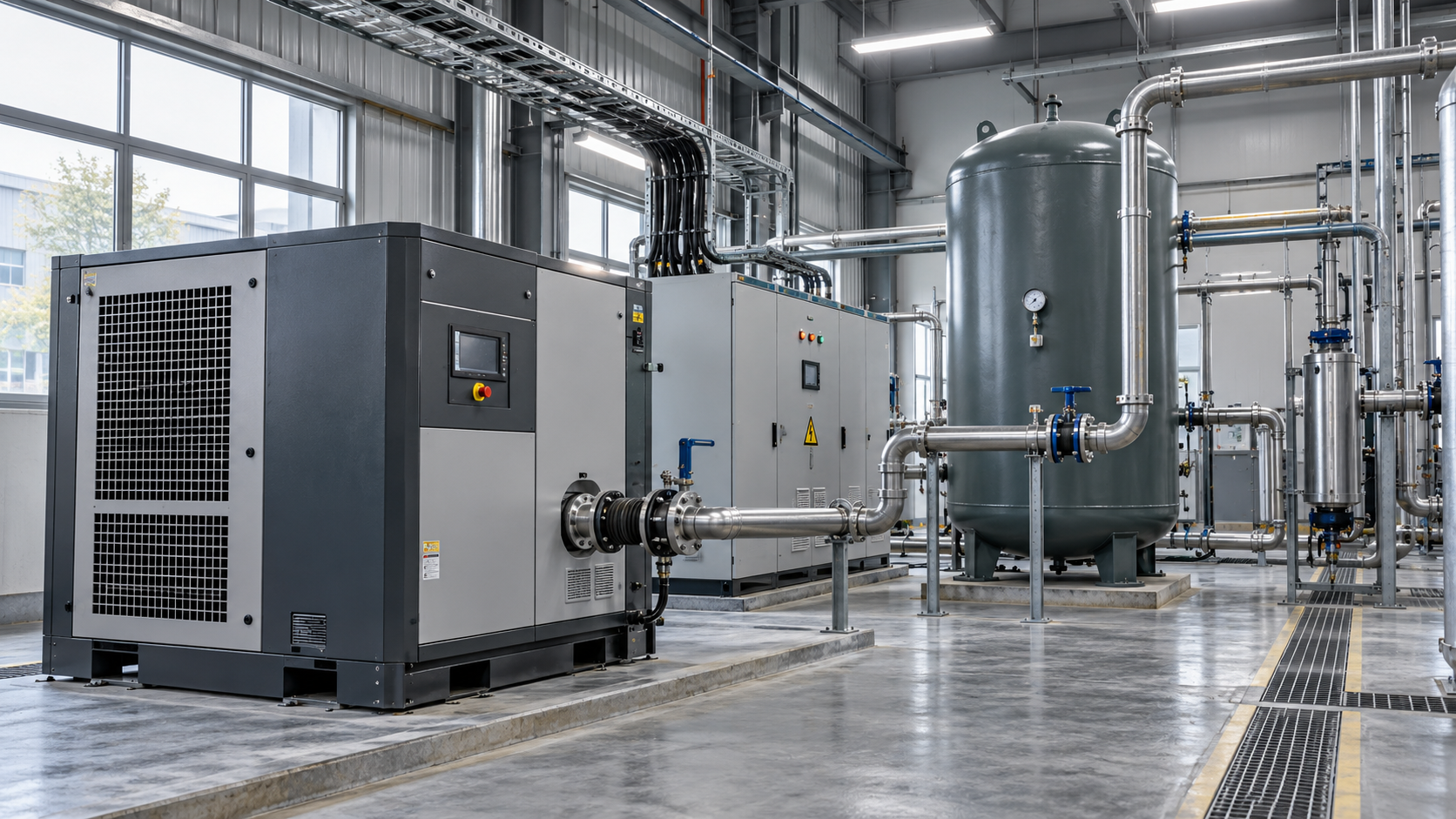
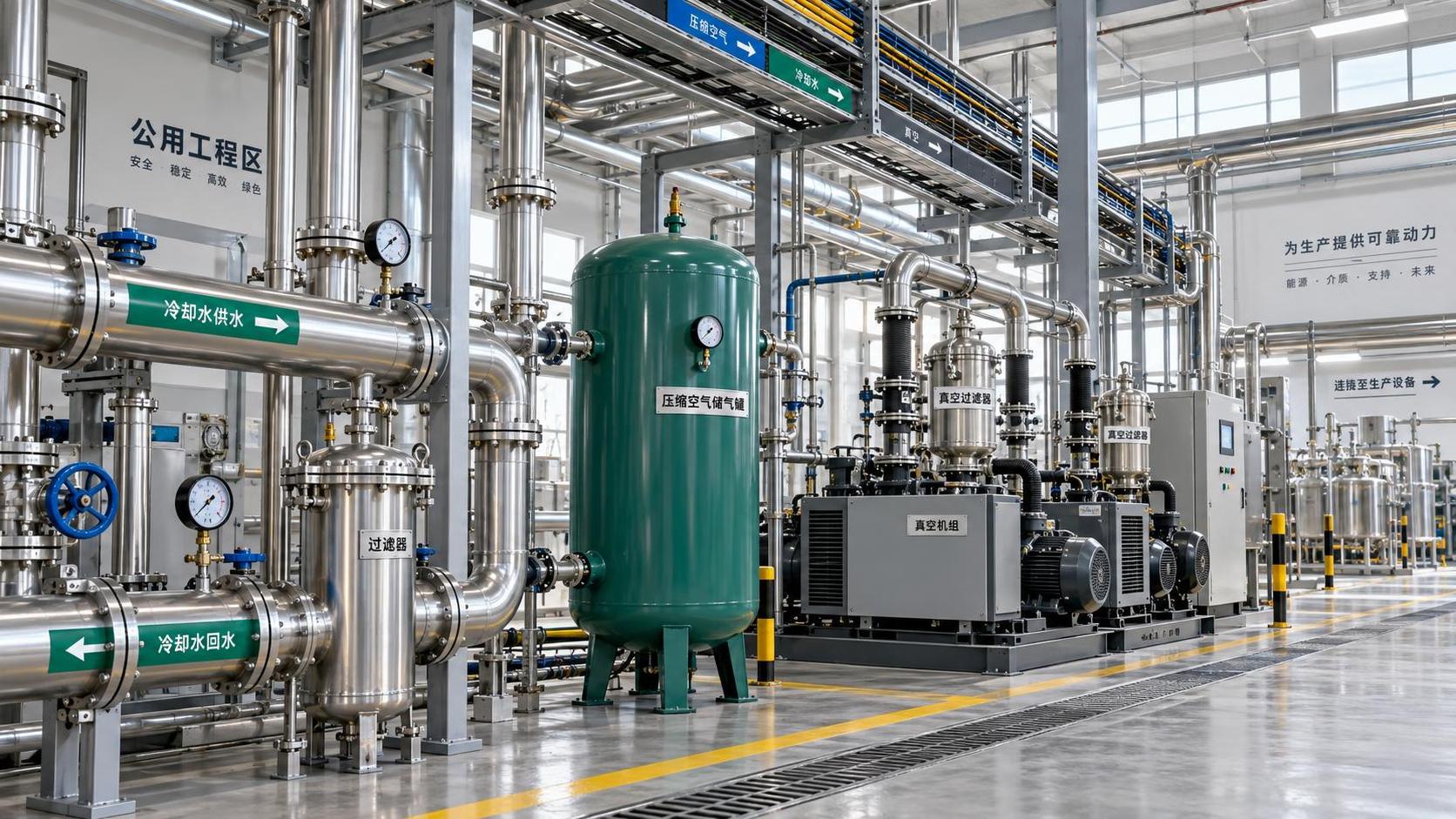
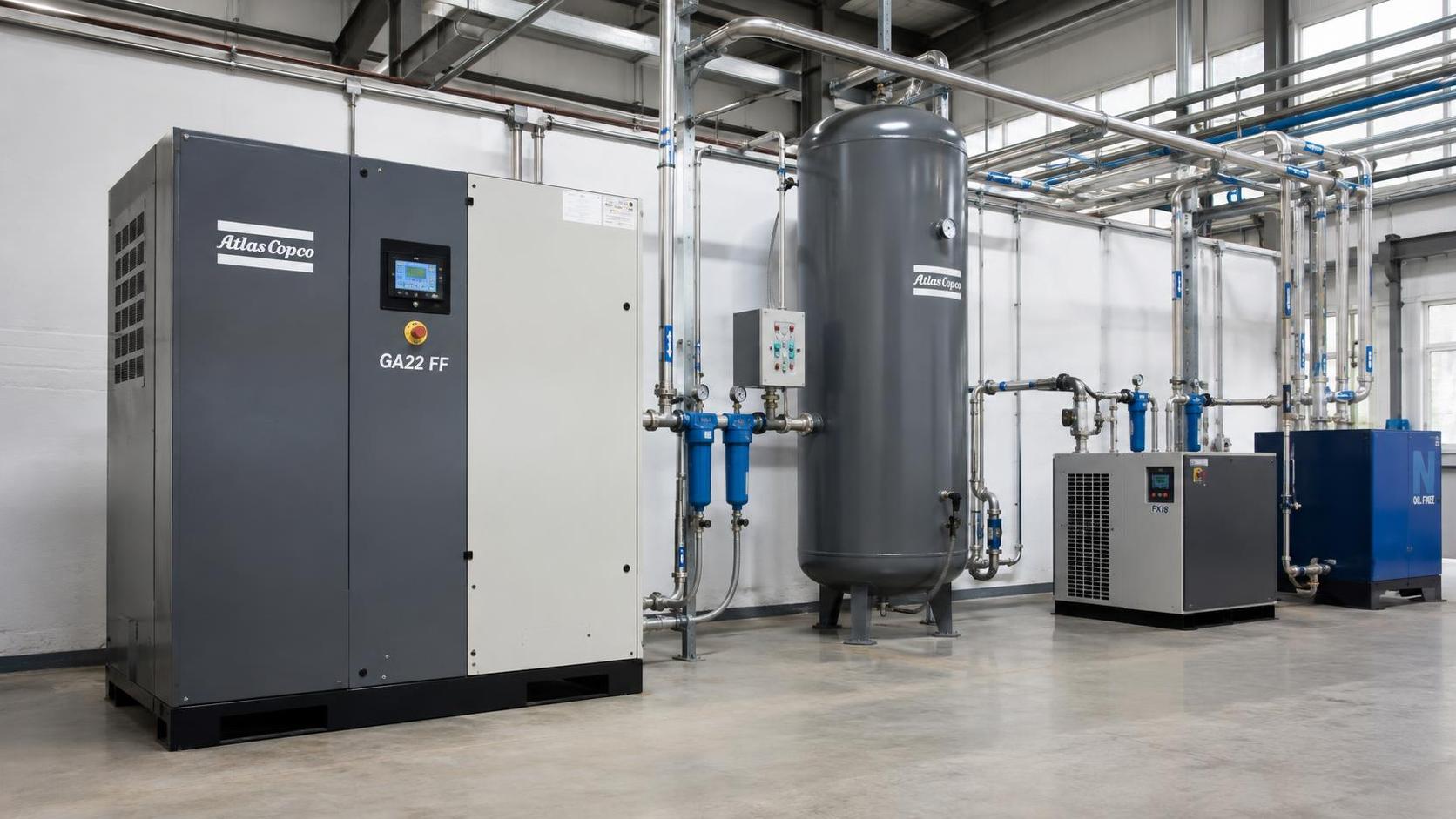
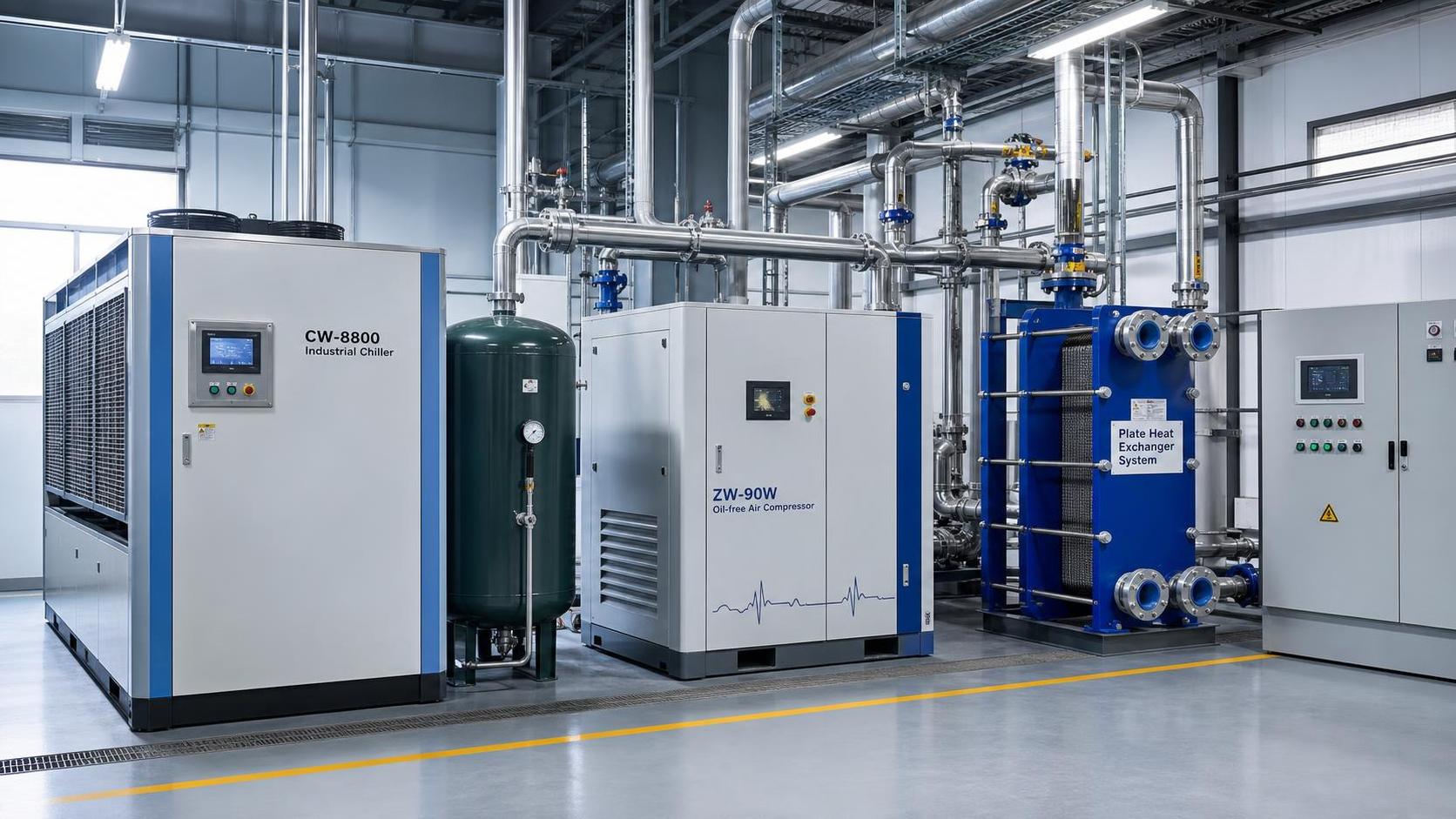
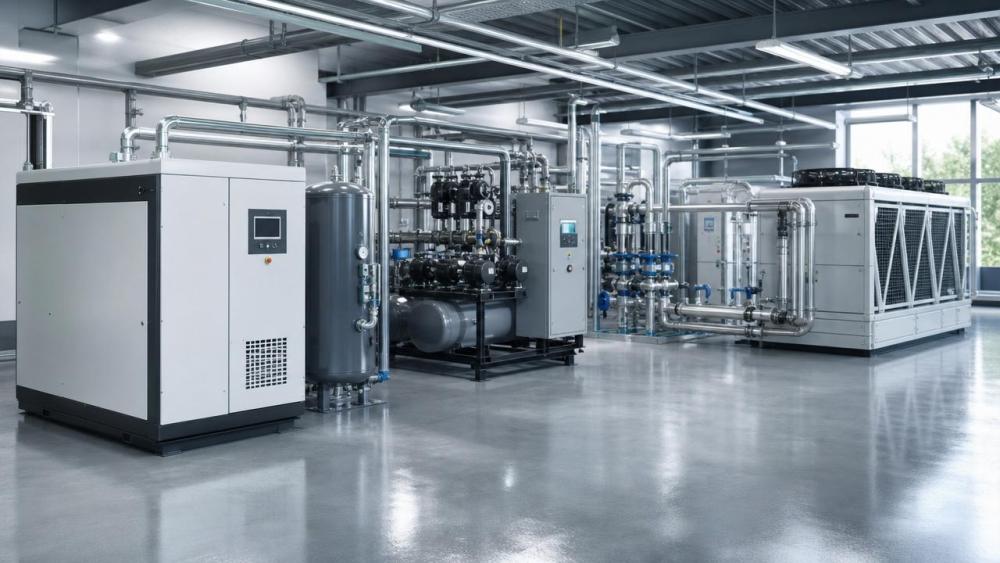
In industrial settings, pure power sources usually refer to power and utility systems that deliver clean, stable, and process-safe output. Depending on the application, that may mean oil-free compressed air, clean vacuum, tightly controlled cooling, or energy systems with low contamination risk.
The common thread is process protection. When a production environment depends on purity, even small fluctuations can create product loss, downtime, rework, or audit problems.
This is especially visible in pharmaceuticals, semiconductors, food processing, precision manufacturing, and advanced packaging. In these sectors, utility quality is not just an engineering issue. It directly affects supply continuity, quality consistency, and total operating cost.
That broader industrial context is why platforms such as GTC-Matrix track oil-free compression, heat exchange efficiency, vacuum processes, and cooling system trends together. Pure power sources do not operate as isolated assets. They sit inside a larger thermodynamic and production system.
A practical way to define value
The most useful comparison starts with three questions. Can the system hold stable performance under changing load? How much energy does it consume across normal operation? What will it really cost across its usable life?
These questions sound straightforward, yet many sourcing decisions still overemphasize capital expenditure. That approach can miss the hidden cost drivers that shape long-term ROI.
Stability is more than uptime
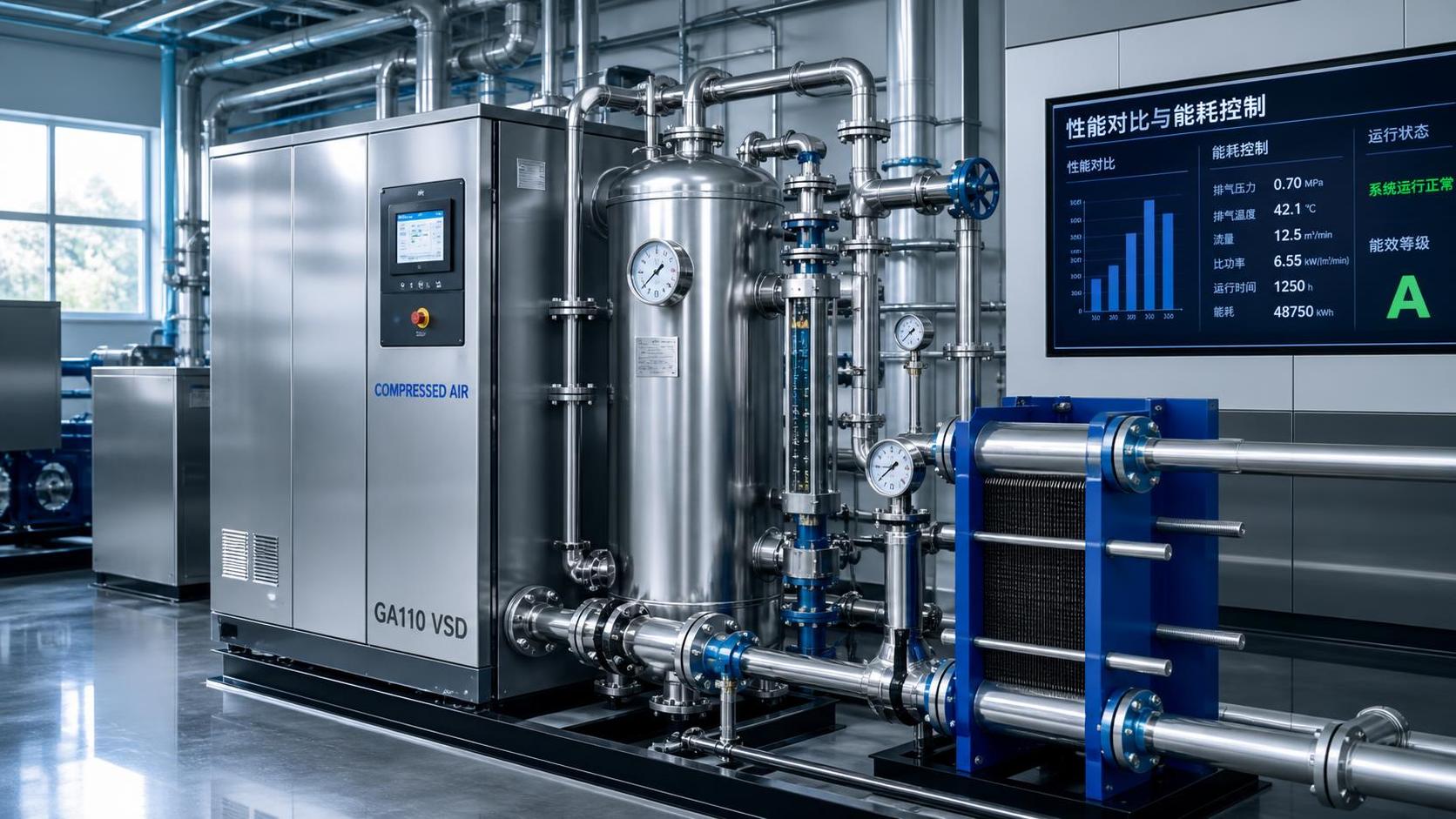
For pure power sources, stability includes pressure control, temperature consistency, flow continuity, dew point performance, vibration behavior, and resistance to contamination events. A system can be technically running while still creating process risk.
Load swings matter here. A source that performs well at full load may become inefficient or unstable at partial load, which is often where real facilities spend much of their operating time.
Efficiency must be measured in context
Energy efficiency should be linked to actual duty cycles, ambient conditions, maintenance state, and system integration. Nameplate efficiency alone says very little about annual consumption.
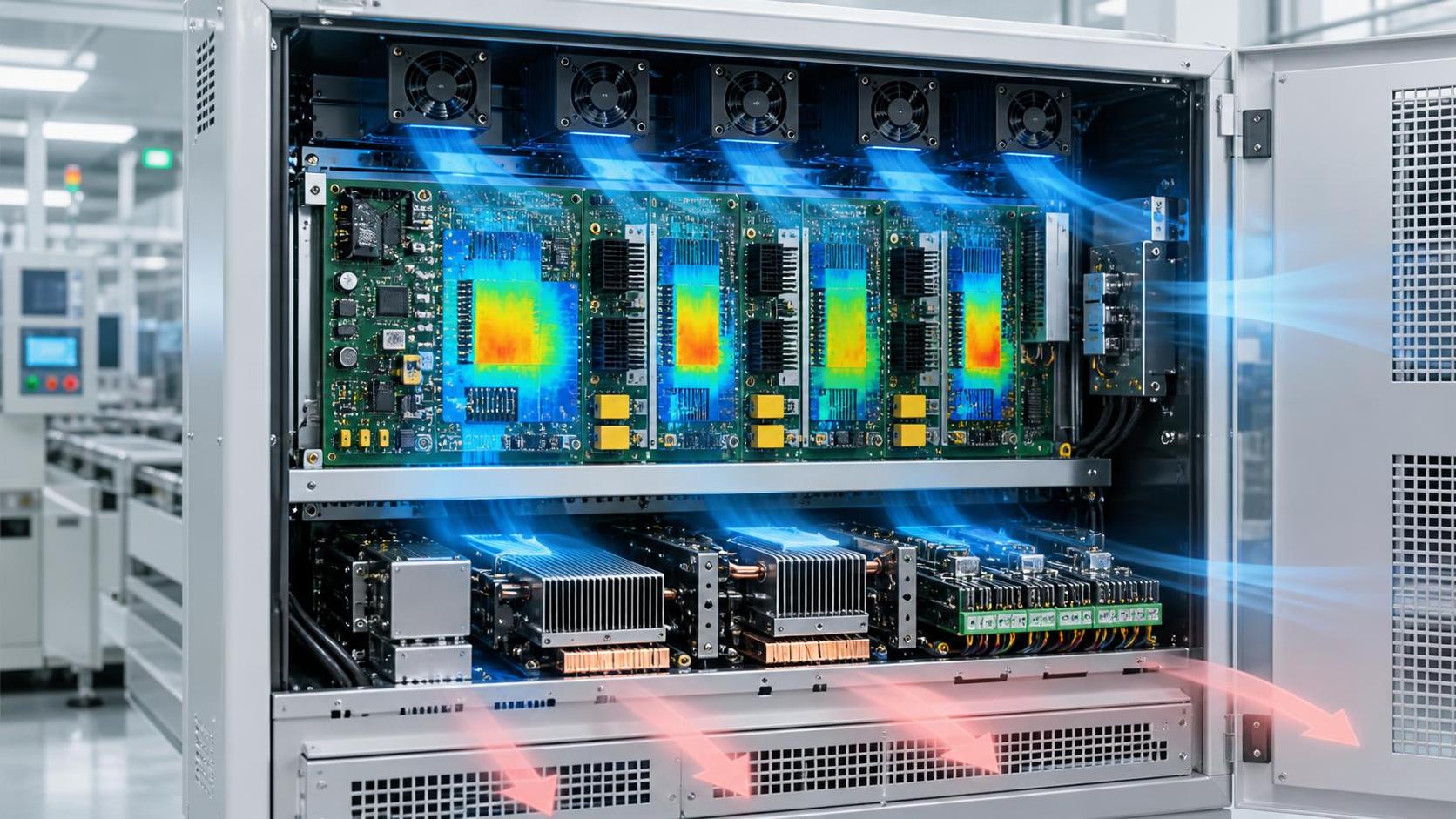
In compressed air and thermal systems, poor controls, heat losses, oversized capacity, and leakage can erase the advantage of premium equipment. The best pure power sources are efficient not only by design, but within the operating environment.
Lifecycle cost reveals the real winner
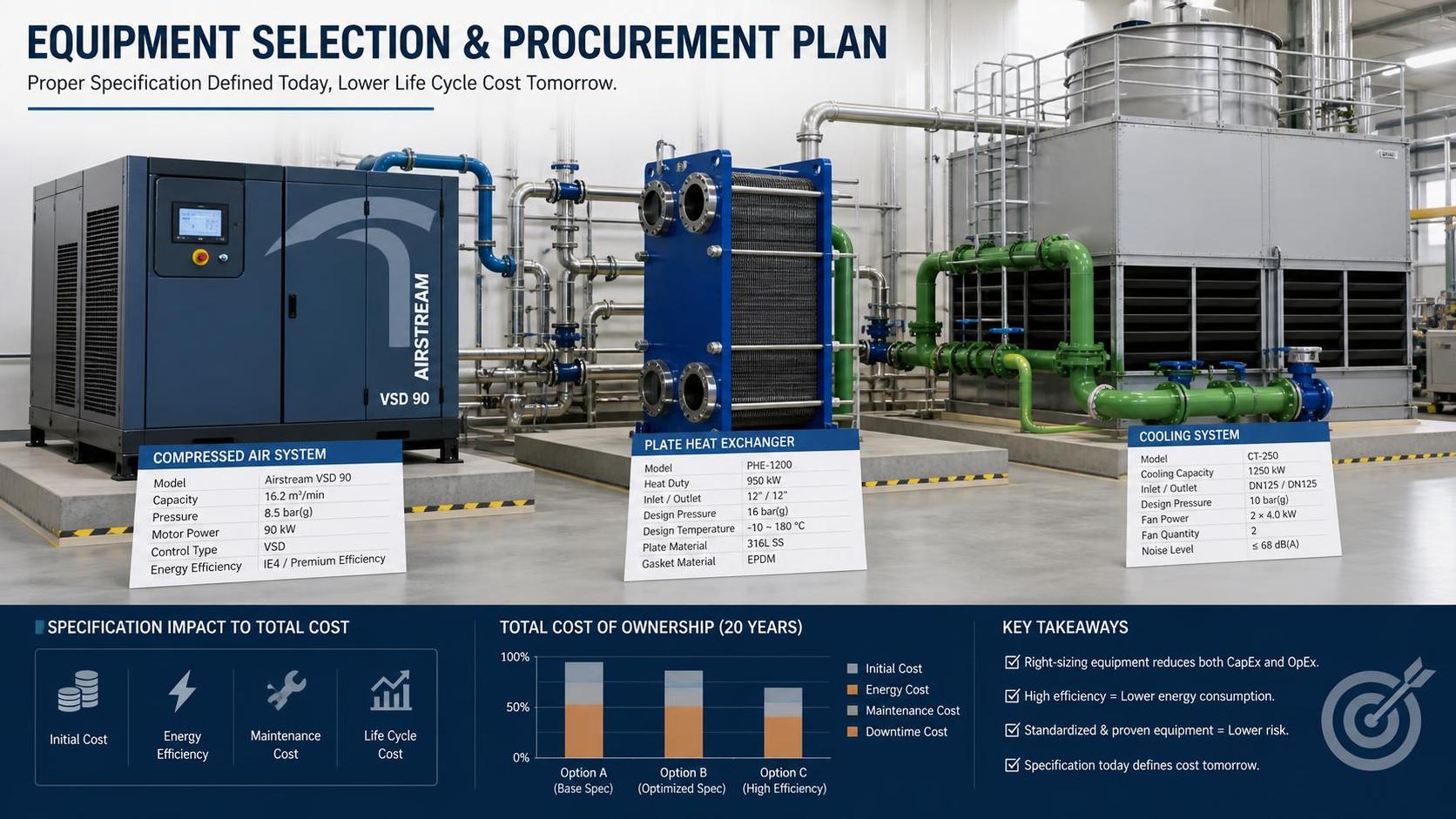
Lifecycle cost includes acquisition, installation, energy, service, consumables, spares, compliance, downtime exposure, and end-of-life replacement. For high-usage utility systems, energy and maintenance often outweigh purchase price within a few years.
Where comparison becomes more complex
Pure power sources are purchased for very different reasons across facilities. Some sites need contamination-free air. Others need precise thermal control. Some are driven by carbon goals, while others are managing regulatory pressure or process upgrades.
That is why a universal checklist rarely works. The comparison framework should reflect the specific risk profile of the application.
A useful observation from recent market analysis is that demand for pure power sources is increasingly tied to process precision. In other words, cleaner output and better thermal behavior are now commercial requirements, not niche upgrades.
How to compare stability, efficiency, and cost without oversimplifying
A disciplined comparison usually works better than chasing a single headline metric. Several checkpoints tend to reveal whether one option is genuinely stronger than another.
- Review performance data at full load and partial load, not only nominal conditions.
- Check how the system responds to ambient temperature changes and production swings.
- Estimate annual energy use with local utility prices rather than generic assumptions.
- Map maintenance needs, spare part availability, and service skill requirements.
- Assess contamination risk, especially where oil carryover, moisture, or thermal drift can affect product quality.
- Include installation details such as footprint, piping changes, controls integration, and heat recovery options.
This kind of comparison often changes the shortlist. A lower-priced unit may become less attractive once extra filtration, more frequent service, or unstable part-load behavior is included.
By contrast, some higher-spec pure power sources justify their position through reduced losses, better quality assurance, and fewer process interruptions. The value comes from predictable operation, not from specification inflation.
Signals that deserve extra weight in current markets
Several external factors are changing how pure power sources should be evaluated. Energy cost volatility remains one of the strongest. A system with modest efficiency gains can produce a significant savings gap when electricity prices rise.
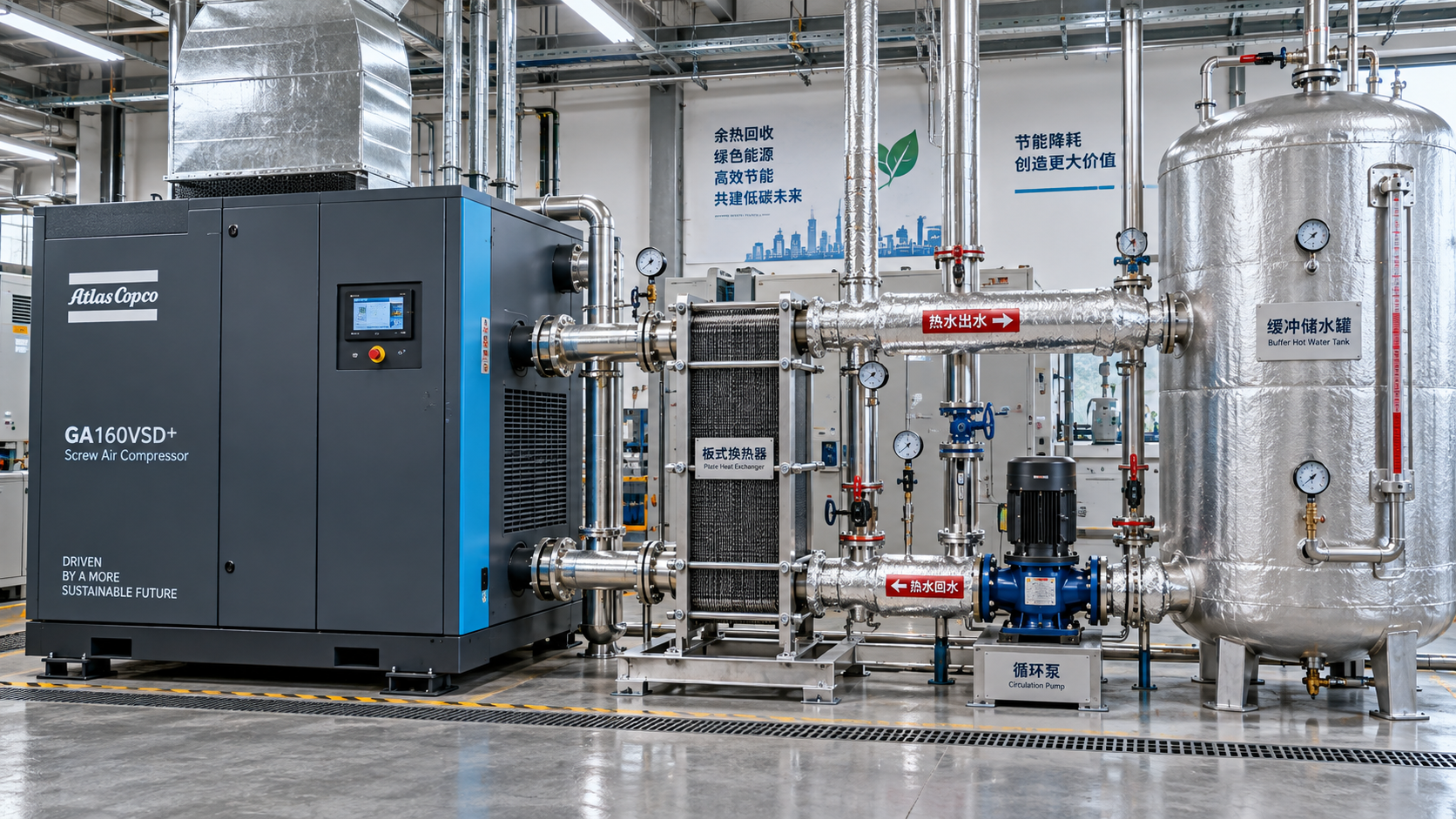
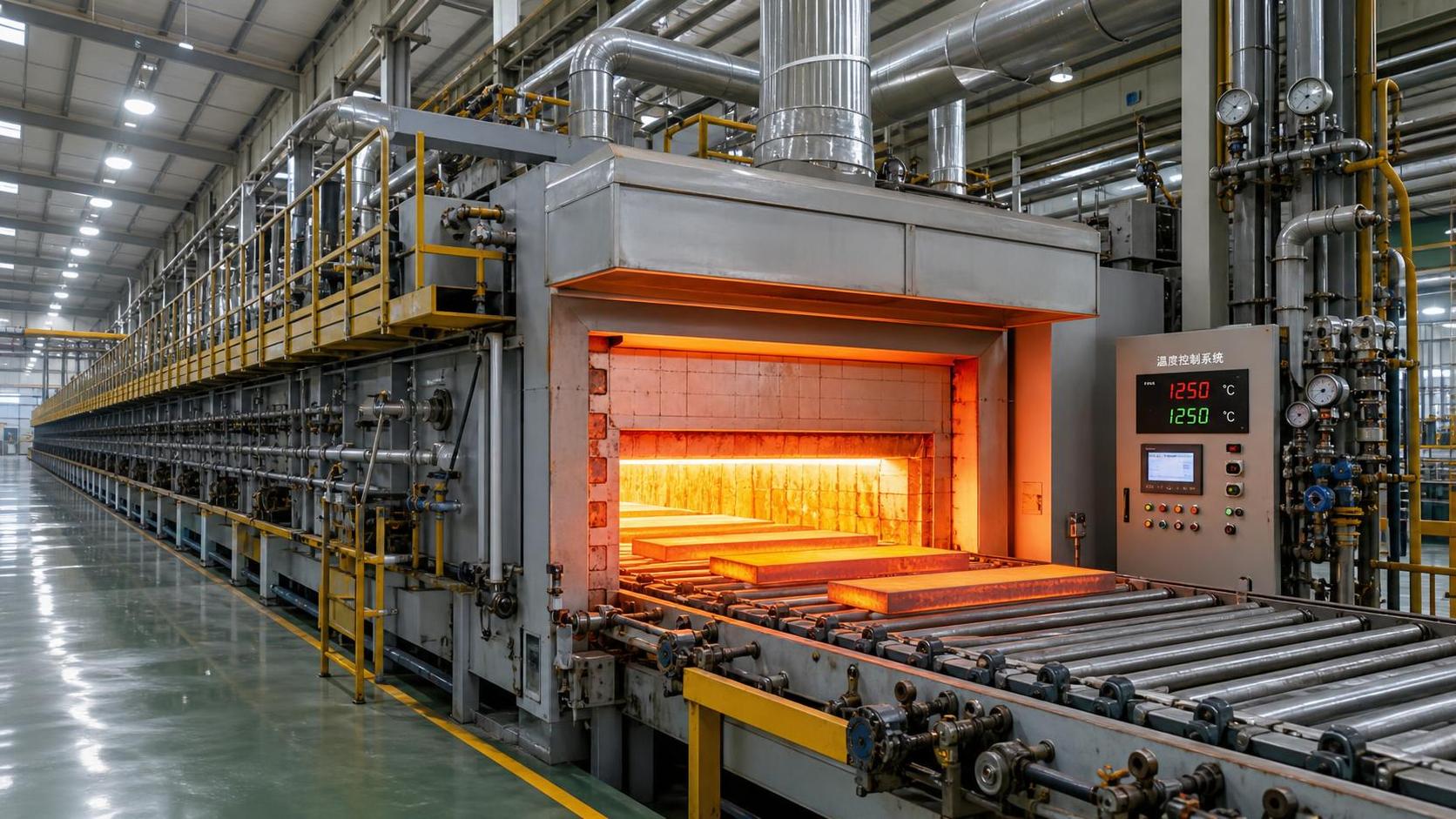
Policy pressure also matters. Refrigerant rules, emissions expectations, and decarbonization targets influence equipment choices well beyond the HVAC boundary. Compression, heat exchange, and thermal recovery are being judged more as part of a site’s energy transition pathway.
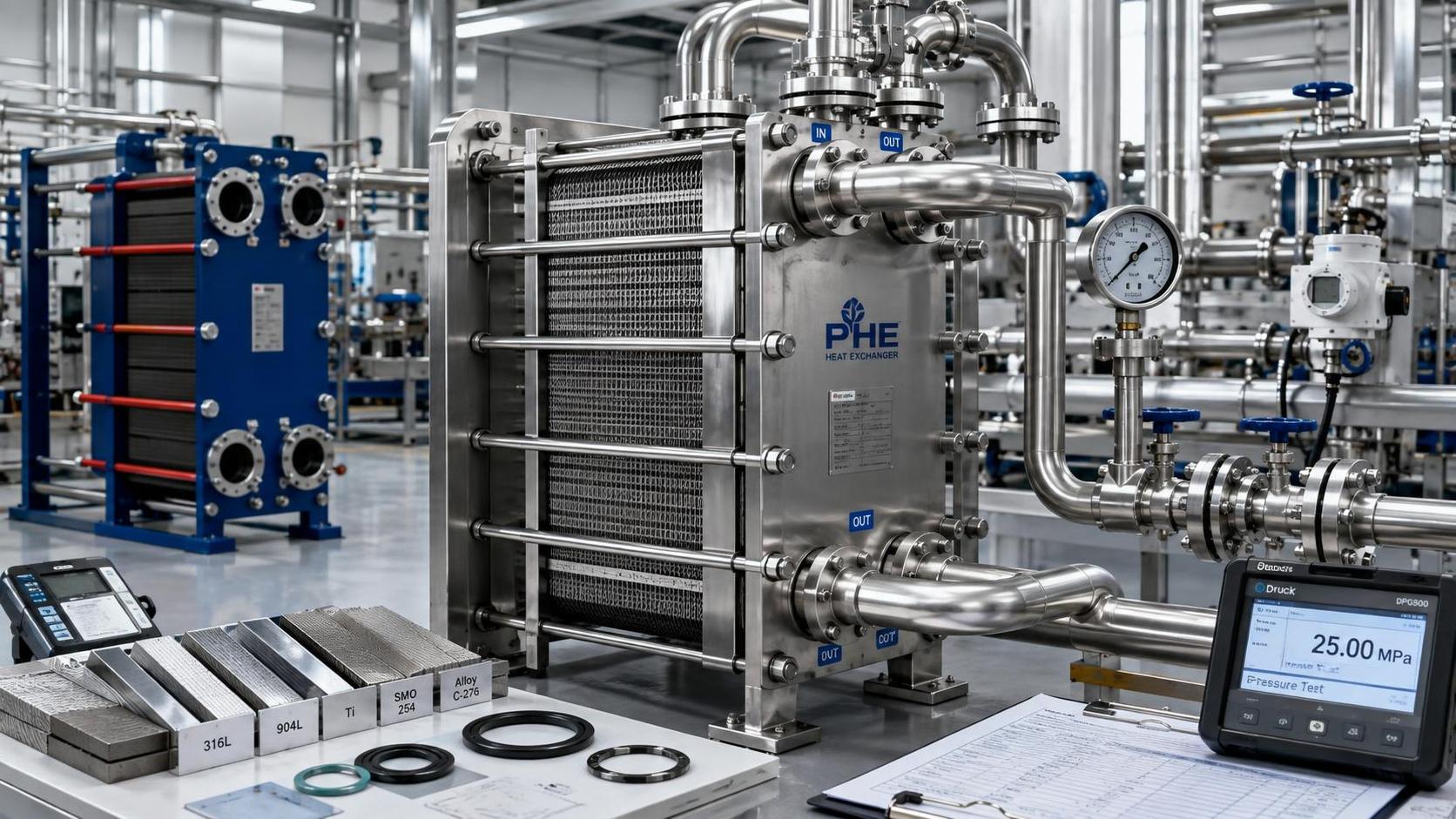
Technology shifts are equally important. Oil-free compression, microchannel heat exchangers, advanced controls, and low-emission thermal systems are improving the economics of clean utility infrastructure. That does not make every new platform the right choice, but it does change the baseline for comparison.
This is where intelligence-led screening becomes useful. GTC-Matrix frames market news, technology evolution, and commercial demand together, which helps connect equipment decisions to broader energy and production realities.
What a sound shortlist usually looks like
The strongest shortlist is not the one with the most premium specifications. It is the one where pure power sources match process sensitivity, utility load profile, and expected operating horizon.
In practical terms, that means comparing each option against a clear baseline.
Useful baseline questions
- What happens to output quality if stability drifts for one hour?
- How much of annual cost comes from electricity rather than equipment price?
- Which failure mode creates the greatest operational or compliance exposure?
- Can the system scale with future demand, stricter purity needs, or carbon targets?
- Does the supplier support performance verification after commissioning?
These questions keep the evaluation grounded. They also help distinguish between a technically adequate option and one that remains economically sound under real operating pressure.
Turning comparison into the next decision
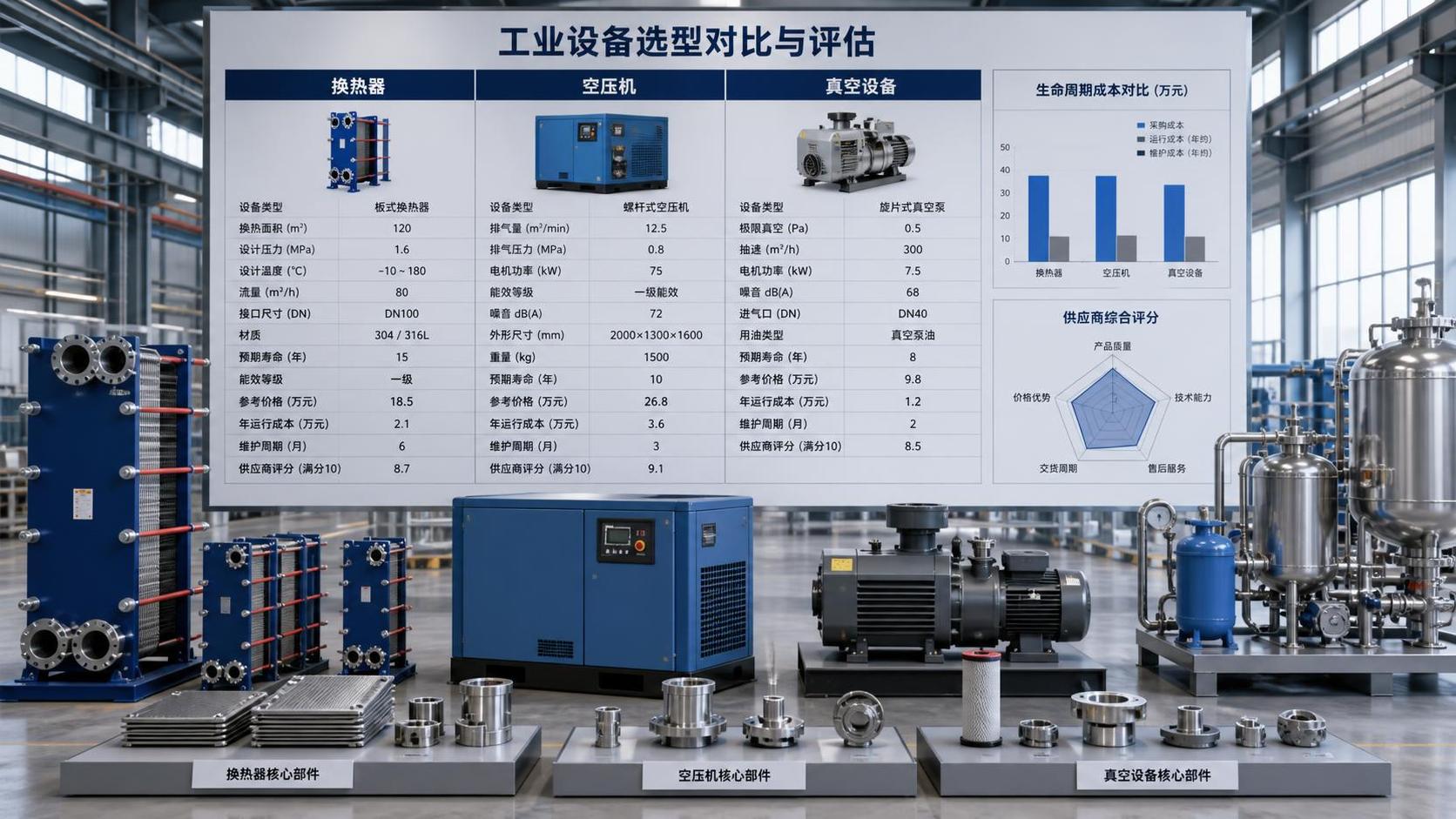
The most effective next step is to build a simple comparison matrix using site data, not brochure claims. Rank pure power sources against stability under load, annual energy demand, maintenance burden, contamination risk, and projected lifecycle cost.
Where uncertainty remains, ask for application-specific performance evidence, not only standard test values. In many cases, the better decision emerges when operational data, thermal logic, and commercial risk are reviewed together.
Pure power sources create the most value when they protect process integrity while keeping long-term energy and service costs under control. That is the comparison worth making before any final commitment.
Ready when you are. Send us a message to get started.
Related News
- How to select industrial equipment for automation with existing PLCsAuthor :

- How electricity prices shape industrial compressed air price trendsAuthor :

- Choosing air filtration systems for heavy dust in the Middle EastAuthor :

- How much does a fully installed compressed air monitoring system cost?Author :

- What documentation supports CE marking for industrial equipment?Author :

- How local support affects vacuum system costs in Southeast AsiaAuthor :

- How worldwide industry category guides help compare market opportunitiesAuthor :

- What drives sustainable thermal systems cost over their operating life?Author :

- Which industrial solution comparison criteria prevent project delays?Author :

- How Ambient Temperature and Load Profile Affect Industrial Compressor SizingAuthor :

- What to evaluate before choosing a thermal process engineering supplierAuthor :

- How industrial utility systems affect energy costs in process plantsAuthor :

- What Data Is Needed to Assess Heat Recovery Decarbonization?Author :

- Can Waste Heat Recovery Support Carbon Neutrality Targets?Author :

- Is Compressor Heat Recovery Worth the Installation Cost?Author :

- What to verify before choosing a process separation technology supplierAuthor :

- When does process utilities engineering reduce project rework?Author :

- Where thermal efficiency optimization delivers the fastest savings in EuropeAuthor :

- What should you verify before selecting a heat transfer supplier?Author :

- What drives compressed air systems price for industrial projects?Author :

- How an industrial product knowledge comparison guide reduces sourcing riskAuthor :

- When does a procurement specification planning process reduce bid risk?Author :

- When does thermal system optimization for electronics reduce failure risk?Author :

- When high temperature process heating systems justify the higher energy costAuthor :

- How to compare sludge dewatering equipment by cake drynessAuthor :

- What to Check Before Sourcing a Gas Turbine for Distributed Power ProjectsAuthor :

- What drives industrial thermal systems price in large facility projectsAuthor :

- How to build an industrial product comparison chart that speeds up vendor selectionAuthor :

- Vacuum Technology Application Guide for Selecting the Right SystemAuthor :

- What Drives Vacuum Drying Cost in Industrial Procurement?Author :

- What Drives Compressed Air Pricing in Industrial Systems?Author :

- How Procurement Specification Planning Shapes Total Project CostAuthor :

- Compression Technology Guide: How to Compare Efficiency, Pressure Range, and Maintenance NeedsAuthor :

- How to Compare Industrial Separators by Throughput, Purity, and Maintenance LoadAuthor :

- How to Size a Compressed Air Equipment Receiver Tank for Stable PressureAuthor :

- Industrial Equipment Selection Guide: How to Compare Capacity, Duty Cycle, and Operating CostAuthor :