How Global Energy Costs Are Reshaping Plant Utility Budgets in 2026




In 2026, plant utility budgets sit much closer to the center of strategy than they did a few years ago. Global energy costs now influence not only monthly overhead, but also maintenance timing, production planning, equipment choices, and capital discipline.
That shift matters because utilities are no longer a narrow technical line item. Electricity, gas, steam, cooling, compressed air, and thermal recovery are increasingly tied to margin stability, emissions exposure, and supply chain reliability.
For industrial operations, the pressure is uneven but persistent. Some sites face volatile tariffs. Others face fuel risk, refrigerant policy changes, or rising demand for precise temperature control in energy-intensive processes.
The result is a new budgeting reality: utility planning must connect engineering facts with financial decisions. That is exactly where market intelligence on cooling, compression, vacuum, and heat exchange becomes more valuable.
Why utility budgets are being rewritten
The most important change is that global energy costs are arriving through multiple channels at once. Power prices may move differently from gas prices, while water stress, refrigerant compliance, and carbon rules add indirect cost pressure.
A plant that once budgeted utilities by historical averages now needs a more dynamic model. Fixed assumptions break quickly when tariffs change, peak demand charges rise, or thermal loads shift with product mix.
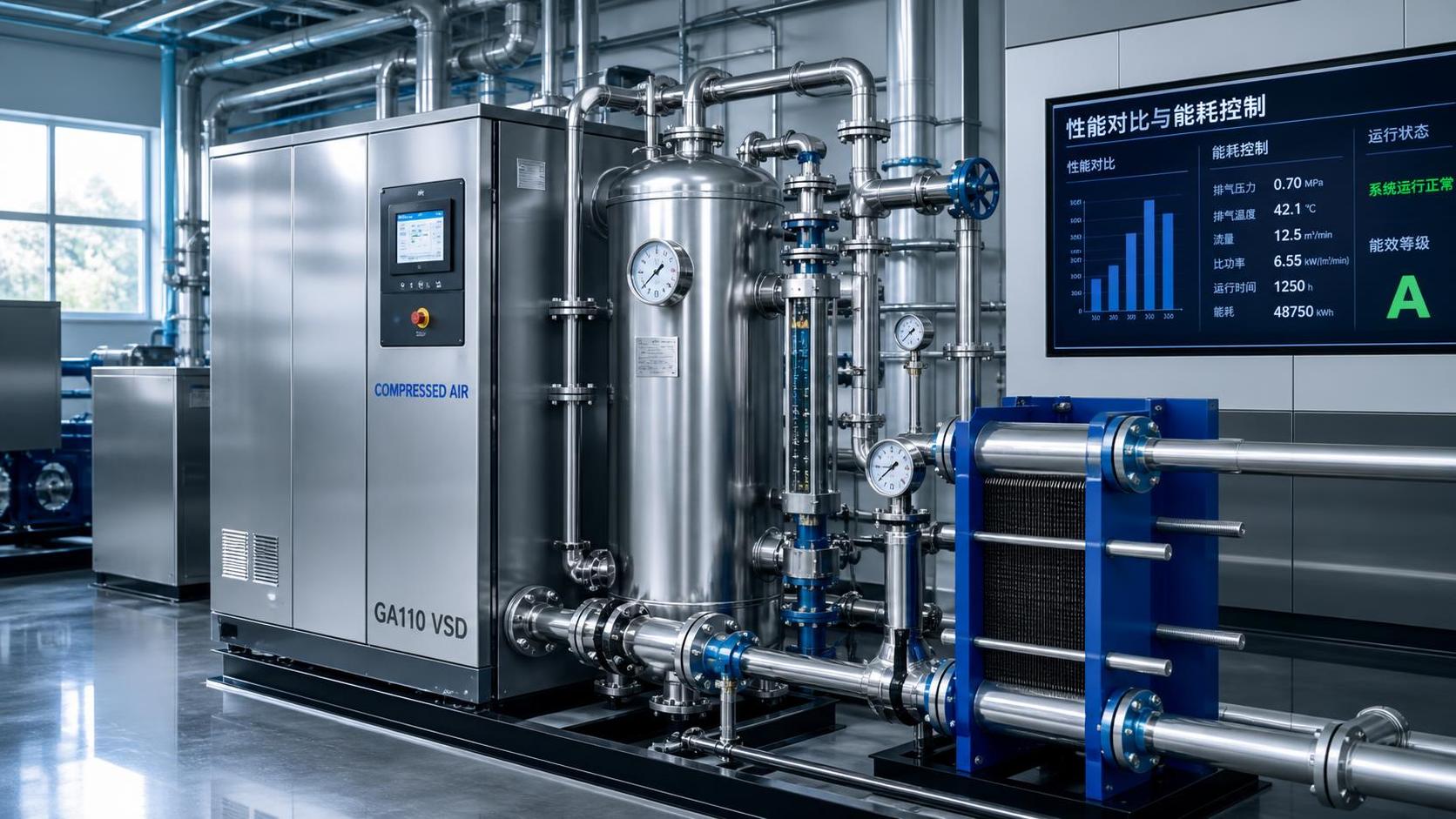
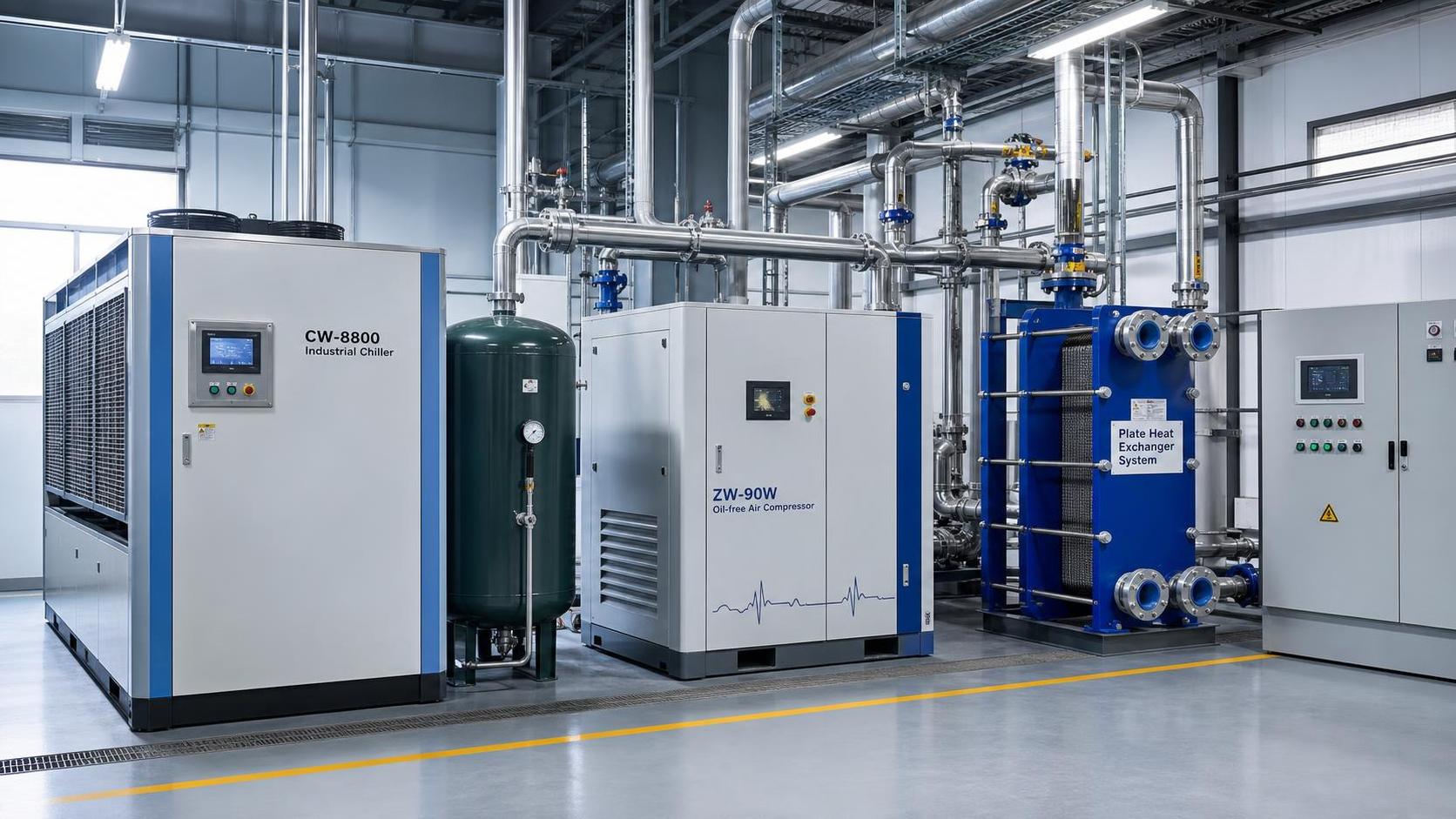
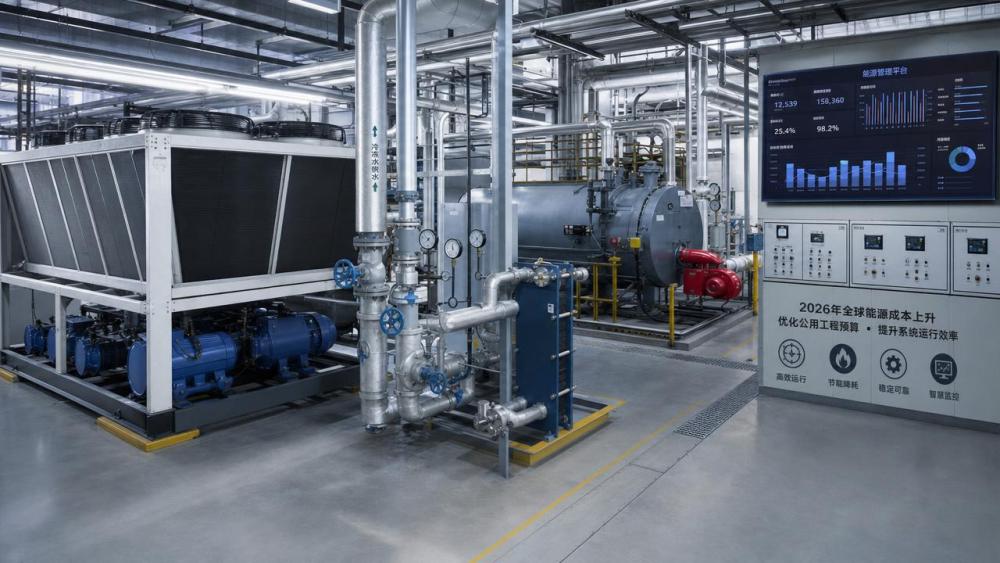
This is especially visible in systems that many sites treat as background infrastructure. Chillers, compressors, boilers, vacuum units, and heat exchangers often consume more value than their visibility suggests.
From a business standpoint, global energy costs are reshaping the budget in three ways: higher direct expenditure, wider planning uncertainty, and stronger pressure to justify every utility-related investment.
What counts inside a modern plant utility budget
A utility budget is broader than electricity and fuel. In 2026, it should be read as the cost of keeping thermal and power support systems stable, compliant, and efficient under changing operating conditions.
Core spending categories
The key point is that global energy costs magnify hidden inefficiencies. A leak, poor heat transfer surface, or oversized compressor matters far more when every kilowatt and every thermal unit is priced under scrutiny.
Where the pressure shows up first
Not every production area feels energy inflation in the same way. The earliest warning signs usually appear in utility-intensive processes where stability requirements are strict and operating hours are high.
High-sensitivity environments
Pharmaceutical and semiconductor operations often rely on tight thermal control, clean compressed air, and uninterrupted vacuum performance. Here, global energy costs affect both economics and process yield.
Food processing sees similar pressure, though through a different lens. Refrigeration loads, sanitation cycles, and seasonal throughput can make utility spend swing faster than traditional annual budgets expect.
Heavy industrial sites feel the issue through boilers, process heat, and large motor systems. Even modest efficiency losses scale rapidly when energy input is high and uptime targets are non-negotiable.
Systems that deserve a second look
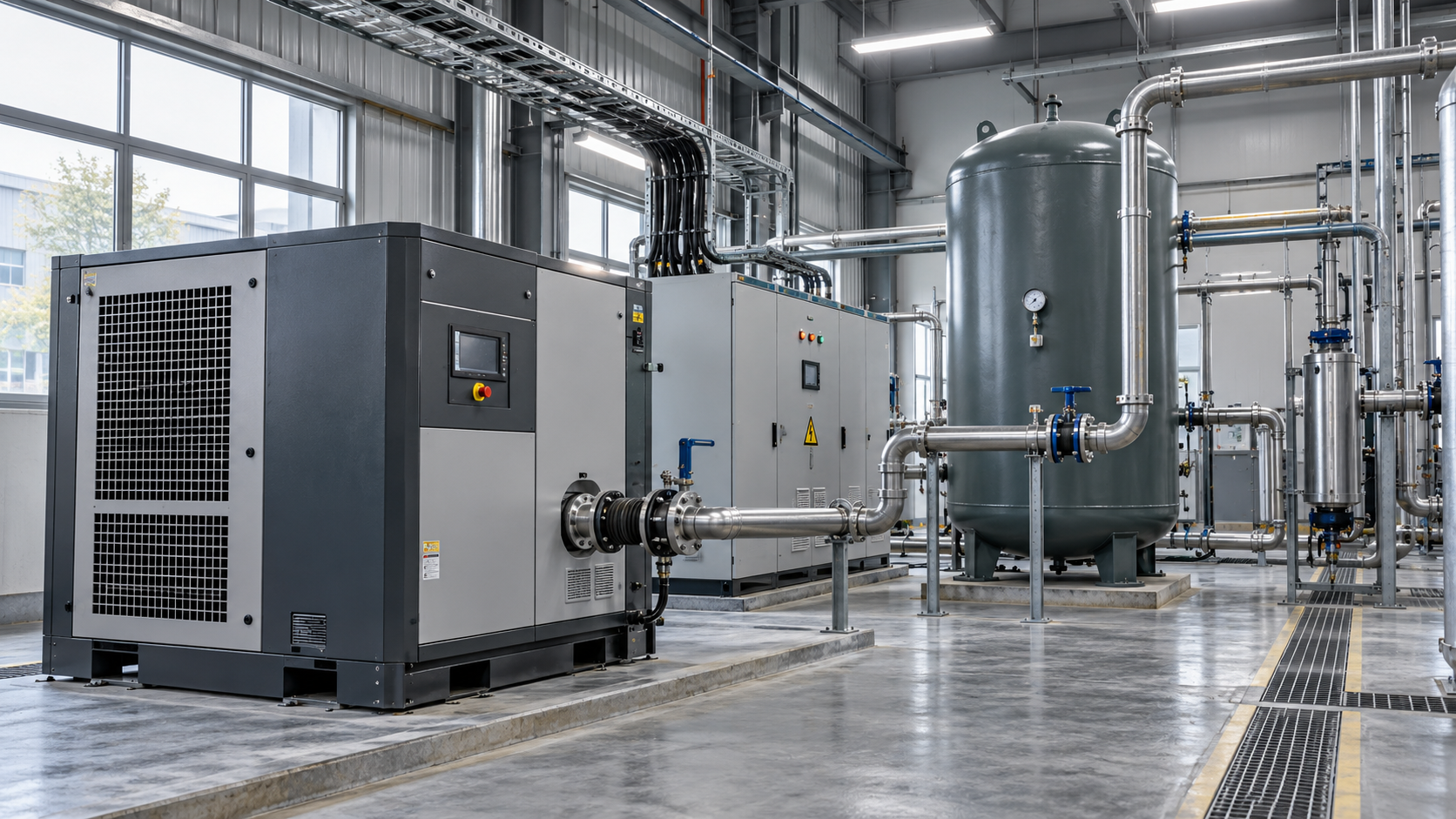
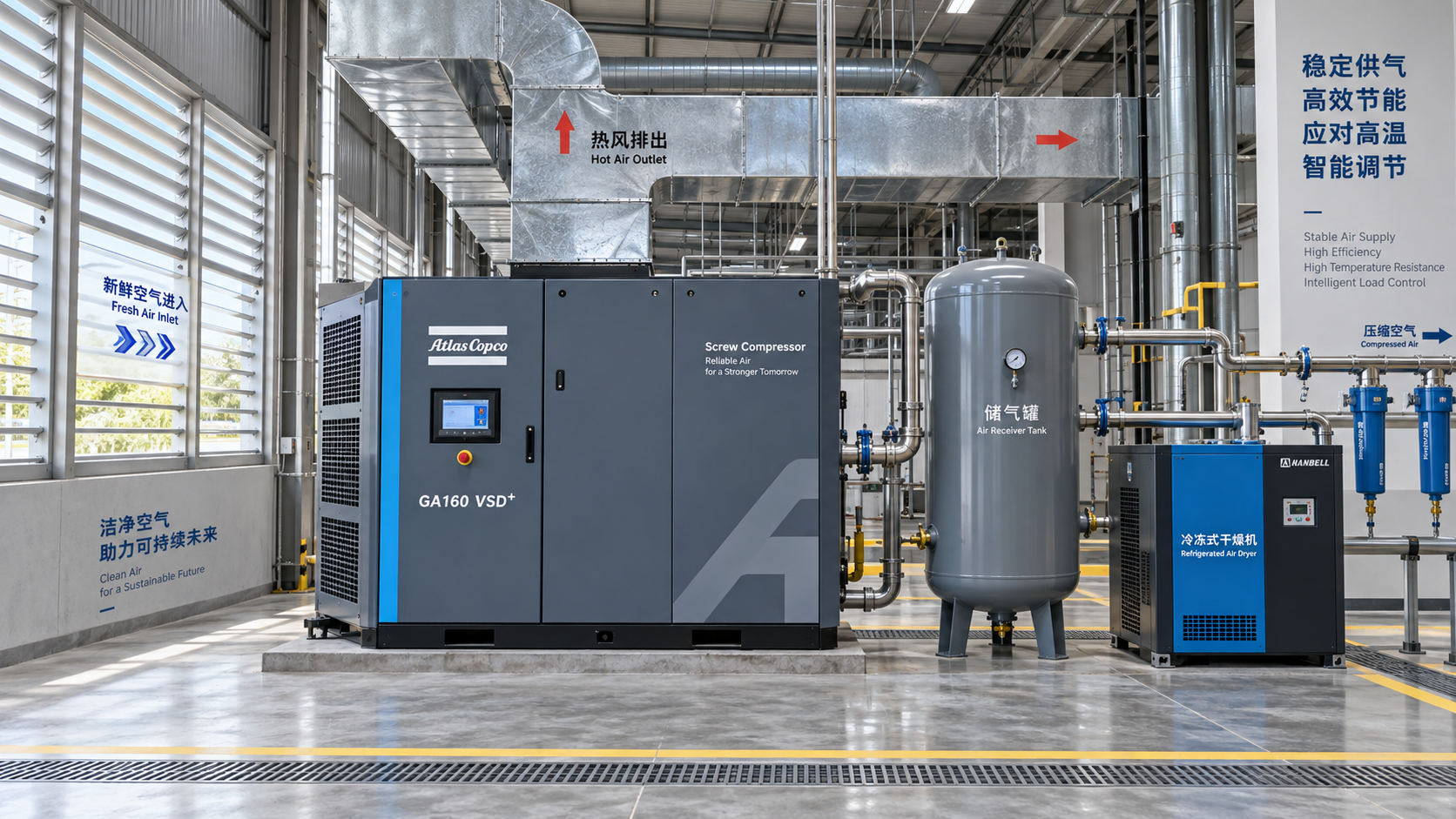
- Compressed air networks with recurring leakage or unstable pressure bands
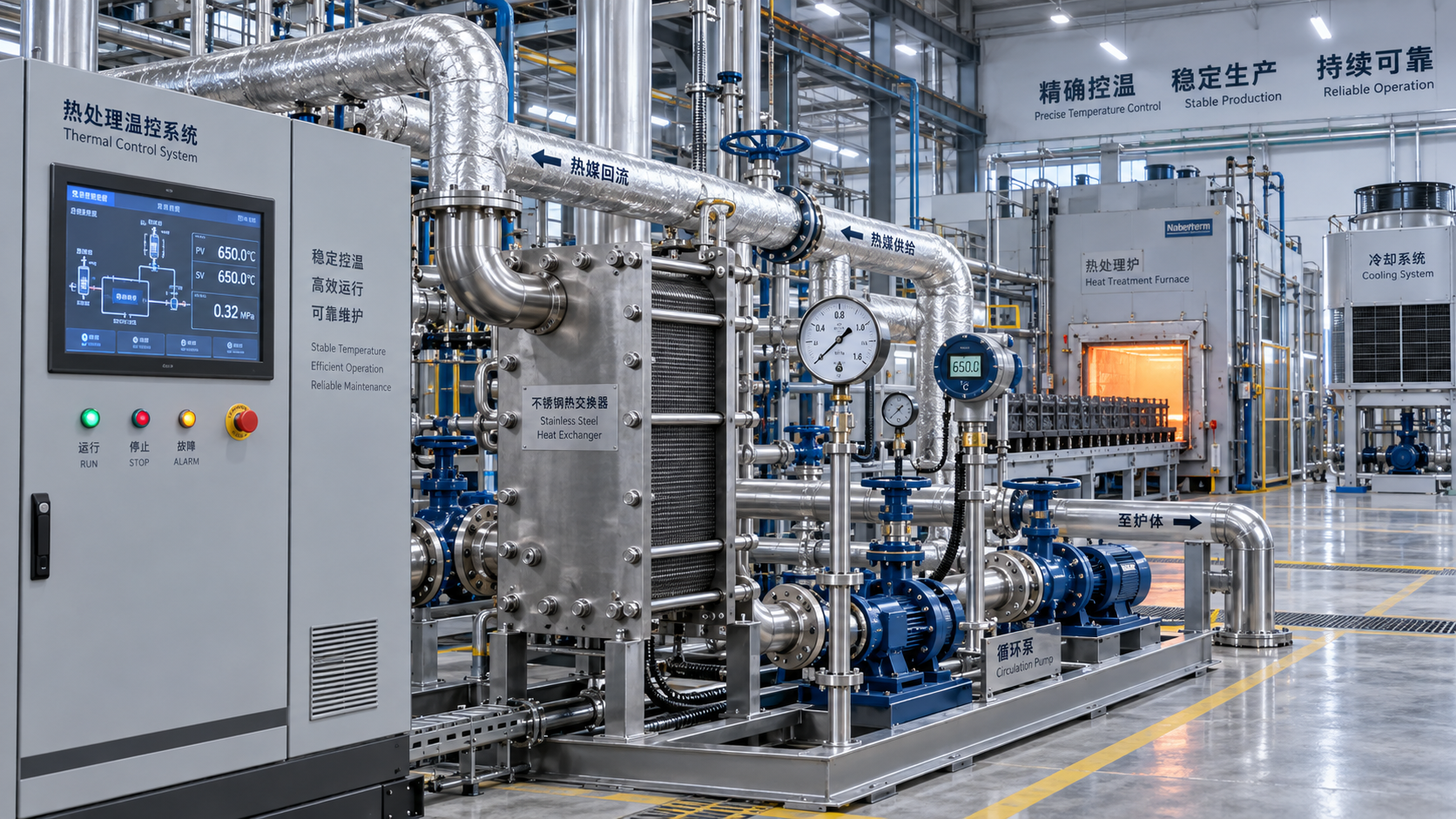
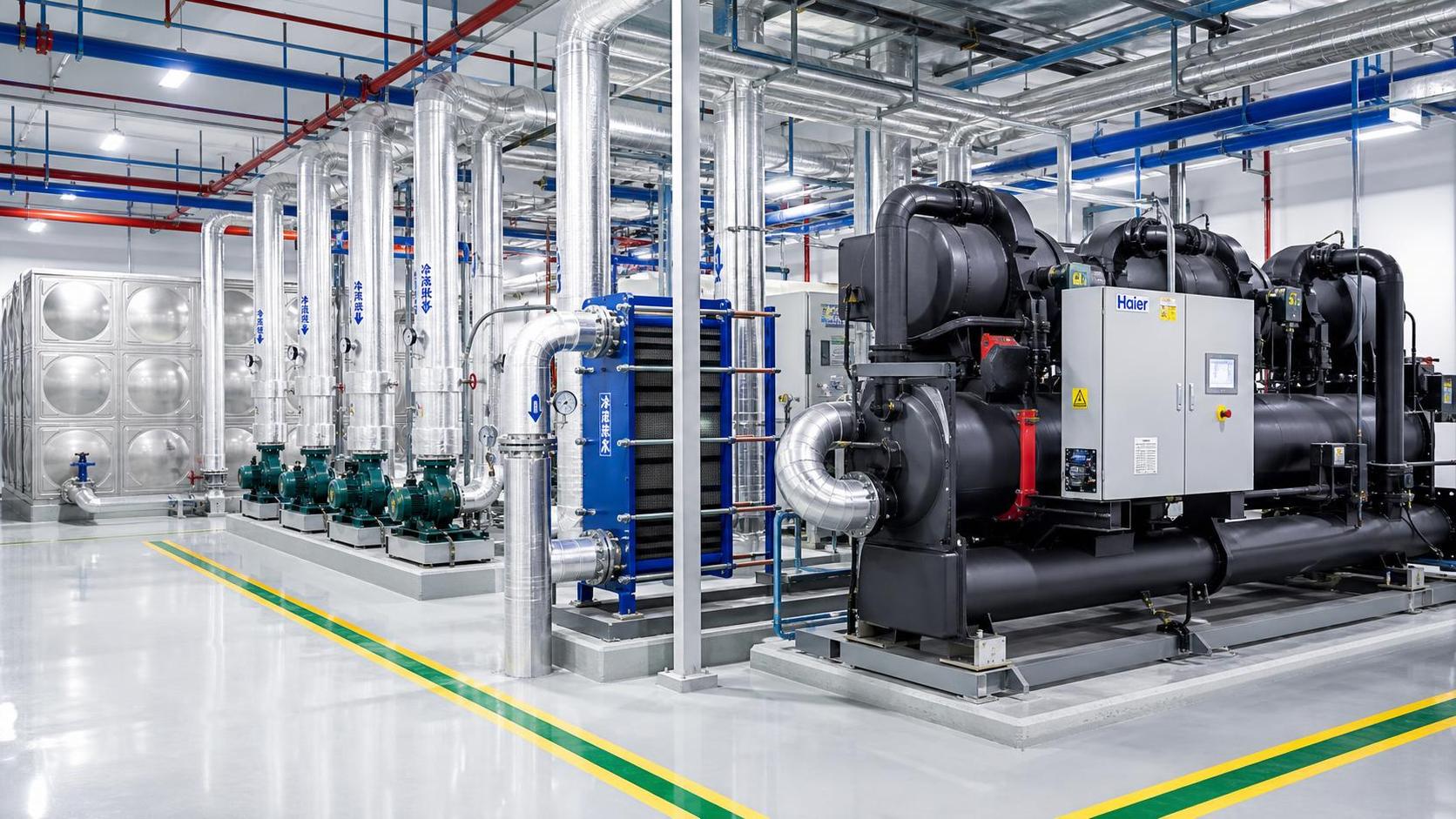
- Cooling loops using outdated heat exchanger designs or poor controls
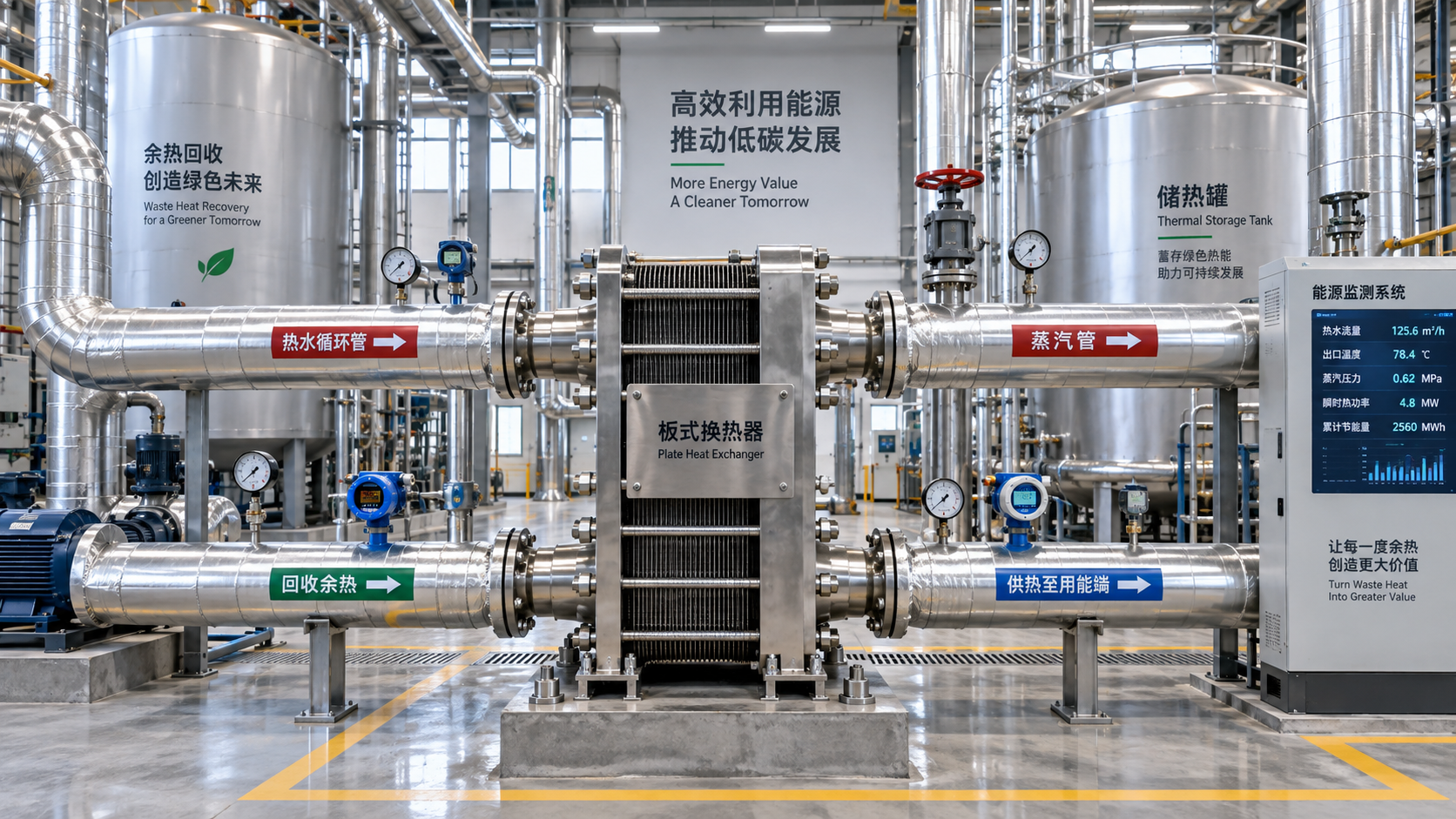
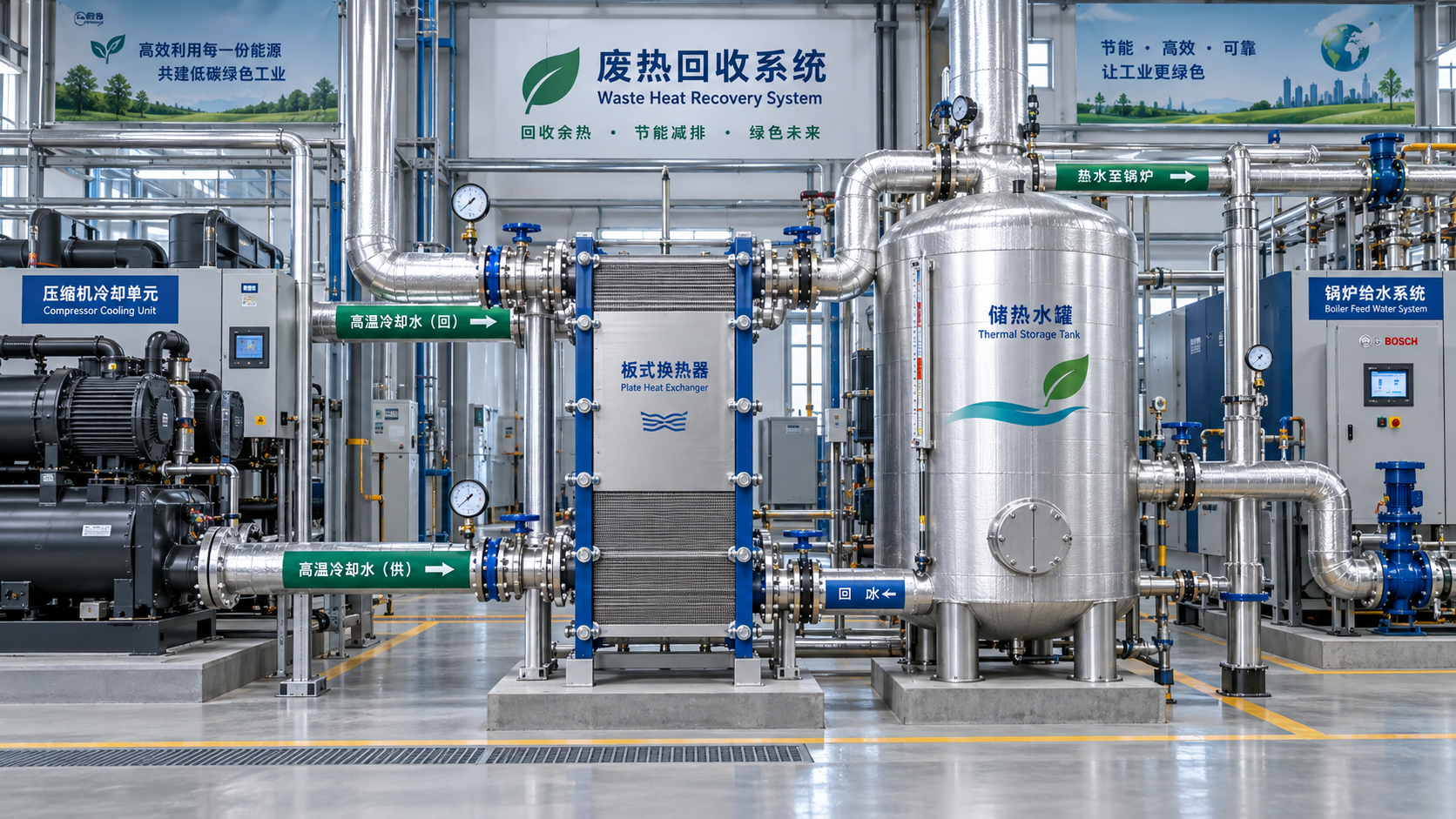
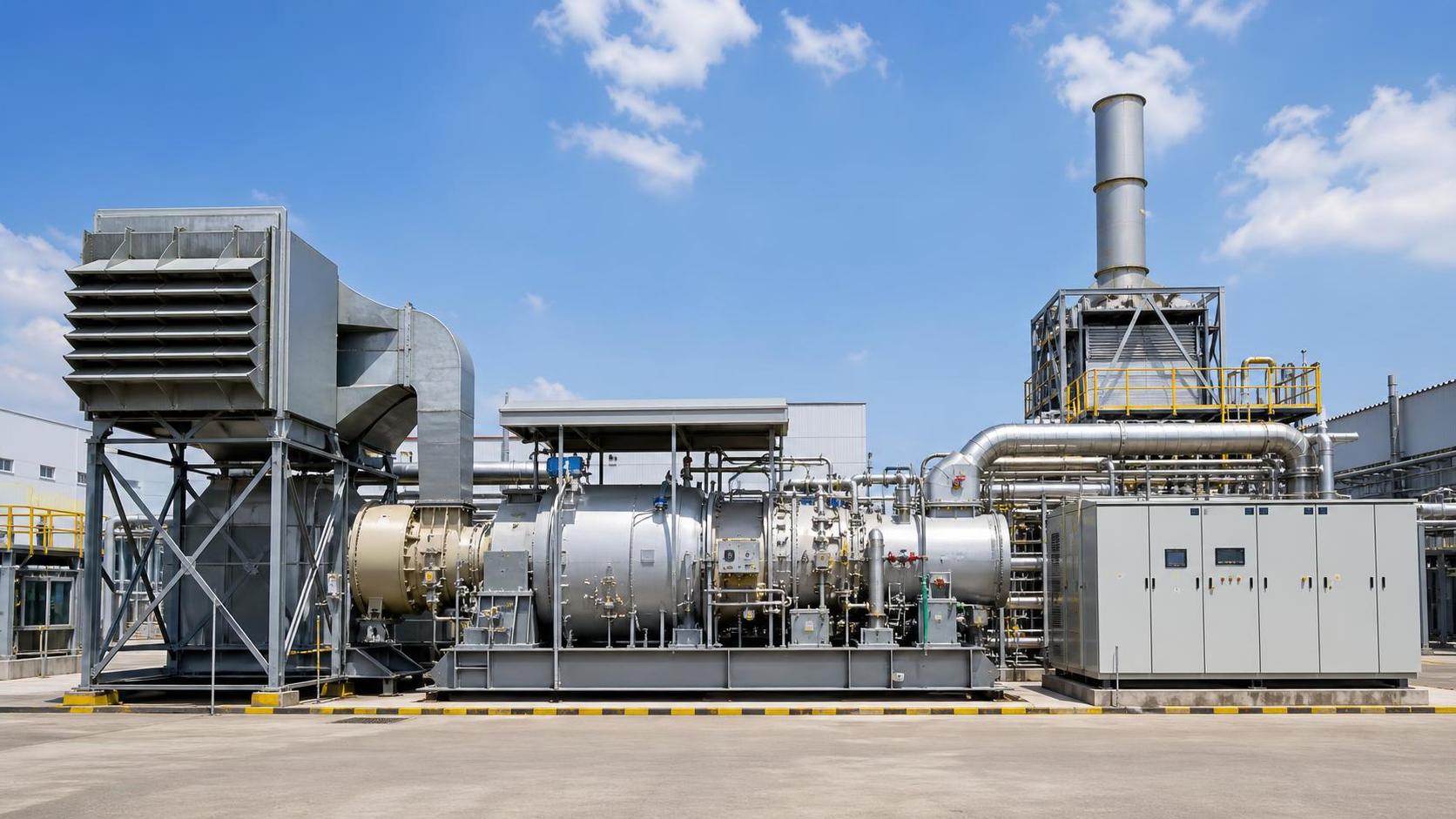
- Boiler rooms with weak heat recovery and rising low-NOx compliance costs
- Vacuum processes sized for peak demand but operated mostly at partial load
These are not minor technical details. In 2026, they are budget issues with strategic consequences.
Why intelligence matters more than isolated equipment upgrades
Many sites still react to global energy costs by approving one-off retrofits. Sometimes that works. More often, it shifts consumption from one node to another without improving the full utility balance.
A stronger approach starts with system intelligence. GTC-Matrix has relevance here because its focus is not limited to equipment headlines. It connects market signals, thermodynamic trends, and operating economics.
That matters when comparing oil-free compression, microchannel heat exchangers, advanced controls, or low-NOx boiler pathways. The right answer depends on duty cycle, energy source mix, process sensitivity, and future compliance pressure.
In practical terms, better intelligence improves budget quality. It helps separate urgent fixes from attractive but low-impact spending, and it gives finance and operations a shared frame for decision-making.
How leading plants are reframing cost control
The strongest responses to global energy costs are not limited to cutting consumption. They redesign the logic behind utility planning.
Four shifts now shaping better decisions
- From annual averages to scenario-based budgeting tied to tariff, weather, and throughput changes
- From isolated equipment ROI to system-level performance across cooling, air, heat, and recovery loops
- From simple replacement cycles to upgrades timed against energy volatility and compliance windows
- From utility cost reporting to operational visibility using better metering and benchmark intelligence
This reframing is important because global energy costs are unlikely to settle into a uniform pattern. Regional divergence, grid investment gaps, and policy shifts will continue to create uneven exposure.
Plants that understand load profiles, thermal losses, and compressed air behavior in detail can respond faster. Plants that do not usually discover the problem after budget overruns appear.
What to review before the next budget cycle
A useful review does not need to start with a full transformation plan. It starts with sharper questions about where global energy costs are being converted into avoidable operational expense.
Priority checks
- Identify which utility systems drive the largest spend per production hour
- Compare design conditions with actual operating loads across seasons and product mixes
- Review whether current controls support peak avoidance, recovery, and partial-load efficiency
- Track refrigerant, emissions, and combustion-related policy shifts that may change asset economics
- Test whether planned capital projects remain valid under higher or more volatile utility prices
This review is also a good moment to examine external intelligence sources. Sector news alone is not enough. Decision quality improves when market developments are linked to equipment evolution and industry-specific demand patterns.
A more resilient path through 2026
Global energy costs are not just making plant utility budgets larger. They are making them more strategic, more technical, and more dependent on accurate interpretation.
The practical response is to treat utilities as a connected value system. Cooling, compression, vacuum, combustion, and heat exchange should be evaluated together, not as disconnected maintenance categories.
That is where disciplined intelligence becomes useful. Platforms such as GTC-Matrix help translate thermodynamic complexity into commercial clarity, especially when energy markets, compliance rules, and technology pathways are moving at the same time.
The next step is straightforward: map the biggest utility exposures, test assumptions against current market signals, and build budget decisions around system-level efficiency rather than historical habit. In 2026, that shift is less an optimization exercise than a condition for durable operating resilience.
Ready when you are. Send us a message to get started.
Related News
- How to select industrial equipment for automation with existing PLCsAuthor :

- How electricity prices shape industrial compressed air price trendsAuthor :

- Choosing air filtration systems for heavy dust in the Middle EastAuthor :

- How much does a fully installed compressed air monitoring system cost?Author :

- What documentation supports CE marking for industrial equipment?Author :

- How local support affects vacuum system costs in Southeast AsiaAuthor :

- How worldwide industry category guides help compare market opportunitiesAuthor :

- What drives sustainable thermal systems cost over their operating life?Author :

- Which industrial solution comparison criteria prevent project delays?Author :

- How Ambient Temperature and Load Profile Affect Industrial Compressor SizingAuthor :

- What to evaluate before choosing a thermal process engineering supplierAuthor :

- How industrial utility systems affect energy costs in process plantsAuthor :

- What Data Is Needed to Assess Heat Recovery Decarbonization?Author :

- Can Waste Heat Recovery Support Carbon Neutrality Targets?Author :

- Is Compressor Heat Recovery Worth the Installation Cost?Author :

- What to verify before choosing a process separation technology supplierAuthor :

- When does process utilities engineering reduce project rework?Author :

- Where thermal efficiency optimization delivers the fastest savings in EuropeAuthor :

- What should you verify before selecting a heat transfer supplier?Author :

- What drives compressed air systems price for industrial projects?Author :

- How an industrial product knowledge comparison guide reduces sourcing riskAuthor :

- When does a procurement specification planning process reduce bid risk?Author :

- When does thermal system optimization for electronics reduce failure risk?Author :

- When high temperature process heating systems justify the higher energy costAuthor :

- How to compare sludge dewatering equipment by cake drynessAuthor :

- What to Check Before Sourcing a Gas Turbine for Distributed Power ProjectsAuthor :

- What drives industrial thermal systems price in large facility projectsAuthor :

- How to build an industrial product comparison chart that speeds up vendor selectionAuthor :

- Vacuum Technology Application Guide for Selecting the Right SystemAuthor :

- What Drives Vacuum Drying Cost in Industrial Procurement?Author :

- What Drives Compressed Air Pricing in Industrial Systems?Author :

- How Procurement Specification Planning Shapes Total Project CostAuthor :

- Compression Technology Guide: How to Compare Efficiency, Pressure Range, and Maintenance NeedsAuthor :

- How to Compare Industrial Separators by Throughput, Purity, and Maintenance LoadAuthor :

- How to Size a Compressed Air Equipment Receiver Tank for Stable PressureAuthor :

- Industrial Equipment Selection Guide: How to Compare Capacity, Duty Cycle, and Operating CostAuthor :