Decarbonization Costs: What Delays Really Add Up To




For financial decision-makers, the cost of delaying decarbonization is rarely limited to future carbon obligations. In most industrial environments, postponement already shows up in today’s numbers through higher energy bills, aging thermal assets, rising maintenance, weaker procurement positioning, and a growing risk premium on future capital decisions.
That is why decarbonization should be evaluated less as a discretionary sustainability program and more as a timing-sensitive financial strategy. In sectors that depend on cooling, compressed air, vacuum systems, boilers, and heat exchange, delays often make the eventual transition materially more expensive than acting in phases today.
What financial approvers are really trying to understand
When finance leaders search for the real cost of delayed decarbonization, they are usually not looking for climate theory. They want to know what waiting does to cash flow, asset value, operating risk, compliance exposure, and future capital efficiency.
The core question is straightforward: is it cheaper to defer investment and preserve short-term liquidity, or to move earlier and avoid a larger cumulative cost later? In many industrial settings, especially energy-intensive ones, the answer increasingly favors earlier action.
This is because decarbonization costs are not just about replacing equipment with lower-emission alternatives. They are also about the compounding effects of inefficiency, price volatility, supply-chain timing, regulatory changes, and stranded operational practices that become harder to unwind over time.
The biggest hidden cost of delay is paying too long for inefficient energy conversion
For businesses running thermal and compression systems, the first and most immediate penalty of delay is simple: inefficient equipment keeps consuming expensive energy every day. That includes compressors, chillers, boilers, dryers, pumps, heat exchangers, and supporting controls.
Many companies still frame decarbonization as a future capex event. Finance teams should instead view it as an ongoing opex leakage issue. If a legacy compressed air system wastes power through poor load matching, leaks, heat rejection, or outdated controls, delay means continuing to fund avoidable losses.
The same logic applies to industrial cooling and process heat. Older systems often operate with lower part-load efficiency, weaker heat recovery, and less precise control. Even before carbon pricing enters the picture, rising electricity and fuel costs can make those inefficiencies financially material.
In other words, every month of deferral extends the life of an unfavorable cost structure. That cost is often harder to notice than a line-item capital request, but over several years it can exceed the savings achieved by postponing the project.
Why delays make future decarbonization projects more expensive
Financial approvers should also account for escalation. Waiting rarely preserves the same project economics for later. It often worsens them. Equipment prices can rise, engineering resources can tighten, and the pool of qualified suppliers can become more constrained during periods of accelerated market transition.
There is also a sequencing effect. If a company delays upgrades to core systems such as compressed air, heat recovery, refrigeration, or low-emission boilers, later projects may need to be larger, faster, and more disruptive to catch up with regulatory or customer expectations.
That compressed timeline increases implementation risk. Teams may have to approve rushed procurement, accept less optimal technical specifications, or retrofit under operational pressure. In finance terms, delay can turn a manageable phased investment into a premium-priced corrective project.
Another issue is asset compatibility. The longer older systems remain in service, the more likely they are to constrain integration with newer technologies such as electrified heat, smart controls, advanced refrigerants, or oil-free compression. That can raise retrofit complexity and total installed cost.
Compliance risk is not the only policy cost that matters
Many executives think about decarbonization delay mainly in terms of future regulation. That is important, but too narrow. The policy cost of waiting is broader than formal compliance penalties or carbon taxes.
Industrial businesses are increasingly affected by energy-efficiency standards, refrigerant rules, disclosure requirements, procurement expectations, and emissions reporting demands from investors, lenders, multinational customers, and public-sector buyers. Even without a direct carbon bill, commercial friction can increase.
For finance teams, that means delayed decarbonization can show up as longer sales cycles, tougher contract qualification, more expensive financing discussions, or a weaker position in tenders where efficiency and emissions transparency influence supplier selection.
In addition, policy transitions often create uneven cost shocks. For example, tighter refrigerant frameworks, grid changes, or emissions thresholds can suddenly alter replacement priorities. Firms that plan earlier usually secure more flexibility, while late movers often pay more under deadline conditions.
How delayed action affects cash flow beyond the utility bill
The cost of inaction also extends beyond energy spending. Aging systems often bring higher maintenance frequency, more unplanned downtime, and reduced process stability. In industries where temperature control, air purity, or vacuum reliability matter, performance drift can affect product quality and throughput.
That matters to financial approvers because poor system performance creates second-order costs. These include scrap, production interruptions, overtime labor, emergency parts purchases, and lost customer confidence. Such costs are not always booked under “decarbonization,” but they are often tied to the same outdated assets.
There is a balance-sheet dimension as well. If companies hold onto inefficient assets too long, they may eventually face accelerated replacement under unfavorable conditions. That can compress depreciation decisions, distort budgeting cycles, and reduce the organization’s room to optimize capital allocation.
Seen this way, delayed decarbonization is not merely a postponed green investment. It can be a multiplier of operational volatility and financial inflexibility.
Where finance leaders should look first for the highest-value action
Not every decarbonization investment deserves immediate approval. Financial discipline still matters. The key is to prioritize systems where delay creates the largest compounding cost. In many industrial operations, those systems are hidden in plain sight.
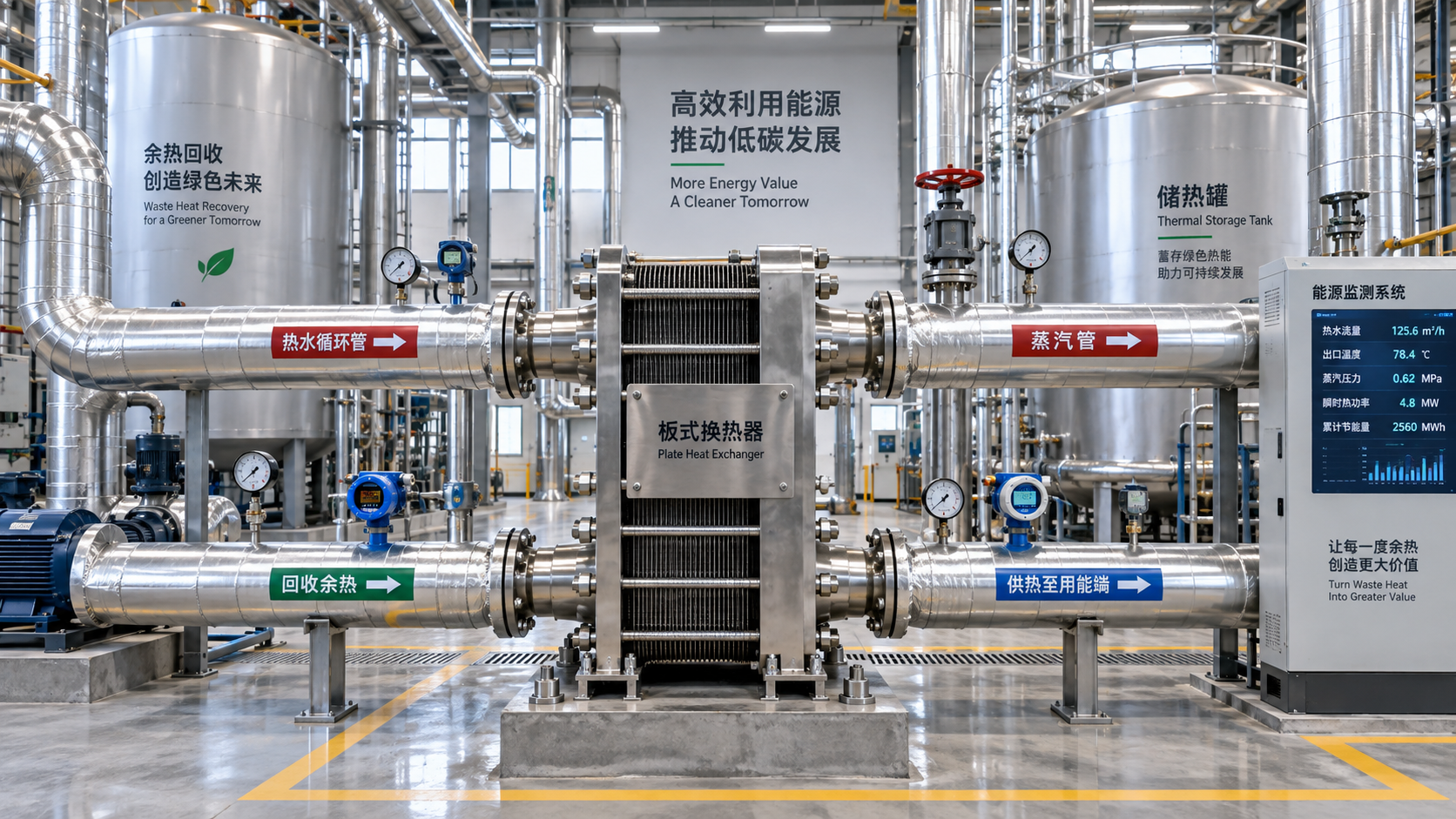
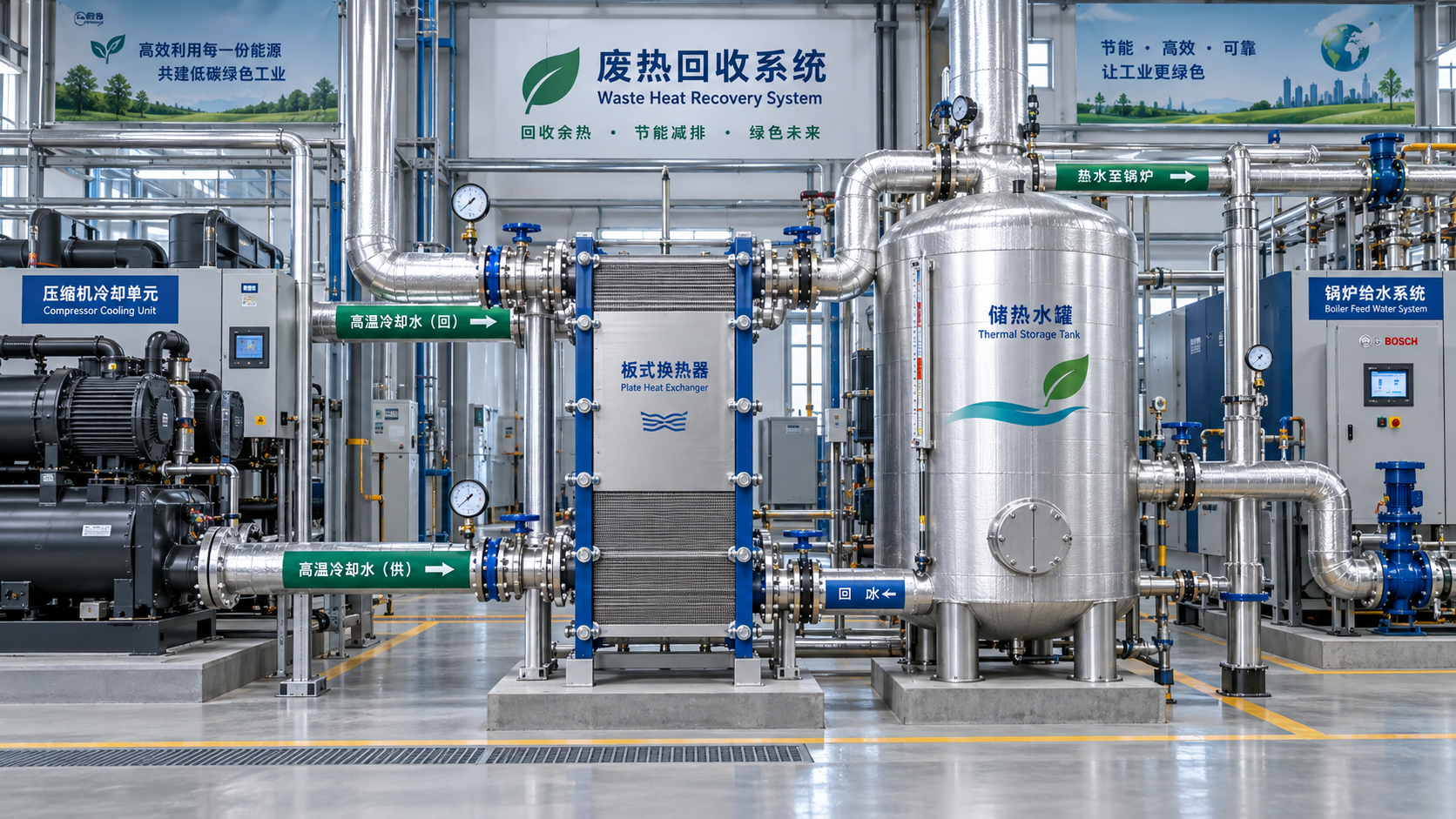
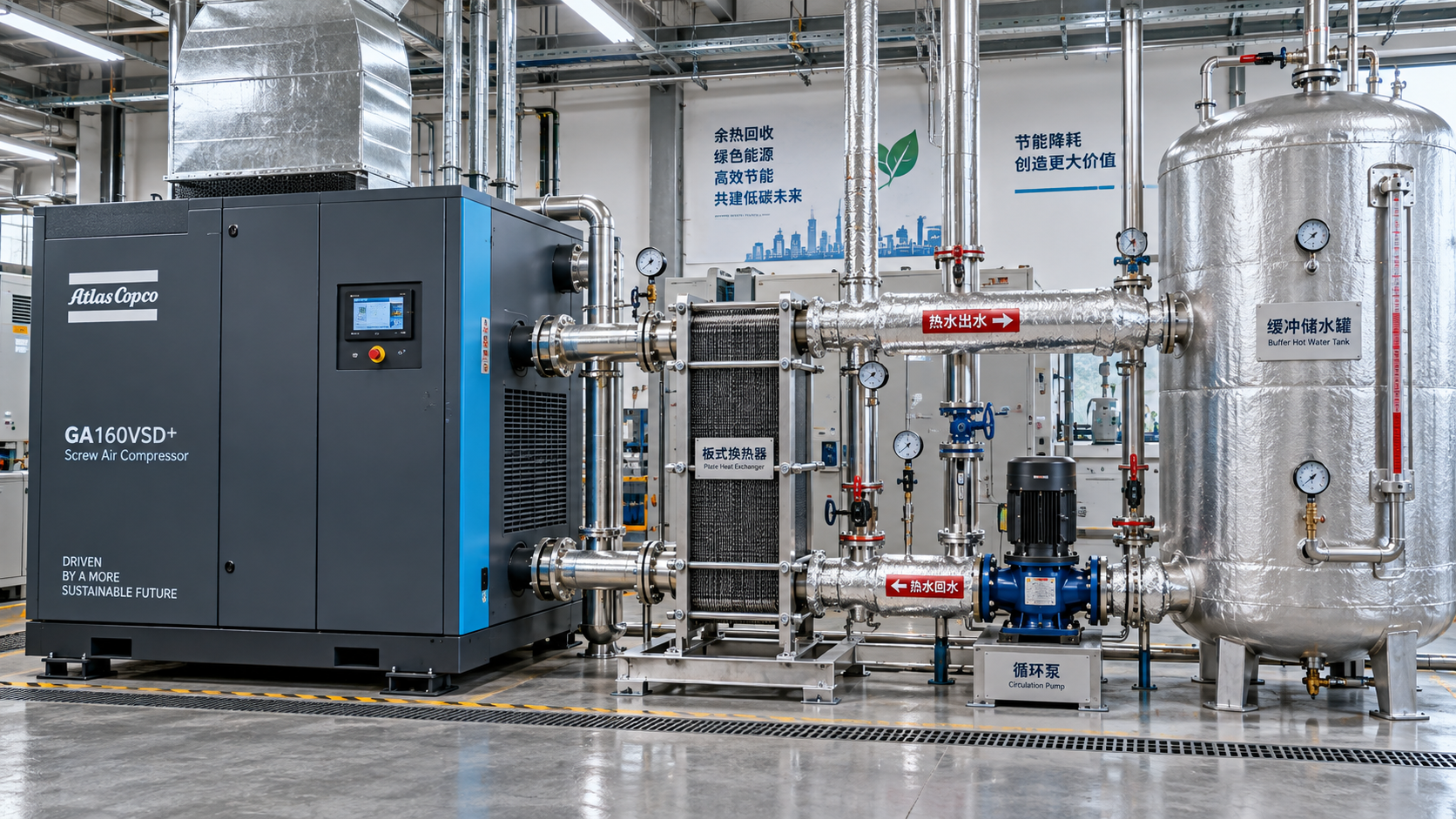
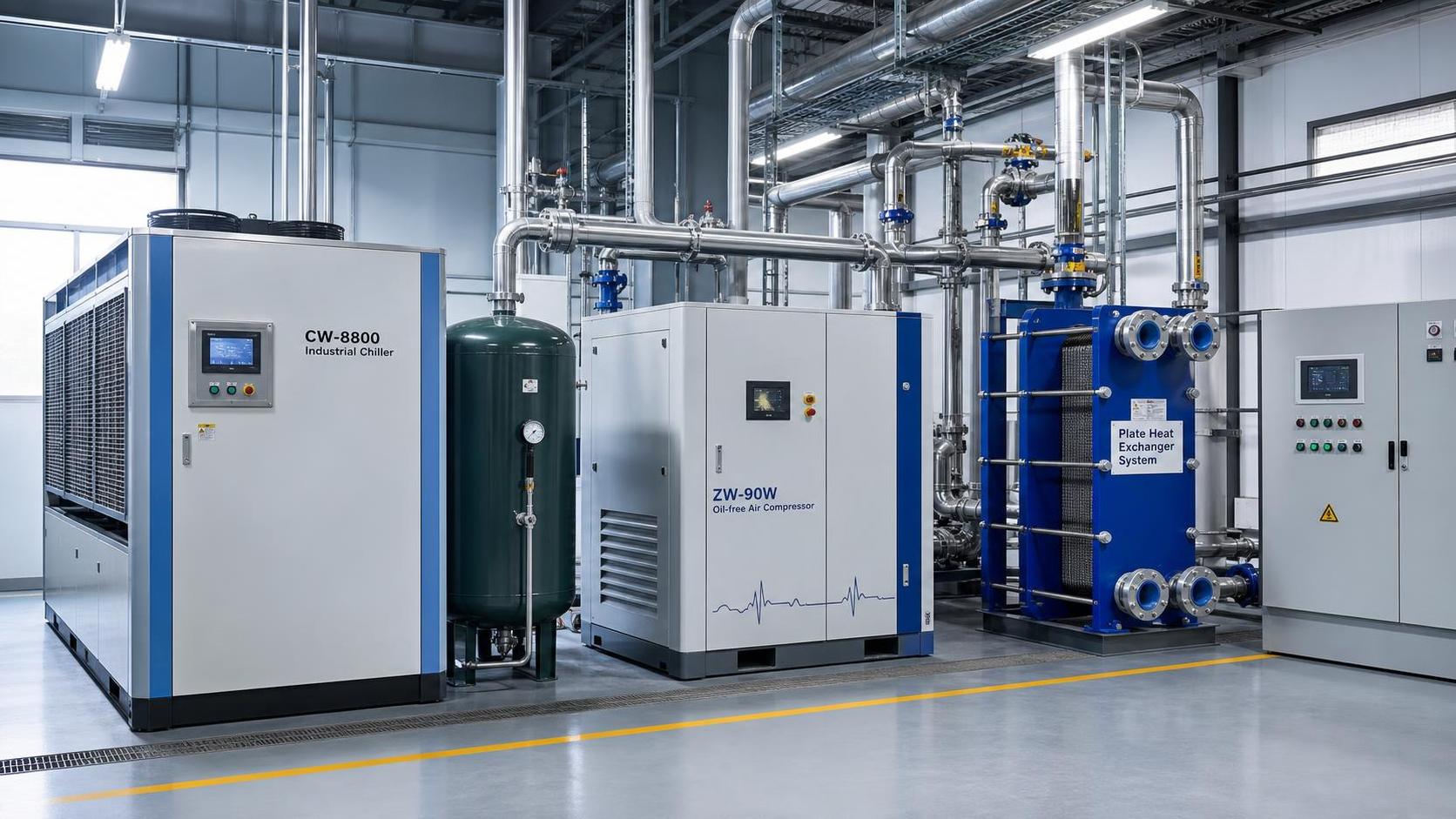
Compressed air is a common example because it is both essential and frequently inefficient. Poor controls, leakage, incorrect pressure settings, and heat losses can quietly destroy value. Projects that improve compressor sequencing, recover waste heat, or replace inefficient units often combine carbon reduction with strong payback logic.
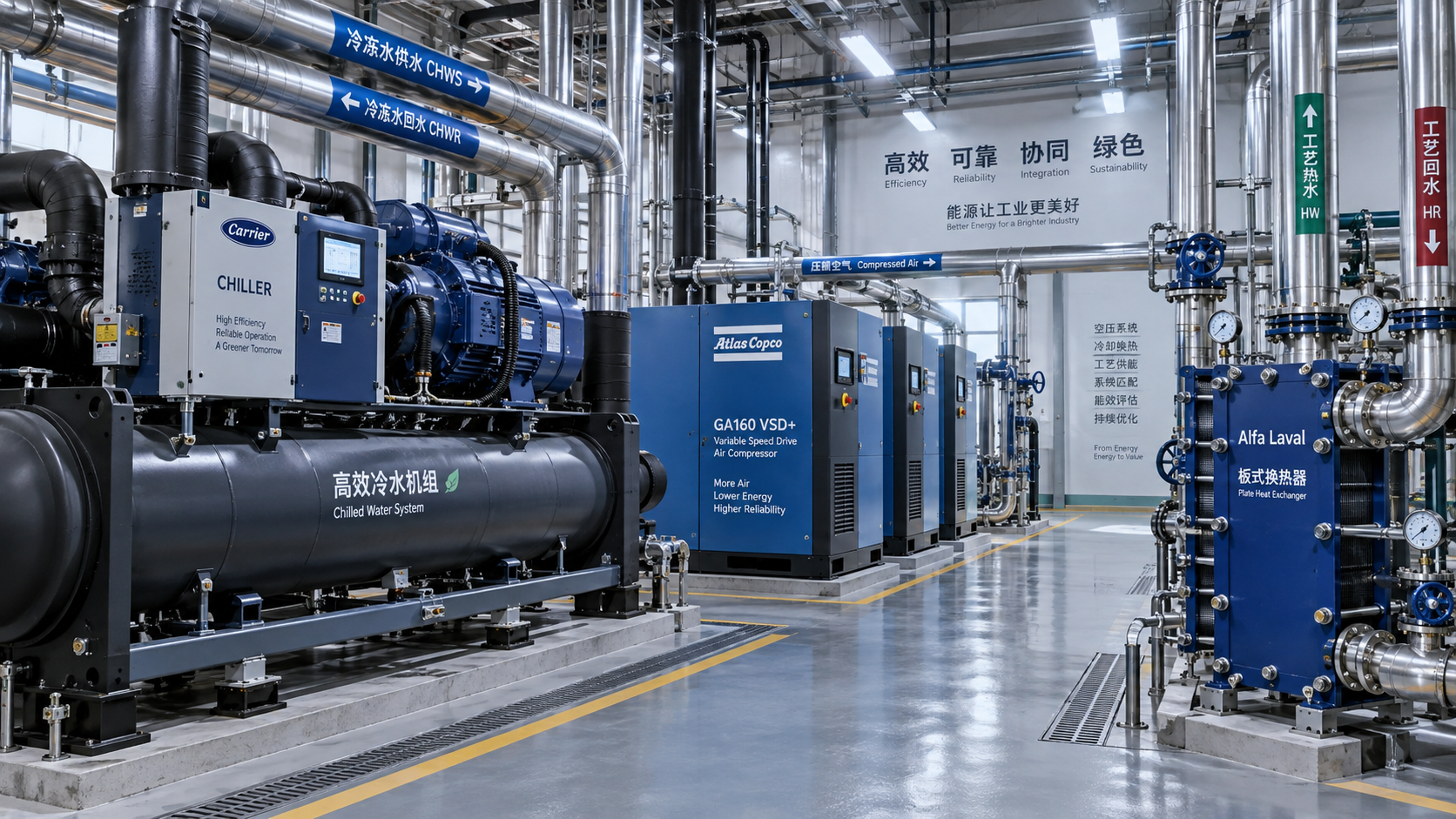
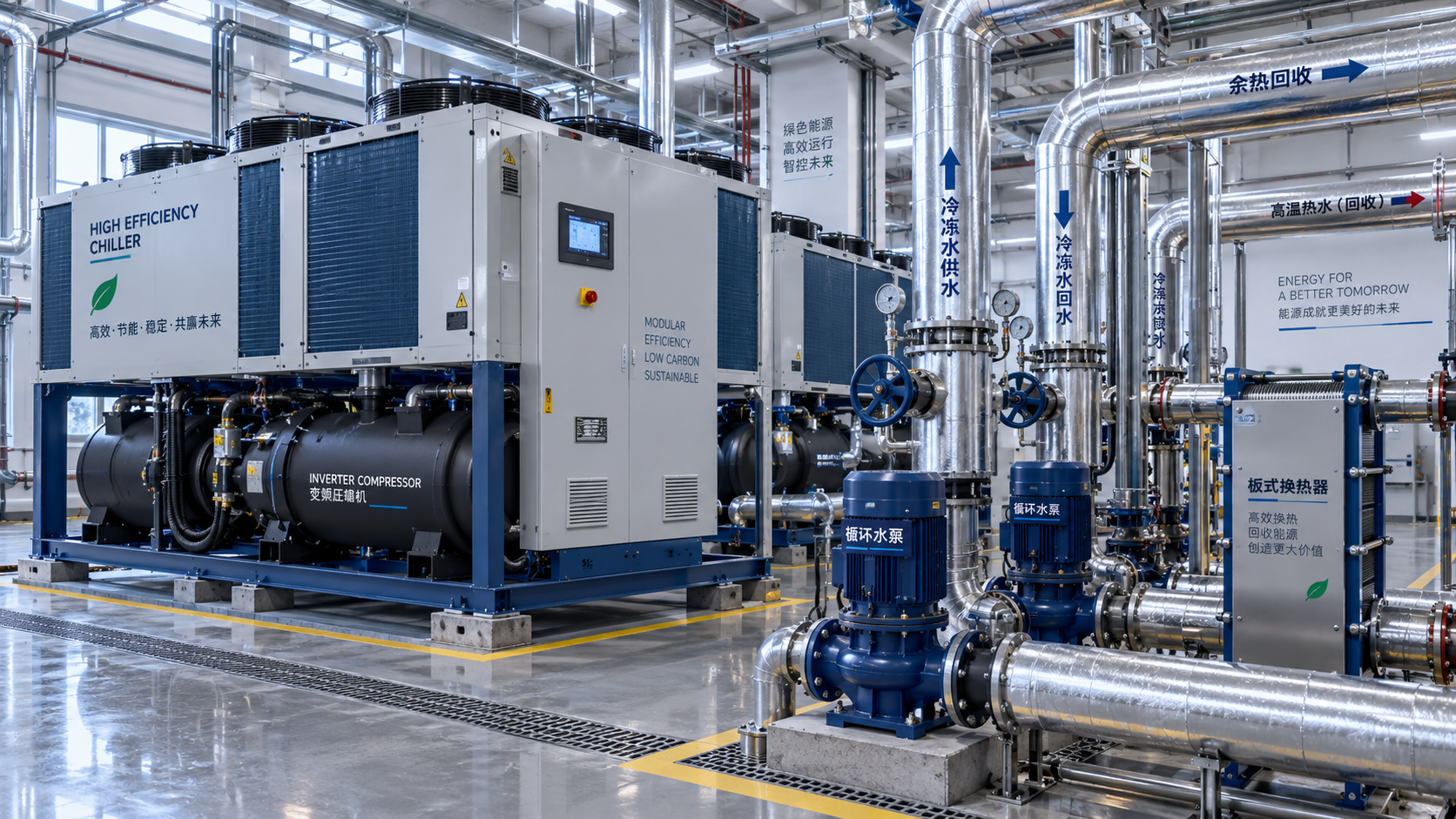
Industrial cooling is another high-impact area. Chillers, condensers, and heat exchangers influence both electricity use and process reliability. Upgrades in controls, heat-transfer performance, refrigerant strategy, and system integration can reduce both emissions and long-term operating cost.
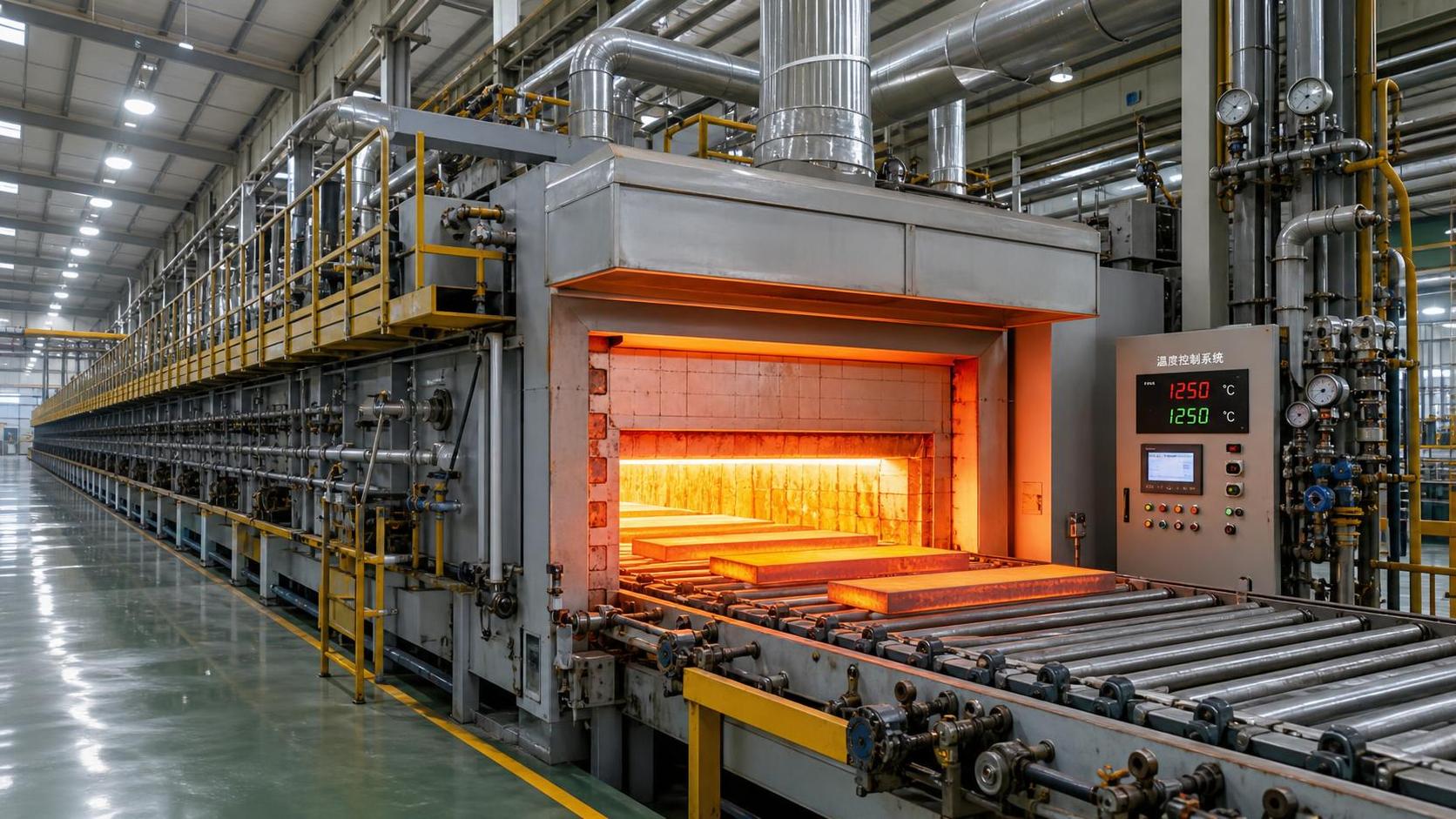
Thermal systems deserve equally close scrutiny. Boilers, burners, steam loops, and heat recovery networks often contain practical opportunities for decarbonization with measurable financial returns. For a finance audience, the right question is not “what is the greenest project?” but “where does delay destroy the most value?”
How to evaluate decarbonization costs with a finance-first lens
A useful decision framework starts with comparing two scenarios: act now in stages, or wait and act later under pressure. The analysis should include current energy waste, maintenance trends, downtime exposure, likely policy changes, equipment inflation, and the effect on customer or financing requirements.
Traditional payback alone is often too limited. It can understate the value of resilience, optionality, and avoided future penalties. A stronger model includes total cost of ownership, sensitivity to energy-price volatility, and the cost of maintaining aging systems until replacement.
Finance teams should also distinguish between “no-regret” measures and transformational projects. No-regret measures include controls optimization, leak reduction, heat recovery, better monitoring, and upgrades with clear operational savings. These often justify immediate action.
Transformational projects, such as broader electrification or plantwide system redesign, may need staged approval. But even then, delay should be intentional rather than passive. A roadmap with timing, trigger points, and decision gates helps avoid drifting into a more expensive forced transition later.
The practical case for phased decarbonization instead of waiting for perfect certainty
One reason companies delay decarbonization is uncertainty. Energy markets shift, technologies evolve, and policy frameworks move unevenly across regions. But uncertainty does not automatically support inaction. In many cases, it supports phased action.
A phased strategy allows finance leaders to protect liquidity while reducing exposure to compounding costs. It can begin with audits, controls, monitoring, leak management, heat recovery, and upgrades in the most energy-intensive assets. These steps improve data quality and strengthen later investment decisions.
Phasing also reduces execution risk. Rather than waiting for a single large decarbonization program, companies can address the worst-performing thermal and compression systems first, capture savings, and reinvest from a stronger operating baseline.
For financial approvers, this approach turns decarbonization from a binary debate into a capital sequencing exercise. The goal is not to spend fast for appearance’s sake. It is to prevent avoidable future cost while improving efficiency, competitiveness, and strategic flexibility.
Conclusion: the price of waiting is usually larger than it appears
For industrial businesses, the real cost of delayed decarbonization is rarely a single future bill. It is the accumulation of excess energy spend, higher maintenance, weaker system performance, policy exposure, procurement pressure, and more expensive future capital deployment.
That is especially true in environments shaped by cooling, compressed air, vacuum processes, and heat exchange technologies, where efficiency losses compound quietly but continuously. In these systems, delay often means paying more now and even more later.
For finance leaders, the most useful mindset is clear: decarbonization is not only an emissions discussion. It is a timing, efficiency, and risk-management decision. The companies that recognize that early are usually the ones that preserve margin, reduce exposure, and invest from a position of control rather than urgency.
Ready when you are. Send us a message to get started.
Related News
- How to select industrial equipment for automation with existing PLCsAuthor :

- How electricity prices shape industrial compressed air price trendsAuthor :

- Choosing air filtration systems for heavy dust in the Middle EastAuthor :

- How much does a fully installed compressed air monitoring system cost?Author :

- What documentation supports CE marking for industrial equipment?Author :

- How local support affects vacuum system costs in Southeast AsiaAuthor :

- How worldwide industry category guides help compare market opportunitiesAuthor :

- What drives sustainable thermal systems cost over their operating life?Author :

- Which industrial solution comparison criteria prevent project delays?Author :

- How Ambient Temperature and Load Profile Affect Industrial Compressor SizingAuthor :

- What to evaluate before choosing a thermal process engineering supplierAuthor :

- How industrial utility systems affect energy costs in process plantsAuthor :

- What Data Is Needed to Assess Heat Recovery Decarbonization?Author :

- Can Waste Heat Recovery Support Carbon Neutrality Targets?Author :

- Is Compressor Heat Recovery Worth the Installation Cost?Author :

- What to verify before choosing a process separation technology supplierAuthor :

- When does process utilities engineering reduce project rework?Author :

- Where thermal efficiency optimization delivers the fastest savings in EuropeAuthor :

- What should you verify before selecting a heat transfer supplier?Author :

- What drives compressed air systems price for industrial projects?Author :

- How an industrial product knowledge comparison guide reduces sourcing riskAuthor :

- When does a procurement specification planning process reduce bid risk?Author :

- When does thermal system optimization for electronics reduce failure risk?Author :

- When high temperature process heating systems justify the higher energy costAuthor :

- How to compare sludge dewatering equipment by cake drynessAuthor :

- What to Check Before Sourcing a Gas Turbine for Distributed Power ProjectsAuthor :

- What drives industrial thermal systems price in large facility projectsAuthor :

- How to build an industrial product comparison chart that speeds up vendor selectionAuthor :

- Vacuum Technology Application Guide for Selecting the Right SystemAuthor :

- What Drives Vacuum Drying Cost in Industrial Procurement?Author :

- What Drives Compressed Air Pricing in Industrial Systems?Author :

- How Procurement Specification Planning Shapes Total Project CostAuthor :

- Compression Technology Guide: How to Compare Efficiency, Pressure Range, and Maintenance NeedsAuthor :

- How to Compare Industrial Separators by Throughput, Purity, and Maintenance LoadAuthor :

- How to Size a Compressed Air Equipment Receiver Tank for Stable PressureAuthor :

- Industrial Equipment Selection Guide: How to Compare Capacity, Duty Cycle, and Operating CostAuthor :