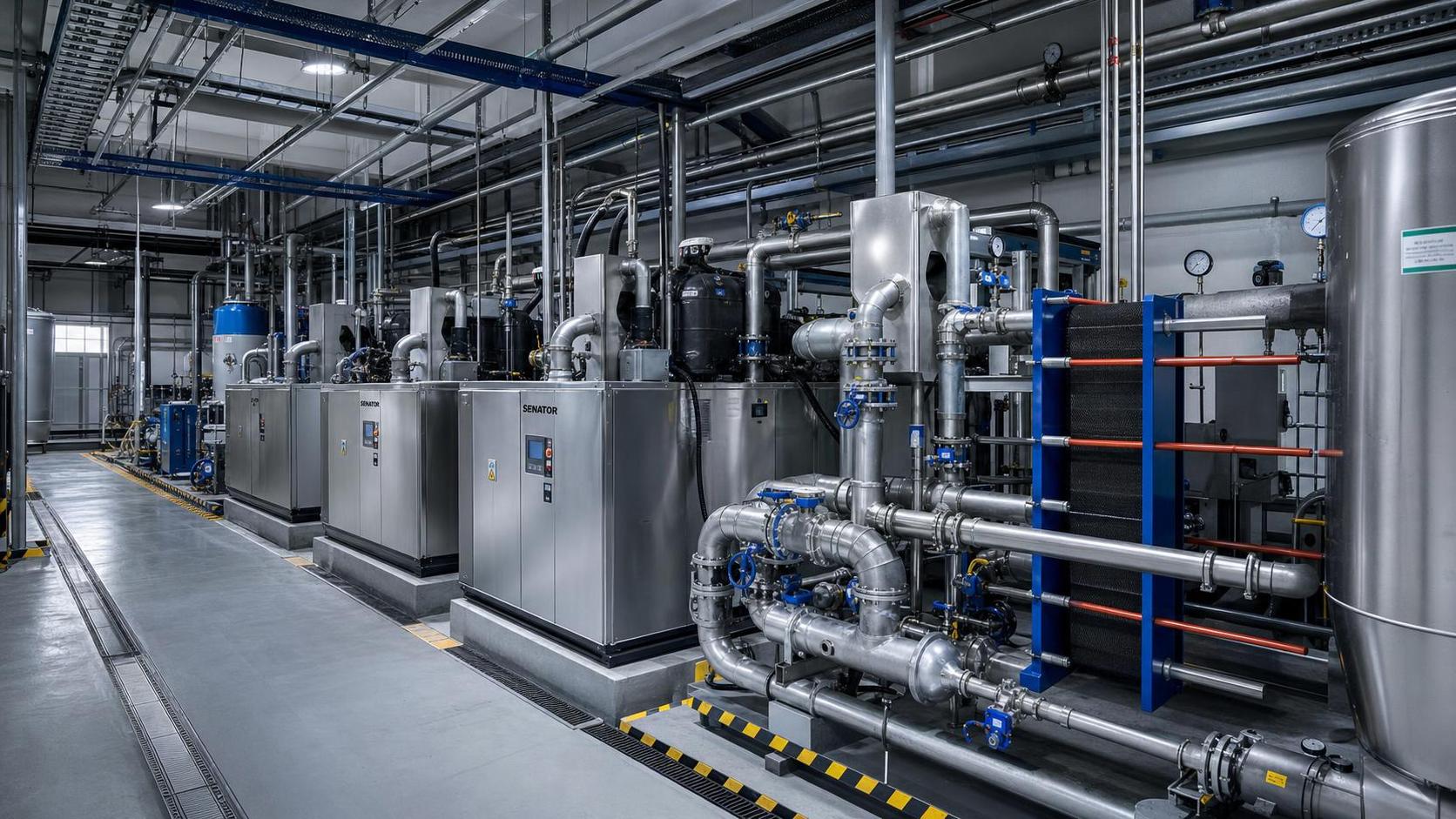
Pneumatic Power Systems: Cost Factors Before You Upgrade




Pneumatic Power Systems: Cost Factors Before You Upgrade
Upgrading pneumatic power systems can improve uptime, energy efficiency, and production stability. Still, the real cost is rarely limited to the purchase price.
In practice, decision quality depends on how well you map equipment costs, operating costs, and long-term performance risks before approval.
That is why many companies now review pneumatic power systems as a full lifecycle investment, not just a line-item replacement project.
From recent market shifts, the clearer signal is this: rising energy prices make inefficient compressed air infrastructure more expensive every year.
This also means a smart upgrade can protect margins, especially where production depends on stable air quality, pressure, and system response.
Why pneumatic power systems upgrades often cost more than expected
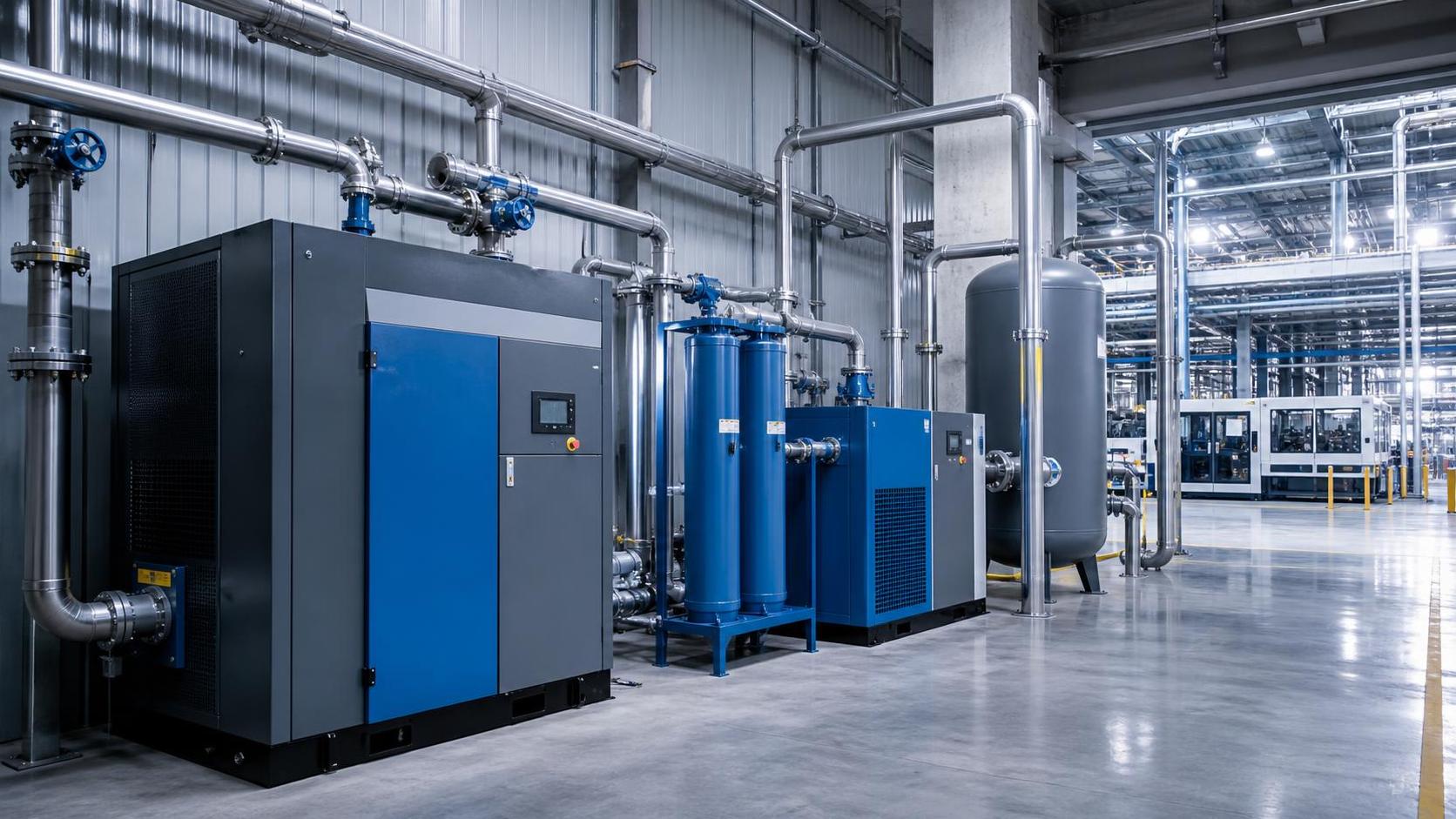
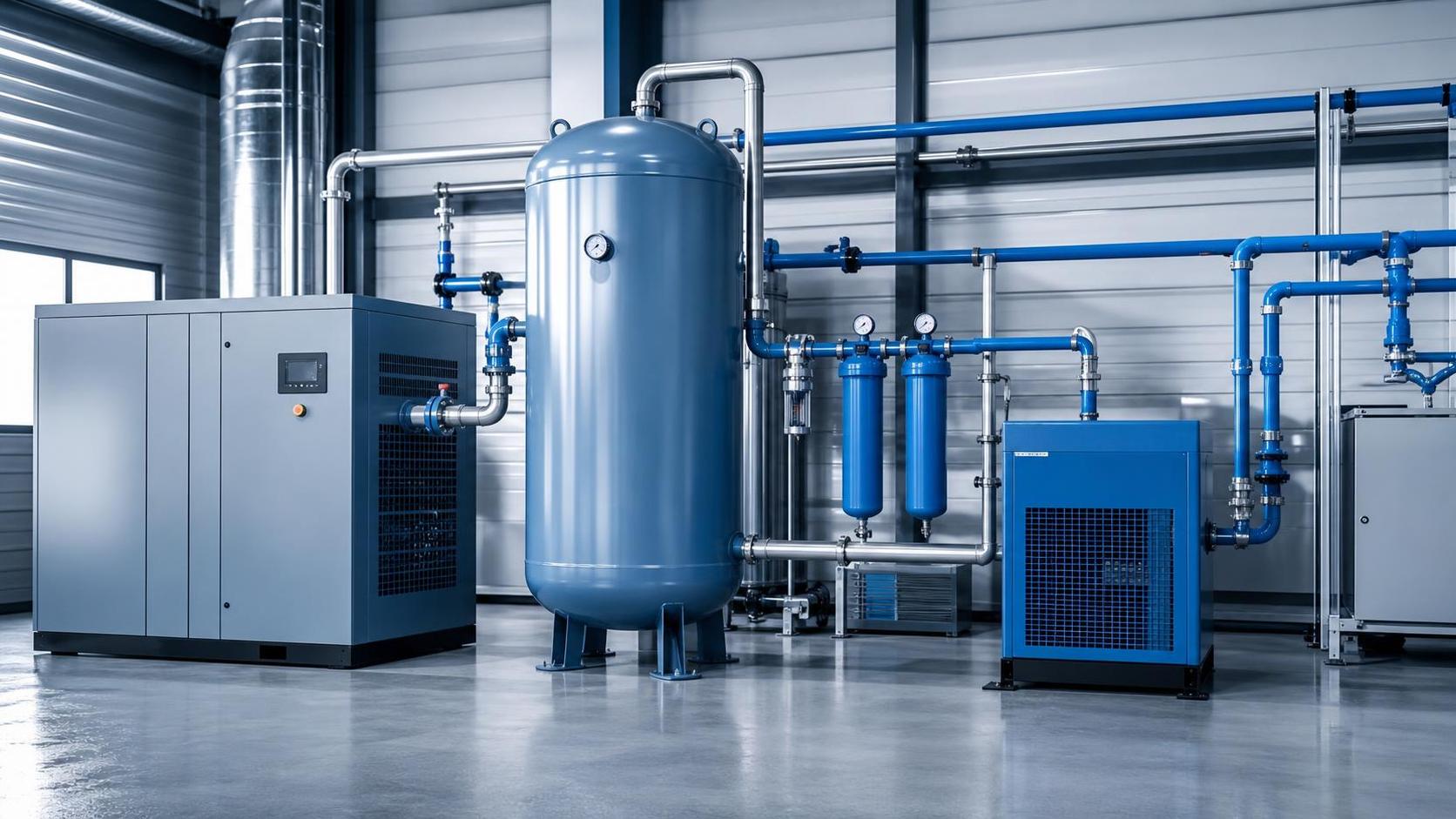
Most budgets start with compressors, dryers, receivers, and controls. That is necessary, but it is only the visible part of the total cost.
Older pneumatic power systems often hide losses in piping, leakage, poor storage sizing, and pressure drops across filters and treatment stages.
Once an upgrade starts, these weak points become harder to ignore. They also push project scope beyond the original estimate.
A common mistake is buying larger equipment to cover instability. That may solve symptoms, but it can lock in higher energy use for years.
A better approach is to define demand patterns first. Then match pneumatic power systems capacity to actual load, peak events, and redundancy needs.
The hidden budget categories
- Electrical upgrades for new compressor starters, VSD controls, and protection devices.
- Piping modifications to reduce pressure drop and improve flow balance.
- Air treatment changes, including dryers, filters, drains, and condensate management.
- Installation downtime, temporary rental air, and commissioning support.
- Training, monitoring software, and future service contract requirements.
When these items are reviewed early, pneumatic power systems planning becomes far more predictable and easier to defend internally.
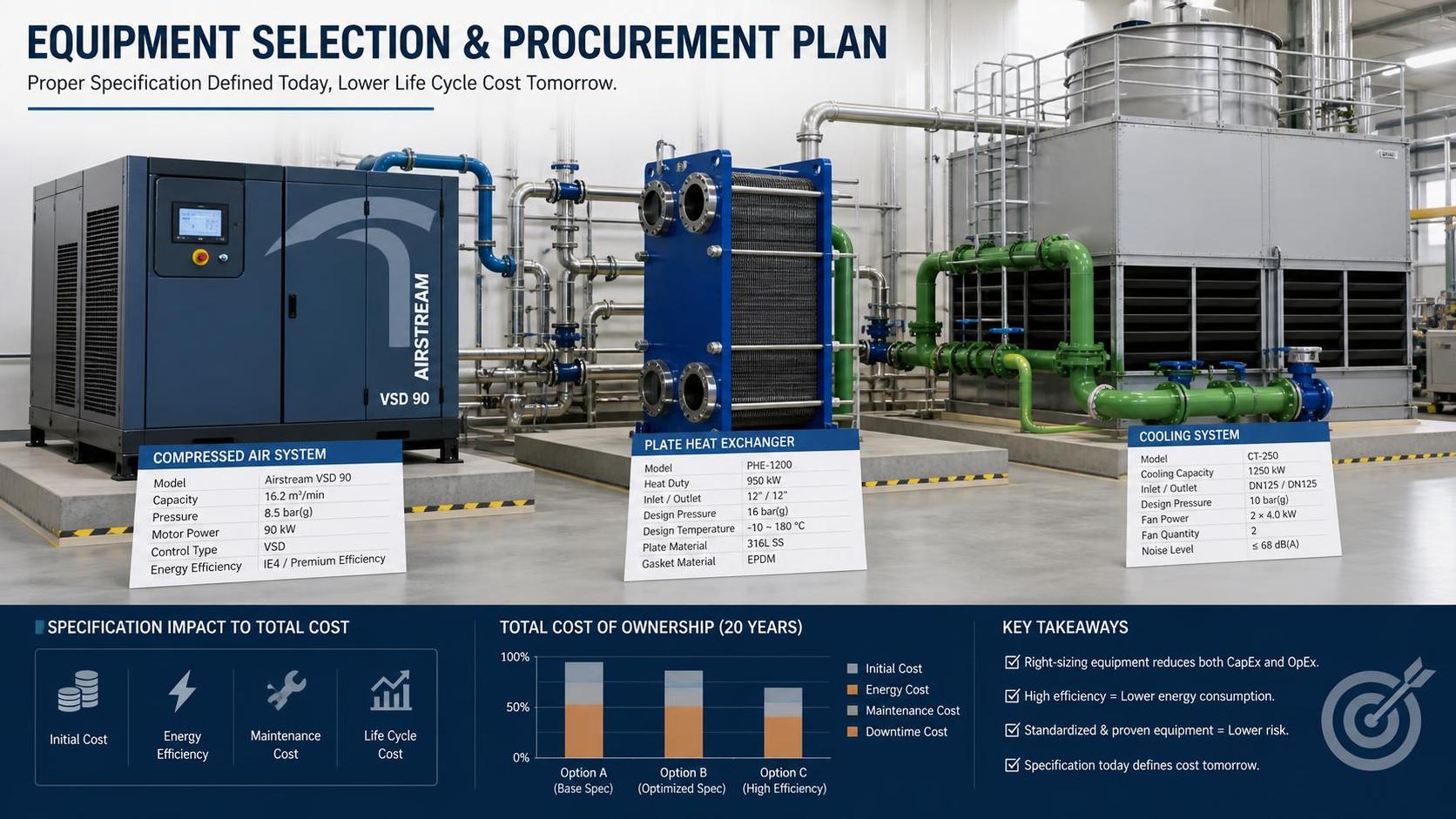
Equipment selection: where capital cost and operating cost meet
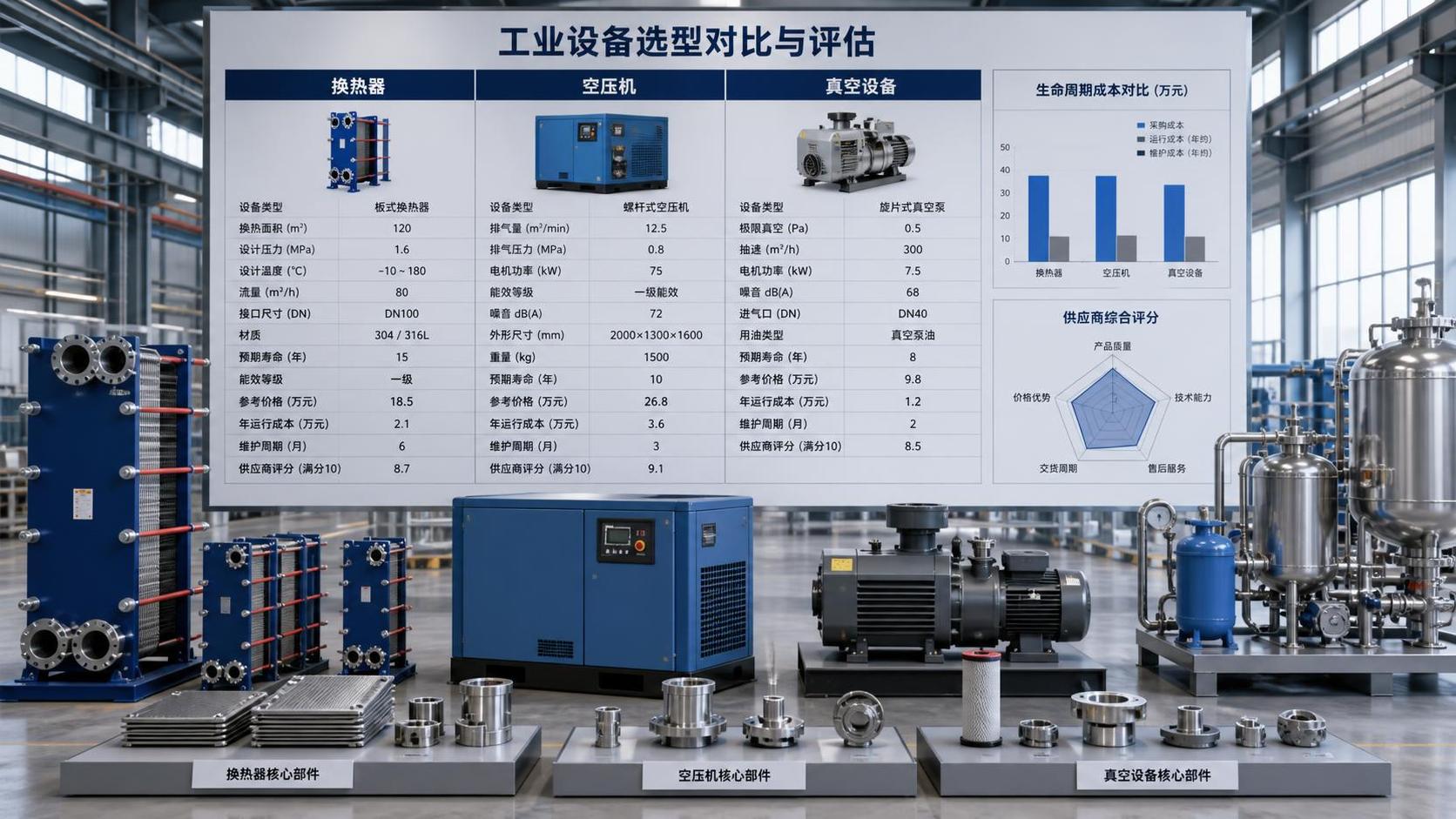
Choosing the right equipment is not about finding the cheapest quote. It is about balancing first cost with energy use, control quality, and maintenance demand.
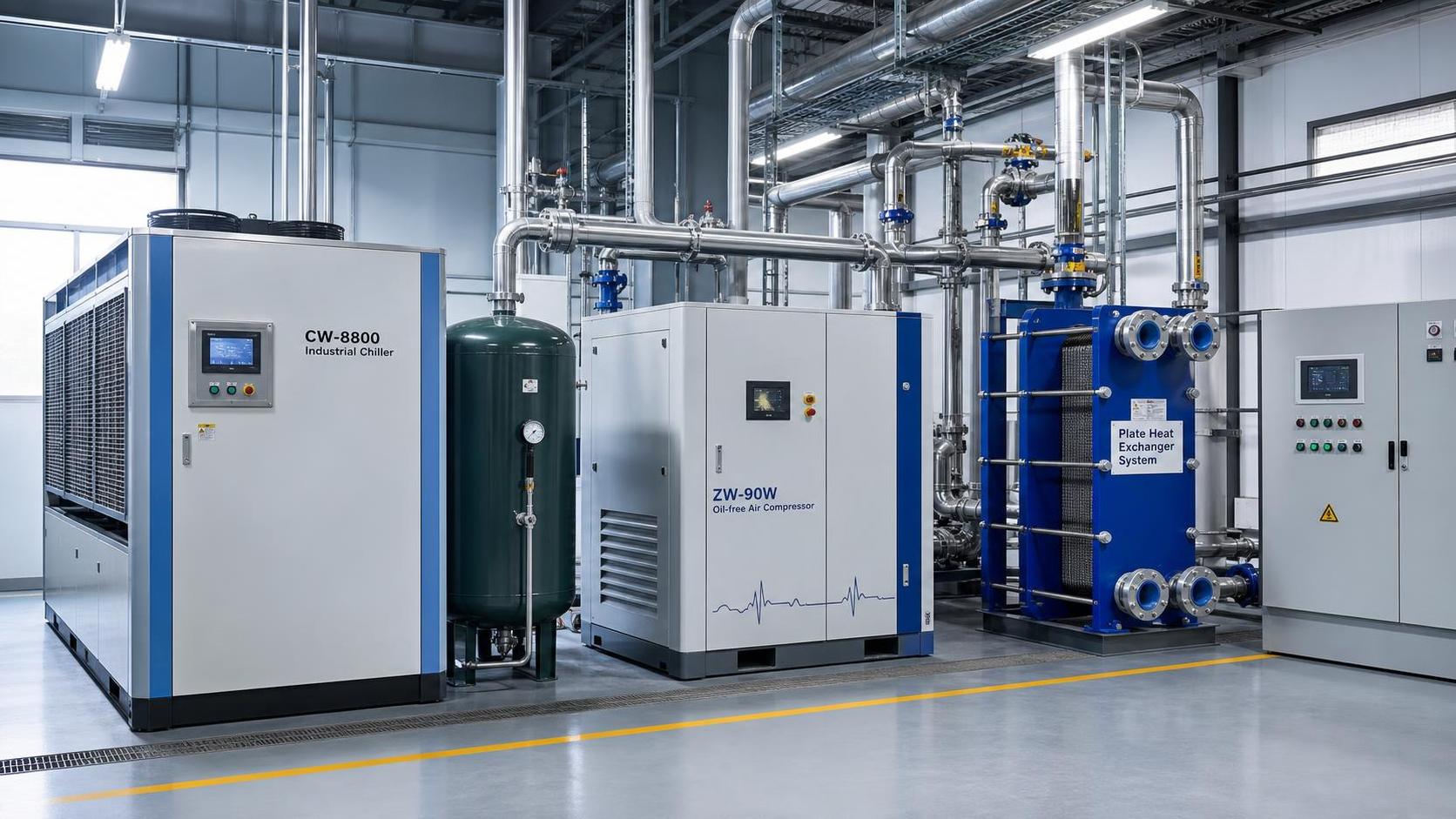
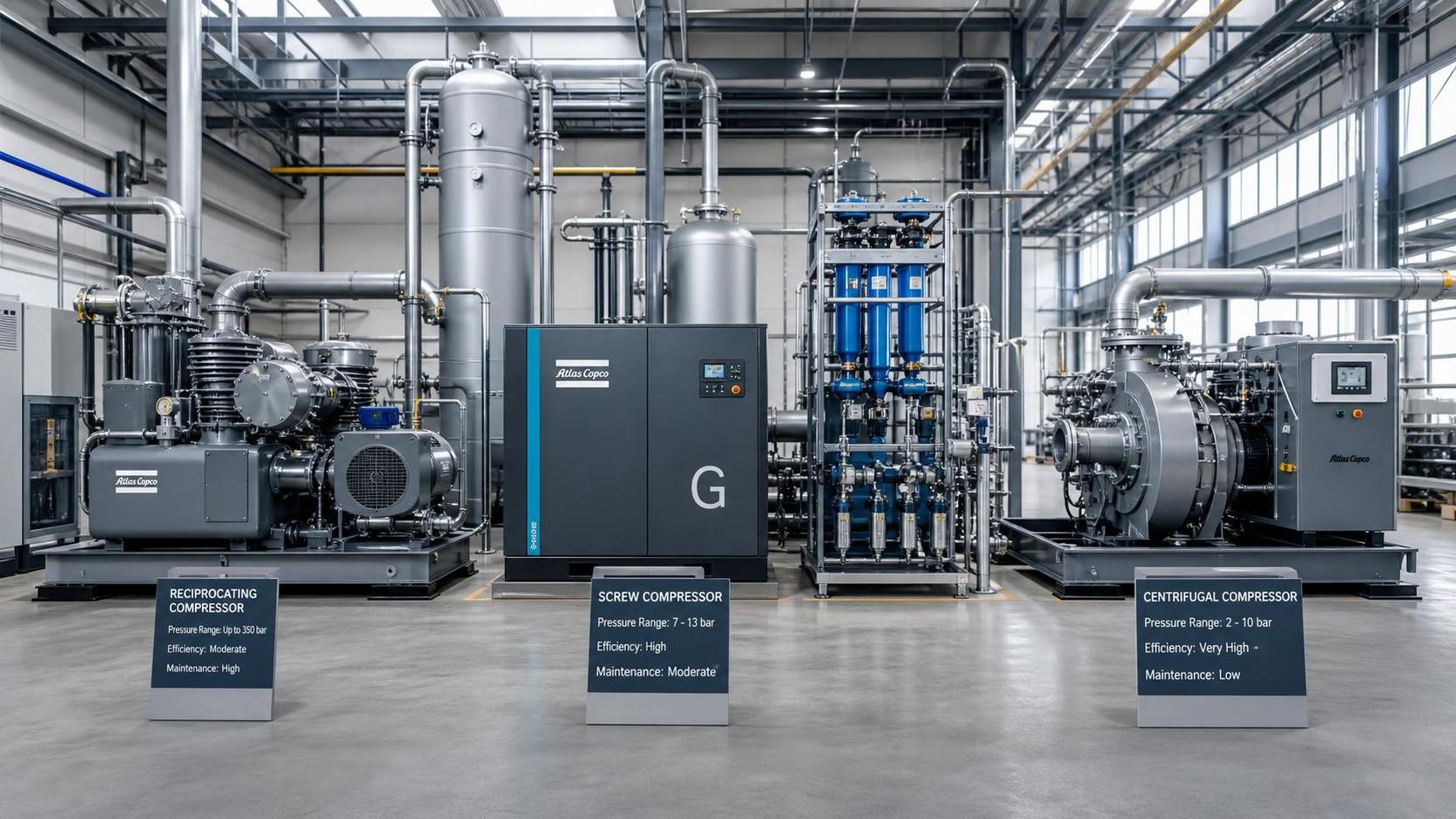
For many pneumatic power systems, compressor technology has the biggest impact on long-term economics.
Fixed-speed units can work well under steady demand. Variable-speed systems often win where load swings during shifts, batches, or seasonal production changes.
Oil-free designs may cost more upfront, yet they reduce contamination risk in food, pharma, electronics, and precision manufacturing environments.
That tradeoff matters because product quality failures can cost much more than the compressor itself.
Questions that shape equipment economics
- What is the real base load, peak load, and minimum load?
- How sensitive is output quality to oil, moisture, or pressure variation?
- Do current pneumatic power systems suffer from oversizing or poor sequencing?
- Will future expansion require modular capacity or extra redundancy?
- How quickly can service parts be sourced in your region?
The most resilient procurement decisions compare multiple scenarios, not just multiple brands. That keeps pneumatic power systems aligned with actual operating strategy.
Energy cost is usually the biggest number
In many facilities, energy accounts for the largest share of lifetime pneumatic power systems cost. This point is often underestimated during budget approval.
Compressed air is useful, but expensive. If pressure is higher than necessary, power use rises and leakage losses become more costly.
Even a well-built machine room can waste money if controls are weak or system demand is poorly managed.
More companies now include measurement and verification before finalizing pneumatic power systems upgrades. That trend makes sense because energy assumptions are often too optimistic.
Key energy variables to review
- Specific power at expected load points, not just at full load.
- System pressure target and pressure stability across production lines.
- Leakage rate during production and during non-production hours.
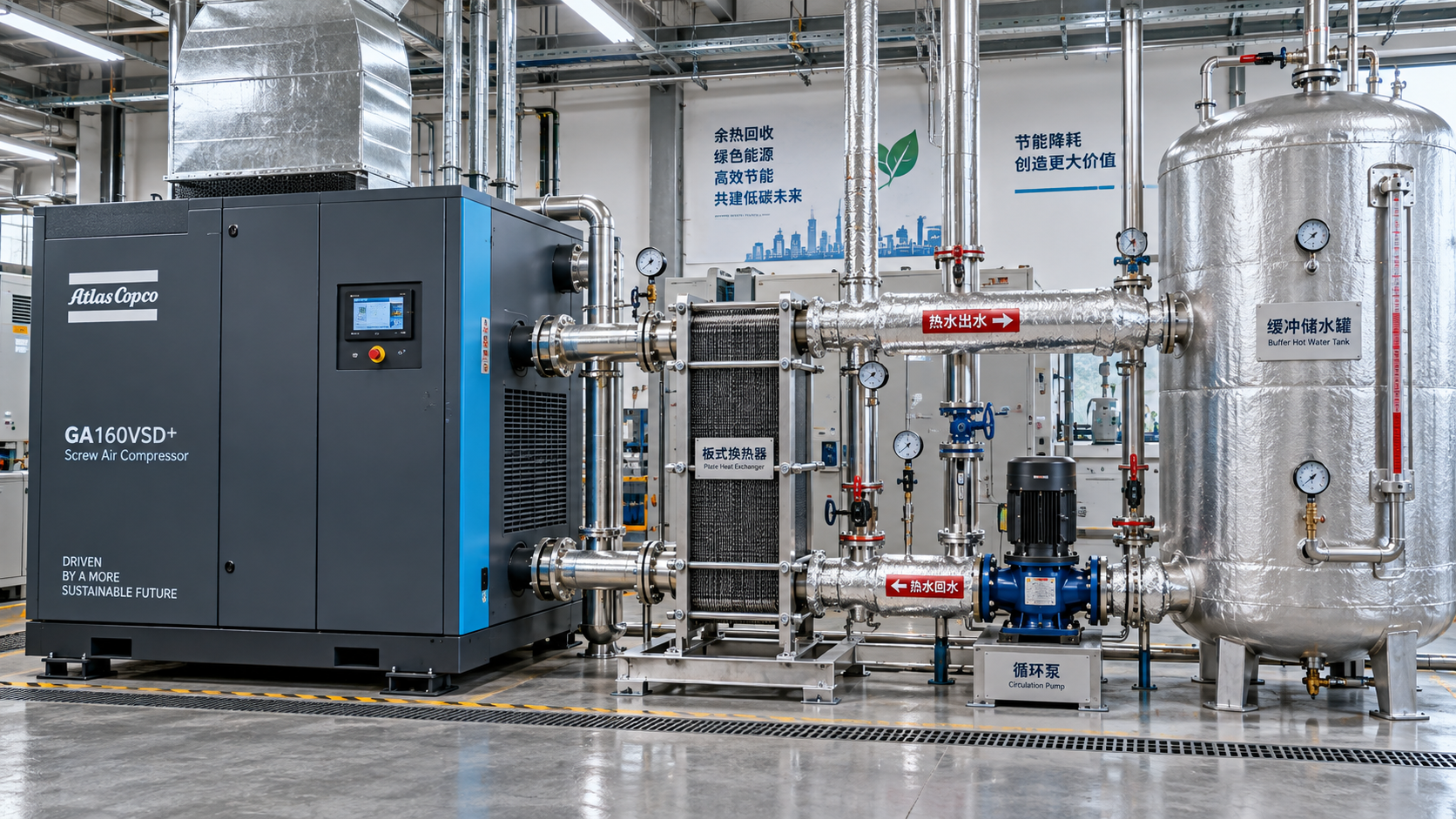
- Heat recovery potential for water or space heating.
- Control sequencing between base-load and trim machines.
If energy prices are volatile, sensitivity analysis becomes even more important. A project that looks average today may look excellent within two budget cycles.
Maintenance, reliability, and downtime exposure
Purchase teams sometimes focus on installed cost and expected savings. Operations teams usually worry more about service intervals and failure risk.
Both views matter because pneumatic power systems create value only when they support stable output.
A lower-priced package may become expensive if filter changes are frequent, spare parts are proprietary, or local service support is limited.
In actual operations, unplanned downtime usually carries the highest penalty. That includes lost production, emergency labor, and delivery risk.
This is why the strongest pneumatic power systems business cases include maintainability and resilience, not just payback calculations.
Reliability checkpoints before approval
- Review mean time between service events and major overhaul expectations.
- Confirm spare parts lead times for critical pneumatic power systems components.
- Check remote monitoring, alarm visibility, and predictive maintenance features.
- Validate local technician coverage and response time commitments.
- Assess backup capacity for single-point failure scenarios.
Infrastructure and integration costs that reshape the budget
A pneumatic power systems upgrade often touches more than the compressor room. It can affect utilities, controls, layout, and environmental compliance.
For example, poor ventilation can reduce efficiency. Inadequate drainage can create moisture issues. Weak piping layout can cancel out equipment gains.
The broader your site complexity, the more important integration planning becomes.
Budget lines that deserve early attention
Seen this way, pneumatic power systems upgrades are operational redesign projects as much as equipment purchases.
How to build a practical investment case
The best investment cases are simple, evidence-based, and realistic. They do not rely on ideal assumptions that disappear after installation.
Start with a baseline of current pneumatic power systems performance. Include energy use, downtime history, pressure quality, maintenance spend, and expansion limits.
Next, compare at least three upgrade scenarios. One should be a minimal replacement. One should target efficiency. One should support future growth.
This structure makes tradeoffs visible and improves internal alignment between procurement, engineering, finance, and operations.
A useful decision checklist
- Audit current pneumatic power systems demand and leakage.
- Model total installed cost, not equipment price alone.
- Estimate energy savings using real operating profiles.
- Quantify downtime risk reduction and quality protection.
- Review service access, parts strategy, and digital monitoring.
- Validate future expansion, compliance, and resilience requirements.
If the numbers still work after this review, the upgrade case is usually strong. If not, more system data is often the missing piece.
Final thought before you commit
Pneumatic power systems are easy to undervalue because they sit behind the production process. Yet their cost structure affects energy, quality, reliability, and growth.
The smartest upgrades begin with system understanding, not vendor pressure. That includes real demand data, lifecycle costing, and site-specific risk review.
For companies evaluating pneumatic power systems today, the goal is not simply to buy new equipment. The goal is to secure lower lifetime cost and steadier output.
If you map the cost drivers early, you can move faster, negotiate better, and choose a pneumatic power systems upgrade that keeps paying back long after commissioning.
Ready when you are. Send us a message to get started.
Related News
- How to select industrial equipment for automation with existing PLCsAuthor :

- How electricity prices shape industrial compressed air price trendsAuthor :

- Choosing air filtration systems for heavy dust in the Middle EastAuthor :

- How much does a fully installed compressed air monitoring system cost?Author :

- What documentation supports CE marking for industrial equipment?Author :

- How local support affects vacuum system costs in Southeast AsiaAuthor :

- How worldwide industry category guides help compare market opportunitiesAuthor :

- What drives sustainable thermal systems cost over their operating life?Author :

- Which industrial solution comparison criteria prevent project delays?Author :

- How Ambient Temperature and Load Profile Affect Industrial Compressor SizingAuthor :

- What to evaluate before choosing a thermal process engineering supplierAuthor :

- How industrial utility systems affect energy costs in process plantsAuthor :

- What Data Is Needed to Assess Heat Recovery Decarbonization?Author :

- Can Waste Heat Recovery Support Carbon Neutrality Targets?Author :

- Is Compressor Heat Recovery Worth the Installation Cost?Author :

- What to verify before choosing a process separation technology supplierAuthor :

- When does process utilities engineering reduce project rework?Author :

- Where thermal efficiency optimization delivers the fastest savings in EuropeAuthor :

- What should you verify before selecting a heat transfer supplier?Author :

- What drives compressed air systems price for industrial projects?Author :

- How an industrial product knowledge comparison guide reduces sourcing riskAuthor :

- When does a procurement specification planning process reduce bid risk?Author :

- When does thermal system optimization for electronics reduce failure risk?Author :

- When high temperature process heating systems justify the higher energy costAuthor :

- How to compare sludge dewatering equipment by cake drynessAuthor :

- What to Check Before Sourcing a Gas Turbine for Distributed Power ProjectsAuthor :

- What drives industrial thermal systems price in large facility projectsAuthor :

- How to build an industrial product comparison chart that speeds up vendor selectionAuthor :

- Vacuum Technology Application Guide for Selecting the Right SystemAuthor :

- What Drives Vacuum Drying Cost in Industrial Procurement?Author :

- What Drives Compressed Air Pricing in Industrial Systems?Author :

- How Procurement Specification Planning Shapes Total Project CostAuthor :

- Compression Technology Guide: How to Compare Efficiency, Pressure Range, and Maintenance NeedsAuthor :

- How to Compare Industrial Separators by Throughput, Purity, and Maintenance LoadAuthor :

- How to Size a Compressed Air Equipment Receiver Tank for Stable PressureAuthor :

- Industrial Equipment Selection Guide: How to Compare Capacity, Duty Cycle, and Operating CostAuthor :