Decarbonization Costs: What Impacts ROI the Most?




Decarbonization costs: what really moves ROI?
Decarbonization now succeeds or fails on measurable return, not intent alone.
The headline budget matters, but it rarely tells the full story.
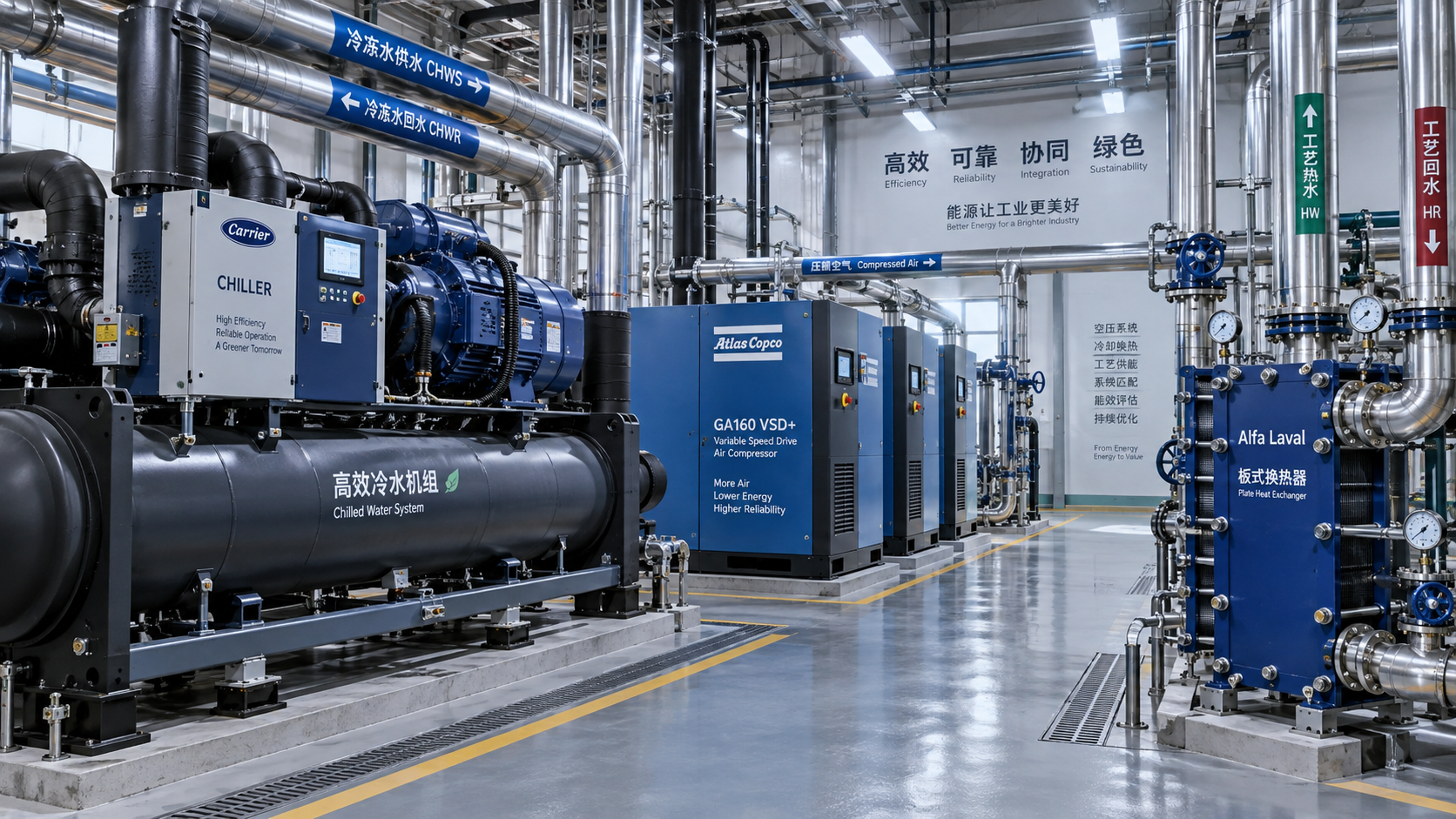
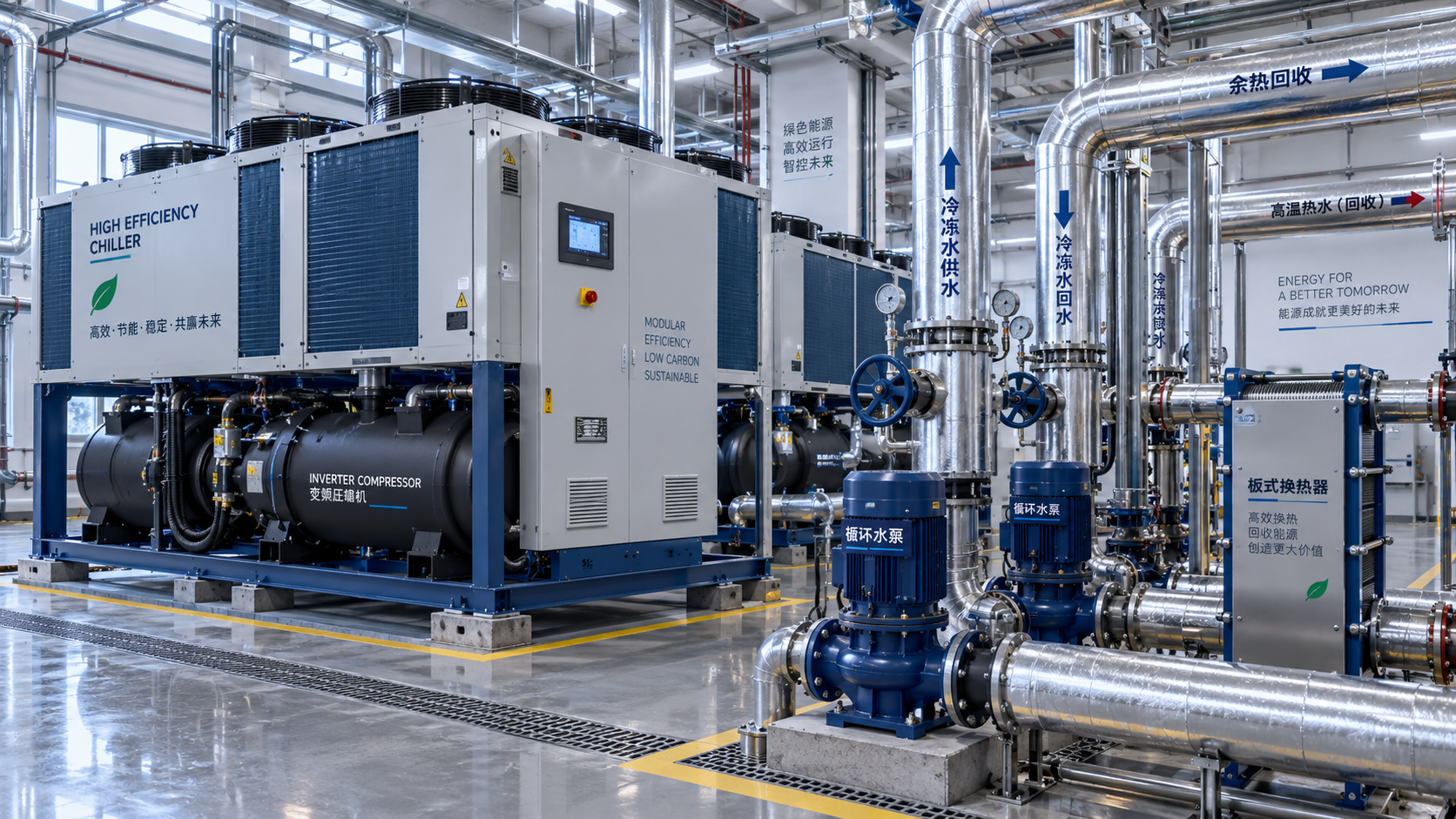
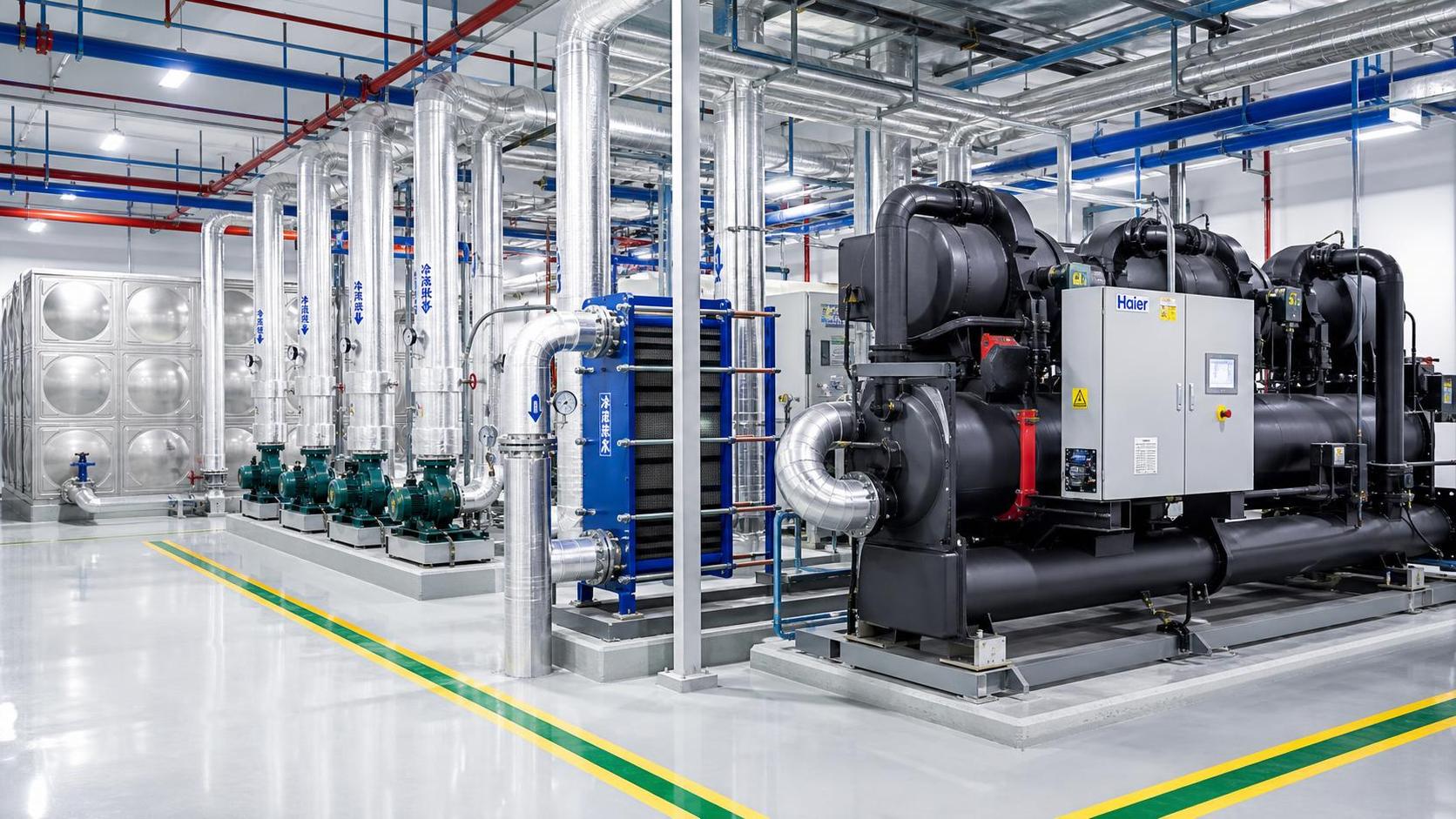
In industrial cooling, compressed air, vacuum, and heat exchange systems, ROI shifts with operating reality.
Energy price swings, load profile, maintenance intensity, and policy exposure often outweigh purchase price.
That is why decarbonization reviews now look beyond equipment labels and into system economics.
Across sectors, the strongest returns usually come from thermal and compression assets running many hours each year.
GTC-Matrix tracks these links closely, especially where thermodynamic efficiency shapes long-term capital performance.
A better question is not whether to decarbonize, but which cost drivers deserve the closest financial attention.
Is equipment price still the biggest factor in decarbonization ROI?
Usually, no. It is visible, easy to compare, and often overemphasized.
For many projects, capital expenditure represents only a fraction of lifetime decarbonization costs.
A high-efficiency compressor, chiller, heat pump, or heat exchanger may cost more upfront.
Yet if it cuts electricity demand under real load conditions, payback can accelerate significantly.
The reverse also happens. Lower-priced equipment may underperform once pressure drops, fouling, leakage, or part-load operation appear.
That gap is especially important in thermal systems where efficiency degrades quietly over time.
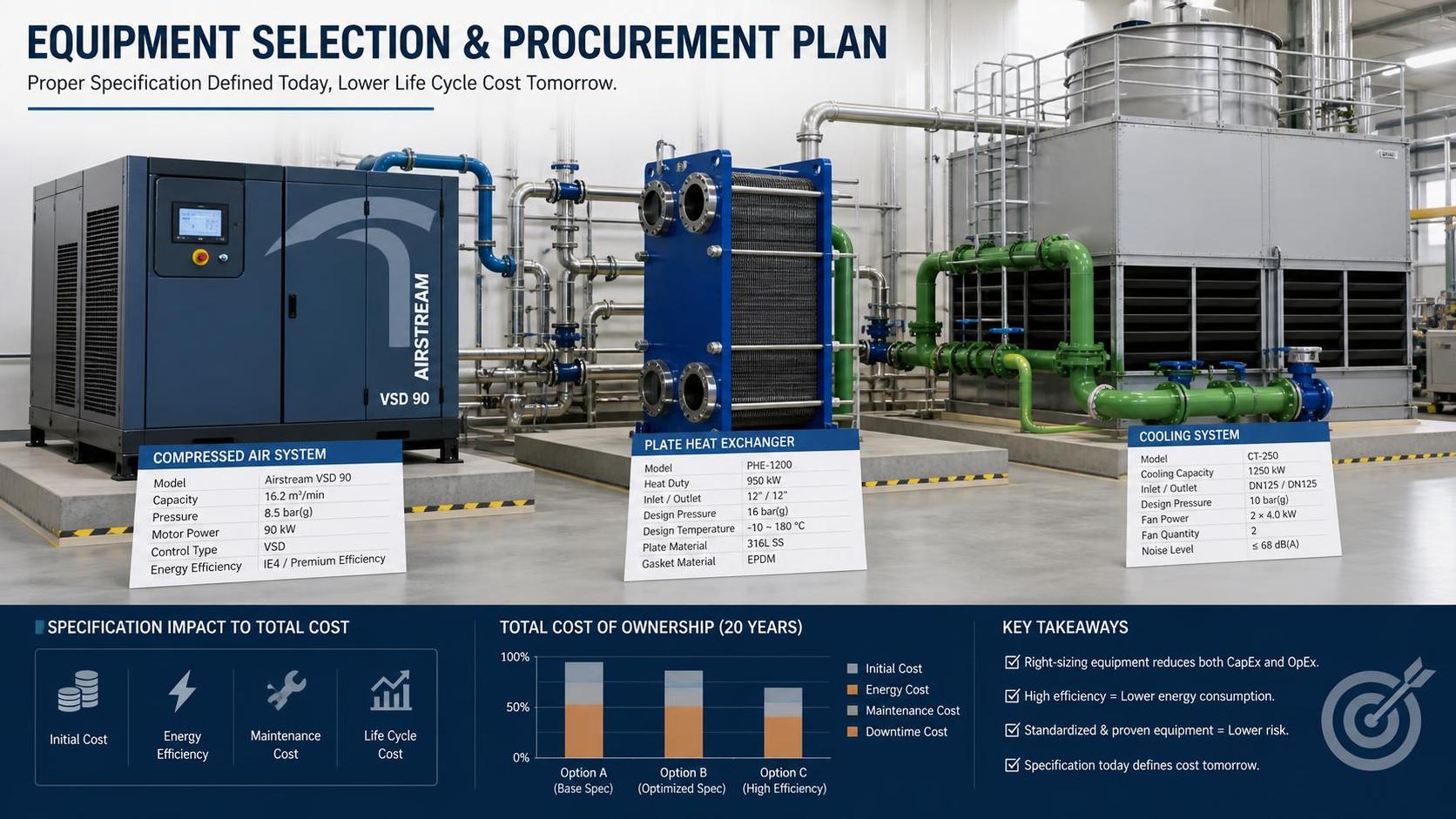
In practice, the more useful comparison is total cost of ownership against avoided carbon and avoided energy spend.
If a project model ignores run hours and operating regime, the ROI picture is incomplete.
What should replace a simple price comparison?
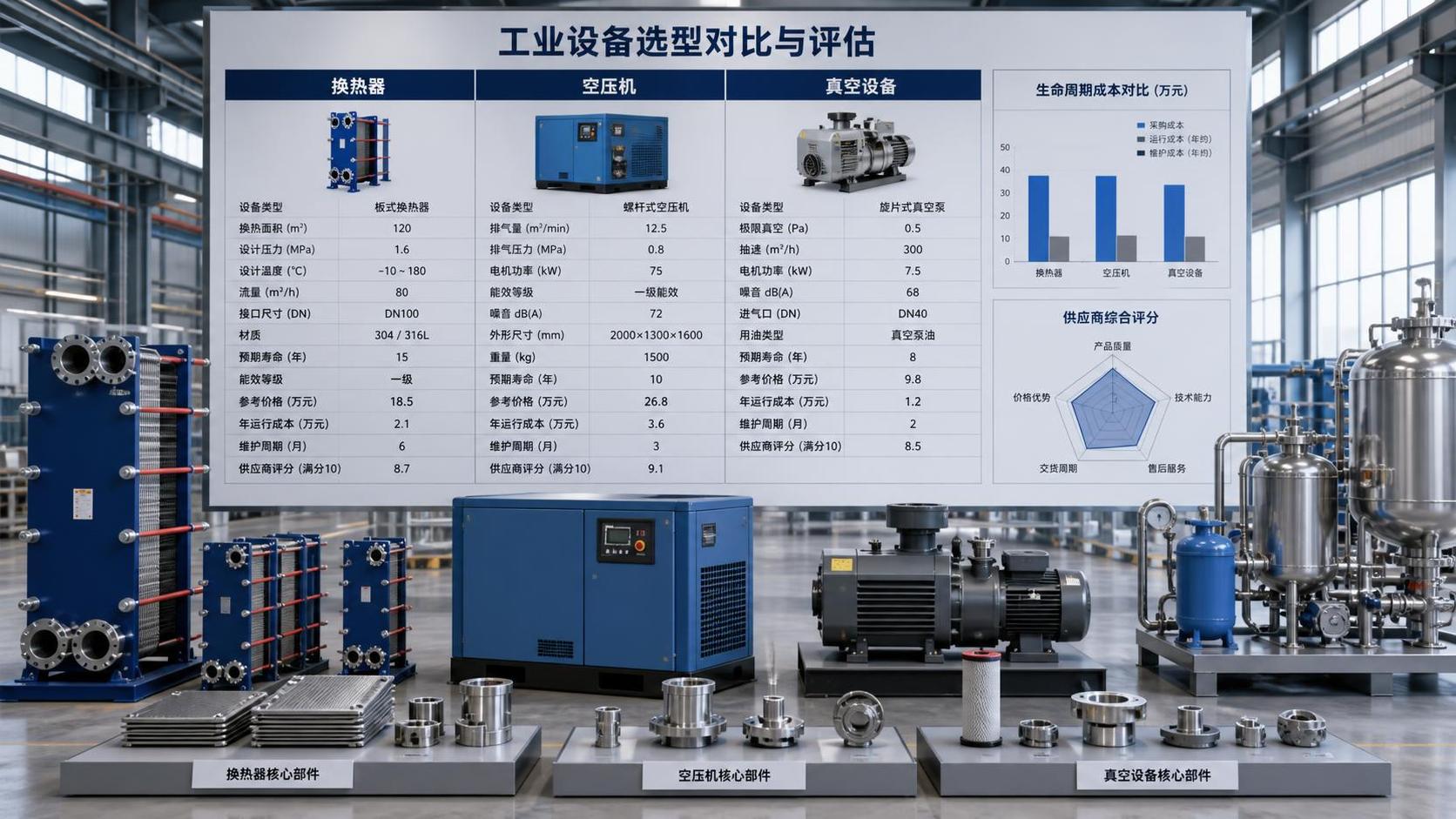
A short decision screen helps keep decarbonization analysis grounded in operating value.
This kind of table often reveals why the cheapest option is not the best decarbonization investment.
Why do energy volatility and system efficiency dominate payback?
Because energy is usually the largest recurring cost in decarbonization calculations.
Even modest efficiency gains become valuable when electricity or fuel prices rise unexpectedly.
This is especially true in compressed air systems, refrigeration loops, and process heat recovery applications.
A one-point improvement in efficiency may look small on paper.
Across continuous operation, it can reshape annual cash flow and shorten decarbonization payback by years.
The important nuance is that nameplate efficiency is not enough.
Real ROI depends on delivered efficiency after controls, ambient conditions, pressure settings, and heat rejection limits are considered.
That is why industry intelligence platforms focus on field performance trends, not only vendor claims.
Which systems deserve the closest review?
- Compressed air networks with leakage, oversized compressors, or unstable pressure demand.
- Cooling systems with aging chillers, inefficient condensers, or poor heat exchanger cleanliness.
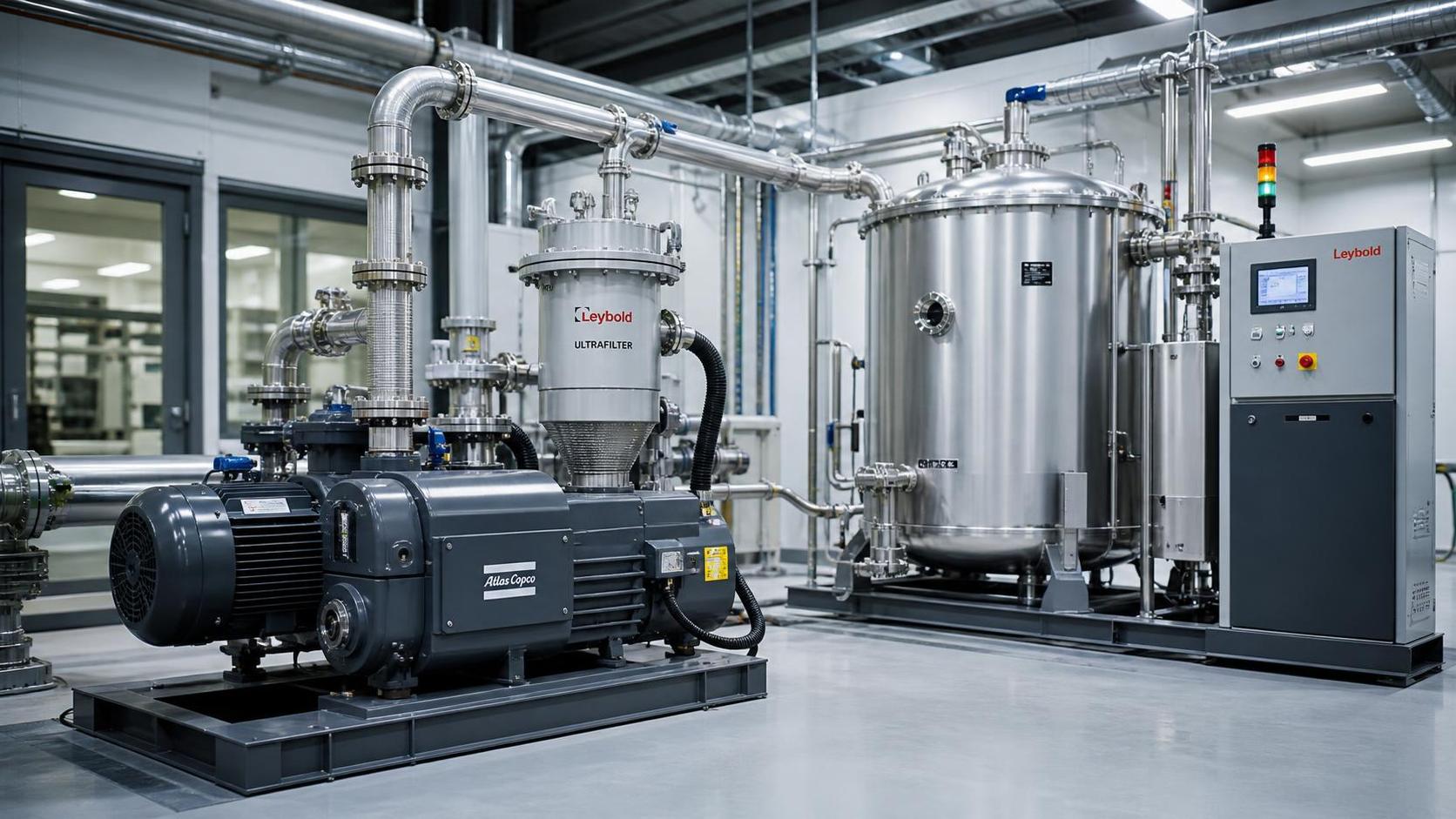
- Vacuum processes running continuously at fixed speed despite variable process loads.
- Boiler and heat recovery lines where exhaust heat is still being wasted.
These areas often hold the largest decarbonization upside because losses recur every hour.
Are maintenance, uptime, and retrofit complexity being underestimated?
Very often, yes. Financial models tend to reward clean assumptions.
Operational assets rarely behave that neatly after installation.
Decarbonization ROI weakens when a project adds specialist maintenance, spare part dependency, or integration delays.
A retrofit inside a live plant can also create temporary production loss.
That loss may outweigh several months of projected energy savings.
In practical terms, reliability is a financial variable, not only an engineering metric.
Oil-free compression, low-NOx combustion upgrades, or advanced heat exchanger designs can offer strong decarbonization benefits.
Still, the return depends on service capability, operator familiarity, and supply chain resilience.
A sound business case therefore includes failure modes, maintenance windows, and commissioning risk.
What signs suggest hidden cost risk?
- Savings are modeled without shutdown impact or ramp-up time.
- Service intervals are based on laboratory conditions, not site conditions.
- The project depends on a single component source or niche technical support.
- Existing controls, piping, ducting, or utilities need major redesign.
How much do policy, carbon pricing, and refrigerant rules change the math?
Sometimes they are the difference between a marginal case and a strong one.
Decarbonization returns improve when incentives reduce upfront burden or when regulation raises the cost of waiting.
Refrigerant quota changes, emissions reporting rules, and grid carbon factors can all affect payback assumptions.
The key is not to treat policy as a bonus line.
It should be modeled as a moving cost input with upside and downside scenarios.
This is where market intelligence becomes useful.
GTC-Matrix follows energy costs, refrigerant policy, and technology evolution because these signals affect asset economics before budgets are finalized.
For decarbonization planning, timing often matters almost as much as technology selection.
A simple policy check can include:
- Expected carbon fees over the next three to five years.
- Incentives tied to electrification, waste heat recovery, or efficiency upgrades.
- Compliance deadlines for refrigerants, combustion emissions, or energy reporting.
- Potential grid changes that alter electricity cost or emissions intensity.
What is the most reliable way to evaluate decarbonization investment before approval?
The strongest approach combines technical evidence with scenario-based financial review.
That means testing optimistic assumptions against realistic operating variation.
Instead of one payback figure, use a decision range.
Include base, upside, and stress cases for energy price, utilization, maintenance, and policy impact.
In many facilities, thermal and compression systems interact.
A better compressor may reduce heat load elsewhere, while improved heat exchange may lower electrical demand.
Looking at one asset in isolation can understate total decarbonization value or hide transfer costs.
A concise approval framework can help keep the review disciplined.
If the model still looks attractive after those tests, the decarbonization case is usually much stronger.
Where should the next review start?
Start with the assets that consume the most energy and run the longest.
Then check whether the expected decarbonization gain survives real operating conditions.
For many sites, that means reassessing compressors, cooling loops, vacuum systems, and heat recovery paths first.
It also helps to compare technical proposals against policy timing and maintenance capability, not just capex.
A credible decision process pulls together energy data, service assumptions, integration scope, and external market signals.
That is where decarbonization becomes less abstract and more financially defensible.
The next practical step is to build a shortlist of projects, test them under three operating scenarios, and verify which one protects ROI best.
Ready when you are. Send us a message to get started.
Related News
- How to select industrial equipment for automation with existing PLCsAuthor :

- How electricity prices shape industrial compressed air price trendsAuthor :

- Choosing air filtration systems for heavy dust in the Middle EastAuthor :

- How much does a fully installed compressed air monitoring system cost?Author :

- What documentation supports CE marking for industrial equipment?Author :

- How local support affects vacuum system costs in Southeast AsiaAuthor :

- How worldwide industry category guides help compare market opportunitiesAuthor :

- What drives sustainable thermal systems cost over their operating life?Author :

- Which industrial solution comparison criteria prevent project delays?Author :

- How Ambient Temperature and Load Profile Affect Industrial Compressor SizingAuthor :

- What to evaluate before choosing a thermal process engineering supplierAuthor :

- How industrial utility systems affect energy costs in process plantsAuthor :

- What Data Is Needed to Assess Heat Recovery Decarbonization?Author :

- Can Waste Heat Recovery Support Carbon Neutrality Targets?Author :

- Is Compressor Heat Recovery Worth the Installation Cost?Author :

- What to verify before choosing a process separation technology supplierAuthor :

- When does process utilities engineering reduce project rework?Author :

- Where thermal efficiency optimization delivers the fastest savings in EuropeAuthor :

- What should you verify before selecting a heat transfer supplier?Author :

- What drives compressed air systems price for industrial projects?Author :

- How an industrial product knowledge comparison guide reduces sourcing riskAuthor :

- When does a procurement specification planning process reduce bid risk?Author :

- When does thermal system optimization for electronics reduce failure risk?Author :

- When high temperature process heating systems justify the higher energy costAuthor :

- How to compare sludge dewatering equipment by cake drynessAuthor :

- What to Check Before Sourcing a Gas Turbine for Distributed Power ProjectsAuthor :

- What drives industrial thermal systems price in large facility projectsAuthor :

- How to build an industrial product comparison chart that speeds up vendor selectionAuthor :

- Vacuum Technology Application Guide for Selecting the Right SystemAuthor :

- What Drives Vacuum Drying Cost in Industrial Procurement?Author :

- What Drives Compressed Air Pricing in Industrial Systems?Author :

- How Procurement Specification Planning Shapes Total Project CostAuthor :

- Compression Technology Guide: How to Compare Efficiency, Pressure Range, and Maintenance NeedsAuthor :

- How to Compare Industrial Separators by Throughput, Purity, and Maintenance LoadAuthor :

- How to Size a Compressed Air Equipment Receiver Tank for Stable PressureAuthor :

- Industrial Equipment Selection Guide: How to Compare Capacity, Duty Cycle, and Operating CostAuthor :