Compressed Air Technology: Hidden Energy Costs and How to Cut Them




Why Compressed Air Technology Creates Hidden Costs
Compressed air technology is essential in packaging, food processing, electronics, automotive lines, and general plant utilities. It looks simple on paper, but the energy bill often tells a different story.
A compressed air system can consume far more electricity than expected because losses build quietly. Small leaks, poor pressure settings, weak controls, and bad piping design often stay invisible for months.
That matters when comparing suppliers, ownership cost, and payback. In many facilities, compressed air technology is not just an equipment purchase. It is a long-term energy contract hidden inside operations.
GTC-Matrix tracks these patterns across industrial cooling, compressed air, vacuum processes, and heat exchange technologies. That broader view helps connect compressor performance with energy pricing, process stability, and decarbonization goals.
The practical question is not only which machine to buy. It is which compressed air technology setup can hold pressure, protect product quality, and avoid avoidable energy waste over time.
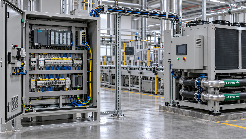
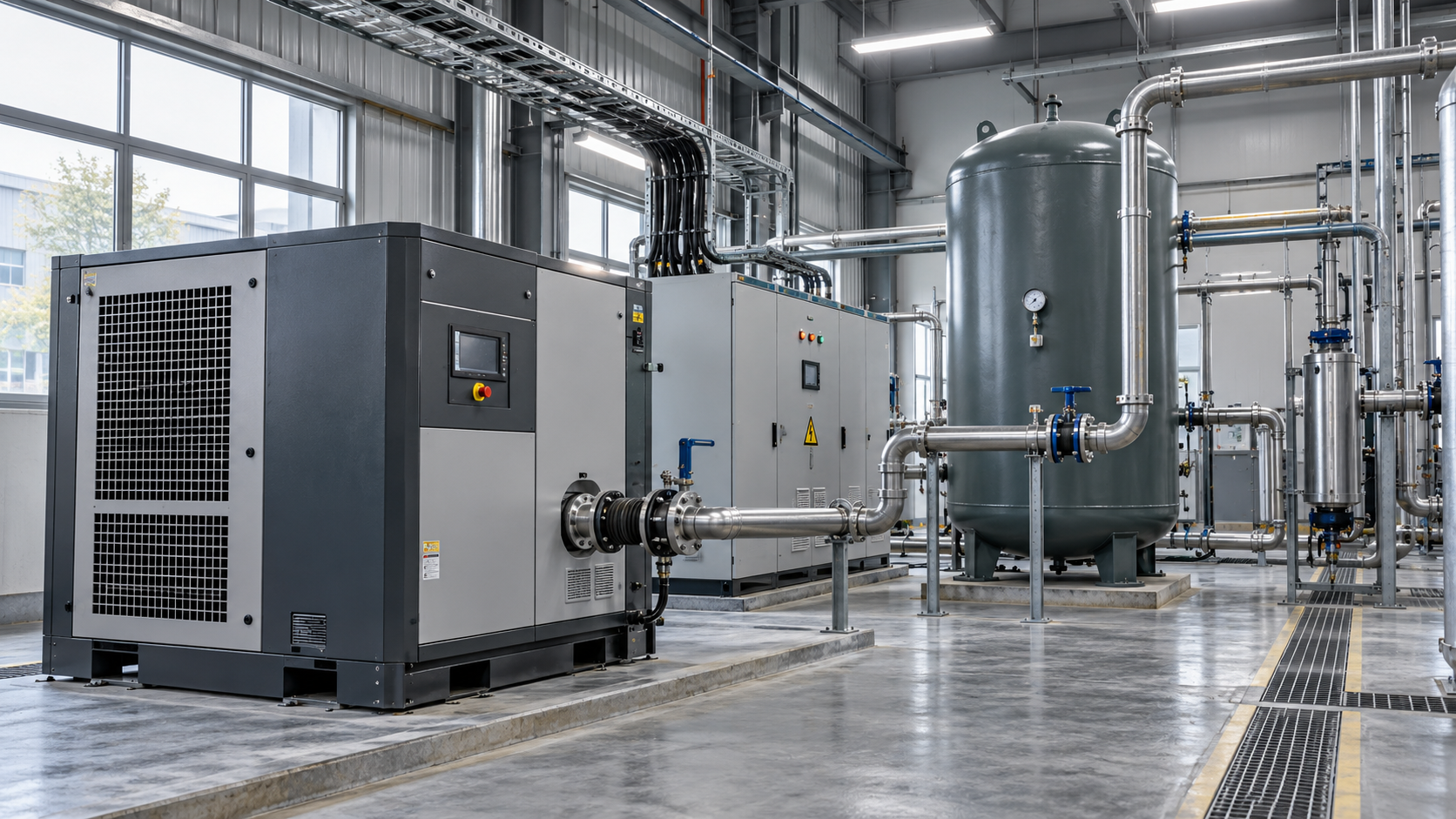
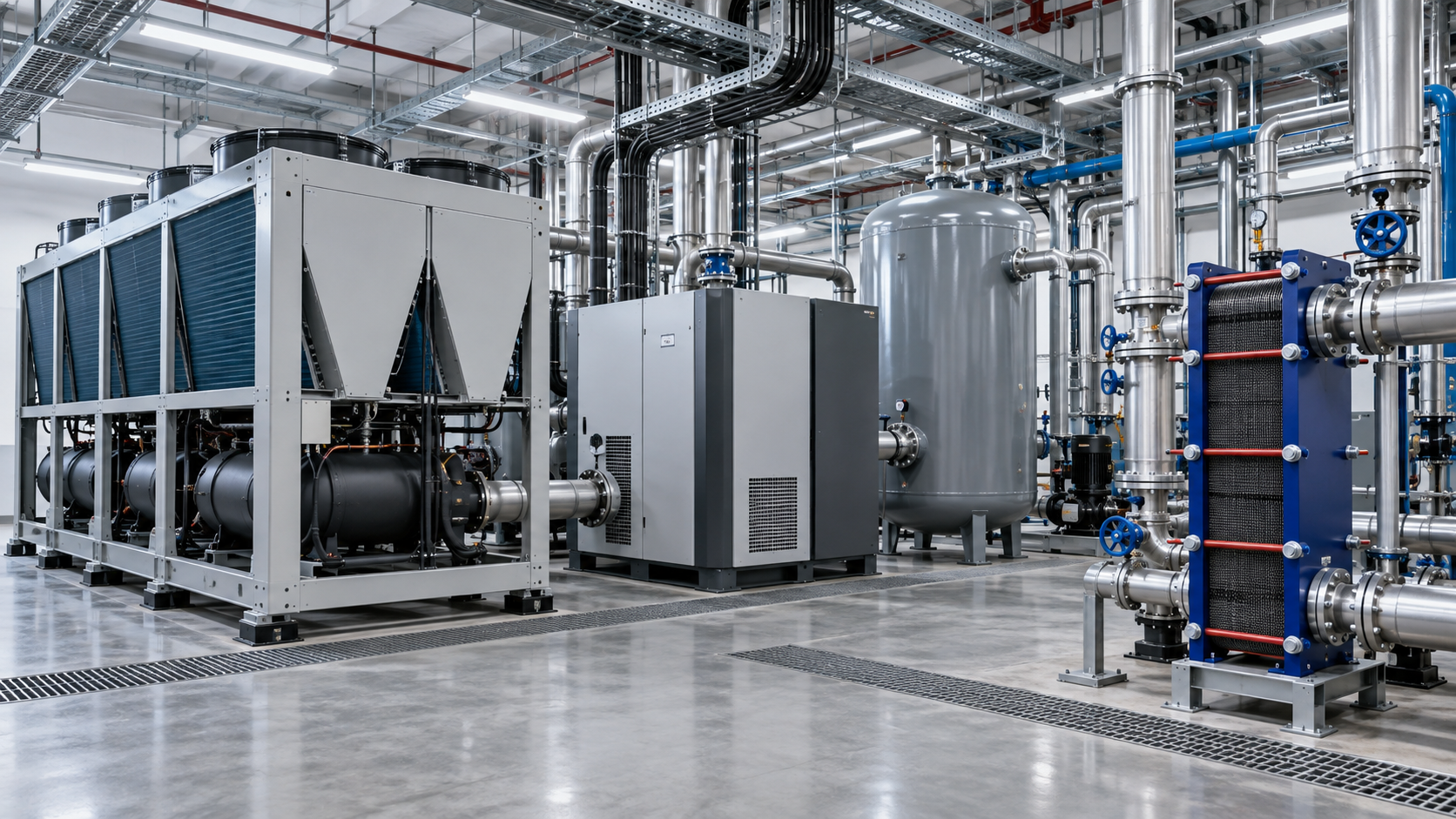
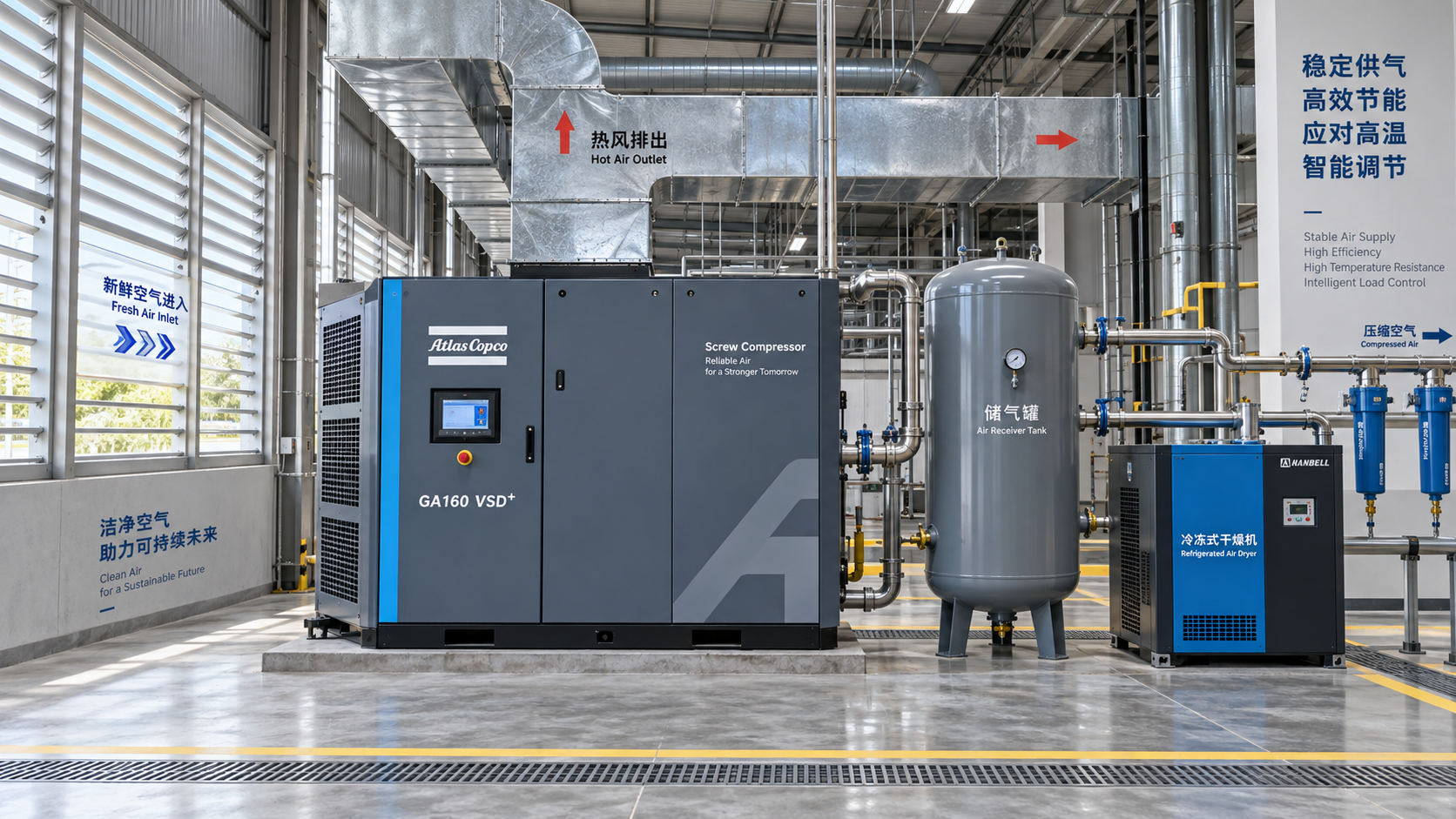
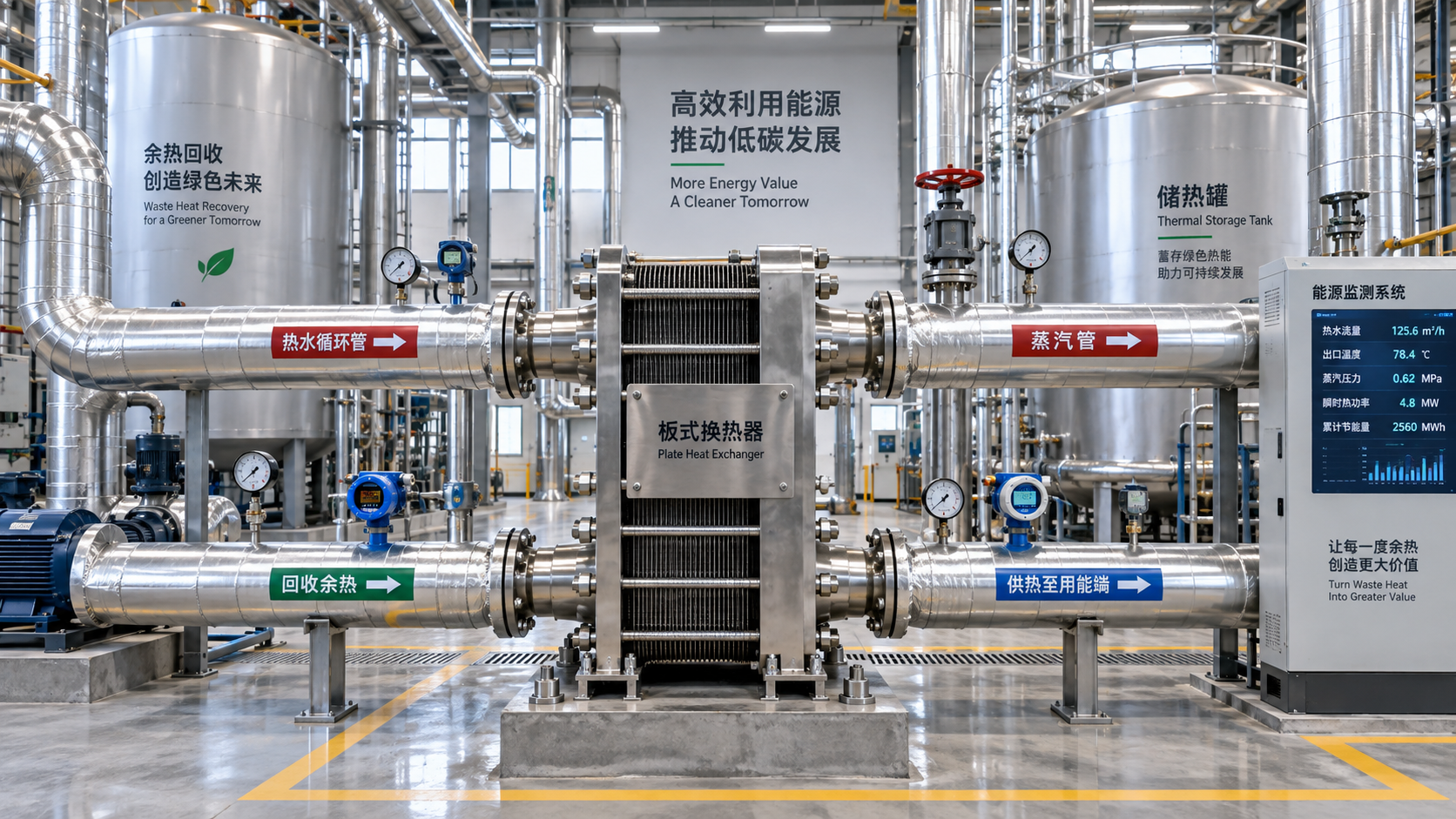
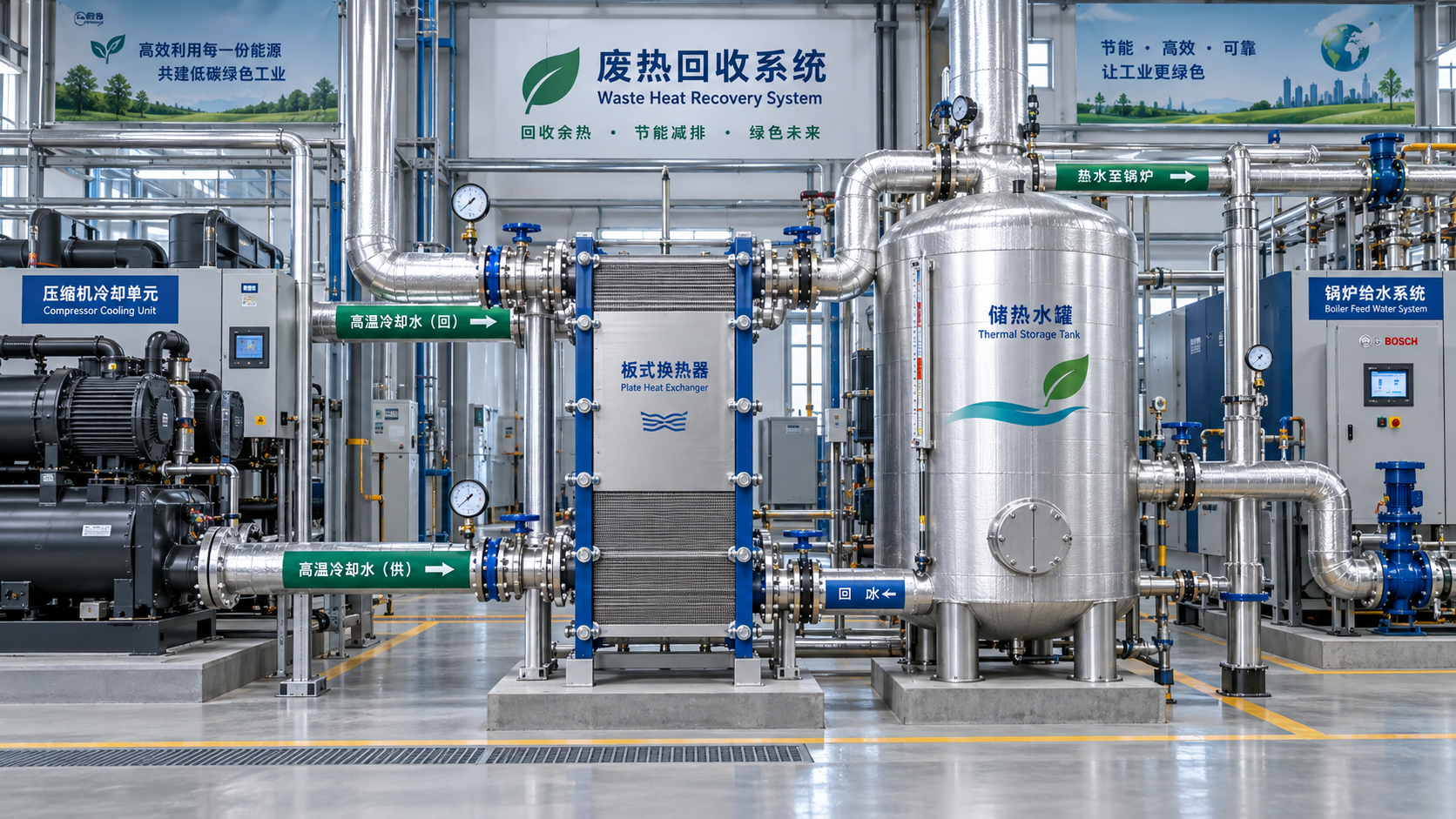
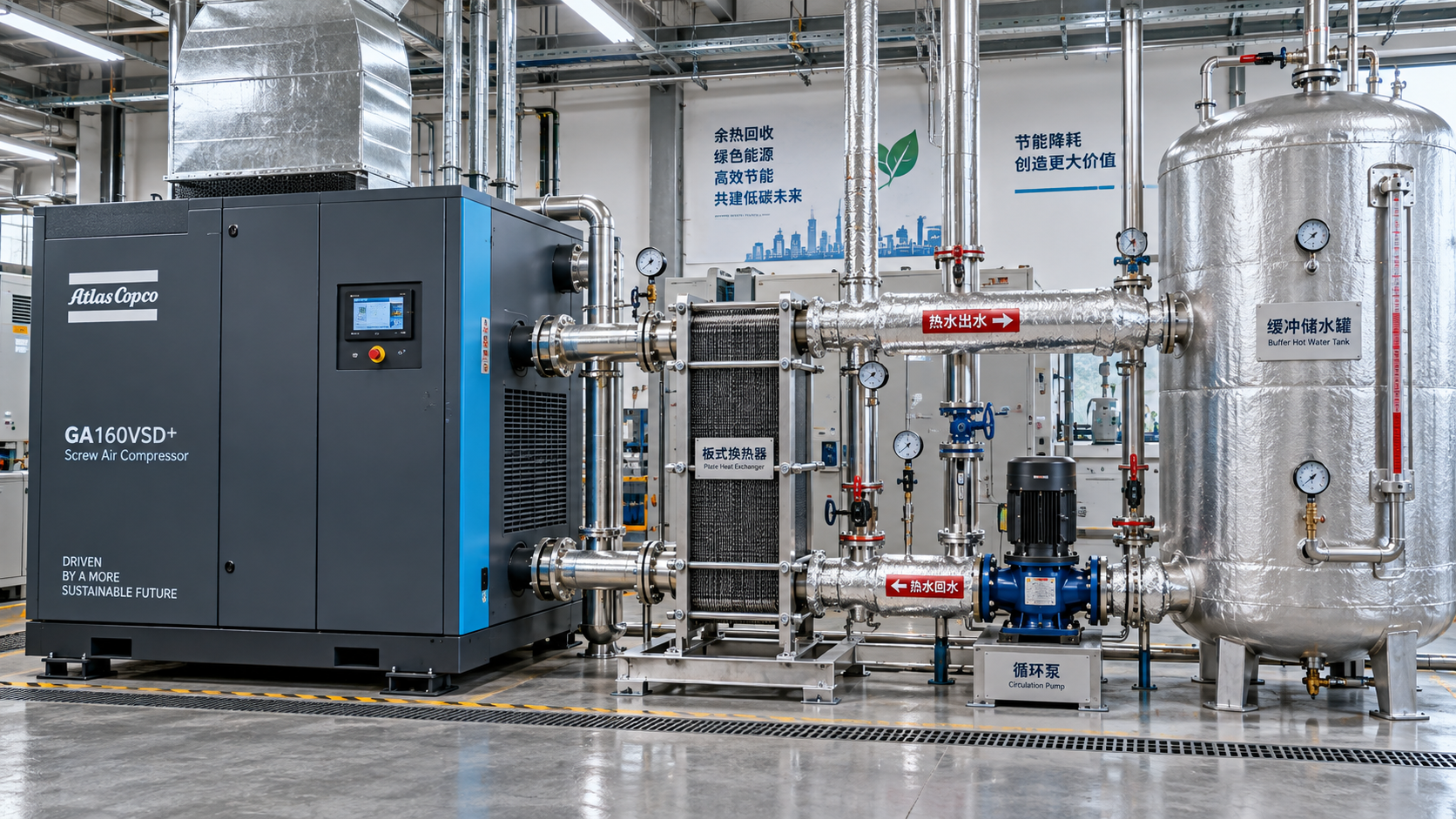
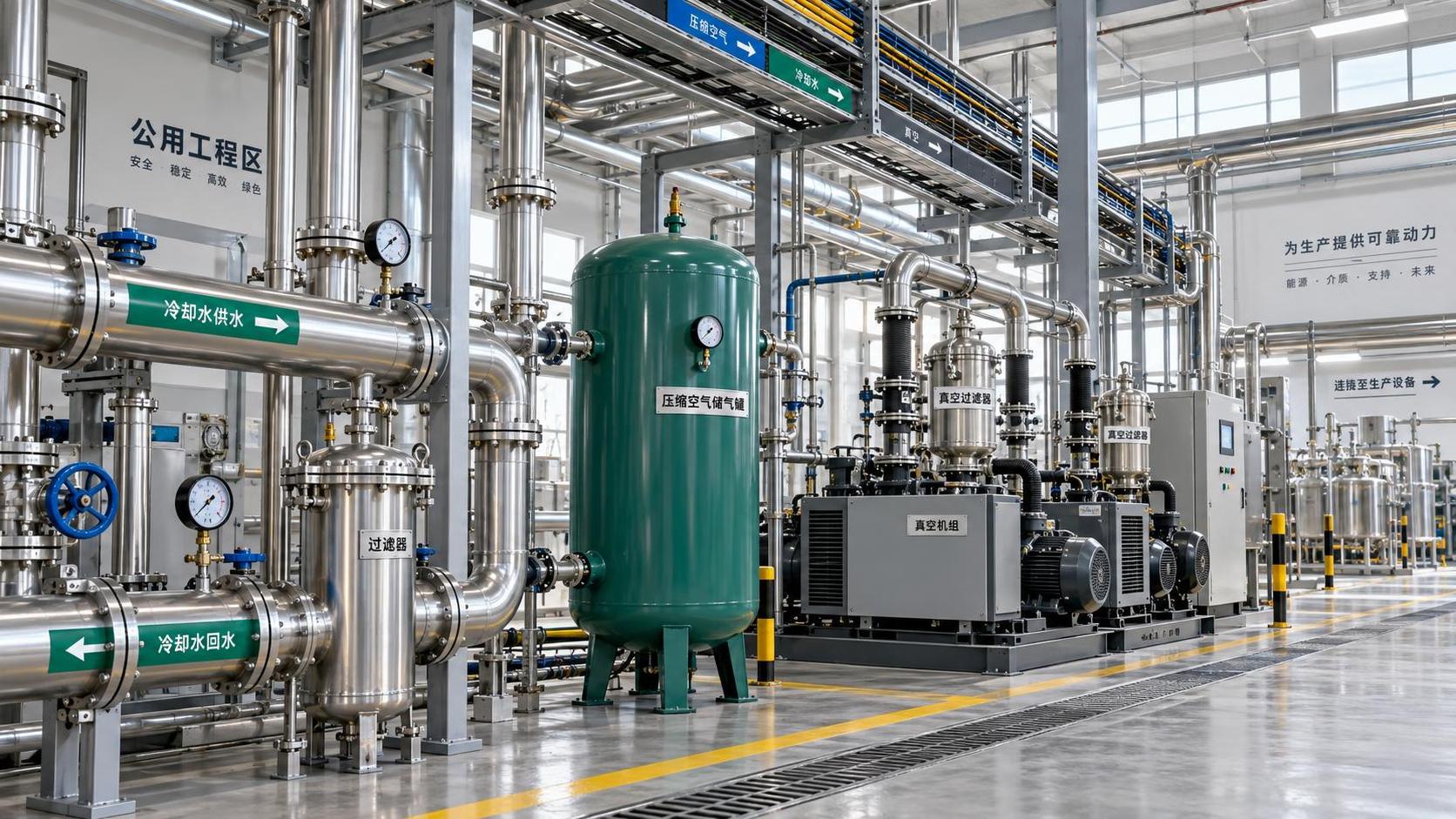
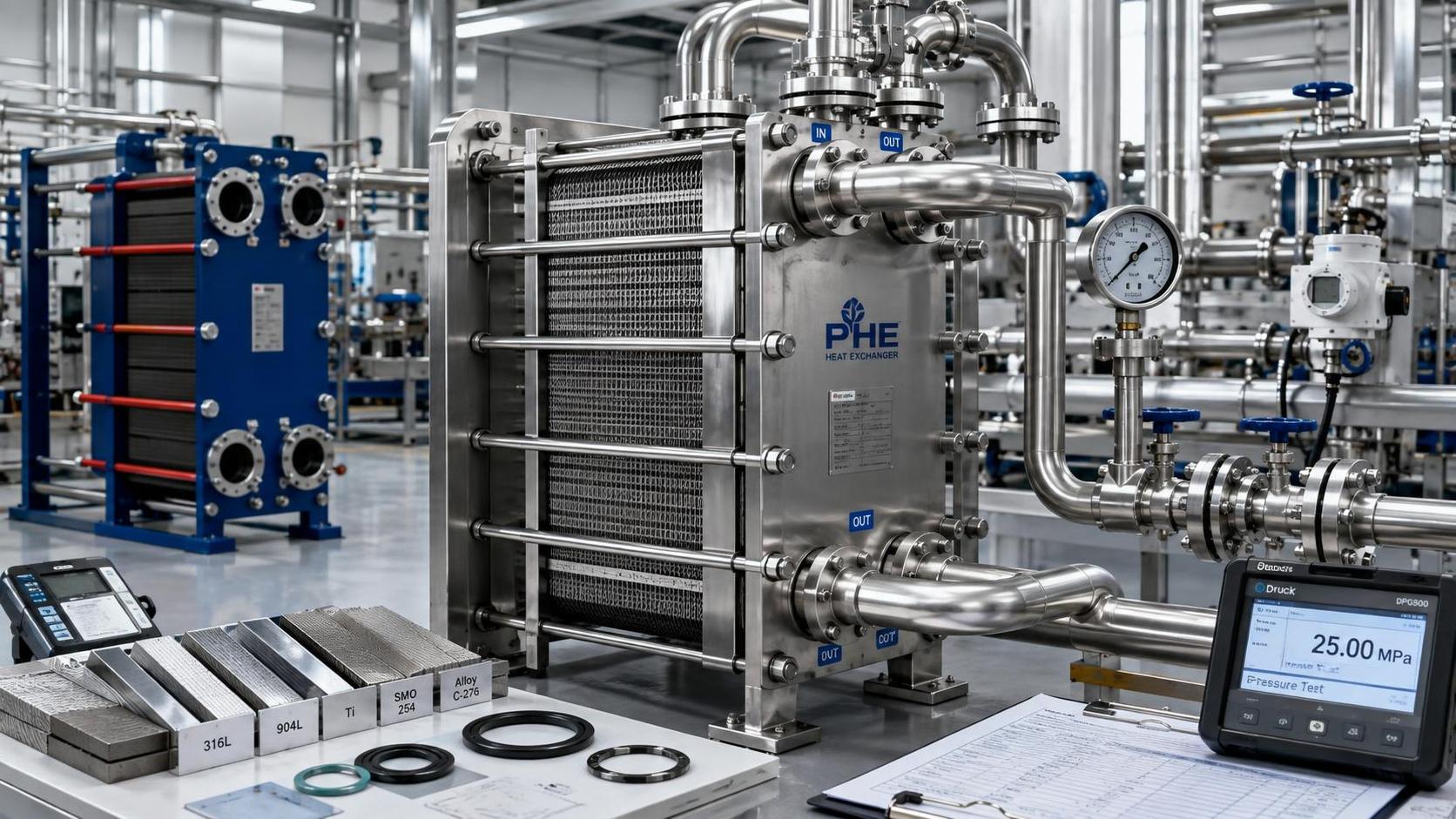
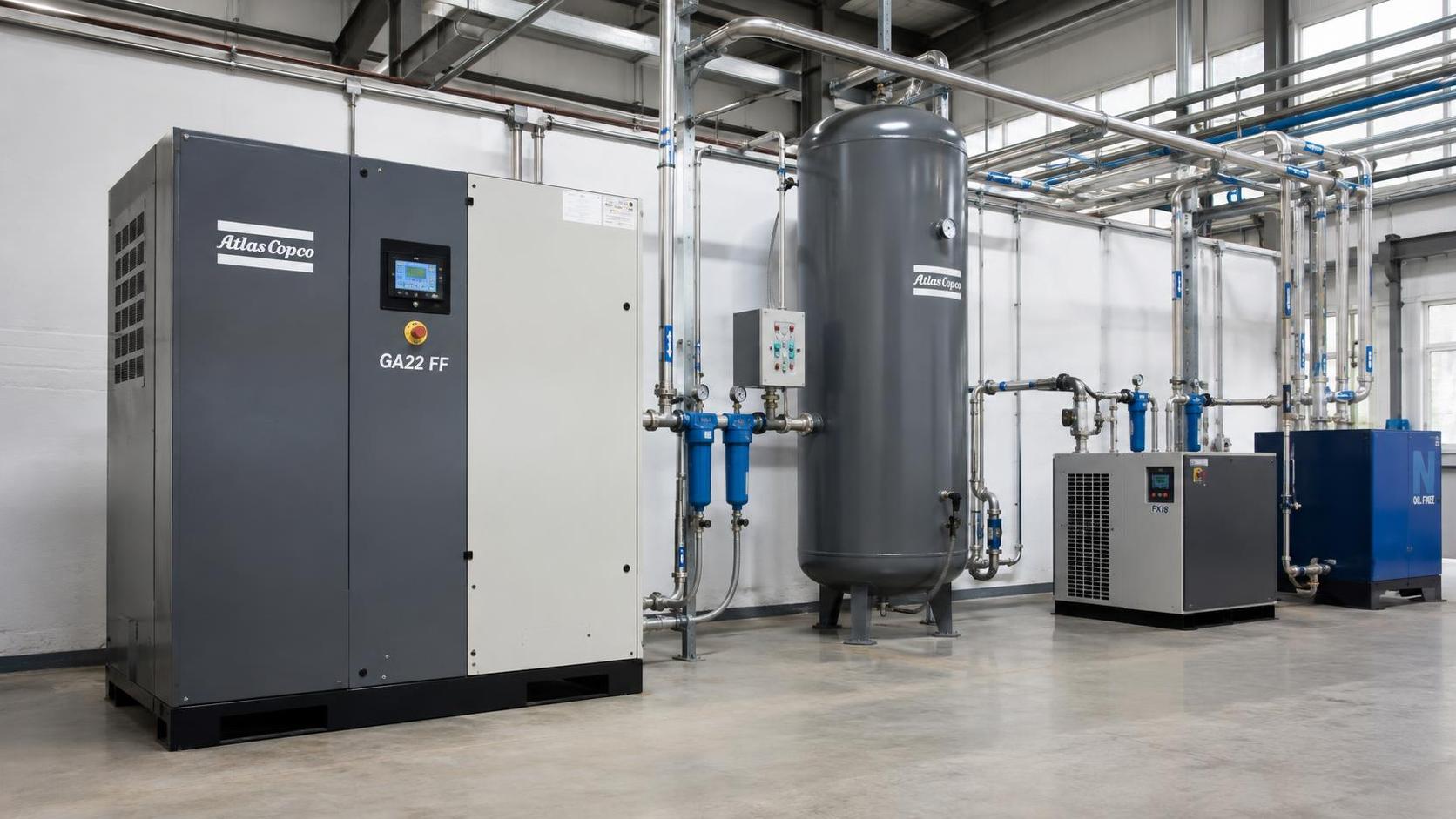
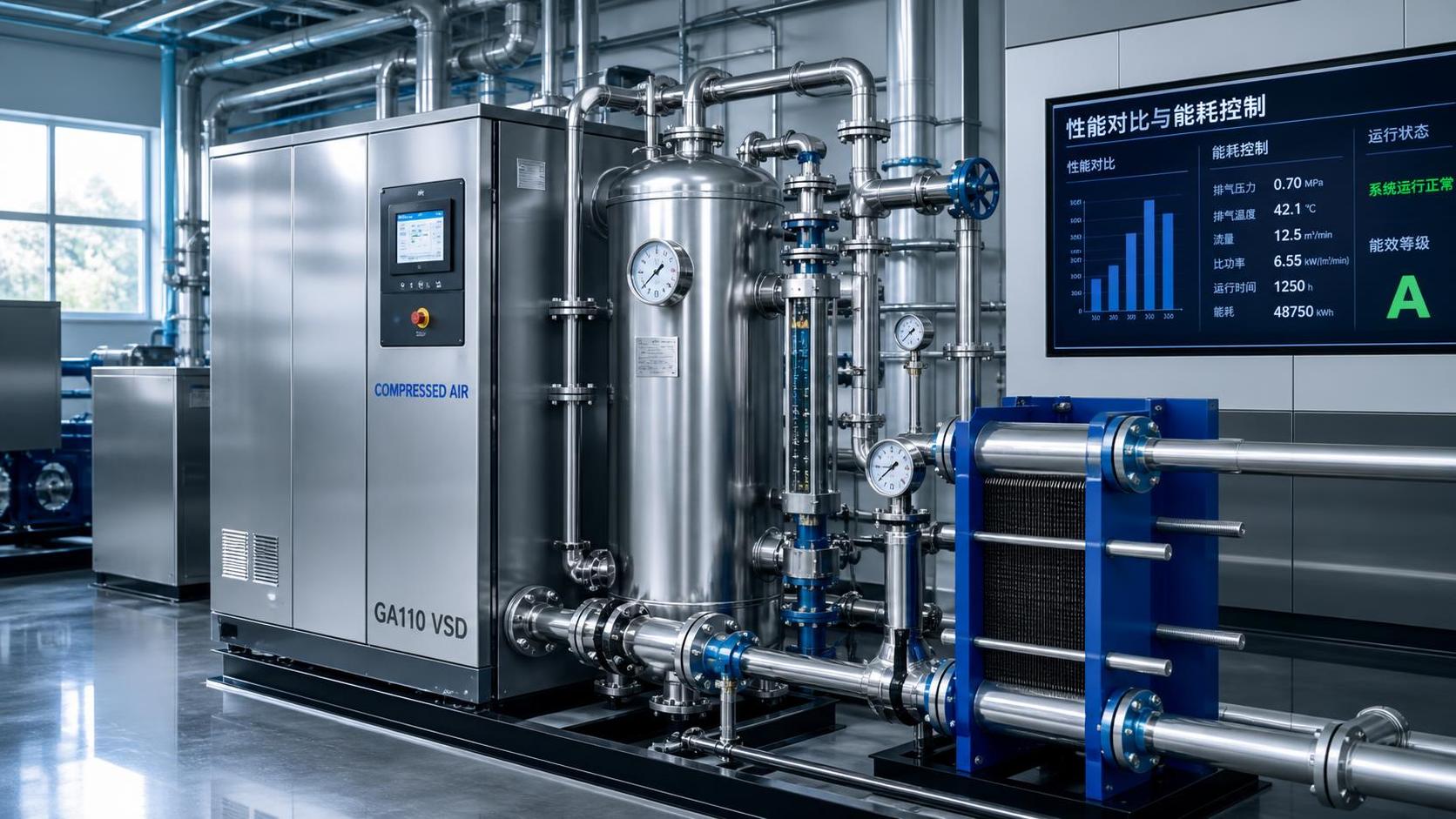
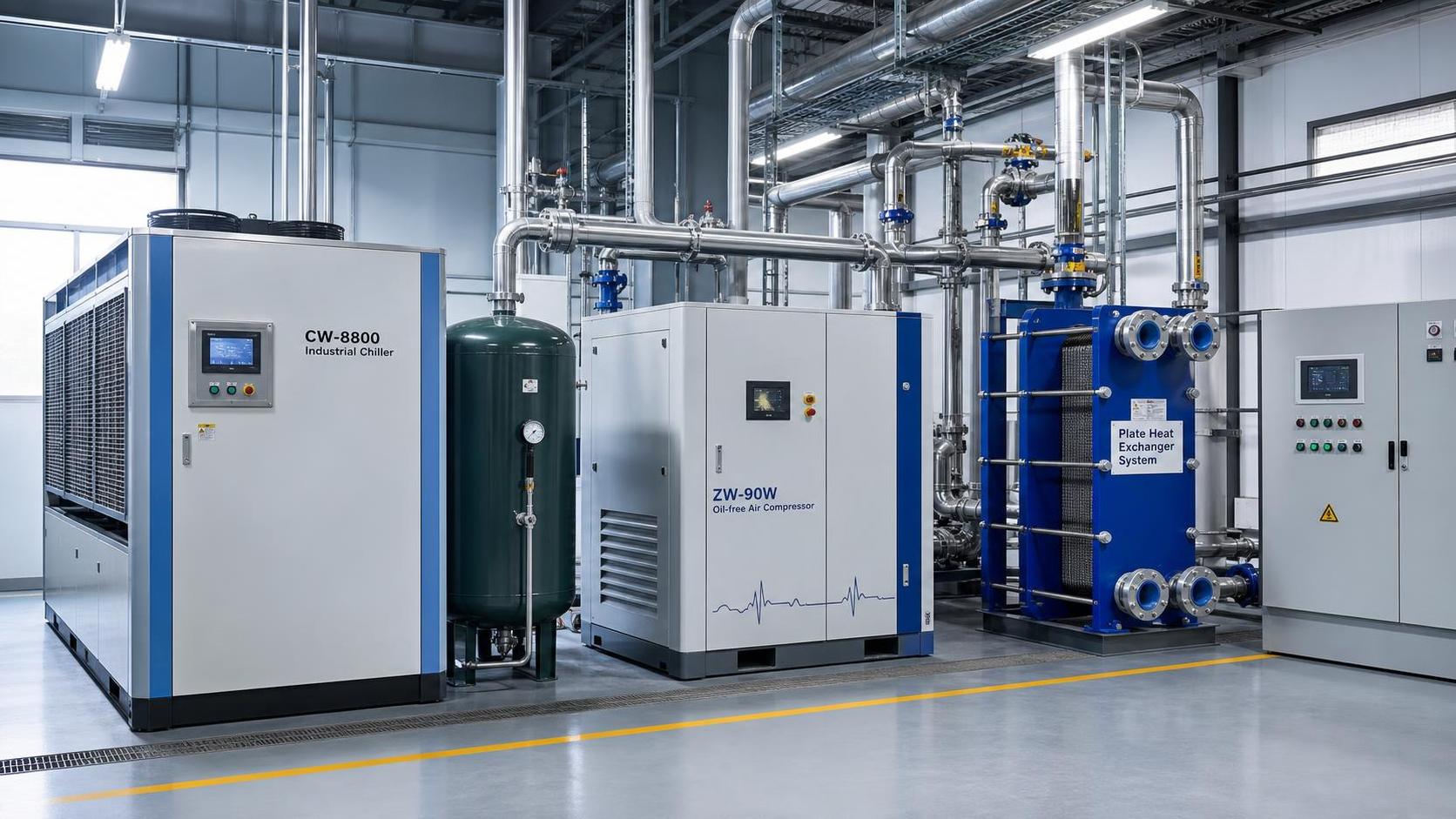
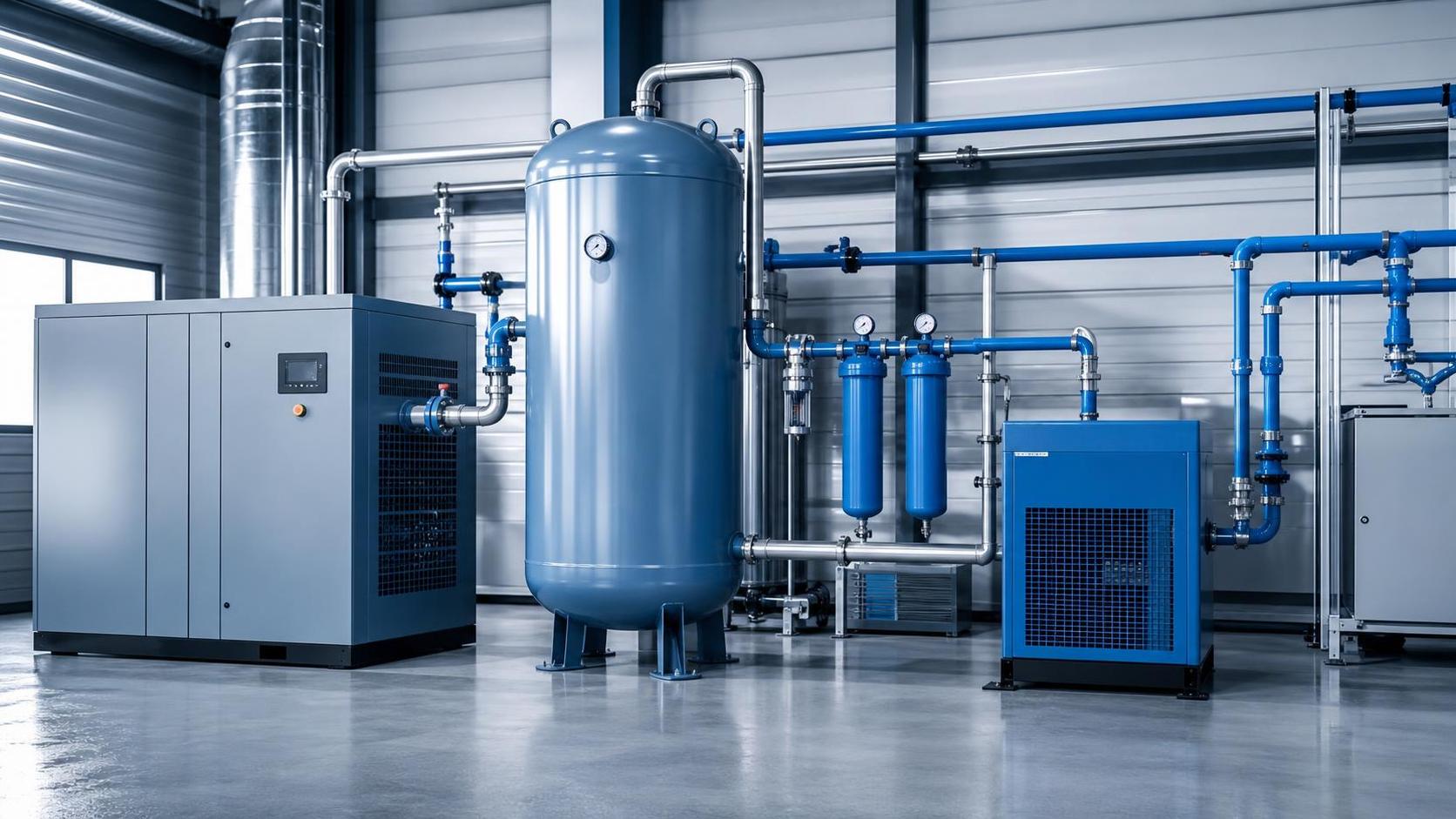
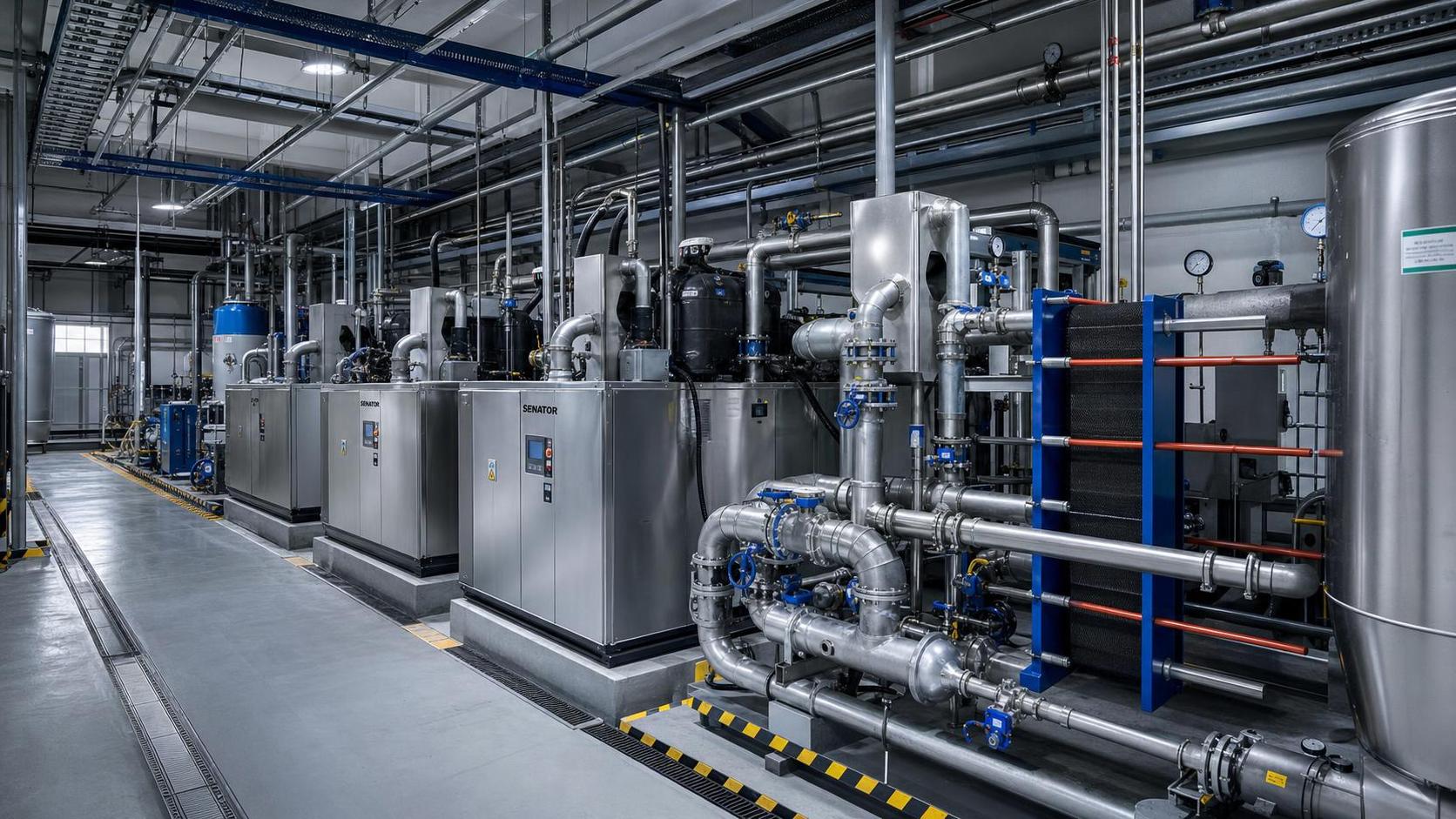
Right below is a simple visual reference before moving into the most common hidden cost drivers.
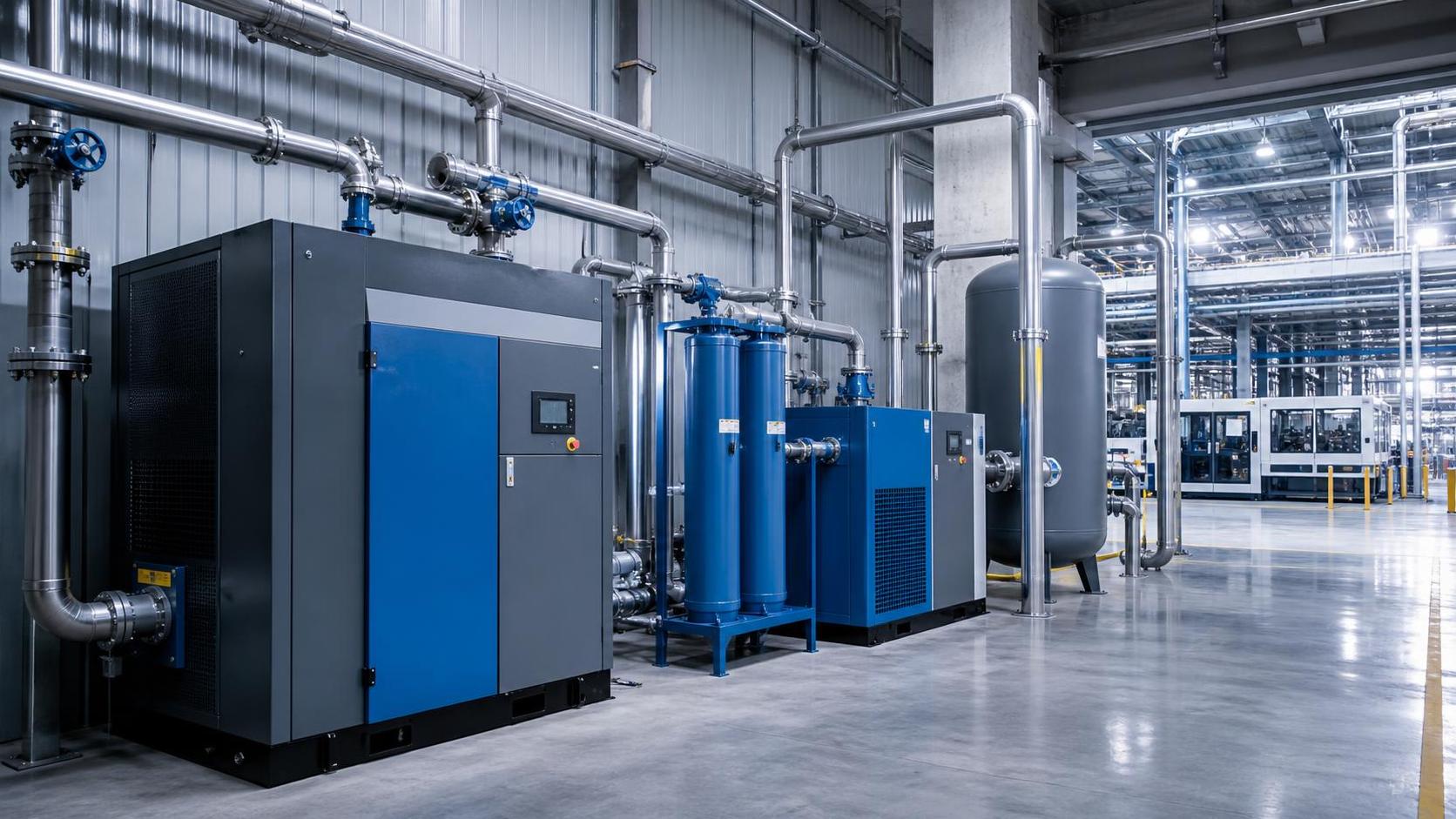
[Image 01: Compressed air system energy loss points across compressor room, piping, storage, drying, and end-use equipment]
Where Energy Loss Usually Starts
Most hidden costs come from system decisions made early, then ignored later. That is why a lower purchase price can become a higher lifetime cost.
- Check system leaks during loaded and unloaded hours. Even minor leakage in compressed air technology networks can waste large amounts of power every year without affecting production immediately.
- Review pressure setpoints against actual end-use needs. Running just a little higher than necessary often increases electricity use, air loss, and wear across the whole compressed air technology system.
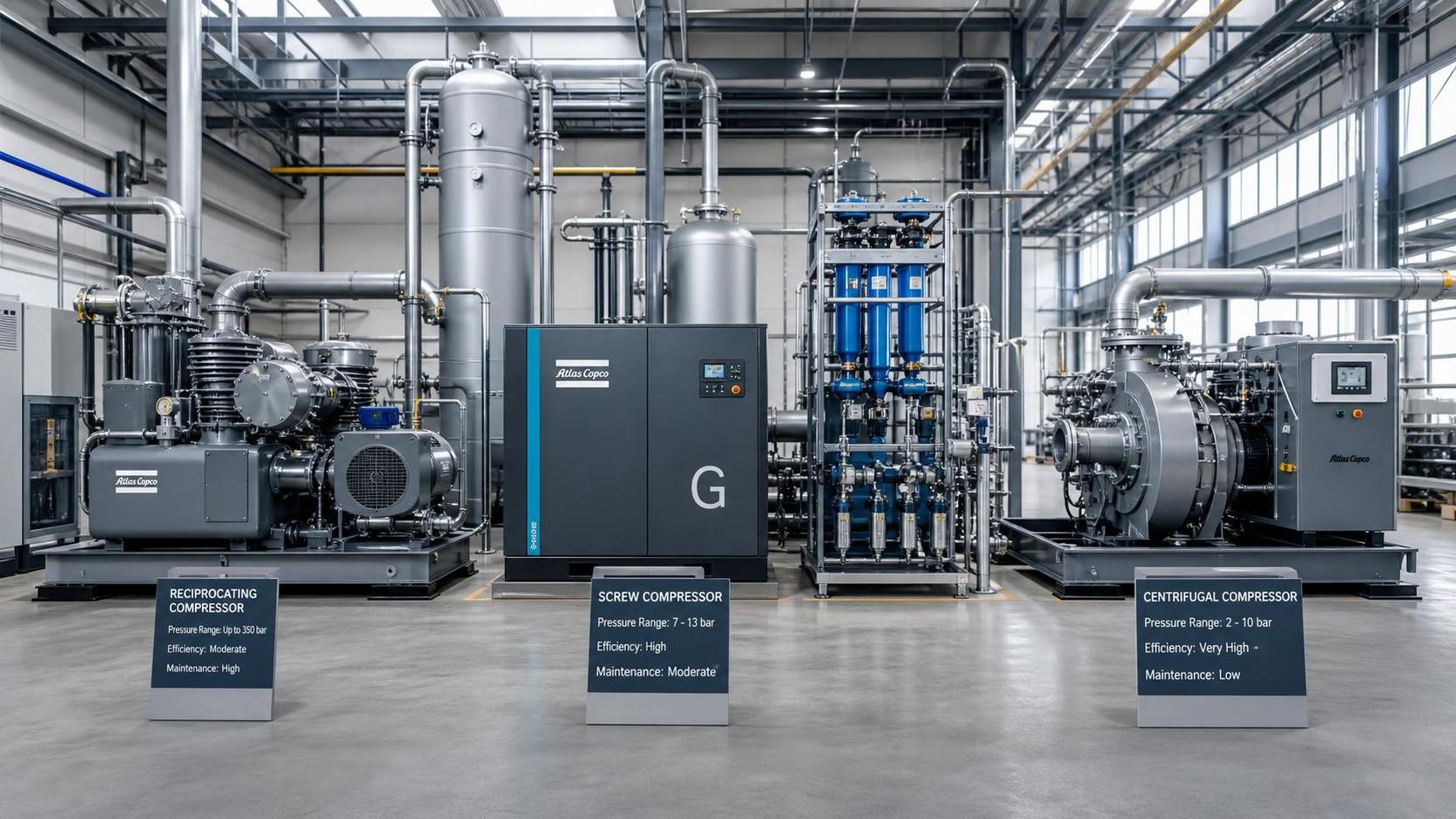
- Compare compressor control logic, not just motor size. Poor sequencing between base-load and trim units can leave compressed air technology assets fighting each other instead of saving energy.
- Inspect pipe routing, bends, and undersized headers. Pressure drop forces compressed air technology equipment to work harder, especially in plants with long utility runs or frequent layout changes.
- Measure storage capacity before adding another compressor. In many cases, better receiver sizing improves compressed air technology stability faster and cheaper than buying more generation capacity.
- Confirm dryer and filter selection against real air quality targets. Overspecification can add pressure drop, while underspecification risks product quality, maintenance issues, and higher lifecycle cost.
A common plant-level pattern
A facility notices unstable pressure at one packaging line. The quick fix is often to raise the whole system pressure.
That solves the symptom, not the cause. The real issue may be local restriction, poor storage, or a leaking branch line. This is where compressed air technology decisions start affecting total cost.
What to Compare Before Buying
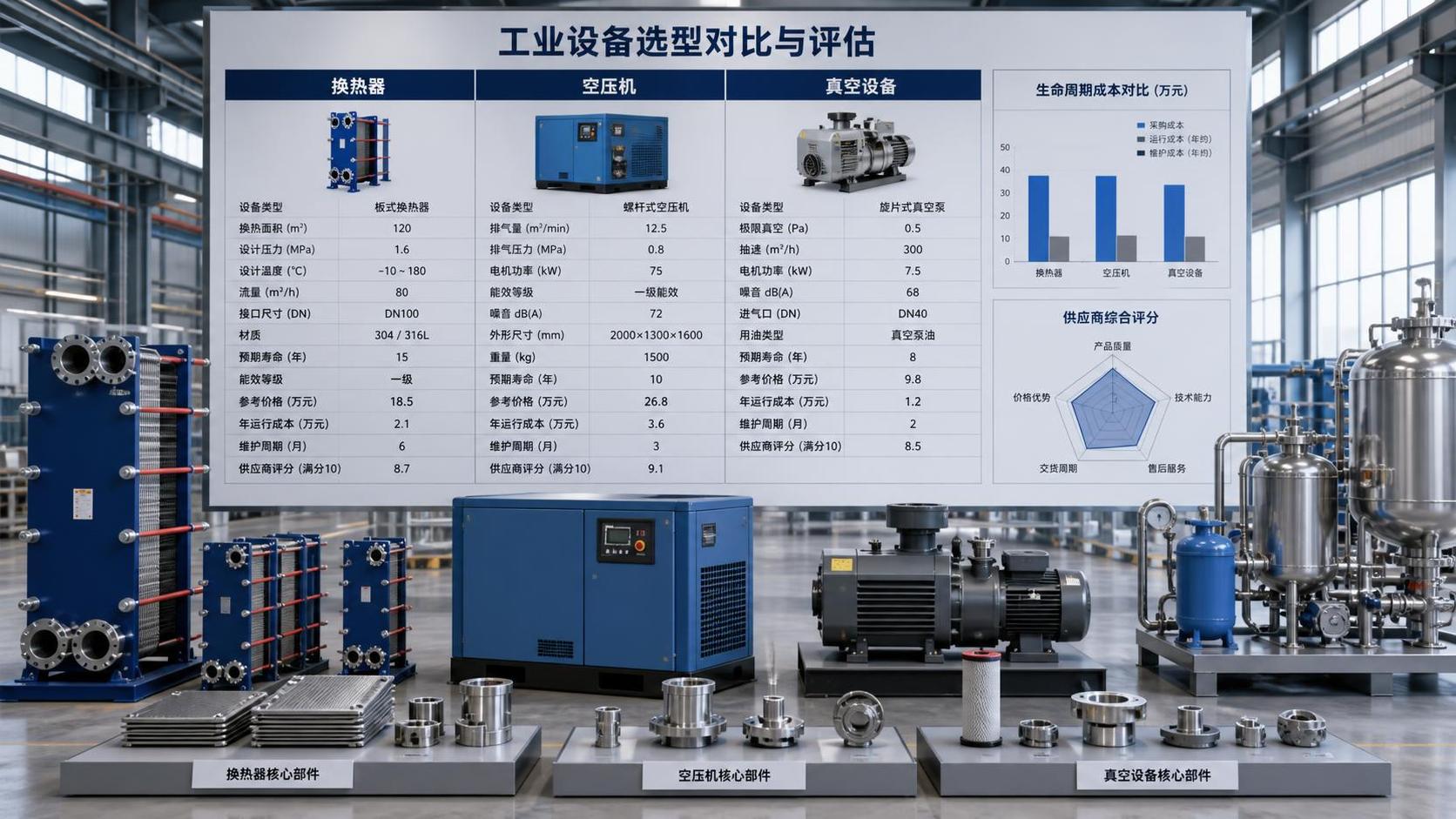
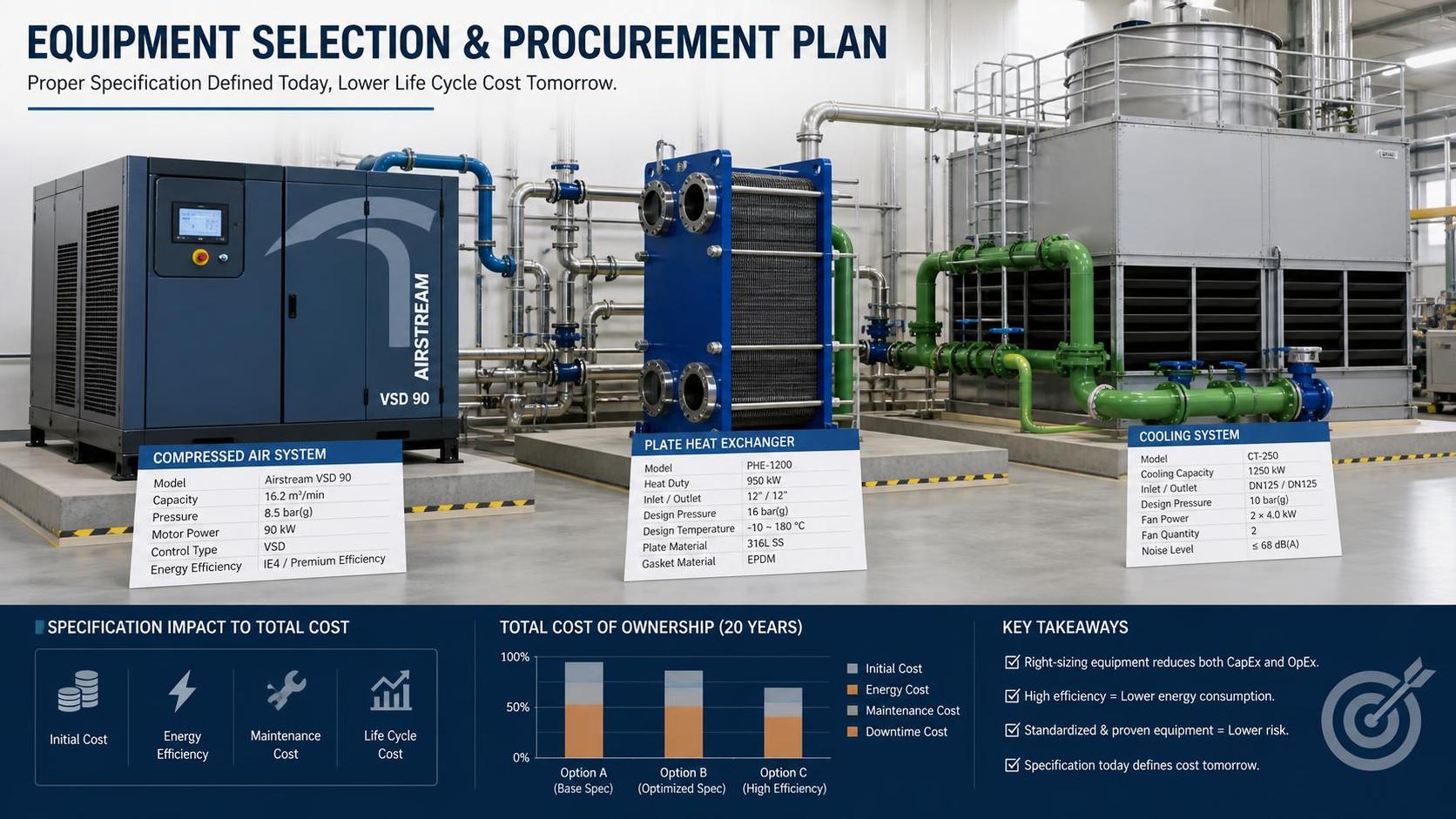
When evaluating options, total ownership cost should carry more weight than the nameplate price. Energy, maintenance, controls, and service response often decide the real value.
- Request performance curves at expected site conditions, not ideal lab points. Compressed air technology can look efficient in brochures but behave differently under part-load and seasonal demand swings.
- Ask how controls interact with existing equipment. A good new compressor can still underperform if older compressed air technology assets and central controllers are poorly coordinated.
- Include maintenance intervals and consumables in the cost model. Filters, separators, dryer service, and downtime exposure often change the real economics more than expected.
- Check whether heat recovery is usable on site. In facilities with process water or space heating demand, compressed air technology may provide a practical secondary energy benefit.
Why this matters across industries
In pharmaceuticals and semiconductors, air quality and stability matter as much as energy. In food processing, moisture control and contamination risk can quickly outweigh low upfront pricing.
That is why GTC-Matrix follows oil-free compression, thermal management, and demand shifts together. Compressed air technology should be judged inside the full production context, not as an isolated utility.
Six Moves That Usually Cut Cost Faster
The best savings often come from practical corrections, not major replacement. These are usually the first moves worth checking.
- Start with an air audit that separates base demand, peak demand, and artificial demand. This makes compressed air technology sizing decisions far more accurate and easier to justify internally.
- Fix leaks by priority rather than all at once. Target larger, continuous losses first, especially in older compressed air technology loops near connectors, drains, hoses, and unused branches.
- Lower system pressure in controlled steps after confirming end-use tolerance. Many compressed air technology systems run higher than needed simply because nobody revisited old settings.
- Install or optimize master controls where multiple compressors operate. Better sequencing can improve compressed air technology efficiency without changing the core machine lineup.
- Reduce pressure drop across treatment equipment through maintenance and right-sizing. Dirty filters quietly force compressed air technology systems to spend more energy every operating hour.
- Match air quality to application risk. Not every process needs the same dryness or purity level, and compressed air technology cost rises quickly when treatment is excessive.
One risk that gets missed
Overcorrecting can create new problems. Cutting pressure too aggressively or downsizing storage without testing may trigger nuisance trips, slow cylinders, or product rejects.
The safer path is stepwise adjustment with measurement. In compressed air technology, the cheapest-looking shortcut often becomes the most expensive interruption.
How to Read Supplier Claims More Carefully
Suppliers often highlight efficiency, reliability, and smart controls. Those points matter, but they need site-specific proof.
- Treat payback claims cautiously unless local electricity cost, annual hours, and demand profile are shown. Compressed air technology savings depend heavily on operating pattern, not just machine design.
- Ask whether quoted flow is free air delivery under comparable conditions. In compressed air technology discussions, inconsistent test points can make side-by-side comparison misleading.
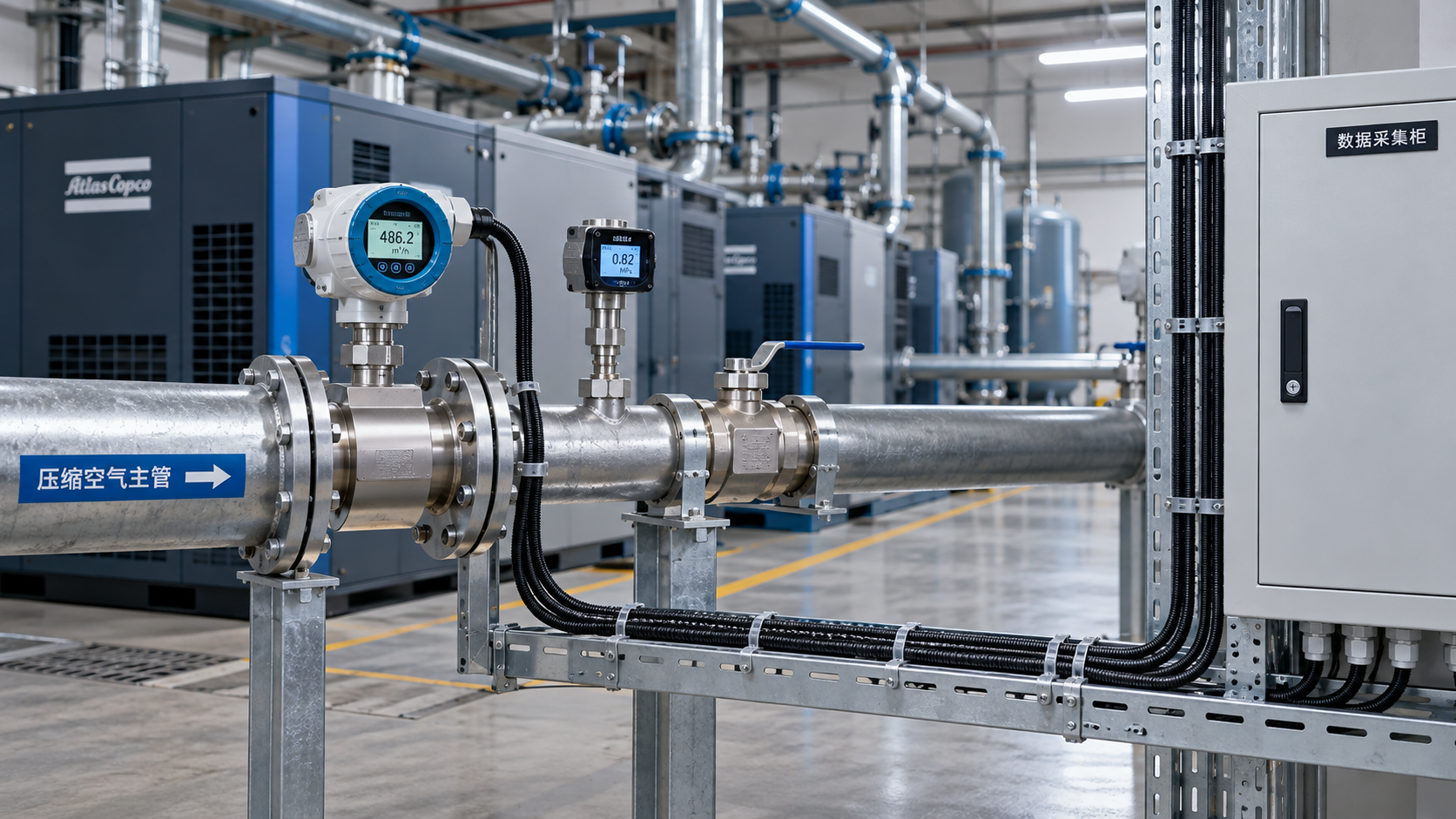
- Verify digital monitoring capabilities beyond dashboard visuals. Useful compressed air technology data should support alarms, maintenance timing, leak tracking, and performance benchmarking.
- Check refrigerant, drying, and heat management implications too. Compressed air technology efficiency is closely linked to thermal control, especially in hotter climates or enclosed compressor rooms.
A quick reality check
If two proposals look similar, compare the assumptions before comparing the price. Different pressure ratings, service scope, and air treatment boundaries can distort the decision.
This is where external market intelligence becomes useful. GTC-Matrix follows energy costs, refrigerant policy, oil-free compression trends, and industrial demand changes that can alter long-term compressed air technology value.
A Practical Way to Decide the Next Step
A solid decision usually starts with three numbers: actual demand, delivered pressure, and annual energy cost. Without those, most compressed air technology comparisons stay too theoretical.
Then review leaks, controls, treatment pressure drop, and storage in that order. In many sites, those four checks uncover the biggest cost gap before replacement is even discussed.
If replacement is necessary, compare proposals on system performance, not only on compressor size. The best compressed air technology choice is the one that fits process risk, energy goals, and service reality together.
For organizations tracking efficiency and decarbonization, this approach also supports better long-term planning. It aligns equipment selection with broader thermal and power decisions instead of treating utilities as separate purchases.
Compressed air technology does not need to remain a hidden energy burden. With the right checks, clearer supplier questions, and better system visibility, cost can be reduced without sacrificing reliability.
That is the most useful next move: measure first, compare carefully, and only then commit capital where the savings are real.
Ready when you are. Send us a message to get started.
Related News
- How to select industrial equipment for automation with existing PLCsAuthor :

- How electricity prices shape industrial compressed air price trendsAuthor :

- Choosing air filtration systems for heavy dust in the Middle EastAuthor :

- How much does a fully installed compressed air monitoring system cost?Author :

- What documentation supports CE marking for industrial equipment?Author :

- How local support affects vacuum system costs in Southeast AsiaAuthor :

- How worldwide industry category guides help compare market opportunitiesAuthor :

- What drives sustainable thermal systems cost over their operating life?Author :

- Which industrial solution comparison criteria prevent project delays?Author :

- How Ambient Temperature and Load Profile Affect Industrial Compressor SizingAuthor :

- What to evaluate before choosing a thermal process engineering supplierAuthor :

- How industrial utility systems affect energy costs in process plantsAuthor :

- What Data Is Needed to Assess Heat Recovery Decarbonization?Author :

- Can Waste Heat Recovery Support Carbon Neutrality Targets?Author :

- Is Compressor Heat Recovery Worth the Installation Cost?Author :

- What to verify before choosing a process separation technology supplierAuthor :

- When does process utilities engineering reduce project rework?Author :

- Where thermal efficiency optimization delivers the fastest savings in EuropeAuthor :

- What should you verify before selecting a heat transfer supplier?Author :

- What drives compressed air systems price for industrial projects?Author :

- How an industrial product knowledge comparison guide reduces sourcing riskAuthor :

- When does a procurement specification planning process reduce bid risk?Author :

- When does thermal system optimization for electronics reduce failure risk?Author :

- When high temperature process heating systems justify the higher energy costAuthor :

- How to compare sludge dewatering equipment by cake drynessAuthor :

- What to Check Before Sourcing a Gas Turbine for Distributed Power ProjectsAuthor :

- What drives industrial thermal systems price in large facility projectsAuthor :

- How to build an industrial product comparison chart that speeds up vendor selectionAuthor :

- Vacuum Technology Application Guide for Selecting the Right SystemAuthor :

- What Drives Vacuum Drying Cost in Industrial Procurement?Author :

- What Drives Compressed Air Pricing in Industrial Systems?Author :

- How Procurement Specification Planning Shapes Total Project CostAuthor :

- Compression Technology Guide: How to Compare Efficiency, Pressure Range, and Maintenance NeedsAuthor :

- How to Compare Industrial Separators by Throughput, Purity, and Maintenance LoadAuthor :

- How to Size a Compressed Air Equipment Receiver Tank for Stable PressureAuthor :

- Industrial Equipment Selection Guide: How to Compare Capacity, Duty Cycle, and Operating CostAuthor :