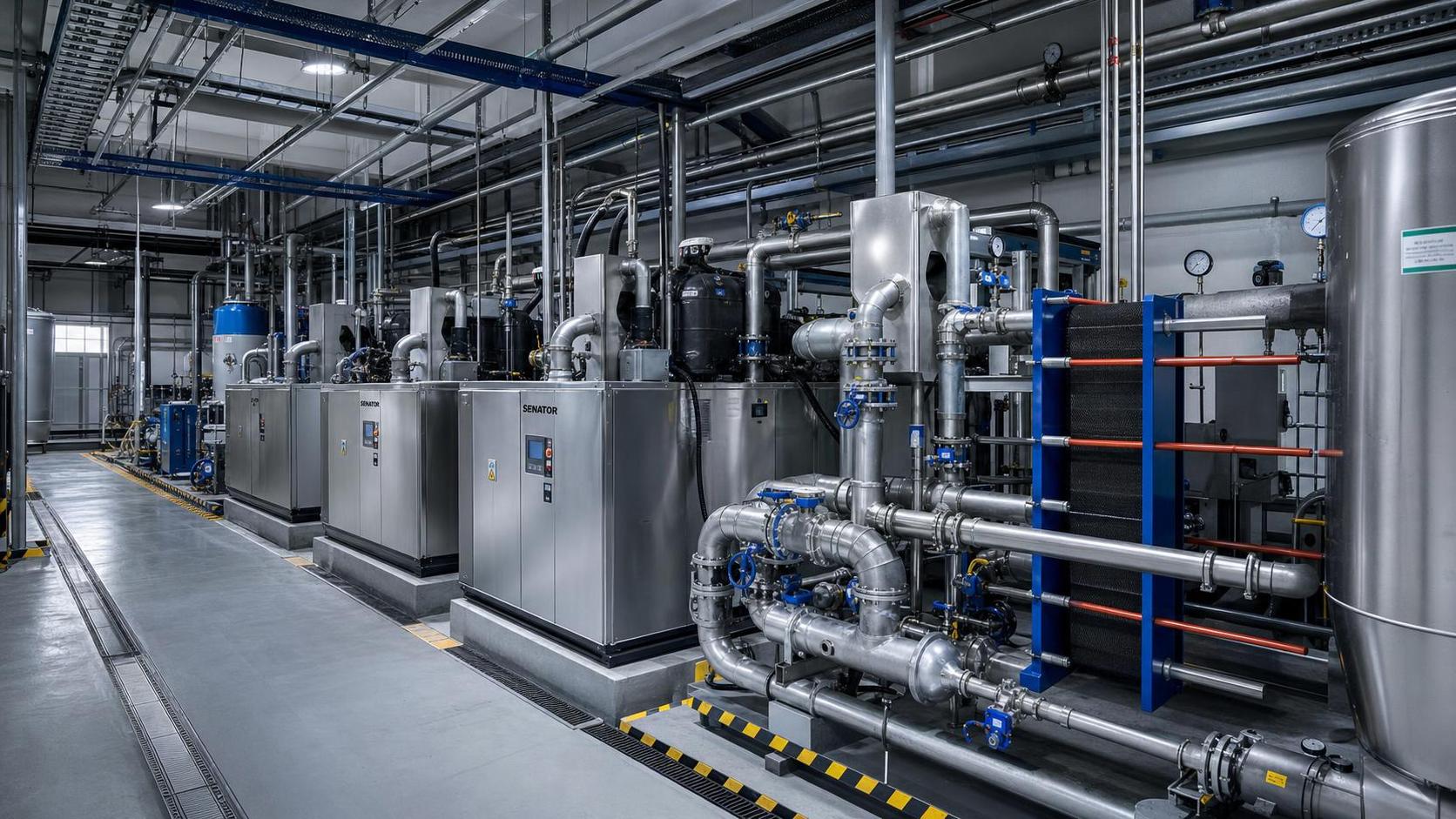
Industrial Energy Efficiency: Where Savings Are Lost




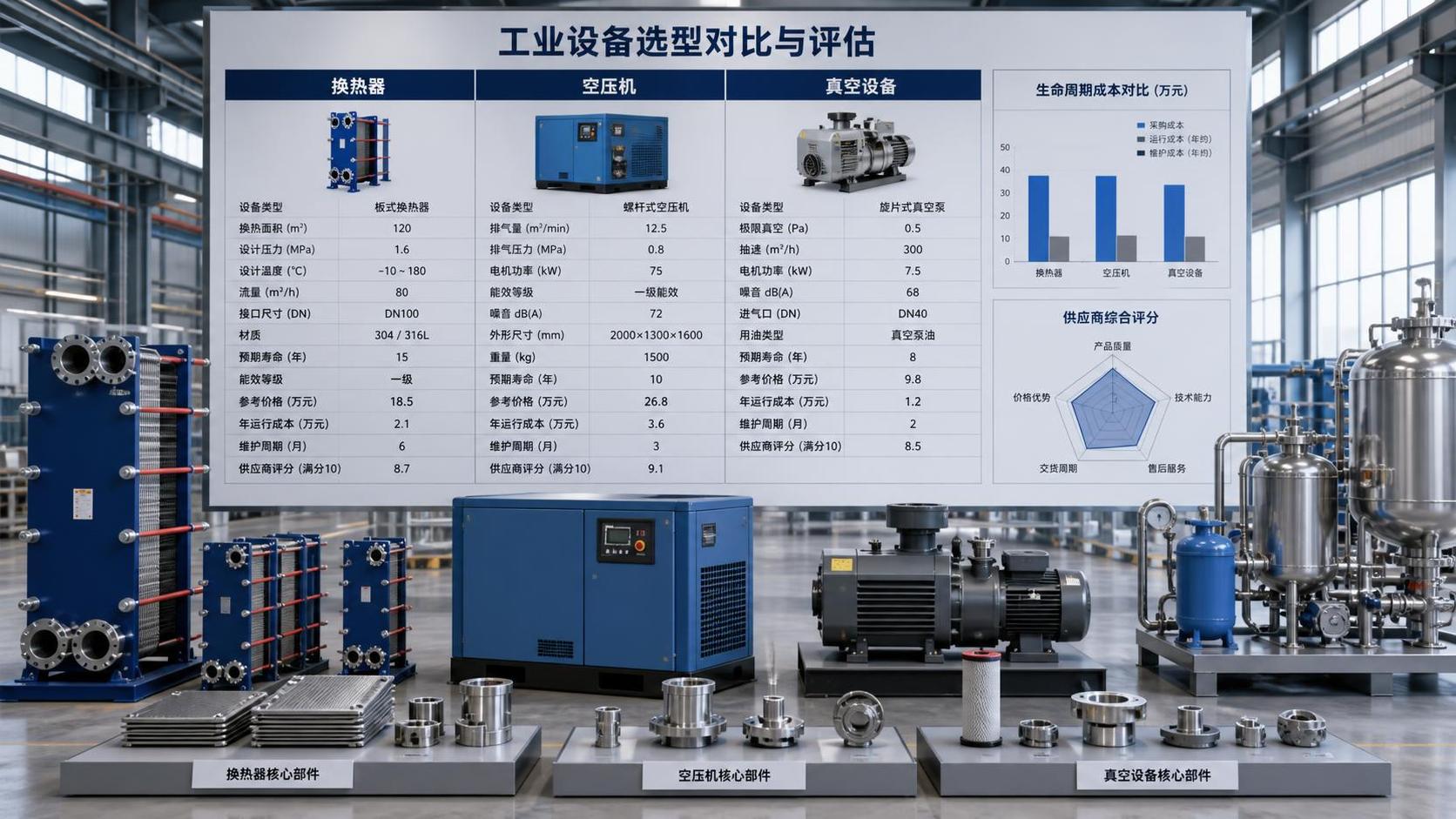
Industrial energy efficiency is often discussed in terms of equipment upgrades, but the largest savings are frequently lost in the gaps between thermal systems, compressed air networks, vacuum processes, and heat exchange operations.
For enterprise decision makers, identifying these hidden losses is no longer a maintenance issue. It is a strategic lever for cost control, decarbonization, and competitive resilience.
This article explores where industrial energy waste typically occurs and how data-driven intelligence can turn overlooked inefficiencies into measurable operational value.
Industrial Energy Efficiency Is Moving From Equipment Focus to System Intelligence
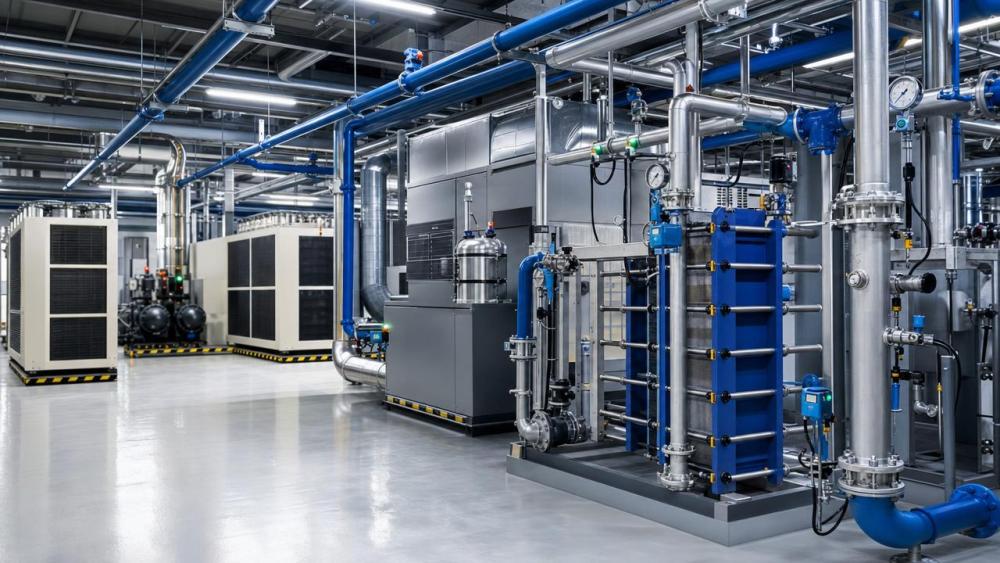
The new frontier of industrial energy efficiency is not simply buying a more efficient compressor, chiller, boiler, or heat exchanger.
Savings increasingly depend on how these assets interact under real production conditions, variable loads, and changing energy prices.
Many facilities already own efficient components, yet still lose energy through poor sequencing, unstable pressure, fouled surfaces, and unmanaged thermal recovery.
This gap explains why industrial energy efficiency has become a board-level concern across manufacturing, pharmaceuticals, food processing, electronics, chemicals, and general industry.
The shift is clear: energy performance must be viewed as a connected operating system, not as isolated mechanical equipment.
Trend Signals Showing Where Savings Are Being Lost
Several industry signals show why industrial energy efficiency is entering a more data-intensive phase.
Energy costs remain volatile, while carbon accounting requirements are becoming more detailed and auditable.
At the same time, production lines need tighter temperature, pressure, humidity, and purity control.
These requirements increase the importance of compressed air, cooling, vacuum, and heat exchange stability.
The most visible trend is the move from reactive maintenance toward continuous performance intelligence.
Facilities are starting to compare design efficiency, installed efficiency, and operating efficiency as three separate realities.
That distinction is essential because industrial energy efficiency is often lost after commissioning, not during specification.
The Hidden Loss Pattern Across Industrial Utilities
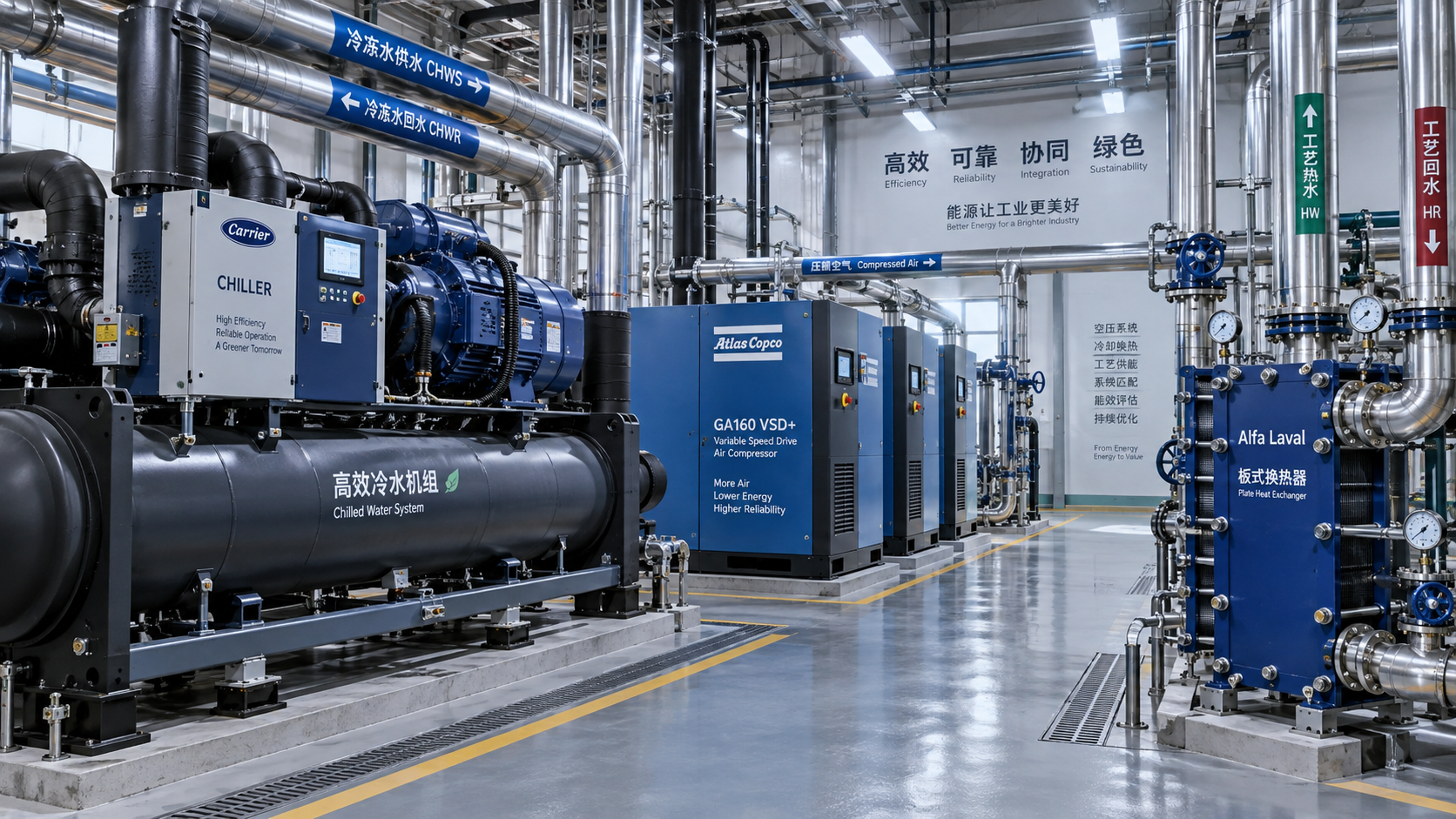
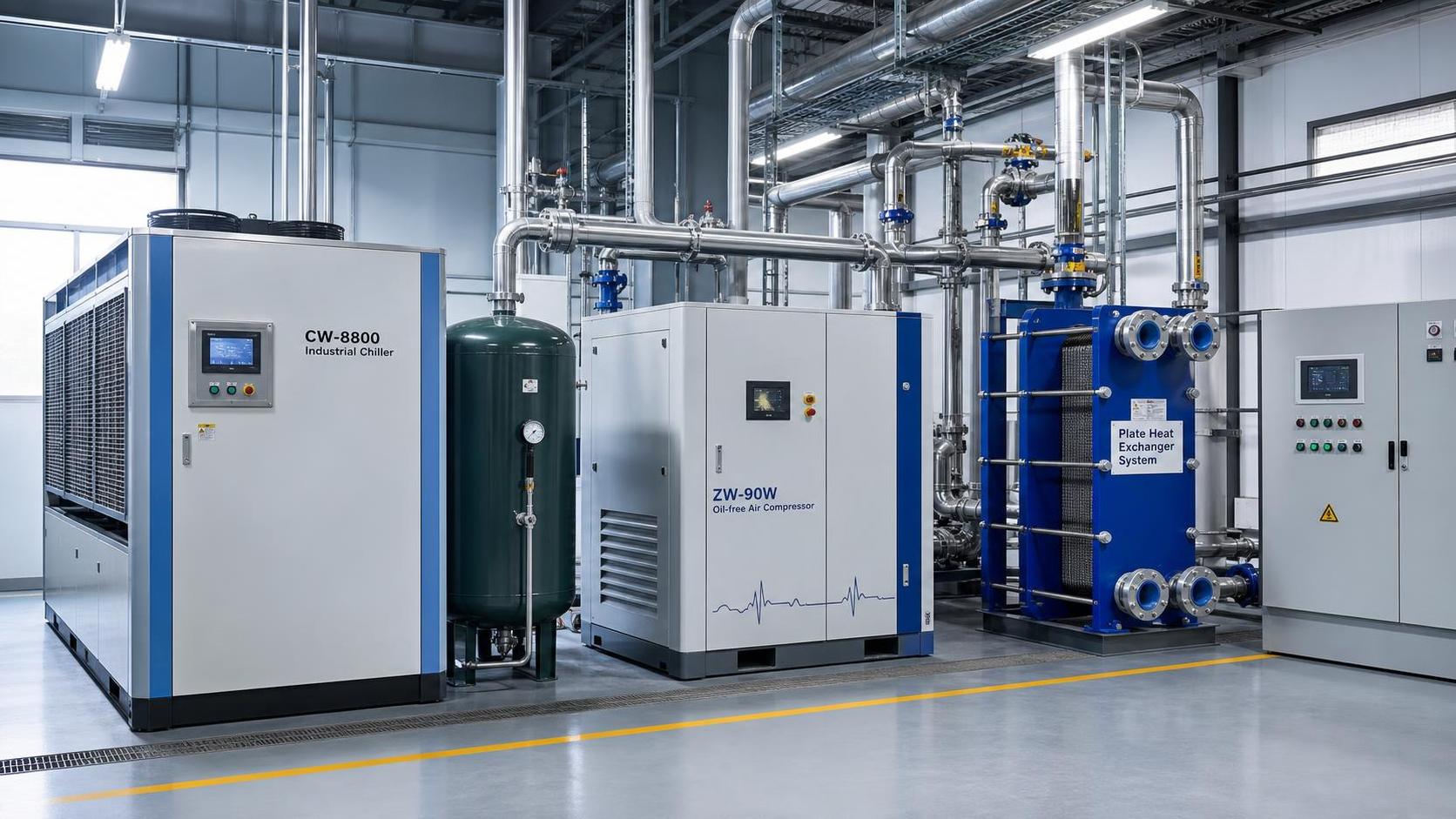
Compressed air systems often lose energy through leaks, artificial demand, inappropriate pressure bands, and inefficient part-load operation.
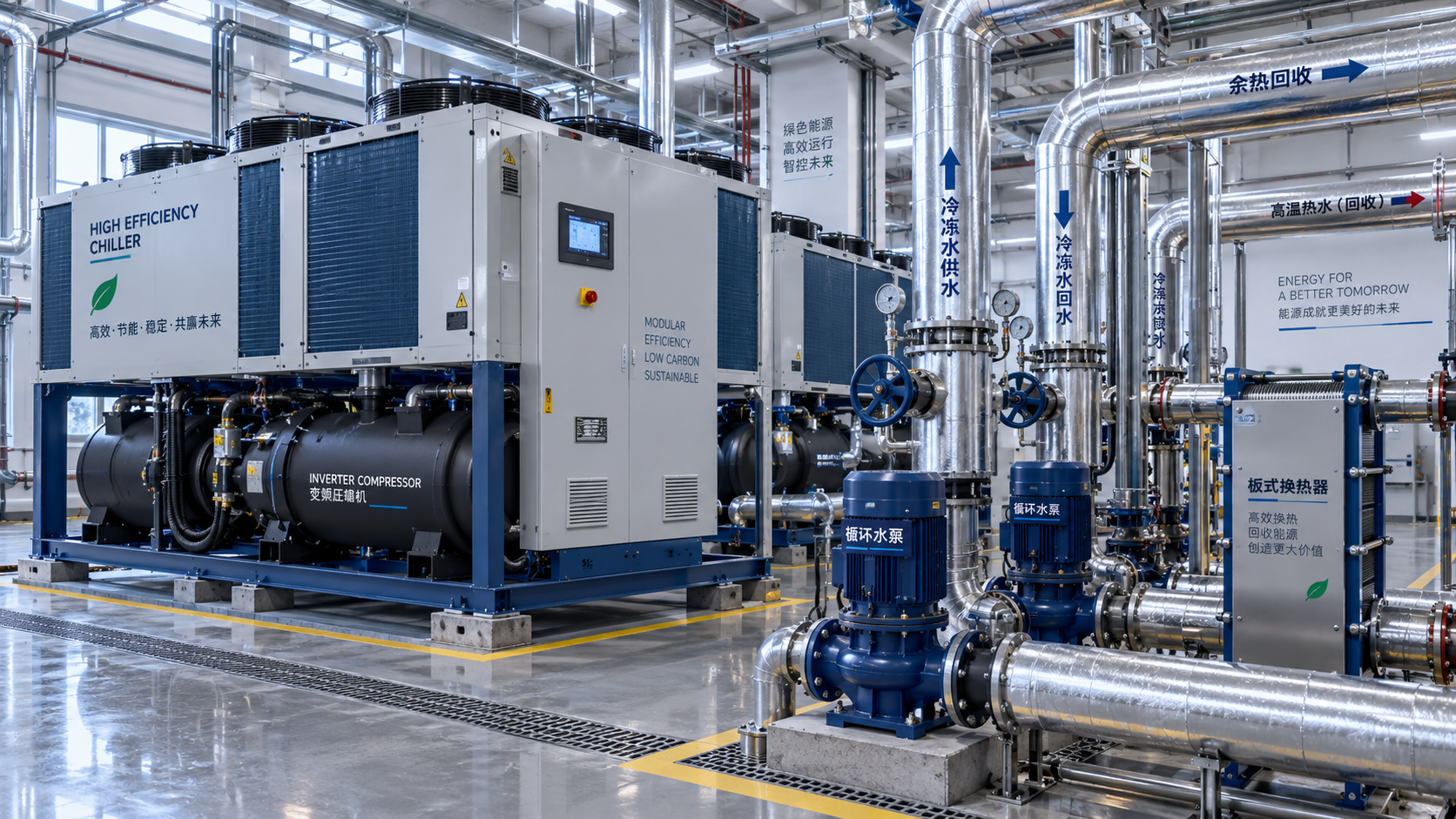
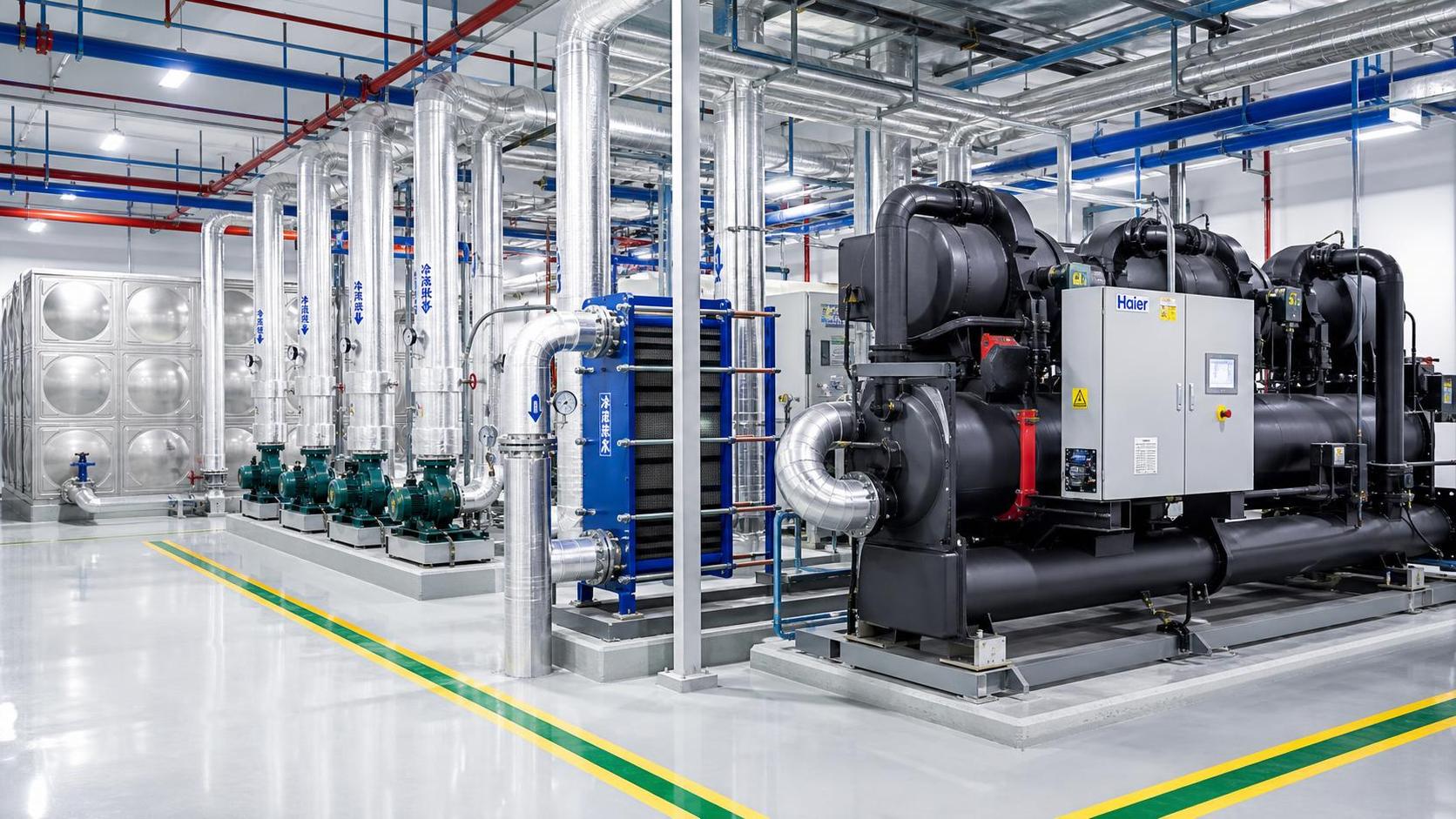
Cooling systems lose efficiency through poor setpoints, fouled condensers, overpumping, and mismatched chilled water temperatures.
Vacuum systems waste power when pumps run continuously against fluctuating demand without intelligent control.
Heat exchange networks lose value when recoverable heat is vented, rejected, or diluted before reuse.
Why the Trend Is Accelerating Across General Industry
The urgency behind industrial energy efficiency comes from overlapping technical, economic, and regulatory pressures.
Each pressure changes how energy conversion systems are evaluated, operated, and justified.
These forces are pushing industrial energy efficiency away from periodic audits and toward continuous operational governance.
Facilities that understand this transition can convert utility systems from cost centers into performance assets.
Compressed Air: The Expensive Utility With Invisible Waste
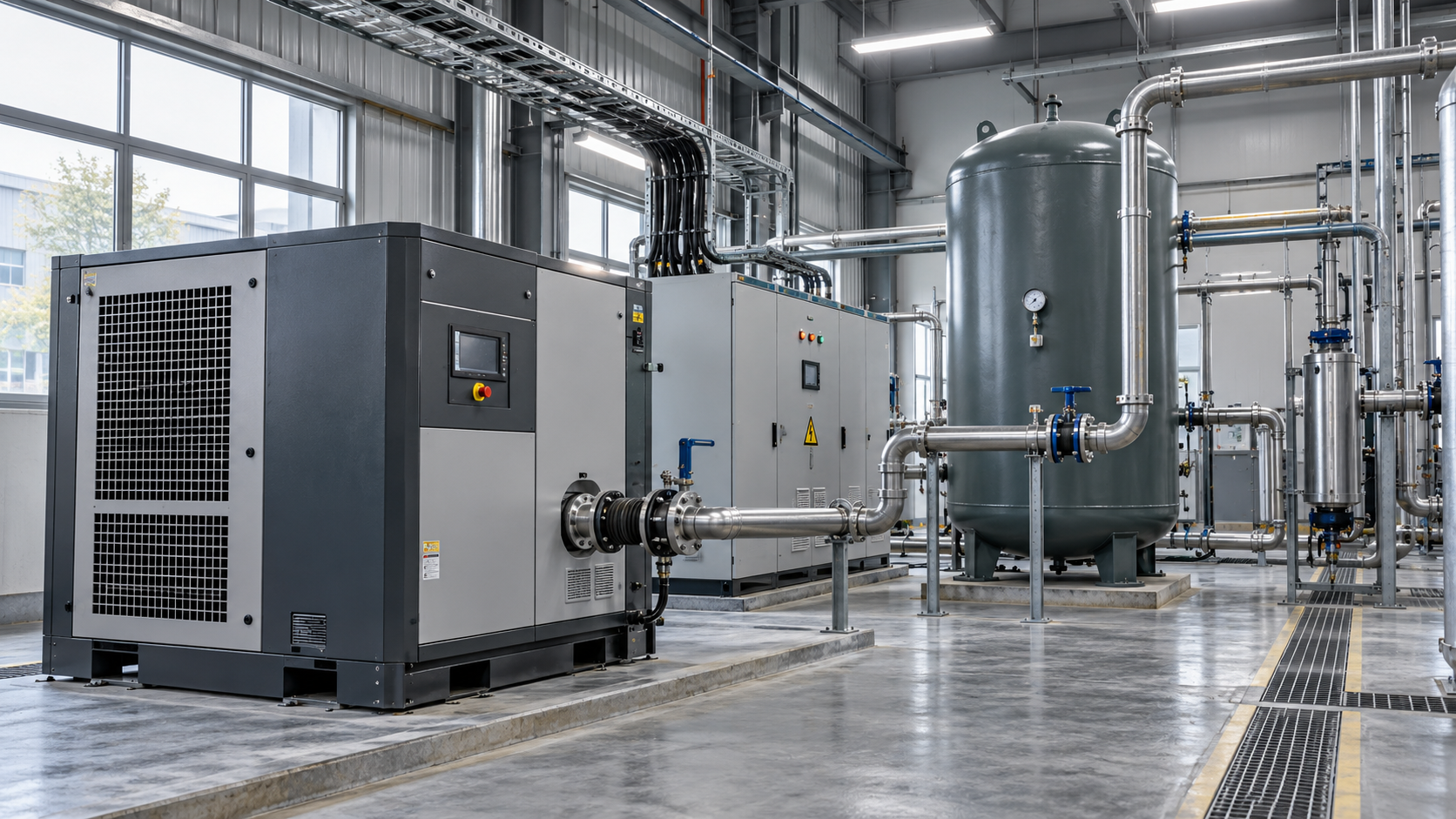
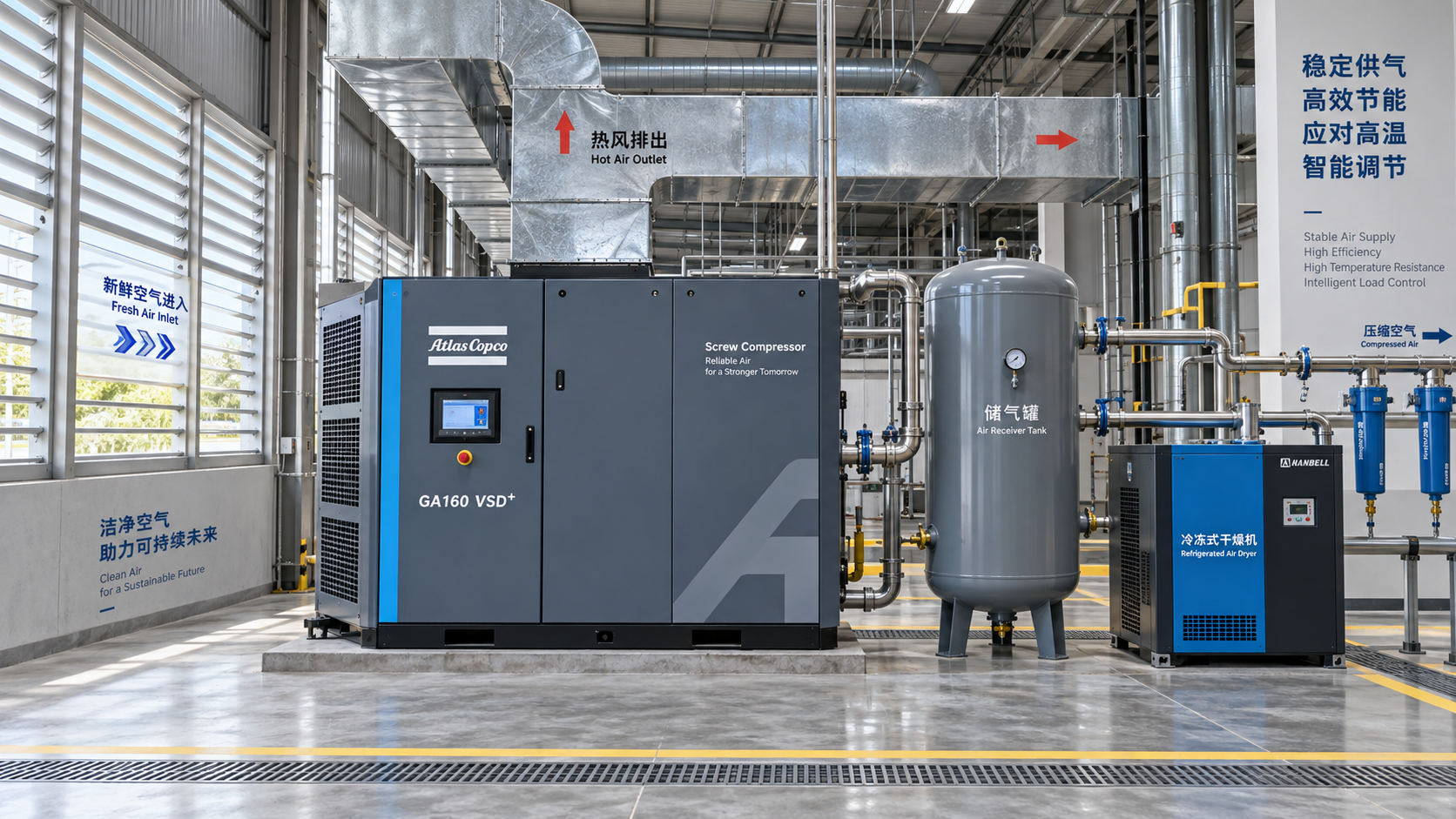
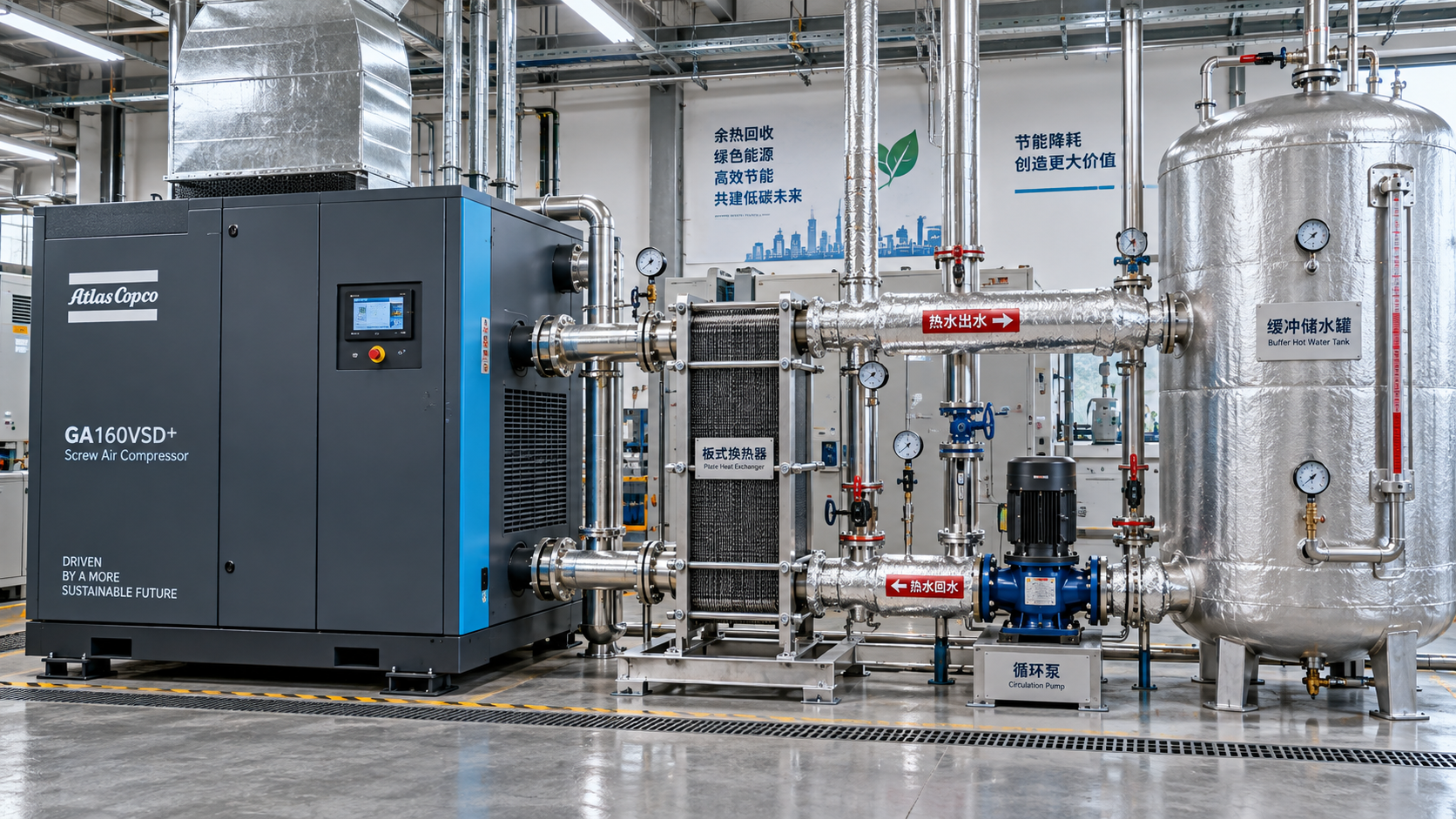
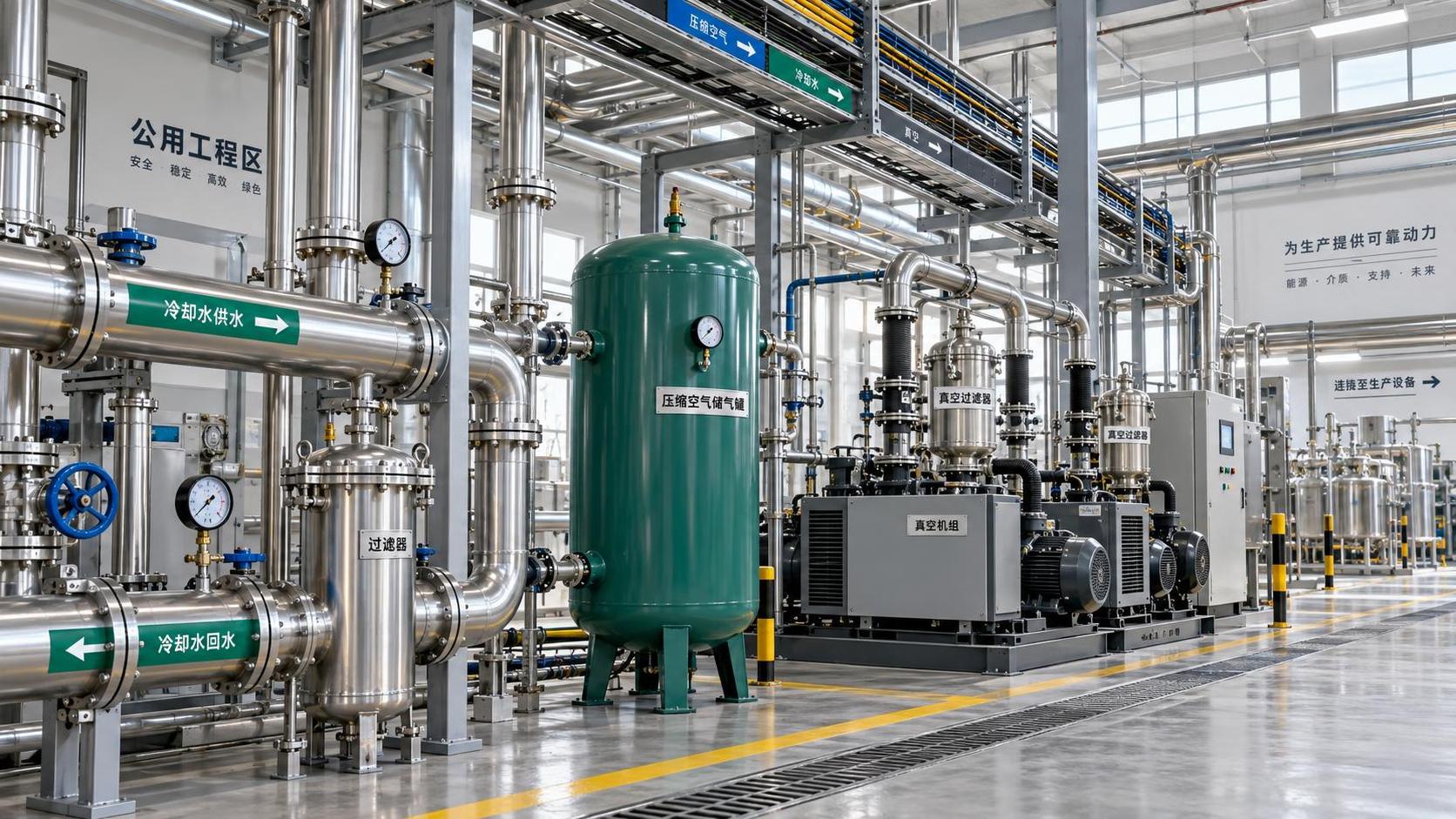
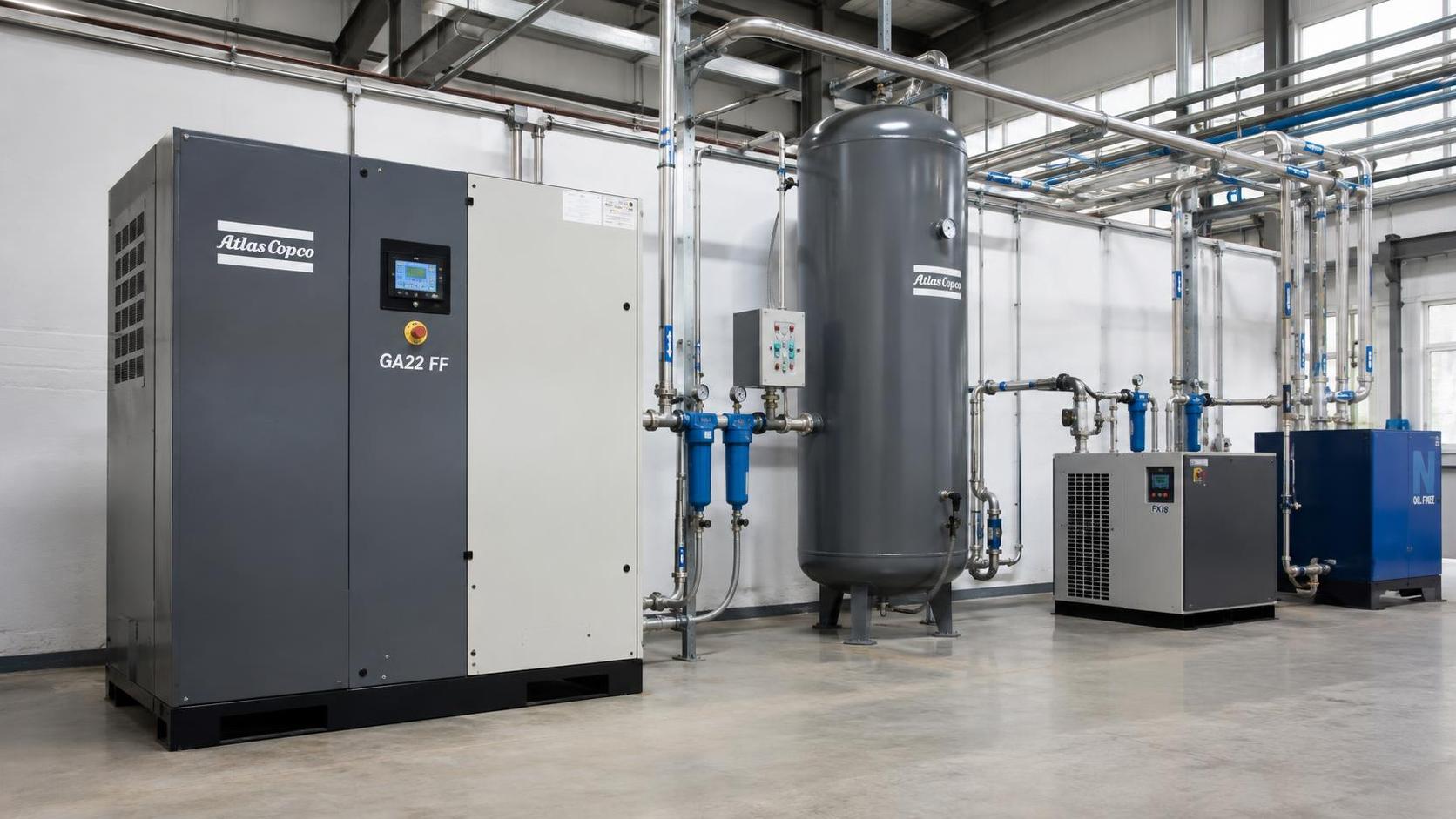
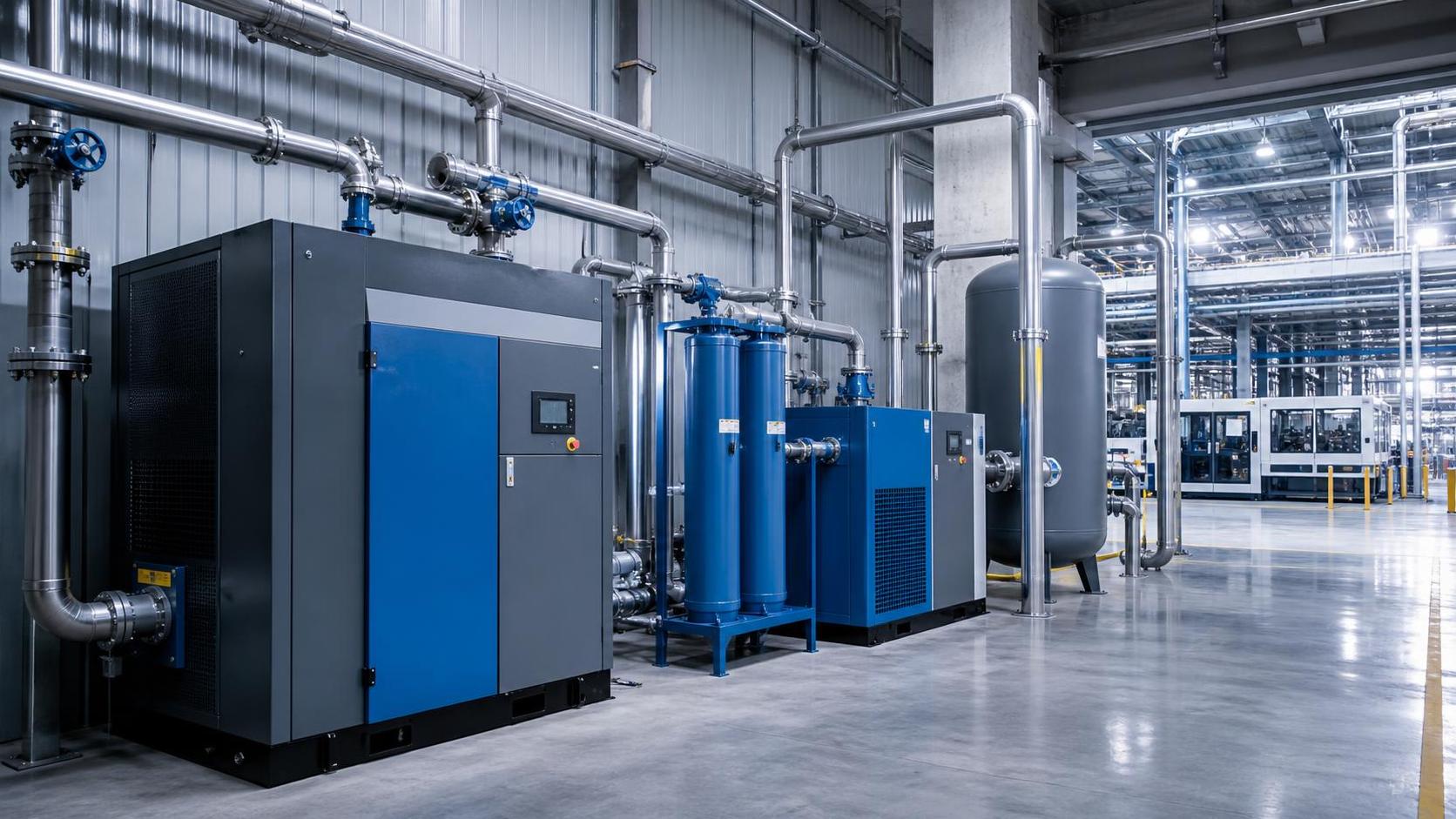
Compressed air is one of the most common loss points in industrial energy efficiency programs.
It is flexible, clean, and reliable, but it is also expensive to generate.
A small pressure increase can raise energy consumption across the entire air network.
Leaks are another persistent problem because they rarely stop production immediately.
As a result, they remain hidden until measured by flow, pressure, and ultrasonic inspection.
- Avoid using compressed air for cooling, cleaning, or agitation when alternatives exist.
- Measure flow during non-production hours to identify base leakage.
- Optimize pressure bands before adding new compressor capacity.
- Use sequencing controls to prevent multiple machines from running inefficiently.
The strategic question is not whether a compressor is efficient on paper.
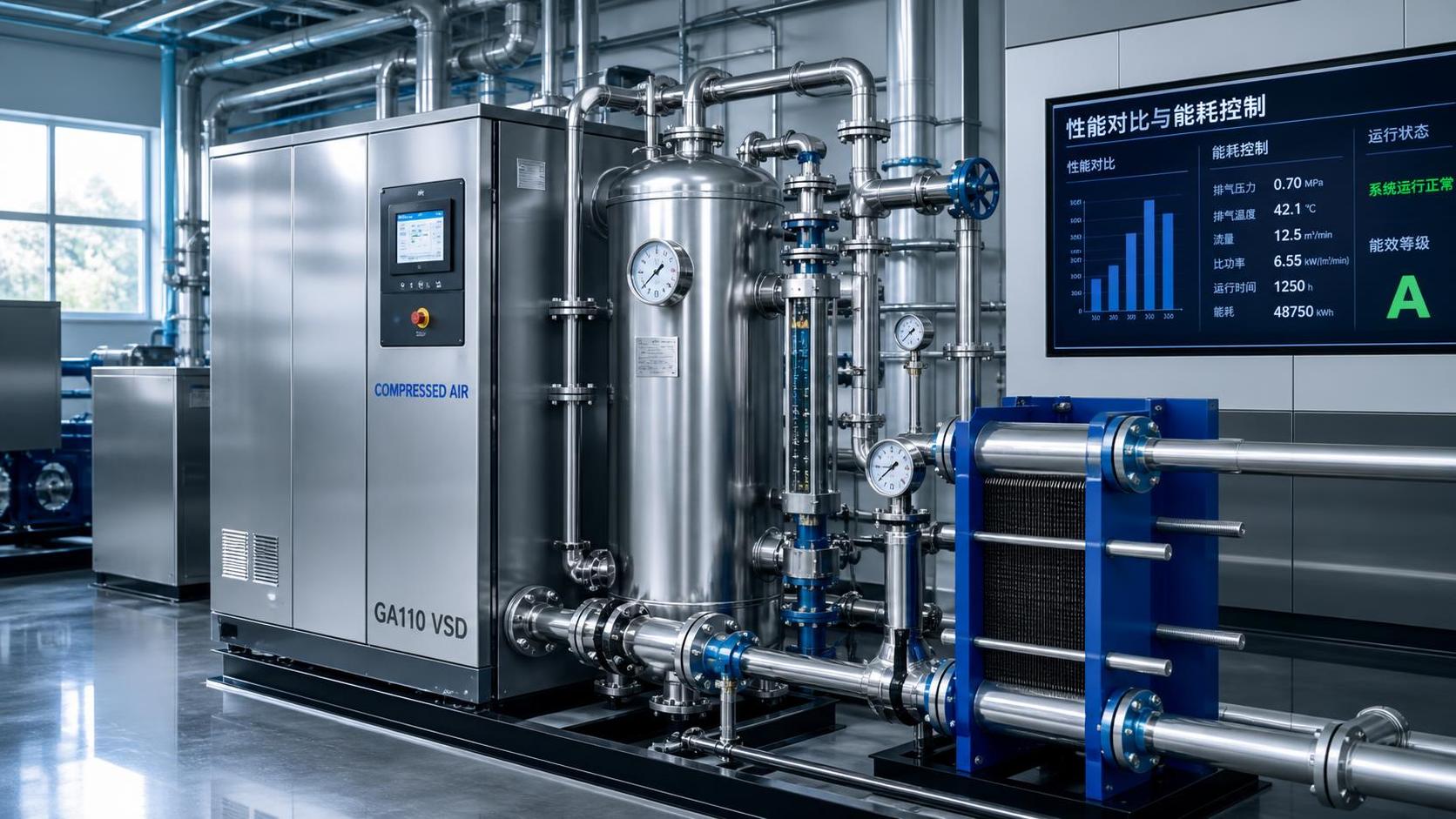
The question is whether the complete air system supports industrial energy efficiency under real demand patterns.
Thermal Systems: Where Heat Becomes a Missed Asset
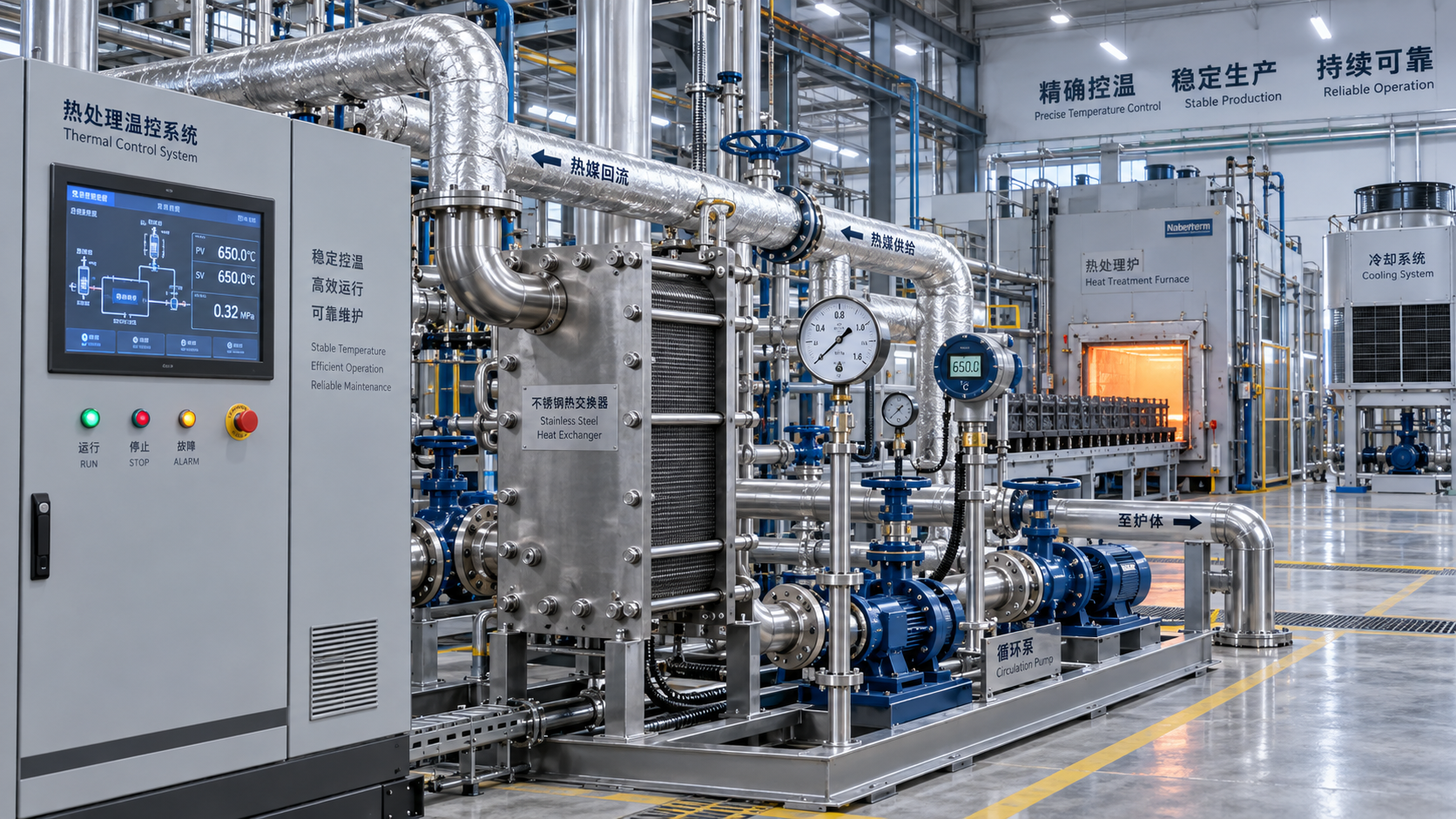
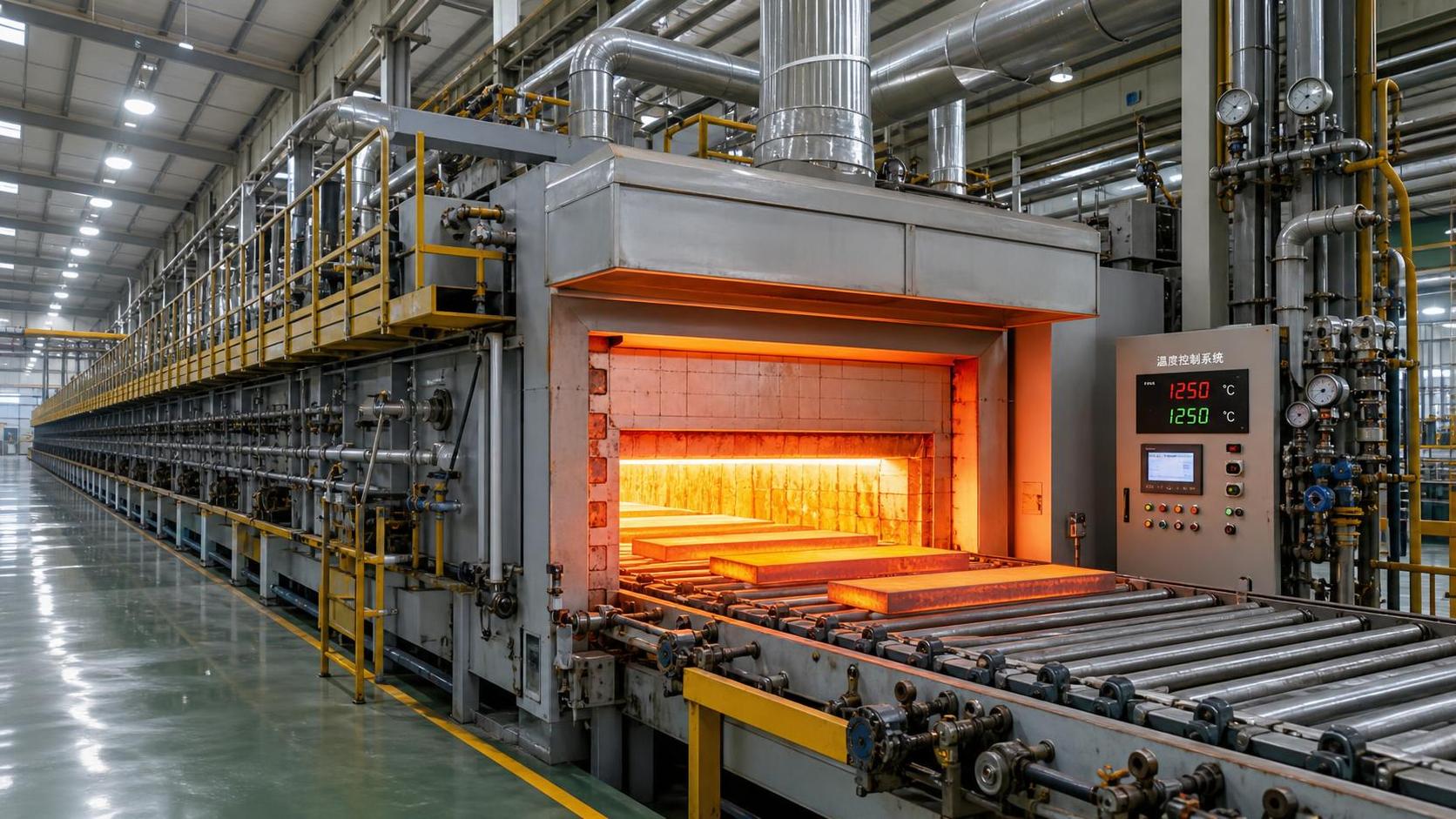
Thermal systems are central to industrial energy efficiency because heat is often produced, moved, rejected, and repurchased repeatedly.
Cooling towers, chillers, boilers, dryers, ovens, and heat exchangers rarely operate as independent islands.
Their performance depends on load matching, surface cleanliness, temperature approach, and control coordination.
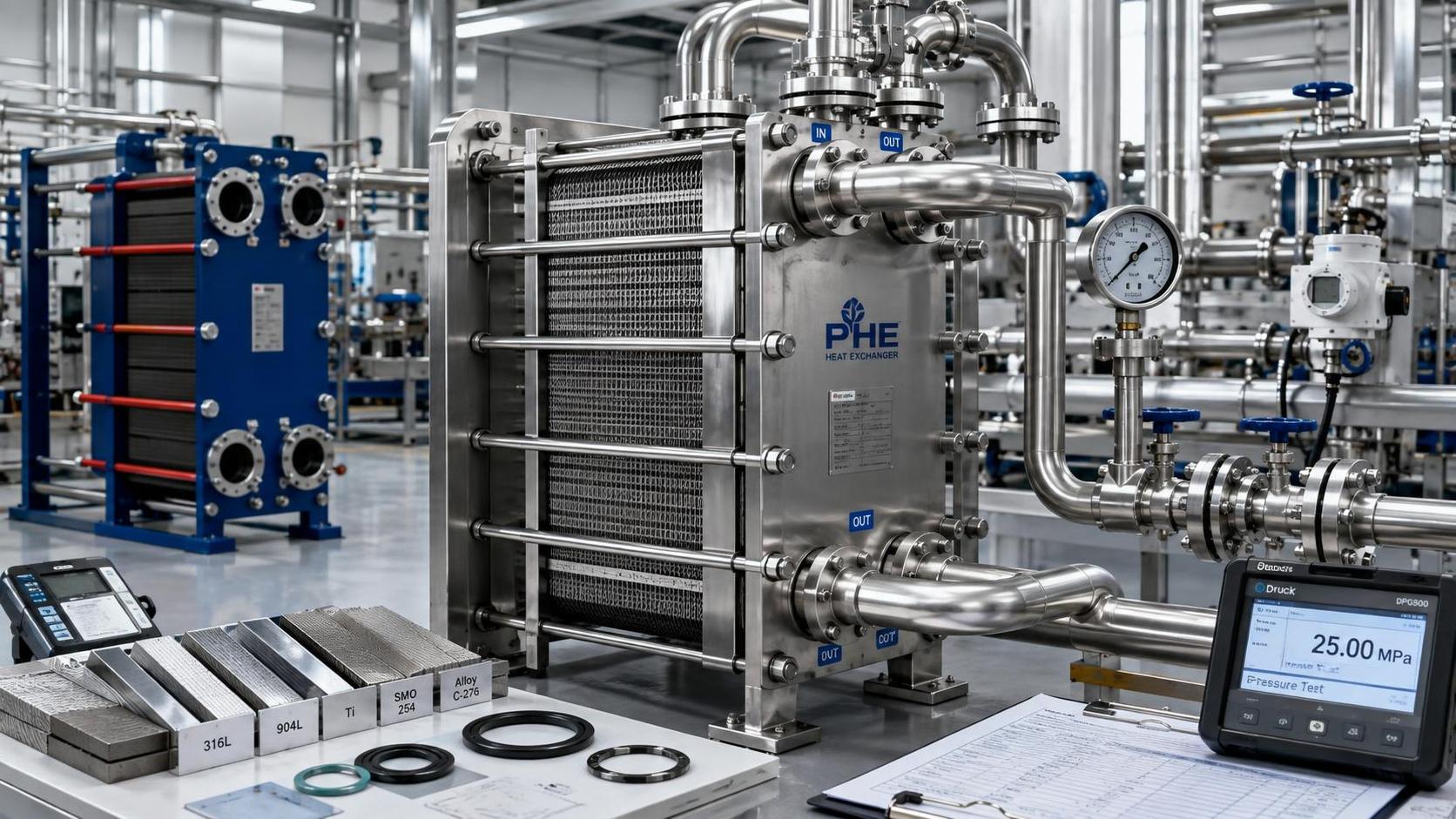
A fouled heat exchanger may not stop production, but it can quietly increase pumping power and thermal demand.
Likewise, excessive cooling setpoints can force chillers to consume more electricity than the process requires.
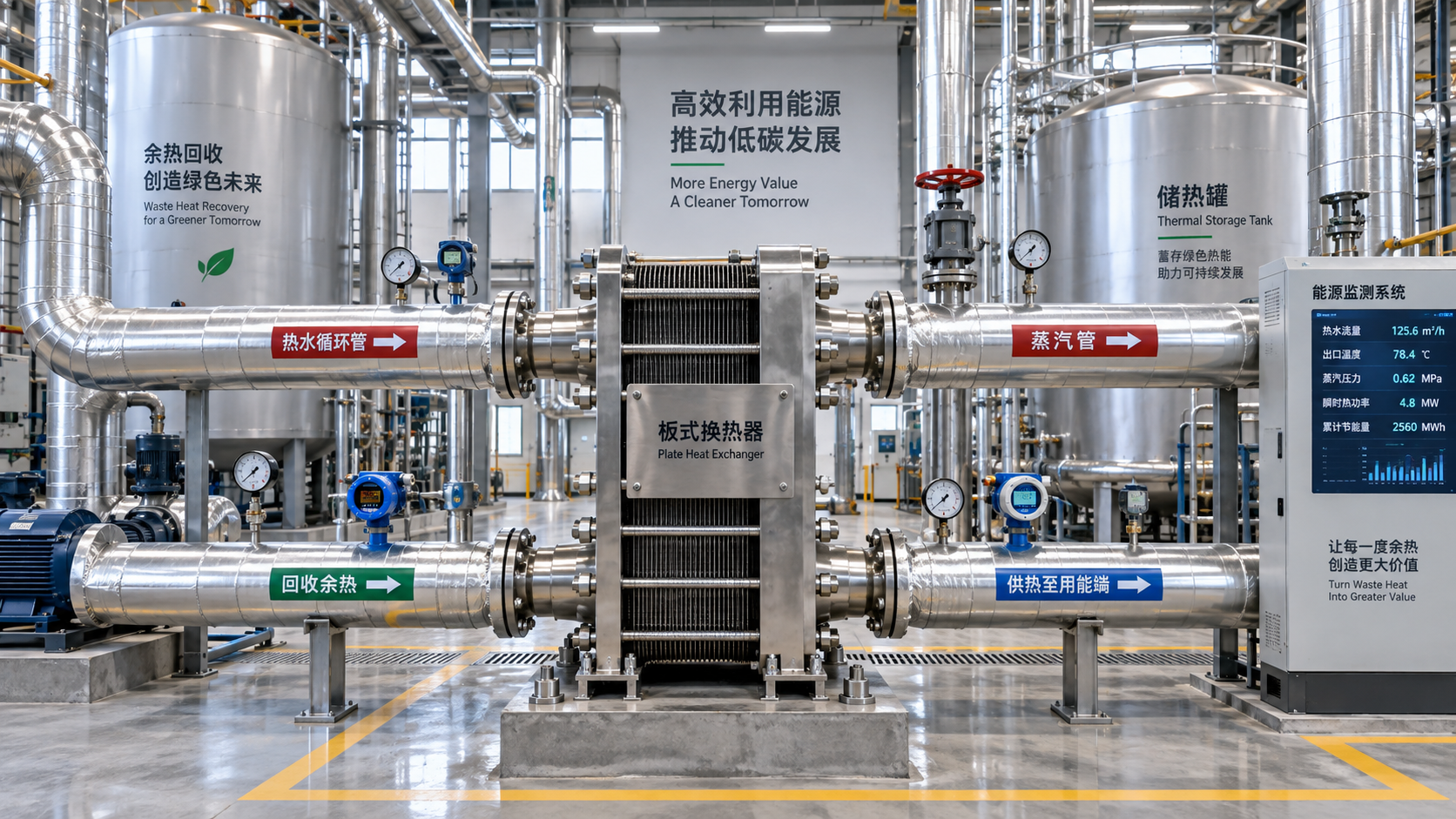
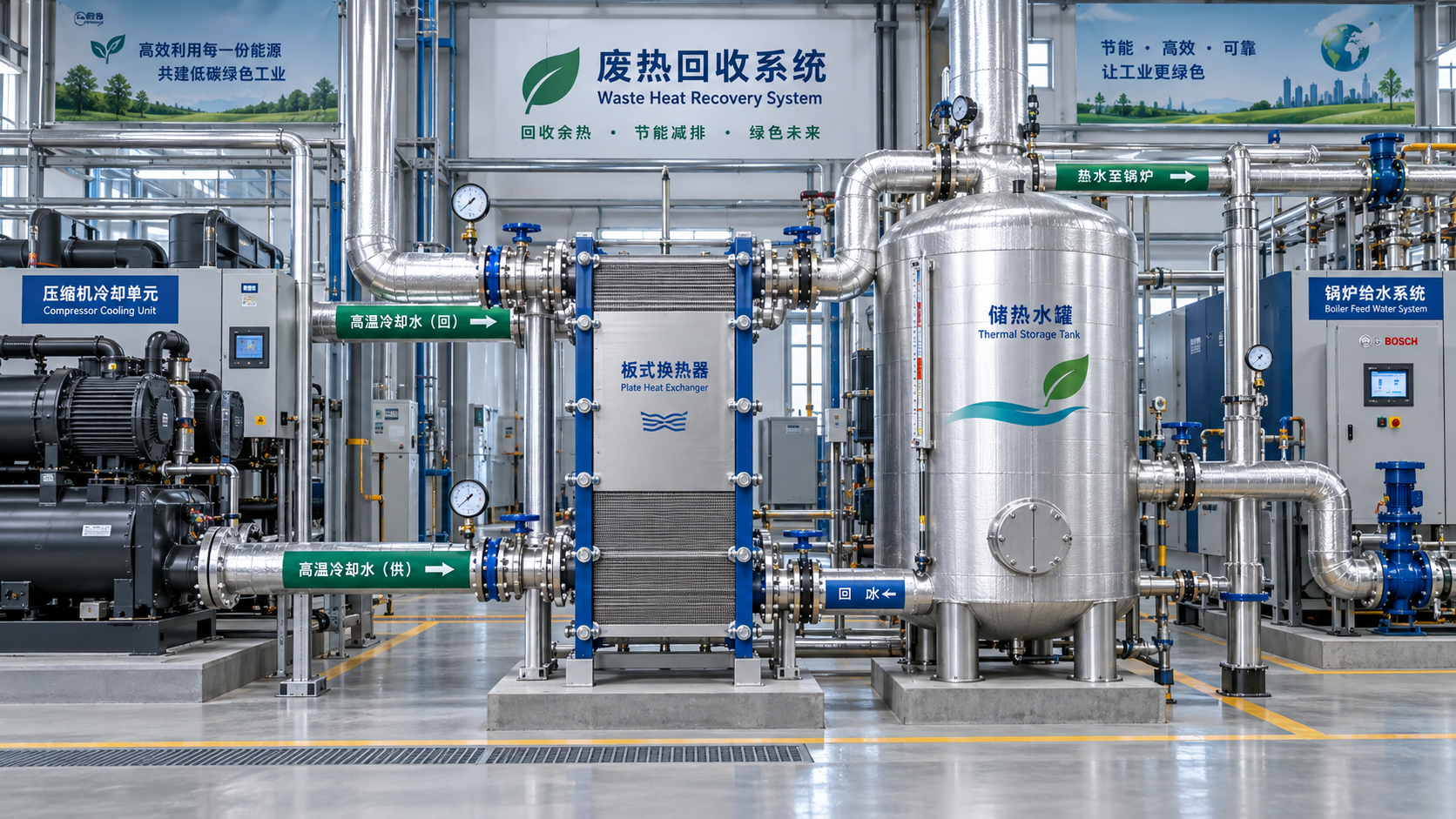
The Heat Recovery Opportunity
Waste heat should be treated as an energy resource, not merely as a rejection problem.
Recoverable heat can support preheating, washing, space conditioning, process water, or absorption cooling.
The best opportunities often appear where heating and cooling demands occur simultaneously.
This is why industrial energy efficiency requires a thermal map, not just equipment efficiency labels.
Vacuum Processes and Low-Pressure Systems Need Closer Attention
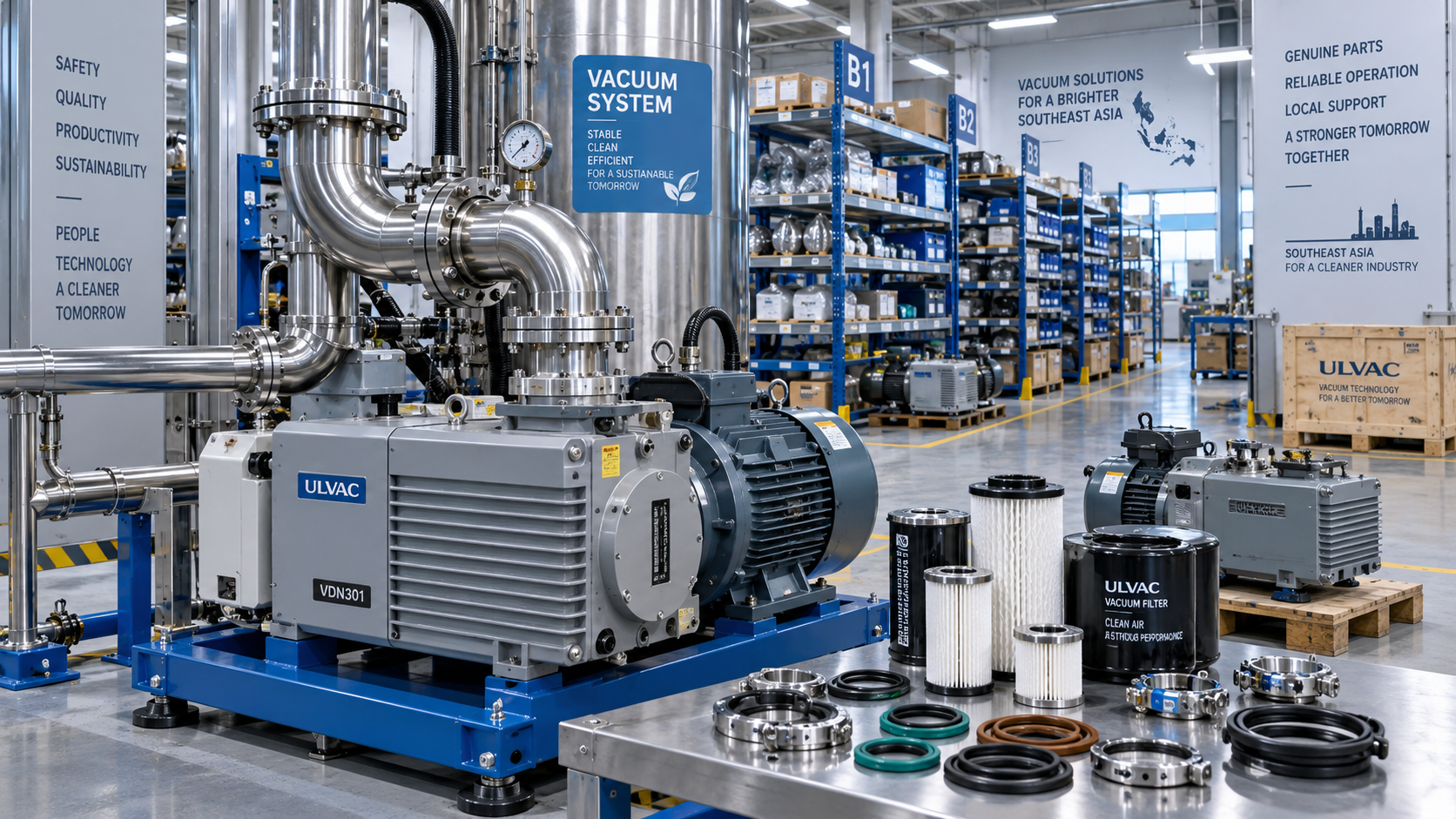
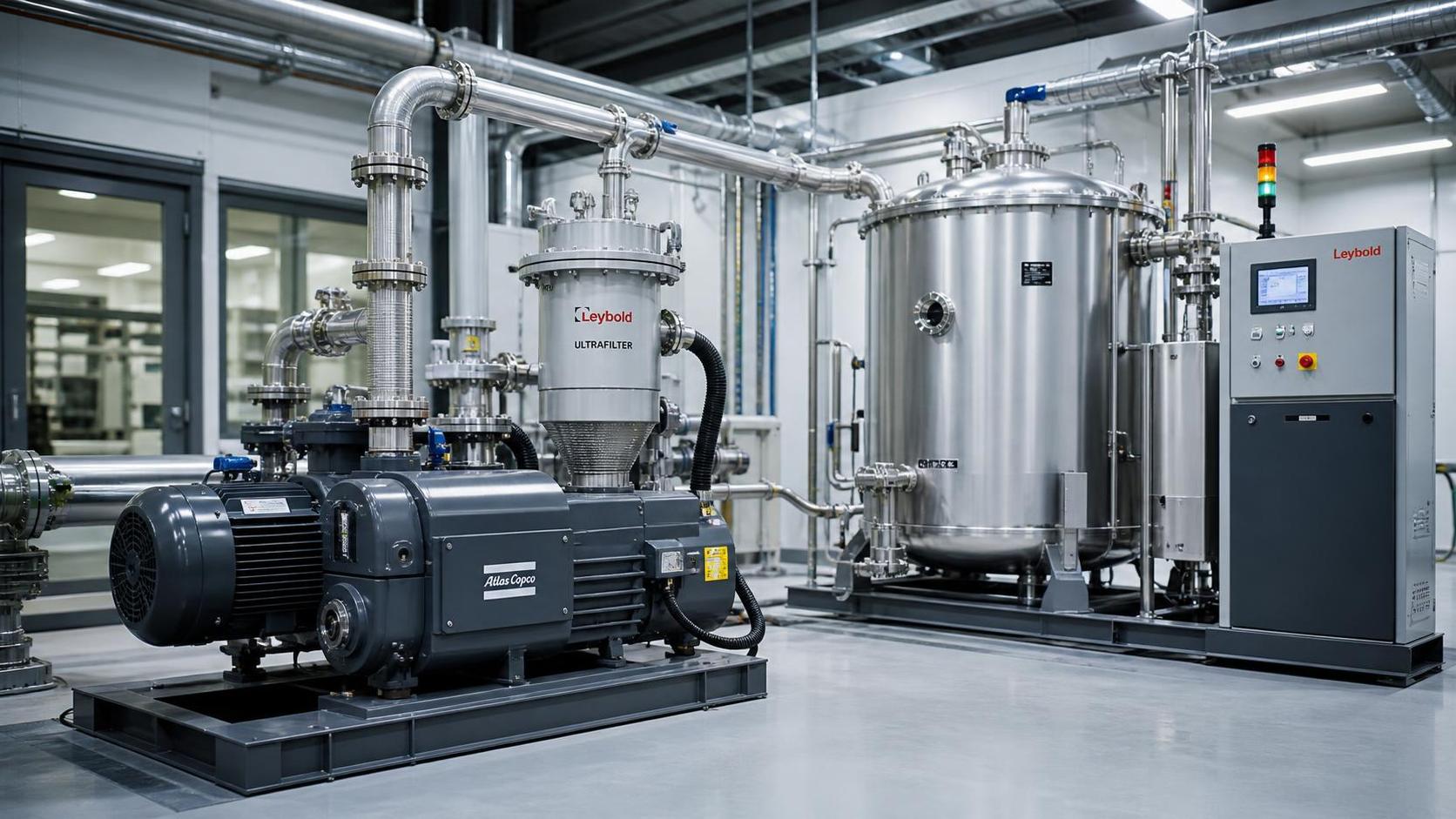
Vacuum systems are frequently overlooked in industrial energy efficiency planning.
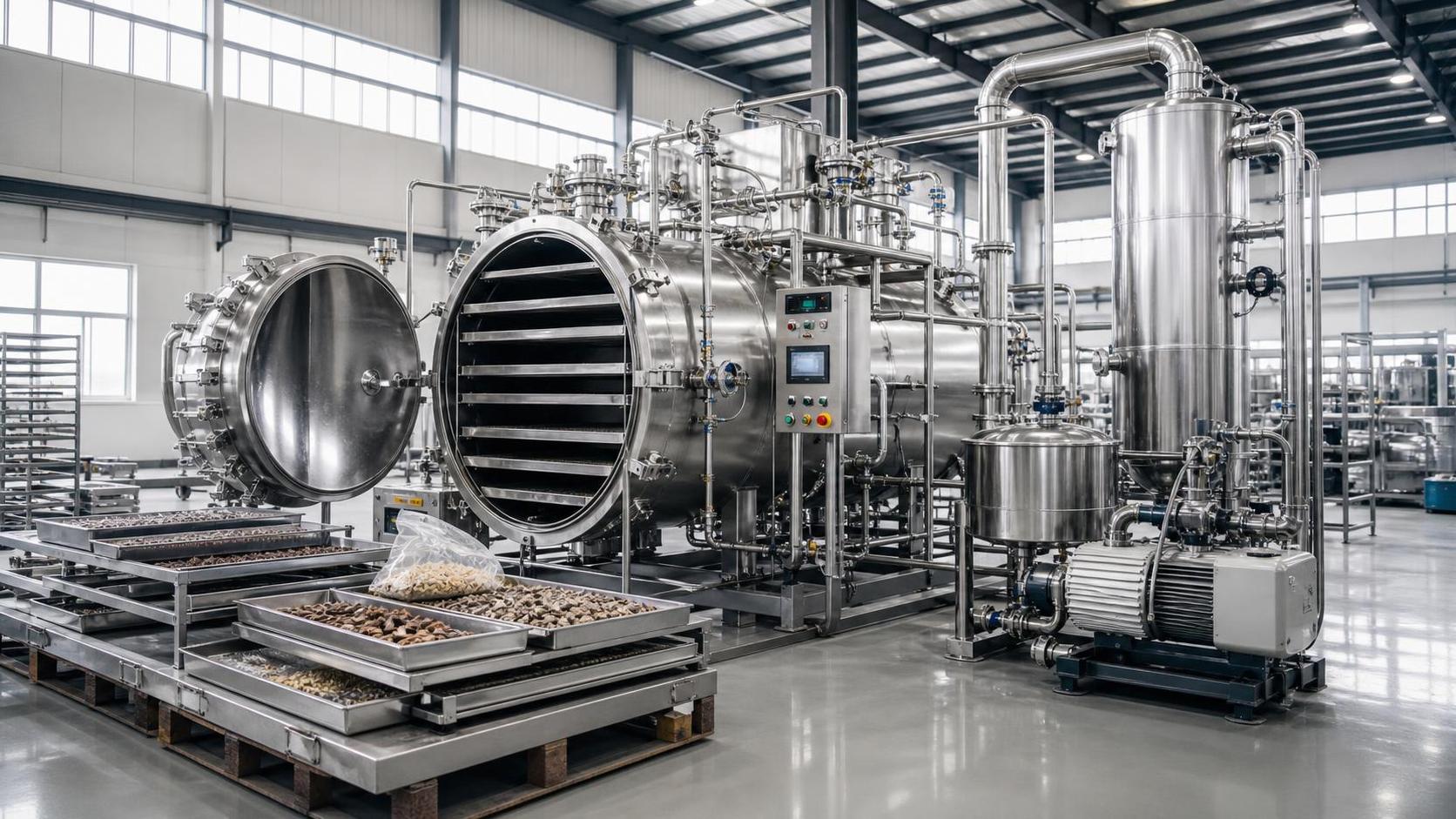
They may support packaging, drying, forming, filtration, material handling, and semiconductor or pharmaceutical processes.
Energy waste occurs when pumps operate continuously despite variable process demand.
Oversized pumps, leaking seals, poor receiver design, and weak controls can compound the losses.
In sensitive production, vacuum stability also affects yield, quality, and cycle time.
This makes vacuum optimization both an industrial energy efficiency measure and a production reliability measure.
Business Impact: Efficiency Losses Are No Longer Technical Footnotes
Energy losses affect far more than monthly utility bills.
They influence product cost, capacity planning, maintenance workload, carbon exposure, and brand credibility.
In energy-intensive operations, poor industrial energy efficiency can weaken margins even when production volume remains stable.
In regulated markets, inefficient utilities can also complicate sustainability disclosures and customer qualification audits.
The impact is especially visible in sectors requiring precision thermal control or clean compressed air.
- Pharmaceutical production needs reliable air quality, stable cooling, and validated temperature control.
- Semiconductor operations depend on precise vacuum, cooling, and heat rejection stability.
- Food processing requires hygienic cooling, efficient refrigeration, and controlled heat recovery.
- General manufacturing needs cost discipline across compressed air, boilers, and process cooling.
For these sectors, industrial energy efficiency is a competitiveness issue, not a secondary engineering preference.
What High-Value Energy Intelligence Should Measure
Improving industrial energy efficiency begins with selecting the right performance indicators.
Generic consumption data is useful, but it rarely explains why losses occur.
High-value intelligence connects energy use with process demand, equipment condition, and operating context.
- Specific energy consumption per product, batch, or operating hour.
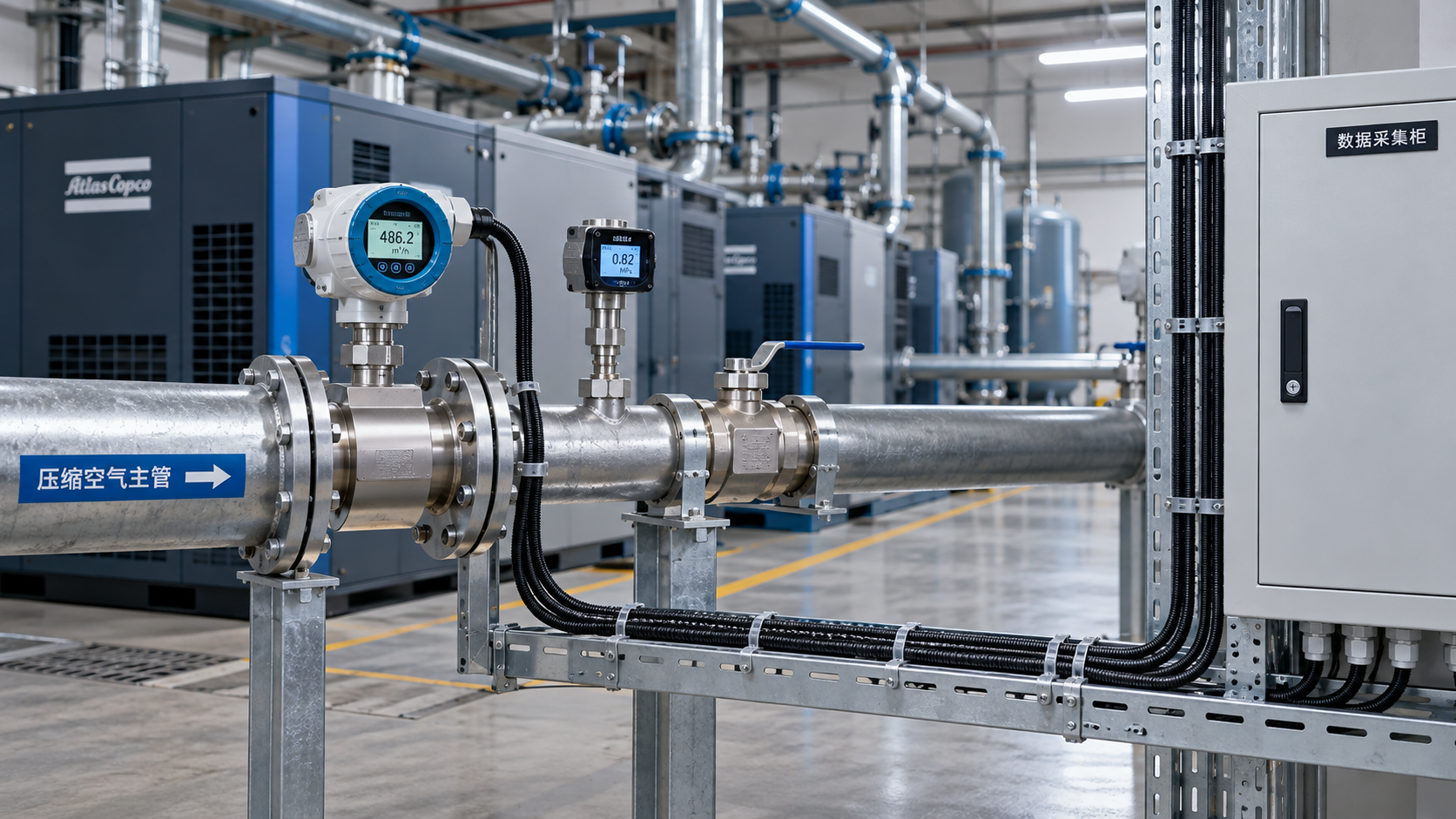
- Compressed air flow, pressure stability, leakage baseline, and dew point.
- Chiller efficiency, condenser approach, chilled water temperature, and pumping energy.
- Heat exchanger approach temperature, fouling trend, and recoverable heat potential.
- Vacuum level stability, pump loading, seal leakage, and cycle demand.
- Carbon intensity by utility system, production line, and operating mode.
These indicators help separate unavoidable process energy from avoidable system waste.
That separation is the foundation of practical industrial energy efficiency strategy.
A Practical Response Framework for the Next Efficiency Cycle
The next stage of industrial energy efficiency should combine diagnostics, operational discipline, and investment planning.
The following framework helps prioritize actions without reducing the issue to equipment replacement alone.
This approach supports faster wins while building a stronger case for long-term modernization.
Where GTC-Matrix Adds Strategic Perspective
GTC-Matrix observes the power heart and thermal center of modern industry through connected intelligence.
Its focus on cooling, compressed air, vacuum processes, and heat exchange aligns directly with industrial energy efficiency challenges.
The platform links thermodynamic logic with high-efficiency compression power systems through sector news, technology trends, and commercial insight.
This perspective is valuable because energy waste rarely respects departmental or equipment boundaries.
It appears between assets, control strategies, production schedules, and economic assumptions.
By interpreting these connections, industrial energy efficiency becomes a measurable pathway toward decarbonization and operational resilience.
Next Steps: Turn Hidden Losses Into Measurable Value
The most effective starting point is not always the largest machine in the plant.
It is often the system boundary where compressed air, cooling, vacuum, and heat exchange decisions overlap.
A focused review should compare design assumptions, current operation, production needs, and energy cost exposure.
From there, actions can be ranked by savings potential, operational risk, carbon impact, and implementation speed.
Industrial energy efficiency is no longer a single project with a fixed endpoint.
It is a continuous intelligence discipline that protects margins, reduces emissions, and strengthens industrial competitiveness.
Begin with the losses that remain invisible today, because those are often the savings with the strongest strategic return.
Ready when you are. Send us a message to get started.
Related News
- How to select industrial equipment for automation with existing PLCsAuthor :

- How electricity prices shape industrial compressed air price trendsAuthor :

- Choosing air filtration systems for heavy dust in the Middle EastAuthor :

- How much does a fully installed compressed air monitoring system cost?Author :

- What documentation supports CE marking for industrial equipment?Author :

- How local support affects vacuum system costs in Southeast AsiaAuthor :

- How worldwide industry category guides help compare market opportunitiesAuthor :

- What drives sustainable thermal systems cost over their operating life?Author :

- Which industrial solution comparison criteria prevent project delays?Author :

- How Ambient Temperature and Load Profile Affect Industrial Compressor SizingAuthor :

- What to evaluate before choosing a thermal process engineering supplierAuthor :

- How industrial utility systems affect energy costs in process plantsAuthor :

- What Data Is Needed to Assess Heat Recovery Decarbonization?Author :

- Can Waste Heat Recovery Support Carbon Neutrality Targets?Author :

- Is Compressor Heat Recovery Worth the Installation Cost?Author :

- What to verify before choosing a process separation technology supplierAuthor :

- When does process utilities engineering reduce project rework?Author :

- Where thermal efficiency optimization delivers the fastest savings in EuropeAuthor :

- What should you verify before selecting a heat transfer supplier?Author :

- What drives compressed air systems price for industrial projects?Author :

- How an industrial product knowledge comparison guide reduces sourcing riskAuthor :

- When does a procurement specification planning process reduce bid risk?Author :

- When does thermal system optimization for electronics reduce failure risk?Author :

- When high temperature process heating systems justify the higher energy costAuthor :

- How to compare sludge dewatering equipment by cake drynessAuthor :

- What to Check Before Sourcing a Gas Turbine for Distributed Power ProjectsAuthor :

- What drives industrial thermal systems price in large facility projectsAuthor :

- How to build an industrial product comparison chart that speeds up vendor selectionAuthor :

- Vacuum Technology Application Guide for Selecting the Right SystemAuthor :

- What Drives Vacuum Drying Cost in Industrial Procurement?Author :

- What Drives Compressed Air Pricing in Industrial Systems?Author :

- How Procurement Specification Planning Shapes Total Project CostAuthor :

- Compression Technology Guide: How to Compare Efficiency, Pressure Range, and Maintenance NeedsAuthor :

- How to Compare Industrial Separators by Throughput, Purity, and Maintenance LoadAuthor :

- How to Size a Compressed Air Equipment Receiver Tank for Stable PressureAuthor :

- Industrial Equipment Selection Guide: How to Compare Capacity, Duty Cycle, and Operating CostAuthor :