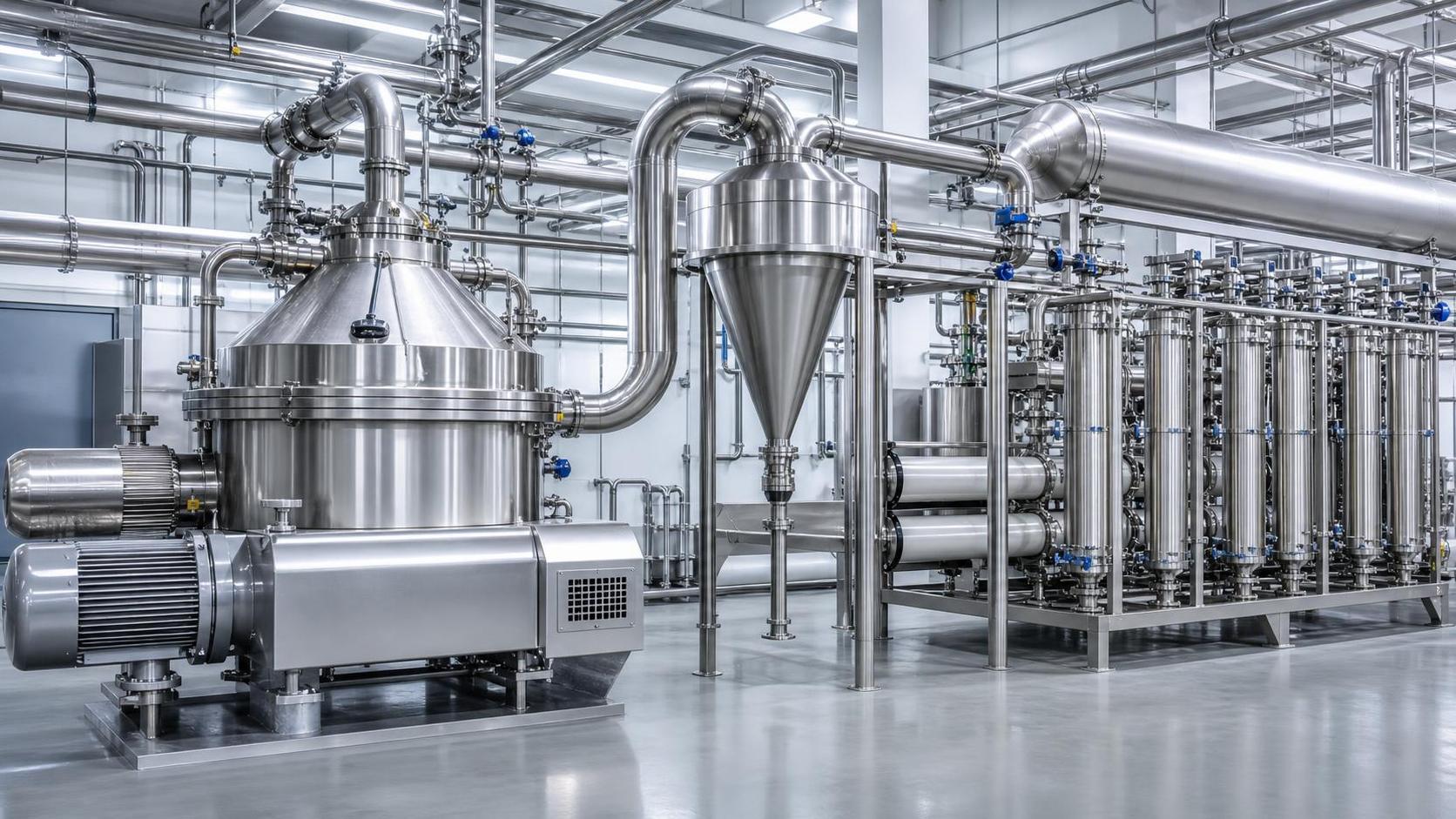
Industrial Energy Efficiency Gains from Smarter Cooling




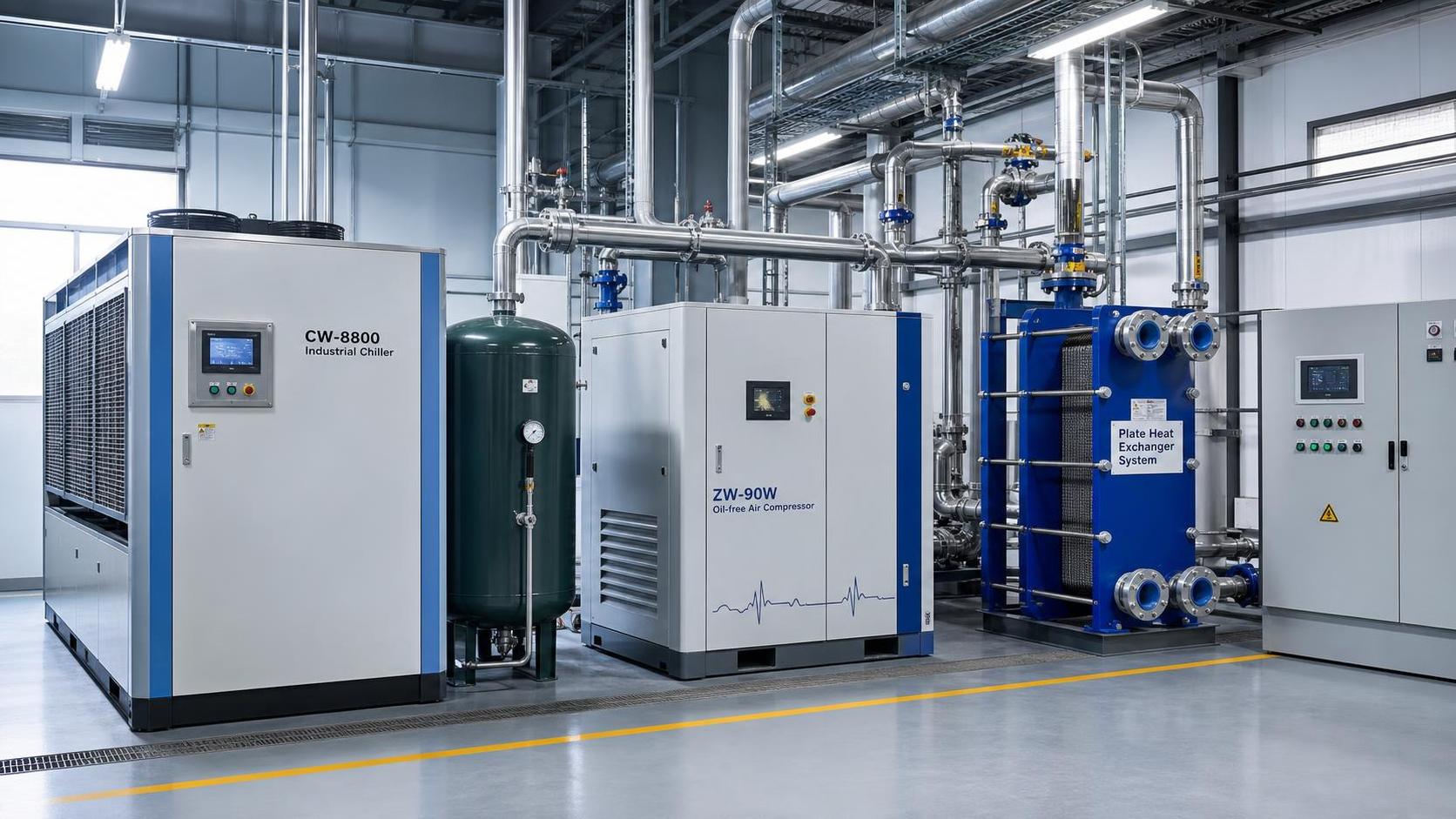
Industrial energy efficiency is becoming a decisive benchmark for business evaluation as cooling systems, compressed air networks, and heat exchange assets face rising energy costs and stricter decarbonization targets.
Smarter cooling strategies now offer more than operational savings. They reveal measurable pathways to lower lifecycle costs, stronger compliance readiness, and improved competitiveness.
For decision-makers assessing industrial investments, intelligent thermal management connects directly with compression power, process reliability, carbon reduction, and long-term financial resilience.
Why Smarter Cooling Has Become a Business Evaluation Issue
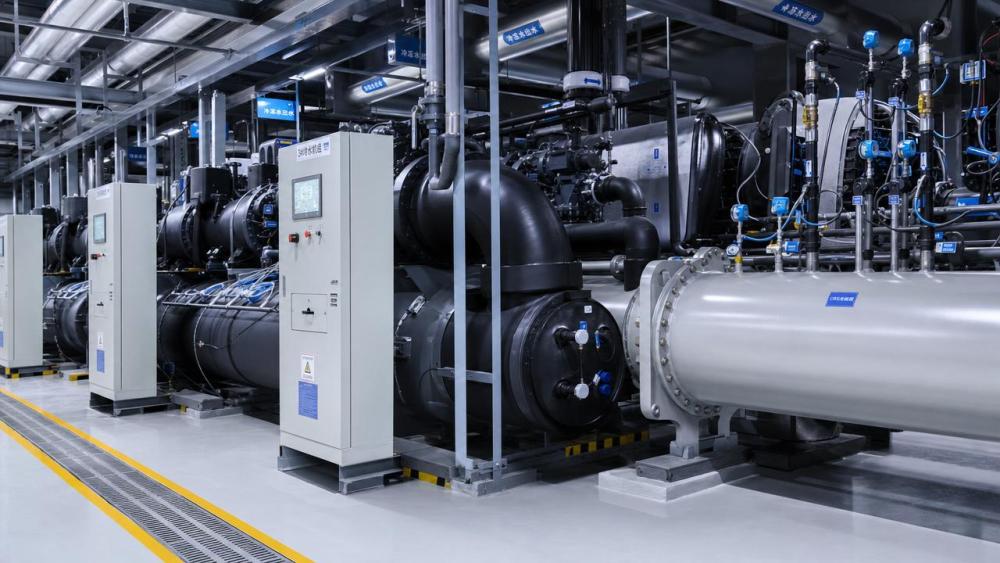
For business evaluators, the main question is no longer whether cooling equipment works. The question is whether it consumes energy intelligently.
Cooling often sits behind production, yet it can represent a major share of industrial electricity demand, especially in continuous processing environments.
When energy prices rise, inefficient chillers, oversized compressors, fouled heat exchangers, and poorly controlled cooling loops quickly become financial liabilities.
Smarter cooling improves industrial energy efficiency by matching thermal output to real process demand instead of operating at fixed or excessive capacity.
This shift matters because many industrial plants still run legacy systems designed for reliability, not dynamic energy optimization or carbon accountability.
Modern evaluation therefore looks beyond purchase price. It considers operating cost, load variability, maintenance exposure, compliance risk, and measurable emissions impact.
In this context, cooling intelligence becomes a strategic asset. It helps companies prove efficiency gains, protect margins, and support decarbonization commitments.
What Decision-Makers Should Measure Before Approving Investments
A credible assessment starts with baseline energy data. Without a measured baseline, claimed savings remain marketing language rather than investment evidence.
Evaluators should identify cooling energy intensity, compressor power consumption, heat rejection performance, process temperature stability, and seasonal load variation.
Useful metrics include kilowatt-hours per cooling ton, coefficient of performance, compressed air leakage rate, pressure drop, and heat exchanger approach temperature.
These indicators reveal whether the problem lies in equipment efficiency, control strategy, system design, maintenance condition, or demand-side behavior.
Lifecycle cost should carry more weight than acquisition cost. Cooling assets often consume many times their purchase value in electricity over service life.
A cheaper unit can become expensive if it operates inefficiently under partial load, requires frequent maintenance, or causes production instability.
Business evaluators should also examine how cooling performance affects product quality. In pharmaceuticals, food processing, and semiconductors, temperature deviation can create costly losses.
Energy savings are most valuable when they do not compromise process reliability. The strongest projects improve both efficiency and operational confidence.
Where the Largest Industrial Energy Efficiency Gains Usually Appear
The largest gains often come from system-level optimization rather than replacing one component. Cooling networks behave as interconnected thermal and compression ecosystems.
Variable-speed drives are a common opportunity. They allow pumps, fans, and compressors to adjust output instead of running continuously at full speed.
Better sequencing also matters. Multiple chillers or compressors should operate according to efficiency curves, load profiles, and redundancy requirements.
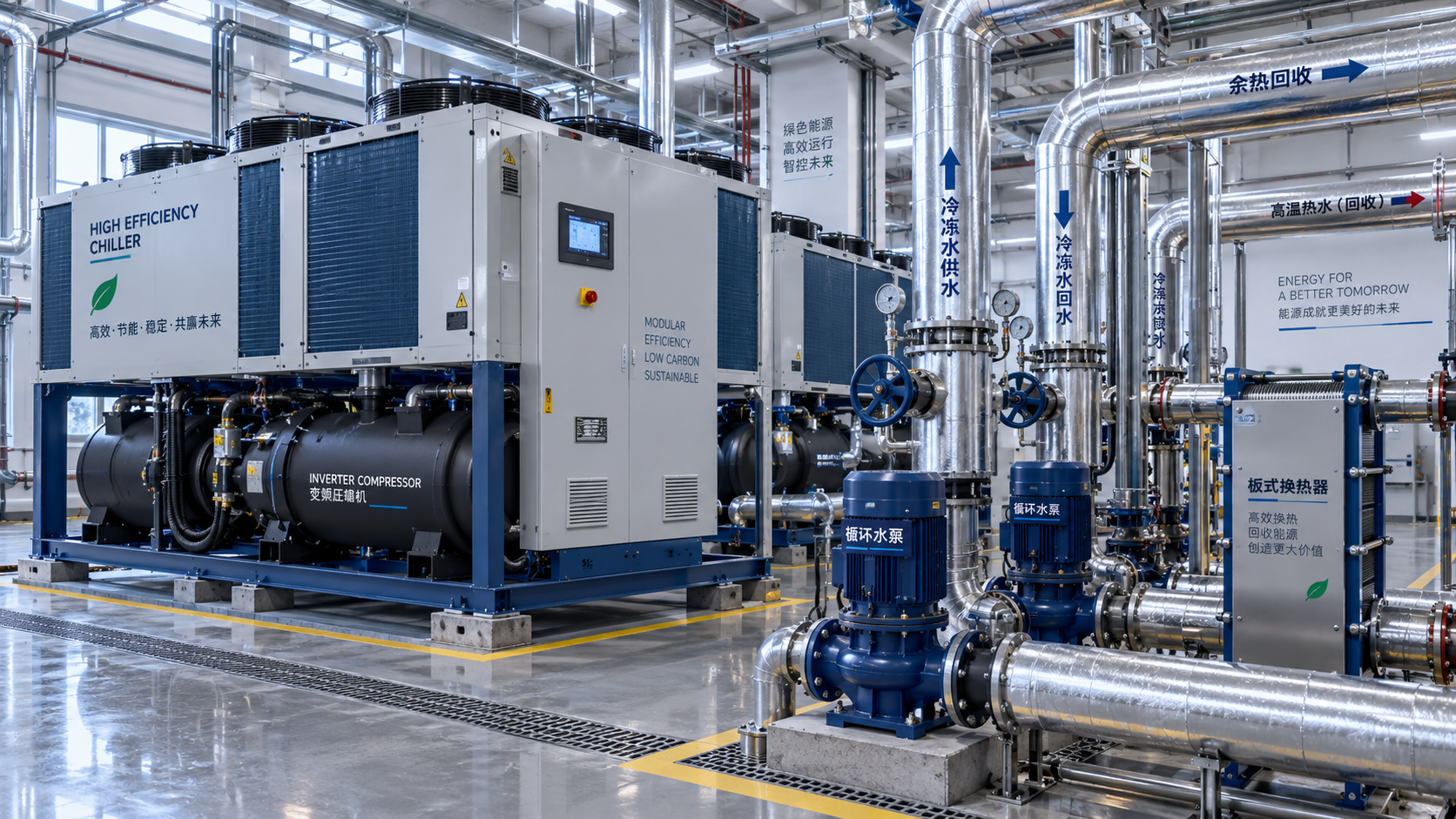
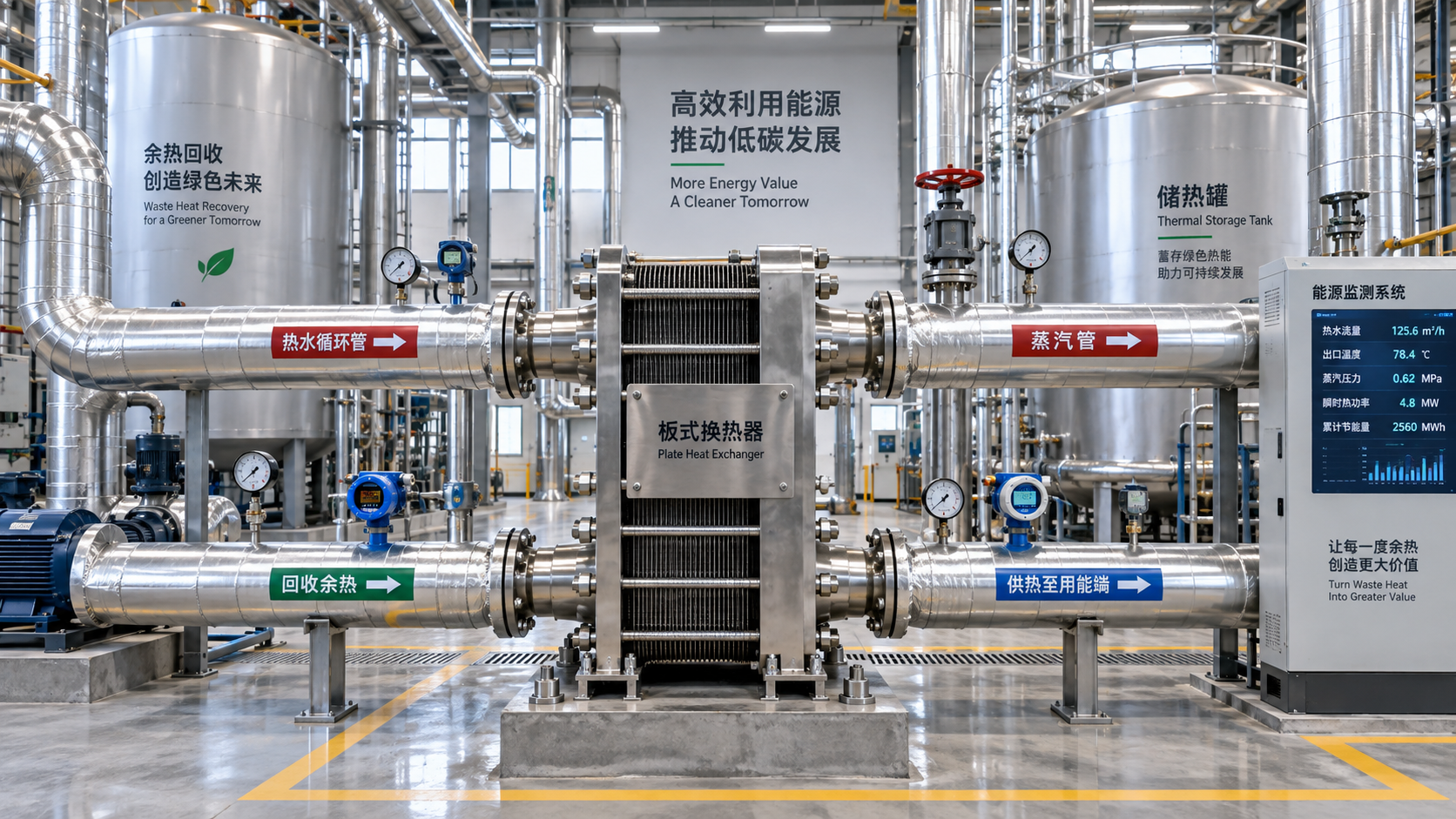
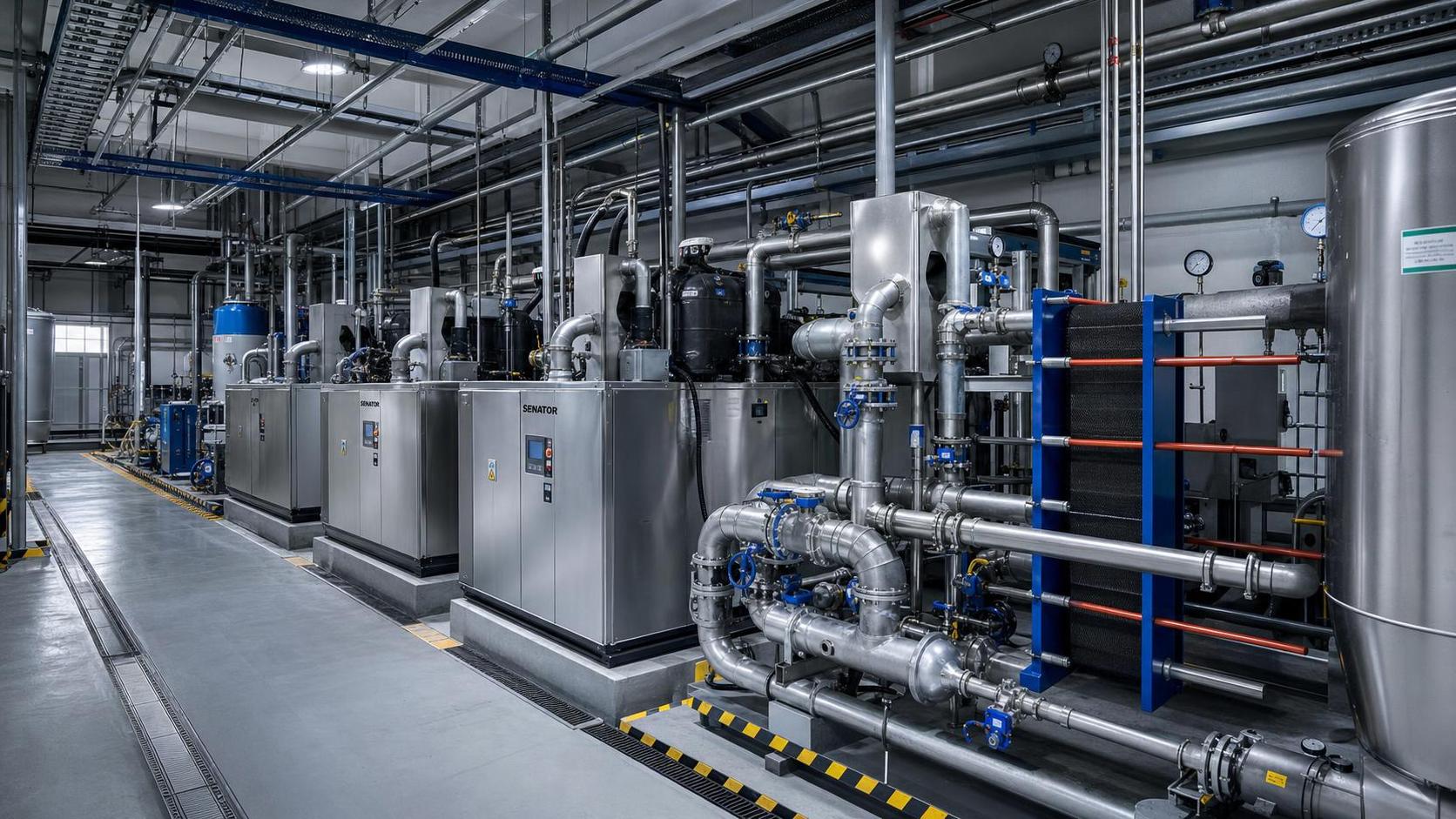
Heat exchanger performance is another high-value area. Fouling, scaling, poor flow distribution, and aging surfaces reduce thermal transfer and increase power demand.
Cleaning schedules, microchannel designs, optimized materials, and improved monitoring can restore capacity without always requiring major capital replacement.
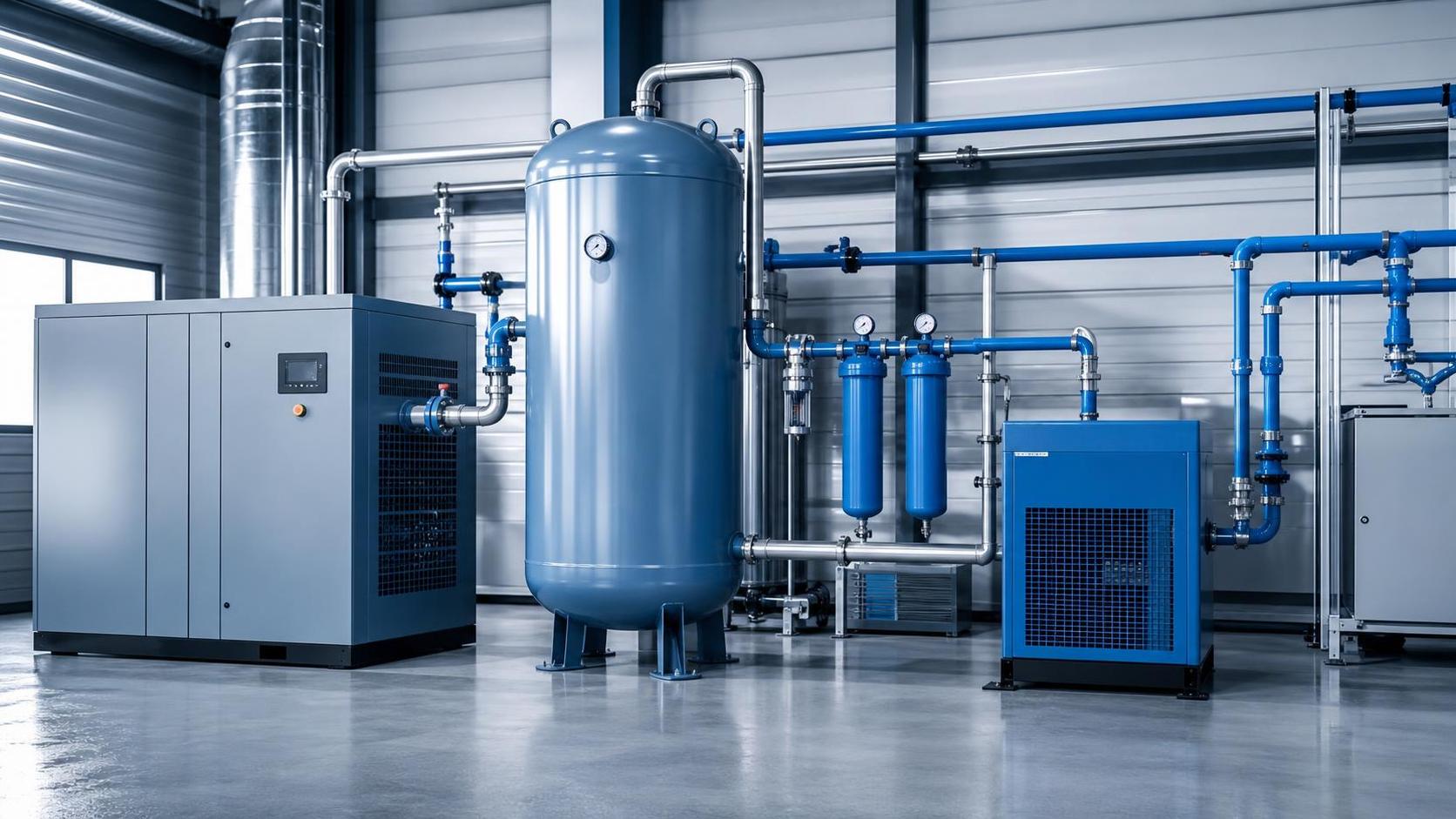
Compressed air systems deserve special attention. They are energy-intensive, frequently over-pressurized, and often affected by leaks or inappropriate end-use applications.
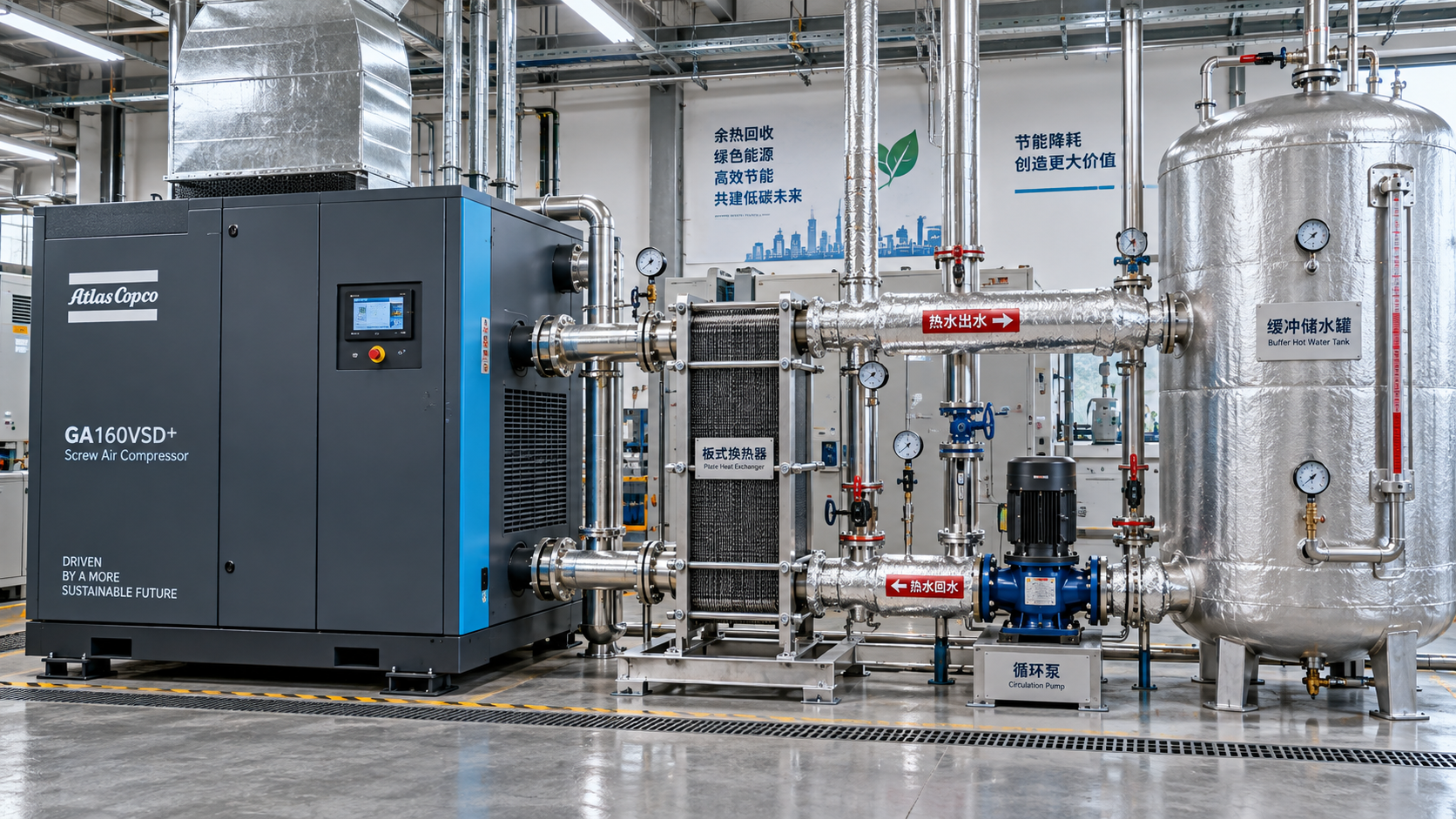
Reducing system pressure, eliminating leaks, recovering compressor heat, and applying oil-free technologies where needed can deliver rapid operational benefits.
Free cooling, heat recovery, and thermal storage may also improve economics, depending on climate, production schedule, and process temperature requirements.
How Intelligent Controls Turn Cooling From Reactive to Predictive
Traditional cooling control is often reactive. Equipment responds after temperatures drift, pressures change, or alarms appear in the system.
Intelligent controls use sensors, analytics, and automation to anticipate thermal demand and adjust capacity before inefficiency becomes embedded.
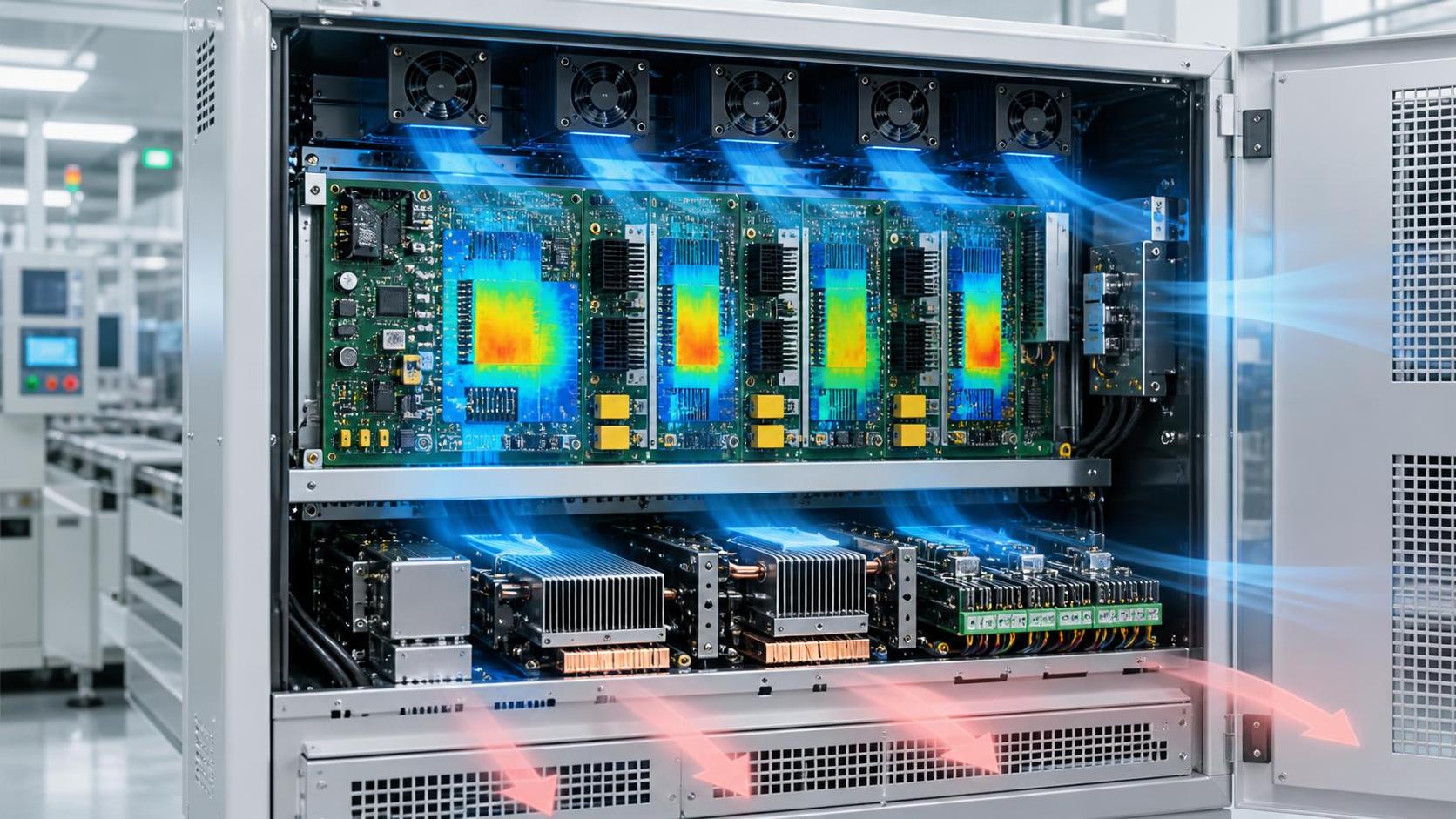
This includes real-time monitoring of inlet temperatures, flow rates, compressor load, ambient conditions, pressure differentials, and process heat generation.
With enough data, control platforms can identify abnormal patterns, detect fouling, predict maintenance needs, and prevent unnecessary equipment cycling.
Predictive cooling is especially valuable in facilities where production loads change throughout the day or across seasonal operating conditions.
Instead of applying a conservative safety margin everywhere, intelligent systems allocate cooling precisely where thermal stability creates real business value.
The result is not only lower energy use. It is improved uptime, better asset utilization, and clearer evidence for management reporting.
For investment committees, data visibility reduces uncertainty. It helps distinguish genuine performance improvement from simple equipment replacement claims.
Financial Value: Savings, Payback, and Lifecycle Risk
Smarter cooling investments should be evaluated through a financial lens that includes energy savings, maintenance reduction, downtime avoidance, and carbon-related costs.
Payback periods vary widely. Simple control upgrades or leak repairs may recover investment quickly, while full system redesigns require deeper analysis.
The strongest business cases combine multiple value streams. Lower electricity consumption alone may understate the total financial contribution.
For example, improved temperature control can reduce rejected batches, protect expensive materials, and improve compliance performance in regulated industries.
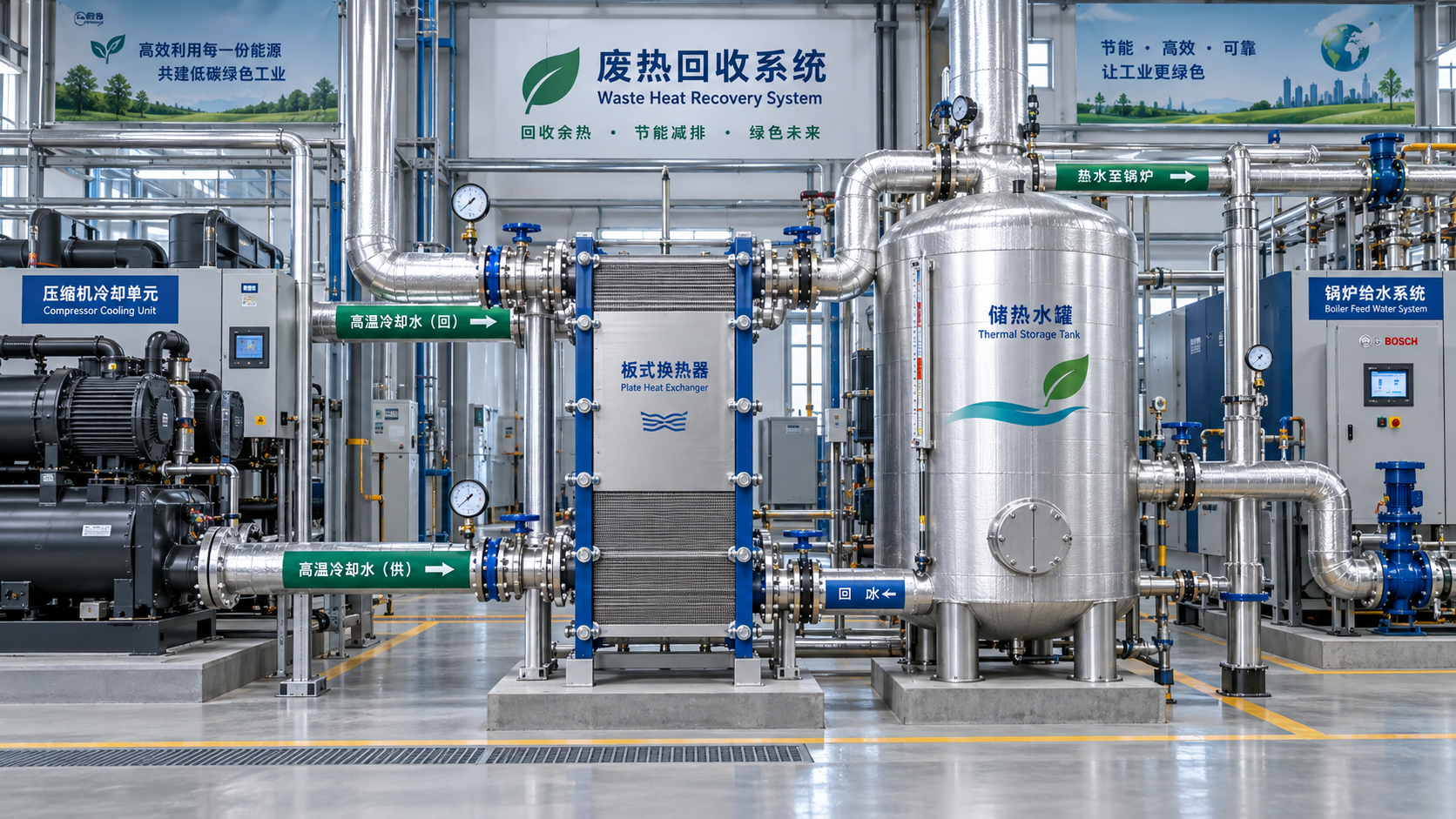
Heat recovery can convert waste thermal energy into useful process heat, reducing boiler demand and improving total plant energy balance.
Maintenance savings also matter. Equipment operating under smoother load profiles often experiences less wear, fewer emergency repairs, and longer service intervals.
Risk reduction should be quantified where possible. Cooling failure can interrupt production, damage products, and create contractual or regulatory exposure.
A realistic model should include energy tariffs, demand charges, operating hours, maintenance history, capital cost, incentives, and expected asset lifetime.
Compliance and Carbon Readiness Are Now Part of the ROI
Industrial energy efficiency increasingly intersects with carbon reporting, refrigerant regulation, green procurement, and investor expectations.
Cooling systems influence emissions through electricity use and refrigerant impact. Both factors are becoming more visible in corporate sustainability audits.
Business evaluators should consider whether proposed technologies support low-carbon electricity strategies, refrigerant transition plans, and future reporting obligations.
Equipment using high-global-warming-potential refrigerants may create future replacement costs, quota exposure, or reputational risk in sensitive markets.
Smarter cooling can support compliance by producing verifiable data. Measured performance is stronger than estimated efficiency in audits and stakeholder reporting.
This is particularly important for multinational suppliers serving customers with strict environmental, social, and governance requirements.
Efficiency upgrades may also strengthen eligibility for government incentives, utility programs, green financing, and preferred supplier status.
When carbon readiness is included in valuation, smarter cooling becomes more than an engineering upgrade. It becomes a market-access tool.
Which Facilities Benefit Most From Smarter Cooling Strategies
Not every facility has the same opportunity profile. The best candidates usually have high operating hours, variable loads, or critical temperature requirements.
Manufacturing plants running around the clock can benefit substantially because even small efficiency improvements accumulate across many operating hours.
Pharmaceutical, semiconductor, data infrastructure, chemical, and food facilities often justify investment because thermal stability directly affects quality and continuity.
Facilities with aging chillers, frequent alarms, rising maintenance costs, or poor visibility into energy performance should prioritize assessment.
Sites with expanding production may also benefit. Smarter cooling can unlock capacity without always adding oversized equipment.
However, facilities with low utilization, stable mild loads, or limited energy cost exposure may require a more selective approach.
The correct question is not whether smarter cooling is universally necessary. It is where cooling intelligence changes cost, risk, or competitiveness.
A disciplined feasibility study can separate high-return opportunities from projects that are technically attractive but commercially weak.
How to Evaluate Vendors, Technologies, and Claims
Business evaluators should ask vendors to provide evidence under realistic operating conditions, not only laboratory performance or idealized specifications.
Important questions include how the system performs at partial load, how controls integrate with existing assets, and how savings are verified.
Vendors should explain assumptions behind projected energy savings, including baseline conditions, production patterns, ambient temperature, and maintenance status.
Integration capability is critical. Cooling intelligence must communicate with building management systems, production controls, compressors, pumps, and heat exchange assets.
Cybersecurity and data ownership should not be overlooked when connected platforms monitor critical industrial infrastructure.
Maintenance capability also deserves scrutiny. Advanced systems need skilled service, reliable parts availability, and clear responsibility for ongoing performance.
Decision-makers should prefer vendors that offer measurement and verification plans, transparent dashboards, and performance guarantees where appropriate.
A strong proposal should connect technical specifications with business outcomes, including cost reduction, compliance readiness, reliability, and operational scalability.
Implementation Priorities That Reduce Investment Risk
A phased approach usually works better than a single large upgrade. It allows companies to validate savings before expanding investment.
The first phase should establish measurement. Energy meters, temperature sensors, pressure monitoring, and operational data create the foundation for decision-making.
The second phase should address obvious waste. Leaks, fouled exchangers, poor insulation, incorrect setpoints, and excessive pressure are often inexpensive to correct.
The third phase can optimize controls. Sequencing, variable-speed operation, predictive maintenance, and automated load matching typically produce deeper gains.
The final phase may involve equipment replacement, heat recovery, refrigerant transition, or redesigned cooling architecture for long-term transformation.
This sequence helps avoid overinvestment. It ensures capital is directed toward verified constraints rather than assumptions.
Cross-functional governance is important. Engineering, finance, sustainability, procurement, and operations should agree on metrics before implementation begins.
Clear ownership prevents efficiency gains from disappearing after commissioning due to manual overrides, poor maintenance, or undocumented operating changes.
Common Mistakes That Weaken the Business Case
One common mistake is evaluating equipment in isolation. A high-efficiency chiller may underperform if pumps, controls, and heat exchangers remain inefficient.
Another mistake is ignoring part-load operation. Many industrial systems rarely run at rated capacity, making real-world performance more important than nameplate values.
Some companies also underestimate compressed air losses. In many plants, leakage and overpressure silently consume large amounts of electricity.
Overcooling is another hidden cost. Conservative setpoints may protect operations, but they can impose unnecessary energy penalties across the facility.
Weak data quality can damage decision confidence. If meters are missing or inconsistent, savings disputes may arise after project completion.
Finally, organizations sometimes treat efficiency as a one-time project. In reality, cooling performance changes with load, maintenance, climate, and production strategy.
Continuous monitoring helps preserve gains. It also gives management the evidence needed to support future capital decisions.
Conclusion: Smarter Cooling Converts Thermal Control Into Strategic Value
Smarter cooling is a practical route to industrial energy efficiency because it connects energy consumption with process demand, asset condition, and business risk.
For evaluators, the strongest projects are measurable, financeable, operationally reliable, and aligned with carbon and compliance priorities.
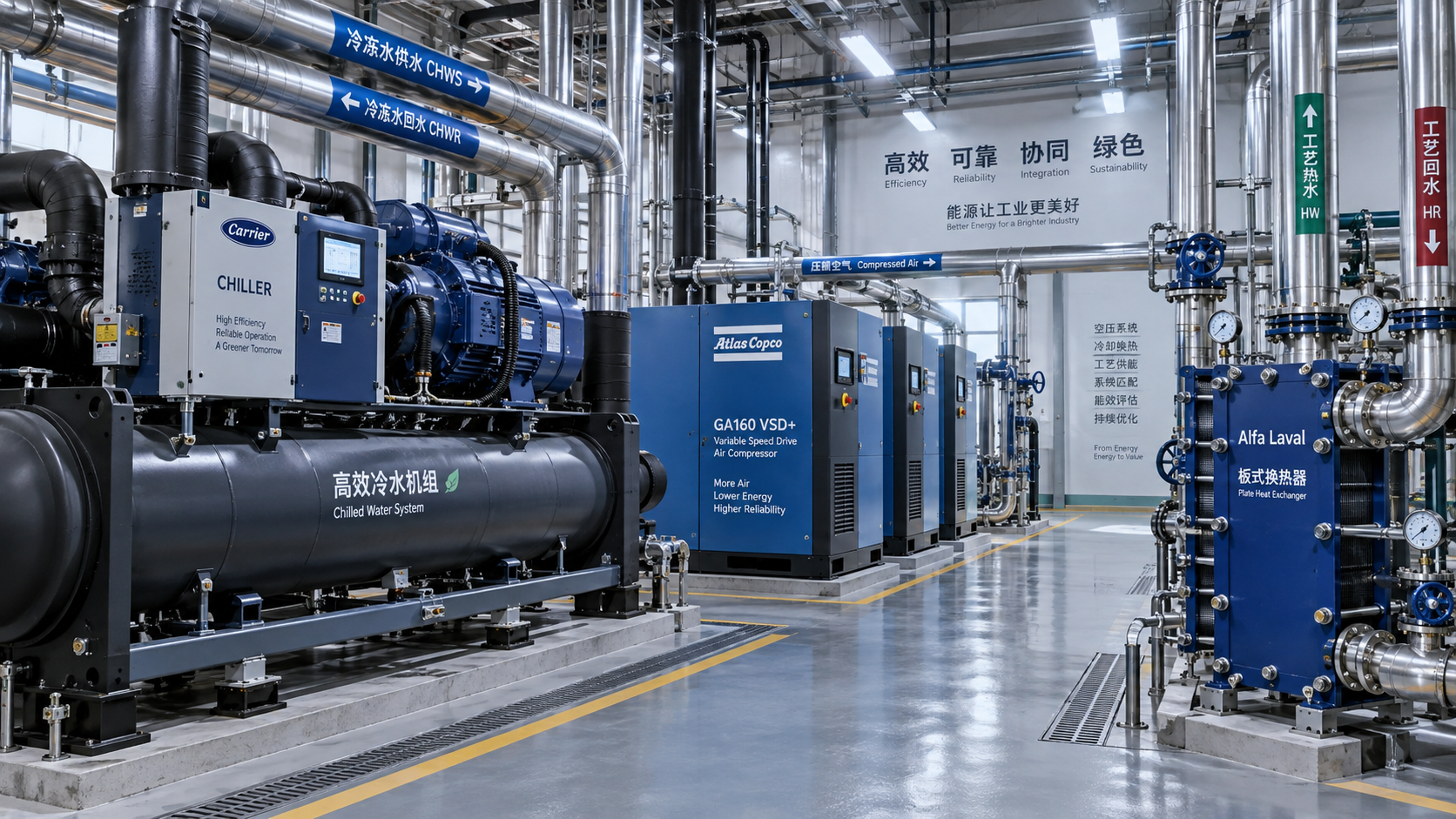
The most important step is to move from equipment-based thinking to system-based intelligence across cooling, compression, vacuum, and heat exchange assets.
When implemented with accurate baselines and clear performance metrics, smarter cooling can lower lifecycle cost while strengthening competitiveness.
In a market shaped by energy volatility and decarbonization pressure, intelligent thermal management is becoming a core indicator of industrial quality.
Companies that understand this early will not only save power. They will build more resilient, transparent, and future-ready industrial operations.
Ready when you are. Send us a message to get started.
Related News
- How to select industrial equipment for automation with existing PLCsAuthor :

- How electricity prices shape industrial compressed air price trendsAuthor :

- Choosing air filtration systems for heavy dust in the Middle EastAuthor :

- How much does a fully installed compressed air monitoring system cost?Author :

- What documentation supports CE marking for industrial equipment?Author :

- How local support affects vacuum system costs in Southeast AsiaAuthor :

- How worldwide industry category guides help compare market opportunitiesAuthor :

- What drives sustainable thermal systems cost over their operating life?Author :

- Which industrial solution comparison criteria prevent project delays?Author :

- How Ambient Temperature and Load Profile Affect Industrial Compressor SizingAuthor :

- What to evaluate before choosing a thermal process engineering supplierAuthor :

- How industrial utility systems affect energy costs in process plantsAuthor :

- What Data Is Needed to Assess Heat Recovery Decarbonization?Author :

- Can Waste Heat Recovery Support Carbon Neutrality Targets?Author :

- Is Compressor Heat Recovery Worth the Installation Cost?Author :

- What to verify before choosing a process separation technology supplierAuthor :

- When does process utilities engineering reduce project rework?Author :

- Where thermal efficiency optimization delivers the fastest savings in EuropeAuthor :

- What should you verify before selecting a heat transfer supplier?Author :

- What drives compressed air systems price for industrial projects?Author :

- How an industrial product knowledge comparison guide reduces sourcing riskAuthor :

- When does a procurement specification planning process reduce bid risk?Author :

- When does thermal system optimization for electronics reduce failure risk?Author :

- When high temperature process heating systems justify the higher energy costAuthor :

- How to compare sludge dewatering equipment by cake drynessAuthor :

- What to Check Before Sourcing a Gas Turbine for Distributed Power ProjectsAuthor :

- What drives industrial thermal systems price in large facility projectsAuthor :

- How to build an industrial product comparison chart that speeds up vendor selectionAuthor :

- Vacuum Technology Application Guide for Selecting the Right SystemAuthor :

- What Drives Vacuum Drying Cost in Industrial Procurement?Author :

- What Drives Compressed Air Pricing in Industrial Systems?Author :

- How Procurement Specification Planning Shapes Total Project CostAuthor :

- Compression Technology Guide: How to Compare Efficiency, Pressure Range, and Maintenance NeedsAuthor :

- How to Compare Industrial Separators by Throughput, Purity, and Maintenance LoadAuthor :

- How to Size a Compressed Air Equipment Receiver Tank for Stable PressureAuthor :

- Industrial Equipment Selection Guide: How to Compare Capacity, Duty Cycle, and Operating CostAuthor :