How Energy-Saving Technologies Cut Plant Costs




How Energy-Saving Technologies Cut Plant Costs in Real Operating Scenarios
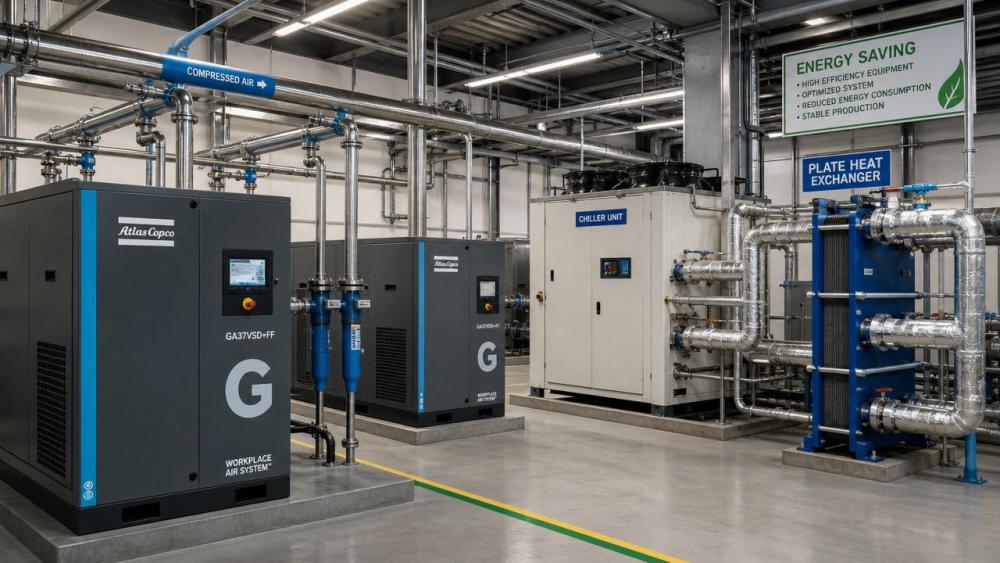
Plant efficiency is no longer only an engineering concern; it is a direct lever for margin protection, risk control, and capital discipline.
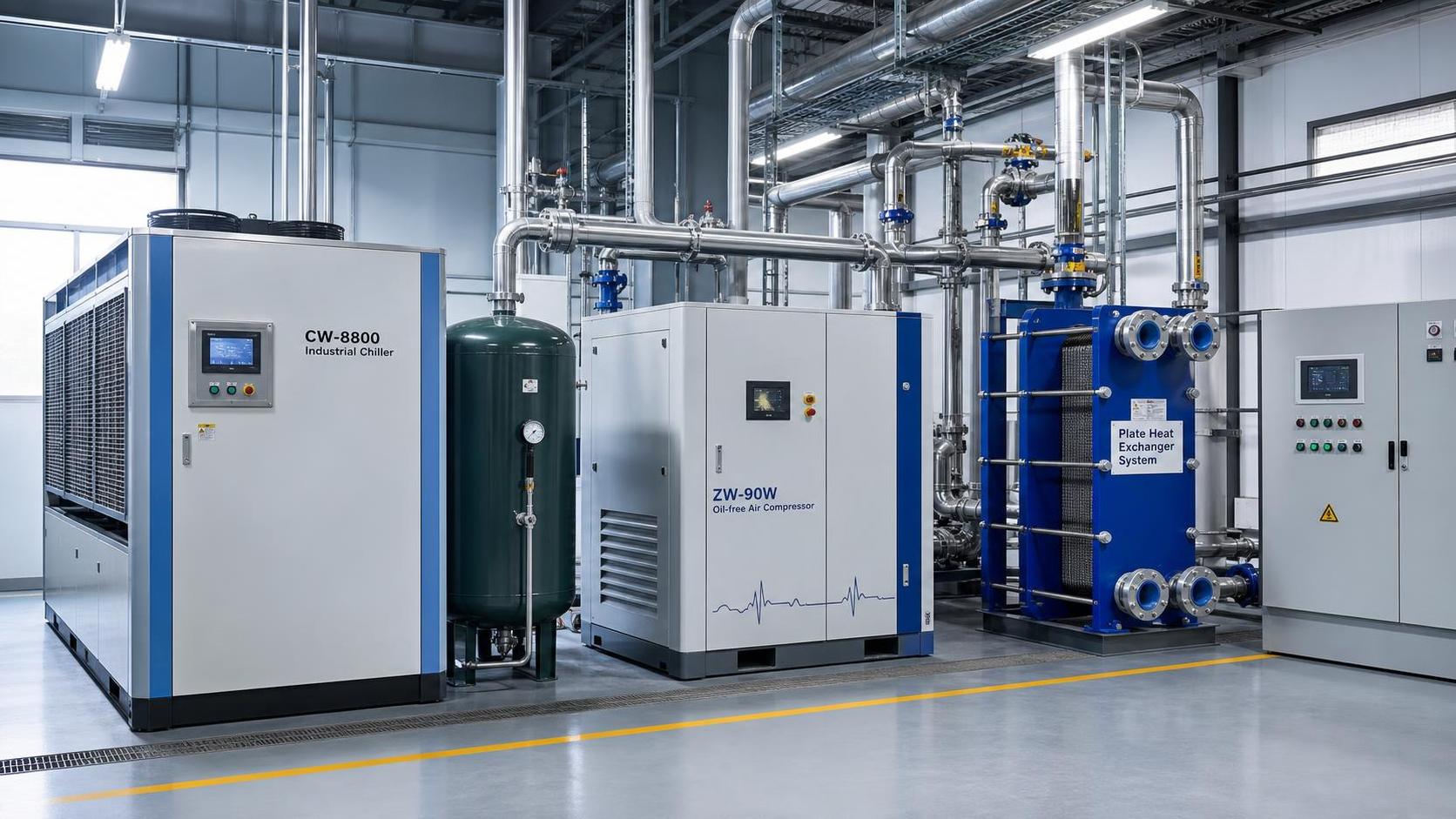
Energy-saving technologies in cooling, compressed air, vacuum systems, and heat exchange reduce utility spend while protecting production reliability.
As energy prices and carbon rules shift, each efficiency decision must connect technical performance with measurable financial payback.
For GTC-Matrix, the core question is practical: where do energy-saving technologies create the strongest plant cost reduction?
Scenario Background: Why Cost Reduction Depends on Operating Context
Industrial plants rarely waste energy in one obvious place. Losses appear across pressure drops, idle running, thermal imbalance, and poor control logic.
That is why energy-saving technologies must be judged by scenario, not by equipment name alone.
A compressor upgrade may deliver fast payback in one plant, yet underperform where leaks, oversizing, or unstable demand remain unresolved.
A chiller optimization project may cut peak demand charges, but only if thermal load patterns are accurately mapped.
The strongest decisions combine thermodynamic analysis, lifecycle cost modeling, and operational risk assessment.
This approach supports investment approval because benefits are tied to baselines, production hours, tariff structures, and maintenance exposure.
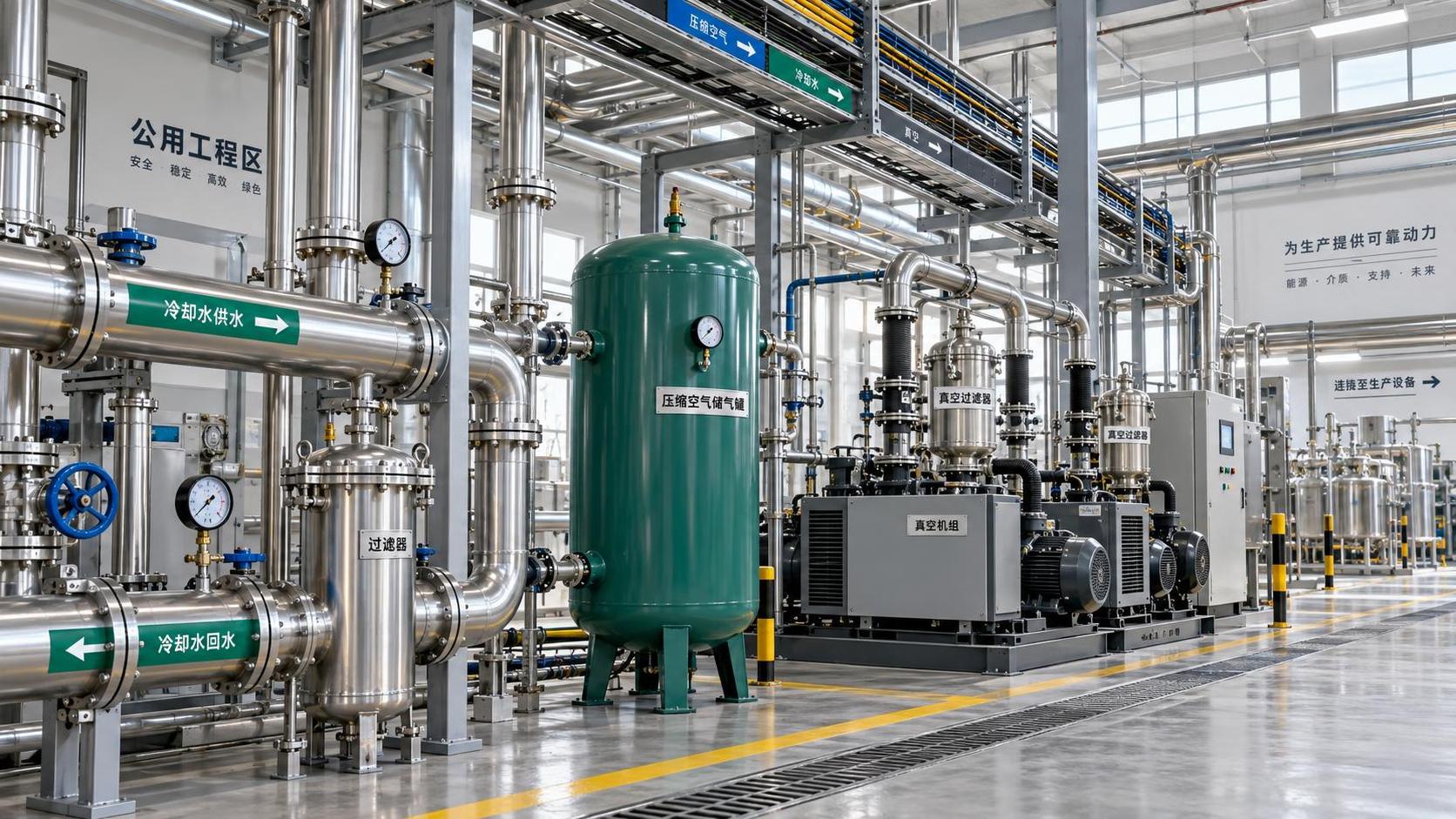
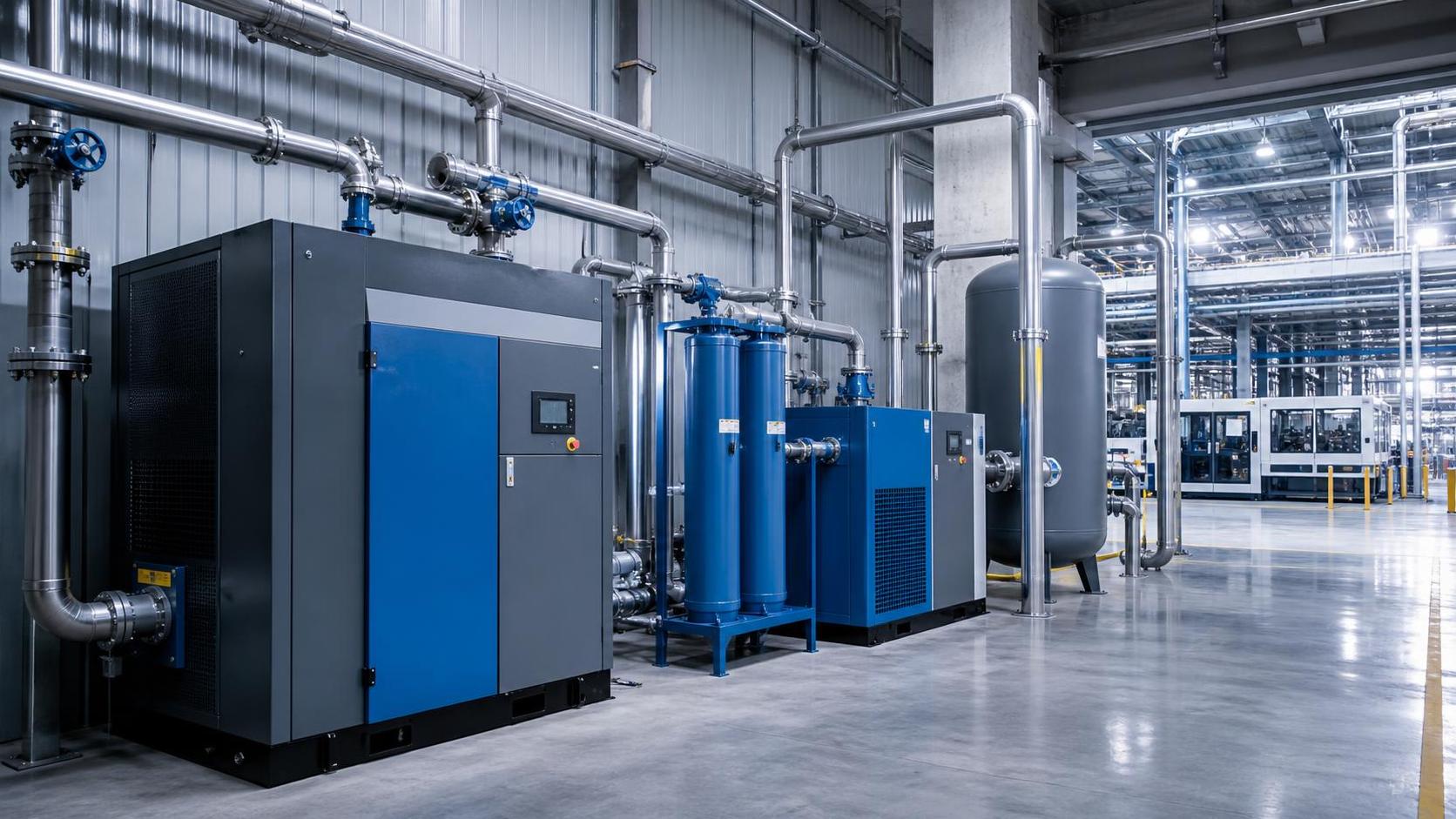
Scenario 1: Compressed Air Networks with Hidden Power Losses
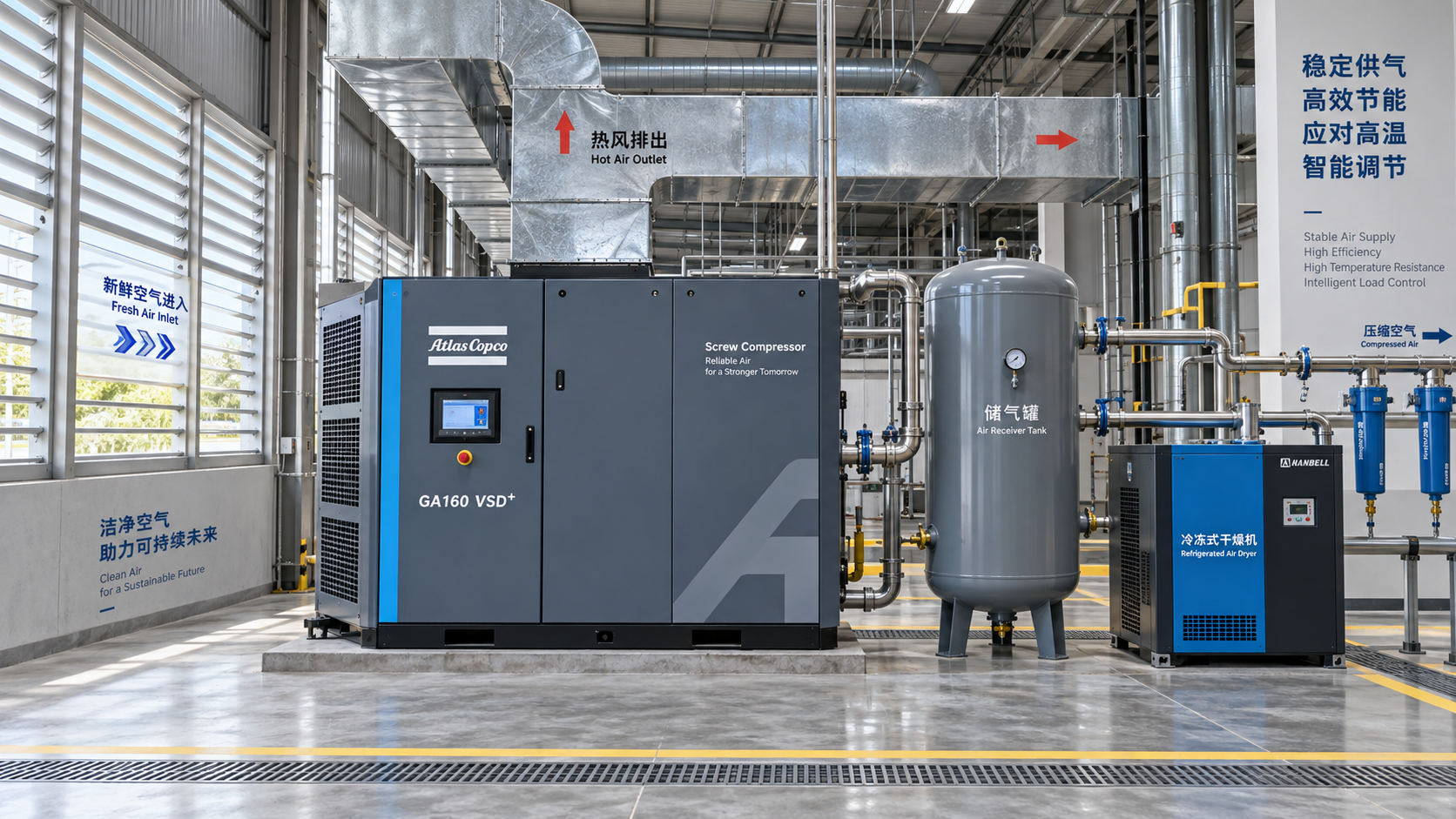
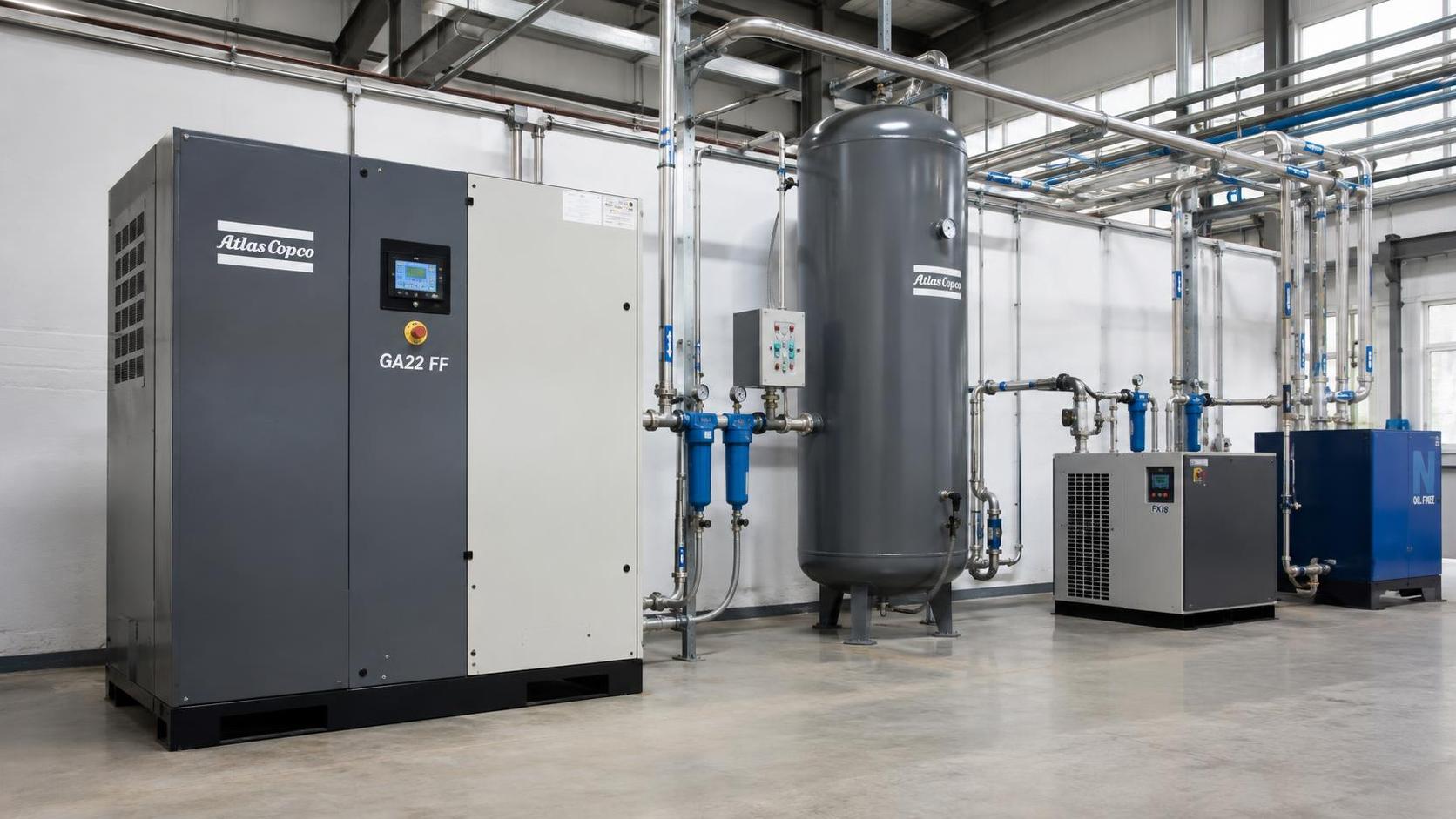
Compressed air is often treated as a utility, yet it is among the most expensive energy carriers inside a plant.
Energy-saving technologies create value when pressure is higher than required, compressors cycle excessively, or leaks remain unmanaged.
Key judgment points include load profile, pressure stability, air quality requirements, and the share of unloaded running hours.
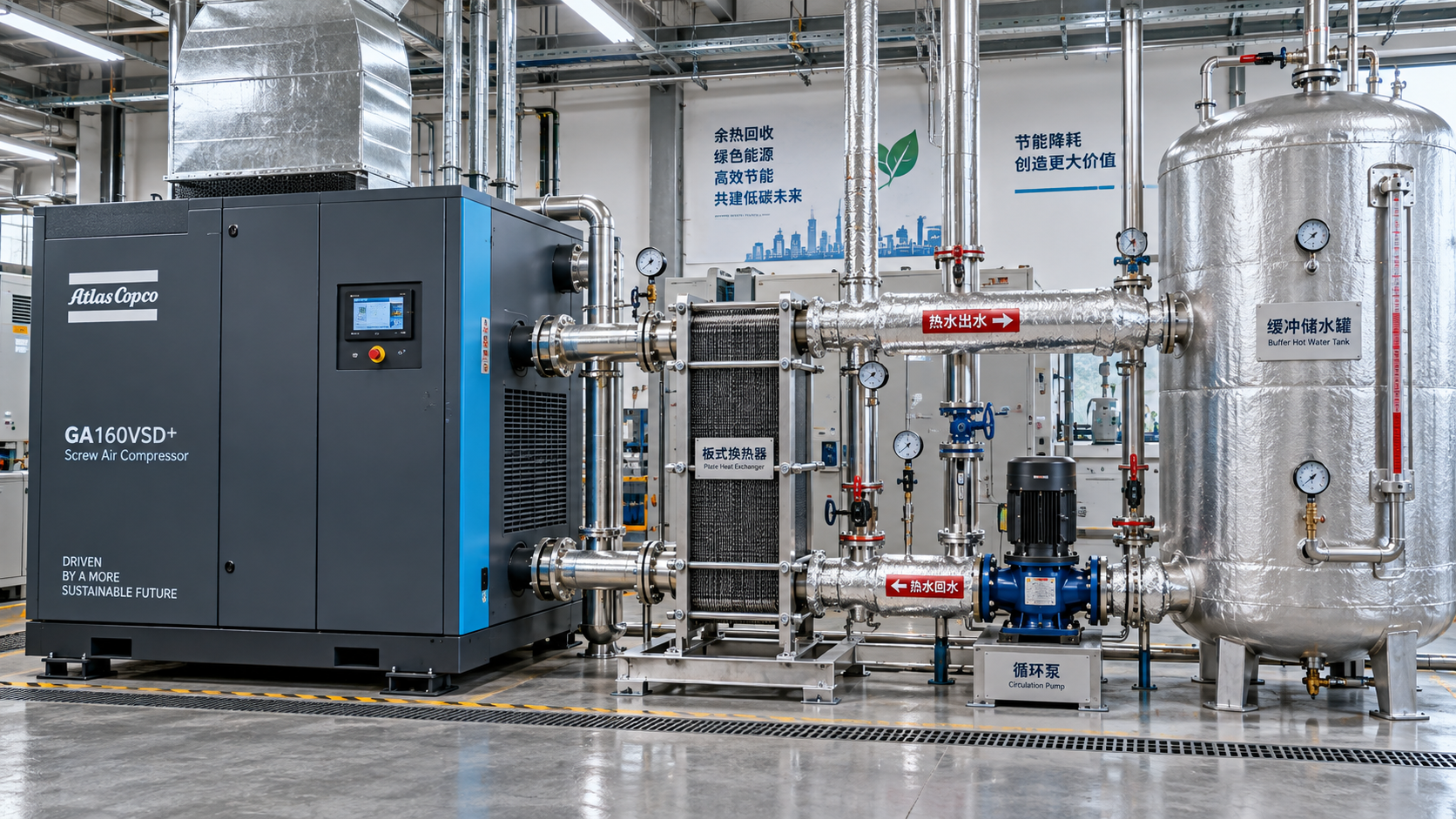
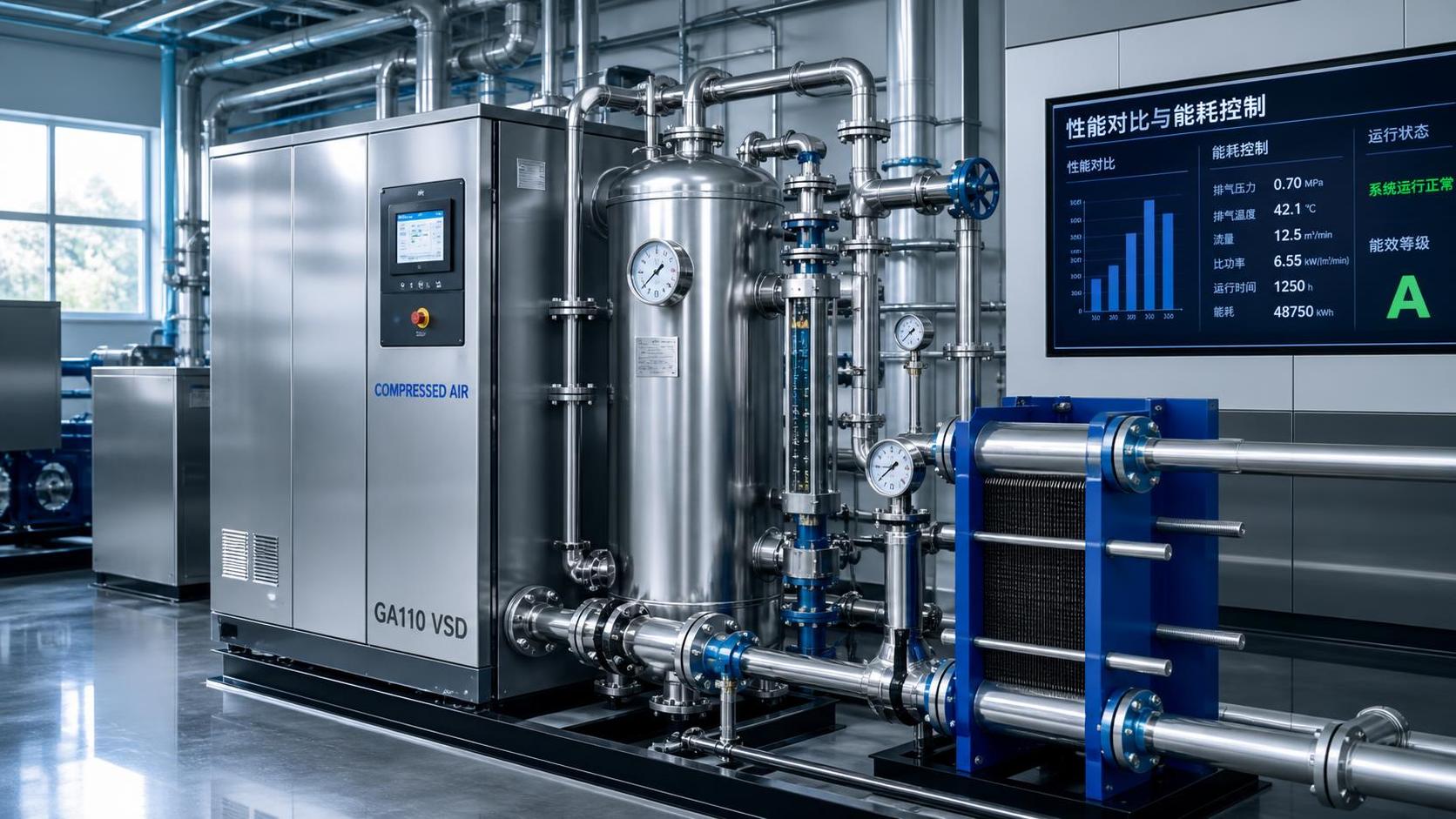
Variable speed drives, master controls, heat recovery, and leak detection can reduce electrical demand without lowering process safety.
Oil-free compression may also matter where pharmaceuticals, electronics, or food processes require clean pneumatic power.
The cost case improves when energy-saving technologies are paired with pressure zoning and disciplined maintenance routines.
Scenario 2: Cooling Systems Facing Peak Demand and Heat Load Volatility
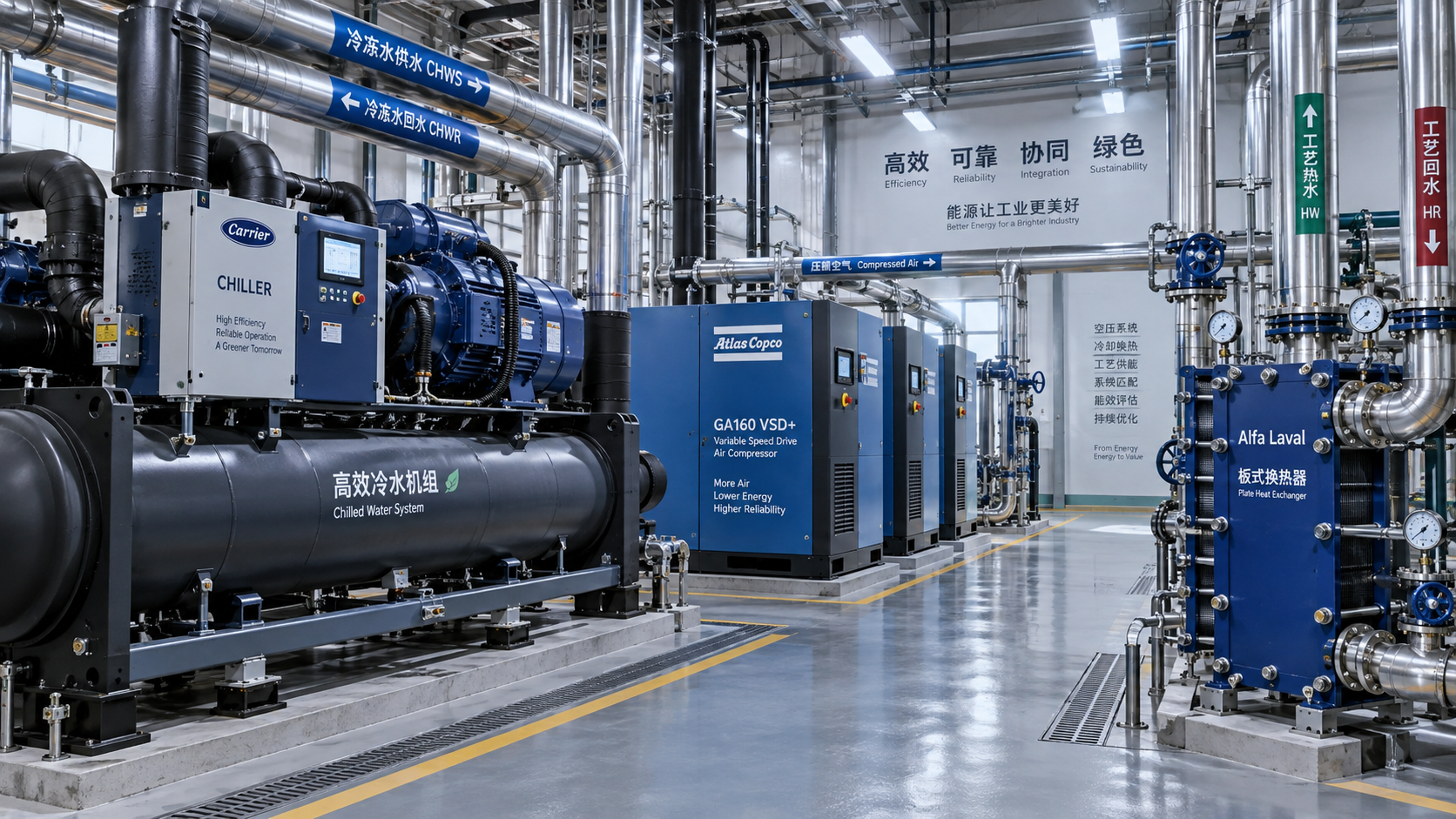
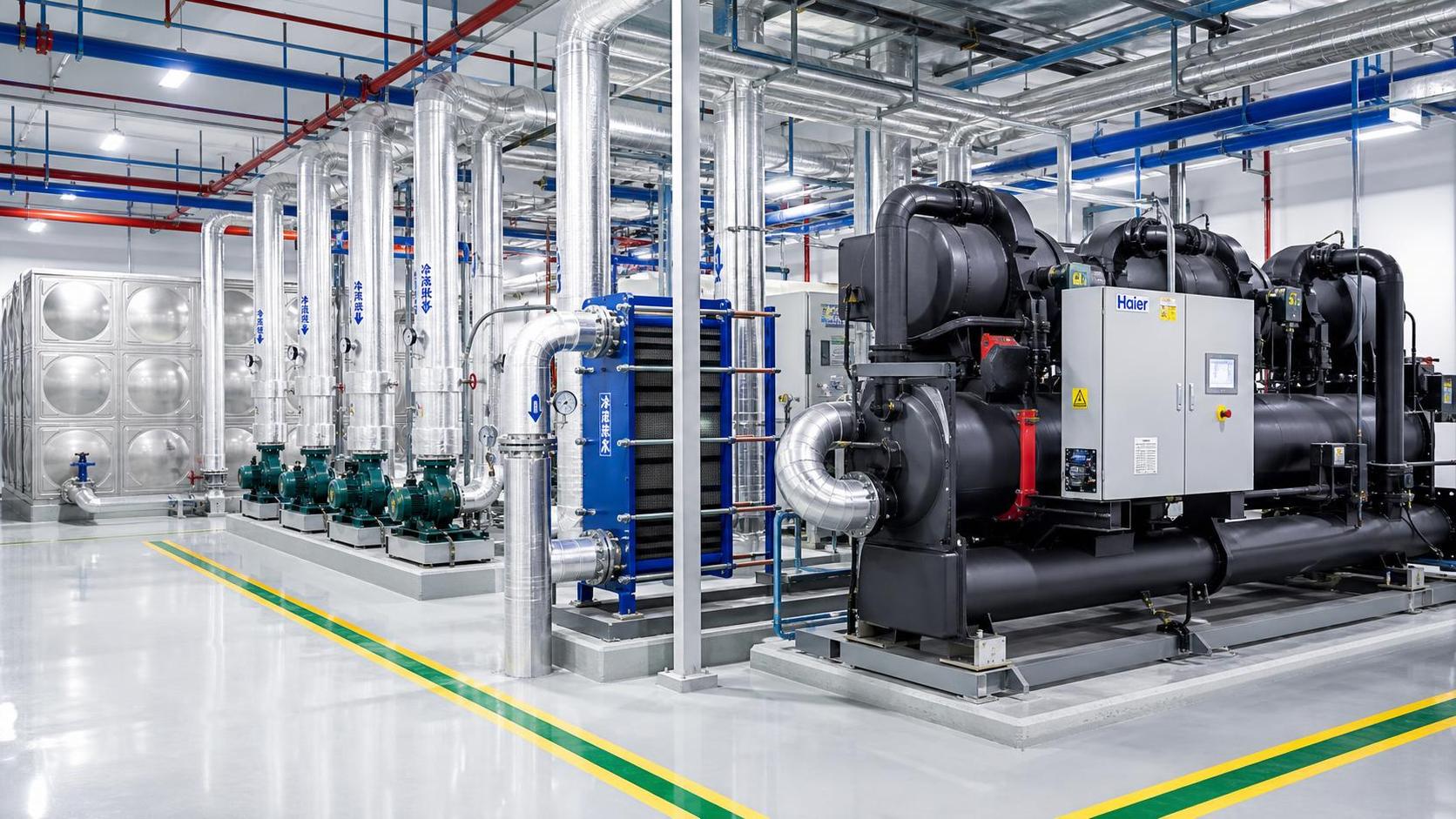
Industrial cooling costs rise sharply when chillers, cooling towers, pumps, and heat exchangers operate without coordinated control.
Energy-saving technologies are most effective where cooling demand varies by batch, season, product mix, or ambient temperature.
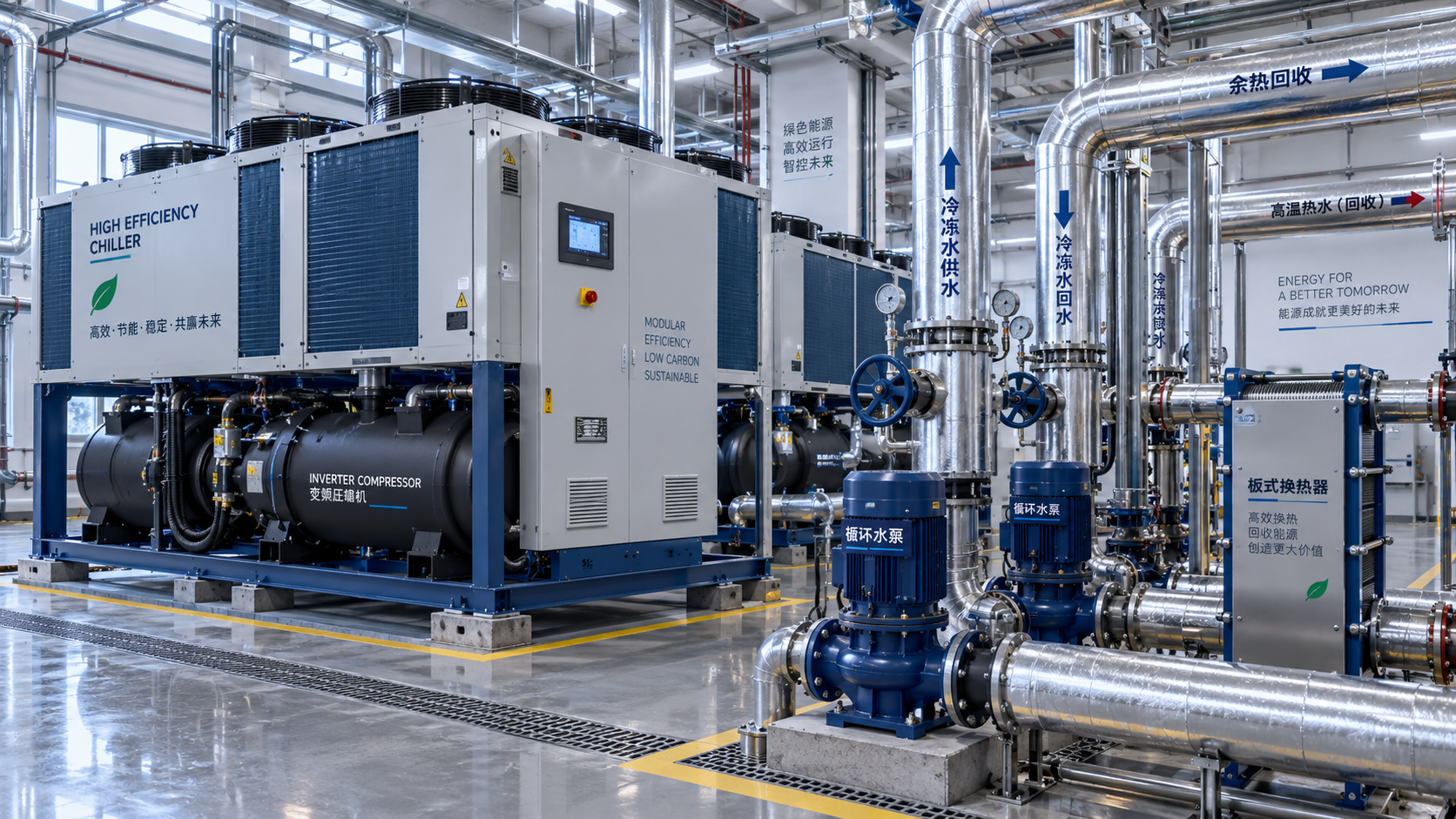
High-efficiency chillers, smart sequencing, variable flow pumping, and optimized condenser control can reduce both consumption and demand peaks.
Microchannel heat exchangers can improve heat transfer density where space, refrigerant charge, and rapid response are important.
The deciding factor is not only coefficient of performance, but how the system behaves under partial load.
Energy-saving technologies should therefore be evaluated across real production cycles, not only rated design conditions.
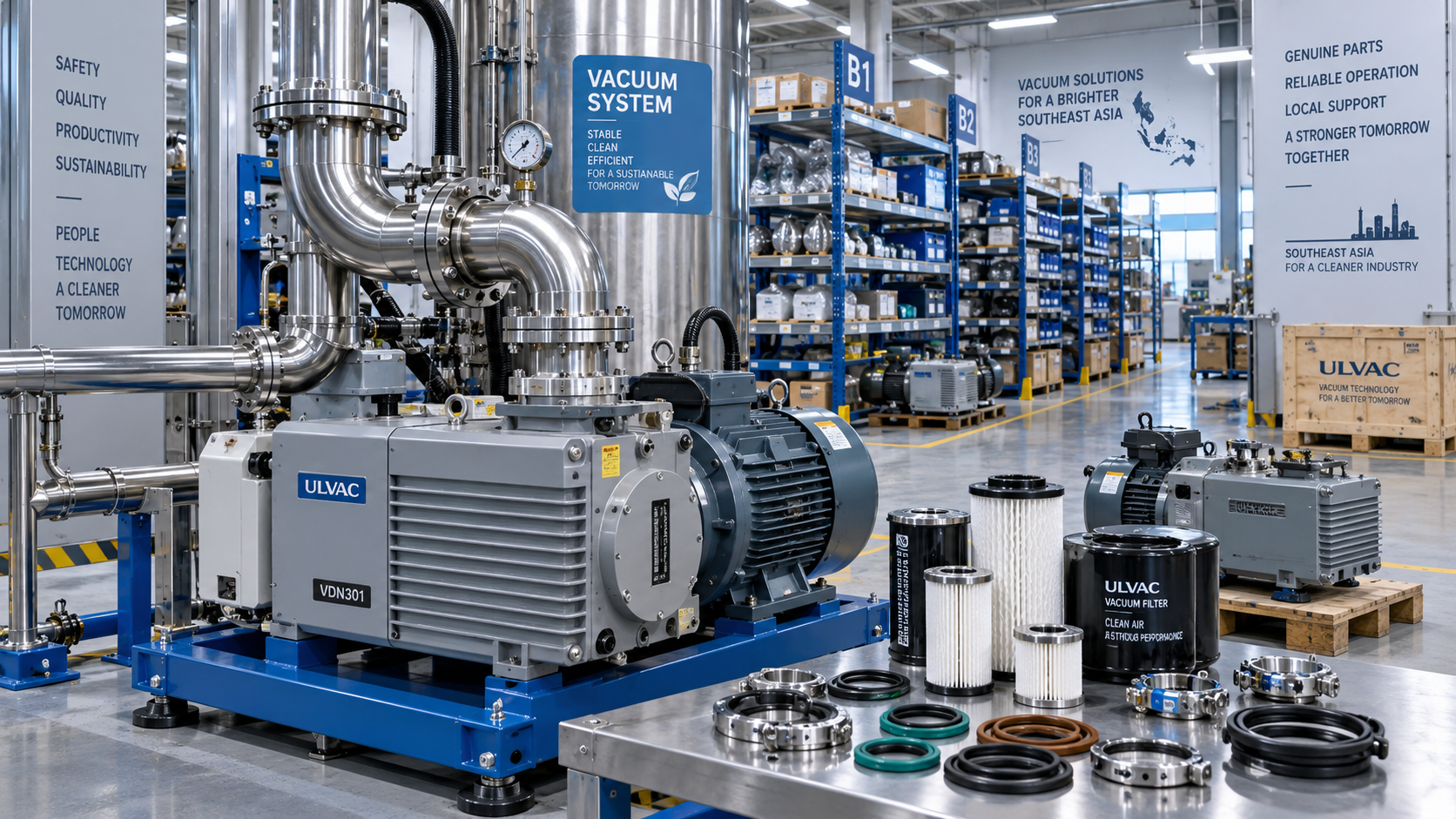
Scenario 3: Vacuum Processes Requiring Stable Quality and Lower Utility Cost
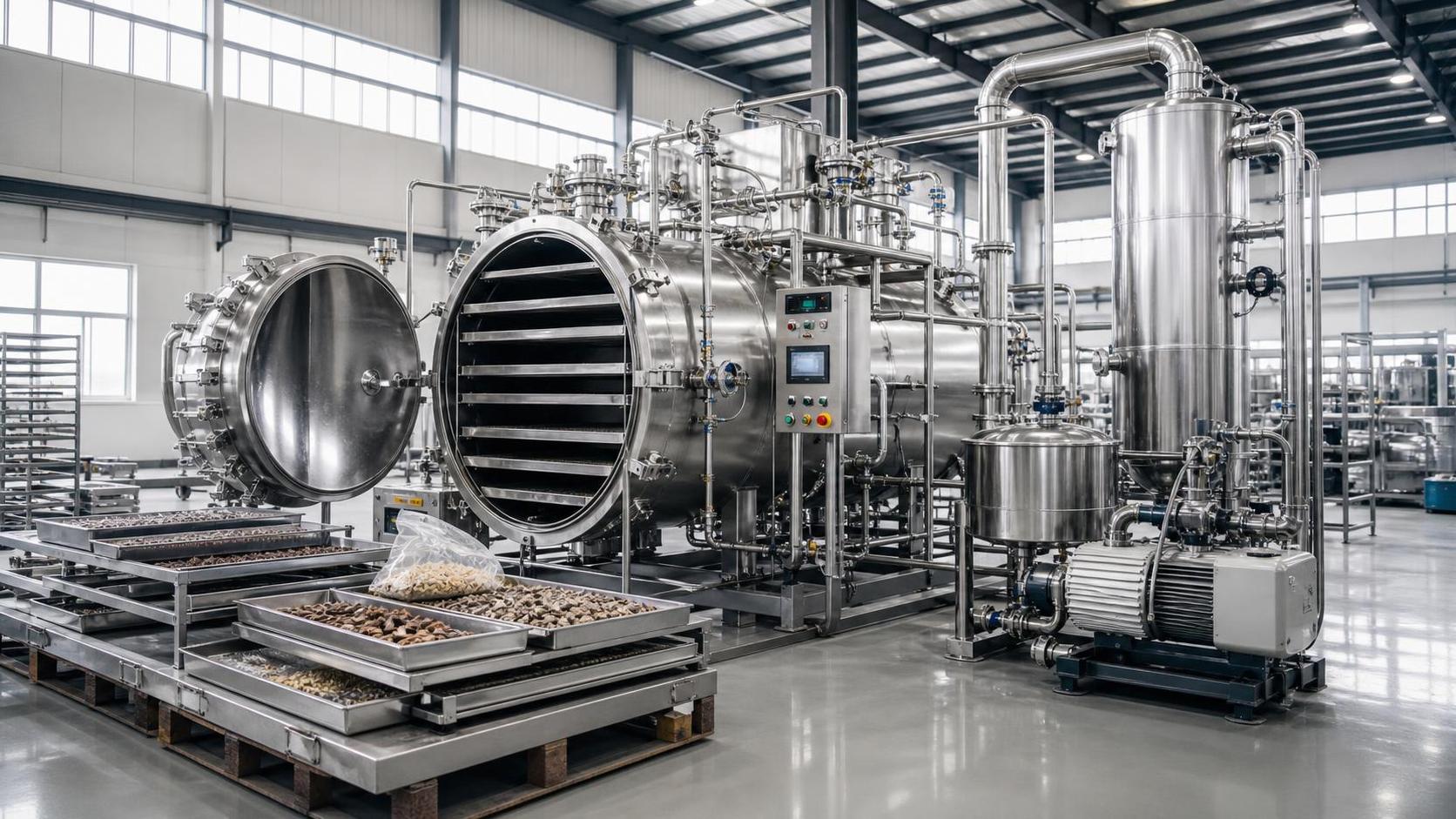
Vacuum systems support packaging, drying, coating, semiconductor processing, metallurgy, and chemical operations.
When vacuum demand fluctuates, fixed-speed pumps often consume power while producing little useful work.
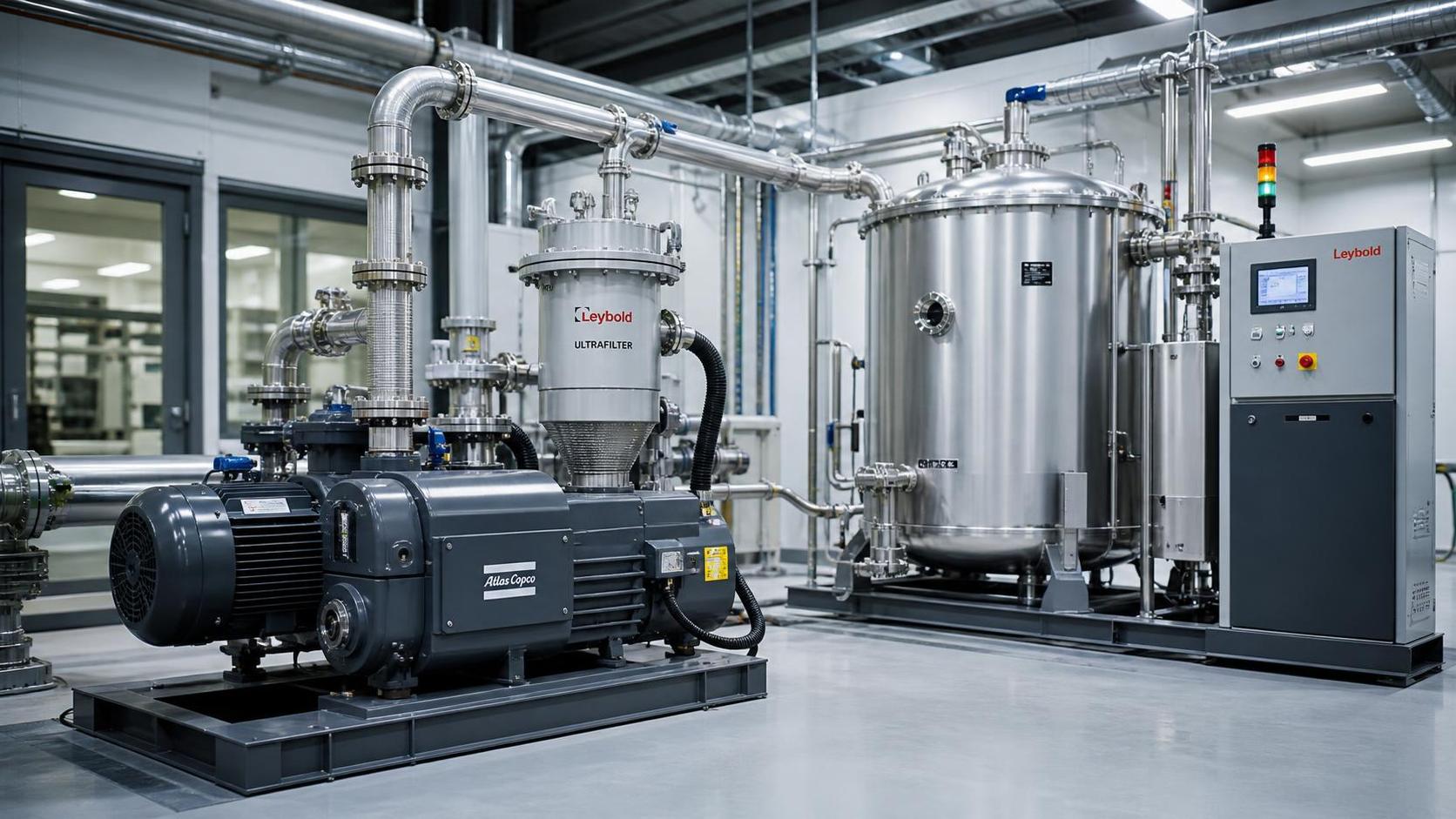
Energy-saving technologies such as variable speed vacuum pumps and intelligent setpoint control match capacity to real process demand.
Dry vacuum designs may reduce water use, oil contamination risk, and waste handling costs in suitable applications.
The core judgment point is process tolerance. Some operations require deep stability, while others allow staged control.
Savings are strongest when energy-saving technologies protect product quality while eliminating unnecessary continuous operation.
Scenario 4: Heat Exchange and Waste Heat Recovery in Energy-Intensive Lines
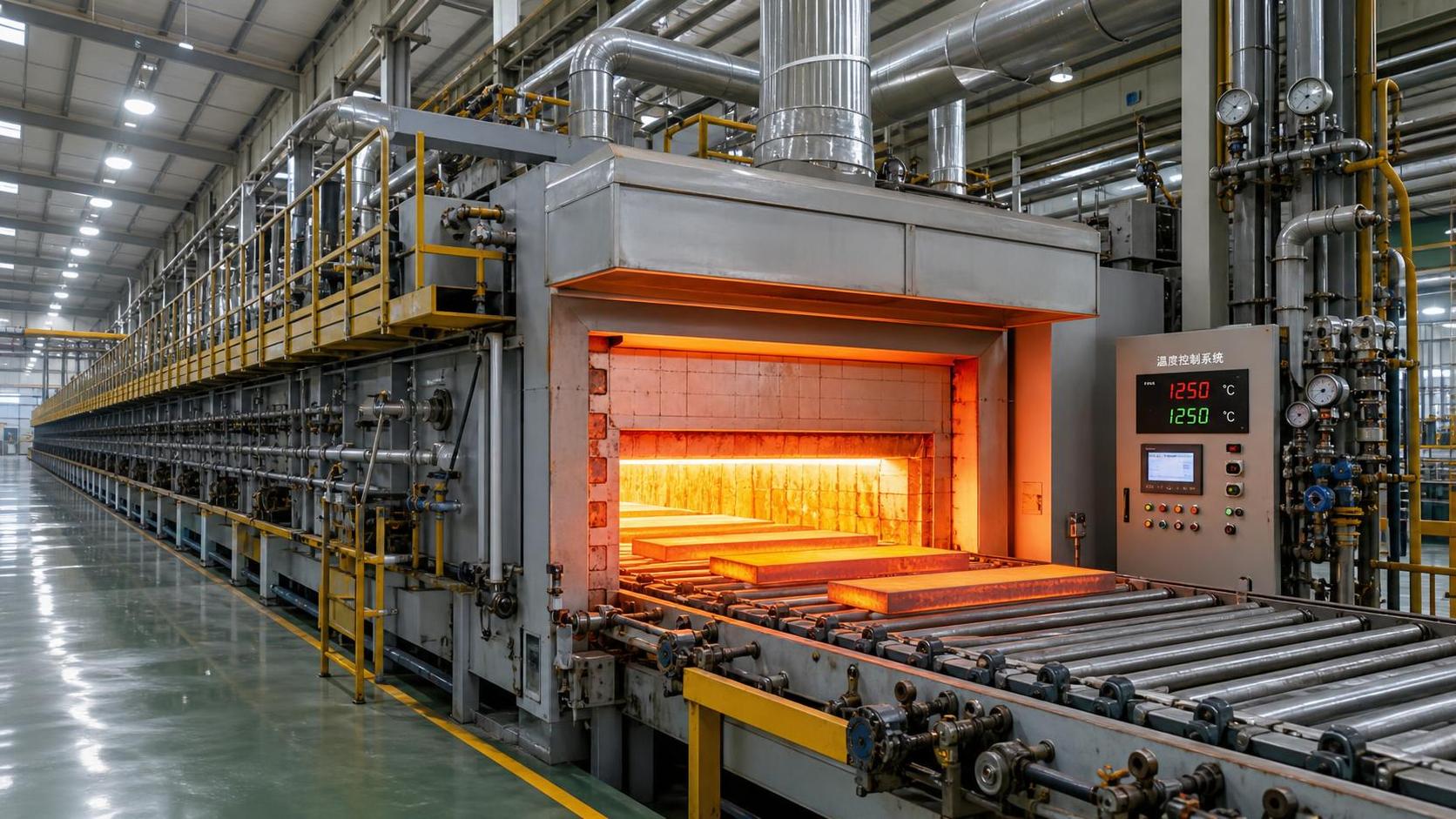
Heat is often discharged while another part of the same plant purchases energy to create new thermal output.
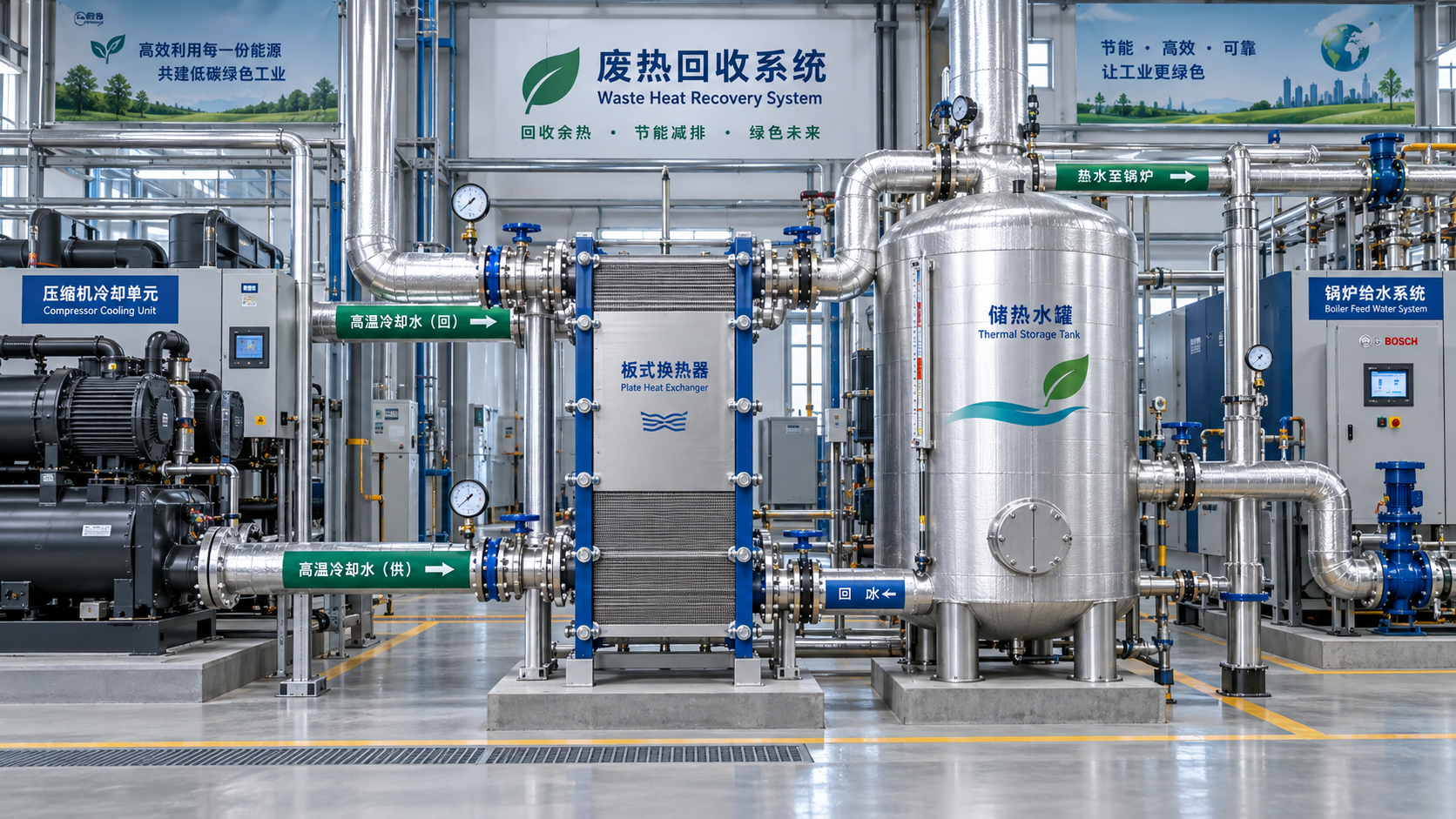
Energy-saving technologies unlock value when recovered heat can support washing, preheating, space conditioning, drying, or boiler feedwater heating.
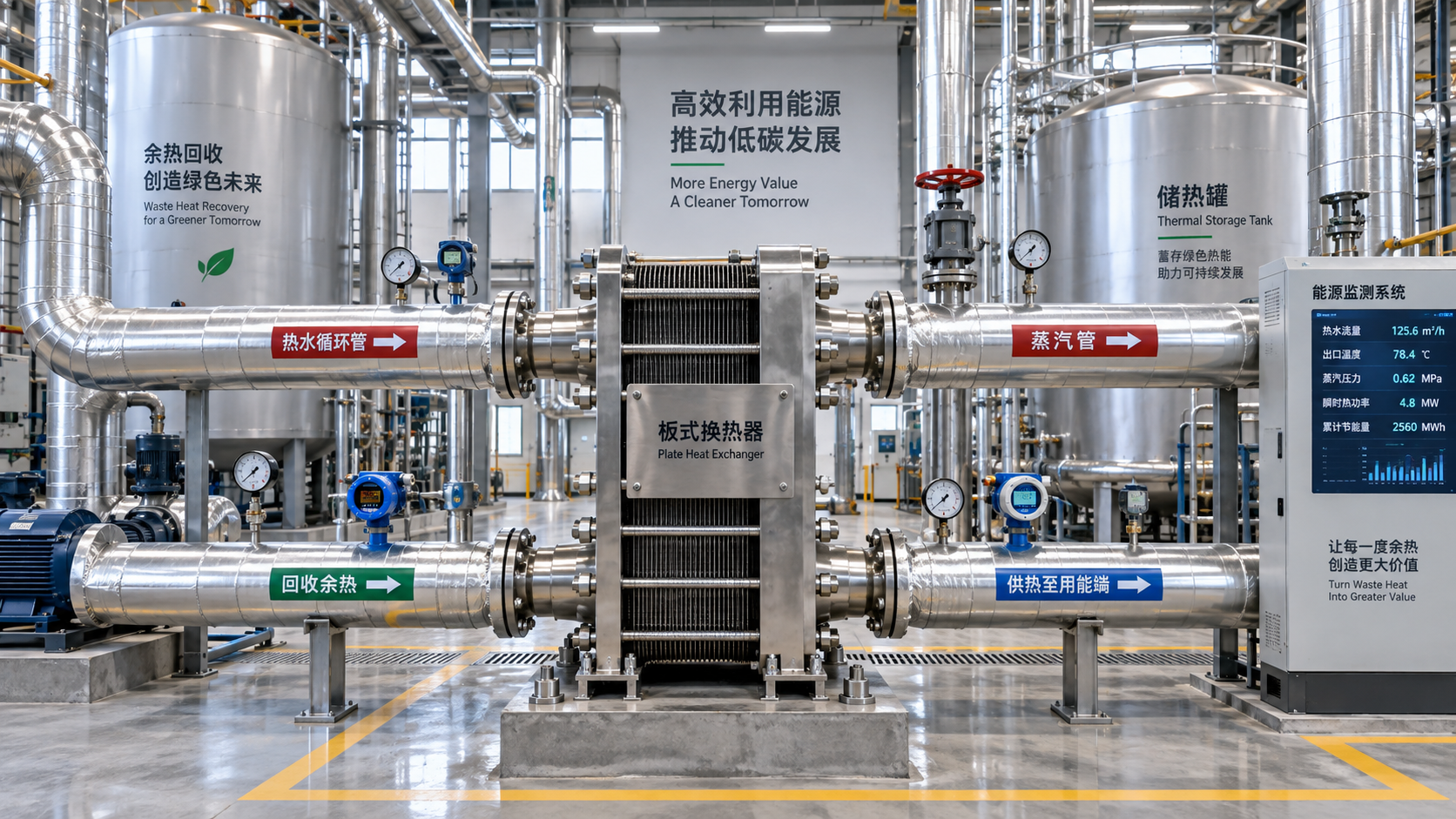
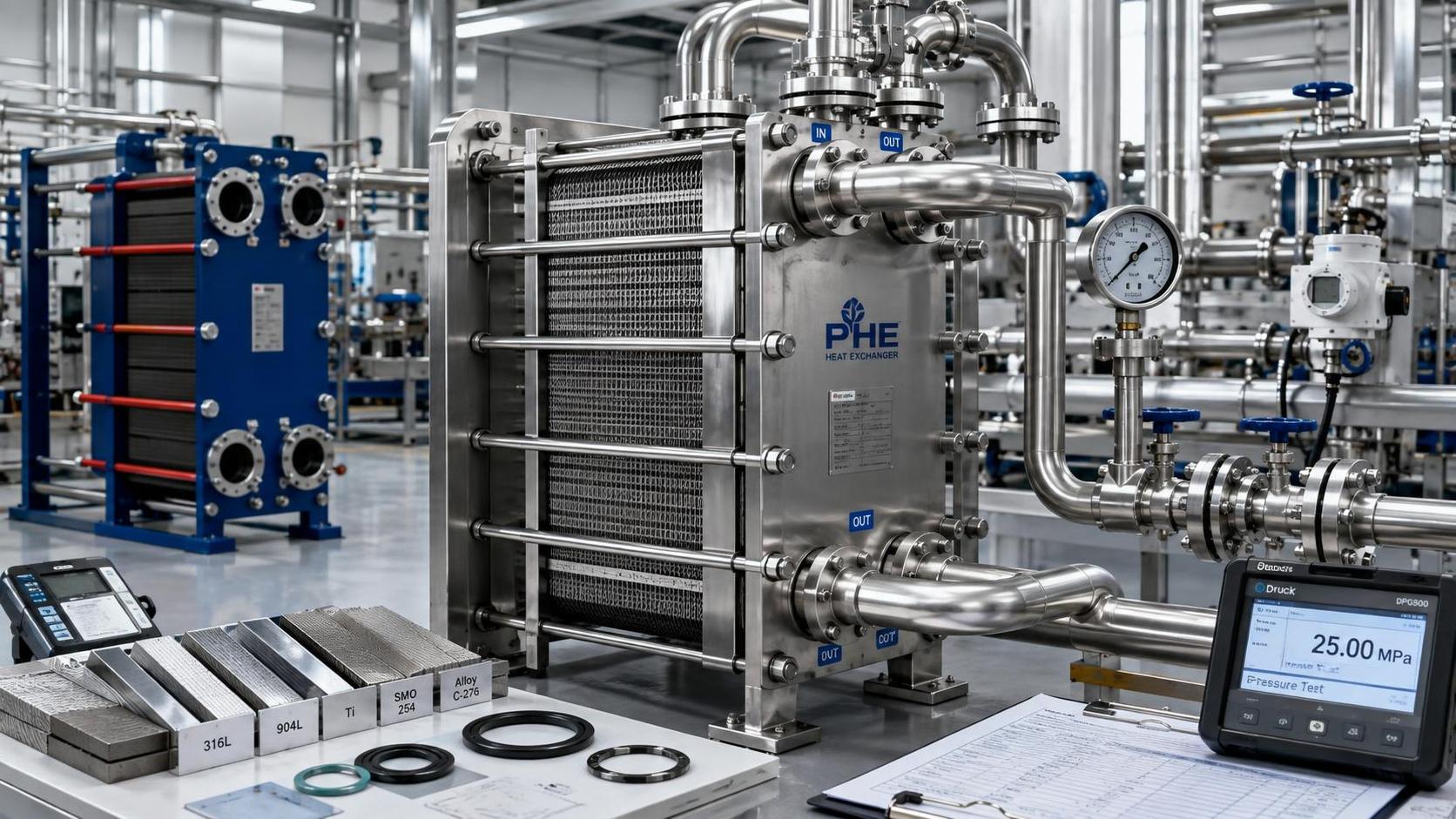
Plate heat exchangers, economizers, heat pumps, and thermal storage can reduce fuel consumption and emissions exposure.
The business case depends on temperature level, operating hours, fouling risk, and distance between heat source and heat user.
Where loads are continuous, energy-saving technologies often provide predictable payback and lower sensitivity to tariff volatility.
Where loads are intermittent, control strategy and buffer capacity become decisive for financial performance.
Different Scenario Needs: What Should Be Compared Before Approval
The same efficiency budget can produce different results depending on operating reality.
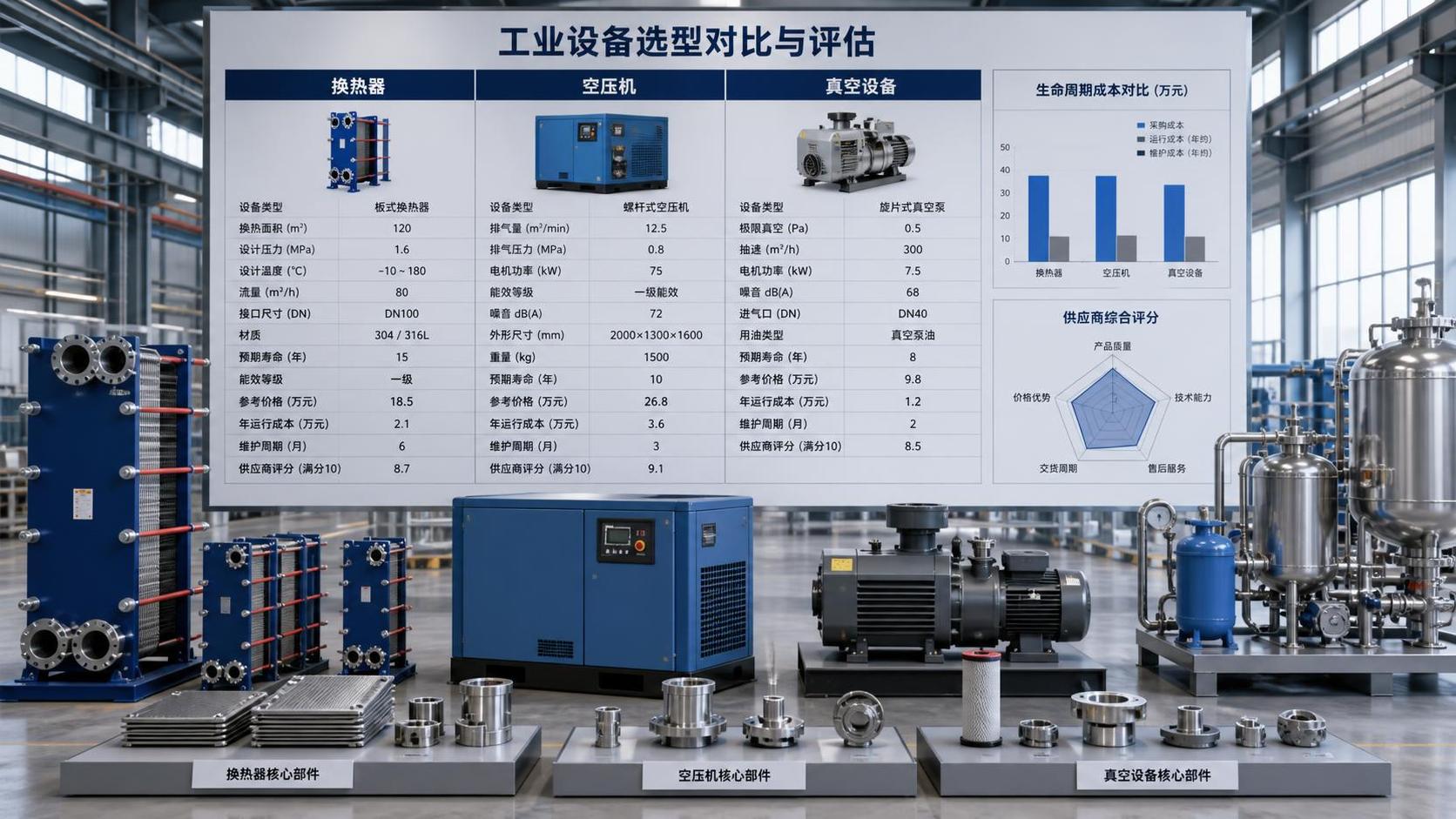
A structured comparison prevents energy-saving technologies from being selected only by headline efficiency ratings.
Scenario Adaptation: How to Build a Practical Efficiency Roadmap
A reliable roadmap begins with measured data rather than assumptions.
Energy-saving technologies should be ranked by controllability, payback visibility, implementation risk, and interaction with production continuity.
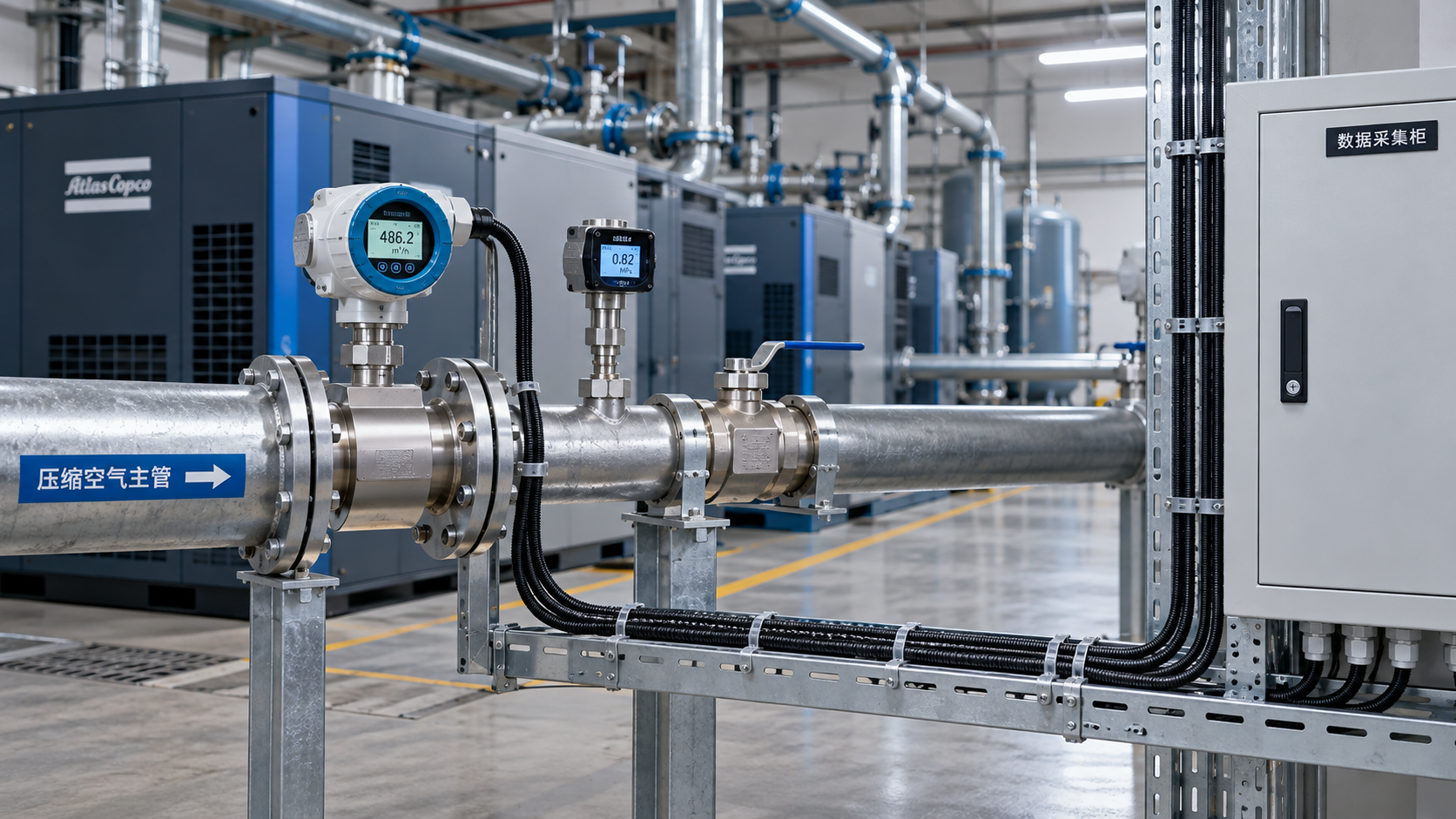
- Start with metering for electricity, pressure, flow, temperature, and runtime.
- Identify base load, peak load, and idle consumption separately.
- Prioritize no-regret fixes such as leaks, fouling, and incorrect setpoints.
- Model energy-saving technologies against actual tariffs and production calendars.
- Include maintenance savings, downtime risk, and carbon cost exposure.
- Verify results after installation through measurement and verification protocols.
This sequence avoids isolated upgrades that save energy on paper but fail to change total plant cost.
When Fast Payback Should Lead
Fast payback is likely where energy prices are high, operating hours are long, and existing systems run far from demand.
In these cases, energy-saving technologies can be justified through avoided utility cost and lower maintenance stress.
When Strategic Resilience Should Lead
Some projects deserve approval because they reduce future exposure, not only current energy bills.
Low-GWP refrigerants, oil-free compression, digital controls, and heat recovery support compliance, brand resilience, and decarbonization targets.
Here, energy-saving technologies strengthen long-term cost control under changing policy and market conditions.
Common Misjudgments That Reduce Savings
Many efficiency projects underperform because the wrong problem is solved first.
Replacing a compressor without correcting leaks may lock unnecessary demand into a newer asset.
Installing high-efficiency cooling equipment without control integration may preserve inefficient sequencing.
Applying heat recovery without confirming heat users may create low utilization and weak payback.
Energy-saving technologies also fail when savings calculations ignore seasonal operation, production downtime, or fouling degradation.
- Do not compare equipment only by rated efficiency.
- Do not ignore part-load operation.
- Do not separate energy projects from maintenance planning.
- Do not approve savings without a verified baseline.
- Do not overlook operator behavior and control overrides.
Avoiding these mistakes can improve both return on investment and confidence in future capital programs.
Financial Logic: Turning Efficiency into Approved Capital
Energy-saving technologies gain stronger support when benefits are expressed in financial language.
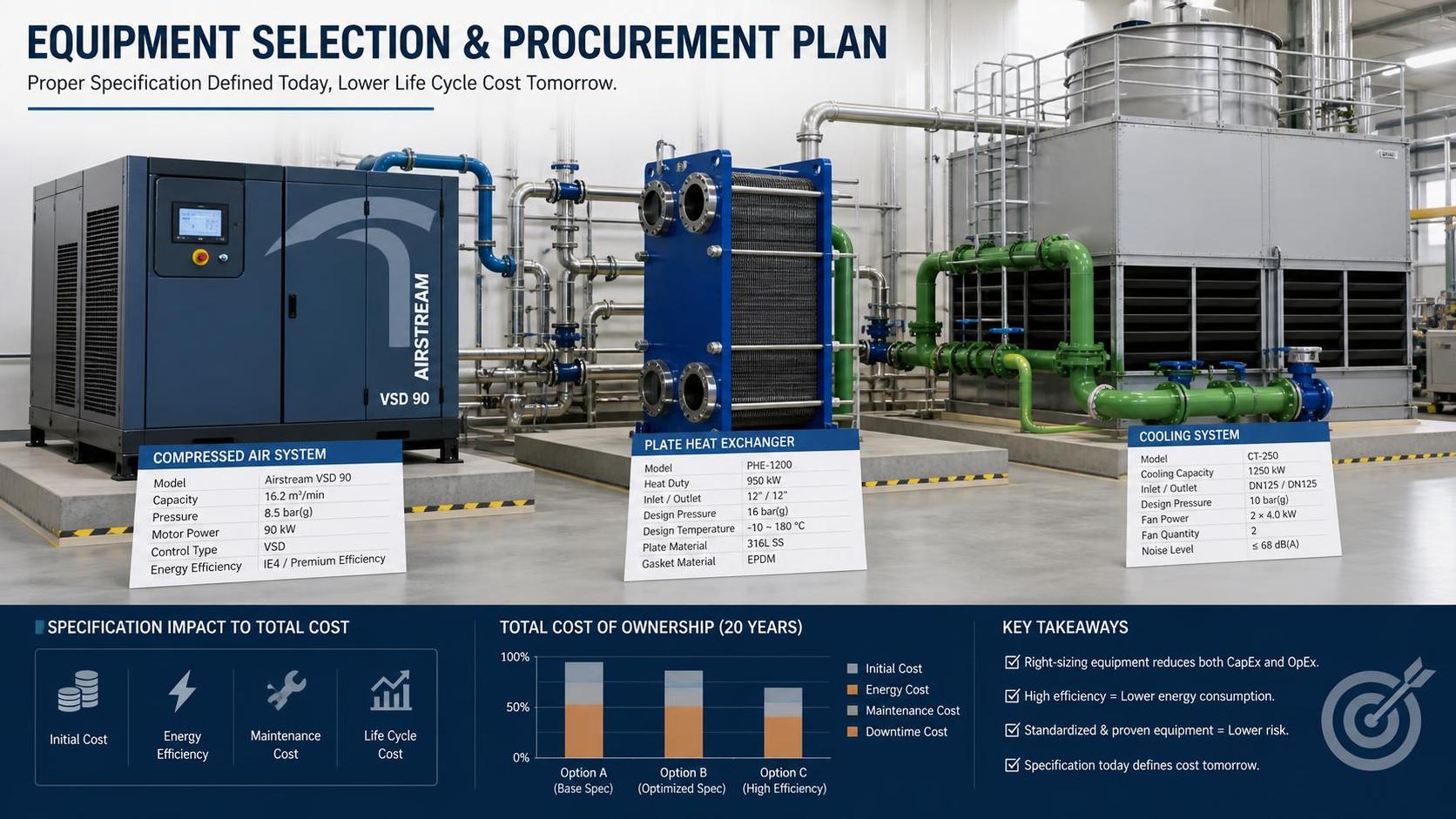
A complete model should include energy reduction, demand charge reduction, maintenance impact, production risk, and residual asset value.
The model should also test sensitivity to energy price increases, carbon costs, and utilization changes.
For energy-intensive plants, this creates a clearer view of downside protection and upside improvement.
GTC-Matrix intelligence connects thermodynamic behavior with commercial implications across cooling, compression, vacuum, and heat exchange systems.
That connection helps translate technical upgrades into credible capital discipline and measurable operating improvement.
Action Guide: Next Steps for Plant Cost Reduction
The next step is to identify which system carries the largest controllable waste under real operating conditions.
Start with a short diagnostic covering compressed air, cooling, vacuum, and heat exchange assets.
Then build a ranked opportunity list with baseline data, estimated savings, risk level, and implementation complexity.
Energy-saving technologies should be approved first where measured waste, operational fit, and payback certainty are strongest.
Use pilot projects for complex systems, especially where production quality or process stability cannot be compromised.
With disciplined analysis, energy-saving technologies become more than equipment upgrades.
They become a practical route to lower plant costs, stronger resilience, and more efficient industrial growth.
Ready when you are. Send us a message to get started.
Related News
- How to select industrial equipment for automation with existing PLCsAuthor :

- How electricity prices shape industrial compressed air price trendsAuthor :

- Choosing air filtration systems for heavy dust in the Middle EastAuthor :

- How much does a fully installed compressed air monitoring system cost?Author :

- What documentation supports CE marking for industrial equipment?Author :

- How local support affects vacuum system costs in Southeast AsiaAuthor :

- How worldwide industry category guides help compare market opportunitiesAuthor :

- What drives sustainable thermal systems cost over their operating life?Author :

- Which industrial solution comparison criteria prevent project delays?Author :

- How Ambient Temperature and Load Profile Affect Industrial Compressor SizingAuthor :

- What to evaluate before choosing a thermal process engineering supplierAuthor :

- How industrial utility systems affect energy costs in process plantsAuthor :

- What Data Is Needed to Assess Heat Recovery Decarbonization?Author :

- Can Waste Heat Recovery Support Carbon Neutrality Targets?Author :

- Is Compressor Heat Recovery Worth the Installation Cost?Author :

- What to verify before choosing a process separation technology supplierAuthor :

- When does process utilities engineering reduce project rework?Author :

- Where thermal efficiency optimization delivers the fastest savings in EuropeAuthor :

- What should you verify before selecting a heat transfer supplier?Author :

- What drives compressed air systems price for industrial projects?Author :

- How an industrial product knowledge comparison guide reduces sourcing riskAuthor :

- When does a procurement specification planning process reduce bid risk?Author :

- When does thermal system optimization for electronics reduce failure risk?Author :

- When high temperature process heating systems justify the higher energy costAuthor :

- How to compare sludge dewatering equipment by cake drynessAuthor :

- What to Check Before Sourcing a Gas Turbine for Distributed Power ProjectsAuthor :

- What drives industrial thermal systems price in large facility projectsAuthor :

- How to build an industrial product comparison chart that speeds up vendor selectionAuthor :

- Vacuum Technology Application Guide for Selecting the Right SystemAuthor :

- What Drives Vacuum Drying Cost in Industrial Procurement?Author :

- What Drives Compressed Air Pricing in Industrial Systems?Author :

- How Procurement Specification Planning Shapes Total Project CostAuthor :

- Compression Technology Guide: How to Compare Efficiency, Pressure Range, and Maintenance NeedsAuthor :

- How to Compare Industrial Separators by Throughput, Purity, and Maintenance LoadAuthor :

- How to Size a Compressed Air Equipment Receiver Tank for Stable PressureAuthor :

- Industrial Equipment Selection Guide: How to Compare Capacity, Duty Cycle, and Operating CostAuthor :