Industrial Decarbonization: Where Energy Savings Deliver the Fastest ROI




Industrial Decarbonization: Where Energy Savings Deliver the Fastest ROI
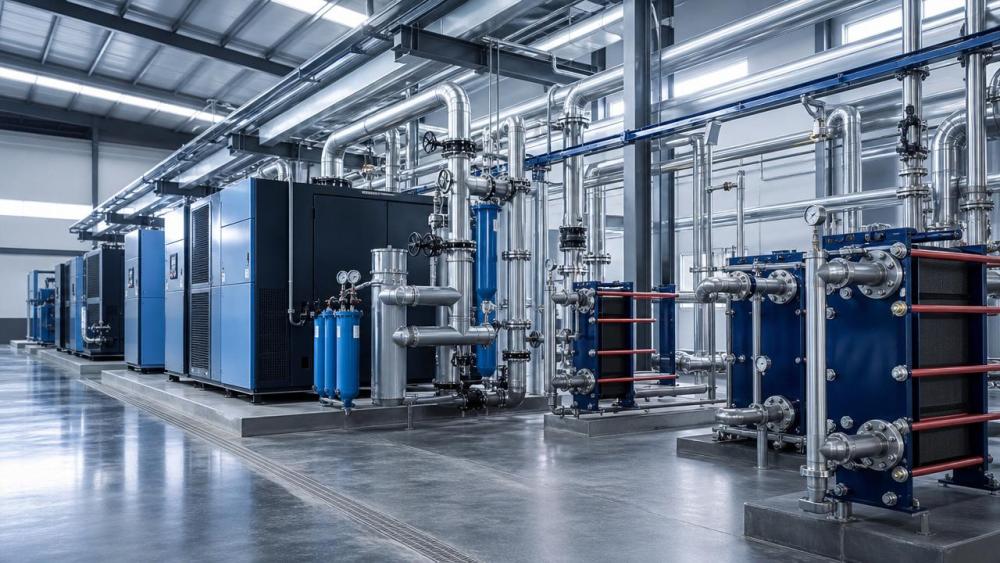
Industrial decarbonization has moved from boardroom theory to operating reality.
The pressure is not only regulatory anymore.
It now comes from energy volatility, margin compression, and supply chain expectations.
That changes the investment conversation.
Instead of asking where carbon can be reduced eventually, leading firms ask where savings appear first.
In many plants, the answer is surprisingly practical.
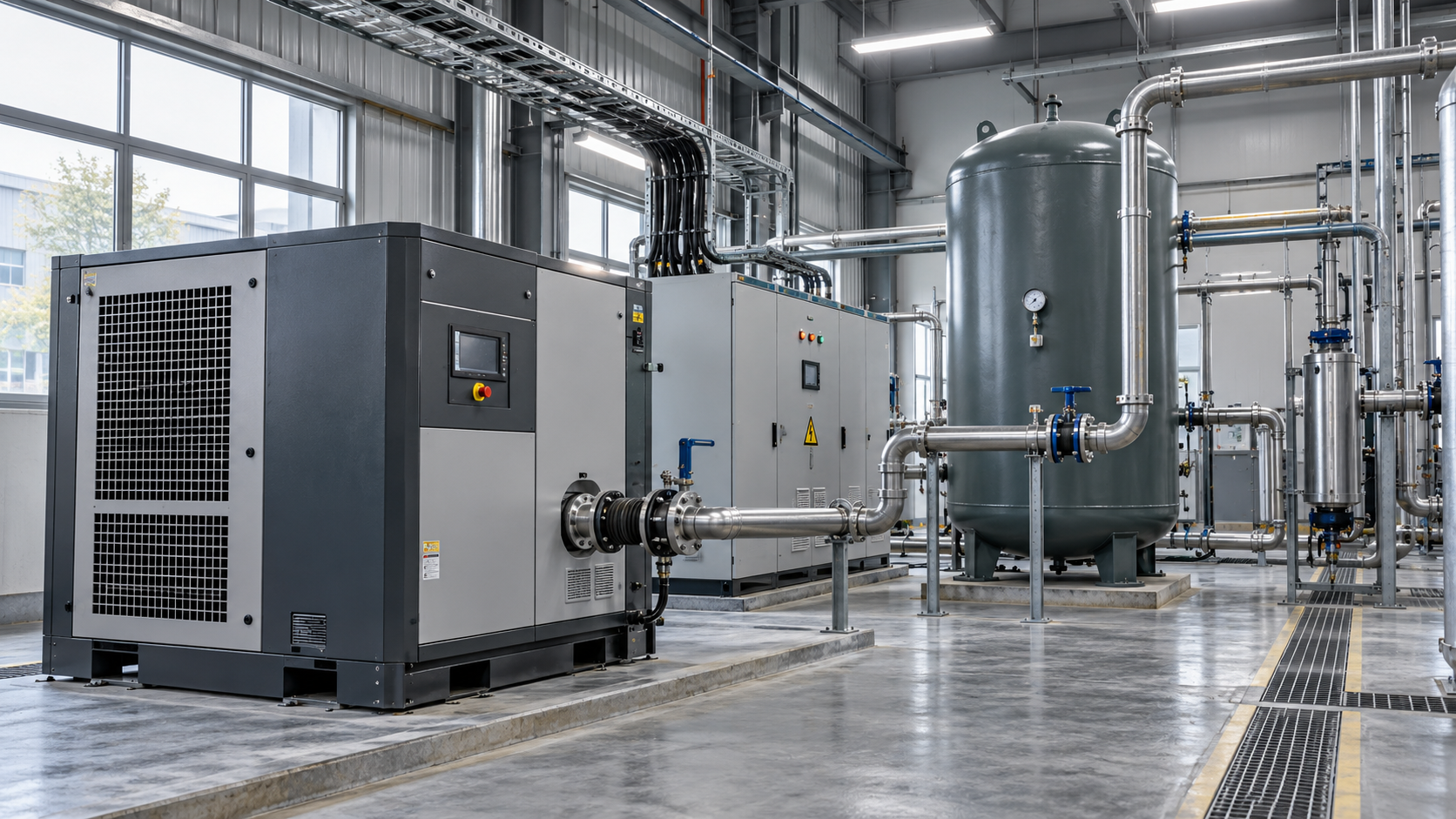
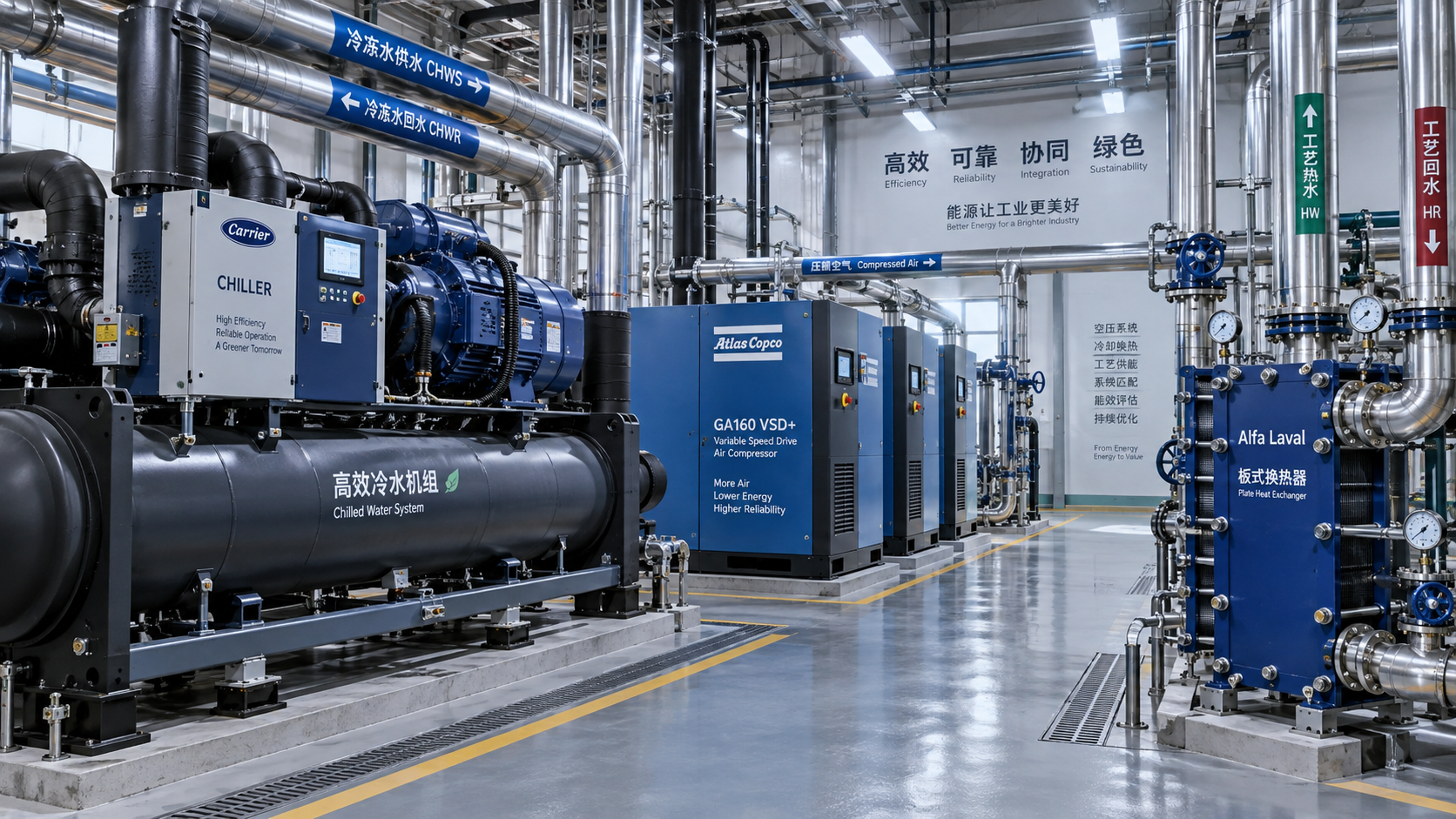
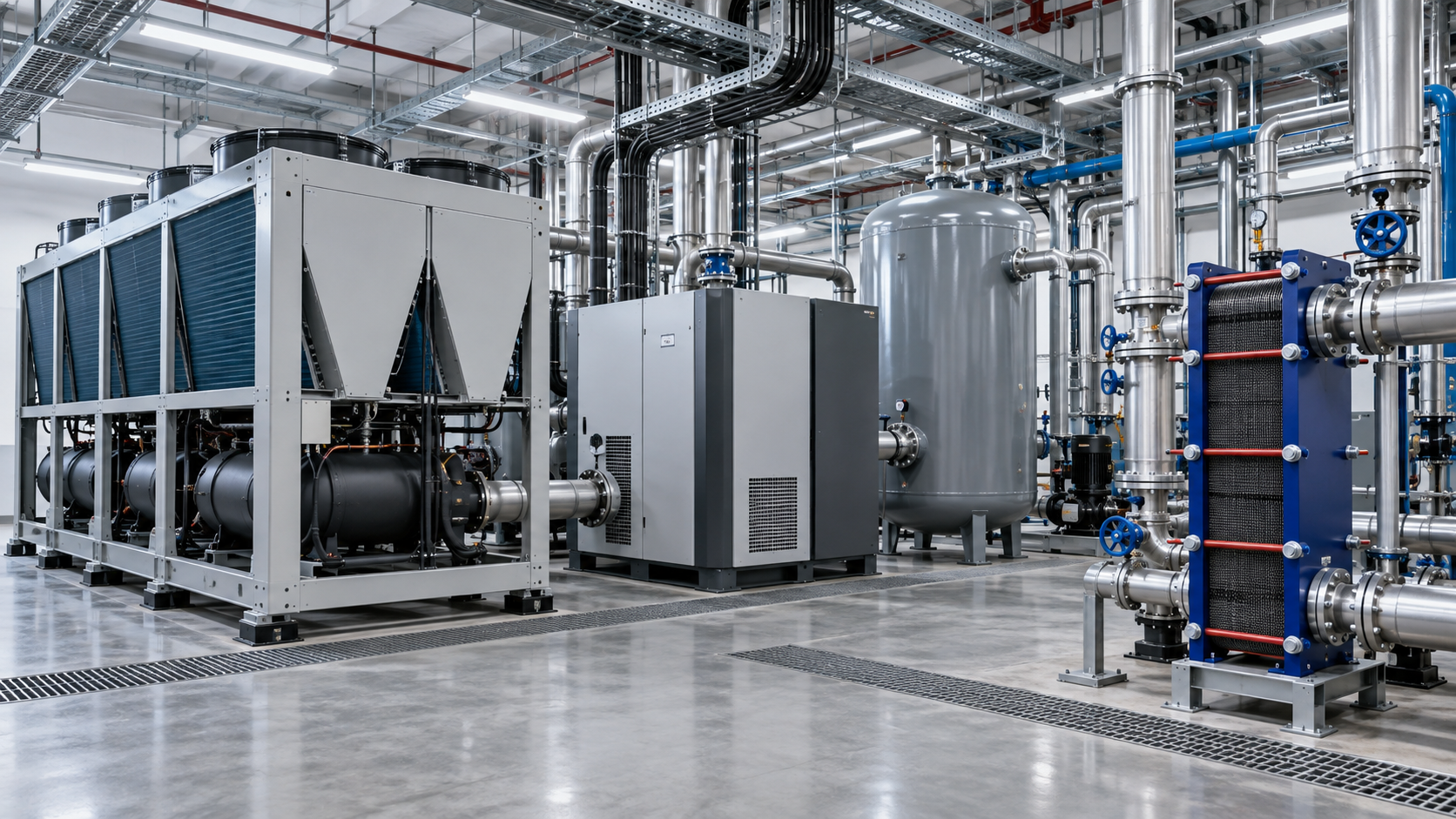
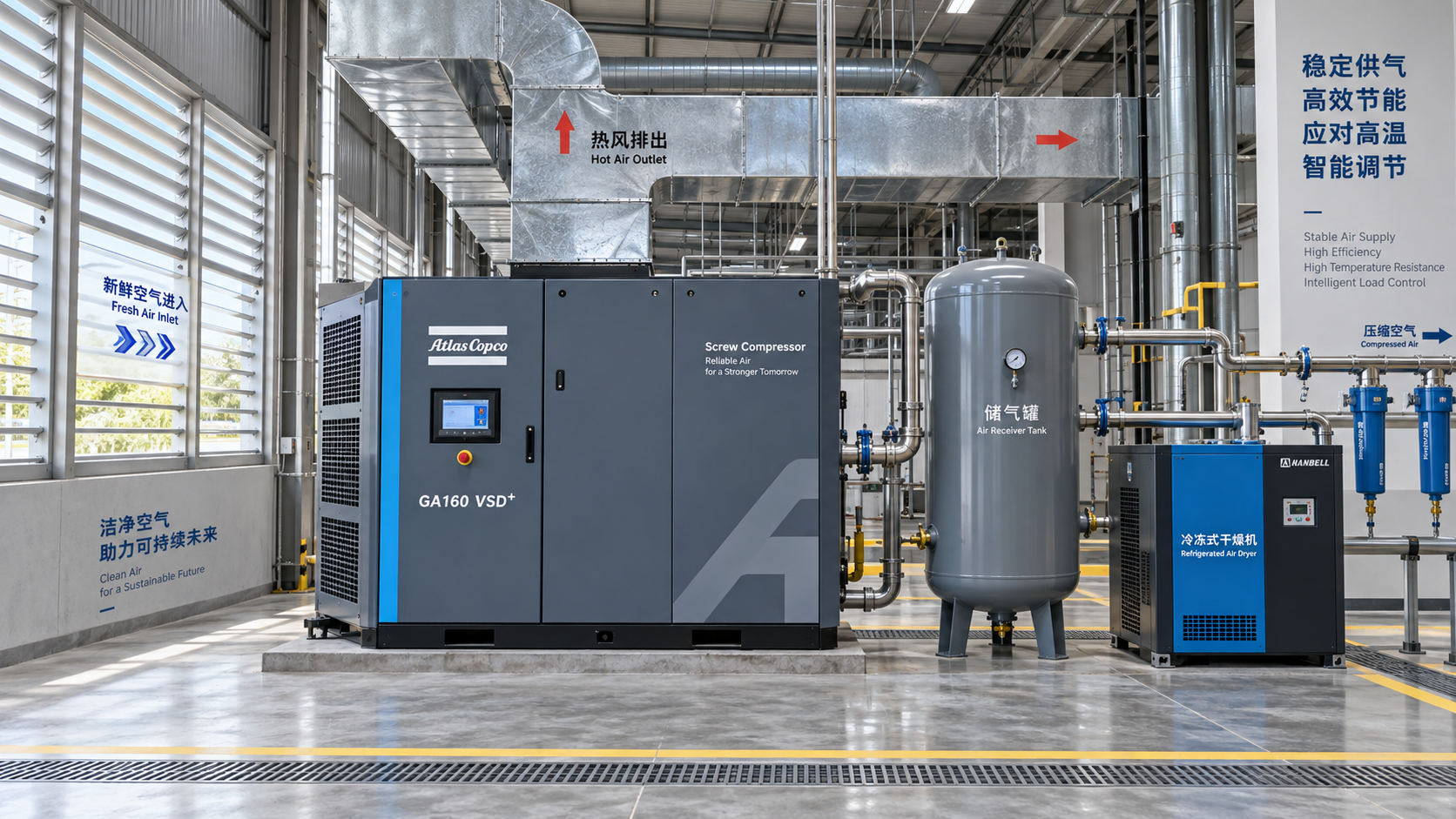
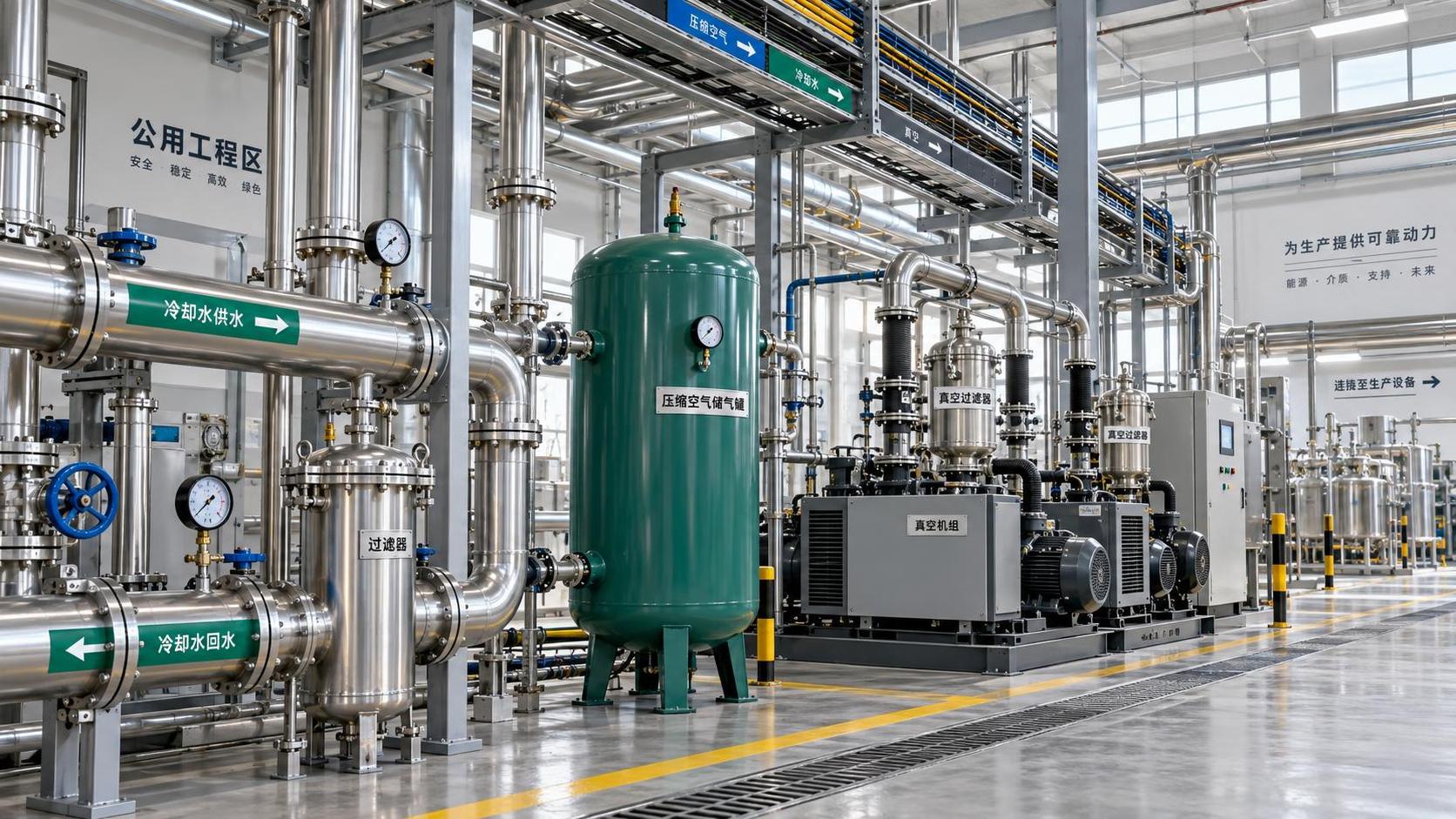
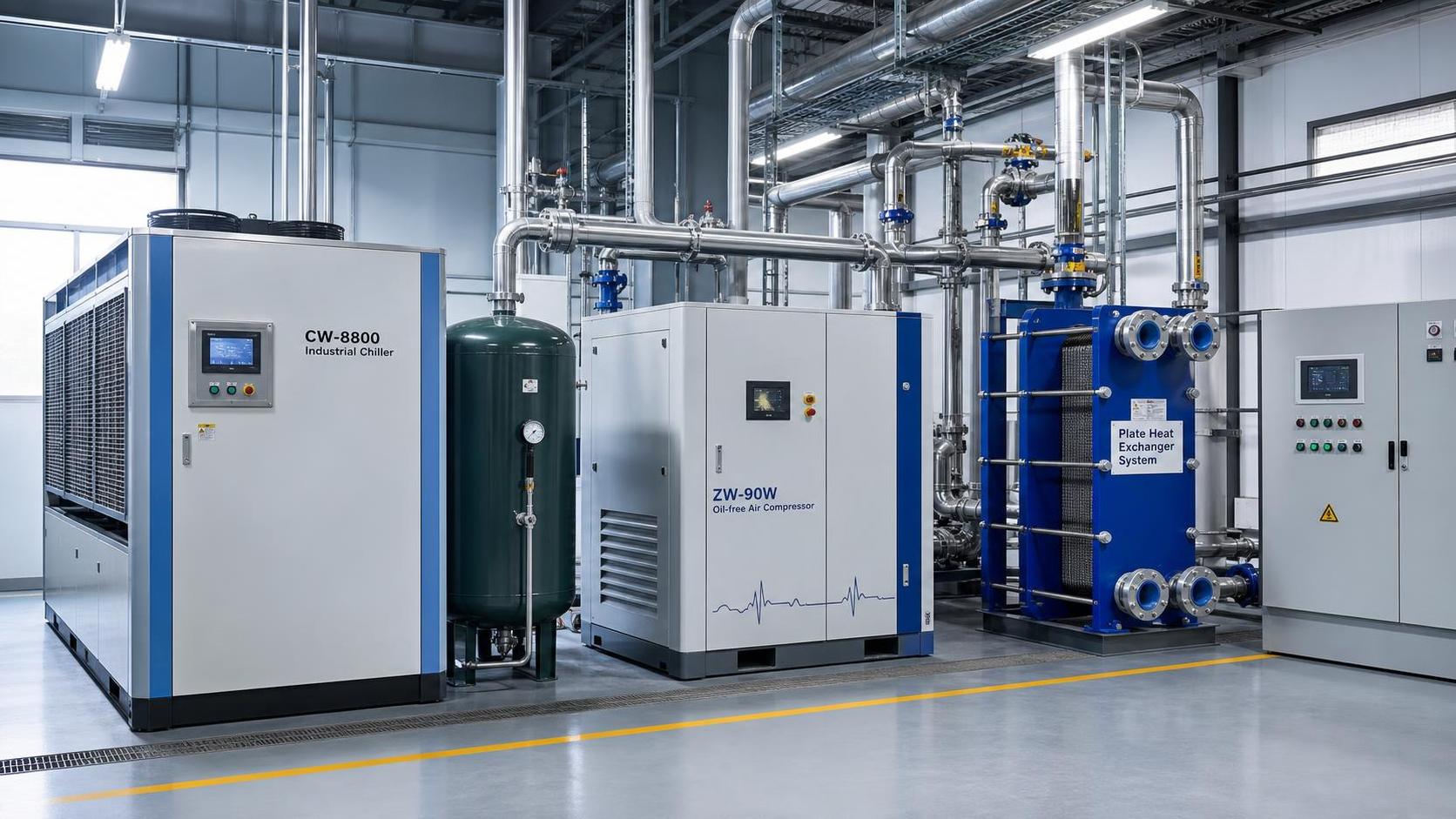
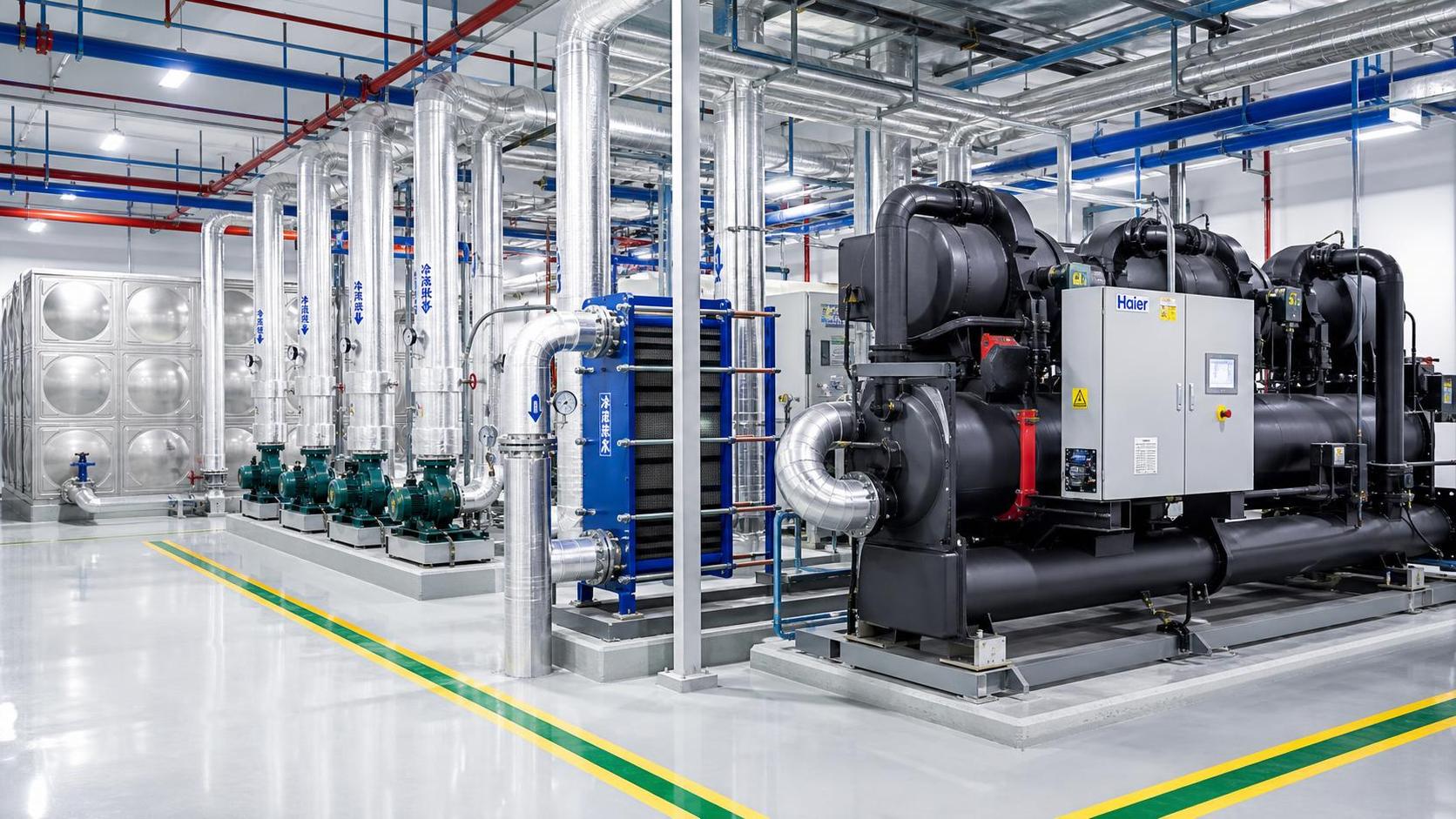
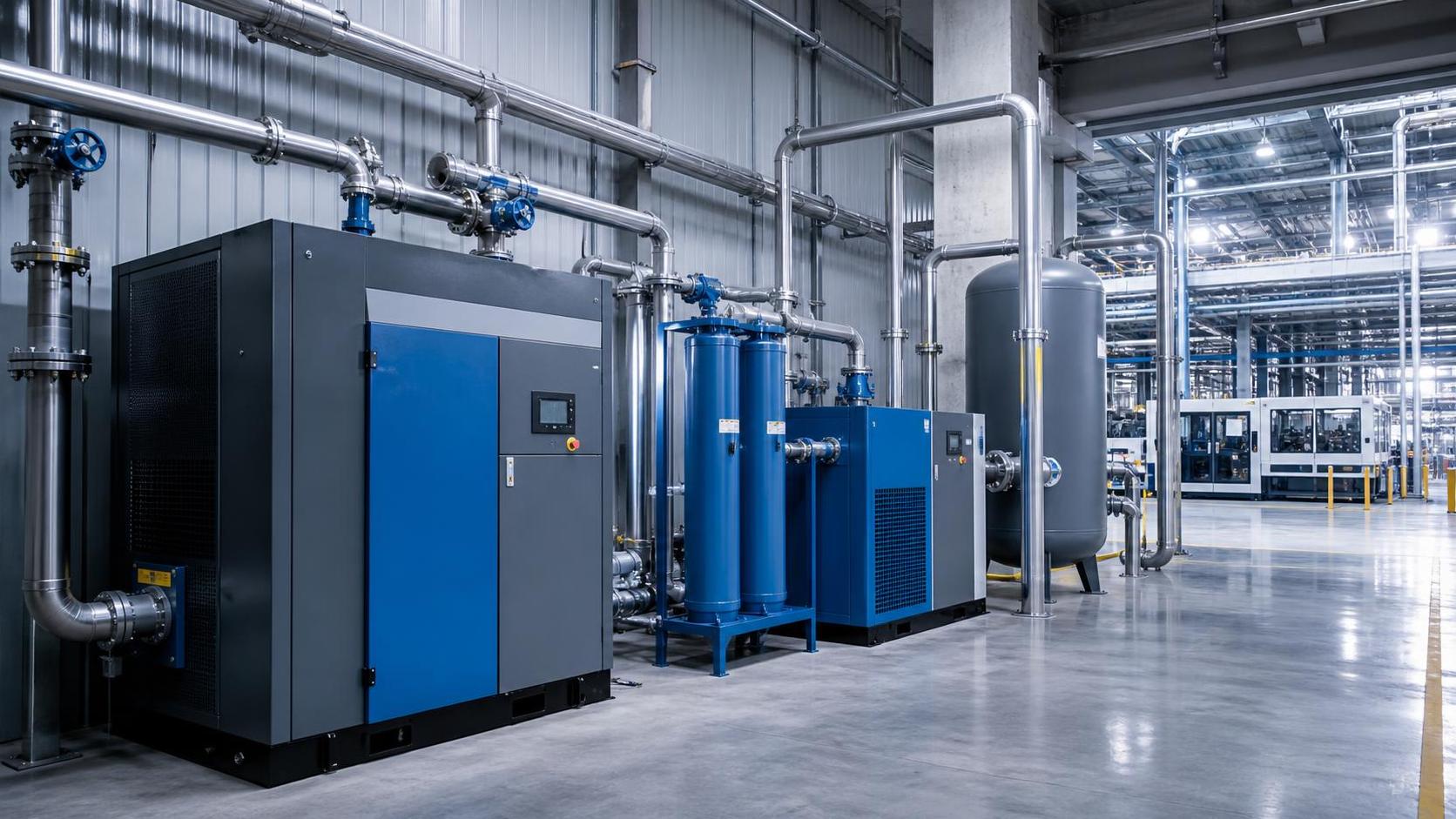
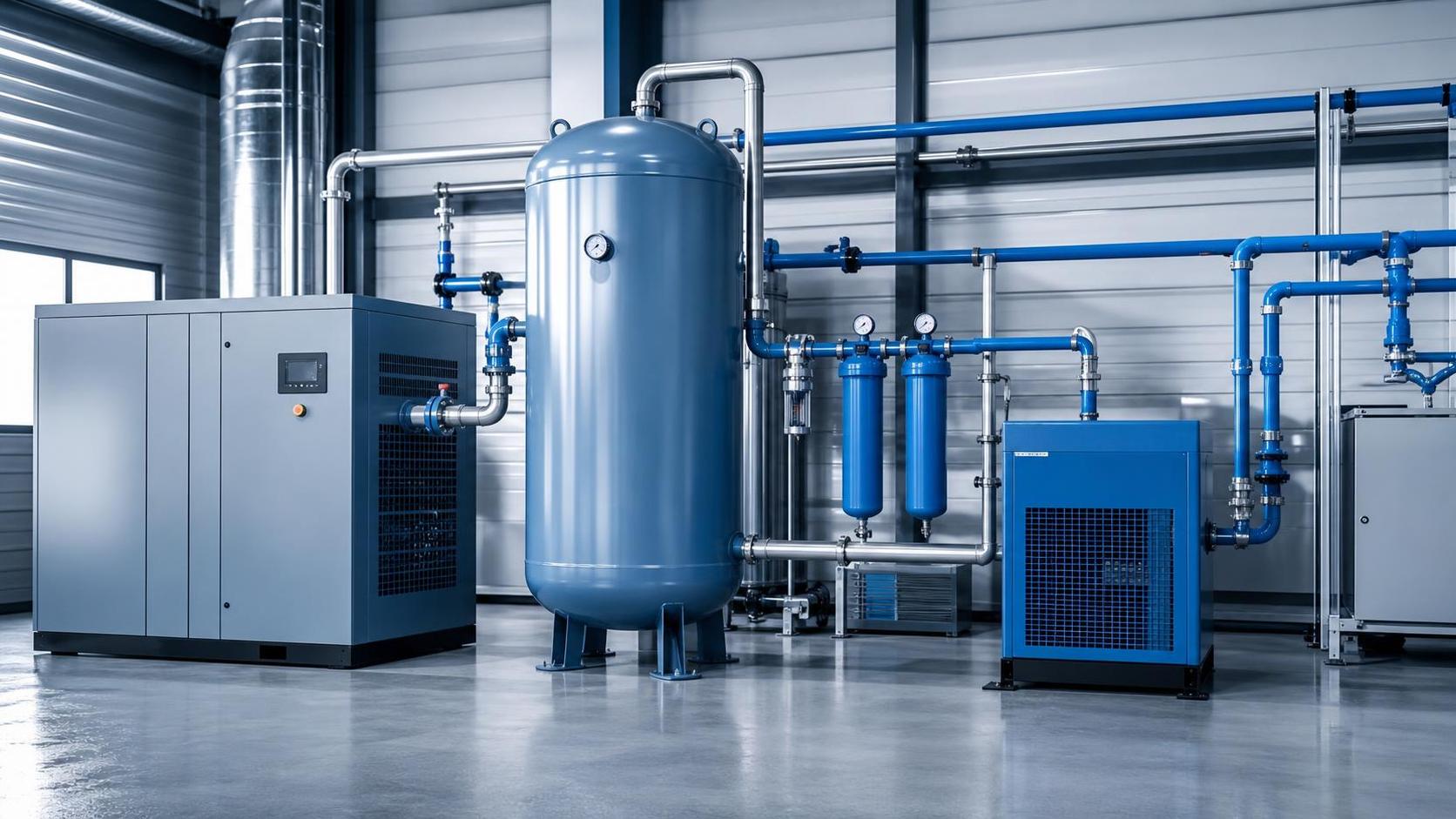
Cooling systems, compressed air networks, vacuum processes, and heat exchange loops often hide the fastest returns.
These assets run quietly, but they shape both cost and emissions every hour.
That is why industrial decarbonization increasingly starts with utility-intensive process infrastructure.
The strongest projects do three things at once.
They cut energy use, lower lifecycle cost, and improve operational resilience.
That combination is what makes ROI move faster than many executives expect.
Why utility systems dominate industrial decarbonization returns
Process utilities consume enormous electricity and thermal energy across almost every industry.
Yet they are often managed as maintenance items rather than strategic energy assets.
That gap creates opportunity.
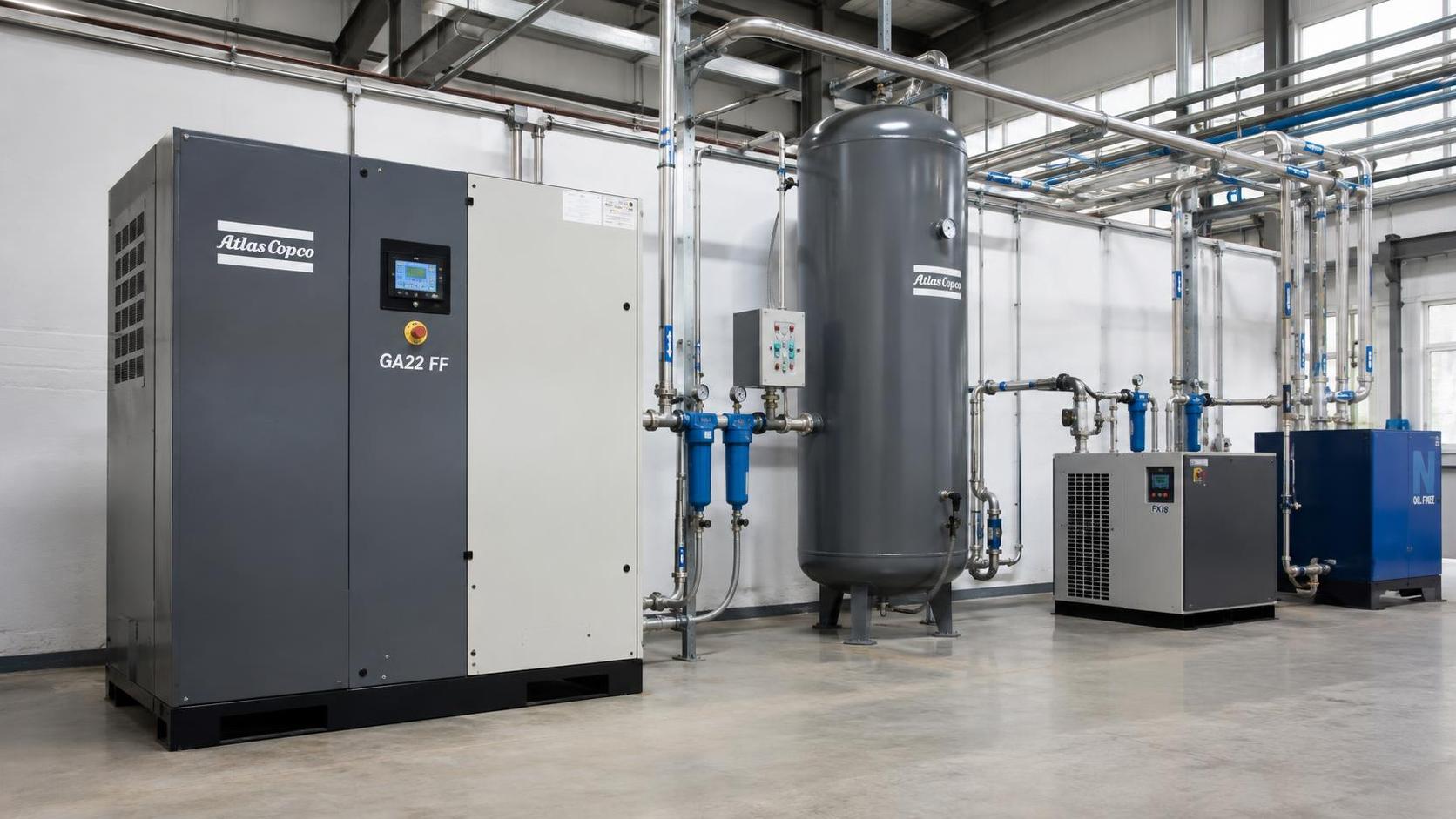
A small gain in compressor efficiency can reshape annual operating cost.
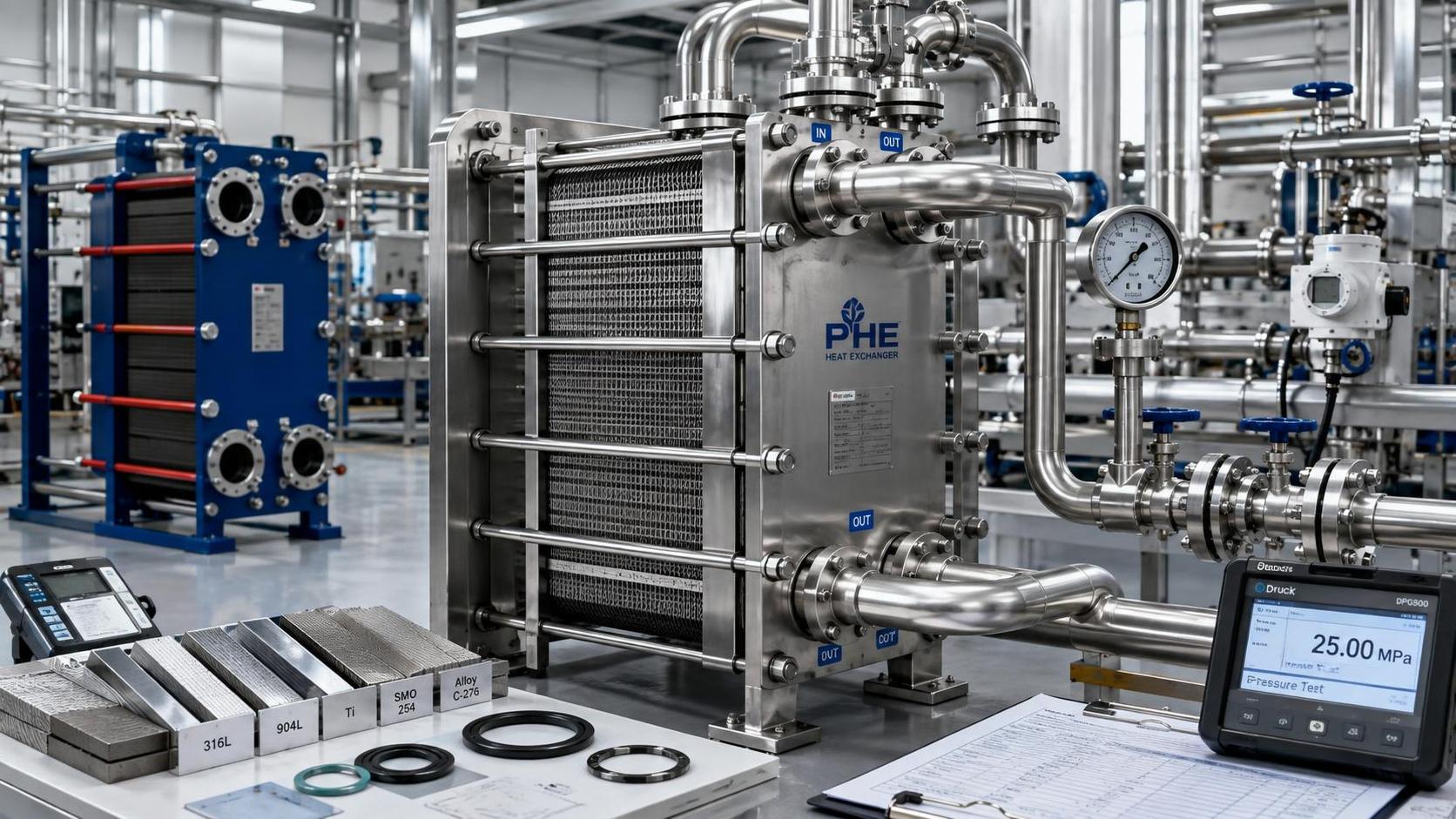
A better heat exchanger can lower fuel demand without touching core production equipment.
A tighter vacuum system can stabilize quality while reducing wasted power.
From a capital planning view, this matters because retrofit disruption is usually manageable.
Many utility upgrades fit shutdown windows or phased replacement cycles.
This lowers project risk compared with deep changes inside production lines.
It also makes industrial decarbonization easier to justify in procurement reviews.
More importantly, these upgrades generate data.
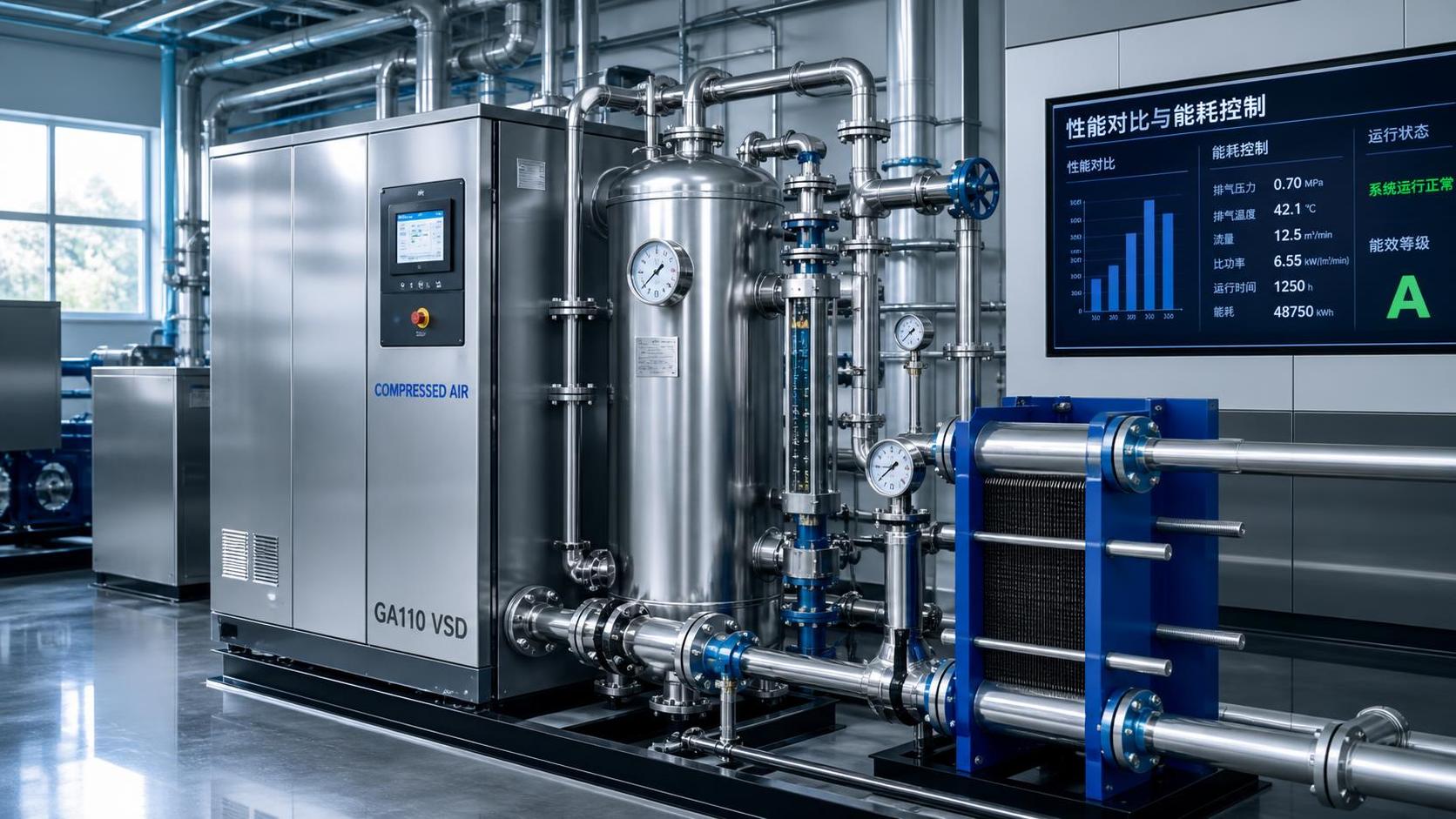
Once energy performance becomes visible, the next wave of decisions gets sharper and faster.
The fastest payback zones to prioritize
Not every decarbonization investment pays back at the same speed.
The best early wins usually come from systems with continuous load and poor visibility.
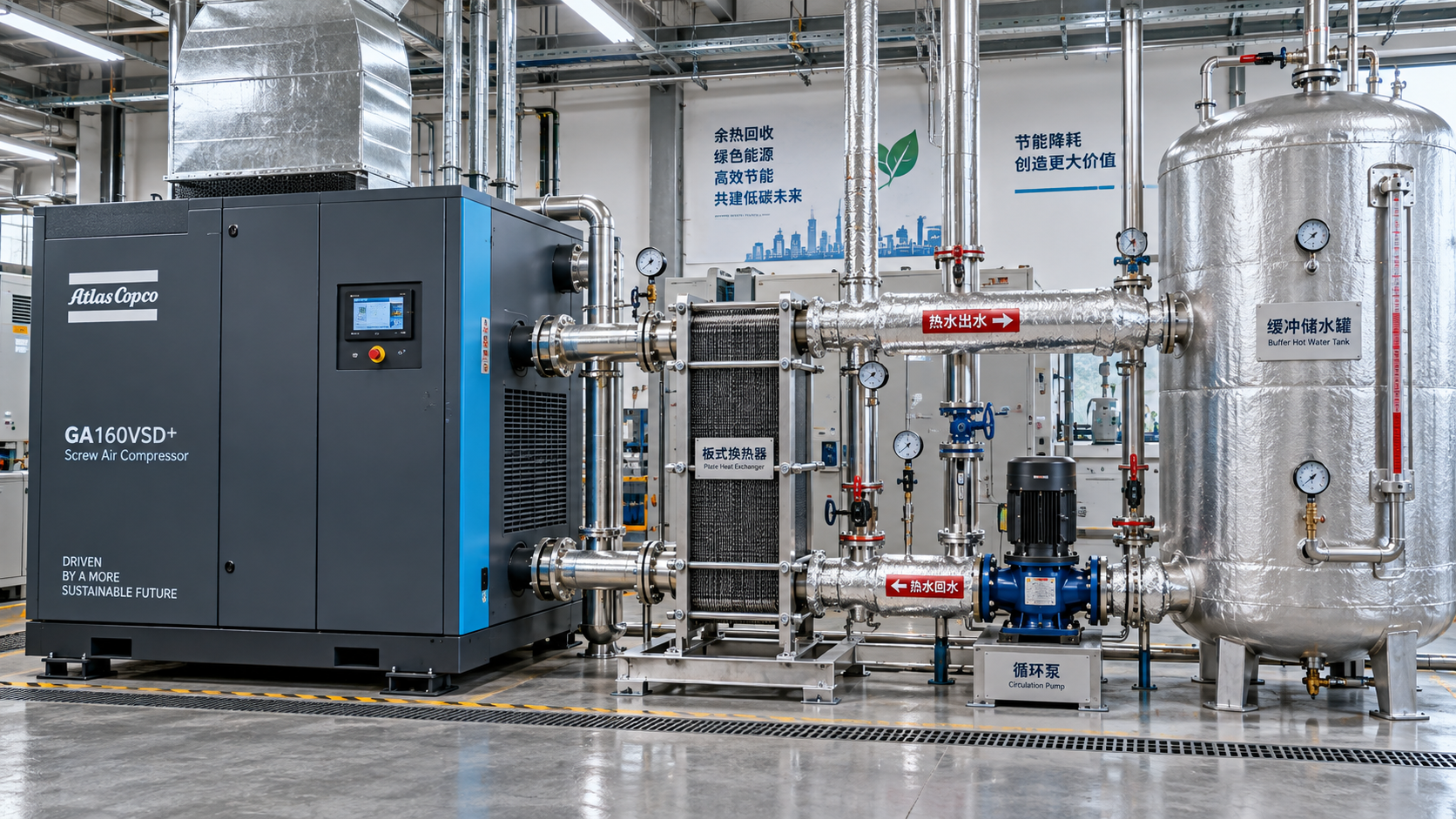
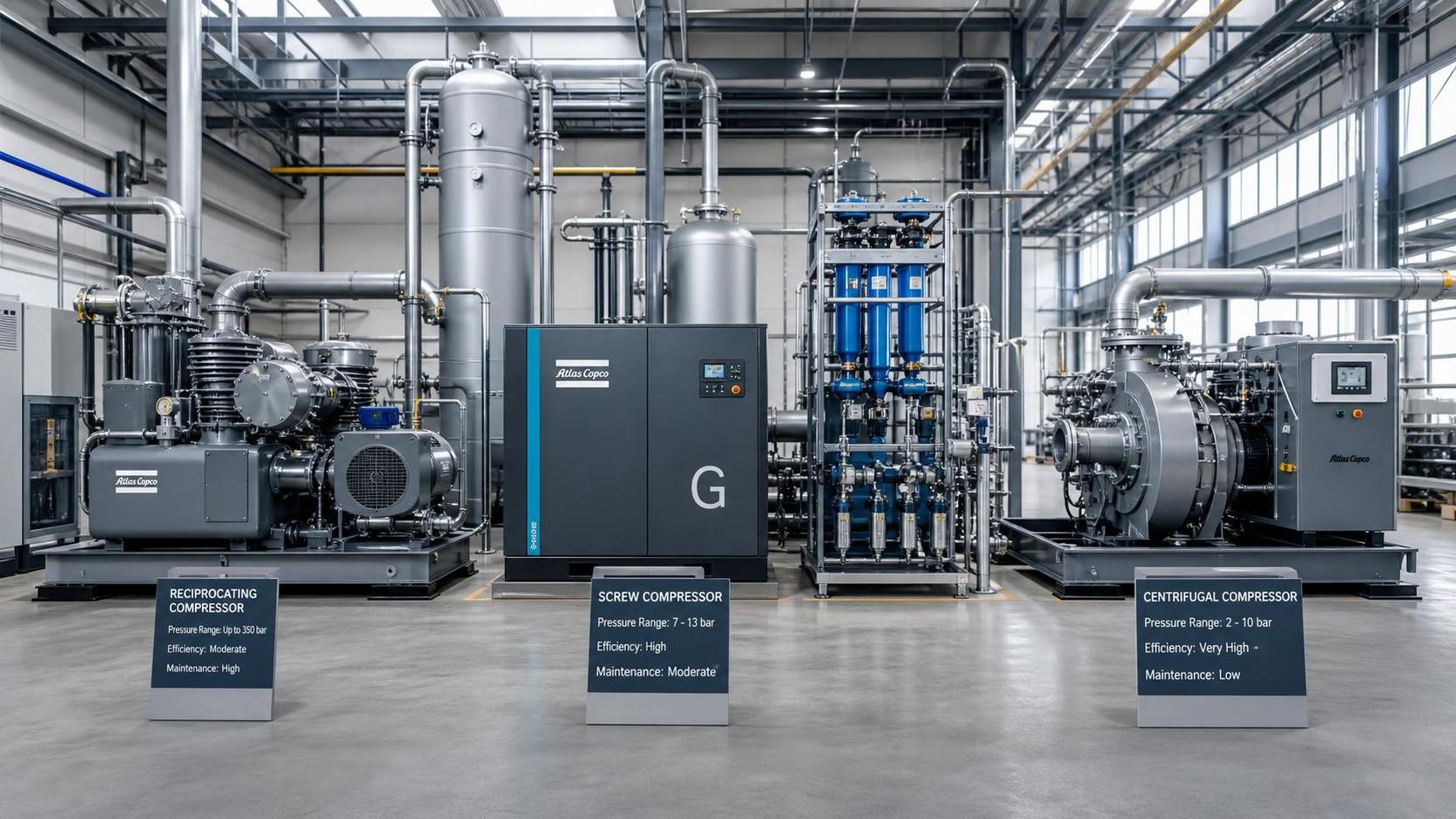
- Compressed air: leak reduction, pressure optimization, variable speed drives, and oil-free upgrades often unlock immediate savings.
- Industrial cooling: high-efficiency chillers, better controls, and refrigerant strategy can cut both power use and compliance risk.
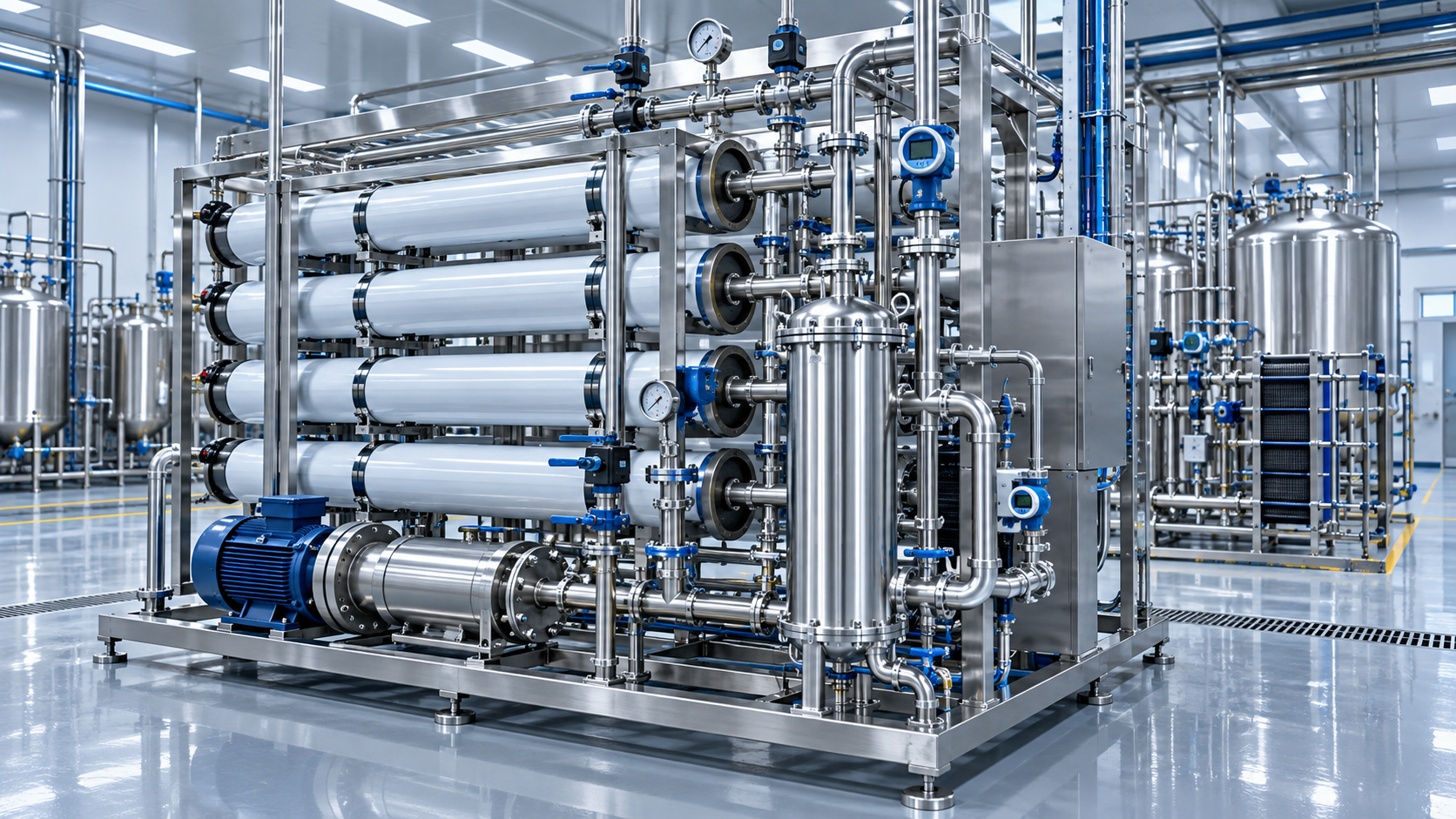
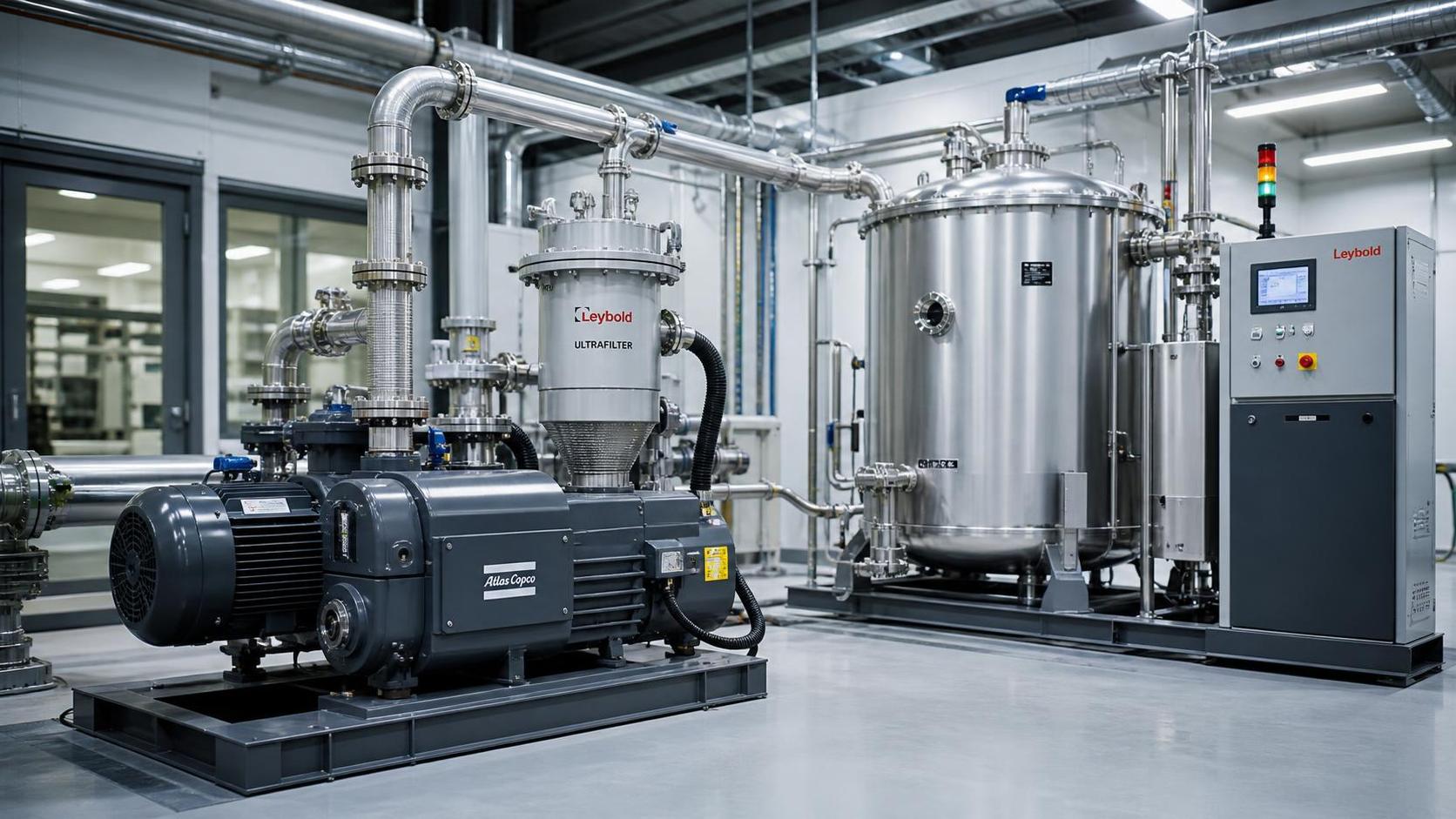
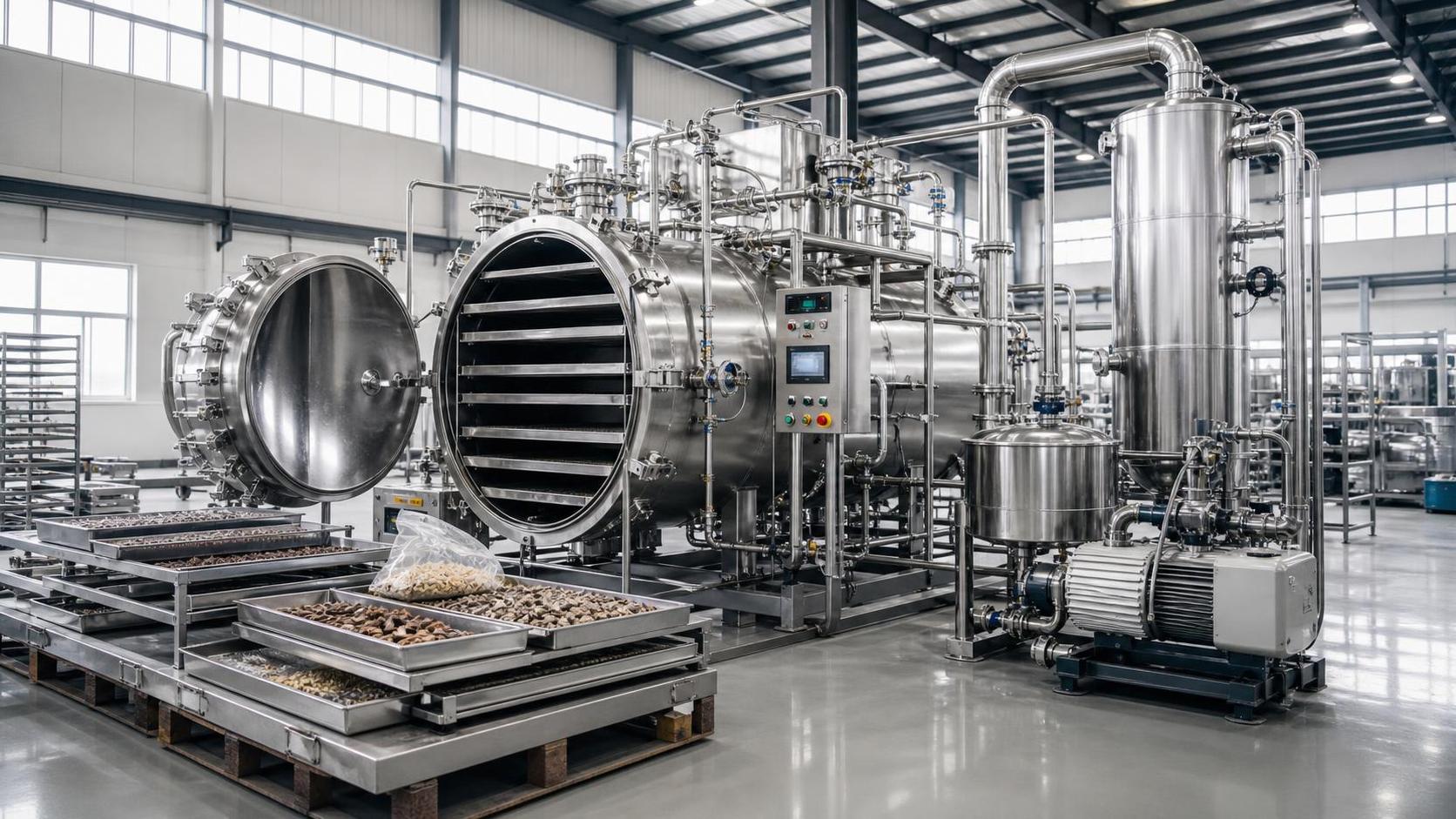
- Vacuum systems: right-sizing and demand matching improve energy intensity in packaging, electronics, and process manufacturing.
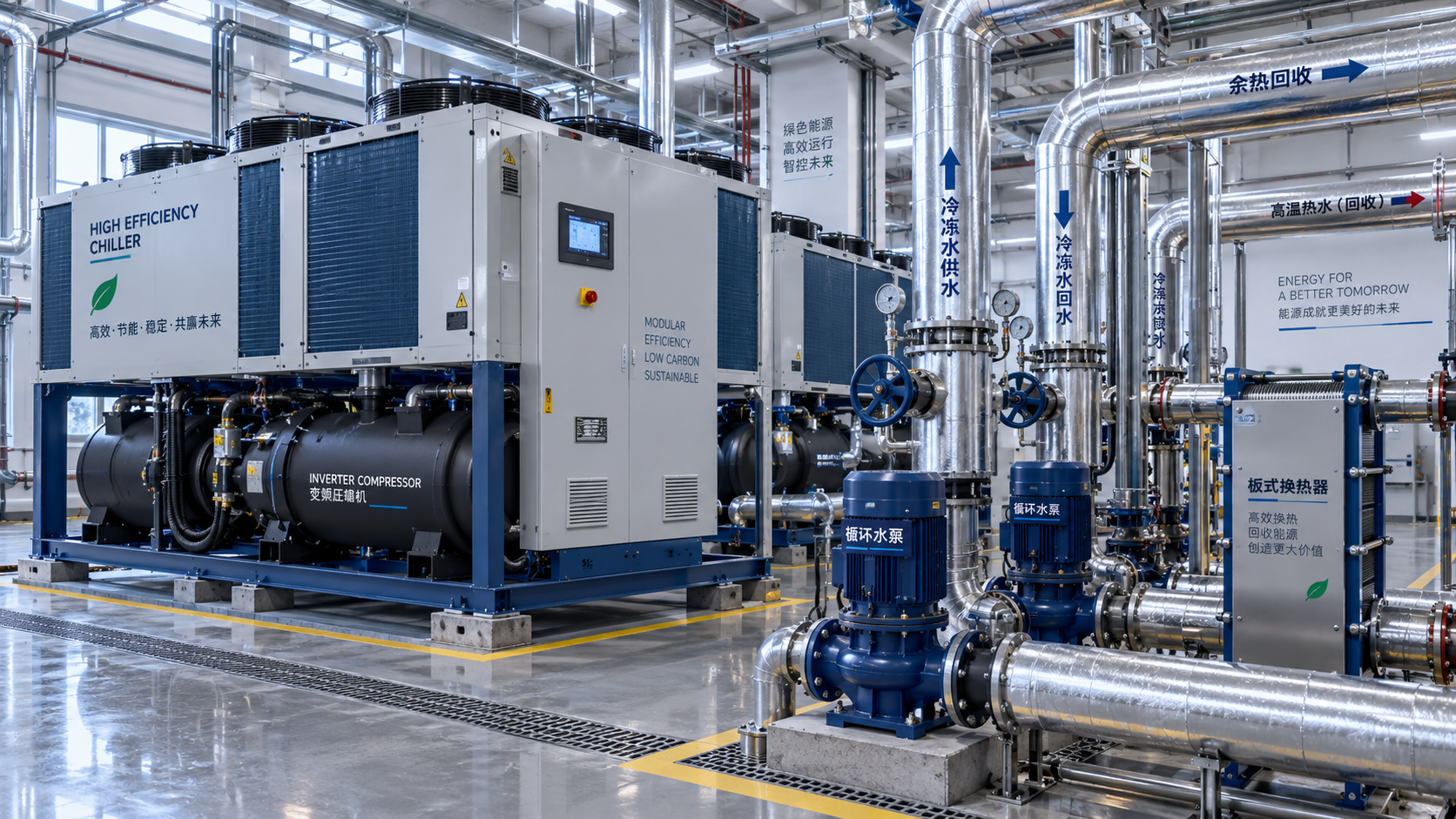
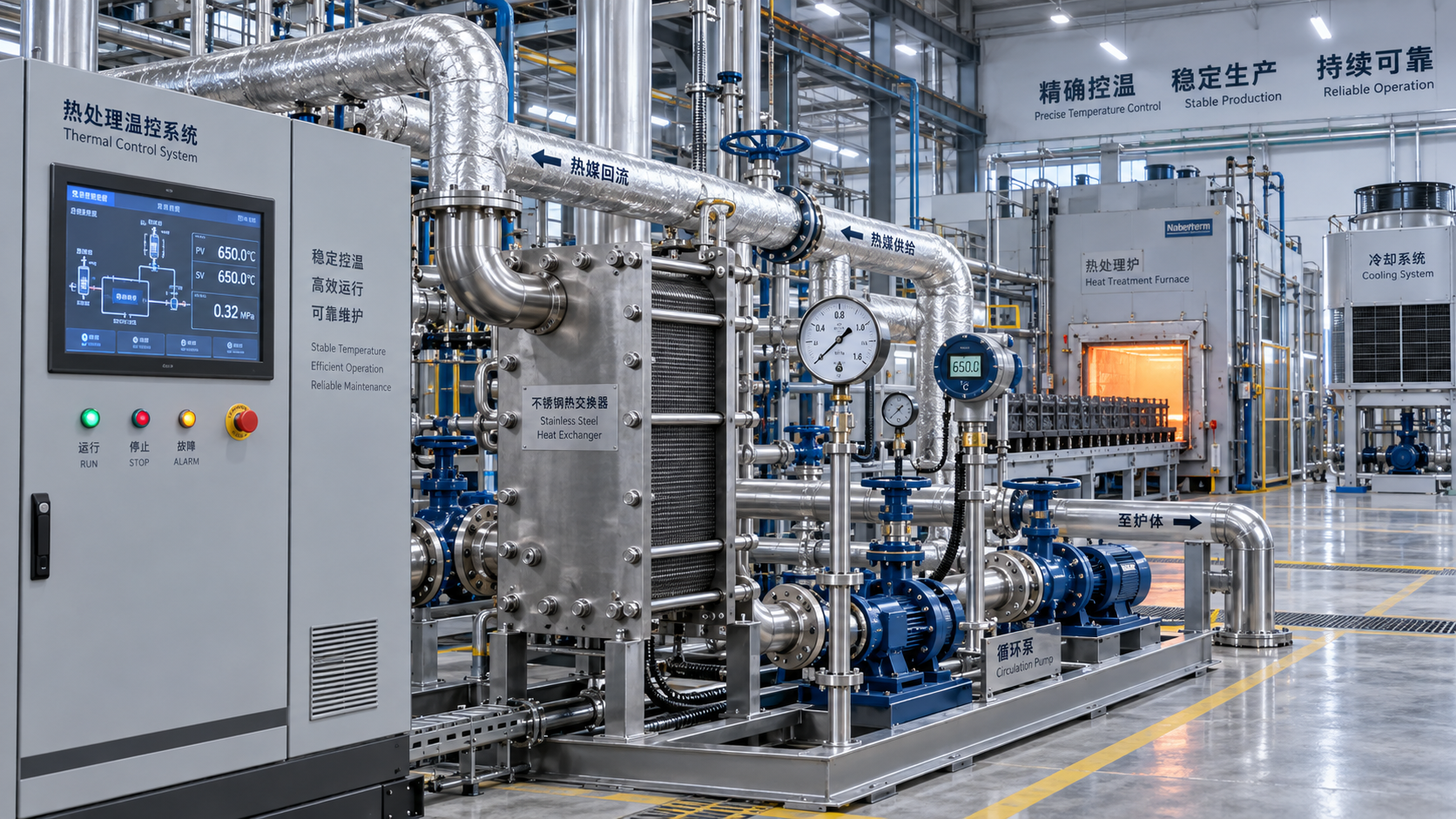
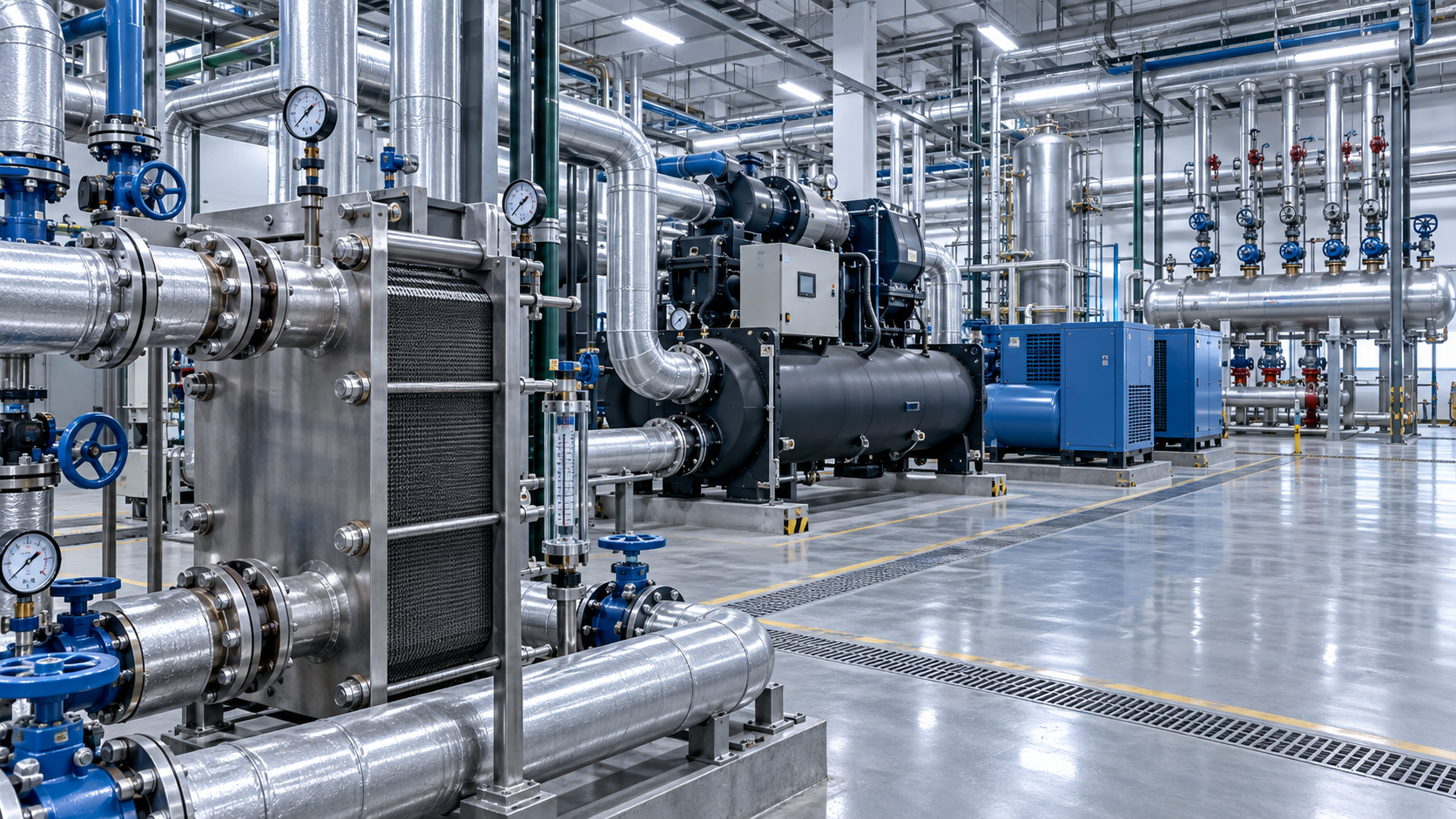
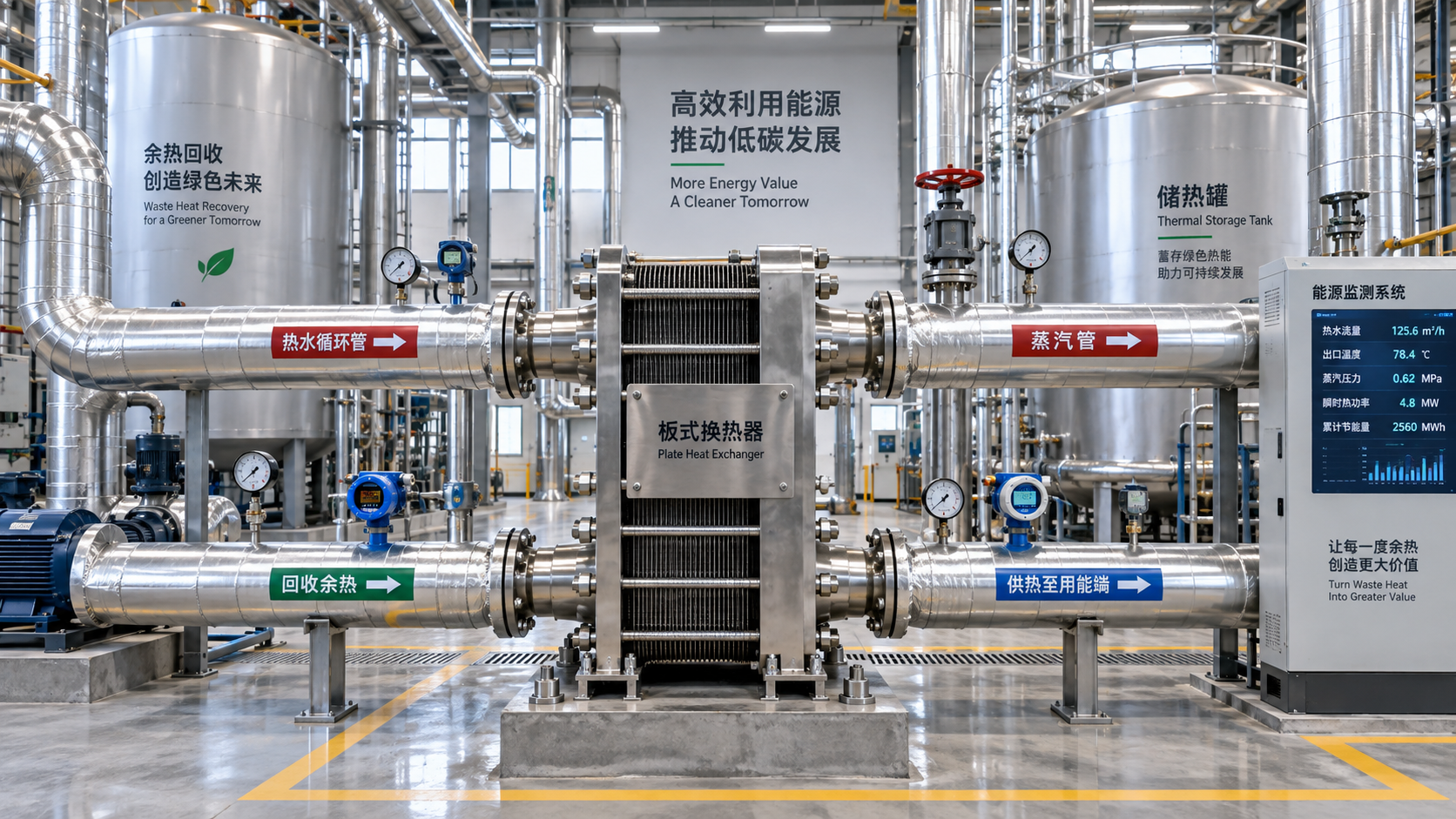
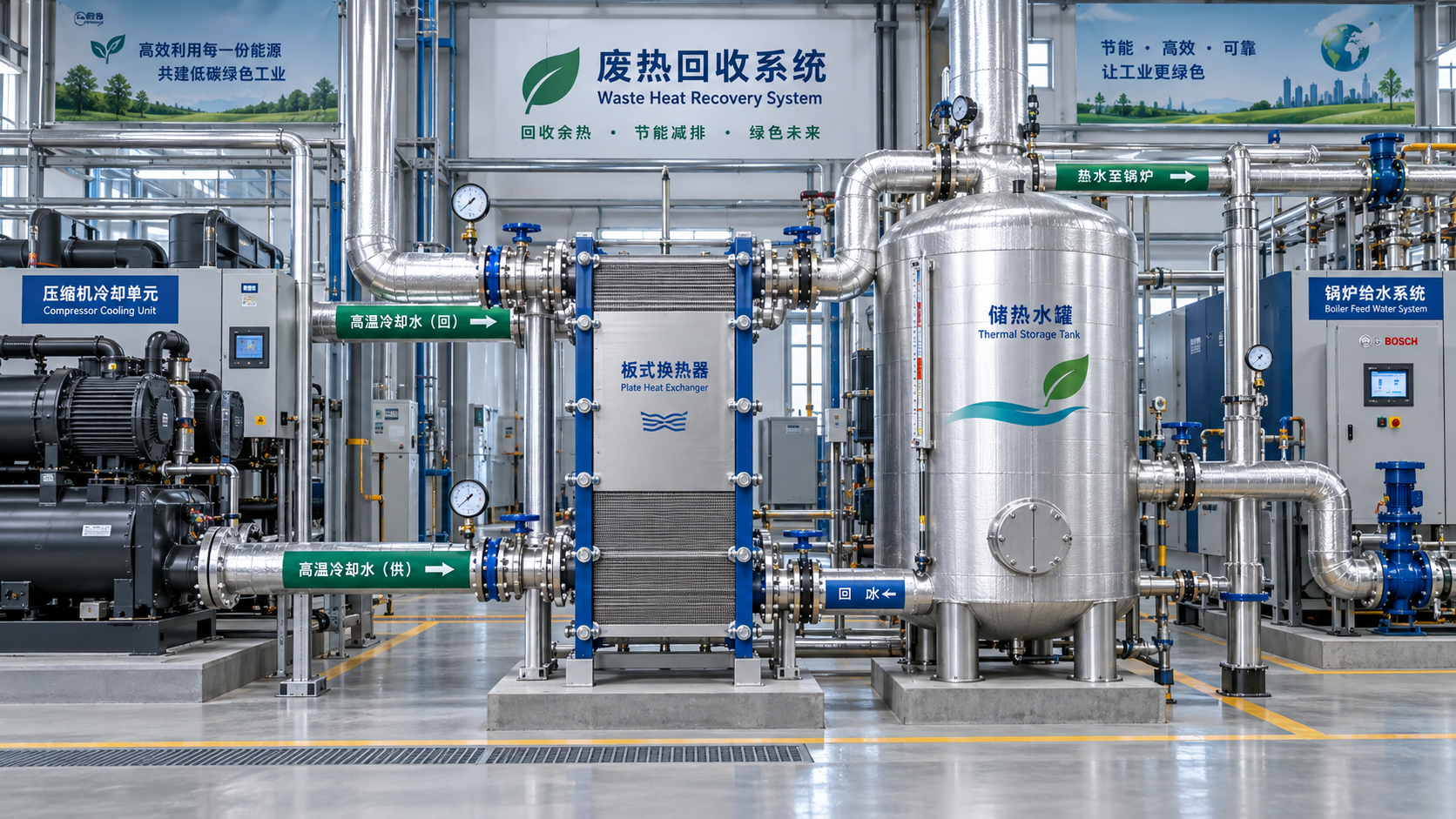
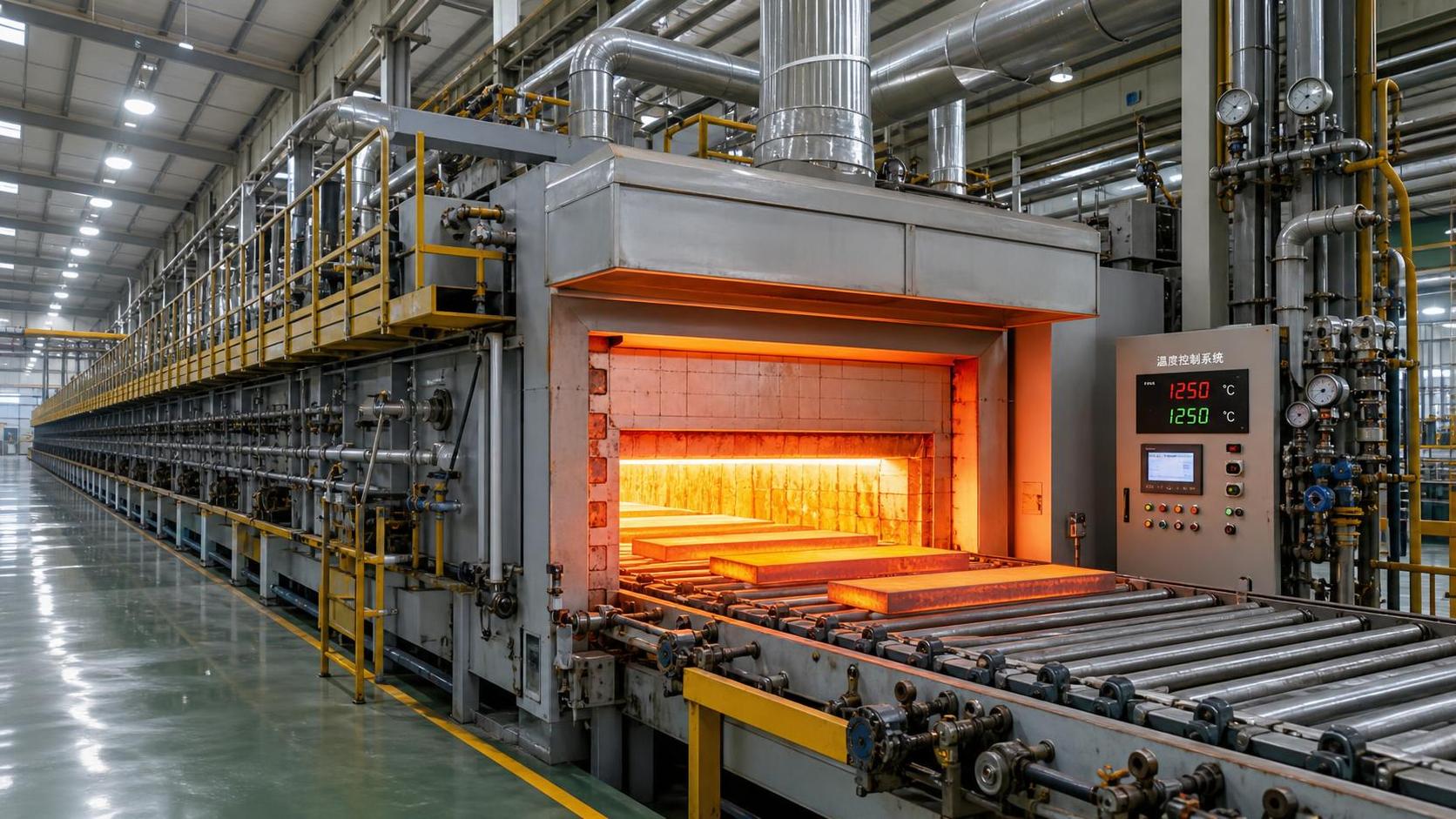
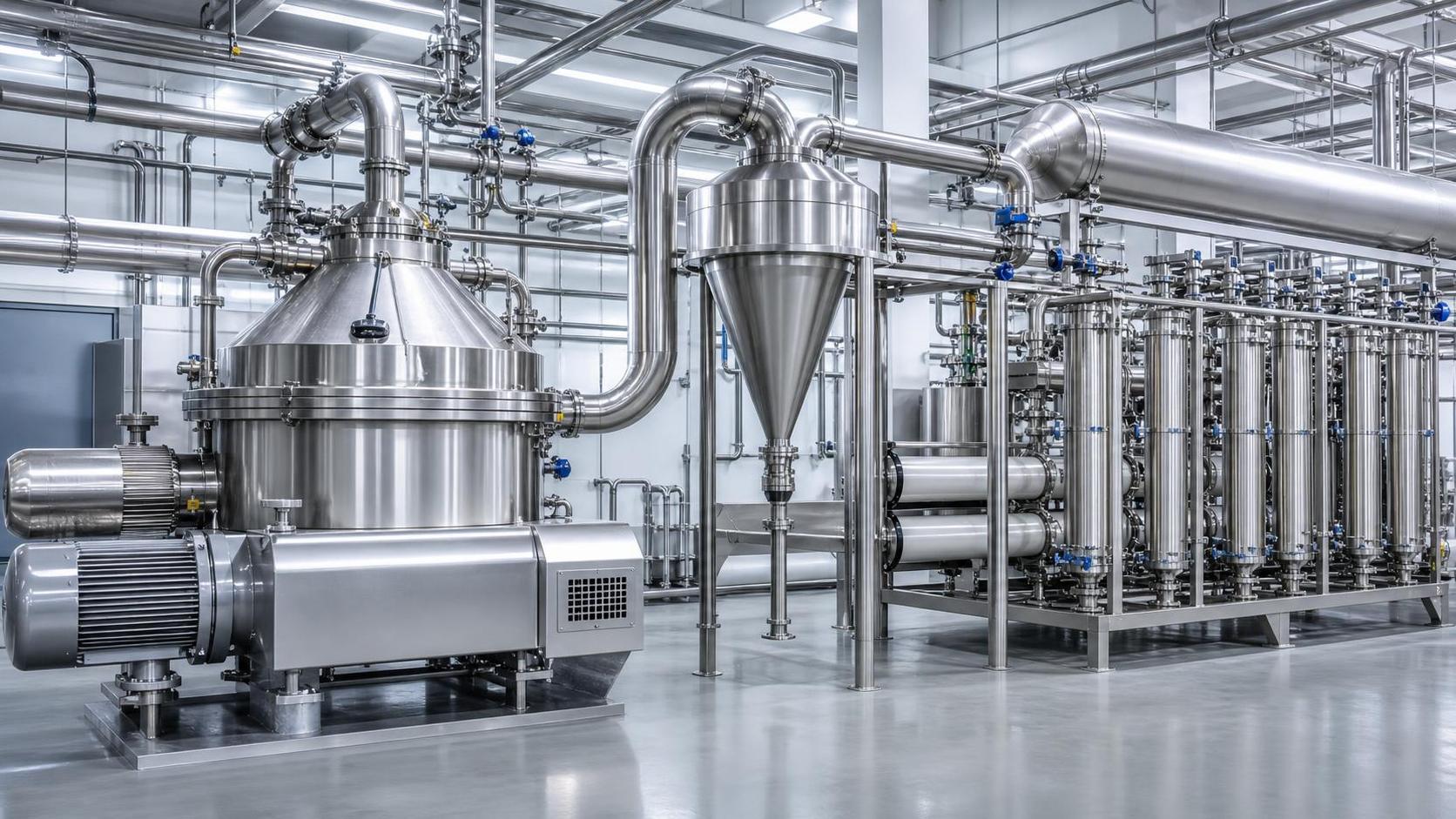
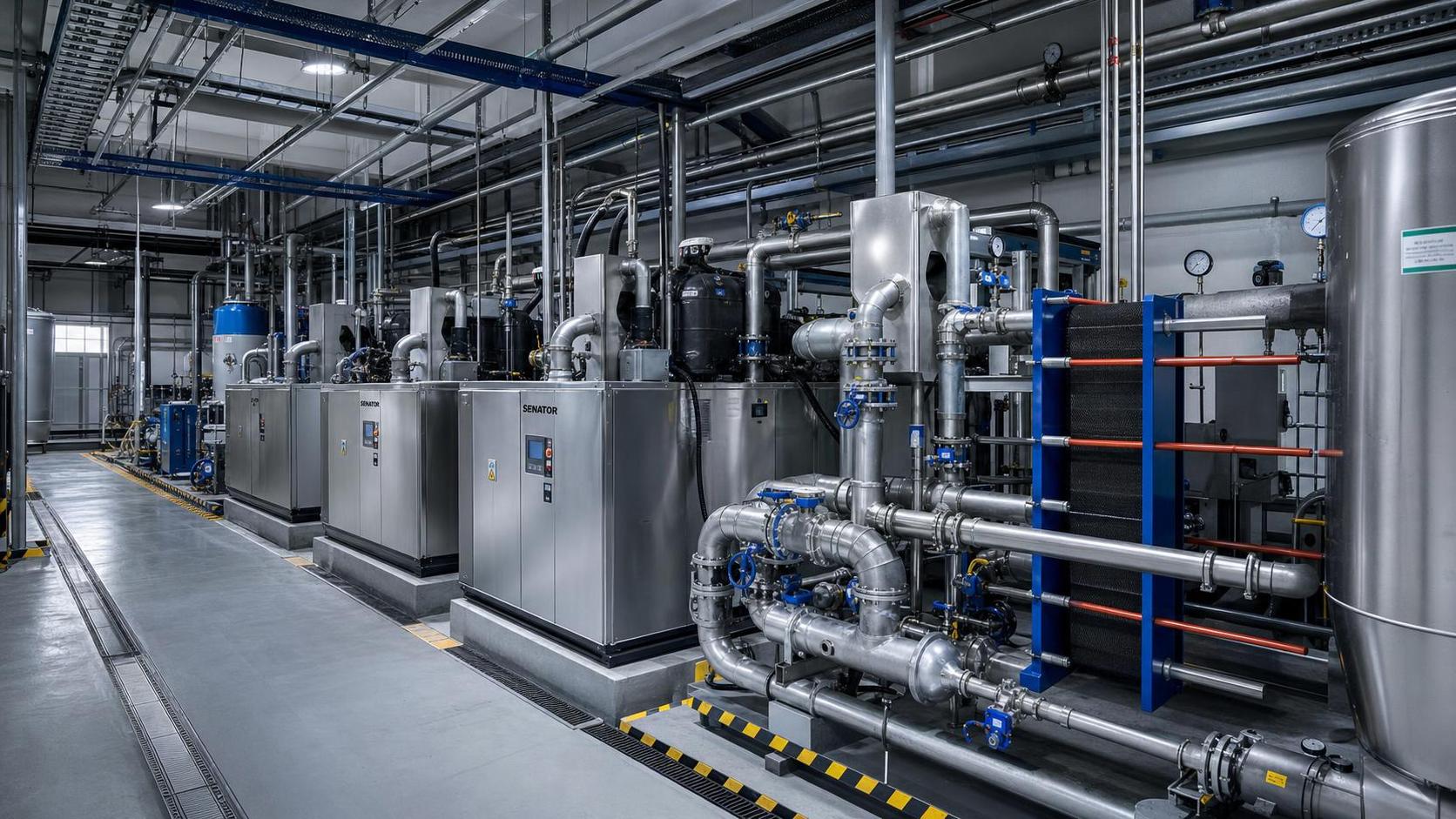
- Heat exchange: fouling control, microchannel design, and heat recovery reduce thermal waste and improve process stability.
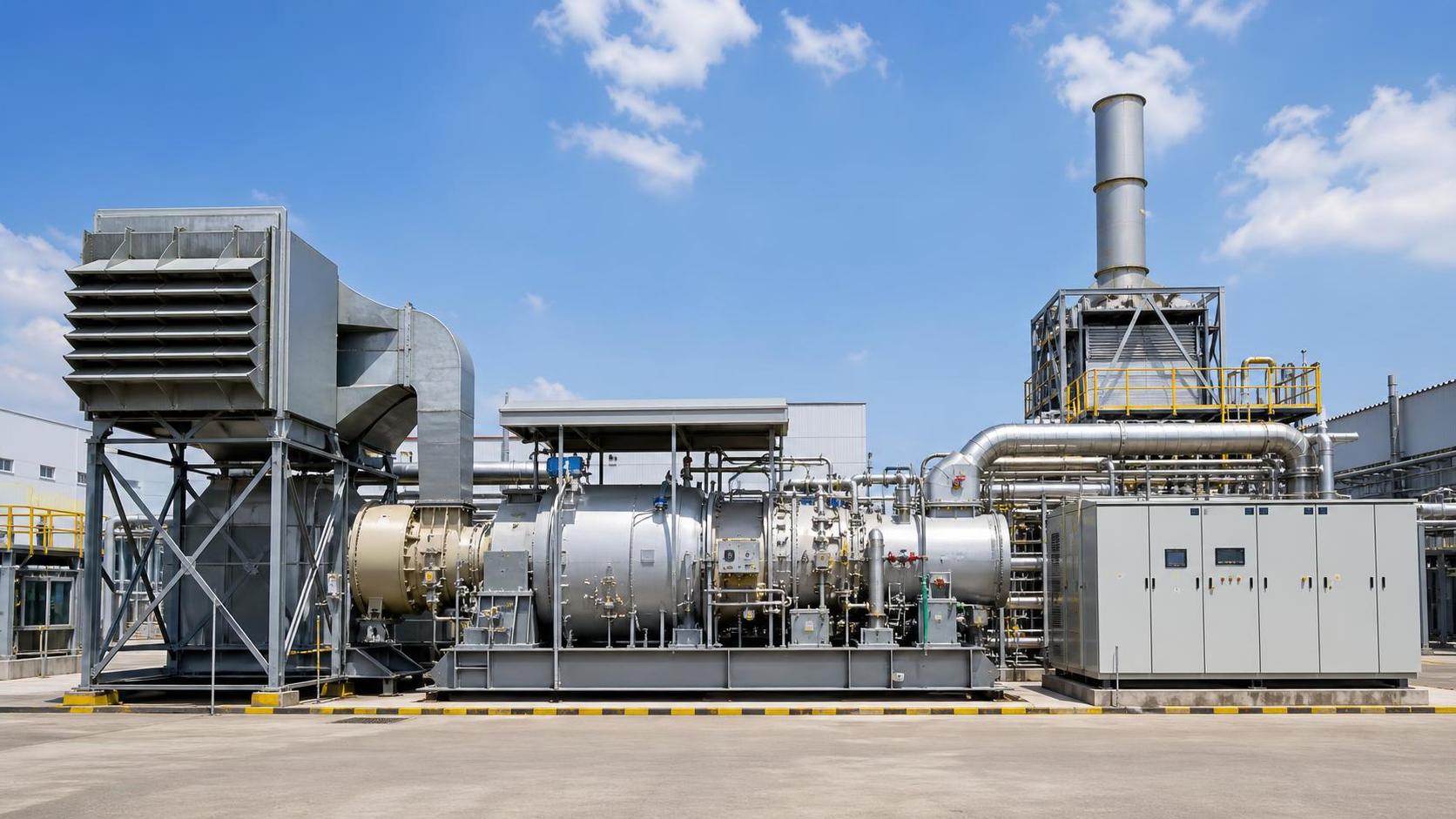
- Boilers and combustion assets: low-NOx and efficiency upgrades can reduce fuel cost while supporting emissions targets.
These areas stand out because waste tends to be structural, not incidental.
Leaks, oversizing, poor controls, and weak heat recovery accumulate every day.
That means industrial decarbonization here is not a branding exercise.
It is a direct operating model improvement.
How to evaluate ROI beyond nameplate efficiency
Procurement decisions often get distorted by headline efficiency claims.
But industrial decarbonization requires a broader financial lens.
A cheaper asset can become expensive if it underperforms at partial load.
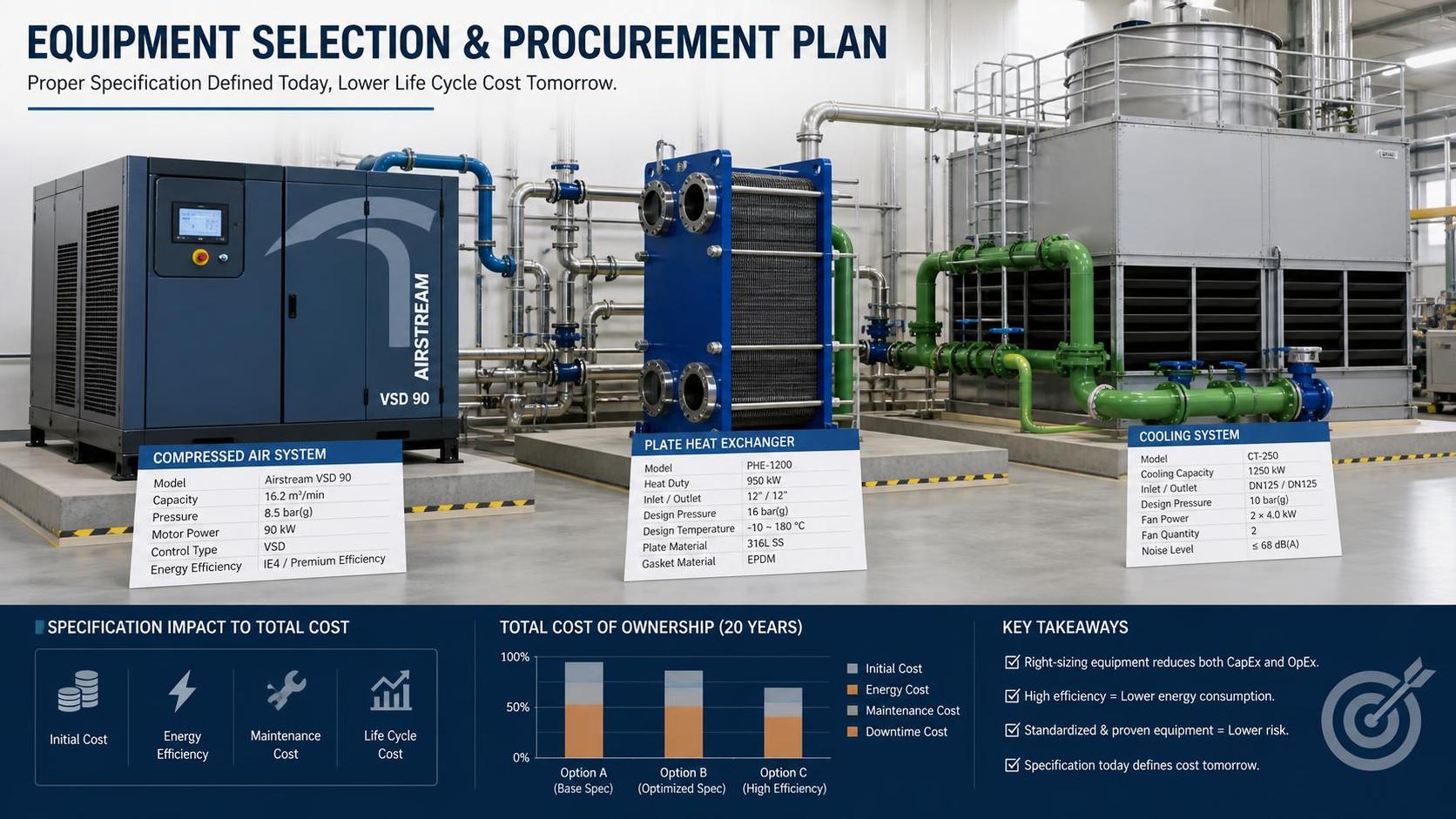
A premium system may pay back quickly if downtime, maintenance, and energy use fall together.
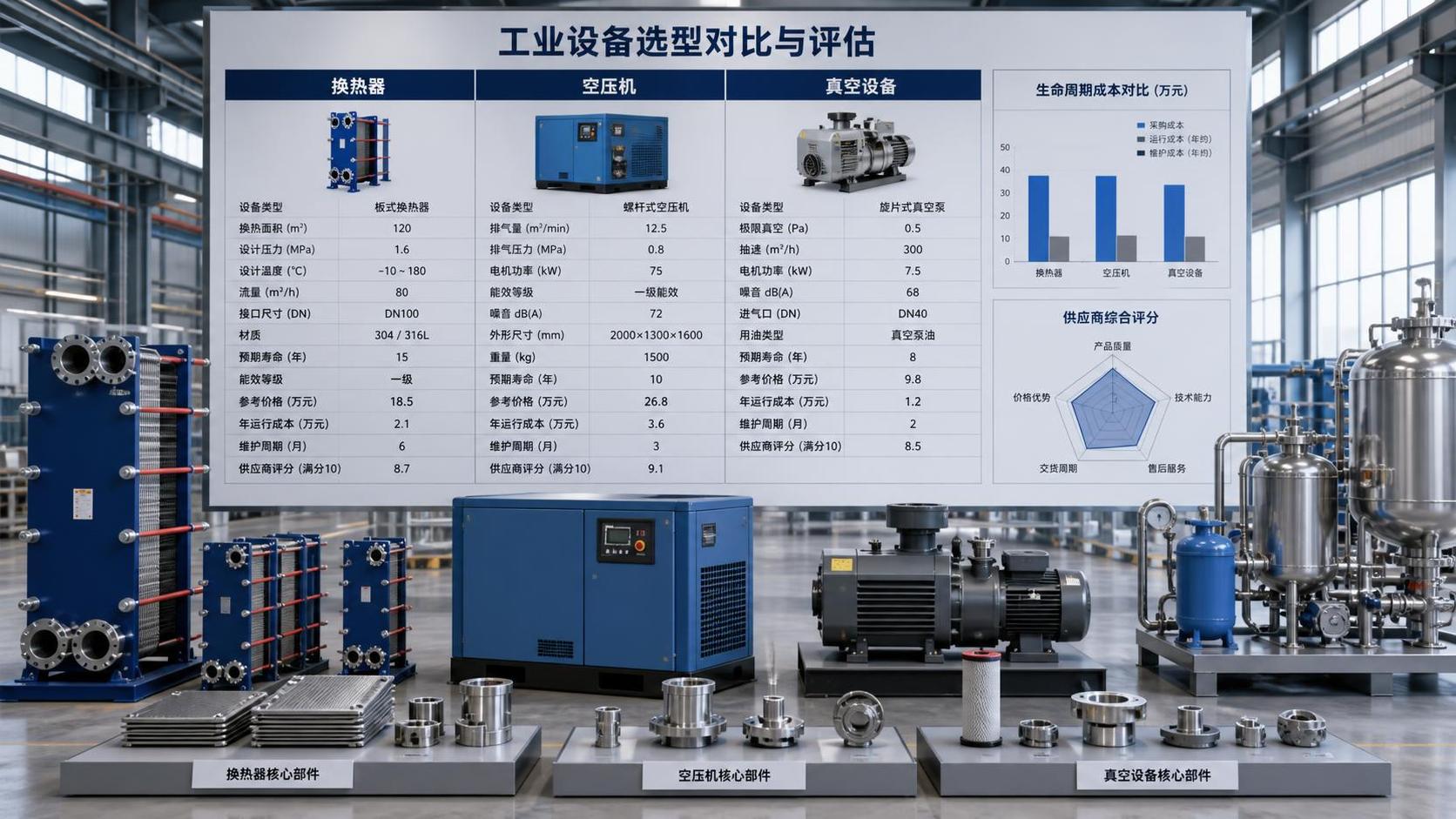
A more practical evaluation model includes the following factors.
This is where reliable market intelligence becomes valuable.
GTC-Matrix tracks the technologies shaping these decisions every day.
Its intelligence focus on cooling, compressed air, vacuum, and heat exchange is especially useful.
It connects technical performance with the commercial reality behind industrial decarbonization investments.
What smart buyers ask before approving a project
The strongest procurement outcomes usually come from better questions, not bigger budgets.
Before signing off on an upgrade, several points deserve close review.
- Where is energy wasted today, and is that loss measured or assumed?
- Can the supplier show verified performance under similar operating conditions?
- Will the project reduce only energy use, or also improve uptime and product quality?
- What future policy or refrigerant changes could affect this asset over its lifespan?
- How easily can this system connect to digital monitoring and reporting platforms?
- Is the expected payback based on ideal assumptions or real plant behavior?
These questions help filter out projects that look efficient only on paper.
They also improve internal alignment between operations, finance, engineering, and sustainability teams.
That alignment is often underestimated.
In practice, it is one of the biggest accelerators of industrial decarbonization execution.
Common mistakes that slow down savings
Even well-funded projects can miss their targets.
Usually, the problem is not intent.
It is decision timing, poor baselining, or limited system thinking.
- Replacing equipment before mapping actual demand patterns.
- Buying for peak load while ignoring part-load performance.
- Treating compressed air leaks as maintenance noise instead of strategic energy loss.
- Ignoring recoverable heat because ownership sits across different departments.
- Selecting technology without checking refrigerant, emissions, or reporting exposure.
- Failing to track post-installation performance and drifting back to old operating habits.
The lesson is simple.
Industrial decarbonization works best when it is treated as a performance program, not a one-time purchase.
That is especially true in thermally intensive and compression-heavy environments.
A practical roadmap for faster industrial decarbonization ROI
A workable roadmap does not need to be complicated.
It needs to be disciplined, measurable, and staged.
- Baseline utility consumption by system, shift, and load condition.
- Rank projects by energy intensity, controllability, and retrofit complexity.
- Prioritize compressed air, cooling, vacuum, and heat exchange upgrades with short payback.
- Build total cost models, not purchase-price comparisons.
- Require post-installation monitoring and accountability for realized savings.
- Use market intelligence to time technology shifts and compliance-sensitive purchases.
This approach keeps momentum high and risk manageable.
It also creates visible wins early, which helps fund the next round of improvements.
That is how industrial decarbonization becomes scalable inside large organizations.
The near-term opportunity is clear.
The fastest ROI rarely comes from the most visible sustainability project.
It usually comes from the systems that quietly move air, remove heat, create vacuum, and recover energy.
For organizations navigating cost pressure and carbon targets together, that is a strong place to act.
GTC-Matrix supports that action with sector intelligence grounded in real industrial performance.
When the goal is better procurement, lower operating cost, and credible industrial decarbonization, informed timing matters as much as technology choice.
Ready when you are. Send us a message to get started.
Related News
- How to select industrial equipment for automation with existing PLCsAuthor :

- How electricity prices shape industrial compressed air price trendsAuthor :

- Choosing air filtration systems for heavy dust in the Middle EastAuthor :

- How much does a fully installed compressed air monitoring system cost?Author :

- What documentation supports CE marking for industrial equipment?Author :

- How local support affects vacuum system costs in Southeast AsiaAuthor :

- How worldwide industry category guides help compare market opportunitiesAuthor :

- What drives sustainable thermal systems cost over their operating life?Author :

- Which industrial solution comparison criteria prevent project delays?Author :

- How Ambient Temperature and Load Profile Affect Industrial Compressor SizingAuthor :

- What to evaluate before choosing a thermal process engineering supplierAuthor :

- How industrial utility systems affect energy costs in process plantsAuthor :

- What Data Is Needed to Assess Heat Recovery Decarbonization?Author :

- Can Waste Heat Recovery Support Carbon Neutrality Targets?Author :

- Is Compressor Heat Recovery Worth the Installation Cost?Author :

- What to verify before choosing a process separation technology supplierAuthor :

- When does process utilities engineering reduce project rework?Author :

- Where thermal efficiency optimization delivers the fastest savings in EuropeAuthor :

- What should you verify before selecting a heat transfer supplier?Author :

- What drives compressed air systems price for industrial projects?Author :

- How an industrial product knowledge comparison guide reduces sourcing riskAuthor :

- When does a procurement specification planning process reduce bid risk?Author :

- When does thermal system optimization for electronics reduce failure risk?Author :

- When high temperature process heating systems justify the higher energy costAuthor :

- How to compare sludge dewatering equipment by cake drynessAuthor :

- What to Check Before Sourcing a Gas Turbine for Distributed Power ProjectsAuthor :

- What drives industrial thermal systems price in large facility projectsAuthor :

- How to build an industrial product comparison chart that speeds up vendor selectionAuthor :

- Vacuum Technology Application Guide for Selecting the Right SystemAuthor :

- What Drives Vacuum Drying Cost in Industrial Procurement?Author :

- What Drives Compressed Air Pricing in Industrial Systems?Author :

- How Procurement Specification Planning Shapes Total Project CostAuthor :

- Compression Technology Guide: How to Compare Efficiency, Pressure Range, and Maintenance NeedsAuthor :

- How to Compare Industrial Separators by Throughput, Purity, and Maintenance LoadAuthor :

- How to Size a Compressed Air Equipment Receiver Tank for Stable PressureAuthor :

- Industrial Equipment Selection Guide: How to Compare Capacity, Duty Cycle, and Operating CostAuthor :