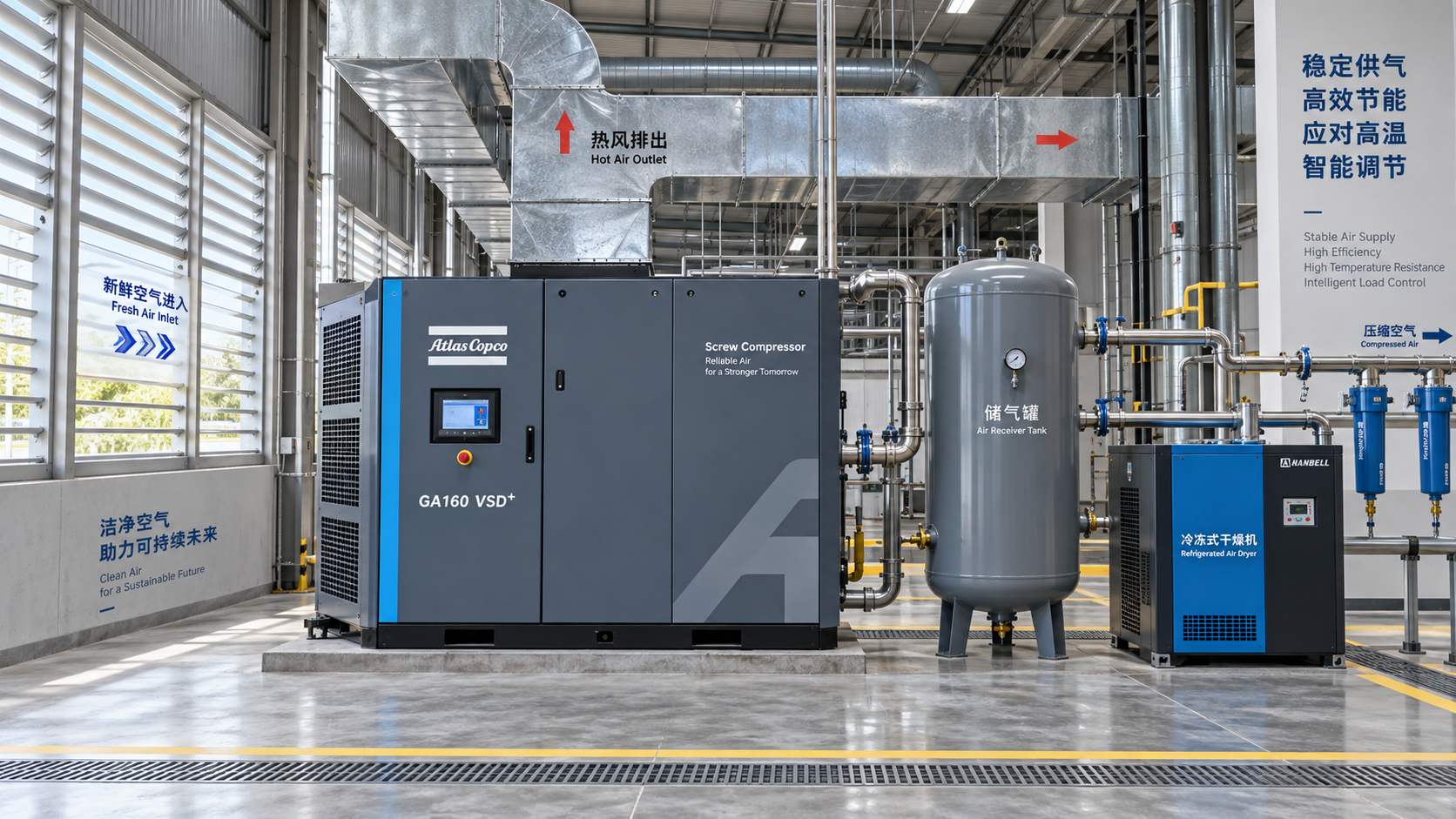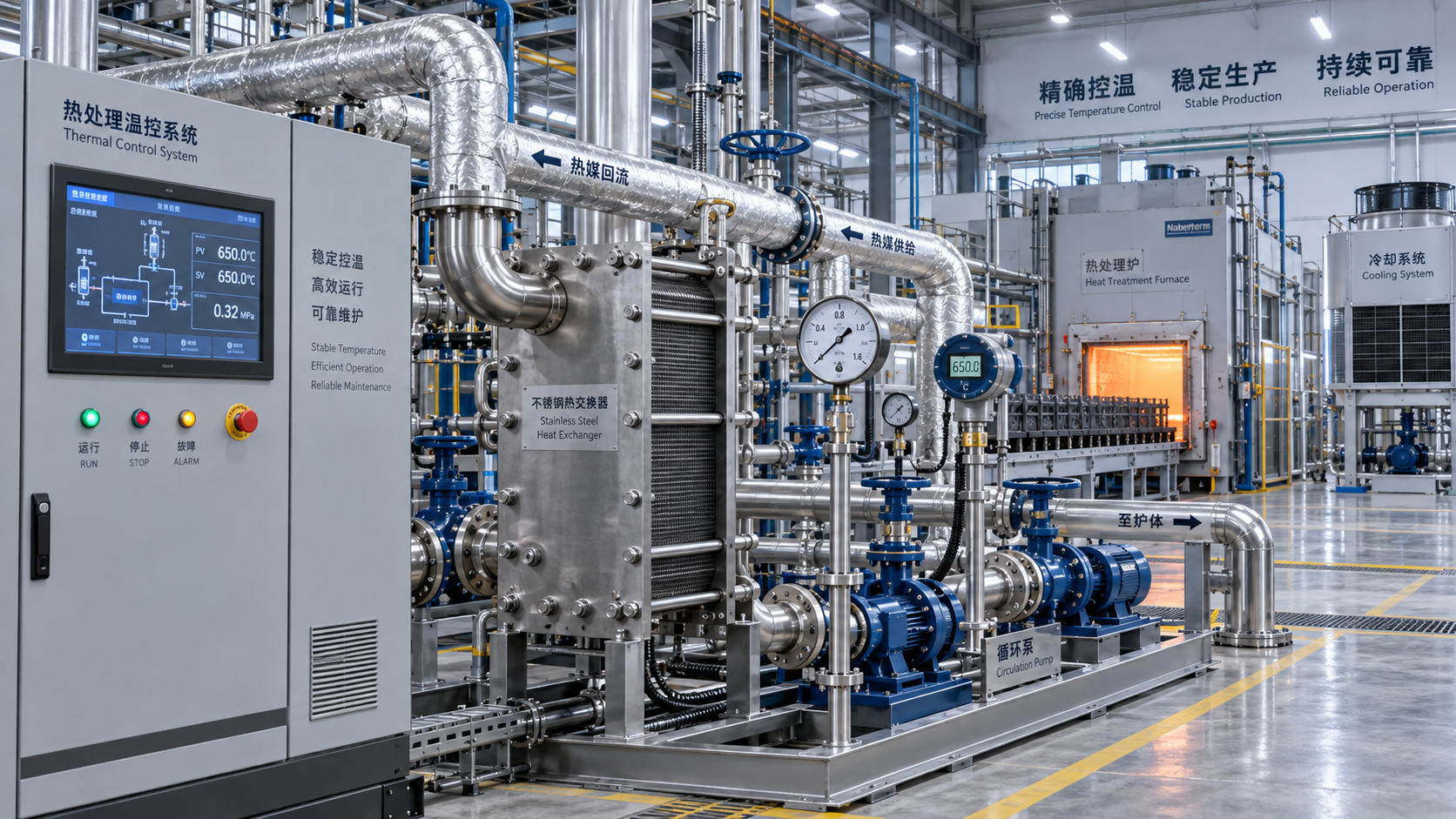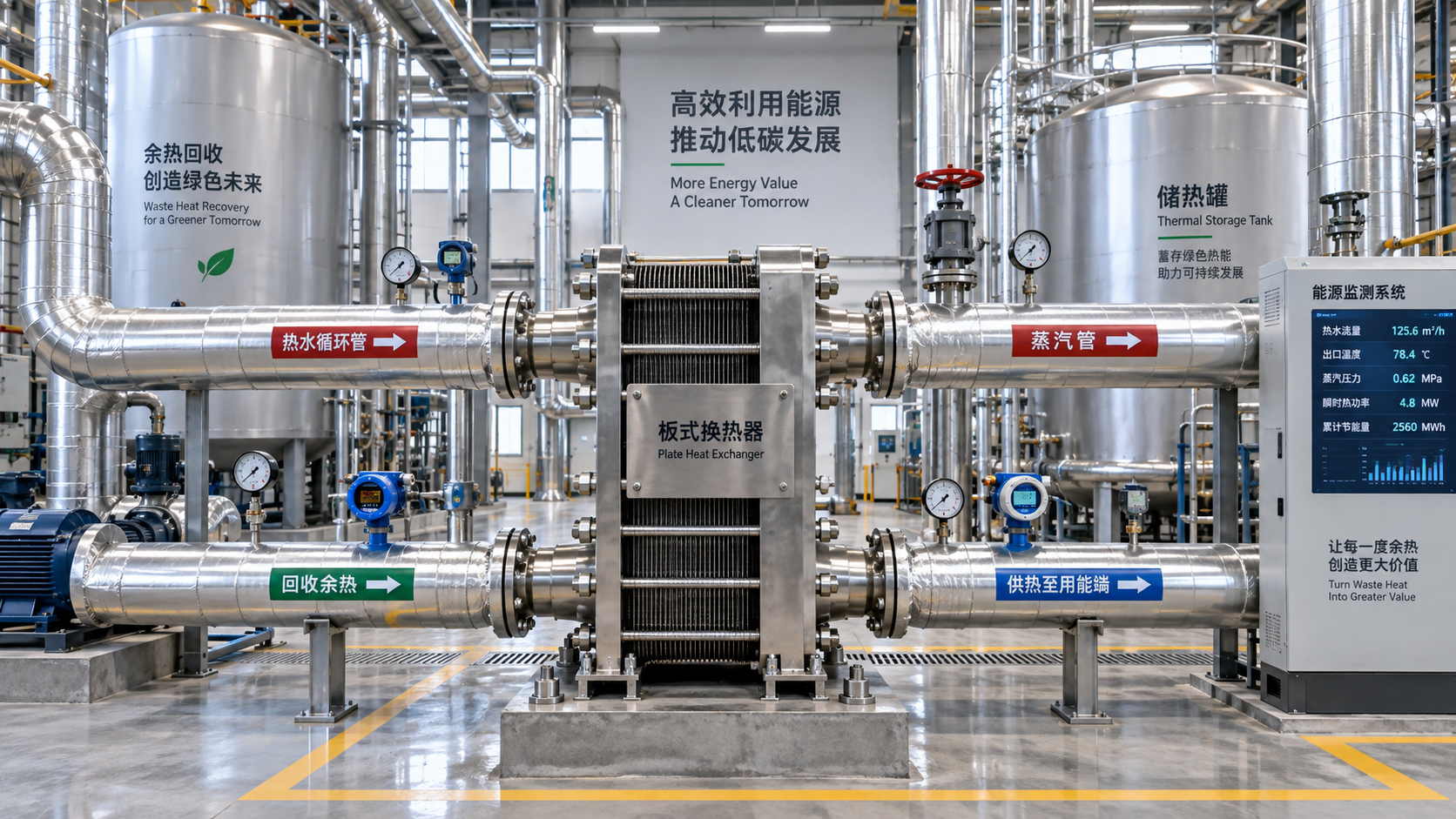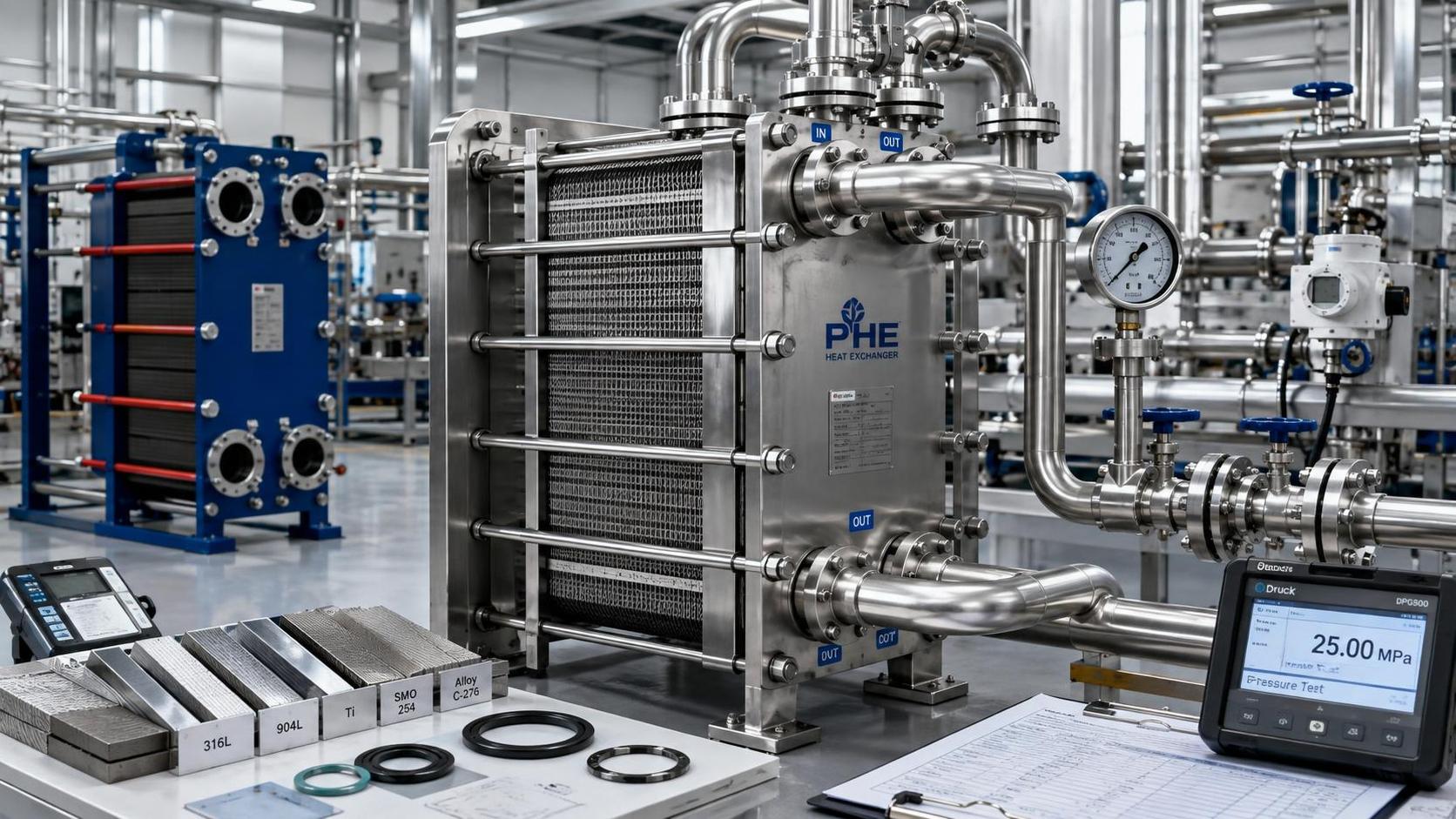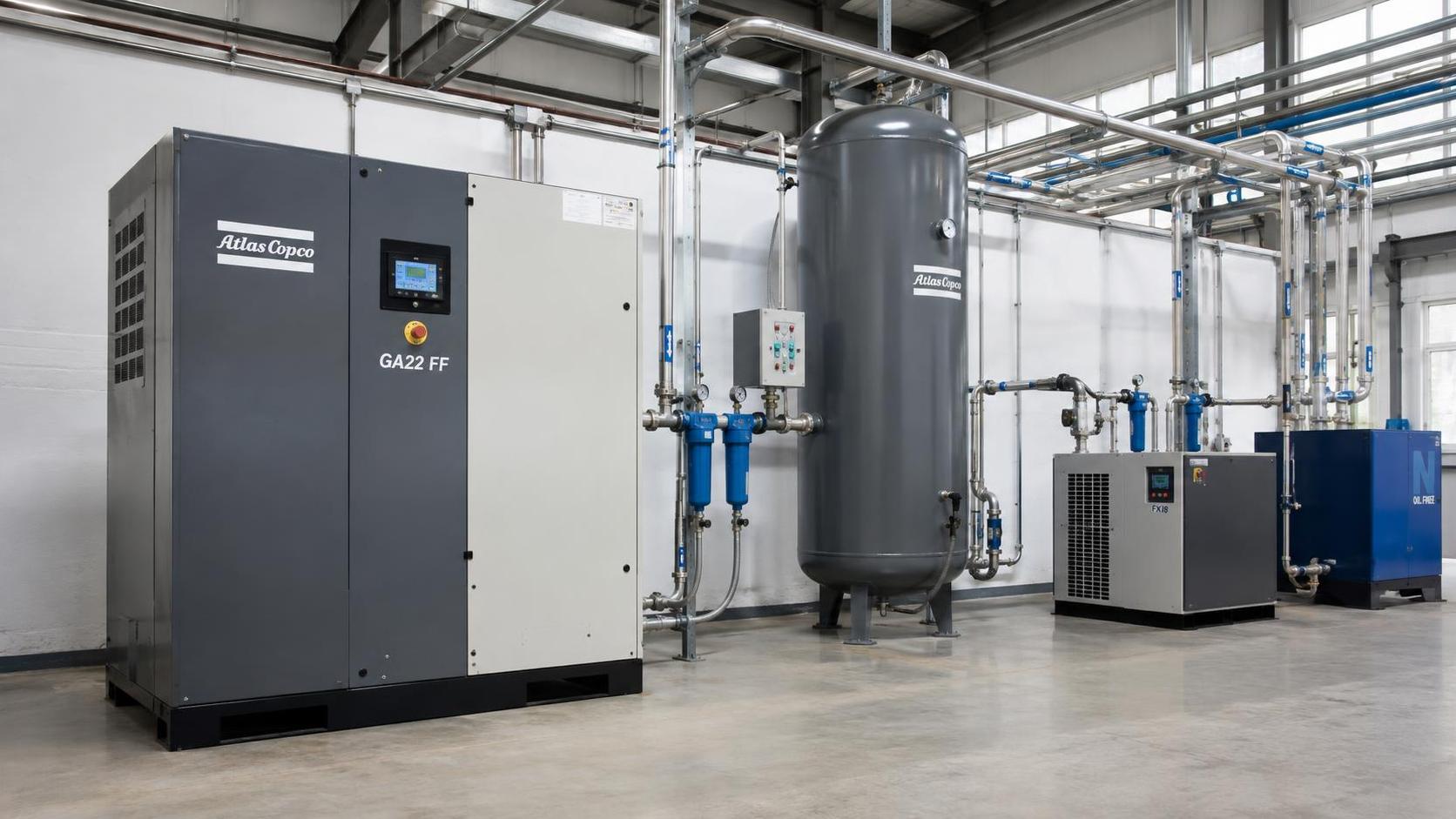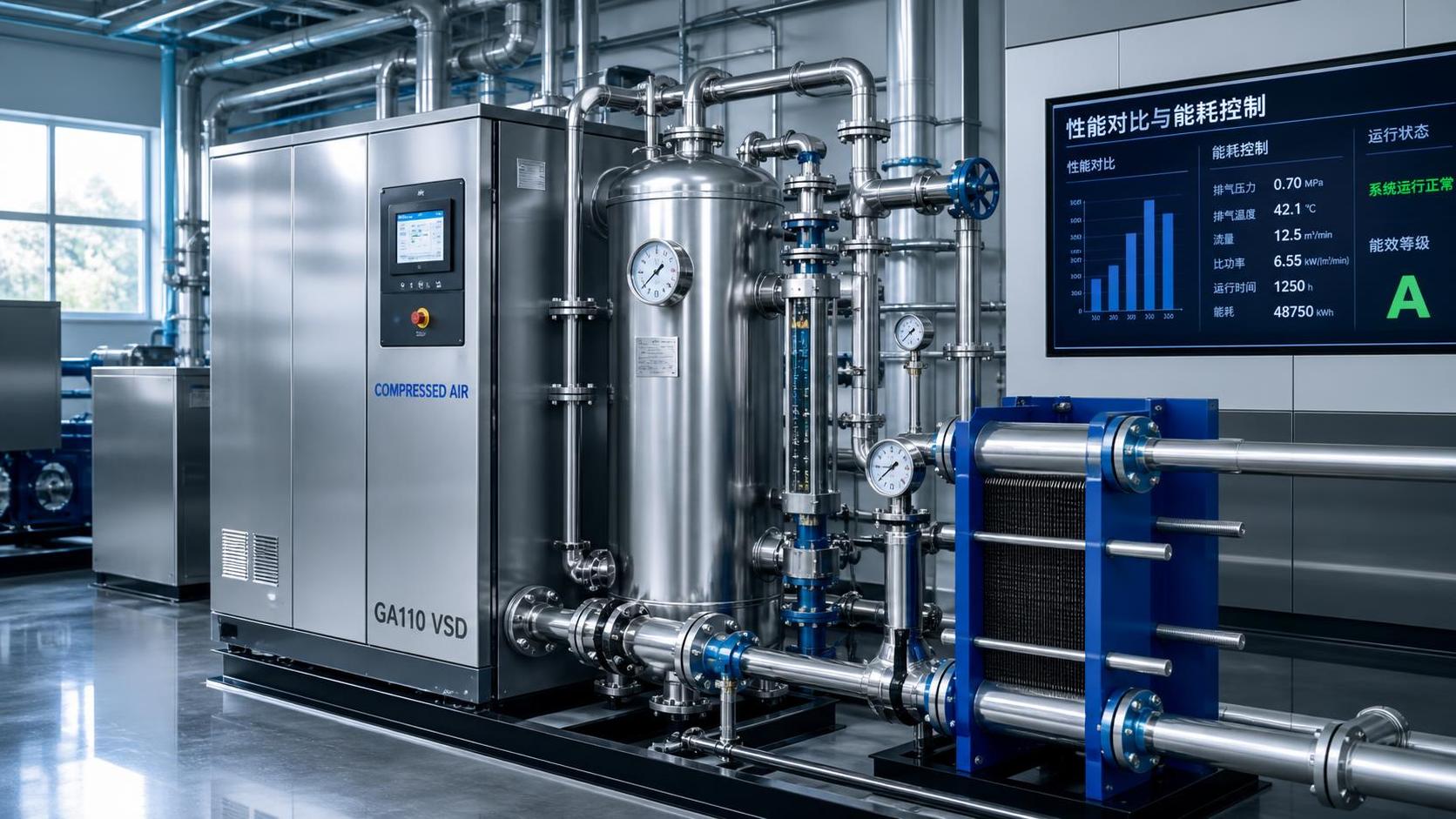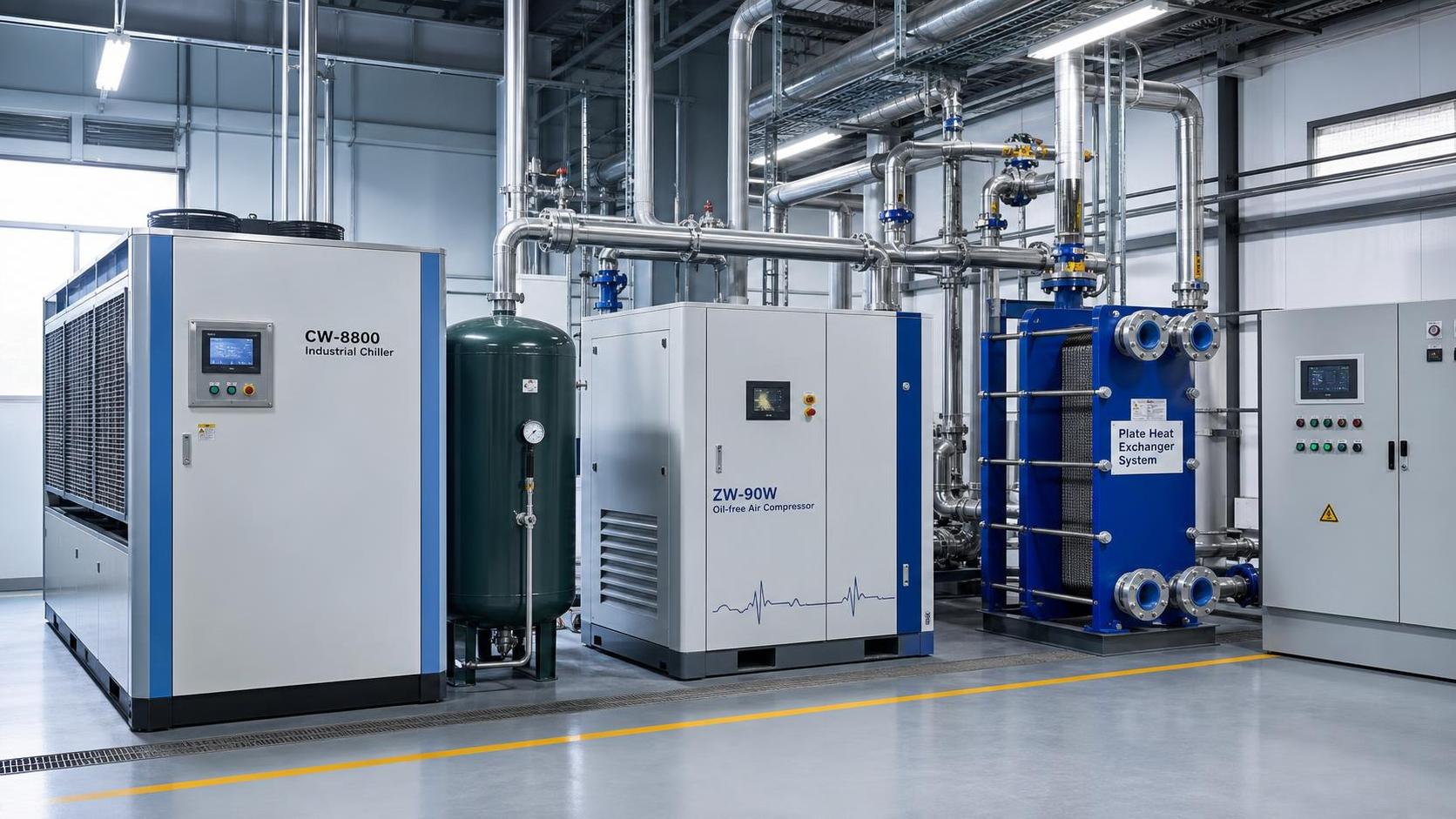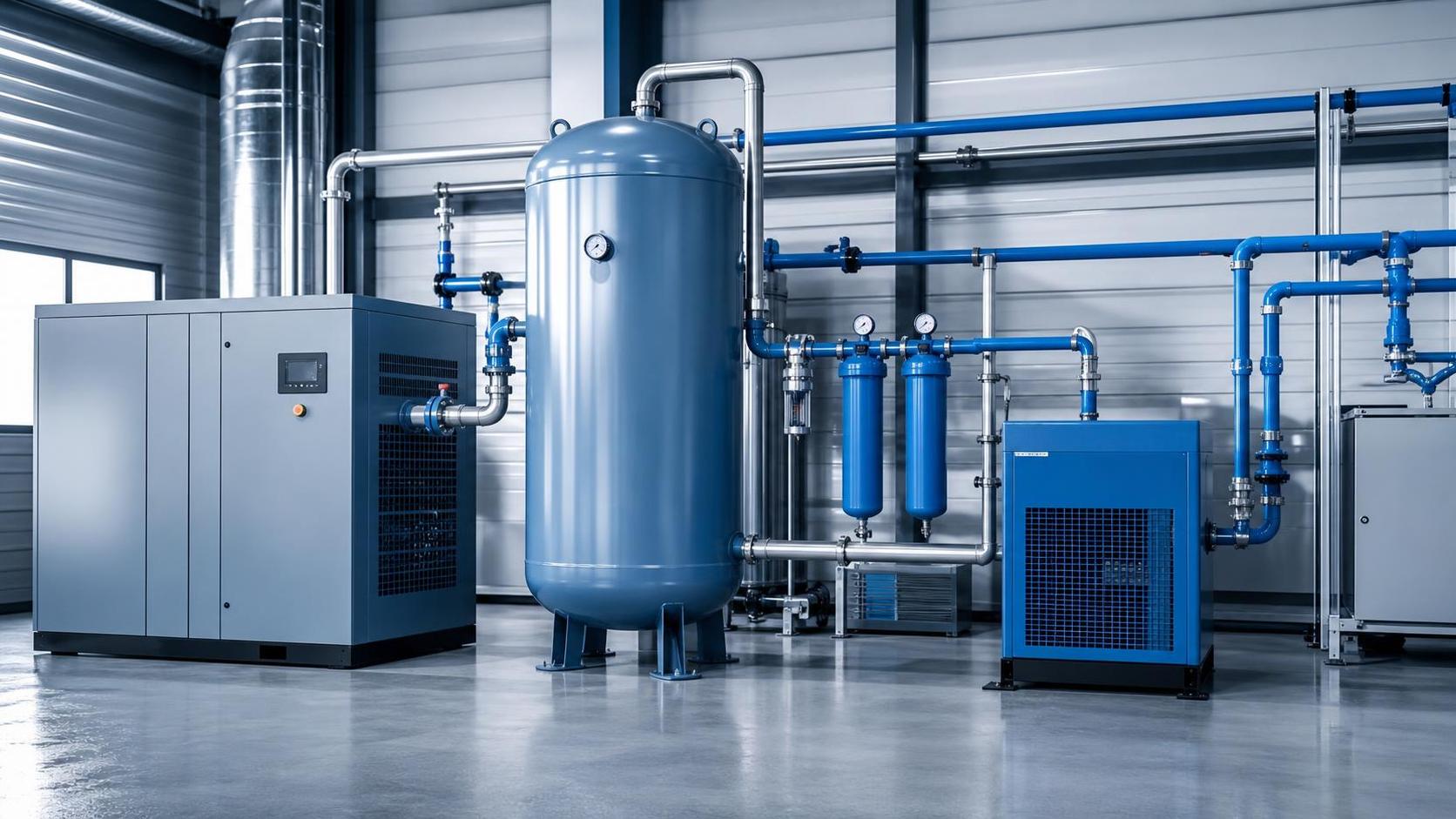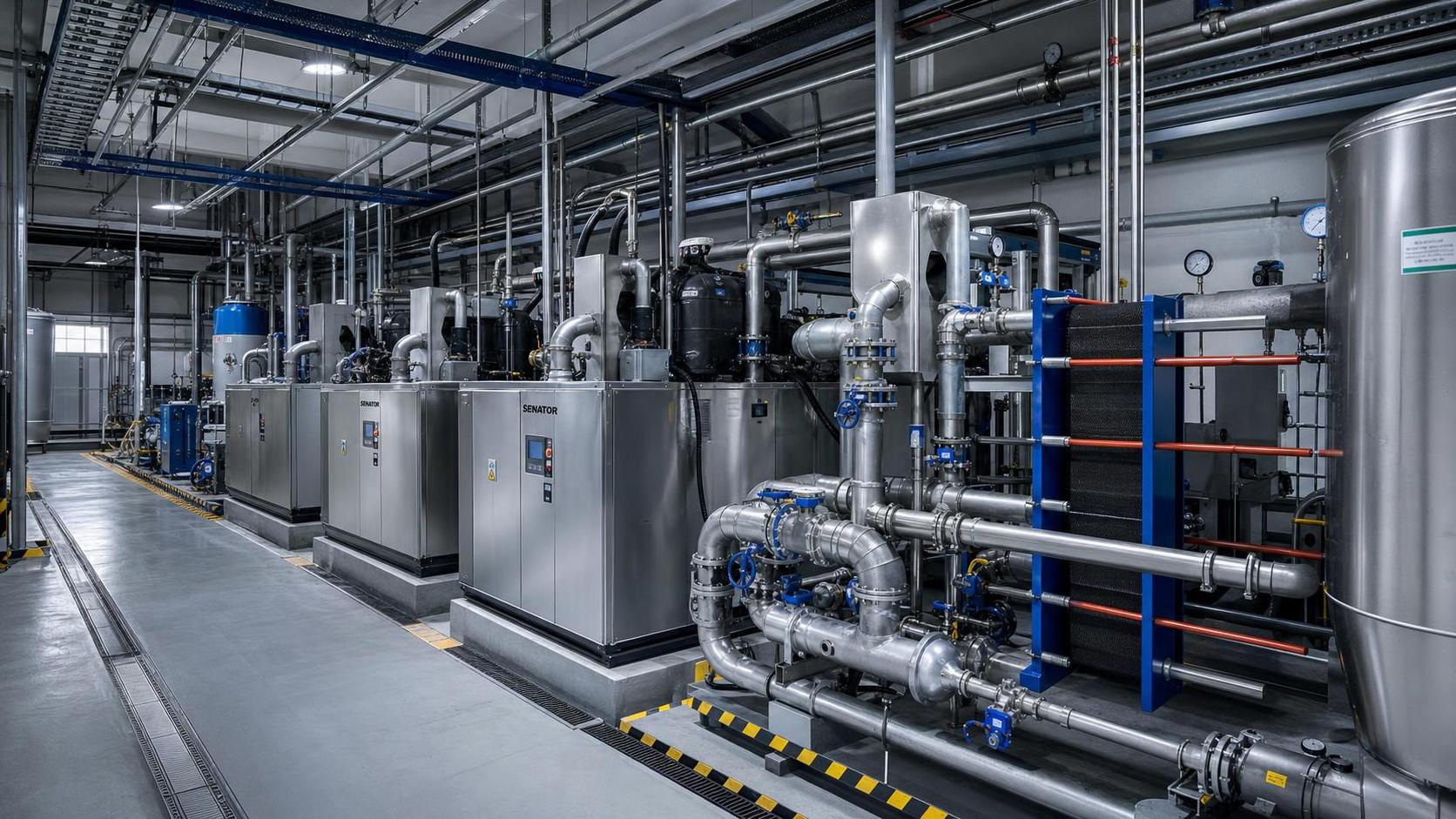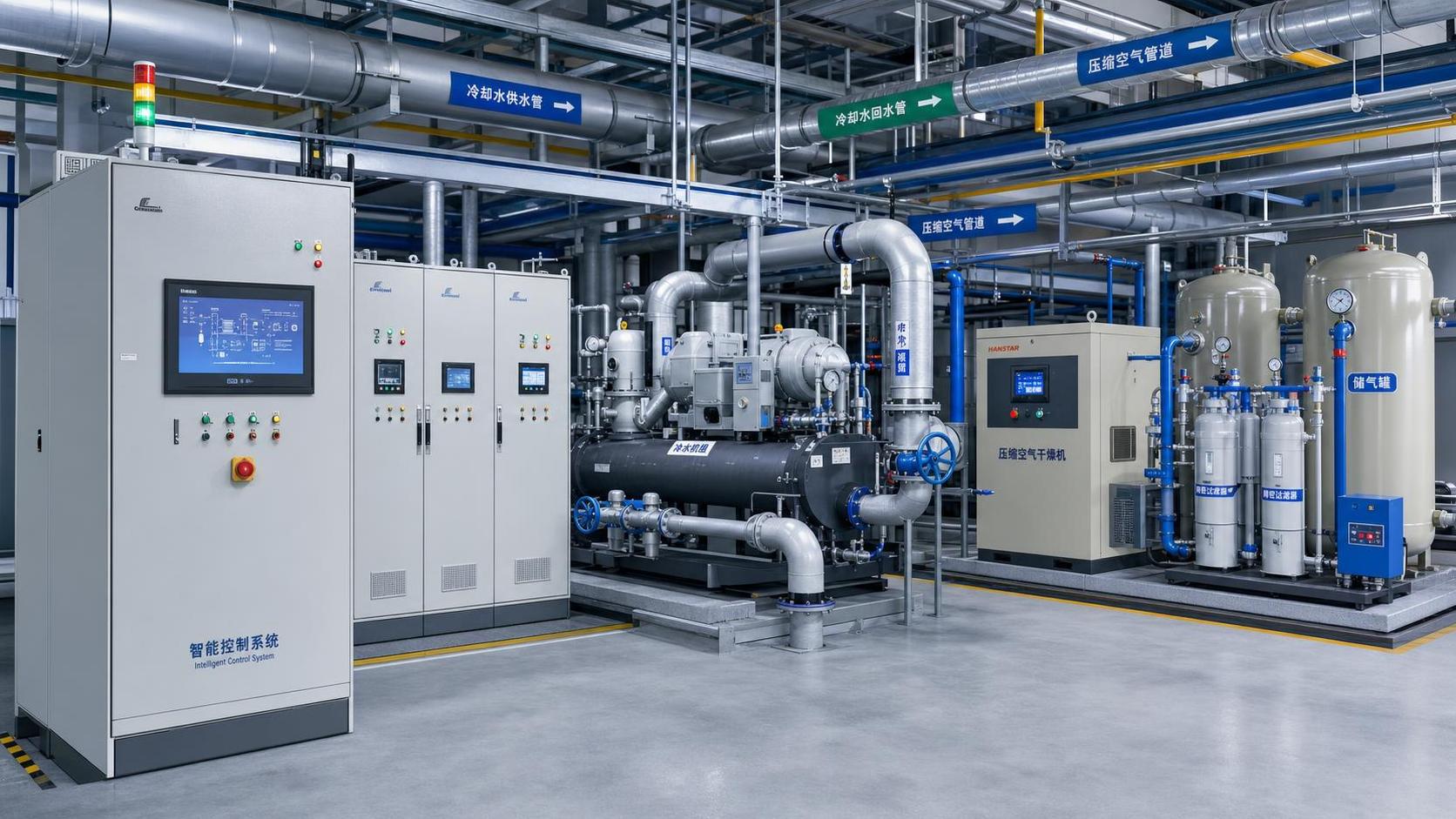








For industrial facilities in the Middle East, effective filtration starts with matching dust characteristics and equipment requirements, then controlling pressure loss throughout the maintenance cycle.
Heavy dust and extreme heat make filtration a reliability decision. The best system balances particle capture, operating resistance, service access, and protection during dust storms.
When evaluating air filtration systems Middle East projects require, compare documented performance under representative conditions. An efficiency rating alone cannot establish suitability for your site.
What must your filtration system protect?
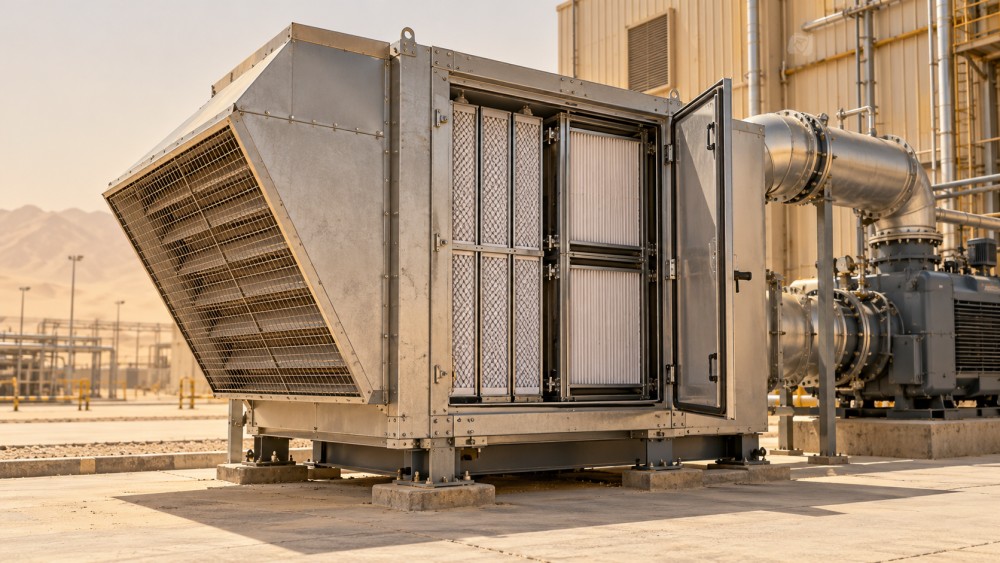
Begin by identifying the protected asset and its failure mechanisms. Compressor intakes, cooling coils, and process ventilation systems need different levels of cleanliness and resistance.
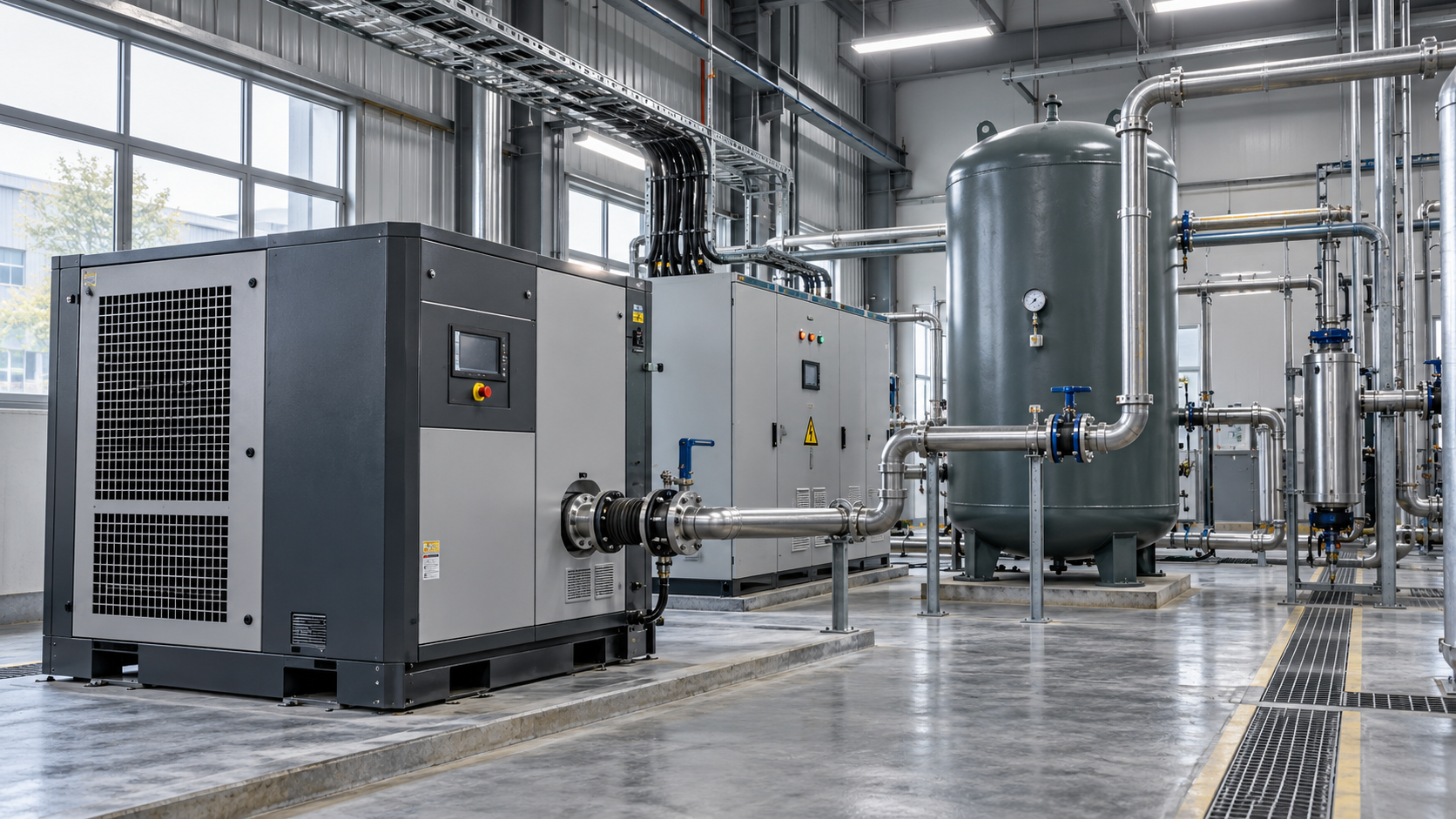
A compressor intake filter protects internal components from abrasive contamination. Its allowable restriction must follow the compressor manufacturer's requirements across the expected operating airflow range.
Cooling equipment needs protection against deposits that obstruct airflow and reduce heat transfer. Filter resistance must remain compatible with available fan capacity and thermal duty.
Process supply ventilation may prioritize product cleanliness or room pressure. Local exhaust systems must instead capture contaminants at their source and safely handle collected material.
These duties should not automatically share one filter specification. A cartridge dust collector and a ventilation filter bank solve different problems, despite both removing particles.
Define acceptable downstream contamination, maximum operating restriction, required availability, and maintenance access before reviewing products. These limits become the basis for a defensible technical comparison.
Also distinguish atmospheric dust protection from worker exposure control. Equipment intake filtration does not demonstrate that a workplace meets applicable occupational exposure limits for respirable dust.
Which site conditions should drive the specification?
Regional location provides context, but nearby activities often determine actual loading. Construction, quarrying, bulk material handling, traffic, and prevailing winds can materially change intake conditions.
Measure particle size distribution and dust concentration near the proposed intake. Record sampling duration and operating conditions, including whether measurements represent routine weather or storm events.
Coarse sand can justify an inertial separator, while fine mineral particles require effective downstream media. Selecting only for visible sand can leave damaging contamination uncontrolled.
Characterize moisture, salt, oil mist, and particle abrasiveness where relevant. Coastal aerosols and humid conditions can change dust behavior, promote corrosion, and accelerate filter blockage.
Request ambient and intake temperature ranges, including solar exposure. Media, adhesives, gaskets, instruments, and housing coatings must all tolerate the conditions they actually experience continuously.
Do not assume the hottest hour represents every design challenge. Humid mornings, condensation during shutdown, and seasonal storms can create different filtration and drainage problems.
Where measurements are incomplete, state assumptions explicitly and require a pilot installation or conservative operating allowance. Uncertainty should appear in the specification and commercial evaluation.
How many filtration stages are justified?
A staged arrangement often suits heavy atmospheric dust, but each additional stage adds resistance and maintenance. Specify stages according to the measured particle distribution and protection target.
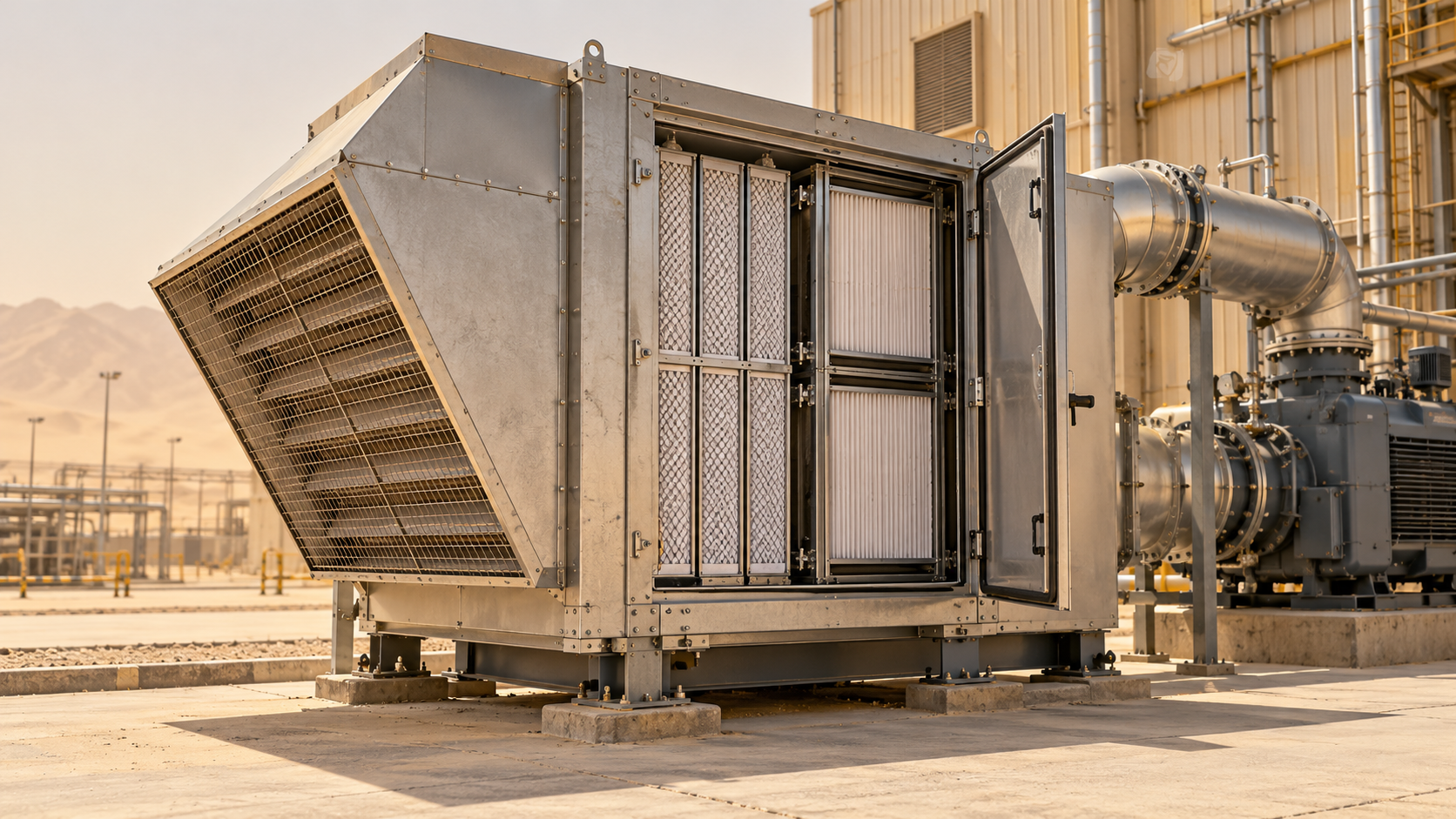
Weather protection should limit rain entry and direct sand impingement without starving airflow. Intake location, hood geometry, drainage, and separation from local dust sources matter.
Inertial or cyclonic precleaners can remove part of the coarse fraction before media filtration. Their effectiveness depends on particle properties, airflow, and the specific separator design.
Ask suppliers for separation efficiency across particle sizes and operating flows. A single overall removal percentage can conceal weak performance against the particles threatening your equipment.
A replaceable prefilter may protect the final stage when its replacement cost and added resistance are justified. Confirm that maintenance access supports the expected replacement frequency.
The final filter should meet the asset's cleanliness requirement at a practical operating resistance. Higher capture efficiency is valuable only when the complete system remains functional.
Pulse cleaning deserves separate evaluation where loading makes disposable filters impractical. Assess media compatibility, cleaning effectiveness, compressed air quality, valve reliability, and safe dust discharge.
Sticky, damp, or oily contamination may resist pulse cleaning. Require evidence for the actual dust rather than accepting claims based solely on dry laboratory test material.
Which performance data should suppliers provide?
Request efficiency, pressure drop, and loading data at the proposed airflow. Comparisons become unreliable when suppliers quote different face velocities, element sizes, or test conditions.
ISO 16890 classifications can support comparisons for general ventilation filters. They do not independently prove suitability for compressor intakes, turbine applications, or specialized dust collection.
Use application specific standards where appropriate, such as ISO 29461 for applicable turbomachinery intake systems. Confirm the relevant part, test method, and current project requirements.
If HEPA performance is required, specify the relevant classification and testing framework, such as EN 1822 or ISO 29463. Avoid adding HEPA without a defined need.
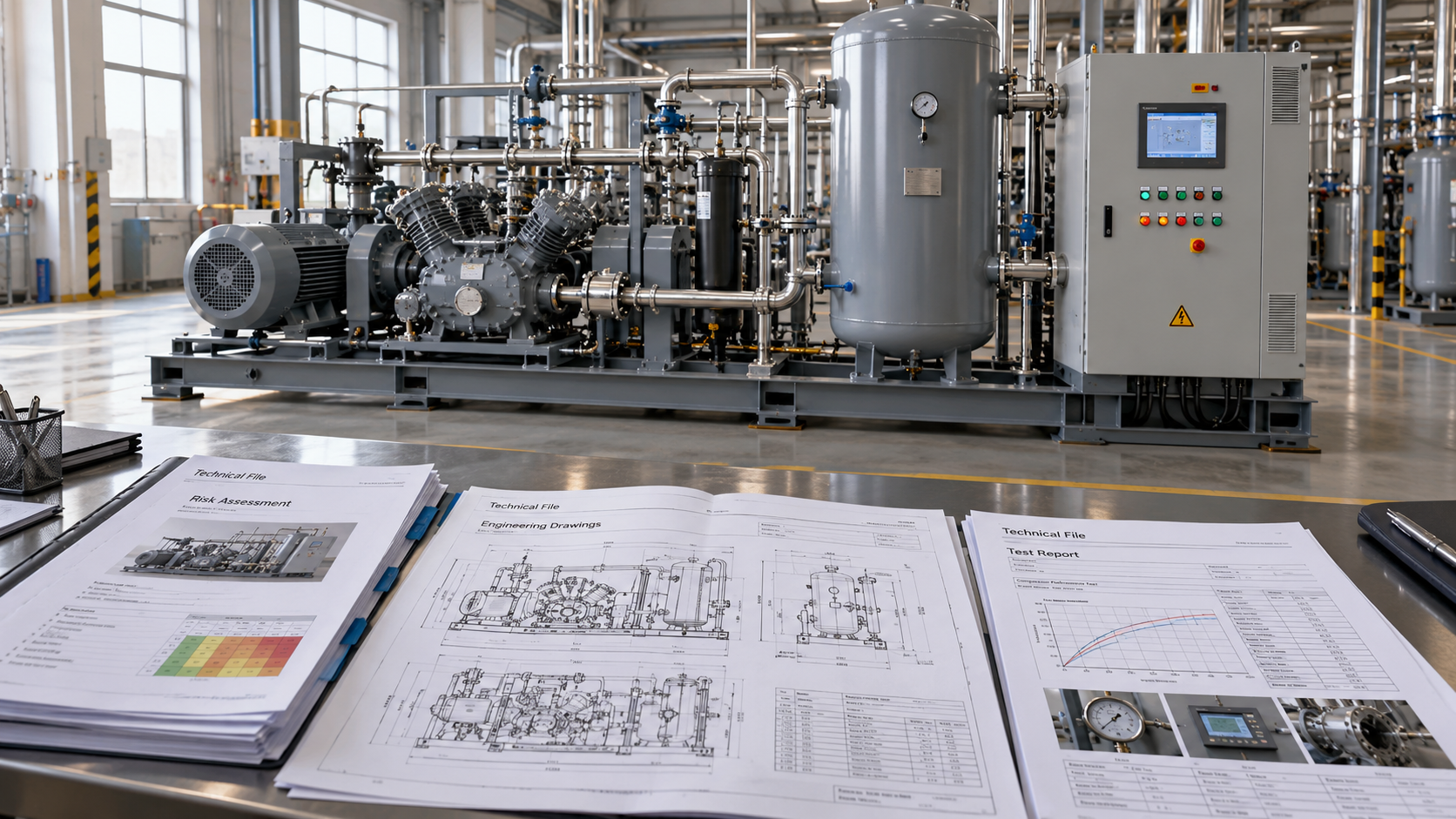
Ask for the complete test report, identifying the tested element, airflow, conditioning procedure, dust type, and termination criterion. Marketing summaries rarely provide enough comparison detail.
Evaluate fractional efficiency wherever available, especially around particle sizes critical to the protected process. Mass based efficiency can look impressive when coarse particles dominate loading.
Dust holding capacity is meaningful only alongside its test conditions and final resistance. A larger reported capacity does not automatically translate into longer field service.
Inspect housing integrity, gasket compression, door seals, and installation tolerances. Even excellent filter media cannot compensate for untreated air bypassing poorly sealed elements or access panels.
How do pressure drop and energy affect lifecycle cost?
Compare complete system resistance, including weather protection, separators, clean filters, loaded filters, ductwork, and fittings. Identify the maximum permissible restriction for the connected equipment package.
For fan systems maintaining constant airflow, approximate additional electrical power as airflow multiplied by added pressure drop, divided by the combined fan and drive efficiency.
At 10 cubic metres per second, an additional 150 pascals requires approximately 2.3 kilowatts if combined efficiency is 65 percent and airflow remains constant throughout.
Across 8,000 operating hours, that represents roughly 18,500 kilowatt hours. Multiply by the site's electricity tariff to estimate the annual cost of that additional resistance.
This example does not predict every installation. Fixed speed fans may deliver less airflow as resistance rises, affecting cooling or ventilation instead of maintaining flow.
Compressor intake restriction requires an equipment specific assessment. Ask the manufacturer to quantify effects on delivered capacity, power consumption, and permitted operating limits before approval.
Evaluate average resistance over the replacement cycle, rather than clean resistance alone. Include elements, labor, disposal, cleaning air, and production interruption in the lifecycle comparison.
A larger filter bank may reduce face velocity and extend service intervals, but its value depends on footprint, airflow distribution, capital cost, and actual loading.
Will the installation remain serviceable during dust storms?
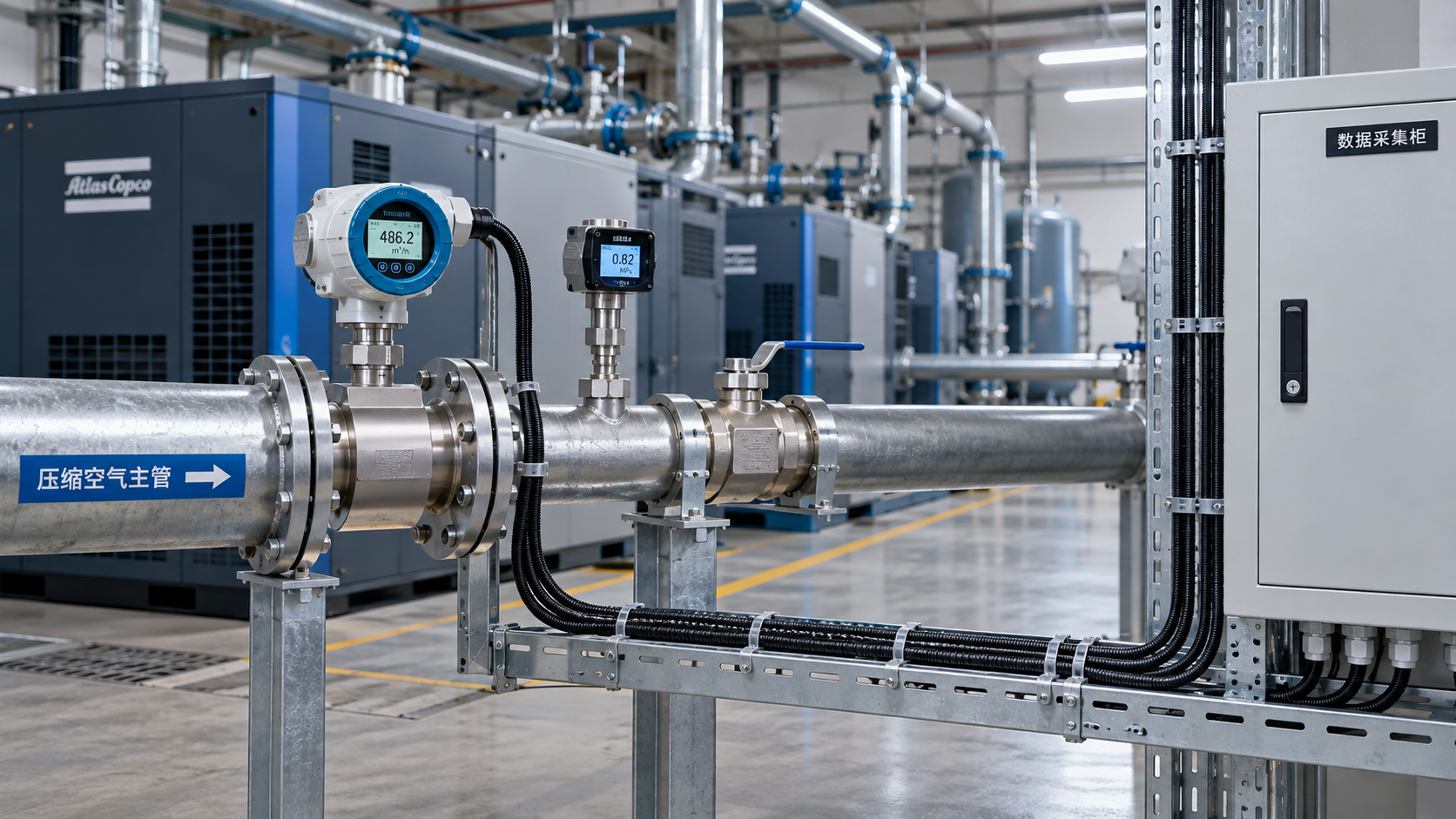
Specify differential pressure monitoring across individual stages where practical. A single total reading can hide whether blockage originates in the prefilter, final filter, or separator.
Set warning and replacement thresholds using manufacturer limits and the protected asset's operating requirements. Include an action plan for rapid loading during severe dust events.
A sudden pressure decrease also deserves investigation. It can indicate reduced airflow, a damaged element, a failed seal, or another change requiring inspection before continued operation.
For critical services, consider maintainable parallel sections or approved redundancy. Confirm isolation arrangements and available capacity before assuming filters can be changed while equipment operates.
Maintenance teams need safe access, lifting space, clear element identification, and nearby replacement stock. A technically suitable filter can become impractical when routine servicing is difficult.
Dust removal arrangements must prevent collected material from returning to the intake. Check hopper discharge, waste containment, cleaning procedures, and exposure controls for maintenance personnel.
Where combustible dust is present, conduct the required hazard assessment and specify suitable protection. Regional desert dust should not be used to characterize process generated material.
How should technical evaluators compare bids and validate performance?
Issue one common duty specification so bidders address the same airflow, environment, protection target, and resistance limits. Require deviations to be identified clearly within submissions.
Apply mandatory technical limits before scoring commercial advantages. A low purchase price cannot compensate for exceeding allowable intake restriction or failing the required downstream cleanliness.
During commissioning, verify airflow, baseline differential pressure, installed seals, drainage, instrument operation, and alarm settings. Record the equipment operating state so later comparisons remain meaningful.
Use a field trial when loading behavior remains uncertain. Track operating hours, weather, pressure trends, maintenance interventions, and downstream condition across representative site operating conditions.
Agree acceptance criteria before the trial starts, including maximum resistance, protection performance, and servicing requirements. Define how unusual storms or incomplete seasonal coverage affect interpretation.
Use the results to revise replacement intervals and spare stock levels. Supplier service life estimates should remain provisional until supported by representative operating records locally.
Choose a system around verified operating limits
The strongest selection connects site dust measurements, application specific capture requirements, acceptable resistance, and practical maintenance. Each requirement should have evidence and an acceptance criterion.
For Middle Eastern industrial sites, staged filtration often provides useful protection, but configuration should follow local conditions. More stages or higher efficiency alone cannot establish value.
Approve the option that protects the asset throughout its operating cycle at an acceptable total cost, with documented limits and maintenance arrangements the facility can sustain.