How an industrial product knowledge comparison guide reduces sourcing risk




Buying industrial equipment is rarely a matter of finding the lowest quoted price. In cooling, compressed air, vacuum, heat exchange, and thermal process systems, a technically acceptable product can still become a costly purchase if it does not match the operating profile, utility conditions, maintenance capability, compliance requirements, or future production plans of the site.
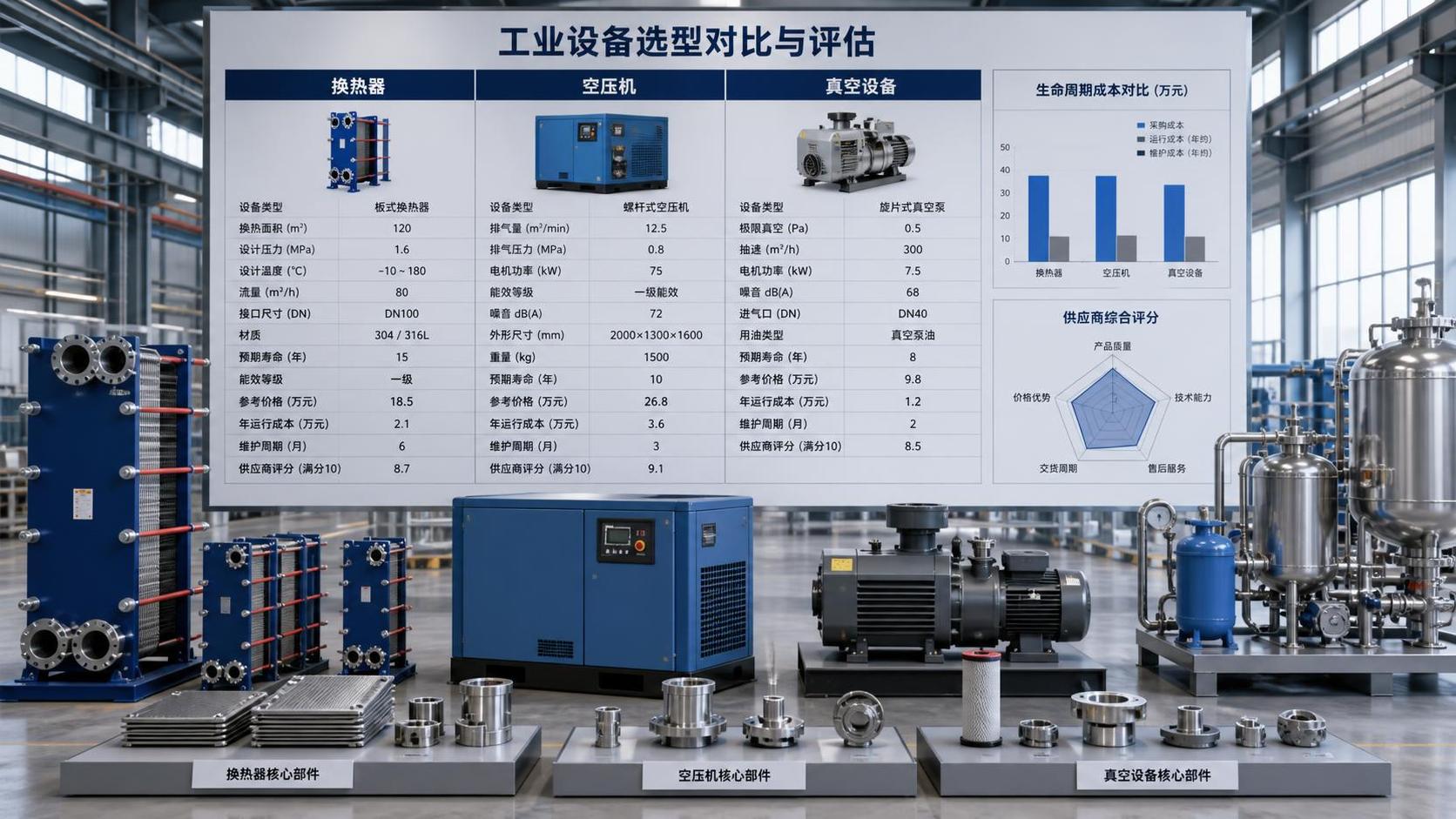
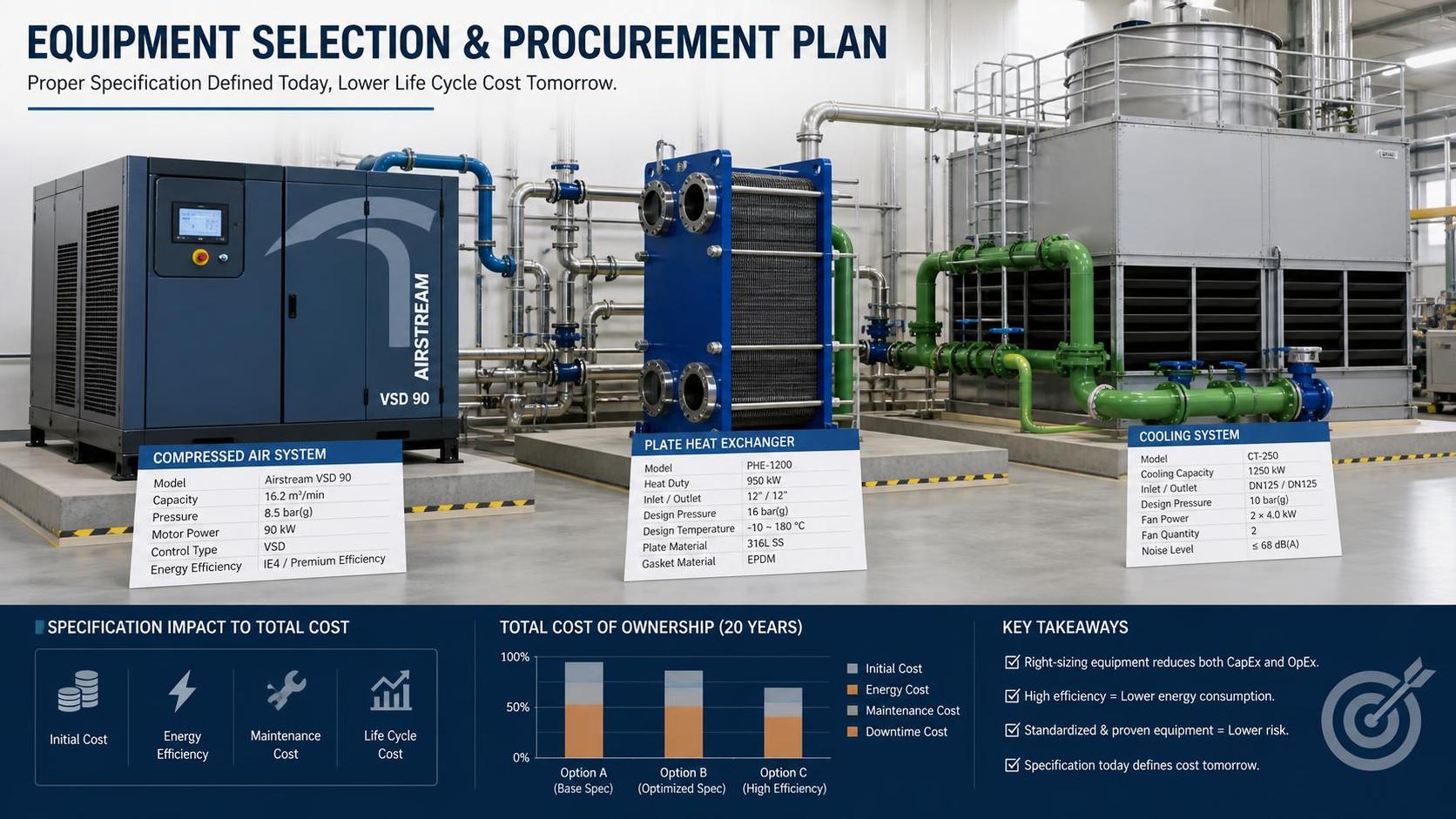
That is where an industrial product knowledge comparison guide becomes more than a catalog tool. Done properly, it gives a sourcing team a way to compare unlike proposals on a common decision basis: not just capacity against capacity, but duty point against duty point, energy use against actual annual operation, supplier promises against evidence, and initial cost against the likely cost of ownership.
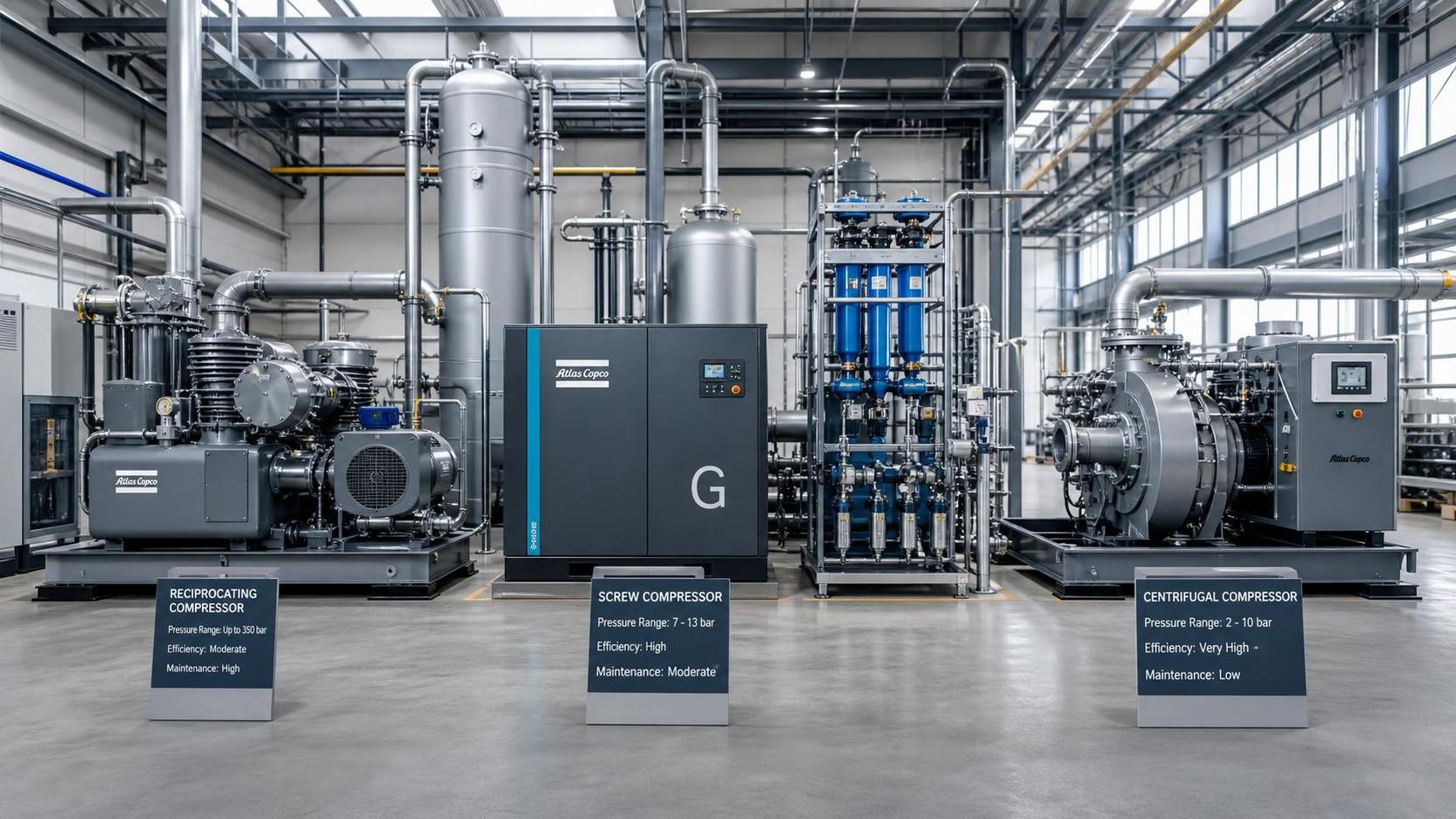
The distinction matters because industrial systems often fail at the interfaces. A chiller may meet its nominal cooling capacity but perform poorly in high ambient conditions. A compressor may offer an attractive efficiency figure at full load while spending most of its working life in an inefficient part-load range. A vacuum package may be reliable in a clean test environment yet suffer rapid wear when exposed to vapor, dust, or condensable process gases. These are sourcing risks, not merely engineering details.
Why specifications alone do not create a fair comparison
Many procurement comparisons begin with a spreadsheet: supplier name, model, quoted price, delivery time, warranty, and a few headline parameters. This is useful, but it is not enough for equipment whose real value depends on thermodynamic performance and operating conditions.
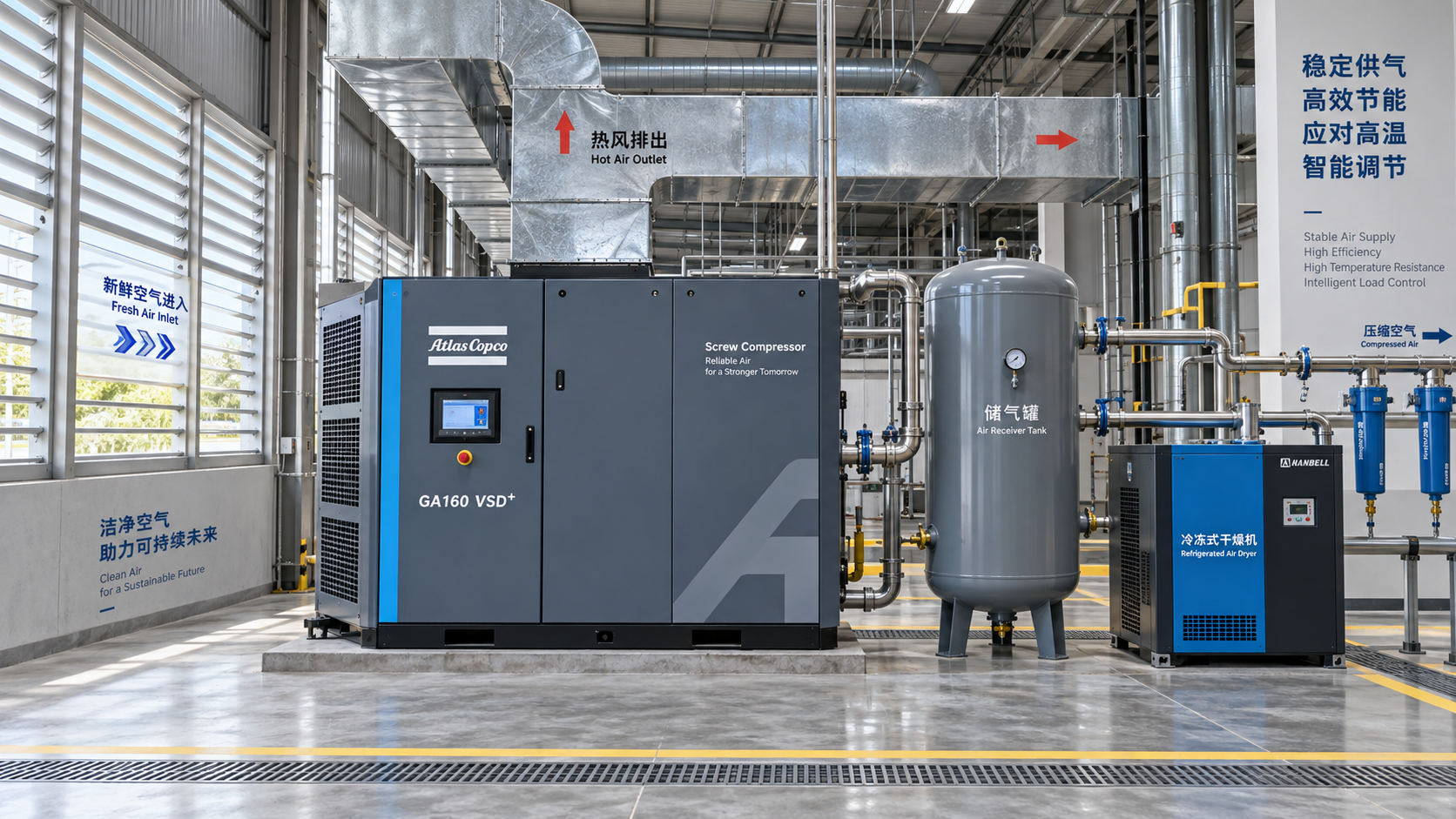
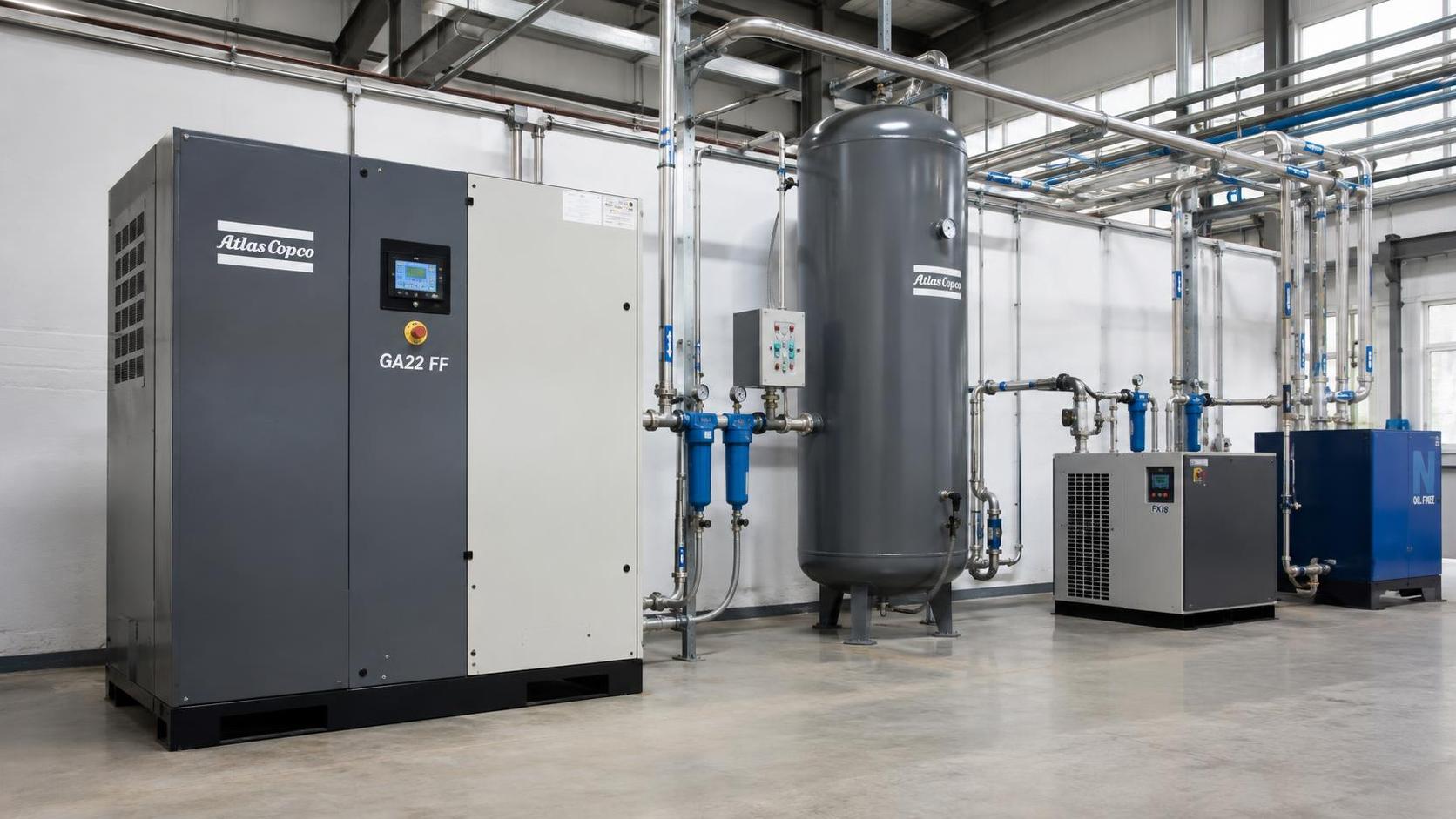
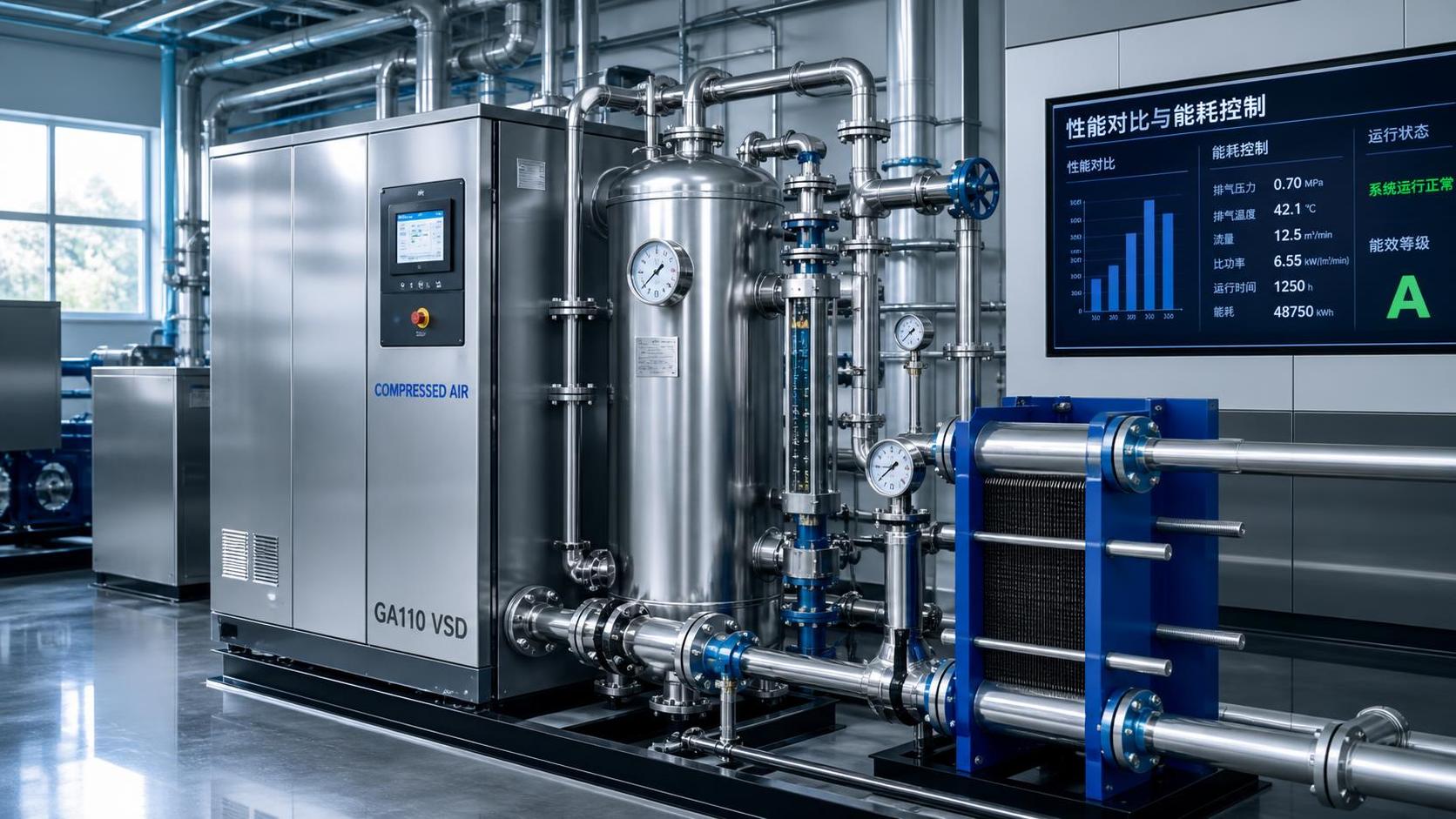
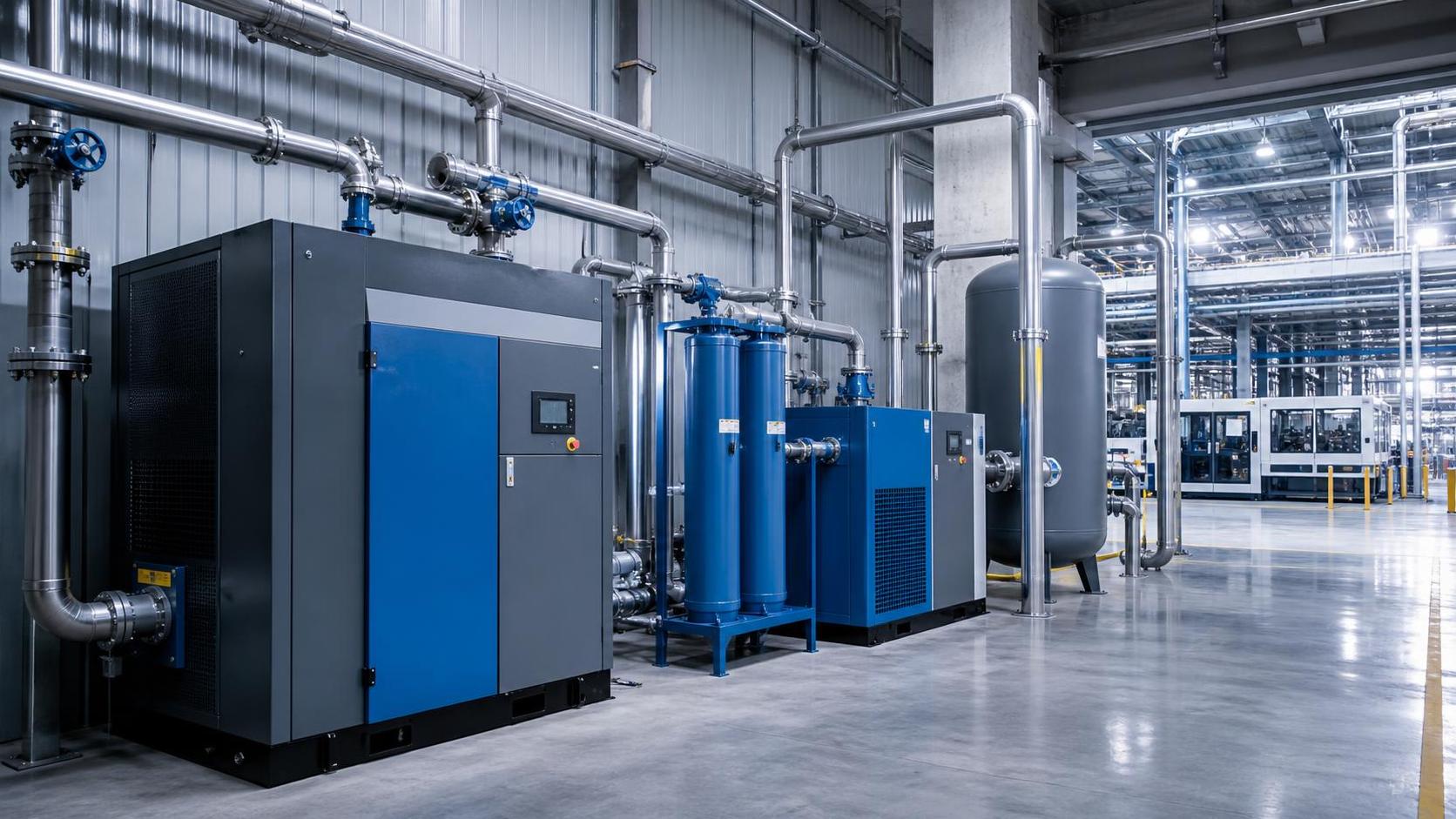
Take compressed air as an example. Comparing two machines only by rated power and free air delivery can be misleading unless the quotation states the reference conditions, discharge pressure, control method, air quality requirements, and expected load pattern. A unit selected for a steady base load may be a poor fit for a line with frequent demand swings. Conversely, an oversized variable-speed machine can appear flexible but may add unnecessary capital cost and complexity where a properly sized fixed-speed base-load unit would be more economical.
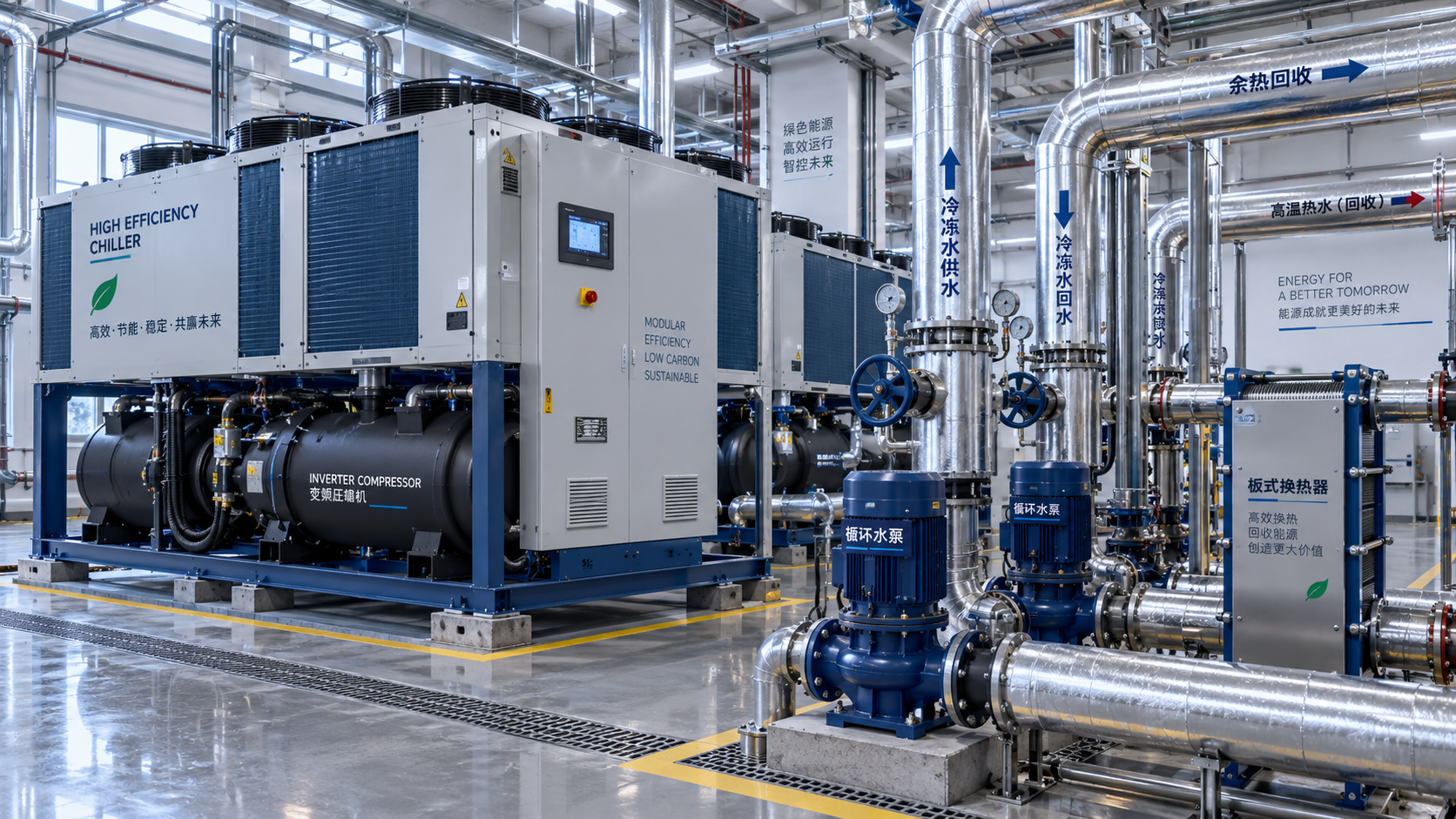
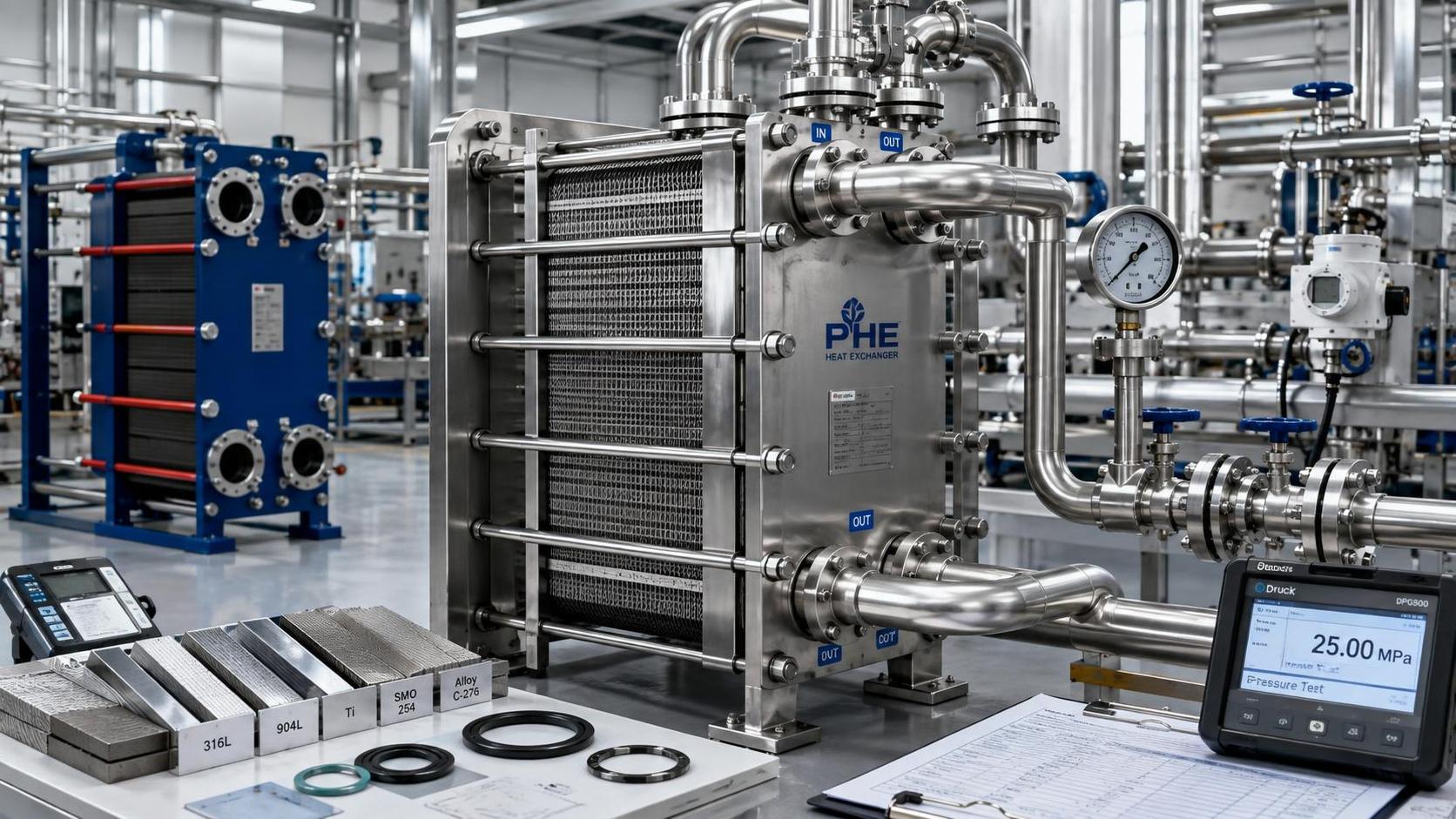
The same pattern appears in heat exchangers. Two units may offer the same stated duty, yet differ materially in allowable pressure drop, fouling tolerance, cleanability, materials of construction, inspection access, and replacement lead time. In a food or pharmaceutical environment, gasket compatibility, hygienic design, drainability, and documentation may outweigh a small difference in purchase price. In a corrosive process, material selection should never be treated as a minor upgrade line in a quotation.
A good comparison guide therefore separates claimed performance from usable performance under the project conditions. It asks what the supplier has assumed, what has been excluded, and which operating limits may affect the final result.
Start with the duty profile, not the product category
The safest sourcing process begins before model selection. The team needs a concise but disciplined description of the real duty: required output, inlet and outlet conditions, seasonal variation, operating hours, utility constraints, control philosophy, process sensitivity, installation environment, and foreseeable expansion.
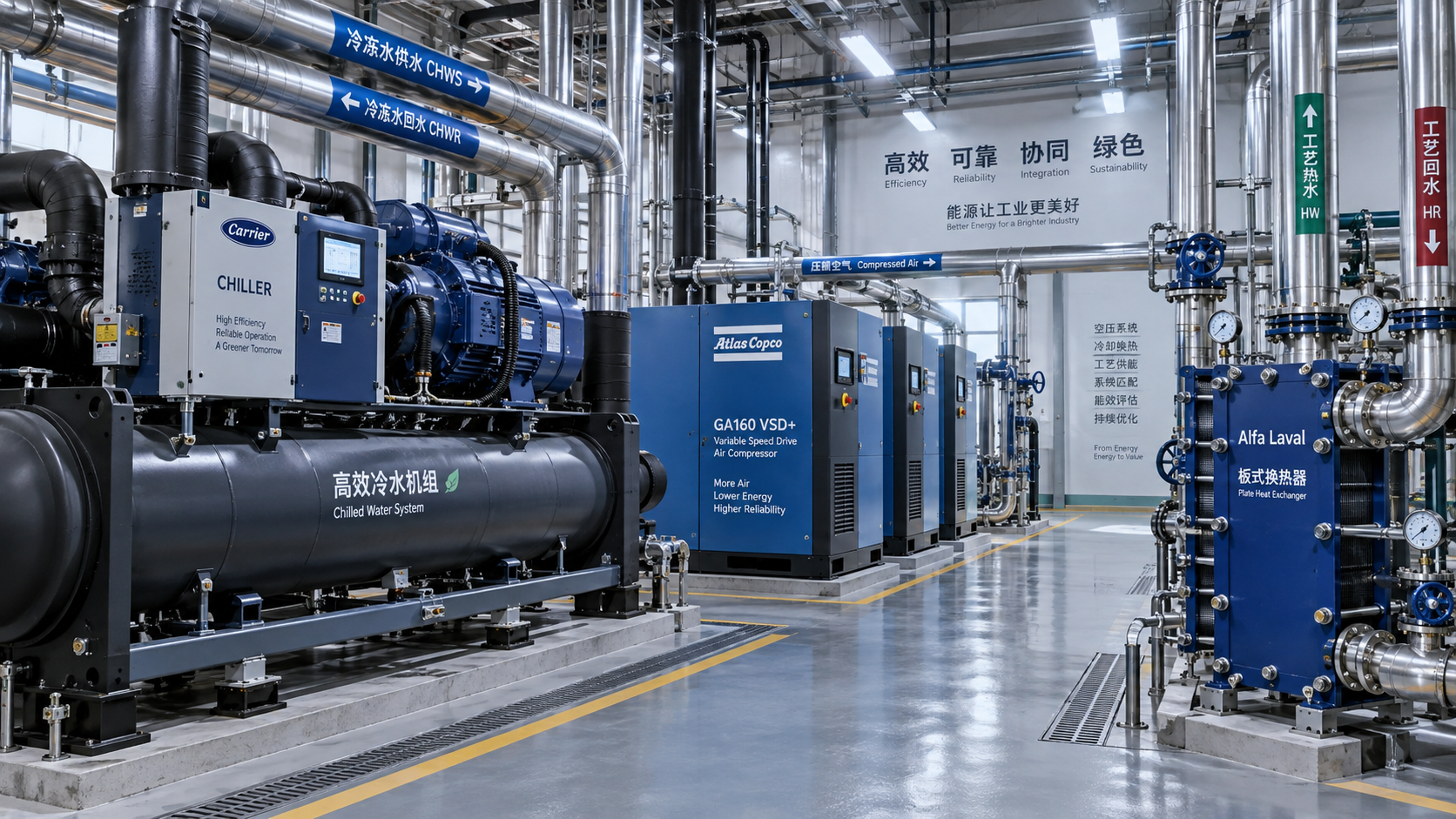
This sounds basic, but gaps are common. A request for “a 500 kW chiller,” for instance, does not reveal whether the stated capacity applies at the relevant entering water temperature, leaving water temperature, ambient condition, refrigerant configuration, and fouling allowance. It also does not indicate whether the process can tolerate temperature drift during peak days, whether redundant capacity is required, or whether water availability will constrain the choice between air-cooled and water-cooled arrangements.
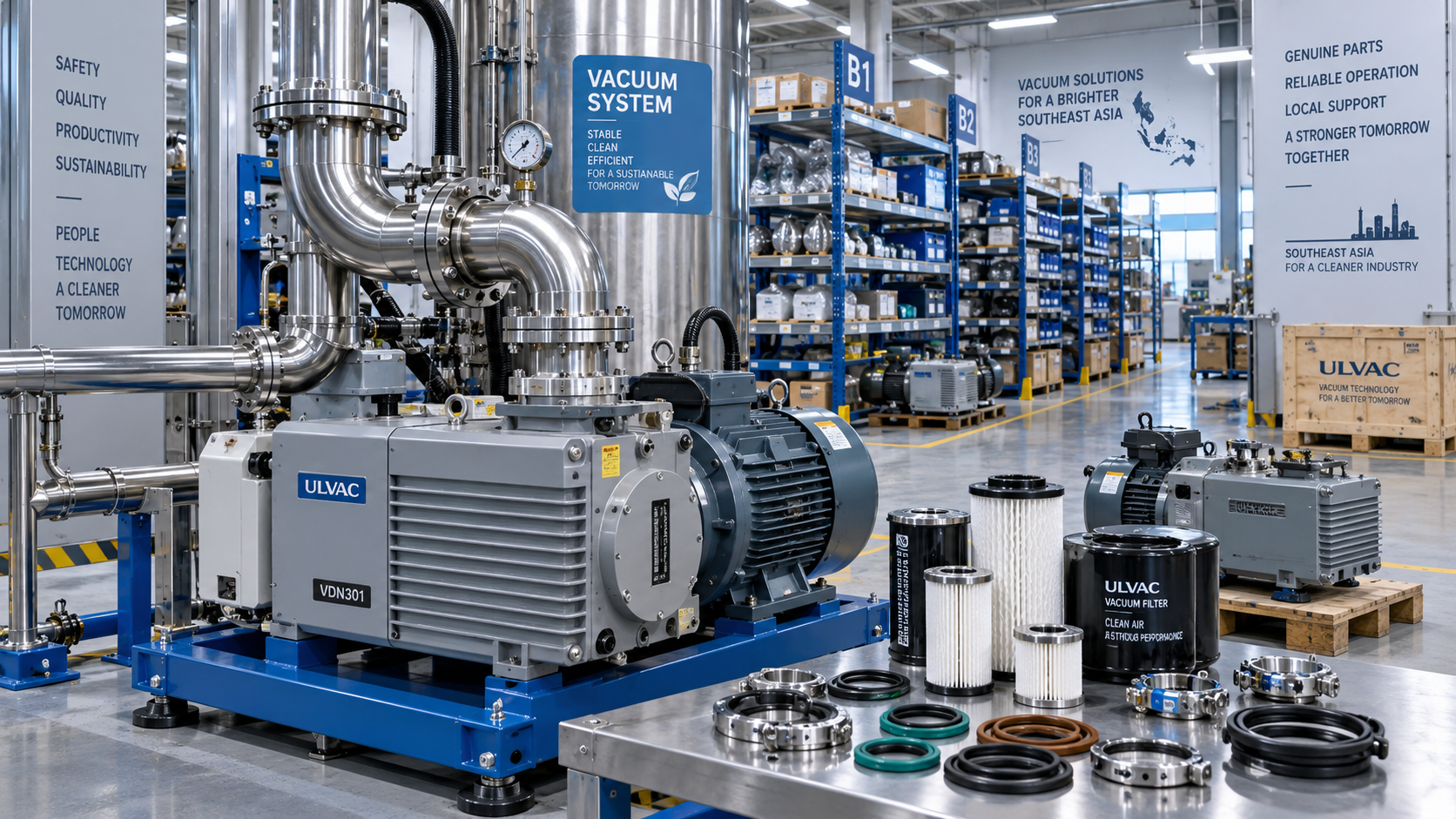
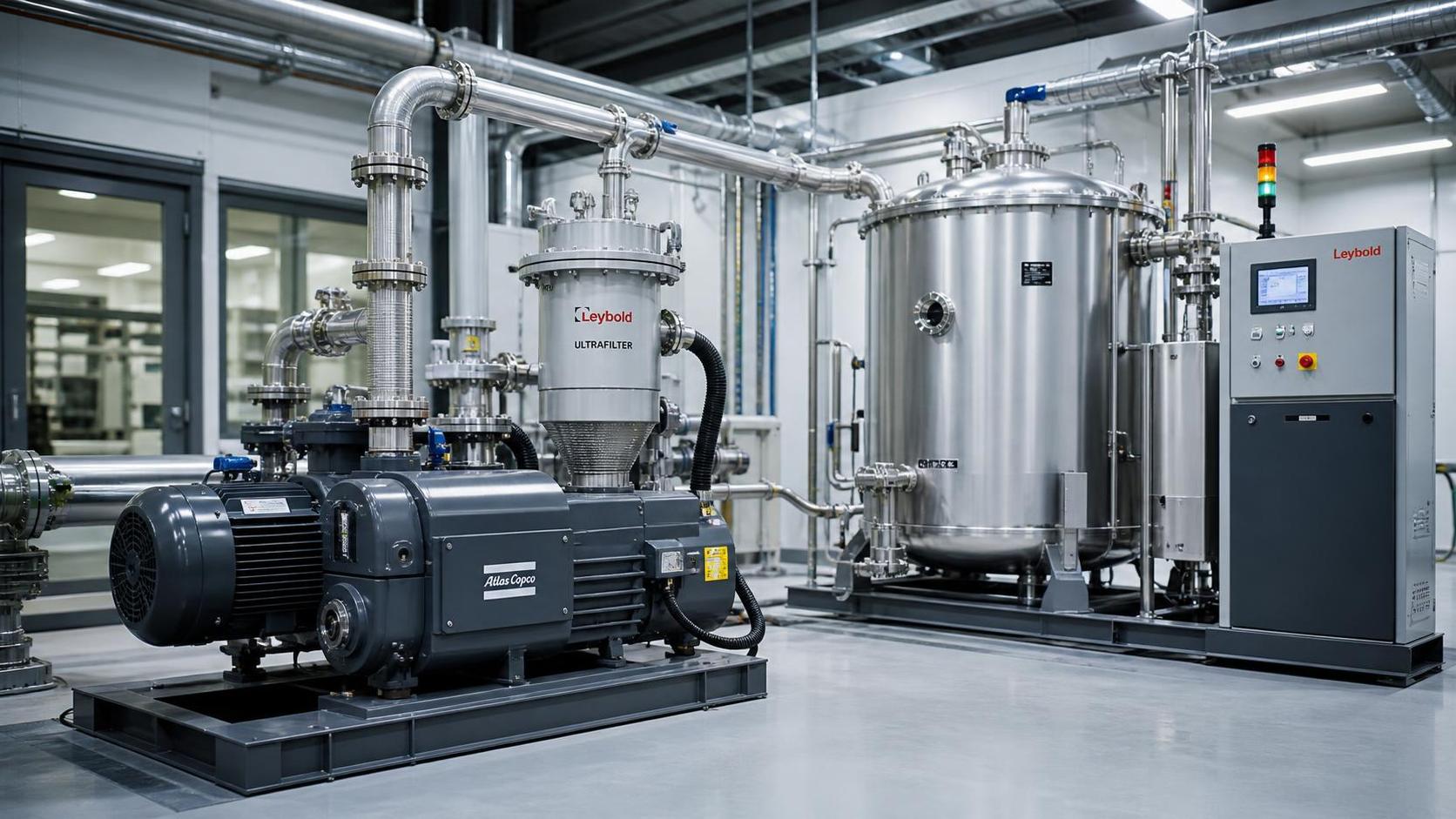
For vacuum systems, the duty profile should include gas composition, vapor load, particulates, target pressure, evacuation time, leak assumptions, and cleaning intervals. A nominal pumping speed alone does not describe how the system will behave once the process begins. A sourcing decision made without this context often shifts risk downstream to installation, commissioning, or operations.
One practical habit is to mark every input as one of three types: confirmed site data, engineering assumption, or supplier assumption. This simple discipline makes uncertainty visible. It also prevents a supplier from being penalized or rewarded merely because its proposal interpreted an incomplete request differently.
Build a comparison around the risks that actually cost money
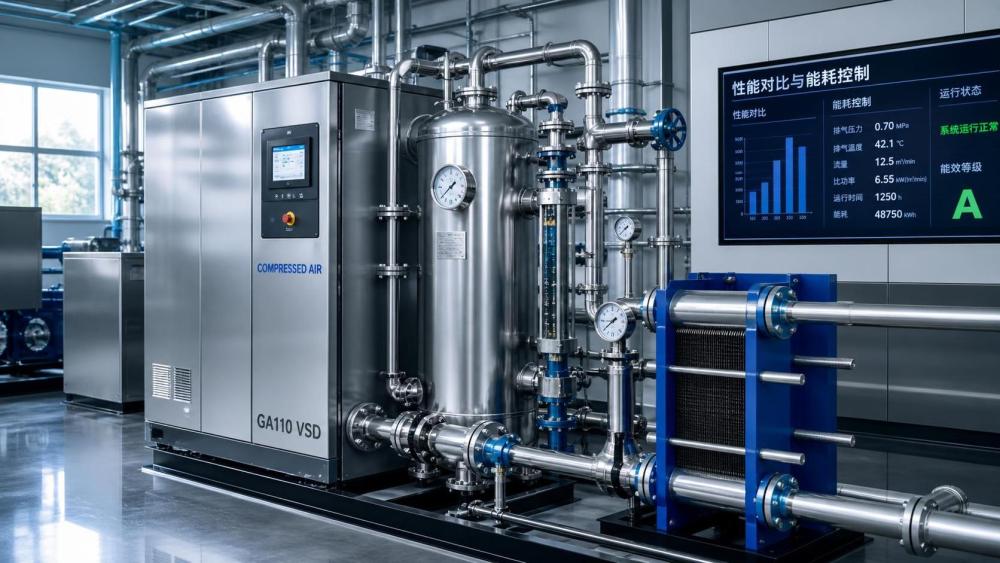
An industrial product knowledge comparison guide should not attempt to score every available feature. It should focus attention on the items that can alter cost, uptime, compliance, or delivery certainty. The weighting will vary by site, but the following areas usually deserve a clear side-by-side review.
The goal is not to make every purchase slow or bureaucratic. It is to identify where a small clarification before award can prevent a large operational problem after startup. For a non-critical utility pump, the guide may be brief. For a clean compressed-air system feeding a sensitive production area, it should be considerably deeper.
Energy comparison needs an operating story
Energy claims are among the easiest parts of an industrial quotation to misunderstand. Suppliers may present high-efficiency components, but a plant pays for the behavior of the complete system: compressor, dryer, cooling circuit, fans, pumps, controls, pressure losses, standby arrangements, and sometimes poor distribution design.
A useful guide asks suppliers to state where performance values apply and whether auxiliary loads are included. It also records the likely annual operating pattern rather than assuming continuous full-load operation. A refrigeration system serving a variable process load, for example, should be assessed across the temperature and load conditions it will actually see. If performance information cannot be aligned to the expected profile, the procurement team should treat comparisons cautiously rather than force a false precision.
There is also a strategic question: does the chosen technology leave room for better energy management later? Oil-free compression, microchannel heat exchange, advanced controls, heat recovery, and lower-impact refrigerant choices can be relevant, but none should be adopted simply because it is fashionable. The decision depends on plant conditions, maintenance maturity, local regulations, energy pricing, and the consequences of downtime. A technically advanced design with no practical support path may be the wrong choice for a remote operation.
Supplier evaluation should test evidence, not presentation quality
Industrial sourcing teams are often shown polished brochures, broad product ranges, and impressive performance language. Those materials are useful background, but procurement risk is reduced by asking for project-specific evidence. Can the supplier clearly define the battery limits? Are exclusions visible? Is the proposed configuration traceable to the stated duty? Are recommended spare parts separated into commissioning spares, operating spares, and long-lead contingency items?
Documentation deserves more attention than it usually receives. A system can be mechanically sound but still create delays if wiring diagrams, operating manuals, control narratives, inspection records, or material information arrive late or do not match the delivered equipment. For cross-border projects, the guide should also capture language requirements, import responsibilities, packaging expectations, and the realistic route for field service. Delivery terms alone do not answer these questions.
It is wise to distinguish supplier capability from supplier availability. A manufacturer may have strong engineering resources but limited capacity for rapid technical response in a particular region. Another may offer dependable local service but rely on a longer supply chain for critical proprietary parts. Neither situation automatically disqualifies a bidder; each simply carries a different risk that should be priced, planned, or mitigated.
Where market intelligence improves the comparison
A purchasing guide becomes stronger when it is informed by market context rather than isolated quotations. Changes in energy costs, refrigerant availability, component lead times, environmental requirements, and process-industry investment can alter the practical value of an equipment choice. These are not abstract trends when a project will operate for years.
This is the space in which specialist intelligence platforms can be useful. GTC-Matrix follows industrial cooling, compressed air, vacuum processes, heat exchange technologies, and the wider relationship between thermal systems and compression power. Its focus on thermodynamic analysis, pneumatic engineering, and commercial conditions reflects a reality that sourcing teams know well: purchasing decisions are rarely confined to the equipment datasheet.
For example, technology shifts in oil-free compression or heat-exchanger design may affect maintenance expectations and operating philosophy. Developments around refrigerants can change the long-term suitability of a cooling solution. Demand patterns in semiconductor, pharmaceutical, and food production can influence the importance of precise temperature control, contamination management, documentation, and supply continuity. Intelligence is valuable when it helps frame the right questions—not when it substitutes for site-specific engineering review.
Avoid the false comfort of a single total-cost number
Lifecycle cost should be part of a major equipment decision, but it should not be presented as a perfectly certain number. Electricity tariffs may change. Production hours may differ from forecasts. Maintenance practices vary between facilities. The honest approach is to show the assumptions behind the comparison and test the result under more than one operating scenario.
A practical review might compare expected cost under normal utilization, lower utilization, and extended operating hours. It can also separate predictable expenses, such as routine service items, from harder-to-price risks, such as an extended outage caused by a specialized replacement component. This does not eliminate uncertainty. It makes uncertainty discussable before the purchase order is issued.
The lowest capital price may still be the right decision when the duty is simple, the equipment is standardized, and replacement is easy. The higher-priced option may be justified when process interruption is expensive, energy exposure is significant, or regulatory and quality requirements leave little margin for error. What matters is that the choice is deliberate.
Turn comparison into a decision record
The most useful industrial product knowledge comparison guide does not end when a supplier is selected. It becomes a decision record for engineering, operations, finance, and maintenance. It should explain why the chosen solution was preferred, which assumptions remain open, what performance needs verification during commissioning, and what spares or training should be secured before handover.
That record is especially valuable when people change roles, when a site expands, or when a future buyer asks why a certain design philosophy was adopted. It also creates a better feedback loop: after equipment has operated through real seasons and production cycles, the original assumptions can be reviewed and improved for the next purchase.
In industrial thermal and compression systems, sourcing risk is usually hidden in the details that were never compared. A disciplined guide brings those details into view early enough to act on them. That is the real benefit: fewer surprises after delivery, clearer accountability between parties, and a purchasing decision that remains defensible when the equipment is finally working under real plant conditions.
Ready when you are. Send us a message to get started.
Related News
- How to select industrial equipment for automation with existing PLCsAuthor :

- How electricity prices shape industrial compressed air price trendsAuthor :

- Choosing air filtration systems for heavy dust in the Middle EastAuthor :

- How much does a fully installed compressed air monitoring system cost?Author :

- What documentation supports CE marking for industrial equipment?Author :

- How local support affects vacuum system costs in Southeast AsiaAuthor :

- How worldwide industry category guides help compare market opportunitiesAuthor :

- What drives sustainable thermal systems cost over their operating life?Author :

- Which industrial solution comparison criteria prevent project delays?Author :

- How Ambient Temperature and Load Profile Affect Industrial Compressor SizingAuthor :

- What to evaluate before choosing a thermal process engineering supplierAuthor :

- How industrial utility systems affect energy costs in process plantsAuthor :

- What Data Is Needed to Assess Heat Recovery Decarbonization?Author :

- Can Waste Heat Recovery Support Carbon Neutrality Targets?Author :

- Is Compressor Heat Recovery Worth the Installation Cost?Author :

- What to verify before choosing a process separation technology supplierAuthor :

- When does process utilities engineering reduce project rework?Author :

- Where thermal efficiency optimization delivers the fastest savings in EuropeAuthor :

- What should you verify before selecting a heat transfer supplier?Author :

- What drives compressed air systems price for industrial projects?Author :

- How an industrial product knowledge comparison guide reduces sourcing riskAuthor :

- When does a procurement specification planning process reduce bid risk?Author :

- When does thermal system optimization for electronics reduce failure risk?Author :

- When high temperature process heating systems justify the higher energy costAuthor :

- How to compare sludge dewatering equipment by cake drynessAuthor :

- What to Check Before Sourcing a Gas Turbine for Distributed Power ProjectsAuthor :

- What drives industrial thermal systems price in large facility projectsAuthor :

- How to build an industrial product comparison chart that speeds up vendor selectionAuthor :

- Vacuum Technology Application Guide for Selecting the Right SystemAuthor :

- What Drives Vacuum Drying Cost in Industrial Procurement?Author :

- What Drives Compressed Air Pricing in Industrial Systems?Author :

- How Procurement Specification Planning Shapes Total Project CostAuthor :

- Compression Technology Guide: How to Compare Efficiency, Pressure Range, and Maintenance NeedsAuthor :

- How to Compare Industrial Separators by Throughput, Purity, and Maintenance LoadAuthor :

- How to Size a Compressed Air Equipment Receiver Tank for Stable PressureAuthor :

- Industrial Equipment Selection Guide: How to Compare Capacity, Duty Cycle, and Operating CostAuthor :