When does process utilities engineering reduce project rework?




When Does Process Utilities Engineering Reduce Project Rework?
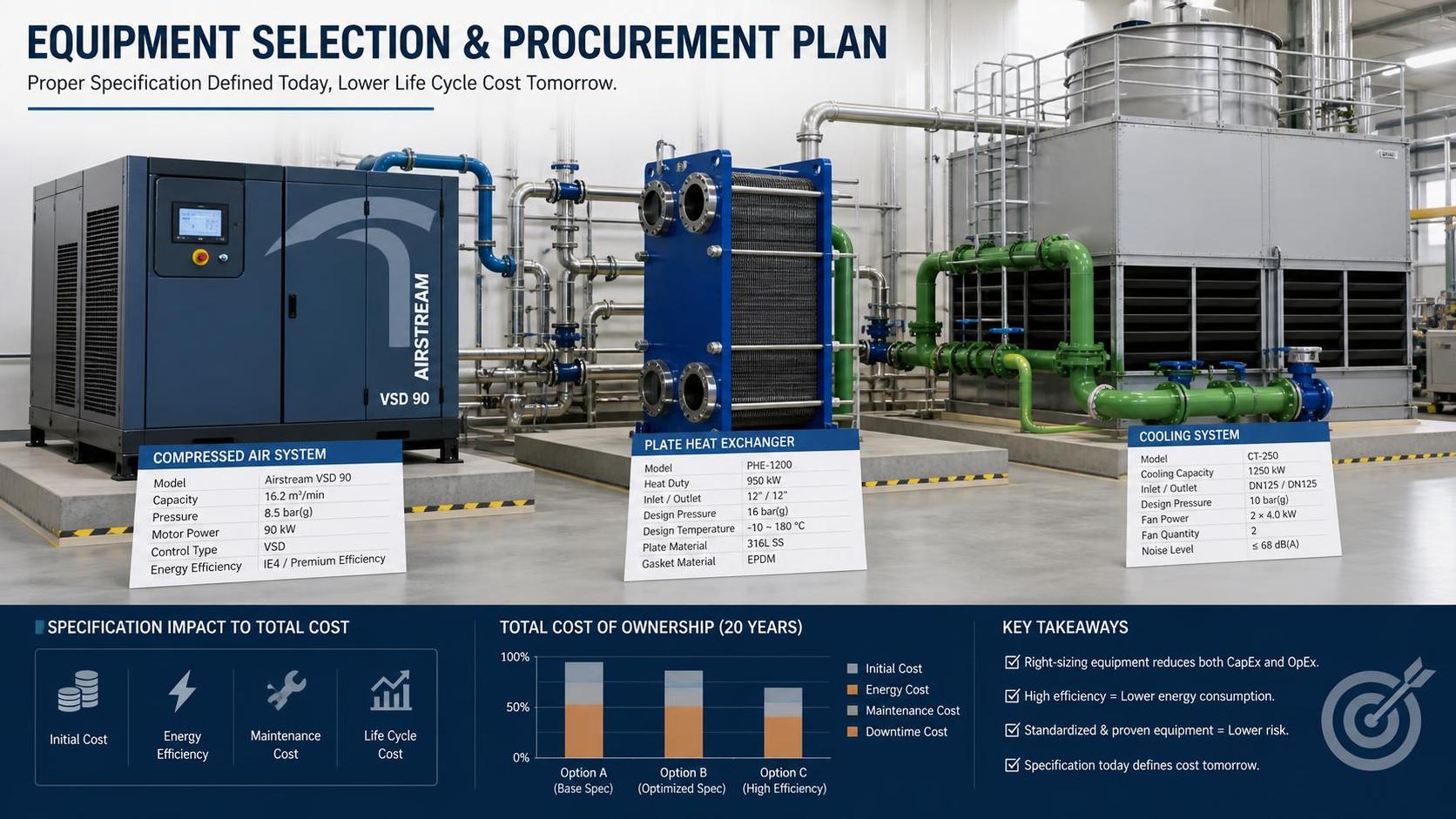
Process utilities engineering reduces project rework when it is treated as a design input before the plant layout, procurement package, and construction sequence become difficult to change. That sounds obvious, yet utilities are still often handled as supporting infrastructure: something to size after production equipment is selected, or something that can be “worked out on site.” In projects involving industrial cooling, compressed air, vacuum, process water, heat recovery, steam, or thermal oil, that approach usually transfers uncertainty downstream rather than removing it.
For a project manager, the practical question is not whether utilities matter. It is when engineering effort produces a measurable reduction in late design changes, installation conflicts, commissioning delays, and operating compromises. The answer is: when the utility system is developed early enough to influence decisions that are expensive to reverse, but with enough real operating information to avoid designing around assumptions that will not survive startup.
The best utility designs do not simply deliver air, cooling, heat, or vacuum at a nameplate flow rate. They define the quality, pressure, temperature, continuity, control response, maintainability, and future capacity required by the process. That distinction is where rework is either prevented or quietly built into the job.
Rework starts when “utility demand” is only a single number
A utility load schedule may show that a facility needs a certain volume of compressed air or a certain amount of chilled-water capacity. Useful as that is, it rarely tells the full project story. Is the air demand continuous or intermittent? Do several users peak at the same time? Is air quality critical at every point of use, or only in a clean production area? Can a cooling loop tolerate a gradual temperature rise during high ambient conditions? Does vacuum performance depend on line length, leakage control, or contamination from the process?
These questions determine equipment arrangement, pipe routing, storage volume, redundancy philosophy, filtration, control logic, and electrical demand. If they are deferred, the design team may select technically adequate equipment that later proves difficult to install or operate. A compressor might fit the calculated duty but leave no room for service access. A chiller may meet capacity at one condition while the actual process needs tighter supply-temperature stability. A central vacuum system can look efficient on paper, then suffer performance losses because branch lines were routed too long or because the assumed leakage rate was never verified.
This is why process utilities engineering should begin with a demand profile rather than a bare capacity total. The profile should record normal, peak, startup, shutdown, upset, and future operating conditions. It should also identify which demand assumptions are confirmed and which remain provisional. That last point matters: a transparent uncertainty register is far safer than a polished load sheet that implies false precision.
The earlier the interface is resolved, the less expensive the correction
Utilities sit at the intersection of process engineering, mechanical design, electrical distribution, civil works, controls, maintenance, and environmental requirements. Most costly changes occur at these interfaces. A utility engineer may know the cooling duty, but the final configuration also depends on roof loading, equipment lifting routes, drainage, noise limits, water treatment provisions, cable paths, local climate, and the site’s available electrical supply. None of those decisions belongs to one discipline alone.
The right moment for cross-discipline coordination is before equipment foundations are issued for construction and before major packages are released for purchase. Once a compressor room footprint, pipe rack elevation, or utility corridor is fixed, even a modest late change can trigger structural revisions, rerouting, revised cable lengths, fire protection adjustments, and new installation sequencing. The equipment change may be small; the project consequence often is not.
A useful working rule is that utilities should be reviewed at every design decision that affects space, energy source, heat rejection, condensate or blowdown handling, access, and controls. This does not require endless meetings. It requires the right people reviewing the right information before drawings harden into commitments.
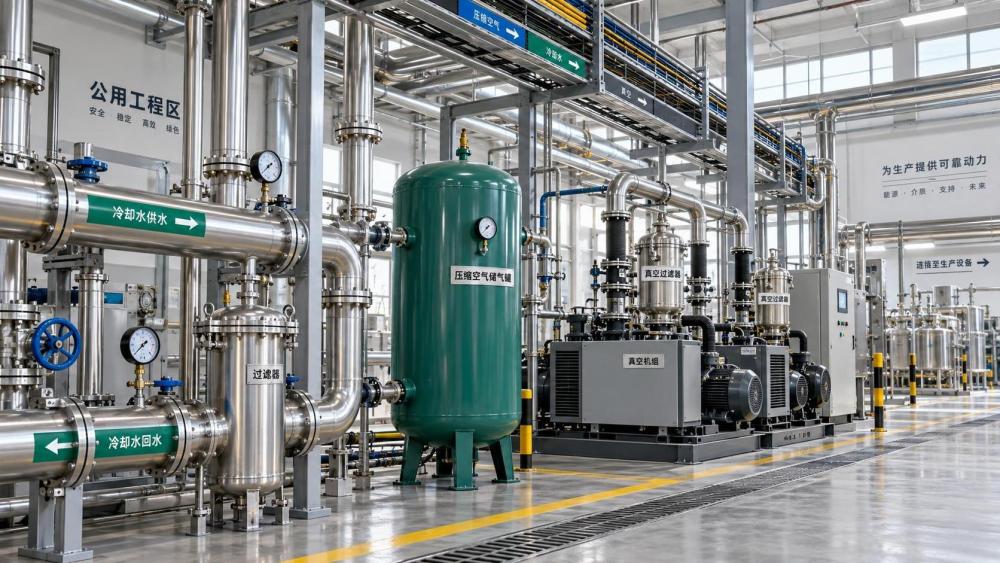
Four decision gates where utilities engineering prevents avoidable changes
Not every project needs the same level of engineering detail at the same time. What matters is that the utility system passes a few practical decision gates before the team moves to the next stage.
The common failure is moving through these gates with drawings but without decisions. A line diagram may exist, for example, while nobody has agreed whether one compressor can be maintained without interrupting a critical production line. Or a cooling system may be specified before the team has determined whether heat recovery is operationally useful, merely technically possible, or likely to create unnecessary control complexity.
Cooling, compressed air, and vacuum need different kinds of discipline
Industrial cooling projects frequently run into rework because heat loads evolve as process equipment is finalized. The response should not automatically be to add excess capacity. More useful questions are whether loads can be diversified, whether separate temperature levels are needed, whether a process loop must be isolated from a utility loop, and whether seasonal operating conditions change the preferred heat-rejection strategy. A facility with low-temperature process cooling and less demanding general cooling may benefit from separate loops; in other cases, separation adds pumps, controls, and maintenance without solving a real problem. The answer depends on load quality, not on a standard diagram.
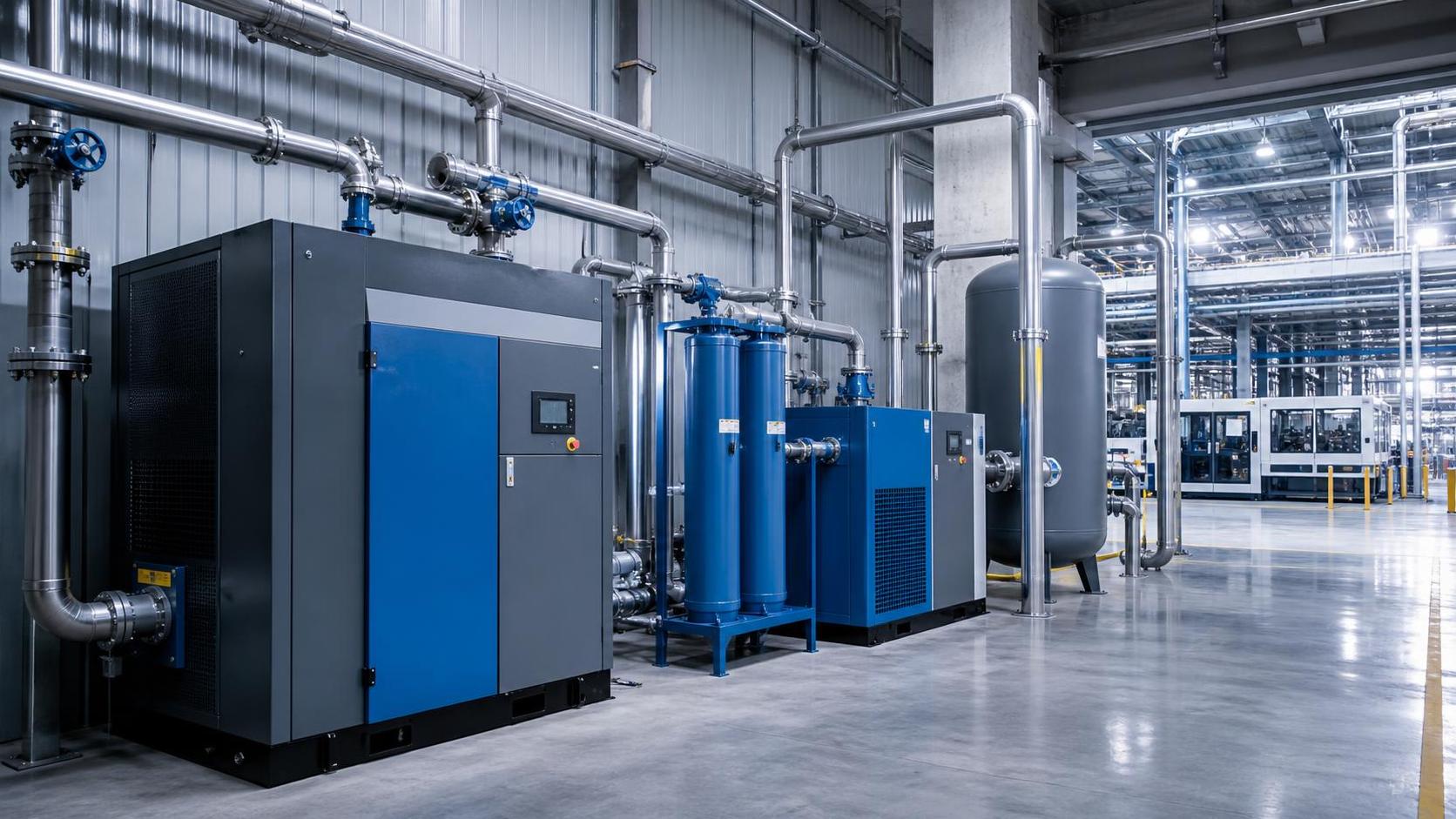
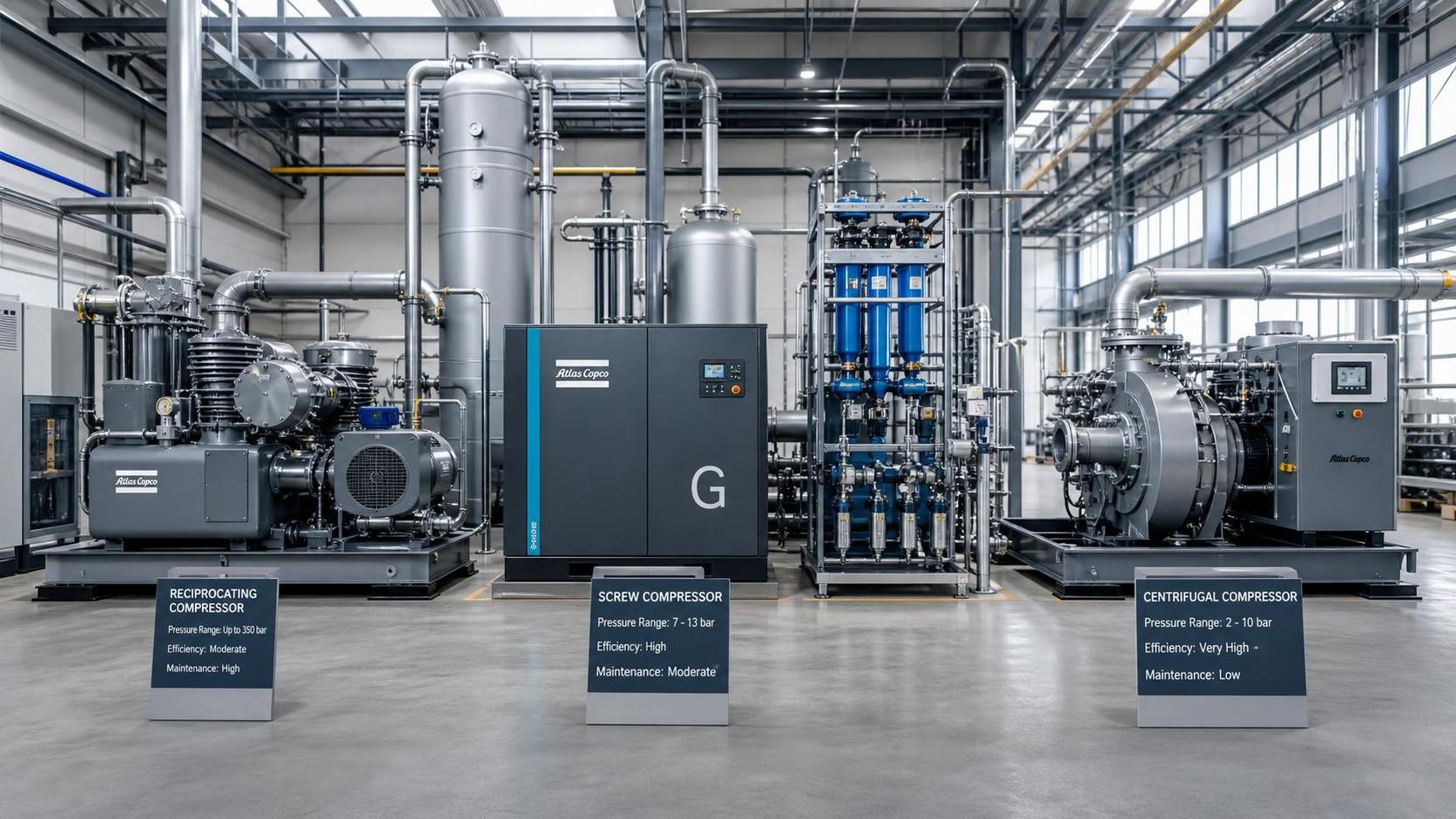
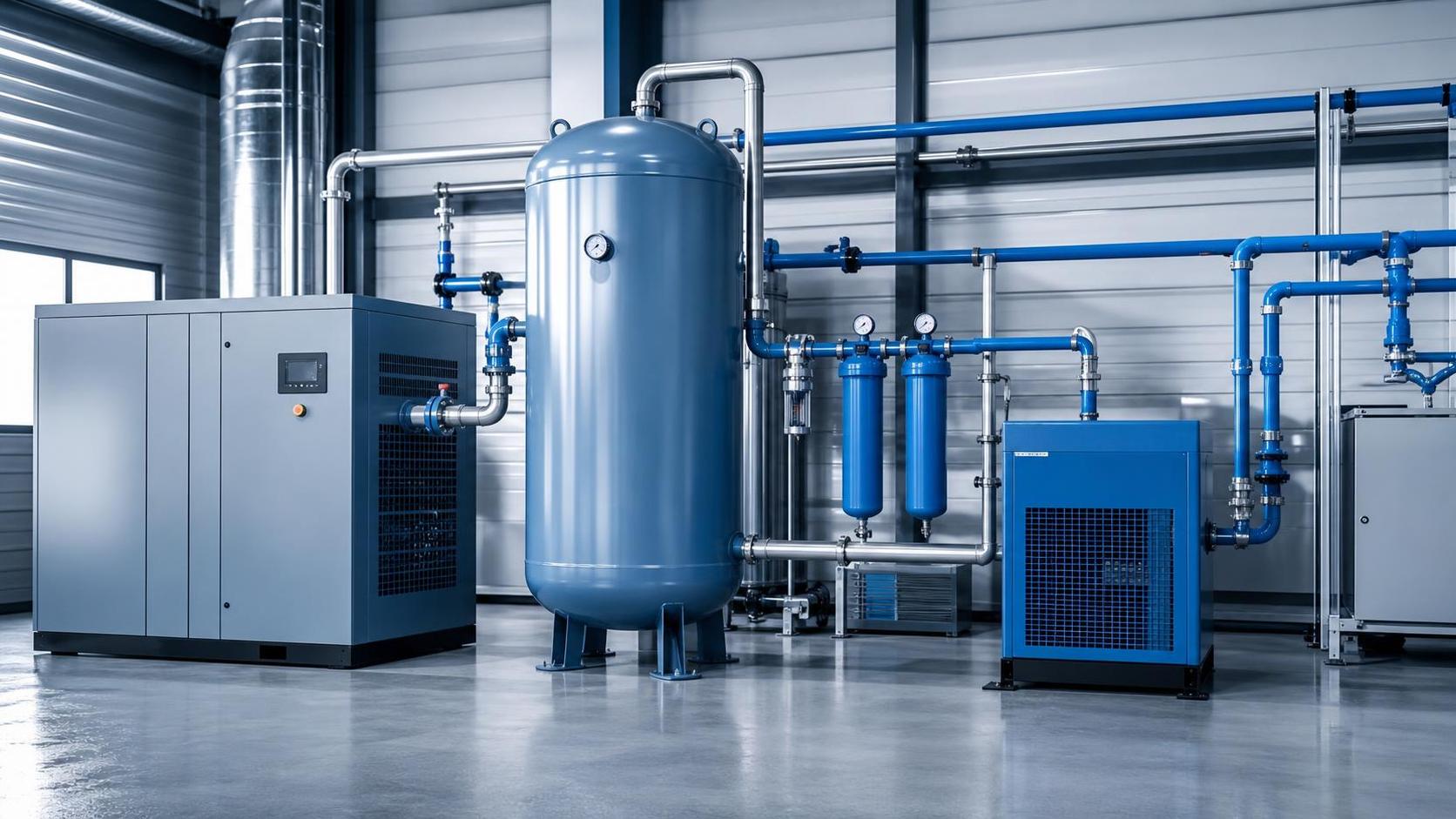
Compressed air creates a different trap. Teams often focus on compressor capacity and overlook distribution pressure loss, condensate management, point-of-use requirements, and the cost of operating at unnecessarily high pressure. A poorly defined air-quality requirement can lead to expensive downstream filters being added after installation, or to clean dry air being supplied to users that did not need it. Conversely, assuming that all users can share a lower-grade network may create production or quality risks. The system boundary needs to be explicit.
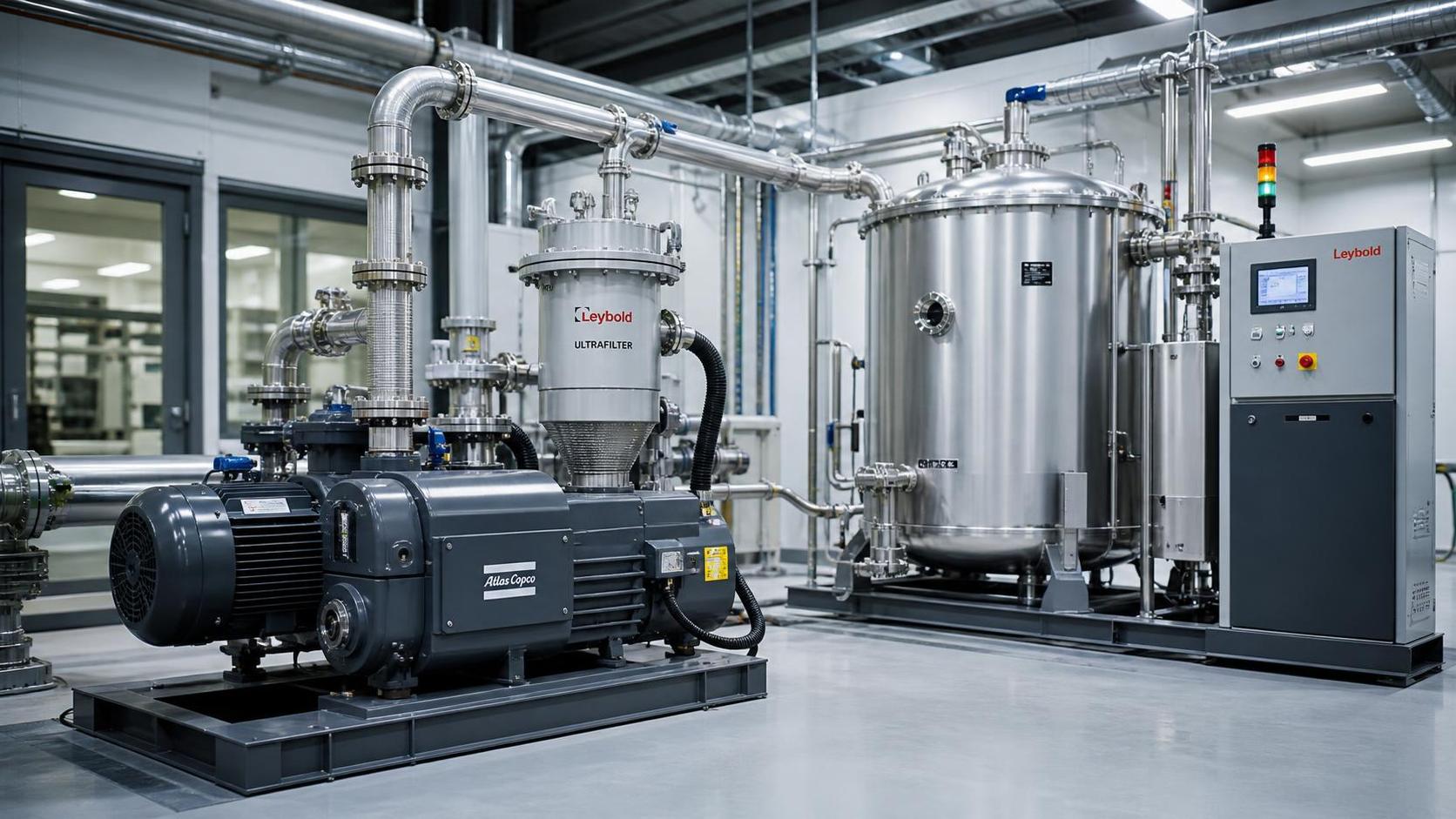
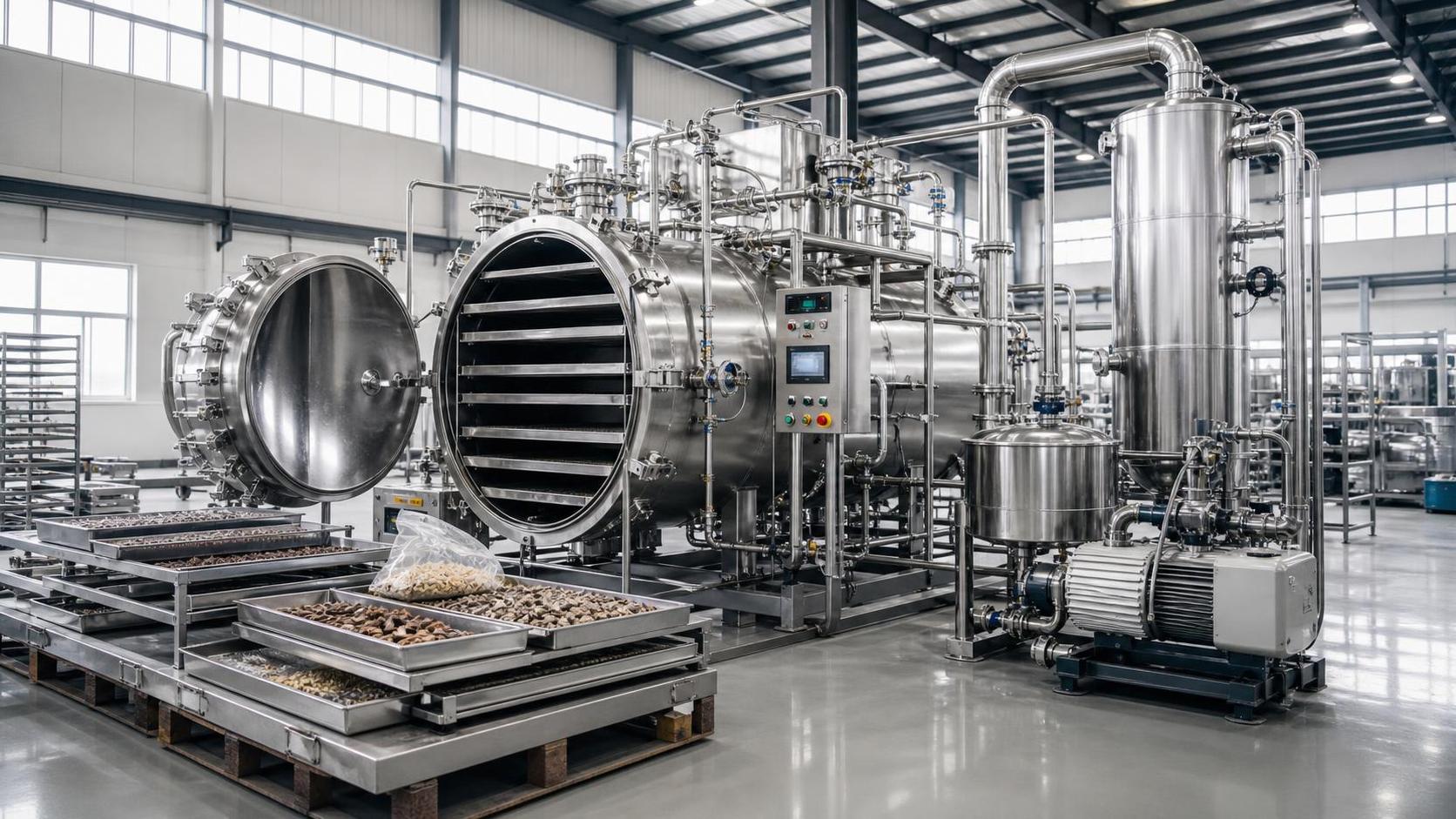
Vacuum systems demand particular caution because performance is not governed by pump capacity alone. Pipe diameter, line conductance, leaks, vapor loads, condensable contaminants, and the required vacuum level all influence the result. A late decision to centralize vacuum generation can require significant distribution changes. In some applications, local vacuum generation may be easier to maintain and better suited to variable demand; in others, centralization improves supervision and reduces scattered equipment. Neither option is automatically superior.
Energy performance should be validated before it becomes a promise
Energy efficiency is a legitimate project objective, but it can become a source of rework when it is stated too generally. “High efficiency” does not tell a procurement team which operating points matter, what part-load behavior is acceptable, how controls will sequence equipment, or whether heat recovered from a compressor or refrigeration system has a dependable use.
The more reliable approach is to define an energy-performance basis alongside the process basis. It should consider expected operating hours, load variation, ambient conditions, utility tariffs where relevant, and the interaction between systems. For example, reducing compressed-air pressure may save energy, but only if end users still receive stable pressure after distribution losses. Heat recovery may look attractive, but it should be assessed against the timing and temperature of the heat demand. Recovering heat that has no regular sink can add equipment without delivering meaningful operational benefit.
This is also where independent market and technology intelligence can help project teams challenge assumptions before they enter specifications. GTC-Matrix follows the thermal and compression systems that sit at the operational core of many facilities, including developments in oil-free compression, microchannel heat exchangers, refrigerant transitions, and industrial heat-management strategies. The useful takeaway for a project is not to chase every emerging technology. It is to understand which changes may affect availability, maintainability, energy use, or future compliance in the region where the asset will operate.
A commissioning plan is part of engineering, not a handover document
Many utility defects are discovered late because the project never defined how success would be demonstrated. Equipment may start, fans may run, and gauges may show plausible values, yet the system may not perform during a process ramp-up, a peak demand event, or a transfer from duty to standby equipment.
A workable commissioning plan identifies the operating scenarios that matter: minimum and maximum load, equipment failure response, alarm action, drainage and condensate behavior, control-valve stability, utility quality checks, and restoration after power interruption where applicable. It also identifies the instruments required to prove those conditions. If a system cannot be measured, acceptance becomes an argument rather than a test.
Project managers should be wary of a familiar phrase: “We will optimize it during commissioning.” Minor tuning is normal. Resolving unknown load assumptions, missing bypasses, inaccessible components, or undefined interlocks during commissioning is not optimization; it is deferred design work, usually performed under schedule pressure.
What to ask before releasing the utility package
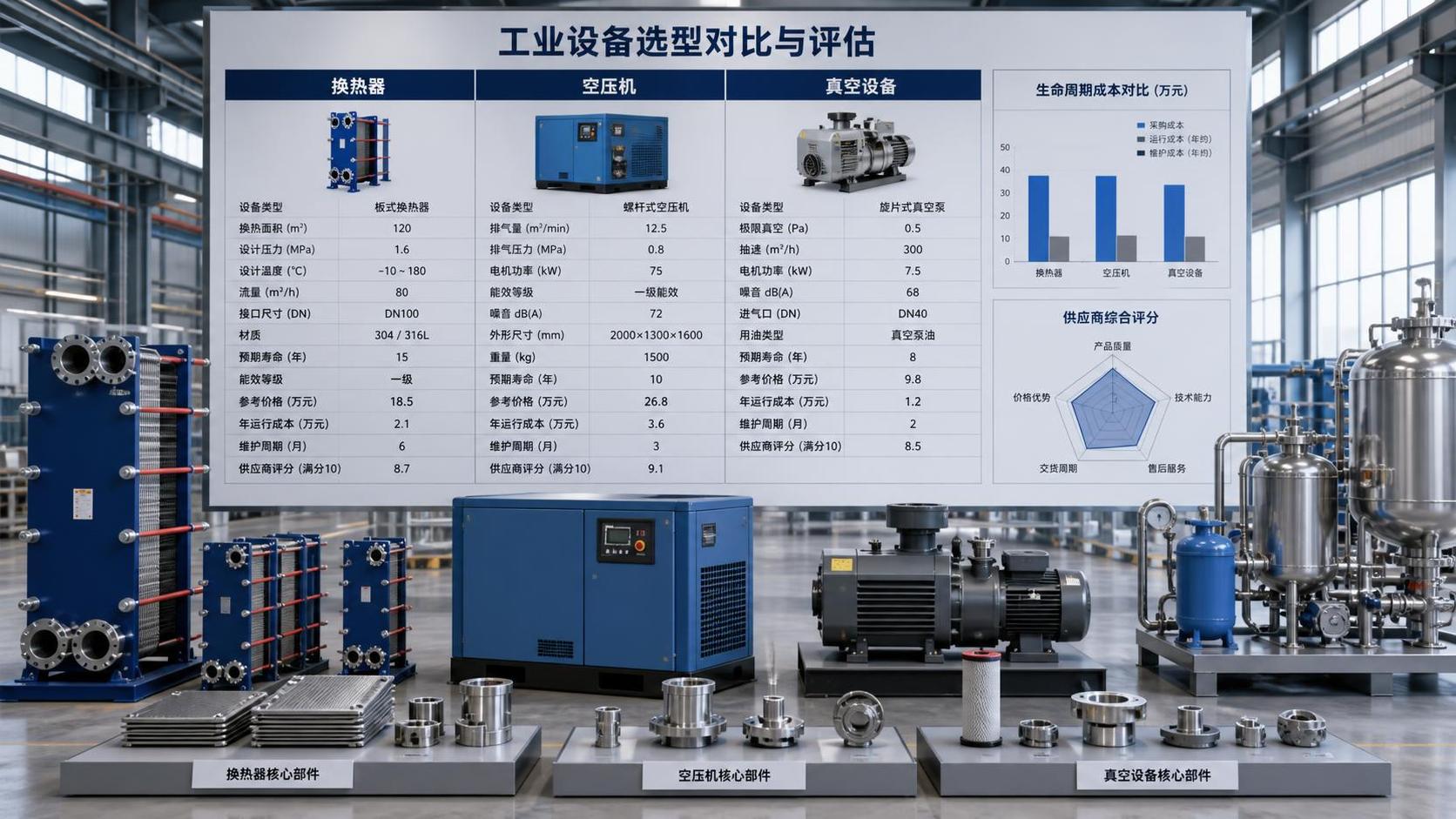
Before a major cooling, compressed-air, vacuum, or heat-transfer package is released, a short challenge review can prevent a surprising amount of downstream disruption. The review should establish whether process loads are traceable to current equipment data; whether load diversity and future expansion are deliberate assumptions; whether utility quality is defined by user need; whether interfaces with power, water, drainage, controls, and structures are closed; and whether maintenance can be performed without creating an unplanned production outage.
It should also ask a less comfortable question: what would make this design wrong? A new production line, a stricter cleanliness requirement, higher ambient temperature, altered product mix, or constrained water availability may each change the preferred solution. Not every possibility warrants extra capital spending, but the team should know which uncertainties are being accepted and how they can be managed later.
Process utilities engineering earns its value when it exposes those choices while options remain open. The goal is not an elaborate utility system. It is a system whose capacity, layout, controls, and operating logic are understood well enough that construction and commissioning do not become the place where fundamental design decisions are finally made.
Related News
- When does process utilities engineering reduce project rework?Author :

- Where thermal efficiency optimization delivers the fastest savings in EuropeAuthor :

- What should you verify before selecting a heat transfer supplier?Author :

- What drives compressed air systems price for industrial projects?Author :

- How an industrial product knowledge comparison guide reduces sourcing riskAuthor :

- When does a procurement specification planning process reduce bid risk?Author :

- When does thermal system optimization for electronics reduce failure risk?Author :

- When high temperature process heating systems justify the higher energy costAuthor :

- How to compare sludge dewatering equipment by cake drynessAuthor :

- What to Check Before Sourcing a Gas Turbine for Distributed Power ProjectsAuthor :

- What drives industrial thermal systems price in large facility projectsAuthor :

- How to build an industrial product comparison chart that speeds up vendor selectionAuthor :

- Vacuum Technology Application Guide for Selecting the Right SystemAuthor :

- What Drives Vacuum Drying Cost in Industrial Procurement?Author :

- What Drives Compressed Air Pricing in Industrial Systems?Author :

- How Procurement Specification Planning Shapes Total Project CostAuthor :

- Compression Technology Guide: How to Compare Efficiency, Pressure Range, and Maintenance NeedsAuthor :

- How to Compare Industrial Separators by Throughput, Purity, and Maintenance LoadAuthor :

- How to Size a Compressed Air Equipment Receiver Tank for Stable PressureAuthor :

- Industrial Equipment Selection Guide: How to Compare Capacity, Duty Cycle, and Operating CostAuthor :

- How to Evaluate an Intellectualization Supplier for Industrial UpgradesAuthor :

- High-Efficiency Manufacturing: Cost Savings vs. Upgrade RiskAuthor :

- Thermal System Optimization Cost: What Drives ROI?Author :

- How to Plan Process Utilities for a Cleanroom Without Costly ReworkAuthor :

- How to Compare Process Heating Suppliers in MexicoAuthor :

- Food Processing Utilities: Common Sizing Mistakes That Raise Energy and Water UseAuthor :

- How to Build Procurement Specification Planning for Industrial EquipmentAuthor :

- OEM Cooperation for Industrial Equipment: Risks, Terms, and Cost PrioritiesAuthor :

- Specification-Oriented Product Resources That Speed Technical ReviewAuthor :

- Industrial Equipment Selection Guide: A Practical Buyer ChecklistAuthor :

- How to Compare Industrial Energy Management Systems by ROIAuthor :

- How to Evaluate a Deaerators Supplier for Long-Term Plant ReliabilityAuthor :
![]()
- How to Evaluate a Vacuum Technology Manufacturer in 2026Author :

- Thermal Efficiency Optimization Software: When the ROI Justifies DeploymentAuthor :

- How to Evaluate Application-Specific Compression Solutions by Throughput and Energy UseAuthor :

- Smart Device Thermal Management Supplier Europe: What Matters Beyond PriceAuthor :