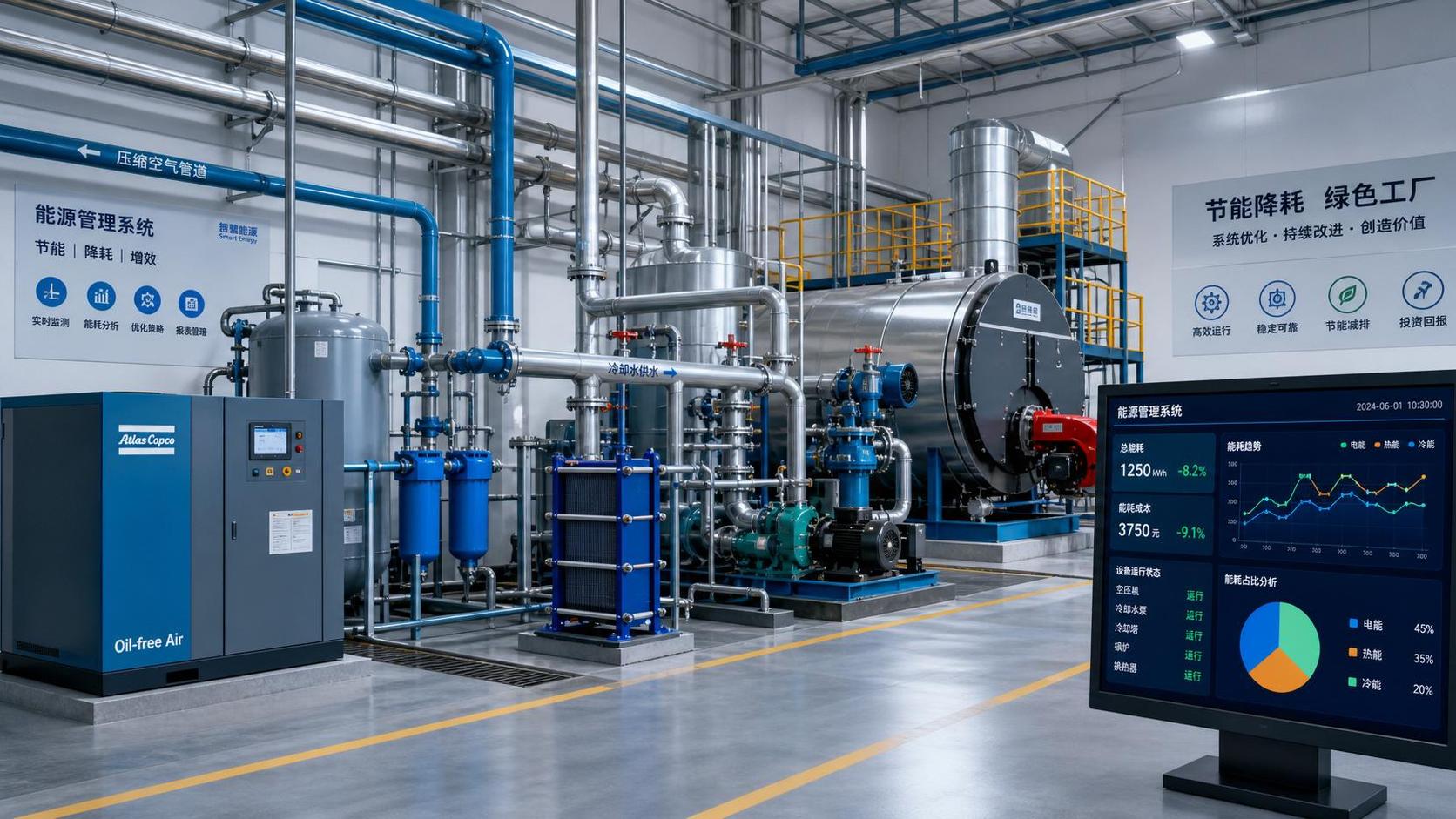
Can Waste Heat Recovery Support Carbon Neutrality Targets?




Can waste heat recovery support a carbon neutrality target? For energy-intensive industries, the answer increasingly lies in treating rejected thermal energy as a resource rather than an unavoidable loss. A compressor aftercooler, refrigeration condenser, kiln exhaust stream, boiler blowdown line, or process cooling circuit may all release heat that still has useful value somewhere else on site.
That does not mean every warm stream should become a recovery project. The practical question is more demanding: is the heat available at the right temperature, at the right time, with a reliable nearby use? When the answer is yes, waste heat recovery can reduce purchased fuel and electricity, cut operational emissions, and make a carbon-neutrality roadmap more credible. When the answer is no, a technically impressive system can become an expensive asset with limited real-world impact.
For plant managers, energy teams, and equipment suppliers, the opportunity is therefore not simply “capture more heat.” It is to understand thermal quality, match sources with sinks, protect process reliability, and measure savings honestly.
Why recovered heat matters in a carbon-neutrality plan
Most industrial decarbonization strategies combine several levers: energy efficiency, electrification, renewable electricity procurement, lower-carbon fuels, process redesign, and carbon management. Waste heat recovery belongs near the beginning of that sequence because it reduces the amount of energy the facility needs before new energy supplies are added.
This order matters. A factory that uses less gas for hot water, drying air, space heating, or boiler feedwater needs a smaller replacement energy system later. It may require fewer heat pumps, less renewable electricity, or less low-carbon fuel. In this sense, recovery is not only an efficiency measure; it can lower the scale and cost of the wider transition.
Its carbon value depends on what it displaces. Recovering low-grade heat to preheat incoming water can avoid boiler fuel. Reusing compressor heat for a drying process may reduce steam demand. Heat recovered from an industrial refrigeration system can support sanitation water or building heating. If that avoided energy has a meaningful carbon intensity, the emissions benefit can be substantial.
However, carbon accounting should be tied to actual avoided consumption, not to the thermal energy collected at the exchanger. A recovery unit that generates useful heat during periods when no demand exists may look productive on paper while delivering little annual carbon reduction. The usable fraction is what counts.
Start with a heat map, not a piece of equipment
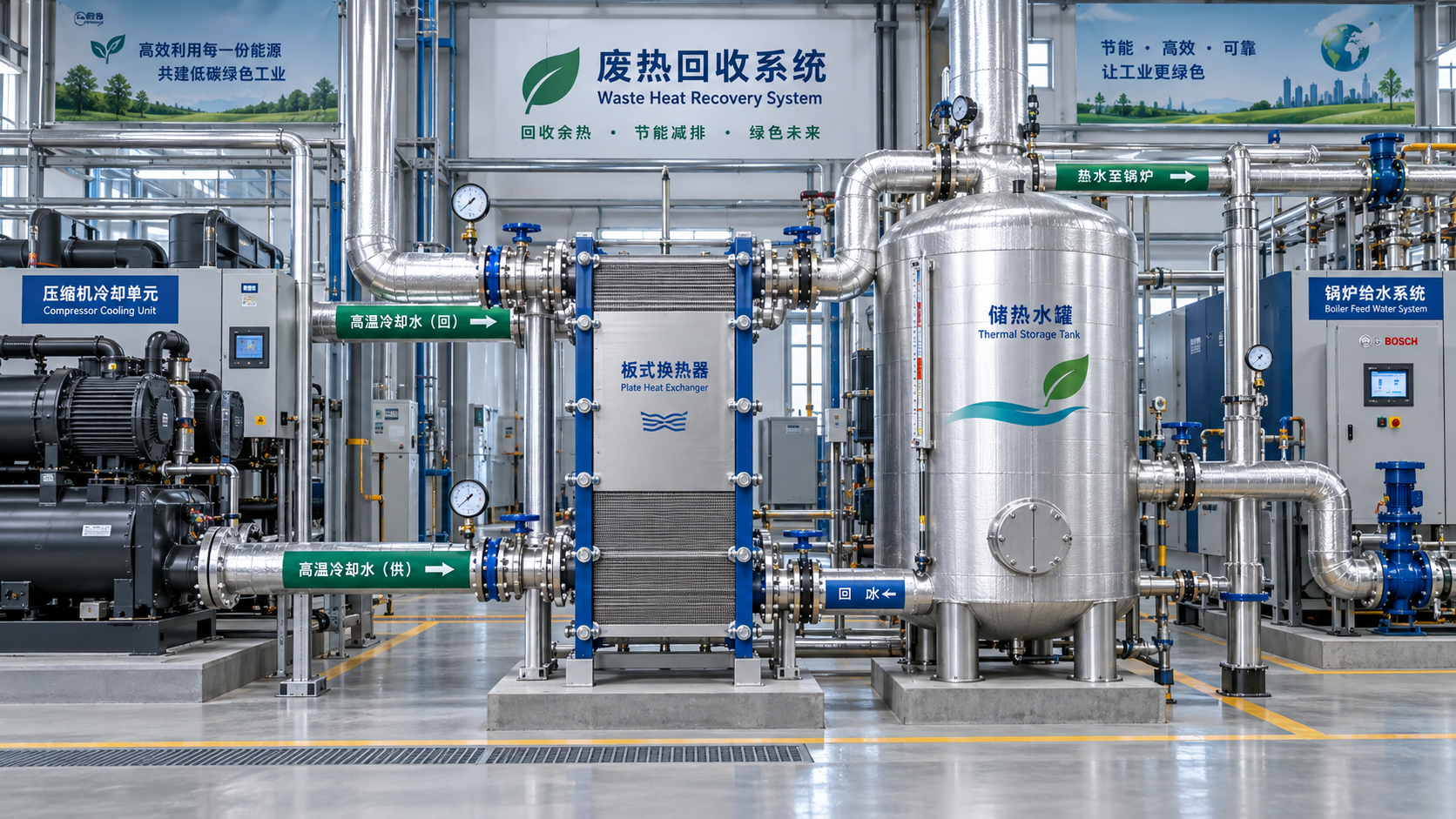
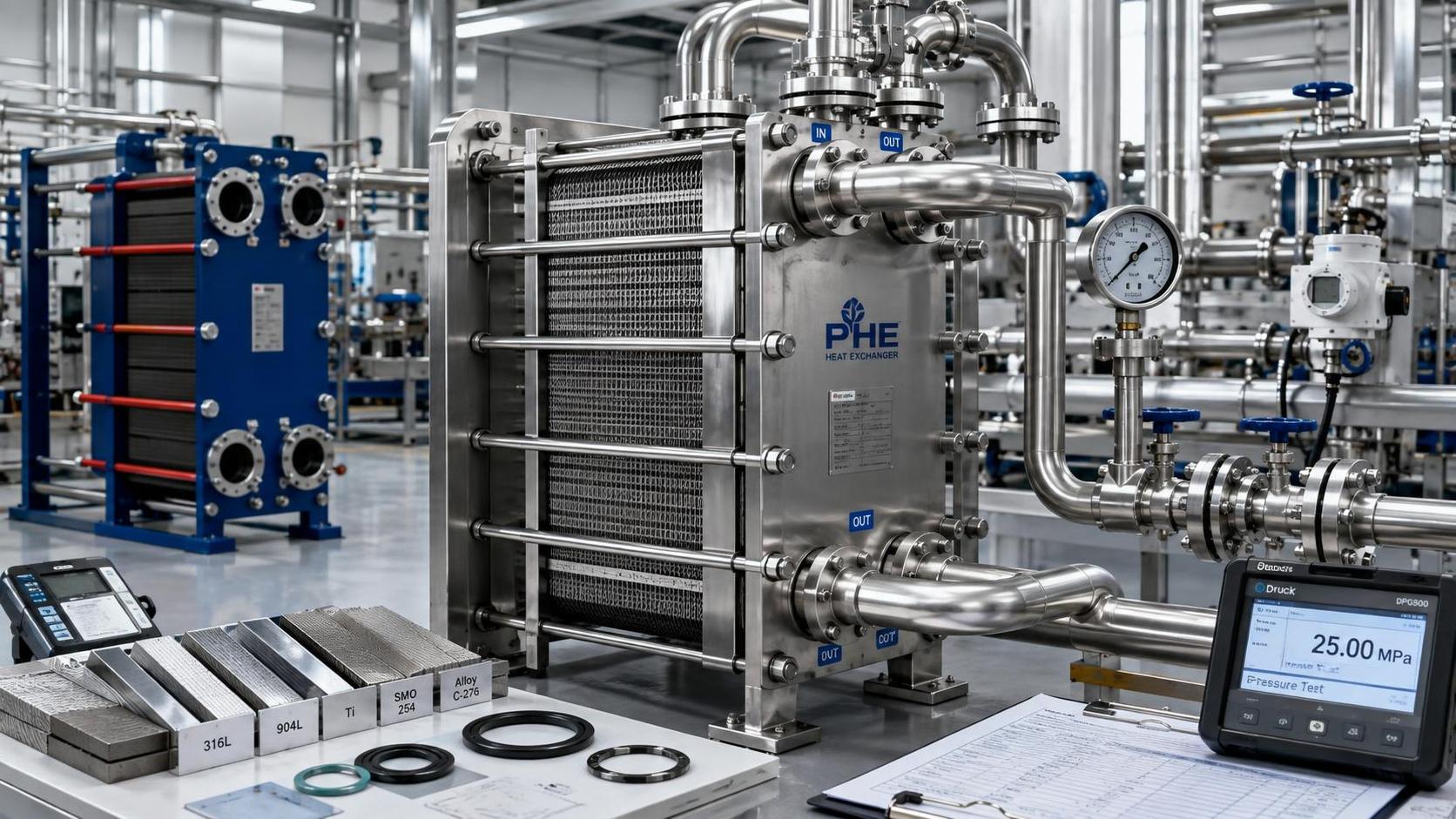
The most common early mistake is selecting a technology before mapping the site’s thermal behavior. A plate heat exchanger, heat pump, thermal storage tank, economizer, or organic Rankine cycle may all have a role, but none is a universal answer.
A disciplined assessment begins by drawing the plant as a network of heat sources and heat sinks. Sources include compressed-air cooling, oil cooling, flue gas, condensate, refrigeration rejection, wastewater, exhaust air, hydraulic systems, and high-temperature process discharge. Sinks may include domestic hot water, washdown systems, make-up water, preheating duties, drying, space heating, absorption cooling, or boiler feedwater.
For each stream, record more than its temperature. Teams should capture flow rate, operating hours, seasonal variation, contamination risk, pressure conditions, allowable pressure drop, control constraints, maintenance history, and whether production changes will alter the profile. A source that appears ideal during a short audit may disappear when a line is idle or a compressor is operating at part load.
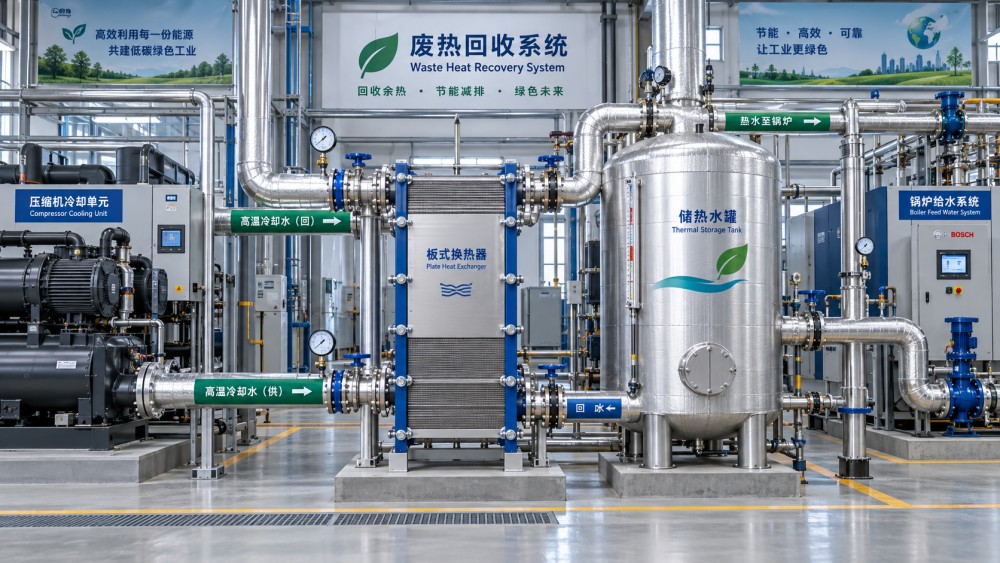
A simple heat map often reveals that the most valuable projects are not the hottest ones. A modest, continuous heat source located beside a steady demand can outperform a higher-temperature stream that requires long piping runs, complex controls, and seasonal storage. Proximity and consistency frequently matter as much as temperature.
Think in terms of temperature “grade”
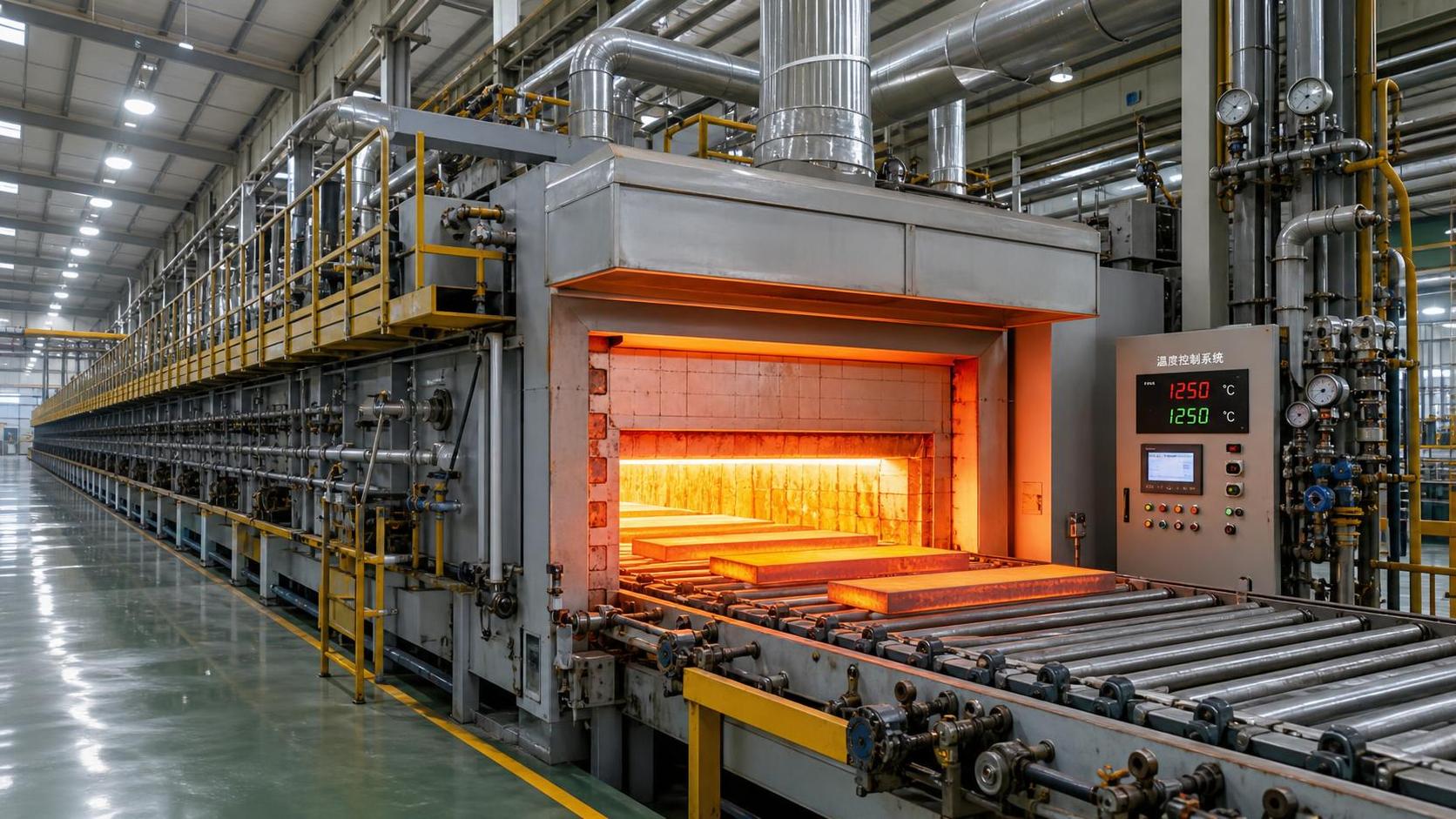
Not all heat is equally useful. High-temperature waste heat from furnaces, ovens, engines, and thermal oxidizers may support combustion-air preheating, steam generation, or process heating. Medium-temperature heat from compressor cooling, condensers, and hot process water can serve wash water, feedwater preheat, drying support, or hydronic heating. Low-temperature heat from cooling loops, wastewater, and ambient process discharge may need a heat pump before it can meet a useful demand.
The closer the source temperature is to the required sink temperature, the less upgrading energy is needed. This is why reducing the target temperature of a demand can be just as important as improving the recovery system. For example, a low-temperature heating loop or preheated make-up water may unlock a recovery opportunity that would not be viable for high-pressure steam production.
A practical route from thermal loss to verified carbon savings
Waste heat recovery works best when it is managed as an operational project rather than a stand-alone hardware purchase. The following sequence helps turn an appealing idea into a defensible decarbonization measure.
- Define the carbon boundary. Identify the energy carrier being displaced: natural gas, fuel oil, purchased steam, grid electricity, or another source. Clarify whether the target concerns Scope 1 fuel combustion, Scope 2 purchased electricity, or both.
- Establish a baseline under normal operation. Measure fuel use, electrical demand, temperatures, flows, and production output across enough time to account for shifts, seasonal conditions, and product mix. Per-unit production metrics are often more useful than a single monthly utility bill.
- Prioritize direct-use opportunities. Before adding temperature-lift equipment, ask whether recovered heat can be used directly for water preheat, low-temperature process heating, or space heating. Direct use usually has fewer conversion losses and simpler maintenance requirements.
- Evaluate the heat match dynamically. Compare source and sink profiles by hour or shift, not just annual averages. A recovery project must function through real start-ups, shutdowns, variable compressor loading, and changing process demands.
- Design for process protection. Add bypasses, isolation valves, controls, redundancy where justified, and monitoring points. Production equipment should never depend on a recovery loop that cannot be safely bypassed during maintenance or abnormal conditions.
- Verify avoided energy after commissioning. Track recovered thermal energy, auxiliary electricity, fuel displacement, and operating availability. A credible carbon claim includes pumping power, heat-pump electricity, and any additional cooling or maintenance burden.
The final calculation is conceptually straightforward: avoided energy consumption multiplied by the applicable emissions factor, less the emissions associated with auxiliary energy. In practice, the difficult part is proving the avoided energy baseline. This is why metering, operating logs, and transparent assumptions are more valuable than optimistic nameplate ratings.
Where industrial recovery projects often make sense
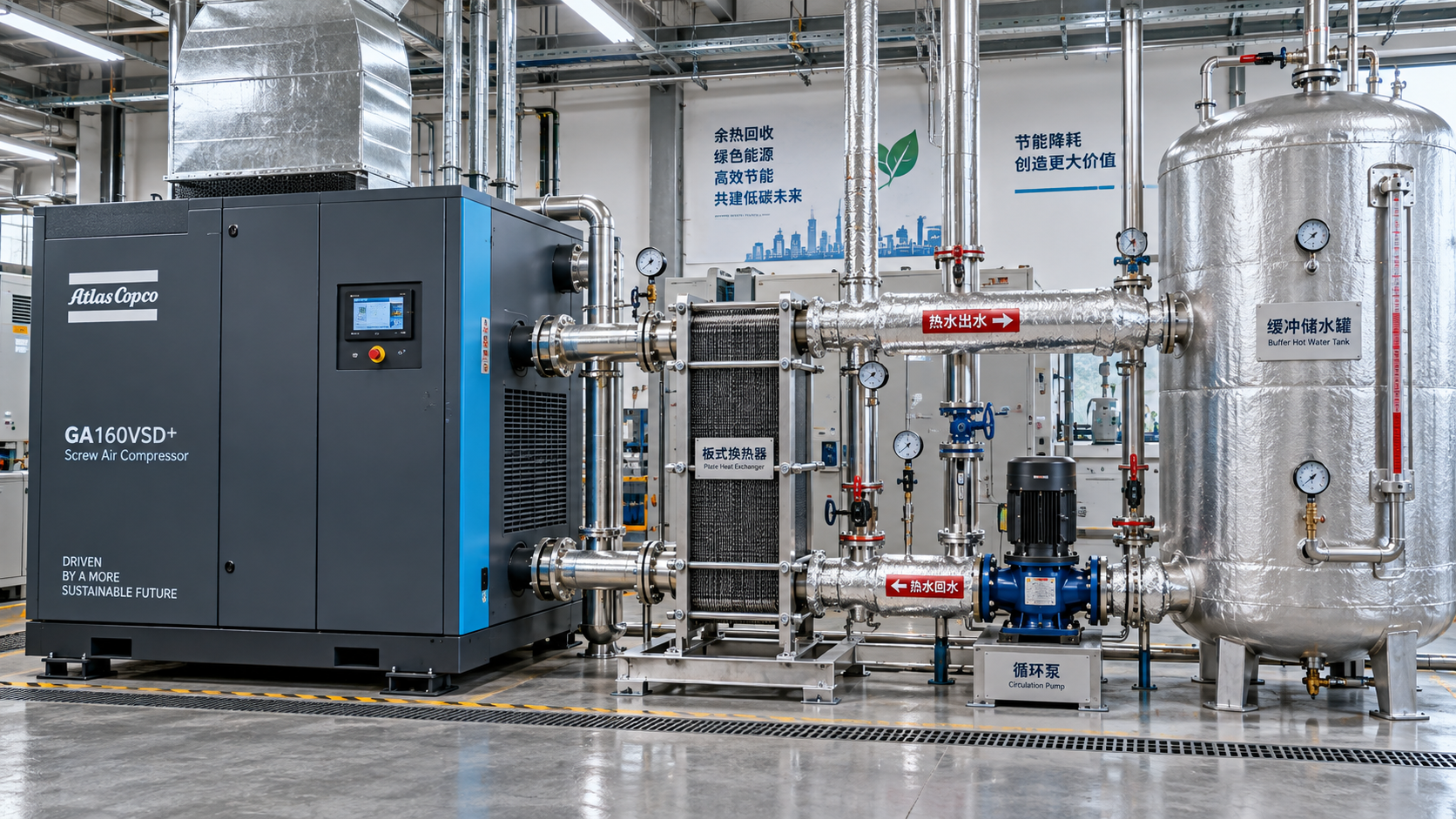
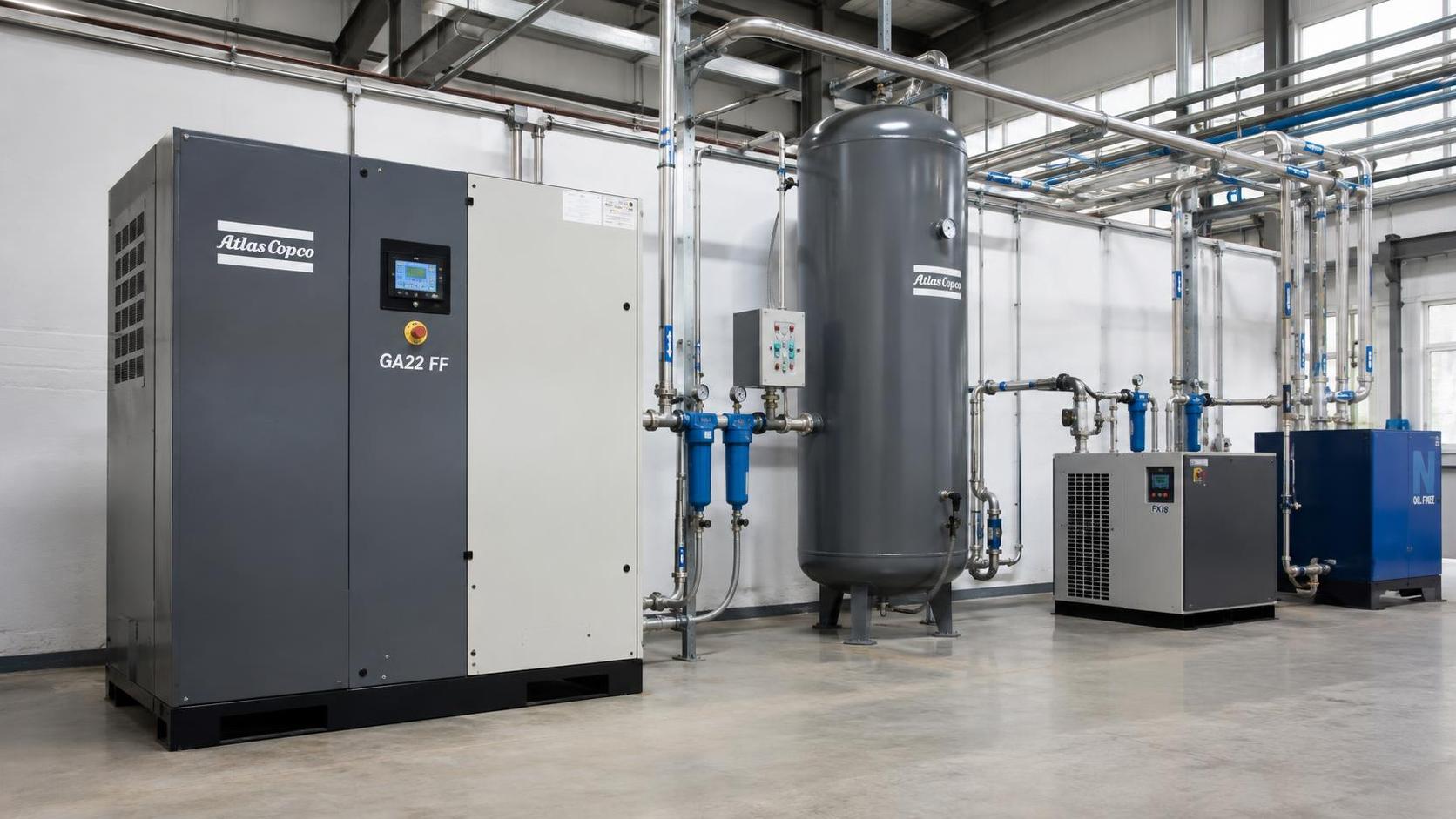
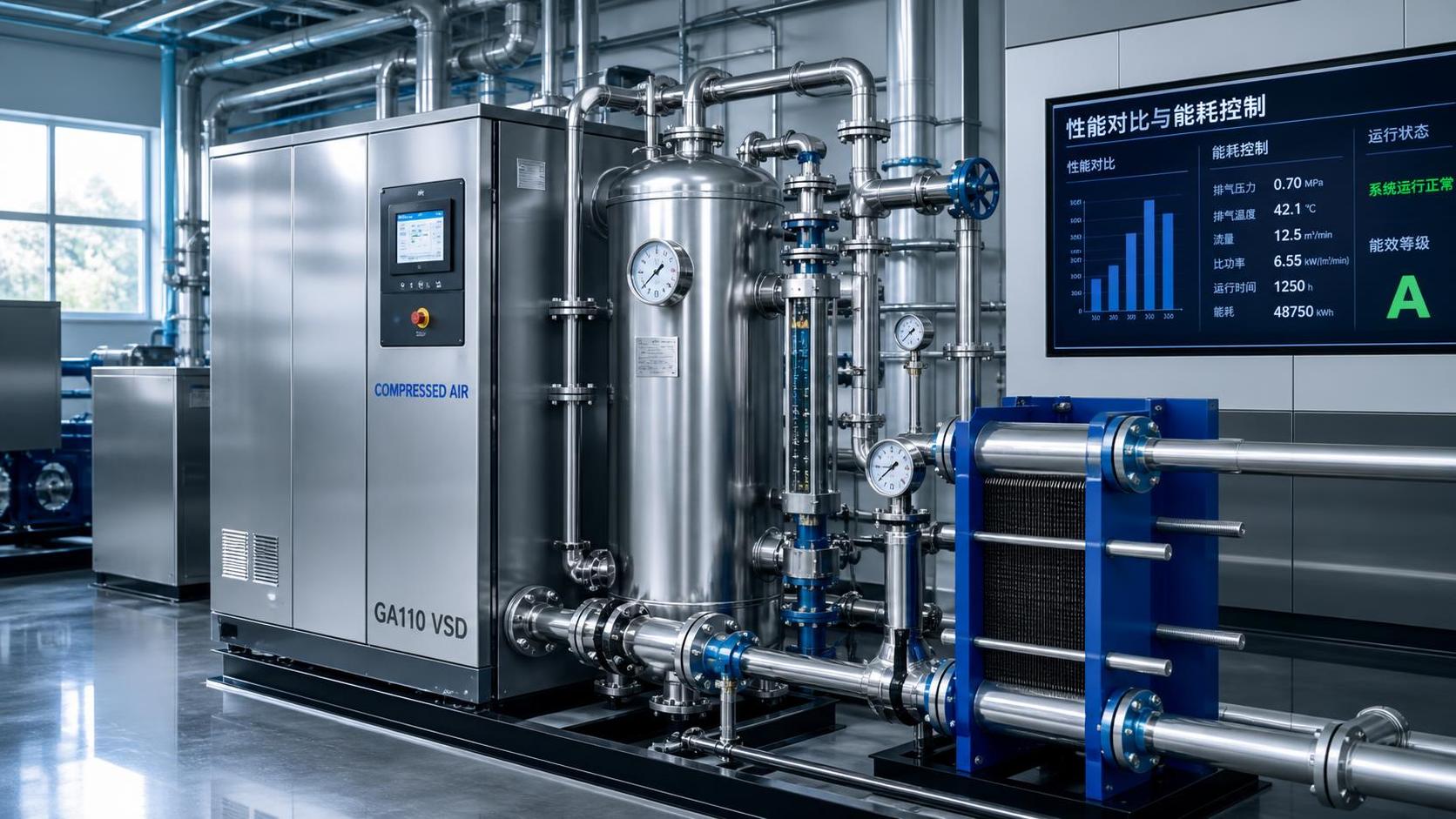
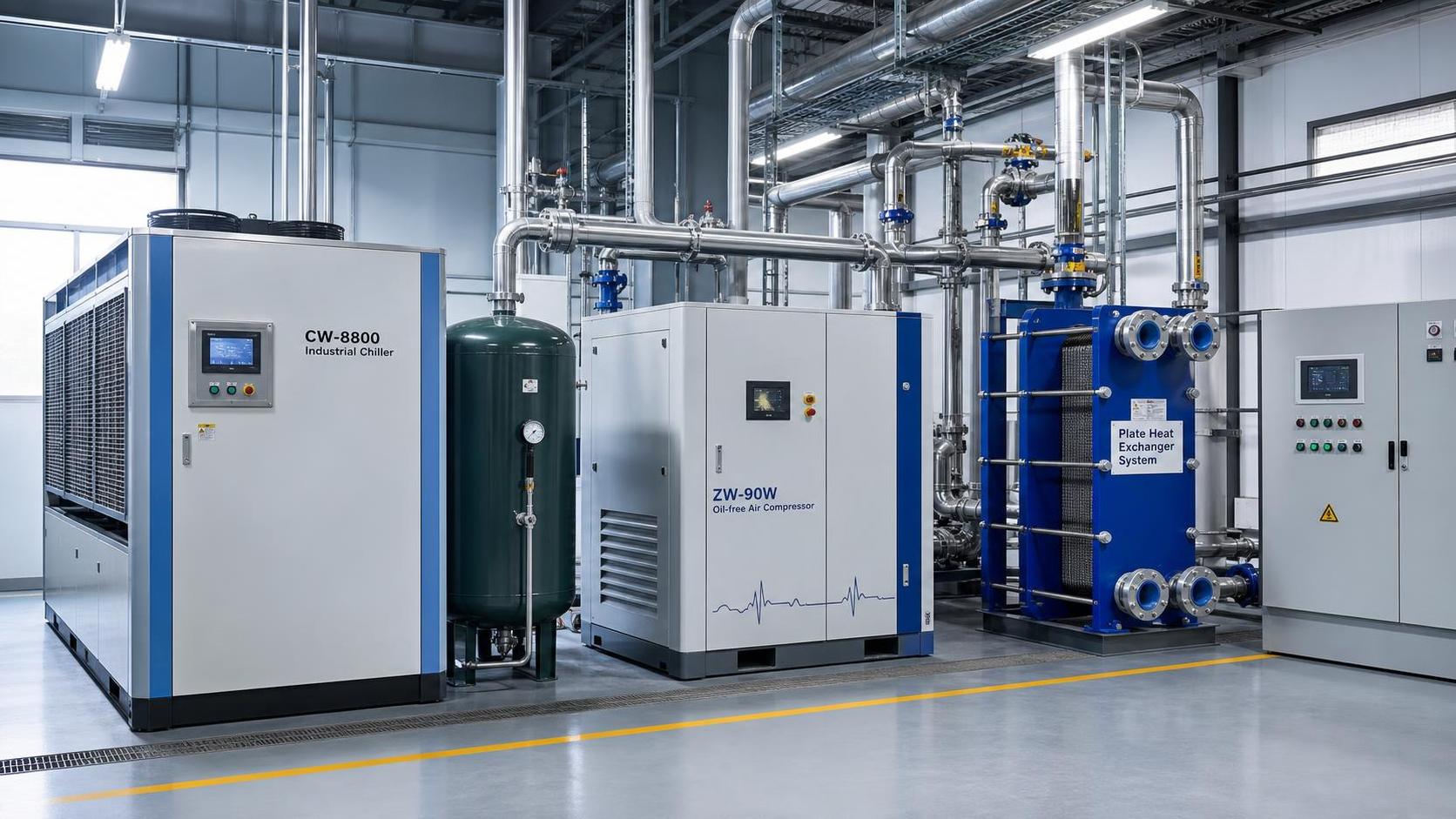
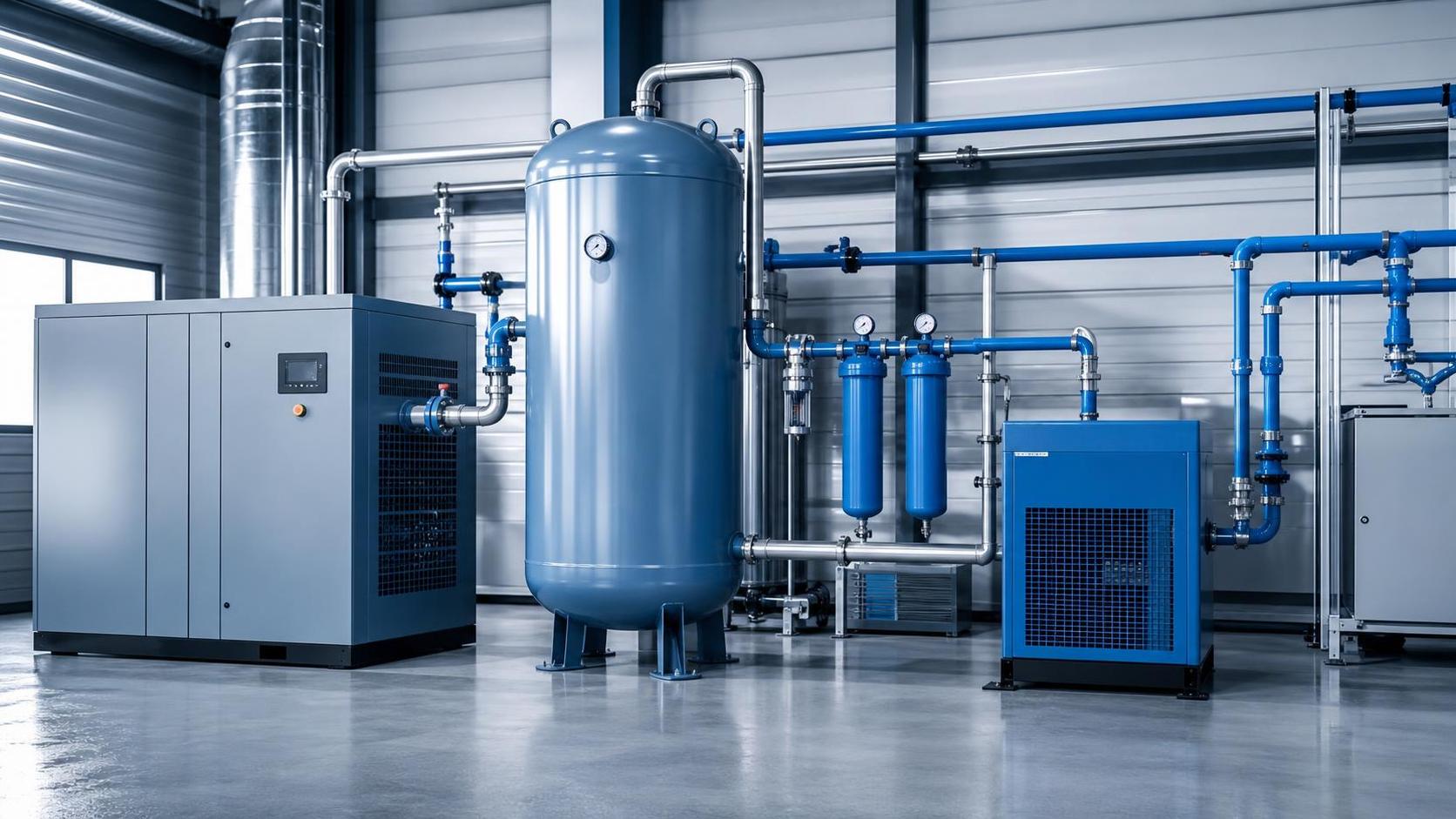
In compressed-air systems, a large share of compressor input electricity becomes heat. That heat is commonly removed through air or water cooling to protect the equipment and downstream air quality. Where a facility has year-round hot-water demand, heat recovery from oil-free or lubricated compressors can support washdown, cleaning, preheating, or building services. The key caution is that air demand and heat demand may not align; a storage tank or an alternative use may be needed.
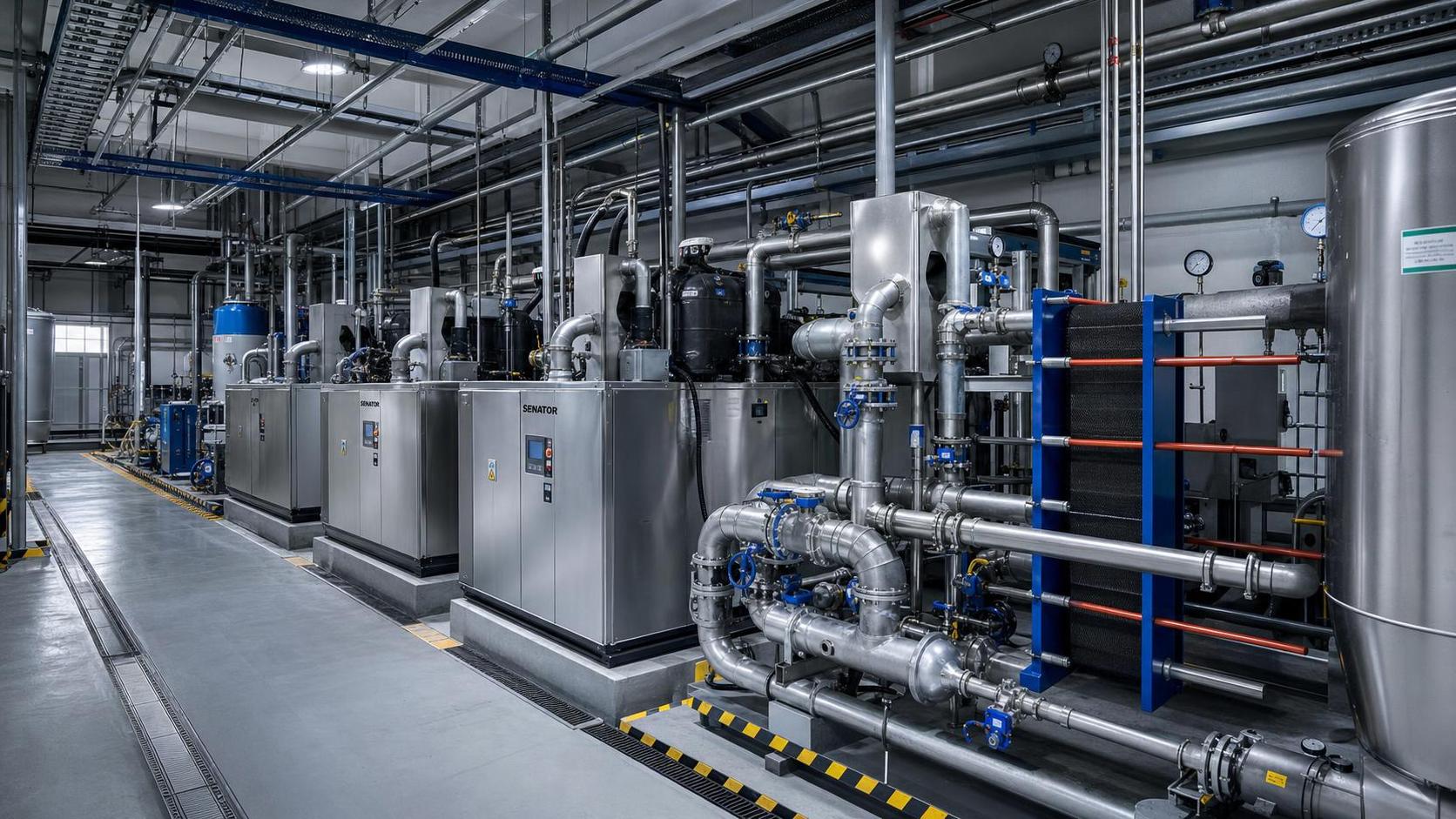
Industrial refrigeration is another strong candidate. Condenser heat is often rejected while nearby processes consume hot water or low-temperature heating. Food and beverage sites, cold stores, pharmaceutical facilities, and logistics centers may find useful overlaps between refrigeration operation and sanitation or heating loads. Yet system integration must preserve refrigeration performance. Raising condensing pressure merely to obtain hotter water can increase electrical consumption, potentially eroding the benefit.
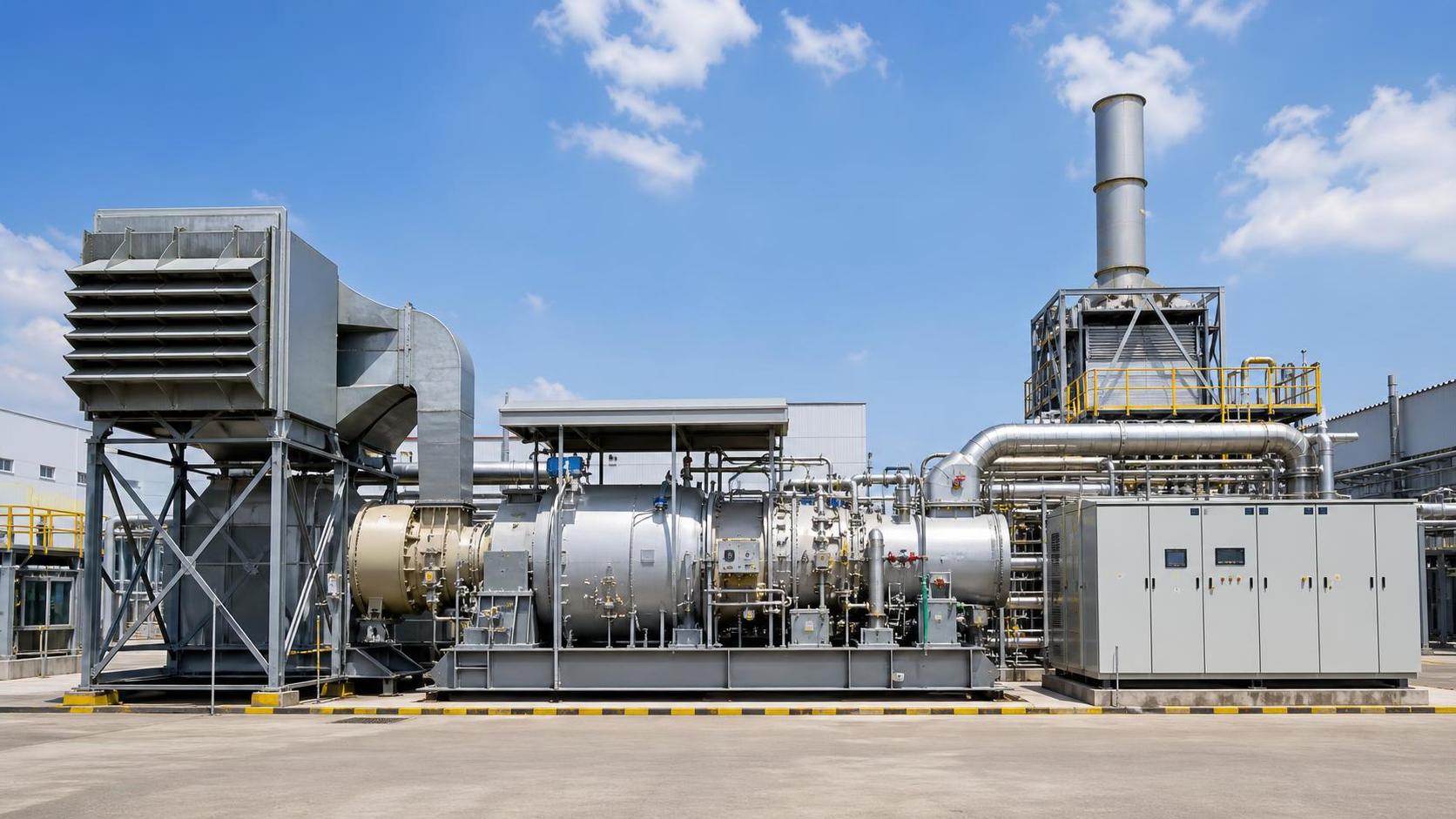
Boiler and combustion systems offer more familiar recovery routes: economizers for feedwater preheating, air preheaters, condensate return, flash steam recovery, and flue-gas heat recovery. These applications can be highly effective, but corrosion, dew-point conditions, fouling, and water treatment cannot be treated as secondary details. A project that ignores flue-gas chemistry may create reliability problems that outweigh its energy gains.
For process cooling and heat exchange networks, the opportunity often sits in the gap between what the process requires and what the utility system provides. A plant may cool a stream before discharging its heat, then heat another stream elsewhere using steam or electricity. Pinch analysis and network-level thermal modeling can expose these hidden contradictions, especially in chemical, semiconductor, pharmaceutical, and high-precision manufacturing environments.
When a heat pump changes the answer
Low-grade heat is abundant, but it is not always directly useful. Industrial heat pumps can raise the temperature of recovered heat to meet process or building demands, making sources such as cooling water, wastewater, condenser loops, and low-temperature exhaust more valuable.
Whether this supports carbon neutrality depends on three linked factors: the heat pump’s seasonal performance, the carbon intensity of the electricity supply, and the fuel or energy source it replaces. A heat pump running on increasingly low-carbon electricity can be a powerful decarbonization tool. But a poor source-sink temperature match, excessive temperature lift, or unstable process conditions can reduce performance sharply.
Instead of asking, “Can a heat pump reach our target temperature?” ask, “What annual energy and carbon result will it deliver under actual operating conditions?” This reframes the conversation from equipment capability to system outcome.
Common pitfalls that weaken otherwise good projects
- Overestimating available heat: Nameplate capacity is not annual availability. Part-load operation, downtime, and seasonal changes must be included.
- Ignoring fouling and contamination: Dirty exhaust, oils, particulates, corrosive fluids, and untreated water can compromise heat-transfer performance. Separation, filtration, cleaning access, and appropriate exchanger selection are essential.
- Forgetting auxiliary loads: Pumps, fans, controls, water treatment, and heat-pump compressors consume energy. These loads belong in the business case and emissions calculation.
- Using one generic emissions factor forever: Grid factors, fuel mixes, and procurement arrangements may change. Document the methodology and update it in line with the organization’s reporting framework.
- Confusing heat recovery with carbon neutrality itself: Recovery reduces emissions; it rarely eliminates all of them. It should be integrated with electrification, renewable energy, operational efficiency, and residual-emissions planning.
How to judge whether a project is worth advancing
A promising project normally has five qualities: a stable source, a dependable sink, a manageable temperature gap, short physical distance, and a clear displaced energy source. The project should also fit the plant’s maintenance capabilities and production priorities. A smaller solution with simple controls and a high uptime rate can be more valuable than a complex recovery scheme with an attractive theoretical output.
Decision-makers should request a concept study that includes hourly or representative load profiles, integration drawings, pressure-drop and reliability considerations, expected auxiliary energy, maintenance requirements, measurement points, and a transparent carbon calculation. It should explain what happens when the heat source fails, when the sink is unavailable, and when production schedules change.
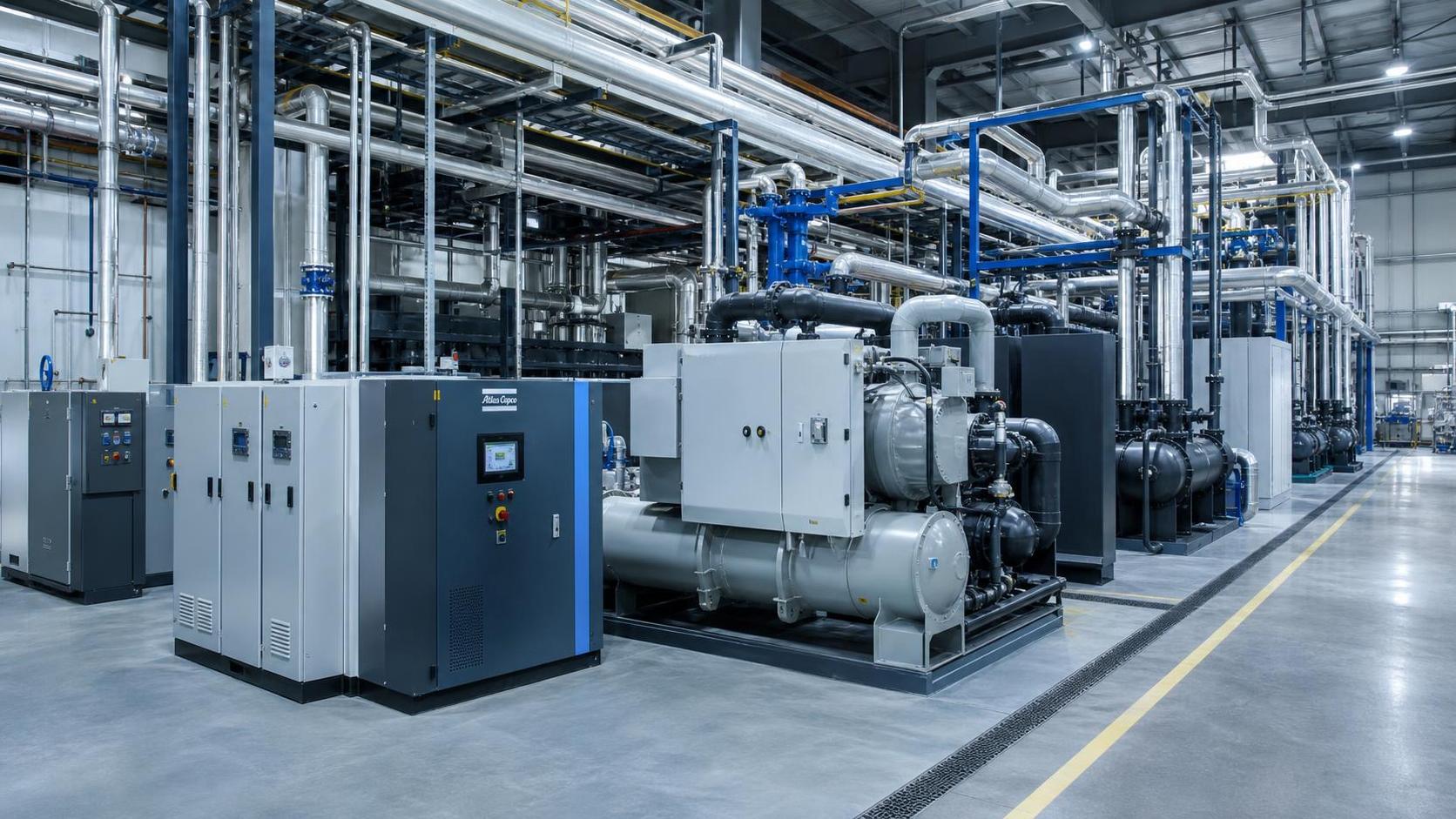
For organizations building broader decarbonization plans, thermal intelligence is especially important. Energy cost volatility, refrigerant policy, electrification pressures, and high-precision manufacturing requirements are reshaping how cooling, compression, vacuum, and heat-exchange systems are specified. The strongest decisions connect these systems rather than evaluating them in isolation.
Waste heat recovery is a foundation, not a finish line
Can waste heat recovery support a carbon neutrality target? Yes—when it displaces measurable energy use, operates reliably, and is integrated into a wider emissions-reduction strategy. Its greatest value is often quiet and cumulative: less boiler fuel, lower compressor-system losses, reduced cooling rejection, and a smaller energy burden for every later decarbonization investment.
For industrial sites, the next useful step is not to search for the most sophisticated recovery technology. It is to identify where heat is leaving the system, where heat is being purchased, and where those two realities can be connected without compromising production. That is where thermodynamic logic becomes a practical carbon advantage.
Related News
- How industrial utility systems affect energy costs in process plantsAuthor :

- Can Waste Heat Recovery Support Carbon Neutrality Targets?Author :

- Is Compressor Heat Recovery Worth the Installation Cost?Author :

- What to verify before choosing a process separation technology supplierAuthor :

- When does process utilities engineering reduce project rework?Author :

- Where thermal efficiency optimization delivers the fastest savings in EuropeAuthor :

- What should you verify before selecting a heat transfer supplier?Author :

- What drives compressed air systems price for industrial projects?Author :

- How an industrial product knowledge comparison guide reduces sourcing riskAuthor :

- When does a procurement specification planning process reduce bid risk?Author :

- When does thermal system optimization for electronics reduce failure risk?Author :

- When high temperature process heating systems justify the higher energy costAuthor :

- How to compare sludge dewatering equipment by cake drynessAuthor :

- What to Check Before Sourcing a Gas Turbine for Distributed Power ProjectsAuthor :

- What drives industrial thermal systems price in large facility projectsAuthor :

- How to build an industrial product comparison chart that speeds up vendor selectionAuthor :

- Vacuum Technology Application Guide for Selecting the Right SystemAuthor :

- What Drives Vacuum Drying Cost in Industrial Procurement?Author :

- What Drives Compressed Air Pricing in Industrial Systems?Author :

- How Procurement Specification Planning Shapes Total Project CostAuthor :

- Compression Technology Guide: How to Compare Efficiency, Pressure Range, and Maintenance NeedsAuthor :

- How to Compare Industrial Separators by Throughput, Purity, and Maintenance LoadAuthor :

- How to Size a Compressed Air Equipment Receiver Tank for Stable PressureAuthor :

- Industrial Equipment Selection Guide: How to Compare Capacity, Duty Cycle, and Operating CostAuthor :

- How to Evaluate an Intellectualization Supplier for Industrial UpgradesAuthor :

- High-Efficiency Manufacturing: Cost Savings vs. Upgrade RiskAuthor :

- Thermal System Optimization Cost: What Drives ROI?Author :

- How to Plan Process Utilities for a Cleanroom Without Costly ReworkAuthor :

- How to Compare Process Heating Suppliers in MexicoAuthor :

- Food Processing Utilities: Common Sizing Mistakes That Raise Energy and Water UseAuthor :

- How to Build Procurement Specification Planning for Industrial EquipmentAuthor :

- OEM Cooperation for Industrial Equipment: Risks, Terms, and Cost PrioritiesAuthor :

- Specification-Oriented Product Resources That Speed Technical ReviewAuthor :

- Industrial Equipment Selection Guide: A Practical Buyer ChecklistAuthor :

- How to Compare Industrial Energy Management Systems by ROIAuthor :

- How to Evaluate a Deaerators Supplier for Long-Term Plant ReliabilityAuthor :
![]()