



How industrial utility systems affect energy costs in process plants




How Industrial Utility Systems Affect Energy Costs in Process Plants
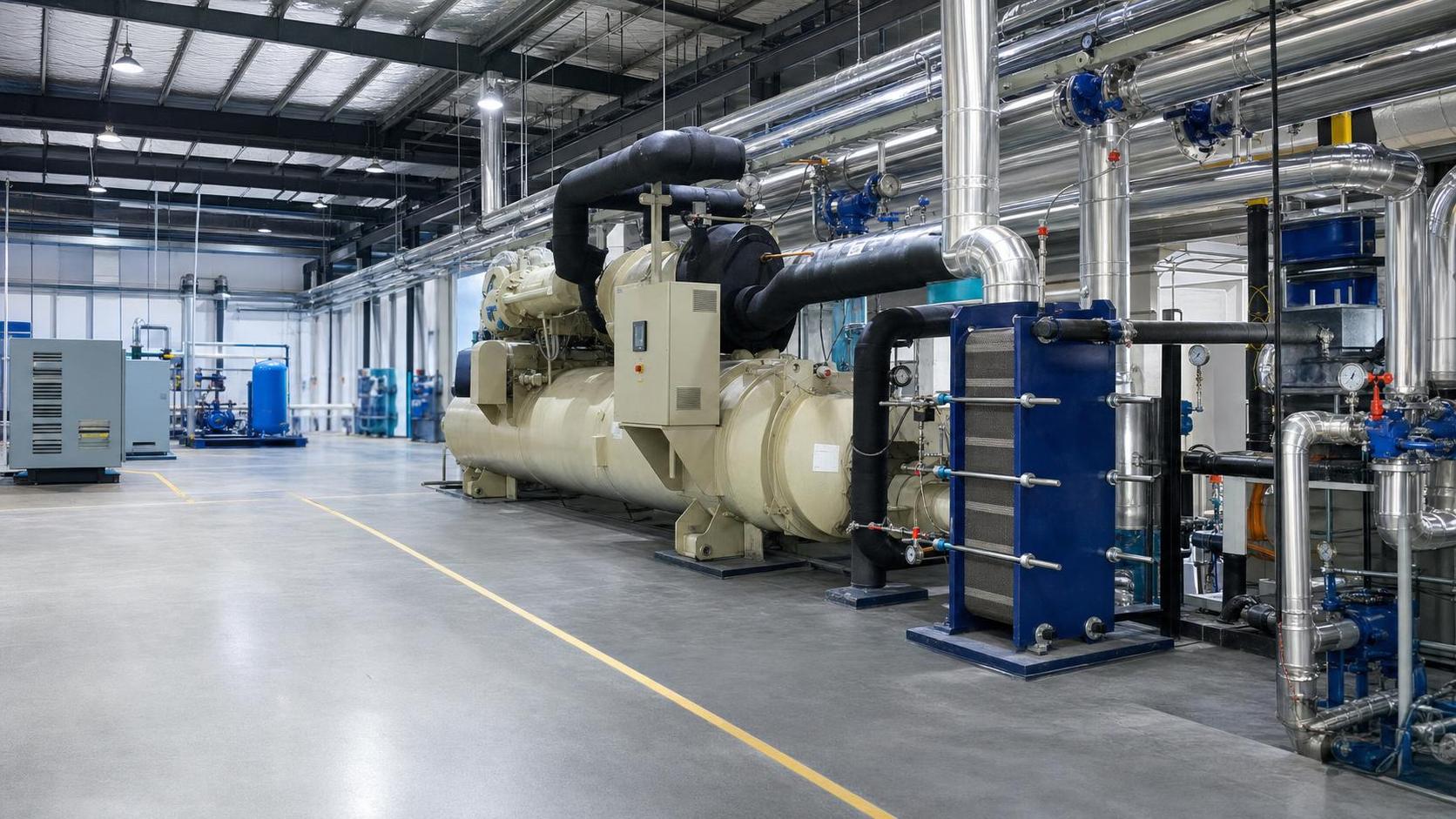
In a process plant, utility systems are often treated as background infrastructure: the compressor room is somewhere outside production, the cooling tower is on the roof, the boiler sits behind a fence, and vacuum pumps run quietly in a service corridor. Yet these systems frequently determine whether a plant’s energy budget remains manageable or becomes a persistent drag on operating margin.
Compressed air, steam, chilled water, process cooling, vacuum, hot water, and heat recovery are not separate cost centers in any meaningful technical sense. They are connected by pressure, temperature, flow, equipment loading, production schedules, and maintenance decisions. A cooling problem can increase compressor demand. Poor steam control can overload chillers. A vacuum system selected for peak demand may waste power during long periods of partial production. The visible utility bill is only the final result of hundreds of smaller engineering choices.
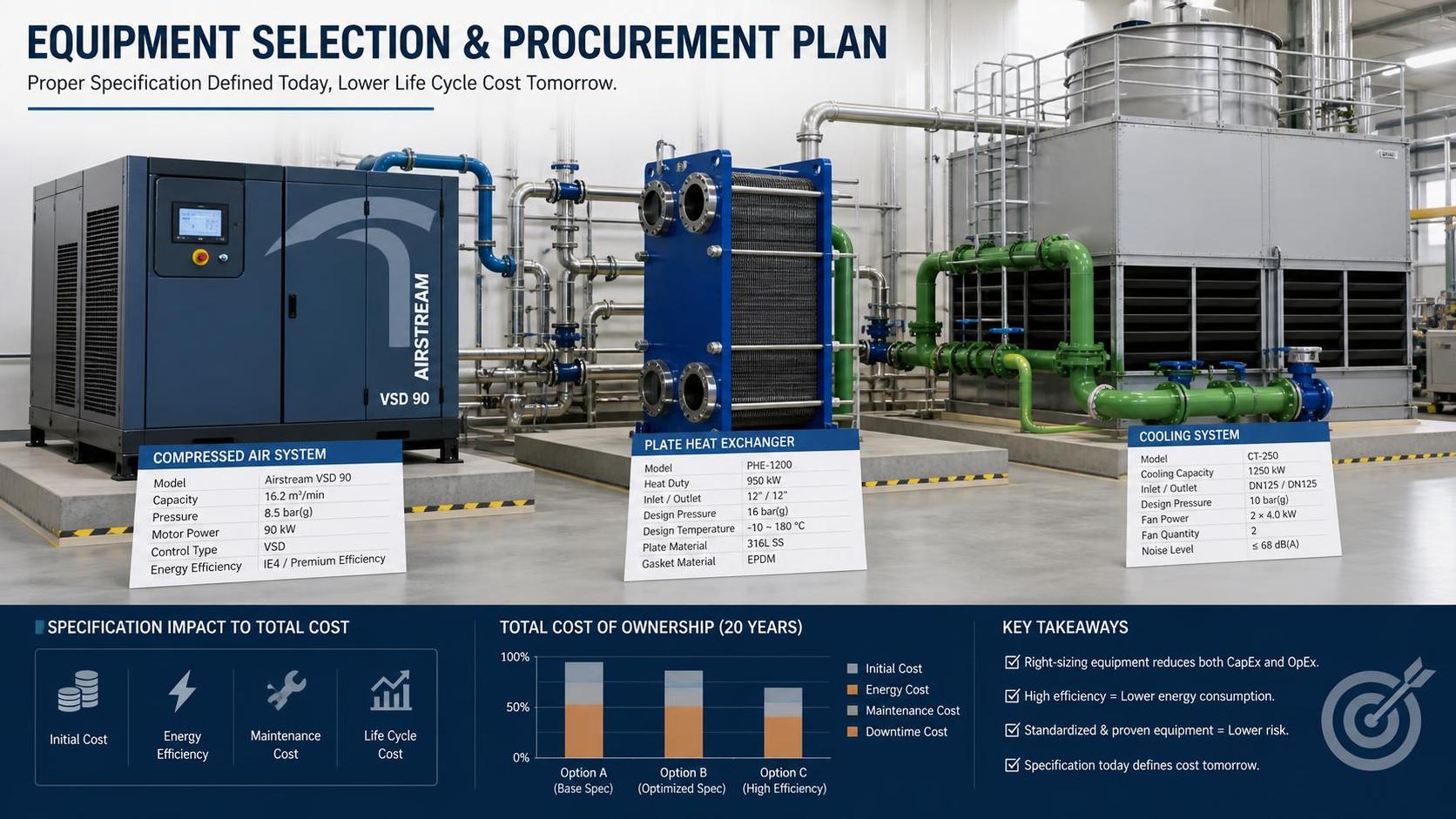
For leaders making procurement or capital-planning decisions, the key question is not simply, “Which equipment is most efficient?” It is: “Which utility configuration will deliver the required process conditions at the lowest reliable lifecycle cost?” That distinction matters. The lowest-priced machine can be expensive to operate, while a technically impressive system can fail financially if it is oversized, difficult to maintain, or poorly matched to the plant’s actual load profile.
Utilities consume energy long before production sees the benefit
A process plant does not buy electricity, fuel, or water merely to keep utility equipment running. It buys stable pressure, controlled temperature, clean air, vacuum depth, humidity control, and heat at the right point in the process. The problem is that every conversion step introduces loss. Electricity becomes compressed air; fuel becomes steam; chilled water absorbs heat and then rejects it elsewhere; vacuum pumps remove gases that may have entered through leaks or unnecessary operating practices.
This is why industrial utility systems in process plants deserve the same commercial scrutiny as major production assets. A packaging line may be evaluated by throughput and reject rate, but the compressed-air network supporting it should be assessed by delivered pressure, air quality, leakage, pressure stability, and energy per unit of useful air delivered. A reactor’s heating system should not be judged only by boiler efficiency at the boiler outlet. Distribution losses, condensate return, control-valve behavior, insulation condition, flash steam, and process heat demand all influence the final cost.
In practice, the largest cost issue is often not one catastrophic inefficiency. It is a collection of “normal” losses that have become accepted over time: an elevated compressed-air setpoint because one remote machine once had pressure trouble; cooling pumps running at full speed because nobody has revisited the control sequence; steam traps that are inspected inconsistently; or standby vacuum equipment left online because production teams understandably prioritize uptime.
Compressed air: expensive energy hidden behind a familiar utility
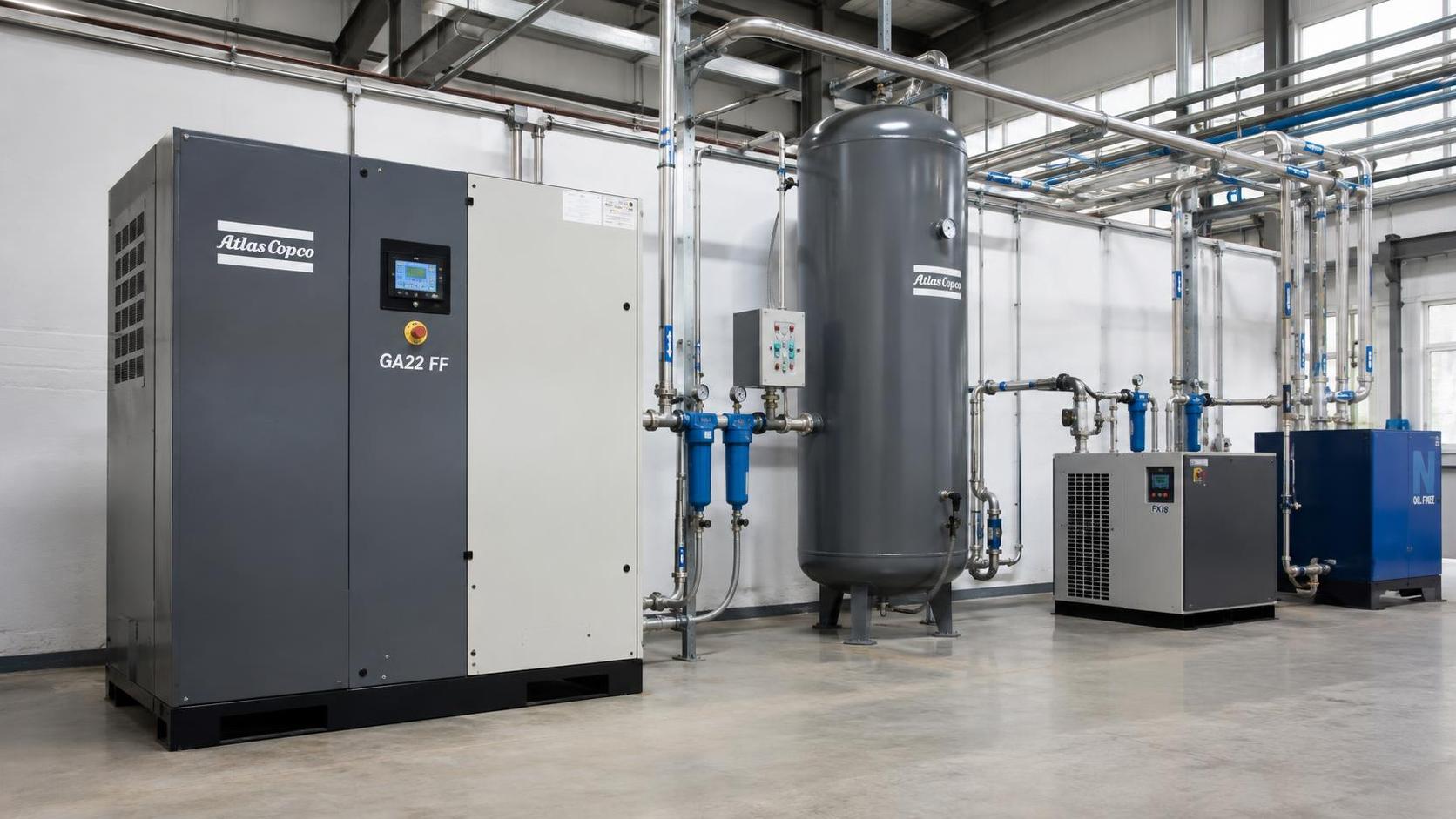
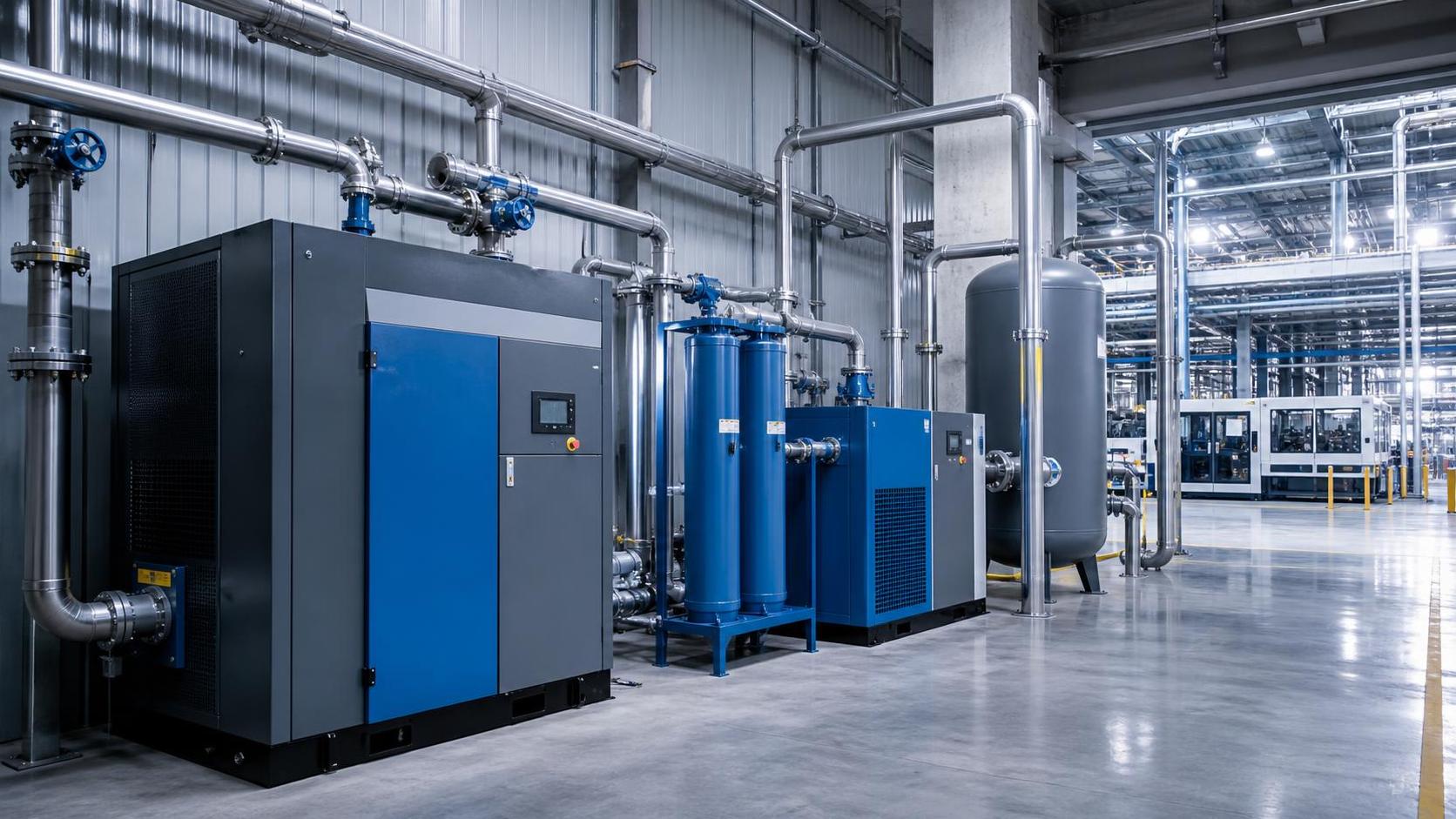
Compressed air is convenient, clean at the point of use, and easy to distribute. That convenience can make it deceptively costly. Plants commonly use it for actuators, instrumentation, conveying, cleaning, packaging, agitation, and occasional improvised tasks that were never part of the original system design. Each new use appears minor; collectively, they can change the required compressor capacity and operating pressure.
The purchasing mistake is to focus on nominal compressor capacity without examining the demand pattern. Does the facility run one steady shift, batch campaigns, frequent product changeovers, or unpredictable 24-hour production? Is the compressed-air load mostly stable, or does it swing sharply when large valves, blow-off stations, or packaging equipment cycle? A fixed-speed compressor may suit a stable baseload, while variable-speed capacity can be useful where demand genuinely fluctuates. Neither arrangement is automatically superior; control strategy and sequencing are usually as important as the machine itself.
Air quality is another place where low initial cost can create a poor decision. Food, pharmaceutical, electronics, and sensitive pneumatic applications may need dry, oil-free, or carefully filtered air. But specifying a higher purity class everywhere can add pressure drop and treatment cost where it is not needed. A better design may separate critical and general-purpose air users, provided the operational risk is understood and the network can be managed without creating confusion on the plant floor.
Leaks deserve attention, but they should not become the entire compressed-air strategy. Leak repair is a sensible recurring discipline; it does not replace demand management. A plant that uses compressed air for cooling, vacuum generation, open blowing, or continuous agitation may have a process-design issue rather than a maintenance issue. Before approving additional compressor capacity, decision-makers should ask whether the air demand is productive, unavoidable, and correctly pressure-regulated.
Cooling and refrigeration costs are shaped by the whole heat-rejection path
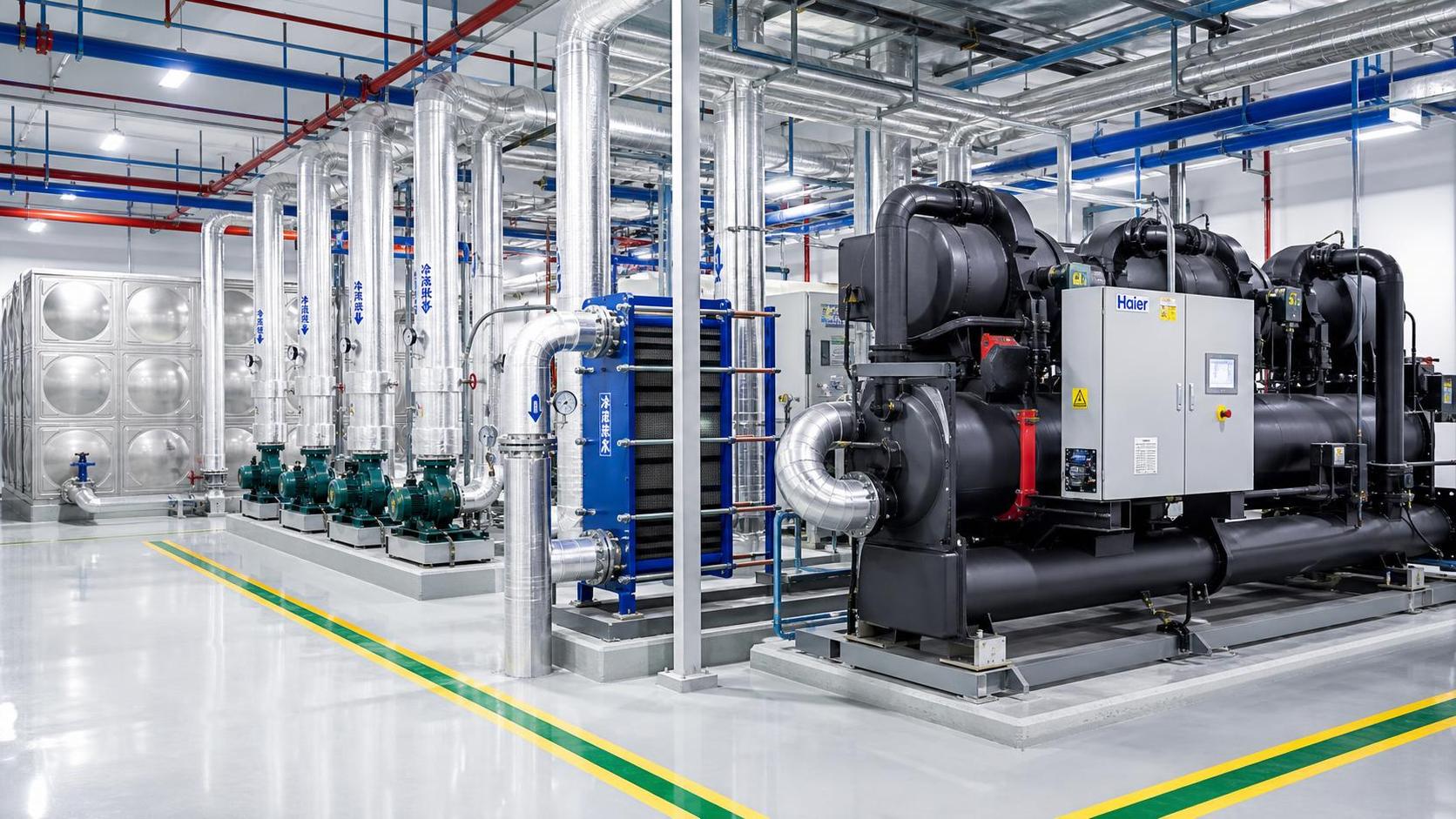
Cooling systems are often evaluated around the chiller or refrigeration package, but energy use is governed by the complete thermal chain: process load, evaporating temperature, condensing conditions, heat exchanger performance, pumping energy, cooling-water quality, controls, and ambient conditions. A highly efficient chiller cannot fully compensate for fouled heat exchangers, excessive chilled-water flow, a poorly controlled cooling tower, or a process that asks for colder fluid than it truly needs.
A common operational pattern is gradual temperature “creep.” A process team requests a lower supply temperature to protect product quality or shorten a batch step. Maintenance later compensates for reduced heat-transfer performance by lowering the temperature further. Over time, the plant may be operating far below the temperature level originally required, with a substantial energy consequence. The request may have been reasonable, but it should trigger a heat-balance review rather than become a permanent setpoint change.
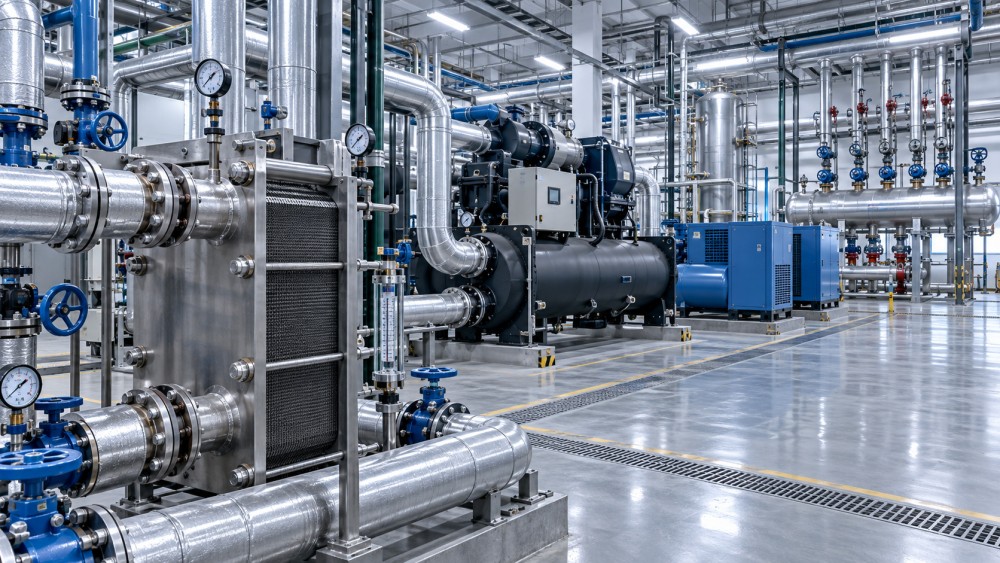
Heat-exchanger selection is central here. Plate, shell-and-tube, air-cooled, and microchannel designs each have different maintenance, fouling, pressure-drop, footprint, and serviceability implications. In a clean and well-controlled application, a compact exchanger may offer attractive thermal performance. In a fluid stream prone to solids, scaling, or difficult cleaning, access and recoverability may matter more than compactness. Buyers should be wary of comparing only heat-transfer duty and purchase price. The question is how the exchanger will perform after months or years of real operating conditions.
Refrigerant choices also require a broader view than immediate equipment efficiency. Availability, local regulatory requirements, service capability, safety classification, future maintenance practices, and the expected life of the asset all belong in the evaluation. Policy treatment of environmentally preferable refrigerants can vary by market and change over time, so procurement teams should verify current local requirements rather than rely on generic assumptions.
Steam, hot water, and waste heat: the cost is often in distribution, not generation
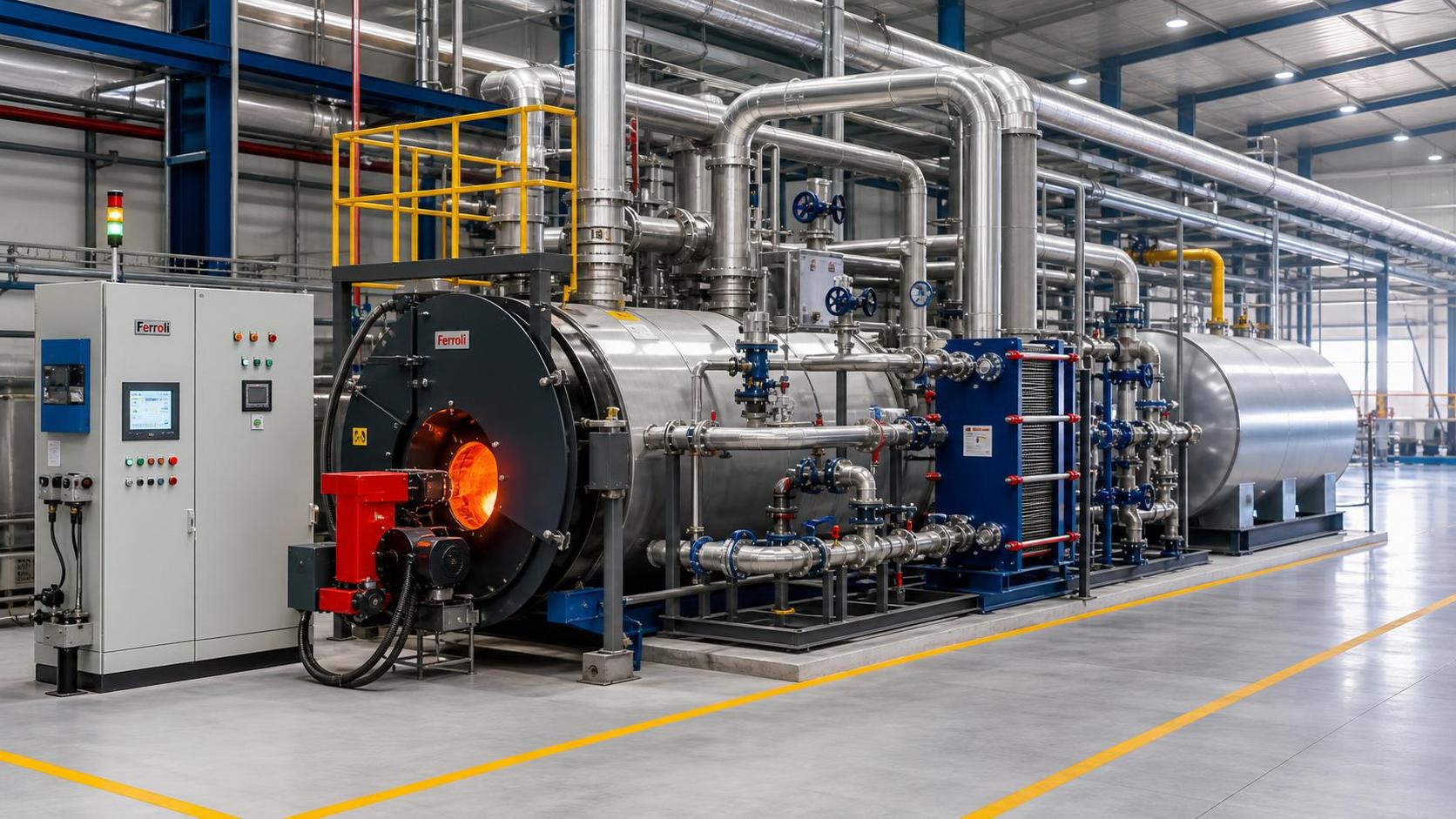
Steam remains valuable because it delivers a large amount of heat at controllable temperature and is familiar to process operators. However, the boiler’s nameplate efficiency is not the same as site-wide steam efficiency. A plant can have a modern boiler and still spend unnecessarily if condensate is not recovered effectively, pressure is higher than the process needs, flash steam is unmanaged, insulation is deteriorated, or heat users are poorly controlled.
The same applies to hot-water loops. In many applications, lower-temperature heat can serve cleaning, preheating, space conditioning, or feedwater duties. If a plant uses high-grade steam for a low-temperature requirement, it may be destroying useful energy quality simply because the existing system is convenient. The correct alternative could be a heat pump, recovered condenser heat, a lower-pressure steam level, or a dedicated hot-water loop. It depends on temperature lift, operating hours, maintenance capability, and the reliability requirements of the process.
Waste-heat recovery is frequently discussed as an obvious win. It is not always one. Recoverable heat must be available when there is a useful demand, at a usable temperature, with manageable contamination risk and a reasonable path for maintenance. Exhaust heat from compressors, condenser heat from refrigeration, boiler blowdown energy, and hot process effluent can all be worthwhile sources, but only when source and sink profiles align. A recovery project that requires complex storage, extensive piping, or constant operator intervention may not deliver the expected economics.
Vacuum systems reveal a familiar procurement problem: buying for the worst minute of the year
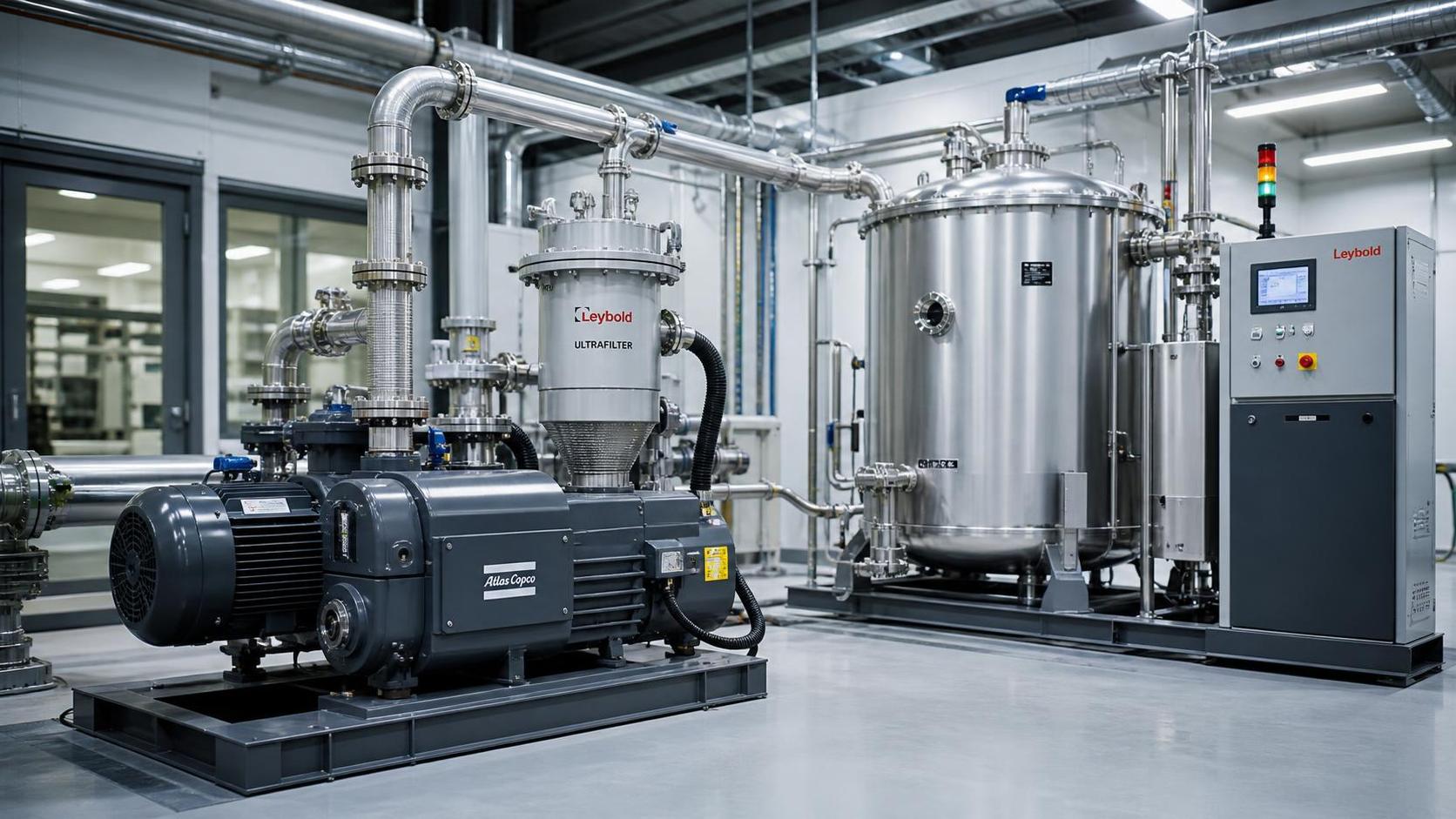
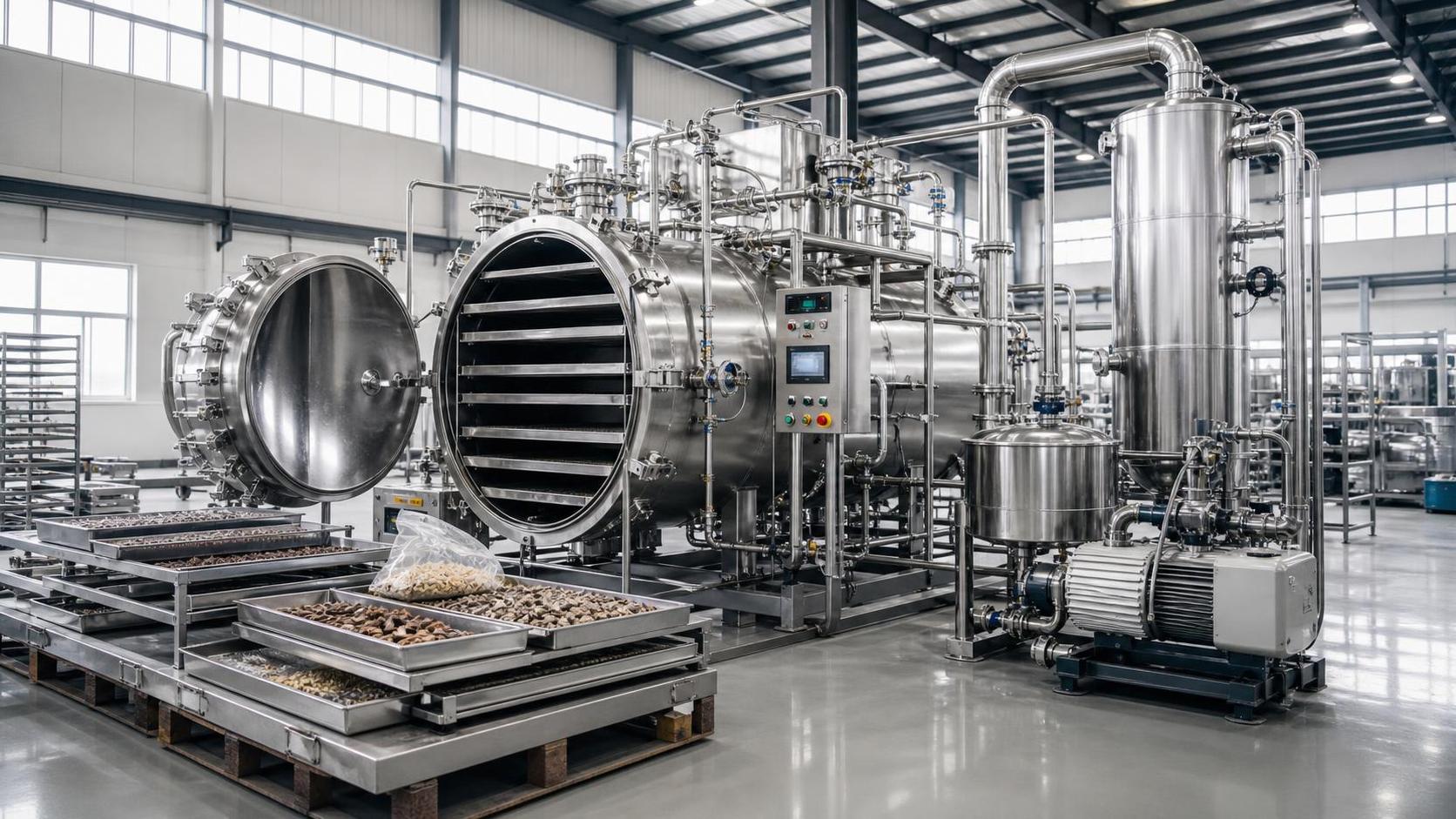
Vacuum is essential in drying, distillation, filtration, degassing, material handling, semiconductor production, packaging, and many chemical processes. Its energy cost depends on more than pump motor size. The required vacuum level, gas composition, vapor load, leakage rate, pump technology, seal-fluid requirements, piping conductance, and operating sequence all affect performance.
Plants often specify vacuum capacity around an extreme event: startup evacuation, a difficult product batch, a temporary upset, or future production expansion. Designing for that condition may be appropriate, but operating the full system continuously is usually not. Modular pump arrangements, staged control, buffer capacity, and a separate strategy for startup conditions can offer better economics than a single oversized unit. The engineering challenge is to distinguish genuine process risk from a historical preference for excess capacity.
Oil-sealed, dry, liquid-ring, and other vacuum technologies also involve practical trade-offs. Dry systems can be attractive where contamination control and reduced utility use are priorities, yet they may require careful protection from incompatible vapors or particulates. Liquid-ring systems can handle demanding vapor loads in suitable duties but bring water management into the cost equation. No technology should be selected from a generic ranking; the process gas and cleaning regime matter.
The most useful procurement document is a load profile, not a vendor comparison sheet
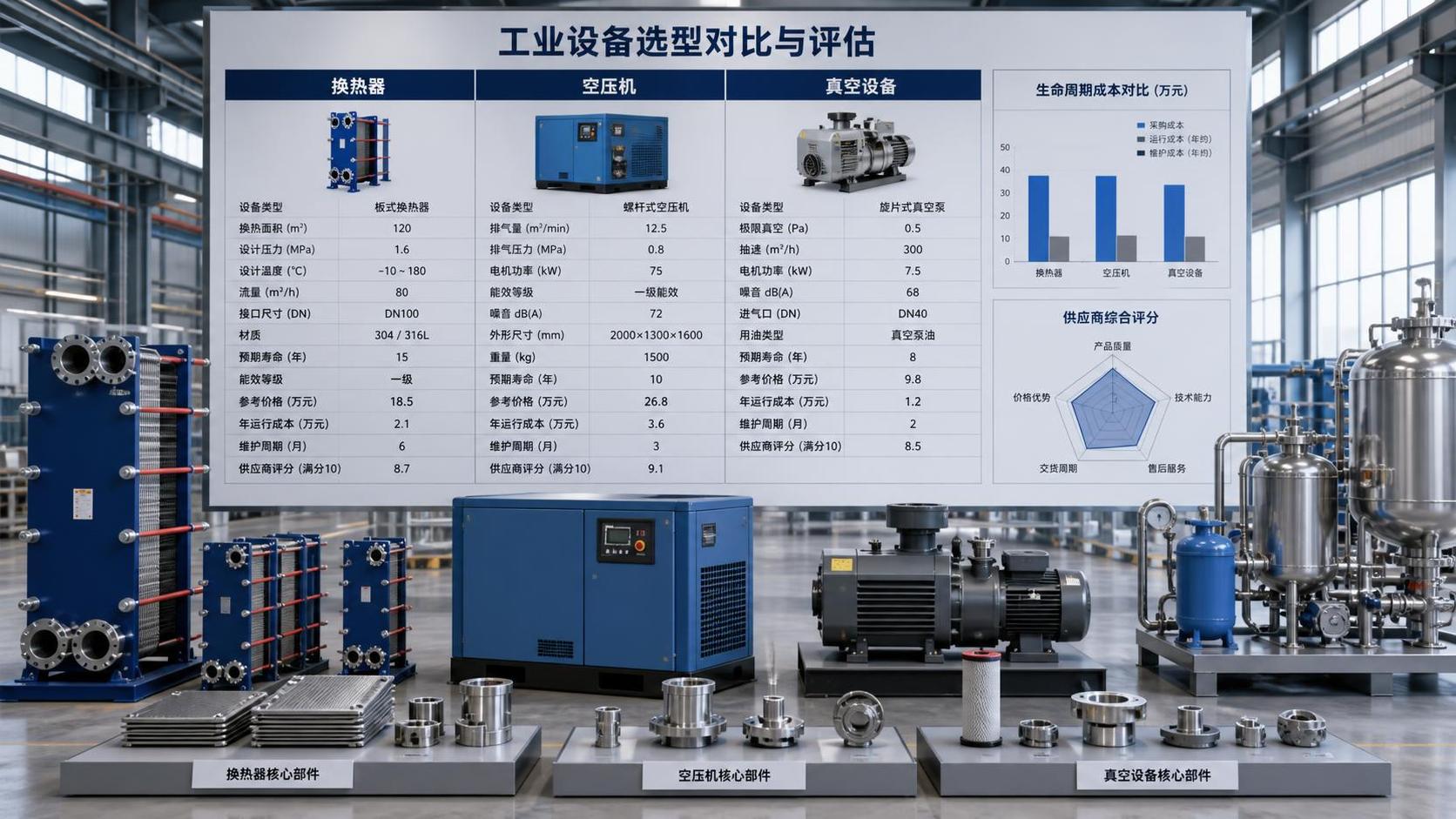
Vendor proposals are easier to compare when the plant first defines what it actually needs. That means gathering operating data before issuing a specification: hourly and seasonal demand, required pressure and temperature at critical users, production modes, quality requirements, existing bottlenecks, planned expansion, utility tariffs, fuel availability, water constraints, and acceptable downtime. A one-day snapshot is rarely enough for a batch or multi-product facility.
A sound evaluation should separate four questions that are often blended together:
- What process condition must be guaranteed at the point of use?
- How does demand vary during normal, peak, startup, cleaning, and standby periods?
- What energy and maintenance burden will the system create across its expected service life?
- What happens when a major component is unavailable, and how much redundancy is genuinely justified?
This approach changes discussions with suppliers. Instead of asking for “the most efficient compressor” or “a low-energy cooling system,” the buyer can request performance at defined operating points, turndown behavior, control philosophy, utility consumption boundaries, maintenance assumptions, integration requirements, and exclusions. It also exposes where proposals are not directly comparable. One supplier may include heat recovery controls and remote monitoring; another may price only the core machine. One may assume clean water and stable ambient conditions; another may include treatment or derating allowances.
Measure the utility system as a system
Submetering is valuable when it answers a decision, not when it merely adds dashboards. Electricity meters on compressors, chillers, pumps, and vacuum trains can show where major loads sit. Pressure, temperature, flow, and runtime data explain why those loads change. For thermal systems, measuring both energy input and useful heat delivered is far more informative than tracking fuel consumption alone.
The strongest plants connect utility data to production context. Energy per batch, per operating hour, per tonne, or per acceptable unit can reveal drift that total monthly utility spend conceals. If output falls while base utility demand stays flat, the cost per unit rises quickly. If a new product campaign raises cooling or vacuum consumption, management can see whether the cost is inherent to the product or caused by a controllable operating condition.
This is where specialist industrial intelligence can be useful. GTC-Matrix tracks developments across industrial cooling, compressed air, vacuum processes, and heat-exchange technologies, while also examining the economic context around energy prices, refrigerant transitions, and changing equipment designs. For a procurement team, the value is not another generic trend report. It is the ability to connect thermodynamic requirements with commercial consequences before a specification hardens into an expensive long-term commitment.
A lower utility bill starts with better boundaries
Energy reduction projects fail when their boundaries are too narrow. Replacing a compressor, chiller, boiler, or vacuum pump may be justified, but the business case should include distribution, controls, process demand, maintenance practices, and heat-recovery opportunities. Otherwise, a new asset is simply inserted into an old inefficiency.
Before approving a major utility purchase, establish the required process conditions, verify the real load profile, identify avoidable demand, and test whether one system’s waste can serve another system’s need. That discipline may lead to a larger capital project, a smaller one, or no equipment purchase at all. In each case, it gives decision-makers something more useful than a promising equipment brochure: a clearer view of what the plant is actually paying for, and why.
Related News
- How industrial utility systems affect energy costs in process plantsAuthor :

- What to verify before choosing a process separation technology supplierAuthor :

- When does process utilities engineering reduce project rework?Author :

- Where thermal efficiency optimization delivers the fastest savings in EuropeAuthor :

- What should you verify before selecting a heat transfer supplier?Author :

- What drives compressed air systems price for industrial projects?Author :

- How an industrial product knowledge comparison guide reduces sourcing riskAuthor :

- When does a procurement specification planning process reduce bid risk?Author :

- When does thermal system optimization for electronics reduce failure risk?Author :

- When high temperature process heating systems justify the higher energy costAuthor :

- How to compare sludge dewatering equipment by cake drynessAuthor :

- What to Check Before Sourcing a Gas Turbine for Distributed Power ProjectsAuthor :

- What drives industrial thermal systems price in large facility projectsAuthor :

- How to build an industrial product comparison chart that speeds up vendor selectionAuthor :

- Vacuum Technology Application Guide for Selecting the Right SystemAuthor :

- What Drives Vacuum Drying Cost in Industrial Procurement?Author :

- What Drives Compressed Air Pricing in Industrial Systems?Author :

- How Procurement Specification Planning Shapes Total Project CostAuthor :

- Compression Technology Guide: How to Compare Efficiency, Pressure Range, and Maintenance NeedsAuthor :

- How to Compare Industrial Separators by Throughput, Purity, and Maintenance LoadAuthor :

- How to Size a Compressed Air Equipment Receiver Tank for Stable PressureAuthor :

- Industrial Equipment Selection Guide: How to Compare Capacity, Duty Cycle, and Operating CostAuthor :

- How to Evaluate an Intellectualization Supplier for Industrial UpgradesAuthor :

- High-Efficiency Manufacturing: Cost Savings vs. Upgrade RiskAuthor :

- Thermal System Optimization Cost: What Drives ROI?Author :

- How to Plan Process Utilities for a Cleanroom Without Costly ReworkAuthor :

- How to Compare Process Heating Suppliers in MexicoAuthor :

- Food Processing Utilities: Common Sizing Mistakes That Raise Energy and Water UseAuthor :

- How to Build Procurement Specification Planning for Industrial EquipmentAuthor :

- OEM Cooperation for Industrial Equipment: Risks, Terms, and Cost PrioritiesAuthor :

- Specification-Oriented Product Resources That Speed Technical ReviewAuthor :

- Industrial Equipment Selection Guide: A Practical Buyer ChecklistAuthor :

- How to Compare Industrial Energy Management Systems by ROIAuthor :

- How to Evaluate a Deaerators Supplier for Long-Term Plant ReliabilityAuthor :
![]()
- How to Evaluate a Vacuum Technology Manufacturer in 2026Author :

- Thermal Efficiency Optimization Software: When the ROI Justifies DeploymentAuthor :