



How worldwide industry category guides help compare market opportunities




Worldwide industry category guides are useful when they turn a broad market label into a comparable operating environment. A country may appear attractive because demand for cooling equipment, compressed air systems, vacuum technology, or heat exchangers is rising, yet that headline alone does not reveal whether the opportunity fits a particular technical offer, sales model, or investment horizon.
A reliable comparison starts by separating market size signals from market accessibility signals. Demand can be substantial while projects remain concentrated in a few established contractors, local technical approvals delay entry, electricity pricing weakens the case for energy-intensive equipment, or buyers prioritize service coverage over a new equipment feature. Industry category guides worldwide create a consistent structure for examining those differences across regions.
Compare the application behind the category
Categories such as industrial cooling or compressed air are too broad to support a market-entry decision on their own. The same category can represent very different purchase conditions. “Industrial cooling” may involve process chillers for plastics conversion, low-temperature systems for food preservation, close-control cooling for electronics production, or utility-scale water loops in large plants. Each application places different weight on temperature stability, hygiene, redundancy, water availability, refrigerant selection, footprint, and service response.
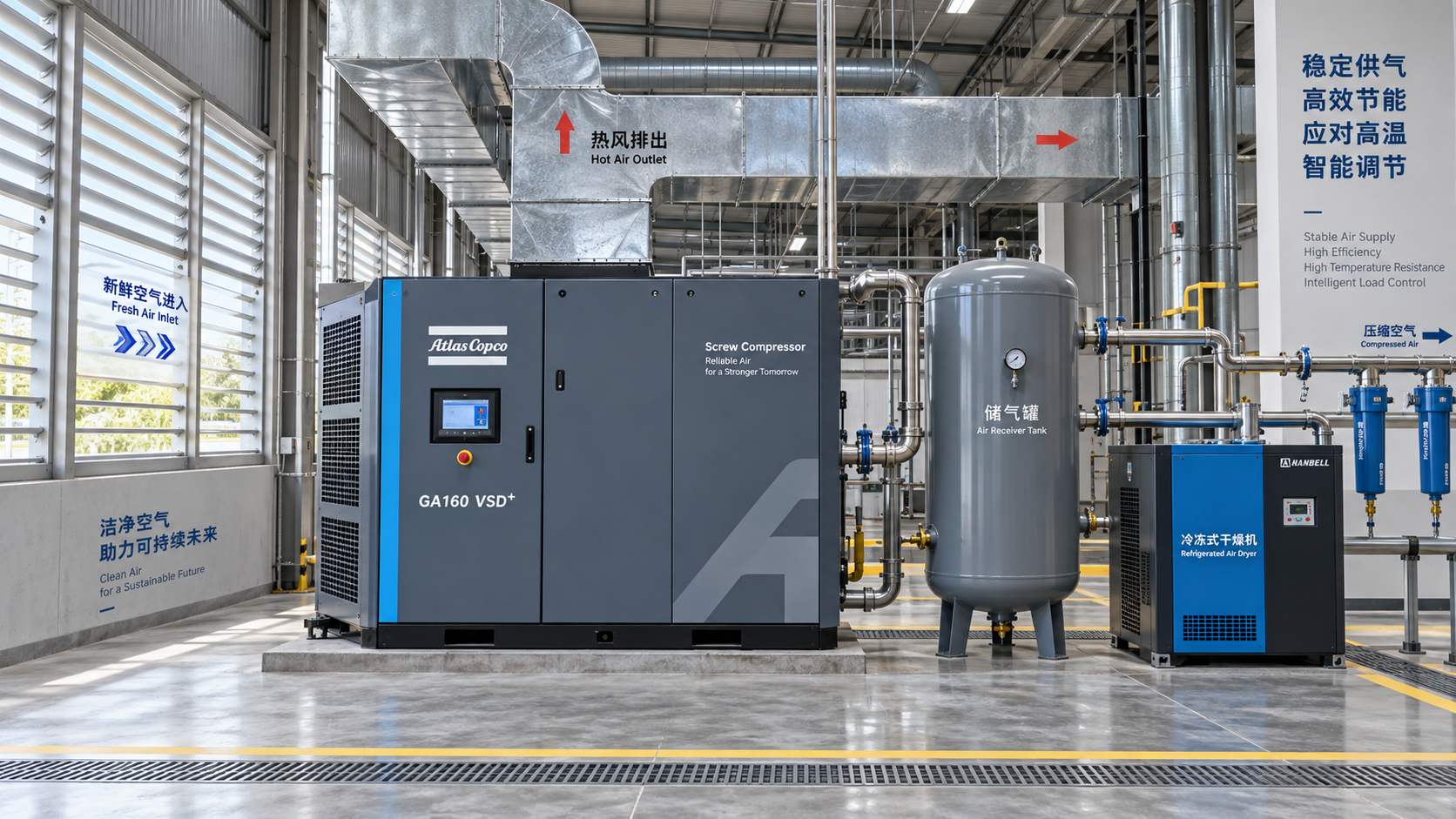
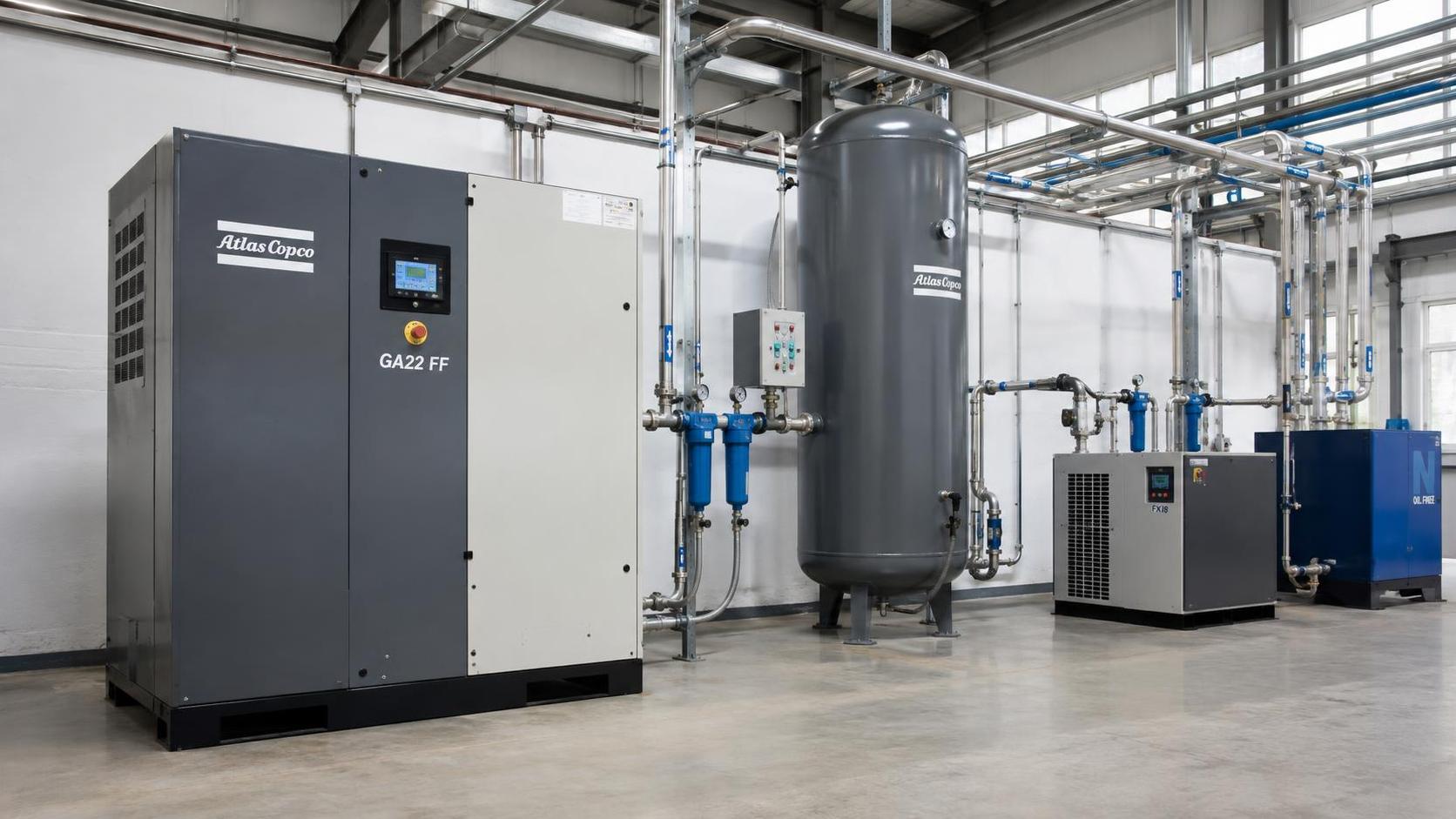
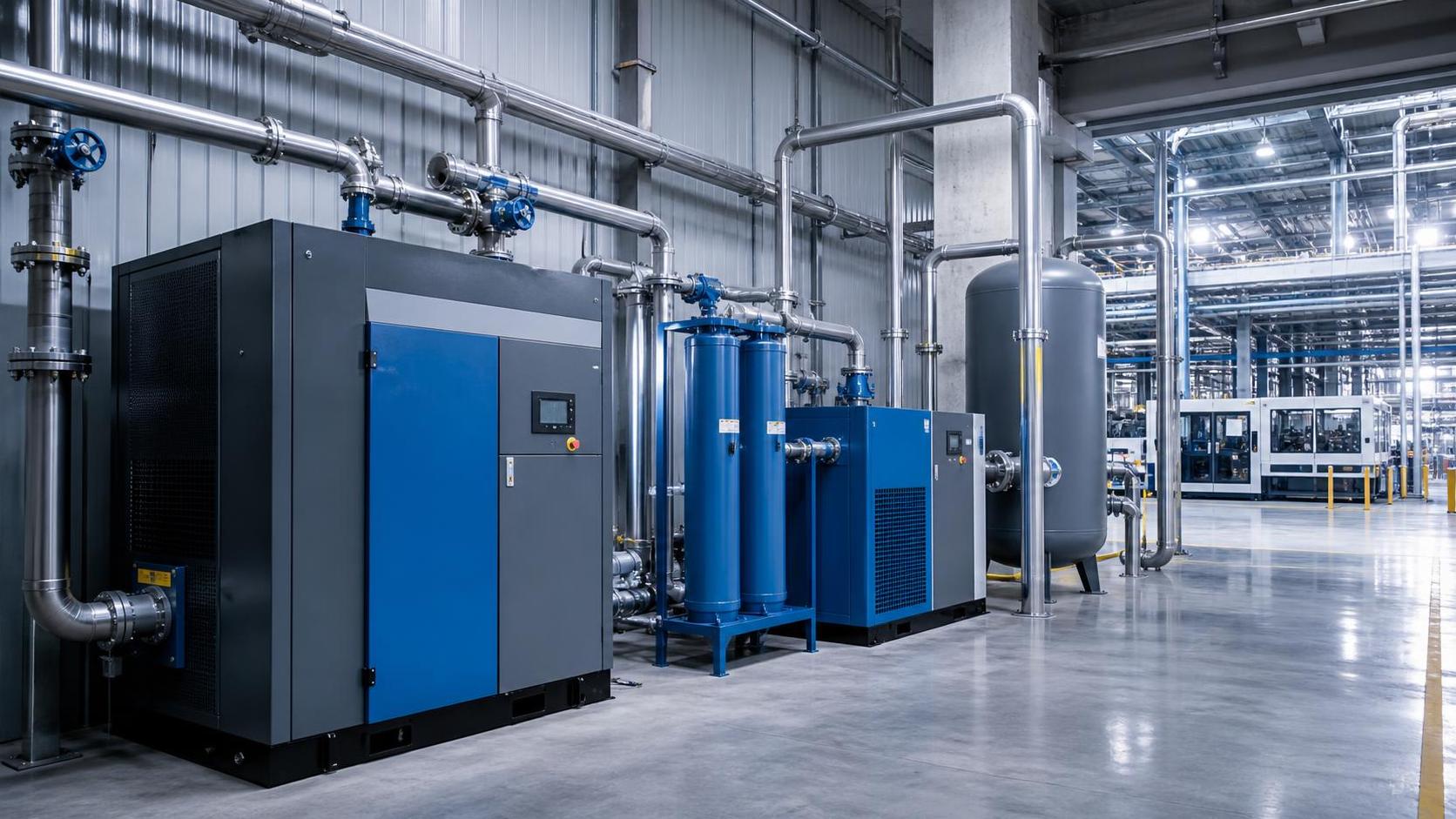
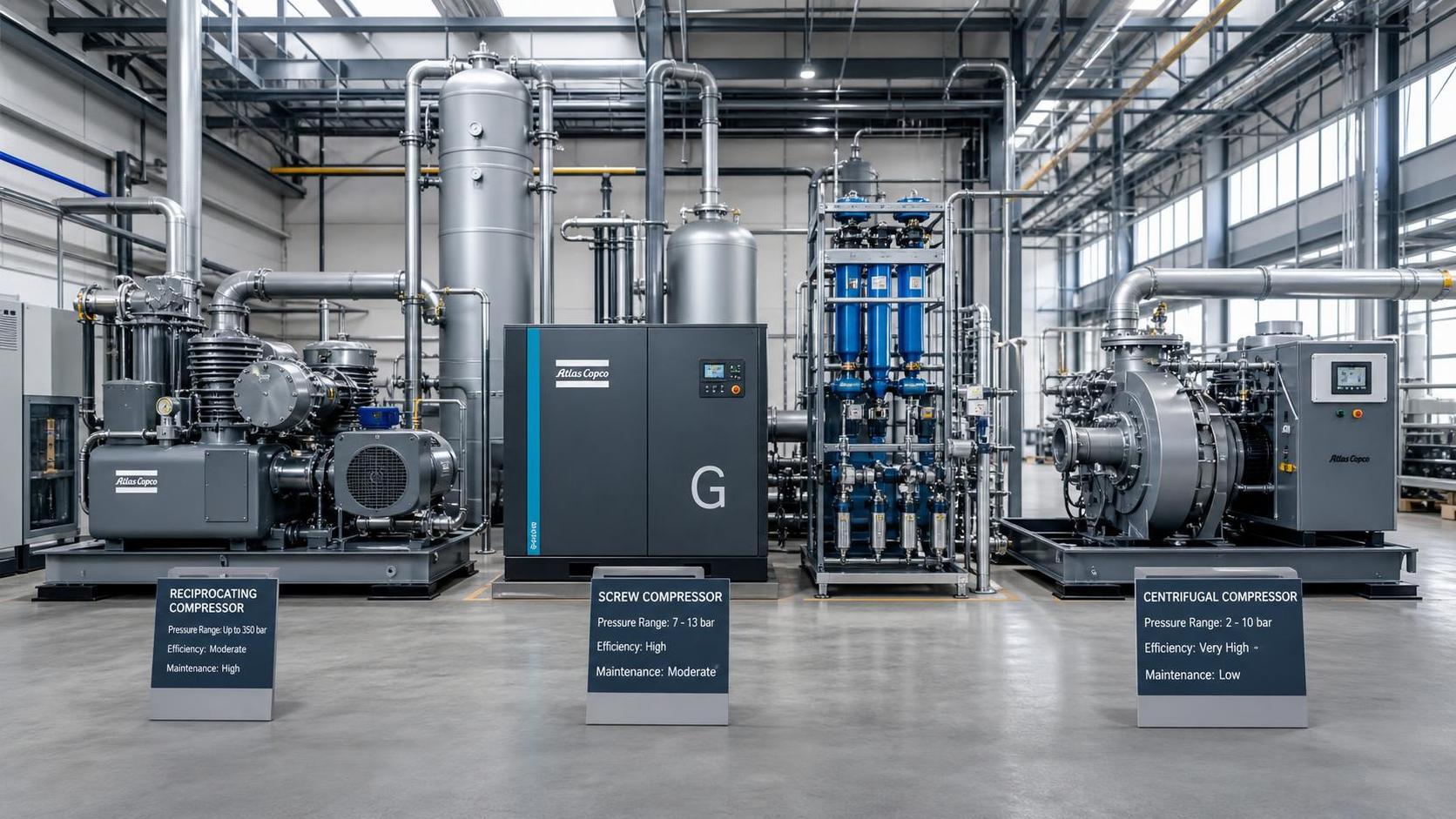
Compressed air shows the same problem. A guide that records only total demand for compressors can obscure whether the local market is dominated by general manufacturing, cleanroom production, mining, packaging, or intermittent construction activity. A machine sized for variable production shifts is assessed differently from one supplying continuous pneumatic conveying. Oil-free air is not automatically the stronger commercial proposition; its relevance depends on contamination risk, downstream filtration design, air-quality requirements, maintenance capability, and the consequences of a production interruption.
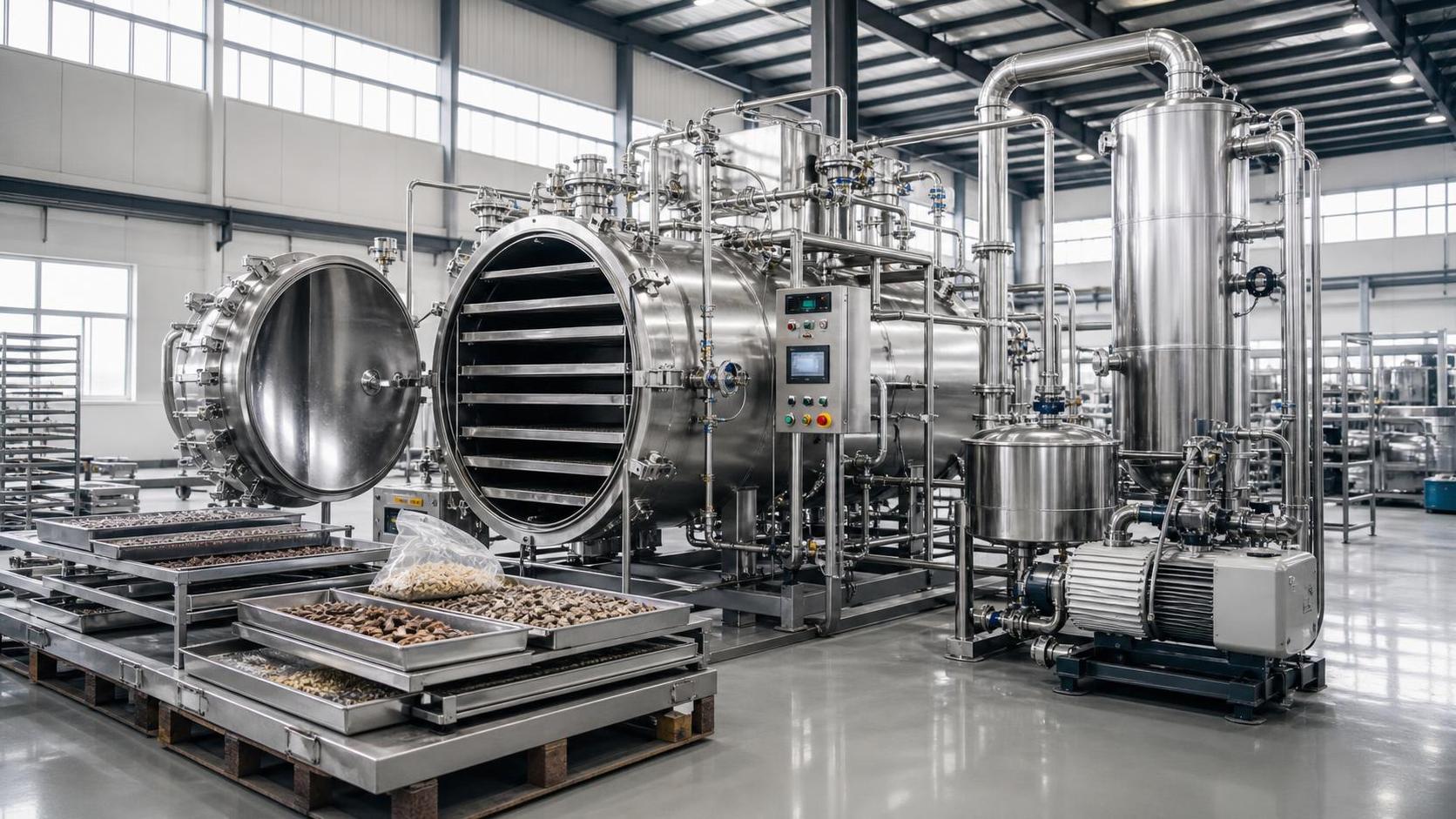
For vacuum processes, the category must be narrowed further. Vacuum drying, semiconductor processing, packaging, metallurgy, laboratory work, and chemical handling may all use vacuum equipment, but their requirements are shaped by vapor load, particulate exposure, ultimate pressure, pump-down time, seal material compatibility, exhaust treatment, and recovery procedures. Treating them as one addressable market invites false comparisons.
A category guide becomes more useful when every market is described through the same application lens: what process consumes the utility, what failure condition is unacceptable, what operating profile drives energy use, and which technical requirement is non-negotiable. That allows an opportunity to be compared on fit rather than visibility.
Demand needs an energy and operating context
Thermal and compression equipment is often evaluated over years of operation, so local energy conditions can change the commercial meaning of a specification. Two regions with similar factory output may offer very different opportunities because one rewards lower part-load energy use while the other is constrained mainly by heat rejection, water quality, site voltage stability, or limited maintenance access.
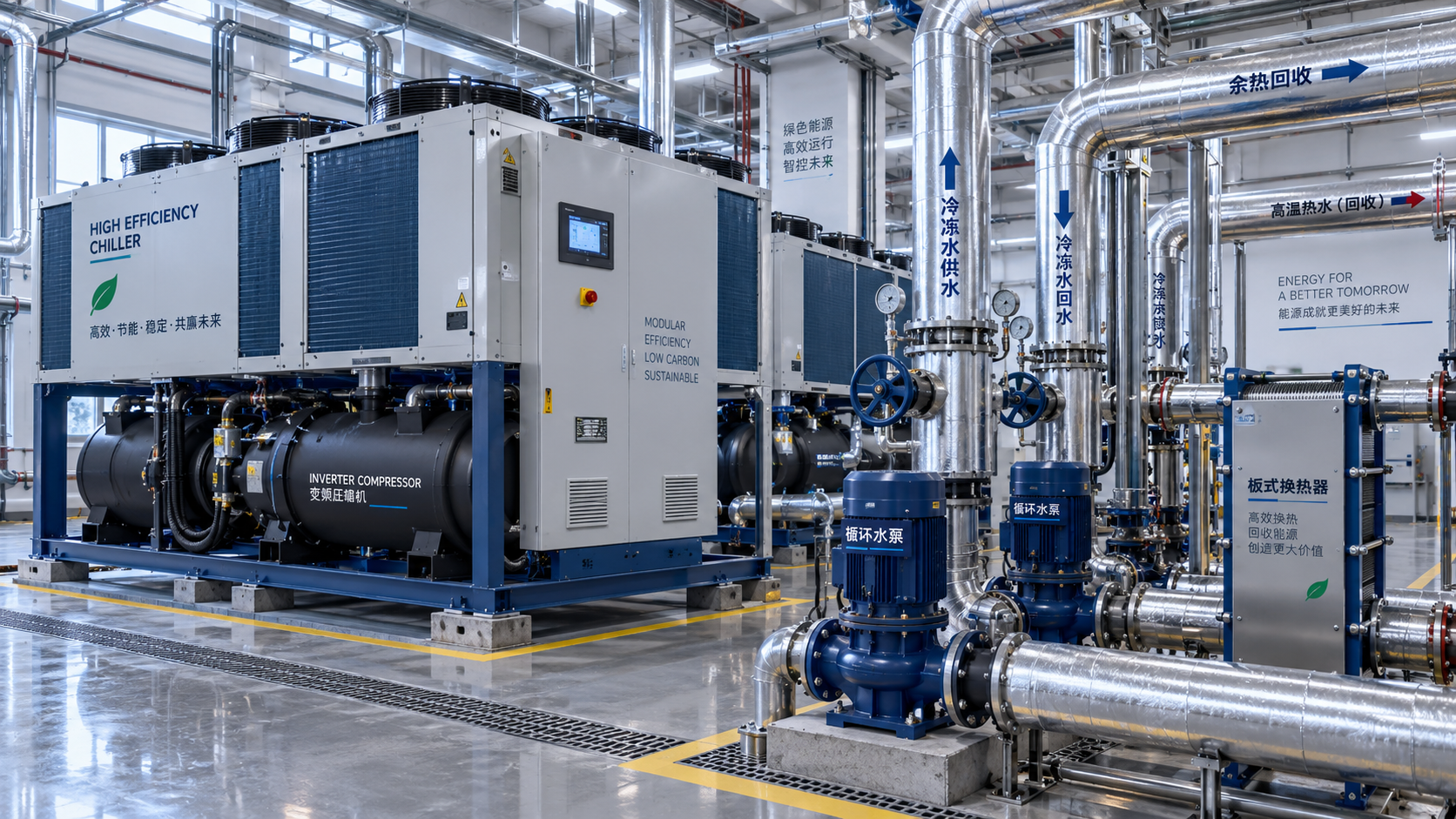
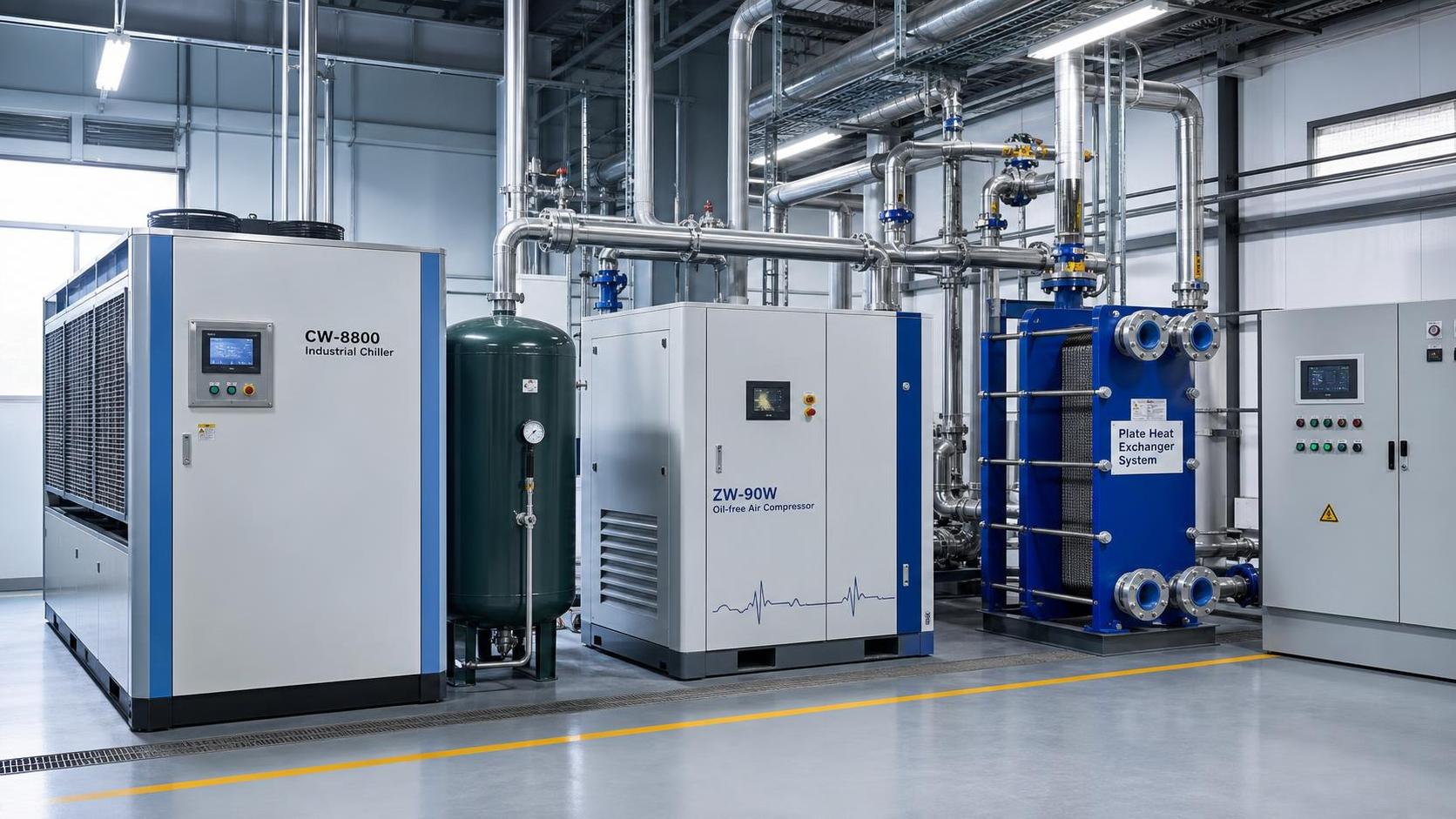
For a chiller, nominal cooling capacity is only the starting point. Ambient temperature, humidity, condenser approach, entering water temperature, glycol concentration, fouling allowance, and hours spent below full load affect the real operating profile. An air-cooled unit can be easier to install where water is restricted, but high ambient conditions may materially change its performance envelope. A water-cooled design may suit a stable central utility system, while requiring careful review of water treatment, tube cleaning access, pump energy, and corrosion exposure.
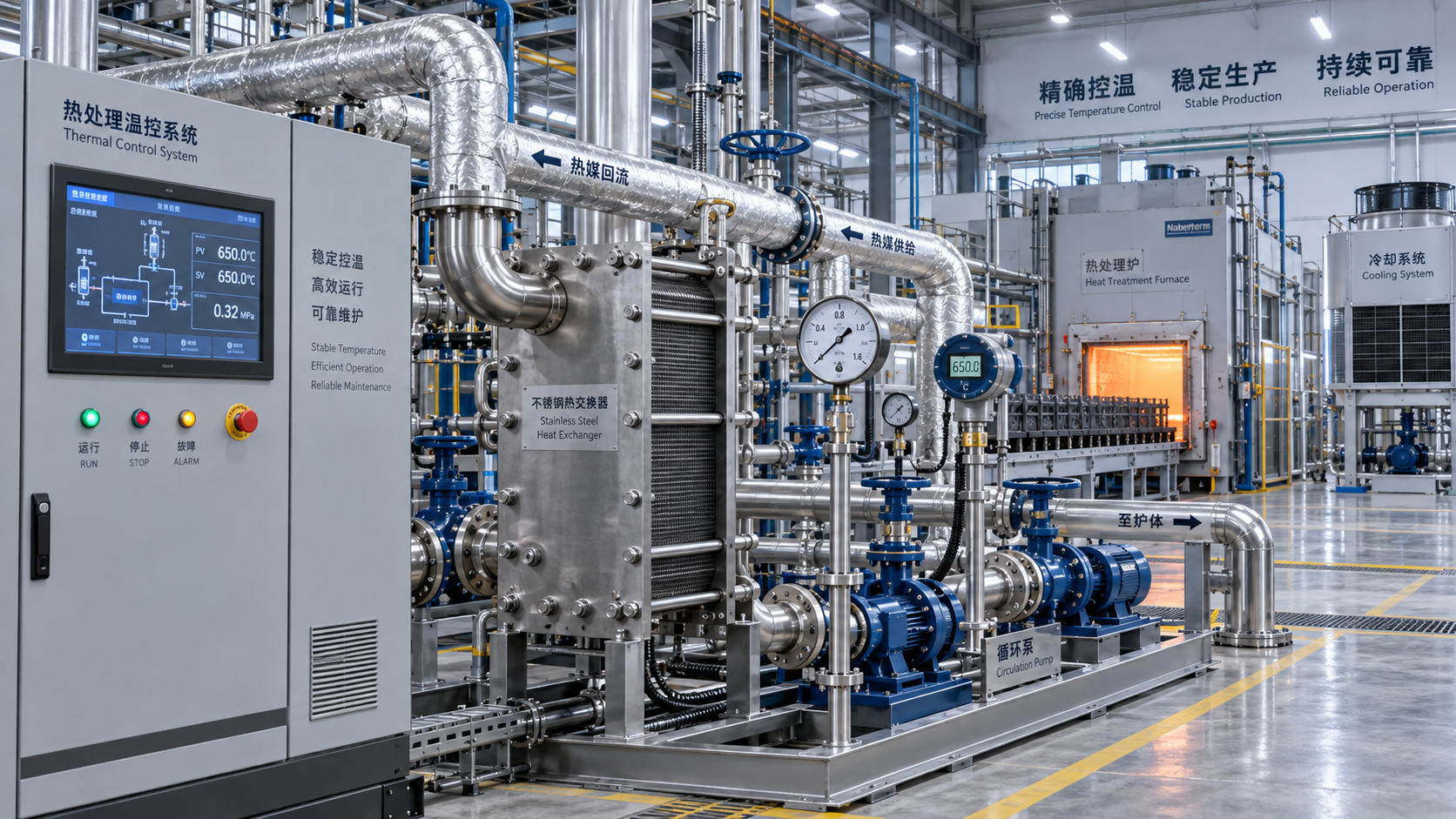
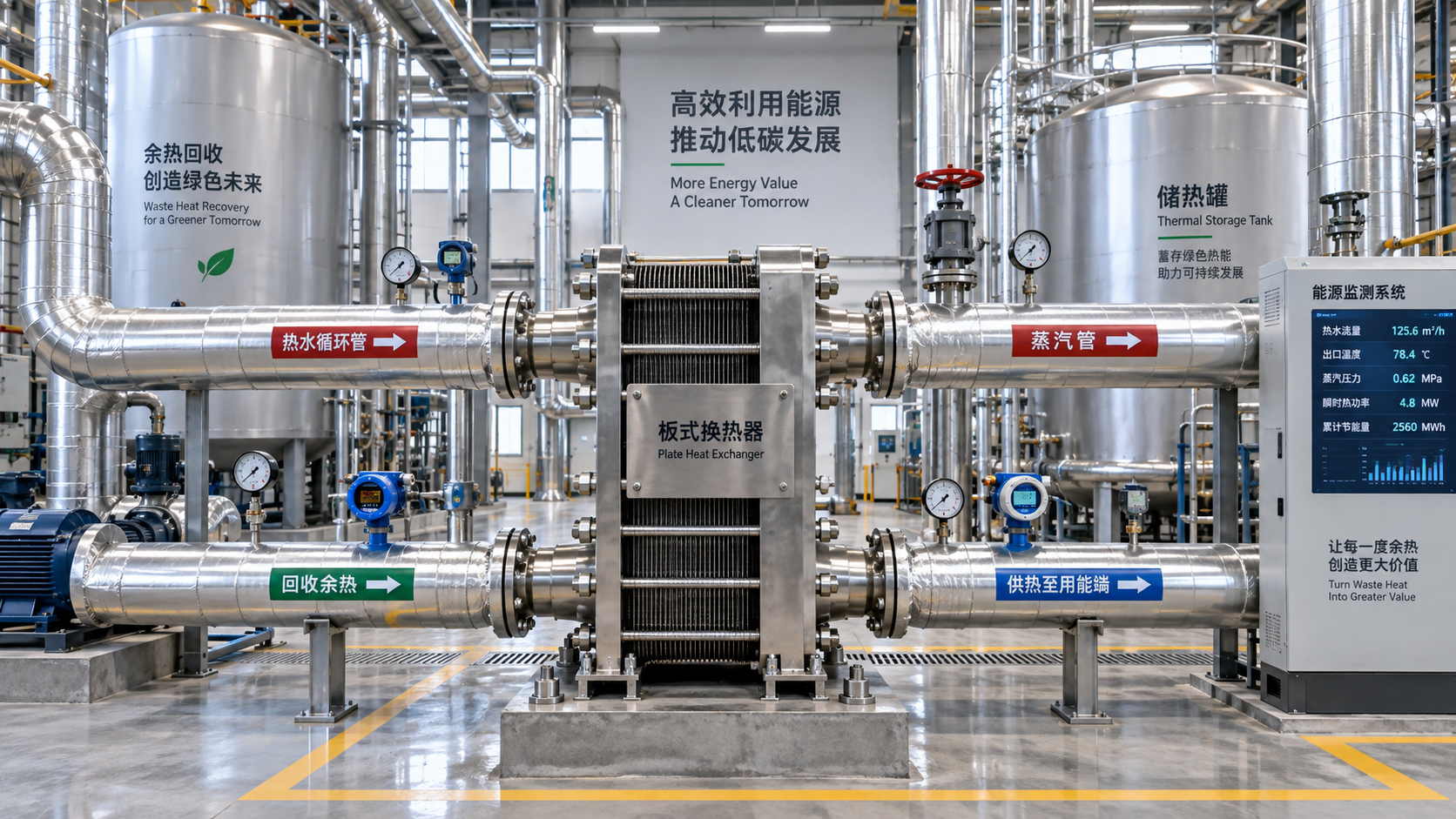
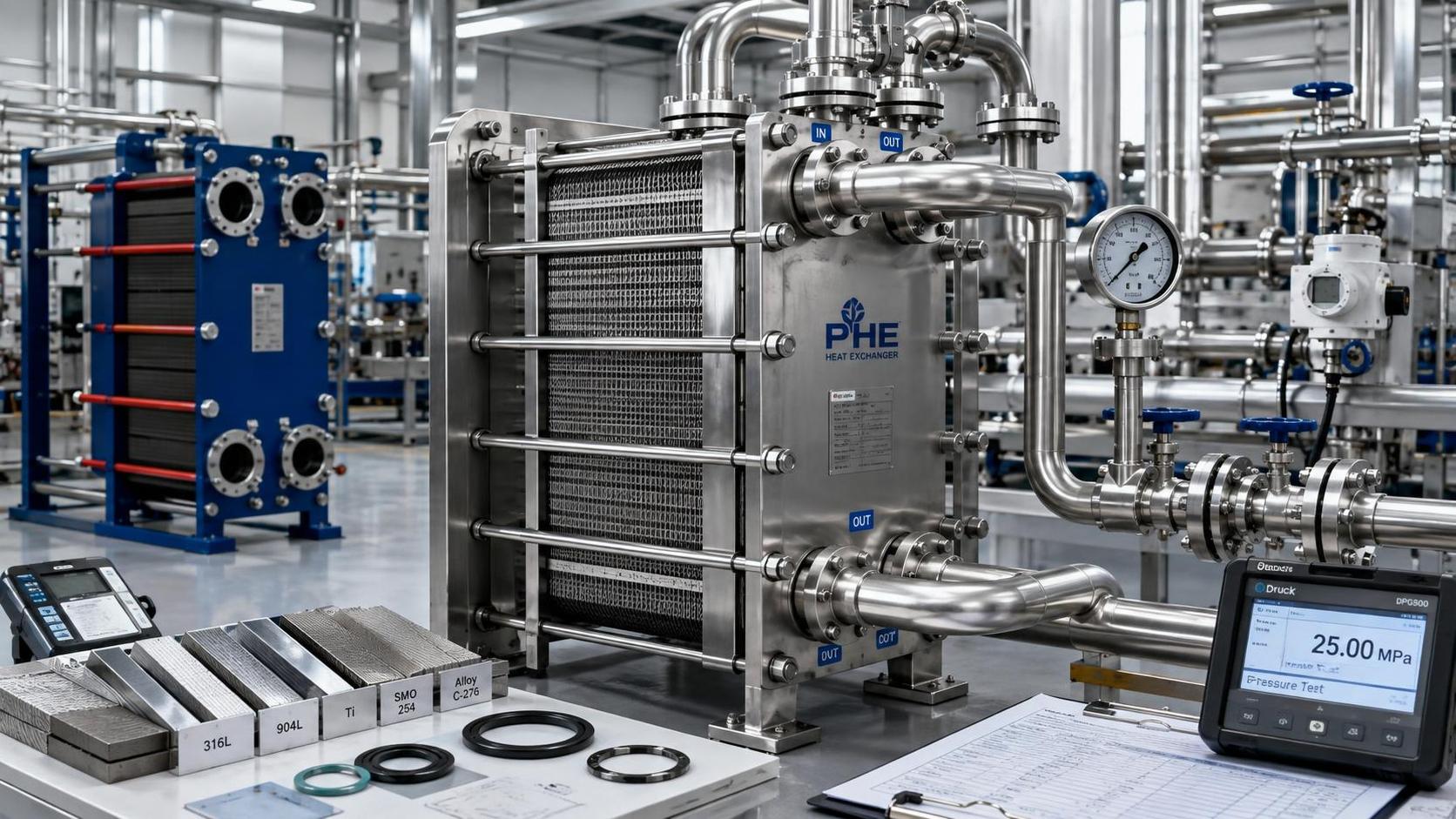
The same discipline applies to heat exchangers. A large process market does not necessarily favor every exchanger type. Plate geometry, gasket compatibility, pressure drop, fluid viscosity, suspended solids, cleanability, and thermal cycling determine whether a compact arrangement remains viable after installation. Stainless steel, copper alloys, aluminum, titanium, or coated surfaces cannot be compared as generic “quality” choices. Fluid chemistry, chloride exposure, temperature range, joining method, and expected inspection practice determine their practical value.
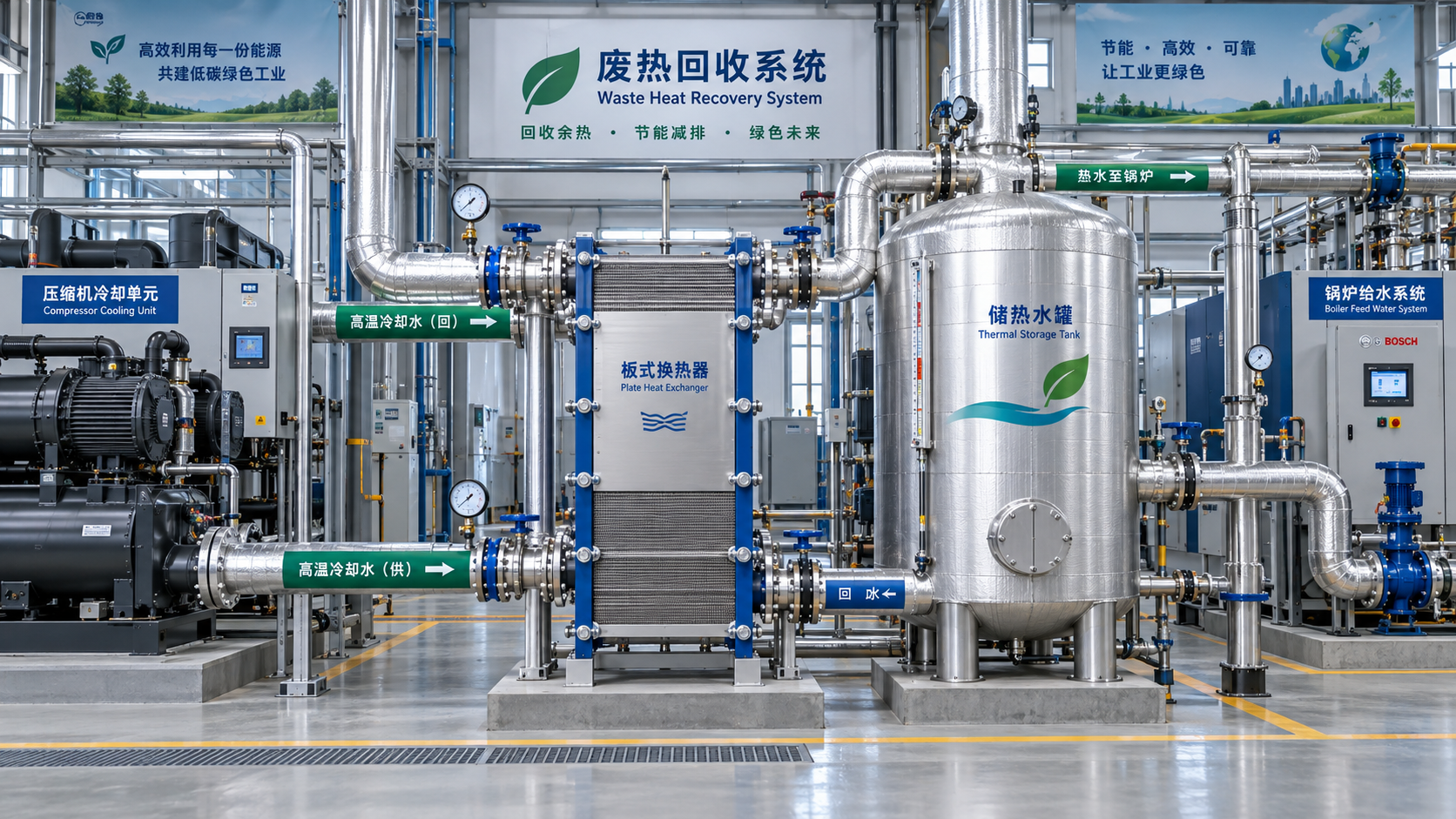
Category guides should therefore capture the operating variables that change the economic case, rather than simply attaching an energy-efficiency label to a market. Electricity cost is relevant, but so are tariff structure, peak-demand exposure, outage frequency, fuel availability for thermal systems, water restrictions, and the ability to recover waste heat within the site. Where a process has useful simultaneous heating and cooling loads, heat recovery may alter the preferred system architecture. Where cooling demand is sharply seasonal, installed capacity alone says little about annual utilization.
Policy signals need translation into equipment consequences
Cross-border comparisons often fail when policy is recorded as a general regulatory risk rather than translated into a design or commercial consequence. Environmental refrigerant rules, emissions requirements, energy-performance expectations, local electrical practices, pressure-equipment obligations, and site permitting processes influence different parts of a project. Their effect should be traced to the equipment configuration, documentation burden, installation sequence, spare-parts plan, and service model.
For example, a shift in refrigerant availability does not simply affect the refrigerant line item. It may influence compressor selection, lubricant compatibility, safety classification, charge size, leak-detection design, technician training, recovery equipment, and inventory policy. A guide that identifies only the policy direction leaves too much unresolved. A more decision-ready guide asks whether the technology already has an accepted local installation pathway, whether the required components can be supported locally, and whether the change affects retrofit demand differently from new-build demand.
Likewise, a market with strong decarbonization language may still favor projects that reduce operating cost or relieve capacity constraints first. The commercial case changes when a plant has limited downtime, an aging utility room, inadequate electrical capacity, or restricted roof loading. The category guide should connect the stated policy pressure to the physical constraints that determine whether a project proceeds.
Separate technical adoption from purchase readiness
Technology adoption is frequently mistaken for readiness to purchase. A region may show strong interest in variable-speed compression, microchannel heat exchangers, advanced controls, remote monitoring, low-emission boilers, or heat recovery. Interest becomes an opportunity only when the surrounding system can accept the technology and the purchase process recognizes its value.
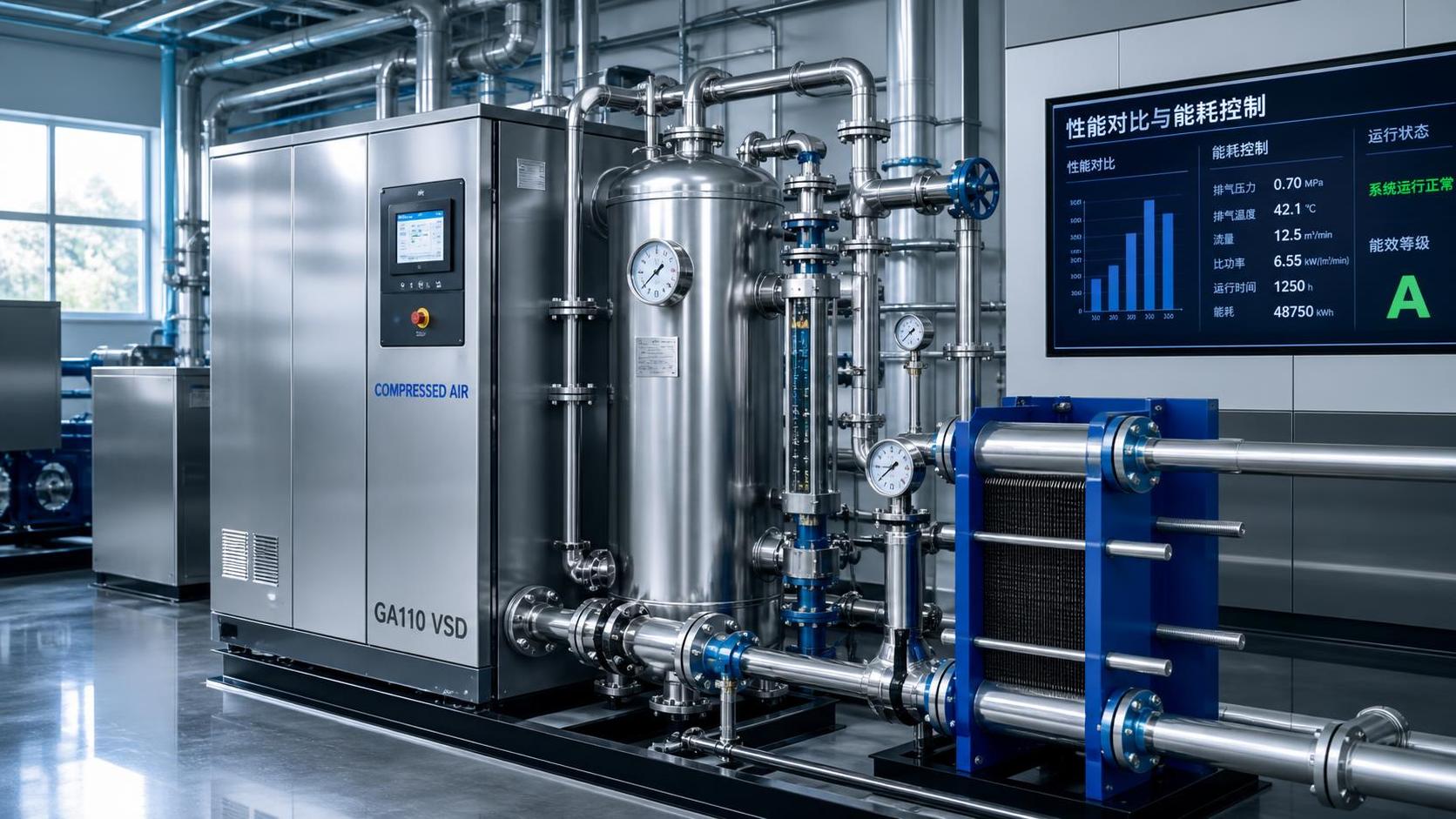
Variable-speed equipment illustrates the distinction. It is best assessed against the load curve, minimum turndown, control stability, receiver volume, and interaction with existing fixed-speed units. A facility with a highly stable base load may see little benefit from applying variable speed to the wrong machine. In a network with unresolved leaks, excessive pressure setpoints, undersized distribution pipe, or poor sequencing, a premium compressor configuration can mask rather than solve the dominant loss.
Remote condition monitoring has similar boundaries. Its value rises where asset records are reliable, communication infrastructure is permitted, alarms have an accountable response path, and service personnel can act on the diagnosis. Where equipment history is incomplete or connectivity is restricted, the immediate requirement may be better instrumentation, baseline commissioning, or clearer maintenance documentation. Category guides that record digital adoption should distinguish installed technology from the ability to use its outputs in daily operations.
Read buyer requirements as a system, not a feature list
Requirements gathered from different markets often look similar on paper: lower energy consumption, improved reliability, reduced maintenance, cleaner process conditions, and better monitoring. The priority order matters more than the words themselves. In a food process, washdown exposure, cleanability, drainage, and material compatibility may determine the acceptable design. In precision manufacturing, temperature stability, particle control, vibration, and uninterrupted utility quality can outweigh a small difference in nominal capacity. In a remote process site, maintainability and spare-parts availability may be more important than a tightly optimized configuration that requires specialist intervention.
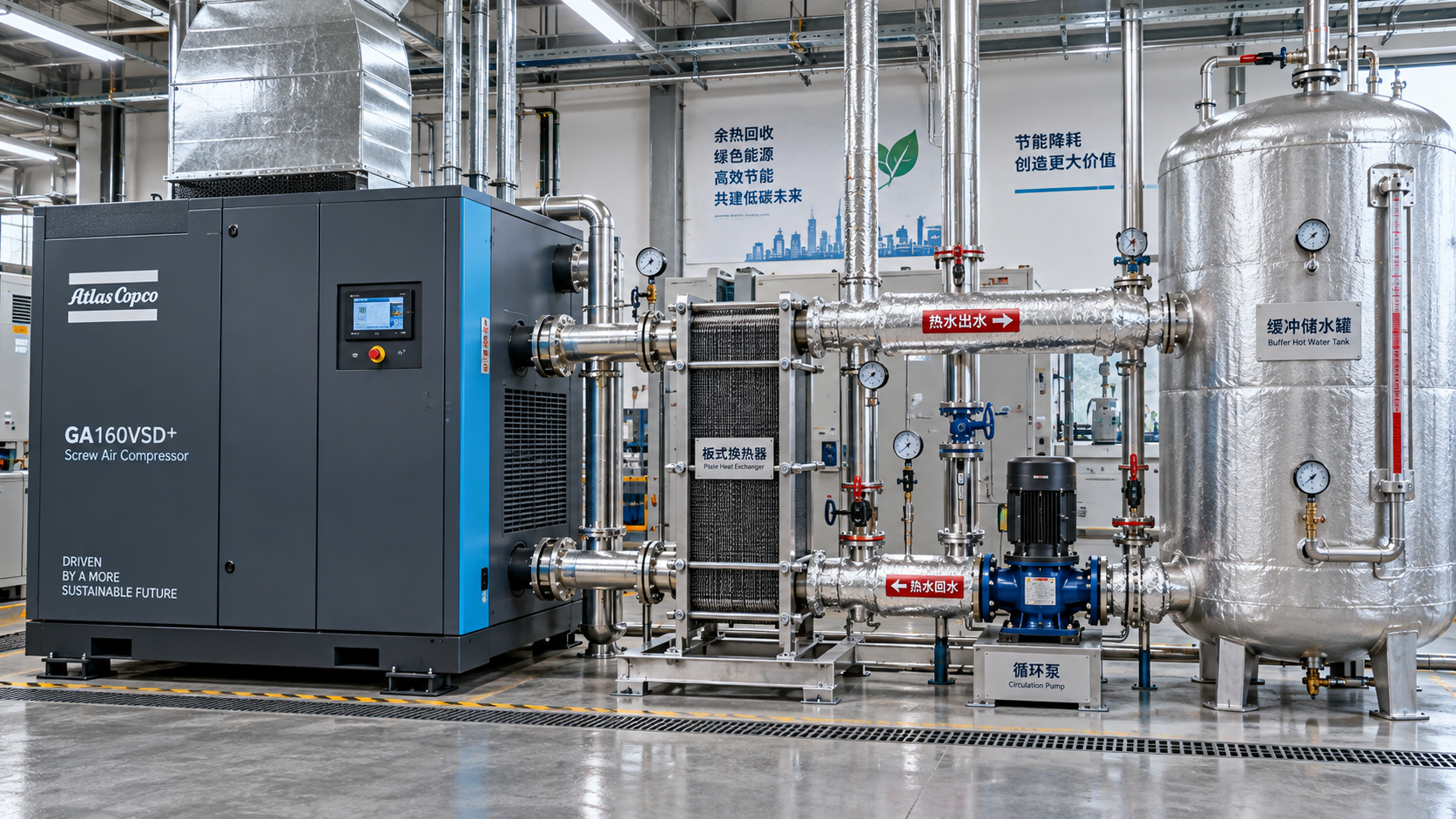
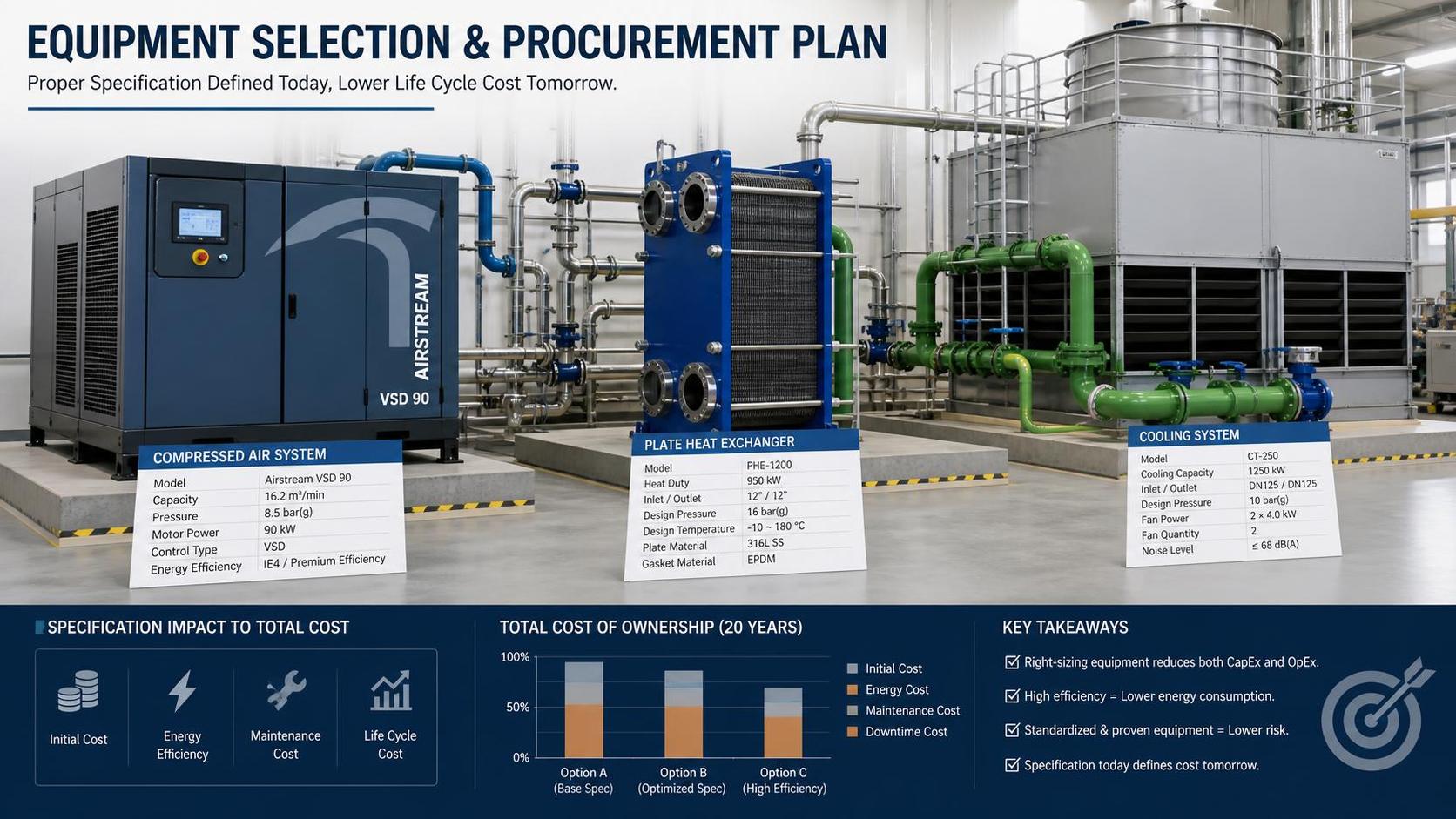
Installation conditions deserve the same attention. Equipment dimensions, crane access, foundation loading, acoustic limits, pipe routing, drainage, ventilation, electrical isolation, and commissioning windows frequently determine whether an apparently suitable product can be deployed without excessive project risk. A compact heat exchanger may be attractive in a constrained plant room, yet its maintenance value declines if plates cannot be opened safely or if isolation valves and lifting clearances were omitted. A compressor package may meet the required flow, yet suffer from high discharge temperature when the room ventilation path is poorly designed.
These details are not secondary engineering notes. They affect quotation accuracy, project duration, local partner capability, warranty exposure, and the likelihood that a first installation becomes a reference rather than a recurring service issue.
Use comparable evidence, then preserve uncertainty
Worldwide category guides are strongest when they make the basis of comparison visible. A country-level statement should be linked to a defined category, application, time horizon, and evidence type. Signals from equipment imports, construction activity, industrial output, policy notices, tender language, distributor feedback, and installed-base service records each reveal different things. Combining them without labels creates an impression of certainty that the underlying information may not support.
A useful market profile distinguishes between observed conditions and assumptions that still need validation. Observed conditions might include prevalent process industries, climate constraints, local utility characteristics, or the type of equipment commonly specified. Assumptions may concern project timing, willingness to adopt unfamiliar designs, channel access, or the availability of qualified installation support. Keeping those categories separate prevents an attractive narrative from becoming an unsupported investment case.
Comparability also requires consistent boundaries. Do not compare one market’s total refrigeration activity with another market’s process-cooling segment, or compare a country’s equipment demand with a neighboring region’s installed base. Define whether the opportunity concerns new equipment, retrofit replacement, service parts, controls upgrades, or integrated utility projects. These routes have different sales cycles, technical proof requirements, and local dependencies.
Turn the guide into a priority view
A final market ranking should not rely on a single composite score that hides tradeoffs. Some opportunities are attractive because the technical fit is strong and local adaptation is limited. Others have high demand but require a different refrigerant approach, material specification, channel structure, or field-service capability. Keeping these distinctions visible supports a more realistic choice between immediate entry, staged development, local partnership, or continued observation.
For thermal and compression categories, the most durable comparison joins market evidence to the physics of the application. Cooling load, pressure demand, fluid condition, ambient environment, system control, and maintenance reality define whether demand can be converted into a viable project. Industry category guides worldwide earn their value when they expose those links early, before a broad opportunity label becomes a costly commitment.
Ready when you are. Send us a message to get started.
Related News
- How electricity prices shape industrial compressed air price trendsAuthor :

- Choosing air filtration systems for heavy dust in the Middle EastAuthor :

- How much does a fully installed compressed air monitoring system cost?Author :

- What documentation supports CE marking for industrial equipment?Author :

- How local support affects vacuum system costs in Southeast AsiaAuthor :

- How worldwide industry category guides help compare market opportunitiesAuthor :

- What drives sustainable thermal systems cost over their operating life?Author :

- Which industrial solution comparison criteria prevent project delays?Author :

- How Ambient Temperature and Load Profile Affect Industrial Compressor SizingAuthor :

- What to evaluate before choosing a thermal process engineering supplierAuthor :

- How industrial utility systems affect energy costs in process plantsAuthor :

- What Data Is Needed to Assess Heat Recovery Decarbonization?Author :

- Can Waste Heat Recovery Support Carbon Neutrality Targets?Author :

- Is Compressor Heat Recovery Worth the Installation Cost?Author :

- What to verify before choosing a process separation technology supplierAuthor :

- When does process utilities engineering reduce project rework?Author :

- Where thermal efficiency optimization delivers the fastest savings in EuropeAuthor :

- What should you verify before selecting a heat transfer supplier?Author :

- What drives compressed air systems price for industrial projects?Author :

- How an industrial product knowledge comparison guide reduces sourcing riskAuthor :

- When does a procurement specification planning process reduce bid risk?Author :

- When does thermal system optimization for electronics reduce failure risk?Author :

- When high temperature process heating systems justify the higher energy costAuthor :

- How to compare sludge dewatering equipment by cake drynessAuthor :

- What to Check Before Sourcing a Gas Turbine for Distributed Power ProjectsAuthor :

- What drives industrial thermal systems price in large facility projectsAuthor :

- How to build an industrial product comparison chart that speeds up vendor selectionAuthor :

- Vacuum Technology Application Guide for Selecting the Right SystemAuthor :

- What Drives Vacuum Drying Cost in Industrial Procurement?Author :

- What Drives Compressed Air Pricing in Industrial Systems?Author :

- How Procurement Specification Planning Shapes Total Project CostAuthor :

- Compression Technology Guide: How to Compare Efficiency, Pressure Range, and Maintenance NeedsAuthor :

- How to Compare Industrial Separators by Throughput, Purity, and Maintenance LoadAuthor :

- How to Size a Compressed Air Equipment Receiver Tank for Stable PressureAuthor :

- Industrial Equipment Selection Guide: How to Compare Capacity, Duty Cycle, and Operating CostAuthor :

- How to Evaluate an Intellectualization Supplier for Industrial UpgradesAuthor :