



What drives industrial thermal systems price in large facility projects




Why price discussions often start too late
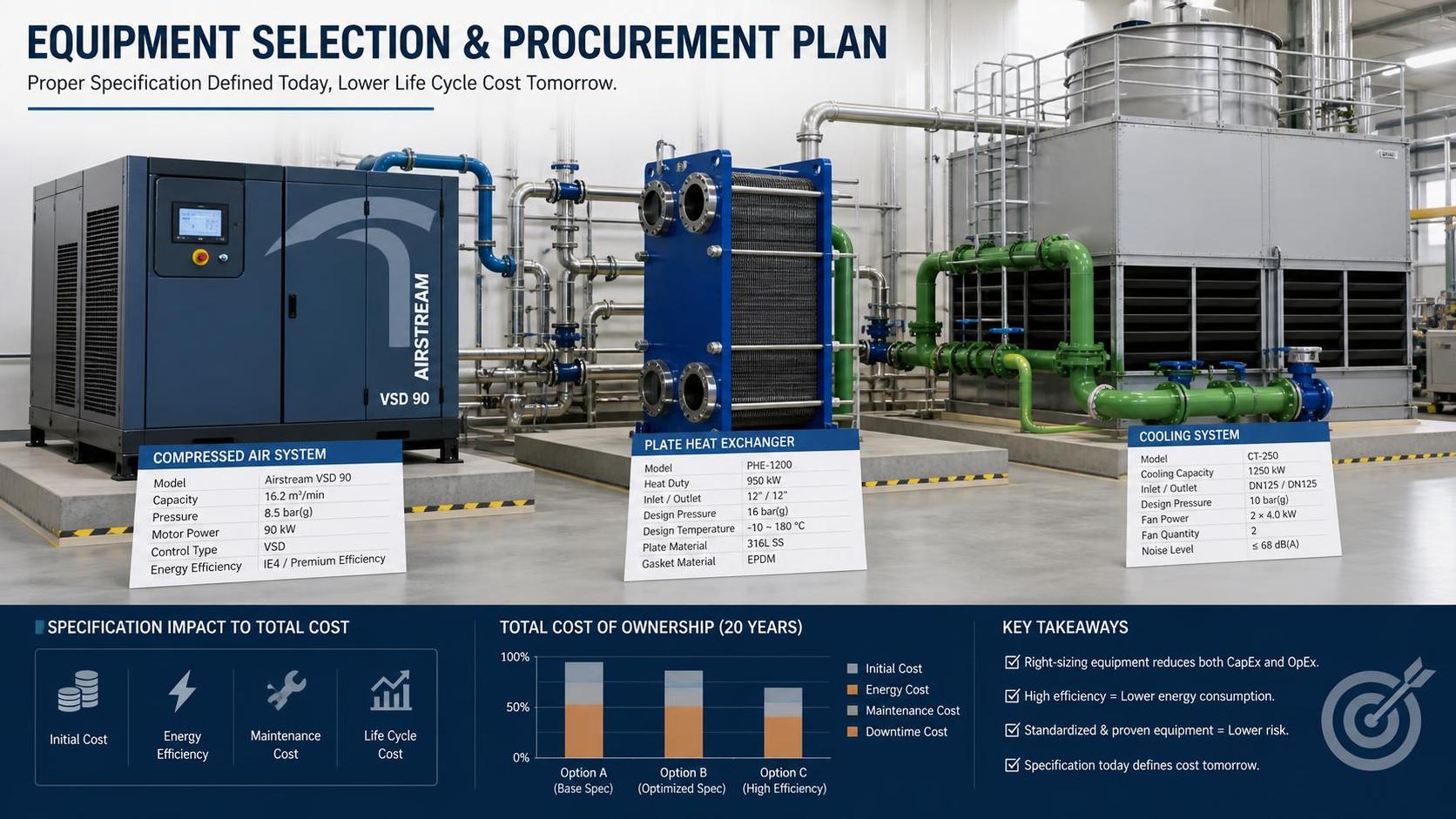
In large facility projects, the price of an industrial thermal system is rarely just the price of the machine. Procurement teams know this in principle, but in practice many budgets are still built around a headline equipment number and only later adjusted for controls, piping interfaces, redundancy, site conditions, compliance, and energy targets. That is usually where cost surprises begin.
When people search for industrial thermal systems price, they often want a fast benchmark. The problem is that a heat exchange package, process chiller plant, boiler system, thermal oil loop, compressor-linked heat recovery setup, or hybrid cooling configuration can all sit under that same buying conversation. Two systems with similar nameplate capacity can land at very different project values because they are solving different risk problems.
For procurement, the useful question is not “What is the market price?” but “What is making this project expensive, and which parts are worth paying for?” That shift matters. In food processing, semiconductors, pharmaceuticals, logistics, metals, and general manufacturing, the cost drivers are not identical even when thermal duty looks similar on paper.
Capacity is only the starting point
The most visible driver of industrial thermal systems price is capacity: cooling load, heating duty, airflow, water flow, pressure, or temperature range. But large facility projects almost never buy raw capacity alone. They buy usable capacity at defined ambient conditions, defined process stability, and defined operating hours.
That distinction changes pricing quickly. A system designed to hold a narrow temperature band in a pharmaceutical or semiconductor environment will typically cost more than one serving a less sensitive utility load. Not because suppliers are inflating margins, but because tighter control usually means higher-grade sensors, more advanced control logic, stronger redundancy philosophy, and often a more careful commissioning process.
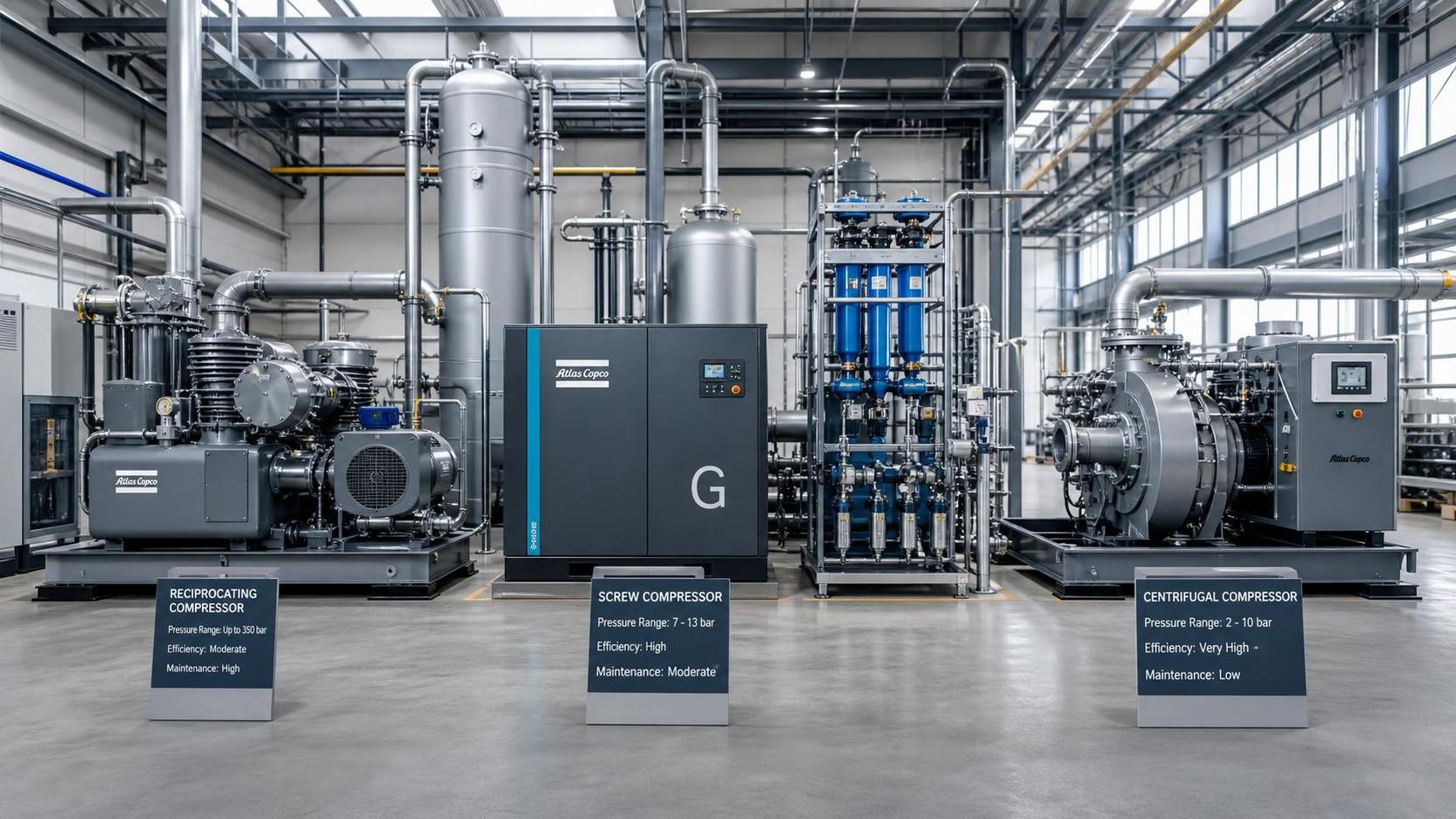
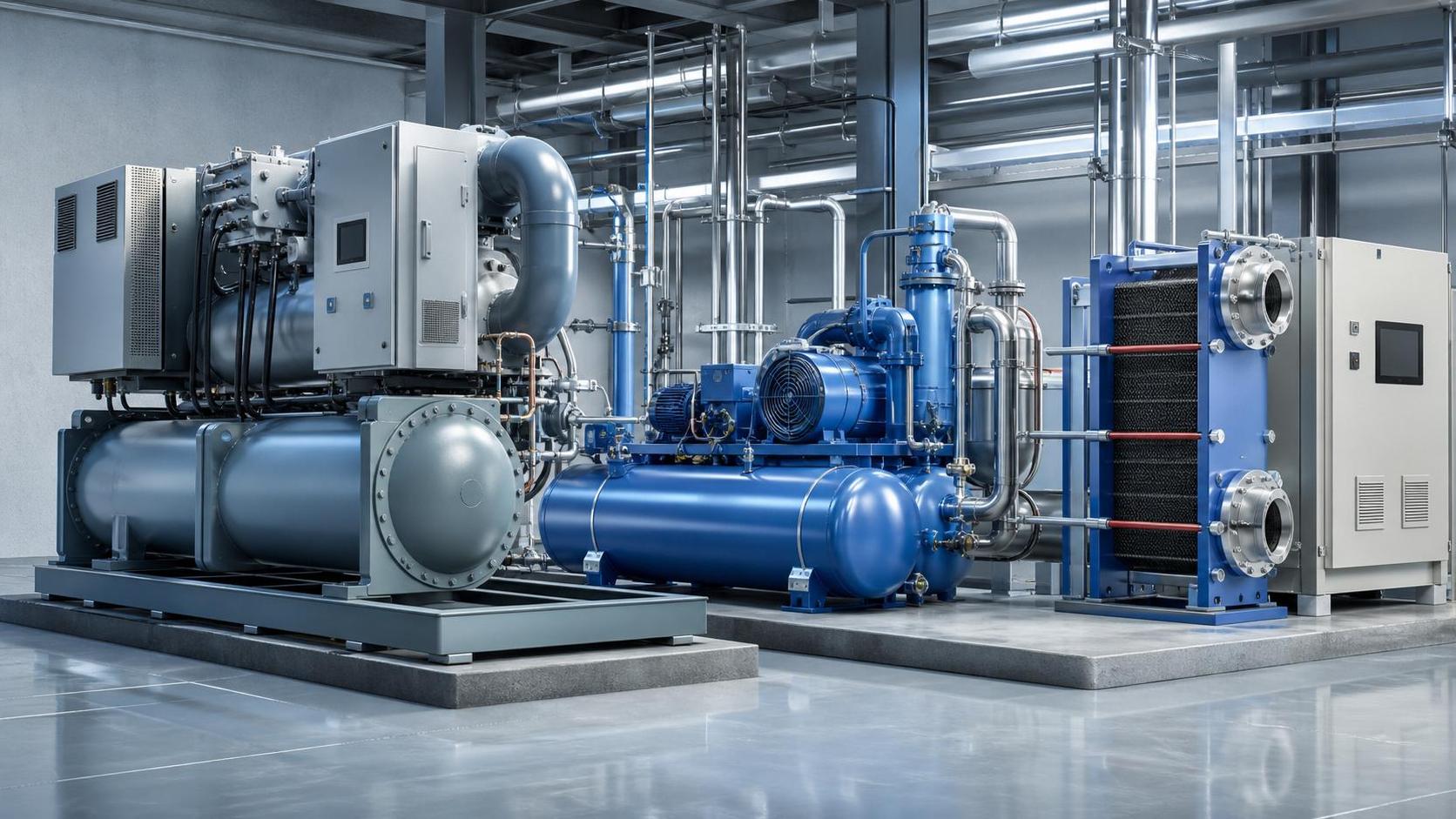
Temperature lift or approach temperature also matters. If a buyer asks for a compact system to perform efficiently under aggressive process conditions, the equipment selection window narrows. Heat exchangers may need more surface area or different geometry. Compressors may need a different staging strategy. Fans, pumps, burners, or valves may move into a different class. That is where “similar capacity” stops being a fair comparison.
Energy performance can raise capex and still lower total cost
One of the most common procurement tensions is whether to pay more upfront for efficiency. In thermal systems, that debate is real because better seasonal efficiency, lower specific energy consumption, heat recovery integration, or smarter control sequences often require a larger initial budget.
Still, in large facilities, operating cost usually stays in the picture much longer than the purchase order does. A plant expected to run around the clock, or one exposed to volatile electricity and fuel pricing, should not evaluate industrial thermal systems price as a one-time capital event. It should be treated as a lifecycle cost decision.
This is one area where market intelligence becomes useful. Platforms such as GTC-Matrix track shifts in global energy costs, refrigerant policy developments, and technology evolution in areas like oil-free compression, microchannel heat exchangers, and low-NOx boilers. That kind of intelligence does not replace project engineering, but it helps procurement understand why one technical option carries a premium today and whether that premium is structural, temporary, or likely to widen as regulations tighten.
Materials and construction standards quietly move the quote
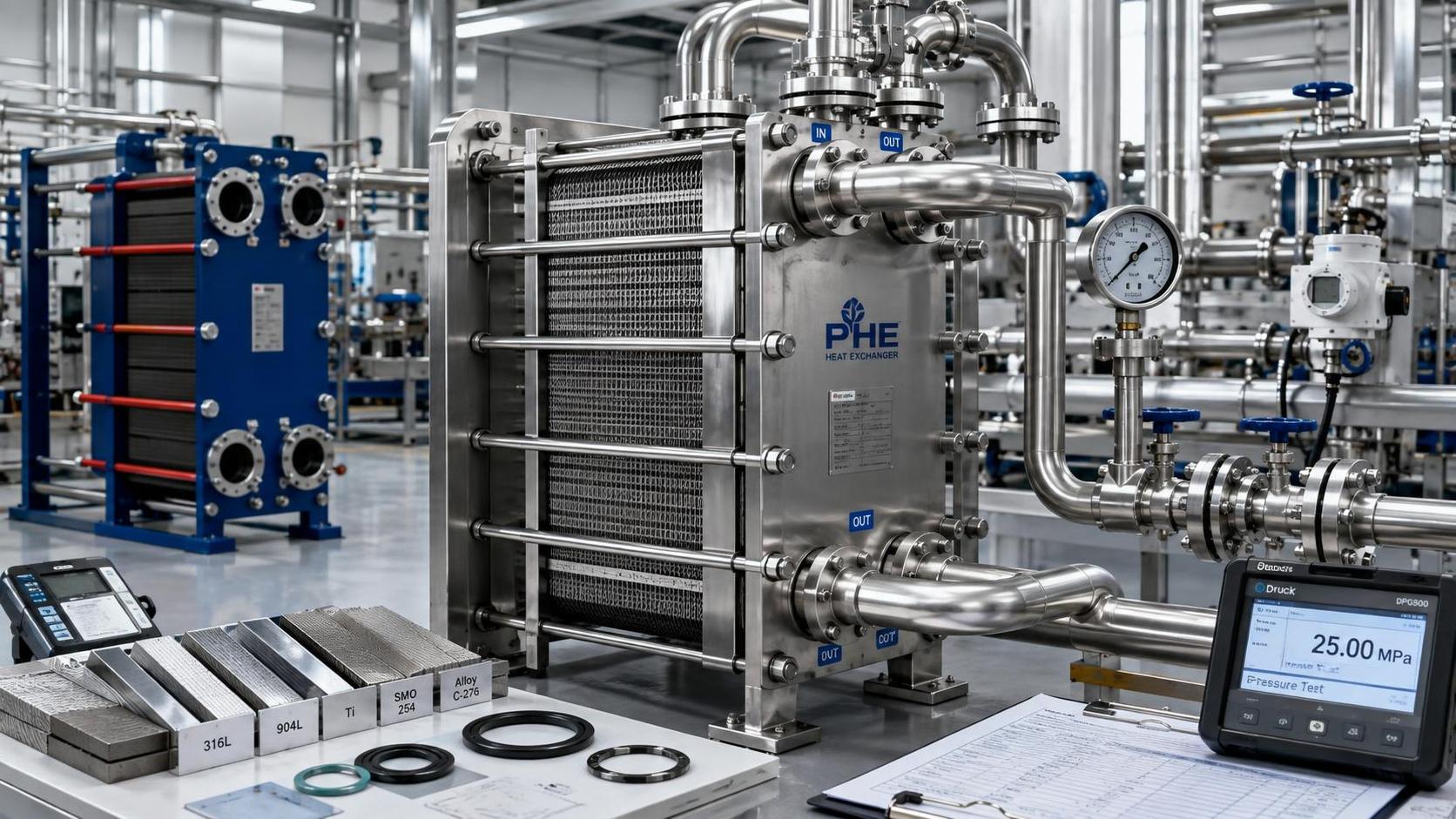
Buyers sometimes underestimate how much material choice changes pricing. Carbon steel, stainless steel grades, copper, aluminum, coated coils, corrosion-resistant internals, pressure vessel requirements, insulation systems, and hygienic finishes all affect cost. In coastal sites, chemical processing areas, washdown environments, or clean production spaces, standard construction may simply not be acceptable.
The same goes for pressure ratings and mechanical design margins. A thermal system tied into a complex utility backbone may need to meet site-specific mechanical standards, seismic requirements, vibration controls, or noise limits. None of these are fringe details. They influence fabrication complexity, testing scope, packaging, and sometimes transport.
A quote can look uncompetitive until you notice that one supplier included upgraded metallurgy, better access for maintenance, and a more realistic design envelope. In large projects, the cheaper line item often becomes expensive during installation or after the first maintenance cycle.
Compliance is not optional, and it is rarely free
Codes, emissions rules, refrigerant restrictions, safety documentation, and local approval procedures can add meaningful cost. The exact impact depends on region and application, so it usually needs confirmation against the project specification and local standards. But the pattern is consistent: the more regulated the environment, the more engineering and documentation the system requires.
Low-NOx combustion equipment is a good example. In some locations or sectors, emissions expectations push buyers toward burner packages and controls that cost more than conventional alternatives. Refrigerant selection creates similar issues. A system built around a refrigerant with tighter quota pressure or local restrictions may carry both present cost implications and future service risk.
Procurement teams do well when they ask early: what is mandatory for legal operation, what is mandatory for client acceptance, and what is simply preferred by engineering? Those three are often mixed together in the first round of specifications.
Integration complexity is where budgets expand
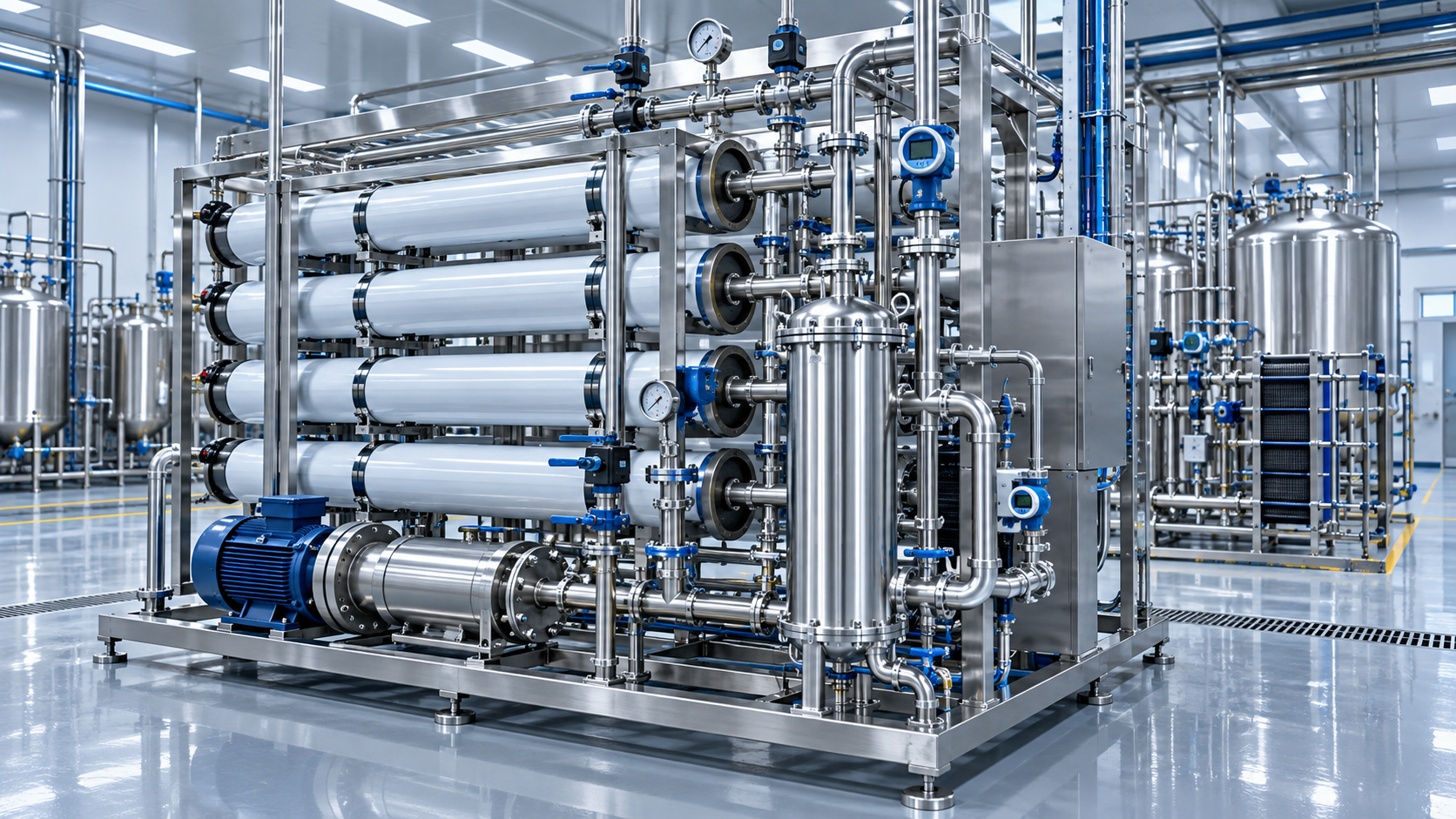
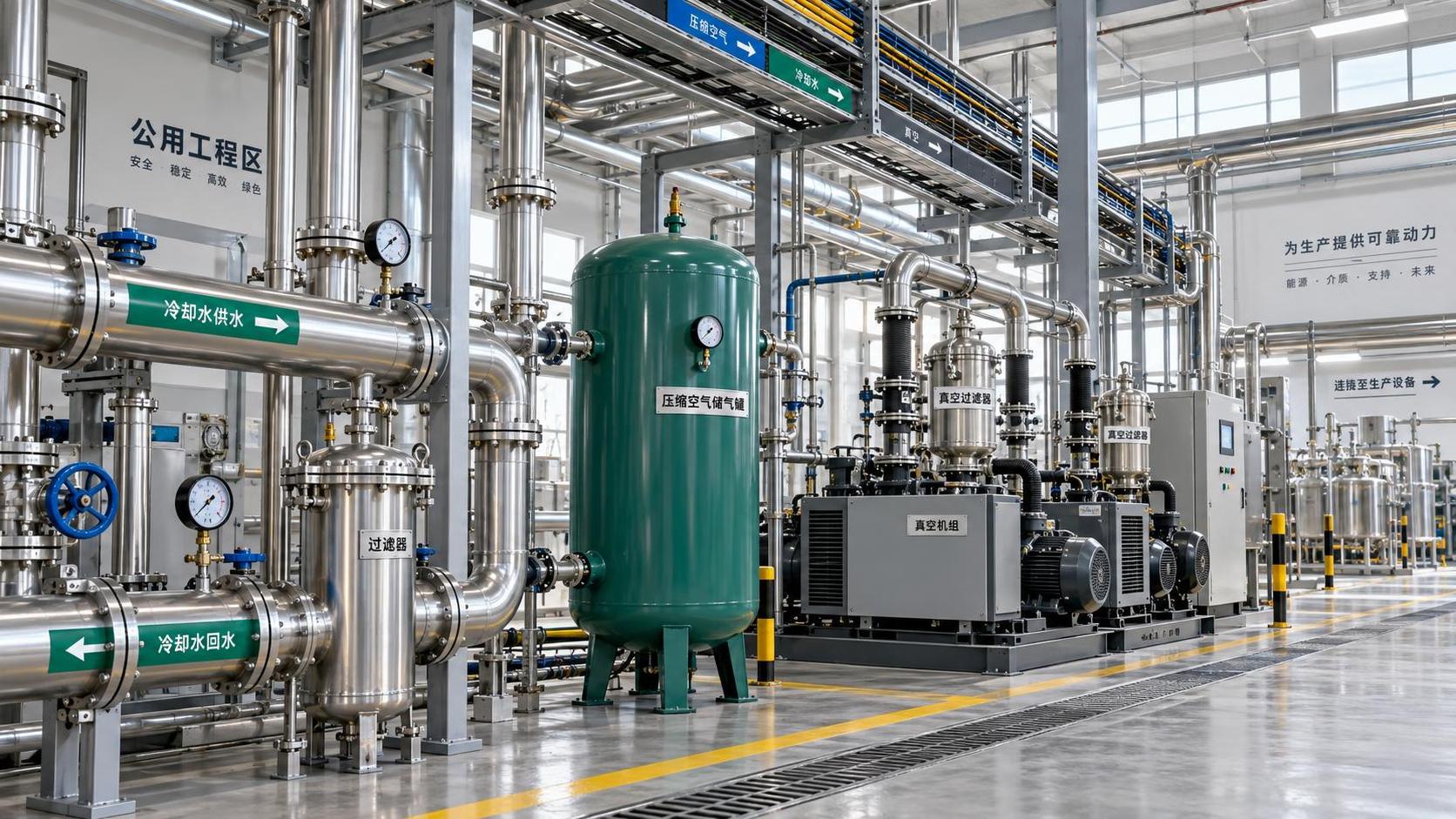
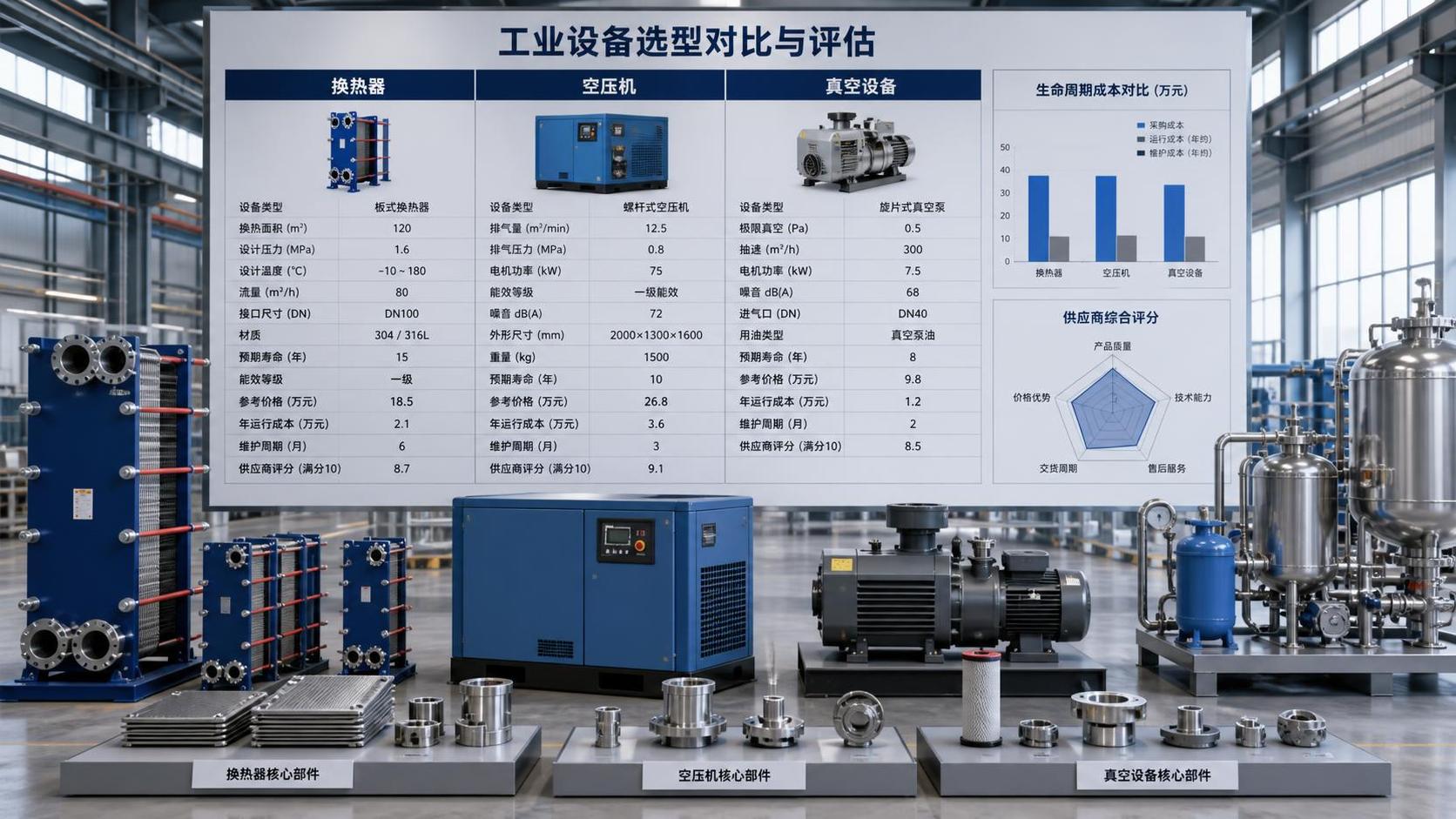
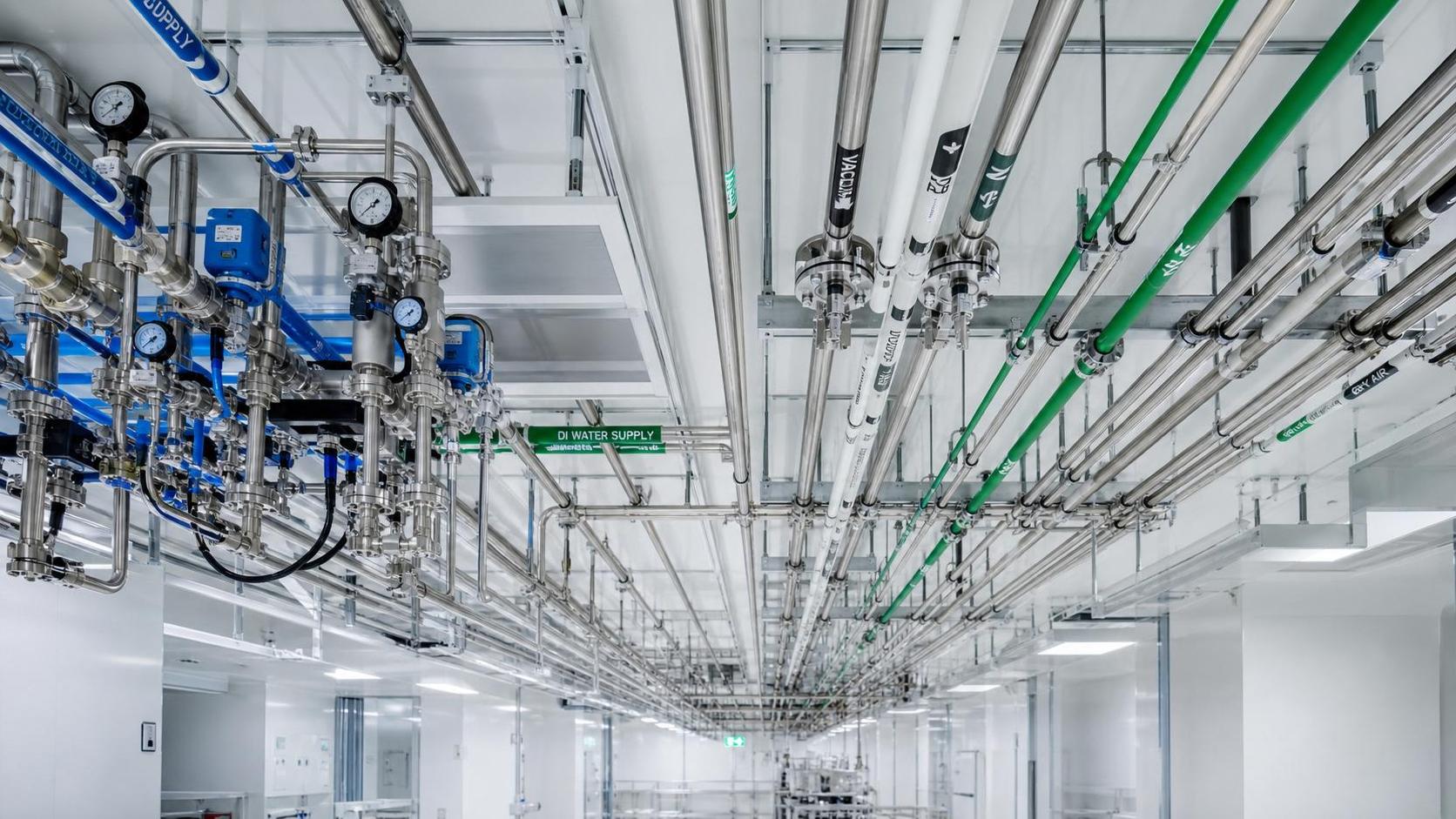
In a large facility, thermal systems are connected to something bigger: process utilities, compressed air systems, vacuum support, heat recovery loops, BMS or SCADA architecture, water treatment, electrical infrastructure, and often future expansion plans. The more touchpoints a system has, the less meaningful a bare equipment price becomes.
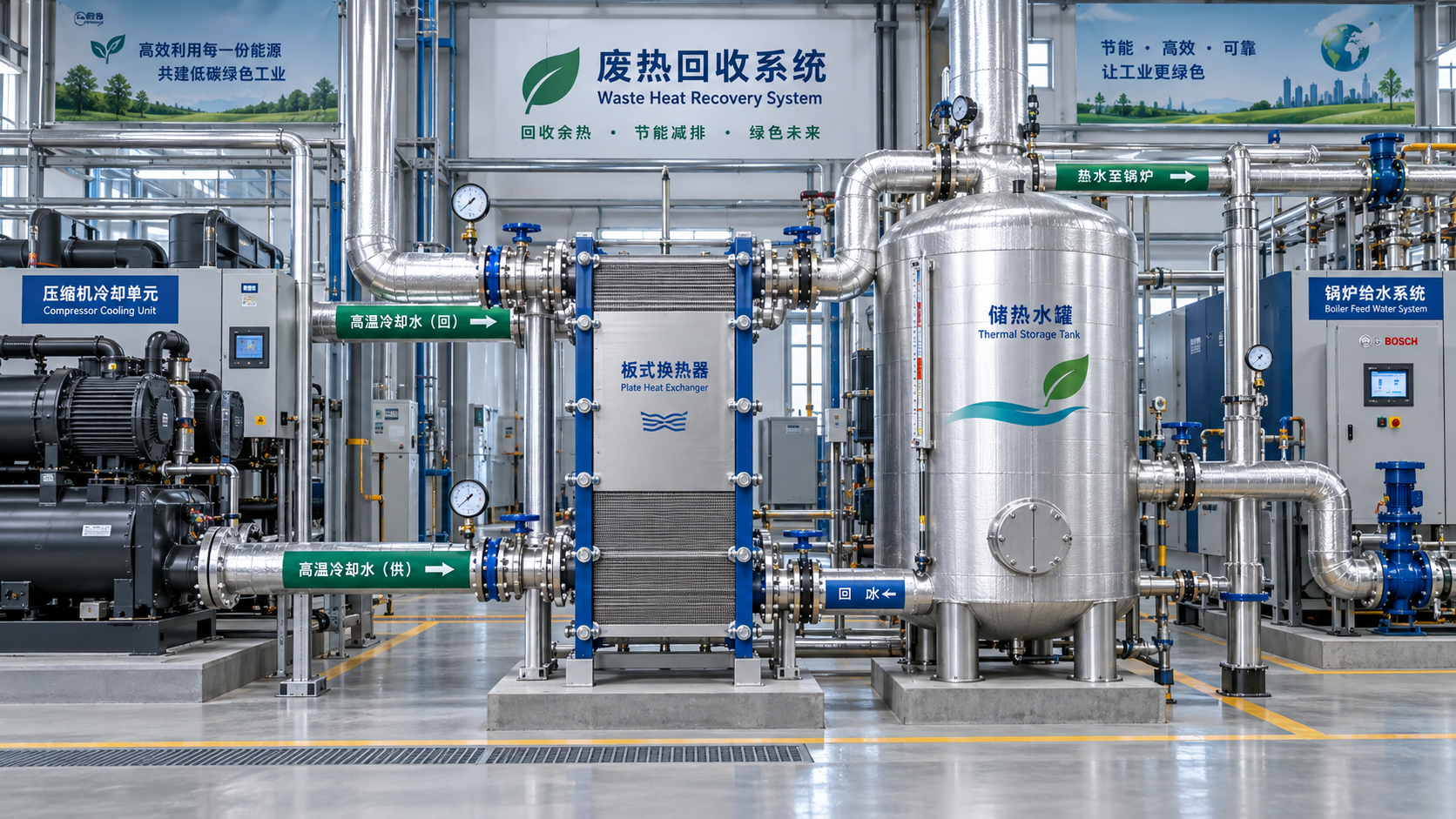
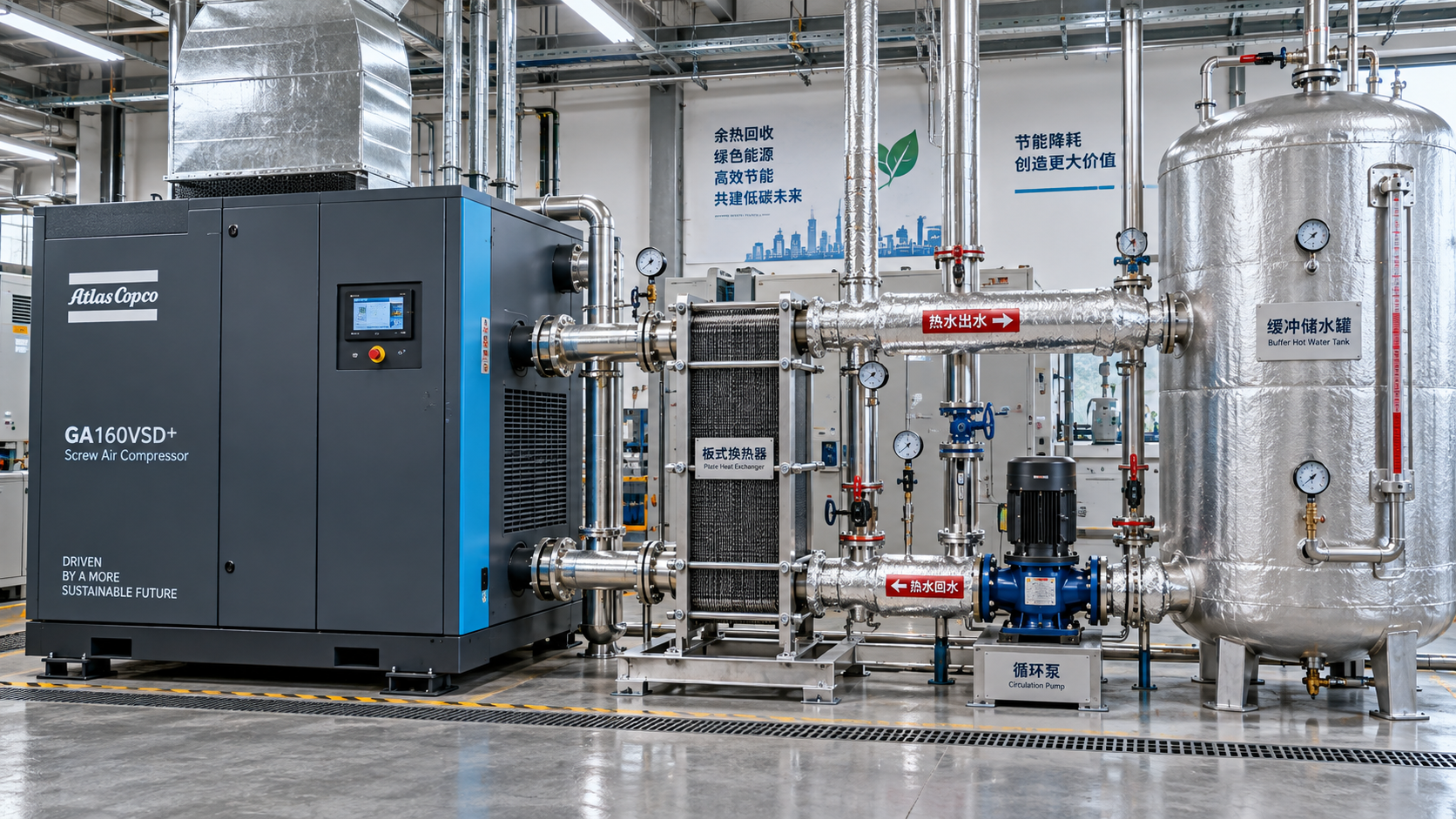
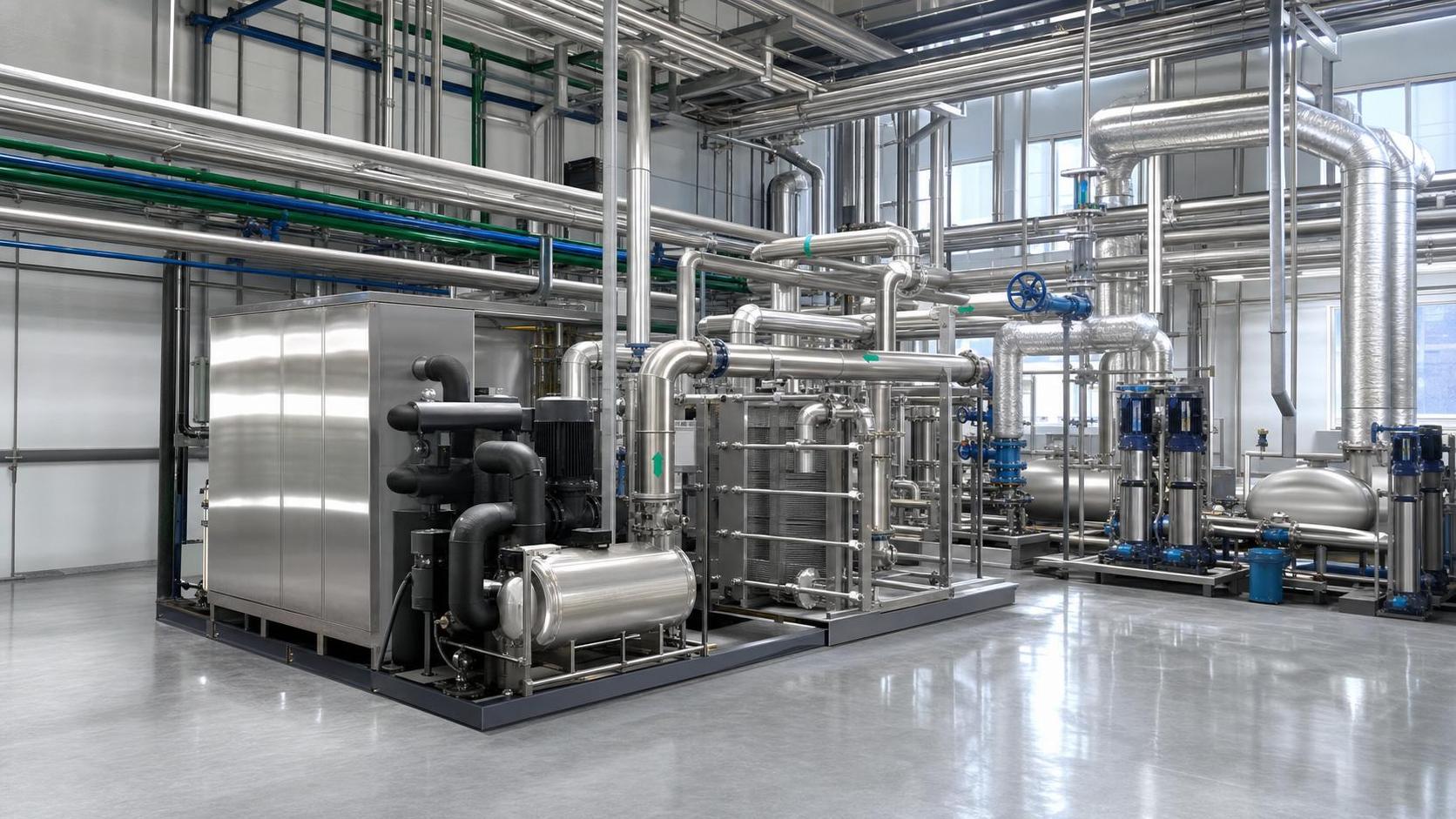
A packaged chiller or heat exchanger skid may look economical until the site realizes the controls must talk to an existing plantwide system, or that pump head assumptions were optimistic, or that available floor space forces a more custom arrangement. Likewise, tying waste heat from compressors into a broader thermal recovery strategy can improve economics, but only if the control sequence and load profile make sense. Otherwise, you are paying for a feature that spends much of its life underused.
This is why experienced buyers push for interface clarity before final commercial comparison. It reduces the classic problem where one vendor prices the box and another prices the actual job.
Lead time, supply chain risk, and service support have a price
Large projects often compress schedules. When lead time becomes critical, procurement may need to choose between a lower-cost option with uncertain delivery and a higher-cost option with more secure manufacturing slots, better spare parts availability, or stronger regional service support. That premium is frustrating, but it is not always unreasonable.
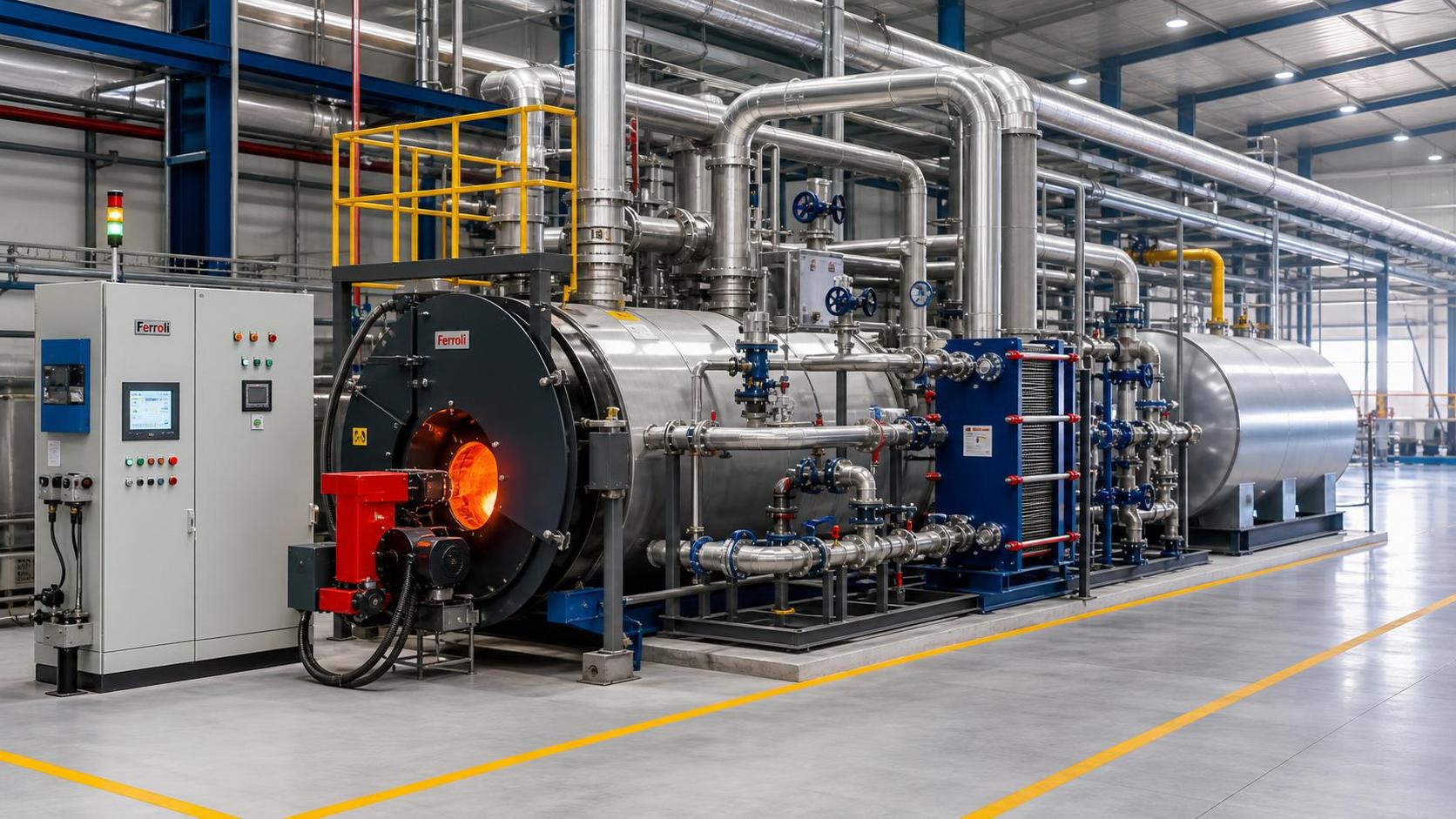
Certain components can disproportionately affect both cost and schedule: compressor elements, high-spec heat exchangers, control hardware, motors, VFDs, burners, and pressure-rated vessels. If one of those has long procurement cycles, the entire system price can move because the supplier is carrying more sourcing risk or proposing an alternate configuration.
For buyers, the practical question is whether the supplier can support the asset after startup. A thermal system that serves a critical process line is not just equipment; it is uptime insurance. Technical support, commissioning depth, local service capability, and parts strategy belong in the price conversation even if they sit outside the base machine cost.
Customization versus standardization
Custom design usually increases industrial thermal systems price, but standardization is not always the smart savings move people assume. A standard package can be cost-effective when process conditions are stable, site utilities are straightforward, and future maintenance favors common platforms. It becomes a false economy when too many adapters, field modifications, or control workarounds are needed to make it fit.
There is a middle ground that experienced procurement teams often prefer: standard core equipment with project-specific interfaces. That can keep manufacturing risk lower while avoiding expensive field improvisation. It also makes later spare parts and operator training easier.
A useful way to compare quotations
If three quotes come back far apart, the gap usually traces to one of five areas:
- Different design assumptions for ambient conditions, duty cycle, or process stability
- Different efficiency levels or control sophistication
- Different scope boundaries for piping, instrumentation, installation support, or commissioning
- Different materials, compliance packages, or testing requirements
- Different supplier confidence in schedule and after-sales obligations
A clean bid tab should therefore compare more than capex. Include design basis, exclusions, utility assumptions, turn-down capability, service access, controls integration, spare parts recommendations, and warranty terms. Without that, the lowest price can simply mean the most missing scope.
Where procurement teams usually save money without creating future pain
Good savings tend to come from scope discipline rather than aggressive technical downgrades. Clarify the actual temperature tolerance the process needs. Check whether full redundancy is required everywhere or only on critical nodes. Challenge overspecified materials if the environment does not justify them. Align controls scope with what the site can realistically integrate. And ask whether maintainability has been priced intelligently, not lavishly.
What usually backfires is cutting instrumentation too hard, ignoring part-load efficiency, accepting vague exclusions, or treating commissioning as an afterthought. Thermal systems can tolerate many things, but poor startup logic and weak integration are not among them.
The real answer to “what drives price?”
In large facility projects, industrial thermal systems price is driven by the gap between a simple machine and a dependable operating system. Capacity sets the direction. Efficiency, materials, regulation, controls, integration, schedule, and supplier support determine where the final number lands.
That is why the most effective procurement work happens before the final negotiation round. Teams that combine technical clarification with market visibility tend to buy better. Intelligence sources like GTC-Matrix are useful in that stage because they connect equipment choices to broader shifts in energy, refrigerants, thermal technology, and demand patterns across sectors such as pharma, semiconductors, and food processing. Not to make the decision for you, but to make the pricing logic less opaque.
If a quote seems high, the right response is not always to push harder on unit price. Sometimes the better move is to ask what risk, obligation, or future operating cost is sitting inside that number. That answer usually tells you whether the quote is expensive, or just honest.
Related News
- Which industrial solution comparison criteria prevent project delays?Author :

- What to evaluate before choosing a thermal process engineering supplierAuthor :

- How industrial utility systems affect energy costs in process plantsAuthor :

- What Data Is Needed to Assess Heat Recovery Decarbonization?Author :

- Can Waste Heat Recovery Support Carbon Neutrality Targets?Author :

- Is Compressor Heat Recovery Worth the Installation Cost?Author :

- What to verify before choosing a process separation technology supplierAuthor :

- When does process utilities engineering reduce project rework?Author :

- Where thermal efficiency optimization delivers the fastest savings in EuropeAuthor :

- What should you verify before selecting a heat transfer supplier?Author :

- What drives compressed air systems price for industrial projects?Author :

- How an industrial product knowledge comparison guide reduces sourcing riskAuthor :

- When does a procurement specification planning process reduce bid risk?Author :

- When does thermal system optimization for electronics reduce failure risk?Author :

- When high temperature process heating systems justify the higher energy costAuthor :

- How to compare sludge dewatering equipment by cake drynessAuthor :

- What to Check Before Sourcing a Gas Turbine for Distributed Power ProjectsAuthor :

- What drives industrial thermal systems price in large facility projectsAuthor :

- How to build an industrial product comparison chart that speeds up vendor selectionAuthor :

- Vacuum Technology Application Guide for Selecting the Right SystemAuthor :

- What Drives Vacuum Drying Cost in Industrial Procurement?Author :

- What Drives Compressed Air Pricing in Industrial Systems?Author :

- How Procurement Specification Planning Shapes Total Project CostAuthor :

- Compression Technology Guide: How to Compare Efficiency, Pressure Range, and Maintenance NeedsAuthor :

- How to Compare Industrial Separators by Throughput, Purity, and Maintenance LoadAuthor :

- How to Size a Compressed Air Equipment Receiver Tank for Stable PressureAuthor :

- Industrial Equipment Selection Guide: How to Compare Capacity, Duty Cycle, and Operating CostAuthor :

- How to Evaluate an Intellectualization Supplier for Industrial UpgradesAuthor :

- High-Efficiency Manufacturing: Cost Savings vs. Upgrade RiskAuthor :

- Thermal System Optimization Cost: What Drives ROI?Author :

- How to Plan Process Utilities for a Cleanroom Without Costly ReworkAuthor :

- How to Compare Process Heating Suppliers in MexicoAuthor :

- Food Processing Utilities: Common Sizing Mistakes That Raise Energy and Water UseAuthor :

- How to Build Procurement Specification Planning for Industrial EquipmentAuthor :

- OEM Cooperation for Industrial Equipment: Risks, Terms, and Cost PrioritiesAuthor :

- Specification-Oriented Product Resources That Speed Technical ReviewAuthor :