



What to evaluate before choosing a thermal process engineering supplier




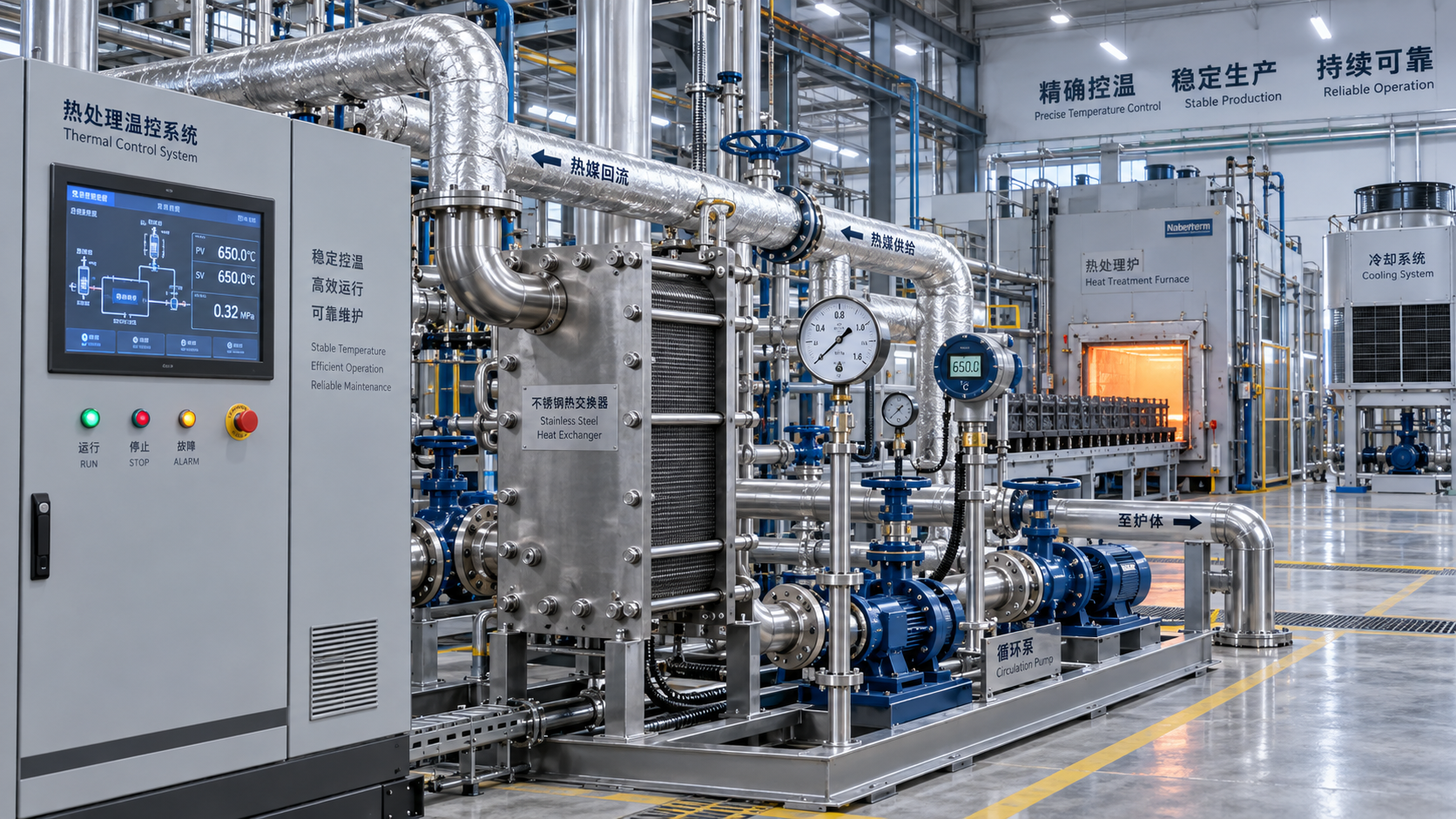
Choosing a thermal process engineering supplier is not mainly an equipment comparison. Two suppliers may both offer a furnace, dryer, heat recovery loop, refrigeration package, boiler system, or heat exchanger skid that appears to meet the stated temperature and capacity requirement. The better choice is the one that can demonstrate how the complete process will perform under real operating conditions, including startup, product changes, ambient variation, maintenance events, utility constraints, and future production demands.
A capable thermal process engineering supplier should be evaluated as a process partner, not simply as a fabricator or equipment reseller. The purchase decision affects product quality, energy use, uptime, safety, emissions strategy, and the plant's ability to make changes later. Initial price matters, but a lower-cost proposal can become the more expensive option when it relies on unrealistic utility assumptions, leaves integration work to the owner, or provides limited support after commissioning.
Start with the process duty, not the supplier's standard package
Before reviewing quotations, define what the thermal system must actually accomplish. “Heat to 180°C” or “cool to 8°C” is not a sufficient design basis. The supplier needs enough information to translate a target temperature into a controllable, repeatable process.
For heating applications, clarify the material entering the process, its mass flow, moisture content where relevant, specific heat behavior, residence time, allowable temperature range, heating medium, and the consequence of overheating. For cooling applications, identify the incoming load profile, required pull-down time, temperature stability, humidity exposure, contamination risk, and the heat ultimately rejected by the system. In batch operations, peak duty can be much more important than average duty. In continuous operations, load swings and product spacing may determine whether the system remains stable.
A supplier that quickly proposes a familiar equipment model without challenging missing inputs may be pricing uncertainty rather than solving it. A more useful response explains which assumptions drive the design and which plant data would reduce risk. This does not mean every project requires a lengthy engineering study. It means the design basis should be visible enough to test.
Ask for the operating envelope
Thermal equipment is often specified at one nominal condition, while plants operate across a range. Request a clear description of the guaranteed operating envelope: minimum and maximum throughput, expected inlet conditions, seasonal ambient limits, utility pressure or temperature variation, turndown requirement, and expected run schedule. Then ask what happens outside that envelope.
This question is especially important for systems tied to variable production lines, heat recovery, refrigeration, compressed air, vacuum drying, or recovered process heat. A design optimized around one steady-state point may be efficient on paper but difficult to control at low load, during rapid transitions, or when one upstream process is unavailable.
Evaluate performance as a system balance
Capacity alone does not prove efficiency. The useful question is whether the supplier has modeled the energy path from utility input to useful process output, including the losses and interactions that occur around the main equipment.
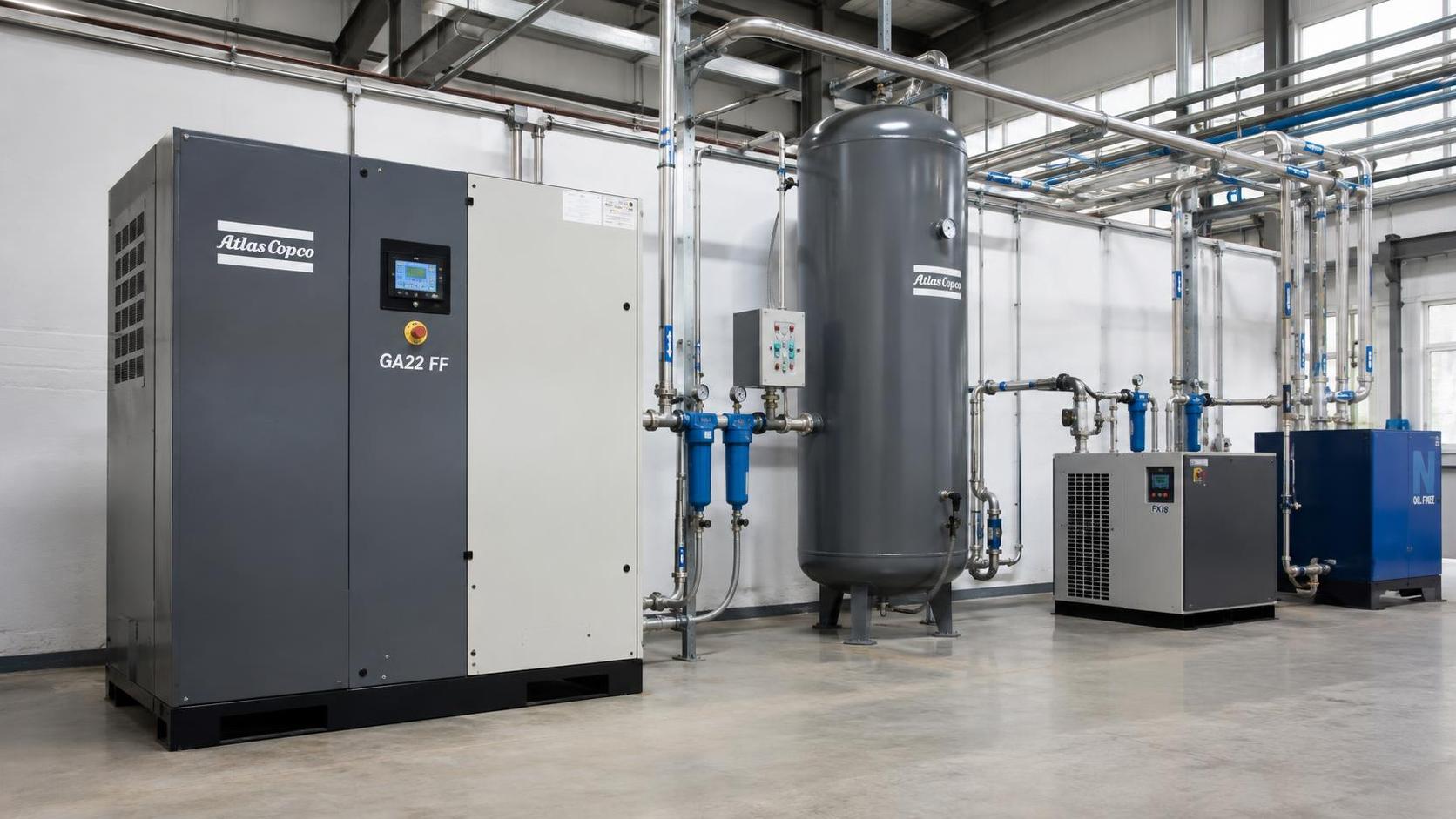
For example, a heating package may meet its duty but require excessive pumping power, high exhaust losses, unstable burner cycling, or a utility upgrade that was not included in the proposal. A cooling solution may provide the required temperature but perform poorly when condenser conditions change, when partial-load operation dominates, or when fouling reduces heat-transfer performance. With compressed-air or vacuum-related thermal processes, the interaction between pressure, temperature, moisture management, and heat rejection should also be considered.
Ask each bidder to state the boundary of its energy calculation. Does it include fans, pumps, controls, purge flows, auxiliary heaters, water treatment needs, heat rejection equipment, and standby losses? Does it distinguish process heat delivered from energy consumed at the package connection point? The aim is not to force identical calculations from every supplier. It is to expose whether proposals are comparable.
Do not reduce this exercise to a request for a single energy-consumption number. That number only has meaning when the process duty and operating assumptions match. A supplier willing to discuss uncertainty, control strategy, and energy tradeoffs is generally easier to work with during detailed engineering than one offering an unqualified headline figure.
Check whether the supplier understands the quality consequence of temperature control
Thermal performance is not always about reaching a setpoint. In many processes, uniformity, ramp rate, residence time, humidity control, pressure stability, and recovery after disturbance have a direct effect on output. A system may be technically capable of producing heat or cold while still being unsuitable for a quality-sensitive application.
Consider what constitutes an unacceptable deviation. In food processing, it may be inadequate treatment consistency or excessive product drying. In pharmaceutical or clean manufacturing environments, it may involve contamination control, traceability, cleanability, or tightly managed environmental conditions. In metal treatment, ceramics, chemicals, and coatings, thermal gradients can affect material properties, curing behavior, or yield. Semiconductor and precision manufacturing processes may require close coordination between temperature control, clean utilities, and equipment uptime.
The supplier should be able to describe the measurement points, control loops, alarm philosophy, and response to sensor failure. A vague promise of “accurate control” is less useful than an explanation of where temperature is measured, how the system responds to a changing load, and how performance will be demonstrated during commissioning.
It is also worth separating a process guarantee from an equipment guarantee. An equipment guarantee may cover the machine at its connections. A process guarantee addresses the result after the system interacts with product, utilities, operators, and surrounding equipment. The latter carries more value when the supplier controls the relevant interfaces, but it must be scoped carefully. No supplier can responsibly guarantee a process outcome when feed variability, upstream equipment, or operating procedures are unknown.
Integration capability is often the hidden differentiator
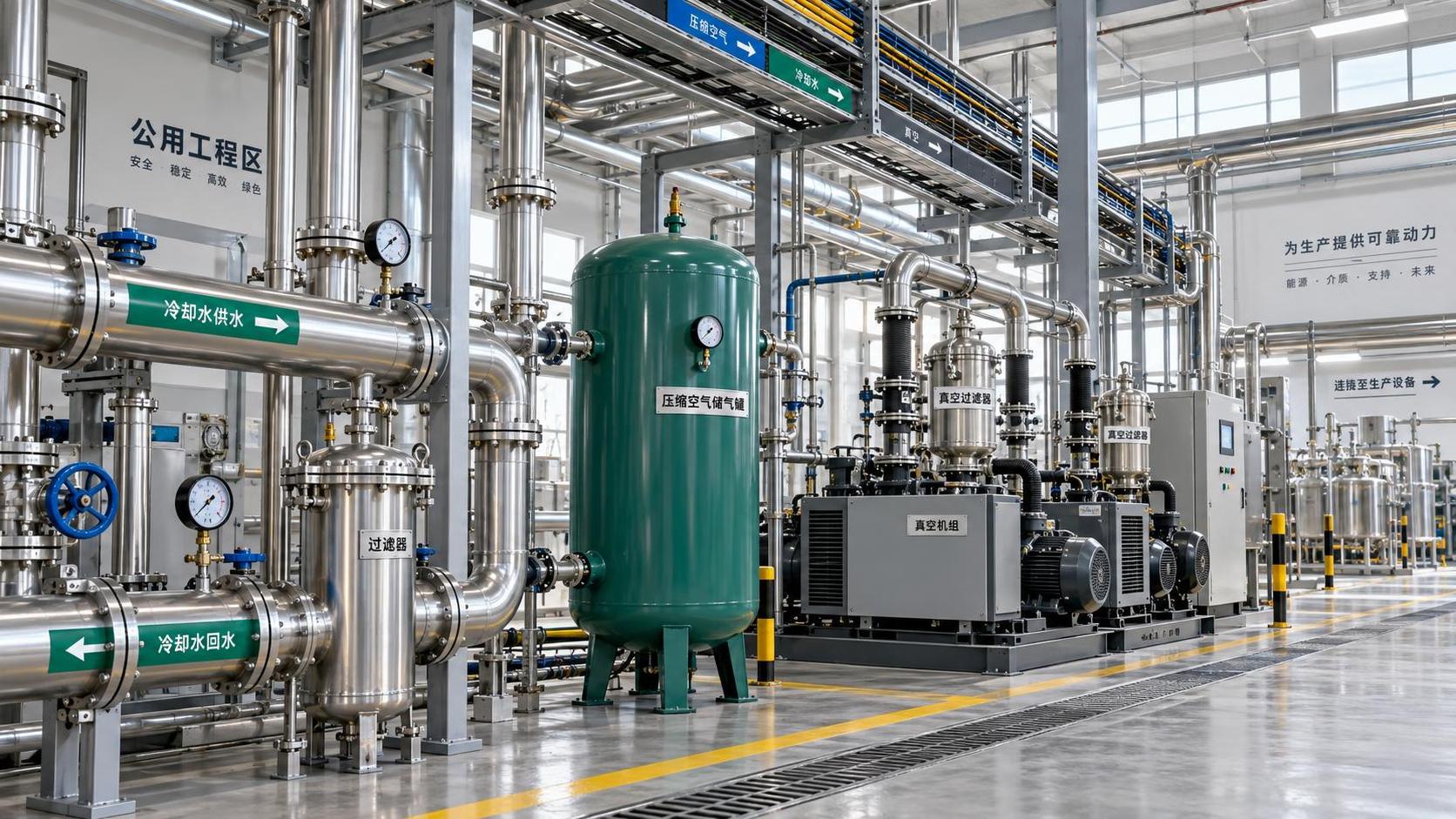
A thermal system rarely operates alone. It connects to electrical supply, fuel or steam, chilled water, cooling water, compressed air, ventilation, condensate handling, drainage, building services, production controls, safety systems, and sometimes emissions-treatment equipment. The quality of these interfaces often determines the project outcome.
Review the supplier's responsibility matrix before selecting them. Identify who owns process design, mechanical layout, foundations, piping, insulation, electrical distribution, automation integration, safety interlocks, commissioning, operator training, and documentation. A proposal can look complete while excluding exactly the work required to make the equipment operate.
Control-system integration deserves particular attention. Ask whether the supplier provides standalone controls only, how data will be exchanged with the plant system, who configures alarms and permissives, and how remote access is governed. If traceability or regulated documentation is needed, establish early which operating data must be recorded and retained. Retrofitting instrumentation and data structures after startup is usually disruptive.
Physical integration should be reviewed with the same discipline. Maintenance clearance, lifting access, drainage slopes, heat rejection routes, noise, exhaust routing, water quality, corrosion exposure, and room ventilation can change both installed cost and long-term reliability. A supplier that requests layout drawings, utility data, and operating constraints before finalizing its design is doing necessary engineering work, not creating unnecessary delay.
Assess reliability through serviceability and failure planning
Reliability is not just a question of component brand or a claimed maintenance interval. It depends on whether the design can be inspected, cleaned, calibrated, repaired, and restarted without turning routine work into a shutdown event.
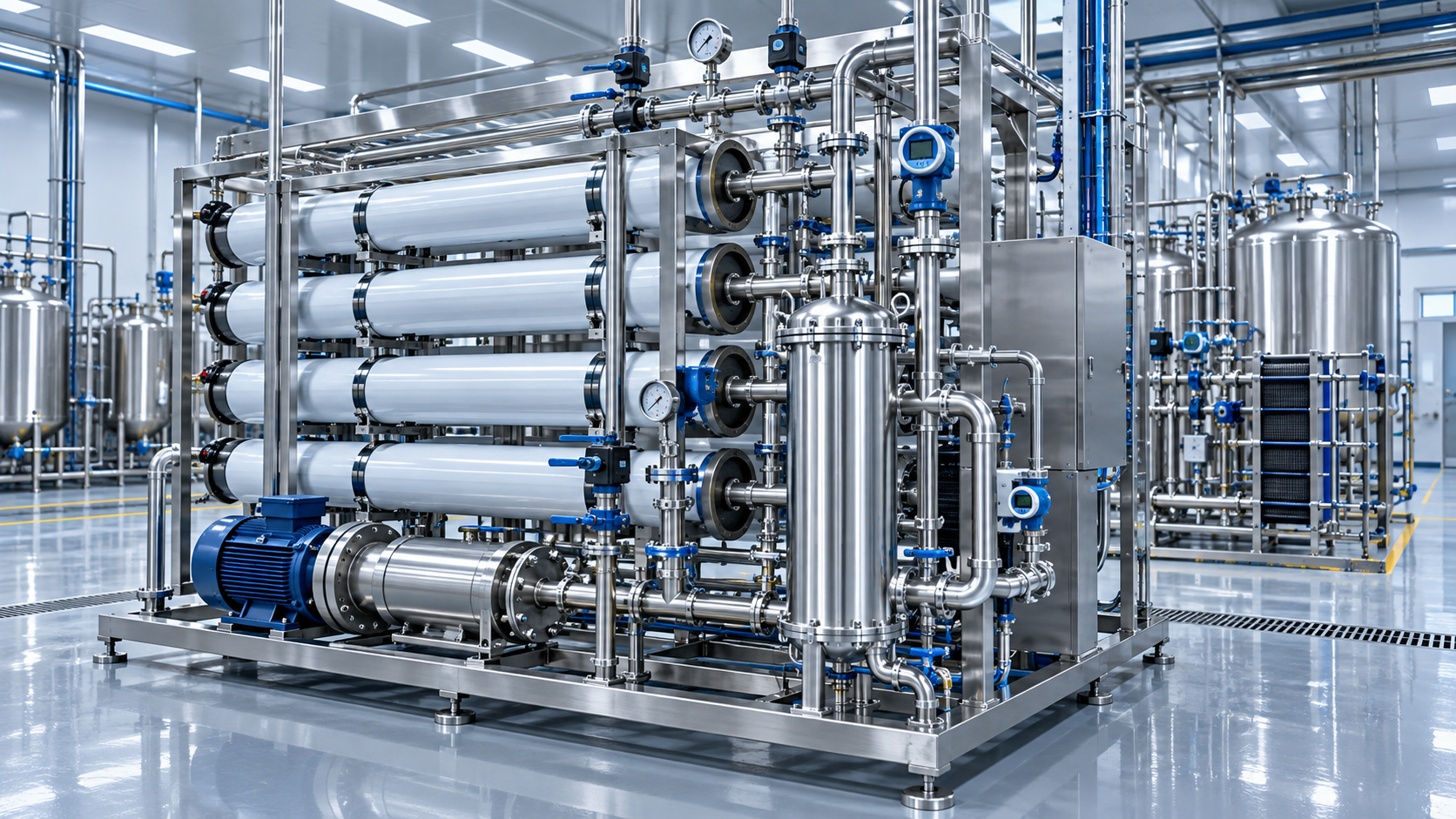
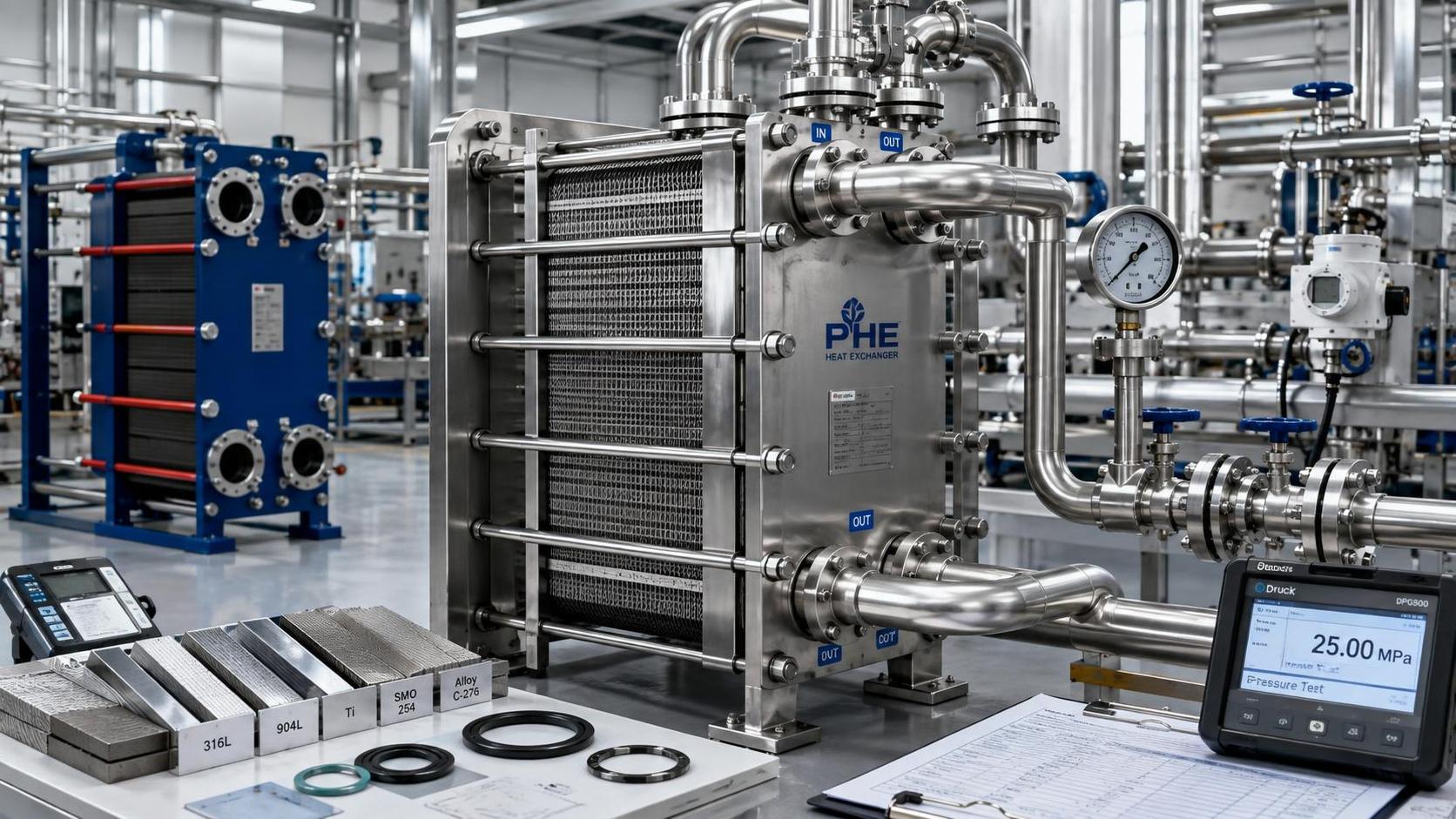
Ask which components are expected to require regular attention and how accessible they are. For heat exchange equipment, consider fouling risk, cleaning method, water quality sensitivity, isolation provisions, and whether performance degradation can be detected before it becomes a production problem. For combustion and high-temperature systems, examine ignition, purge, interlock, refractory or insulation access, exhaust management, and safe startup procedures. For refrigeration, vacuum, and compressed-air-associated systems, service access, leak management, filtration, condensate control, and heat rejection conditions all deserve practical review.
Spare-parts strategy should match the consequence of downtime. It is not necessary to stock every part, but critical items should be identified with realistic lead-time expectations and clear ownership. Where uninterrupted production is essential, ask whether the design supports N+1 capacity, duty/standby arrangements, a temporary bypass, or a controlled reduced-capacity mode. Redundancy adds capital cost and complexity, so it should be justified by the cost of lost production, safety exposure, or product disposal rather than treated as a default requirement.
Compare lifecycle value without turning it into a vague total-cost claim
Lifecycle cost is useful only when it is built from the operating reality of the site. Compare the likely effects of energy use, water use, consumables, planned maintenance, cleaning, replacement parts, operator workload, expected downtime exposure, and future modifications. A higher initial cost can be justified when it reduces a meaningful recurring burden or avoids a known operational constraint. It is not justified merely because the proposal uses premium language.
Request a list of exclusions, optional items, and owner-supplied services. Common gaps include utility upgrades, commissioning support, controls integration, performance testing, insulation, corrosion protection, foundations, permits, operator training, and post-startup optimization. These are not necessarily signs of a weak supplier; they become a problem when they are not visible during comparison.
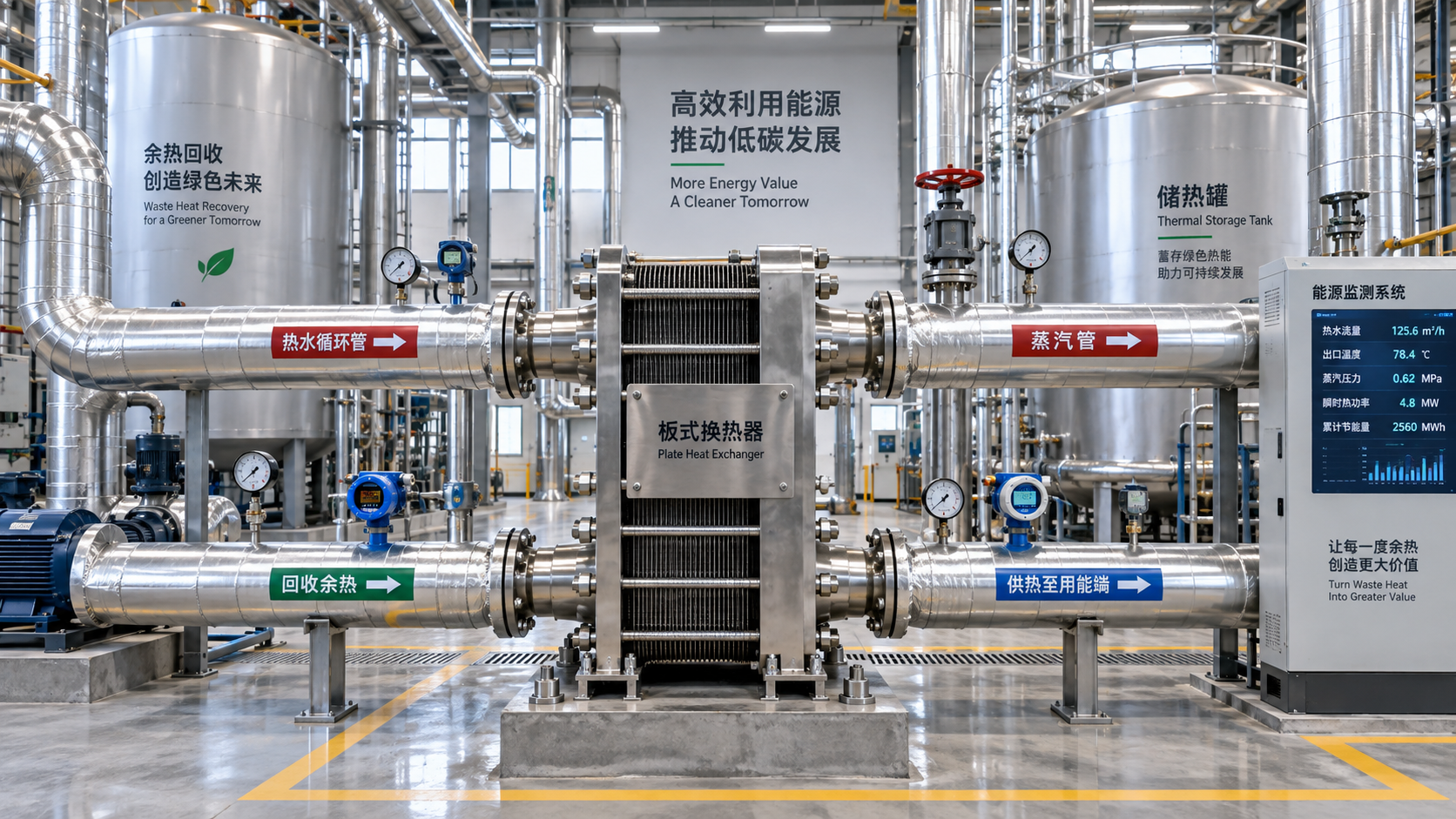
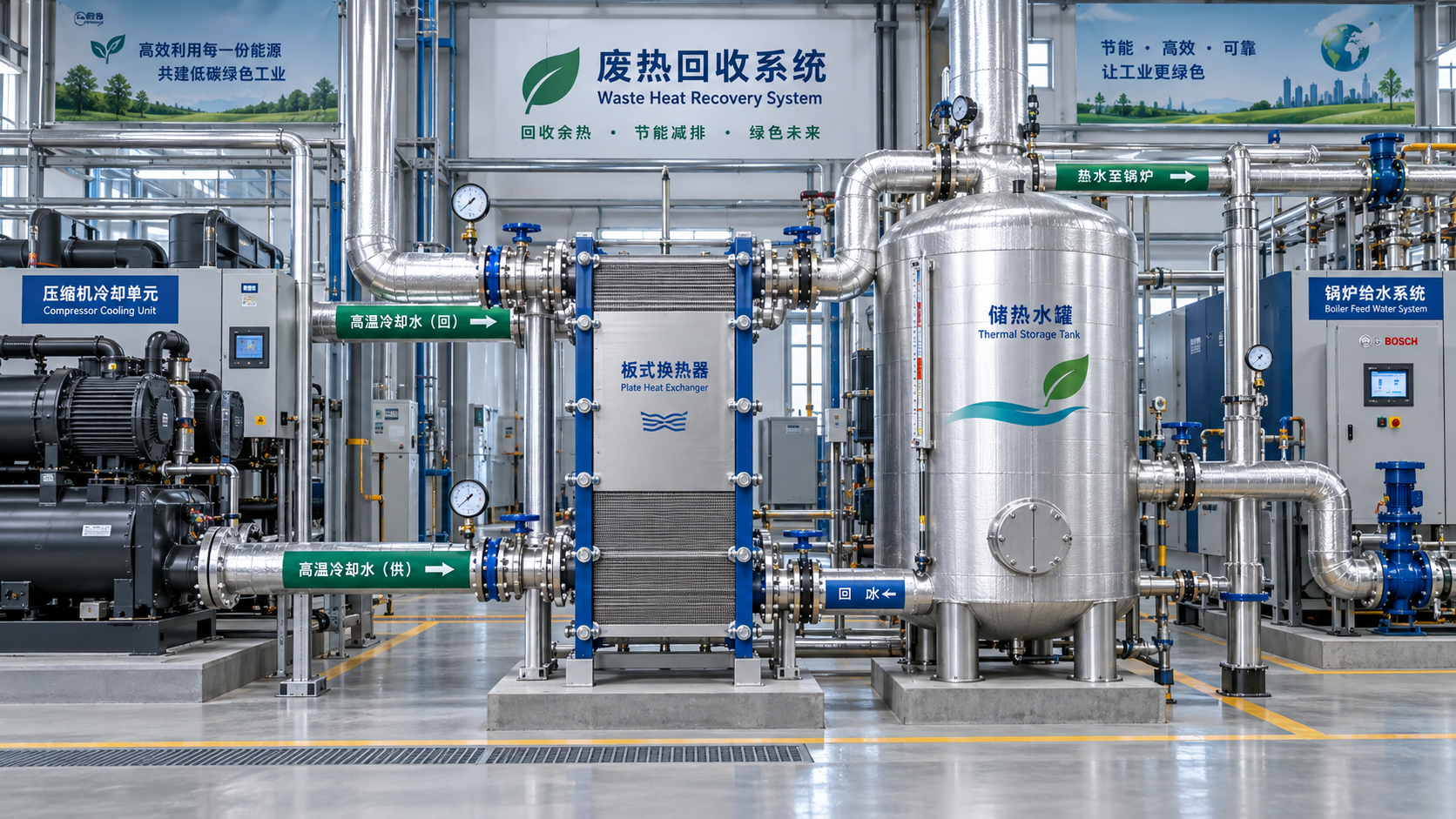
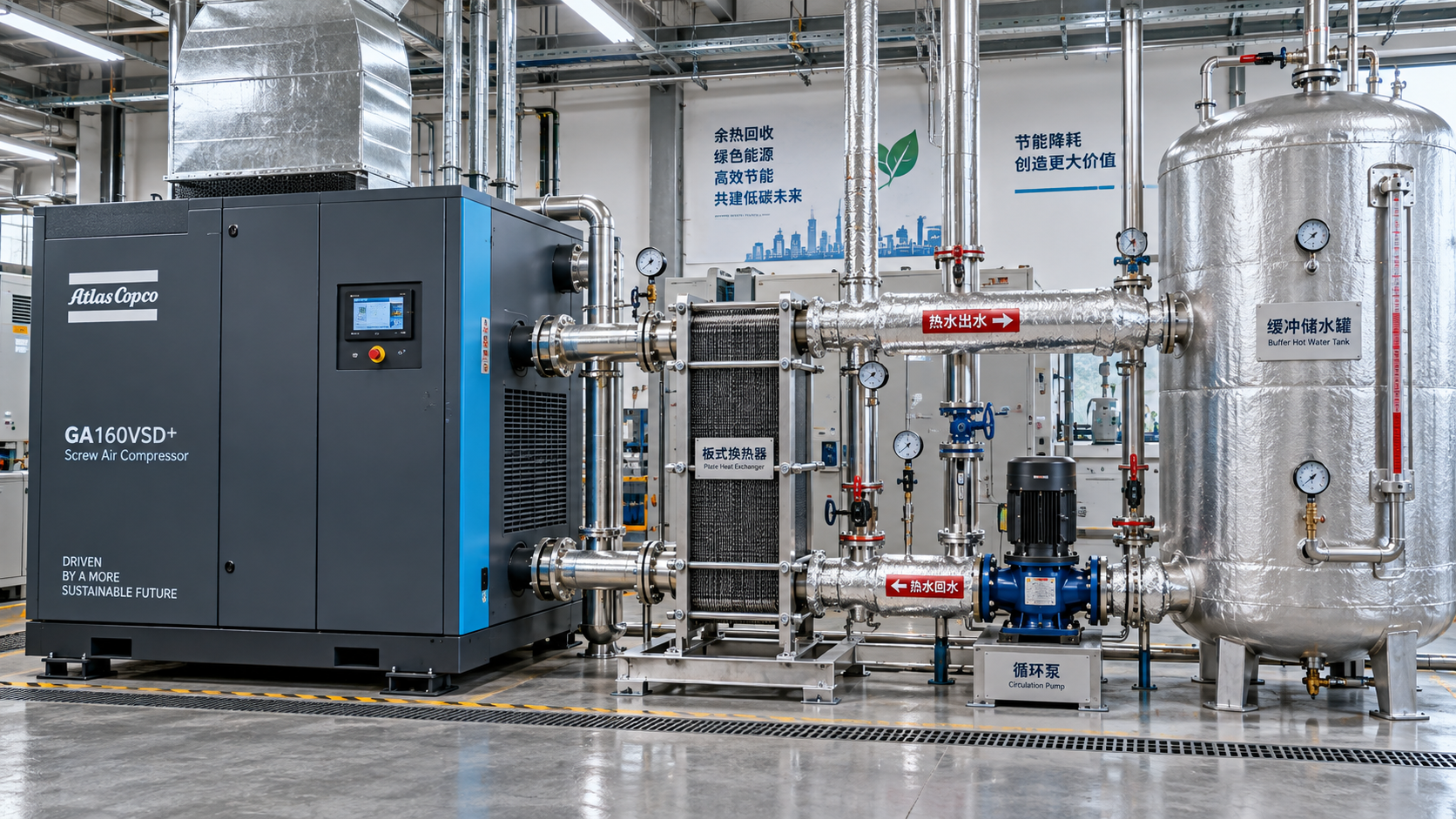
Decarbonization should also be assessed as an engineering question, not a marketing label. Determine whether the system can accommodate changing energy sources, recover usable waste heat, operate efficiently at the site's common load conditions, or be upgraded without replacing the full installation. The best route depends on the temperature level, duty profile, available utilities, and the value of recovered energy. Electrification can be appropriate in some applications, while direct-fired, steam-based, hybrid, or heat-recovery approaches may remain more practical in others.
Use the supplier review to test working style
The procurement process provides evidence of how a supplier will behave after award. Look for disciplined questions, documented assumptions, clear scope boundaries, credible schedules, and direct treatment of risks. Be cautious when a bidder dismisses integration issues, promises broad performance without defining conditions, or relies on generic drawings that do not reflect the proposed configuration.
A structured clarification meeting is often more revealing than another round of spreadsheet scoring. Walk through one representative operating scenario: startup from cold, peak production, low-load operation, an upstream interruption, a utility disturbance, and planned maintenance. Ask the supplier to explain the equipment response, operator actions, alarms, and recovery path. This reveals whether controls, safety, maintainability, and process knowledge have been considered together.
For teams comparing developments across cooling, compression, vacuum, heat exchange, and industrial heat systems, intelligence resources such as the Global Thermal & Compression Matrix can provide useful context on technology direction, energy conditions, refrigerant transitions, and sector-specific demand. That context should inform the evaluation criteria, but it should not replace project-specific engineering validation.
Make the final decision with a weighted evidence trail
A short decision record is more reliable than choosing the proposal that feels most complete. Score suppliers against the factors that have the greatest consequence for the project: fit to the defined process duty, energy and utility assumptions, control quality, integration scope, maintainability, safety approach, commissioning method, lifecycle exposure, and ability to support future changes. Weight those factors according to the application. A plant with high energy costs may prioritize part-load performance; a quality-sensitive operation may give more weight to control and validation; a remote site may prioritize service access and spares.
Each score should point to evidence: a calculation, drawing, control narrative, scope matrix, maintenance plan, commissioning outline, or documented clarification. This prevents the final choice from being driven by polished presentations or an artificially low equipment price.
The strongest supplier is not always the one offering the most elaborate system. It is the one whose design assumptions match the process, whose responsibilities are clear, whose performance can be tested, and whose solution remains workable when plant conditions are less orderly than the quotation assumed.
Related News
- What to evaluate before choosing a thermal process engineering supplierAuthor :

- How industrial utility systems affect energy costs in process plantsAuthor :

- What Data Is Needed to Assess Heat Recovery Decarbonization?Author :

- Can Waste Heat Recovery Support Carbon Neutrality Targets?Author :

- Is Compressor Heat Recovery Worth the Installation Cost?Author :

- What to verify before choosing a process separation technology supplierAuthor :

- When does process utilities engineering reduce project rework?Author :

- Where thermal efficiency optimization delivers the fastest savings in EuropeAuthor :

- What should you verify before selecting a heat transfer supplier?Author :

- What drives compressed air systems price for industrial projects?Author :

- How an industrial product knowledge comparison guide reduces sourcing riskAuthor :

- When does a procurement specification planning process reduce bid risk?Author :

- When does thermal system optimization for electronics reduce failure risk?Author :

- When high temperature process heating systems justify the higher energy costAuthor :

- How to compare sludge dewatering equipment by cake drynessAuthor :

- What to Check Before Sourcing a Gas Turbine for Distributed Power ProjectsAuthor :

- What drives industrial thermal systems price in large facility projectsAuthor :

- How to build an industrial product comparison chart that speeds up vendor selectionAuthor :

- Vacuum Technology Application Guide for Selecting the Right SystemAuthor :

- What Drives Vacuum Drying Cost in Industrial Procurement?Author :

- What Drives Compressed Air Pricing in Industrial Systems?Author :

- How Procurement Specification Planning Shapes Total Project CostAuthor :

- Compression Technology Guide: How to Compare Efficiency, Pressure Range, and Maintenance NeedsAuthor :

- How to Compare Industrial Separators by Throughput, Purity, and Maintenance LoadAuthor :

- How to Size a Compressed Air Equipment Receiver Tank for Stable PressureAuthor :

- Industrial Equipment Selection Guide: How to Compare Capacity, Duty Cycle, and Operating CostAuthor :

- How to Evaluate an Intellectualization Supplier for Industrial UpgradesAuthor :

- High-Efficiency Manufacturing: Cost Savings vs. Upgrade RiskAuthor :

- Thermal System Optimization Cost: What Drives ROI?Author :

- How to Plan Process Utilities for a Cleanroom Without Costly ReworkAuthor :

- How to Compare Process Heating Suppliers in MexicoAuthor :

- Food Processing Utilities: Common Sizing Mistakes That Raise Energy and Water UseAuthor :

- How to Build Procurement Specification Planning for Industrial EquipmentAuthor :

- OEM Cooperation for Industrial Equipment: Risks, Terms, and Cost PrioritiesAuthor :

- Specification-Oriented Product Resources That Speed Technical ReviewAuthor :

- Industrial Equipment Selection Guide: A Practical Buyer ChecklistAuthor :