When high temperature process heating systems justify the higher energy cost




For enterprise decision-makers, the question is rarely whether energy prices are painful. That is already obvious. The harder question is when a more energy-intensive thermal architecture still makes economic sense because it stabilizes output, protects quality, and reduces the kinds of process losses that never appear clearly on the utility invoice. That is where high temperature process heating systems deserve a more disciplined look.
In many boardroom or plant-level discussions, heating cost is treated as a line item to minimize. In practice, it is often a control variable. A system that runs hotter, faster, or with tighter thermal precision may consume more energy per hour while lowering cost per acceptable unit, reducing scrap, shortening dwell times, or enabling production steps that lower-value systems simply cannot support. For sectors operating under margin pressure, delivery risk, or quality compliance requirements, that distinction matters.
Decision-makers searching this topic are usually trying to answer a practical procurement question: under what conditions does paying more for thermal energy or higher-temperature capability produce a net business gain? The answer depends less on the headline efficiency of the heater and more on the economics of the entire process window.
Higher energy cost is justified when heat is a production constraint, not just a utility input
Not every plant benefits from upgrading to higher-temperature process heating. In low-complexity applications, a cheaper and simpler system may remain the better choice. But where heat determines reaction speed, material transformation, sterilization integrity, coating adhesion, drying performance, or line throughput, temperature capability becomes a lever on revenue and risk.
That is especially true in operations where underheating creates hidden costs: incomplete curing, moisture retention, unstable product properties, contamination risk, excessive batch time, rework, and customer complaints that surface weeks later. In those environments, “cheaper heat” can become very expensive output.
Examples vary by sector, but the pattern is consistent across industrial processing:
- Throughput-limited lines: Higher operating temperatures can shorten cycle times or improve heat transfer rates enough to unlock additional capacity without adding a parallel line.
- Quality-sensitive production: Tighter thermal control at elevated temperatures may reduce variation in metallurgy, chemical processing, food treatment, or specialty manufacturing.
- Contamination- or compliance-sensitive processes: Some regulated or technically demanding applications require validated temperature performance that lower-grade systems struggle to maintain consistently.
- High-value product environments: When one rejected batch costs far more than a month of incremental energy use, energy price becomes a secondary metric.
For procurement teams, this means the right question is not “How much more energy will this system consume?” but “What process losses does this energy buy back?”
Total cost should be measured at the production level, not the equipment level
One of the most common errors in heating-system procurement is evaluating options only through capex and nominal energy efficiency. That is too narrow for high temperature process heating systems, because their value is often indirect. They may improve economics through line stability, product consistency, labor productivity, maintenance planning, and reduced dependency on workarounds such as extended residence times.
A more useful decision model compares systems across at least five cost layers:
If a high-temperature system raises energy spend by 12% but lifts usable throughput by 18%, cuts scrap by 30%, and reduces unplanned stoppages during critical production windows, the procurement case can become straightforward. If it only adds heat capacity without changing line economics, it is harder to defend.
That sounds obvious, yet many buying decisions still overweight the visible cost of energy and underweight the invisible cost of process weakness.
Where the business case is usually strongest
The justification tends to be strongest in three kinds of environments.
First, in sectors where the product has high value density. Pharmaceuticals, specialty chemicals, electronics-related processing, advanced materials, and precision food processing often fit this pattern. When the value of each batch or production hour is high, thermal precision and process security usually deserve more attention than absolute fuel minimization.
Second, in plants running near capacity. If higher temperature capability materially increases throughput, the economics may compare favorably with far more expensive alternatives such as facility expansion, additional shifts, or duplicate process assets. In these cases, thermal investment is effectively capacity investment.
Third, in operations facing stricter customer specifications or changing regulatory conditions. As industrial buyers demand better traceability, lower emissions, more stable product properties, and cleaner process outcomes, heating systems are increasingly part of competitive qualification, not just plant infrastructure.
Across global industry, this matters more now because energy strategy is no longer isolated from policy and market positioning. Electrification pressure, emissions reporting, fuel-price volatility, refrigerant and combustion policy changes, and customer decarbonization demands are all reshaping thermal system decisions. A system that looks expensive in today’s energy terms may still be the better long-horizon choice if it supports compliance and procurement resilience over the next investment cycle.
What buyers often get wrong when comparing thermal options
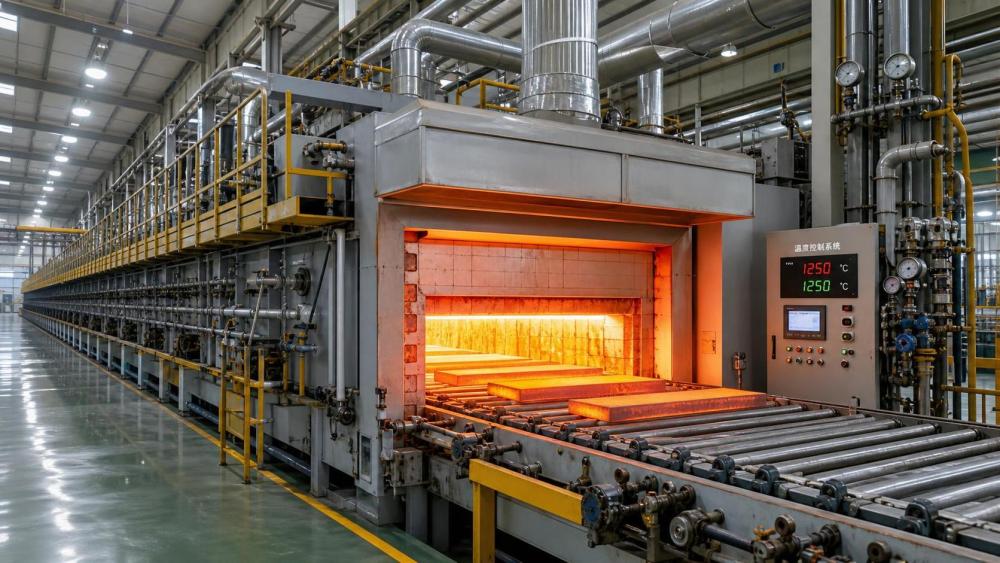
A frequent misconception is that higher temperature automatically means inefficiency. That is not always true. The real issue is how the system performs at the required duty point, under the actual load profile, with the plant’s control discipline and maintenance capability. A theoretically efficient low-temperature solution that forces longer process times or poor heat penetration can produce worse total economics than a hotter system with higher apparent energy cost.
Another mistake is evaluating peak temperature instead of usable process temperature. Suppliers may promote maximum temperature ratings, but buyers need to know whether the system can hold the required temperature uniformly, recover quickly after load changes, and maintain control across the operating range. In many industrial applications, thermal consistency matters more than an impressive top-end number.
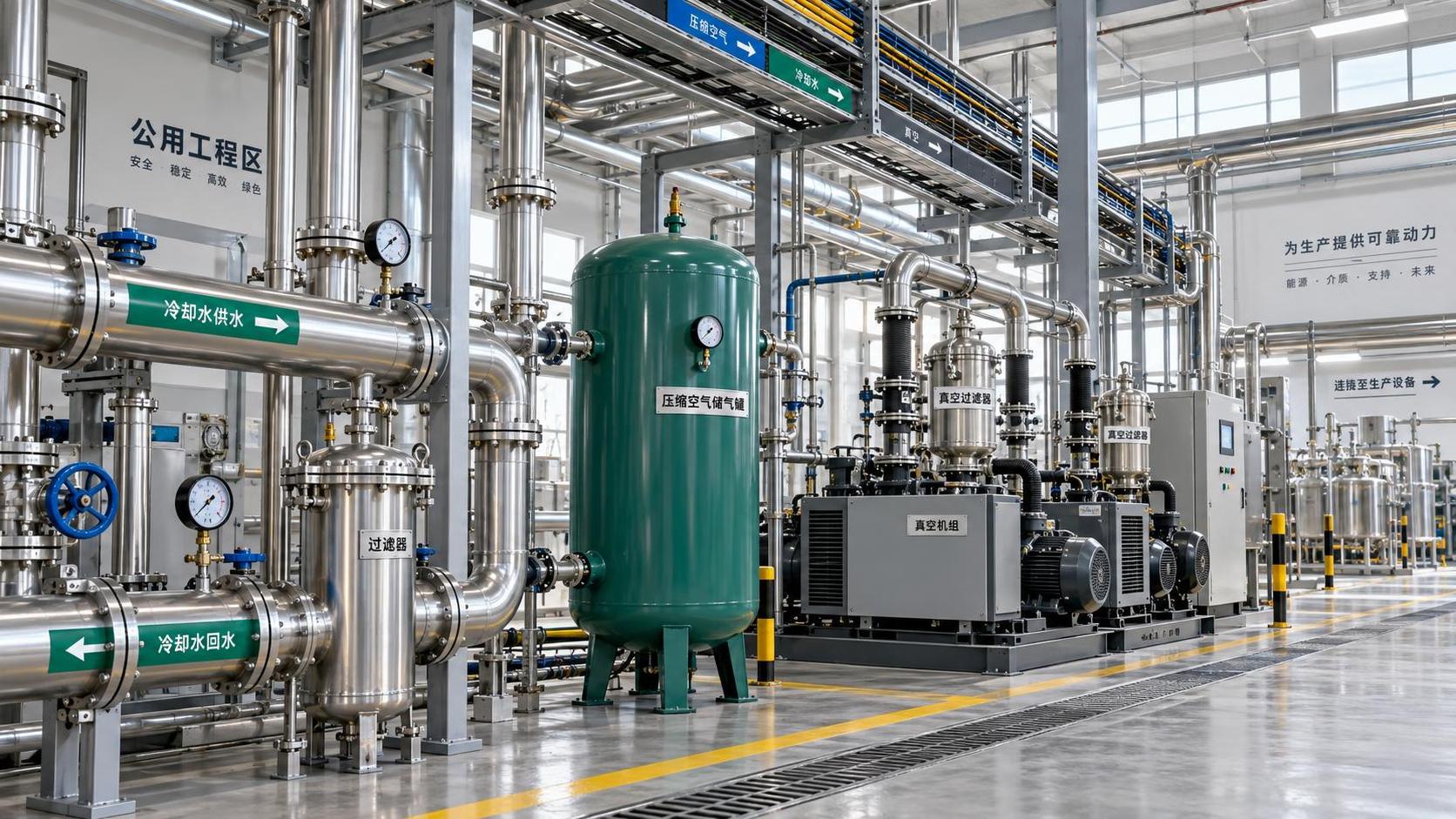
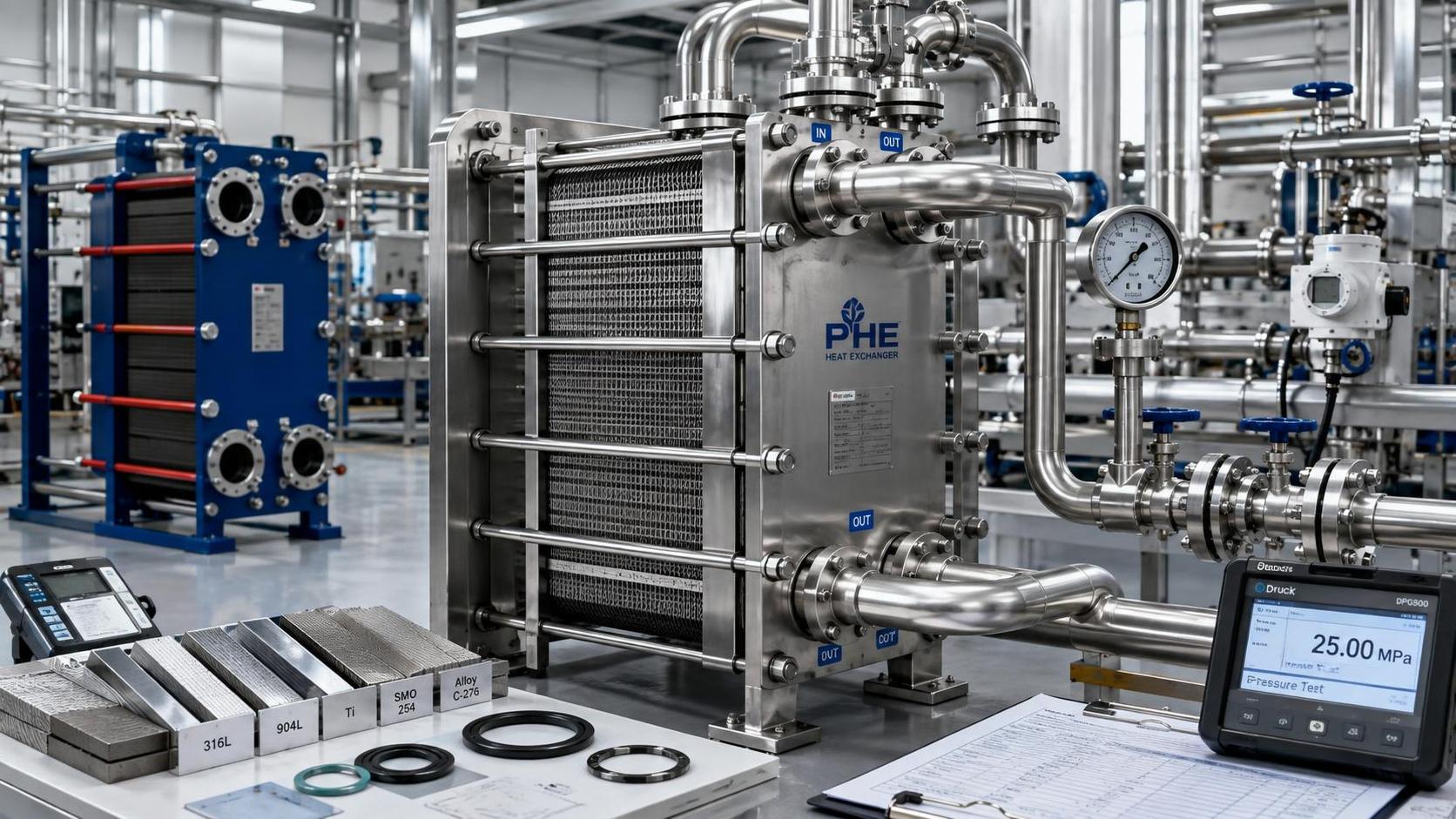
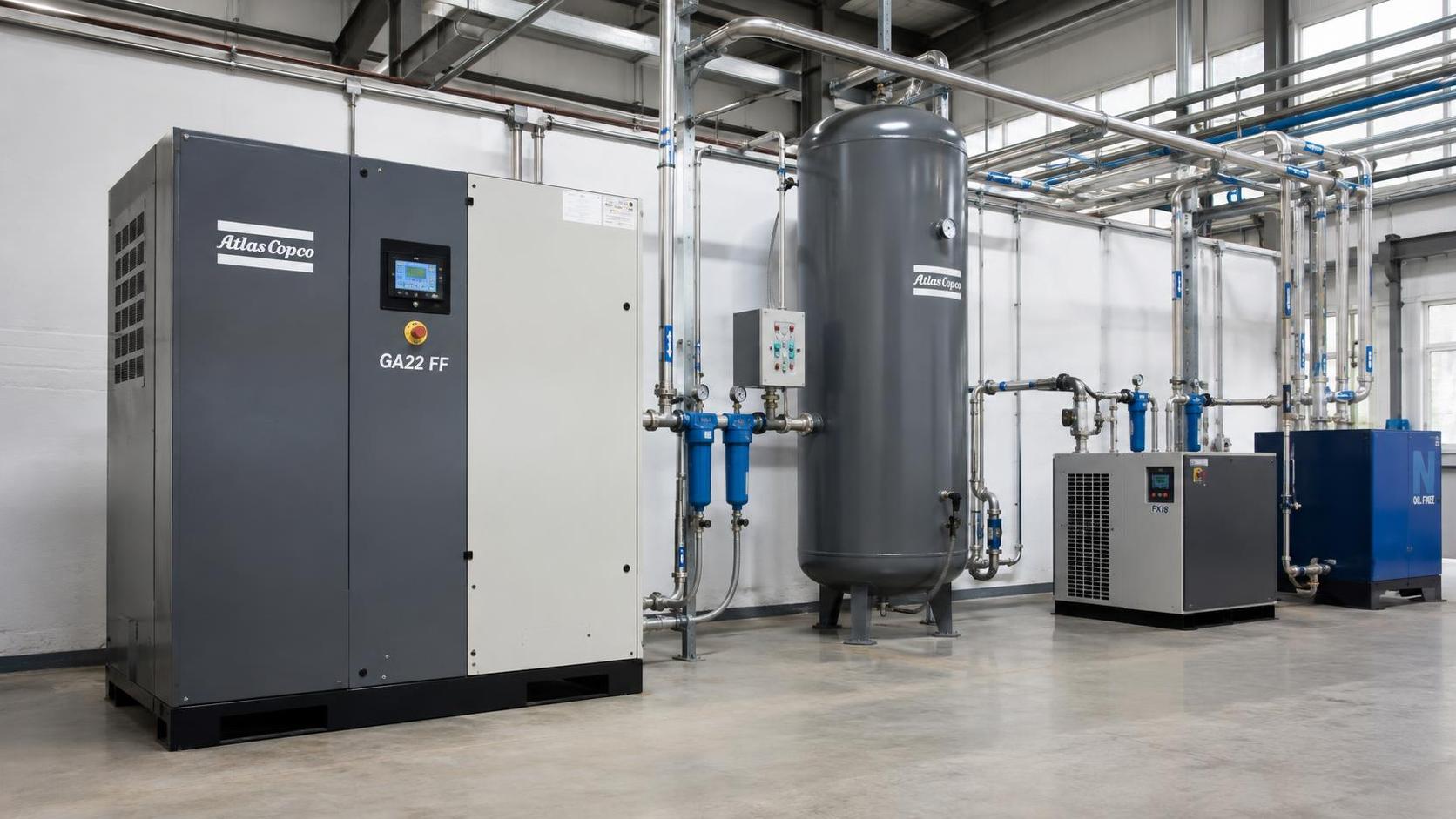
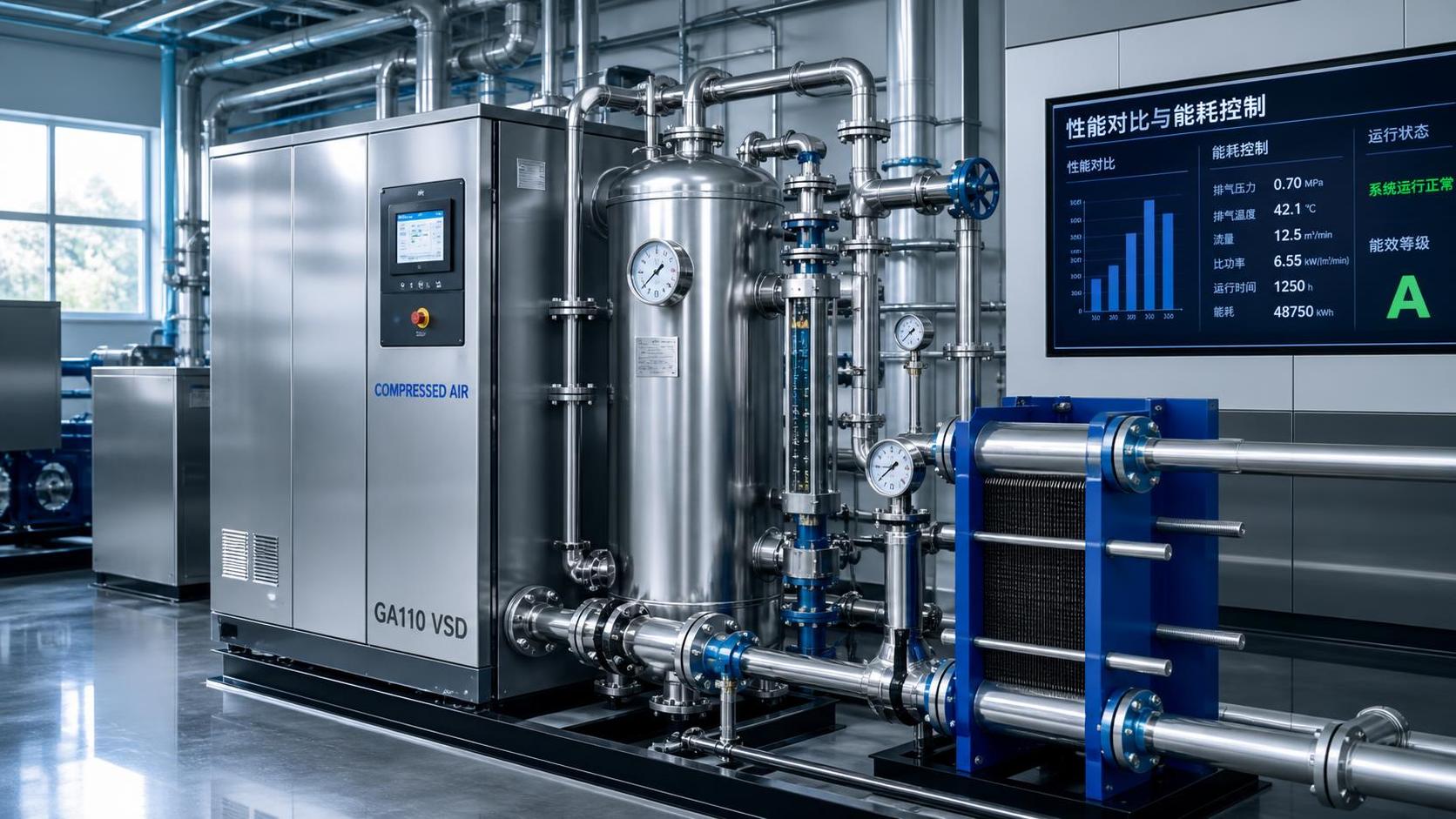
There is also a tendency to separate heating technology from the rest of the utility ecosystem. In reality, process heating decisions interact with compressed air, cooling, heat recovery, ventilation, exhaust treatment, and plant power quality. A high-temperature installation that looks expensive in isolation may become much more attractive when integrated with waste heat recovery, thermal storage, or broader energy optimization. Conversely, an apparently efficient solution can underperform badly if supporting infrastructure is unstable.
Procurement decisions should start with process evidence, not vendor claims
For decision-makers, the safest path is to anchor procurement around process evidence. Before comparing vendors, clarify the operating case the new system must solve. That usually includes:
- The temperature range actually required in production, not just in theory
- Acceptable variation by zone, batch, or cycle
- Current scrap, rework, or delay costs linked to thermal limits
- Whether the constraint is temperature ceiling, ramp rate, uniformity, recovery time, or controllability
- The value of incremental throughput if the bottleneck is removed
Without that baseline, procurement can drift toward feature comparison instead of business comparison. That is how plants end up buying thermal capability they do not use, or underbuying control performance they later regret.
In practice, a robust RFQ or technical review should ask for evidence on:
- Performance at the intended production load
- Control stability under transient conditions
- Energy consumption under partial-load operation, not only full-load rating
- Maintenance intervals and skill requirements
- Expected component life in high-temperature duty
- Integration requirements with existing controls, safety systems, and utilities
- Emissions, combustion, electrical, or workplace compliance implications depending on jurisdiction
Any numbers tied to savings claims should be treated cautiously unless accompanied by operating assumptions. If assumptions are unclear, they should be marked internally as provisional or 【待核实】 before being used in investment approval.
The risk side of the equation is often undercounted
Energy-intensive systems do carry real risks, and mature buyers should account for them directly rather than smoothing them over in a business case. Higher temperatures can increase material stress, refractory wear, insulation demands, safety requirements, emissions-control complexity, and maintenance sensitivity. Depending on the technology, they may also raise exposure to electricity pricing volatility or fuel supply issues.
But the opposite risk can be larger: installing a lower-capability system that cannot support process evolution, tighter product tolerances, or future customer requirements. That kind of underinvestment tends to surface slowly and expensively. It appears as longer cycles, unstable quality, rising labor intervention, missed qualification opportunities, and eventually premature replacement.
For many enterprises, the more important procurement question is not whether the thermal system will cost more to run next quarter, but whether it will still be operationally and commercially fit three to seven years from now. In a period of uncertain energy markets and stricter industrial performance expectations, that forward view is increasingly central.
How current market conditions are changing the payback logic
Several broader trends are shifting how companies should evaluate high temperature process heating systems.
One is the rising cost of production disruption. In globally distributed supply chains, late delivery, batch failure, and qualification drift can damage customer relationships faster than before. Systems that improve process predictability are therefore gaining strategic value beyond direct energy metrics.
Another is the growing importance of energy flexibility. In some markets, buyers are comparing not only gas versus electric heating but also how each option fits future carbon reporting, on-site generation, demand response, and energy procurement strategies. The best thermal choice increasingly depends on location-specific utility structures and policy exposure, not just engineering preference.
There is also a technology-side shift. Advances in controls, sensors, heat exchange design, burner optimization, and industrial electrification are making some higher-temperature solutions more precise and manageable than legacy assumptions suggest. At the same time, not every new platform is mature enough for every duty cycle. Buyers should distinguish between proven industrial performance and promising but not yet fully derisked configurations.
A practical screen for enterprise buyers
As a working rule, higher energy cost is easier to justify when most of the following are true:
- The process output is high value or quality sensitive
- Heat is a known bottleneck to capacity, consistency, or compliance
- The business can monetize faster cycle times or lower scrap
- The new system improves controllability, not just raw temperature
- The plant has the technical discipline to operate and maintain it correctly
- The asset will remain compatible with likely future production and policy requirements
It is harder to justify when heat is not central to product economics, when current constraints lie elsewhere in the line, or when the organization lacks the operating maturity to capture the theoretical gains.
That is why the strongest procurement cases are rarely built around energy alone. They are built around production economics. A high-temperature system earns its place when it converts higher utility cost into lower total manufacturing risk, more reliable output, and a process window the business can actually grow with.
For decision-makers, that is the threshold worth testing. Not whether the system is expensive to run, but whether it is expensive to run without it.
Related News
- What drives sustainable thermal systems cost over their operating life?Author :

- Which industrial solution comparison criteria prevent project delays?Author :

- What to evaluate before choosing a thermal process engineering supplierAuthor :

- How industrial utility systems affect energy costs in process plantsAuthor :

- What Data Is Needed to Assess Heat Recovery Decarbonization?Author :

- Can Waste Heat Recovery Support Carbon Neutrality Targets?Author :

- Is Compressor Heat Recovery Worth the Installation Cost?Author :

- What to verify before choosing a process separation technology supplierAuthor :

- When does process utilities engineering reduce project rework?Author :

- Where thermal efficiency optimization delivers the fastest savings in EuropeAuthor :

- What should you verify before selecting a heat transfer supplier?Author :

- What drives compressed air systems price for industrial projects?Author :

- How an industrial product knowledge comparison guide reduces sourcing riskAuthor :

- When does a procurement specification planning process reduce bid risk?Author :

- When does thermal system optimization for electronics reduce failure risk?Author :

- When high temperature process heating systems justify the higher energy costAuthor :

- How to compare sludge dewatering equipment by cake drynessAuthor :

- What to Check Before Sourcing a Gas Turbine for Distributed Power ProjectsAuthor :

- What drives industrial thermal systems price in large facility projectsAuthor :

- How to build an industrial product comparison chart that speeds up vendor selectionAuthor :

- Vacuum Technology Application Guide for Selecting the Right SystemAuthor :

- What Drives Vacuum Drying Cost in Industrial Procurement?Author :

- What Drives Compressed Air Pricing in Industrial Systems?Author :

- How Procurement Specification Planning Shapes Total Project CostAuthor :

- Compression Technology Guide: How to Compare Efficiency, Pressure Range, and Maintenance NeedsAuthor :

- How to Compare Industrial Separators by Throughput, Purity, and Maintenance LoadAuthor :

- How to Size a Compressed Air Equipment Receiver Tank for Stable PressureAuthor :

- Industrial Equipment Selection Guide: How to Compare Capacity, Duty Cycle, and Operating CostAuthor :

- How to Evaluate an Intellectualization Supplier for Industrial UpgradesAuthor :

- High-Efficiency Manufacturing: Cost Savings vs. Upgrade RiskAuthor :

- Thermal System Optimization Cost: What Drives ROI?Author :

- How to Plan Process Utilities for a Cleanroom Without Costly ReworkAuthor :

- How to Compare Process Heating Suppliers in MexicoAuthor :

- Food Processing Utilities: Common Sizing Mistakes That Raise Energy and Water UseAuthor :

- How to Build Procurement Specification Planning for Industrial EquipmentAuthor :

- OEM Cooperation for Industrial Equipment: Risks, Terms, and Cost PrioritiesAuthor :