Where thermal efficiency optimization delivers the fastest savings in Europe




Fast savings from thermal efficiency optimization in Europe usually come from systems that run for long hours, reject heat continuously, or operate far from their original duty point. The strongest candidates are rarely the most visible capital projects. They are the compressor held at an unnecessarily high pressure, the chiller compensating for fouled heat-transfer surfaces, the vacuum pump running at full speed between production cycles, or the boiler room sending usable heat to atmosphere.
These opportunities share a practical feature: the energy loss is already occurring every operating day, and corrective work can often be carried out during planned maintenance rather than through a major plant rebuild. The financial case should begin with measured operating behaviour, not with a catalogue efficiency value. A high-efficiency machine installed in the wrong control arrangement can consume more energy than an older unit operating close to its intended load.
Start where energy use and operating hours overlap
Annual energy cost is shaped by power draw, load profile, operating hours, electricity or fuel tariffs, and the value of heat that could displace another energy source. Nameplate capacity alone is a weak priority signal. A modestly sized compressor that runs continuously at low load may carry a larger avoidable cost than a larger machine used only during a single production shift.
For a first ranking, map the major thermal and compression assets against four questions: Does the asset run when production is idle? Is its output controlled by throttling, bypassing, or repeated start-stop cycles? Has its duty changed since installation? Does it create waste heat close enough to a stable heat demand to be used? This quickly separates persistent losses from equipment that only appears inefficient during short peak events.
Compressed air often produces the quickest verified reduction
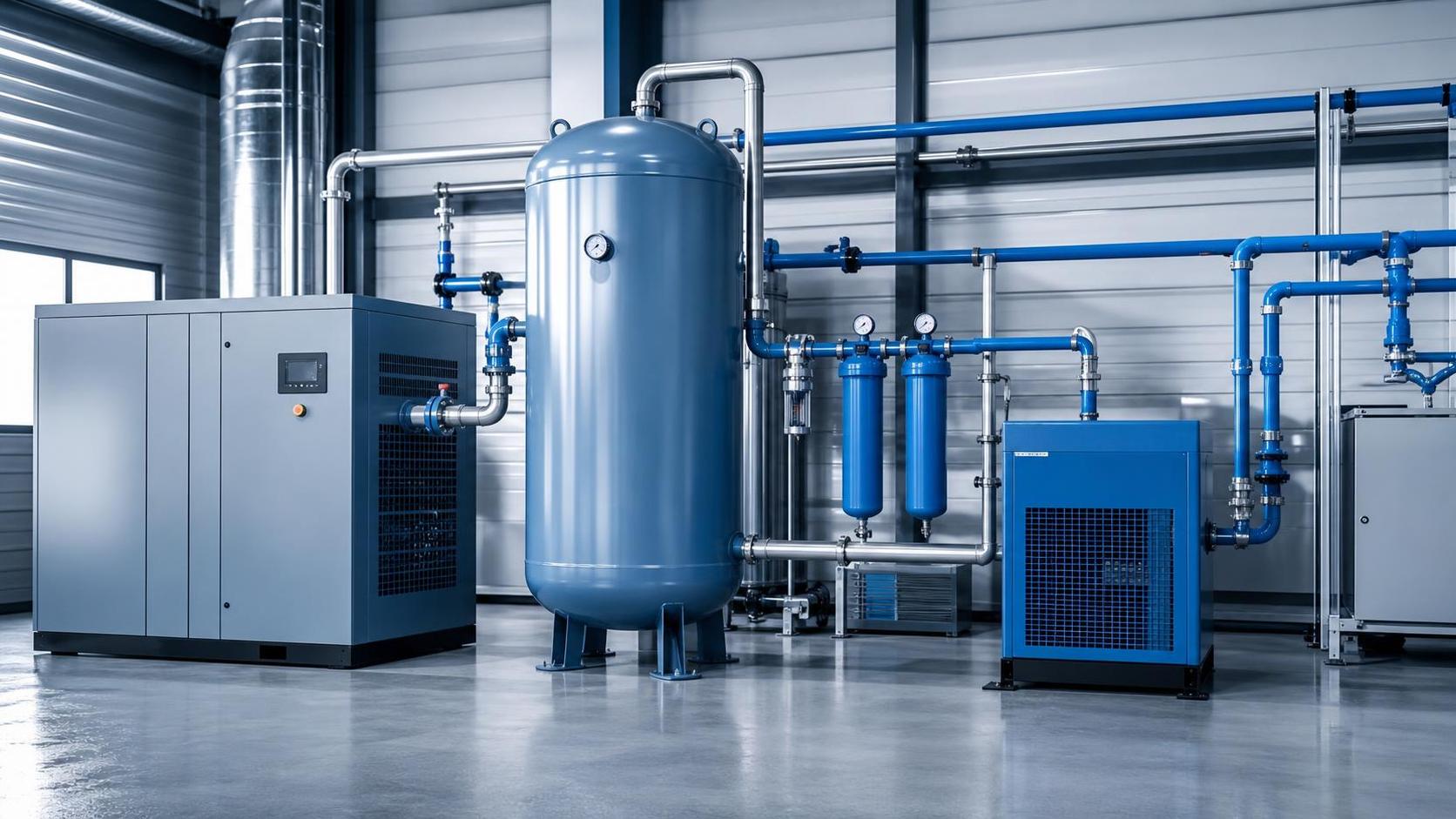
Compressed air deserves early attention because pressure is frequently treated as a process requirement when it is actually a workaround for poor distribution, intermittent peaks, undersized storage, or neglected end-use equipment. Raising the central pressure to satisfy one distant machine increases generation energy across the entire network and can intensify leakage. Pressure should be assessed at the point of use during the actual demanding part of the cycle, not only at the compressor discharge.
A useful test is the unloaded or low-production period. If air flow remains substantial when lines are stopped, the load may be leaks, open blow-offs, failed drains, equipment left energized, or a control sequence that keeps several compressors available without need. Ultrasonic leak detection identifies local faults, but it should be paired with flow and power logging. Repairing many small leaks is valuable only when the compressor controls can translate lower demand into lower power. A fixed-speed unit running unloaded will not deliver the expected electricity reduction until its loading strategy is corrected.
Pressure reduction also needs boundaries. Pneumatic conveying, high-speed packaging equipment, instrument air, and air knives may respond differently to a lower setpoint. A trial should observe pressure at the critical receiver, product quality, actuator cycle times, and dryer performance. If a local pressure deficit is the real problem, improving pipe diameter, removing restrictive fittings, adding appropriately located storage, or separating a high-pressure user may cost less than lifting the whole network setpoint.

Cooling savings depend on temperature lift, not simply chiller age
Process cooling frequently hides savings in the gap between required process temperature and the temperature actually supplied. Supplying colder water than necessary raises compressor lift and can also create condensation, insulation losses, and tighter humidity-control demands. The required temperature must be taken from validated product or process limits, then tested against the warmest acceptable supply condition over representative production cycles.
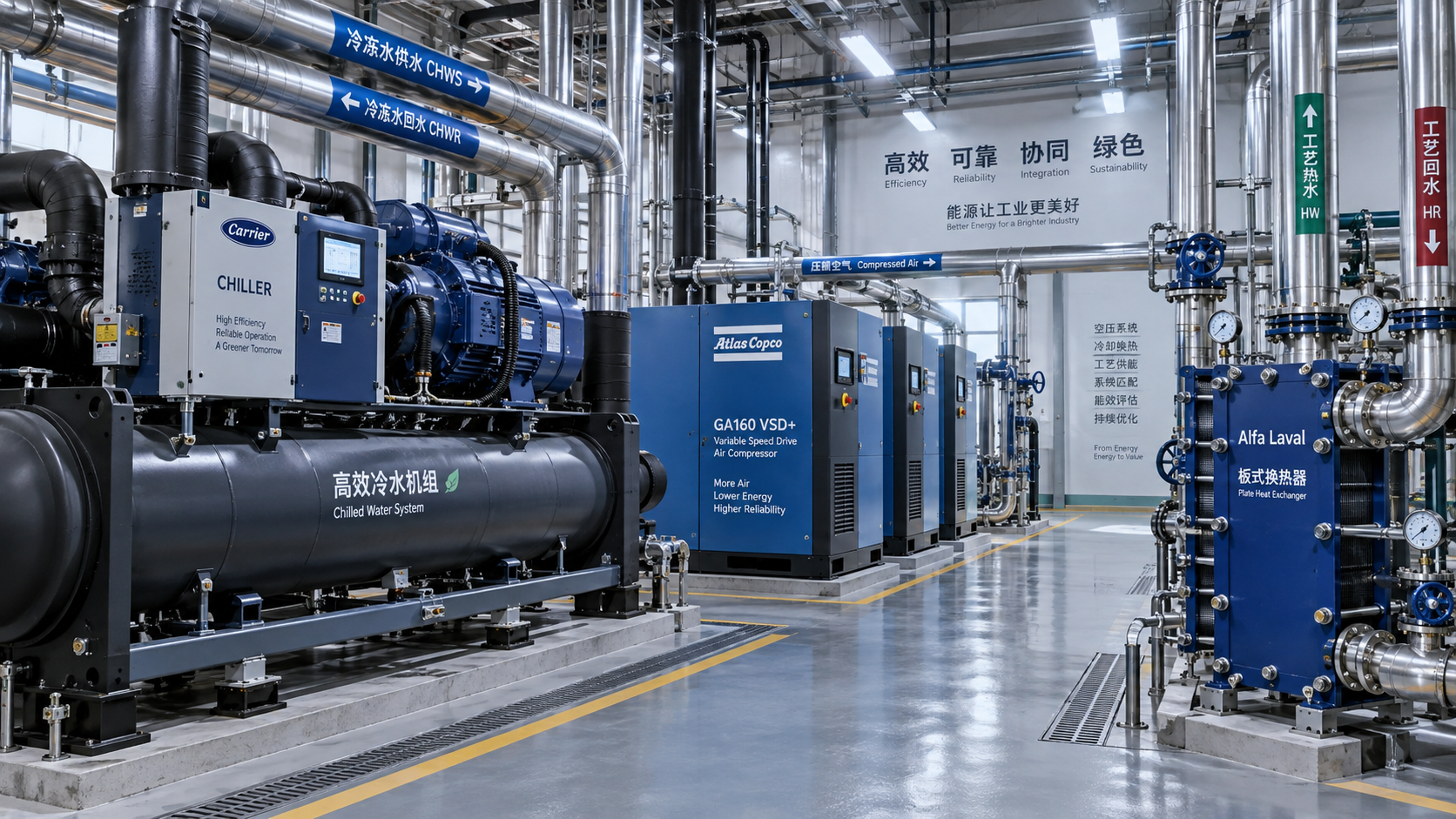
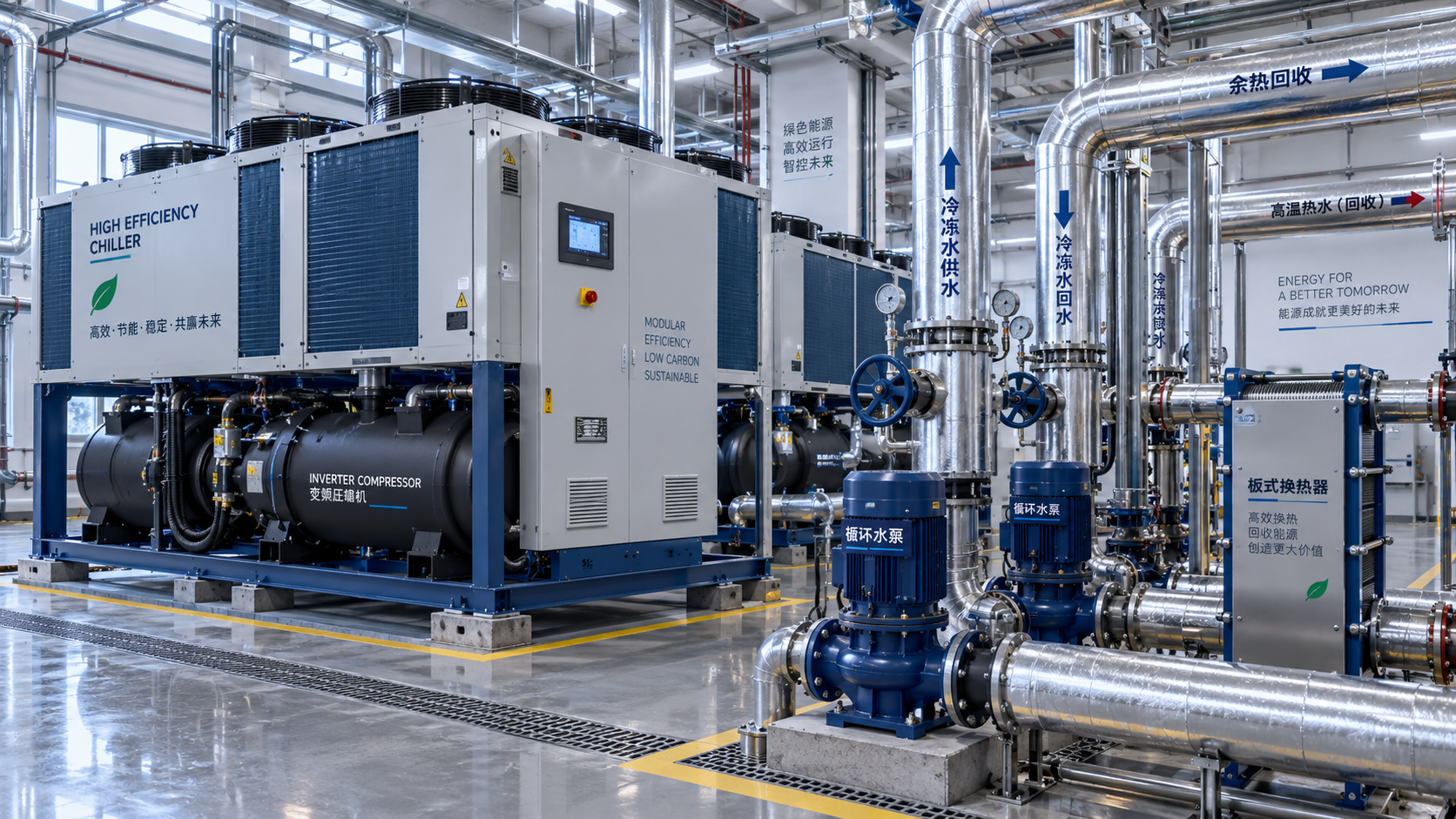
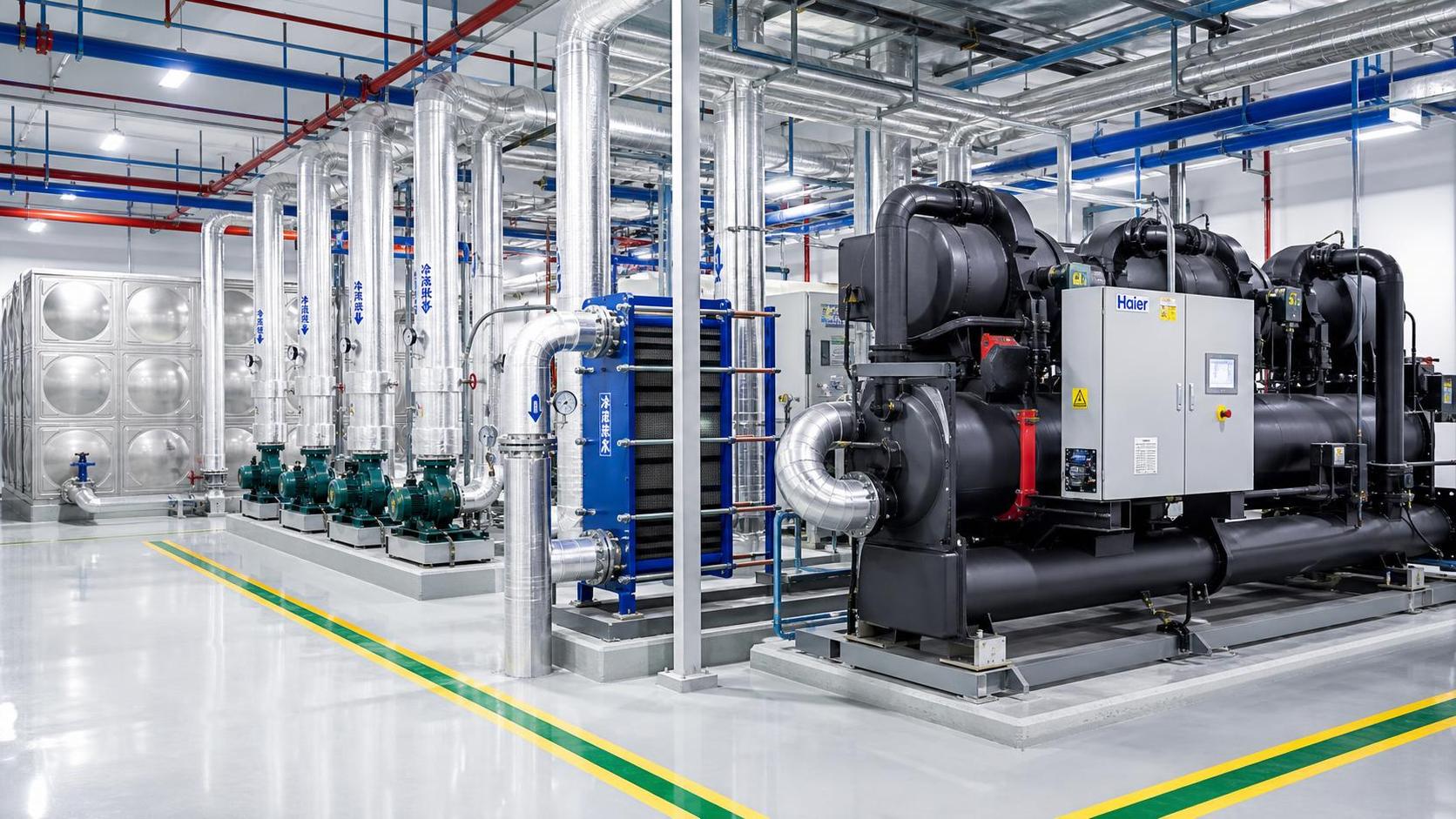
Condenser conditions are equally important. Air-cooled chillers lose performance when coils are blocked by dust, lint, leaves, or recirculated discharge air. Water-cooled systems can lose heat transfer through scale, biofilm, poor water treatment, degraded tower fill, or inadequate flow. These mechanisms look similar in utility bills, yet the corrective purchase differs: coil cleaning, fan control, water-treatment work, pump restoration, tower repair, or exchanger cleaning. Selecting a new chiller before diagnosing the heat-rejection side can preserve the original defect at a higher capital cost.
Pumping deserves the same scrutiny as refrigeration. A distribution loop with manually throttled valves and constant-speed pumps may consume large amounts of electricity while delivering unstable temperatures. Variable-speed pumping is effective where flow genuinely varies and control valves retain authority. It is less compelling where process equipment requires near-constant flow, where a minimum evaporator flow must be maintained, or where poor sensor placement causes the pump to chase noise. Differential-pressure sensors belong near the hydraulically critical part of the circuit, rather than next to the pump where they reveal little about remote demand.
Recovered heat is valuable only when it has a reliable destination
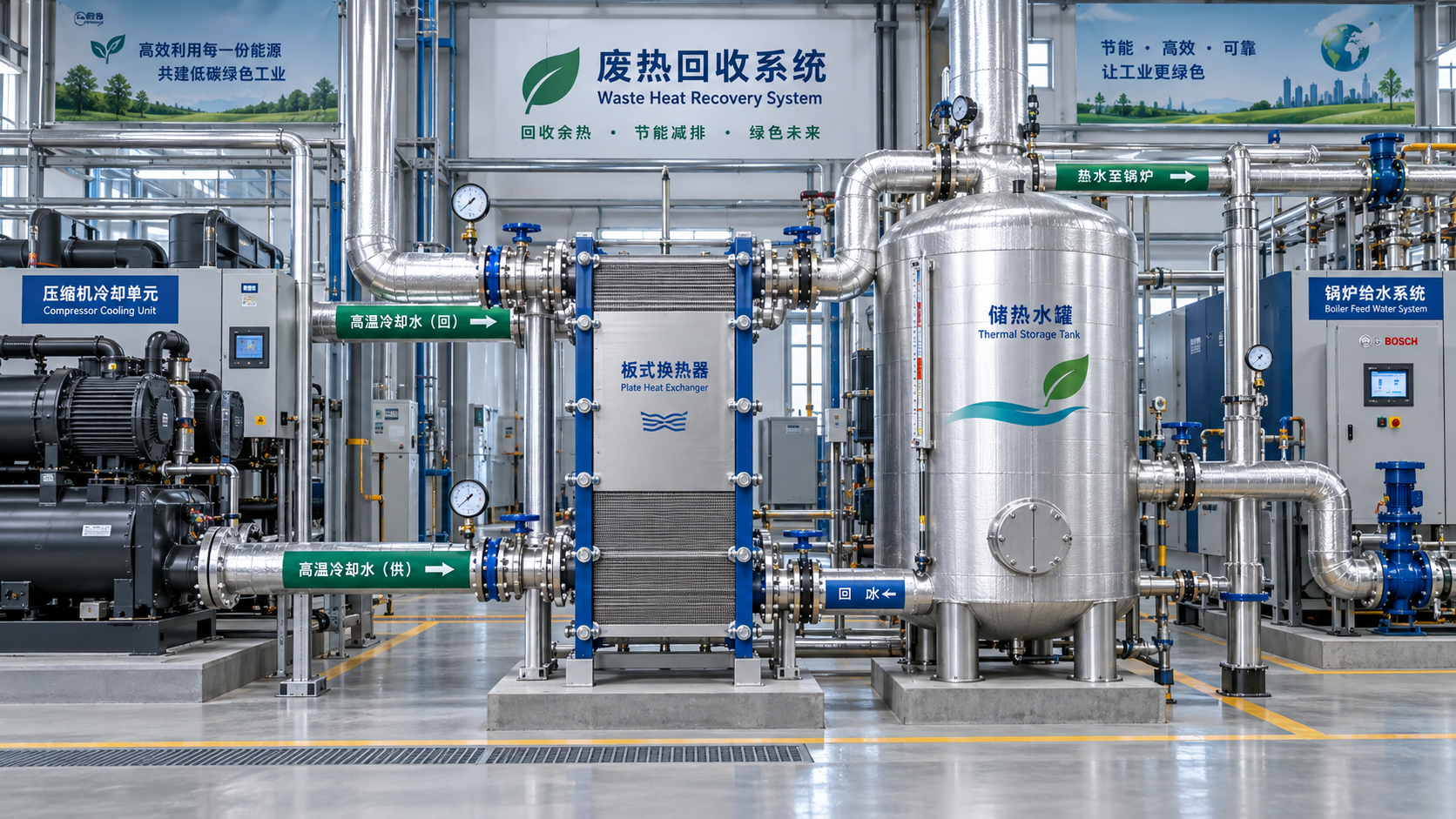
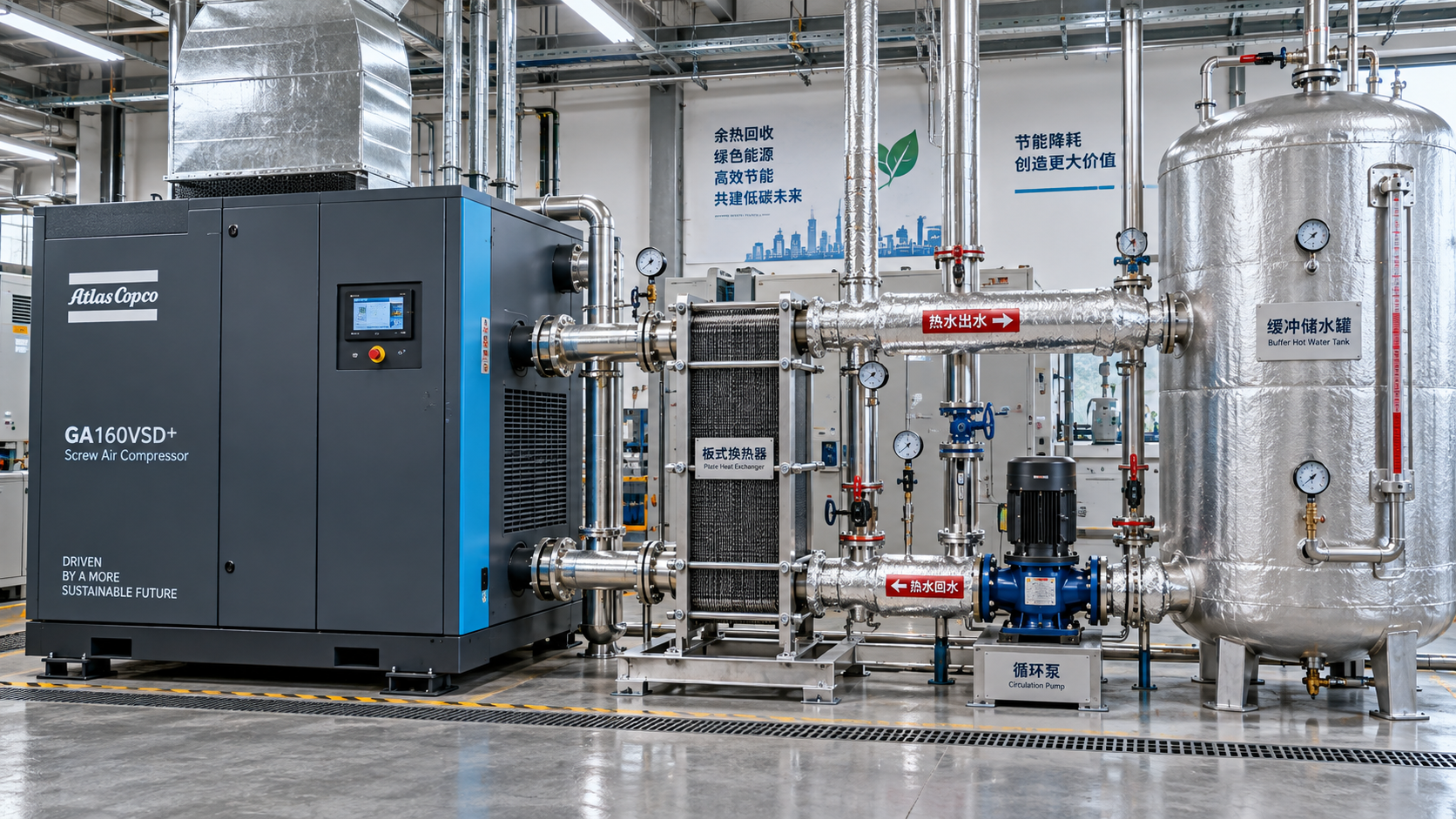
Compressor discharge air, refrigeration condensers, vacuum pumps, boilers, ovens, and warm process water can all be heat sources. The fastest projects are normally those with a nearby and recurring heat demand: domestic hot water, wash processes, preheating makeup air, low-temperature process water, space heating during occupied periods, or boiler feedwater preheat. The question is not whether a source feels hot. It is whether its temperature, volume, cleanliness, and operating hours match a sink without creating a new burden.
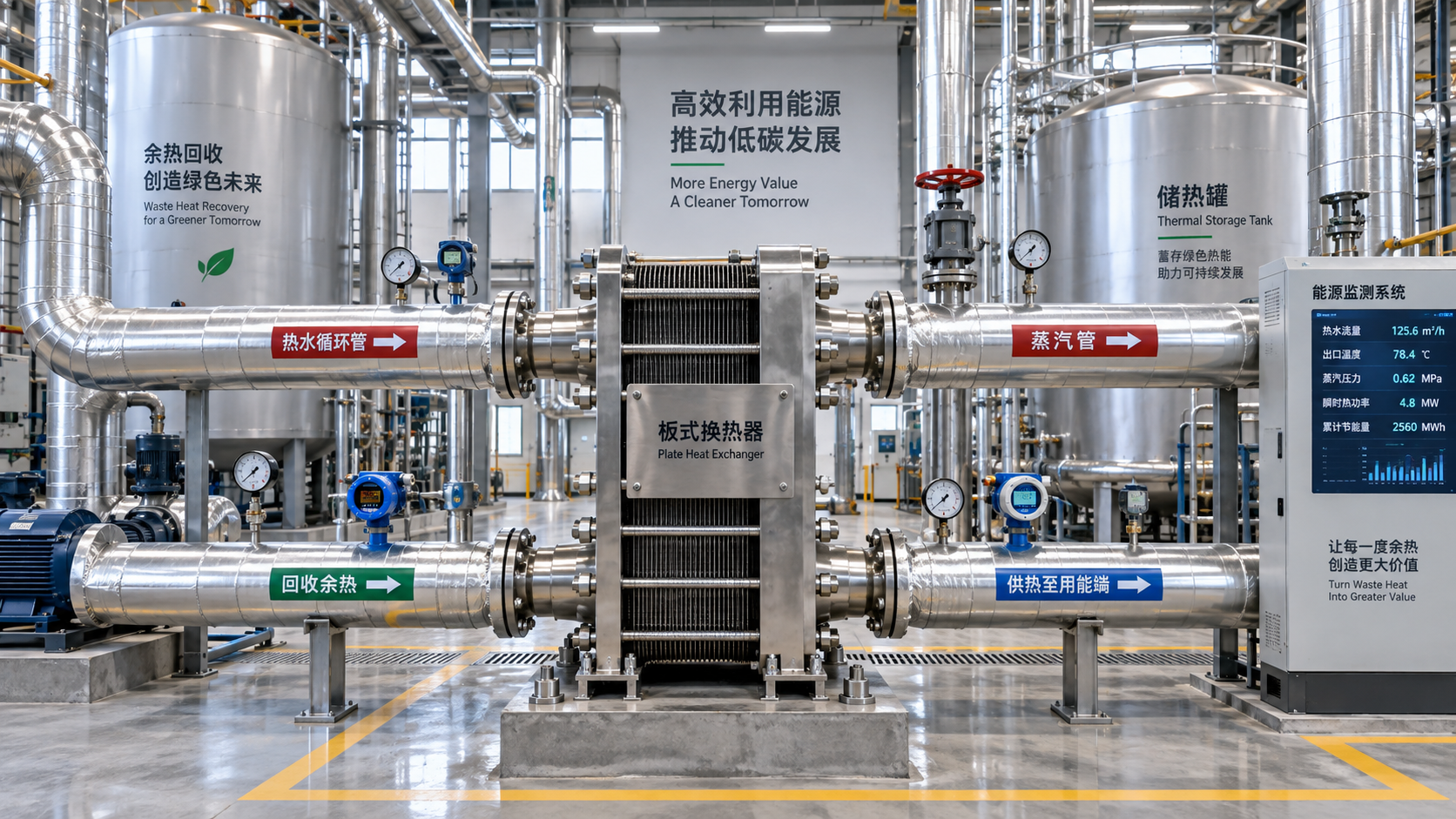
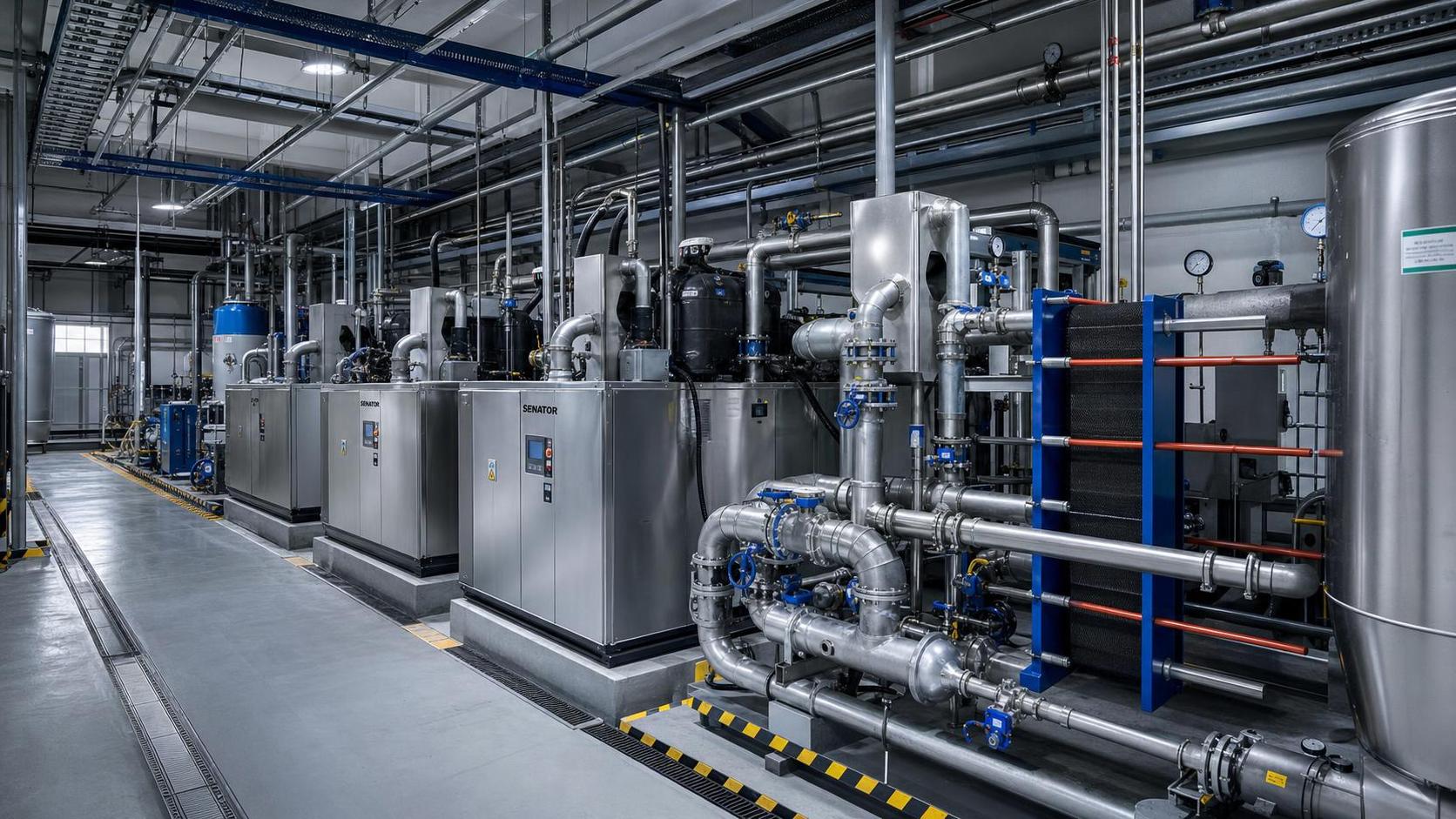
Temperature compatibility is commonly misread. A heat source with a large heat quantity but a low temperature may be unsuitable for a high-temperature process without a heat pump. Adding a heat pump changes the evaluation: its electricity use, seasonal operation, refrigerant choice, hydraulic integration, and available electrical capacity must be included. Conversely, direct recovery through a plate heat exchanger can be very attractive where temperature lift is small and the fluids can be safely separated.
Heat recovery equipment must also protect production reliability. Oil-contaminated compressed-air circuits, corrosive exhaust, particulate-laden streams, or food and pharmaceutical environments may require indirect loops, stainless steel surfaces, filtration, double-wall separation, or accessible cleaning arrangements. These details affect installed cost and maintenance access more than the headline thermal capacity. A compact skid that cannot be isolated, drained, or cleaned safely will lose value quickly in a working plant.
Heat exchangers reveal losses through paired temperature and pressure data
A heat exchanger should not be judged by outlet temperature alone. A process may show the intended outlet temperature because pumps or compressors are working harder to overcome fouling. The resulting energy penalty appears elsewhere. Compare hot- and cold-side inlet and outlet temperatures with pressure drop on both sides, while noting flow rate and fluid composition. A rising pressure drop with stable temperatures often points to early fouling or a flow change; a worsening temperature approach with little pressure change can indicate reduced flow, air binding, maldistribution, bypassing, or a shift in upstream conditions.
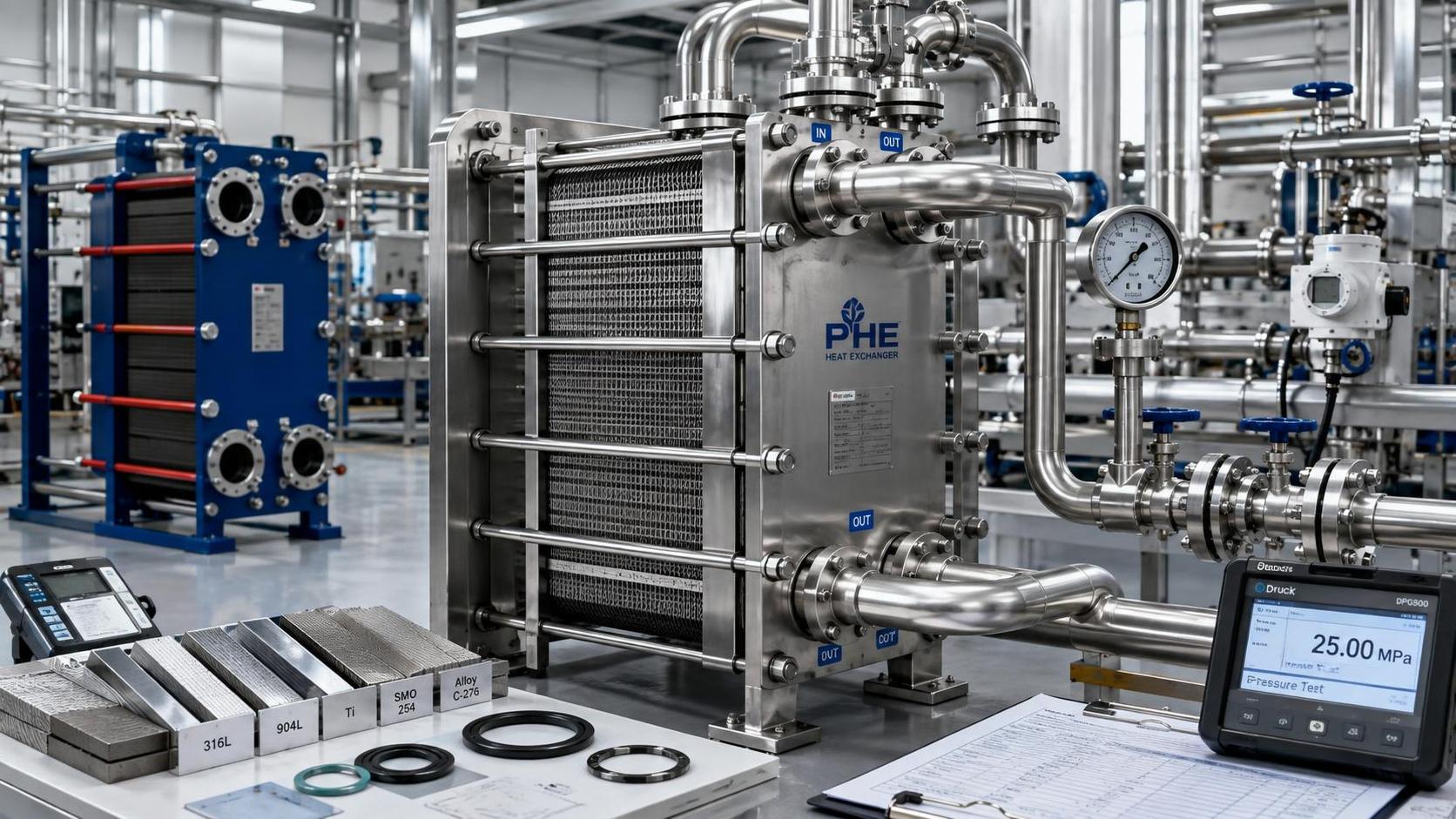
Cleaning method matters. Mechanical cleaning may be appropriate for accessible shell-and-tube bundles, while chemical cleaning requires compatibility checks for gasket elastomers, brazed joints, tube materials, and downstream disposal arrangements. Aggressive chemicals can restore short-term performance while reducing component life. Plate heat exchangers need correct plate orientation, gasket condition, bolt tightening sequence, and leak testing after reassembly. Microchannel coils require cleaning methods that do not flatten fins or force debris deeper into the core.
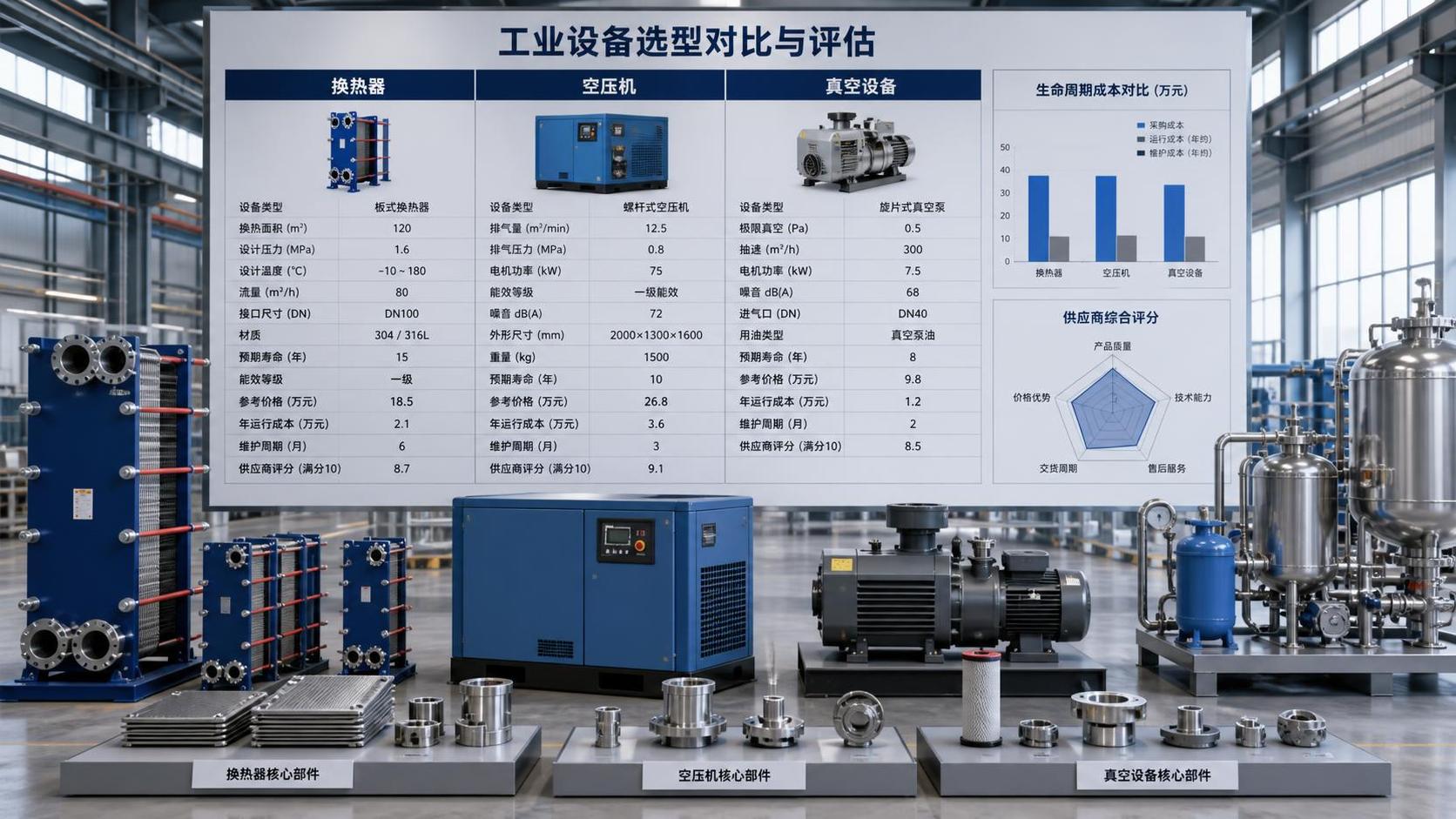
When replacement is justified, specifying only duty and design pressure leaves too much uncertainty. Include the expected temperature range, allowable pressure drop, fluid contaminants, cleaning regime, minimum and maximum flow, freeze exposure, access envelope, lifting constraints, connection orientation, and whether future capacity changes are likely. These requirements determine whether a compact exchanger performs reliably after installation rather than only on a design sheet.
Vacuum systems reward control improvements when demand is intermittent
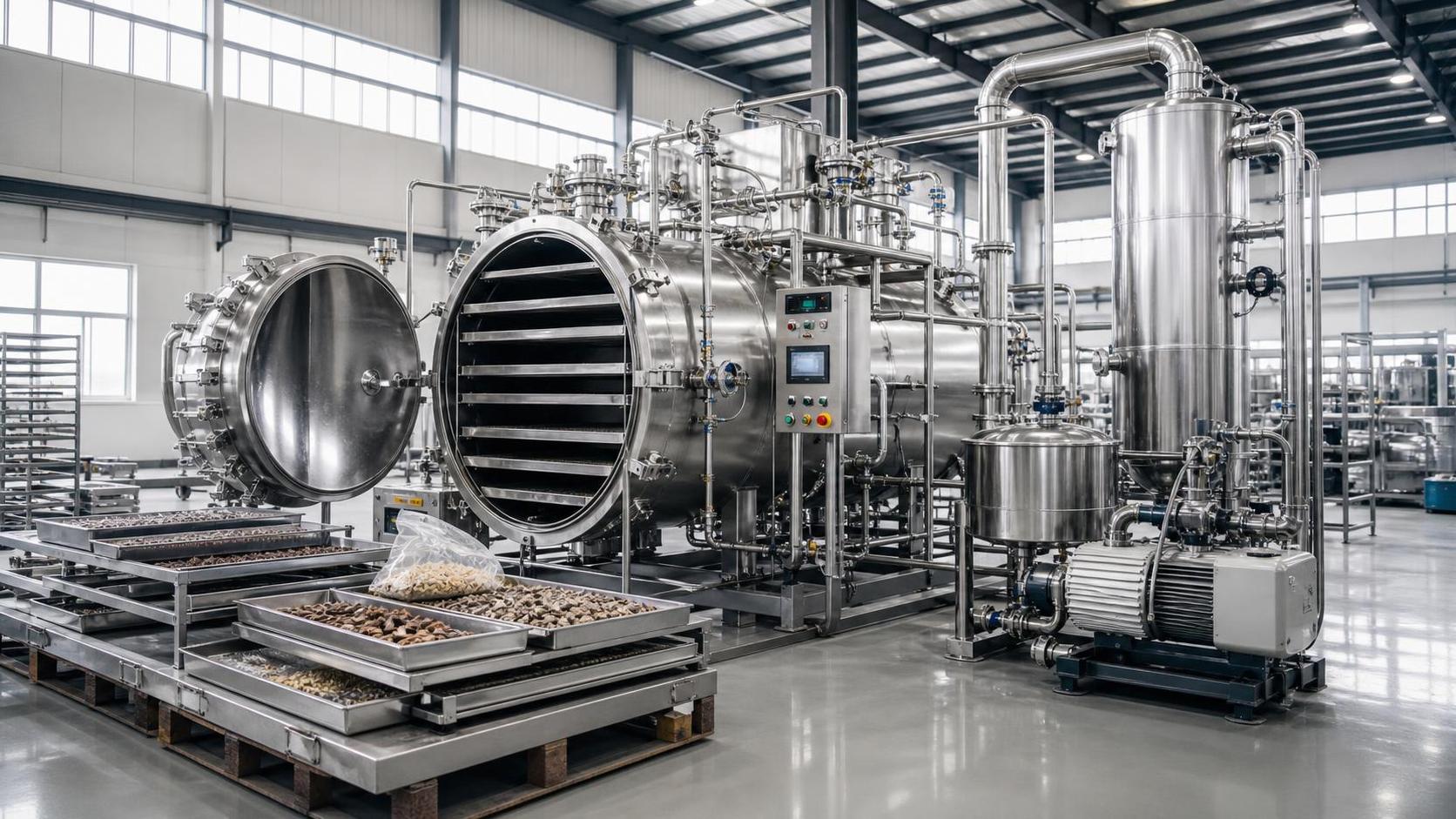
Vacuum pumps are often sized for evacuation peaks but then operated continuously at a deeper vacuum than the process needs. A lower absolute pressure is not automatically better; it can increase energy use and expose seals, filters, and condensate management to more severe duty. The target vacuum should reflect product handling, drying, degassing, forming, or process stability requirements at the point of use.
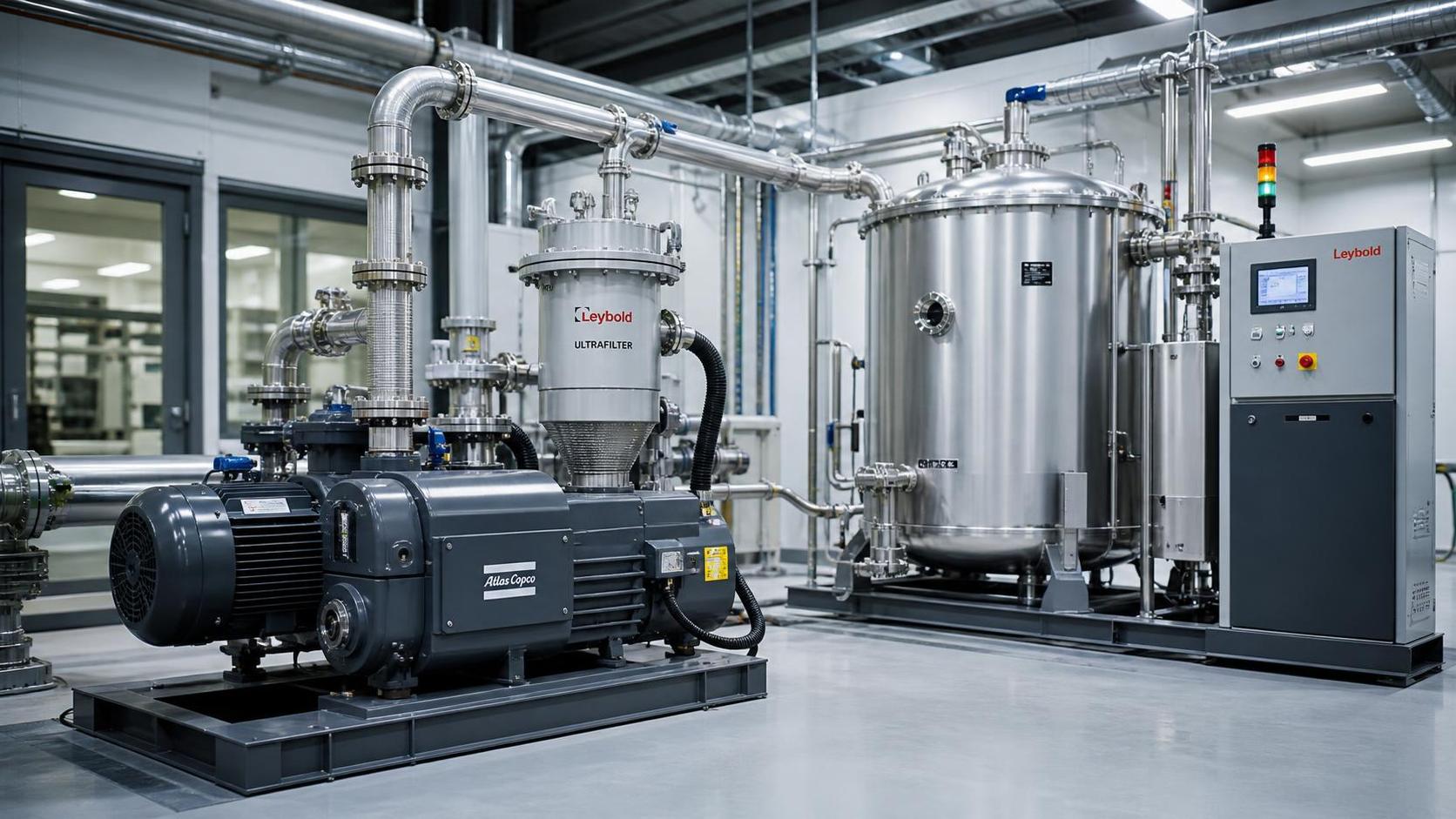
Variable-speed drives, staged pump control, local receivers, and automatic isolation valves can reduce unnecessary runtime where batch cycles include waiting periods. Yet a variable-speed purchase needs a proper demand profile. Some liquid-ring pumps are governed by seal-water conditions, some dry pumps require defined purge or thermal management, and certain processes release vapours or particles that alter pump performance over a shift. Logging motor load without vacuum level and process timing can produce an incomplete conclusion.
Build the project around a verifiable operating baseline
The procurement package should state the operating problem in measurable terms before it specifies equipment. Capture at least one representative production period, including idle hours, changeovers, and high-load events. Record energy input, useful output, setpoints, ambient conditions, production status, and manually overridden controls. Where tariffs vary by time, retain the time stamps; a reduction during expensive intervals may have a different value from the same reduction overnight.
Installation planning often determines whether a short-payback measure remains short. Confirm electrical isolation windows, pipe tie-in points, water quality, drainage, lifting routes, noise restrictions, access for cleaning, controls integration, and the availability of spare parts that wear in normal service. A heat-recovery loop that disrupts compressor cooling, or a new control system that cannot exchange signals with existing safety interlocks, creates operational risk disproportionate to the energy opportunity.
Acceptance should compare the completed system with the agreed baseline under comparable operating conditions. Production volume alone is not sufficient: product mix, ambient temperature, pressure requirement, cooling load, and occupied hours can all alter the result. A short monitored period after commissioning also exposes control hunting, unexpected bypass flow, unstable temperatures, and maintenance issues before they become accepted as normal operation.
Europe’s fastest thermal savings are therefore concentrated where waste is continuous, the physical cause can be measured, and the correction fits existing operations. Compressed air pressure management, cooling-side restoration, usable heat recovery, exchanger performance recovery, and vacuum control frequently meet those conditions. The order of investment should follow measured loss and production constraints, rather than the visibility or novelty of the equipment.
Ready when you are. Send us a message to get started.
Related News
- How to select industrial equipment for automation with existing PLCsAuthor :

- How electricity prices shape industrial compressed air price trendsAuthor :

- Choosing air filtration systems for heavy dust in the Middle EastAuthor :

- How much does a fully installed compressed air monitoring system cost?Author :

- What documentation supports CE marking for industrial equipment?Author :

- How local support affects vacuum system costs in Southeast AsiaAuthor :

- How worldwide industry category guides help compare market opportunitiesAuthor :

- What drives sustainable thermal systems cost over their operating life?Author :

- Which industrial solution comparison criteria prevent project delays?Author :

- How Ambient Temperature and Load Profile Affect Industrial Compressor SizingAuthor :

- What to evaluate before choosing a thermal process engineering supplierAuthor :

- How industrial utility systems affect energy costs in process plantsAuthor :

- What Data Is Needed to Assess Heat Recovery Decarbonization?Author :

- Can Waste Heat Recovery Support Carbon Neutrality Targets?Author :

- Is Compressor Heat Recovery Worth the Installation Cost?Author :

- What to verify before choosing a process separation technology supplierAuthor :

- When does process utilities engineering reduce project rework?Author :

- Where thermal efficiency optimization delivers the fastest savings in EuropeAuthor :

- What should you verify before selecting a heat transfer supplier?Author :

- What drives compressed air systems price for industrial projects?Author :

- How an industrial product knowledge comparison guide reduces sourcing riskAuthor :

- When does a procurement specification planning process reduce bid risk?Author :

- When does thermal system optimization for electronics reduce failure risk?Author :

- When high temperature process heating systems justify the higher energy costAuthor :

- How to compare sludge dewatering equipment by cake drynessAuthor :

- What to Check Before Sourcing a Gas Turbine for Distributed Power ProjectsAuthor :

- What drives industrial thermal systems price in large facility projectsAuthor :

- How to build an industrial product comparison chart that speeds up vendor selectionAuthor :

- Vacuum Technology Application Guide for Selecting the Right SystemAuthor :

- What Drives Vacuum Drying Cost in Industrial Procurement?Author :

- What Drives Compressed Air Pricing in Industrial Systems?Author :

- How Procurement Specification Planning Shapes Total Project CostAuthor :

- Compression Technology Guide: How to Compare Efficiency, Pressure Range, and Maintenance NeedsAuthor :

- How to Compare Industrial Separators by Throughput, Purity, and Maintenance LoadAuthor :

- How to Size a Compressed Air Equipment Receiver Tank for Stable PressureAuthor :

- Industrial Equipment Selection Guide: How to Compare Capacity, Duty Cycle, and Operating CostAuthor :