Why high-density thermal energy storage is gaining industry attention




Why High-Density Thermal Energy Storage Is Gaining Industry Attention
As energy costs rise and decarbonization targets tighten, thermal energy storage high density solutions are drawing attention across industrial markets. By storing more heat in less space, these systems can improve process flexibility, reduce peak-demand exposure, and support electrified heating strategies. For researchers and decision-makers, understanding the technologies, applications, and economic drivers behind high-density thermal storage is becoming essential to evaluating future-ready energy systems.
The interest is not driven by a single technology breakthrough or by a simple need for backup heat. It reflects a broader operational problem: industrial sites increasingly need to separate when energy is purchased or generated from when heat is actually required. That problem becomes sharper where production lines operate continuously, grid tariffs vary by time of use, renewable electricity is available intermittently, or fossil-fuel-fired process heat is becoming harder to justify.
In the past, thermal storage was often associated with large hot-water tanks, district heating networks, or ice storage for air-conditioning loads. Those remain important applications. But many industrial users do not have abundant land, low-temperature demand, or the freedom to redesign an entire utility plant around a large tank. They need useful thermal capacity within constrained footprints and often at temperatures beyond the practical range of conventional water storage. That is where energy density has moved from a technical detail to a market-defining consideration.
Density Matters Because Industrial Heat Has a Space and Time Problem
Thermal energy density generally describes how much usable heat a material or system can store per unit of volume or mass. In practical project discussions, volumetric density is often the more urgent measure. A factory may have a limited equipment room, an existing boiler house, a rooftop load limit, or a narrow retrofit window between production shifts. A storage system that requires several times more volume than the available space is not a viable decarbonization pathway, regardless of its theoretical efficiency.
High-density storage does not mean that every site should pursue the highest possible storage temperature or the most advanced material. It means matching storage capacity, temperature level, discharge duration, cycling pattern, and footprint to a real process need. A food plant with washdown and steam-adjacent loads faces a different design question from a semiconductor facility managing highly stable environmental conditions. A metal processor seeking to shift high-temperature electric heating also has different constraints from a commercial building using chilled-water storage.
The key commercial value lies in temporal flexibility. Storage can absorb electricity when prices, emissions intensity, or renewable availability are favorable, then release heat when process demand peaks. It can also allow heat pumps, electric boilers, compressors, and heat-recovery equipment to operate more steadily rather than being sized solely for short demand spikes. This changes the conversation from “How much heat do we consume?” to “When must we produce it, and at what temperature?”
Several Technology Routes Are Competing for Different Thermal Windows
The market is often discussed as though thermal storage were one category. It is not. The underlying storage mechanism strongly affects temperature capability, energy density, heat-transfer behavior, operational risk, and maintainability.
Sensible heat storage raises the temperature of a medium such as water, concrete, ceramic materials, rock, molten salts, or engineered solids. It is comparatively direct in principle: energy is stored through a temperature change. Water remains attractive at lower temperatures because it is familiar, available, and easily integrated into many hydronic systems. At higher temperatures, solid media and selected salt-based systems may offer a more compact route, although material compatibility, insulation, thermal stress, and containment become much more consequential.
Latent heat storage uses phase-change materials, or PCMs. Rather than relying only on a temperature rise, these materials store or release energy during a phase transition. This can provide useful capacity in a narrower temperature band and may be valuable where temperature control is especially sensitive. Yet PCM selection is not simply a matter of choosing a phase-change point. Thermal conductivity, cycling stability, encapsulation, leakage prevention, fire behavior, and heat exchanger design can determine whether the concept performs reliably outside the laboratory.
Thermochemical approaches store energy through reversible chemical or sorption reactions. They attract attention because of the potential for high energy density and, in some concepts, lower standing losses during long-duration storage. Their route to wide industrial deployment can be more complex, however. Reactor design, reaction kinetics, material durability, moisture management, safety controls, and integration requirements deserve close examination. For many buyers, the relevant question is not whether a technology is promising, but whether it can be operated, serviced, permitted, and insured within a particular industrial environment.
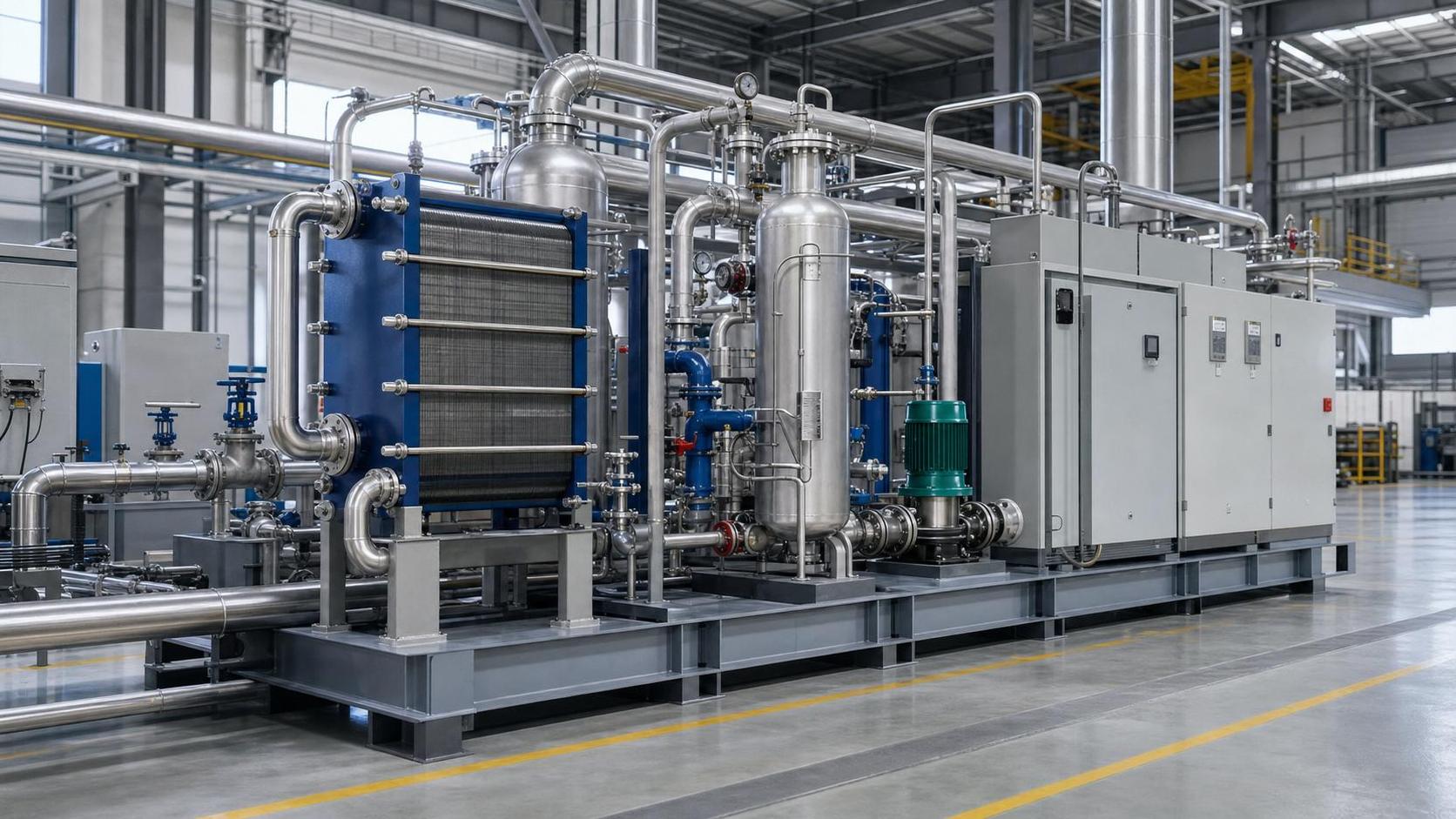
A useful distinction is between material-level density and system-level density. A storage medium may look exceptional in a technical data sheet, while the complete system needs substantial containment, insulation, piping, heat exchangers, controls, clearance space, and safety equipment. The space available to the owner is consumed by the installed system, not by the active material alone.
Electrification Is Making Thermal Storage More Relevant
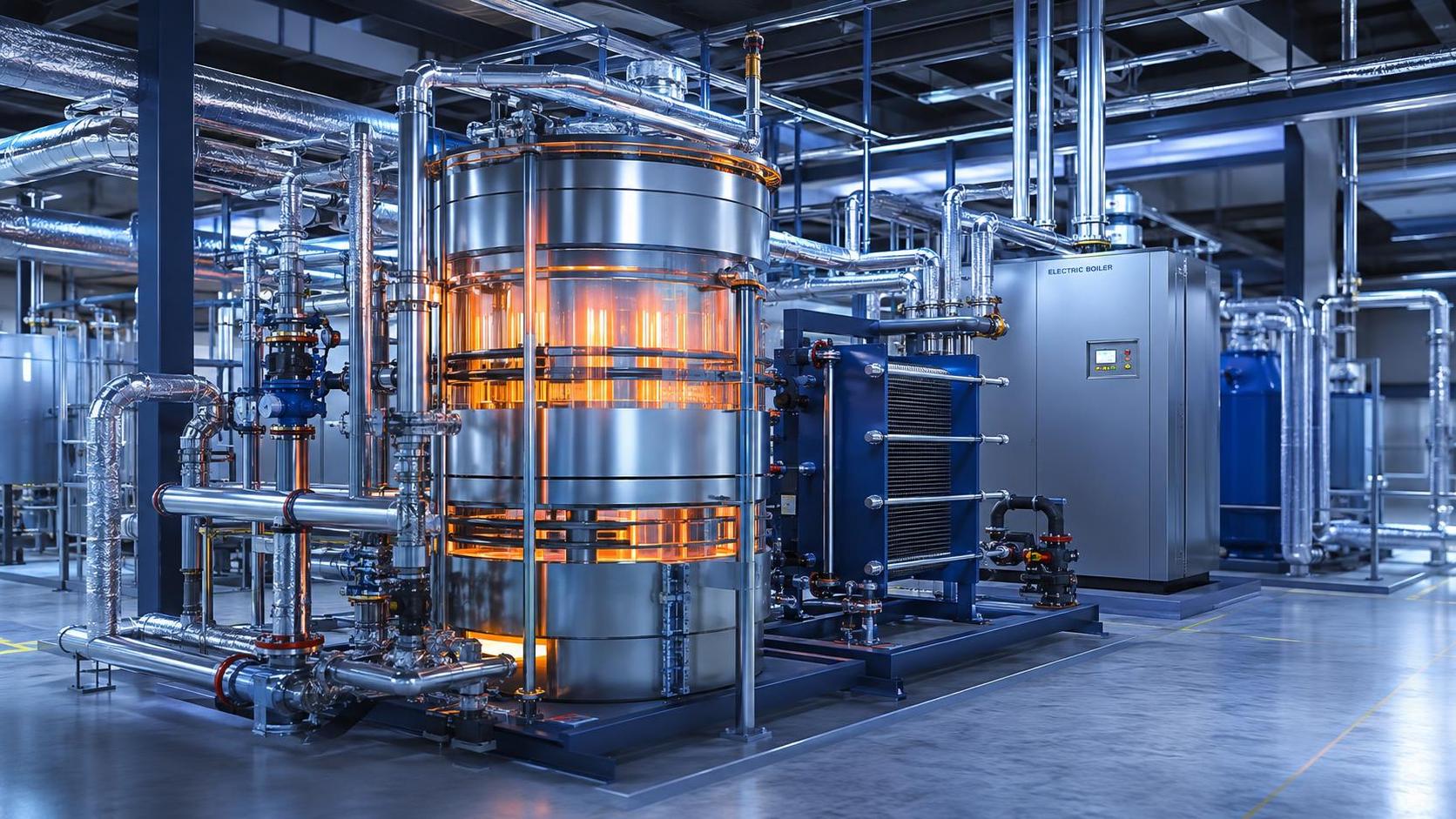
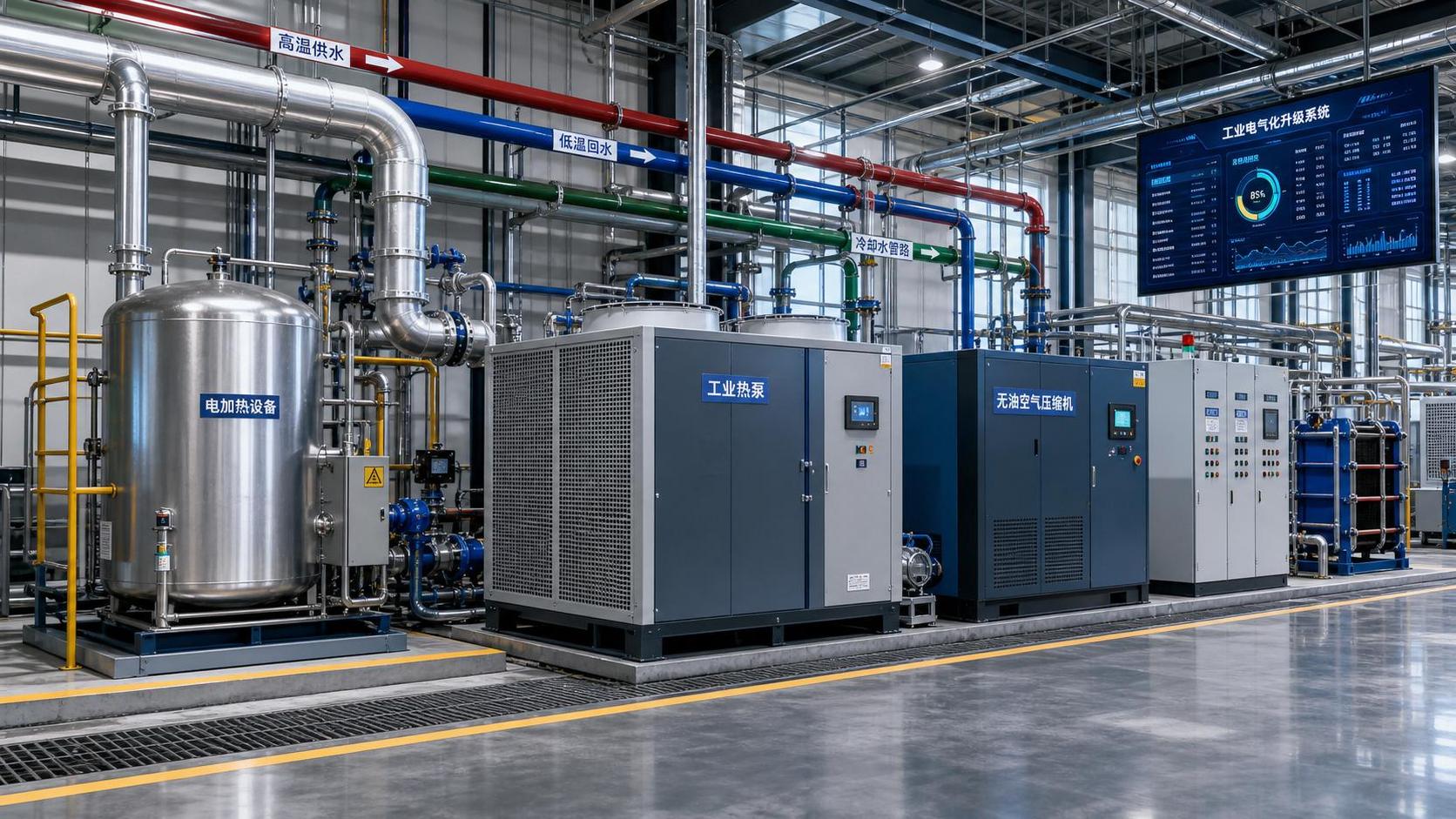
Industrial electrification is a major reason the market is paying closer attention. Electric boilers, resistance heaters, induction systems, and industrial heat pumps can reduce direct combustion at the point of use, but they also create new questions about power demand. If a process requires a large amount of heat during a short daily window, direct electrification alone may increase peak electrical load and complicate grid connection planning.
Thermal storage can act as a buffer between electrical supply and thermal demand. An electric heat source can charge storage over a longer period, subject to the temperature requirements and charging losses of the system. The stored energy can then support a shorter, more intense process demand. This does not eliminate the need for a sound electrical study. In fact, it makes that study more important. Connection capacity, transformer loading, tariff structure, power-quality requirements, backup arrangements, and operating schedules all affect the business case.
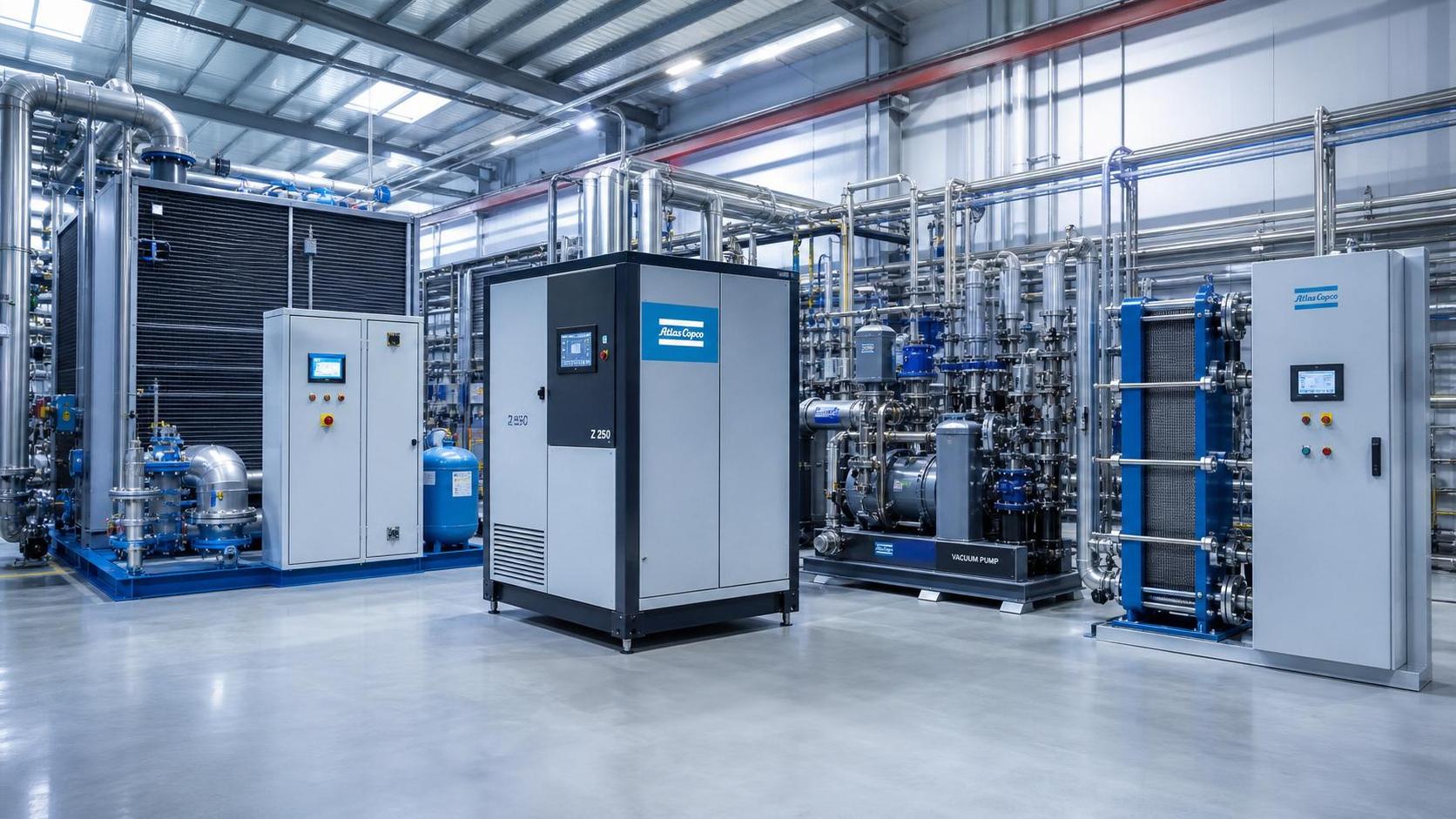
Heat recovery adds another layer. Compressors, refrigeration equipment, vacuum pumps, furnaces, and exhaust streams frequently reject heat that is useful in principle but poorly aligned with the timing of demand. A high-density store may help retain recovered energy until a process, cleaning cycle, preheating duty, or space-heating requirement can use it. The quality of that heat remains decisive. Low-grade heat is not automatically suitable for high-temperature process duties without upgrading, often through a heat pump or another conversion stage.
Where the Strongest Demand Is Emerging
Demand is developing unevenly because heat requirements are uneven. Sectors with recurring batch loads, expensive peak electricity exposure, thermal intermittency, or decarbonization pressure are natural areas of investigation. Food and beverage operations may assess storage around hot-water, cleaning, drying, or refrigeration heat-recovery systems. Pharmaceutical and life-science facilities may be interested where temperature continuity and utility resilience matter, though validation and operational controls can raise the bar for implementation.
Semiconductor and advanced manufacturing sites bring another perspective. Their highest-value need may not be bulk heat alone, but tightly managed utility performance, stable environmental conditions, and careful coordination of cooling, compressed air, vacuum, and heat rejection. In such environments, thermal storage should be evaluated as part of a utility architecture rather than as an isolated asset.
Heavy industry is also exploring compact storage for high-temperature electrification, renewable-energy balancing, and waste-heat utilization. The potential is substantial, but so are the engineering demands. High-temperature cycles place pressure on seals, vessels, refractory materials, insulation systems, valves, instrumentation, and heat-transfer interfaces. A solution that is attractive at pilot scale must still demonstrate stable behavior across repeated industrial duty cycles.
The Economics Depend on the Whole System, Not Just Stored Kilowatt-Hours
A common mistake is to assess storage through capacity cost alone. For industrial users, the more useful analysis begins with the avoided or shifted operating condition. Is the system avoiding a costly peak tariff period? Is it reducing fossil fuel consumption? Is it allowing a smaller electric heat source to serve a larger process peak? Is it capturing waste heat that would otherwise be rejected? Or is it providing a resilience function that has operational value even when energy arbitrage is modest?
Charge and discharge efficiency matter, but they are not the only losses. Thermal losses during standby, pumping or fan power, heat exchanger approach temperatures, auxiliary heating, maintenance requirements, and degradation over time should be included. The usable output temperature is equally important. A store may contain substantial energy, yet deliver little value if it cannot discharge at the process temperature required when the load occurs.
Decision-makers should also distinguish between a storage system that supports a new energy strategy and one that merely compensates for poor heat integration. Before adding storage, many sites benefit from mapping heat sources and sinks, examining return temperatures, identifying simultaneous heating and cooling loads, and reviewing controls. Better heat recovery or improved heat-exchanger performance can sometimes reduce the storage capacity needed. Storage is strongest when it complements a well-understood thermal network.
Questions That Should Be Answered Before Comparing Vendors
The most productive early-stage assessments are grounded in operating data rather than generic technology claims. A project team should establish the heat demand profile by temperature level, not simply annual fuel use. It should identify the minimum acceptable supply temperature, the return temperature, peak duration, daily and seasonal variability, planned production changes, and the available charging window.
It is also worth asking how the system behaves under imperfect conditions. What happens after an unplanned production delay? Can the store be partially charged or discharged without damaging performance? How quickly can it respond? Which components are subject to thermal cycling? What inspection access is needed? For unfamiliar materials or high-temperature designs, project teams may need to confirm local requirements relating to pressure equipment, fire safety, hazardous materials, and site insurance. These matters depend on the technology and jurisdiction and should not be treated as afterthoughts.
Integration responsibility needs particular clarity. Storage touches heat generation, heat exchange, piping, controls, electrical infrastructure, and often the building itself. A technically credible proposal should make boundaries visible: who owns the process model, control logic, safety interlocks, commissioning sequence, performance measurement, and long-term maintenance plan?
A Market Shift Toward Thermal-System Intelligence
The growing visibility of thermal energy storage high density solutions reflects a more mature view of industrial decarbonization. The challenge is no longer only to replace one heat source with another. It is to coordinate electricity, recovered heat, process demand, cooling infrastructure, and operational flexibility as one system.
This is why market intelligence must connect thermodynamic logic with plant-level realities. GTC-Matrix follows industrial cooling, compressed air, vacuum processes, and heat exchange technologies as interconnected parts of the modern industrial “Power Heart” and “Thermal Center.” Its Strategic Intelligence Center combines thermodynamics analysis, pneumatic power engineering, and industrial economics to track shifts in energy costs, refrigerant policy, oil-free compression, microchannel heat exchangers, and low-NOx thermal equipment. That wider perspective is especially relevant to storage, because the value of stored heat is determined by the systems around it.
For organizations assessing this market, the next step is not necessarily to select a storage medium. It is to define the thermal duty precisely, map available heat and power sources, and test whether density, delivery temperature, cycling behavior, and integration complexity support the operating case. Compact storage will continue to gain attention, but its strongest applications will be the ones where thermal engineering, electrical strategy, and plant operations are designed to work together.
- industrial cooling
- compressed air
- vacuum processes
- heat exchange
- thermodynamics analysis
- oil-free compression
- microchannel heat exchangers
- decarbonization
- industrial decarbonization
- vacuum pumps
- heat exchangers
- thermal energy storage
- heat exchanger design
- industrial electrification
- thermal energy storage high density
Ready when you are. Send us a message to get started.
Related News
- Why high-density thermal energy storage is gaining industry attentionAuthor :

- Smart Device Thermal Management Trends Shaping 2026 Product DesignAuthor :

- Industrial Cooling Technologies in Europe: 2026 Trends in Compliance and Energy UseAuthor :

- Industrial Electrification Trends in 2026: Where Projects Are Moving FirstAuthor :

- Industrial Solution Comparison Global: 2026 Trends Reshaping Equipment DecisionsAuthor :

- When Heat Recovery Systems Skid Mounted Designs Improve Project PaybackAuthor :

- How to Compare Industrial Decarbonization Solutions Providers in 2026Author :

- Industry Category Guides for Smart Devices: What to Track as 2026 Markets ShiftAuthor :

- Green Manufacturing Trends Reshaping Industrial InvestmentAuthor :

- 2026 Global Energy Costs: What Will Reshape Industrial PlanningAuthor :

- Industrial Decarbonization Solutions That Cut Fuel Costs in 2026Author :

- Smart Thermal Systems Trends Shaping Industrial Upgrades in 2026Author :

- Resource Circularity in Manufacturing: 5 Practical Gains Beyond ComplianceAuthor :

- Carbon Neutrality Roadmap: What Industrial Firms Need to Prioritize FirstAuthor :

- Energy Conversion Efficiency Trends Shaping Industrial UpgradesAuthor :

- Compression Technology Trends Shaping Efficient Plant UpgradesAuthor :

- Industrial Intelligence in Manufacturing: Where It Delivers Value FirstAuthor :

- How Intellectualization Improves Industrial Thermal ManagementAuthor :

- What Intellectualization Means for Smarter Plant Operations in 2026Author :

- Carbon Neutrality Goals: What Industrial Firms Should Prioritize in 2026Author :

- How Intellectualization Reduces Downtime in Modern Production LinesAuthor :

- Decarbonization Roadmap for Energy-Intensive Plants in 2026Author :

- Thermal Systems Trends in 2026: Efficiency, Control, and RiskAuthor :

- Industrial Decarbonization Priorities for Energy-Intensive FacilitiesAuthor :

- Thermal Systems in 2026: Efficiency Upgrades Shaping Industrial OperationsAuthor :

- Pure Power Sources: 5 Practical Paths to Carbon NeutralityAuthor :

- What Intellectualization Means for Industrial Equipment UpgradesAuthor :

- Thermal Optimization in 2026: Where Energy Savings Deliver the Fastest PaybackAuthor :

- Energy Efficiency Trends Reshaping Compressor Upgrades in 2026Author :

- 2026 Industrial Decarbonization Trends Reshaping Plant UpgradesAuthor :
![]()
- Heat Exchanger Technology Trends for 2026 Efficiency TargetsAuthor :

- Resource Circularity Risks in 2026 Supply ChainsAuthor :

- Smart Thermal Systems: When Upgrades Deliver Measurable SavingsAuthor :

- Carbon Neutrality: Practical Steps for Factory RoadmapsAuthor :

- 2026 Industrial Energy Efficiency Priorities for Plant UpgradesAuthor :

- Industrial Intellectualization Trends Reshaping Equipment UpgradesAuthor :