How Intellectualization Improves Industrial Thermal Management




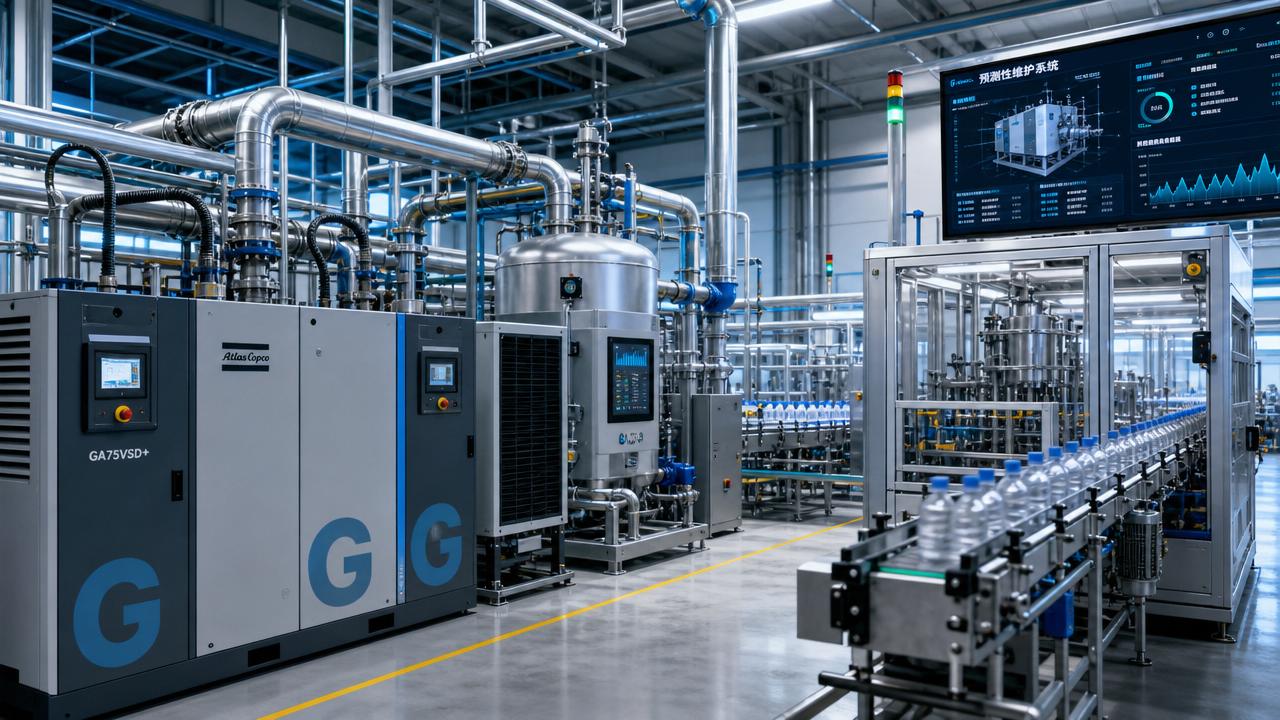
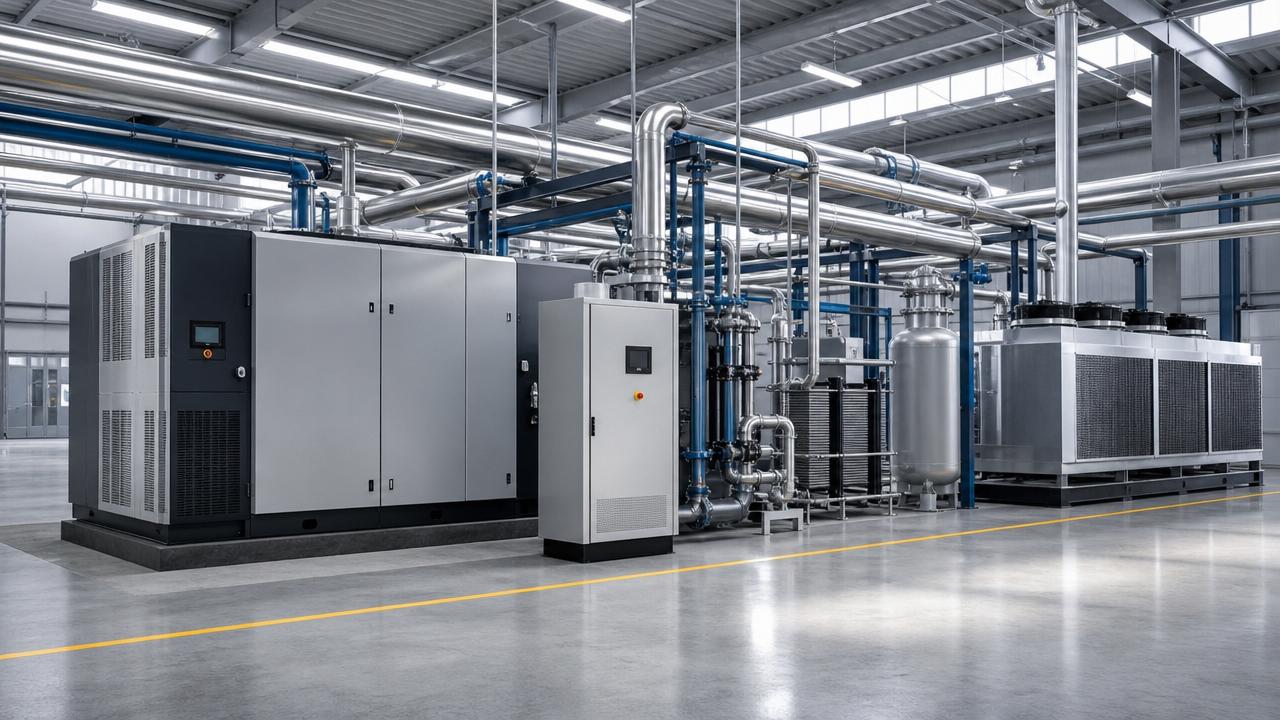
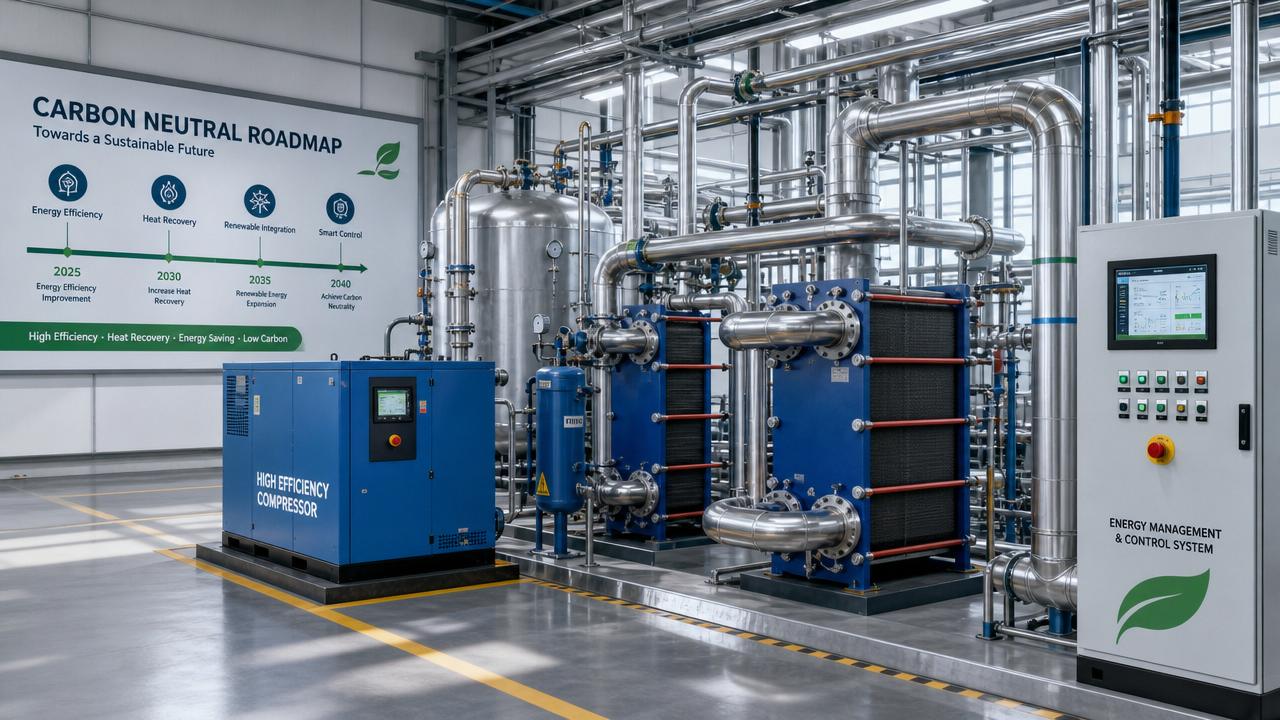
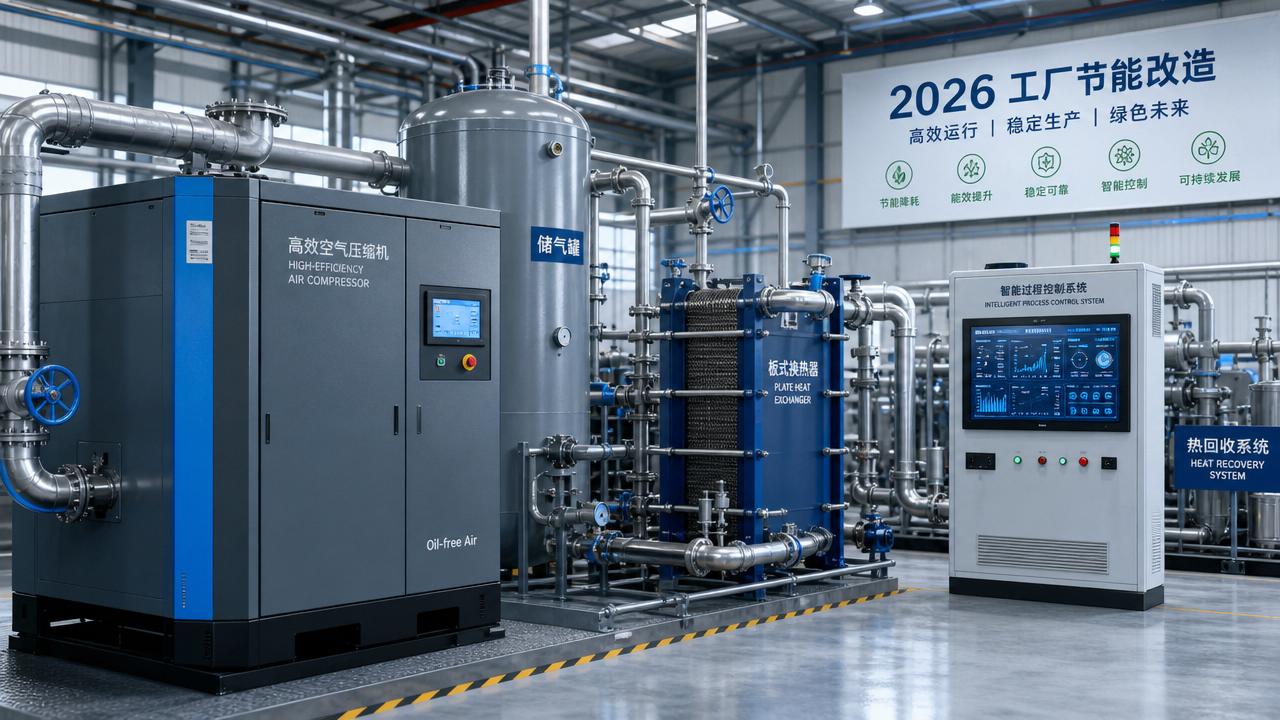
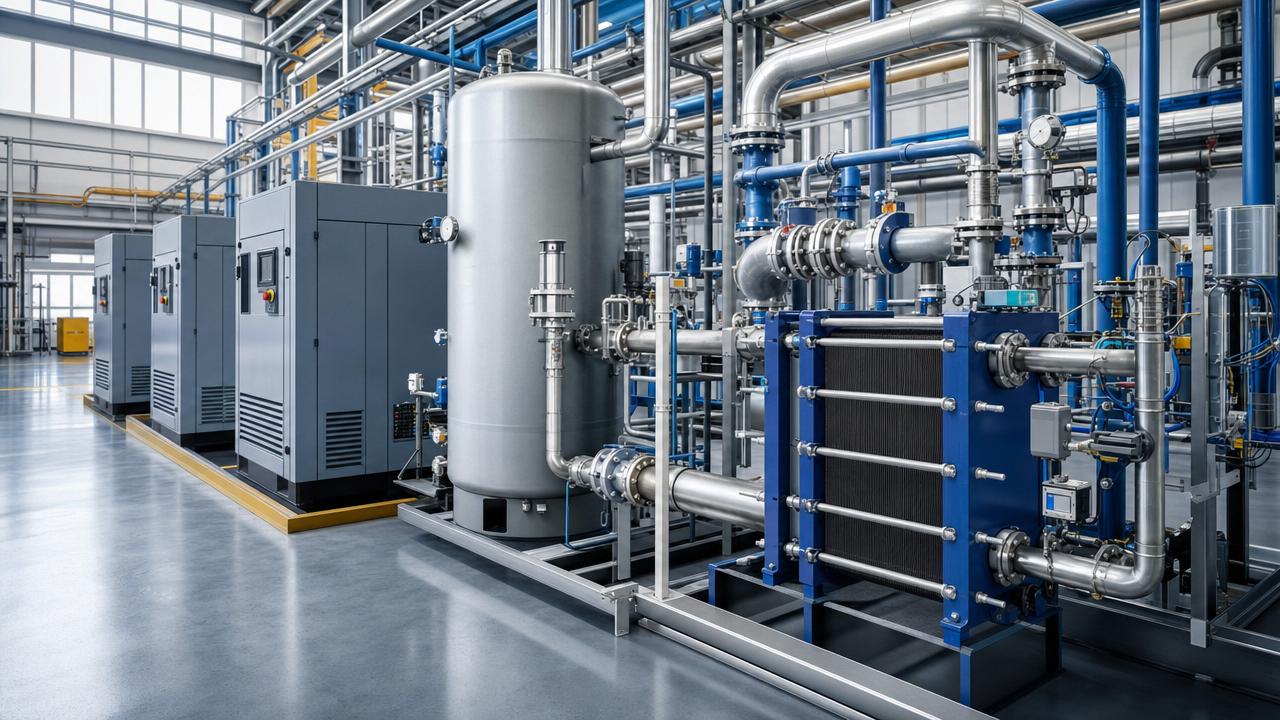
Industrial thermal management is no longer defined only by pipes, chillers, compressors, and heat exchangers. The bigger shift is intellectualization: turning thermal systems into responsive, data-aware assets that support efficiency, emissions control, and operating continuity.
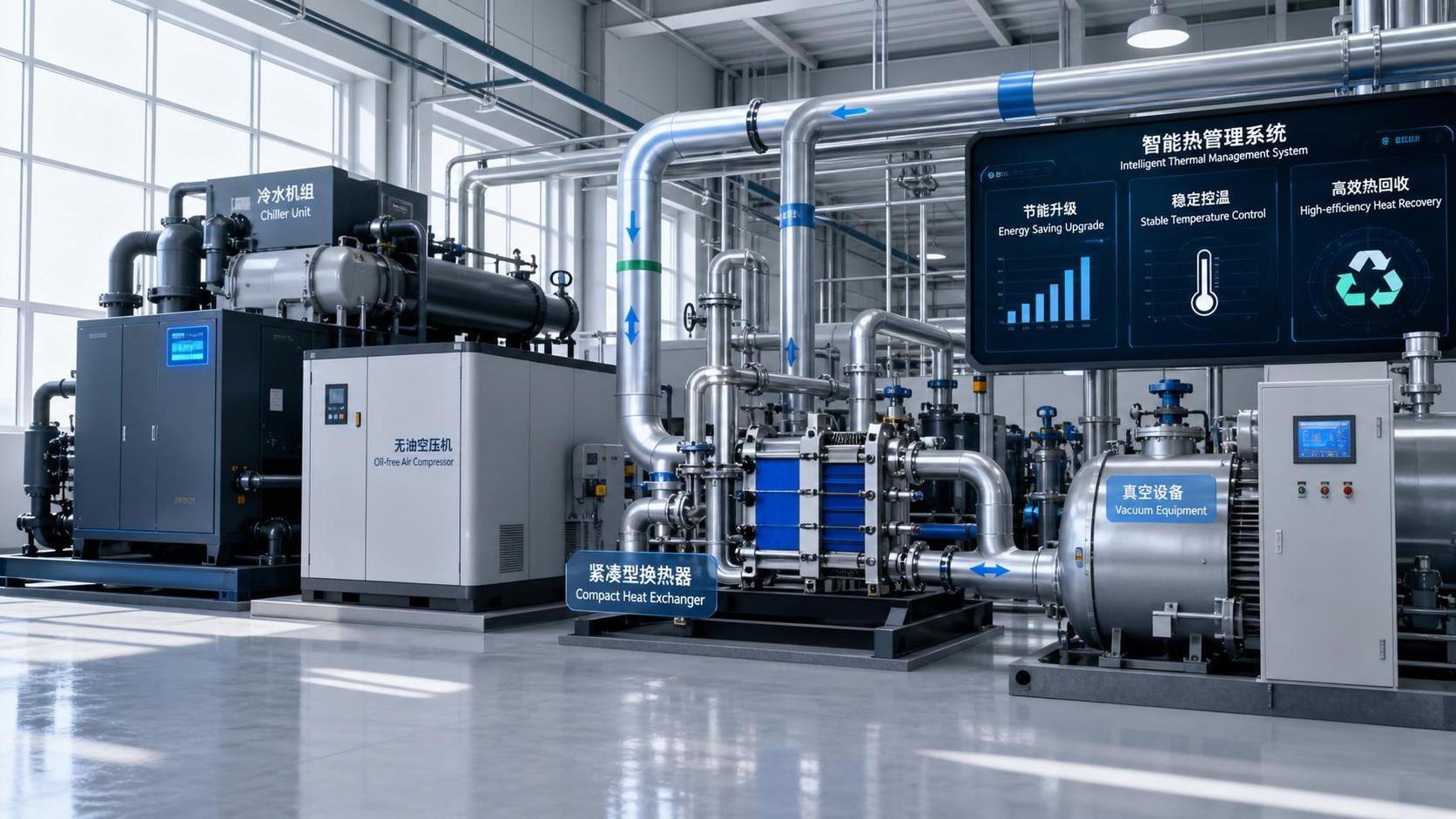
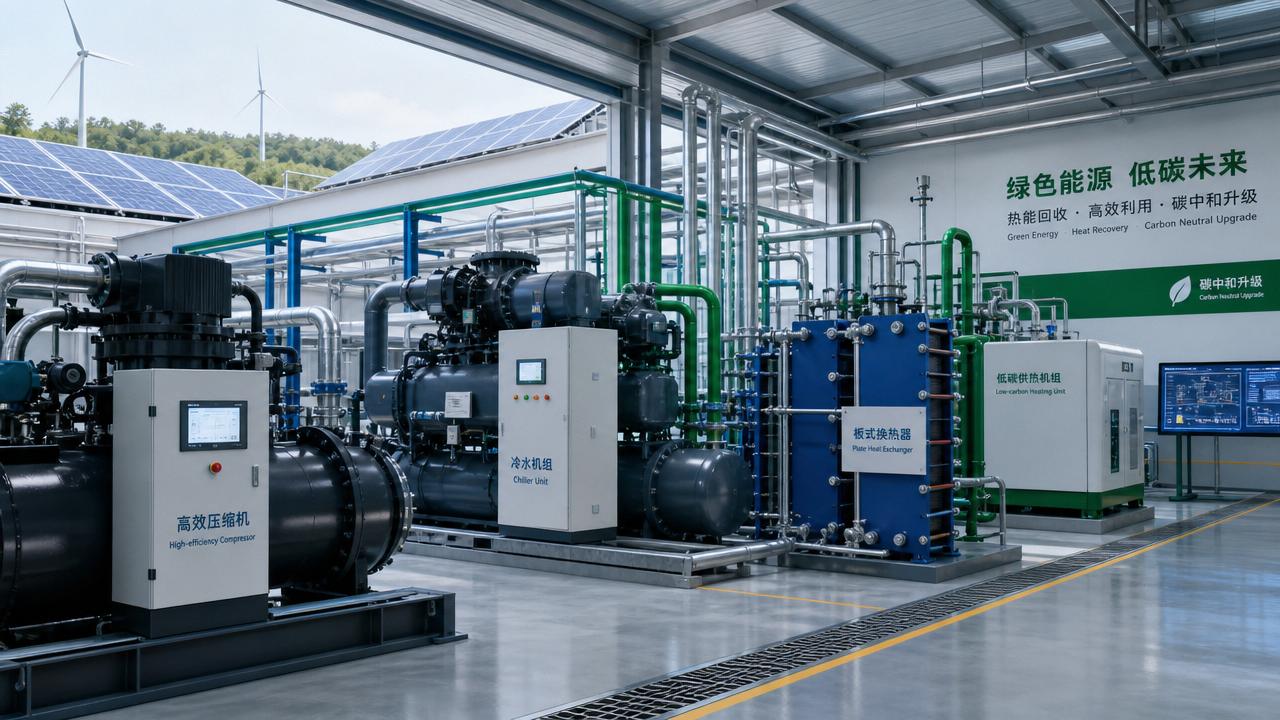
That matters across sectors because heat is tied to product quality, equipment life, energy cost, and production stability. When thermal decisions become more intelligent, cooling, compressed air, vacuum processes, and heat recovery move from utility functions to strategic levers.
For organizations navigating volatile power prices, stricter refrigerant rules, and higher uptime expectations, intellectualization offers a practical way to connect thermodynamic performance with better business judgment.
What intellectualization means in thermal management
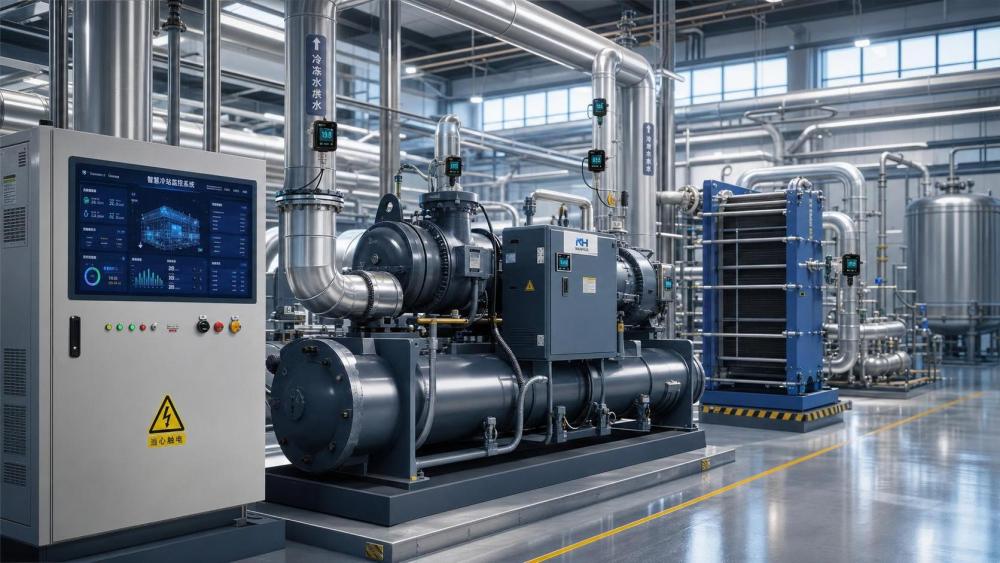
In this context, intellectualization means applying data, analytics, automation, and system-level visibility to thermal operations. It is not just digital monitoring, and it is not limited to installing sensors.
A conventional setup controls temperature within a fixed range. An intellectualized setup understands why load changes happen, predicts thermal stress, and adjusts compressor staging, airflow, coolant flow, or heat exchange behavior in real time.
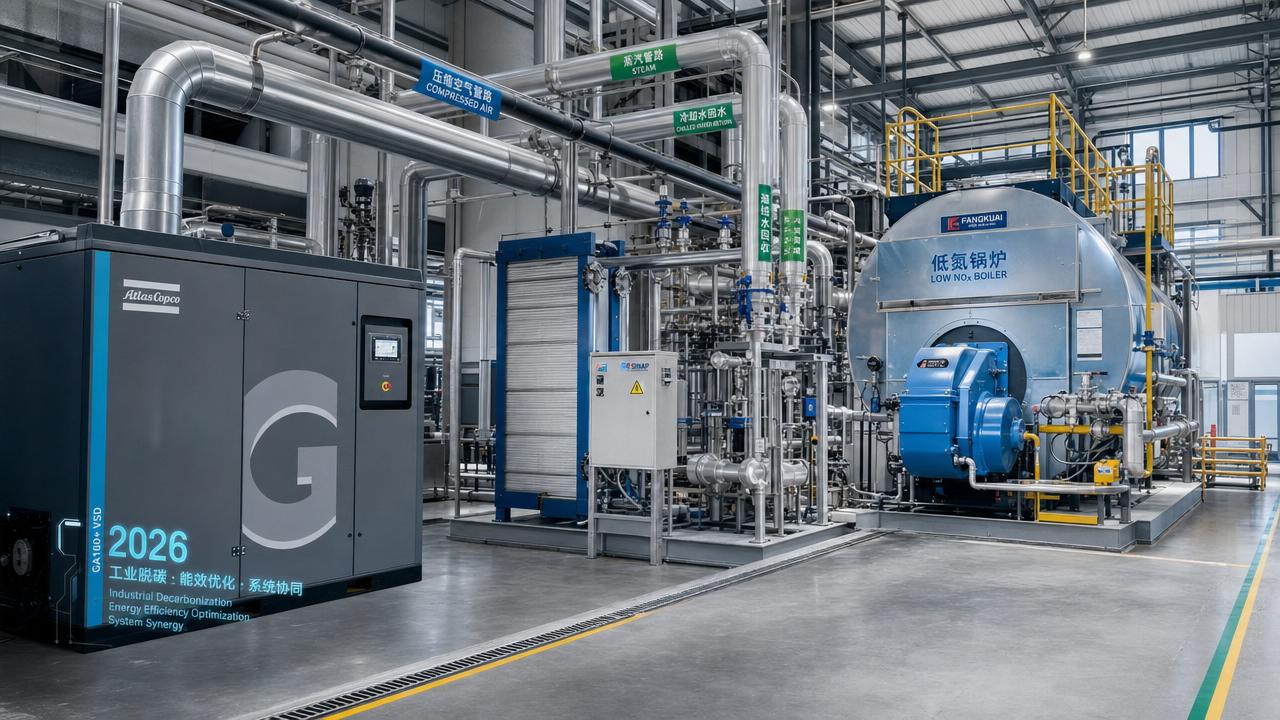
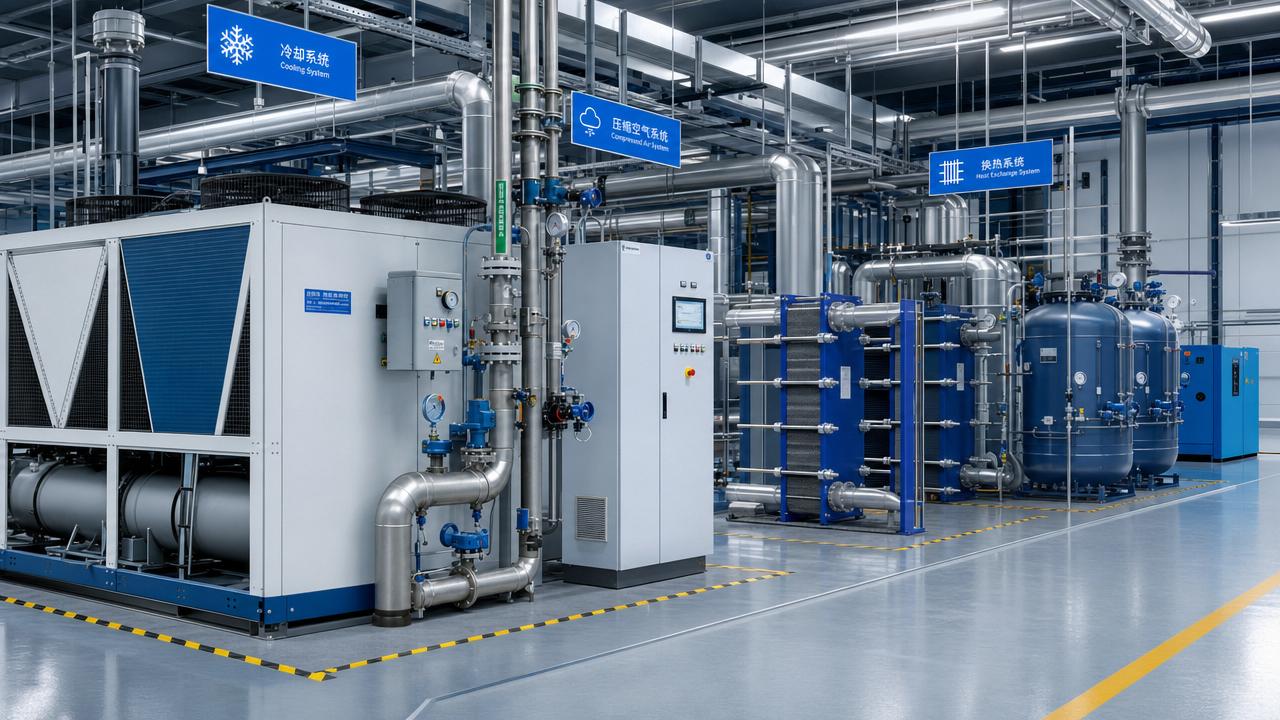
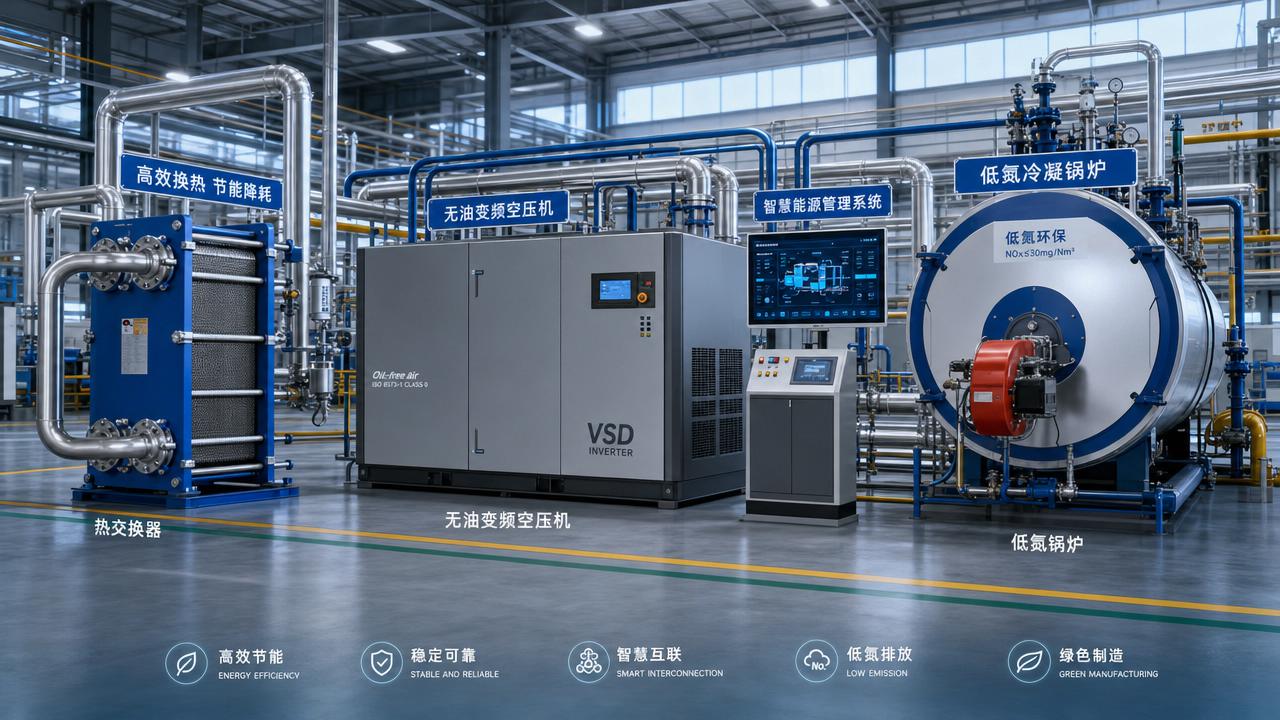
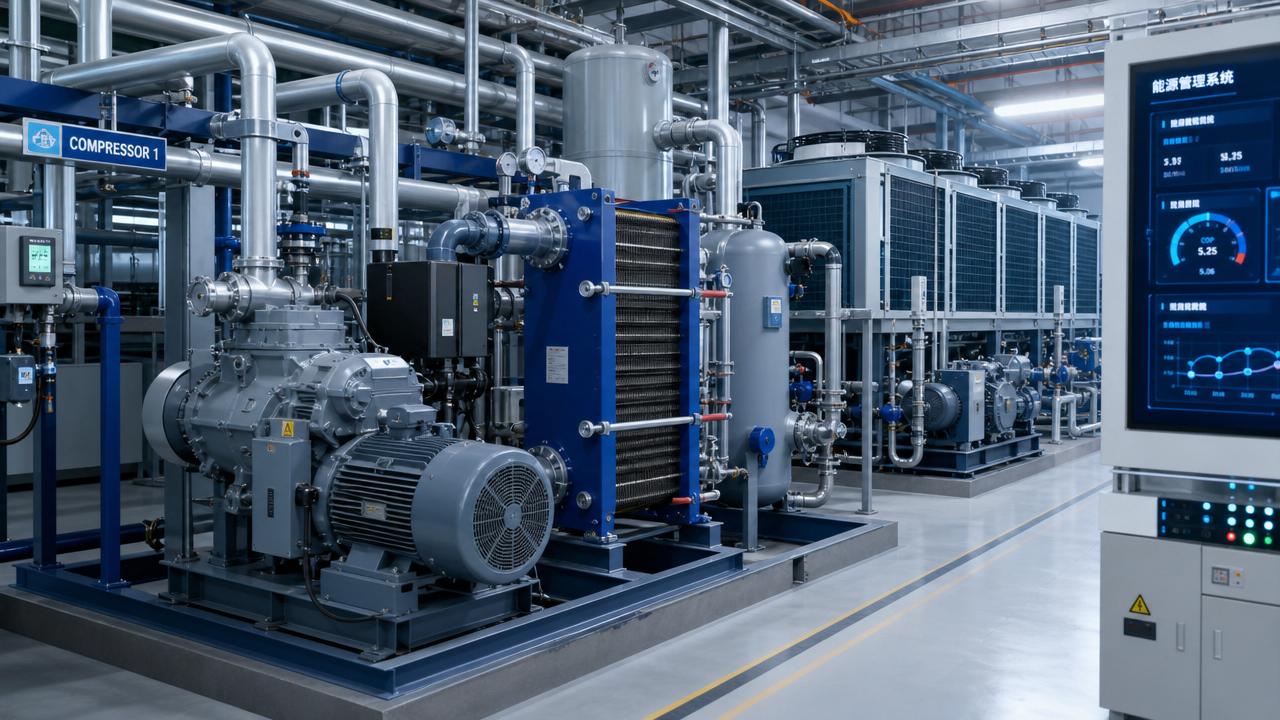
The value comes from coordination. Compressors, cooling loops, vacuum units, boilers, and heat exchangers often interact. When each device is optimized separately, the full system may still waste energy.
Intellectualization addresses that gap by linking operating data with thermodynamic logic. This is where industrial intelligence platforms such as GTC-Matrix become relevant, because thermal performance now depends as much on interpretation as on equipment selection.
Why the topic is gaining urgency
Several pressures are converging at once. Energy is more expensive to mismanage. Carbon targets are influencing capital planning. Process tolerance is tighter in advanced manufacturing. Maintenance teams also need earlier warnings, not late alarms.
Thermal systems sit at the center of these pressures. A small drift in condensing temperature, pressure ratio, or heat transfer efficiency can quietly raise total operating cost for months.
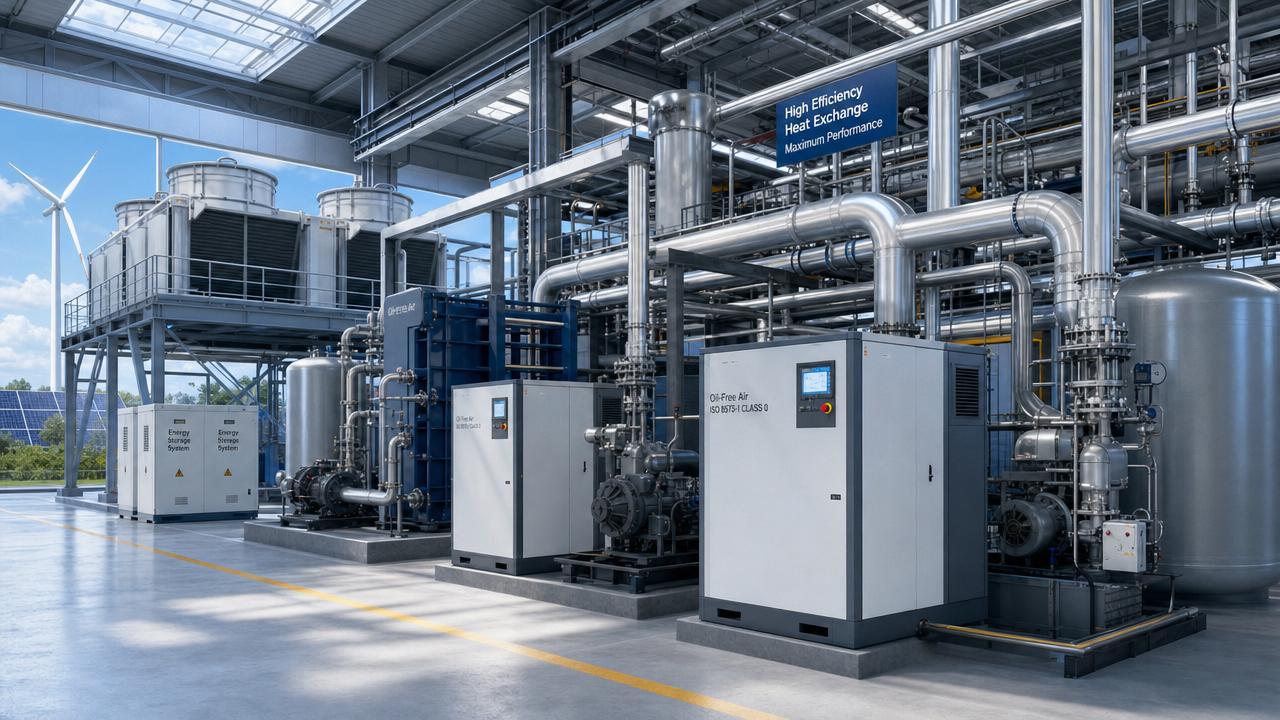
More importantly, industrial systems are becoming harder to evaluate with static rules. Oil-free compression, microchannel heat exchangers, low-NOx boilers, and environmentally friendly refrigerants all change the performance equation.
This is why intelligence matters. GTC-Matrix frames the issue well: the challenge is not only obtaining market information, but stitching together policy, technology evolution, and operational data into decisions that improve energy conversion efficiency.
How intellectualization improves performance in practice
The most immediate gain is better control under variable load. Industrial demand rarely stays constant, yet many thermal systems still operate as if peak load were the normal condition.
With intellectualization, control logic can match output to actual demand. That reduces unnecessary compression, limits overcooling, and avoids inefficient part-load operation.
A second improvement is earlier detection of hidden losses. Fouling, leakage, pressure drop, unstable dew point, poor heat recovery, and control loop conflict often develop gradually. Basic alarms miss them because equipment still appears to run.
Data-driven analysis helps reveal patterns behind these losses. Instead of reacting to failure, operators can identify when a heat exchanger is losing effectiveness or when a compressor sequence is creating avoidable peaks.
The third gain is decision quality. Intellectualization creates a stronger basis for retrofit timing, refrigerant transition planning, utility benchmarking, and lifecycle cost evaluation. That is especially useful when capex choices must be justified beyond simple payback.
Typical improvement areas
- Dynamic compressor sequencing based on real demand rather than fixed rotation.
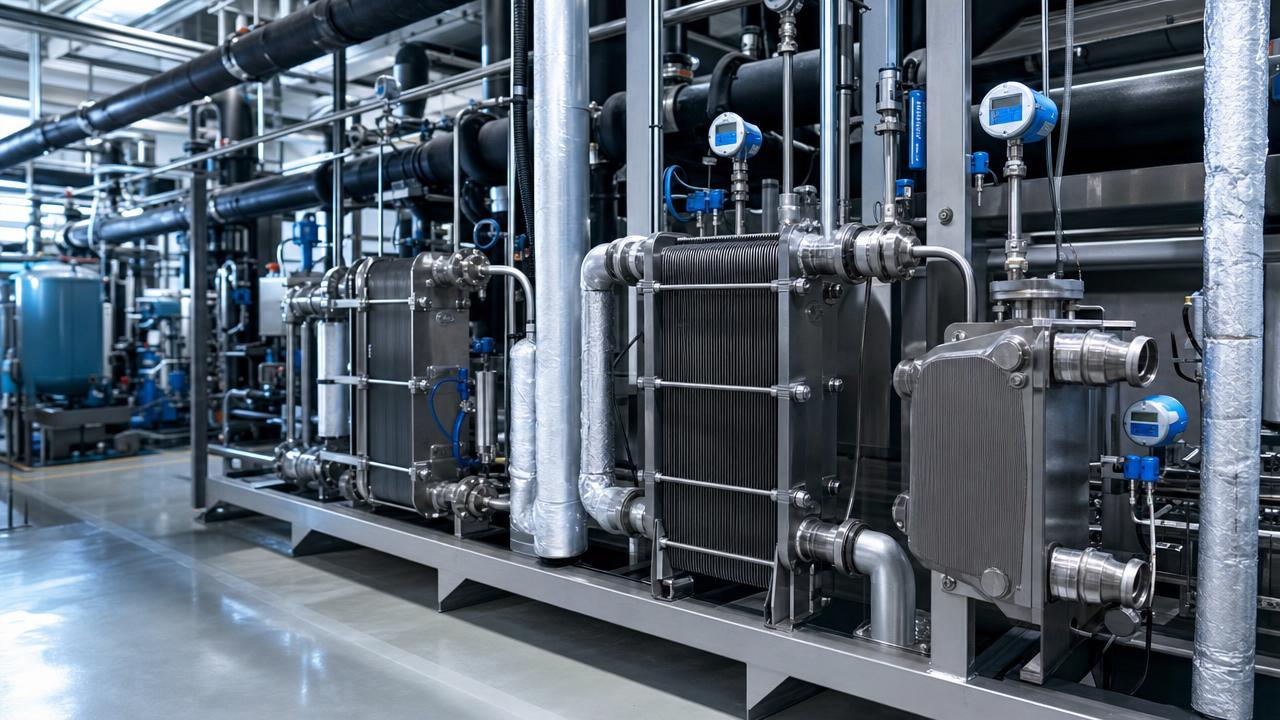
- Continuous heat exchanger performance tracking using approach temperature and pressure data.
- Predictive maintenance for cooling loops, fans, pumps, valves, and vacuum components.
- Energy optimization tied to tariff changes, production shifts, and ambient conditions.
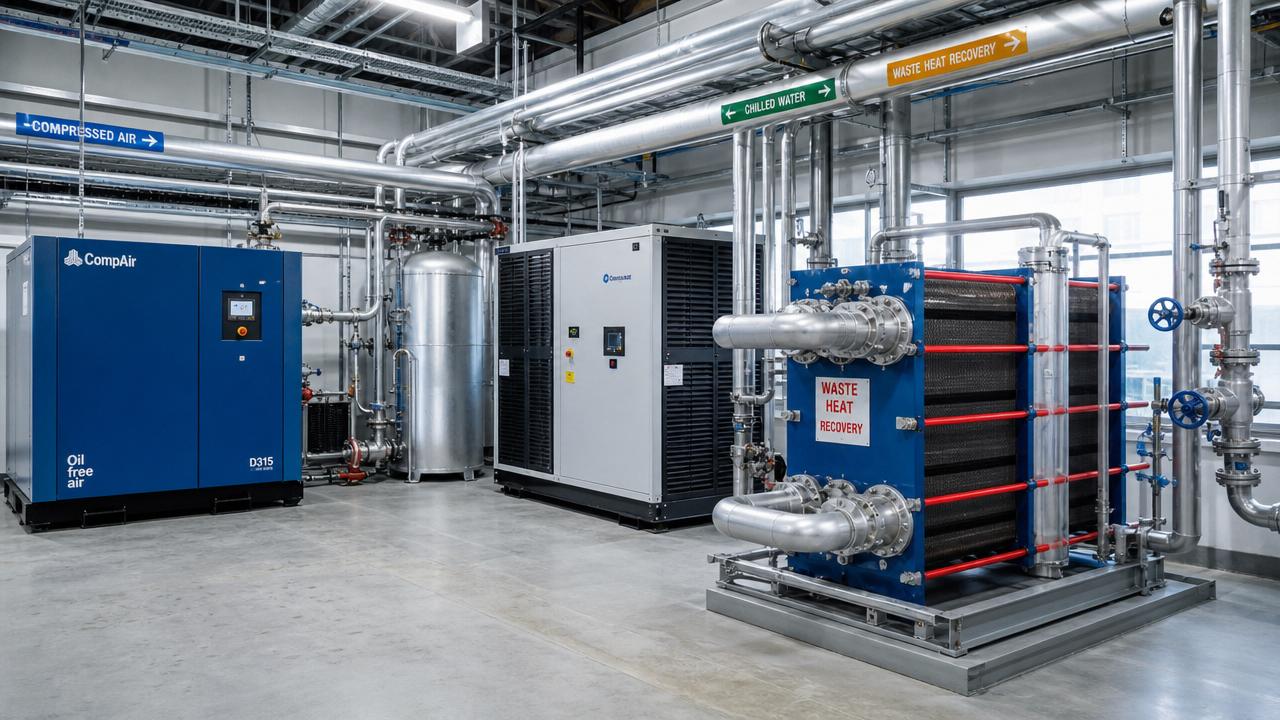
- Heat recovery decisions supported by operating profiles, not only design assumptions.
Where the business value becomes visible
The strongest business case for intellectualization appears where temperature precision, clean utilities, or uptime directly affect revenue. Pharmaceutical, semiconductor, food processing, and advanced materials operations are clear examples.
In these environments, thermal instability is rarely an isolated engineering issue. It can lead to scrap, compliance risk, lower yield, or delayed delivery.
Even in less sensitive sectors, the economics are compelling. Compressed air and cooling frequently represent a large share of utility spend, yet inefficiencies remain poorly quantified.
Intellectualization makes those inefficiencies measurable. Once visibility improves, organizations can compare lines, plants, seasons, and load profiles with more confidence.
What to evaluate before acting
Not every digital project creates thermal value. The critical question is whether the data model reflects actual thermodynamic behavior and operational constraints.
A useful starting point is to map where thermal inefficiency becomes business loss. That could be energy intensity, poor temperature uniformity, unstable compressed air quality, product deviation, or avoidable downtime.
The next step is to check data readiness. Many sites collect large volumes of signals, but lack context, calibration discipline, or cross-system integration. Intellectualization depends on trustworthy relationships between temperature, pressure, flow, load, and production state.
It also helps to separate visibility from control. Some situations only need better diagnostics and benchmarking. Others justify automated optimization because the process changes too quickly for manual adjustment.
Useful decision criteria
- Whether the main thermal cost driver is load variability, equipment aging, or design mismatch.
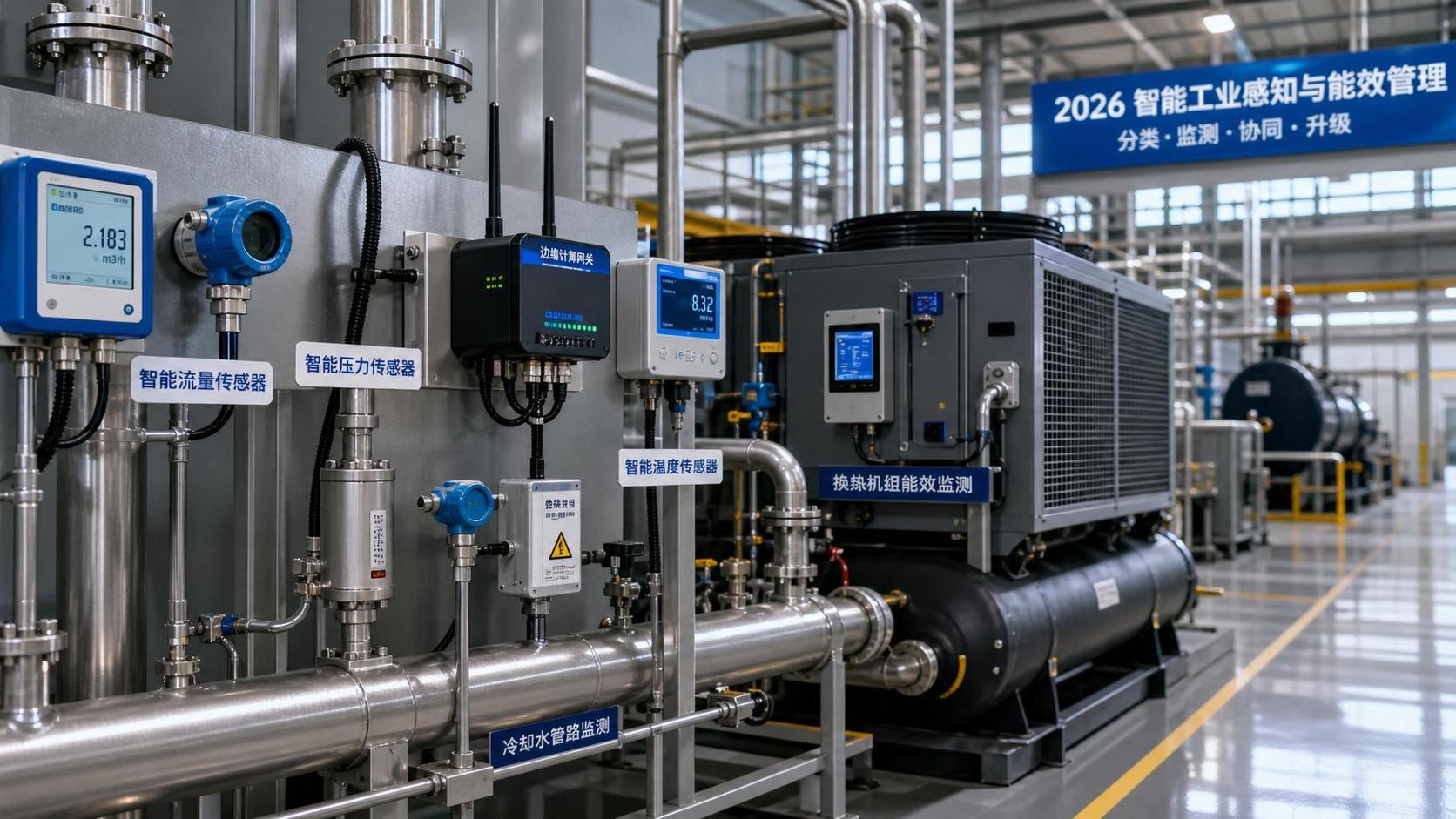
- Whether current instrumentation captures enough detail for reliable optimization.
- Whether policy changes, refrigerant transitions, or carbon goals affect system design choices.
- Whether commercial value comes more from energy savings, resilience, quality, or all three.
The role of sector intelligence
Intellectualization is not only an on-site capability. It also depends on understanding external signals that reshape technology and investment priorities.
Energy price fluctuations, refrigerant quota policies, decarbonization standards, and equipment innovation all influence thermal strategy. Decisions made without that context can lock in inefficiency or shorten asset relevance.
This is where a platform such as GTC-Matrix adds practical value. By combining sector news, technology evolution analysis, and commercial insight, it helps frame thermal choices as part of a broader industrial transition.
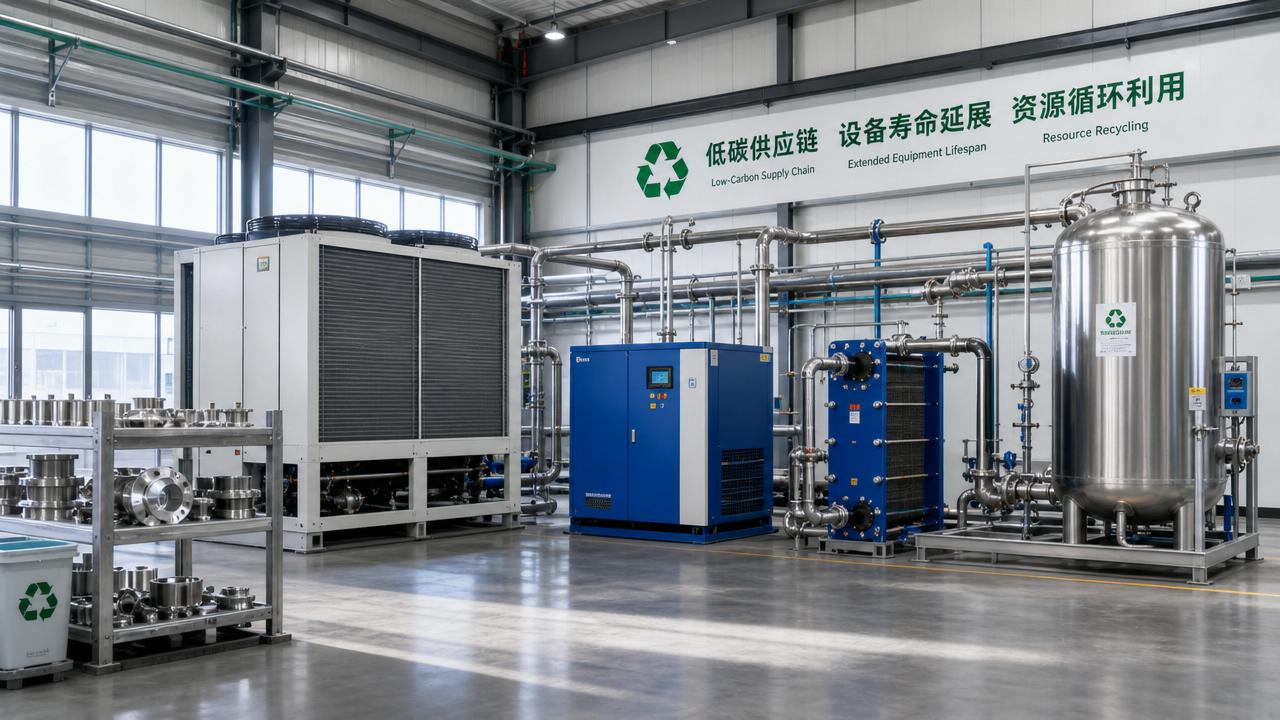
That broader view matters because intellectualization is not a single product category. It is an operating model that links decarbonization, resource circularity, and high-efficiency manufacturing through better intelligence.
A practical next step
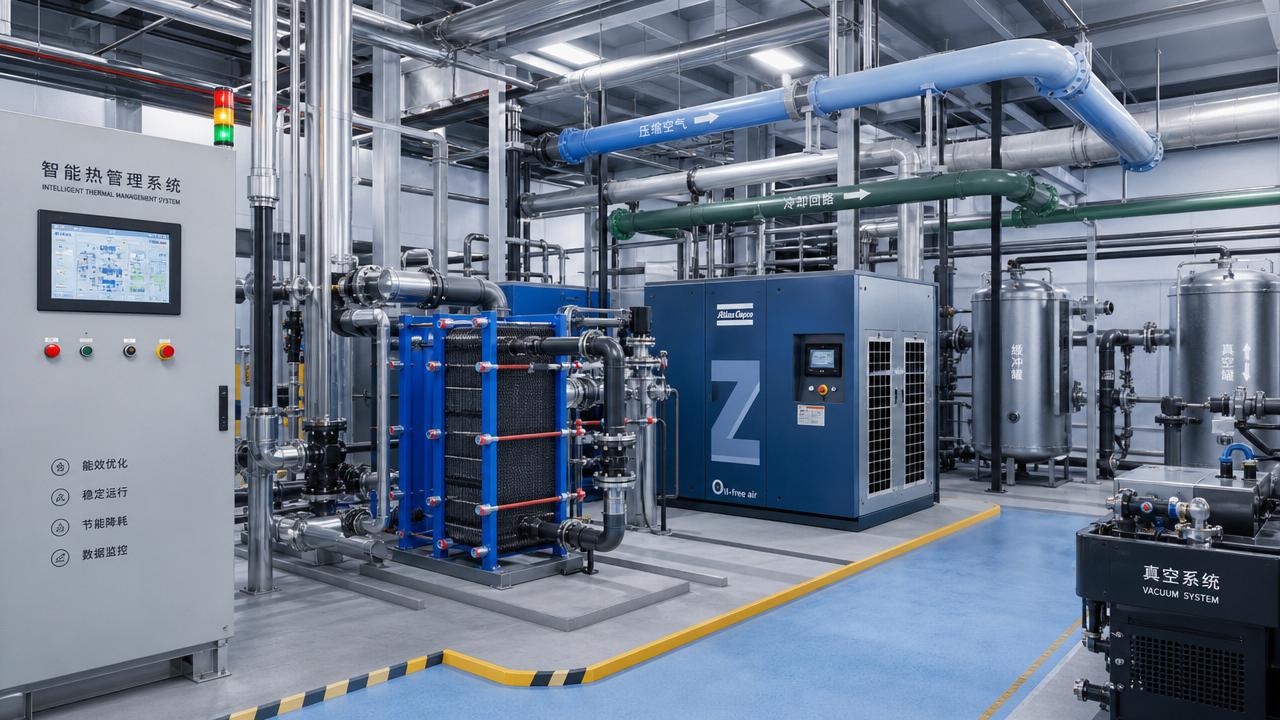
A sensible approach is to start with one thermal chain that already influences cost or process stability. That may be chilled water, compressed air, vacuum generation, or a heat recovery loop.
From there, compare three layers: what the system was designed to do, what it is actually doing, and what operating intelligence could improve. The gap between those layers usually reveals the real opportunity.
The organizations that benefit most from intellectualization do not chase data for its own sake. They build a clearer thermal decision framework, align it with energy and production priorities, and use intelligence to guide both daily control and longer-term investment.
As industrial thermal management becomes more connected and more regulated, the advantage will come from seeing heat, compression, and system response as one coordinated field of performance. That is where intellectualization starts to deliver lasting value.
- compressed air
- vacuum processes
- heat exchange
- energy conversion efficiency
- oil-free compression
- microchannel heat exchangers
- decarbonization
- intellectualization
- resource circularity
- high-efficiency manufacturing
- environmentally friendly refrigerants
- industrial intelligence
- thermal management
- heat transfer
- thermal systems
Related News
- Why high-density thermal energy storage is gaining industry attentionAuthor :

- Smart Device Thermal Management Trends Shaping 2026 Product DesignAuthor :

- Industrial Cooling Technologies in Europe: 2026 Trends in Compliance and Energy UseAuthor :

- Industrial Electrification Trends in 2026: Where Projects Are Moving FirstAuthor :

- Industrial Solution Comparison Global: 2026 Trends Reshaping Equipment DecisionsAuthor :

- When Heat Recovery Systems Skid Mounted Designs Improve Project PaybackAuthor :

- How to Compare Industrial Decarbonization Solutions Providers in 2026Author :

- Industry Category Guides for Smart Devices: What to Track as 2026 Markets ShiftAuthor :

- Green Manufacturing Trends Reshaping Industrial InvestmentAuthor :

- 2026 Global Energy Costs: What Will Reshape Industrial PlanningAuthor :

- Industrial Decarbonization Solutions That Cut Fuel Costs in 2026Author :

- Smart Thermal Systems Trends Shaping Industrial Upgrades in 2026Author :

- Resource Circularity in Manufacturing: 5 Practical Gains Beyond ComplianceAuthor :

- Carbon Neutrality Roadmap: What Industrial Firms Need to Prioritize FirstAuthor :

- Energy Conversion Efficiency Trends Shaping Industrial UpgradesAuthor :

- Compression Technology Trends Shaping Efficient Plant UpgradesAuthor :

- Industrial Intelligence in Manufacturing: Where It Delivers Value FirstAuthor :

- How Intellectualization Improves Industrial Thermal ManagementAuthor :

- What Intellectualization Means for Smarter Plant Operations in 2026Author :

- Carbon Neutrality Goals: What Industrial Firms Should Prioritize in 2026Author :

- How Intellectualization Reduces Downtime in Modern Production LinesAuthor :

- Decarbonization Roadmap for Energy-Intensive Plants in 2026Author :

- Thermal Systems Trends in 2026: Efficiency, Control, and RiskAuthor :

- Industrial Decarbonization Priorities for Energy-Intensive FacilitiesAuthor :

- Thermal Systems in 2026: Efficiency Upgrades Shaping Industrial OperationsAuthor :

- Pure Power Sources: 5 Practical Paths to Carbon NeutralityAuthor :

- What Intellectualization Means for Industrial Equipment UpgradesAuthor :

- Thermal Optimization in 2026: Where Energy Savings Deliver the Fastest PaybackAuthor :

- Energy Efficiency Trends Reshaping Compressor Upgrades in 2026Author :

- 2026 Industrial Decarbonization Trends Reshaping Plant UpgradesAuthor :
![]()
- Heat Exchanger Technology Trends for 2026 Efficiency TargetsAuthor :

- Resource Circularity Risks in 2026 Supply ChainsAuthor :

- Smart Thermal Systems: When Upgrades Deliver Measurable SavingsAuthor :

- Carbon Neutrality: Practical Steps for Factory RoadmapsAuthor :

- 2026 Industrial Energy Efficiency Priorities for Plant UpgradesAuthor :

- Industrial Intellectualization Trends Reshaping Equipment UpgradesAuthor :