Industrial Cooling Technologies in Europe: 2026 Trends in Compliance and Energy Use




Europe’s cooling-intensive industries are entering 2026 with a sharper set of trade-offs. Industrial cooling technologies Europe now sit at the intersection of compliance pressure, energy cost volatility, refrigerant transition, and production reliability. What matters is no longer equipment efficiency alone, but how cooling systems perform across regulation, uptime, digital control, and long-term asset planning.
This shift reaches far beyond heavy manufacturing. Pharmaceuticals, food processing, electronics, logistics, data-linked production, and precision fabrication all depend on stable thermal conditions. In that context, industrial cooling technologies Europe have become a strategic operating issue rather than a purely technical utility decision.
Why 2026 changes the conversation
A closer look at the landscape helps explain why thermal decisions are being revisited across the region.
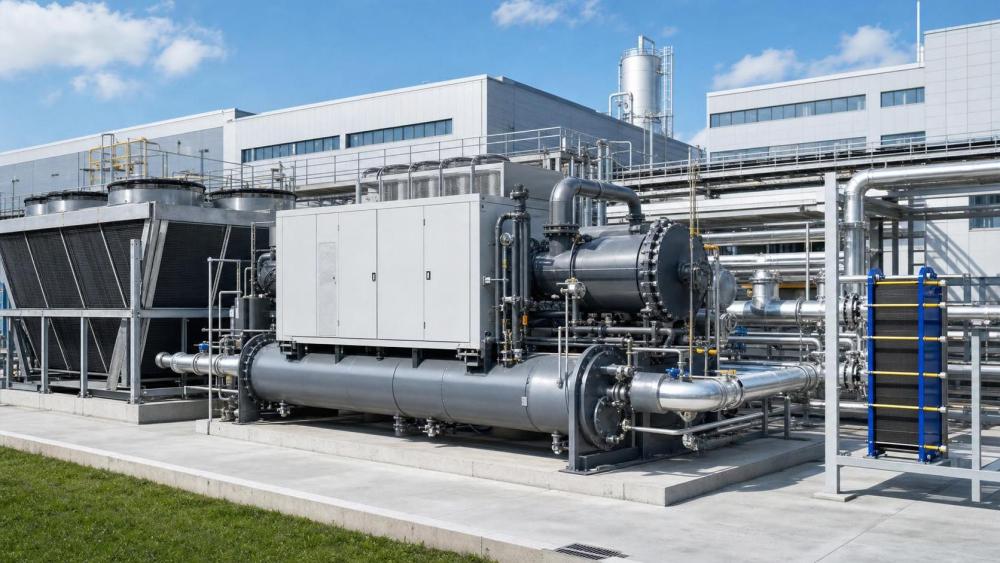
The regulatory environment is tightening in several directions at once. Refrigerant rules continue to reshape acceptable system designs. Energy reporting expectations are rising. Carbon reduction targets are influencing procurement, retrofit timing, and technology selection.
At the same time, electricity prices remain difficult to model over multi-year investment cycles. Facilities that once accepted oversized cooling capacity are now reassessing part-load performance, waste heat recovery, and control precision. That is where industrial cooling technologies Europe begin to separate into compliant assets and stranded assets.
Another important factor is process sensitivity. A temperature deviation in a semiconductor line, vaccine storage chain, or high-speed packaging environment can create losses far beyond utility spending. Energy efficiency still matters, but stability and traceability increasingly define value.
What counts as industrial cooling today
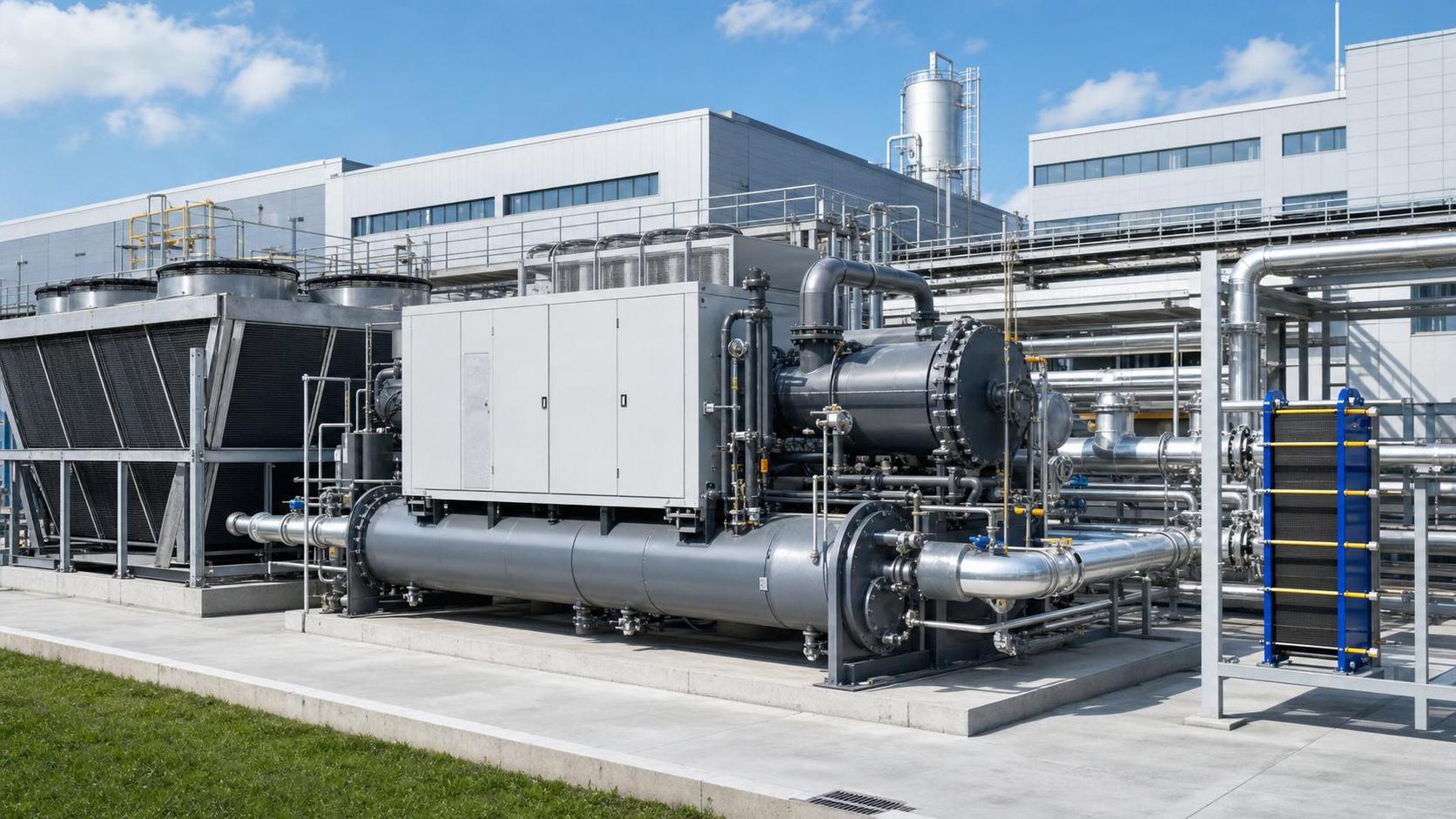
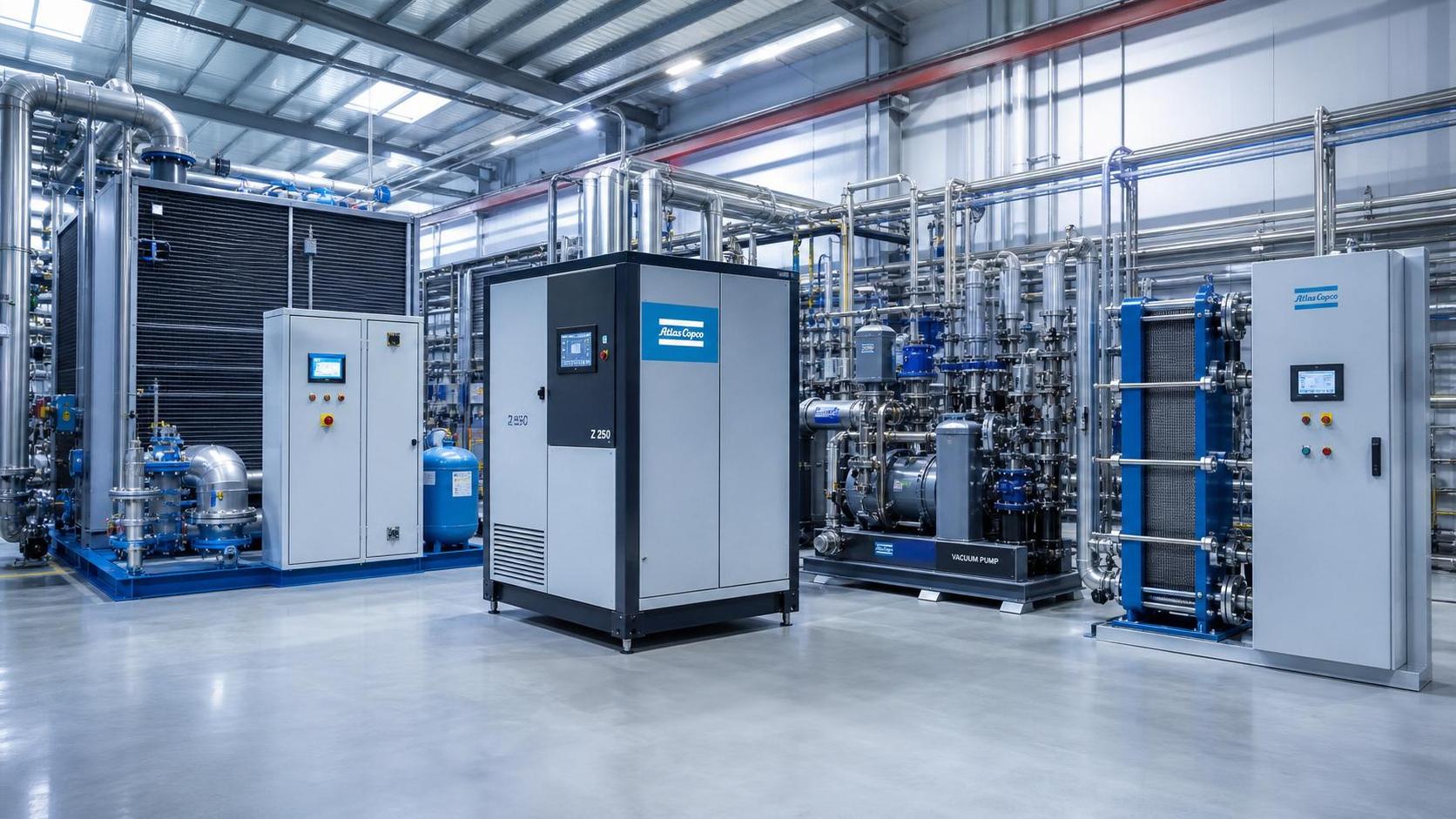
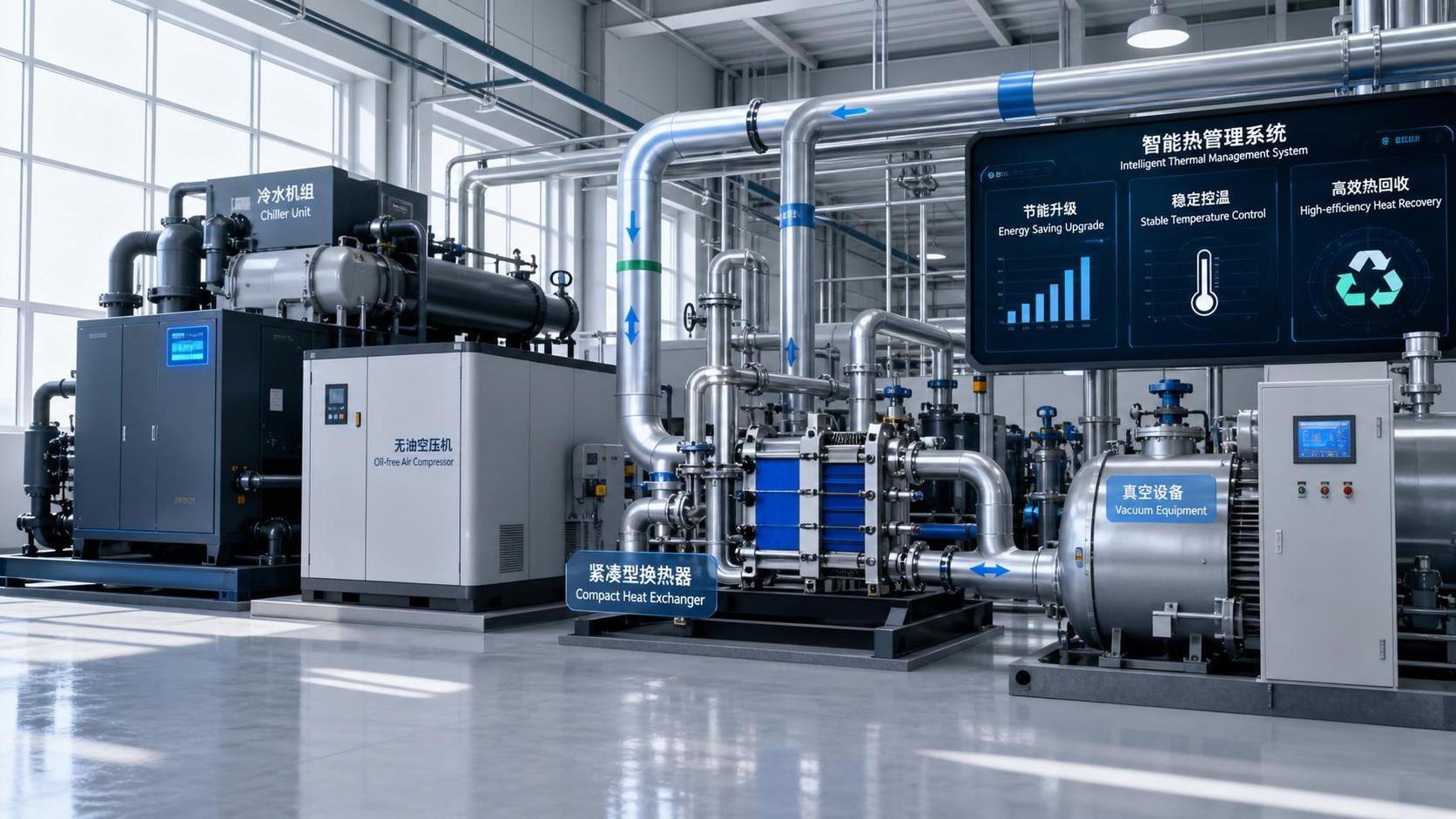
The term covers more than chillers. In practical business terms, it includes the full thermal control architecture supporting industrial operations.
Core system elements
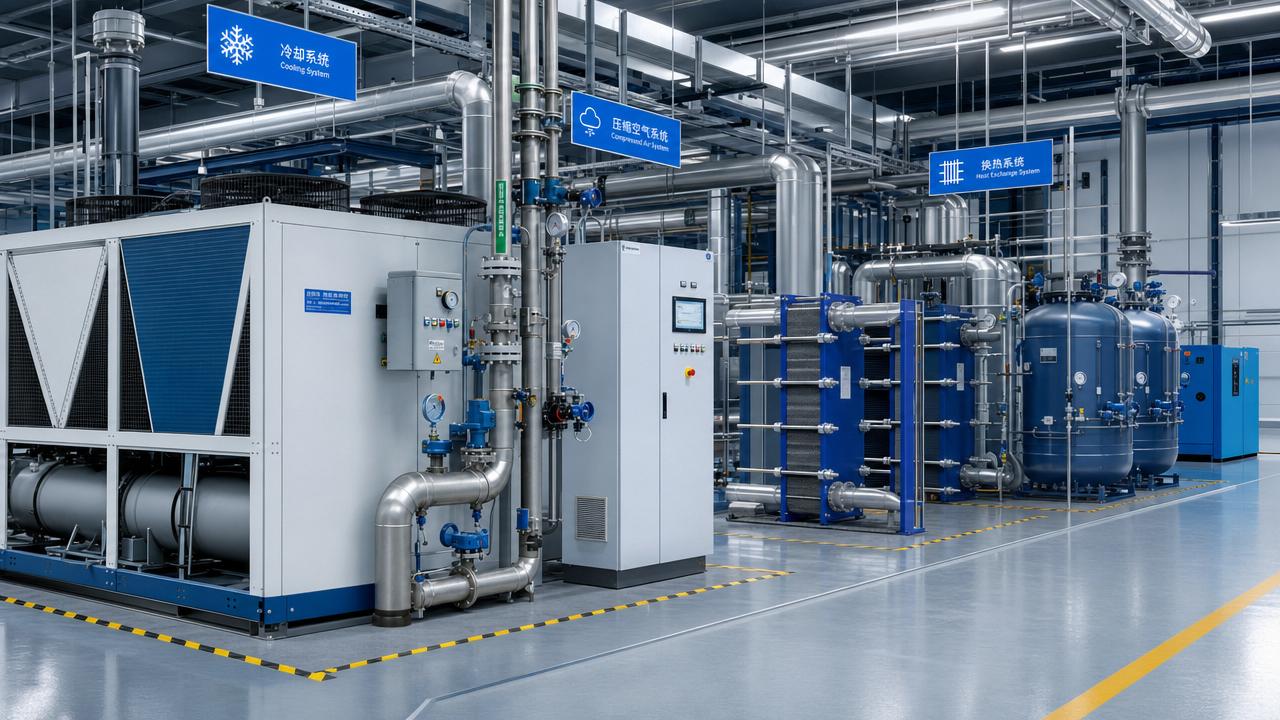
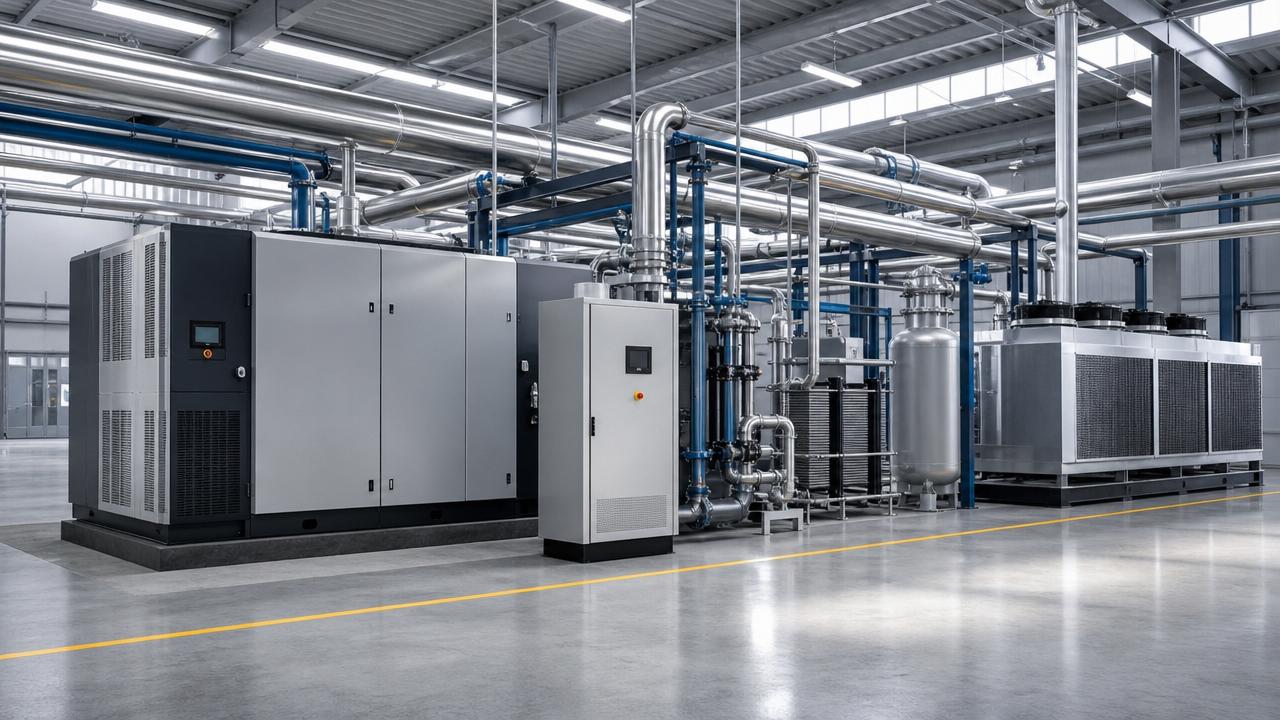
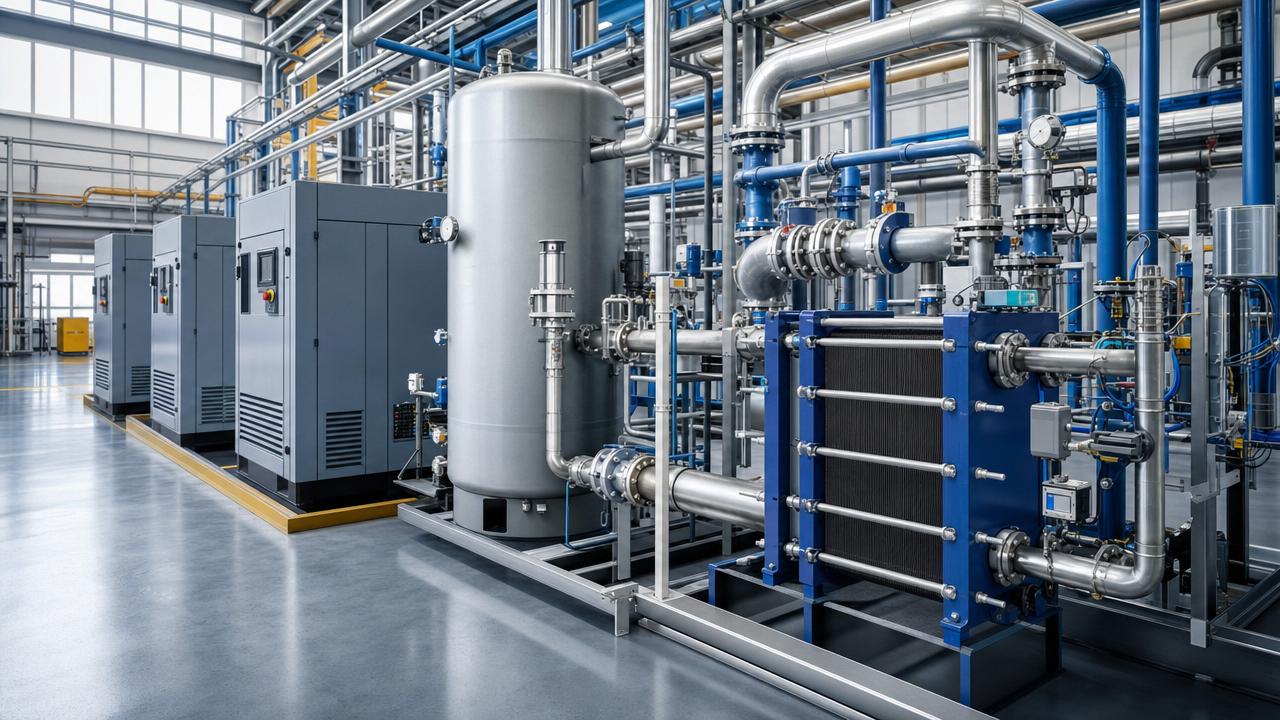
- Process chillers and central cooling plants
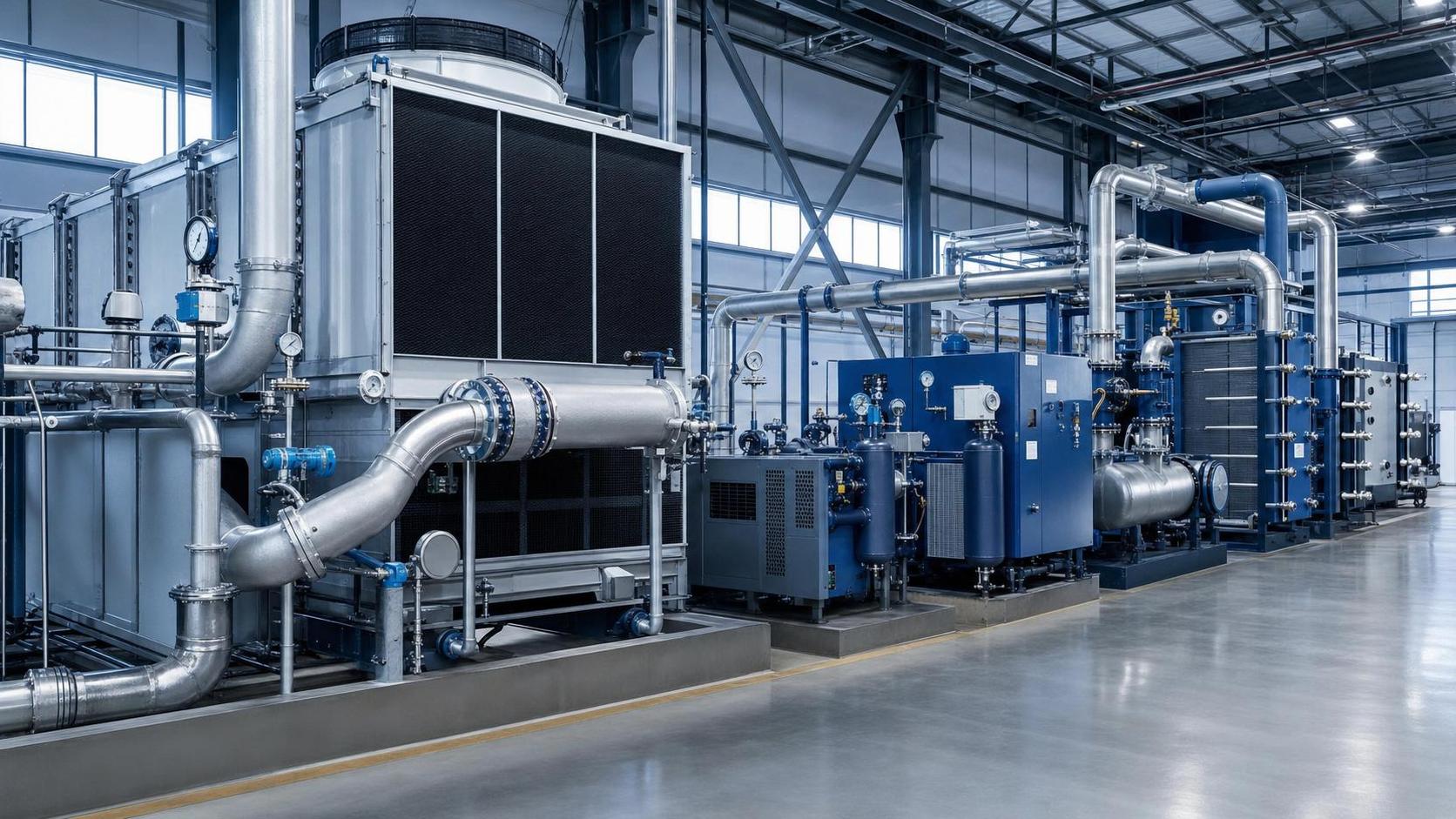
- Dry coolers, evaporative systems, and hybrid heat rejection units
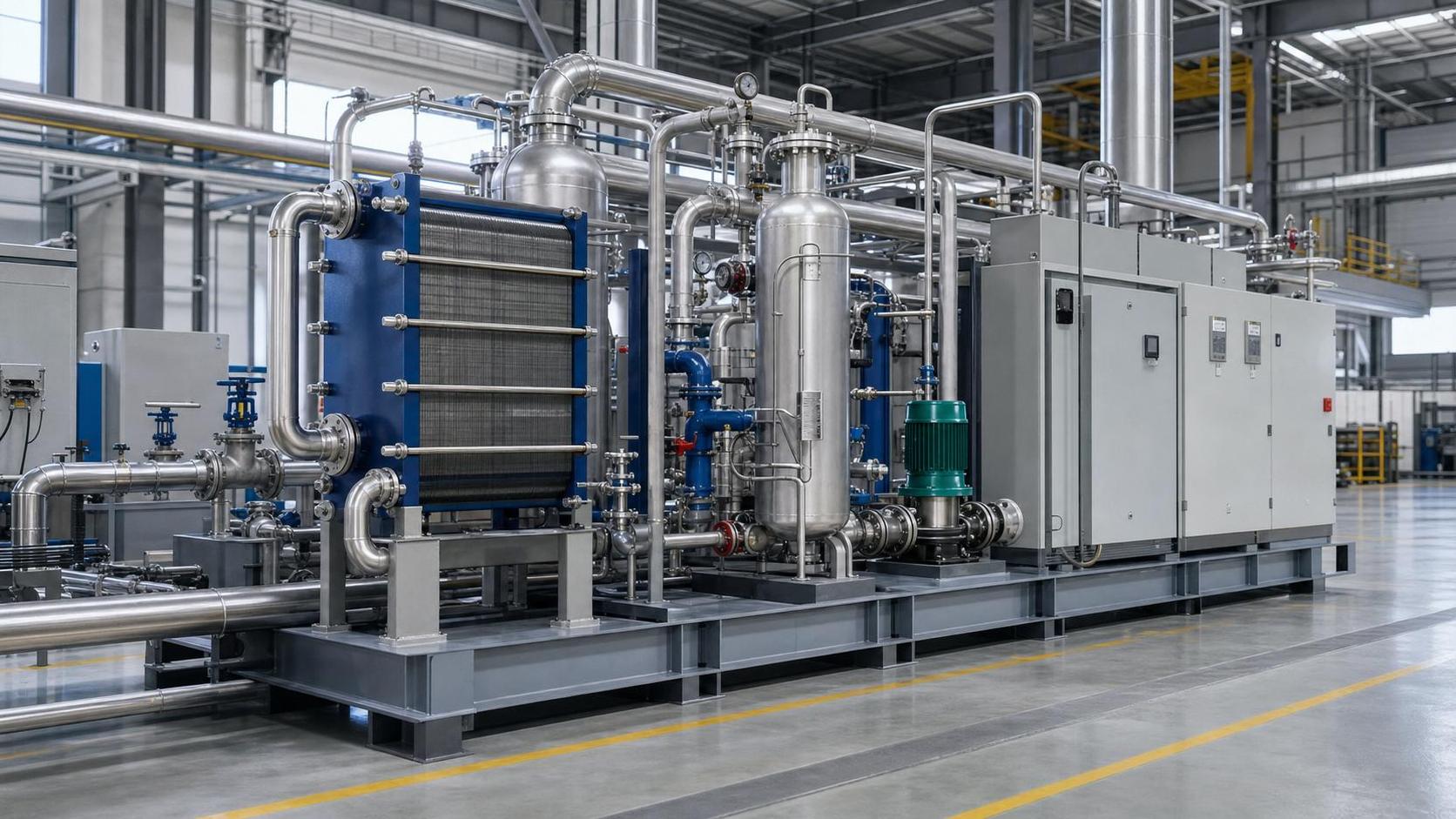
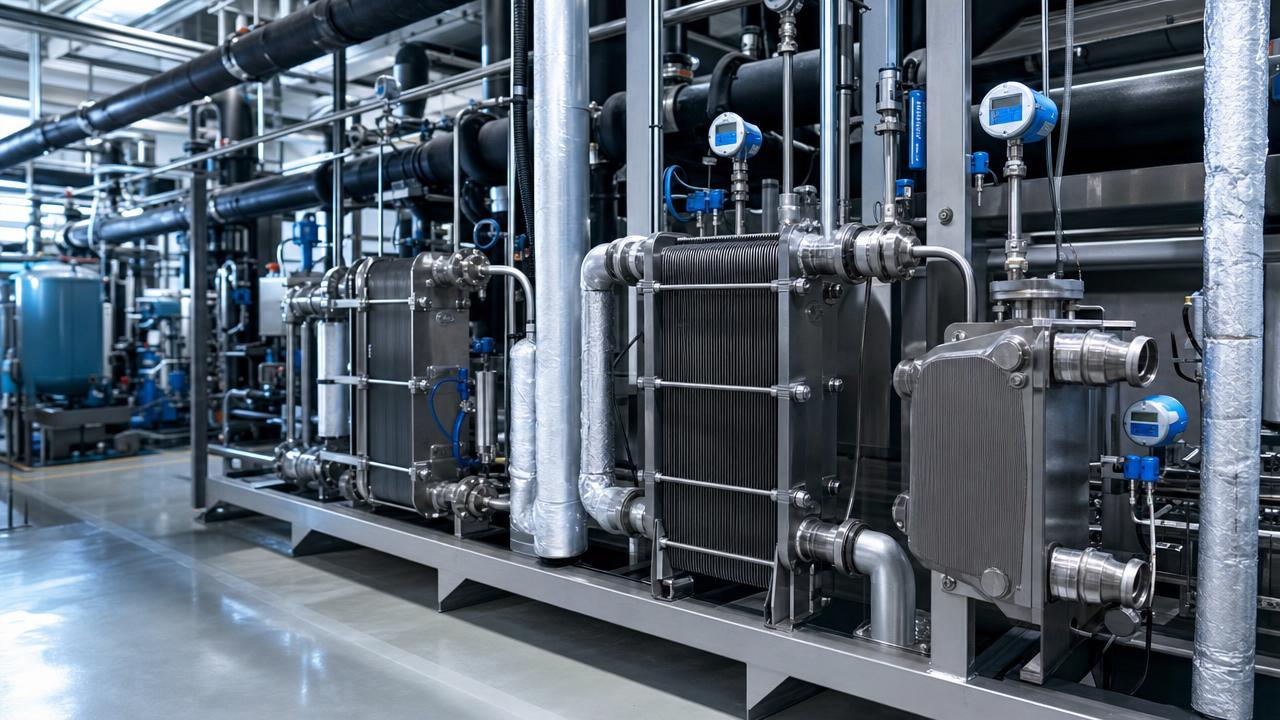
- Heat exchangers, including compact and microchannel formats
- Pumps, valves, piping loops, and thermal storage
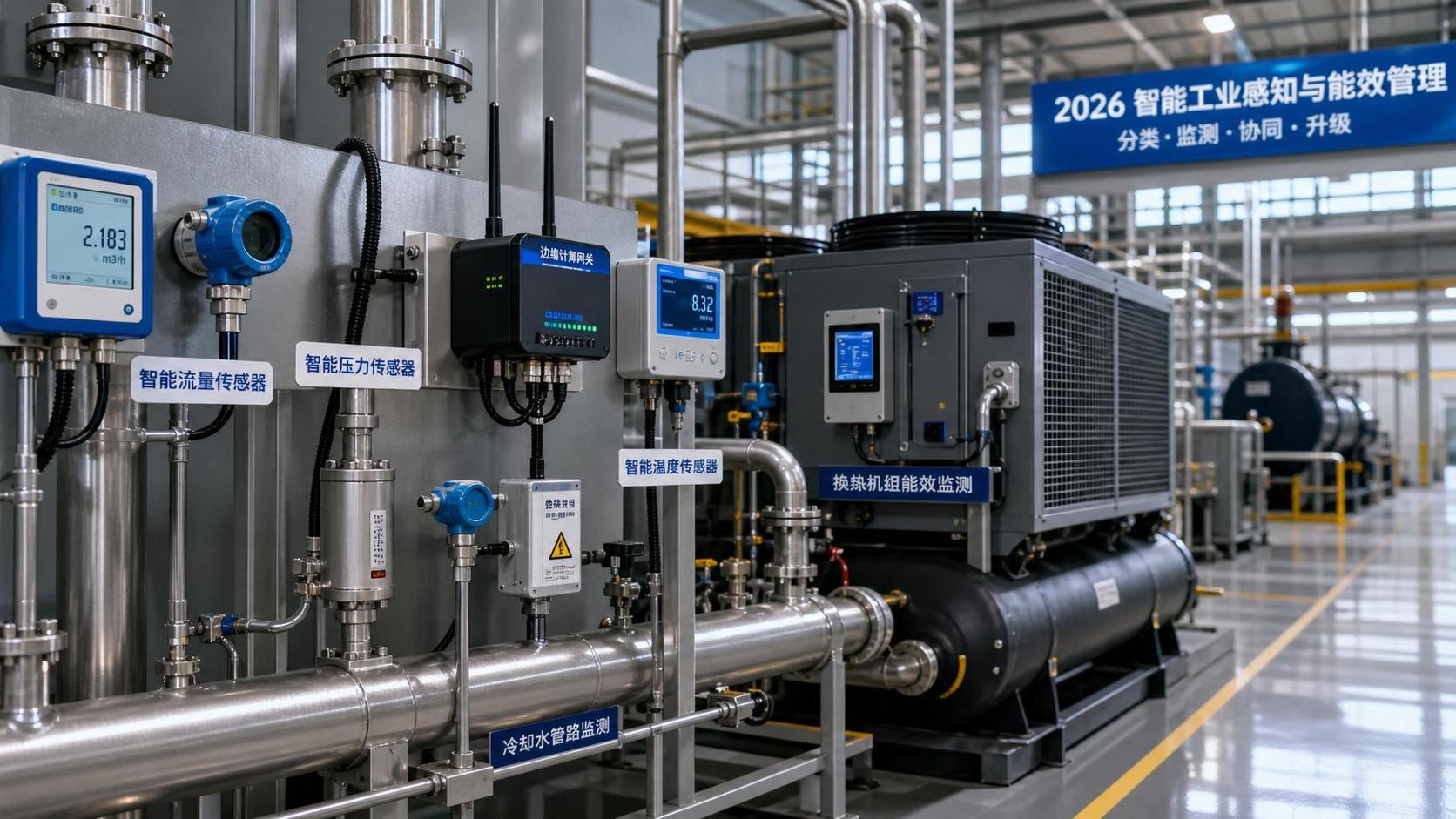
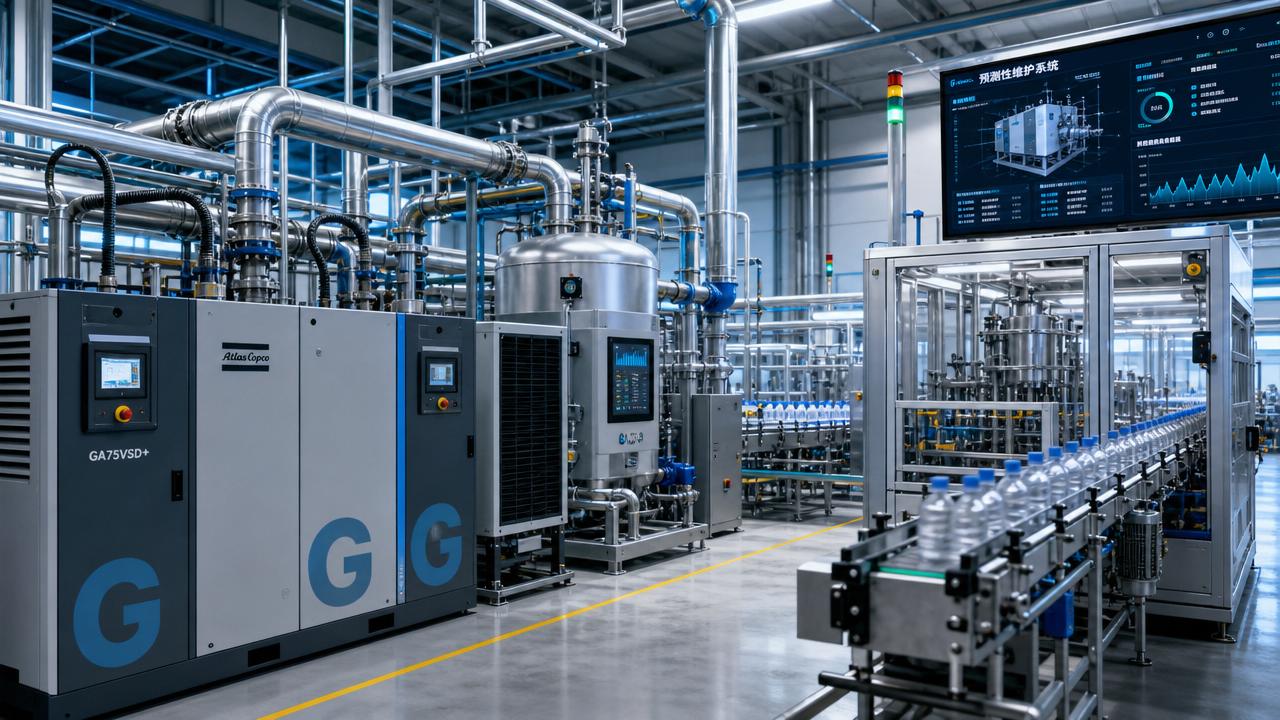
- Controls, sensors, monitoring layers, and automation software
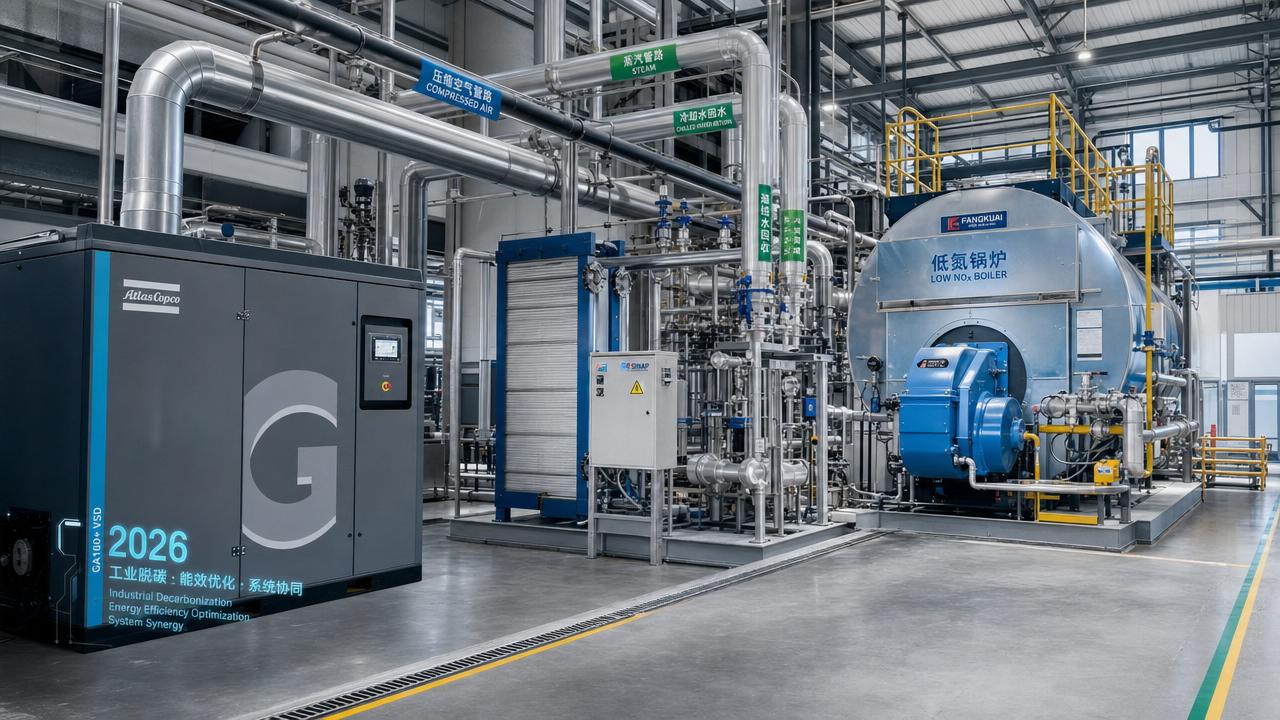
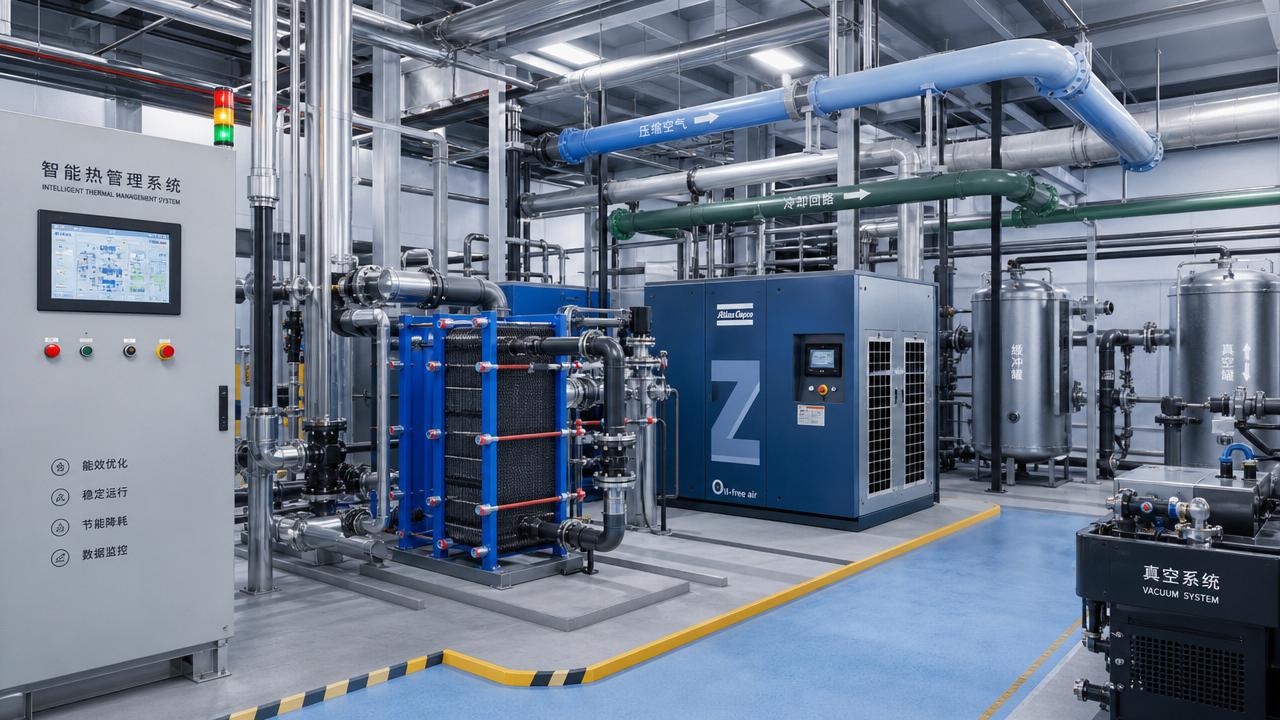
- Linked compressed air and vacuum systems where heat and power interact
This broader view matters because cooling performance is often limited by system integration rather than the nameplate efficiency of one machine. GTC-Matrix has tracked this pattern across heat exchange, compression, and thermal management markets, especially where energy conversion efficiency depends on connected equipment behavior.
In Europe, the most relevant question is usually not which product is newest. It is whether the whole cooling chain can support compliance, low energy intensity, and process continuity under real operating loads.
The compliance themes shaping investment
For 2026 planning, several compliance themes are driving technical reviews and capital allocation in industrial cooling technologies Europe.
These themes are interconnected. A refrigerant decision can affect safety design, service capability, energy use, and future reporting obligations. That is why industrial cooling technologies Europe are being reviewed at portfolio level, not only site by site.
Where energy performance is really won or lost
Nameplate efficiency remains useful, but it rarely tells the full operating story. Most industrial cooling systems spend much of the year at partial load. Poor control logic, unnecessary redundancy, or mismatched heat rejection can erase theoretical gains.
Key energy factors in 2026
- Part-load efficiency across seasonal conditions
- Variable-speed control for compressors, fans, and pumps
- Heat exchanger design, including microchannel adoption where appropriate
- Sequencing logic between multiple cooling assets
- Waste heat reuse potential inside the plant
- Interaction with compressed air and vacuum loads
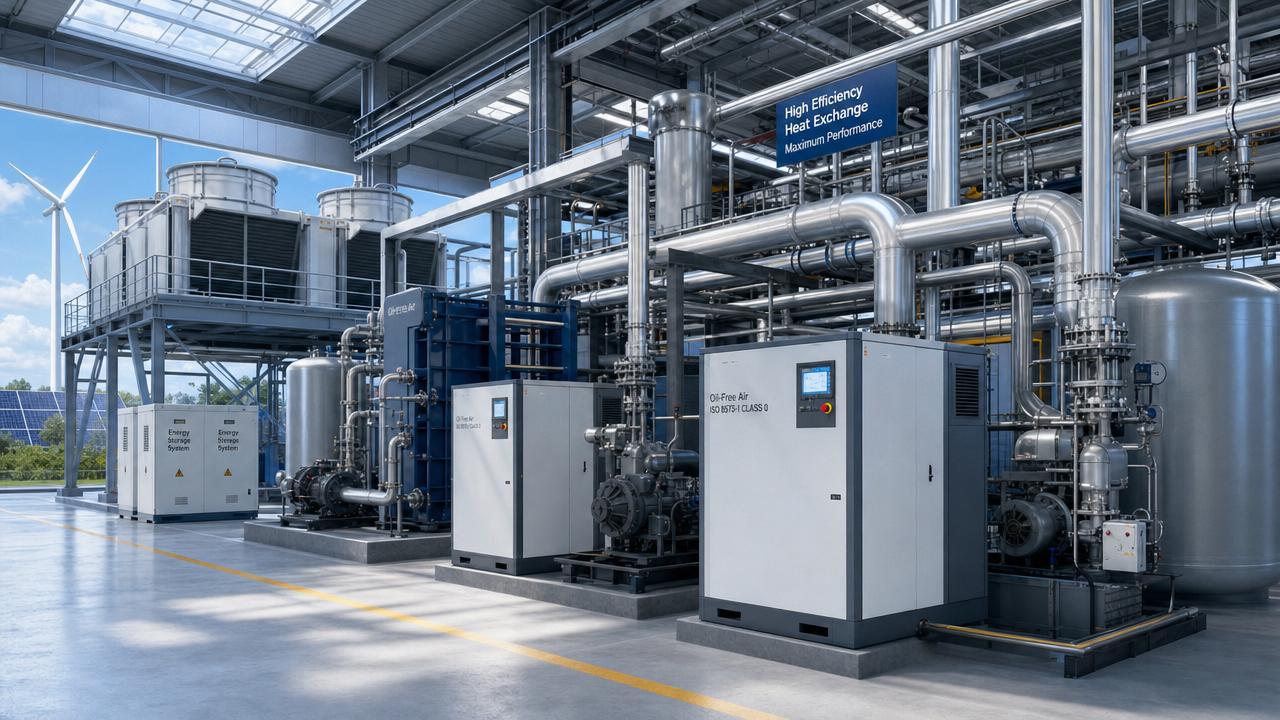
More attention is also moving toward oil-free compression and clean thermal processes where contamination risk affects cooling choices. In sectors requiring pure process environments, energy use cannot be separated from quality assurance. GTC-Matrix regularly highlights this overlap in its analysis of thermal systems and high-efficiency compression power.
For many facilities, the fastest savings do not come from replacing everything. They come from identifying unstable control zones, underperforming heat exchangers, excessive approach temperatures, and waste heat that is currently rejected without value.
Sector patterns across Europe
Industrial cooling technologies Europe do not face one uniform demand profile. Cooling priorities vary significantly by process, regulation, and tolerance for downtime.
High-precision sectors
Pharmaceutical and semiconductor operations are prioritizing temperature stability, contamination control, and data traceability. In these settings, even efficient systems lose value if response time or monitoring depth is weak.
Food and beverage processing
This segment balances hygiene, uptime, seasonal demand swings, and energy intensity. Refrigerant strategy, heat recovery, and serviceability are often more decisive than headline efficiency claims.
General manufacturing and logistics
Here, retrofit economics matter most. Operators are comparing whether to extend legacy assets, redesign loops, or build modular capacity that aligns with phased expansion and lower carbon reporting pressure.
Across all three, the emerging preference is for measurable performance rather than generic efficiency promises. Industrial cooling technologies Europe are being judged by lifecycle behavior, not brochure language.
How to assess options without oversimplifying
A useful evaluation framework should connect technical fit with business consequences. That means comparing options against operating profile, compliance exposure, and resilience requirements at the same time.
Questions worth putting on the table
- What is the actual annual load profile, not the design peak alone?
- Which refrigerant pathway remains serviceable under likely regulatory changes?
- How much of energy spend comes from controls, pumps, and auxiliaries?
- Can rejected heat be reused for process or building demand?
- What level of monitoring is needed for audits and quality control?
- Which failure points would create the highest production or compliance loss?
This is where intelligence-led comparison becomes more valuable than vendor comparison alone. GTC-Matrix positions its Strategic Intelligence Center around exactly this gap, combining thermodynamic analysis, industrial economics, and sector-specific trend tracking to clarify which cooling choices remain robust under changing market conditions.
A practical next step for 2026 planning
The strongest 2026 strategies start with visibility. Build a clear map of installed cooling assets, refrigerant exposure, measured energy performance, and critical process dependencies. Then rank systems by business risk, not age alone.
From there, compare three pathways: optimization of existing assets, targeted retrofit, and full replacement for high-risk sites. In many cases, the right answer is a staged mix rather than a single capital event.
Industrial cooling technologies Europe are moving into a period where compliance, energy use, and operational resilience can no longer be reviewed separately. The more disciplined approach is to treat cooling as part of the plant’s energy conversion logic. That gives decision-makers a stronger basis for timing investments, choosing technologies, and setting performance standards that will still make sense after 2026.
- industrial cooling
- compressed air
- heat exchange
- energy conversion efficiency
- oil-free compression
- thermal management
- energy efficiency
- thermal systems
- industrial cooling systems
- industrial cooling technologies
- vacuum systems
- industrial cooling technologies Europe
- heat exchangers
- waste heat recovery
- heat exchanger design
- process chillers
Ready when you are. Send us a message to get started.
Related News
- Why high-density thermal energy storage is gaining industry attentionAuthor :

- Smart Device Thermal Management Trends Shaping 2026 Product DesignAuthor :

- Industrial Cooling Technologies in Europe: 2026 Trends in Compliance and Energy UseAuthor :

- Industrial Electrification Trends in 2026: Where Projects Are Moving FirstAuthor :

- Industrial Solution Comparison Global: 2026 Trends Reshaping Equipment DecisionsAuthor :

- When Heat Recovery Systems Skid Mounted Designs Improve Project PaybackAuthor :

- How to Compare Industrial Decarbonization Solutions Providers in 2026Author :

- Industry Category Guides for Smart Devices: What to Track as 2026 Markets ShiftAuthor :

- Green Manufacturing Trends Reshaping Industrial InvestmentAuthor :

- 2026 Global Energy Costs: What Will Reshape Industrial PlanningAuthor :

- Industrial Decarbonization Solutions That Cut Fuel Costs in 2026Author :

- Smart Thermal Systems Trends Shaping Industrial Upgrades in 2026Author :

- Resource Circularity in Manufacturing: 5 Practical Gains Beyond ComplianceAuthor :

- Carbon Neutrality Roadmap: What Industrial Firms Need to Prioritize FirstAuthor :

- Energy Conversion Efficiency Trends Shaping Industrial UpgradesAuthor :

- Compression Technology Trends Shaping Efficient Plant UpgradesAuthor :

- Industrial Intelligence in Manufacturing: Where It Delivers Value FirstAuthor :

- How Intellectualization Improves Industrial Thermal ManagementAuthor :

- What Intellectualization Means for Smarter Plant Operations in 2026Author :

- Carbon Neutrality Goals: What Industrial Firms Should Prioritize in 2026Author :

- How Intellectualization Reduces Downtime in Modern Production LinesAuthor :

- Decarbonization Roadmap for Energy-Intensive Plants in 2026Author :

- Thermal Systems Trends in 2026: Efficiency, Control, and RiskAuthor :

- Industrial Decarbonization Priorities for Energy-Intensive FacilitiesAuthor :

- Thermal Systems in 2026: Efficiency Upgrades Shaping Industrial OperationsAuthor :

- Pure Power Sources: 5 Practical Paths to Carbon NeutralityAuthor :

- What Intellectualization Means for Industrial Equipment UpgradesAuthor :

- Thermal Optimization in 2026: Where Energy Savings Deliver the Fastest PaybackAuthor :

- Energy Efficiency Trends Reshaping Compressor Upgrades in 2026Author :

- 2026 Industrial Decarbonization Trends Reshaping Plant UpgradesAuthor :
![]()
- Heat Exchanger Technology Trends for 2026 Efficiency TargetsAuthor :

- Resource Circularity Risks in 2026 Supply ChainsAuthor :

- Smart Thermal Systems: When Upgrades Deliver Measurable SavingsAuthor :

- Carbon Neutrality: Practical Steps for Factory RoadmapsAuthor :

- 2026 Industrial Energy Efficiency Priorities for Plant UpgradesAuthor :

- Industrial Intellectualization Trends Reshaping Equipment UpgradesAuthor :